NaveenChopra
MBA F S2
1106.12
An advertising message can be presented or executed in numerous
ways:
 Straight sell or factual message
 Scientific/technical evidence
 Demonstration
 Comparison
 Testimonial
 Slice of Life
 Animation
 Personality Symbol
 Imagery
 Dramatization
 Humor
 Combinations
 Basic type of creative executions.
 Relies on a straight forward presentation of
information.
 Often used with informational/rational
appeals.
 Focus of the message is the product or
services and its attributes.
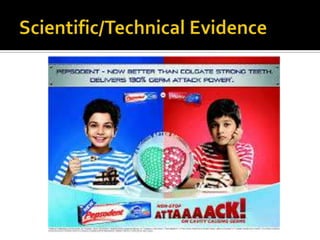
 In a variation of the straight sell, scientific or
technical evidence is presented in the ad.
 Advertisers often cite technical
information, results of scientific or laboratory
studies to support their advertising claims.
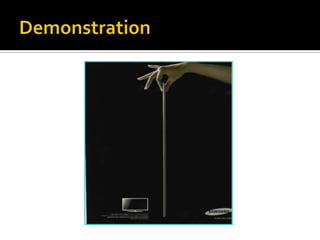
 It is illustrate the key advantages of the
product by showing it in actual use or in some
staged situations.
 It can be very effective in convincing
consumers of a product’s utility or quality and
of the benefits of owning or using the brand.
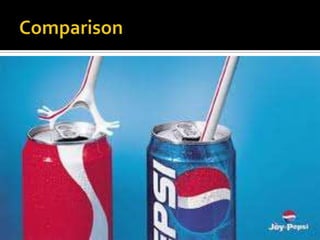
 This type of execution involves a direct or
indirect comparison of a brand against the
competition.
 Many advertisers present their marketing
communication messages in the form of a
testimonial whereby a person speak on
behalf of the product based on his or her
personal use of and/or experiences with it.
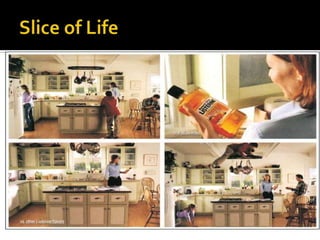
 This type of execution is often based on a
problem/solution type of format.The ad
attempts to portray a real-life situation
involving a problem, conflict or situation
consumers may face in their daily lives.The
ad then focuses on showing how the
advertiser’s product can resolve the problem
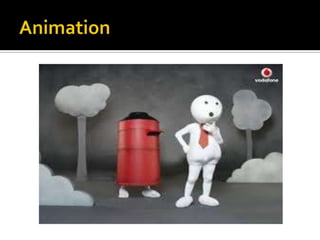
 This technique used animated characters or
scenes drawn by artists or on computer.
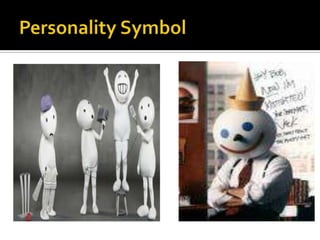
 This type of execution involves the use of a
central character of personality symbol to
deliver the marketing communication
message and with which the product can be
identified.The personality symbol can take
the form of a person who is used as a
spokesperson, animated characters or even
animals.
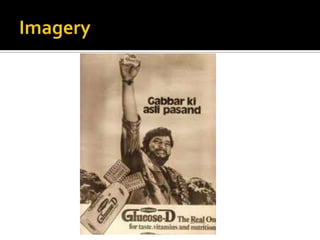
 This type of appeal is often used for image
marketing communication by showing an
imaginary situation or illusion involving a
consumer and the product
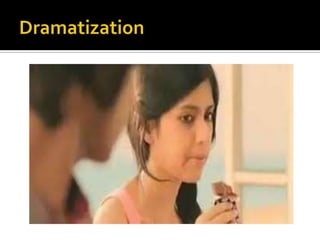
 This execution technique creates a
suspenseful situation or scenario in the form
of a short story.
 Dramatizations often use the
problem/solution approach as they show how
the advertised brand can help resolve a
problem.
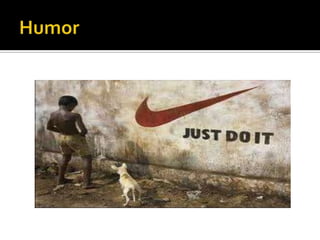
 Humor can be used as the basis for an
marketing communication appeal.
However, humor can also be used as a way of
executing the message and presenting other
types of marketing communication appeals.
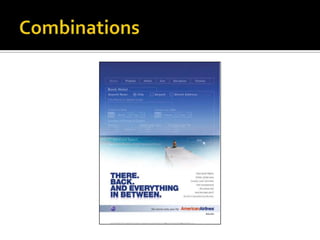
 Many of these execution techniques can be
combined in presenting an marketing
communication message.
 For example, slice-of-life ads are often used
to demonstrate a product or make brand
comparisons.
Presentation on advertising execution styles

Presentation on advertising execution styles

  • 1.
  • 2.
    An advertising messagecan be presented or executed in numerous ways:  Straight sell or factual message  Scientific/technical evidence  Demonstration  Comparison  Testimonial  Slice of Life  Animation  Personality Symbol  Imagery  Dramatization  Humor  Combinations
  • 3.
     Basic typeof creative executions.  Relies on a straight forward presentation of information.  Often used with informational/rational appeals.  Focus of the message is the product or services and its attributes.
  • 5.
     In avariation of the straight sell, scientific or technical evidence is presented in the ad.  Advertisers often cite technical information, results of scientific or laboratory studies to support their advertising claims.
  • 7.
     It isillustrate the key advantages of the product by showing it in actual use or in some staged situations.  It can be very effective in convincing consumers of a product’s utility or quality and of the benefits of owning or using the brand.
  • 9.
     This typeof execution involves a direct or indirect comparison of a brand against the competition.
  • 11.
     Many advertiserspresent their marketing communication messages in the form of a testimonial whereby a person speak on behalf of the product based on his or her personal use of and/or experiences with it.
  • 13.
     This typeof execution is often based on a problem/solution type of format.The ad attempts to portray a real-life situation involving a problem, conflict or situation consumers may face in their daily lives.The ad then focuses on showing how the advertiser’s product can resolve the problem
  • 15.
     This techniqueused animated characters or scenes drawn by artists or on computer.
  • 17.
     This typeof execution involves the use of a central character of personality symbol to deliver the marketing communication message and with which the product can be identified.The personality symbol can take the form of a person who is used as a spokesperson, animated characters or even animals.
  • 19.
     This typeof appeal is often used for image marketing communication by showing an imaginary situation or illusion involving a consumer and the product
  • 21.
     This executiontechnique creates a suspenseful situation or scenario in the form of a short story.  Dramatizations often use the problem/solution approach as they show how the advertised brand can help resolve a problem.
  • 23.
     Humor canbe used as the basis for an marketing communication appeal. However, humor can also be used as a way of executing the message and presenting other types of marketing communication appeals.
  • 25.
     Many ofthese execution techniques can be combined in presenting an marketing communication message.  For example, slice-of-life ads are often used to demonstrate a product or make brand comparisons.