LCA Evaluation in Schools 
and 
SSE and LCA 
Presentation to LCANA 
Miriam Horgan 
22 November 2014
Purpose of Session 
•Evaluation of LCA in Schools 
•SSE and LCA
Planning for Evaluation 
•Common procedures 
–At least two week’s notice 
–Phone call and principal’s letter 
–Programme information form 
•Returned in advance 
–Programme timetable analysed 
–Co-ordinator’s timetable reviewed 
–Inspection timetable devised 
–SEC data analysed
In-school Evaluation 
•In-school evaluation work: 2 days 
•Three key meetings 
–Principal and/or co-ordinator 
–Core team or small group of staff 
–Focus group of students 
•Classroom Observation 
•Review of programme planning documentation 
•Review of student work 
•Post-evaluation feedback – principal and co- ordinator
Strategies/ Methodologies 
•Lesson Observation – 5 to 7 lessons 
“good teaching is good teaching” 
•Planning 
•Teaching and learning 
Generic methodologies, numeracy and literacy 
development, short, clear teacher inputs, cross 
curricular learning, life skills, access to ICT 
•Students 
Active learning, affirmation, classroom 
management, atmosphere, attendance, rapport 
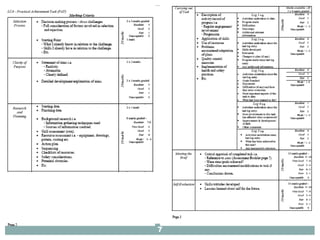
• Assessment 
Tasks, Key assignments,
Programme Evaluation Framework - Report
SSE and LCA
What is SSE? 
Just reminding ourselves: 
•SSE is a way of systematically looking at: 
–how we teach and 
–how our students learn and 
–making decisions about what we want to improve 
•Because 
–we want to make learning better for students 
–we want to make teaching more rewarding 
–schools are best placed to examine their own practice and to tell their own story
How does LCA link 
with SSE? 
SSE FRAMEWORK
Maybe your selected area for SSE was Literacy… 
•Your school selected aspect(s) of literacy as its SSE area – oral literacy, understanding of key words, improving spelling and grammar… 
•LCA key underlying principles include.. 
–basic skills (literacy) 
–active teaching/learning methodologies 
–teamwork 
–integration across the curriculum 
–inter subject/module planning 
•Tasks and Key Assignments – presentation of information, oral examinations
Teacher’s Practice - Literacy 
•Teaching Approaches – integration of literacy into lessons 
–Questioning 
–Placemat exercise 
–Pre-teaching of subject-specific vocabulary 
–Development of word banks by students 
–Focus on oral use of subject-specific vocabulary 
–Displays of key words in classrooms 
–Use of graphic organisers –fishbone, mind maps 
–Library development –included newspapers 
–Writing frames to support writing
Teachers’ Practice 
•Preparation for teaching - Literacy Resources 
–www.jcsp.ie 
–www.jcspliteracy.ie 
•Resources for Developing a School-Wide Literacy Plan 
–www.lca.ie 
–www.adlit.org
Maybe you have numeracy as your SSE area 
•LCA can obviously support the development of numeracy skills 
•LCA key underlying principles include.. 
–basic skills (numeracy) 
–active teaching/learning methodologies 
–integration across the curriculum 
•Use number, measure, data skills 
•Resources 
–www.jcspliteracy.ie 
•Resources for Developing an Integrated Numeracy Plan 
–www.lca.ie
Examples of numeracy in other subjects 
•Art, Graphics and Construction, Engineering 
–Designs may need enlarging or reducing introducing ideas of multiplication, proportion, scale, ratio 
–Patterns and constructions are based on spatial ideas and properties of shapes including symmetry 
•Music 
–Rhythms and patterns correlated with numerical patterns 
•Religion 
–Study of concepts of “B.C. and A.D.” 
•Leisure and Recreation 
–Athletics – measurement of height, distance, time, speed 
–Dance, gymnastics and ball games – time, symmetry, position and direction
How schools might review 
their LCA using the SSE 
process? 
6-step cycle of SSE
Leaving Cert Applied Inspection, In-service

Leaving Cert Applied Inspection, In-service

  • 1.
    LCA Evaluation inSchools and SSE and LCA Presentation to LCANA Miriam Horgan 22 November 2014
  • 2.
    Purpose of Session •Evaluation of LCA in Schools •SSE and LCA
  • 3.
    Planning for Evaluation •Common procedures –At least two week’s notice –Phone call and principal’s letter –Programme information form •Returned in advance –Programme timetable analysed –Co-ordinator’s timetable reviewed –Inspection timetable devised –SEC data analysed
  • 4.
    In-school Evaluation •In-schoolevaluation work: 2 days •Three key meetings –Principal and/or co-ordinator –Core team or small group of staff –Focus group of students •Classroom Observation •Review of programme planning documentation •Review of student work •Post-evaluation feedback – principal and co- ordinator
  • 5.
    Strategies/ Methodologies •LessonObservation – 5 to 7 lessons “good teaching is good teaching” •Planning •Teaching and learning Generic methodologies, numeracy and literacy development, short, clear teacher inputs, cross curricular learning, life skills, access to ICT •Students Active learning, affirmation, classroom management, atmosphere, attendance, rapport • Assessment Tasks, Key assignments,
  • 6.
  • 7.
  • 8.
    What is SSE? Just reminding ourselves: •SSE is a way of systematically looking at: –how we teach and –how our students learn and –making decisions about what we want to improve •Because –we want to make learning better for students –we want to make teaching more rewarding –schools are best placed to examine their own practice and to tell their own story
  • 9.
    How does LCAlink with SSE? SSE FRAMEWORK
  • 10.
    Maybe your selectedarea for SSE was Literacy… •Your school selected aspect(s) of literacy as its SSE area – oral literacy, understanding of key words, improving spelling and grammar… •LCA key underlying principles include.. –basic skills (literacy) –active teaching/learning methodologies –teamwork –integration across the curriculum –inter subject/module planning •Tasks and Key Assignments – presentation of information, oral examinations
  • 11.
    Teacher’s Practice -Literacy •Teaching Approaches – integration of literacy into lessons –Questioning –Placemat exercise –Pre-teaching of subject-specific vocabulary –Development of word banks by students –Focus on oral use of subject-specific vocabulary –Displays of key words in classrooms –Use of graphic organisers –fishbone, mind maps –Library development –included newspapers –Writing frames to support writing
  • 12.
    Teachers’ Practice •Preparationfor teaching - Literacy Resources –www.jcsp.ie –www.jcspliteracy.ie •Resources for Developing a School-Wide Literacy Plan –www.lca.ie –www.adlit.org
  • 13.
    Maybe you havenumeracy as your SSE area •LCA can obviously support the development of numeracy skills •LCA key underlying principles include.. –basic skills (numeracy) –active teaching/learning methodologies –integration across the curriculum •Use number, measure, data skills •Resources –www.jcspliteracy.ie •Resources for Developing an Integrated Numeracy Plan –www.lca.ie
  • 14.
    Examples of numeracyin other subjects •Art, Graphics and Construction, Engineering –Designs may need enlarging or reducing introducing ideas of multiplication, proportion, scale, ratio –Patterns and constructions are based on spatial ideas and properties of shapes including symmetry •Music –Rhythms and patterns correlated with numerical patterns •Religion –Study of concepts of “B.C. and A.D.” •Leisure and Recreation –Athletics – measurement of height, distance, time, speed –Dance, gymnastics and ball games – time, symmetry, position and direction
  • 15.
    How schools mightreview their LCA using the SSE process? 6-step cycle of SSE