CONGESTION CONTROL
CONGESTION CONTROL
Slide 2Presented by Pankaj Debbarma, Asstt. Prof.
Deptt. of Computer Science & Engineering, TIT
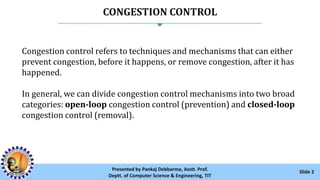
Congestion control refers to techniques and mechanisms that can either
prevent congestion, before it happens, or remove congestion, after it has
happened.
In general, we can divide congestion control mechanisms into two broad
categories: open-loop congestion control (prevention) and closed-loop
congestion control (removal).
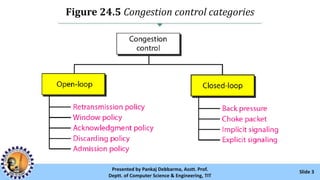
Figure 24.5 Congestion control categories
Slide 3Presented by Pankaj Debbarma, Asstt. Prof.
Deptt. of Computer Science & Engineering, TIT
Figure 24.6 Backpressure method for alleviating congestion
Slide 4Presented by Pankaj Debbarma, Asstt. Prof.
Deptt. of Computer Science & Engineering, TIT
Figure 24.7 Choke packet
Slide 5Presented by Pankaj Debbarma, Asstt. Prof.
Deptt. of Computer Science & Engineering, TIT
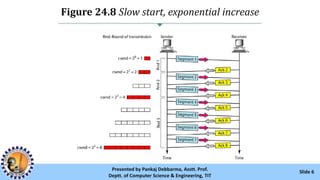
Figure 24.8 Slow start, exponential increase
Slide 6Presented by Pankaj Debbarma, Asstt. Prof.
Deptt. of Computer Science & Engineering, TIT
Slow Start: Exponential Increase
Slide 7Presented by Pankaj Debbarma, Asstt. Prof.
Deptt. of Computer Science & Engineering, TIT
In the slow-start algorithm, the size of the congestion window
increases exponentially until it reaches a threshold.
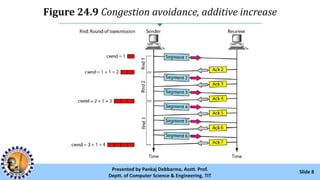
Figure 24.9 Congestion avoidance, additive increase
Slide 8Presented by Pankaj Debbarma, Asstt. Prof.
Deptt. of Computer Science & Engineering, TIT
Congestion Avoidance: Additive Increase
Slide 9Presented by Pankaj Debbarma, Asstt. Prof.
Deptt. of Computer Science & Engineering, TIT
In the congestion avoidance algorithm, the size of the
congestion window increases additively until congestion
is detected.
Congestion Detection: Multiplicative Decrease
Slide 10Presented by Pankaj Debbarma, Asstt. Prof.
Deptt. of Computer Science & Engineering, TIT
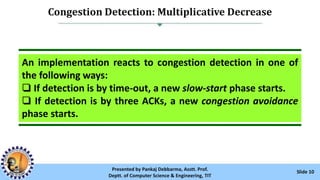
An implementation reacts to congestion detection in one of
the following ways:
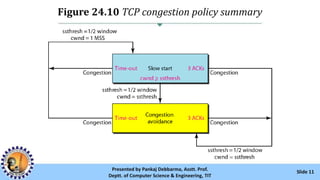
❏ If detection is by time-out, a new slow-start phase starts.
❏ If detection is by three ACKs, a new congestion avoidance
phase starts.
Figure 24.10 TCP congestion policy summary
Slide 11Presented by Pankaj Debbarma, Asstt. Prof.
Deptt. of Computer Science & Engineering, TIT
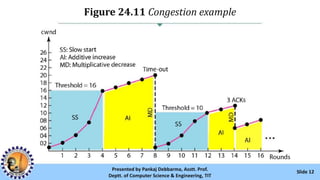
Figure 24.11 Congestion example
Slide 12Presented by Pankaj Debbarma, Asstt. Prof.
Deptt. of Computer Science & Engineering, TIT

Ppt congestion control

  • 1.
  • 2.
    CONGESTION CONTROL Slide 2Presentedby Pankaj Debbarma, Asstt. Prof. Deptt. of Computer Science & Engineering, TIT Congestion control refers to techniques and mechanisms that can either prevent congestion, before it happens, or remove congestion, after it has happened. In general, we can divide congestion control mechanisms into two broad categories: open-loop congestion control (prevention) and closed-loop congestion control (removal).
  • 3.
    Figure 24.5 Congestioncontrol categories Slide 3Presented by Pankaj Debbarma, Asstt. Prof. Deptt. of Computer Science & Engineering, TIT
  • 4.
    Figure 24.6 Backpressuremethod for alleviating congestion Slide 4Presented by Pankaj Debbarma, Asstt. Prof. Deptt. of Computer Science & Engineering, TIT
  • 5.
    Figure 24.7 Chokepacket Slide 5Presented by Pankaj Debbarma, Asstt. Prof. Deptt. of Computer Science & Engineering, TIT
  • 6.
    Figure 24.8 Slowstart, exponential increase Slide 6Presented by Pankaj Debbarma, Asstt. Prof. Deptt. of Computer Science & Engineering, TIT
  • 7.
    Slow Start: ExponentialIncrease Slide 7Presented by Pankaj Debbarma, Asstt. Prof. Deptt. of Computer Science & Engineering, TIT In the slow-start algorithm, the size of the congestion window increases exponentially until it reaches a threshold.
  • 8.
    Figure 24.9 Congestionavoidance, additive increase Slide 8Presented by Pankaj Debbarma, Asstt. Prof. Deptt. of Computer Science & Engineering, TIT
  • 9.
    Congestion Avoidance: AdditiveIncrease Slide 9Presented by Pankaj Debbarma, Asstt. Prof. Deptt. of Computer Science & Engineering, TIT In the congestion avoidance algorithm, the size of the congestion window increases additively until congestion is detected.
  • 10.
    Congestion Detection: MultiplicativeDecrease Slide 10Presented by Pankaj Debbarma, Asstt. Prof. Deptt. of Computer Science & Engineering, TIT An implementation reacts to congestion detection in one of the following ways: ❏ If detection is by time-out, a new slow-start phase starts. ❏ If detection is by three ACKs, a new congestion avoidance phase starts.
  • 11.
    Figure 24.10 TCPcongestion policy summary Slide 11Presented by Pankaj Debbarma, Asstt. Prof. Deptt. of Computer Science & Engineering, TIT
  • 12.
    Figure 24.11 Congestionexample Slide 12Presented by Pankaj Debbarma, Asstt. Prof. Deptt. of Computer Science & Engineering, TIT