POSTOPERATIVE
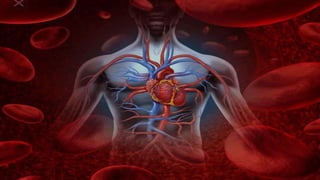
CARDIOVASCULAR
COMPLICATIONS
- RIYA SANJAY BAGHELE
-NAGOUR.
Postoperative complications :-
Postoperative care is indicated for all patients who have had an invasive
procedure, regardless how minor.
The focus of care that is common for all of these postoperative patients is
identification of complications.
Common complications involve the cardiac, respiratory, and gastrointestinal
areas, and infections.
CARDIOVASCULAR COMPLICATIONS :-
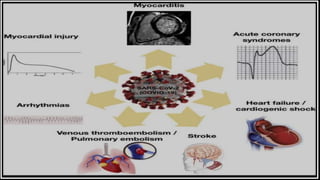
Patients may develop cardiovascular complications due to the
physiological stress of surgery, side effects of the anesthesia or other
medications, or comorbidities. Myocardial infarction (MI), cardiac
arrhythmias, or hypotension are likely during or in the immediate
postoperative period. When getting the patient out of bed for the first
time after surgery, it is good practice to have the patient sit on the side of
the bed for a minute or two before standing up to ascertain if the patient
feels dizzy due to a drop in blood pressure associated with position
change, Deep vein thrombosis (DVT) is a later vascular complication
associated with inflammation and decreased mobility after surgery.
SIGNS AND SYMPTOMS :-
 Palpitations due to cardiac arrhythmia.
 Low blood pressure due to diminished cardiac output.
 Shortness of breath due to altered cardiac output and tissue perfusion.
 Chest pain which may radiate to back, neck, jaw, or arm due to ischemia in
MI.
• BP below normal level.
• Elevated troponin levels in MI.
• Cardiac monitor or EKG shows arrhythmia.
• Cardiac monitor shows T-waves inversion with lack of
oxygen delivery to myocardial tissue.
Interpreting test results :-
1. Monitor cardiac rhythm.
2. Administer antiarrhythmic medications to stabilize cardiac rhythm.
3. Administer intravenous fluids to expand circulating blood volume to raise blood
pressure.
4. Administer blood-thinning medications to decrease likelihood of clot enlarging
or additional clots forming:
a. Heparin.
b. Low-molecular weight heparin.
c. Warfarin.
Treatment :-
1. Decreased cardiac output
2. Ineffective cardiopulmonary tissue perfusion
3. Ineffective peripheral tissue perfusion
4. Impaired physical mobility Nursing interventions
Nursing diagnoses :-
1. Monitor vital signs for changes.
2. Monitor cardiovascular status for cardiac rhythm, heart sounds, peripheral
pulses, capillary refill, and pulse deficit.
3. Ask patient about calf pain or tenderness.
4. Monitor intravenous site for signs of infiltration.
5. Encourage ambulation and leg exercises to prevent development of DVT.
6. Monitor proper use of elastic stockings or sequential compression devices
postoperatively.
Nursing Interventions :-
THANK
YOU.

Postoperative cardiovascular complications

  • 1.
  • 2.
    Postoperative complications :- Postoperativecare is indicated for all patients who have had an invasive procedure, regardless how minor. The focus of care that is common for all of these postoperative patients is identification of complications. Common complications involve the cardiac, respiratory, and gastrointestinal areas, and infections.
  • 3.
    CARDIOVASCULAR COMPLICATIONS :- Patientsmay develop cardiovascular complications due to the physiological stress of surgery, side effects of the anesthesia or other medications, or comorbidities. Myocardial infarction (MI), cardiac arrhythmias, or hypotension are likely during or in the immediate postoperative period. When getting the patient out of bed for the first time after surgery, it is good practice to have the patient sit on the side of the bed for a minute or two before standing up to ascertain if the patient feels dizzy due to a drop in blood pressure associated with position change, Deep vein thrombosis (DVT) is a later vascular complication associated with inflammation and decreased mobility after surgery.
  • 5.
    SIGNS AND SYMPTOMS:-  Palpitations due to cardiac arrhythmia.  Low blood pressure due to diminished cardiac output.  Shortness of breath due to altered cardiac output and tissue perfusion.  Chest pain which may radiate to back, neck, jaw, or arm due to ischemia in MI.
  • 6.
    • BP belownormal level. • Elevated troponin levels in MI. • Cardiac monitor or EKG shows arrhythmia. • Cardiac monitor shows T-waves inversion with lack of oxygen delivery to myocardial tissue. Interpreting test results :-
  • 7.
    1. Monitor cardiacrhythm. 2. Administer antiarrhythmic medications to stabilize cardiac rhythm. 3. Administer intravenous fluids to expand circulating blood volume to raise blood pressure. 4. Administer blood-thinning medications to decrease likelihood of clot enlarging or additional clots forming: a. Heparin. b. Low-molecular weight heparin. c. Warfarin. Treatment :-
  • 9.
    1. Decreased cardiacoutput 2. Ineffective cardiopulmonary tissue perfusion 3. Ineffective peripheral tissue perfusion 4. Impaired physical mobility Nursing interventions Nursing diagnoses :-
  • 10.
    1. Monitor vitalsigns for changes. 2. Monitor cardiovascular status for cardiac rhythm, heart sounds, peripheral pulses, capillary refill, and pulse deficit. 3. Ask patient about calf pain or tenderness. 4. Monitor intravenous site for signs of infiltration. 5. Encourage ambulation and leg exercises to prevent development of DVT. 6. Monitor proper use of elastic stockings or sequential compression devices postoperatively. Nursing Interventions :-
  • 11.