 The increase in the number of people
residing in a particular area.
 FORMULA:
› (birth rate + immigration) - (death rate +
emigration)
 Natural calamities
 Plagues
 Few health care facilities
 Almost equal birth and death rates
 Less technological development
 Improved technological facilities
 Good health care facilities
 Proper and effective communication tools
 Industrialization
 More birth rate in comparison to the death
rate
 Thomas Malthus (1766-1834)
› An Essay on the Principle of Population as it affects
the Future Improvement of Society (1978)
 Natural resources increase in an arithmetic progression while
human population increases in a geometric progression
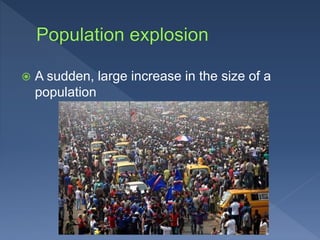
 A sudden, large increase in the size of a
population
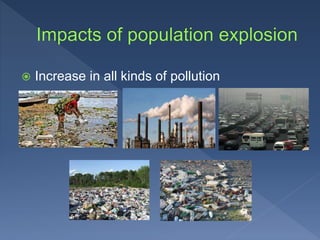
 Increase in all kinds of pollution
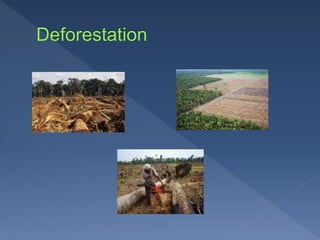
 Disturbances to the natural wildlife habitat
 Low development in developing countries
 Increased spread of diseases
 Poverty
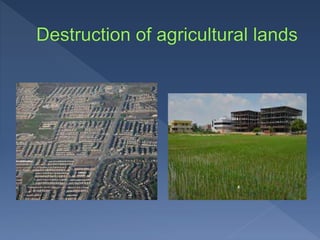
 Increased demand for all resources
 Spreading awareness about population
growth
 Proper implementation of community health
program.
 Incentives to the people for sterilization.
 Providing facilities like contraceptives, IUD,
birth control pills, sterilization etc.
 National family welfare program (1951)
› Reducing birth rate to reduce population
 National population policy (2000)
› Commitment of the government towards providing reproductive
heath care
 National rural health mission (2005)
› Effective health care for rural people
 Urban family welfare schemes (1983)
› Education about first aid and birth control
 Sterilization beds scheme (1964)
› Hospitals specifically for tubectomy
 Reproductive and child health care program (1997)
› Education and intervention regarding child heath care and STDs
Population explosion and control

Population explosion and control

  • 2.
     The increasein the number of people residing in a particular area.  FORMULA: › (birth rate + immigration) - (death rate + emigration)
  • 6.
     Natural calamities Plagues  Few health care facilities  Almost equal birth and death rates  Less technological development
  • 7.
     Improved technologicalfacilities  Good health care facilities  Proper and effective communication tools  Industrialization  More birth rate in comparison to the death rate
  • 8.
     Thomas Malthus(1766-1834) › An Essay on the Principle of Population as it affects the Future Improvement of Society (1978)  Natural resources increase in an arithmetic progression while human population increases in a geometric progression
  • 9.
     A sudden,large increase in the size of a population
  • 10.
     Increase inall kinds of pollution
  • 14.
     Disturbances tothe natural wildlife habitat  Low development in developing countries  Increased spread of diseases  Poverty  Increased demand for all resources
  • 15.
     Spreading awarenessabout population growth  Proper implementation of community health program.  Incentives to the people for sterilization.  Providing facilities like contraceptives, IUD, birth control pills, sterilization etc.
  • 16.
     National familywelfare program (1951) › Reducing birth rate to reduce population  National population policy (2000) › Commitment of the government towards providing reproductive heath care  National rural health mission (2005) › Effective health care for rural people  Urban family welfare schemes (1983) › Education about first aid and birth control  Sterilization beds scheme (1964) › Hospitals specifically for tubectomy  Reproductive and child health care program (1997) › Education and intervention regarding child heath care and STDs