Presented By:
Olga Elizarova & Ciara Taylor
Behavior Change Design Workshop
Play, Collaborate, Change
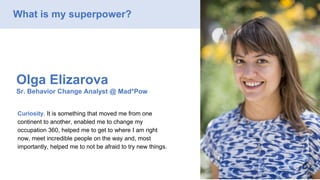
Olga Elizarova
Sr. Behavior Change Analyst @ Mad*Pow
Curiosity. It is something that moved me from one
continent to another, enabled me to change my
occupation 360, helped me to get to where I am right
now, meet incredible people on the way and, most
importantly, helped me to not be afraid to try new things.
What is my superpower?
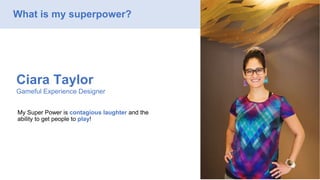
Ciara Taylor
Gameful Experience Designer
My Super Power is contagious laughter and the
ability to get people to play!
What is my superpower?
Agenda
Ice Breaker
What is Behavior Change Design?
Behavior Change 101
What is a Game + What is Play?
Game Design 101
Let’s Play a Game!
Pitch
Key Takeaways
Thank you!
What is Your Superpower?
What is Behavior
Change Design?
A set of processes and activities that are
applied to design an intervention
(product, service) that aim to change a
defined and modifiable behavior.
Behavior Change Design
• Thrives at the intersection of behavioral and social sciences, motivation,
data science, psychology and design.
• Aims to understand behaviors in their contexts, implement human
centered solutions and evaluate their effects.
• Differs from “regular design” by incorporating academic literature and
evidence-based methodology into the practice of design.
• Creates sustainable change by addressing the root causes of behaviors
through holistic interventions.
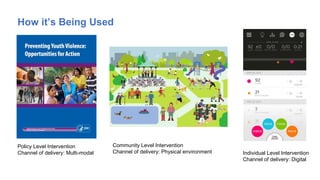
How it’s Being Used
Individual Level Intervention
Channel of delivery: Digital
Community Level Intervention
Channel of delivery: Physical environment
Policy Level Intervention
Channel of delivery: Multi-modal
Behavior Change 101
Changing something requires
understanding it first.
Do
Design for a population that you have
research about and people with lived
experience to draw on.
Don’t
Design for a population you know nothing
about based on assumptions.
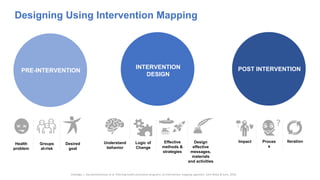
Designing Using Intervention Mapping
Health
problem
Desired
goal
Groups
at-risk
Understand
behavior
Effective
methods &
strategies
Logic of
Change
Design
effective
messages,
materials
and activities
Impact Proces
s
Iteration
PRE-INTERVENTION
INTERVENTION
DESIGN
POST INTERVENTION
Eldredge, L. Kay Bartholomew, et al. Planning health promotion programs: an intervention mapping approach. John Wiley & Sons, 2016.
Intervention mapping is a tool for
designing, implementing and evaluating
a behavior change intervention.
Eldredge, L. Kay Bartholomew, et al. Planning health promotion programs: an intervention mapping approach. John Wiley & Sons, 2016.
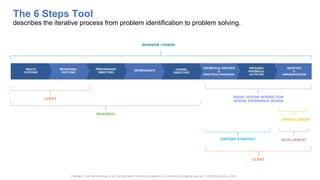
CLIENT
VISUAL DESIGN, INTERACTION
DESIGN, EXPERIENCE DESIGN
SERVICE DESIGN
CLIENT
RESEARCH
CONTENT STRATEGY
The 6 Steps Tool
describes the iterative process from problem identification to problem solving.
BEHAVIOR CHANGE
DEVELOPMENT
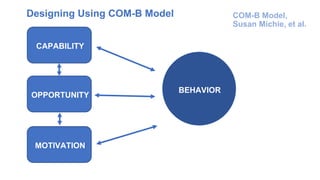
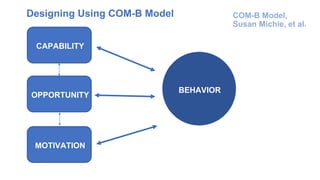
Designing Using COM-B Model
CAPABILITY
BEHAVIOR
OPPORTUNITY
MOTIVATION
COM-B Model,
Susan Michie, et al.
Michie, Susan, et al. "Development of a taxonomy of behaviour change techniques used in individual behavioural support for smoking cessation." Addictive behaviors 36.4 (2011): 315-319
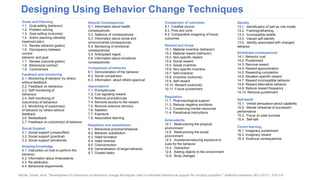
Goals and Planning
1.1. Goal setting (behavior)
1.2. Problem solving
1.3. Goal setting (outcome)
1.4. Action planning (develop
treatment plan)
1.5. Review behavior goal(s)
1.6. Discrepancy between
current
behavior and goal
1.7. Review outcome goal(s)
1.8. Behavioral contract
1.9. Commitment
Feedback and monitoring
2.1. Monitoring of behavior by others
without feedback
2.2. Feedback on behaviour
2.3. Self-monitoring of
behaviour
2.4. Self-monitoring of
outcome(s) of behaviour
2.5. Monitoring of outcome(s)
of behavior by others without
feedback
2.6. Biofeedback
2.7. Feedback on outcome(s) of behavior
Natural Consequences
5.1. Information about health
consequences
5.2. Salience of consequences
5.3. Information about social and
environmental consequences
5.4. Monitoring of emotional
consequences
5.5. Anticipated regret
5.6. Information about emotional
consequences
Comparison of behavior
6.1. Demonstration of the behavior
6.2. Social comparison
6.3. Information about others approval
Associations
7.1. Prompts/cues
7.2. Cue signaling reward
7.3. Reduce prompts/cues
7.4. Remove access to the reward
7.5. Remove aversive stimulus
7.6. Satiation
7.7. Exposure
7.8. Associative learning
Repetition and substitution
8.1. Behavioral practice/rehearsal
8.2. Behavior substitution
8.3. Habit formation
8.4. Habit reversal
8.5. Overcorrection
8.6. Generalisation of target behavior
8.7. Graded tasks
Comparison of outcomes
9.1. Credible source
9.2. Pros and cons
9.3. Comparative imagining of future
outcomes
Reward and threat
10.1. Material incentive (behavior)
10.2. Material reward (behavior)
10.3. Non-specific reward
10.4. Social reward
10.5. Social incentive
10.6. Non-specific incentive
10.7. Self-incentive
10.8. Incentive (outcome)
10.9. Self-reward
10.10. Reward (outcome)
10.11. Future punishment
Regulation
11.1. Pharmacological support
11.2. Reduce negative emotions
11.3. Conserving mental resources
11.4. Paradoxical instructions
Antecedents
12.1. Restructuring the physical
environment
12.2. Restructuring the social
environment
12.3. Avoidance/reducing exposure to
cues for the behavior
12.4. Distraction
12.5. Adding objects to the environment
12.6. Body changes
Identity
13.1. Identification of self as role model
13.2. Framing/reframing
13.3. Incompatible beliefs
13.4. Valued self-identify
13.5. Identity associated with changed
behavior
Schedules consequences
14.1. Behavior cost
14.2. Punishment
14.3. Remove reward
14.4. Reward approximation
14.5. Rewarding completion
14.6. Situation-specific reward
14.7. Reward incompatible behavior
14.8. Reward alternative behavior
14.9. Reduce reward frequency
14.10. Remove punishment
Covert learning
16.1. Imaginary punishment
16.2. Imaginary reward
16.3. Vicarious consequences
Self-belief
15.1. Verbal persuasion about capability
15.2. Mental rehearsal of successful
performance
15.3. Focus on past success
15.4. Self-talk
Shaping knowledge
4.1. Instruction on how to perform the
behavior
4.2. Information about Antecedents
4.3. Re-attribution
4.4. Behavioral experiments
Social Support
3.1. Social support (unspecified)
3.2. Social support (practical)
3.3. Social support (emotional)
Designing Using Behavior Change Techniques
What is a Game?
A structured form of play.
Benefits of Games
• Create safe spaces for exploration and experimentation
• Provide social support and influence
• Bring players together as a community
• Give players a sense of purpose and control
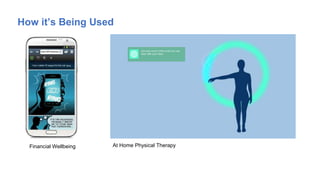
How it’s Being Used
At Home Physical TherapyFinancial Wellbeing
What is Play?
Activity engaged in for enjoyment and
recreation (especially by children).
Social Play
• Learning through observation
• Relationship building through shared goals
• Bring Performance in the sense of accountability, showmanship &
competition
• Emotional contagion through shared experiences
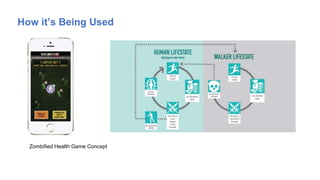
How it’s Being Used
Zombified Health Game Concept
Game Design 101
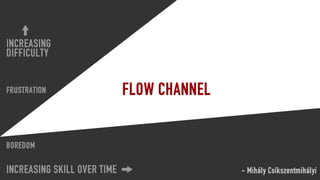
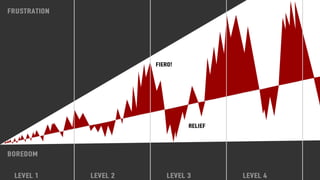
Fun from games, comes from
experiences of mastery. Games offer
challenges that are attainable - not too
hard, but not to easy so that we can
experience a sense of achievement and
accomplishment…
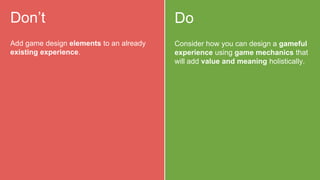
Do
Consider how you can design a gameful
experience using game mechanics that
will add value and meaning holistically.
Don’t
Add game design elements to an already
existing experience.
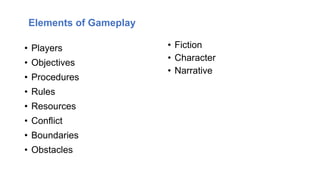
• Players
• Objectives
• Procedures
• Rules
• Resources
• Conflict
• Boundaries
• Obstacles
Elements of Gameplay
• Fiction
• Character
• Narrative
Let’s Play a Game!
Activity One
Understand the Problem Space
Problem Space Analysis
Modifiable risk factors: behaviors, social and
environmental factors
Non-modifiable risk factors : genetics, age, gender etc.
Select One Problem Space to Tackle
5 Minutes
Activity Two
Goal
Goal
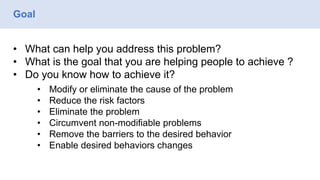
• What can help you address this problem?
• What is the goal that you are helping people to achieve ?
• Do you know how to achieve it?
• Modify or eliminate the cause of the problem
• Reduce the risk factors
• Eliminate the problem
• Circumvent non-modifiable problems
• Remove the barriers to the desired behavior
• Enable desired behaviors changes
Nutrition
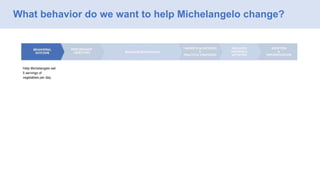
What behavior do we want to help Michelangelo change?
Help Michelangelo eat
5 servings of
vegetables per day.
Pick a Goal to Work on as a Team
5 Minutes
Activity Three
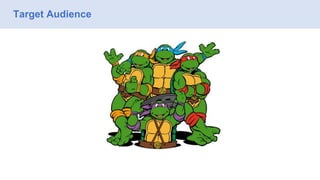
Target Audience
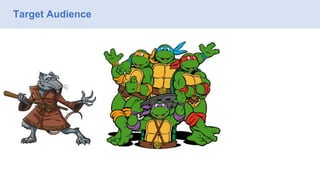
Target Audience
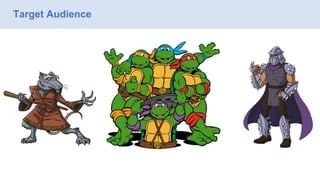
Target Audience
Target Audience
Define Your Target Audience
5 Minutes
Activity Four
Characters
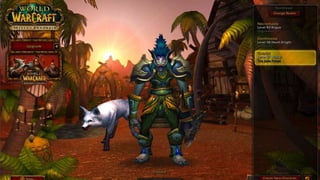
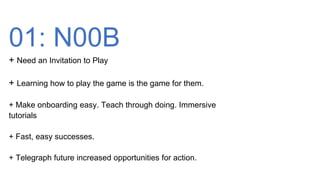
01: N00B
+ Need an Invitation to Play
+ Learning how to play the game is the game for them.
+ Make onboarding easy. Teach through doing. Immersive
tutorials
+ Fast, easy successes.
+ Telegraph future increased opportunities for action.
02: PLAYER
+ Get the game and how it works
+ Have had some successes and failures and are
learning how to master the game.
+ Increased choice, opportunity, ability, anticipation of needs
satisfying experience keeps them coming back.
+ Most of a game's design goes into supporting this group.
03: ELDER
+ Have been around and in the system for a long time.
+ The ‘game’ for them my be played out.
In order to keep them around, you can:
+ Create a more difficult game
+ Give them Governance Privileges
+ Make them Team Captains or Mentors
Pick 5 Characters (1 per person in the group)
10 Minutes
Activity Five
Sub-Goals
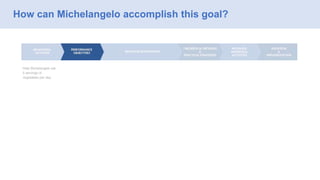
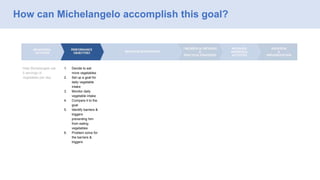
How can Michelangelo accomplish this goal?
Help Michelangelo eat
5 servings of
vegetables per day.
1. Decide to eat
more vegetables
2. Set up a goal for
daily vegetable
intake
3. Monitor daily
vegetable intake
4. Compare it to the
goal
5. Identify barriers &
triggers
preventing him
from eating
vegetables
6. Problem solve for
the barriers &
triggers
Help Michelangelo eat
5 servings of
vegetables per day.
How can Michelangelo accomplish this goal?
Define Sub-goals for Each Character
10 Minutes
Activity Six
Determinants
Designing Using COM-B Model
CAPABILITY
BEHAVIOR
OPPORTUNITY
MOTIVATION
COM-B Model,
Susan Michie, et al.
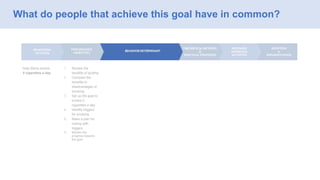
1. Review the
benefits of quitting
2. Compare the
benefits to
disadvantages of
smoking
3. Set up the goal to
smoke 0
cigarettes a day
4. Identify triggers
for smoking
5. Make a plan for
coping with
triggers
6. Monitor the
progress towards
the goal
Help Marla smoke
0 cigarettes a day.
What do people that achieve this goal have in common?
1. Review the
benefits of quitting
2. Compare the
benefits to
disadvantages of
smoking
3. Set up the goal to
smoke 0
cigarettes a day
4. Identify triggers
for smoking
5. Make a plan for
coping with
triggers
6. Monitor the
progress towards
the goal
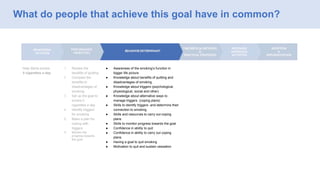
● Awareness of the smoking’s function in
bigger life picture
● Knowledge about benefits of quitting and
disadvantages of smoking
● Knowledge about triggers (psychological,
physiological, social and other)
● Knowledge about alternative ways to
manage triggers (coping plans)
● Skills to identify triggers and determine their
connection to smoking
● Skills and resources to carry out coping
plans
● Skills to monitor progress towards the goal
● Confidence in ability to quit
● Confidence in ability to carry out coping
plans
● Having a goal to quit smoking
● Motivation to quit and sustain cessation
Help Marla smoke
0 cigarettes a day.
What do people that achieve this goal have in common?
Select 3 Determinant Cards
10 Minutes
Activity Seven
Level Up!
5 Minutes
Activity Eight
BCTs
Behavior Change Techniques
by UCL
Observable, replicable, and active
components of an intervention designed
to help people change their behavior.
Michie, Susan, et al. "The behavior change technique taxonomy (v1) of 93 hierarchically clustered techniques: building an
international consensus for the reporting of behavior change interventions." Annals of behavioral medicine 46.1 (2013): 81-95.
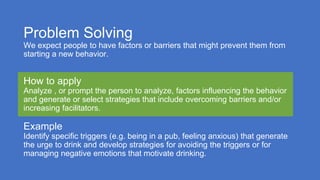
Problem Solving
We expect people to have factors or barriers that might prevent them from
starting a new behavior.
How to apply
Analyze , or prompt the person to analyze, factors influencing the behavior
and generate or select strategies that include overcoming barriers and/or
increasing facilitators.
Example
Identify specific triggers (e.g. being in a pub, feeling anxious) that generate
the urge to drink and develop strategies for avoiding the triggers or for
managing negative emotions that motivate drinking.
How many behavior change techniques should you use?
Michie, Susan, et al. "The behavior change technique taxonomy (v1) of 93 hierarchically clustered techniques: building an international consensus for the reporting of
behavior change interventions." Annals of behavioral medicine 46.1 (2013): 81-95.
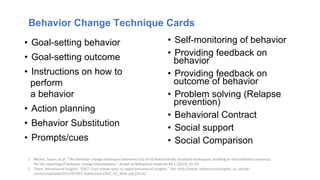
• Goal-setting behavior
• Goal-setting outcome
• Instructions on how to
perform
a behavior
• Action planning
• Behavior Substitution
• Prompts/cues
1. Michie, Susan, et al. "The behavior change technique taxonomy (v1) of 93 hierarchically clustered techniques: building an international consensus
for the reporting of behavior change interventions." Annals of behavioral medicine 46.1 (2013): 81-95.
2. Team, Behavioural Insights. "EAST: Four simple ways to apply behavioural insights." See: http://www. behaviouralinsights. co. uk/wp-
content/uploads/2015/07/BIT-Publication-EAST_FA_WEB. pdf (2014).
Behavior Change Technique Cards
• Self-monitoring of behavior
• Providing feedback on
behavior
• Providing feedback on
outcome of behavior
• Problem solving (Relapse
prevention)
• Behavioral Contract
• Social support
• Social Comparison
Select 3 BCT Cards
10 Minutes
Activity Nine
Feedback Loops
5 Minutes
Activity Ten
Final Challenge
Select 1 of Each Type of Challenge Card
5 Minutes
Put Everything Together!
Answer
What is it?
Who is it for?
What does it do?
Who delivers it?
Where does it happen?
How often would people need to interact with it for it to “work”?
Who will adopt and implement it?
Why do you think it will be successful?
45 Minutes
Pitch
5 Minutes Each
Answer
What is it?
Who is it for?
What does it do?
Who delivers it?
Where does it happen?
How often would people need to interact with it for it to “work”?
Who will adopt and implement it?
Why do you think it will be successful?
Key Takeaways
1. Design for a population that you have research about and people with lived
experience to draw on.
2. Design gameful experiences using game mechanics that will add value and
meaning hollistically.
3. Play, Collaborate, Change!
Play, Collaborate, & Change Workshop

Play, Collaborate, & Change Workshop

  • 1.
    Presented By: Olga Elizarova& Ciara Taylor Behavior Change Design Workshop Play, Collaborate, Change
  • 2.
    Olga Elizarova Sr. BehaviorChange Analyst @ Mad*Pow Curiosity. It is something that moved me from one continent to another, enabled me to change my occupation 360, helped me to get to where I am right now, meet incredible people on the way and, most importantly, helped me to not be afraid to try new things. What is my superpower?
  • 3.
    Ciara Taylor Gameful ExperienceDesigner My Super Power is contagious laughter and the ability to get people to play! What is my superpower?
  • 4.
    Agenda Ice Breaker What isBehavior Change Design? Behavior Change 101 What is a Game + What is Play? Game Design 101 Let’s Play a Game! Pitch Key Takeaways Thank you!
  • 5.
    What is YourSuperpower?
  • 6.
  • 7.
    A set ofprocesses and activities that are applied to design an intervention (product, service) that aim to change a defined and modifiable behavior.
  • 8.
    Behavior Change Design •Thrives at the intersection of behavioral and social sciences, motivation, data science, psychology and design. • Aims to understand behaviors in their contexts, implement human centered solutions and evaluate their effects. • Differs from “regular design” by incorporating academic literature and evidence-based methodology into the practice of design. • Creates sustainable change by addressing the root causes of behaviors through holistic interventions.
  • 9.
    How it’s BeingUsed Individual Level Intervention Channel of delivery: Digital Community Level Intervention Channel of delivery: Physical environment Policy Level Intervention Channel of delivery: Multi-modal
  • 10.
  • 11.
  • 12.
    Do Design for apopulation that you have research about and people with lived experience to draw on. Don’t Design for a population you know nothing about based on assumptions.
  • 13.
    Designing Using InterventionMapping Health problem Desired goal Groups at-risk Understand behavior Effective methods & strategies Logic of Change Design effective messages, materials and activities Impact Proces s Iteration PRE-INTERVENTION INTERVENTION DESIGN POST INTERVENTION Eldredge, L. Kay Bartholomew, et al. Planning health promotion programs: an intervention mapping approach. John Wiley & Sons, 2016.
  • 14.
    Intervention mapping isa tool for designing, implementing and evaluating a behavior change intervention. Eldredge, L. Kay Bartholomew, et al. Planning health promotion programs: an intervention mapping approach. John Wiley & Sons, 2016.
  • 15.
    Eldredge, L. KayBartholomew, et al. Planning health promotion programs: an intervention mapping approach. John Wiley & Sons, 2016. CLIENT VISUAL DESIGN, INTERACTION DESIGN, EXPERIENCE DESIGN SERVICE DESIGN CLIENT RESEARCH CONTENT STRATEGY The 6 Steps Tool describes the iterative process from problem identification to problem solving. BEHAVIOR CHANGE DEVELOPMENT
  • 16.
    Designing Using COM-BModel CAPABILITY BEHAVIOR OPPORTUNITY MOTIVATION COM-B Model, Susan Michie, et al.
  • 17.
    Michie, Susan, etal. "Development of a taxonomy of behaviour change techniques used in individual behavioural support for smoking cessation." Addictive behaviors 36.4 (2011): 315-319 Goals and Planning 1.1. Goal setting (behavior) 1.2. Problem solving 1.3. Goal setting (outcome) 1.4. Action planning (develop treatment plan) 1.5. Review behavior goal(s) 1.6. Discrepancy between current behavior and goal 1.7. Review outcome goal(s) 1.8. Behavioral contract 1.9. Commitment Feedback and monitoring 2.1. Monitoring of behavior by others without feedback 2.2. Feedback on behaviour 2.3. Self-monitoring of behaviour 2.4. Self-monitoring of outcome(s) of behaviour 2.5. Monitoring of outcome(s) of behavior by others without feedback 2.6. Biofeedback 2.7. Feedback on outcome(s) of behavior Natural Consequences 5.1. Information about health consequences 5.2. Salience of consequences 5.3. Information about social and environmental consequences 5.4. Monitoring of emotional consequences 5.5. Anticipated regret 5.6. Information about emotional consequences Comparison of behavior 6.1. Demonstration of the behavior 6.2. Social comparison 6.3. Information about others approval Associations 7.1. Prompts/cues 7.2. Cue signaling reward 7.3. Reduce prompts/cues 7.4. Remove access to the reward 7.5. Remove aversive stimulus 7.6. Satiation 7.7. Exposure 7.8. Associative learning Repetition and substitution 8.1. Behavioral practice/rehearsal 8.2. Behavior substitution 8.3. Habit formation 8.4. Habit reversal 8.5. Overcorrection 8.6. Generalisation of target behavior 8.7. Graded tasks Comparison of outcomes 9.1. Credible source 9.2. Pros and cons 9.3. Comparative imagining of future outcomes Reward and threat 10.1. Material incentive (behavior) 10.2. Material reward (behavior) 10.3. Non-specific reward 10.4. Social reward 10.5. Social incentive 10.6. Non-specific incentive 10.7. Self-incentive 10.8. Incentive (outcome) 10.9. Self-reward 10.10. Reward (outcome) 10.11. Future punishment Regulation 11.1. Pharmacological support 11.2. Reduce negative emotions 11.3. Conserving mental resources 11.4. Paradoxical instructions Antecedents 12.1. Restructuring the physical environment 12.2. Restructuring the social environment 12.3. Avoidance/reducing exposure to cues for the behavior 12.4. Distraction 12.5. Adding objects to the environment 12.6. Body changes Identity 13.1. Identification of self as role model 13.2. Framing/reframing 13.3. Incompatible beliefs 13.4. Valued self-identify 13.5. Identity associated with changed behavior Schedules consequences 14.1. Behavior cost 14.2. Punishment 14.3. Remove reward 14.4. Reward approximation 14.5. Rewarding completion 14.6. Situation-specific reward 14.7. Reward incompatible behavior 14.8. Reward alternative behavior 14.9. Reduce reward frequency 14.10. Remove punishment Covert learning 16.1. Imaginary punishment 16.2. Imaginary reward 16.3. Vicarious consequences Self-belief 15.1. Verbal persuasion about capability 15.2. Mental rehearsal of successful performance 15.3. Focus on past success 15.4. Self-talk Shaping knowledge 4.1. Instruction on how to perform the behavior 4.2. Information about Antecedents 4.3. Re-attribution 4.4. Behavioral experiments Social Support 3.1. Social support (unspecified) 3.2. Social support (practical) 3.3. Social support (emotional) Designing Using Behavior Change Techniques
  • 18.
    What is aGame?
  • 19.
  • 20.
    Benefits of Games •Create safe spaces for exploration and experimentation • Provide social support and influence • Bring players together as a community • Give players a sense of purpose and control
  • 21.
    How it’s BeingUsed At Home Physical TherapyFinancial Wellbeing
  • 22.
  • 23.
    Activity engaged infor enjoyment and recreation (especially by children).
  • 24.
    Social Play • Learningthrough observation • Relationship building through shared goals • Bring Performance in the sense of accountability, showmanship & competition • Emotional contagion through shared experiences
  • 25.
    How it’s BeingUsed Zombified Health Game Concept
  • 27.
  • 28.
    Fun from games,comes from experiences of mastery. Games offer challenges that are attainable - not too hard, but not to easy so that we can experience a sense of achievement and accomplishment…
  • 29.
    Do Consider how youcan design a gameful experience using game mechanics that will add value and meaning holistically. Don’t Add game design elements to an already existing experience.
  • 31.
    • Players • Objectives •Procedures • Rules • Resources • Conflict • Boundaries • Obstacles Elements of Gameplay • Fiction • Character • Narrative
  • 34.
  • 35.
  • 36.
    Problem Space Analysis Modifiablerisk factors: behaviors, social and environmental factors Non-modifiable risk factors : genetics, age, gender etc.
  • 37.
    Select One ProblemSpace to Tackle 5 Minutes
  • 38.
  • 39.
    Goal • What canhelp you address this problem? • What is the goal that you are helping people to achieve ? • Do you know how to achieve it? • Modify or eliminate the cause of the problem • Reduce the risk factors • Eliminate the problem • Circumvent non-modifiable problems • Remove the barriers to the desired behavior • Enable desired behaviors changes
  • 40.
  • 41.
    What behavior dowe want to help Michelangelo change?
  • 42.
    What behavior dowe want to help Michelangelo change? Help Michelangelo eat 5 servings of vegetables per day.
  • 43.
    Pick a Goalto Work on as a Team 5 Minutes
  • 44.
  • 45.
  • 46.
  • 47.
  • 48.
    Define Your TargetAudience 5 Minutes
  • 49.
  • 51.
    01: N00B + Needan Invitation to Play + Learning how to play the game is the game for them. + Make onboarding easy. Teach through doing. Immersive tutorials + Fast, easy successes. + Telegraph future increased opportunities for action.
  • 52.
    02: PLAYER + Getthe game and how it works + Have had some successes and failures and are learning how to master the game. + Increased choice, opportunity, ability, anticipation of needs satisfying experience keeps them coming back. + Most of a game's design goes into supporting this group.
  • 53.
    03: ELDER + Havebeen around and in the system for a long time. + The ‘game’ for them my be played out. In order to keep them around, you can: + Create a more difficult game + Give them Governance Privileges + Make them Team Captains or Mentors
  • 55.
    Pick 5 Characters(1 per person in the group) 10 Minutes
  • 56.
  • 57.
    How can Michelangeloaccomplish this goal? Help Michelangelo eat 5 servings of vegetables per day.
  • 58.
    1. Decide toeat more vegetables 2. Set up a goal for daily vegetable intake 3. Monitor daily vegetable intake 4. Compare it to the goal 5. Identify barriers & triggers preventing him from eating vegetables 6. Problem solve for the barriers & triggers Help Michelangelo eat 5 servings of vegetables per day. How can Michelangelo accomplish this goal?
  • 59.
    Define Sub-goals forEach Character 10 Minutes
  • 60.
  • 61.
    Designing Using COM-BModel CAPABILITY BEHAVIOR OPPORTUNITY MOTIVATION COM-B Model, Susan Michie, et al.
  • 62.
    1. Review the benefitsof quitting 2. Compare the benefits to disadvantages of smoking 3. Set up the goal to smoke 0 cigarettes a day 4. Identify triggers for smoking 5. Make a plan for coping with triggers 6. Monitor the progress towards the goal Help Marla smoke 0 cigarettes a day. What do people that achieve this goal have in common?
  • 63.
    1. Review the benefitsof quitting 2. Compare the benefits to disadvantages of smoking 3. Set up the goal to smoke 0 cigarettes a day 4. Identify triggers for smoking 5. Make a plan for coping with triggers 6. Monitor the progress towards the goal ● Awareness of the smoking’s function in bigger life picture ● Knowledge about benefits of quitting and disadvantages of smoking ● Knowledge about triggers (psychological, physiological, social and other) ● Knowledge about alternative ways to manage triggers (coping plans) ● Skills to identify triggers and determine their connection to smoking ● Skills and resources to carry out coping plans ● Skills to monitor progress towards the goal ● Confidence in ability to quit ● Confidence in ability to carry out coping plans ● Having a goal to quit smoking ● Motivation to quit and sustain cessation Help Marla smoke 0 cigarettes a day. What do people that achieve this goal have in common?
  • 64.
    Select 3 DeterminantCards 10 Minutes
  • 65.
  • 67.
  • 68.
  • 69.
  • 70.
    Observable, replicable, andactive components of an intervention designed to help people change their behavior. Michie, Susan, et al. "The behavior change technique taxonomy (v1) of 93 hierarchically clustered techniques: building an international consensus for the reporting of behavior change interventions." Annals of behavioral medicine 46.1 (2013): 81-95.
  • 71.
    Problem Solving We expectpeople to have factors or barriers that might prevent them from starting a new behavior. How to apply Analyze , or prompt the person to analyze, factors influencing the behavior and generate or select strategies that include overcoming barriers and/or increasing facilitators. Example Identify specific triggers (e.g. being in a pub, feeling anxious) that generate the urge to drink and develop strategies for avoiding the triggers or for managing negative emotions that motivate drinking.
  • 72.
    How many behaviorchange techniques should you use? Michie, Susan, et al. "The behavior change technique taxonomy (v1) of 93 hierarchically clustered techniques: building an international consensus for the reporting of behavior change interventions." Annals of behavioral medicine 46.1 (2013): 81-95.
  • 73.
    • Goal-setting behavior •Goal-setting outcome • Instructions on how to perform a behavior • Action planning • Behavior Substitution • Prompts/cues 1. Michie, Susan, et al. "The behavior change technique taxonomy (v1) of 93 hierarchically clustered techniques: building an international consensus for the reporting of behavior change interventions." Annals of behavioral medicine 46.1 (2013): 81-95. 2. Team, Behavioural Insights. "EAST: Four simple ways to apply behavioural insights." See: http://www. behaviouralinsights. co. uk/wp- content/uploads/2015/07/BIT-Publication-EAST_FA_WEB. pdf (2014). Behavior Change Technique Cards • Self-monitoring of behavior • Providing feedback on behavior • Providing feedback on outcome of behavior • Problem solving (Relapse prevention) • Behavioral Contract • Social support • Social Comparison
  • 74.
    Select 3 BCTCards 10 Minutes
  • 75.
  • 77.
  • 78.
  • 79.
    Select 1 ofEach Type of Challenge Card 5 Minutes
  • 80.
  • 81.
    Answer What is it? Whois it for? What does it do? Who delivers it? Where does it happen? How often would people need to interact with it for it to “work”? Who will adopt and implement it? Why do you think it will be successful?
  • 82.
  • 83.
  • 84.
  • 85.
    Answer What is it? Whois it for? What does it do? Who delivers it? Where does it happen? How often would people need to interact with it for it to “work”? Who will adopt and implement it? Why do you think it will be successful?
  • 87.
  • 88.
    1. Design fora population that you have research about and people with lived experience to draw on. 2. Design gameful experiences using game mechanics that will add value and meaning hollistically. 3. Play, Collaborate, Change!