THE CARDIOVASCULAR SYSTEM Nhelia B. Perez RN, MSN Northeastern College  Santiago City
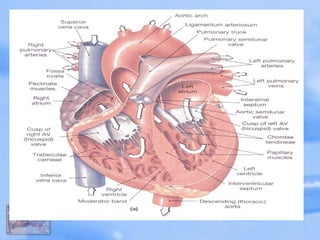
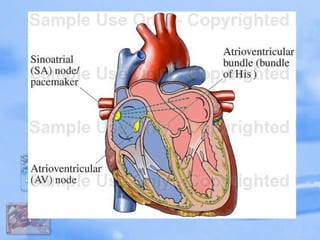
INTRODUCTION The Heart The Cardiac Cycle Conduction System of the heart
 
 
THE CARDIOVASCULAR SYSTEM Circulation 1.  Pulmonary and systemic circulation 2.  arteries, capillaries and veins 3.  coronary circulation


Main Forces that determine the heart’s use of oxygen or oxygen consumption Heart rate Preload Afterload Stretch on the ventricles
Systemic arterial pressure Venous pressure
DRUGS AFFECTING BLOOD PRESSURE
Three elements which determines the pressure in the Cardiovascular System Heart Rate Stroke Volume Total Peripheral Resistance
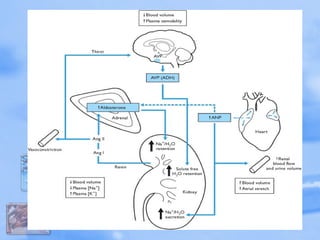
Baroreceptors Renin-Angiotensin System Hypertension Hypotension
 
Anti hypertensive agents STEPPED-CARE APPROACH TO TREATING HYPERTENSION 1.  Lifestyle modifications 2.  drug therapy 3.  combination effect 4.  steps 1,2 and 3 plus more anti hypertensive agents.
DIURETICS Drugs that increase the excretion of sodium and water from the kidney
Sympathetic Nervous System Blockers Beta-blockers block vasoconstriction, decrease heart rate, decrease heart rate, decrease cardiac muscle contraction and tend to increase blood flow to the kidneys leading to a decrease in the release of renin.
Alpha and beta-blockers are useful in conjunction with other agents and tend to be somewhat more powerful, blocking all of the receptors in the symphatetic system.
Alpha-adrenergic blockers inhibit the postsynaptic alpha-adrenergic receptors, decreasing symphatetic tone in the vasculature and causing vasodilation which leads to a lowering of BP.
Alpha-blockers are used to treat hypertension because of their  ability to block the postsynaptic alpha-receptor sites.
Alpha Agonists stimulate the alpha receptors in the central nervous system and inhibit the cardio-vascular centers, leading to a decrease in symphatetic outflow from the CNS and a resultant drop in blood pressure.
Angiotensin – Converting Enzyme Inhibitors Blocks the conversion of angiotensin I to angiotensin II in the lungs. This prevents release of aldosterone. Captopril, Moexipril
Calcium Channel blockers Calcium channel blockers  are a class of  drugs  and natural substances which disrupt the conduction of  calcium channels . The main clinical usage of calcium channel blockers is to decrease  blood pressure . It is for this action that they are used in individuals with  hypertension .
Most calcium channel blockers decrease the force of contraction of the  myocardium  (muscle of the heart). This is known as the negative  inotropic  effect of calcium channel blockers. It is because of the negative inotropic effects of most calcium channel blockers that they are avoided (or used with caution) in individuals with  cardiomyopathy . Many calcium channel blockers also slow down the conduction of electrical activity within the heart, by blocking the calcium channel during the plateau phase of the  action potential  of the heart  Amlodipine, Diltiazem, Felodipine, Nicardepine, Nifedepine, Verapamil
Vasodilators These medicines work by relaxing the smooth muscle of blood vessels, which opens up (dilates) the blood vessels. This allows blood to flow more easily, thereby lowering blood pressure. Hydralazine
Antihypotensive Agents Sympathetic Adrenergic Agonists works by acting on the sympathetic adrenergic receptors to cause the effects of sympathetic stress response.
CARDIOTONIC DRUGS


Pharma 3

  • 1.
    THE CARDIOVASCULAR SYSTEMNhelia B. Perez RN, MSN Northeastern College Santiago City
  • 2.
    INTRODUCTION The HeartThe Cardiac Cycle Conduction System of the heart
  • 3.
  • 4.
  • 5.
    THE CARDIOVASCULAR SYSTEMCirculation 1. Pulmonary and systemic circulation 2. arteries, capillaries and veins 3. coronary circulation
  • 6.
    Main Forces thatdetermine the heart’s use of oxygen or oxygen consumption Heart rate Preload Afterload Stretch on the ventricles
  • 7.
  • 8.
  • 9.
    Three elements whichdetermines the pressure in the Cardiovascular System Heart Rate Stroke Volume Total Peripheral Resistance
  • 10.
  • 11.
  • 12.
    Anti hypertensive agentsSTEPPED-CARE APPROACH TO TREATING HYPERTENSION 1. Lifestyle modifications 2. drug therapy 3. combination effect 4. steps 1,2 and 3 plus more anti hypertensive agents.
  • 13.
    DIURETICS Drugs thatincrease the excretion of sodium and water from the kidney
  • 14.
    Sympathetic Nervous SystemBlockers Beta-blockers block vasoconstriction, decrease heart rate, decrease heart rate, decrease cardiac muscle contraction and tend to increase blood flow to the kidneys leading to a decrease in the release of renin.
  • 15.
    Alpha and beta-blockersare useful in conjunction with other agents and tend to be somewhat more powerful, blocking all of the receptors in the symphatetic system.
  • 16.
    Alpha-adrenergic blockers inhibitthe postsynaptic alpha-adrenergic receptors, decreasing symphatetic tone in the vasculature and causing vasodilation which leads to a lowering of BP.
  • 17.
    Alpha-blockers are usedto treat hypertension because of their ability to block the postsynaptic alpha-receptor sites.
  • 18.
    Alpha Agonists stimulatethe alpha receptors in the central nervous system and inhibit the cardio-vascular centers, leading to a decrease in symphatetic outflow from the CNS and a resultant drop in blood pressure.
  • 19.
    Angiotensin – ConvertingEnzyme Inhibitors Blocks the conversion of angiotensin I to angiotensin II in the lungs. This prevents release of aldosterone. Captopril, Moexipril
  • 20.
    Calcium Channel blockersCalcium channel blockers are a class of drugs and natural substances which disrupt the conduction of calcium channels . The main clinical usage of calcium channel blockers is to decrease blood pressure . It is for this action that they are used in individuals with hypertension .
  • 21.
    Most calcium channelblockers decrease the force of contraction of the myocardium (muscle of the heart). This is known as the negative inotropic effect of calcium channel blockers. It is because of the negative inotropic effects of most calcium channel blockers that they are avoided (or used with caution) in individuals with cardiomyopathy . Many calcium channel blockers also slow down the conduction of electrical activity within the heart, by blocking the calcium channel during the plateau phase of the action potential of the heart Amlodipine, Diltiazem, Felodipine, Nicardepine, Nifedepine, Verapamil
  • 22.
    Vasodilators These medicineswork by relaxing the smooth muscle of blood vessels, which opens up (dilates) the blood vessels. This allows blood to flow more easily, thereby lowering blood pressure. Hydralazine
  • 23.
    Antihypotensive Agents SympatheticAdrenergic Agonists works by acting on the sympathetic adrenergic receptors to cause the effects of sympathetic stress response.
  • 24.
  • 25.
  • 26.
  • 27.
  • 28.
  • 29.
  • 30.
  • 31.
  • 32.
  • 33.
  • 34.
  • 35.
  • 36.
  • 37.
  • 38.
  • 39.
  • 40.
  • 41.
  • 42.
  • 43.
  • 44.