Plant Growth Promoting
Rhizobacteria
(PGPR)
ISURU PRIYARANGA
Outline
 Introduction
 Mechanisms of Plant Growth Promotion by PGPR
 Direct
 Indirect
 Commercialization of PGPR
 Acknowledgement
 References
2E.I.P. Silva
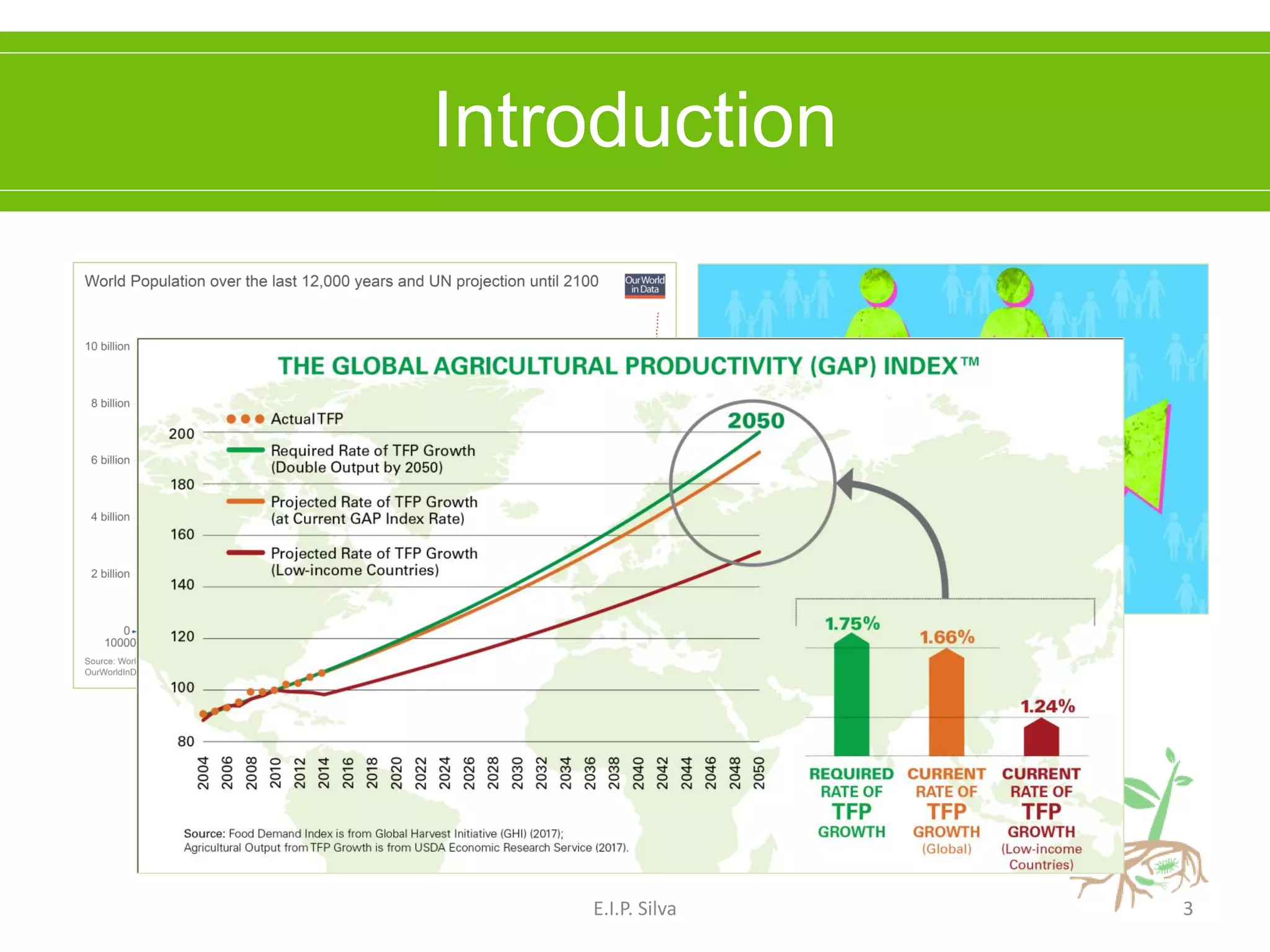
Introduction
3E.I.P. Silva
Introduction…
4E.I.P. Silva
Introduction…
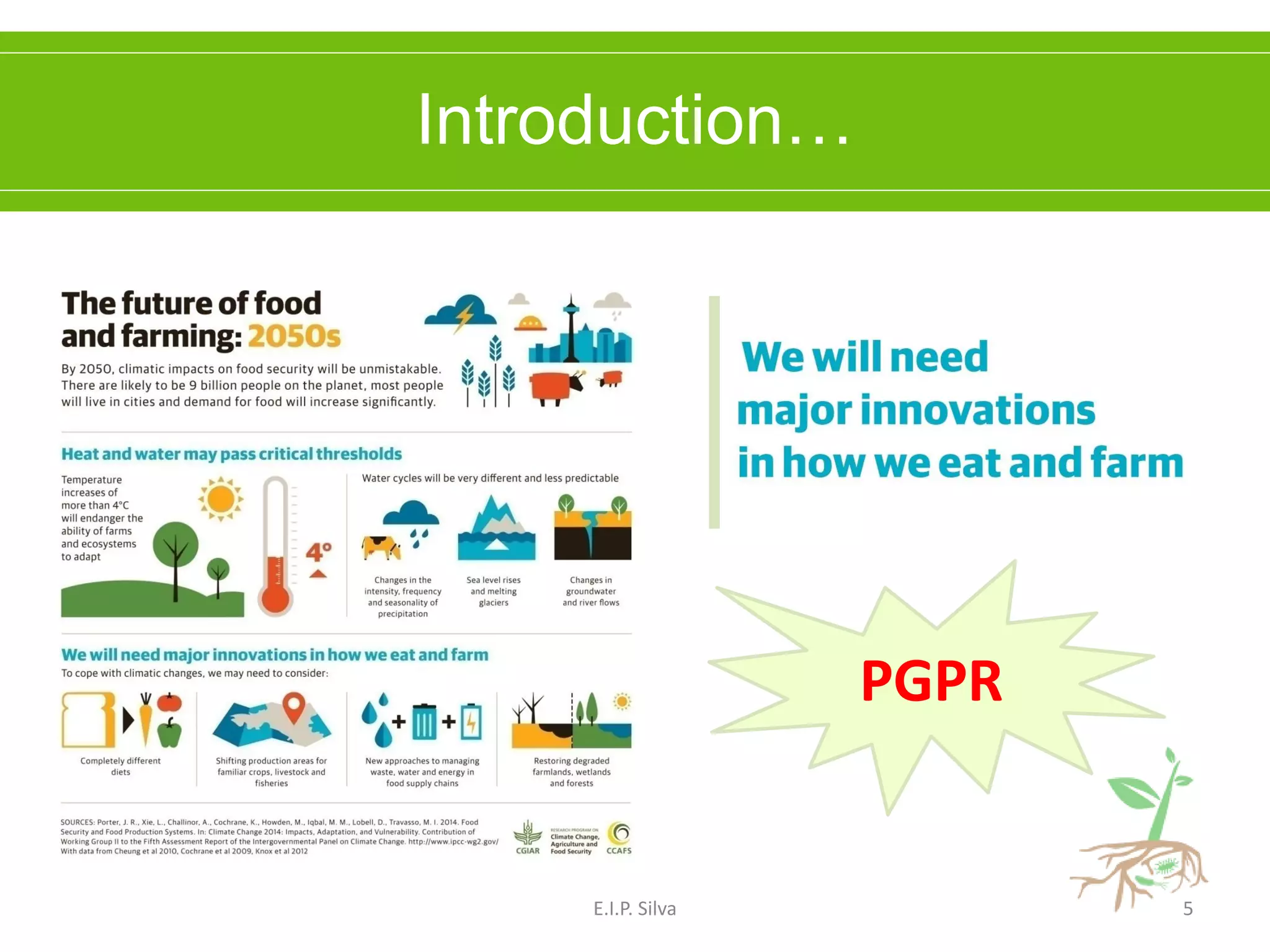
5E.I.P. Silva
PGPR
Introduction…
What are PGPR
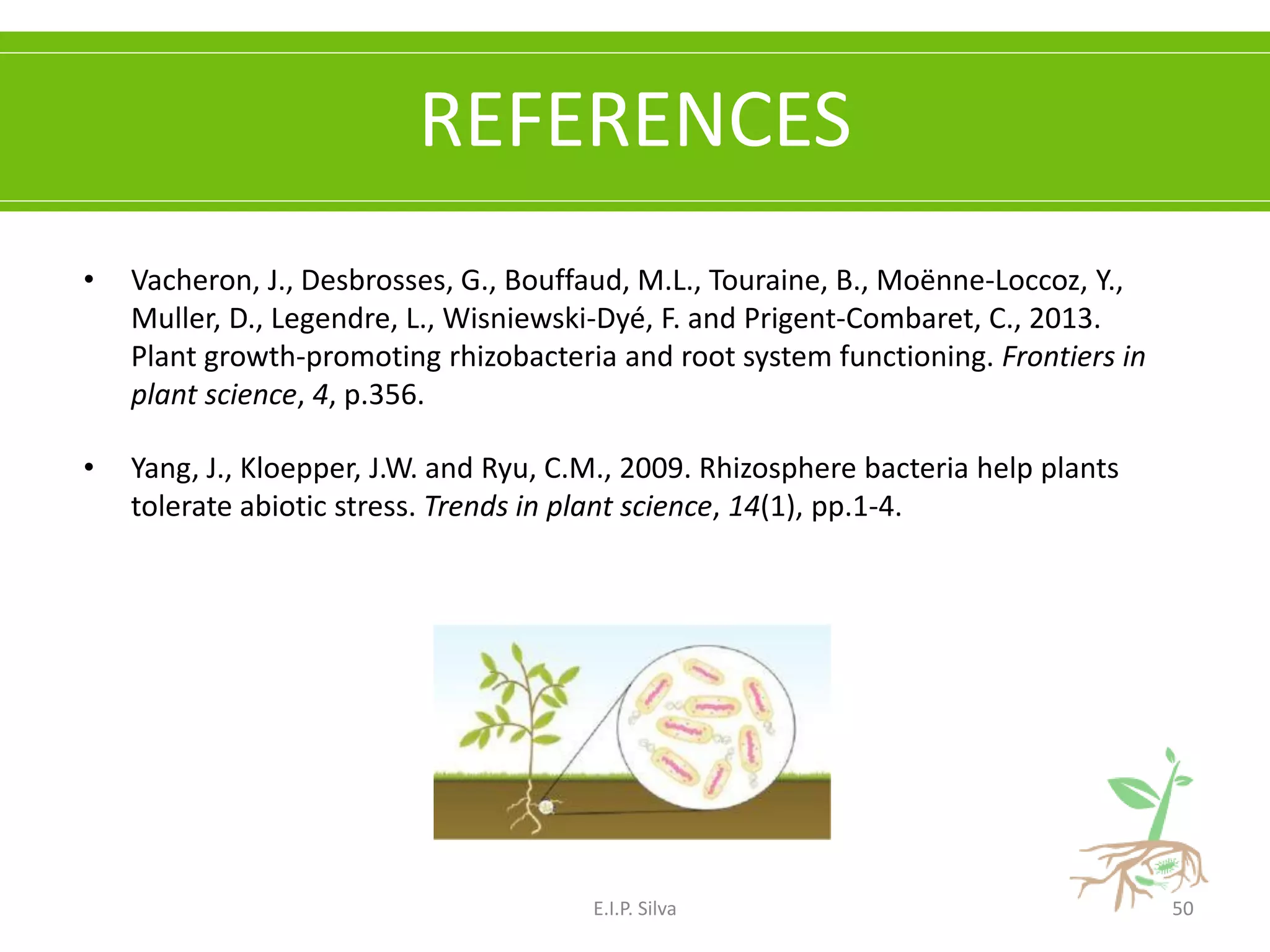
• A group of Soil Born Bacteria (Rhizobacteria)
• Actively colonize plant roots / Rhizosphere
• Enhance plant Growth and Yield
• Directly or Indirectly
- Introduced by JW Kloepper, MN Schroth (1978)
6E.I.P. Silva
7E.I.P. Silva
Rhizosphere
9
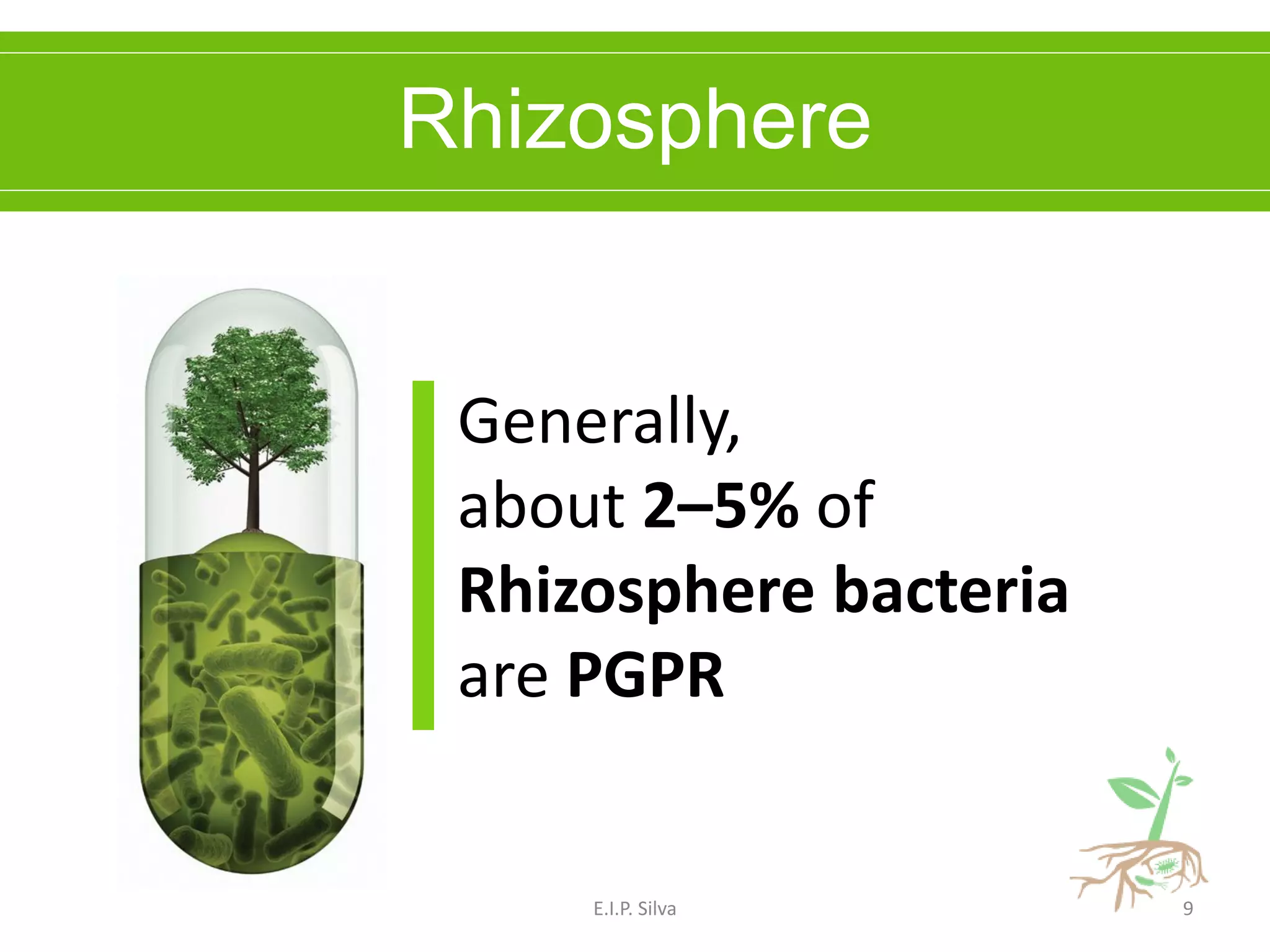
Generally,
about 2–5% of
Rhizosphere bacteria
are PGPR
E.I.P. Silva
Characteristics of PGPR
10
They must,
1) Able to colonize the root
2) Survive and multiply in microhabitats associated with the
root surface, in competition with other microbiota
3) Promote plant growth Or /and
4) Promote plant protection activities
E.I.P. Silva
Types of PGPRs
1. Extracellular (ePGPR)
Existing in/on the
• Rhizosphere
• Rhizoplane
• spaces between cells of
the root cortex
2. Intracellular (iPGPR )
• Exist inside root cells
• Generally in specialized
nodular structures.
11
Fig: Structure of nitrogen-fixing root nodules
-Maróti and Kondorosi (2014)
E.I.P. Silva
Functional classification of PGPR
12
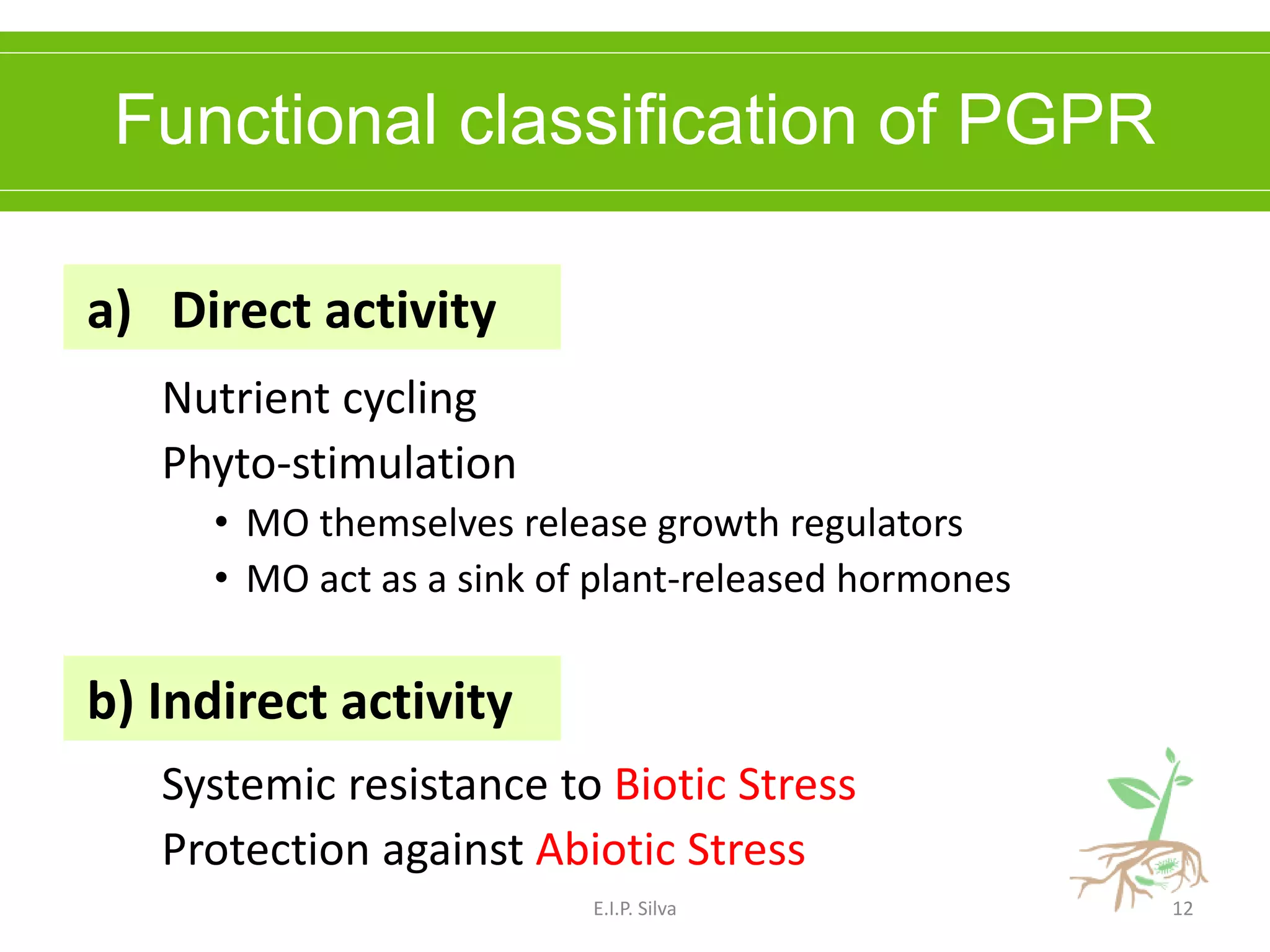
a) Direct activity
Nutrient cycling
Phyto-stimulation
• MO themselves release growth regulators
• MO act as a sink of plant-released hormones
b) Indirect activity
Systemic resistance to Biotic Stress
Protection against Abiotic Stress
E.I.P. Silva
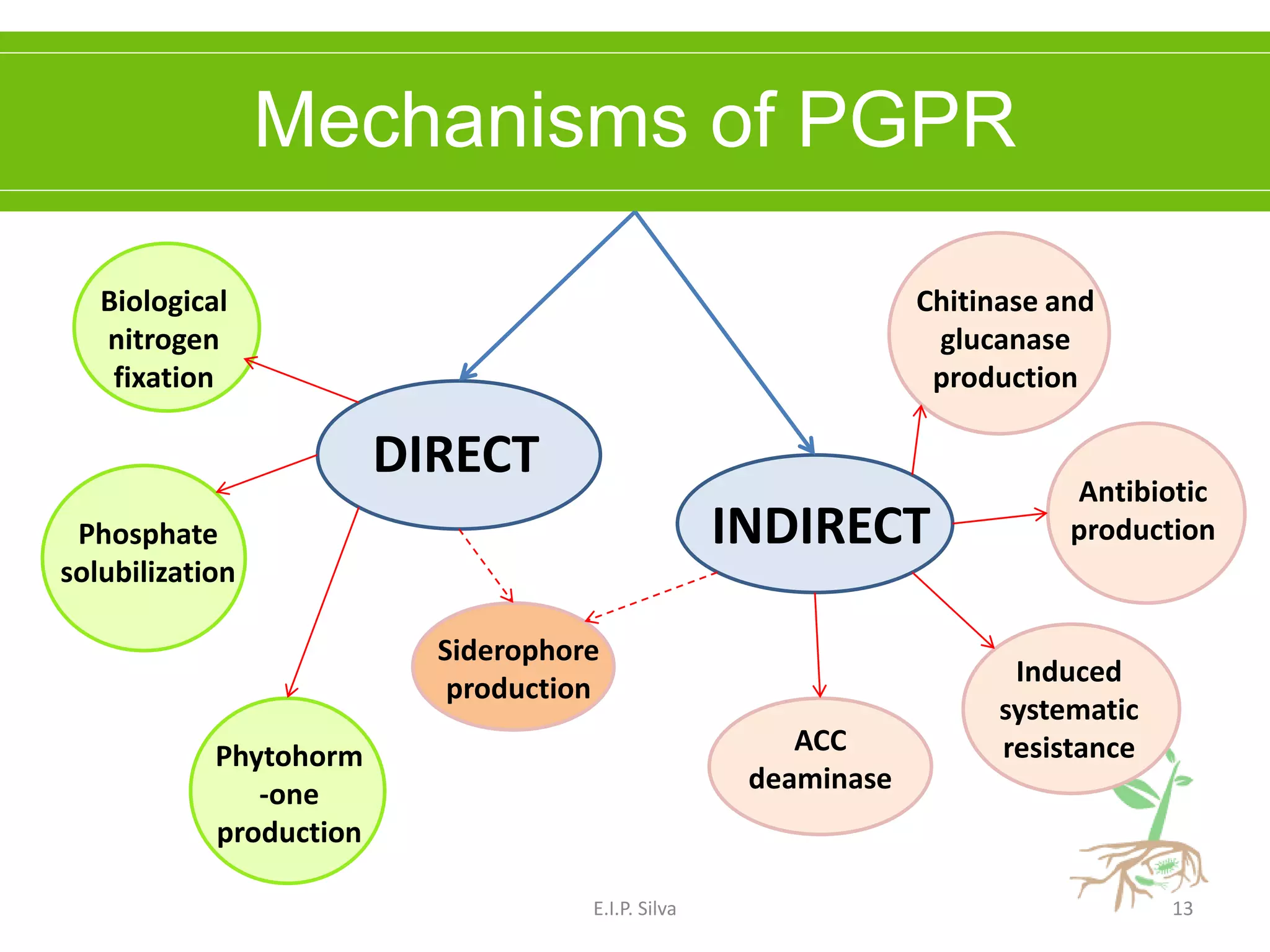
Mechanisms of PGPR
13
DIRECT
INDIRECT
Biological
nitrogen
fixation
Phosphate
solubilization
Phytohorm
-one
production
Siderophore
production
Antibiotic
production
Chitinase and
glucanase
production
Induced
systematic
resistanceACC
deaminase
E.I.P. Silva
Direct Mechanisms
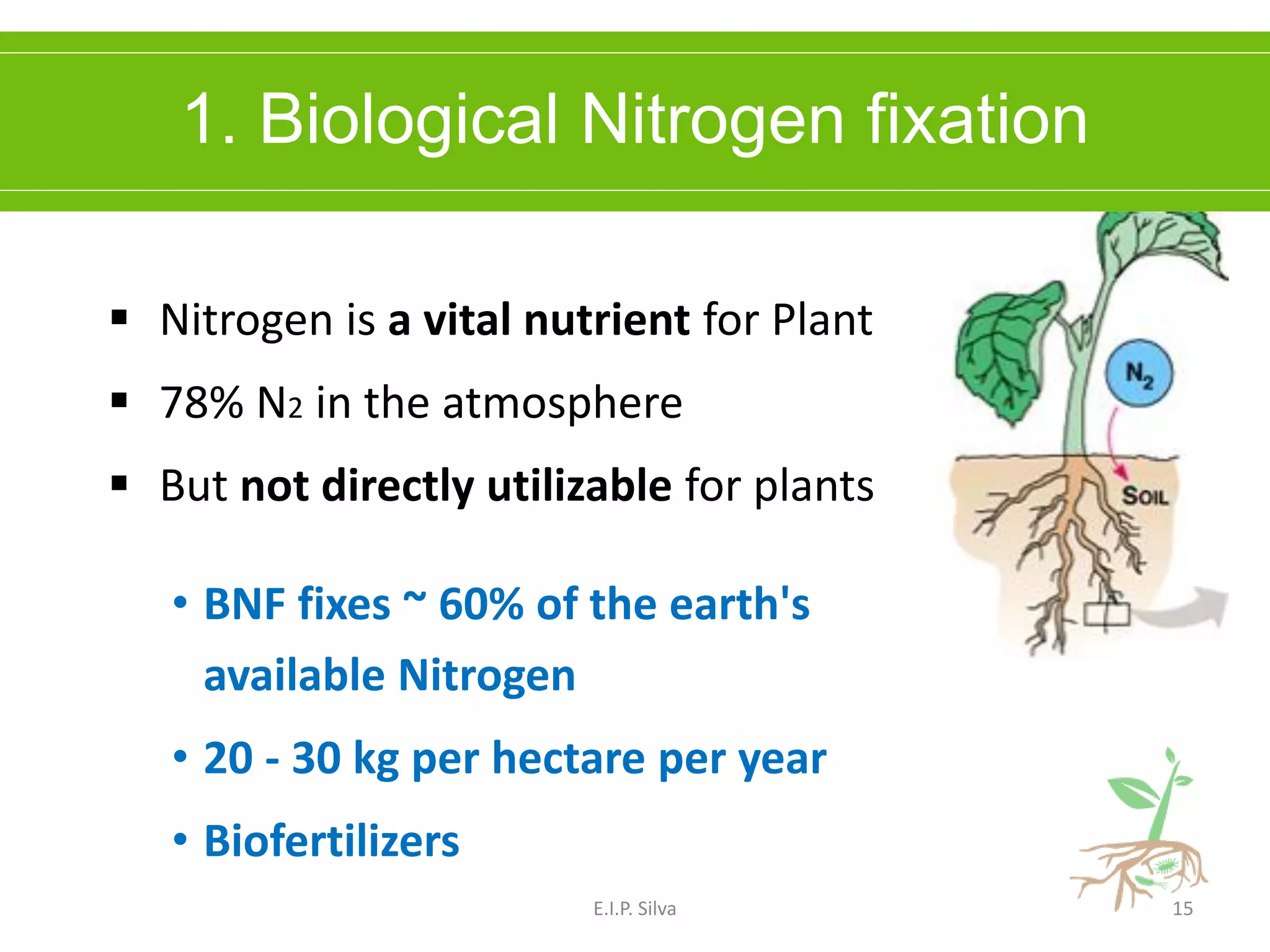
1. Biological Nitrogen fixation
15
 Nitrogen is a vital nutrient for Plant
 78% N2 in the atmosphere
 But not directly utilizable for plants
• BNF fixes ~ 60% of the earth's
available Nitrogen
• 20 - 30 kg per hectare per year
• Biofertilizers
E.I.P. Silva
1. Biological Nitrogen fixation…
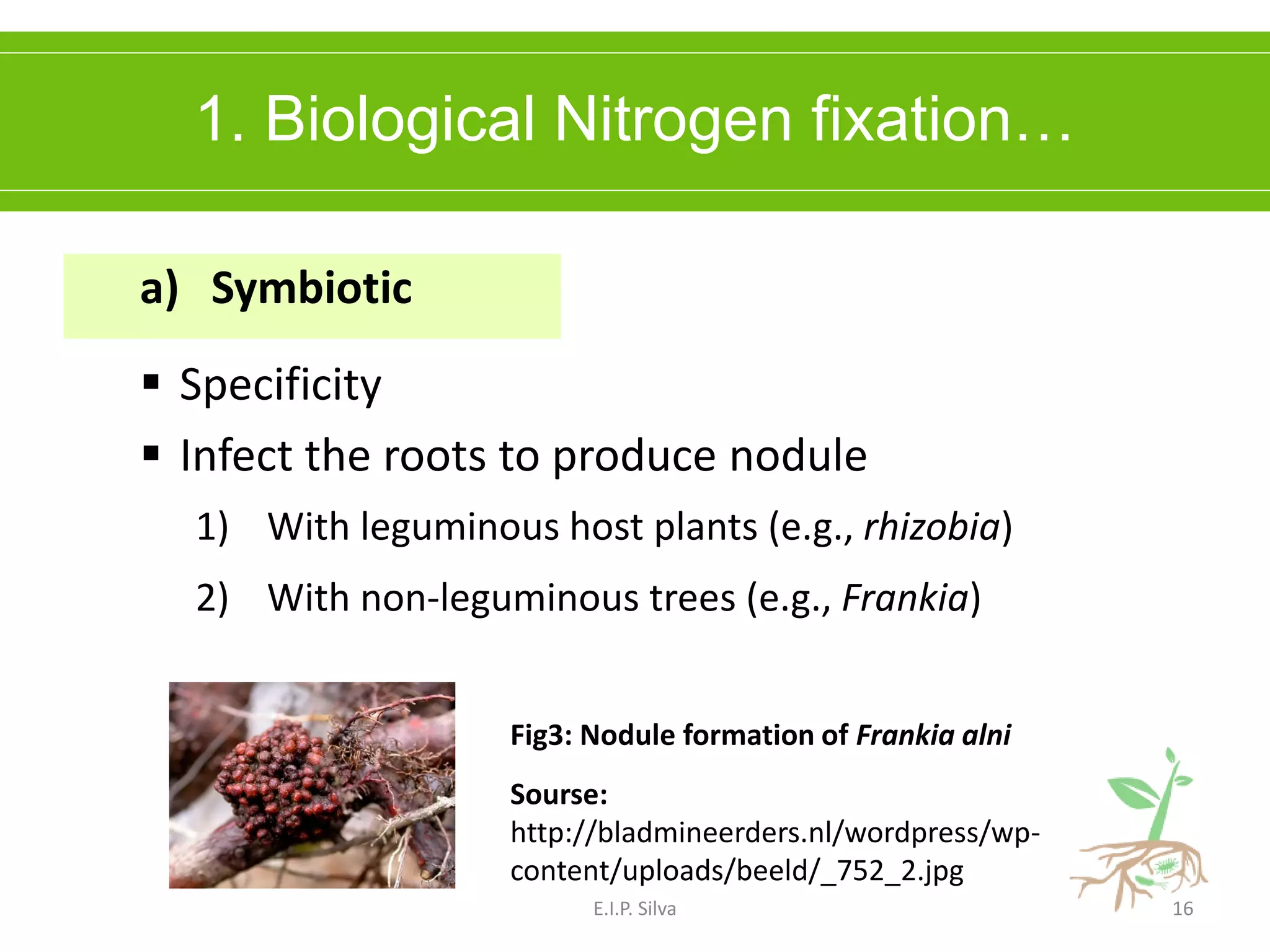
a) Symbiotic
 Specificity
 Infect the roots to produce nodule
1) With leguminous host plants (e.g., rhizobia)
2) With non-leguminous trees (e.g., Frankia)
16
Fig3: Nodule formation of Frankia alni
Sourse:
http://bladmineerders.nl/wordpress/wp-
content/uploads/beeld/_752_2.jpg
E.I.P. Silva
Nodule formation of Rhizobium
17E.I.P. Silva
1. Biological Nitrogen fixation…
b) Non-Symbiotic
 Free living diazotrophs , associative
 Non-specific / loose symbiosis
 Azospirillum, Azotobacter, Burkholderia,
Herbaspirillum, Bacillus, and Paenibacillus
18
Fig5: Azospirillum sp.
Source:https://www.indiamart.com/proddetail/
azospirillum-lipoferum-8534947730.html
E.I.P. Silva
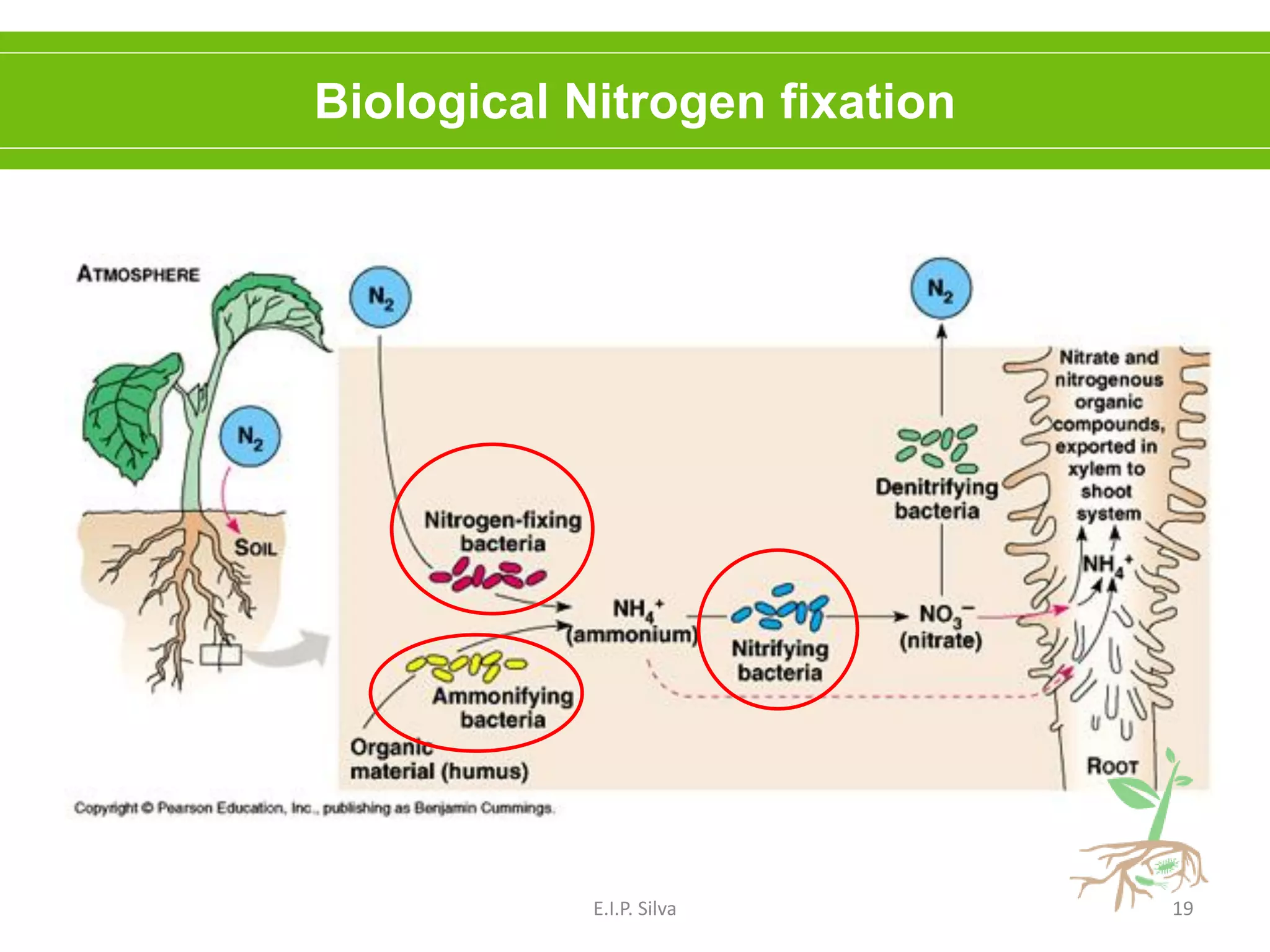
Biological Nitrogen fixation
19E.I.P. Silva
1. Biological Nitrogen fixation…
20
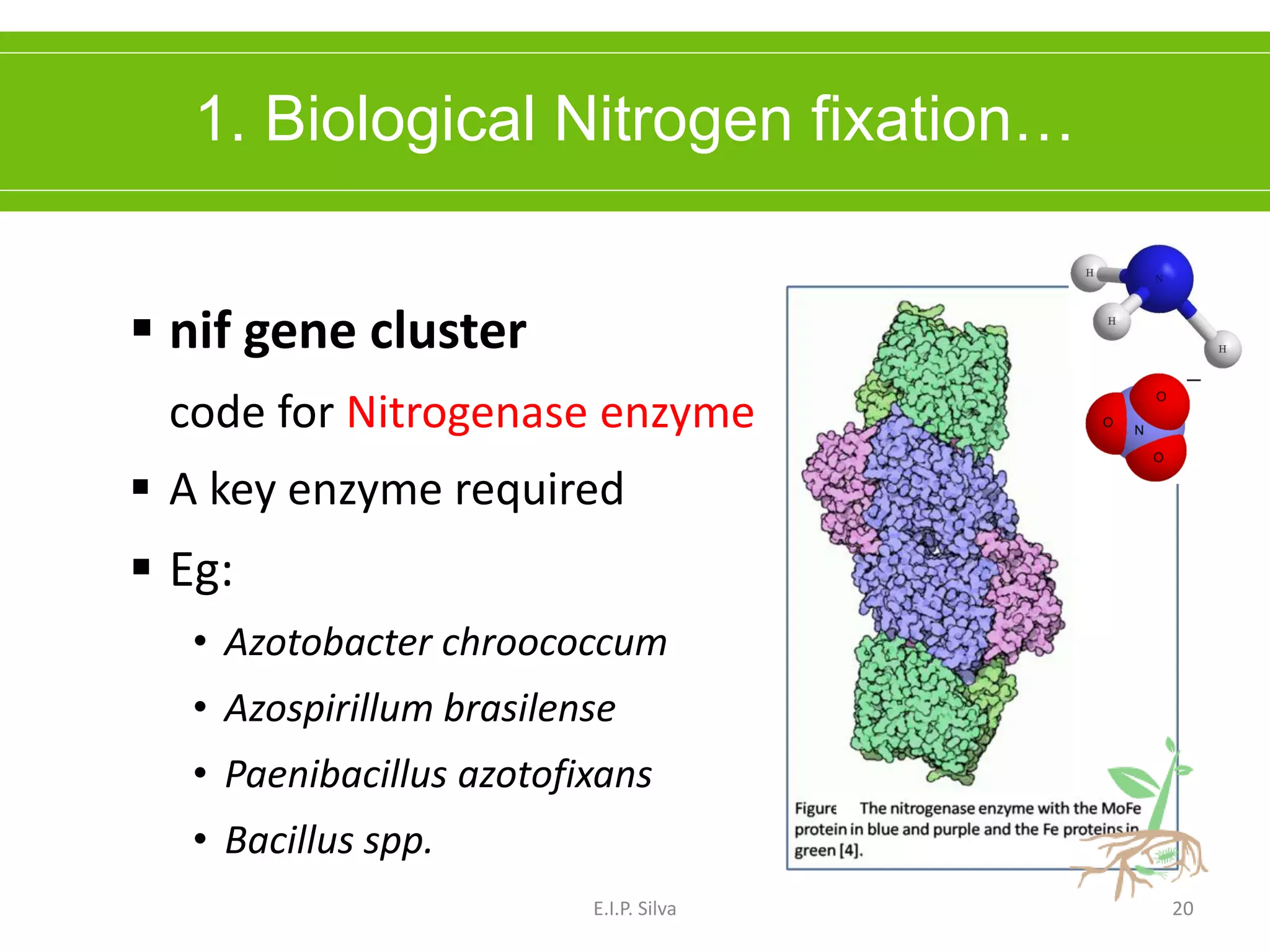
 nif gene cluster
code for Nitrogenase enzyme
 A key enzyme required
 Eg:
• Azotobacter chroococcum
• Azospirillum brasilense
• Paenibacillus azotofixans
• Bacillus spp.
E.I.P. Silva
2. Phosphate solubilization
21
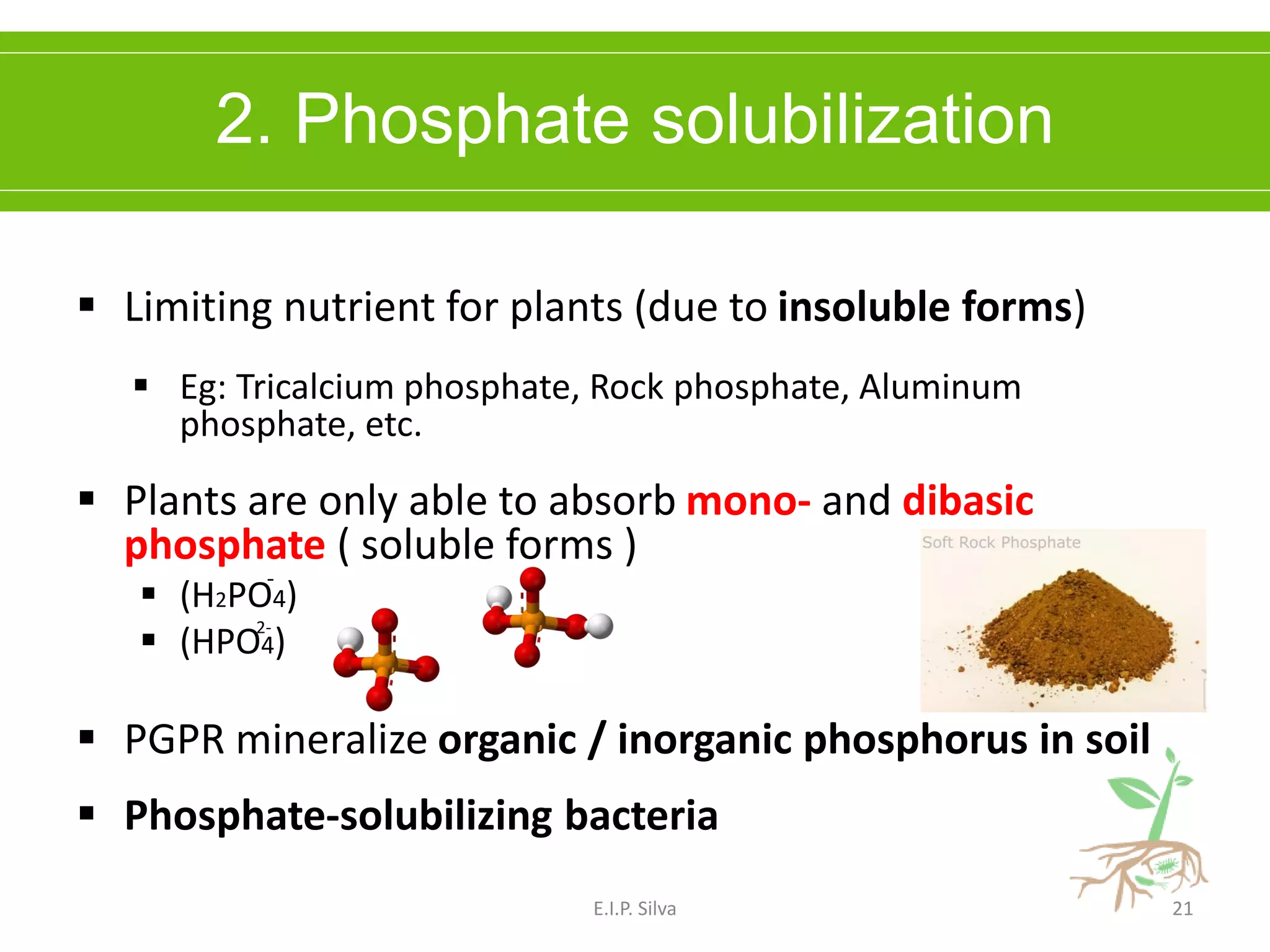
 Limiting nutrient for plants (due to insoluble forms)
 Eg: Tricalcium phosphate, Rock phosphate, Aluminum
phosphate, etc.
 Plants are only able to absorb mono- and dibasic
phosphate ( soluble forms )
 (H2PO4)
 (HPO4)
 PGPR mineralize organic / inorganic phosphorus in soil
 Phosphate-solubilizing bacteria
2-
-
E.I.P. Silva
2. Phosphate solubilization…
22
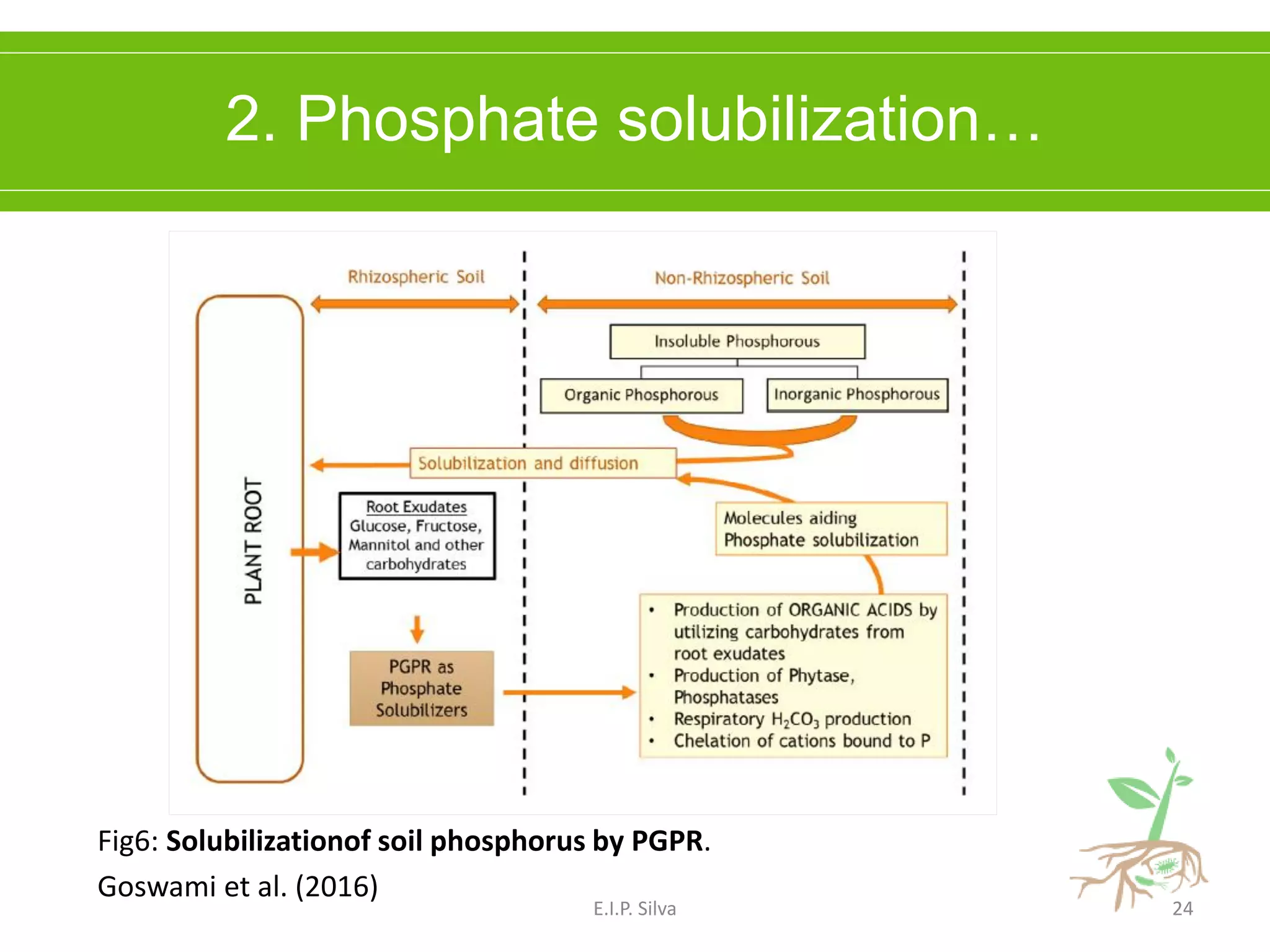
Primary Mechanism
1) Organic acid secretion by microbes
 utilize sugars from root exudates
 produce organic acids
 acetic, lactic, malic, succinic, tartaric, gluconic,
2-ketogluconic, oxalic and citric acids
 act as good chelators of divalent Ca2+ cations
E.I.P. Silva
2. Phosphate solubilization…
23
Other Mechanisms
2) Produce extra cellular enzyme
 Phytase
Hexaphosphate salt of inositol (phytate)
 Phosphatase
3) Release of Phosphate during substrate
dgredation
E.I.P. Silva
2. Phosphate solubilization…
24
Fig6: Solubilizationof soil phosphorus by PGPR.
Goswami et al. (2016)
E.I.P. Silva
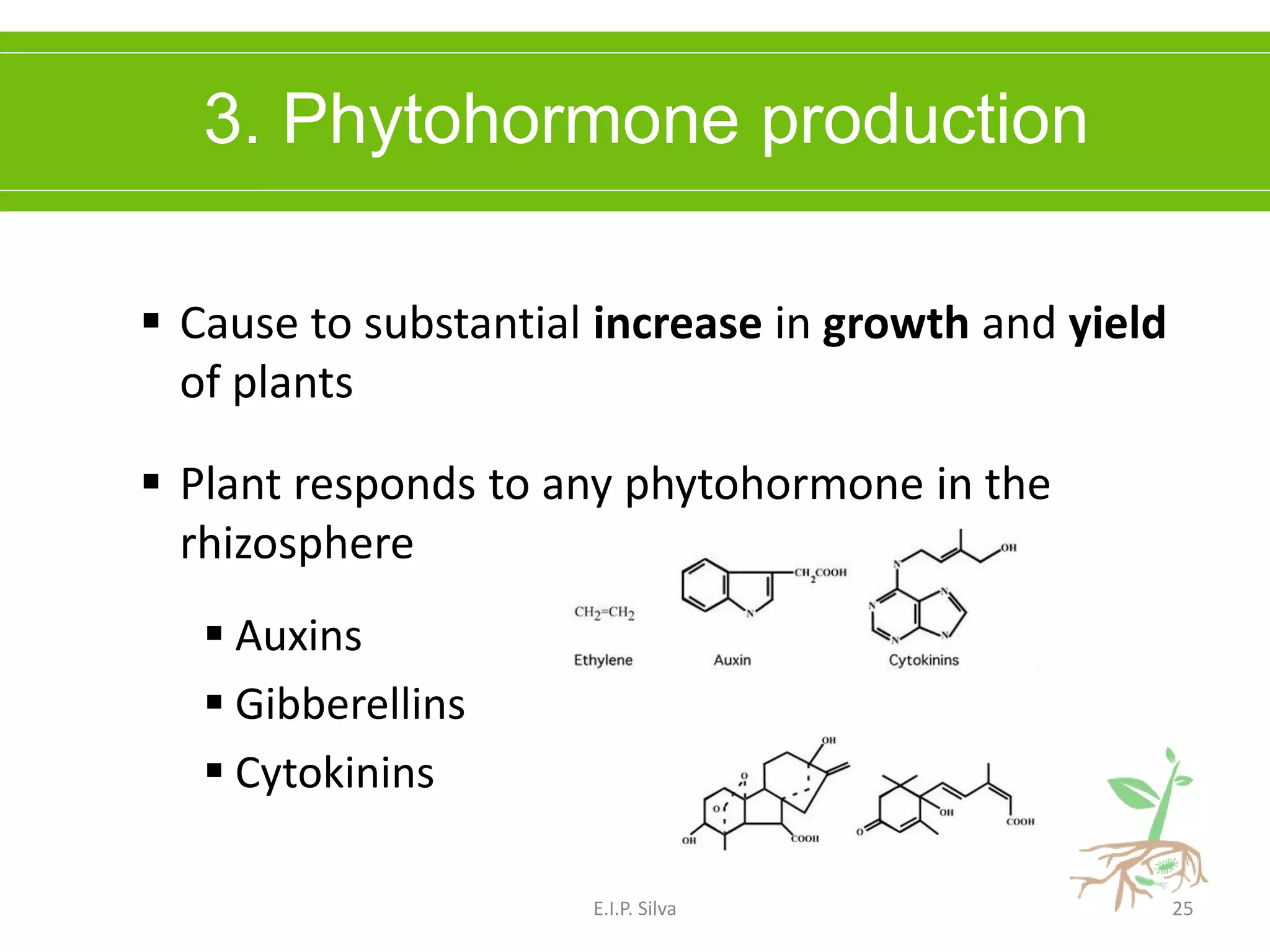
 Cause to substantial increase in growth and yield
of plants
 Plant responds to any phytohormone in the
rhizosphere
 Auxins
 Gibberellins
 Cytokinins
3. Phytohormone production
25E.I.P. Silva
3. Phytohormone production…
26
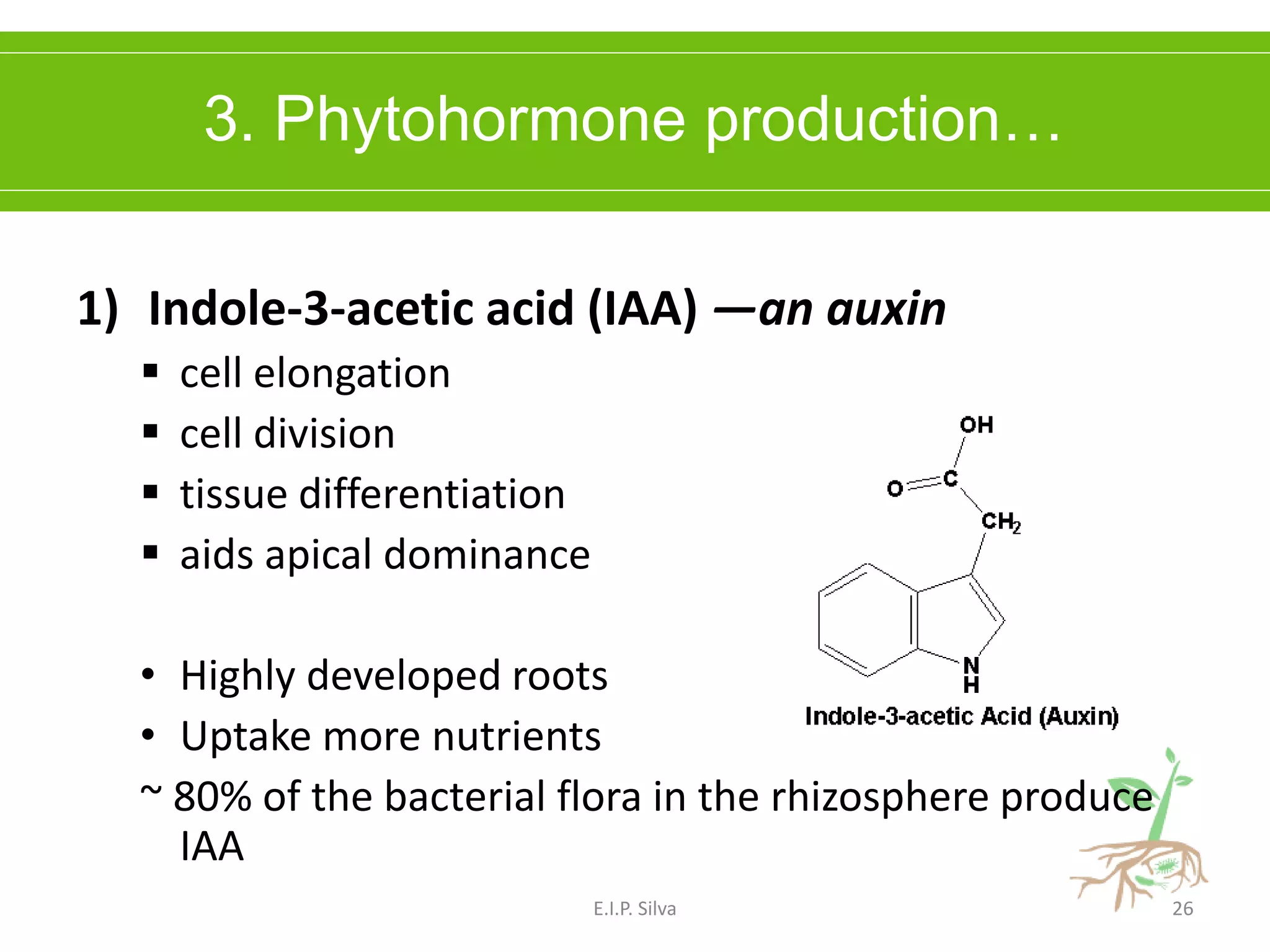
1) Indole-3-acetic acid (IAA) —an auxin
 cell elongation
 cell division
 tissue differentiation
 aids apical dominance
• Highly developed roots
• Uptake more nutrients
~ 80% of the bacterial flora in the rhizosphere produce
IAA
E.I.P. Silva
3. Phytohormone IAA …
27
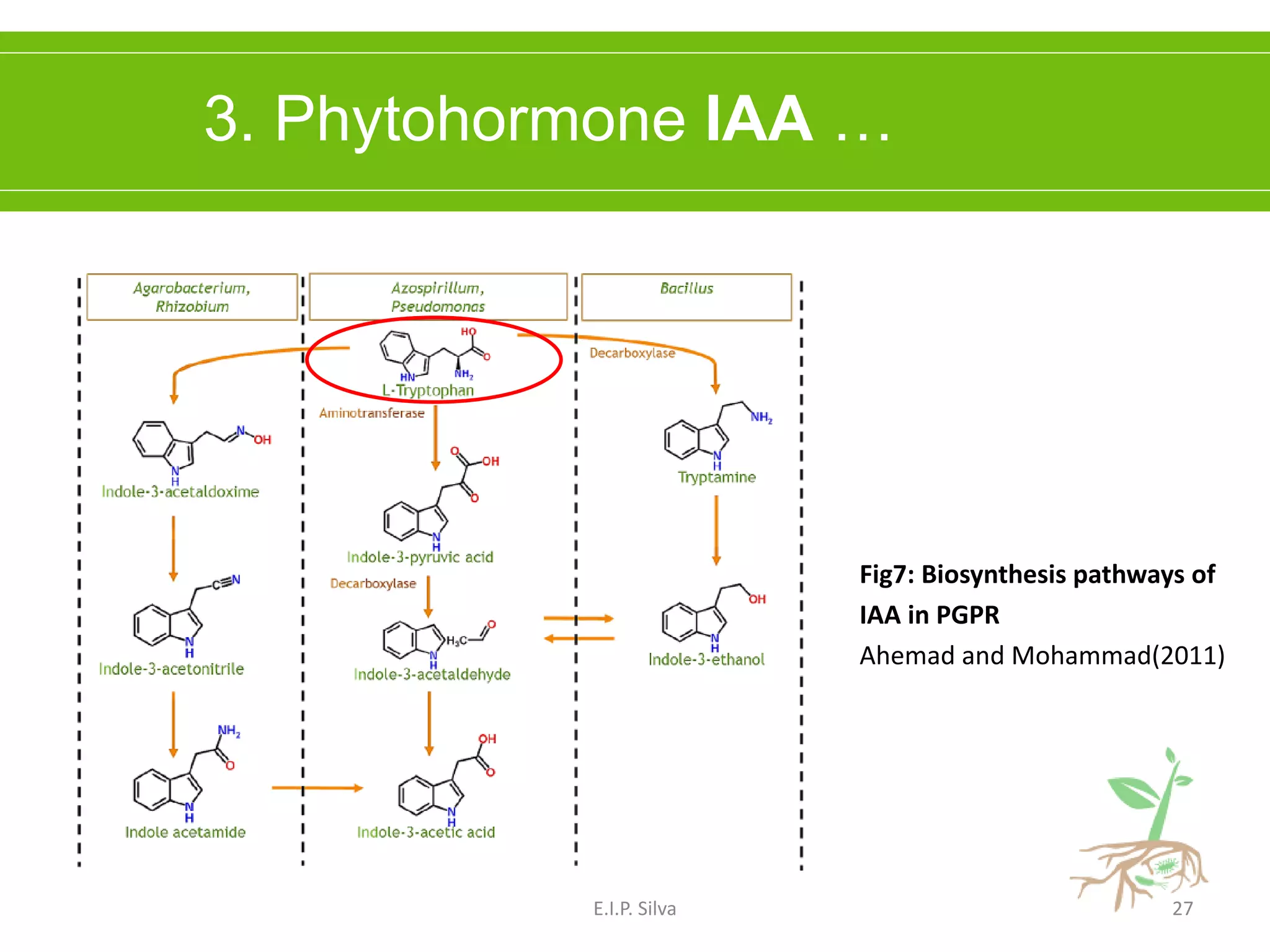
Fig7: Biosynthesis pathways of
IAA in PGPR
Ahemad and Mohammad(2011)
E.I.P. Silva
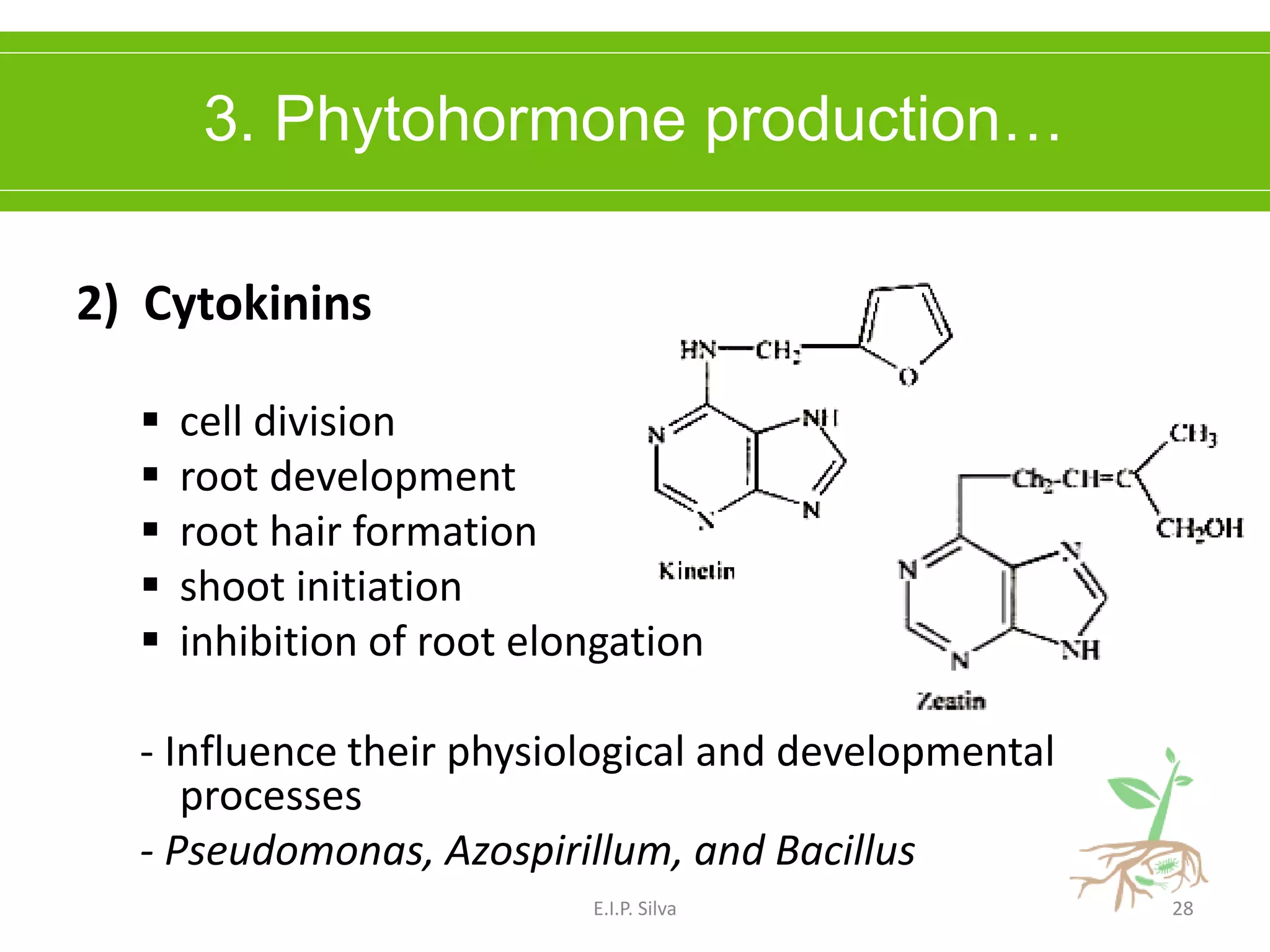
2) Cytokinins
 cell division
 root development
 root hair formation
 shoot initiation
 inhibition of root elongation
- Influence their physiological and developmental
processes
- Pseudomonas, Azospirillum, and Bacillus
3. Phytohormone production…
28E.I.P. Silva
3. Phytohormone Cytokinins …
29
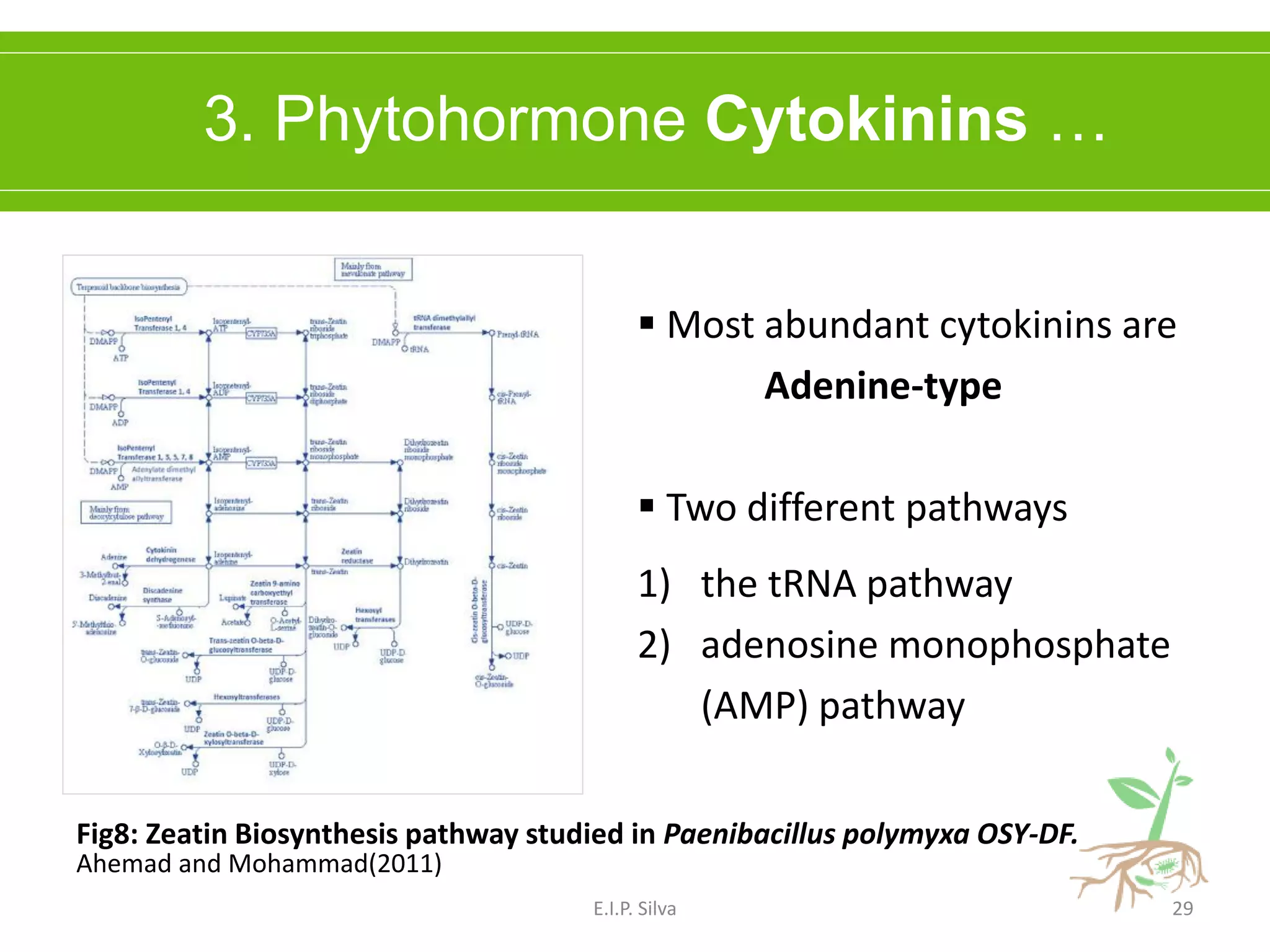
 Most abundant cytokinins are
Adenine-type
 Two different pathways
1) the tRNA pathway
2) adenosine monophosphate
(AMP) pathway
Fig8: Zeatin Biosynthesis pathway studied in Paenibacillus polymyxa OSY-DF.
Ahemad and Mohammad(2011)
E.I.P. Silva
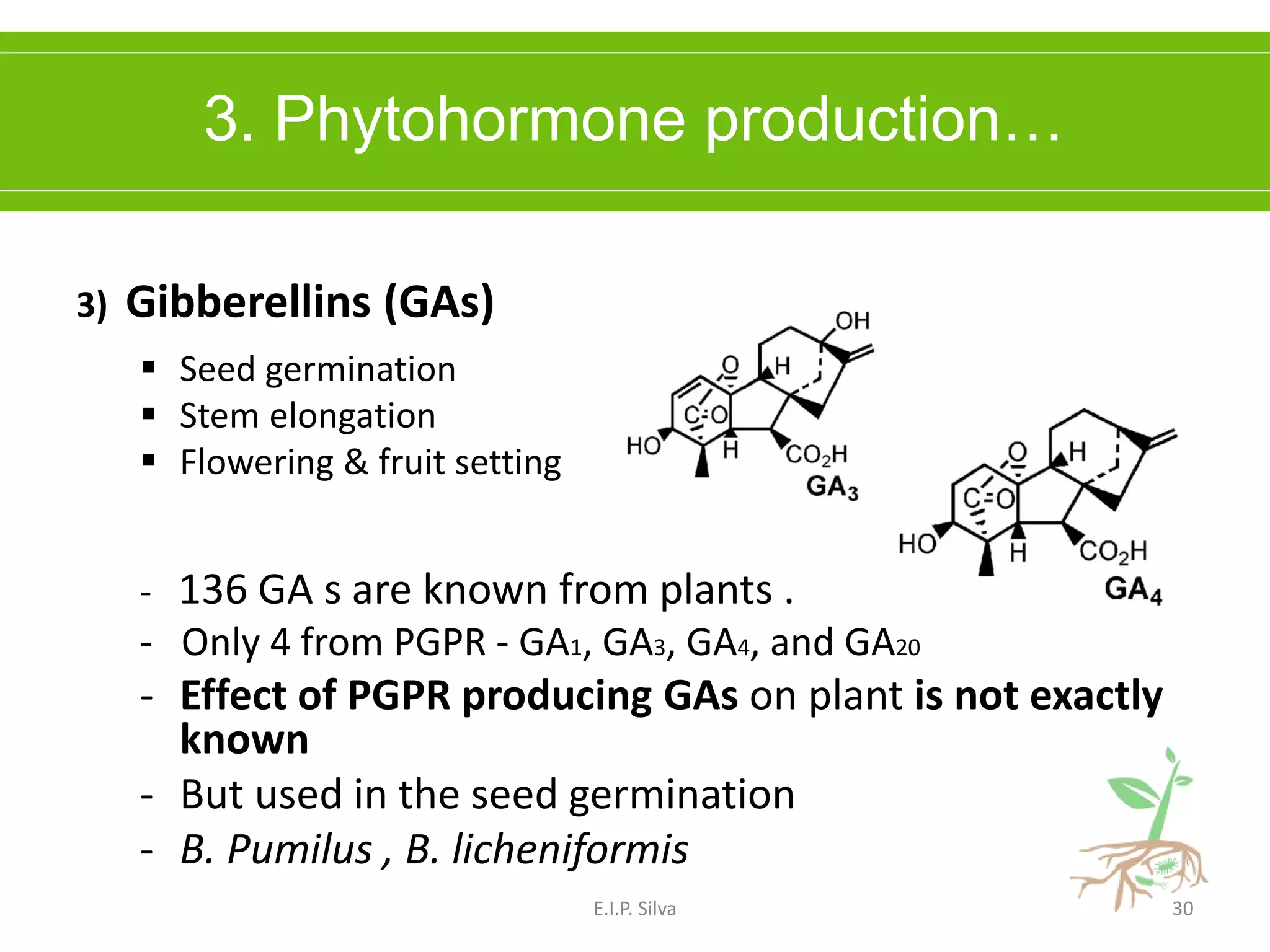
3) Gibberellins (GAs)
 Seed germination
 Stem elongation
 Flowering & fruit setting
- 136 GA s are known from plants .
- Only 4 from PGPR - GA1, GA3, GA4, and GA20
- Effect of PGPR producing GAs on plant is not exactly
known
- But used in the seed germination
- B. Pumilus , B. licheniformis
3. Phytohormone production…
30E.I.P. Silva
Indirect Mechanisms
 Iron is an essential nutrient
 Quite abundant, but unavailable for plants & MO
 Insoluble oxides and hydroxides inaccessible
 Siderophores’ functional groups capable of
binding iron in a reversible way
 Rhizosphere bacteria release these compounds to
increase their competitive potential
1. Siderophore production
32E.I.P. Silva
• Release iron-chelating molecules to the rhizosphere
• Improve iron nutrition - attract iron towards the
rhizosphere
• Inhibit the growth of other micro-organisms
• Hinder the growth of pathogens by limiting the
iron available for the pathogen (Fungi)
PGPR
Pseudomonas fluorescens & Pseudomonas aeruginosa
1. Siderophore production…
33E.I.P. Silva
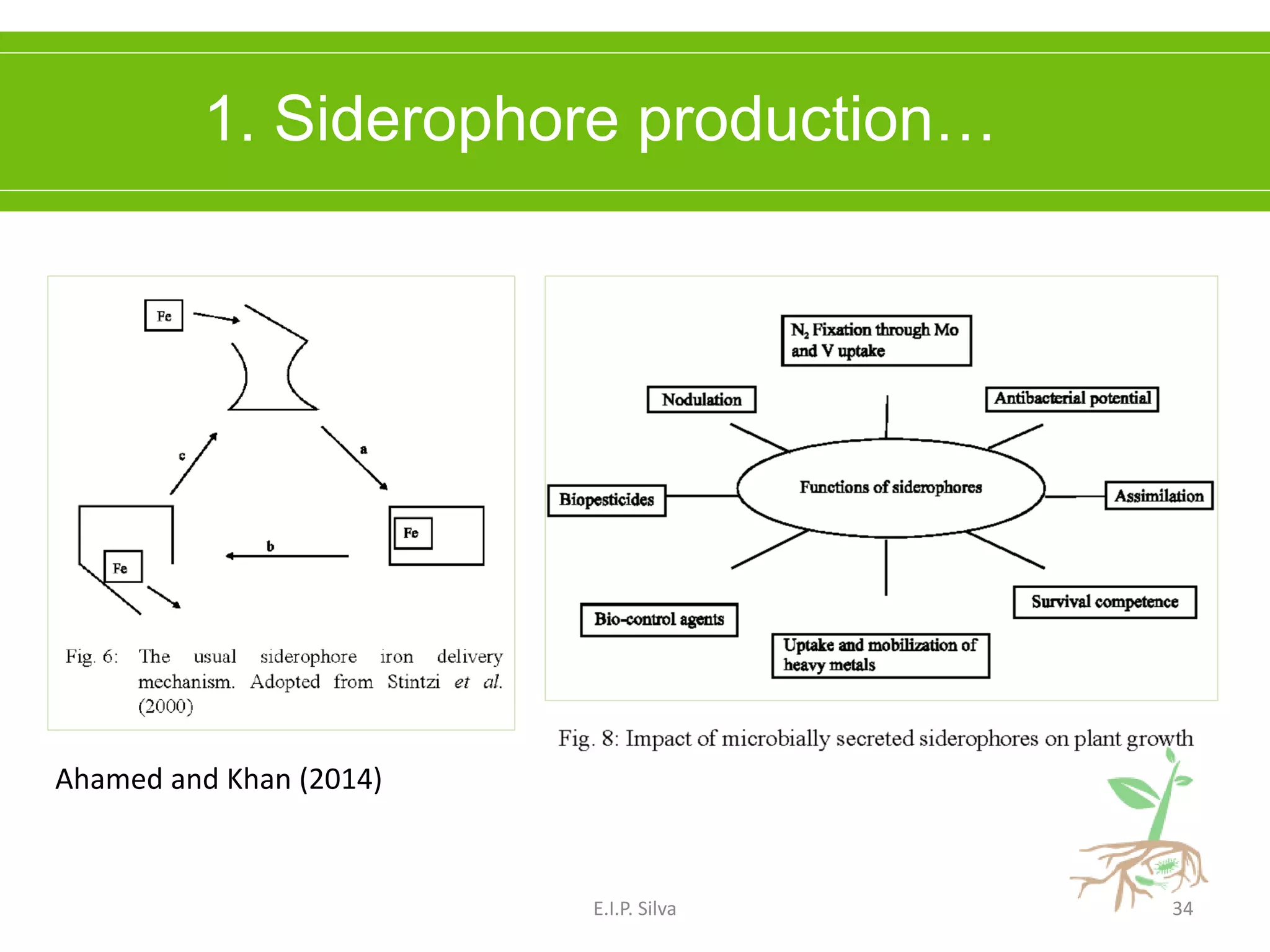
1. Siderophore production…
34E.I.P. Silva
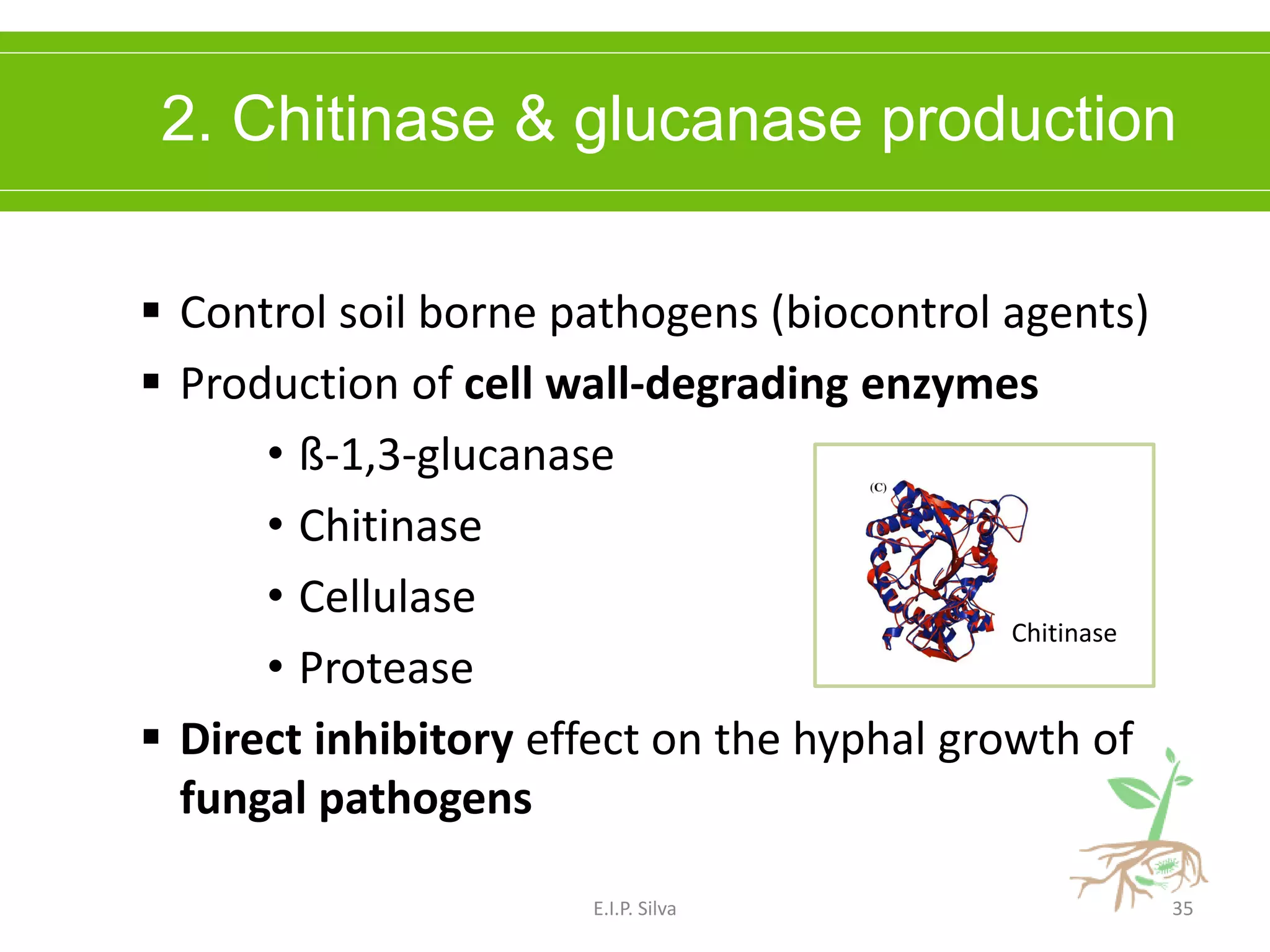
Ahamed and Khan (2014)
 Control soil borne pathogens (biocontrol agents)
 Production of cell wall-degrading enzymes
• ß-1,3-glucanase
• Chitinase
• Cellulase
• Protease
 Direct inhibitory effect on the hyphal growth of
fungal pathogens
2. Chitinase & glucanase production
35
Chitinase
E.I.P. Silva
 Microbial antagonists against plant pathogens
 Alternate to chemical pesticides
 Bacillus and Pseudomonas species
 Inhibitory even at low concentrations
Bacillus subtilis 168
antibacterial and antifungal antibiotics
3. Antibiotic production
36E.I.P. Silva
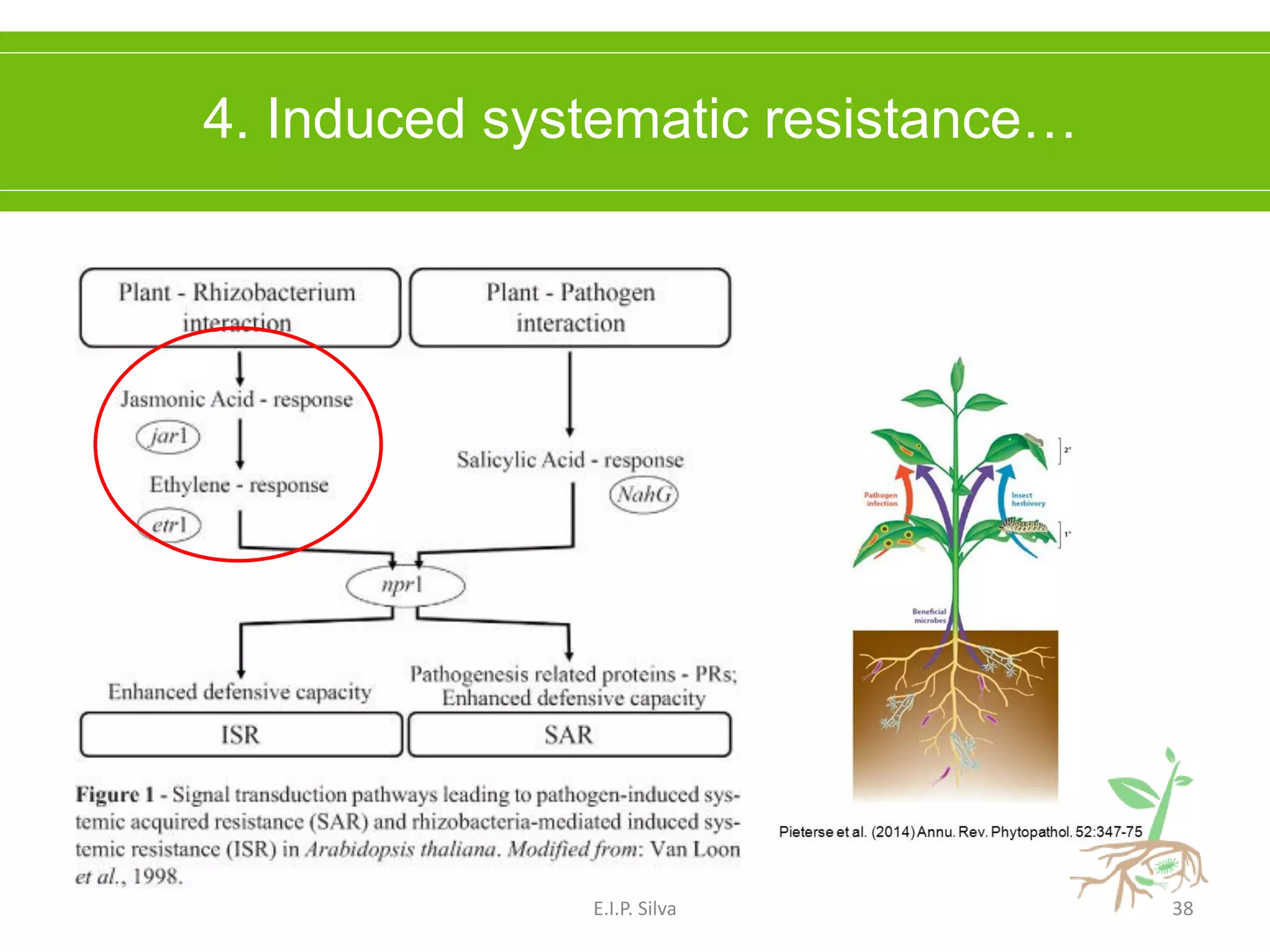
 Protect plant from diseases,
- Via induced systematic resistance (ISR)
 Increase in the level of basal resistance to several
pathogens simultaneously
 Pseudomonas strains
 A signal is generated involving jasmonate or
ethylene pathway
 Thus inducing the host plant’s defense response.
4. Induced systematic resistance
37E.I.P. Silva
4. Induced systematic resistance…
38E.I.P. Silva
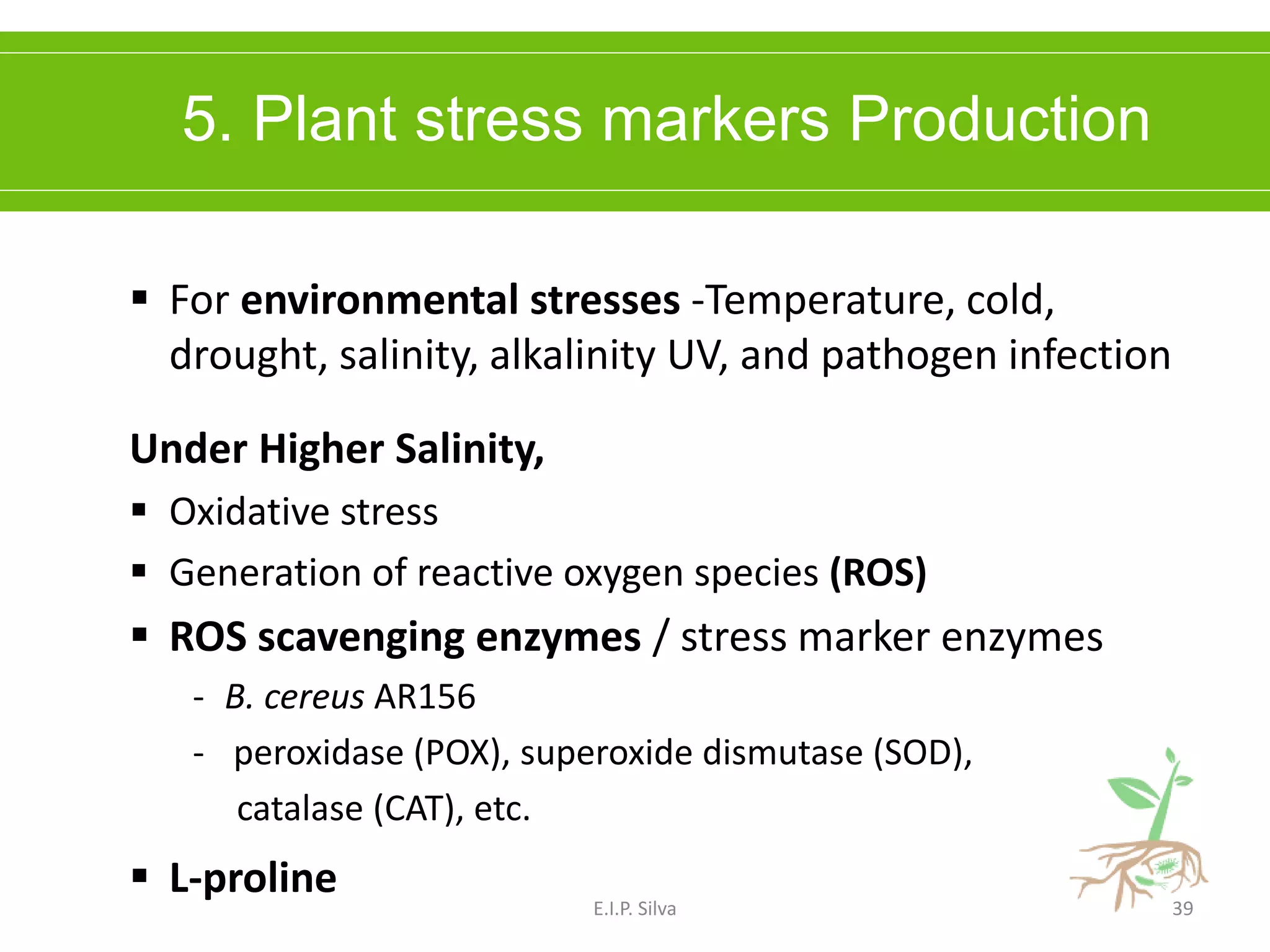
 For environmental stresses -Temperature, cold,
drought, salinity, alkalinity UV, and pathogen infection
Under Higher Salinity,
 Oxidative stress
 Generation of reactive oxygen species (ROS)
 ROS scavenging enzymes / stress marker enzymes
- B. cereus AR156
- peroxidase (POX), superoxide dismutase (SOD),
catalase (CAT), etc.
 L-proline
5. Plant stress markers Production
39E.I.P. Silva
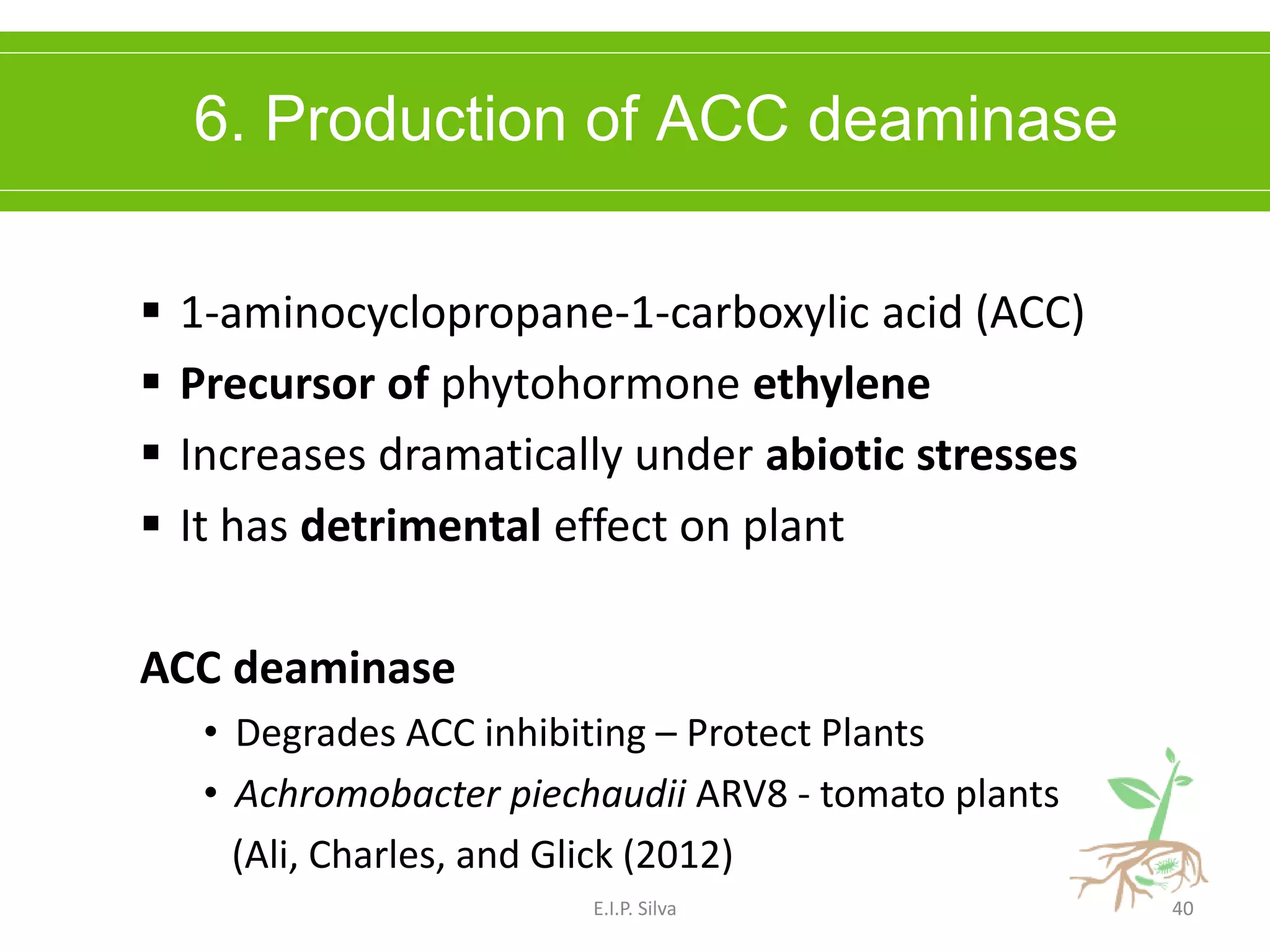
 1-aminocyclopropane-1-carboxylic acid (ACC)
 Precursor of phytohormone ethylene
 Increases dramatically under abiotic stresses
 It has detrimental effect on plant
ACC deaminase
• Degrades ACC inhibiting – Protect Plants
• Achromobacter piechaudii ARV8 - tomato plants
(Ali, Charles, and Glick (2012)
6. Production of ACC deaminase
40E.I.P. Silva
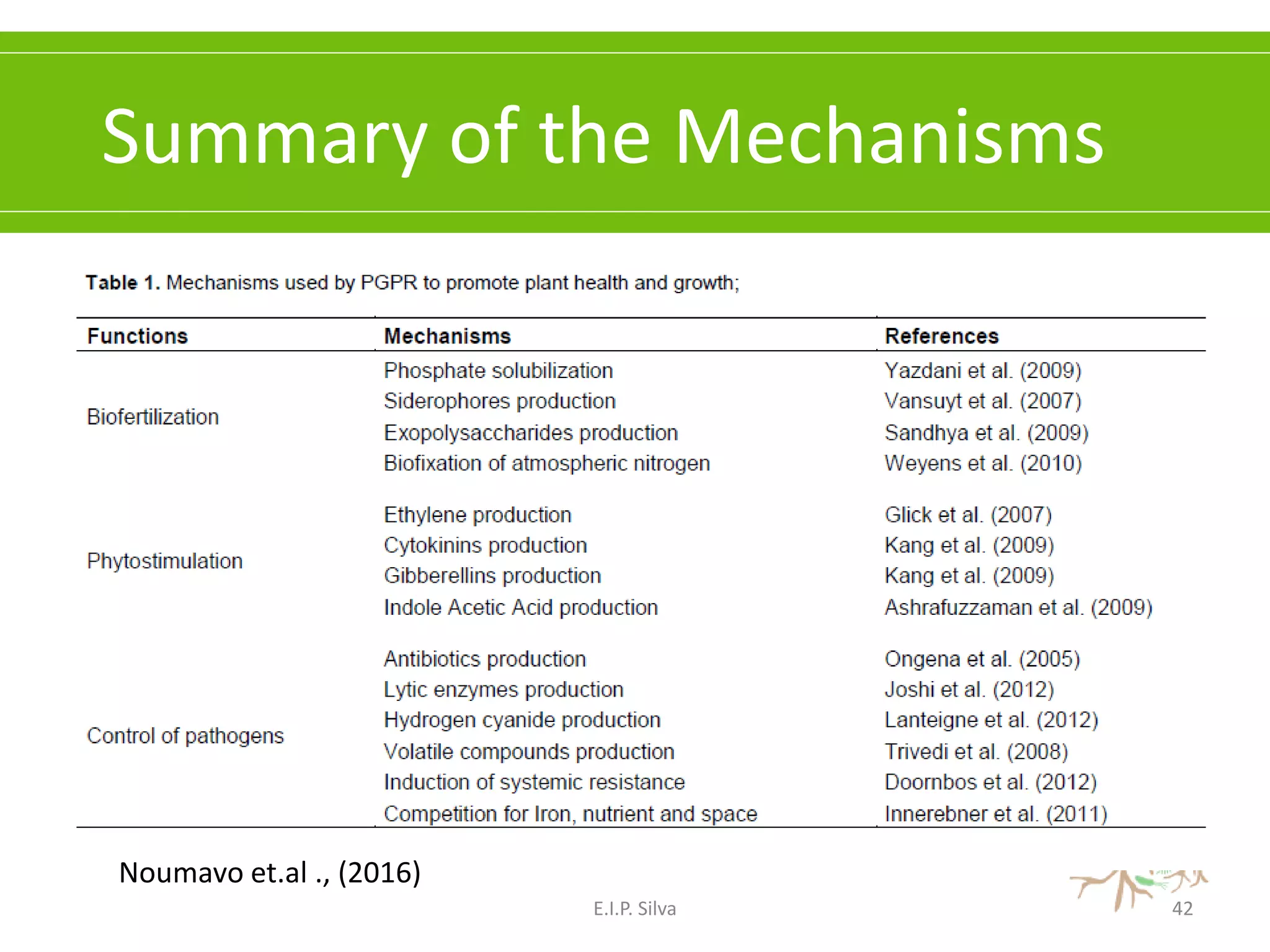
Summary of the Mechanisms
41
Ahemad and Mohammad(2011)
E.I.P. Silva
Summary of the Mechanisms
42E.I.P. Silva
Noumavo et.al ., (2016)
Commercialization of PGPR
43
 As
1) Biofertilizers
2) Biocontrol agents
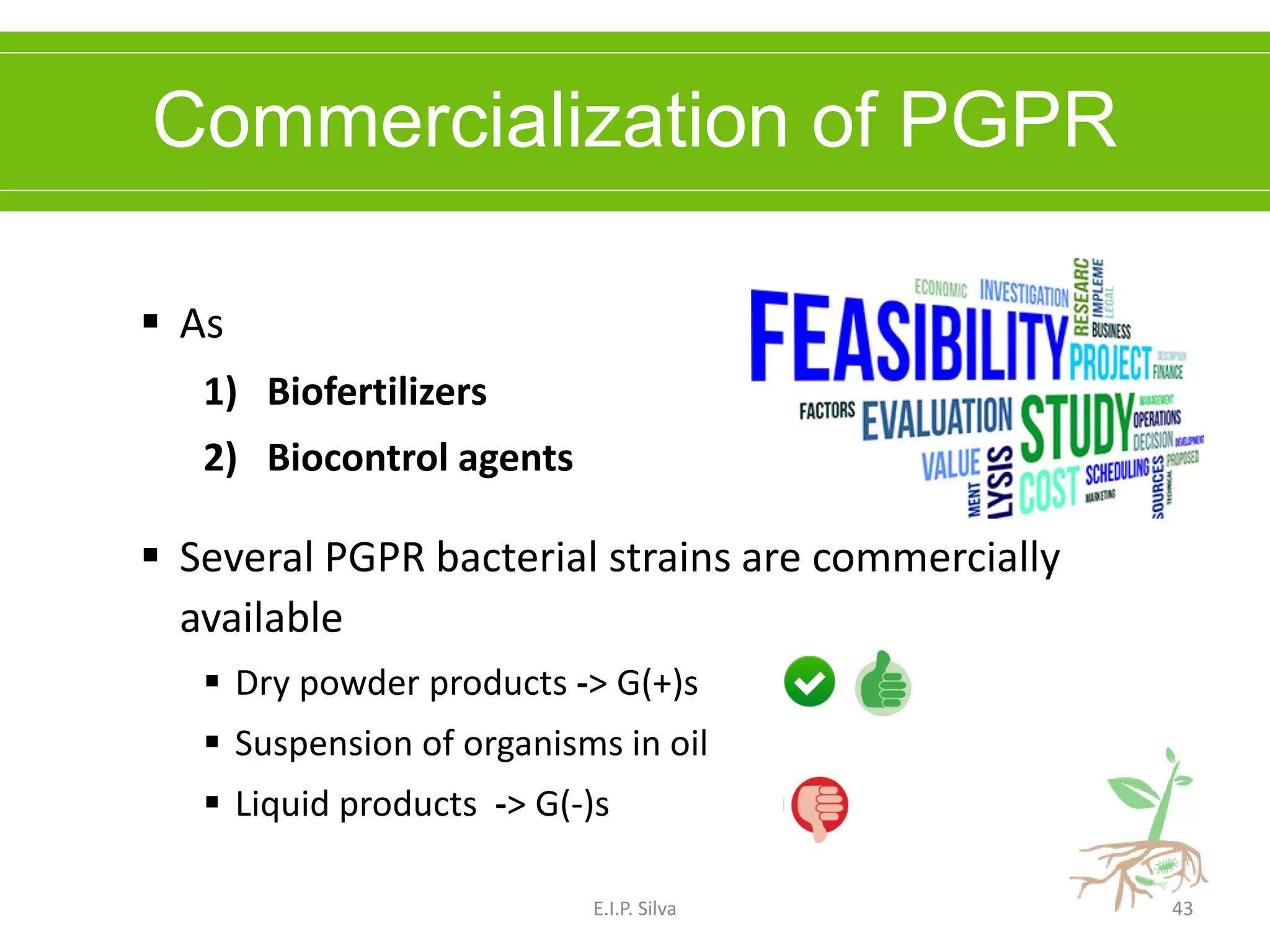
 Several PGPR bacterial strains are commercially
available
 Dry powder products -> G(+)s
 Suspension of organisms in oil
 Liquid products -> G(-)s
E.I.P. Silva
Commercially available PGPR
44
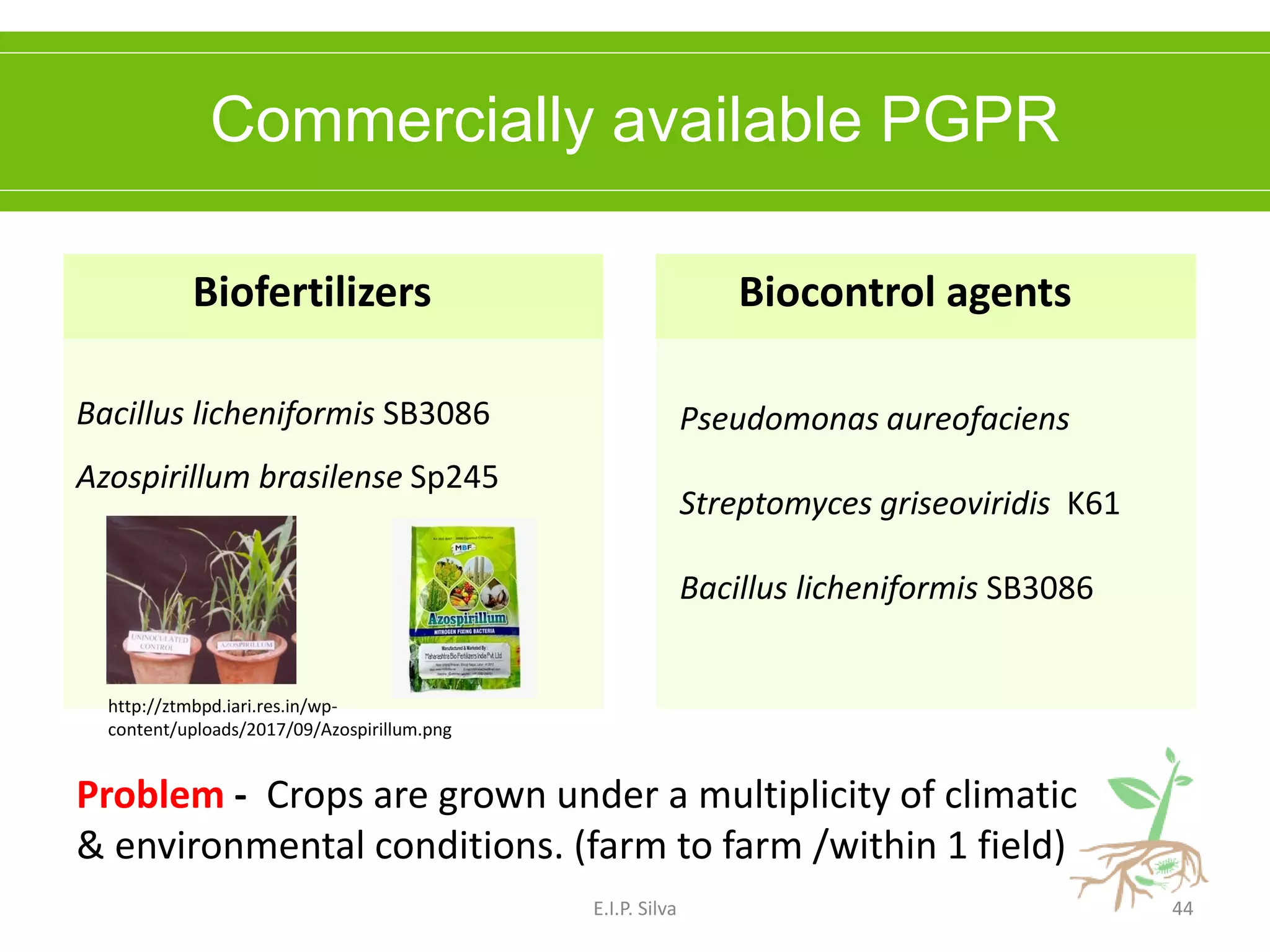
Biofertilizers Biocontrol agents
Pseudomonas aureofaciens
Streptomyces griseoviridis K61
Bacillus licheniformis SB3086
Azospirillum brasilense Sp245
Problem - Crops are grown under a multiplicity of climatic
& environmental conditions. (farm to farm /within 1 field)
http://ztmbpd.iari.res.in/wp-
content/uploads/2017/09/Azospirillum.png
E.I.P. Silva
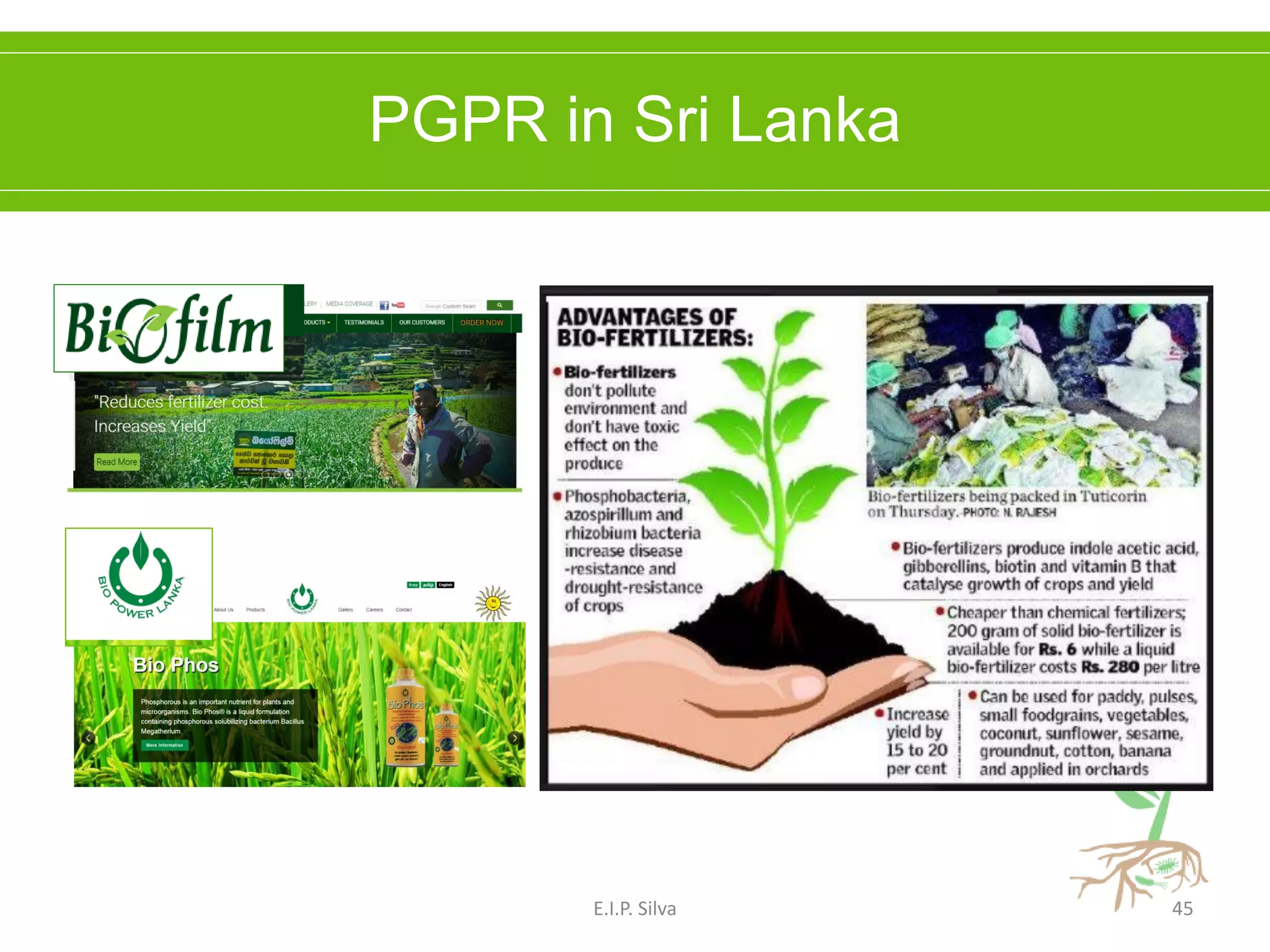
PGPR in Sri Lanka
45E.I.P. Silva
Conclusion
46
 Essential for Sustainable agriculture
 Many identified not been commercialized
efficiently
 Should do further research on detailed
understanding of their mechanics
 A lot of effort is still required to make PGPR, an
efficient technique in sustainable agriculture
E.I.P. Silva
ACKNOWLEDGEMENT
Department of botany,
Faculty of Applied Science,
University of Sri Jayewardenepura.
47E.I.P. Silva
REFERENCES
• Ahemad, M. and Khan, M.S., 2011. Functional aspects of plant growth
promoting rhizobacteria: recent advancements. Insight Microbiol, 1(3), pp.39-
54.
• Gopalakrishnan, S., Sathya, A., Vijayabharathi, R., Varshney, R.K., Gowda, C.L.
and Krishnamurthy, L., 2015. Plant growth promoting rhizobia: challenges and
opportunities. 3 Biotech, 5(4), pp.355-377.
• Goswami, D., Thakker, J.N. and Dhandhukia, P.C., 2016. Portraying mechanics of
plant growth promoting rhizobacteria (PGPR): A review. Cogent Food &
Agriculture, 2(1), p.1127500.
• Kumar, A., Prakash, A. and Johri, B.N., 2011. Bacillus as PGPR in crop ecosystem.
In Bacteria in agrobiology: crop ecosystems (pp. 37-59). Springer, Berlin,
Heidelberg.
• Kundan, R., Pant, G., Jadon, N. and Agrawal, P.K., 2015. Plant growth promoting
rhizobacteria: mechanism and current prospective. J Fertil Pestic, 6(2), p.9.
48E.I.P. Silva
REFERENCES
• Mishra, J., Prakash, J. and Arora, N.K., 2016. Role of Beneficial Soil Microbes in
Sustainable Agriculture and Environmental Management. Climate Change and
Environmental Sustainability, 4(2), pp.137-149.
• Noumavo, P.A., Agbodjato, N.A., Baba-Moussa, F., Adjanohoun, A. and Baba-
Moussa, L., 2016. Plant growth promoting rhizobacteria: Beneficial effects for
healthy and sustainable agriculture. African Journal of Biotechnology, 15(27),
pp.1452-1463.
• Richardson, A.E., Barea, J.M., McNeill, A.M. and Prigent-Combaret, C., 2009.
Acquisition of phosphorus and nitrogen in the rhizosphere and plant growth
promotion by microorganisms. Plant and soil, 321(1-2), pp.305-339.
• Vejan, P., Abdullah, R., Khadiran, T., Ismail, S. and Nasrulhaq Boyce, A., 2016.
Role of plant growth promoting rhizobacteria in agricultural sustainability—a
review. Molecules, 21(5), p.573.
49E.I.P. Silva
REFERENCES
• Vacheron, J., Desbrosses, G., Bouffaud, M.L., Touraine, B., Moënne-Loccoz, Y.,
Muller, D., Legendre, L., Wisniewski-Dyé, F. and Prigent-Combaret, C., 2013.
Plant growth-promoting rhizobacteria and root system functioning. Frontiers in
plant science, 4, p.356.
• Yang, J., Kloepper, J.W. and Ryu, C.M., 2009. Rhizosphere bacteria help plants
tolerate abiotic stress. Trends in plant science, 14(1), pp.1-4.
50E.I.P. Silva
Thank You

PGPR - Plant Growth Promoting Rhizobacteria

  • 1.
  • 2.
    Outline  Introduction  Mechanismsof Plant Growth Promotion by PGPR  Direct  Indirect  Commercialization of PGPR  Acknowledgement  References 2E.I.P. Silva
  • 3.
  • 4.
  • 5.
  • 6.
    Introduction… What are PGPR •A group of Soil Born Bacteria (Rhizobacteria) • Actively colonize plant roots / Rhizosphere • Enhance plant Growth and Yield • Directly or Indirectly - Introduced by JW Kloepper, MN Schroth (1978) 6E.I.P. Silva
  • 7.
  • 8.
  • 9.
    Characteristics of PGPR 10 Theymust, 1) Able to colonize the root 2) Survive and multiply in microhabitats associated with the root surface, in competition with other microbiota 3) Promote plant growth Or /and 4) Promote plant protection activities E.I.P. Silva
  • 10.
    Types of PGPRs 1.Extracellular (ePGPR) Existing in/on the • Rhizosphere • Rhizoplane • spaces between cells of the root cortex 2. Intracellular (iPGPR ) • Exist inside root cells • Generally in specialized nodular structures. 11 Fig: Structure of nitrogen-fixing root nodules -Maróti and Kondorosi (2014) E.I.P. Silva
  • 11.
    Functional classification ofPGPR 12 a) Direct activity Nutrient cycling Phyto-stimulation • MO themselves release growth regulators • MO act as a sink of plant-released hormones b) Indirect activity Systemic resistance to Biotic Stress Protection against Abiotic Stress E.I.P. Silva
  • 12.
  • 13.
  • 14.
    1. Biological Nitrogenfixation 15  Nitrogen is a vital nutrient for Plant  78% N2 in the atmosphere  But not directly utilizable for plants • BNF fixes ~ 60% of the earth's available Nitrogen • 20 - 30 kg per hectare per year • Biofertilizers E.I.P. Silva
  • 15.
    1. Biological Nitrogenfixation… a) Symbiotic  Specificity  Infect the roots to produce nodule 1) With leguminous host plants (e.g., rhizobia) 2) With non-leguminous trees (e.g., Frankia) 16 Fig3: Nodule formation of Frankia alni Sourse: http://bladmineerders.nl/wordpress/wp- content/uploads/beeld/_752_2.jpg E.I.P. Silva
  • 16.
    Nodule formation ofRhizobium 17E.I.P. Silva
  • 17.
    1. Biological Nitrogenfixation… b) Non-Symbiotic  Free living diazotrophs , associative  Non-specific / loose symbiosis  Azospirillum, Azotobacter, Burkholderia, Herbaspirillum, Bacillus, and Paenibacillus 18 Fig5: Azospirillum sp. Source:https://www.indiamart.com/proddetail/ azospirillum-lipoferum-8534947730.html E.I.P. Silva
  • 18.
  • 19.
    1. Biological Nitrogenfixation… 20  nif gene cluster code for Nitrogenase enzyme  A key enzyme required  Eg: • Azotobacter chroococcum • Azospirillum brasilense • Paenibacillus azotofixans • Bacillus spp. E.I.P. Silva
  • 20.
    2. Phosphate solubilization 21 Limiting nutrient for plants (due to insoluble forms)  Eg: Tricalcium phosphate, Rock phosphate, Aluminum phosphate, etc.  Plants are only able to absorb mono- and dibasic phosphate ( soluble forms )  (H2PO4)  (HPO4)  PGPR mineralize organic / inorganic phosphorus in soil  Phosphate-solubilizing bacteria 2- - E.I.P. Silva
  • 21.
    2. Phosphate solubilization… 22 PrimaryMechanism 1) Organic acid secretion by microbes  utilize sugars from root exudates  produce organic acids  acetic, lactic, malic, succinic, tartaric, gluconic, 2-ketogluconic, oxalic and citric acids  act as good chelators of divalent Ca2+ cations E.I.P. Silva
  • 22.
    2. Phosphate solubilization… 23 OtherMechanisms 2) Produce extra cellular enzyme  Phytase Hexaphosphate salt of inositol (phytate)  Phosphatase 3) Release of Phosphate during substrate dgredation E.I.P. Silva
  • 23.
    2. Phosphate solubilization… 24 Fig6:Solubilizationof soil phosphorus by PGPR. Goswami et al. (2016) E.I.P. Silva
  • 24.
     Cause tosubstantial increase in growth and yield of plants  Plant responds to any phytohormone in the rhizosphere  Auxins  Gibberellins  Cytokinins 3. Phytohormone production 25E.I.P. Silva
  • 25.
    3. Phytohormone production… 26 1)Indole-3-acetic acid (IAA) —an auxin  cell elongation  cell division  tissue differentiation  aids apical dominance • Highly developed roots • Uptake more nutrients ~ 80% of the bacterial flora in the rhizosphere produce IAA E.I.P. Silva
  • 26.
    3. Phytohormone IAA… 27 Fig7: Biosynthesis pathways of IAA in PGPR Ahemad and Mohammad(2011) E.I.P. Silva
  • 27.
    2) Cytokinins  celldivision  root development  root hair formation  shoot initiation  inhibition of root elongation - Influence their physiological and developmental processes - Pseudomonas, Azospirillum, and Bacillus 3. Phytohormone production… 28E.I.P. Silva
  • 28.
    3. Phytohormone Cytokinins… 29  Most abundant cytokinins are Adenine-type  Two different pathways 1) the tRNA pathway 2) adenosine monophosphate (AMP) pathway Fig8: Zeatin Biosynthesis pathway studied in Paenibacillus polymyxa OSY-DF. Ahemad and Mohammad(2011) E.I.P. Silva
  • 29.
    3) Gibberellins (GAs) Seed germination  Stem elongation  Flowering & fruit setting - 136 GA s are known from plants . - Only 4 from PGPR - GA1, GA3, GA4, and GA20 - Effect of PGPR producing GAs on plant is not exactly known - But used in the seed germination - B. Pumilus , B. licheniformis 3. Phytohormone production… 30E.I.P. Silva
  • 30.
  • 31.
     Iron isan essential nutrient  Quite abundant, but unavailable for plants & MO  Insoluble oxides and hydroxides inaccessible  Siderophores’ functional groups capable of binding iron in a reversible way  Rhizosphere bacteria release these compounds to increase their competitive potential 1. Siderophore production 32E.I.P. Silva
  • 32.
    • Release iron-chelatingmolecules to the rhizosphere • Improve iron nutrition - attract iron towards the rhizosphere • Inhibit the growth of other micro-organisms • Hinder the growth of pathogens by limiting the iron available for the pathogen (Fungi) PGPR Pseudomonas fluorescens & Pseudomonas aeruginosa 1. Siderophore production… 33E.I.P. Silva
  • 33.
    1. Siderophore production… 34E.I.P.Silva Ahamed and Khan (2014)
  • 34.
     Control soilborne pathogens (biocontrol agents)  Production of cell wall-degrading enzymes • ß-1,3-glucanase • Chitinase • Cellulase • Protease  Direct inhibitory effect on the hyphal growth of fungal pathogens 2. Chitinase & glucanase production 35 Chitinase E.I.P. Silva
  • 35.
     Microbial antagonistsagainst plant pathogens  Alternate to chemical pesticides  Bacillus and Pseudomonas species  Inhibitory even at low concentrations Bacillus subtilis 168 antibacterial and antifungal antibiotics 3. Antibiotic production 36E.I.P. Silva
  • 36.
     Protect plantfrom diseases, - Via induced systematic resistance (ISR)  Increase in the level of basal resistance to several pathogens simultaneously  Pseudomonas strains  A signal is generated involving jasmonate or ethylene pathway  Thus inducing the host plant’s defense response. 4. Induced systematic resistance 37E.I.P. Silva
  • 37.
    4. Induced systematicresistance… 38E.I.P. Silva
  • 38.
     For environmentalstresses -Temperature, cold, drought, salinity, alkalinity UV, and pathogen infection Under Higher Salinity,  Oxidative stress  Generation of reactive oxygen species (ROS)  ROS scavenging enzymes / stress marker enzymes - B. cereus AR156 - peroxidase (POX), superoxide dismutase (SOD), catalase (CAT), etc.  L-proline 5. Plant stress markers Production 39E.I.P. Silva
  • 39.
     1-aminocyclopropane-1-carboxylic acid(ACC)  Precursor of phytohormone ethylene  Increases dramatically under abiotic stresses  It has detrimental effect on plant ACC deaminase • Degrades ACC inhibiting – Protect Plants • Achromobacter piechaudii ARV8 - tomato plants (Ali, Charles, and Glick (2012) 6. Production of ACC deaminase 40E.I.P. Silva
  • 40.
    Summary of theMechanisms 41 Ahemad and Mohammad(2011) E.I.P. Silva
  • 41.
    Summary of theMechanisms 42E.I.P. Silva Noumavo et.al ., (2016)
  • 42.
    Commercialization of PGPR 43 As 1) Biofertilizers 2) Biocontrol agents  Several PGPR bacterial strains are commercially available  Dry powder products -> G(+)s  Suspension of organisms in oil  Liquid products -> G(-)s E.I.P. Silva
  • 43.
    Commercially available PGPR 44 BiofertilizersBiocontrol agents Pseudomonas aureofaciens Streptomyces griseoviridis K61 Bacillus licheniformis SB3086 Bacillus licheniformis SB3086 Azospirillum brasilense Sp245 Problem - Crops are grown under a multiplicity of climatic & environmental conditions. (farm to farm /within 1 field) http://ztmbpd.iari.res.in/wp- content/uploads/2017/09/Azospirillum.png E.I.P. Silva
  • 44.
    PGPR in SriLanka 45E.I.P. Silva
  • 45.
    Conclusion 46  Essential forSustainable agriculture  Many identified not been commercialized efficiently  Should do further research on detailed understanding of their mechanics  A lot of effort is still required to make PGPR, an efficient technique in sustainable agriculture E.I.P. Silva
  • 46.
    ACKNOWLEDGEMENT Department of botany, Facultyof Applied Science, University of Sri Jayewardenepura. 47E.I.P. Silva
  • 47.
    REFERENCES • Ahemad, M.and Khan, M.S., 2011. Functional aspects of plant growth promoting rhizobacteria: recent advancements. Insight Microbiol, 1(3), pp.39- 54. • Gopalakrishnan, S., Sathya, A., Vijayabharathi, R., Varshney, R.K., Gowda, C.L. and Krishnamurthy, L., 2015. Plant growth promoting rhizobia: challenges and opportunities. 3 Biotech, 5(4), pp.355-377. • Goswami, D., Thakker, J.N. and Dhandhukia, P.C., 2016. Portraying mechanics of plant growth promoting rhizobacteria (PGPR): A review. Cogent Food & Agriculture, 2(1), p.1127500. • Kumar, A., Prakash, A. and Johri, B.N., 2011. Bacillus as PGPR in crop ecosystem. In Bacteria in agrobiology: crop ecosystems (pp. 37-59). Springer, Berlin, Heidelberg. • Kundan, R., Pant, G., Jadon, N. and Agrawal, P.K., 2015. Plant growth promoting rhizobacteria: mechanism and current prospective. J Fertil Pestic, 6(2), p.9. 48E.I.P. Silva
  • 48.
    REFERENCES • Mishra, J.,Prakash, J. and Arora, N.K., 2016. Role of Beneficial Soil Microbes in Sustainable Agriculture and Environmental Management. Climate Change and Environmental Sustainability, 4(2), pp.137-149. • Noumavo, P.A., Agbodjato, N.A., Baba-Moussa, F., Adjanohoun, A. and Baba- Moussa, L., 2016. Plant growth promoting rhizobacteria: Beneficial effects for healthy and sustainable agriculture. African Journal of Biotechnology, 15(27), pp.1452-1463. • Richardson, A.E., Barea, J.M., McNeill, A.M. and Prigent-Combaret, C., 2009. Acquisition of phosphorus and nitrogen in the rhizosphere and plant growth promotion by microorganisms. Plant and soil, 321(1-2), pp.305-339. • Vejan, P., Abdullah, R., Khadiran, T., Ismail, S. and Nasrulhaq Boyce, A., 2016. Role of plant growth promoting rhizobacteria in agricultural sustainability—a review. Molecules, 21(5), p.573. 49E.I.P. Silva
  • 49.
    REFERENCES • Vacheron, J.,Desbrosses, G., Bouffaud, M.L., Touraine, B., Moënne-Loccoz, Y., Muller, D., Legendre, L., Wisniewski-Dyé, F. and Prigent-Combaret, C., 2013. Plant growth-promoting rhizobacteria and root system functioning. Frontiers in plant science, 4, p.356. • Yang, J., Kloepper, J.W. and Ryu, C.M., 2009. Rhizosphere bacteria help plants tolerate abiotic stress. Trends in plant science, 14(1), pp.1-4. 50E.I.P. Silva
  • 50.