
Physical GeographyPhysical Geography
Class 9 –Class 9 –
Earth’s AtmosphereEarth’s Atmosphere
Structure and CompositionStructure and Composition
Outline: AtmosphereOutline: Atmosphere
Definition, sizeDefinition, size
Changes in pressure, what is pressureChanges in pressure, what is pressure
Temperature layersTemperature layers
Components of clean, dry airComponents of clean, dry air
Variable ComponentsVariable Components
QuestionsQuestions
What is “air”?What is “air”?
Why does air stay where it is?Why does air stay where it is?
Is air always the same stuff no matterIs air always the same stuff no matter
where you go on Earth? Up inwhere you go on Earth? Up in
atmosphere?atmosphere?
What aspects/characteristics of air changeWhat aspects/characteristics of air change
on a daily basis? From place to place?on a daily basis? From place to place?
AtmosphereAtmosphere
Layer of gases that envelope the EarthLayer of gases that envelope the Earth
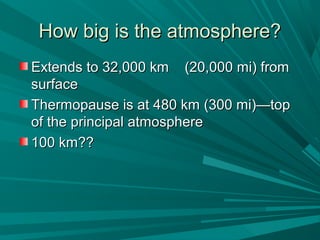
How big is the atmosphere?How big is the atmosphere?
Extends to 32,000 km (20,000 mi) fromExtends to 32,000 km (20,000 mi) from
surfacesurface
Thermopause is at 480 km (300 mi)—topThermopause is at 480 km (300 mi)—top
of the principal atmosphereof the principal atmosphere
100 km??100 km??
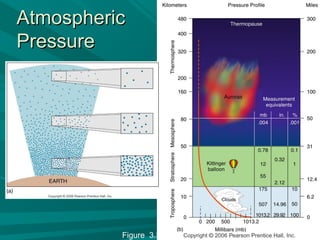
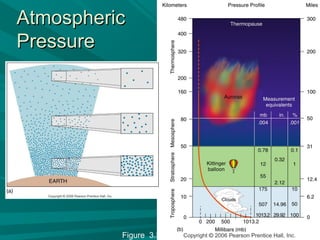
AtmosphericAtmospheric
PressurePressure
Figure 3.3
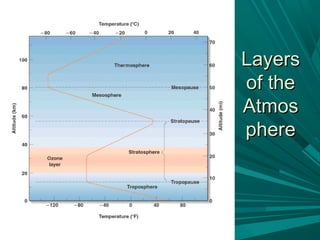
LayersLayers
of theof the
AtmosAtmos
pherephere
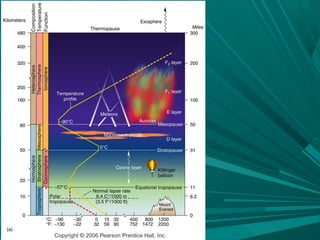
Atmospheric TemperatureAtmospheric Temperature
TroposphereTroposphere
– Surface to 18 km (11 mi)Surface to 18 km (11 mi)
– 90% mass of atmosphere90% mass of atmosphere
– Weather, most cloudsWeather, most clouds
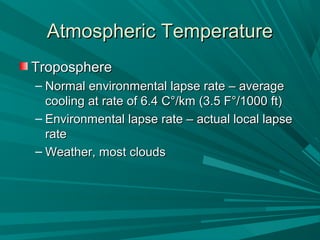
Atmospheric TemperatureAtmospheric Temperature
TroposphereTroposphere
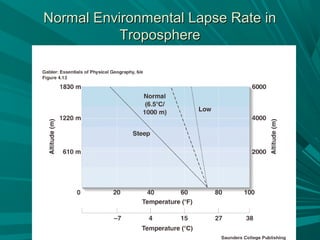
– Normal environmental lapse rate – averageNormal environmental lapse rate – average
cooling at rate of 6.4 C°/km (3.5 F°/1000 ft)cooling at rate of 6.4 C°/km (3.5 F°/1000 ft)
– Environmental lapse rate – actual local lapseEnvironmental lapse rate – actual local lapse
raterate
– Weather, most cloudsWeather, most clouds
Normal Environmental Lapse Rate inNormal Environmental Lapse Rate in
TroposphereTroposphere
Atmospheric TemperatureAtmospheric Temperature
StratosphereStratosphere
– 18 to 50 km (11 to 31 mi)18 to 50 km (11 to 31 mi)
– Temperature risesTemperature rises
– High, thin, ice crystal cloudsHigh, thin, ice crystal clouds
– Ozone layerOzone layer
Atmospheric TemperatureAtmospheric Temperature
MesosphereMesosphere
– 50 to 80 km (30 to 50 mi)50 to 80 km (30 to 50 mi)
– Temperature fallsTemperature falls
– Shooting “stars”Shooting “stars”
Atmospheric TemperatureAtmospheric Temperature
ThermosphereThermosphere
– 80 km (50 mi) outward80 km (50 mi) outward
– Temperature risesTemperature rises
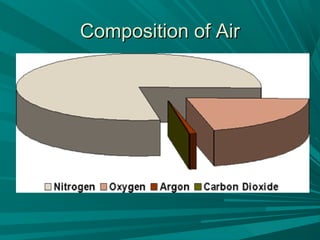
Composition of AirComposition of Air
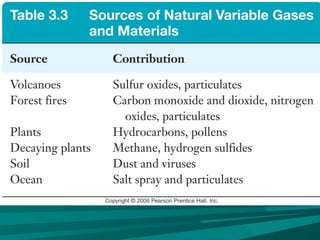
Variable Atmospheric ComponentsVariable Atmospheric Components
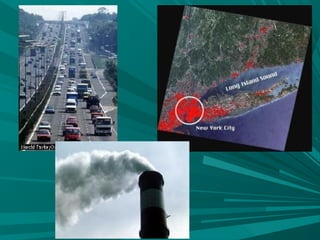
Impurities and Pollutants in TroposphereImpurities and Pollutants in Troposphere
Harmful Gases and Other ChemicalsHarmful Gases and Other Chemicals
VirusesViruses
Water VaporWater Vapor
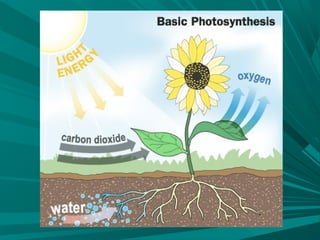
Carbon DioxideCarbon Dioxide
Aerosols/ParticulatesAerosols/Particulates
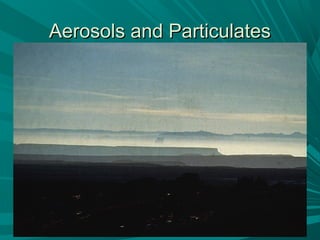
Aerosols and ParticulatesAerosols and Particulates
Where do small particles ofWhere do small particles of
liquid and solids come from?liquid and solids come from?
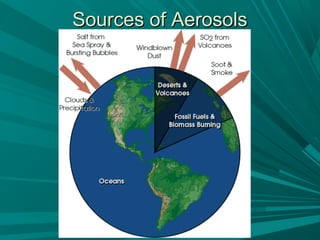
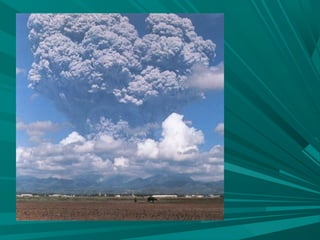
Sources of AerosolsSources of Aerosols
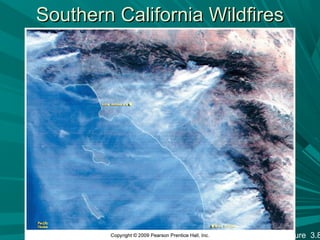
Southern California WildfiresSouthern California Wildfires
Figure 3.8
USGSUSGS
Water VaporWater Vapor
Can you see this invisible gas?Can you see this invisible gas?
Variations in AtmosphericVariations in Atmospheric
CompositionComposition
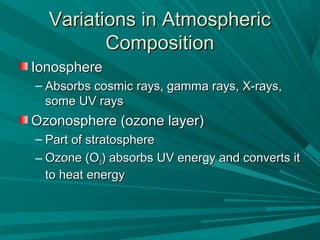
IonosphereIonosphere
– Absorbs cosmic rays, gamma rays, X-rays,Absorbs cosmic rays, gamma rays, X-rays,
some UV rayssome UV rays
Ozonosphere (ozone layer)Ozonosphere (ozone layer)
– Part of stratospherePart of stratosphere
– Ozone (OOzone (O33) absorbs UV energy and converts it) absorbs UV energy and converts it
to heat energyto heat energy
AtmosphericAtmospheric
PressurePressure
Figure 3.3
The endThe end

Pg tp-class9, atmosphere