Passive and Active Transport FOS 3  Infectious Disease Unit
Homeostasis When organisms adjust internally to changing external environments One way to maintain homeostasis is by controlling the movement of substances across the cell membrane.
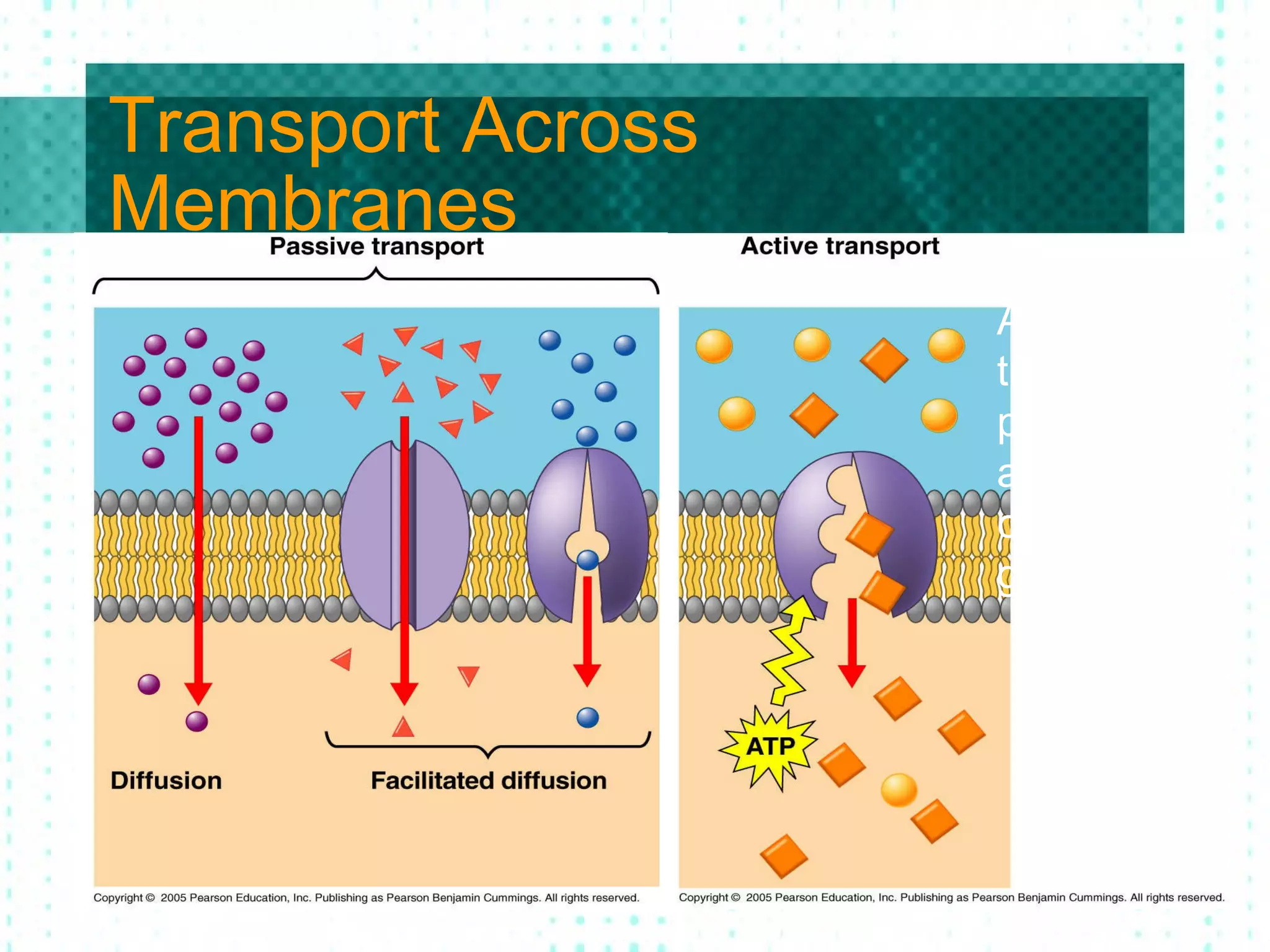
Transport Across Membranes Active transport is pumping against the concentration gradient
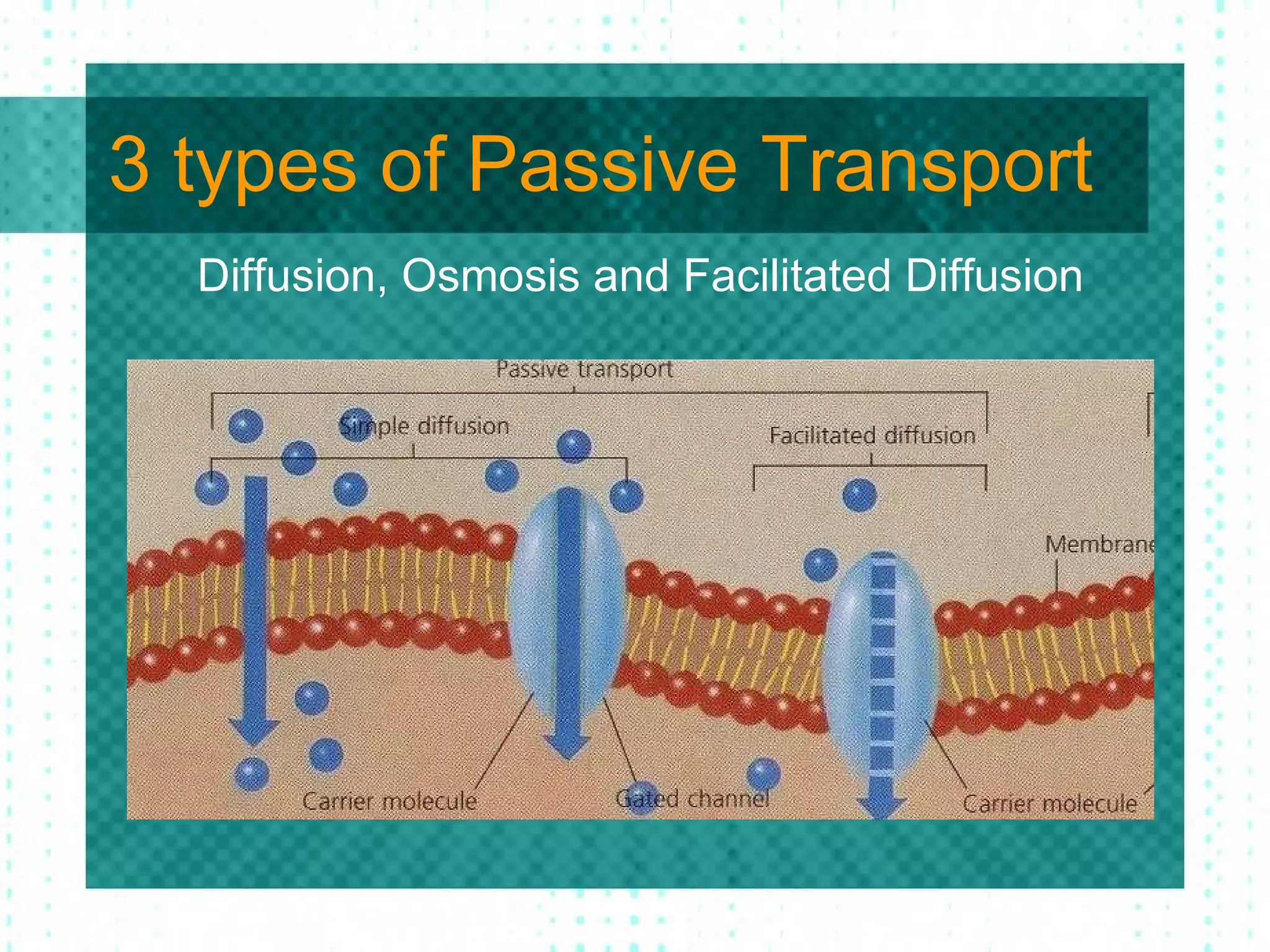
3 types of Passive Transport Diffusion, Osmosis and Facilitated Diffusion
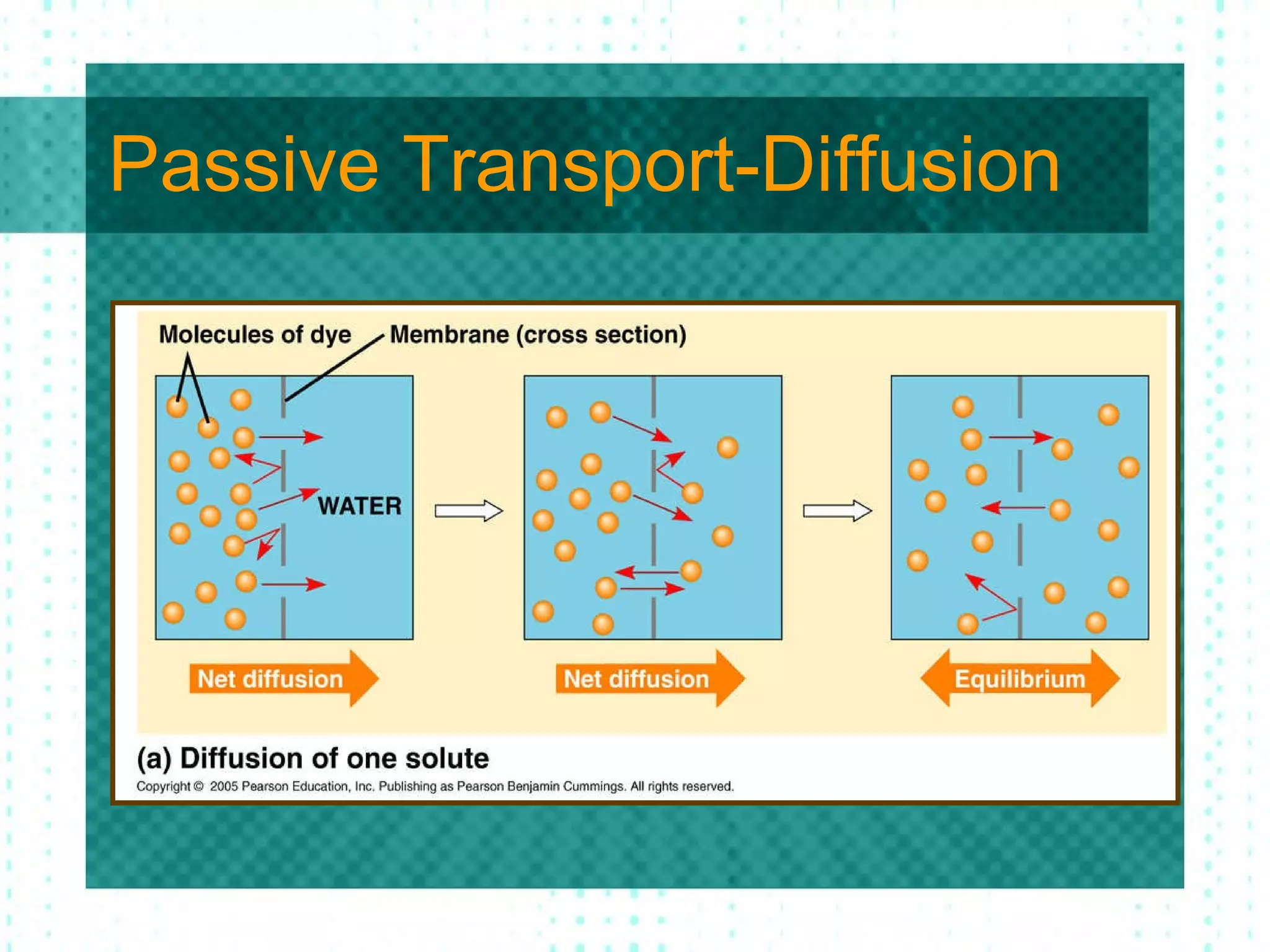
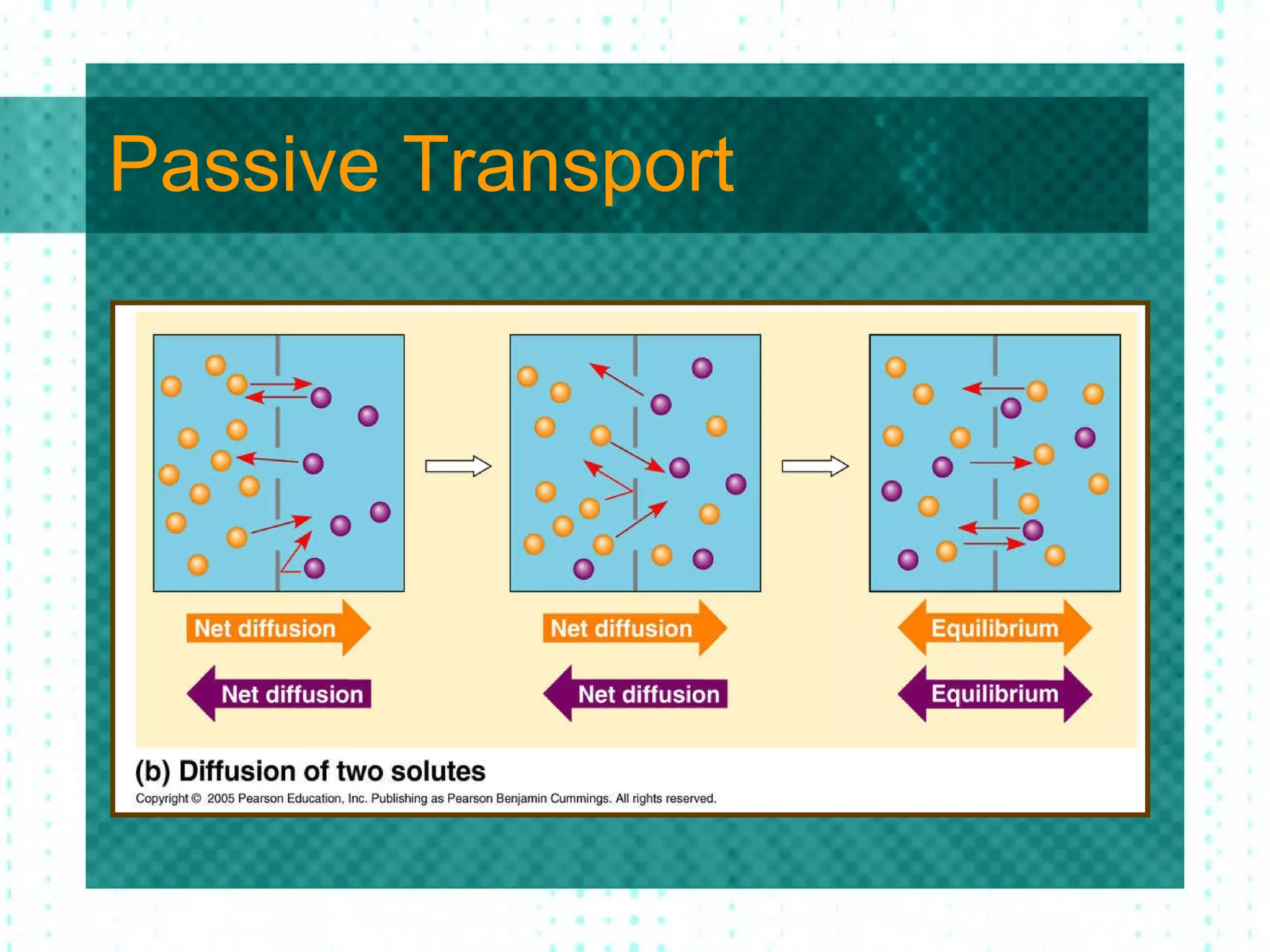
Diffusion Diffusion is movement from an area of high concentration to low concentration Diffusion is passive transport: NO energy is required!
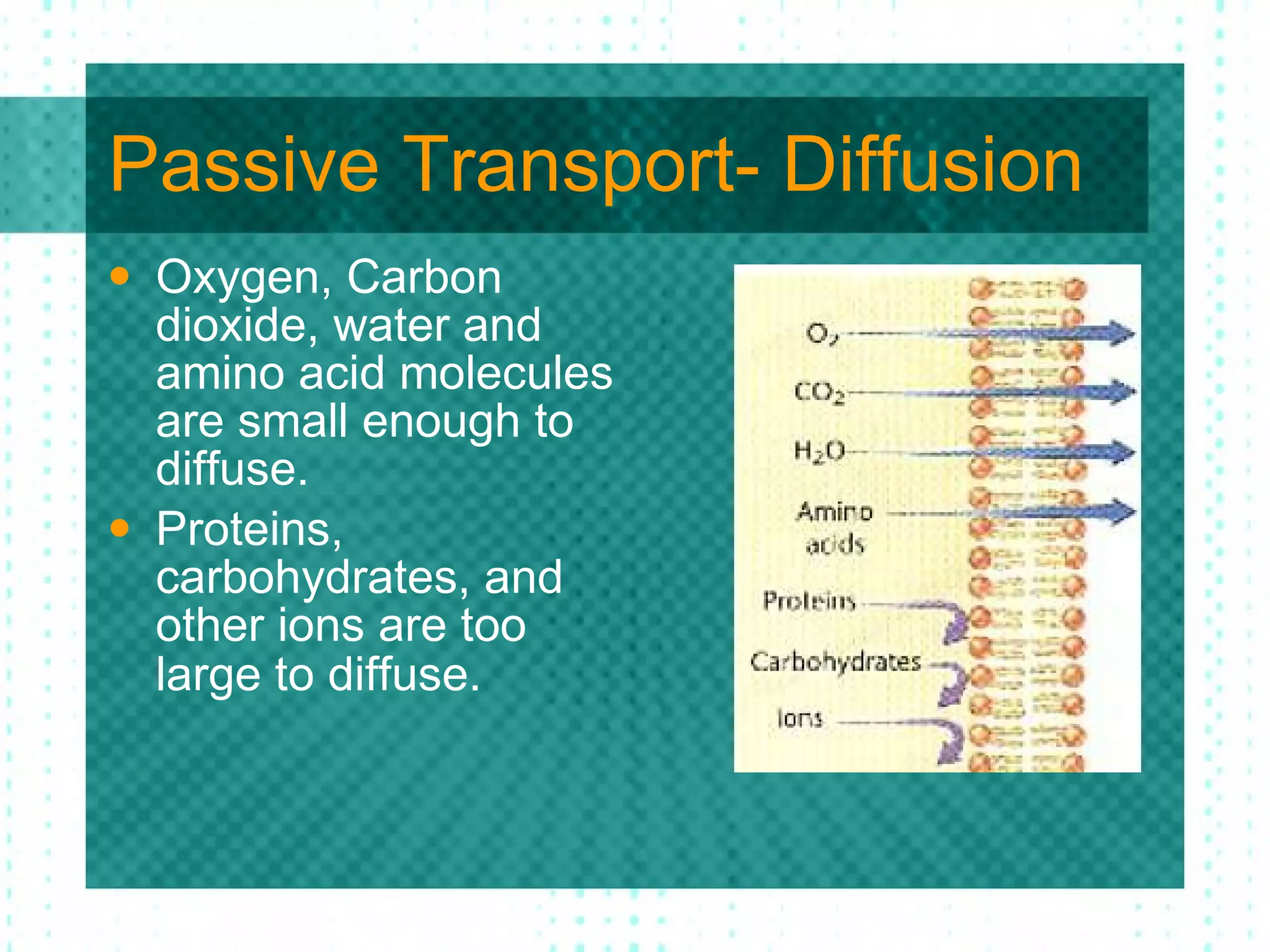
Passive Transport- Diffusion Oxygen, Carbon dioxide, water and amino acid molecules are small enough to diffuse. Proteins, carbohydrates, and other ions are too large to diffuse.
Passive Transport-Diffusion
Passive Transport
Simple Diffusion Across Bilayers
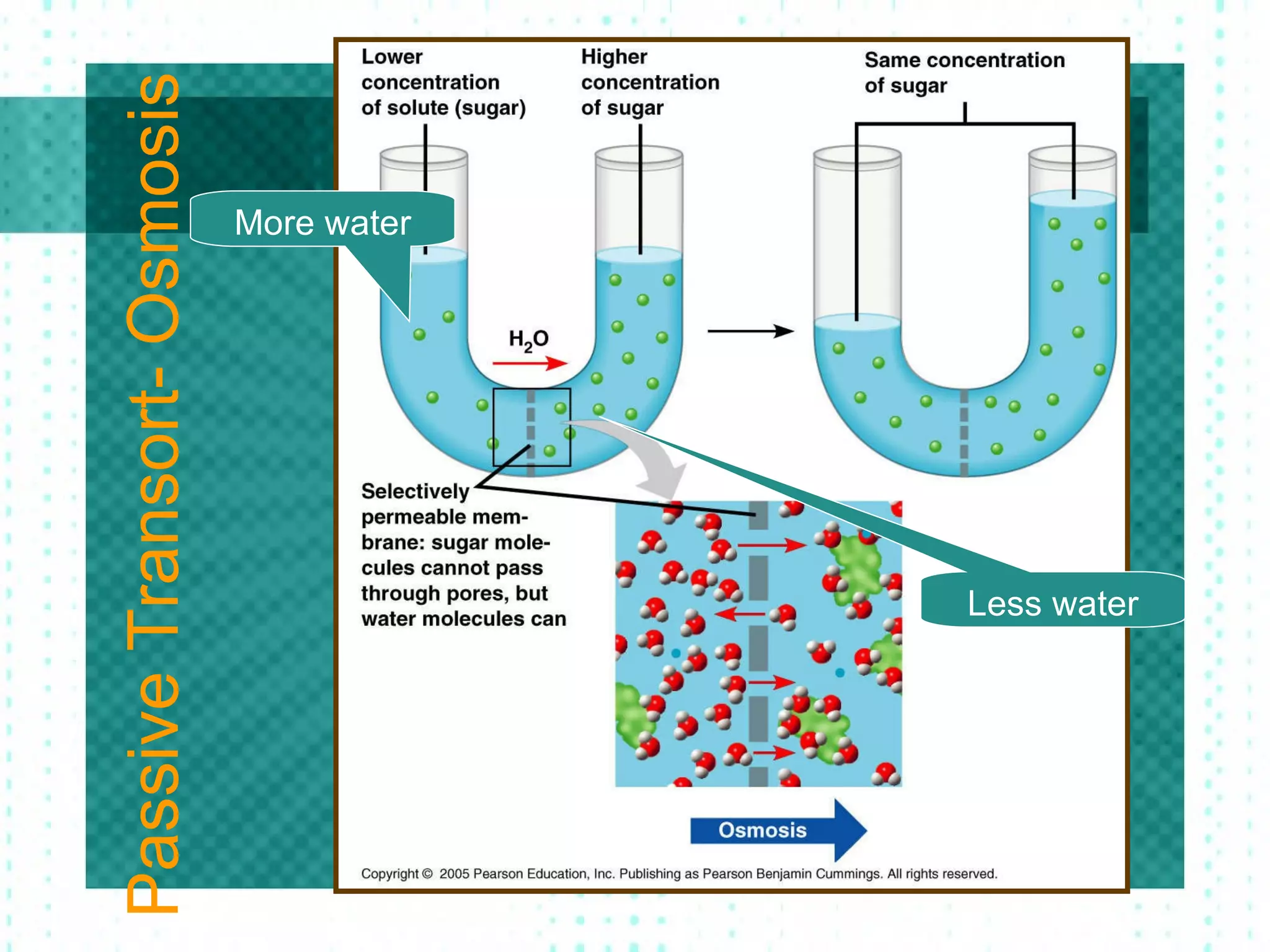
Passive Transort- Osmosis More water Less water
Osmosis: Water down Conc. Gradient
Tonicity More solute in than out
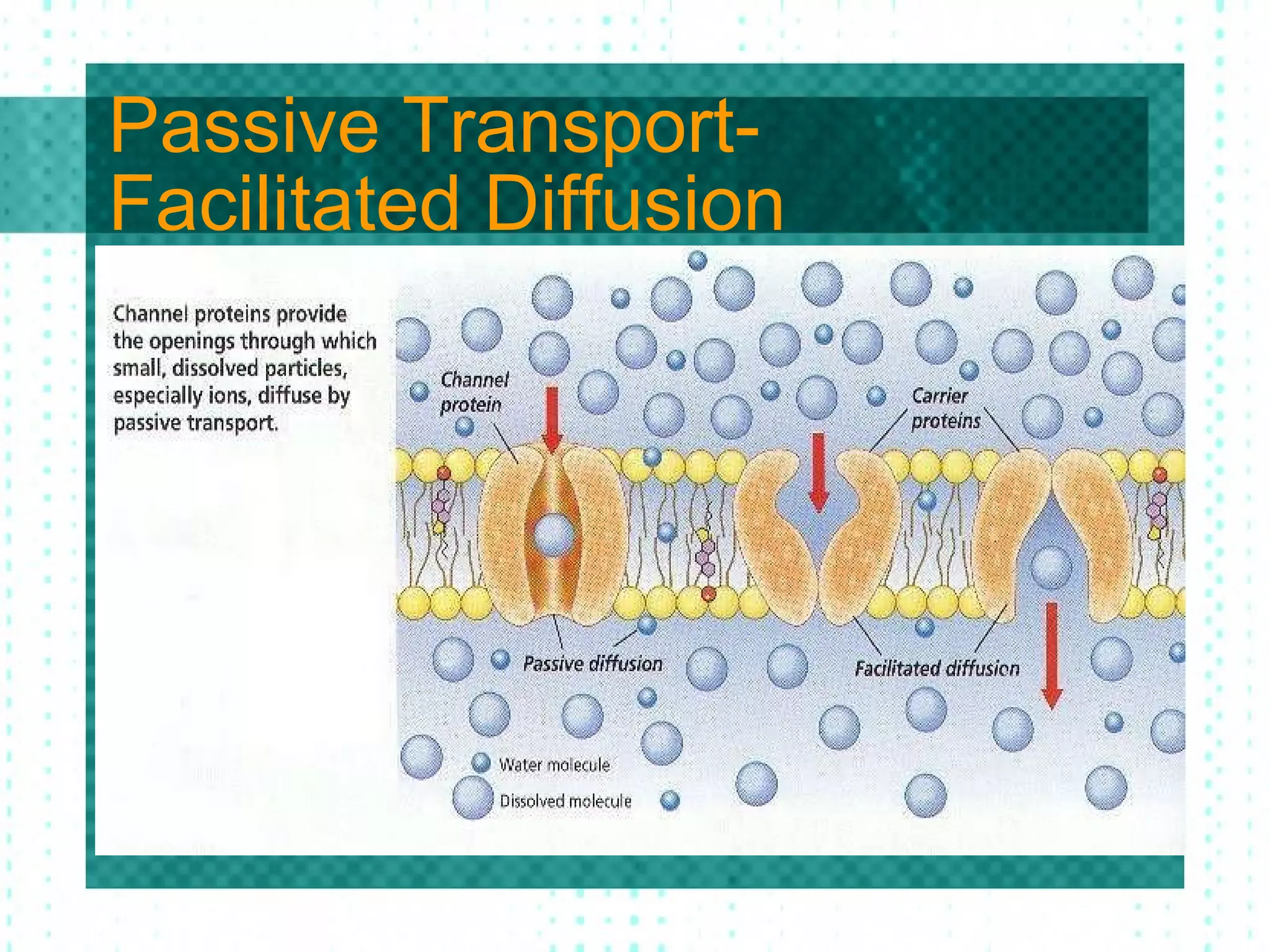
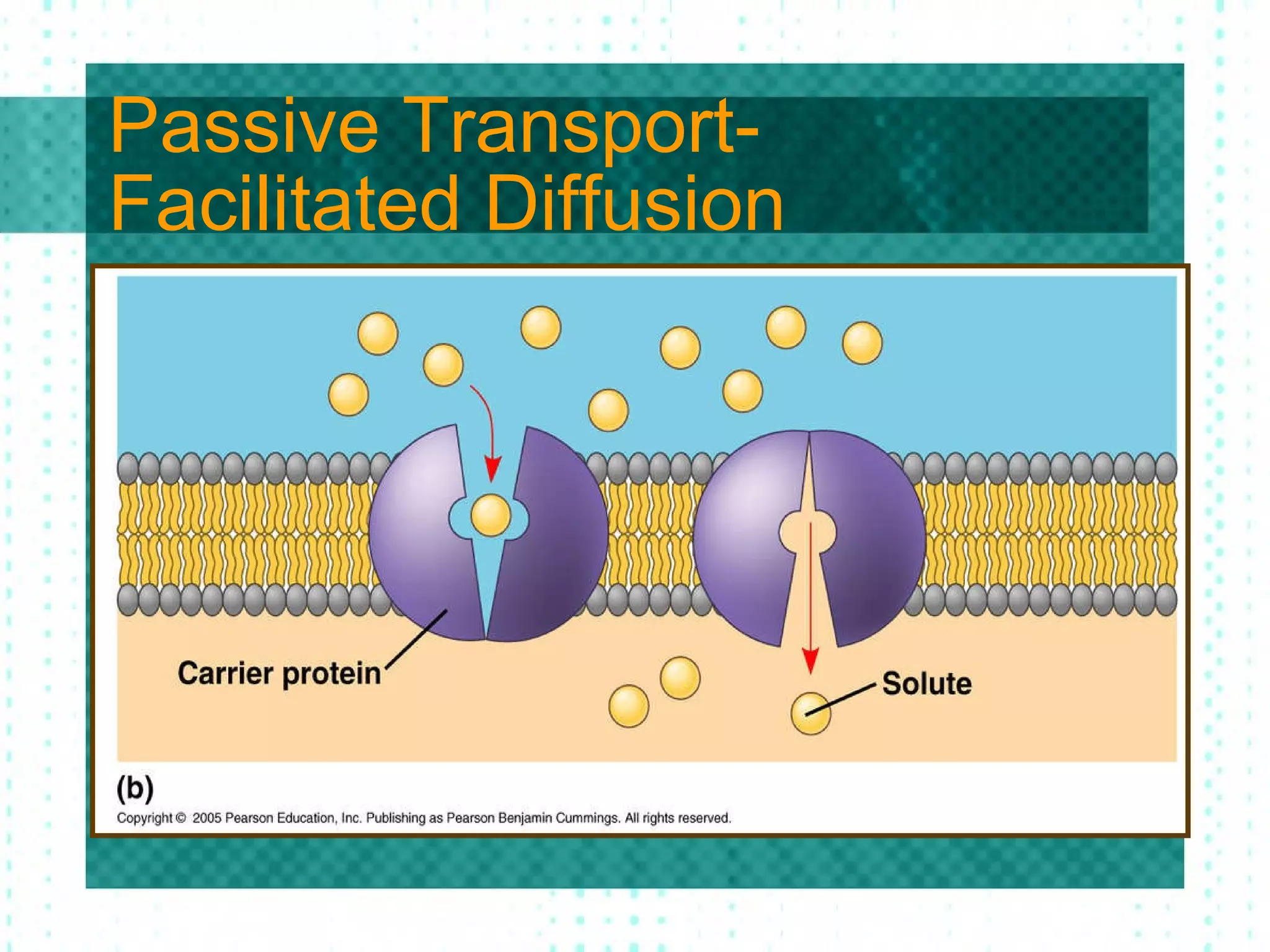
Passive Transport- Facilitated Diffusion Some ions diffuse through channel proteins. The pores can always be open or open in response to a stimulus. No energy is required so this is still passive transport.
Passive Transport- Facilitated Diffusion
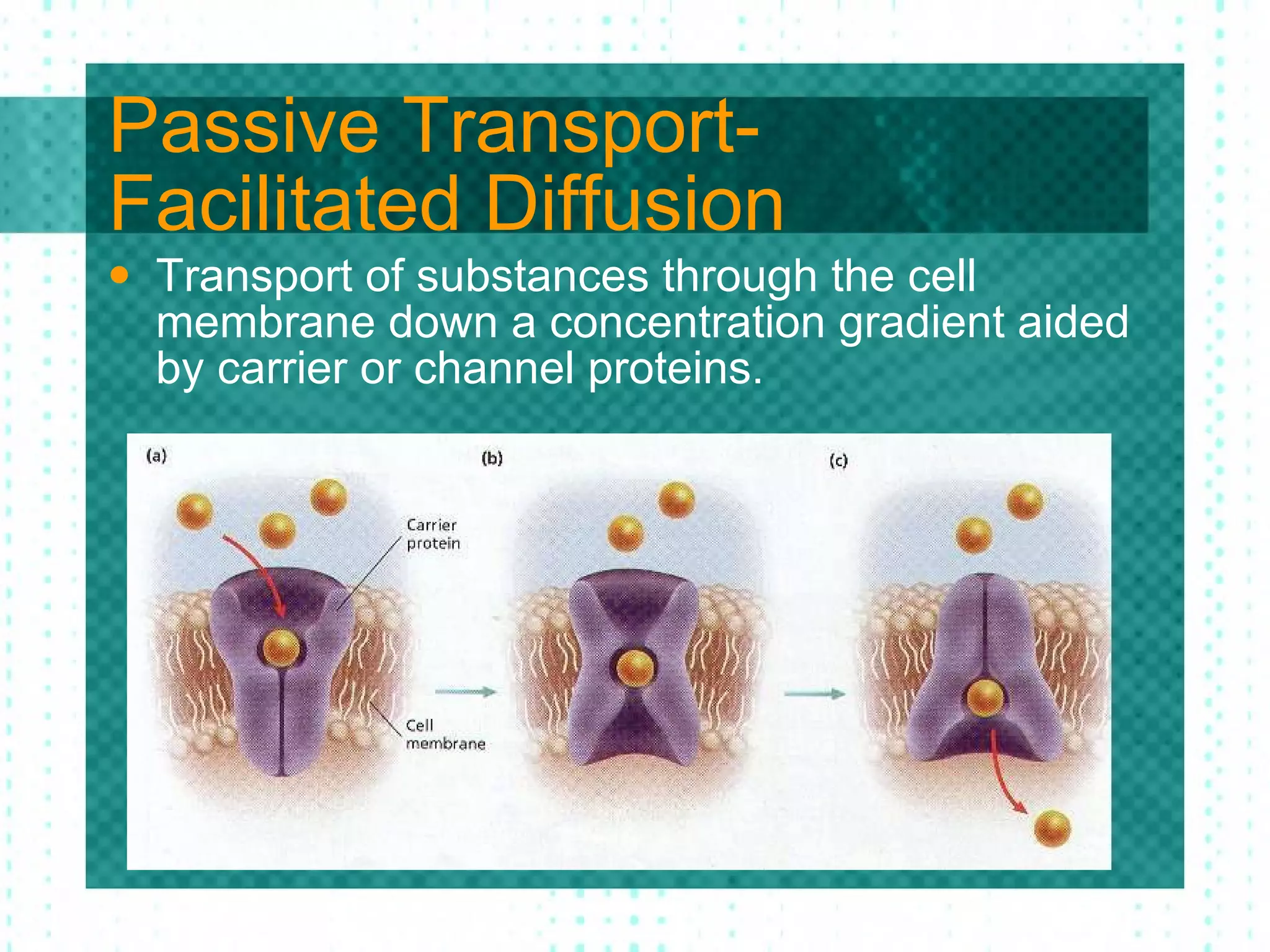
Passive Transport- Facilitated Diffusion Transport of substances through the cell membrane down a concentration gradient aided by carrier or channel proteins.
Active Transport Transport against the concentration gradient that requires energy
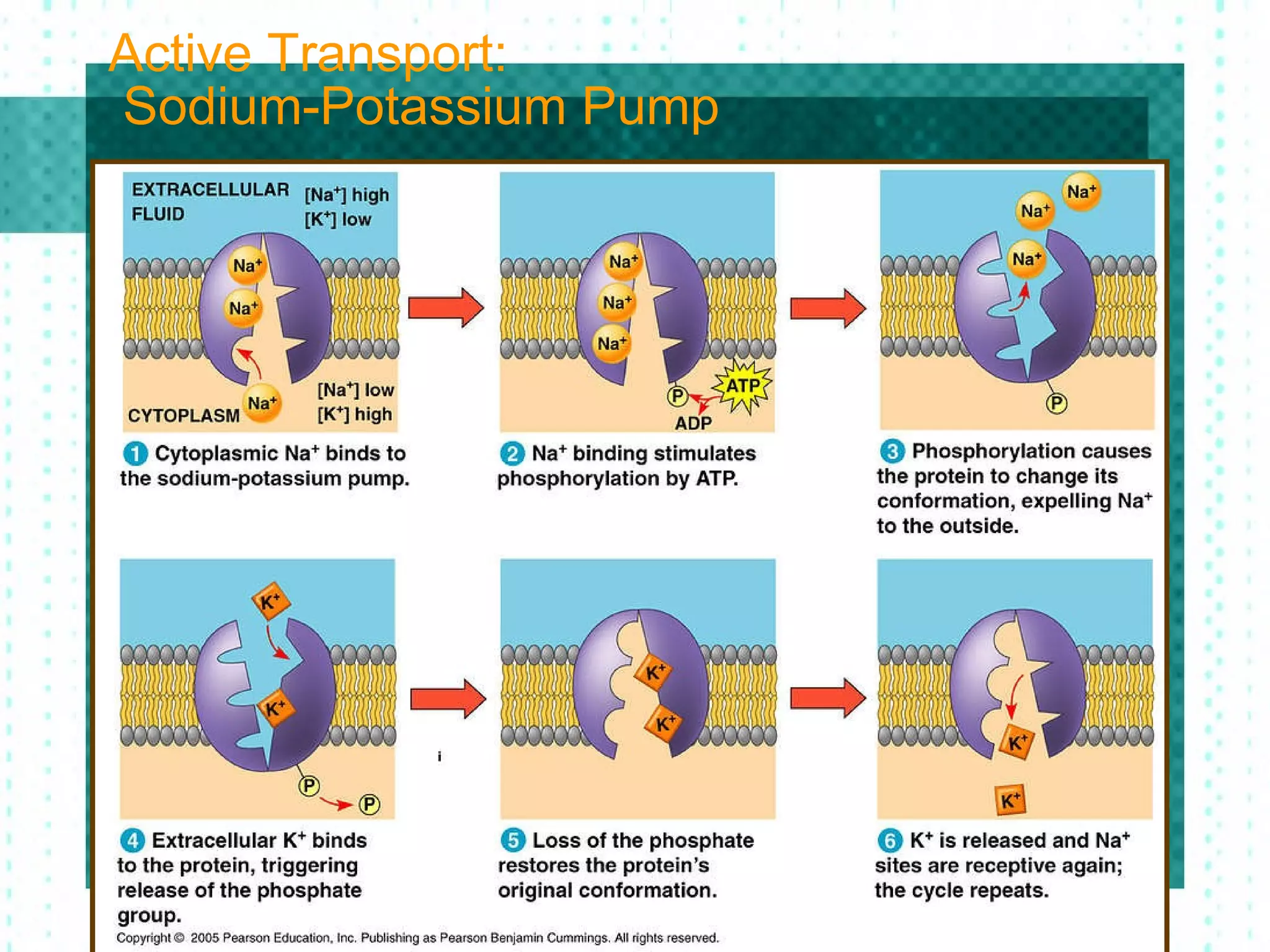
Active Transport:  Sodium-Potassium Pump
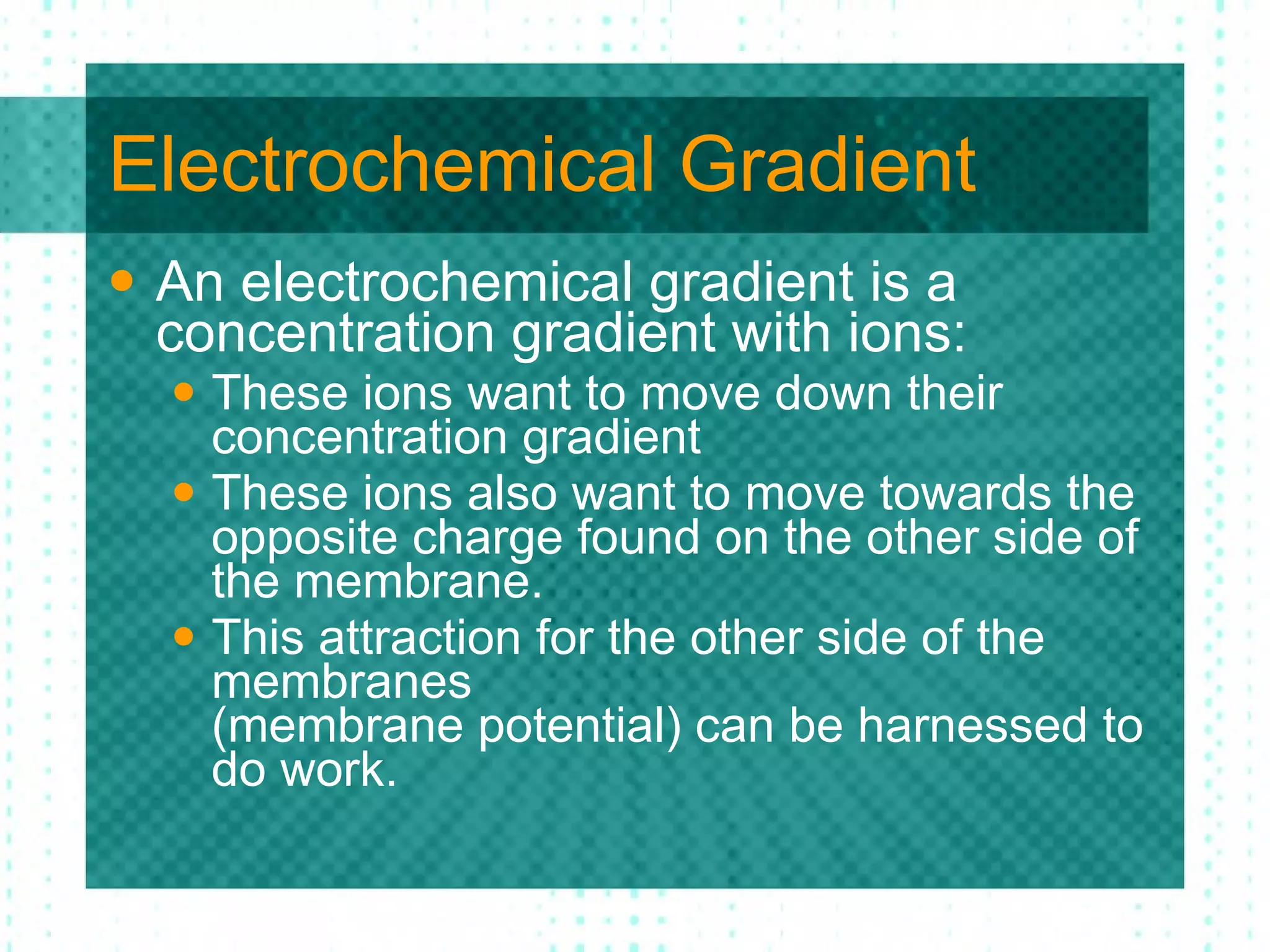
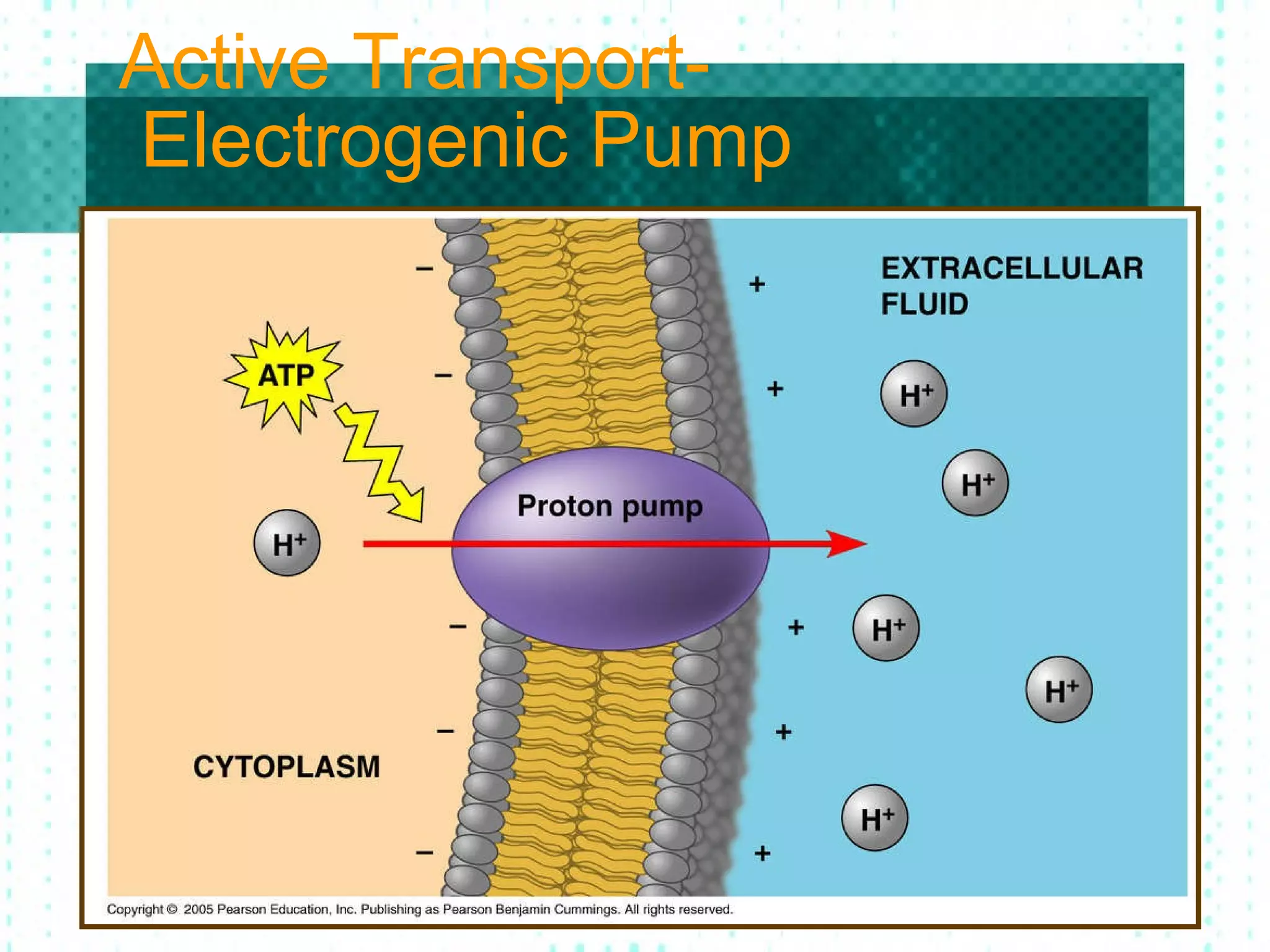
Electrochemical Gradient An electrochemical gradient is a concentration gradient with ions: These ions want to move down their concentration gradient These ions also want to move towards the opposite charge found on the other side of the membrane. This attraction for the other side of the membranes  (membrane potential) can be harnessed to do work.
Active Transport-  Electrogenic Pump
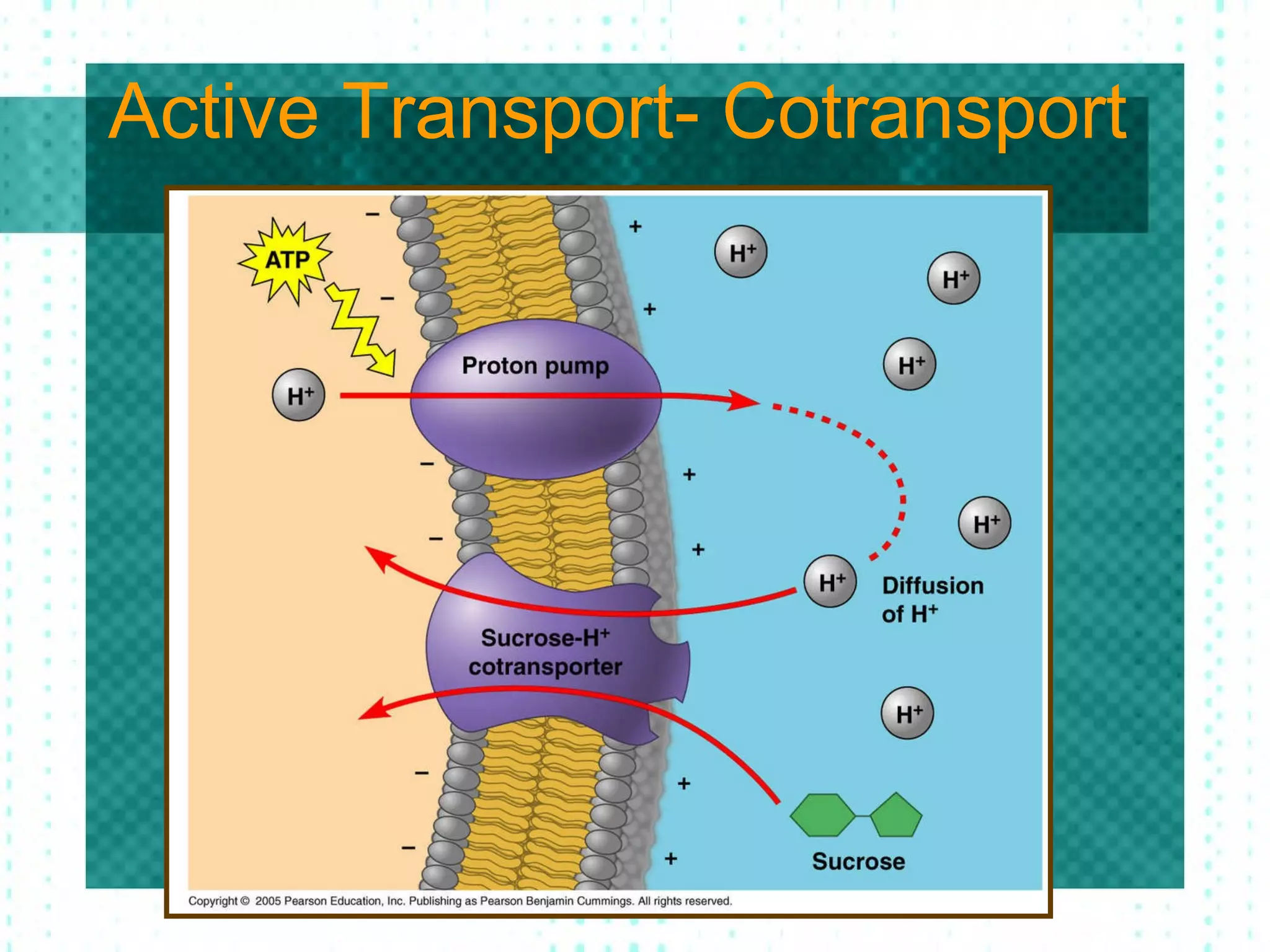
Active Transport- Cotransport
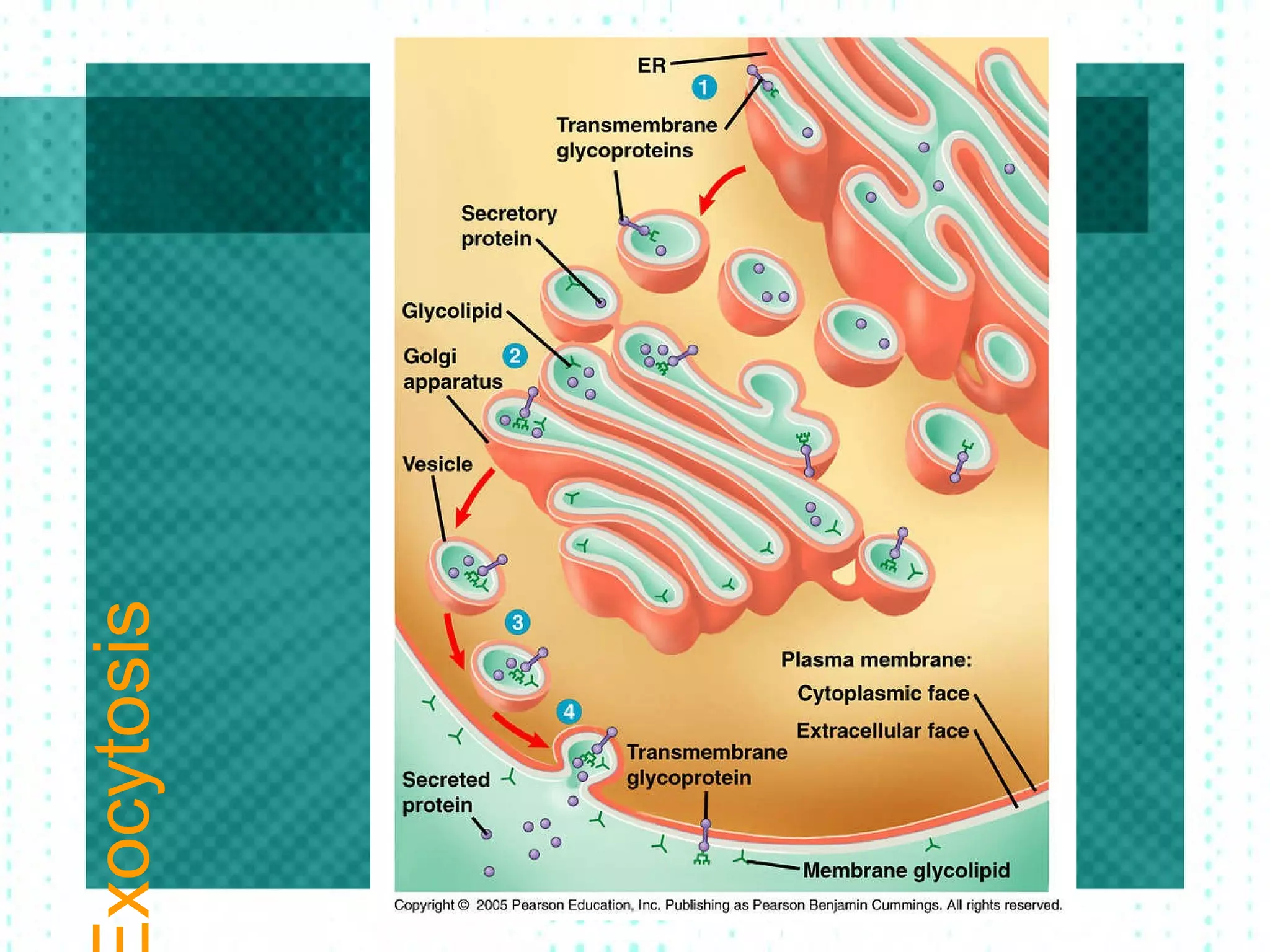
Movement “Across” Membrane Endocytosis and Exocytosis These are mechanisms that involve movement into and out of the lumen of the endomembrane. NOT movement directly across the membrane Substances enter the endomembrane system but not the cytoplasm!
Endocytosis Phagocytosis Taking up solids Allows digestion in confined space
Phagocytosis Pictures
Exocytosis
Hormones Chemicals secreted by cells that act to regulate the activity of other cells in the body.  Four Functions: Regulate processes, like growth and development Coordinate production, use and storage of energy. Maintaining Homeostasis React to stimuli outside the body
Hormones  Two types: Amino Acid Hormones Steroid Hormones Lipid hormones
Hormones- Amino Acid How they work: Bind to a receptor protein on the Cell Membrane, the receptor membrane changes shape The shape changes causes a second messenger which causes a change in the target cell
Hormones-Steroid Hormones How it works: Steroid Hormone is release, it diffuses through the cell membrane There is a hormone receptor in the cytoplasm. The hormone and receptor bind The hormone receptor complex enters the nucleus and either activates or inactivates transcription of a gene.

Passive and Active Transport

Editor's Notes

  • #28 http://www.cartage.org.lb/en/themes/sciences/lifescience/generalbiology/physiology/endocrinesystem/Hormones/hormone_2.gif