PARANEOPLASTIC SYNDROMES
GUIDE – Dr. L. S. PATIL
PRESENTER – Dr. DEEPAK R. CHINAGI
Topics are dealt as follows
• Definition and Introduction
• Pathogenesis and classification
• Paraneoplastic encephalomyelitis and focal
encephalitis
• Encephalitides with antibodies to cell surface or
synaptic proteins
• PNS- cerebellar degeneration
• PNS - opsoclonus-myoclonus syndrome
• PNS of spinal cord
• PNS – stiff person syndrome
Continued…
• PNS – sensory neuropathy
• PNS – peripheral neuropathy
• Polymyositis – Dermatomyositis
• Acute Necrotizing myopathy
• Paraneoplastic Visual syndrome
Definition
• Paraneoplastic syndrome (PNS) is the term used
to refer to the disorders that accompany the
benign or the malignant tumors and are not
caused by mass effect or invasion / metastasis
• These disorders are triggered by an immune
system response to neuronal proteins expressed
by the tumor(onconeural proteins).
• These PNS also occur due to substances secreted
by the neoplasm itself.
Introduction
• Three key concepts –
– PNS may be the first presentation of the underlying
neoplasm (often tumor is unknown).
– Neurological involvement in PNS often produces rapid
and severe deficits in short period of time.
– Prompt tumor control improves neurological outcome
• Complications of cancer and cancer therapy are
not considered as PNS (e.g. coagulopathy, stroke,
metabolic and nutritional conditions, infections
and side effects of cancer therapy)
Pathogenesis
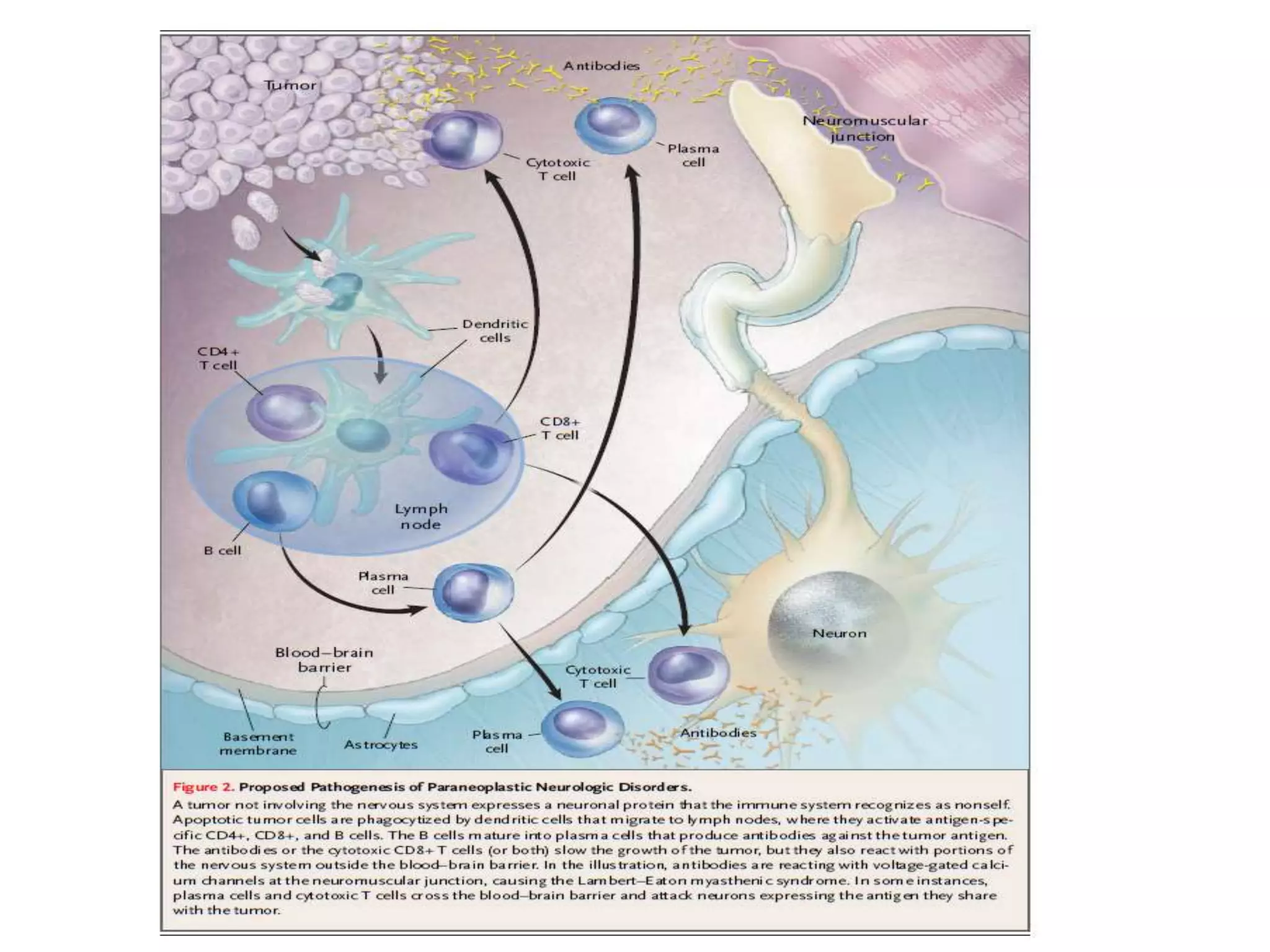
• Most PNS are mediated by immune responses
triggered by neuronal proteins (onconeural
antigens) expressed by tumors.
• Both humoral(antibodies) and cell mediated
immunity (CD4 & CD8)are activated.
Subsequently microglial activation leads to gliosis
and neuronal loss.
• These Immune responses have complex
mechanism hence these PNS are resistant to
therapy
Pathogenesis
• Cell mediated immunity acts against intracellular
antigens and is less responsive to therapy than
antibody mediated.
• Antibody mediated acts primarily at the neuronal
surface antigens and neuromuscular junctions
• Classic PNS occur with cancer association
• Non classical PNS may or may not occur with
cancer association and they are commonly seen
in children.
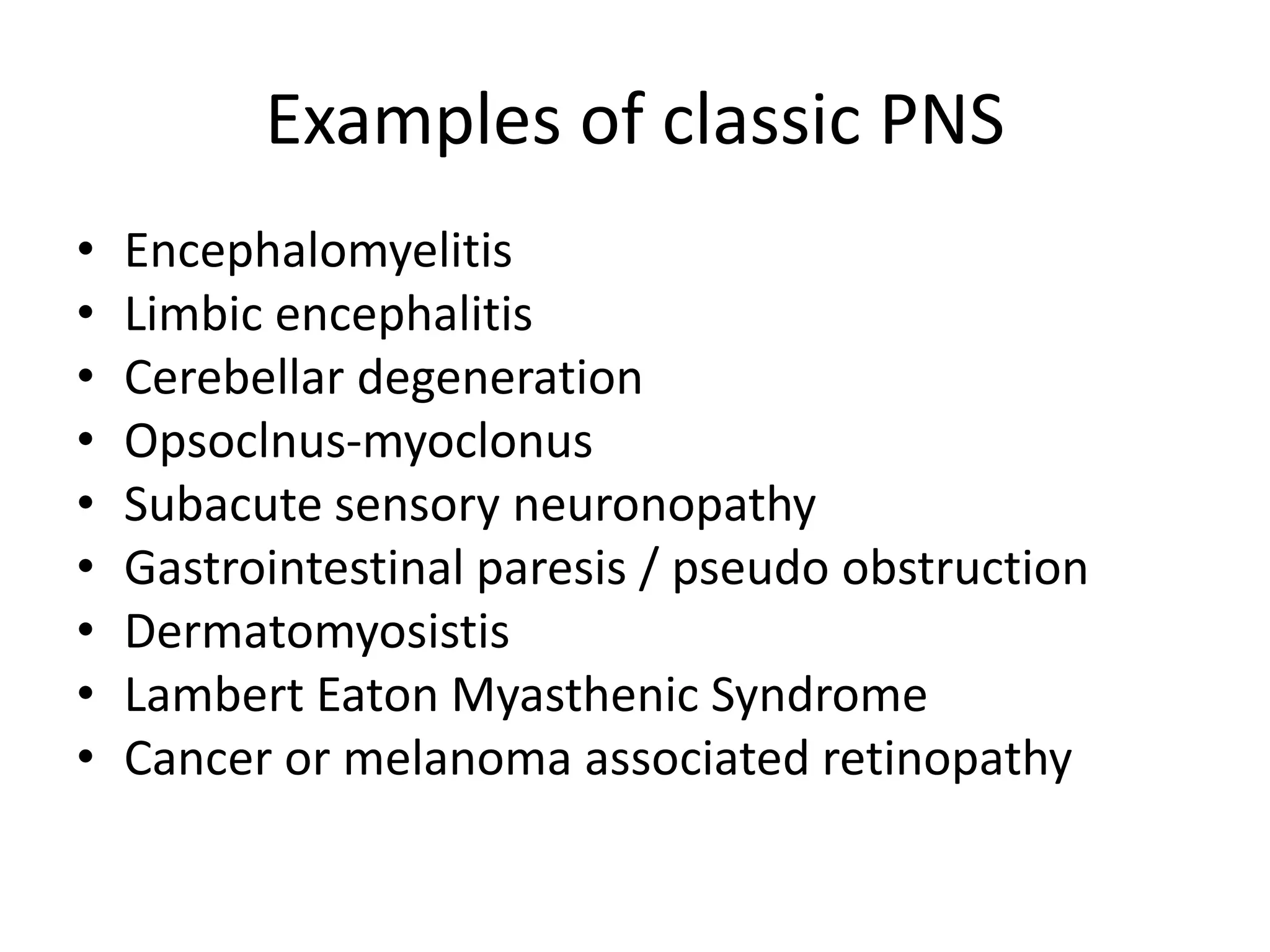
Examples of classic PNS
• Encephalomyelitis
• Limbic encephalitis
• Cerebellar degeneration
• Opsoclnus-myoclonus
• Subacute sensory neuronopathy
• Gastrointestinal paresis / pseudo obstruction
• Dermatomyosistis
• Lambert Eaton Myasthenic Syndrome
• Cancer or melanoma associated retinopathy
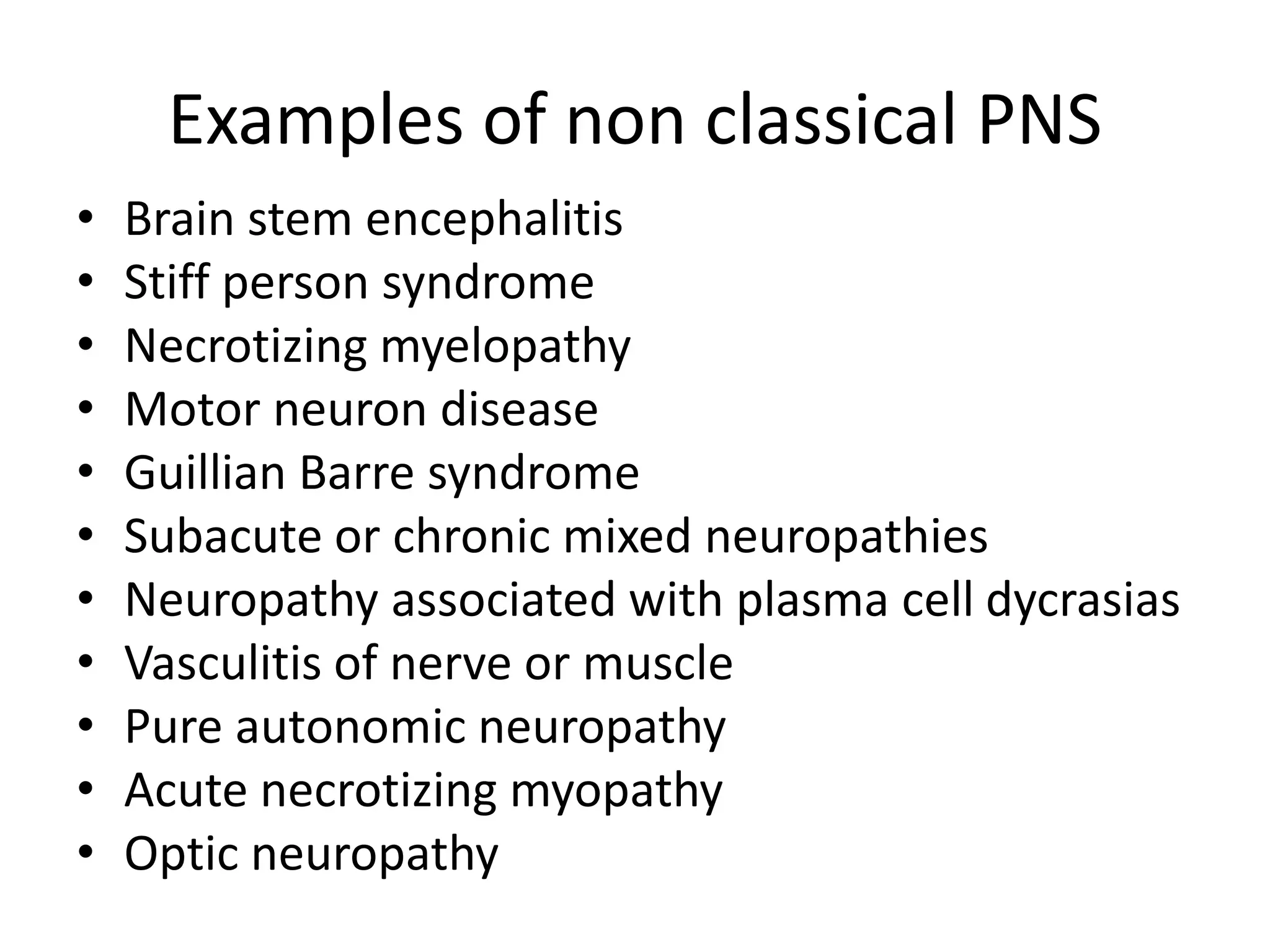
Examples of non classical PNS
• Brain stem encephalitis
• Stiff person syndrome
• Necrotizing myelopathy
• Motor neuron disease
• Guillian Barre syndrome
• Subacute or chronic mixed neuropathies
• Neuropathy associated with plasma cell dycrasias
• Vasculitis of nerve or muscle
• Pure autonomic neuropathy
• Acute necrotizing myopathy
• Optic neuropathy
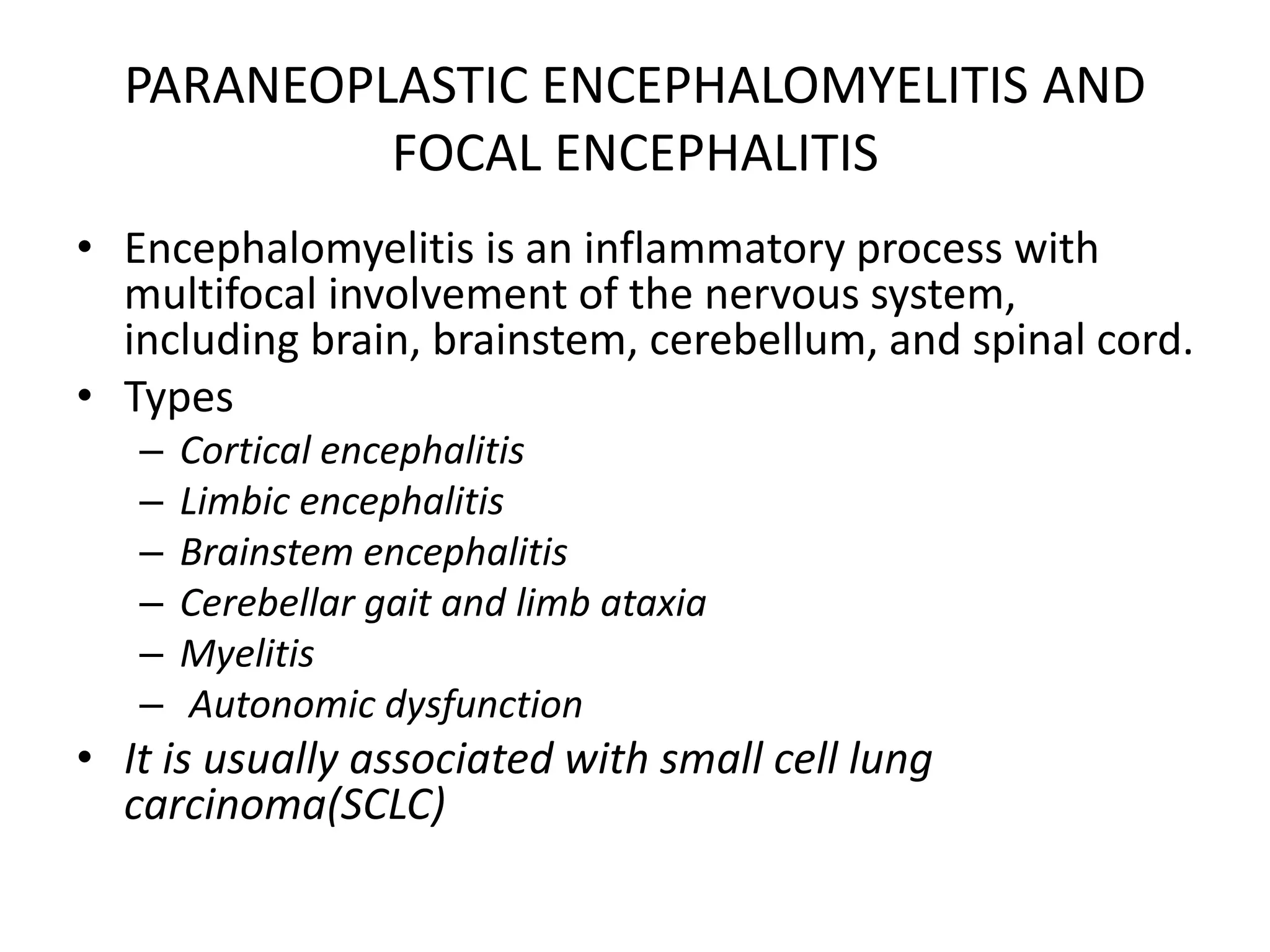
PARANEOPLASTIC ENCEPHALOMYELITIS AND
FOCAL ENCEPHALITIS
• Encephalomyelitis is an inflammatory process with
multifocal involvement of the nervous system,
including brain, brainstem, cerebellum, and spinal cord.
• Types
– Cortical encephalitis
– Limbic encephalitis
– Brainstem encephalitis
– Cerebellar gait and limb ataxia
– Myelitis
– Autonomic dysfunction
• It is usually associated with small cell lung
carcinoma(SCLC)
PARANEOPLASTIC ENCEPHALOMYELITIS AND
FOCAL ENCEPHALITIS
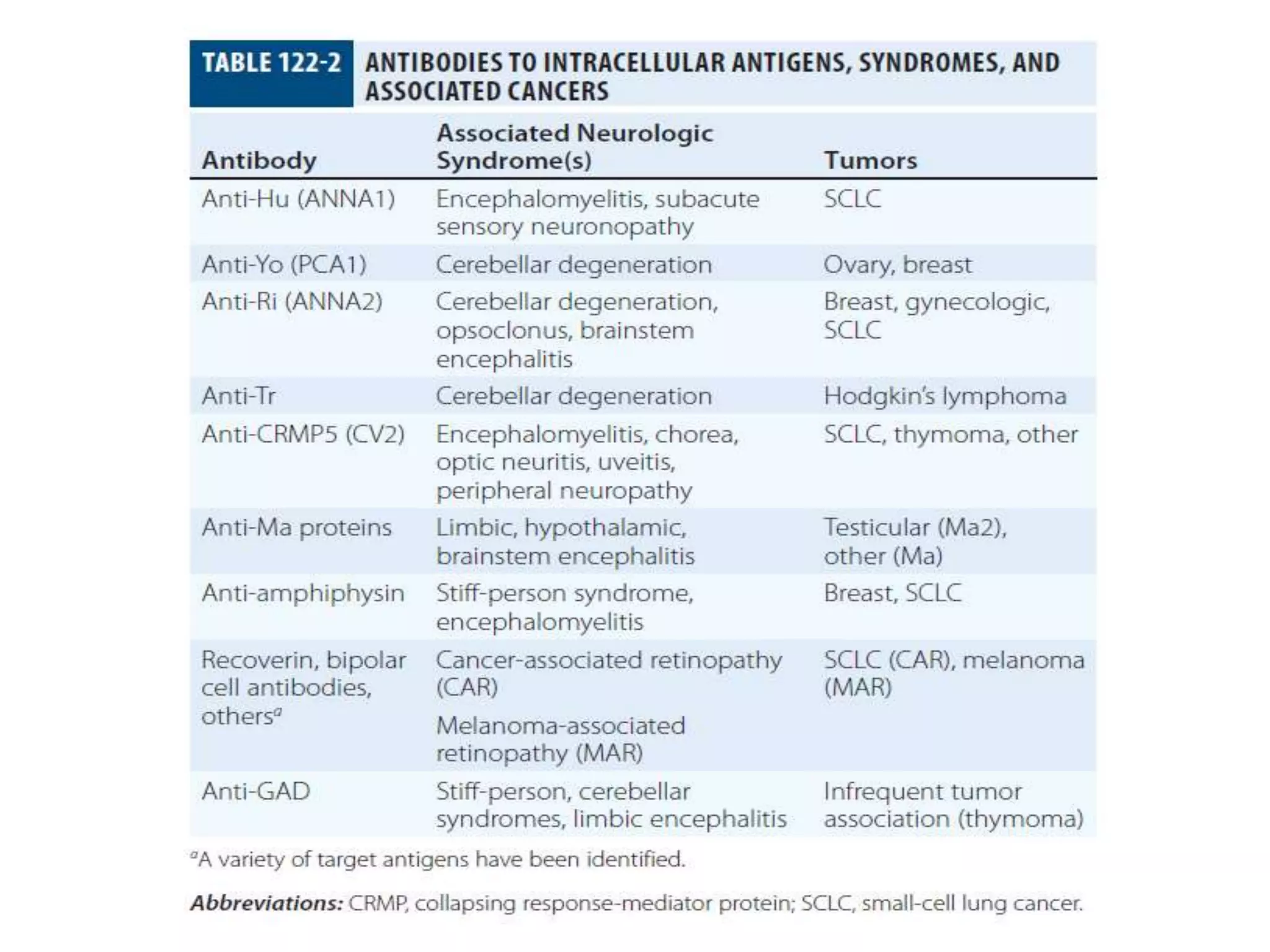
• It is associated with antibodies like Anti hu ,
Anti CRMP5 , Anti Ma protein antibody.
• Response to treatment is poor
– Control of tumor
– Glucocorticoids
– Immunoglobulins
– Plasma exchange
– Immunospuression (rituximab or
cyclophosphamide)
ENCEPHALITIDES WITH ANTIBODIES TO CELL-
SURFACE OR SYNAPTIC PROTEINS
PARANEOPLASTIC CEREBELLAR DEGENERATION
• This is characterized by symptoms such as dizziness,
oscillopsia, blurry or double vision, nausea, and
vomiting.
• Pathology – extensive degenartion od purkinje cells in
cerebellum occasionally in cortex.
• After few weeks disesase progresses to develop
dysarthria, gait and limb ataxia and dysphagia.
• Patients usually have downbeating nystagmus and
opsoclonus
• MRI reveals cerebellar atrophy.
• These tumors are involved in SCLC(anti VGCC), ca
breast, ca ovary(anti yo ), hodgkins lymphoma(anti tr ).
PARANEOPLASTIC OPSOCLONUS-MYOCLONUS
SYNDROME
• Opsoclonus is a disorder of eye movement
characterized by involuntary, chaotic saccades that
occur in all directions of gaze; it is frequently
associated with myoclonus and ataxia. Rarely they
present with laryngeal spasms and autonomic
dysfunctions.
• Associated cancers – ca lung, ca breast, neuroblastoma.
• Pathology – disinhibition of fastigial nucleus in
cerebellum
• Associated antibodies – anti ri antibodies
• Treatment – control of tumour and
immunotherapy(glucocorticoids , plasma exchange and
IVIG)
PARANEOPLASTIC SYNDROMES OF THE SPINAL
CORD
• Types
– Subacute motor neuronopathy
– Acute necrotizing myelopathy
– Paraneoplastic myelitis
– Neuromyelitis optica
• Pathology there is involvement of both UMN
and LMN type of neurons often resembling
amyotrophic lateral sclerosis.
PARANEOPLASTIC STIFF-PERSON
SYNDROME
• This disorder is characterised by antibodies to proteins
involved in function of inhibitory synapses like GABA
and glycine
• Electrophysiological studies demonstrate continuous
motor activity
• It is charectrised by progressive muscle rigidity and
painful spasms.
• Triggered by auditory, sensory and emotional stimuli
• Treatment –
– drugs that enhance GABA transmission like diazepam,
baclofen, sodium valproate, tiagabine, vigabatrin
– Control of tumor and immunotherapy
PARANEOPLASTIC SENSORY NEURONOPATHY OR
DORSAL ROOT GANGLIONOPATHY
• This syndrome is characterized by sensory deficits
that may be symmetric or asymmetric, radicular
pain, and decreased or absent reflexes.
Specialized sensations such as taste and hearing
can also be affecte
• Electrophysiological studies show decreased
sensory nerve potentials and normal motor
conduction
• Asso. Cancers – SCLC (anti hu antibody)
• Treatment – control of tumor and
immunotherapy
PARANEOPLASTIC PERIPHERAL
NEUROPATHIES
• Guillain-Barre syndrome and brachial plexitis
• Vasculitis of the nerve and muscle
• Isaacs’ syndrome
• Paraneoplastic autonomic neuropathy
ACUTE NECROTIZING MYOPATHY
• This disease is characterised by rapid progression
of weakness of extremities and pharyngeal and
respiratory muscles.
• Serum CPK will be raised. Biopsy shows extensive
muscle necrosis with minimal infalmmation
• Asso. Cancers – SCLC , ca breast , ca kidney,
• Response to treatment is poor
• Treatment – control of tumor and
immunotherapy
PARANEOPLASTIC VISUAL SYNDROMES
• Cancer-associated Retinopathy
• Melanoma-associated Retinopathy
CANCER-ASSOCIATED RETINOPATHY
• It is caused due to the antibodies against the
proteins of the retinal photoreceptors
• Antibodies against alpha enolase, transducin,
carbonic anhydrase 2, recoverin.
• Associated cancers – non small cell ca lung ,
cancers of bladder, prostate, thyroid.
• Symptoms are progressive visual loss, glares.
• Response to treatment is poor. Often there is no
improvement in vision.
• Treatment – control of tumor, immunotherapy.
MELANOMA-ASSOCIATED RETINOPATHY
• This disorder has same antigenic retinal proteins
as that of CAR. In addition it has antibodies to
aldolase A and aldolase C.
• Cutaneous and ocular melanoma(choridal, ciliary)
have been implicated as associated cancers.
• Clinical findings include photopsia, scotoma, loss
of central or paracentral vision.
• Electroretinography and visual field examination
are done for evaluation of extent of lesion.
• Treatment is immunotheraphy.
DERMATOLOGICAL MANIFESTATIONS OF PNS
• Acanthosis nigricans
• Dermatomyosistis
• Erythroderma
• Leukocytoclastic vasculitis
• Sweet syndrome
Acanthosis nigricans
• Associated cancers – adenocarcinomas of GIT
• Clinical findings – velvety hyperpigmented skin
usually in the flexural regions rugose change
of palms (triple palms)
• Skin biopsy shows hyperkeratosis and
papillomatosis
• Treatment – topical corticosteroids
Dermatomyositis
• Associated cancers – ca ovary , breast , prostate , lung ,
lymphoma
• Clinical findings – heliotrophe rash , gottrons papules
(scaly papules on bony surfaces) , shawl sign , proximal
muscle weakness , difficulty swallowing , muscle pain.
• Elevated serum CK , AST , ALT , LDH. Electromyography
shows spontaneous fibrillary activity and repetitive
discharges. Muscle biopsy reveals perivascular
inflammation
• Treatment immunotheraphy (glucocorticoids and
immunosupressive agents and IV immunoglobulin)
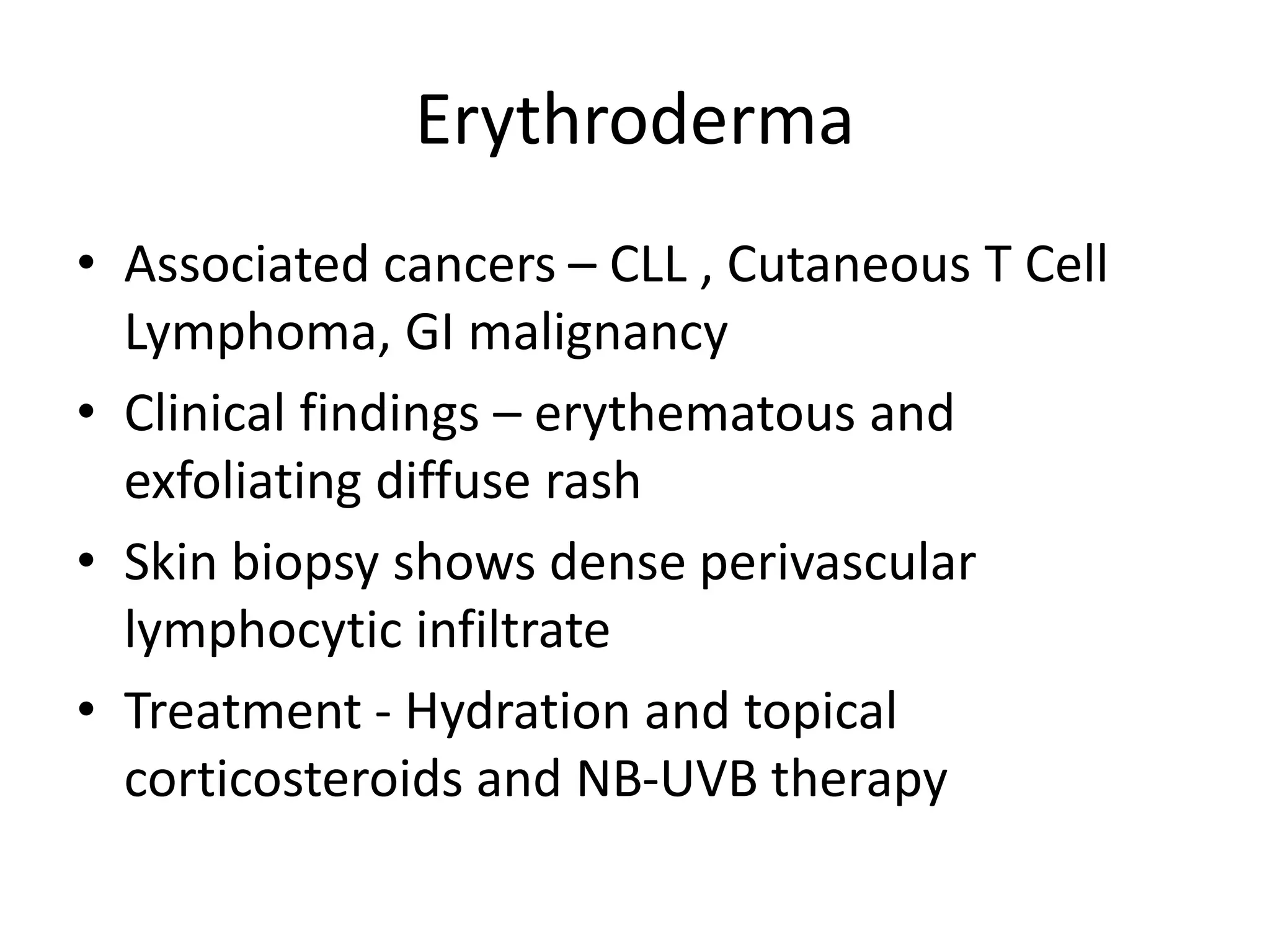
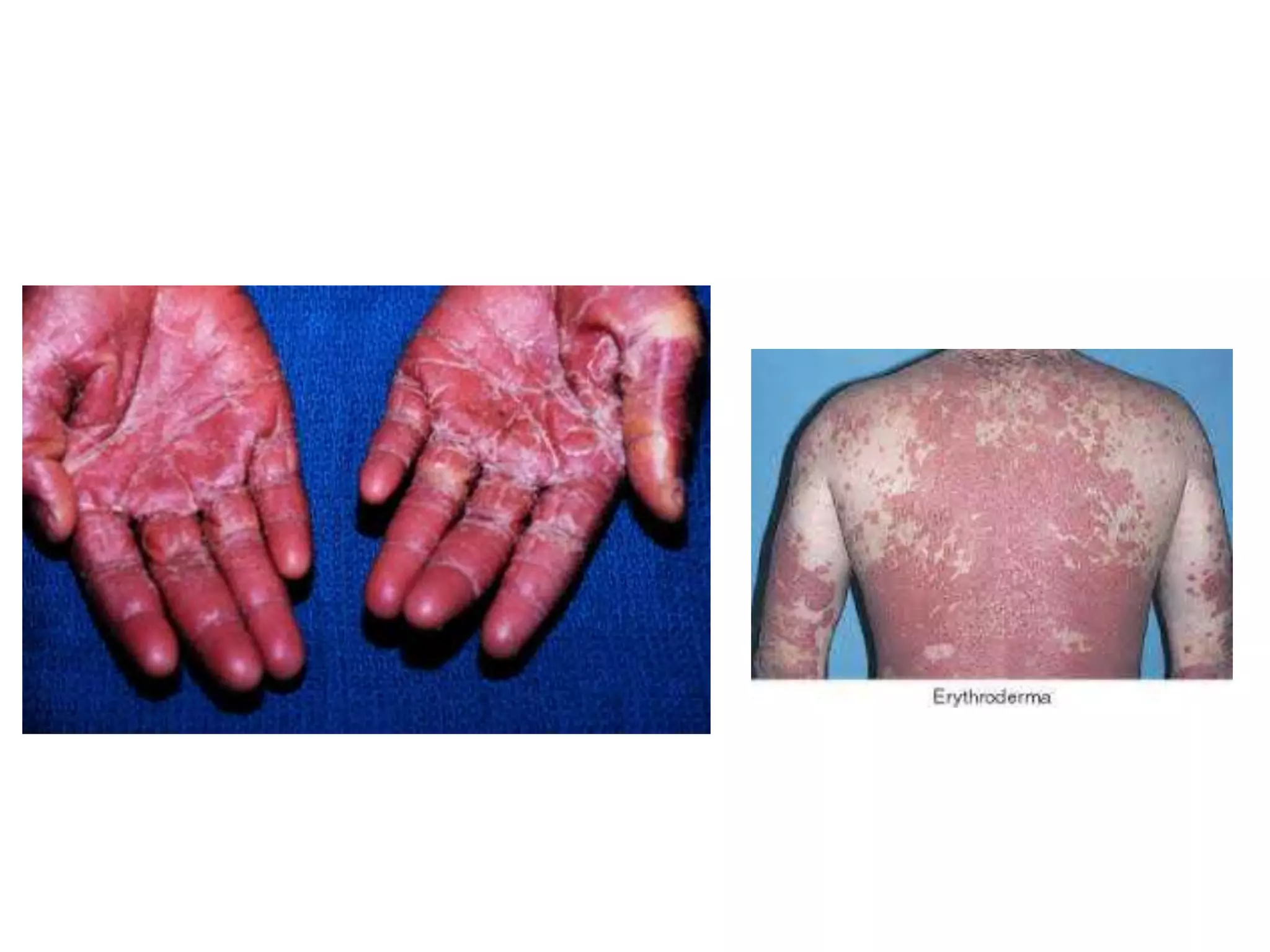
Erythroderma
• Associated cancers – CLL , Cutaneous T Cell
Lymphoma, GI malignancy
• Clinical findings – erythematous and
exfoliating diffuse rash
• Skin biopsy shows dense perivascular
lymphocytic infiltrate
• Treatment - Hydration and topical
corticosteroids and NB-UVB therapy
Leukocytoclastic vasculitis
• Associated cancers – leukemia , lymphoma ,
myelodysplastic syndromes , ca colon , lung ,
prostate , multiple myeloma.
• Clinical findings – palpable purpura over lower
extremities , ulcer/cyanosis/pain in the digits ,
renal impairment , peripheral neuropathy
• Pathology – fibrinoid necrosis, endothelial
swelling, RBC extravasation
Sweet syndrome
• Also known as acute febrile neutrophilic
dermatosis
• Associated cancers – leukemia , NHL ,
myelodysplastic syndrome , genito urinary
malignancies.
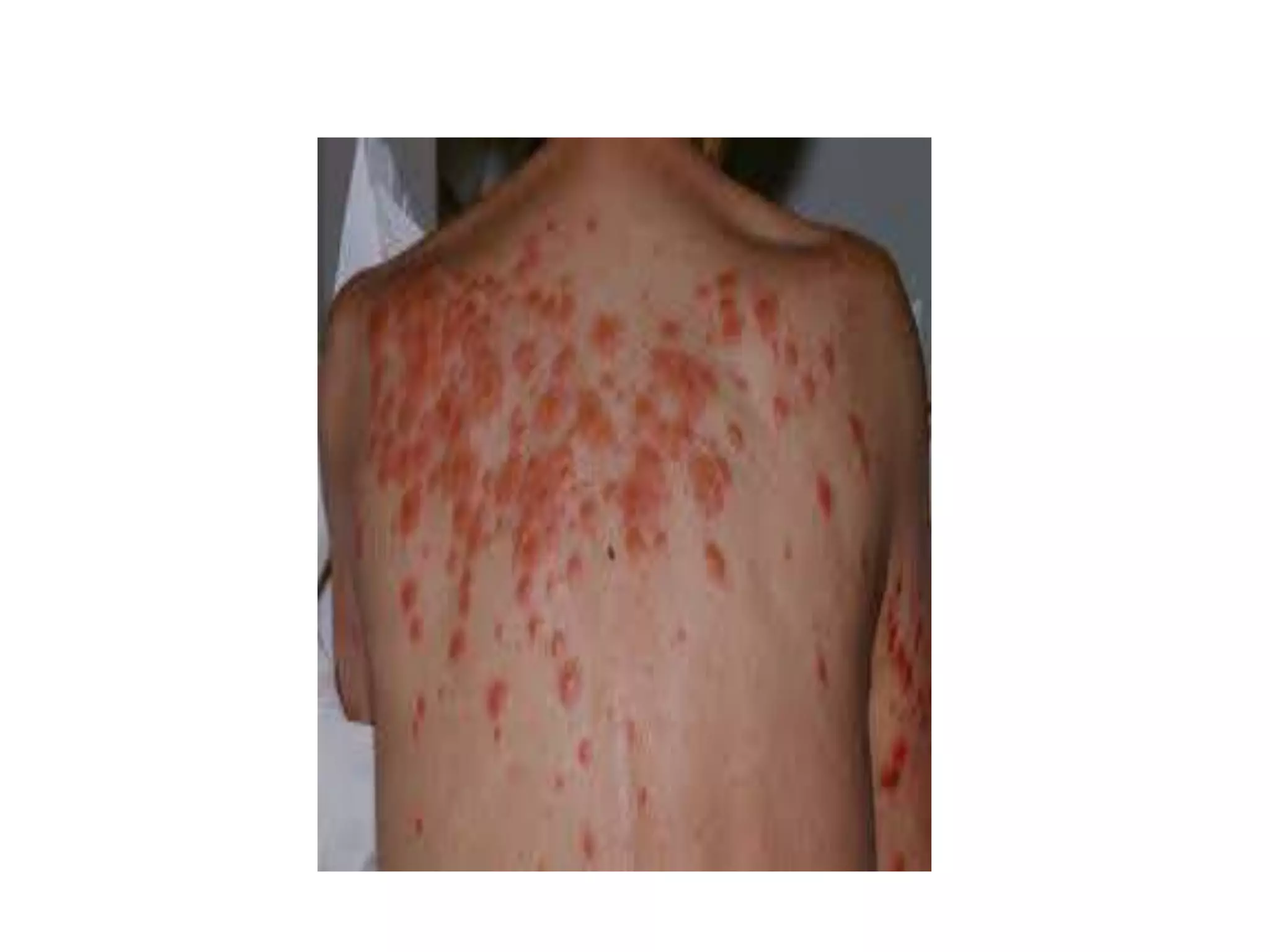
• Clinical findings – acute onset , tender and
erythematous skin lesions (nodules , papules
pustules) lesions are distributed over the face or
upper limbs. Fever . Malaise .
• Treatment - topical corticosteroids
Thank you

Paraneoplastic syndromes - CNS manifestations

  • 1.
    PARANEOPLASTIC SYNDROMES GUIDE –Dr. L. S. PATIL PRESENTER – Dr. DEEPAK R. CHINAGI
  • 2.
    Topics are dealtas follows • Definition and Introduction • Pathogenesis and classification • Paraneoplastic encephalomyelitis and focal encephalitis • Encephalitides with antibodies to cell surface or synaptic proteins • PNS- cerebellar degeneration • PNS - opsoclonus-myoclonus syndrome • PNS of spinal cord • PNS – stiff person syndrome
  • 3.
    Continued… • PNS –sensory neuropathy • PNS – peripheral neuropathy • Polymyositis – Dermatomyositis • Acute Necrotizing myopathy • Paraneoplastic Visual syndrome
  • 4.
    Definition • Paraneoplastic syndrome(PNS) is the term used to refer to the disorders that accompany the benign or the malignant tumors and are not caused by mass effect or invasion / metastasis • These disorders are triggered by an immune system response to neuronal proteins expressed by the tumor(onconeural proteins). • These PNS also occur due to substances secreted by the neoplasm itself.
  • 5.
    Introduction • Three keyconcepts – – PNS may be the first presentation of the underlying neoplasm (often tumor is unknown). – Neurological involvement in PNS often produces rapid and severe deficits in short period of time. – Prompt tumor control improves neurological outcome • Complications of cancer and cancer therapy are not considered as PNS (e.g. coagulopathy, stroke, metabolic and nutritional conditions, infections and side effects of cancer therapy)
  • 6.
    Pathogenesis • Most PNSare mediated by immune responses triggered by neuronal proteins (onconeural antigens) expressed by tumors. • Both humoral(antibodies) and cell mediated immunity (CD4 & CD8)are activated. Subsequently microglial activation leads to gliosis and neuronal loss. • These Immune responses have complex mechanism hence these PNS are resistant to therapy
  • 7.
    Pathogenesis • Cell mediatedimmunity acts against intracellular antigens and is less responsive to therapy than antibody mediated. • Antibody mediated acts primarily at the neuronal surface antigens and neuromuscular junctions • Classic PNS occur with cancer association • Non classical PNS may or may not occur with cancer association and they are commonly seen in children.
  • 9.
    Examples of classicPNS • Encephalomyelitis • Limbic encephalitis • Cerebellar degeneration • Opsoclnus-myoclonus • Subacute sensory neuronopathy • Gastrointestinal paresis / pseudo obstruction • Dermatomyosistis • Lambert Eaton Myasthenic Syndrome • Cancer or melanoma associated retinopathy
  • 10.
    Examples of nonclassical PNS • Brain stem encephalitis • Stiff person syndrome • Necrotizing myelopathy • Motor neuron disease • Guillian Barre syndrome • Subacute or chronic mixed neuropathies • Neuropathy associated with plasma cell dycrasias • Vasculitis of nerve or muscle • Pure autonomic neuropathy • Acute necrotizing myopathy • Optic neuropathy
  • 12.
    PARANEOPLASTIC ENCEPHALOMYELITIS AND FOCALENCEPHALITIS • Encephalomyelitis is an inflammatory process with multifocal involvement of the nervous system, including brain, brainstem, cerebellum, and spinal cord. • Types – Cortical encephalitis – Limbic encephalitis – Brainstem encephalitis – Cerebellar gait and limb ataxia – Myelitis – Autonomic dysfunction • It is usually associated with small cell lung carcinoma(SCLC)
  • 14.
    PARANEOPLASTIC ENCEPHALOMYELITIS AND FOCALENCEPHALITIS • It is associated with antibodies like Anti hu , Anti CRMP5 , Anti Ma protein antibody. • Response to treatment is poor – Control of tumor – Glucocorticoids – Immunoglobulins – Plasma exchange – Immunospuression (rituximab or cyclophosphamide)
  • 15.
    ENCEPHALITIDES WITH ANTIBODIESTO CELL- SURFACE OR SYNAPTIC PROTEINS
  • 16.
    PARANEOPLASTIC CEREBELLAR DEGENERATION •This is characterized by symptoms such as dizziness, oscillopsia, blurry or double vision, nausea, and vomiting. • Pathology – extensive degenartion od purkinje cells in cerebellum occasionally in cortex. • After few weeks disesase progresses to develop dysarthria, gait and limb ataxia and dysphagia. • Patients usually have downbeating nystagmus and opsoclonus • MRI reveals cerebellar atrophy. • These tumors are involved in SCLC(anti VGCC), ca breast, ca ovary(anti yo ), hodgkins lymphoma(anti tr ).
  • 17.
    PARANEOPLASTIC OPSOCLONUS-MYOCLONUS SYNDROME • Opsoclonusis a disorder of eye movement characterized by involuntary, chaotic saccades that occur in all directions of gaze; it is frequently associated with myoclonus and ataxia. Rarely they present with laryngeal spasms and autonomic dysfunctions. • Associated cancers – ca lung, ca breast, neuroblastoma. • Pathology – disinhibition of fastigial nucleus in cerebellum • Associated antibodies – anti ri antibodies • Treatment – control of tumour and immunotherapy(glucocorticoids , plasma exchange and IVIG)
  • 18.
    PARANEOPLASTIC SYNDROMES OFTHE SPINAL CORD • Types – Subacute motor neuronopathy – Acute necrotizing myelopathy – Paraneoplastic myelitis – Neuromyelitis optica • Pathology there is involvement of both UMN and LMN type of neurons often resembling amyotrophic lateral sclerosis.
  • 19.
    PARANEOPLASTIC STIFF-PERSON SYNDROME • Thisdisorder is characterised by antibodies to proteins involved in function of inhibitory synapses like GABA and glycine • Electrophysiological studies demonstrate continuous motor activity • It is charectrised by progressive muscle rigidity and painful spasms. • Triggered by auditory, sensory and emotional stimuli • Treatment – – drugs that enhance GABA transmission like diazepam, baclofen, sodium valproate, tiagabine, vigabatrin – Control of tumor and immunotherapy
  • 20.
    PARANEOPLASTIC SENSORY NEURONOPATHYOR DORSAL ROOT GANGLIONOPATHY • This syndrome is characterized by sensory deficits that may be symmetric or asymmetric, radicular pain, and decreased or absent reflexes. Specialized sensations such as taste and hearing can also be affecte • Electrophysiological studies show decreased sensory nerve potentials and normal motor conduction • Asso. Cancers – SCLC (anti hu antibody) • Treatment – control of tumor and immunotherapy
  • 21.
    PARANEOPLASTIC PERIPHERAL NEUROPATHIES • Guillain-Barresyndrome and brachial plexitis • Vasculitis of the nerve and muscle • Isaacs’ syndrome • Paraneoplastic autonomic neuropathy
  • 22.
    ACUTE NECROTIZING MYOPATHY •This disease is characterised by rapid progression of weakness of extremities and pharyngeal and respiratory muscles. • Serum CPK will be raised. Biopsy shows extensive muscle necrosis with minimal infalmmation • Asso. Cancers – SCLC , ca breast , ca kidney, • Response to treatment is poor • Treatment – control of tumor and immunotherapy
  • 23.
    PARANEOPLASTIC VISUAL SYNDROMES •Cancer-associated Retinopathy • Melanoma-associated Retinopathy
  • 24.
    CANCER-ASSOCIATED RETINOPATHY • Itis caused due to the antibodies against the proteins of the retinal photoreceptors • Antibodies against alpha enolase, transducin, carbonic anhydrase 2, recoverin. • Associated cancers – non small cell ca lung , cancers of bladder, prostate, thyroid. • Symptoms are progressive visual loss, glares. • Response to treatment is poor. Often there is no improvement in vision. • Treatment – control of tumor, immunotherapy.
  • 25.
    MELANOMA-ASSOCIATED RETINOPATHY • Thisdisorder has same antigenic retinal proteins as that of CAR. In addition it has antibodies to aldolase A and aldolase C. • Cutaneous and ocular melanoma(choridal, ciliary) have been implicated as associated cancers. • Clinical findings include photopsia, scotoma, loss of central or paracentral vision. • Electroretinography and visual field examination are done for evaluation of extent of lesion. • Treatment is immunotheraphy.
  • 26.
    DERMATOLOGICAL MANIFESTATIONS OFPNS • Acanthosis nigricans • Dermatomyosistis • Erythroderma • Leukocytoclastic vasculitis • Sweet syndrome
  • 27.
    Acanthosis nigricans • Associatedcancers – adenocarcinomas of GIT • Clinical findings – velvety hyperpigmented skin usually in the flexural regions rugose change of palms (triple palms) • Skin biopsy shows hyperkeratosis and papillomatosis • Treatment – topical corticosteroids
  • 29.
    Dermatomyositis • Associated cancers– ca ovary , breast , prostate , lung , lymphoma • Clinical findings – heliotrophe rash , gottrons papules (scaly papules on bony surfaces) , shawl sign , proximal muscle weakness , difficulty swallowing , muscle pain. • Elevated serum CK , AST , ALT , LDH. Electromyography shows spontaneous fibrillary activity and repetitive discharges. Muscle biopsy reveals perivascular inflammation • Treatment immunotheraphy (glucocorticoids and immunosupressive agents and IV immunoglobulin)
  • 31.
    Erythroderma • Associated cancers– CLL , Cutaneous T Cell Lymphoma, GI malignancy • Clinical findings – erythematous and exfoliating diffuse rash • Skin biopsy shows dense perivascular lymphocytic infiltrate • Treatment - Hydration and topical corticosteroids and NB-UVB therapy
  • 33.
    Leukocytoclastic vasculitis • Associatedcancers – leukemia , lymphoma , myelodysplastic syndromes , ca colon , lung , prostate , multiple myeloma. • Clinical findings – palpable purpura over lower extremities , ulcer/cyanosis/pain in the digits , renal impairment , peripheral neuropathy • Pathology – fibrinoid necrosis, endothelial swelling, RBC extravasation
  • 35.
    Sweet syndrome • Alsoknown as acute febrile neutrophilic dermatosis • Associated cancers – leukemia , NHL , myelodysplastic syndrome , genito urinary malignancies. • Clinical findings – acute onset , tender and erythematous skin lesions (nodules , papules pustules) lesions are distributed over the face or upper limbs. Fever . Malaise . • Treatment - topical corticosteroids
  • 37.