PAPER 1
PART 2
PAPER 1
ANATOMY & PHYSIOLOGY
PART 2
1. INTELLIGENCE………………………………………………………………………………………………………………………. 2
2. RAVEN’S PROGRESSIVE MATRICES……………………………………………………………………………………… 15
3. IQ TEST IMPORTANCE………………………………………………………………………………………………………… 16
4. LIMBIC SYSTEM………………………………………………………………………………………………………………….. 21
5. MELATONIN………………………………………………………………………………………………………………………. 58
6. MEMORY…………………………………………………………………………………………………………………………… 65
7. MENTAL AGE…………………………………………………………………………………………………………………….. 94
8. MONO-AMINE NEURO-TRANSMITTER METABOLISM………………………………………………………… 96
9. MONOAMINE RECEPTORS CTP PAGE…………………………………………………………………………………. 71
10. NEUROHORMONES………………………………………………………………………………………………………….. 106
11. NEUROTRANSMITTERS…………………………………………………………………………………………………….. 112
12. NOVEL NEUROTRANSMITTERS…………………………………………………………………………………………. 124
13. P 300……………………………………………………………………………………………………………………………….. 130
14. RAS………………………………………………………………………………………………………………………………….. 131
15. SECOND MESSENGER SYSTEM…………………………………………………………………………………………. 176
16. SLEEP AND WAKEFULNESS………………………………………………………………………………………………. 194
17. CONSCIOUSNESS…………………………………………………………………………………………………………….. 205
18. STRESS & HPA AXIS…………………………………………………………………………………………………………. 213
19. TEMPORAL LOBE…………………………………………………………………………………………………………….. 225
1
ANATOMY &
PHYSIOLOGY
PART 2
2
Q: Concept of Intelligence
3
4
5
6
7
8
Q: Intelligence – measurements
9
10
11
12
13
14
15
Q: RAVENS PROGRESSIVE MATRICES
 RPM is a kind of nonverbal intelligence test (other being Goodenough –
Harris draw a man test), which can be applied across culture; either
individually or in a group.
 It covers from people aging 4 years to elderly adults.
 Designed primarily as a measure of spearman’s g factor of general
intelligence.
 The items of the tests consist of a set of matrices or arrangements of designs
into rows and columns, from each of which a part remains missing. The task
of the subject is to choose the missing insert from the given alternatives. The
easier items simply require accuracy of discrimination but the difficult ones
require some complex processes like analogies, permutations, alteration of
patterns and other logical relations. The test is usually administered with no
time limits.
 RPM is available in three different types of forms:
1) The standard progressive matrices (SPM) - for average individuals
between age of 8 yrs and 60 yrs.
2) The coloured progressive matrices (CPM) – for younger children or
ones who cannot be tested with SPM.
3) The advanced progressive matrices (APM) – for above average
adolescents and adults.
 Reliabilities and validities of RPM were high and satisfactory.
16
Q: IQ TEST IMPORTANCE
An intelligence quotient (IQ) is a total score derived from one of several standardized
tests designed to assess human intelligence.
The abbreviation "IQ" was coined by the psychologist William Stern for the German term
Intelligenzquotient, his term for a scoring method for intelligence tests he advocated in a 1912
book.When current IQ tests are developed, the median raw score of the norming sample is defined
as IQ 100 and scores each standard deviation (SD) up or down are defined as 15 IQ points greater
or less,although this was not always so historically. By this definition, approximately two-thirds of
the population scores between IQ 85 and IQ 115. About 5 percent of the population scores above
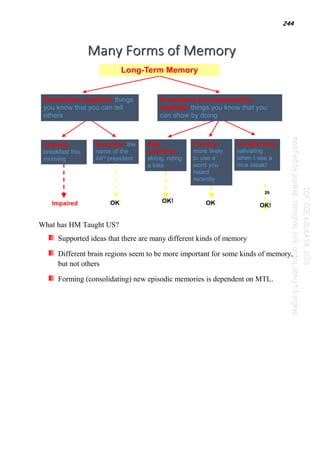
125, and 5 percent below 75.
IQ scores have been shown to be associated with such factors as morbidity and mortality, parental
social status, and, to a substantial degree, biological parental IQ. While the heritability of IQ has
been investigated for nearly a century, there is still debate about the significance of heritability
estimates and the mechanisms of inheritance.
IQ scores are used for educational placement, assessment of intellectual disability, and evaluating
job applicants. Even when students improve their scores on standardized tests, they don't always
improve their cognitive abilities, such as memory, attention and speed. In research contexts they
have been studied as predictors of job performance, and income. They are also used to study
distributions of psychometric intelligence in populations and the correlations between it and other
variables.
Raw scores on IQ tests for many populations have been rising at an average rate that scales to three
IQ points per decade since the early 20th century, a phenomenon called the Flynn effect.
Investigation of different patterns of increases in subtest scores can also inform current research on
human intelligence.
TYPES OF INTELLIGENCE TEST:-
• Individual tests
• Group tests
• Verbal tests
• Non verbal tests
• Performance tests
• Culture –Fair tests
17
COMMONLY USED INTELLIGENCE TEST:-
The Gesell Developmental Schedules
It shows the approximate developmental level in months that the child has attained in each of four
major areas of behavior
1 Motor
2 Adaptive
3 Language
4 Personal-social
Vineland Social Maturity Scale
Items are scored after interviewing someone well acquainted with the subject. A social age is then
obtained this is divided by chronological age, yielding a social quotient (SQ)
Abilities assessed
1 Communication
2 Self help eating
3 Self help dressing
4 Occupation
5 Socialization
6 Locomotion
7 Self help general
8 Self direction
18
Binet kamath Test of Intelligence.
( Dr. V.V. Kamath 1934))
• Indian adaptation of Stanford- Binet intelligence test
• Test items organized under different age levels
• Final output is Mental age which is converted to ratio IQ IQ = (MA / CA) x100
• Mental age levels: 3 years to 22 years
• English, Kannada and Marathi Version
Abilities Assessed
1. Language
2. Meaningful Memory
3. Non-meaningful Memory
4. Conceptual Thinking
5. Verbal Reasoning
6. Non-verbal Reasoning
7. Numerical Reasoning
8. social intelligence
• Primarily based on verbal material
Wechsler’s Adult Performance Intelligence Scale (WAPIS)
• ( Dr. Prabha Ramalingaswamy)
• Indian adaptation of Performance subtests of Wechsler’s Adult Intelligence Scale (WAIS)
• Age range: 15 years to 45 years
• Minimum 5 years f education is necessary
• 5 Subtests: Picture completion; Digit Symbol coding; Block Design, Picture arrangement
and Object assembly
• Primarily based on performance
19
Each sub test assess different abilities
Picture completion Ability to perceive details
Digit symbol Visual perception speed
and accuracy
Block design Spatial perception visual
and abstract process and
problem solving
picture arrangement social relation, visual
perception and analysis
Object assembly synthesis visual –motor
integration
Bhatia Battery of Performance Tests of Intelligence Dr. C.M. Bhatia (1934)
• Consists of 5 subtests:
Koh’s Block Design; Alexander’s Pass Along Test; Pattern Drawing Test; Immediate
Memory Test; Picture Construction Test
• Age range: 11 years to 16 years
• For both literates and illiterates
• To assess syntheses and analysis ability
• Can’t be used to assess the degree of mental retardation.
Raven’s Progressive Matrices:
• Developed by J.C. Raven
• Standard Progressive Matrices (1938)
• Ability to gradually develop a systematic method of reasoning by working on the problems
• Age Range: 11 - 65 years
• 5 sets of problems with 12 problems in each
• Within the set and among the sets difficulty level gradually increases
• To assess “g factors” of intelligences, logical reasoning and planning.
• Colored Progressive Matrices (CPM) for children
• Advanced Progressive Matrices(APM)for above average adolescent and adults
20
• Also used as a test of General Intellectual capacity
• Not used for assessment of people having a possibility of Mental retardation.
Culture Fair Tests.
Test bias or differential item functioning
Differential item functioning (DIF) or sometimes referred to as measurement bias is a phenomenon
when participants from different groups (ex gender, race, disability) with the same latent abilities
give different answer to specific questions on the same IQ test.
DIF analysis measures such specific items on a test alongside measuring participants latent abilities
on other similar questions. A consistent different group response to a specific question among
similar type of questions can indicate an effect of DIF. It does not count as differential item
functioning if both groups have equally valid of chance of giving different responses to the same
questions. Such bias can be a result of culture, educational level and other factors that are
independent of group traits. DIF is only considered if test-takers from different groups with the same
underlying latent ability level have a different chance of giving specific responses.Such questions
are usually removed in order to make the test equally fair for both groups. Common techniques for
analyzing DIF are item response theory (IRT) based methods, Mantel-Haenszel, and logistic
regression.
Reliability and validity
Psychometricians generally regard IQ tests as having high statistical reliability. A high reliability
implies that – although test-takers may have varying scores when taking the same test on differing
occasions, and although they may have varying scores when taking different IQ tests at the same
age – the scores generally agree with one another and across time. Like all statistical quantities, any
particular estimate of IQ has an associated standard error that measures uncertainty about the
estimate. For modern tests, the standard error of measurement is about three points. Clinical
psychologists generally regard IQ scores as having sufficient statistical validity for many clinical
purposes.
21
Q: Limbic system and Circuits of Emotion, Learning &
Memory
22
23
24
25
26
27
28
29
30
31
32
33
34
35
36
37
38
39
40
41
42
43
Q: Limbic System
44
45
46
47
48
49
50
51
52
53
Q: Functions of limbic system
1) Olfaction: Limbic structures are closely related to olfactory cortex and have a role in processing
olfactory sensation. Amygdala is involved in the emotional response to smell while, entorhinal cortex is
concerned with olfactory memories.
2) Appetite and eating behaviour:
Amygdala plays a role in food choice and emotional modulation of food intake. The lateral nucleus of the
hypothalamus is the centre for control of feeding, whereas the ventromedial nucleus functions as the
satiety centre.
3) Sleep and dream:
Functional brain imaging like PET and fMRI have shown that the limbic system is one of the most active
brain areas during the process of dreaming. Limbic system probably interweaves unconscious primal
emotions with our conscious thoughts and perceptions and thereby ties together emotions and memories
during REM sleep to form content of dreams.
Suprachiasmatic nucleus of hypothalamus is the circadian rhythm generator,controlling sleep-wake cycle.
The ventrolateral preoptic nucleus of the hypothalamus sends projections which are inhibitory in nature to
the centres responsible for arousal,such as- Histaminergic tuberomammillary(TMN); Serotonergic dorsal
and medial raphe nucleiNoradrenergic locus ceruleus; Cholinergic basal forebrain ; Pedunculopontine
thalamic nucleus(PPT) and lateral dorsal thalamic nucleus(LDT). Through these inhibitory
projections(gabargic and galaninergic)VLPO functions as ‘sleep switch’,promoting sleep Lateral
hypothalamic area(LHA)contains orexinergic neurones that promote wakefulness.These neurones inhibit
sleep promoting VLPO and the REM sleep promoting neurones in PPT-LDT’,also increase the firing of the
locus ceruleus,dorsal raphe and TMN and in a way act as a finger pressing the flip-flop switch into
wakefulness position.Absence of these neurones causes narcolepsy.
4) Fear:
fear responses are produced by stimulation of hypothalamus and amygdala and abolished when amygdala
are destroyed. Amygdala is involved in fear learning.Imaging studies show that seeing fearful faces
activates left amygdala.
5) Rage and placidity:
Rage responses are produced,1)by minor stimuli when neo-cortex is removed.2)destruction of
ventromedial nuclei and septal nuclei with intact cerebral cortex 3)stimulation of LHA extending back to
central gray matter of midbrain produces rage.
Placidity :bilateral removal of amygdala causes placidity. However, if VMN of hypothalamus is destroyed
after destruction of amygdala,placidity generated is converte to rage.
54
6) Sexual behaviour: medial preoptic area of hypothalamus(MPOA) and medial amygdala(MeA) are
impotant for male sexual behaviour.They receive genitosensory input from spinal cord through the central
tegmental field.Suprafascicular nucleus seems to be especially important for stimuli related to ejaculation.
MPOA sends efferents to the paraventricular nucleus of hypothalamus(PVN),VTA,nucleus
paragigantocellularis,and other autonomic and somatosensory areas.
Parvocellular part of PVN contain oxytocinergic and vasopressinergic projections to lumbosacral
cord.Penile erection occurs on stimulation of oxytocinergic neurons by dopamine and its agonists,
excitatory amino acid(NMDA), or oxytocin itself or by electrical stimulation.
Whereas inhibition of these neurons by GABA and its agonists or opoid peptides and opiate like
drugs,inhibits sexual response.
Some glutamatergic inputs to MPOA are from MeA and BNST (bed nucl. Of stria terminalis),increases
dopamine and facilitates sexual activity. Extracelluar glutamate in MPOA increases during copulation and
ejaculation,which facilitates these activities.
7) Addiction and motivation: Reward circuit underlying addictive behaviour includes amygdala and nucleus
accumbens. The amygdala plays a central role in cue-related relapse.Relapse associated with
cues,stress,and a single dose of a drug of abuse results in release of excitatory neurotransmitters in brain
areas like hippocampus and amygdala.
The pathway of motivated behaviour involves the prefrontal cortex,VTA,amygdala,especially basolateral
and extended amygdala,nucleus accumbens core and the ventral pallidum.This pathway is involved in the
motivation to take drugs of abuse(drug seeking) and the compulsive nature of drug taking.
8) Memory:
Emotional memory:Emotion has powerful infuence in learning and memory.Amygdala, in conjunction with
prefrontal cortex and medial temporal lobe,is involved in consolidation and retrievalof emotional
memories. Amygdala,prefrontal cortex and hippocampus are also involved in acquisition, extinction,and
recovery of fears to cues and context.
Hippocampus is critical for long-term declarative memory(episodic) storage.
Medial temporal lobe memory system: the components include the hippocampus and adjacent cortex,the
parahippocampal regions, and entorhinal and perirhinal regions.This memory system is involved in the
storage of new memories.
Diencephalic memory system:consists of hypothalamus,mammillary body and the dorsomedial nucleus of
thalamus.This circuit is important for the storage of recent memory;a dysfunction of this circuit results in
Korsakoff’s syndrome.
9) Social Cognition:
Social cognition refers to thought processes involved in understanding and dealing with other people.Social
cognition involves regions that mediate face perception;emotional processing;theory of mind;self
reference and working memory.Together the functioning of these regions would support the complex
behaviours necessary for social interactions.Limbic strucures involved are the cingulate gyrus and
amygdala.
55
CLINICAL IMPLICATION:
Epilepsy:
TLE isthe most common epilepsy in adults and is most often caused by hippocampal sclerosis. Hippocampal
sclerosis with additional involvement of the amygdala and parahippocampal gyrus is termed mesial
temporal sclerosis.
CA1-is the region,most vulnerable to hypoxia
CA4 has immediate vulnerability to insults
CA3 is only slightly vulnerable;CA2is the most resistant and well preserved sector. MTS is not limited to the
medial temporal lobe,instead,represents a limbic system disorder.
Limbic Encephalitis:-
It is a paraneoplastic syndrome, that has been reported with carcinoma o f the lung, breast,and some other
primaries.
Mechanism of the disease is not known,but it manifests as encephalitis that primarily involves the
hippocampus,amygdala,cingulate gyrus,insula and OFC.
Dementia:-
Afflicted pts develop subacute onset of memory loss, dementia,involuntary movements and ataxia.
Degenerative changes in the limbic system likely have a role in the genesis of neurodegenerative
disease,particularly Pick’s disease and Alzheimer’s disease.Marked atrophy is found in the limbic
system,most notably in the dentate gyrus and hippocampus.
In Alzheimer’s disease,senile plaques and neurofibrillary tangles are dispersed throughout the cerebral
cortex and basal ganglia,but the hippocampus and amygdala are often severely involved.
Anxiety Disorder:
Different types of anxiety have two core features in common,1)anxiety/fear symptoms which is controlled
by a circuit,in which amygdala plays a central role.2)worry- controlled by CSTC loop.
Amygdala has reciprocal connections with a wide range of brain regions,which help amygdala to integrate
both sensory and cognitive informations and then use that information to trigger(or not) a fear response.
Symptoms of anxiety produced by amygdala through its reciprocal connections as noted below :
PFC,OFC and ACC: regulate affect or feeling
PGA(periacquiductal grey area): regulate motor responses like fright,flight or freezing.
Hypothalamus control endocrine responses, activation of HPA axis and increased cortisol level.
Parabrachial nucleus: control breathing output.
Locus ceruleus :Autonomic output of fear by NE.
Amygdala is also influenced by other brain stem nuclei such as 5HT
GABA,glutamate,CRF/HPA,NE and voltage -gated ion channels.
56
Amygdala is also activated by traumatic memories stored in hippocampus to produce fear response,called
‘re-experiencing’in case of PTSD.
Amygdala is also responsible for fear conditioning and fear extinction.
Affective Disorder :-
Studies have shown variation in the volumes of the frontal lobes, basal ganglia,amygdala, and hippocampus
in affective disorders.
Functional studies have revealed decreased prefrontal and anterior cingulate activity
The anterior cingulate is the centre for integration of attentional and emotional output and helps effortful
control of emotional arousal.
Recent researchers have posited that spectrum of affective and cognitive symptomatology represents
dysfunction within a single extended network- the anterior limbic network,which includes PFC and
subcortical structures such as the thalamus, the striatum and amygdala.
The dysfunction in this system is suggested in bipolar disorder,but its role in depression is unclear.
Schizophrenia:-
Studies have shown reduced limbic volumes in schizophrenia .The Papez circuit is probably involved.The
evidence for this is
• 1)the distortion of cortical neuronal organization of layer II of ERC,
• 2)decreased size of the hippocampus,and
• 3)the reduced number of GABAergic cells in the cingulate and anterior thalamus,with resultant
glutamatergic excitotoxicity.
The other circuit involved is the basolateral circuit which mediates the social cognition deficits in
schizophrenia.
ADHD :
Limbic structures have been implicated in the genesis of ADHD.
The enlarged hippocampus in children and adolescents with ADHD may represent a compensatory
response to the presence of disturbances in the perception of time, temporal processing and stimulus-
seeking associated with ADHD.
Disrupted connection between the amygdala and OFC may contribute to behavioural disinhibition.
Autism:
Autism and Asperger’s syndrome involve the disproportionate impairment in specific aspect of social
cognition.
57
Limbic structures involved include cingulate gyrus and amygdala which mediate cognitive and affective
processing.The basolateral circuit integral for social cognition is disrupted in ASD.
CONCLUSION:
The limbic system plays a pivotal role in behaviour. The intricate neuroanatomy of limbic system with its
diverse circuits may explain some of the manifestations of neuropsychiatric disorders. Relentless research
has identified the role of amygdala in various anxiety disorders and emotional memory. The monitoring
role of anterior cingulate,the trisynaptic hippocampal circuitry underlying cognitive functioning, and the
significance of hypothalamus in various neurovegetative functions suggest the integral role of the limbic
system in understanding human behaviour and its aberrations.
.
58
Q: Melatonin
Refer Synopsis 11th
edition pages
67;88,89,90;535;542;554;798;991-992;1051.....
& the pdf document assimilated....
Many biological effects of melatonin are produced through activation of melatonin
receptors, while others are due to its role as a pervasive and powerful antioxidant,
with a particular role in the protection of nuclear and mitochondrial DNA. The full
effects of long-term exogenous supplementation in humans have not yet been
ascertained. Melatonin is categorized by the US Food and Drug Administration
(FDA) as a dietary supplement, not a drug.
Melatonin in Mammals
Melatonin, produced in the pineal gland which is outside of the blood–brain barrier,
acts as an endocrine hormone since it is released into the blood. Melatonin can
59
suppress libido by inhibiting secretion of luteinizing hormone (LH) and follicle-
stimulating hormone (FSH) from the anterior pituitary gland, especially in mammals
that have a breeding season when daylight hours are long. The reproduction of long-
day breeders is repressed by melatonin and the reproduction of short-day breeders is
stimulated by melatonin. During the night, melatonin regulates leptin, lowering its
levels. Light/dark information reaches the suprachiasmatic nuclei (SCN) from retinal
photosensitive ganglion cells, which are intrinsically photosensitive photoreceptor
cells that are distinct from those involved in the primary (at least, from one point of
view) image formation function of the eye (that is the rods and cones of the retina).
These cells represent approximately 2% of all retinal ganglion cells in humans and
express the photopigment melanopsin. Melanopsin, often confused with melatonin
because of its similar name, is structurally unrelated to the hormone. It is a
conventional 7-transmembrane opsin protein with the usual vitamin A-like cis-retinal
cofactor having a peak absorption at 484 nm, in the blue light part of the visible
spectrum. The photoperiod cue created by blue light (from a blue image of the sky)
entrains a circadian rhythm, and thus governs resultant production of specific "dark"-
and "light"-induced neural and endocrine signals that regulate behavioral and
physiological circadian rhythms associated with melatonin. Melatonin is secreted in
darkness in both day-active (diurnal) and night-active (nocturnal) animals.
Melatonin in Humans
Circadian rhythm
In humans, melatonin is produced by the pineal gland, a small endocrine gland
located in the center of the brain but outside the blood–brain barrier. The melatonin
signal forms part of the system that regulates the sleep–wake cycle by chemically
causing drowsiness and lowering the body temperature, but it is the central nervous
system (specifically the suprachiasmatic nuclei, or SCN) that controls the daily cycle
in most components of the paracrine and endocrine systems rather than the melatonin
signal (as was once postulated).
Infants' melatonin levels become regular in about the third month after birth, with the
highest levels measured between midnight and 08:00 (8 AM).
In humans, 90% of melatonin is cleared in a single passage through the liver, a small
amount is excreted in urine, and a small amount is found in saliva. Human melatonin
production decreases as a person ages. It is believed that as children become
teenagers, the nightly schedule of melatonin release is delayed, leading to later
sleeping and waking times.
Light dependence
60
Production of melatonin by the pineal gland is inhibited by light to the retina and
permitted by darkness. Its onset each evening is called the dim-light melatonin onset
(DLMO). It is principally blue light, around 460 to 480 nm, that suppresses melatonin,
proportional to the light intensity and length of exposure. Until recent history, humans
in temperate climates were exposed to few hours of (blue) daylight in the winter; their
fires gave predominantly yellow light. The incandescent light bulb widely used in the
twentieth century produced relatively little blue light. Wearing glasses that block blue
light in the hours before bedtime may decrease melatonin loss. Kayumov et al.
showed that light containing only wavelengths greater than 530 nm does not suppress
melatonin in bright-light conditions. Use of blue-blocking goggles the last hours
before bedtime has also been advised for people who need to adjust to an earlier
bedtime, as melatonin promotes sleepiness. When used several hours before sleep
according to the phase response curve for melatonin in humans, small amounts (0.3
mg) of melatonin shift the circadian clock earlier, thus promoting earlier sleep onset
and morning awakening.
Antioxidant
Besides its function as synchronizer of the biological clock, melatonin was found to
be a powerful free-radical scavenger and wide-spectrum antioxidant in 1993. In many
less complex life forms, this is its only known function. Melatonin is an antioxidant
that can easily cross cell membranes and the blood–brain barrier. This antioxidant is
a direct scavenger of radical oxygen and nitrogen species including: OH, O2−, and
NO. Melatonin works with other antioxidants to improve the overall effectiveness
from each antioxidant.
Immune system
While it is known that melatonin interacts with the immune system, the details of
those interactions are unclear. There have been few trials designed to judge the
effectiveness of melatonin in disease treatment. Most existing data are based on small,
incomplete clinical trials. Any positive immunological effect is thought to be the
result of melatonin acting on highaffinity receptors (MT1 and MT2) expressed in
immunocompetent cells. In preclinical studies, melatonin may enhance cytokine
production, and by doing this counteract acquired immunodeficiences. Some studies
also suggest that melatonin might be useful fighting infectious disease including viral,
such as HIV, and bacterial infections, and potentially in the treatment of cancer.
Endogenous melatonin in human lymphocytes has been related to interleukin-2 (IL-
2) production and to the expression of IL-2 receptor. This suggests that melatonin is
involved in the clonal expansion of antigenstimulated human T lymphocytes. In
rheumatoid arthritis patients, melatonin production has been found increased when
compared to agematched healthy controls. Although it has not yet been clearly
demonstrated whether melatonin increases non-specific immunity with resulting
61
contraindication in autoimmune diseases, an increase in the production of IL-2 and
IL-1 was noted in cultured splenocytes.
Dreaming
Some supplemental melatonin users report an increase in vivid dreaming. Extremely
high doses of melatonin (50 mg) dramatically increased REM sleep time and dream
activity in people both with and without narcolepsy.
It has been suggested that nonpolar (lipid-soluble) indolic hallucinogenic drugs
emulate melatonin activity in the awakened state and that both act on the same areas
of the brain.
Autism
Some individuals with autism spectrum disorders (ASD) may have lower than
normal levels of melatonin. A 2008 study found that unaffected parents of
individuals with ASD also have lower melatonin levels, and that the deficits were
associated with low activity of the ASMT gene, which encodes the last enzyme of
melatonin synthesis.
ROLES
In the biological clock
Nobel Prize winner Julius Axelrod performed many experiments
that elucidated the role of melatonin and the pineal gland in
regulating sleep-wake cycles (circadian rhythms)
Normally, the production of melatonin by the pineal gland is
inhibited by light and permitted by darkness. For this reason
melatonin has been called "the hormone of darkness". The
secretion of melatonin peaks in the middle of the night, and
gradually falls during the second half of the night.
As an antioxidant
Melatonin is a powerful antioxidant that can easily cross cell
membranes and the blood-brain barrier. Melatonin, once oxidized,
cannot be reduced to its former state because it forms several stable
62
end-products upon reacting with free radicals. Therefore, it has been
referred to as a terminal (or suicidal) antioxidant.
In animal models, melatonin prevents the damage to DNA by some
carcinogens, stopping the mechanism by which they cause cancer.
The antioxidant activity of melatonin may reduce damage caused by
some types of Parkinson's disease, may play a role in preventing
cardiac arrhythmia and may increase longevity.
In immune system
Melatonin is an immunoregulator that enhances T cell production.
When taken in conjunction with calcium, it is a very potent
immunostimulator of the T cell response. Due to these
immunoregulatory effects, it is used as an adjuvant in many clinical
protocols.
Increased immune system activity may aggravate autoimmune
disorders.
In dreaming
Many melatonin users have reported an increase in the vividness or
frequency of dreams. High doses of melatonin (50mg) dramatically
increased REM sleep time and dream activity in both
narcoleptics and normal people.
It is interesting to note that many psychotropic drugs, such as LSD
and cocaine, increase melatonin synthesis. Hallucinogenic drugs
increase melatonin activity.
63
Medical applications
1. Treatment of circadian rhythm sleep disorders, such as jet lag and
delayed sleep phase syndrome.
2. Studied for the treatment of cancer, immune disorders,
cardiovascular diseases, depression, seasonal affective disorder
(SAD), and sexual dysfunction. A study by Alfred J. Lewy and
other researchers found that it may ameliorate SAD and circadian
misalignment.
3. Basic research indicates that melatonin may play a significant role
in modulating the effects of drugs of abuse such as cocaine.
4. Learning, Memory and Alzheimers: Melatonin can alter
electrophysiological processes associated with memory, such as
long-term potentiation (LTP). Melatonin prevent the
hyperphosphorylation of the tau protein so formation of
neurofibrillary tangles, a pathological feature seen in Alzheimer's
disease. Thus, melatonin may be effective for treating Alzheimer's
Disease.
5. Preventative treatment for migraines and cluster headaches.
6. Other: Studies are going on for treatment of various forms of
cancer, HIV, and other
Adverse effects
Melatonin appears to cause very few side-effects in the short term, up to three
months, when healthy people take it at low doses. A systematic review in 2006 looked
specifically at efficacy and safety in two categories of melatonin usage: first, for sleep
disturbances that are secondary to other diagnoses and, second, for sleep disorders
such as jet lag and shift work that accompany sleep restriction. The study concluded
that "There is no evidence that melatonin is effective in treating secondary sleep
disorders or sleep disorders accompanying sleep restriction, such as jet lag and
shiftwork disorder. There is evidence that melatonin is safe with short term use". A
similar analysis by the same team a year earlier on the efficacy and safety of
exogenous melatonin in the management of primary sleep disorders found that:
64
"There is evidence to suggest that melatonin is safe with short-term use (3 months or
less)." Unwanted effects in some people may include nausea, next-day grogginess,
irritability, reduced blood flow and hypothermia.
While no large, long-term studies that might reveal side-effects have been conducted,
there do exist case reports about patients having taken melatonin for months.
Melatonin can cause somnolence (drowsiness), and, therefore, caution should be
shown when driving, operating machinery, etc. In individuals with auto-immune
disorders, there is conflicting evidence whether melatonin supplementation may
either ameliorate or exacerbate symptoms due to immunomodulation. Individuals
experiencing orthostatic intolerance, a cardiovascular condition that results in
reduced blood pressure and blood flow to the brain when a person stands, may
experience a worsening of symptoms when taking melatonin supplements, a study at
Penn State College of Medicine's Milton S. Hershey Medical Center suggests.
Melatonin can exacerbate symptoms by reducing nerve activity in those experiencing
the condition, the study found. Melatonin has been found to lower FSH levels. Effects
of the hormone on human reproduction remain unclear, although it was with some
effect tried as a contraceptive in the 1990s. Melatonin was thought to have a very low
maternal toxicity in rats. Recent studies have found results which suggested that it is
toxic to photoreceptor cells in rats' retinas when used in combination with large
amounts of sunlight and increases the incidence of tumours in white mice.
65
Q: Memory – Neuroanatomy
66
67
68
69
70
71
72
73
74
75
Q: MEMORY – TYPES & CORRELATES
Types of memory:
1. On the basis of time
a) Ultra short:
 Refers to a process measured in milliseconds which may, for
instance, be related to the decay of the photopigments in the
retina's rods and cones.
 Of two types iconic and echoic depending on sensory modality,
with visual and auditory modality respectively.
b) Short term:
 Refers to the active on-line holding and manipulation of
information and includes the preparation of stored information for
retrieval.
 Can have 7±2 items.
 The time ranges from seconds to few minutes.
 Situated in parietal and DLPFC.
c) Long term:
 Refers to information which is stored off-line for periods which
extend from minutes to decades.
 Short-term or working memory appears to rely on sensorial or
surface encoding, while long-term memory seems to be more
dependent on semantic (or deep) encoding.
PS: The learning of word lists helps to distinguish short-term from long-term
memory. When recalling items from a list of 12 words, for example, subjects tend to
retrieve a disproportionally higher number of words that were presented at the
beginning and end of the list. The greater recall of initial items is known as the
primacy effect and reflects processes related to long-term memory, whereas the
greater recall of late items is known as the recency effect and is more closely related
to short-term memory.
2. On the basis of contents
a) Explicit/ declarative
a. Episodic
76
 Episodic memory refers to specific events in one's biography.
These events are embedded in time and place.
 Selectively impaired in mainly in right frontotemporla region
b. Semantic/factual
 Deals with factual information.
 Some authors believe episodic memory to be part of semantic
memory.
 Episodic memory is actively rememberd, semantic memory is
only known.
 Mainly impaired in damage to left frontotemporal region.
b) Implicit / Nondeclarative:
 Memory which is independent from conscious recollection; memory
is inferred indirectly through a faster or better performance on certain
tasks.
a. Priming
 Defined as a process of information recognition in the absence
of conscious reflection.
 Refers to the influence that a previously perceived stimulus has
on future performance.
 In perceptual priming the stimuli are of an identical sensory
structure at all phases of presentation, while in conceptual
priming they only belong to the same category, or concept.
 In priming tests, the stimuli are not required to be learned
actively.
b. Procedural memory/Perceptual, motor and strategic skills
 Learning of perceptuomotor skills, and the acquisition of rules
and sequences.
c. Conditioning
77
IMPORTANT TERMS RELATED TO MEMORY
 ENGRAM: Hypothetical memory trace
 ECPHORY: refers to the process wherein retrieval cues interact with stored
information so that an image or a representation of the desired information
becomes activated.
 FORGETTING: The loss of information available for explicit recall or
recognition. Usually processes of decay are assumed to exist
 FREE RECALL: Voluntary recall of learned information without external help or
cuing.
 CUED RECALL: Recall with the help of superficial (first letter) or deep (category
of word) cues
 RECOGNITION: Identification of the previously presented stimulus in a list
containing a large number of similar stimuli
 AMNESIA: Originally, the term meant a complete, "global" loss of memory. In
recent times the term is frequently also used to indicate fractionated memory
impairments
 ANTEROGRADE AMNESIA: The inability to acquire new information for long-
term storage and retrieval.
 RETROGRADE AMNESIA: The inability to retrieve information that had been
stored prior to the onset of the amnesia.
 AMNESIC SYNDROME: Global memory loss in explicit (declarative, episodic)
domains.
78
THE ANATOMICAL SUBSTRATES OF MEMORY
 Memory is not controlled by a single center in the brain but, instead, by a
distributed network.
IMPLICIT MEMORY:
 With the exception of fear conditioning, which has been related to the
amygdale implicit learning is mediated by nonlimbic structures. These may be
neocortical or may be found in the cerebellum and the basal ganglia.
 Visual priming: processed by peristriate unimodal sensory cortex along with
heteromodal association areas of the temporal and parietal cortex.
 Procedural memory: may be processed predominantly within regions of the
cerebellum and the basal ganglia, perhaps with the additional participation of
dorsolateral frontal cortex.
 The fear conditioning is processed in amygdale which is part of the limbic
system.
SHORT TERM (WORKING) MEMORY:
 Role of DLPFC in association with ventral portions of PFC.
 Patients with circumscribed predominantly parietal lesions also show
impairment in implicit memory.
 In summary, short-term (or working) memory is a predominantly attentional
function under the control of a fronto-parietal network whereas long-term
explicit (or episodic) memory is under the control of a limbic network.
EPISODIC MEMORY:
 Hebbe proposed that newly acquired information reverberates in a neural
circuit before being transferred into long-term storage. Such circuits for
encoding and consolidating information include regions of the limbic system,
especially the hippocampo-entorhinal complex, as their critical components.
 There are two interacting circuits within the limbic system: the Papez circuit,
centered around the hippocampus, and the basolateral limbic circuit
(amygdaloid circuit).
 The amygdaloid circuit is more closely related to emotional processing but is
also relevant for encoding the emotional valence of experiences. It includes the
amygdala, the mediodorsal thalamic nucleus, and associated paralimbic
79
regions such as the paraolfactory gyrus of the subcallosal region, the temporal
pole, the insula, the orbitofrontal cortex, and interconnecting fibers such as the
ventral amygdalofugal pathway, ant. Thalamic peduncle and diagonal band.
 B/L damage of limbic system especially of papez circuit leads to severe
memory impairment.
 Hippocampal entorhinal complex and limbic nuclei of thalamus are most
important. B/L damage to these areas lead to inability to form new stable
memories which are accessible to recall.
 The selective damage to B/L amygdala leads to loss of preferential coding of
emotionally laden memories vs. neutral items and emotional coloring of the
memories.
 The basal forebrain areas including medial septal region, diagonal band of
Broca and basal nucleus of myenert are important for long term memory. In
patients with lesion with these sites have less severe and enduring memory
impairment in comparison to entorhinal cortex or diencephalic damage. But
the personality changes and confabulation are more prominent.
 Damage to fibre pathways of limbic system e.g. Fornix can lead to anterograde
amnesia.
 The patients with medial temporal diencephalic damage also have higher
chance of confabulation and less insight.
ENCODING AND CONSOLIDATION:
 The encoding mainly takes place through limbic system.
 The evidence by some case reports have shown that there may be quite different
biological substrates for initial encoding into episodic (explicit) memory and
the subsequent consolidation/ retention of the information.
 The biological substrates of consolidation remain to be elucidated.
STORAGE OF INFORMATION:
 The tremendous volume of information that needs to be acquired during a
lifetime becomes accommodated within distributed cerebral cortical networks.
 The memories are stored through changes in synaptic morphology, protein
synthesis, and gene expression. Though the information is far from conclusive.
 The most frequently formulated proposal is that information is stored
throughout association cortex but that the limbic system has a critical role in
binding this information during storage and perhaps also retrieval.
80
RETRIEVAL OF INFORMATION:
 Strong and very consistent activation of left prefrontal cortical structures
during the encoding and of right prefrontal cortex during the retrieval process.
 Patients with prefrontal damage have significant impairment in free recall, but
no impairment in cued and recognition tasks.
 Retrograde amnesia refers to the inability to retrieve information that had been
stored prior to the onset of the amnesia-causing lesion (or event). The term is
used in at least two ways: For one it refers to information which is no longer
accessible because it is permanently lost. This may for instance be the case in
patients with Alzheimer's disease. Secondly, the term refers to an inability to
(explicitly) retrieve stored information which nevertheless may still exist in the
brain.
 The patients with retrograde amnesia also have anterograde amnesia if the
lesion is in the limbic system mainly medial diencephalic or temporal damage.
 But some cases have shown development of pure retrograde amnesia without
anterograde amnesia.
 Inferolateral frontal and temporopolar regions are important for retrieval
Left: retrieving stored general knowledge (semantic memories)
Right: episodic autobiographical information.
 The prefrontal contribution in this process of ecphory may involve the willed
initiation and mobilization of the relevant networks, the selection of
information among competing alternatives, and possibly the postretrieval
monitoring processes. The temporopolar regions, through their limbic
connections, may coordinate access to engrams encoded within association
cortices. As was shown by several studies, selective damage to either the
prefrontal or the temporal component of this network is insufficient to cause
permanent disruption of the retrieval process. Enduring and severe retrograde
amnesia usually requires bilateral damage to both components.
81
Q: NEUROBIOLOGY OF MEMORY
•Memory is the ability to maintain previously learned information within an internal storage
system so that it may be accessed and used at a later time
• Memory is the glue that binds our mental life.
•Memory is also of clinical interest because disorders of memory and complaints about memory
are common in neurological and psychiatric illness.
THREE-STAGE PROCESS: (Squire 1987)
•encoding (or the acquisition of information),
•storage (or the retention of information over time)
•retrieval (or accessing information previously encoded)
TYPES OF MEMORY
•Declarative (explicit)- Intentional retrieval of the past which can be either facts(semantic)or
historic events from our lives(episodic). It is available for conscious recollection.
•non- declarative (implicit) memory- describes the process of learning a skill or making
association.
82
STAGE OF RETENTION:-
CELLULAR MECHANISM
•The Canadian psychologist Donald O. Hebb proposed in 1949 that some changes must take place
between two neurons for memories to develop.
•When an axon of cell A is near enough to excite a cell B and repeatedly or persistently takes part
in firing it, some growth process or metabolic change takes place in one or both cells such that A's
efficacy, as one of the cells firing B is increased.
•Hebb's Postulate and can be more easily stated as: neurons that fire together, wire together
•In 1960 Eric R. kandel and his colleagues used a radical reductionist strategy to study learning
and memory
•Selected Aplysia (giant marine snail) for 3 important reasons
83
LONG TERM POTENTIATION
•LTP serves as a candidate mechanism for mammalian long-term memory.
•LTP has 2 phases-
•Early phase- is produced by a single train of stimuli, lasts only 1 to 3 hours and does not require
new protein synthesis. It involves covalent modification of preexisting proteins that lead to the
strengthening of preexisting connections
•Late phase- repeated trains of electrical stimuli produce a late phase of LTP. It persists for at least
a day and is associated with protein synthesis and synaptogenesis.
•The induction of LTP is known to be mediated postsynaptically and to involve activation of the
N-methyl-D-aspartate (NMDA) receptor, which permits the influx of calcium into the
postsynaptic cell.
•LTP is maintained by an increase in the number of α-amino-3-hydroxy-5-methyl-4-
isoxazolepropionate (AMPA; non-NMDA) receptors in the postsynaptic cell and also possibly by
increased transmitter release.
LTP serves as a physiological substrate of memory:
84
1)established quickly and then lasts for a long time
2)It is associative, in that it depends on the co-occurrence of presynaptic activity and postsynaptic
depolarization
3)It occurs only at potentiated synapses, not all synapses terminating on the postsynaptic cell
4)LTP occurs prominently in the hippocampus, a structure that is important for memory.
PROTEIN SYNTHESIS
•Synthesis of new protein is seen in long term memory.
NEUROPLASTICITY
•Some memories last an entire lifetime.
•These long-term memories persist despite surgical anaesthesia, epileptic seizures, and drug abuse
•Protein molecules are not stable enough to survive these insults
•long-term memories must be the result of more stable formations such as structural changes.
85
SYNAPTOGENESIS
86
SYNAPSE SPECIFICITY
NEUROGENESIS
Another mechanism that could explain the development of stable memories which can last a
human lifespan.
•Recently, Leuner et al, teaching rats to anticipate a puff of air, looked at learning and
neurogenesis. They found that those animals that showed a better performance with the task also
had more new neurons surviving several days after the instruction. In other words, the greater the
mastery of the skill, the greater the number of newly developing neurons that survived.
ORGANIZATION
•Bayley et al. examined eight patients with damage to their medial temporal lobes. All patients
had problems storing new memories. Then they studied their ability to recall remote
autobiographic memories. Only the three patients who also had significant additional damage to
the neocortex showed impairment with remote memories.
87
SYSTEM CONSOLIDATION
There is evidence that memories undergo continuing remodelling even weeks and months after
they are formed. This process is called system consolidation. Researchers have found remodelling
of memories (system reconsolidation) within layers of the cortex. They found that total Fos(a
marker of gene activation) activity was the same at days 1 and 30. However, the location of
activity within the layers of the parietal cortex changed from days 1 to 30
Recent memory activates neurons in layers V and VI. Memory after 30 days, in comparison,
shows greater activity in layers II and III.
88
HIPPOCAMPUS
FRONTAL LOBE
•the frontal lobes are fundamentally important for declarative memory
•Patients with frontal lesions have poor memory for the context in which information was
acquired, they have difficulty in unaided recall, and they may even have some mild difficulty on
tests of item recognition.
89
Q: The bedside assessment of memory
1. Patients should be alert, attentive, cooperative, motivated, and neither anxious nor
depressed, and have intact perceptual processing systems or the assessment of memory is
meaningless. Thus, clinical assessment of memory may, paradoxically, first involve
assessment of possible comorbid deficits such as aphasia, alexia, visuoperceptual
impairments, apraxia, and inattention.
2. These cognitive deficits are more apparent than memory deficits and may complicate
memory assessment, as discussed above.
3. For patients who are initially lethargic or confused, it is best to wait until attention
improves before reaching any definite conclusion about memory.
4. Attention can be assessed with so-called mental control tasks: reciting the months of the
year backwards, spelling words backwards or doing serial subtractions.
5. Digit span forwards and backwards has the added benefit of determining the patient’s
list span, so subsequent memory tests such as serial list learning tasks can be modified
accordingly, if necessary.
6. Once adequate attention, language, and perceptual functions have been demonstrated,
memory can be evaluated.
7. For some patients with low probability of memory deficits, the coherence and detail of
the history provided by the patient may be sufficient testing.
8. There is one verbal memory task that can be very informative along many dimensions:
supraspan serial word list learning tasks, usually 9_10 words, from which the examiner
can extract a learning curve, delayed recall, and a recognition score.
1. Patients with executive deficits alone may have inefficient learning (a flat curve) or
a tendency to repeat items within single presentations, but little loss of items after
delay and good recognition.
2. Patients with true amnesia may have variable, even good, learning curves, but poor
recall and recognition.
9. Utilizing a list-learning task of this sort can be awkward at the bedside and requires that
the examiner be prepared with a list and a second list for recognition foils.
10. A more universally practical bedside test of memory is telling the patient a coherent story
with just three or four salient features, followed by a brief probe to be certain that the
details have been noted, then probed again after a delay for uncued recall.
90
11. Bedside tests, although useful, have a limited sensitivity.
12. Visual and spatial memories are rarely tested at the bedside.
13. Copying and then, after a delay, reproducing abstract drawings is a reasonable assessment
of visual memory.
14. Observing the placement of a few objects in specific spatial relationships to each other and
then, after delay, describing or drawing the relationship of the objects is a reasonable
assessment of spatial memory.
SEMANTIC MEMORY
15. Semantic memory can be measured by questioning knowledge of historical facts. This is
certainly dependent on educational level, but this difficulty can be circumvented by asking
questions for well know historical facts.
16. NAME AND ADDRESS TEST - This is a good alternative test for verbal memory as it is short
and incorporates both verbal working memory and verbal episodic memory.
1. "I would like you to remember a name and address, listen carefully as I can only say
it once: Peter Black, 32 Long Street, Albany. Can you repeat that?"
2. Score 1 mark for each of the five components.
3. "Now try to remember this as I will ask for it again in a while."
4. If the patient has errors on repetition then repeat the phrase up to three times.
5. Allow 5 minutes to pass while distracting the patient.
6. A good distraction technique used
7. "Repeat the name and address that you learned earlier." Score 1 mark for each
component correctly recalled.
8. The test can be further expanded by using cues.
17. Component of working memory Method
Phonological loop Forward digit span
Word span
Phonological store Phonological similarity effect
Articulatory rehearsal mechanism Word length effect
Visuospatial sketchpad:
– spatial component Corsi Block Tapping Test
– visual component Pattern recall
Central executive Backwards digit span
Computation span
Sentence span
91
1. Formal neuropsychological testing remains frequently warranted, especially in case of
memory complaint (by the patient or informant), when bedside test is impaired or when
the lesion concerns a region known to impair memory such as mediotemporal, thalamic,
genu of the internal capsule, basal forebrain, and frontal regions.
2. The standard neuropsychological tests of memory are valid, reliable, and standardized over
a very wide age range.
3. The tests can specify memory loss in all dimensions _ short-term versus long-term,
anterograde and retrograde, modality-specific, etc. _ much better than casual bedside
testing.
4. Memory tests provide valuable information on the pattern of episodic memory deficit:
5. True amnesia is characterized by poor recognition with poor benefit, if any, from cuing and
greater loss of items on delayed recall.
6. Conversely, executive deficits impair learning (as shown by a flat curve) and free recall
whereas cued recall is typically good as recognition (except for the possible presence of
false recognition);
7. Severity of memory loss, severity and prognosis of medical/vascular condition, time since
onset, comorbid neurological and medical diagnoses, age, and likely discharge setting are
all factors that influence the decision to obtain neuropsychological testing.
8. Clinicians should also recall that patients with attentional or executive impairments (e.g.
frontal or thalamic strokes) and patients with mild language deficits may appear more
memory impaired on standard tests than they actually are in real life.
The clock-drawing task
 The clock-drawing task is a simple means to detect executive dysfunction, because the task
involves planning, sequencing, and abstract reasoning.
 Of the many ways, most prefer the method of Nolan and Mohs (1994) for routine use.
 The subject is presented with a blank page and asked to draw the face of a clock and to
place the numbers in the correct positions.
 After drawing a circle and placing the numbers, the subject is asked to draw the hands so
they indicate the time as 20 minutes after 8.
 Scoring is as follows: 1 point for drawing a closed circle, 1 point for placing numbers
correctly, 1 point for including all correct numbers, and 1 point for placing the hands in the
correct positions.
 There is no cutoff score, but any score below 4 raises the suspicion of executive
impairment.
 Distortions due to tremor are disregarded.
92
Q: MMSE
The Mini-Mental State Examination (MMSE; Folstein et al. 1975), administered
directly to the patient, is the most widely used brief cognitive assessment tool.
 It requires 10–15 minutes to administer.
 It tests - orientation, attention, concentration, recent memory, naming, repetition,
comprehension, ideomotor praxis, constructional praxis, and the ability to construct a
sentence.
 A perfect score is 30 points.
 As a rule of thumb, patients with mild dementia tend to score from 20 to 24, moderate from
11 to 19 and severe from 0 to 10.
 The MMSE is confounded by premorbid intelligence and education.
 The originators indicate a score of 23 or below by someone with a high school education is
suggestive of dementia.
 A cut-off score of 18 or below is suggested for those with an VIII-grade education or less.
 A population-based study showed - The median score was 29 for unscreened individuals
with at least 9 years of schooling, 26 for those with 5–8 years of schooling, and 22 for those
with 0–4 years of education.
 The same study showed an inverse relationship between age and test score, with a median
of 29 for those age 18–24 years and a median of 25 for those age 80 years or older.
 The MMSE is not a sensitive test; it does not examine executive function and frequently
does not detect impairment in highly educated persons.
 However, its brevity and the minimal training required for its administration make it
especially useful in conjunction with the clock-drawing task as a general screening of
cognitive impairment and for following the progression of cognitive disorders.
 The MMSE is protected by copyright and must be ordered from Psychological Assessment
Resources.
93
94
Q: MENTAL AGE
Mental age is a concept in relation to intelligence, expressed as the age at which
a child is performing intellectually. The mental age of the child that is tested is the same
as the average age at which normal children achieve a particular score.
However, a mental age result on an intelligence test does not mean that children function
at their "mental age level" in all aspects of life. For instance, a gifted six-year-old child can
still in some ways function as a three-year-old child.
Mental age was once considered a controversial concept.
History
Early Theories
During much of the nineteenth century, theories of intelligence focused on measuring the
size of human skulls.Anthropologist well known for their attempts in correlating cranial size
and capacity with intellectual potential are Samuel Morton and Paul Broca
The modern theories of intelligence began to emerge along with experimental psychology.
This is when much of psychology was moving from philosophical to more biology and
medical science basis. In 1890, James Cattell published what some consider the first
"mental test". Cattell was more focused on heredity rather than environment. This spurs
much of the debate about the nature of intelligence.
Mental age was first defined by the French psychologist Alfred Binet, who introduced the
intelligence test in 1905, with the assistance of Theodore Simon. Binet's experiments on
French schoolchildren laid the framework for future experiments into the mind throughout
the Twentieth Century. He created an experiment that was designed as a test to be
completed quickly and was taken by various ages of children. As was expected, the older
children performed better on these tests. However, the younger children who had
exceeded the average of their peers were said to have a higher "mental age" and those
who performed below average were deemed to have a lower mental age. Binet's theories
suggested that while mental age was a useful indicator, it was by no means permanently
affixed and individual growth or decline could be attributed to changes in teaching methods
and experiences.
Henry Herbert Goddard was the first psychologist to bring Binet's test to the United
States.Goddard was amongst one of the many psychologists in the 1910s that believed
intelligence was a fixed quantity. While Binet believed this wasn't the case, the majority of
those in the U.S believed it was hereditary.
95
Modern Theories
The limitations of the Stanford-Binet caused David Wechsler to publish the Wechsler Adult
Intelligence Scale (WAIS) in 1955. These two tests were split into two different ones for
children. The WAIS-IV is the known current publication of the test for adults. The reason
for this test was to score the individual and compare it to others of the same age group
rather than to score by chronological age and mental age. The fixed average is 100 and
the normal range is between 85 and 115. This is a standard currently used and is used in
the Stanford-Binet test as well
Mental age and IQ
Originally, the differences between mental age and chronological age were used to
compute the intelligence quotient, or IQ. This was computed using the ratio method, with
the following formula: mental age/chronological age 100 = IQ.
No matter what the child's chronological age, if the mental age is the same as the
chronological age, then the IQ will equal 100.
An IQ of 100 thus indicates a child of average intellectual development. For a gifted child,
the mental age is above the chronological age; for a developmentally retarded child, the
mental age is below the chronological age.
Modern intelligence tests, including the current Stanford-Binet test, no longer compute
scores using the IQ formula. Instead, intelligence tests give a score that reflects how far
the person's performance deviates from the average performance of others who are the
same age, arbitrarily defined as an average score of 100.
Controversy
The Nature of Intelligence
Mental age as well as IQ have limitations. Binet did not believe these measures should be
used for a single, permanent and inborn level of intelligence. He stressed the limitation of
the test because intelligence overall is too broad to be represented by a single number. It
is influenced by many factors such as the individuals background and changes over time.
Throughout much of the 20th century many psychologists believed intelligence was fixed
and hereditary while others believed other factors would affect intelligence.
After World War I, the concept of intelligence as fixed, hereditary, and unchangeable
became the dominant theory within the experimental psychological community. By the mid-
1930s, there was no longer agreement among researchers on whether or not intelligence
was hereditary. There are still recurring debates about the influence of environment and
heredity upon an individual's intelligence and the intelligence intentional.
96
Q: Mono-amine neuro-transmitter metabolism
Classificationof Neurotransmitters
1. Amino acids:
1. Excitatory: Aspartate, Glutamate
(Glutamic Acid, Glu)
2. Inhibitory : γ-Aminobutyric acid (GABA),
Glycine (Gly)
2. Acetylcholines: Acetylcholine
3. Monoamines
From phenylalanine and
tyrosine (catacholamines)
From tryptophan From histidine:
Dopamine (DA)
Norepinephrine
(noradrenaline) (NE)
Epinephrine (adrenaline)
Serotonin
(5hydroxytryptamine,
5-HT)
Melatonin (Mel)*
Histamine (H)
97
MONOAMINE SYNTHESIS, STORAGE, AND DEGRADATION IN
GENERAL
Refer Synopsis 11th
edition chapter 1.4; pg 38....& fig 1.4-6 given below also
In addition to neuroanatomic similarities, monoamines are also synthesized, stored,
and degraded in similar ways (Fig. 1.4-6). Monoamines are synthesized within
neurons from common amino acid precursors (Fig. 1.4-6, step 1) and taken up into
synaptic vesicles by way of a vesicular monoamine transporter (Fig. 1.4-6, step 2).
On stimulation, vesicles within nerve terminals fuse with the presynaptic terminal and
release the neurotransmitter into the synaptic cleft (Fig. 1.4-6, step 3). Once released,
the monoamines interact with postsynaptic receptors to alter the function of
postsynaptic cells (Fig. 1.4-6, step 4), and they may also act on presynaptic
autoreceptors on the nerve terminal to suppress further release (Fig. 1.4-6, step 5). In
addition, released monoamines may be taken back up from the synaptic cleft into the
nerve terminal by plasma membrane transporter proteins (Fig. 1.4-6, step 6), a process
known as reuptake. Reuptake plays an important role in limiting the total magnitude
and temporal duration of monoamine signaling. Once monoamines are taken up, they
may be subject to enzymatic degradation (Fig. 1.4-6, step 7), or they may be protected
from degradation by uptake into vesicles.
FIGURE 1.4-6.....
98
Catecholamines
The catecholamines are synthesized from the amino acid tyrosine, which is taken up
into the brain via an active transport mechanism (Fig.below ). Within
catecholaminergic neurons, tyrosine hydroxylase catalyzes the addition of a hydroxyl
group to the meta position of tyrosine, yielding L-dopa. This rate-limiting step in
catecholamine synthesis is subject to inhibition by high levels of catecholamines
(end-product inhibition). Because tyrosine hydroxylase is normally saturated with
substrate, manipulation of tyrosine levels does not readily affect the rate of
catecholamine synthesis. Once formed, L-dopa is rapidly converted to dopamine by
dopa decarboxylase, which is located in the
cytoplasm. It is now recognized that this enzyme acts not only on L-dopa but also on
all naturally occurring aromatic L-amino acids, including tryptophan, and thus it is
more properly termed aromatic amino acid decarboxylase. In noradrenergic and
adrenergic neurons. dopamine is actively transported into storage vesicles, where it
is oxidized by dopamine β-hydroxylase to form norepinephrine. In adrenergic
neurons and the adrenal medulla, norepinephrine is converted to epinephrine by
phenylethanolamine N-methyltransferase (PNMT), which is located within the
cytoplasmic compartment.
Two enzymes that play major roles in the degradation of catecholamines are
monoamine oxidase and catechol-O-methyltransferase (COMT). MAO is located on
the outer membrane of mitochondria, including those within the terminals of
adrenergic Obers, and oxidatively deaminates catecholamines to their corresponding
aldehydes. Two MAO isozymes with diPering substrate speciOcities have been
identiOed: MAOA, which preferentially deaminates serotonin and norepinephrine,
and MAO type B (MAOB), which deaminates dopamine, histamine, and a broad
spectrum of phenylethylamines. Neurons contain both MAO isoforms. The blockade
of monoamine catabolism by MAO inhibitors produces elevations in brain
monoamine levels. MAO is also found in peripheral tissues such as the
gastrointestinal tract and liver, where it prevents the accumulation of toxic amines.
For example, peripheral MAO degrades dietary tyramine, an amine that can displace
norepinephrine from sympathetic postganglionic nerve endings, producing
hypertension if tyramine is present in suQcient quantities. Thus patients treated with
MAO inhibitors are cautioned to avoid pickled and fermented foods that typically
have high levels of tyramine. Catechol-O-methyltransferase (COMT) is located in the
cytoplasm and is widely distributed throughout the brain and peripheral tissues,
although little to none is found in adrenergic neurons. It has a wide substrate
specificity, catalyzing the transfer of methyl groups from S-adenosyl methionine to
the m-hydroxyl group of most catechol compounds. The catecholamine metabolites
produced by these and other enzymes are frequently measured as indicators of the
activity of catecholaminergic systems. In humans, the predominant metabolites of
99
dopamine and norepinephrine are homovanillic acid (HVA) and 3-methoxy-4-
hydroxyphenylglycol (MHPG), respectively.
Figure 1.4-8
100
DOPAMINE (DA)
Dopamine is a phenethylamine naturally produced by the human body.
Discovered by Arvid Carlsson and Jils-Ake Hillarp at the Laboratory for Chemical
Pharmacology of the National Heart Institute of Sweden, in 1952. Arvid Carlsson won a
share of the 2000 Nobel Prize in Physiology or Medicine for showing that dopamine is not
just a precursor of noradrenaline and adrenaline, but a neurotransmitter as well.
Biosynthesized in the body from tyrosine.
Dopamine is also a neurohormone released by the hypothalamus and inhibit the release
of prolactin.
Inactivation mechanism:
1) uptake via a specific transporter-- plays major role in inactivation
2) enzymatic breakdown; and
3) diffusion.
NOREPINEPHRINE
Norepinephrine is a catecholamine. It is released from the medulla of the adrenal glands as a
hormone into the blood, but it is also a neurotransmitter in the CNS and sympathetic nervous
system where it is released from noradrenergic neurons during synaptic transmission.
Major stress hormone related to fight-or-flight response, by directly increasing heart rate,
triggering the release of glucose from energy stores, and increasing skeletal muscle readiness.
Norepinephrine synthesized by the adrenal medulla from the amino acid tyrosine:
Steps of synthesis
– oxidation into dihydroxyphenylalanine (L-DOPA).
– decarboxylation into the neurotransmitter dopamine.
– β-oxidation into norepinephrine by dopamine beta hydroxylase.
Norepinephrine is produced from dopamine, with the help of the amino acids phenylalanine, lysine,
and methionine. Vitamins C and B6, magnesium, and manganese are important cofactors (refer
diagram above…..fig 1.4-8 )
101
SEROTONIN
Isolated and named in 1948 by Maurice M. Rapport, Arda Green, and Irvine Page. The name
"serotonin" is a misnomer.
Serotonin=> serum agent affecting vascular tone. This agent was later chemically
identified as 5-hydroxytryptamine (5-HT) by Rapport.
Serotonin is synthesized extensively in the human gastrointestinal tract (about 90%), and
the major storage place is platelets in the blood stream.
Synthesis and metabolism Synthesized directly from the
essential amino acid tryptophan, which must come from the diet, with the assistance of Vitamin
B6 and carbohydrates.
The CNS contains less than 2 percent of the serotonin in the body; peripheral
serotonin is located in platelets, mast cells, and enterochromaffin cells. More than 80
percent of all the serotonin in the body is found in the gastrointestinal system, where
it modulates motility and digestive functions. Platelet serotonin promotes aggregation
and clotting through a most unusual mechanism: The covalent linkage of serotonin
molecules to small GTP-binding proteins, which can then activate these proteins, is a
process termed “serotonylation.” Peripheral serotonin cannot cross the blood–brain
barrier, so serotonin is synthesized within the brain as well. Serotonin is synthesized
from the amino acid tryptophan, which is derived from the diet. The rate-limiting step
in serotonin synthesis is the hydroxylation of tryptophan
by the enzyme tryptophan hydroxylase to form 5-hydroxytryptophan (4-HT (Fig. 1.4-
7). Two isoforms of tryptophan hydroxylase exist— one isoform is found mainly in
the periphery, whereas the second isoform is restricted to the CNS.
Under normal circumstances, tryptophan concentration is rate limiting in serotonin
synthesis. Therefore, much attention has focused on the factors that determine
tryptophan availability. Unlike serotonin, tryptophan is taken up into the brain by way
of a saturable active carrier mechanism. Because tryptophan competes with other
large neutral amino acids for transport, brain uptake of this amino acid is determined
both by the amount of circulating tryptophan and by the ratio of tryptophan to other
large neutral amino acids. This ratio may be elevated by carbohydrate intake, which
induces insulin release and the uptake of many large neutral amino acids into
peripheral tissues. Conversely, high-protein foods tend to be relatively low in
tryptophan, thus lowering this ratio. Moreover, the administration of specialized low
tryptophan diets produces significant declines in brain serotonin levels. After
tryptophan hydroxylation, 5-hydroxytryptophan is rapidly decarboxylated by
aromatic amino acid decarboxylase (an enzyme also involved in dopamine synthesis)
to form serotonin.The first step in the degradation of serotonin is mediated by
monoamine oxidase type A (MAOA), which oxidizes the amino group to form an
aldehyde. MAOA is located in mitochondrial membranes and is nonspeciOc in its
102
substrate specificity; in addition to serotonin, it oxidizes norepinephrine. The
elevation of serotonin levels by MAO inhibitors (MAOIs) is believed to underlie the
antidepressant efficacy of these drugs. After oxidation by MAOA, the resulting
aldehyde is further oxidized to 5-hydroxyindoleacetic acid (5-
HIAA). Levels of 5-HIAA are often measured as a correlate of serotonergic system
activity, although the relationship of these levels to serotonergic neuronal activity
remains unclear.
Figure 1.4-7...
MELATONIN
Melatonin, 5-methoxy-N-acetyltryptamine, is a hormone found in all living creatures from
algae to humans, at levels that vary in a diurnal cycle.
Production
Produced by pinealocytes in the pineal gland and also by the retina, lens and GI tract.
Production of melatonin by the pineal gland is under the influence of the suprachiasmatic
nucleus of the hypothalamus (SCN) which receives information from retina about the daily
pattern of light and darkness.
103
It is naturally synthesized from the amino acid tryptophan (via synthesis of serotonin) by the enzyme
5-hydroxyindole-O-methyltransferase.
HISTAMINE
Histamine is a biogenic amine chemical involved in local immune responses as well as regulating
physiological function in the gut and acting as a neurotransmitter (Marieb, 2001). New evidence
also indicates that histamine plays a role in chemotaxis of white blood cells.
Synthesis, metabolism and clinical relevance
Synthesised from histidine.
Histamine released into the synapses is broken down by acetaldehyde dehydrogenase. It is
the deficiency of this enzyme that triggers an allergic reaction. Histamine is broken down
by histamine-N-methyltransferase and diamine oxidase, and is also possibly taken up by a
transporter.
Some forms of food poisoning are due to conversion of histidine into histamine in spoiled
food.
Most tissue histamine is found in granules in mast cells or basophils. Mast cells are
especially numerous at sites of potential injury - the nose, mouth, and feet; internal body
surfaces; and blood vessels.
Non-mast cell histamine is found in several tissues, including the brain, where it functions
as a neurotransmitter.
Synthesis and metabolism
104
Transporters
A great deal of progress has been made in the molecular characterization of the
monoamine plasma membrane transporter proteins. These membrane proteins
mediate the reuptake of synaptically released monoamines into the presynaptic
terminal. This process also involves cotransport of Na+ and Cl− ions and is driven by
the ion concentration gradient generated by the plasma membrane Na+/K+ ATPase.
Monoamine reuptake is an important mechanism for limiting the extent and duration
of activation of monoaminergic receptors. Reuptake is
also a primary mechanism for replenishing terminal monoamine neurotransmitter
stores. Moreover, transporters serve as molecular targets
for a number of antidepressant drugs, psychostimulants, and monoaminergic
neurotoxins. Whereas transporter molecules for serotonin (SERT), dopamine (DAT),
and norepinephrine (NET) have been well characterized, transporters selective for
histamine and epinephrine have not been demonstrated.
Among drugs of abuse, cocaine binds with high affinity to all three known
monoamine transporters, although the stimulant properties of the drug have been
attributed primarily to its blockade of DAT. This view has been recently supported
by the absence of cocaine-induced locomotor stimulation in a strain of mutant mice
engineered to lack this molecule. In fact, psychostimulants produce a paradoxical
locomotor suppression in these animals that has been attributed to their blockade of
the serotonin transporter. The rewarding
properties of cocaine have also been attributed primarily to dopamine transporter
inhibition, although other targets mediate these effects as well, since cocaine still has
rewarding effects in mice lacking the dopamine transporter. It appears that
serotonergic as well as dopaminergic mechanisms may be involved. Transporters may
also provide routes that allow neurotoxins to enter and damage monoaminergic
105
neurons; examples include the dopaminergic neurotoxin 1-methyl-4-phenyl-1,2,3,6-
tetrahydropyridine (MPTP) and the serotonergic neurotoxin MDMA.
Vesicular Monoamine Transporter
In addition to the reuptake of monoamines into the presynaptic nerve terminal, a
second transport process serves to concentrate and store monoamines within synaptic
vesicles. The transport and storage of monoamines in vesicles may serve several
purposes:
(1) to enable the regulated release of transmitter under appropriate physiological
stimulation,
(2) to protect monoamines from degradation by MAO, and
(3)to protect neurons from the toxic effects of free radicals produced by the oxidation
of cytoplasmic monoamines.
In contrast with the plasma membrane transporters, a single type of vesicular
monoamine transporter is believed to mediate the uptake of monoamines into synaptic
vesicles within the brain. Consistent with this, blockade of this vesicular monoamine
transporter by the antihypertensive drug reserpine (Serpasil) has been found to deplete
brain levels of serotonin, norepinephrine, and dopamine and to increase the risk of
suicide and affective dysfunction.
106
Q: NEUROHORMONES
Hormone Stimulated
1. Corticotropin-releasing hormone (CRH) Adrenocorticotropic hormone
(ACTH)
2. Thyrotropin-releasing hormone (TRH) Thyroid-stimulating hormone
(TSH)
3. Gonadotropin-releasing hormone (GnRH) Luteinizing hormone (LH)
Follicle-stimulating hormone (FSH)
4. Somatostatin (somatotropin release-inhibiting factor
[SRIF])
Growth hormone (GH)
5. Growth-hormone-releasing hormone (GHRH) GH
6. Oxytocin Prolactin
7. Arginine vasopressin (AVP) ACTH
Neurohormones: a neuronal secretory product of neuroendocrine transducer cells of
the hypothalamus. Chemical signals cause the release of these neurohormones from
the median eminence of the hypothalamus into the portal hypophyseal bloodstream
and coordinate their transport to the anterior pituitary to regulate the release of target
hormones. Pituitary hormones, in turn, act directly on target cells (e.g., ACTH on the
adrenal gland) or stimulate release of other hormones from peripheral endocrine
organs.
Hypothalamic-Pituitary-Adrenal Axis
 CRH, ACTH, and cortisol levels all rise in response to a variety of physical
and psychic stresses and serve as prime factors in maintaining homeostasis and
developing adaptive responses to novel or challenging stimuli.
 The hormonal response depends both on the characteristics of the stressor itself
and on how the individual assesses and is able to cope with it. Aside from
generalized effects on arousal, distinct effects on sensory processing, stimulus
habituation and sensitization, pain, sleep, and memory storage and retrieval
have been documented. In primates, social status can influence adrenocortical
profiles and, in turn, be affected by exogenously induced changes in hormone
concentration.
 Pathological alterations in hypothalamic-pituitary-adrenal function have been
associated primarily with mood disorders, posttraumatic stress disorder, and
dementia of the Alzheimer's type, substance use disorders as well.
 Disturbances of mood are found in more than 50 percent of patients with
Cushing's syndrome (characterized by elevated cortisol concentrations), with
psychosis or suicidal thought apparent in more than 10 percent of patients
studied. Cognitive impairments similar to those seen in major depressive
107
disorder (principally in visual memory and higher cortical functions) are
common and relate to the severity of the hypercortisolemia and possible
reduction in hippocampal size.
 In general, reduced cortisol levels normalize mood and mental status.
Conversely, in Addison's disease (characterized by adrenal insufficiency),
apathy, social withdrawal, impaired sleep, and decreased concentration
frequently accompany prominent fatigue. Replacement of glucocorticoid (but
not of electrolyte) resolves behavioral symptomatology. Similarly,
hypothalamic-pituitary-adrenal abnormalities are reversed in persons who are
treated successfully with antidepressant medications. Failure to normalize
hypothalamic-pituitary-adrenal abnormalities is a poor prognostic sign.
Alterations in hypothalamic-pituitary-adrenal function associated with
depression include elevated cortisol concentrations, failure to suppress cortisol
in response to dexamethasone, increased adrenal size and sensitivity to ACTH,
a blunted ACTH response to CRH, and, possibly, elevated CRH concentrations
in the brain.
Hypothalamic-Pituitary-Gonadal Axis
 The gonadal hormones (progesterone, androstenedione, testosterone, estradiol,
and others) are steroids that are secreted principally by the ovary and testes,
but significant amounts of androgens arise from the adrenal cortex as well. The
prostate gland and adipose tissue, also involved in the synthesis and storage of
dihydrotestosterone, contribute to individual variance in sexual function and
behavior.
 The timing and presence of gonadal hormones play a critical role in the
development of sexual dimorphisms in the brain. Developmentally, these
hormones direct the organization of many sexually dimorphic CNS structures
and functions, such as the size of the hypothalamic nuclei and corpus callosum,
neuronal density in the temporal cortex, the organization of language ability,
and responsivity in Broca's motor speech area.
 Women with congenital adrenal hyperplasia, a deficiency of the enzyme 21-
hydroxylase, which leads to high exposure to adrenal androgens in prenatal and
postnatal life, in some studies, have been found to be more aggressive and
assertive and less interested in traditional female roles than control female
subjects.
108
Testosterone
 Testosterone is the primary androgenic steroid
 Testosterone is associated with increased violence and aggression in animals
and in correlation studies in humans, but anecdotal reports of increased
aggression with testosterone treatment have not been substantiated in
investigations in humans.
 In hypogonadal men, testosterone improves mood and decreases irritability.
 Varying effects of anabolic-androgenic steroids on mood have been noted
anecdotally.
 A prospective, placebo-controlled study of anabolic-androgenic steroid
administration in normal subjects reported positive mood symptoms, including
euphoria, increased energy, and sexual arousal, in addition to increases in the
negative mood symptoms of irritability, mood swings, violent feelings, anger,
and hostility.
 Testosterone is important for sexual desire in both men and women. In males,
muscle mass and strength, sexual activity, desire, thoughts, and intensity of
sexual feelings depend on normal testosterone levels, but these functions are
not clearly augmented by supplemental testosterone in those with normal
androgen levels.
 Adding small amounts of testosterone to normal hormonal replacement in
postmenopausal women has proved, however, to be as beneficial as its use in
hypogonadal men.
Dihydroepiandrosterone (DHEA),
 Dihydroepiandrosterone (DHEA), an adrenal androgen, is the most abundant
circulating steroid. Its possible involvement in memory.
 Several controlled trials of DHEA administration point to improved well-being
and functional status in both depressed and normal individuals. Its effects may
result from its transformation into estrogen or testosterone or from its
antiglucocorticoid activity.
Estrogen and Progesterone
 Estrogens can influence neural activity in the hypothalamus and limbic system
directly through modulation of neuronal excitability.
 Accordingly, evidence indicates that the antipsychotic effect of psychiatric
drugs can change over the menstrual cycle and that the risk of tardive
dyskinesia depends partly on estrogen concentrations.
109
 Several studies have suggested that gonadal steroids modulate spatial cognition
and verbal memory and are involved in impeding age-related neuronal
degeneration.
 Increasing evidence also suggests that estrogen administration decreases the
risk and severity of dementia of the Alzheimer's type in postmenopausal
women.
 Estrogen has mood-enhancing properties and can also increase sensitivity to
serotonin and imipramine, possibly by inhibiting monoamine oxidase.
 In premenstrual dysphoric disorder, a constellation of symptoms resembling
major depressive disorder occurs in most menstrual cycles, appearing in the
luteal phase and disappearing within a few days of the onset of menses. No
definitive abnormalities in estrogen or progesterone levels have been
demonstrated in women with premenstrual dysphoric disorder, but decreased
serotonin uptake with premenstrual reductions in steroid levels has been
correlated with the severity of some symptoms.
 Most psychological symptoms associated with the menopause are actually
reported during peri-menopause rather than after complete cessation of menses.
Although studies suggest no increased incidence of major depressive disorder,
reported symptoms include worry, fatigue, crying spells, mood swings,
diminished ability to cope, and diminished libido or intensity of orgasm.
Hormone replacement therapy (HRT) is effective in preventing osteoporosis
and reinstating energy, a sense of well-being, and libido; however, its use is
extremely controversial.
Hypothalamic-Pituitary-Thyroid Axis
 Thyroid hormones are involved in the regulation of nearly every organ system,
particularly those integral to the metabolism of food and the regulation of
temperature, and are responsible for optimal development and function of all
body tissues. In addition to its prime endocrine function, TRH has direct effects
on neuronal excitability, behavior, and neurotransmitter regulation.
 Thyroid disorders
Growth Hormone
 GH is released in pulses throughout the day, but the pulses are closer together
during the first hours of sleep than at other times.
 Growth hormone deficiencies interfere with growth and delay the onset of
puberty.
110
 Low GH levels can result from a stressful experience.
 Administration of GH to individuals with GH deficiency benefits cognitive
function in addition to its more obvious somatic effects, but evidence indicates
poor psychosocial adaptation in adulthood for children who were treated for
GH deficiency.
 A significant percentage of patients with major depressive disorder and
dysthymic disorder may have a GH deficiency.
 A number of GH abnormalities have been noted in patients with anorexia
nervosa.
 Secondary factors, such as weight loss, however, in both major depressive
disorder and eating disorders, may be responsible for alterations in endocrine
release.
 Nonetheless, at least one study has reported that GHRH stimulates food
consumption in patients with anorexia nervosa and lowers food consumption
in patients with bulimia.
Oxytocin
 Oxytocin, also a posterior pituitary hormone, is involved in osmoregulation,
the milk ejection reflex, food intake, and female maternal and sexual behaviors.
 Oxytocin is theorized to be released during orgasm, more so in women than in
men, and is presumed to promote bonding between the sexes.
 It has been used in autistic children experimentally in an attempt to increase
socialization.
Melatonin
 Melatonin, a pineal hormone, is derived from the serotonin molecule and it
controls photoperiodically mediated endocrine events (particularly those of the
hypothalamic-pituitary-gonadal axis).
 It also modulates immune function, mood, and reproductive performance and
is a potent antioxidant and free-radical scavenger.
 Melatonin has a depressive effect on CNS excitability, is an analgesic, and has
seizure-inhibiting effects in animal studies.
 Melatonin can be a useful therapeutic agent in the treatment of circadian phase
disorders such as jet lag.
111
 Intake of melatonin increases the speed of falling asleep, as well as its duration
and quality.
112
Q: NEUROTRANSMITTERS
 Definition:To classify as a neurotransmitter a molecule must have the following criteria:
a)It should be synthesized in a neurone,
b)It should be stored in the presynaptic neurone and released in physiologically significant amounts on
depolarization.
c)When the same molecule is given externally,its effects should mimic the actions of the molecule
d)there should be a mechanism to deactivate it once its action is over.
 Classification:Neurotransmitters are classified according to their chemical structure:
1)Biogenic amines(catecholamines,histamine,serotonin):most well known but least frequent.
2)Amino acids(glycine,glutamate and GABA)
3)Peptides:least known but present on maximum neurones.Some of them are putative
neurotransmitters.
At least 4 other classes have been described incl. gases,nucleotides,eicosanoids and anandamide.
1)BIOGENIC AMINES:They are of two types:a)catecholamines;b)those formed from definite precursors.
A)CATECHOLAMINES:Formed from precursor tyrosine,tyrosine hydroxylase is the rate-limiting
enzyme.The steps upto formation of Dopamine occurs in axoplasm of adrenergic neurones,noradrenaline
is formed in granules of those neurones and adrenaline in adrenal medulla cells.
Release:contents of granules(CA,ATP,beta-hydroxylase) occurs by exocytosis.it is modulated by
presynaptic alpha-2 autoreceptors.
Uptake:Axonal-via active amine pump(inhibited by cocaine,desipramine and guanithedine)
Granular-via another amine pump which carries CA to granules(inhibited by reserpine)
Extraneuronal
Metabolism:Dopamine is metabolized by Monoamine oxidase and catechol-o-methyl-transferase.The
end products are VMA and other products.
DOPAMINERGIC SYSTEM
 Dopaminergic tracts in CNS:There are three well-known tracts viz.the nigrostriatal,mesocortcal-
mesolimbic and tuberoinfubdibular.Besides this there is a small pathway in retina.
NIGROSTRIATAL:From SNPC to corpus striatum.D2 receptors here inhibit caudate nucleus which itself
dampens motor activity.So ultimately DA increases motor activity.
MESOLIMBIC-MESOCORTICAL:From Ventral tegmental area to different parts of cortex and limbic
system.
113
TUBERO-INFUNDIBULAR:DA acts as prolactin inhibitory factor.
 Metabolism:It is specifically metabolized by MAO-B.The main product is Homovanillic acid(HVA).
 Receptors:Two groups-First,coupled with Gs protein[D1,5] and other one is coupled with Gi
protein[D2-4].D2 is present in caudate nucleus,D3 in nucleus accumbens and D4 in frontal lobe(also
found in heart & kidney).
 DOPAMINE HYPOTHESIS OF SCHIZOPHRENIA:Based on the observation that anti-dopaminergics(the
phenothiazines) are effective in schizophrenia & drugs that cause DA release (amphetamines)can
cause psychosis in non-schizophrenics.Dec. levels of urine HVA is found in responders to
antipsychotics
However there is room for 5-HT in this regard as the Serotonin Dopamine antagonists(SDA) have come
up.DA is also implicated in psychosis due to brain tumors and mania.
 DOPAMINE has also role in affective disorders,levels may be low in depression and high in
mania.This is supported by the fact that Amphetamines have antidepressant action.Some studies
have shown low levels of DA metabolites in the depressed.
 The D2 receptors of caudate nucleus suppress caudate activity i.e gating of motor acts.Decreased
D2 receptors thus decr. motor activity excessively resulting in bradykinesia.On other hand excess
D2 activity removes gating control and cause extraneous motor acts like tics & also gives rise to
intrusive thoughts as seen in OCD.OCD pts show inc. caudate DA-analog binding.
 It has been observed that the potency of typical antipsychotics correlated with D2 receptor
antagonism as also the EPS.They were also effective in controlling positive symptoms because they
could block D2 receptors in mesolimbic pathway but not the negative symptoms as in the
mesocortical region the predominant neurotransmitter was 5-HT.The SDA which were more
selective for 5 HT2 were more useful in these regard.
 Also studies have documented an inverse relation between D2 receptors and emotional
detachment(negativity).So typical antipsychotics which lower D2 levels may actually worsen the
negative symtoms instead of treating them
 Cocaine addiction is much dependant on dopamine for its pleasure-giving effects.DA transporter is
necessary for its action.It has been seen that D1 receptors inhibit the desire for cocaine while D2
have opposite action.
 Nicotine also acts via release of DA and glutamate.Nicotine analogues are under experimental
study to treat Parkinsonism and to reduce cognitive deficites due to Haloperidol.
NORADRENERGIC/ADRENERGIC SYSTEM
 Noradrenergic tracts in CNS:The NA cell bodies are mostly located in locus cerulus of pons and
lateral tegmental area.The axons project to neocortex,all parts of limbic
system,thalamus,hypothalamus and to cerebellum,spinal cord.Limbic system & spinal cord gets
innervation from both groups while hypothalamus & brainstem gets innervated by lateral
tegmental area.Most of these are NA-ergic while a few adrenergic neurones are found in caudal
pons and medulla.
 Metabolism:Formed from DA with help of DA β-hydroxylase.NA is converted in adrenal medulla
into Adrenaline by enzyme PNMT.Both these products are metabolised by MAO(mainly MAOA)and
COMT.
 Receptors:Broadly of two types α, β . α receptor is of 2 types α1 and α2.α1 is of three subtypes
α1A,α1B and α1D.α2 receptor is of three types α2A,α2B and α2C.β receptor is three types:β1,β2
and β3. α1-receptors are associated with PIP-cascade,while otherα-receptors decrease cAMP and
β-receptors seem to stimulate formation of cAMP.β1 ,2 counteract α-receptor action and β-3
receptors regulate energy metabolism.
 The BIOGENIC AMINE THEORY for mood disorders is developed based on the fact that the drugs
that inhibit reuptake of NA and 5-HT are useful in depression. Drugs that affect both or only NA or
only 5-HT are all effective. It is seen from animal models that an intact NA system is essential for
drugs that act on 5-HT system and vice versa.This shows the action of these systems is interlinked
but unfortunately the interrelationship and individual roles of these systems in pathophysiology is
114
still not very clear.
 In social phobias,there is incr. release of NA(both centrally+peripherally) and increased sensitivity
to NA.Thus beta-blockers have role here.
 Sleep disorders:The disease Narcolepsy is characterised by repeated intrusion of REM sleep during
daytime activities characterized by Cataplexy,Sleep paralysis and hypnagogic/hypnopompic
hallucinations.The NA-ergic system seems to be at fault in this case and α1-agonist Modanafil has
proved use in this case.This proves the role of NA in maintaining wakefulness and indeed bursting
of NAergic neurons are decreased in slow wave sleep and absent in REM sleep.Insomnia in anxiety
states is due to incr. NA levels.

 The psychiatric drugs that are most commonly associated with NA system are the drugs which
inhibit uptake of NA(and 5-HT to lesser extent)i.e the tricyclic antidepressants,the MAOI(which
inhibit NA metabolism) as well as other atypical drugs e.g Venlafaxine[Inhibits α2-autoreceptors
and heteroceptors(on 5-HT neurones)],Mirtazapine(blocks presynaptic α2-
receptor),Bupropion(Also DA uptake inhibitor) and nefazodone.The TCAs at first cause inc.NA levels
which stimulate the α2 autoreceptors(thereby decreasing NA levels),then after 2-3 wks the
presynaptic autoreceptors get desensitized & normal firing ensues which leads to increased NA
conc. in synaptic cleft(due to reuptake inhibition) which correlates well with therapeutic
antidepressant effect.
 The β -blockers are also used for psychiatric disorders such as social phobias,tremors(akathesia and
lithium induced).
 The central sympatholytic property of Clonidine, α2-agonist has been used in opioid withdrawal.
 The α2-antagonist Yohimbine is sometimes used to counteract the sexual adverse effects of SSRIs.
BIOGENIC AMINES FORMED FROM DEFINITE PRECURSORS
This category includes following neurotransmitters:
 SEROTONIN(5-HT)
 ACETYL CHOLINE
 HISTAMINE
SEROTONERGIC SYSTEM
 SEROTONERGIC TRACTS IN CNS:The major cell bodies of serotonergic neurones are located in
upper pons & midbrain-median and dorsal raphe nuclei,caudal locus cerulus,area postrema &
interpeduncular area.These neurones project to basal ganglia,limbic system & cerebral
cortex.Neurones from median raphe project to limbic system & from dorsal raphe project to
thalamus,striatum.Neocortex receives input from both groups.
 SEROTONIN METABOLISM:The precursor amino acid is tryptophan,the availability of which is the
rate-limiting step.Dietary variation in tryptophan can effect 5-HT levels in brain e.g diet rich in
carbohydrate causes insulin release which stimulates tryptophan uptake and incr. 5-HT levels.Diet
rich in proteins cause the reverse effect.Tryptophan depletion causes irritability and hunger while
excess of it promotes sense of well-being.Tryptophan is converted to 5-HT by enzyme L-Tryptophan
hydroxylase.Synthesized 5-HT is packaged into granules for release on depolarization.Action is
ended by reuptake into presynaptic membrane by a transporter,genetic polymorphism of which
creates 2-4% of the biological variation inlevels of anxiety.5-HT activity is absent in REM sleep.
Once its action is over,5-HT is catabolized by MAO-A isozyme to form 5-HIAA.
 SEROTONERGIC RECEPTORS:Previously only 2 types were known-5-HT1 and 5-HT2(on basis of
affinity for 5-H3T),but now 14 different subtypes are known.These are broadly divided to two
types:
A)Ion-channel dependant:includes 5-HT3.It is associated with Na+ rel. on activation.
B)G-Protein coupled:These are of two subtypes,those involved with the IP3-DAG pathway(includes 5-
HT2) and cAMP pathway(5-HT1 and 5-HT4-7).These may be inhibitory type(5-HT1,5) or excitatory(5-
HT4,6,7).The inhibitory ones decrease cAMP and excitatory ones increase cAMP.
115
SEROTONERGIC RECEPTORS
SUBTYPE LOCATION IN
CNS
ACTION AGONIST ANTAGONIST
5-HT1A,mainly
presynaptic
autoreceptors
Cerebral
cortex,hippoca-
mpus,septum
Anxiolysis,anti-
depressant action
Buspirone,Ergota
mine,DHE,Methys
ergide,Clozapine,
Quetiapine,Aripi
prazole,Ziprasido
ne,Yohimbine
Propranolol,Pindo
lol,Oxprenolol
5-HT1B Basal
ganglia,cerebral
blood vessels
Control DA tone
in basal
ganglia,role in
aggresion,migr-
aine,anxiety,moo
d,sexuality
Sumatriptan,zolmi
triptan,Ergotamin
e,DHE,Methysergi
de
Propranolol,pindo
lol,oxprenolol,Yoh
imbine
5-HT1D Same as above Same as above All agonists of 5-
HT1B ,Naratriptan
Ketanserine,Ritan
serine,Rauwolsine
5-HT1E Striatum/entorhin
al cortex and
cerebral blood
vessels
Migraine(?) Tryptamine,Eletri
ptan,methysergid
e
Methiothepin
5-HT1F Dorsal
raphe,hippocamp
us,cortex,striatum
Migraine Eletriptan.Naratri
ptan
Methiothepin
18
116
SEROTONERGIC RECEPTORS(Contd.)
SUBTYPE LOCATION FUNCTION AGONIST ANTAGONIST
5-HT2A Neocortex,PNS,pl
atelets,GIT,smoot
h ms,
Cognition,hallucin
ation,anxiety,moo
d
,sexuality,percept
ion,thermoreg.
LSD,Mescalin,Psilo
bycin,Bufotenin,Er
gonovin
All atypical
antipsychotics,Mir
tazapine,Ketanse
rine,Ritanserine,N
efazodone
5-HT2B Same as
above+heart
valves
Anxiety,appetite,
GI motility,sleep
Fenfluramine/nor
fenfluramine
Kitanseine,Tegase
rod,Yohimbine
5-HT2C PFC,hippocampus
,striatum etc
Anxiety,anorexia,
seizures
LSD,Aripiprazole,
Ergonovine
Atypical
antipychotics
5-HT3 Hippocampus,am
ygdala,neocortex
,area postrema
Anxiety,emesis,co
gnition
2-methyl-
5HT,quizapine
Ondansetron,met
oclopramide,anti
psychotics
5-HT4 Hippocampus,stri
atum,SN
Anxiety,cognition,
prokinesis,modula
te release of
Ach,DA and 5-HT
Cisapride,mosapr
ide
lysine,peboserod
5-HT5α,β PFC,limbic system Sleep,locomotion Ergotamine Ritanserine
5-HT6 PFC,cerebellum Anxiety,cognition LSD Antipsychotics
19
SEROTONIN AND PSYCHOPATHOLOGY
 BIOGENIC AMINE THEORY OF MOOD DISORDERS:According to this theory,too little serotonin is
associated with depression and too much is associated with mania.This is an oversimplified
view,however. The permissive hypothesis states that dec. serotonin levels permit abnormal levels
of NA to cause depression and mania .Also NA-ergic receptor α1 stimulate 5-HT activity and α2
inhibit 5-HT activity.
 ROLE IN ANXIETY DISORDERS:Previously GABA was thought to be important,but the success of
SSRIs in anxiety disorders have proved the role of Serotonin in this regard.The pattern of 5-HT
dysfunction is not clear here but there is a theory of postsynaptic 5-HT hypersensitivity & decr.
blood level of 5-HT in panic disorder.Maybe the subtypes of 5-HT receptors have differential actions
in this regard.
 SCHIZOPHRENIA:The dopaminergic theory has given way to the concept of dysregulation of both
DA and 5-HT in schizophrenia since the SDAs have proved to be effective in this regard.
These theories may have to be modified in light of subtype-specific drugs.
 The most important drugs which are used in psychiatry are the SSRIs.The TCAs and MAOIs also
affect serotonin reuptake but that effect is modest compared to that of SSRIs.SSRIS also causes less
side-effects and resultant discontinuation.The main function is to increase Serotonin concentration
in synaptic cleft.The main uses of SSRI are depression and anxiety disorders incl. OCD.
 Other drugs affecting 5-HT:they are the atypical antidepressants or SNRIs like
venlafaxine,duloxetine,trazodone and nefazodone.The last 2 drugs block reuptake of 5-HT and
directly antagonise 5-HT2 receptors & indirectly stimulating 5-HT1 recetors.The atypical anxiolytic
Buspirone is a 5-HT1A agonist.L-Tryptophan has also been tried but its use has been withdrawn
after reports of eosinophilic myalgia like syndrome wuth the drug.
 Side effects include:insomnia,nausea,dec.appetite,sexual problems,insomnia.A withdrawal
syndrome with diarrhea,anxiety,dizziness,weakness,rebound depression has been seen.
117
HISTAMINERGIC SYSTEM
 HISTAMINERGIC TRACTS IN CNS:The cell bodies are located in tuberomamillary nucleus of
hypothalamus.Fom this part,ventral and dorsal ascening fibres go to hypothalamus,septum and the
limbic system,thalamus respectively.
 HISTAMINE METABOLISM:It is formed from Histidine by enzyme histidine
decarboxylase.Catabolized by Histamine N-methyl transferase & MAO-B isozyme.
 RECEPTORS:Four types H1-4.H4 is in leucocytes,spleen and bone marrow.H1 receptor is coupled
with IP3-DAG,H2 with cAMP,H3 regulate vascular tone.H1 receptors is associated in maintaining
wakefulness,satiety.
 H1-Located in thalamus,cortex,cerebellum.Controls circadian rhythm,bronchoconstiction.
 H2-Present in neocortex,hippocampus,amygdala,striatum and stomach.Controls gastric
secretion,vasodilation.
 H3-Neurotransmitter in CNS,autoreceptor(decreases release of NA,DA,Ach & 5-HT)
 H4-Mast cell chemotaxis
 ROLE IN PSYCHIATRY:Many of the SDAs have H1 blocking action thereby producing sedation,wt.
gain and hypotension
ACETYL CHOLINE
 CHOLINERGIC TRACTS IN CNS:The cholinergic areas are divided to 2 groups-basal
forebrain(Nucleus basalis of Mayernet,hor./vert. bands of Broca & medial septal nucleus)and
mesopontine.The former group project to cortex,amygdala(from Nucleus of Mayernet),cingulate
cortex and olfactory bulb(from Bands of Broca) ,hippocampus(from medial septal nucleus) and
latter group project to thalamus,VTA,SN,locus ceroulus and raphe nucleus.
 METABOLISM:Ach is synthesized in axon terminal from choline and acetyl CoA by the enzyme
choline acetyltransferase.The Ach is then packed into storage vesicles for release.The action of Ach
is quickly terminated by Ach-esterase in synaptic cleft and residual choline is taken up and
recycled.Ach-esterase inhibitors are now the drugs used for Alzheimer’s disease.
118
CHOLINERGIC RECEPTORS
 These are basically of two types:Muscarinic and nicotinic.There are 5 types
of muscarinic receptors viz.M1 to M5.M1,3,5 increse PI turnover and the rest
decrease cAMP.The nicotinic receptors are of 2 types:NN and NM.Both are
ion channel receptorsThe nicotinic receptors have 4 sub-units:α,β,γ and δ.
24
TYPE OF
RECEPTOR
LOCATION FUNCTION
M1 Ganglia, CNS(hippocampus),
Stomach
Cognition, seizures, gastric
secretion
M2 Heart Regulation of cardiac function
,also mediate tremor
M3 Smooth ms, glands, sphincters,
VSM, Eye
Regulation of smooth ms.
contraction, emesis
M4,5 CNS(Striatum where they
oppose D1 effects)
Target of Antiparkinsonian
anticholinergics
 NICOTINIC RECEPTORS:They are located in
neocortex,hippocampus,thalamus,striatum,hypothalamus,cerebellum.There are 3 classes of
Nicotinic receptors viz 1)Skeletal ms. type-contains subunits α1,β1,δ and ε.2)Neuronal-contains
subunits(α2 to α6,β2-β4) and 3) A type with homometric sub-units(α7-α9).
Function:Cognition(working memmory,attention and processing speed).The α 7 variety is present in
CA3 region of Hippocampus and is involved in maintaining attention.Nicotene,via this receptor causes
release of GABA which helps in this regard.Damage of this function in Schizophrenia leads to the
cognition deficit and inattention in them.Genes coding for these receptor are under study as candidate
genes for Schizophrenia.
 The most common association with Ach is dementia(Alzheimer’s and others).Anticholinergics can
impair learning and memory in healthy people(and overdose may cause delirium).Ach may also
involved in mood and sleep disorders.There is a balance between Ach and DA in basal ganglia and
disrupton of this balance (due to drugs or Parkinsonism) produces the typical manifestations of
bradikinesia,tremor and rigidity.This shows indirectly the effect of Ach on tone and motor
activities.With discovery of protein structures of Nicotinic and Muscarinic receptors,research is
going on development of specific Nicotinic and Muscarinic agonists that may help treat Alzheimers
disease.
Also,there seems to be some role of Ach in mood disorders.Cholinergic neurons have reciprocal
interactions with all three monoaminergic systems.Abnormal levels of Ach have been found at autopsy in
brains of depressed patients.Cholinergic agonist cause lethergy and psychomotor retardation and can
reduce manic symptoms.The clinical use is very little though as effects are not robust and side-effects are
problematic.
 The most common psychiatric use is related to the treatment of motor abnormalities caused by
typical antipsychotics by central anticholinergics which restores the balance between in Ach and
DA in the sriatum disrupteded by the antipsychotics.These drugs affect the Muscarinic receptors
and are responsible for producing the typical side effects(constipation,dry mouth,blurred
vision,urinary retension).Higher doses can even cause confusion and delirium.
119
 Drugs that inhibit anticholinesterases are proving useful in treatment of early Alzheimers
dementia.
Nicotine on binding with presynaptic nicotinic receptors in CNS cause release in large amt. of Ca++.Recent
studies have shown the role of nicotine in increasing the strength of synaptic connections in
hippocampus.Several nicotene-analogues are under study as cognitive enhancers for treatment of
Alzheimers disease.
AMINO ACID NEUROTRANSMITTERS
 INTRODUCTION:Earlier,their relative abundance led to the belief that they were not
neurotransmitters.This has been proved otherwise.This system mainly consists of an inhibitory
neurotransmitter GABA and an excitatory one,Glutamate.GABA has been found to be the target of
action of BZDs and anticonvulsants,while glutamate seems to maintain a key role in learning and
memory via synaptic plasticity.Excess of Glutamate can cause neuronal apoptosis and
degeneration(excitotxicity).
 INHIBITORY NEUROTRANSMITTERS:They are mainly of two types:GABA and glycine.
1)GABA(Gamma-amino-butyric acid):GABA is synthesized from glutamate by the enzyme glutamate
decarboxylase which requires Vit B6 as cofactor.It is the primary neurotransmitter in intrinsic short
interneurons where they participate in inhibitory feedback loops.GABA frequently co-exists with biogenic
amines,glycine and peptide neurotransmitters(NPY,CCK,substance P and VIP).The GABAergic neurones
are mostly present in midbrain and diencephalon,and also in cerebrum,pons,cerebellum,medulla.
Function:Supression of seizure activity,anxiety and mania.
Receptors:GABAA(ionotropic) and GABAB(metabotropic).
GABAA:It has an intrinsic Cl- channel surrounded by 5 pr. subunits(2α,2β and γ).The endogenous ligands
(i.e 2 GABA molecules)binds at α-β interfaces and BZDs bind at α- γ interface.There are 6 types of α -
subunits( α1-6),3 types of β -subunits( β1-3) and 3 types of γ -sununits( γ1-3).GABAA receptors having α4
or α6 subunits are responsive to alcohol and neurosteroids instead of BZD.Peripheral BZD recepors are
also there which do not act on GABAA.The α1/5 is associated with sedation ,ataxia and amnesia while
α2,3 have anxiolytic effect.All α-subunits have anxiolytic activity. α1 receptor dysfunction is assoc. with
juvenile myoclonic epilepsy.
ATYPICAL GABAA RECEPTORS:They have ρ -subunits(previously GABAC).
LIGANDS:The following type of ligands have been observed:
Agonists:GABA,Muscimol,progabide
Antagonist:Bicuculline
120
GABA-ERGIC SYSTEM(contd.)
Inverse agonist-DMCM Carboline
Positive allosteric modulators:Barbiturates,Ethanol,BZD,Non-BZDs,propofol and
other anaesthetics.
Negative allosteric modulators:Flumazenil,Sarmazenil
Uncompetitive channel blockers:Picrotoxin(convulsant)
NOVEL DRUGS:They are subtype selective e.g Zolpidem(α1),Adipiplon(α3)
30
 GABAB receptor:It is G-protein coupled associated with opening of K+ channels and cause
hyperpolarization.It is similar to mGluR receptors and exists in heterodimeric form(GABAB1 and
GABAB2).They shut down on agonist as venus fly-trap.
Function:Responsible for behavioral action of alcohol,pain and GHB.They have role in controlling
spasticity.
Agonist:Baclofen(ms. Relaxant)
Antagonist: Saclofen,phaclofen
 Because GABA is thought to reduce sizure activity,mania and anxiety,effort has been made in order
to develop drugs that accentuate GABA activity.The numerous types of newer antiepileptic drugs
have been developed e.g Progabide(Hydrophobic GABA receptor agonist with good CNS
penetration),Tiagabine(which inhibits Gaba transporter),Vigabatrin(which inhibits GABA
metabolism and inc. GABA levels in synaptic cleft),Gabapentin(GABA derivative with no action on
GABA receptors).Topiramate acts by unclear mechanisms.
 The Benzodiazepines(Lorazepam,Diazepam) are also used in all of the three disorders to good
effect.
 2)GLYCINE:There are two types of glycine receptors-The strychnine sensitive one through which
Glycine acts as inhibitory neurotransmitter and strychnine insensitive one which is a part of
excitatory NMDA Glu receptor.Drugs affecting this receptor are under trial to control negative
symptoms of Schizophrenia.
EXCITATORY NEUROTRANSMITTER
 GLUTAMATE is the most important excitatory neurotransmitter in brain.Its remarkable action
is that it acts like a “master switch” and can activate almost any neurons in brain.
 Glutamatergic tracts in CNS:There are 5 major tracts:
1)Cortico-brainstem:From layer 5 of PFC to VTA,SN,locus coerulus & raphe nuclei.This tract regulates
release of DA,5-HT and NE.It tonically inhibits mesolimbic projection and faciliates mesocrtical projection.
2)Cortico-striatum and cortico-accumbens:Forms a part of the cortico-thalamo-cortical loop which
regulates sensory input and behavior.It goes from layer 5 of PFC to GABA-ergic neurones of
121
striatum.These GABAergic neurones project to thalamus to form thalamic filter which prevents
unnecessary sounds reach the cortex.Dopamin inhibits this projection and impairs the thalamic filter.
3)Thalamo-cortical:completes the cortico-striato-thalamo-cortical loop and provides feedback
information to cortex.
4)Cortico-thalamic :from layer 6 of PFC to thamus.It directly affects the thalamic filter.
5)Cortico-cortical:Layers 2 & 3 are involved.It connects the dorsolateral,ventromedial and orbitofrontal
cortices.
Other important tracts are Intrahippocampal,Dentatohippocampal,Entorhinal-hippocampal(for
learning),Intracerebellar,Intraretinal,Tectoretinal & Cochlear.
 Chemistry and metabolism:Glutamate i.e glutamic acid is synthesized from glutamine in
glutamatergic neurons and released on neuronal activation.However,it is not catabolized,rather
taken up by glial cells(the transporters incl. EAAT-1 to 5) and converted to glutamine.
 Glutamatergic cotransmitters:They are glycine and D-serine.Glycine is obtained from diet and L-
serine.L-serine is also the source of D-serine.These are released at same site,stored in glial cells
.Reuptake occurs after action is over with the help of glycine transporter/SNAT(for glycine) and D-
serine transporter(for D-serine).
 GLUTAMATERGIC RECEPTORS:There are two types:Ionotropic(NMDA,AMPA and Kainate) and
metabotropic(mGluR).
NMDA receptors:They are voltage dependant ion-channels blocked at rest by Mg+2 ions,and
permeable to Ca+2 on excitation.It has an extracellular ligand-binding domain(binds to Glu and NMDA)
and intracellular part where 2nd
messengers act.The modulation by 2nd
messangers include
phosphorylation by PK A,PK C,other serine kinases,CAMK2,MAP Kinases,Src family of Tyrosine kinases.The
phosphorylation of this receptor leads to neurotransmission which is slow to act and its effect remains
for long.This is particularly important in synaptic plasticity and LTP.Dephosphorylation leads to
inactivation and LTD.
This receptors have 4 identifiable parts i.e Glutamate/NMDA binding site,glycine recognition site,ion-
channel binding site and Modulatory site.
The important blockers are PCP,MK801,Memantine,Amantadine,Acamprosate.
AMPA receptors:they have 4 subunits coded by 4 genes(Glu R1 to Glu R4).Glu R1 are phosphorylated
by CACMK-2,PK C,PK A which causes LTP.Dephosphorylation causes LTD.This receptor on activation allows
Na+/K+ entry and Ca+2 only in absense of GluR2.Thus phosphorylation of GluR2 leads to LTD.It is
interesting to note that L-BOAA,the toxin in Lathyrus sativus which causes Lathyrism acts as agonist to
AMPA receptors.
Kainate receptors:coded by genes GluR5-7 and KA-1&2.They are modulated by CACMK-2 and
calcineurin.Weak activation of these causes incr. release of Glu while strong activation causes decr.
relaese of Glu.They are responsible for short-term plasticity.They also cause Na+/K+ entry on
activation.They are faster in action when compared to NMDA receptors.
 METABOTROPIC RECEPTORS:They are of three grps:A) Gr 1(mGluR1,5)-they are coupled via Gq
protein to IP3 pathway and act as excitatory postsynaptic receptors modulating action of NMDA
receptors,B)Gr 2(mGluR2 & 3) and Gr3(mGluR6-8) which are coupled via Gi protein and dec. cAMP
levels.They are inhibitory and are mostly presynaptic.
GLUTAMATE IN PSYCHIATRY
 Glutamate normally plays important role in learning and cognition via neuroplasticity.But two little
of it causes psychosis and excess causes neuronal damage.This is implicated in following disorders:
 1)Ischaemic neurodegeneration:Ischaemia/hypoxia causes accumulation of Lactate->dec. pH-
122
>damage to Na/K pump and dissipates Na gradient,this inhibits diffusion of Glu and Incr. its levels
and activation of Glu causes excess Ca+ entry and oxidative damage via enzymatic activation and
ultimately causes neuronal apoptosis.
2)Chronic neurodegeneraive disorders:Glutamatergic dysfunction is implicated in pathogenesis of
AIDS related neurodegeneration,Parkinsonism,lathyrism and Huntingtons disease.
3)Epilepsy:Glu has major role here.In seizure there is excessive firing of glutamatergic neurones.Glu
antagonists have antiepileptic action.Microdialysis have shown focal increase in extracellular Glu levels in
hippocampi prior to ictal events in case of CPS,also it has role in Kindling(i.e repeated subthreshold
stimulus ultimately causing seizure episode).
4)SCHIZOPHRENIA:There are two theories
a) Hypoglutamatergic :explains the cognitive disfunction and inattention on basis of dysfunction of
cortico-striato-thalamo-cortical loop and damage to thalamic filter respectively.Hypoactivity stimulates
mesolimbic pathway which produces the positive symptoms and inhibits mesocortical pathway which
produces negative symptoms.
b)Hyperglutamatergic theory:This is postulated on basis of radiological findings(cortical
atrophy,ventricular dilation,volume loss of several structures) and neurochemistry(loss of neuropil).It is
postulated that infections,toxins,trauma ,genetic predisposition may result in excitotoxicity and neuronal
damage which leads to these changes (via synaptic pruning).
5)SUBSTANCE ABUSE:It has been seen that Ethanol inhibits NMDA/KA receptor function,decr. synaptic
transmission & results in cognitive deficits.
6)NEUROPATHIC PAIN:KA receptors have their role here.Glu antagonist Ketamine has role in controlling
neuropathic pain
DRUGS AFFECTING GLUTAMATERGIC SYSTEM
 NMDA antagonists:They are Ketamine(used as anesthetic),Memantine(used in Alzheimers ds. and
possible role in negative/catatonic Schizophrenia),PCP and MK801(both are
psychotics),Acamprosate(used as anticraving agent in alcohol abuse)
 AMPAKINES:modulate AMPA action and may improve learning.CX516 was found to be of little use
in schizophrenia.
 LY404039: It’s a mGluR2/3 agonist ,has been proved to be of some effect in preventing
excitotoxicity.
 COX-2 inhibitors have role in dampening neurodegeneration and improving cognition in
Schizophrenia.
PEPTIDE NEUROTRANSMITTERS
 INTRODUCTION:There is approx.300 such transmitters in brain.They are made by transcription and
translation of genetic message.They are stored in synaptic vessicles and are released from axon
terminals.The sequence is preprohormones->prohormones->peptide.The peptide receptors are
seven-transmembrane domain,G-pr coupled family.
 TYPES:
 1)Endogenous opioids:Endogenous opioid containing neurones are present in medial
hypothalamus,diencephalon,pons,hippocampus,midbrain and axons spread locally and widely.The
endogenous opioids belong to 5 families-POMC,Proencephalin(Met- and leu-),Prodynorphin ,Pro-
OFQ/N and Endomorphin. These act on μ,δ,κ and OFQ/N receptors. They are considered to be
putative neurotransmitters as they effect Glu or NA-ergic transmission,but there is a role of true
opioid neurotransmission in hippocampus for associatve learning.μ receptors activate VTA by dec
GABA and release DA which causes addiction.
 2)CRF:CRF is located throughout CNS as are its 2 receptors viz CRF1 and CRF2.Role of CRF is thought
123
to be the response of an organism to internal/external stress.Subpopulation of depressed people
have inc. cortisol levels leading to nonsuppesion by DCT.CRF antagonists are under trial as
antidepressants.
 3)Substance P:Located in sensory neurones and striatonigral pathway where they mediate pain
perception.There is role of substance P In Huntington’s disease,Migraine,Dementia and mood
disorders.
 4)Cholecystokinin:It is implicated in the pathophysiology of schizophrenia,eating,movement and
panic disorders(i.e it can ppt. panic attacks).CCK-antagonists are under trial as potential anxiolytics.
 5)Somatostatin:Possible role in Huntingtons disease and dementia
 6)Vasopressin/Oxytocin:Role in mood regulation and social behavior.
 7)Neuropeptide Y:They stimule appetite and pain.Neuropeptide Y antagonists are under trial as
anorectics in obesity.
OTHER NEUROTRANSMITTERS
 NUCLEOTIDES:The purine Adenosine and its derivative,ATP have been shown as
neurotransmitters.Purine receptors ar P1 and P2,characterised by affinities for Adenosine and ATP
respectively.Two subtypes of P1 receptors are A1 & A2 receptors,which are G-protein
coupled.Binding of Adenosine to A1 produces cellular responses which are opposite to those
produced by A2 in some systems. Xanthines block P1 receptors.Adenosine is produced by some
discrete areas of brain and cause a decrease in release of most neurotransmitters.During seizure it
is released and helps terminate the ictal event.The role of ATP is not very well-known.
 NEUROTROPHIC FACTORS:These are protein molecules which bind to Tyrosine kinase
receptors.They belong to different families like Neurotrophins,glial-derived neurotrophic factor
family,insulin family and cytokines.Important examples are BDNF,neurophin-3/4,NGF.
They are released at rest and also during activities.They are presumed to have roles in neuronal
growth,devepment and survival.
 EICOSANOIDS:the arachidonic acid metabolites,PGs,prostacyclins are all present in brain.they are
mostly putative neurotransmitters.
 ENDOCANNABINOIDS:A novel compond,Anandamide & 2-Arachidonylglycerol have been
recognized as weak and strong endogenous ligands for cannabinoid receptor familyThe two types
of Cannabinoid receptors,CB1 and CB2 bind THC,the active component of Marijuana.Anandamide
is less potent but it also causes lowering of IOP,decreased activity and pain like THC.The presence
of both Anandamide and CB1 & CB2 in thalamus suggest the possible neurotransmitter-like action
of Anandamide.
124
Q: Novel neurotransmitters and their relevance in
psychiatry
Neurotransmitter definition
 Synthesized and released from neurons
 Released in a chemically or pharmacologically identified form
 Interacts with postsynaptic receptors
 Interaction with postsynaptic receptors display a specific pharmacology
 Actions are terminated by active process
Neurotransmitter new definition
• Snyder and Ferris (2000) - a molecule, released by neurons or glia, which physiologically influences
the electrochemical state of adjacent cells
• This definition enables the inclusion ‘neuromodulator’ and‘neuropeptide’, lipids, such as
endocannabinoids; proteins, such as neurotrophic factors; and gaseous messengers, such as nitric
oxide
Novel neurotransmitters
• They does not fulfill the criteria of classical neurotransmitters
• Some of them which will be discussed today
– Endocannabinoids
– Nitric oxide
– Carbon monoxide
– Hydrogen sulfide
– D-serine
Endocannabinoids
• Endocannabinoids, the endogenous ligands, are polyunsaturated fatty acid derivatives that bind to
cannabinoid receptors
• Two types of receptors CB1 and CB2
• Both metabotropic receptors coupled to Gαi/o proteins.
• CB1 found at highest concentrations in the hippocampus, neocortex, basal ganglia, and
cerebellum
• Also found in the basolateral amygdala, hypothalamus, and midbrain
• Two most widely known eCB N-arachidonoyl-ethanolamide(AEA),also called anandamide and 2-
arachidonoylglycerol (2-AG)
• eCBs can passively diffuse through lipid membranes, but a high affinity transporter, not yet
identified, seems to accelerate this process
• A fatty acid amide hydrolase (FAAH) is the main AEA hydrolase, whereas 2-AG inactivation is mainly
afforded by the enzyme monoacylglycerol lipase (MGL)
• CB2 are found at high levels in peripheral immune tissues, also in the muscle, liver, intestine, and
testis
• No CB2R expression was found in the brain under normal physiological conditions,more recently
CB2Rs have been identified in cerebellum and brainstem
• Further studies have confirmed CB2 R in cerebral cortex, striatum, hippocampus, amygdala,
125
periaqueductal gray (PAG), and several hypothalamic nuclei
• Several other CB receptors are in research stage eg transient receptor potential vanilloid type 1
(TRPV1) ion channel and and two Gprotein-coupled receptors, GPR55 and GPR119
•
Fig. 4.5 Retrograde signaling by
endocannabinoids. Postsynaptic
depolarization opens voltage-
dependent Ca2+ channels. An
increase in postsynaptic Ca2+ elicits
an activation of phospholipase D,
which leads to endocannabinoid
synthesis from lipid precursors.
Activation of postsynaptic mGluRs
can also generate endocannabinoids.
A pathway which seems to involve
phospholipase C and the generation
of diacylglycerol is further cleaved
diacylglycerol lipase to yield 2-
arachidonylglycerol.
Endocannabinoids then leave the
postsynaptic cell and work as
retrograde messengers by activating
presynaptic CB1 receptors.
Postsynaptic G protein activation
liberates G, which then directly
inhibits presynaptic Ca2+ influx. This
decreases the probability of release
of a vesicle of neurotransmitter
(adapted from Wilson and Nicoll
2002).
19
• Regulator of anxiety, CB1 receptor deficient animals exhibit more anxiety when exposed to stress
• eCB helps to forget the anxiety associated with painful memories and may be important target to
understand PTSD and phobia
• Rimonabant a CB1 blocker used for weight reduction can lead to anxiety and depression
• CB 1 receptor deficient mice have reduced addiction and withdrawal from opiates
• Cannabinoids increase the release of dopamine from nucleus accumbens
• CB 1 receptor antagonist dampens the alcohol consumption of rats who are deficient in FAAH
activity
• CB 1 deficient animals have reduced alcohol intake
• In clinical studies, up-regulation of CB1R has been described in cortical brain regions such as the
dorsolateral prefrontal cortex ,and in cingulate cortex of schizophrenic patients
• Since genetic CB1R blockade dramatically alters the behavioral consequences of PCP, this receptor
may play a critical role in schizophrenia
• First, elevated levels of Anandamide, an endogenous cannabinoid agonist, have been found in the
CSF fluid of persons with schizophrenia . A case-control study found that persons with
schizophrenia had a greater density of CB1 receptors in the prefrontal cortex than controls .
• Second, an interaction has been reported between cannabis use and the catechol-O-methyl
transferase (COMT) Val/Met polymorphism . Alterations in catecholamine, particularly dopamine,
metabolism have been well documented among persons with schizophrenia and other schi-
zophreniform disorders
• The COMT functional polymorphism is a methylation enzyme that is important for the metabolism
of dopamine
126
Nitric oxide
• NO is generated from arginine after glutamate activation and Ca influx.
• After nNOS is activated by Ca2+-calmodulin (CaM), arginine is converted to NO and citrulline.
• NO, in turn, regulates NMDA-R function through direct modification of the sulfur (S) in cysteine
contained within a subunit of NMDA-R.
• Covalent modification of S in cysteine by NO is known as S-nitrosylation
NO functions as a neurotransmitter by diffusing through the membranes of postsynaptic cells, where it
binds the heme in soluble guanylate cyclase (sGC), activating this enzyme to convert GTP into the second
messenger Cgmp.
• Highest levels of NOS activity being in the substantia innominata, cerebellar cortex, nucleus
accumbens and subthalamus
• Lowest levels are in the corpus callosum, thalamus, occipital cortex and dentate nucleus
• NO is an important neurotransmitter-like modulator which can trigger neurodegenerative
processes such as Parkinson’s and Alzheimer’s disease, alcoholism and schizophrenia
• NO activates its receptor, soluble guanylate cyclase →cGMP, which in turn activates cGMP-
dependent kinases in target cells
• NO exerts strong interaction with N-Methyl-d-Aspartate (NMDA) receptor
• NO is known to have effects on the storage, uptake and/or release of most other neurotransmitters
in the CNS (acetylcholine, dopamine, noradrenaline, GABA, glycine and certain neuropeptides)
• Finally, since NO is a highly diffusible molecule, it may reach extrasynaptic receptors at target cell
membranes at some distance from the place of NO synthesis
• NO may have toxic effects at higher concentration
• The NO-mediated cytotoxicity is due to conjugation of NO with superoxide, yielding peroxynitrite
(ONOO).
• Peroxynitrite reacts with a wide range of biological molecules such as cellular antioxidants
(glutathione and ascorbate) and may initiate lipid peroxidation, damage to proteins, amino acids,
and nucleic acids.
Thus the actions of NO and ONOO may have a variety of deleterious effects on cellular functions and
potentially contribute to neurodegenerative processes.
• NO has been implicated in a number of physiological functions such as
– Noradrenaline and dopamine release
– Memory and learning
– Regulation of the cerebrovascular system
– Modulation of wakefulness
– Modulation of nociception
– Olfaction, food intake and drinking
• Certain pathologies such as schizophrenia, bipolar disorder, major depression, Alzheimer’s disease,
Hungtington’s disease, alcohol and substance abuse-related disorders, cerebral ischemia and
stroke
• LTP – neurotansmission through NMDA receptors facilitate LTP, in part through the activity of NO
• nNOS deficient mice show increased sexual and aggressive behaviour
• NO has a role in sleep wake cycle and slow wave and REM sleep but there is a complex interplay of
NO interforms
• NO mediates penile erection. As in other organs, NO mediates erection through the stimulation of
cyclic GMP formation
• Two genetic studies have identified schizophrenia associated single nucleotide polymorphism in
CAPON , a protein that associates with nNOS, indicating some role of NO in SCHZ.
127
Carbon monoxide
• Carbon monoxide (CO) is formed physiologically by heme oxygenase (HO). HO cleaves the
porphyrin ring of heme to form biliverdin, which is rapidly reduced by biliverdin reductase to
bilirubin
• CO diffuses through membranes to target cells, where it can bind the heme of soluble guanylate
cyclase (sGC) to regulate production of cGMP from GTP.
• CO modulates the effect of NO by competing for binding to the heme in sGC
NO and CO function as co neurotransmitters
40
128
Hydrogen sulfide
• H2S is formed from cysteine by cystathionine β -synthase (CBS) and cystathionine γ -lyase (CSE).
• CBS is activated by stimulation of ionotropic glutamate receptors in the presence of extracellular
Ca ions
• H2S at physiologic concentrations facilitates the induction of long-term potentiation (LTP) in the
hippocampus
i
43
D Serine
• Carbon atoms can have up to four bonded groups attached to them in three-dimensional space,
forming a tetrahedron.
They can occur in two forms which are nonsuperimposable mirror images of each other, known as
enantiomers .
• Among the D and L enantiomers, amino acids were thought to be present only in L form in
humans
• In 1990s it was found in the brain, levels of D-serine are up to a third those of L-serine and D-
aspartate levels are 20%–30% those of L-aspartate
• Hans Krebs discovered an enzyme that selectively deaminates D-amino acids and designated it “D-
amino acid oxidase” (DAAOX)
• D amino acids were unknown in mammalian brain, so it was thought to be an evolutionary vestige
• Levels of D-serine have marked variations in different regions of the brain, with highest
concentrations in the forebrain, where NMDA type glutamate receptors are enriched
DAAOX concentration was reciprocally correlated to D serine concentration.
• It is proposed that synaptic release of glutamate from a presynaptic neuron triggers the release of
D-serine from adjacent astrocytes to coactivate the NMDA receptors on nearby postsynaptic
neurons
• D serine is synthesized from L serine by an enzyme serine racemase
• In many ways D serine fulfils some criteria for neurotransmitter but its localization in glia was
somewhat discomforting to neuroscientists
129
49
• The occurrence of D-serine in astrocytes in close proximity to NMDA receptors and its release by
glutamate suggest that D-serine is an endogenous ligand for the NMDA receptor
• Why two agonists? Requiring a second agonist in addition to glutamate might serve as a fail-safe
mechanism, analogous to requiring two keys to open a lock : to prevent neurotoxicity of glutamate
• Inhibitors of serine racemase would be expected to diminish NMDA neurotransmission, and so, like
NMDA receptor antagonists, serine racemase inhibitors might be beneficial in treating stroke and
other neurodegenerative conditions associated with excess excitation eg PD, ALS, HD, AD
• The psychotic state after administration of NMDA antagonists such as phencyclidine (PCP) closely
resembles certain features of schizophrenia, more than most drug psychoses.
• According to the NMDA receptor model of schizophrenia, one would expect glutamate agonists to
be therapeutic
• D serine has been added to glutamate agonist to lessen the neurotoxicity of glutamate and it has
been found to be potentially rewarding
• Whether or not D-serine, NO, CO, or H2S satisfy all criteria for neurotransmitter status, they
certainly play important roles in signalling in the nervous system
• None are stored in synaptic vesicles
• All the gases does not bind to the receptor, rather they diffuse out from one neuron to enter in the
other
• D-serine is found in the glial cells and not in neurons .
130
Q: P 300
 The P300 (P3) wave is an event related potential (ERP) component elicited in the process
of decision making.
 It is considered to be an endogenous potential, as its occurrence links not to the physical
attributes of a stimulus, but to a person's reaction to it.
 It is usually elicited using the oddball paradigm, in which low-probability target items are
mixed with high-probability non-target (or "standard") items.
 In the classic P300 paradigm, a train of stimuli are presented in which are embedded a
small subset of key stimuli that stand out as different from the rest, perhaps because they
are novel, require a response or are associated with a unique memory.
 If attended to, then these key stimuli, which are often referred to as “oddballs” to
emphasize their uniqueness compared to the predominant stimulus, elicit the P300
response.
 When recorded by electroencephalography (EEG), it surfaces as a positive deflection in
voltage with a latency (delay between stimulus and response) of roughly 250 to 500 ms.
 The presence, magnitude, topography and timing of this signal are often used as metrics
of cognitive function in decision making processes.
 P300 has two distinguishable components-
o The novelty P3 or P3a: The P3a is a positive-going scalp-recorded brain potential
displaying a maximum amplitude over frontal/central electrode sites, with a peak
latency falling in the range of 250-280 ms. The P3a has been associated with brain
activity related to the engagement of attention
o The classic P3 or P3b: The P3b is a positive-going ERP amplitude (usually relative to a
reference behind the ear or the average of two such references) peaking at around
300 ms, though the peak will vary in latency from 250-500 ms or later depending upon
the task. The P3b has been a prominent tool used to study cognitive processes,
especially psychology research on information processing.
APLICATIONS OF P300:
 Anomalies in the P300 response: associated with a wide variety of psychiatric conditions,
including such diverse disorders as schizophrenia, ADHD; and substance abuse and related
disorders.
 Reduced amplitude and prolonged latency of P300 have been consistently observed in
patients suffering from substance dependence.
 P300 anomalies can be identified as an endophenotype for various psychiatric disorders as
it is found in these subjects even before onset of the symptoms.
 As cognitive impairment is often correlated with modifications in the P300, the waveform
can be used as a measure for the efficacy of various treatments on cognitive function.
131
Q: RETICULAR ACTIVATING SYSTEM ANATOMY & ITS
FUNCTIONAL IMPORTANCE ALONG WITH CLINICAL
SIGNIFICANCE
The reticular activating system (RAS) is an area of the brain (including the reticular
formation and its connections) responsible for regulating arousal and sleep-wake transitions.
The Reticular Activating System plays a significant role in determining whether a person can learn
and remember well or not and also whether they are highly motivated or bored easily. It is a loose
network of neurons and neural fiber that is connected at its base to the spinal cord and runs up
through the brain stem to the mid-brain. It is the center of control for other parts of the brain involved
in learning, self-control or inhibitions and motivation. In short, it is the attention center of the brain,
and it is the switch that turns your brain on and off. When functioning properly, it provides the
connections that are needed for the processing and learning of information, plus the ability to stay
focused on the correct task. If the Reticular Activating System doesn’t stimulate the neurons of the
brain as much as it should, that is when people have difficulty learning, poor memory, lack of
attention or self-control. If the Reticular Activating System over stimulates the brain, then that is
when people become hyperactive, talk too much and become too restless. The Reticular Activating
System must be activated to normal levels for the rest of the brain to function as it should. That is
why many people are prescribed Ritalin and other such stimulant medications because it helps
control the amount of stimulation to the brain. The Reticular Activating System is best known as a
filter because it sorts out what is important information that needs to be paid attention to and what
is unimportant and can be ignored. Without this filter, we would all be over stimulated and distracted
by noises from our environment around us. As an example, let’s just say you were a mother who
has a baby sleeping in the next room, and you live right next to a busy airport with lots of loud noise
from jets taking off and landing. Despite the constant roar of the jets and other noise, you will hear
your baby if it makes even the smallest noise in the next room. The Reticular Activating System
filters out the airport noise, which is unimportant to you and keeps you focused on your baby, which
is the “Most important” thing to you. The Reticular Activating System is like a filter between your
conscious mind and your subconscious mind. It takes instructions from your conscious mind (like
“I need to hear my baby”) and passes it on to your subconscious mind, which becomes diligent and
alert to your request.
Another example is say for instance that If you are sitting in a seminar bored because the person
speaking is not engaging enough (your brain is not stimulated enough), your Reticular Activating
System will turn off and treat the person as irritating background noise, just like the noisy airport in
the previous example. We will still see the person speaking and hear their voice, but we will not
retain the information.
132
ANATOMY OF RETICULAR FORMATION & RAS
133
134
135
136
137
138
139
140
141
142
143
NEUROTRANSMITTERS IN RAS:
144
145
CONNECTIONS OF RETICULAR FORMATIONS:-
146
FUNCTIONS OF RETICULAR FORMATIONS:
Regulating Sleep-Wake Transitions
The physiological change from a state of deep sleep to wakefulness is reversible and mediated by
the RAS.[3] Inhibitory influence from the brain is active at sleep onset, likely coming from the
preoptic area (POA) of the hypothalamus. During sleep, neurons in the RAS will have a much lower
firing rate; conversely, they will have a higher activity level during the waking state. Therefore, low
frequency inputs (during sleep) from the RAS to the POA neurons result in an excitatory influence
and higher activity levels (awake) will have inhibitory influence. In order that the brain may sleep,
there must be a reduction in ascending afferent activity reaching the cortex by suppression of the
RAS.
Attention
The reticular activating system also helps mediate transitions from relaxed wakefulness to periods
of high attention.[6] There is increased regional blood flow (presumably indicating an increased
measure of neuronal activity) in the midbrain reticular formation (MRF) and thalamic intralaminar
nuclei during tasks requiring increased alertness and attention.Refer the 2 snap shot portion
immediately below...
147
148
149
150
151
152
153
154
155
156
157
158
159
160
161
Few Specific functions of descending reticular system:
162
163
CLINICAL RELEVANCE OF RAS:
164
165
166
167
168
169
170
171
Further Reading
The reticular activating system (RAS) is an area of the brain (including the reticular
formation and its connections) responsible for regulating arousal and sleep-wake transitions.
History and Etymology
Moruzzi and Magoun first investigated the neural components regulating the brain’s sleep-wake
mechanisms in 1949. Physiologists had proposed that some structure deep within the brain
controlled mental wakefulness and alertness. It used to be thought that wakefulness depended only
on the direct reception of afferent (sensory) stimuli at the cerebral cortex.
The direct electrical stimulation of the brain could simulate electrocortical relays, so Magoun used
this to demonstrate, on two separate areas of a brainstem of a cat, how to produce wakefulness from
sleep. First the ascending somatic and auditory paths; second, a series of “ascending relays from the
reticular formation of the lower brain stem through the mesencephalic tegmentum, subthalamus and
hypothalamus to the internal capsule.” The latter was of particular interest, as this series of relays
did not correspond to any known anatomical pathways for the wakefullness signal transduction and
was coined the ascending reticular activating system (RAS).
Next, the significance of this newly identified relay system was evaluated by placing lesions in the
medial and lateral portions of the front of the midbrain. Cats with mesancephalic interruptions to
the RAS entered into a deep sleep and displayed corresponding brain waves. In alternative fashion,
cats with similarly placed interruptions to ascending auditory and somatic pathways exhibited
normal sleeping and wakefulness, and could be awakened with somatic stimuli. Because these
external stimuli would be blocked by the interruptions, this indicated that the ascending
transmission must travel through the newly discovered RAS.
Finally, Magoun recorded potentials within the medial portion of the brain stem and discovered that
auditory stimuli directly fired portions of the reticular activating system. Furthermore, single-shock
stimulation of the sciatic nerve also activated the medial reticular formation, hypothalamus, and
thalamus. Excitation of the RAS did not depend on further signal propagation through the cerebellar
circuits, as the same results were obtained following decerebellation and decortication. The
researchers proposed that a column of cells surrounding the midbrain reticular formation received
input from all the ascending tracts of the brain stem and relayed these afferents to the cortex and
therefore regulated wakefulness.
172
Location and Structure
Anatomical Components
The RAS is composed of several neuronal circuits connecting the brainstem to the cortex. These
pathways originate in the upper brainstem reticular core and project through synaptic relays in the
rostral intralaminar and thalamic nuclei to the cerebral cortex. As a result, individuals with bilateral
lesions of thalamic intralaminar nuclei are lethargic or somnolent. Several areas traditionally
included in the RAS are:
aminar nucleus (centromedian nucleus)
The RAS consists of evolutionarily ancient areas of the brain, which are crucial to survival and
protected during adverse periods. As a result, the RAS still functions during inhibitory periods of
hypnosis.
Neurotransmitters
The neuronal circuits of the RAS are modulated by complex interactions between a few main
neurotransmitters. The RAS contains both cholinergic and adrenergic components, which exhibit
synergic as well as competitive actions to regulate thalamocortical activity and the corresponding
behavioral state.
Cholinergic
Shute and Lewis first revealed the presence of a cholinergic component of the RAS, composed of
two ascending mesopontine tegmental pathways rostrally situated between the mesencephalon and
the centrum ovale (semioval center). These pathways involve cholinergic neurons of the posterior
midbrain, the pedunculopontine nucleus (PPN) and the laterodorsal tegmental nucleus (LDT),
which are active during waking and REM sleep. Cholinergic projections descend throughout the
reticular formation and ascend to the substantia nigra, basal forebrain, thalamus, and cerebellum;
cholinergic activation in the RAS results in increased acetylcholine release in these areas. Glutamate
has also been suggested to play an important role in determining the firing patterns of the tegmental
cholinergic neurons.
It has been recently reported that significant portions of posterior PPN cells are electrically coupled.
It appears that this process may help coordinate and enhance rhythmic firing across large
populations of cells. This unifying activity may help facilitate signal propagation throughout the
173
RAS and promote sleep-wake transitions. It is estimated that 10 to 15% of RAS cells may be
electrically coupled.
Adrenergic
The adrenergic component of the reticular activating system is closely associated with the
noradrenergic neurons of the locus coeruleus. In addition to noradrenergic projections that parallel
the aforementioned cholinergic paths, there are ascending projections directly to the cerebral cortex
and descending projections to the spinal cord. Unlike cholinergic neurons, the adrenergic neurons
are active during waking and slow wave sleep but cease firing during REM sleep. In addition,
adrenergic neurotransmitters are destroyed much more slowly than acetylcholine. This sustained
activity may account for some of the time latency during changes of consciousness.
More recent work has indicated that the neuronal messenger nitric oxide (NO) may also play an
important role in modulating the activity of the noradrenergic neurons in the RAS. NO diffusion
from dendrites regulates regional blood flow in the thalamus, where NO concentrations are high
during waking and REM sleep and significantly lower during slow-wave sleep. Furthermore,
injections of NO inhibitors have been found to affect the sleep-wake cycle and arousal.
Additionally, it appears that hypocretin/orexin neurons of the hypothalamus activate both the
adrenergic and cholinergic components of the RAS and may coordinate activity of the entire system.
Function
Regulating Sleep-Wake Transitions
The main function of the RAS is to modify and potentiate thalamic and cortical function such that
electroencephalogram (EEG) desynchronization ensues. There are distinct differences in the brain’s
electrical activity during periods of wakefulness and sleep: Low voltage fast burst brain waves (EEG
desynchronization) are associated with wakefulness and REM sleep (which are
electrophysiologically identical); large voltage slow waves are found during non-REM sleep.
Generally speaking, when thalamic relay neurons are in burst mode the EEG is synchronized and
when they are in tonic mode it is desynchronized. Stimulation of the RAS produces EEG
desynchronization by suppressing slow cortical waves (0.3–1 Hz), delta waves (1–4 Hz), and
spindle wave oscillations (11–14 Hz) and by promoting gamma band (20 – 40 Hz) oscillations.
The physiological change from a state of deep sleep to wakefulness is reversible and mediated by
the RAS. Inhibitory influence from the brain is active at sleep onset, likely coming from the preoptic
area (POA) of the hypothalamus. During sleep, neurons in the RAS will have a much lower firing
rate; conversely, they will have a higher activity level during the waking state. Therefore, low
frequency inputs (during sleep) from the RAS to the POA neurons result in an excitatory influence
and higher activity levels (awake) will have inhibitory influence. In order that the brain may sleep,
174
there must be a reduction in ascending afferent activity reaching the cortex by suppression of the
RAS.
Attention
The reticular activating system also helps mediate transitions from relaxed wakefulness to periods
of high attention. There is increased regional blood flow (presumably indicating an increased
measure of neuronal activity) in the midbrain reticular formation (MRF) and thalamic intralaminar
nuclei during tasks requiring increased alertness and attention.
Clinical Relevance
Anesthetic Effects
One intuitive hypothesis, first proposed by Magoun, is that anesthetics might achieve their potent
effects by reversibly blocking neural conduction within the reticular activating system, thereby
diminishing overall arousal. However, further research has suggested that selective depression of
the RAS may be too simplistic an explanation to fully account for anesthetic effects. This remains
a major unknown and point of contention between experts of the reticular activating system.[citation
needed]
Pain
Direct electrical stimulation of the reticular activating system produces pain responses in cats and
educes verbal reports of pain in humans.[citation needed] Additionally, ascending reticular
activation in cats can produce mydriasis,[citation needed] which can result from prolonged pain.
These results suggest some relationship between RAS circuits and physiological pain pathways.
Developmental Influences
There are several potential factors that may adversely influence the development of the reticular
activating system:
Regardless of birth weight or weeks of gestation, premature birth induces persistent deleterious
effects on pre-attentional (arousal and sleep-wake abnormalities), attentional (reaction time and
sensory gating), and cortical mechanisms throughout development.
Prenatal exposure to cigarette smoke is known to produce lasting arousal, attentional and cognitive
deficits in humans. This exposure can induce up-regulation of nicotinic receptors on α4b2 subunit
on Pedunculopontine nucleus (PPN) cells, resulting in increased tonic activity, resting membrane
potential, and hyperpolarization-activated cation current. These major disturbances of the intrinsic
membrane properties of PPN neurons result in increased levels of arousal and sensory gating deficits
175
(demonstrated by a diminished amount of habituation to repeated auditory stimuli). It is
hypothesized that these physiological changes may intensify attentional dysregulation later in life.
Pathologies
Given the importance of the RAS for modulating cortical changes, disorders of the RAS should
result in alterations of sleep-wake cycles and disturbances in arousal. Some pathologies of the RAS
may be attributed to age, as there appears to be a general decline in reactivity of the RAS with
advancing years. Changes in electrical coupling have been suggested to account for some changes
in RAS activity: If coupling were down-regulated, there would be a corresponding decrease in
higher-frequency synchronization (gamma band). Conversely, up-regulated electrical coupling
would increase synchronization of fast rhythms that could lead to increased arousal and REM sleep
drive. Specifically, disruption of the RAS has been implicated in the following disorders:
Intractable schizophrenic patients have a significant increase (> 60%) in the number of PPN neurons
and dysfunction of NO signaling involved in modulating cholinergic output of the RAS.
-traumatic stress disorder, Parkinson’s Disease, REM behavior disorder
Patients with these syndromes exhibit a significant (>50%) decrease in the number of locus
coeruleus (LC) neurons, resulting is increased disinhibition of the PPN.
There is a significant down-regulation of PPN output and a loss of orexin peptides, promoting the
excessive daytime sleepiness that is characteristic of this disorder.
Dysfunction of NO signaling has been implicated in the development of PSP.
ssion, autism, Alzheimer’s disease, attention deficit disorder
The exact role of the RAS in each of these disorders has not yet been identified. However, it is
expected that in any neurological or psychiatric disease that manifests disturbances in arousal and
sleep-wake cycle regulation, there will be a corresponding dysregulation of some elements of the
RAS.
176
Q: Second Messenger System
177
178
179
180
181
182
183
184
185
186
187
188
189
190
191
192
193
194
Q: Neurobiology of Sleep and Wakefulness
3 Stages of Behavior-
1. Wakefulness – awareness of self and one’s environment
2. Rapid Eye Movement (REM) Sleep - unconscious but cortex active, dreaming, paralysis,
saccadic eye movements
3. Non-REM Sleep - unconscious with little cortical activity
1. Wakefulness
-Waking EEG is characterized by an activated pattern with low-voltage fast activity.
-PET studies show that during resting wakefulness blood flow and metabolic activity are higher
than those in NREM sleep
-Most active brain areas, as indicated by increased regional cerebral blood flow (rCBF), include
the prefrontal cortex, anterior cingulate parietal cortex, and precuneus, areas involved in
attention, cognition, and memory.
-Maintenance of wakefulness is dependent on the ascending reticular activating system (ARAS),
with inputs from the oral pontine, midbrain tegmentum and posterior hypothalamus.
-Clinically, lesions in these areas can produce somnolence, stupor, or coma.
-Several distinct structures and neurochemical systems with diffuse projections are involved in
wakefulness :
Noradrenergic cells in the locus coeruleus (LC), cholinergic cells in the pedunculopontine
tegmental and lateral dorsal tegmental nuclei (PPT and LDT), histaminergic cells in the
tuberomamillary nucleus (TMN) of the posterior hypothalamus, and glutamatergic neurons in
various structures in the CNS.
a. Noradrenergic cells project throughout the forebrain and cerebral cortex.
 During wakefulness: highest discharge.
 During NREM sleep: decrease firing.
 During REM sleep: stop firing.
LC cells are responsible for at least some of the changes in gene expression that occur in the brain
between wakefulness and sleep.
b. Cholinergic cells (both from oral pontine region and basal forebrain) fire at high rates when the
EEG is activated.
 During wakefulness and REM sleep: fire.
 During NREM sleep: reduce firing.
195
They promote cortical activation through inputs to the thalamus, hypothalamus, and basal
forebrain.
c. Histaminergic neurons project throughout the cortex.
 During wakefulness: highest discharge.
 During NREM sleep: decrease firing.
 During REM sleep: stop firing.
The wakefulness-promoting effect of histamine is mediated by H1 receptors. In the thalamus,
cortex, basal forebrain, and pontine tegmentum, histamine promotes wakefulness by enhancing
glutamatergic and cholinergic transmission.
d. The dopaminergic system also appears to modulate arousal. Dopamine-containing neurons in
the substantia nigra and ventral tegmental area innervate the frontal cortex, basal forebrain, and
limbic structures.
Synaptic dopamine release, increases during REM sleep relative to NREM sleep. Lesions of areas
containing dopaminergic cell bodies in the ventral midbrain or their ascending pathways can lead
to the loss of behavioral arousal while maintaining cortical activation.
e. There is also a role of peptide hypocretin (orexin) in the maintenance of wakefulness.
Hypocretin is produced by cells in the lateral hypothalamus that provide excitatory input to all
components of the ARAS, including the LC, PPT and LDT, ventral tegmental area, basal forebrain,
and TMN.
These cells are most active during waking, and almost completely stop firing during both NREM
and REM sleep.
Narcolepsy in animal models is related to deficits in the hypocretin system.
f. Serotonergic cells from the dorsal raphe nucleus also project widely throughout the cortex.
 During wakefulness: highest discharge.
 During NREM sleep: decrease firing.
 During REM sleep: stop firing.
Selective serotonin reuptake inhibitors (SSRIs) tend to decrease sleep time and increase arousal
during sleep.
g. Substance P, neurotensin, epinephrine, and hypothalamic peptides such as corticotrophin-
releasing factor, vasoactive intestinal peptide, and thyrotropin-releasing factor, all can increase
arousal levels. Cortisol also promotes wakefulness.
196
2. NREM Sleep
-EEG of NREM sleep is characterized by sleep spindles, K-complexes, slow waves (.5 to 2 Hz), and
slow oscillations (mainly 0.7 to 1 Hz).
-Brain activation generally decreases in NREM sleep, particularly SWS, characterized by an overall
decrease in cerebral blood flow.
-PET imaging studies show the deactivation of many structures, including the brainstem, thalamus,
anterior hypothalamus, basal forebrain, basal ganglia, cerebellum, and frontal, parietal, and
mesiotemporal cortical areas.
-The control of NREM sleep involves multiple structures ranging from the lower brainstem through
the thalamus, hypothalamus, and forebrain.
-The generation of sleep oscillations is mediated by cortico-cortical, cortico-thalamo-cortical, and
thalamoreticular loops.
-Shortly before the transition from waking to sleep, changes in the activity of cholinergic,
noradrenergic, histaminergic, hypocretinergic, and glutamatergic neuromodulatory systems with
diffuse projections to the ARAS bring about a change in the firing mode of thalamic and cortical
neurons.
-Thalamocortical cells are hyperpolarized, whereas reticulothalamic cells are facilitated and
further inhibit thalamocortical cells, with the consequence that sensory stimuli are gated at the
thalamic level and often fail to reach the cortex. Rebound firing due to the activation of intrinsic
currents in thalamocortical cells leads to the emergence of oscillations.
-Intracellular recordings have shown that the slow oscillation is the result of a brief
hyperpolarization of cortical neurons. The hyperpolarization phase, also known as the down state,
is followed by a slightly longer depolarization phase, known as the up state, during which the firing
of cortical neurons entrains and synchronizes spindle sequences in thalamic neurons, resulting in
EEG-detectable spindles.
-K-complexes are made up of the cortical depolarization phase followed by its triggered spindle.
-The slow oscillation also organizes delta waves, which can be generated both within the thalamus
and in the cortex.
-The importance of hypothalamic structures for sleep induction is recognized in early studies.
 Electrical stimulation of the anterior hypothalamus resulted in increased slow wave activity
in the cortex.
 In encephalitis lethargica lesions occurred in the anterior hypothalamus and were
characterized by severe insomnia.
 The ventrolateral preoptic area (VLPO)[part of ant. Hypothalamus] may be a possible sleep
switch.
 Neurons scattered through the anterior hypothalamus and the basal forebrain, also play a
major role in initiating and maintaining sleep.
 These neurons when active, release γ-aminobutyric acid (GABA) and the peptide galanin
and inhibit most wakefulness-promoting areas.
197
 In turn, the latter groups of cells inhibit several sleep-promoting neuronal groups. This
reciprocal inhibition provides state stability, in that each state reinforces itself as well as
inhibits the opposing state.
-In terms of NREM sleep neurochemistry, GABA appears to be involved in thalamocortical
oscillations and in the inhibition of waking centers by sleep-active cells.
-Adenosine has been recognized as having a role in sleep. Adenosine accumulates in the basal
forebrain and cerebral cortex during prolonged wakefulness and decreases during sleep
(homeostatic signal).
-Serotonin might also be involved in SWS, because lesions of serotonergic nerve cells in the dorsal
raphe led to insomnia.
-Melatonin, α-melanocyte-stimulating hormone, growth-hormone-releasing factor, insulin,
cholecystokinin, and bombesin; cytokines such as interleukin-1, interleukin-6, and tumor necrosis
factor may have sleep-promoting properties.
3. REM sleep
-REM sleep is characterized by an activated EEG and increased neuronal activity and cerebral blood
flow.
-Some brain regions show increased activation (mesopontine tegmentum, thalamus, posterior
cortical areas, and limbic areas, particularly the amygdala) whereas others show decreased
activation (frontal and parietal cortices) in comparison to wakefulness.
-Pons and caudal midbrain—are both necessary and sufficient to generate the features of REM
sleep and represent the final common pathway for the induction of REM sleep.
-Bilateral lesions within the Pons and caudal midbrain can completely eliminate REM sleep.
-More rostral brain regions, including the preoptic area, are also important.
-As in wakefulness, cholinergic neurons produce EEG activation and a hippocampal theta rhythm
during REM sleep. LDT/PPT neurons provide input to the thalamus and cholinergic basal forebrain
neurons that in turn activate the limbic system and cortex.
-Allan Hobson and Robert McCarley proposed the reciprocal interaction hypothesis to explain
NREM–REM cycles based on interactions between cholinergic and aminergic neurons in the
mesopontine junction.
-Cholinoceptive and/or cholinergic REM-on cells in the PPT and LDT regions become activated
during REM sleep, whereas noradrenergic or serotonergic REM-off cells are inhibitory of the REM-
on cells. The aminergic cell groups are most active during waking; they decrease activity somewhat
during NREM sleep, and meanwhile cholinergic activity increases to turn on REM sleep. REM sleep
episodes are terminated because REM-on cells are self-inhibitory and provide excitatory input to
the REM-off cells. GABAergic and glutamatergic neurons in the mesopontine tegmentum are also
important in the control of REM sleep. Cholinergic induction of REM sleep appears to be related
primarily to activation of M2 muscarinic receptors in the pontine reticular formation
198
-Tonic hyperpolarization of spinal motor neurons during REM sleep appears to be mediated by
glycine, whereas the phasic muscle twitches may be mediated by glutamate acting at N-methyl-D-
aspartate (NMDA) receptors.
-There may be a role of amygdala and forebrain in REM sleep regulation.
199
Q: Normal sleep pattern and regulation of Sleep
 Sleep is a state of decreased awareness of environmental stimuli that is
distinguished from states such as coma or hibernation by its relatively rapid
reversibility.
 Unlike in comatose states, people generally recognize when they feel sleepy and are
aware that they have been asleep at the termination of an episode.
 Humans, like most other mammals, express two types of sleep: Rapid eye
movement (REM) and nonrapid eye movement (NREM) sleep.
 These states have distinctive neurophysiological and psychophysiological
characteristics.
 REM sleep derives its name from the frequent bursts of eye movement activity that
occur. It is also referred to as paradoxical sleep because the electroencephalogram
(EEG) during REM sleep is similar to that of waking.
 NREM sleep, or orthodox sleep, is characterized by decreased activation of the EEG.
STAGES OF SLEEP
 Within REM and NREM sleep, there are further classifications called stages. Sleep is
typically scored in epochs of 30 seconds with stages of sleep defined by the visual
scoring of three parameters: EEG, electrooculogram (EOG), and electromyogram
(EMG) recorded beneath the chin.
 During wakefulness, the EEG shows a low voltage fast activity or activated pattern.
When the eyes are closed in preparation for sleep, alpha activity (8 to 13 Hz)
becomes prominent, particularly in the occipital regions.
 NREM sleep, which usually precedes REM sleep, is subdivided into three (N1 to N3)
stages. Sleep usually begins with a transitional state, stage N1 (formerly stage 1
sleep), characterized by the loss of alpha activity and the appearance of a low-
voltage, mixed-frequency EEG pattern with prominent theta activity (4 to 7 Hz), and
occasional vertex sharp waves (V waves) over the central regions may also appear.
Hypnic jerks may be present.
200
Stages of Sleep—Electrophysiological Criteria
 After a few minutes of stage N1, sleep usually progresses to stage N2 (formerly
stage 2), which is heralded by the appearance of sleep spindles (11 to 16 Hz, lasting
≥0.5 sec) and K-complexes (high-amplitude, negative sharp waves followed by
positive slow waves) in the EEG.
EEG EOG EMG
Wakefulness
Stage W Low-voltage, mixed frequency
Alpha (8–13 Hz) with eyes closed,
vertex sharp waves
Eye
movements
and eye
blinks
High tonic activity and
voluntary movements
NREM
Stage N1 Low-voltage, mixed frequency
Theta (4–7 Hz) and vertex sharp waves
may be present.
Slow eye
movements
Tonic activity slightly
decreased from
wakefulness
Stage N2 Low-voltage, mixed frequency
background with sleep spindles (12–14
Hz bursts) and K-complexes (negative
sharp wave followed by positive slow
wave)
None Low tonic activity
Stage N3 High-amplitude (≥75 µV) slow waves
(≤ 2Hz) occupying at least 20% of
epoch
None Low tonic activity
REM Low-voltage, mixed frequency
Saw-tooth waves, theta activity, slow
alpha activity may be present
Rapid eye
movements
Tonic atonia with
phasic twitches
201
 Stage N2 and subsequent stages of NREM and REM sleep are all subjectively
perceived as sleep.
 N3 is also defined as slow wave sleep (SWS), delta sleep, or deep sleep, because the
arousal threshold increases incrementally from stage N1 to N3.
 REM sleep, or stage R, is not subdivided into stages but is rather described in
terms of tonic (persistent) and phasic (episodic) components.
o Tonic aspects of REM sleep include the activated EEG similar to that of stage
N1, which may exhibit increased activity in the theta band and a generalized
decrease of the tone of skeletal muscles except for the extraocular muscles
and the diaphragm. Sawtooth waves, trains of triangular, serrated 2 to 6 Hz
waves may be present as well.
o Phasic features of REM include irregular bursts of rapid eye movements and
muscle twitches.
Organization of Sleep
 Most adults need about 7 to 9 hours of sleep per night to function optimally,
 Short sleepers who appear to function adequately with less than 6 hours per night
 Long sleepers who may need 12 or more hours per night.
 Genetic factors, age and medical or psychiatric disorders also strongly influence
sleep patterns.
 Regardless of the number of hours needed, the proportion of time spent in each
stage and the pattern of stages across the night is fairly consistent in normal adults.
 By young adulthood ,the distribution of sleep is as follows:
NREM(75%)
 Stage 1: 5%
 Stage 2: 45%
 Stage3: 12%
 Stage 4: 13%
REM (25%)
 This distribution remains relatively constant into old age, although a reduction
occurs in both slow wave sleep and REM sleep in older persons.
 Sleep occurs in cycles of NREM–REM sleep, each lasting approximately 90 to 110
minutes.
 SWS (stage N3) is most prominent early in the night, especially during the first NREM
period, and diminishes as the night progresses.
 As SWS wanes, periods of REM sleep lengthen, while showing greater phasic activity
and generally more intense dreaming later in the night.
202
Physiology in Sleep
A. Autonomic nervous system-
NREM & tonic REM :
o Relative increase in parasympathetic tone.
o Stability in short wave sleep
Phasic REM :
o Brief surges in sympathetic and parasympathetic tone.
o High degree of autonomic instability.
B. Cardiovascular system-
NREM :
o B.P, heart rate, cardiac output decreases.
o Stability and lowest value in CO in sws.
REM :
o B.P, heart rate, cardiac output less than wakefulness but peak value and unstable than REM
sleep.
o More cardiac arrhythmias happen, contributing to more cardiac mortality in the early morning.
C.Pulmonary system-
o Temporary breathing instability at sleep onset.
o Decreased central chemoreceptor sensitivity and ventilatory response , more in REM sleep.
o Increased upper airway resistance.
D. Thermoregulation-
o Brain and body temp. downregulated during NREM sleep due to decreased hypothalamic temp.
set point and active heat loss.
E. Sexual function-
o Penile and clitoral erection and increased blood flow in vagina in REM sleep
F. Renal system-
o Decreased GFR and salt restriction.
G.Neuroendocrine system-
GH : Released primarily in night , ehanced during SWS. GH again enhances SWS by feedback.
Prolactin : peaks after GH. It enhances REM sleep.
TSH : Peaks just before sleep. Sleep reduces TSH secretion.
ACTH & Cortisol : HPA axis is most inactive during onset of sleep and rises shortly before awakening
203
Sleep regulation:
The regulation of sleep—both NREM and REM—involves at least two key components—a
circadian one and a homeostatic one.
The Two-Process Model
 Developed by Alexander A. and colleagues.
 Predicts sleep propensity based on the interaction between the homeostatic process S and
the circadian process C.
 Process S builds up across the day in response to the increase in sleep pressure caused by
wakefulness and decreases during sleep.
 The circadian process C for sleep propensity, however, reaches its peak during the latter
half of the night.
 Thus nocturnal sleep onset is primarily driven by process S, whereas process C maintains
sleep through the latter part of the night.
A. Circadian Rhythms
 Primary pacemaker for generating circadian rhythms lies in the suprachiasmatic nucleus
(SCN) of the hypothalamus.
 The SCN regulates a number of neuroendocrine and behavioral parameters, including sleep
propensity to coordinate the state of the organism with the 24-hour light–dark cycle.
 Circadian sleep regulation is strongly linked to the endogenous temperature rhythm.
 Subjective sleepiness, sleep propensity, as well as REM sleep propensity are all maximal at
the minimum (nadir) of core body temperature, usually in the very early morning, several
hours prior to waking up.
 Sleep tendency is greater on the falling phase of the temperature curve, during the night.
 When core body temperature begins its rising phase in the morning hours, people tend to
wake up;
 Arousal levels, performance, and cognitive function are maximal in association with the
rise of body temperature across the day.
 In animals with lesions of the SCN, sleep is no longer concentrated in one main episode but
is dispersed across the entire 24-hour cycle.
 Data from forced desynchrony studies suggest that the endogenous human circadian period
is, in fact, close to 24 hours (24.1 to 24.2 hr).
 SWS is primarily regulated by the homeostatic sleep drive, whereas REM sleep is primarily
regulated by the circadian clock.
204
B. Homeostatic Regulation of Sleep and the Effects of Sleep Deprivation
 In humans, sleep deprivation produces sleepiness and increased sleep pressure that
soon become overwhelming.
 Sleep deprivation is followed by a “sleep rebound” i.e., a compensatory increase in
the duration and/or the intensity of sleep.
 After sleep deprivation, sleep latency is decreased and sleep efficiency is increased;
i.e., sleep is less fragmented.
 The amount of NREM sleep (especially stage N3 in humans) increases, together with
markers of NREM sleep intensity such as slow wave activity.
 REM sleep amount also increases, but it is unclear whether this is also true for REM
sleep “intensity.”
 The most prominent effect of total sleep deprivation in humans is cognitive
impairment, with striking practical consequences.
 Tasks requiring higher cognitive functions, such as logical reasoning, encoding,
decoding complex sentences; complex subtraction tasks, and tasks requiring
divergent thinking, such as those involving the ability to focus on a large number of
goals simultaneously, are all significantly affected even after one single night of
sleep deprivation.
 Sleep loss causes attention deficits, decreases in short-term memory, speech
impairments, perseveration, and inflexible thinking.
 Brain and peripheral tissues respond differently to sleep loss. Like in sleep-deprived
animals, the peripheral metabolic rate is increased in sleep-deprived human
subjects and in normal sleepers on nights of poor sleep relative to baseline nights;
 While peripheral metabolic rate is persistently increased during sleep deprivation,
brain metabolic rate is not.
 In addition to causing cognitive impairment, sleep deprivation in humans may also
affect various physiological systems with impacts on overall health.
 It may contribute to disorders such as diabetes, hypertension, and obesity. Patients
with insomnia have increased rates of health problems, including cardiac disease,
further suggesting a possible causal relationship between reduced sleep amounts
and health outcomes.
205
Q: Consciousness- Neural Basis
Consciousness is a puzzling state-dependent property of certain types of complex, adaptive
systems. The best example of one type of such system is a healthy and attentive human brain. If the
brain is anaesthetized, consciousness ceases. Small lesions in the brain stem and thalamus of
patients can lead to a complete loss of consciousness, while destruction of circumscribed parts of
the cerebral cortex of patients can eliminate very specific aspects of consciousness, such as the
ability to be aware of motion or to recognize objects as faces, without a concomitant loss of vision
in general.
Given the similarity in brain structure and behavior, biologists commonly assume that at
least some animals, in particular nonhuman primates, share certain aspects of consciousness with
humans. Brain scientists, in conjunction with cognitive neuroscientists, are exploiting a number of
empirical approaches that shed light on the neural basis of consciousness. Since it is not known to
what extent artificial systems, such as computers and robots, can become conscious, this entry will
exclude these from consideration.
1. Some Common Neurobiological Assumptions
By and large, neuroscientists have made a number of working assumptions that, in the fullness of
time, need to be justified more fully.
(a) There is something to be explained; that is, the subjective content associated with a conscious
sensation what philosophers refer to as `qualia’ does exist and has its physical basis in the brain. To
what extent qualia and all other subjective aspects of consciousness can or cannot be explained
within a reductionist framework remains highly controversial (Chalmers 1996).
(b) Consciousness is a vague term with many usages. It will, in the fullness of time, be replaced by
a vocabulary that more accurately reflects the contribution of different brain processes (for a similar
evolution, consider the usage of `memory,' which has been replaced by an entire hierarchy of more
specific concepts). Common to all forms of consciousness is that it feels like something (e.g., to
`see blue,' to `experience a headache,' or to `reflect upon a memory'); that is, it is usually about
something. Self consciousness is but one form of consciousness. It is possible that all the different
aspects of consciousness (smelling, pain, visual awareness, affect, self-consciousness, and so on)
206
employ a basic common mechanism or perhaps a few such mechanisms. If so, then if one can
understand the mechanism for one aspect, then one will have gone most of the way towards
understanding them all.
(c) Consciousness is a property of the human brain, a highly evolved system. It therefore must have
a useful function to perform. Crick and Koch (1998) assume that the function of the neuronal
correlate of consciousness is to produce the best current interpretation of the environment in the
light of past experiences and to make it available, for a sufficient time, to the parts of the brain
which contemplate, plan, and execute voluntary motor outputs (including language). This needs to
be contrasted with on-line systems that bypass consciousness but that can generate stereotyped
behaviors (see below). Note that in normally developed individuals, motor output is not necessary
for consciousness to occur. This is demonstrated by lock-in syndrome, in which patients have lost
(nearly) all ability to move yet are clearly conscious.
(d) At least some animal species possess some aspects of consciousness. In particular, this is
assumed to be true for nonhuman primates such as the macaque monkey. Consciousness associated
with sensory events in humans is likely to be related to sensory consciousness in monkeys for
several reasons. First, trained monkeys show similar behavior to that of humans for many low-level
perceptual tasks (e.g., detection and discrimination of visual motion or depth: Wandell 1995).
Second, the gross neuroanatomies of humans and nonhuman primates are rather similar once the
difference in size has been accounted for. Finally, functional magnetic resonance imaging of human
cerebral cortex is confirming the existence of a functional organization in sensory cortical areas
similar to that discovered by the use of single-cell electrophysiology in the monkey (Tootell et al.
1998). As a corollary, it follows that language is not necessary for consciousness to occur (although
it greatly enriches human consciousness).
2. Enabling, Modulating, and Specific Factors
It is important to distinguish the general, enabling factors in the brain that are needed for
any form of consciousness to occur from modulating ones that can up- or downregulate the level of
arousal, attention, and awareness, and from the specific factors responsible for a particular content
of consciousness. An easy example of an enabling factor would be a proper blood supply. Inactivate
the heart, and consciousness ceases within a fraction of a minute. This does not imply that the neural
correlate of consciousness is in the heart (as Aristotle thought). A neuronal enabling factor for
consciousness is the intralaminar nuclei of the thalamus. Acute bilateral loss of function in these
207
small structures that are widely and reciprocally connected to the basal ganglia and cerebral cortex
leads to immediate coma or profound disruption in arousal and consciousness (Bogen 1995).
Among the neuronal modulating factors are the various activities in nuclei in the brain stem
and the midbrain, often collectively referred to as the reticular activating system, which control in
a widespread and quite specific manner the level of noradrenaline, serotonin, and acetylcholine in
the forebrain. Appropriate levels of these neurotransmitters are needed for sleep, arousal, attention,
memory, and other functions critical to behavior and consciousness (Baars 1997).
Yet any particular content of consciousness is unlikely to arise from these structures, since
they appear to lack the specificity necessary to mediate a sharp pain in the right molar, the percept
of the deep, blue California sky, the bouquet associated with a rich Bordeaux, or a haunting musical
melody. These must be caused by specific neural activity in cortex, thalamus, basal ganglia, and
associated neuronal structures.
The question motivating much of the current research into the neuronal basis of
consciousness is the notion of the minimal neural activity that is sufficient to cause a specific
conscious percept or memory (see below).
For instance, when a subject consciously perceives a face, the retinal ganglion cells whose
axons make up the optic nerve that carries the visual information to the brain proper are firing in
response to the visual stimulus. Yet it is unlikely that this retinal activity directly correlates with
visual perception. While such activity is evidently necessary for seeing a physical stimulus in the
world, retinal neurons by themselves do not give rise to consciousness.
Given the comparative ease with which the brains of animals can be probed and manipulated, it
seems opportune at this point in time to concentrate on the neural basis of sensory consciousness.
Because primates are highly visual animals and much is known about the neuroanatomy,
psychology, and computational principles underlying visual perception, vision has proven to be the
most popular model system in the brain sciences.
3. Information Processing in the Brain that
Bypasses Consciousness
Cognitive and clinical research demonstrates that much complex information processing can
occur without involving consciousness. This includes visual, auditory, and linguistic priming,
implicit memory, the implicit recognition of complex sequences, automatic behaviors such as
driving a car or riding a bicycle, and so on (Velmans 1991), and the dissociations found in patients
with lesions in cerebral cortex (e.g., such as residual visual functions in the professed absence of
208
any visual awareness known as clinical blindsight in patients with lesions in primary visual cortex:
Weiskrantz 1997).
The cognitive scientist Jackendoff (1987) argues at length against the notion that
consciousness and thoughts are inseparable and that introspection can reveal the contents of the
mind. According to Jackendoff, what is conscious about thoughts are sensory aspects, such as visual
images, sounds, or silent speech. Both the process of thought and its content are not directly
accessible to consciousness. Indeed, one tradition in psychology and psychoanalysis going back to
Sigmund Freud hypothesizes that higher-level decision making and creativity are not accessible at
a conscious level, although they influence behavior.
Within the visual modality, Milner and Goodale (1995) have made a masterful case for the
existence of so-called on-line systems that bypass consciousness. Their function is to mediate
relative stereotype visuomotor behaviors, such as eye and arm movements, reaching, grasping,
posture adjustments, and so on, in a very rapid, re¯ex-like manner. On-line systems work in
egocentric coordinate systems, and lack certain types of perceptual illusions (e.g., size illusion) as
well as possessing no direct access to working memory.
This contrasts well with the function of consciousness alluded to above, namely to synthesize
information from many different sources and use it to plan behavioral patterns over time. Milner
and Goodale argue that on-line systems are associated with the dorsal stream of visual information
in the cerebral cortex, originating in the primary visual cortex (V1) and terminating in the posterior
parietal cortex.
4. The Neuronal Correlate of Consciousness
(NCC)
The problem of consciousness can be broken down into several separate questions. Most, if
not all of these, can then be subjected to scientific inquiry.
The major question that neuroscience must ultimately answer can be bluntly stated as follows: it is
probable that at any moment some active neuronal processes in our head correlate with
consciousness, while others do not; what is the difference between them? The specific processes
that correlate with the current content of consciousness are referred to as the neuronal correlate of
consciousness, or as the NCC. Whenever some information is represented in the NCC it is
represented in consciousness. The NCC is the minimal (minimal, since it is known that the entire
brain is sufficient to give rise to consciousness) set of neurons, most likely distributed throughout
certain cortical and subcortical areas, whose firing directly correlates with the perception of the
209
subject at the time. Conversely, stimulating these neurons in the right manner with some yet unheard
of technology should give rise to the same perception as before. Discovering the NCC and its
properties will mark a major milestone in any scientific theory of consciousness.
What is the character of the NCC? Most popular has been the belief that consciousness arises
as an emergent property of a very large collection of interacting neurons (for instance, Libet 1993)
possibly in connection with exceeding some level of complexity (Edelman and Tononi 2000). In
this view, it would be foolish to locate consciousness at the level of individual neurons. An
alternative hypothesis is that there are special sets of `consciousness' neurons distributed throughout
cortex and associated systems. Such neurons represent the ultimate neuronal correlate of
consciousness, in the sense that the relevant activity of an appropriate subset of them is both
necessary and sufficient to give rise to an appropriate conscious experience or percept (Crick and
Koch 1998). Generating the appropriate activity in these neurons, for instance by suitable electrical
stimulation, would give rise to the specific percept.
Any one subtype of NCC neurons would, most likely, be characterized by a unique combination of
molecular, biophysical, pharmacological, and anatomical traits. It is possible, of course, that all
cortical neurons may be capable of participating in the representation of one percept or another,
though not necessarily doing so for all percepts. The secret of consciousness would then be the type
of activity of a temporary subset of them, consisting of all those cortical neurons which represent
that particular percept at that moment. How activity of neurons across a multitude of brain areas
that encode all of the different aspects associated with an object (e.g., the color of the face, its facial
expression, its gender and identity, the sound issuing from its mouth) is combined into a single
percept remains puzzling and is known as the binding problem.
What, if anything, can we infer about the location of neurons whose activity correlates with
consciousness? In the case of visual consciousness, it was surmised that these neurons must have
access to visual information, and project to the planning stages of the brain; that is, to premotor and
frontal areas (Fuster 1997). Since no neurons in the primary visual cortex of the macaque monkey
project to any area forward of the central sulcus, Crick and Koch (1998) propose that neurons in V1
do not give rise to consciousness (although V1 is necessary for most forms of vision, just as the
retina is). Ongoing electrophysiological, psychophysical, and imaging research in monkeys and
humans is evaluating this prediction.
While the set of neurons that can express any one particular conscious percept might
constitute a relative small fraction of all neurons in any one area, many more neurons might be
necessary to support the firing activity leading up to the NCC. This might resolve the apparent
paradox between clinical lesioning data suggesting that small and discrete lesions in cortex can lead
to very specific deficits (such as the inability to see colors or to recognize faces in the absence of
210
other visual losses) and the functional imaging data that any one visual stimulus can activate large
swaths of cortex.
Conceptually, several other questions need to be answered about the NCC. What type of
activity corresponds to the NCC (it has been proposed as long ago as the early part of the twentieth
century that spiking activity synchronized across a population of neurons is a necessary condition
for consciousness to occur)? What causes the NCC to occur? And, finally, what effect does the NCC
have on postsynaptic structures, including motor output.
5. Experimental Approaches
A promising experimental approach to locate the NCC is the use of bistable percepts in
which a constant retinal stimulus gives rise to two percepts alternating in time, as in a Necker cube
(Logothetis 1998). One version of this is binocular ri.alry, in which a small image, say of a
horizontal grating, is presented to the left eye and another image, say a vertical grating, is shown to
the corresponding location in the right eye. In spite of the constant visual stimulus, observers `see'
the horizontal grating alternate every few seconds with the vertical one (Blake 1989). The brain
does not allow for the simultaneous perception of both images.
It is possible, although difficult, to train a macaque monkey to report whether it is currently
seeing the left or the right image. The distribution of the switching times and the way in which
changing the contrast in one eye affects this leave little doubt that monkeys and humans experience
the same basic phenomenon. In a series of elegant experiments, Logothetis and colleagues
(Logothetis 1998) recorded from a variety of visual cortical areas in the awake macaque monkey
while the animal performed a binocular rivalry task.
In primary visual cortex, only a small fraction of cells modulate their response as a function
of the percept of the monkey, while 20±40 percent of neurons in higher visual areas in cortex do so.
The majority of cells increased their firing rate in response to one or the other retinal stimulus with
little regard to what the animal perceived at the time. In contrast, in a highlevel cortical area such
as the inferior temporal (IT) cortex, almost all neurons responded only to the perceptual dominant
stimulus (in other words, a `face' cell only fired when the animal indicated by its performance that
it saw the face and not the pattern presented to the other eye). This makes it likely that the NCC
involves activity in neurons in the inferior temporal lobe. Lesions in the homologue area in the
human brain are known to cause very specific deficits in conscious face or object recognition.
However, it is possible that specific interactions between IT cells and neurons in parts of the
prefrontal cortex are necessary in order for the NCC to be generated.
211
Functional brain imaging in humans undergoing binocular rivalry has revealed that areas in
the right prefrontal cortex are active during the perceptual switch from one percept to the other
(Lumer et al. 1998).
A number of alternate experimental paradigms are being investigated using
electrophysiological recordings of individual neurons in behaving animals and human patients,
combined with functional brain imaging. Common to these is the manipulation of the complex and
changing relationship between physical stimulus and the conscious percept. For instance, when an
image is briefly flashed onto the screen and is immediately followed by presentation of a second
image, the first image often remains invisible (it is said to be masked). Yet neurons can still respond
in a selective manner to the first stimulus that is not consciously registered. Under other conditions,
subjects will respond to a target although it is physically not present. The NCC in the appropriate
sensory area should mirror the perceptual report under these dissociated conditions. Perceptual
report can be influenced by delivering current pulses to the cerebral cortex in the absence of any
physical stimulus or in the presence of an ambiguous stimulus, as explored in the context of elective
surgery for epileptic patients (Penfield and Perot 1963) or in animal studies (Parker and Newsome
1998). Visual illusions constitute another rich source of experiments that can provide information
concerning the neurons underlying these illusory percepts. A classical example is the motion after
effect, in which a subject stares at a constantly moving stimulus (such as a waterfall) for a fraction
of a minute or longer. Immediately after this conditioning period, a stationary stimulus will appear
to move in the opposite direction. Because of the conscious experience of motion, one would expect
the subject's cortical motion areas to be activated in the absence of any moving stimulus. Another
approach, suitable for the establishment of a rodent model to study the NCC, relies on the
differential involvement of consciousness that appears necessary to establish associative trace
conditioning, but not for associative delay conditioning (Clark and Squire 1998). That is, subjects
need to be aware of the temporal relationship between conditioning stimulus (CS) and
unconditioned stimulus (US) if there is a delay between the end of the CS and the onset of the US,
while this is not the case if the time course of the two overlap. Finally, understanding the specific
actions of the different classes of anesthetic agents on cortical, thalamic, and basal ganglia neural
networks will aid both the development of systems level theories of anesthesia and the search for
the NCC. Future techniques, most likely based on the molecular identification and manipulation of
discrete and identifiable subpopulations of cortical and thalamic cells in appropriate animals, will
greatly help in this endeavor.
Identifying the type of activity and the type of neurons that give rise to specific conscious
percept in animals and humans would only be the first, albeit critical, step in understanding
consciousness. One also needs to know where these cells project to, their postsynaptic action, how
212
they develop in early childhood, what happens to them in mental diseases known to affect
consciousness in patients, such as schizophrenia or autism, and so on. And, of course, a final theory
of consciousness would have to explain the central mystery: why a physical system with a particular
architecture gives rise to feelings and qualia (Chalmers 1995).
213
Q: Stress & HPA Axis
214
215
216
217
218
219
220
221
222
223
224
225
Q: ANATOMY OF TEMPORAL LOBE & TEMPORAL
LOBE DISORDERS
Temporal Lobe:
that area of the brain anterior to the occipital (visual) cortex and bounded by the lateral sulcus
(Sylvian fissure) dorsally.
Cytoarchitectonically divided into 10 Brodmann’s Areas but there are likely to be more.
Key subcortical regions:
1. Limbic cortex
2. Amygdala
3. Hippocampal formation.
Refer the diagram below.....
226
Subdivisions of the Temporal Cortex
• Lateral surface
Auditory areas
Brodmann’s areas 41,42, and 22
Ventral Stream of Visual Information -
• Inferotemporal cortex or TE
• Brodmann’s areas 20, 21,37, and 38
• Insula
– Area under Sylvan Fissure
– Gustatory Cortex
– Auditory association cortex
• Multimodal Cortex or Polymodal Cortex
– Area under Superior Temporal Sulcus
– Receives input from auditory, visual, and somatic regions
• Medial Temporal Cortex
227
– Includes the amygdala and adjacent cortex, the hippocampus and surrounding cortex,
and the fusiform gyrus
 TH and TF
– Posterior end of the temporal lobe
– Parahippocampal cortex
228
229
230
Connections of the Temporal Cortex
• Afferent Projections from sensory systems .
• Efferent Projections to the parietal and frontal association regions, limbic system, and
basal ganglia .
• Left and Right Connected Via:
– Corpus Callosum
– Anterior Commissure
Five Distinct Connections that also give an idea about the temporal lobe functions
• Hierarchical Sensory Pathway
o Incoming Auditory and Visual Information
o Stimulus Recognition
• Dorsal Auditory Pathway
o From Auditory cortex to Posterior Parietal
o Detection of spatial location/movement
• Polymodal Pathway
• From Auditory and Visual Areas to the Polymodal Cortex
• Stimulus Categorization
• Medial Temporal Projection
• From Auditory and Visual Areas to the medial temporal lobe, limbic cortex, hippocampal
formation, and amygdala
• Perforant Pathway
• Long-term Memory
• Frontal Lobe Projection
• Auditory and Visual Cortex to the Frontal Lobe
• Movement Control
• Short-term Memory
• Affect
231
232
233
Temporal Lobe Function
• Three Basic Sensory Functions
– Processing auditory input
– Visual object recognition
– Long-term storage of information (memory)
• Sensory Processes
– Identification and Categorization of Stimuli
– Cross-Modal Matching
• Process of matching visual and auditory information
• Depends on cortex of the superior temporal sulcus
• Affective Responses
– Emotional response is associated with a particular stimulus
• Spatial Navigation
– Hippocampus – Spatial Memory
234
235
236
Symptoms of Temporal-Lobe Lesions
• Auditory Disturbance
• Disorders of Music Perception
• Disturbance of selection of visual and auditory input
• Impaired organization and categorization
• Inability to use contextual information
• Long-term memory problems
• Altered personality and affective behavior
• Altered sexual behavior
Specific Deficits:
• Aphasia: unable to recognise words or comprehend speech.
• Visual agnosia: difficulty recognising objects .
• Prosopagnosia: inability to recognise people, faces .
Disorders of Auditory and Speech Perception
• Cortical Deafness
– Absence of neural activity in the auditory regions
• Auditory Hallucinations
• Impaired auditory processing
– Have trouble discriminating speech sounds
• Speech Disorders
– Wernicke’s Aphasia
• Disturbed recognition of words
• Disorders of Music Perception
– Right posterior temporal gyrus damage affects rhythm discrimination
237
– Meter discrimination affected by anterior damage to either right or left
temporal lobe
– Congenital Amusia
• Tone deaf
Disorders of Visual Perception
• Patients with temporal lobe damage are impaired at object recognition,
complex pattern recognition
• Right temporal lobe lesions lead to abnormal face perception and biological
motion recognition
Disturbance of Selection of Visual and Auditory Input
• Selective attention to auditory input is impaired in patients with temporal lobe
damage and can be tested with dichotic listening
• Damage to the left temporal lobe impairs recall of visual stimuli in the right
visual field
• Damage to the right temporal lobe impairs recall of visual stimuli in both
visual fields
Organization and Categorization
• Left temporal lobe lobectomies lead to impairment in the ability to categorize
words or pictures of objects
• Posterior lesions lead to a difficulty in recognizing specific word categories.
Abnormality in using Contextual Information
• Stimuli can be interpreted in different ways depending on the context
– Example: the word fall can be applied in two ways - the season or a
tumble.
• In temporal lobe defect patients loose the ability to use contextual
informations.
Memory defects in temporal lobe lesions
• Antereograde Amnesia
– Amnesia for events after bilateral removal of the medial temporal lobes
238
• Inferotemporal Cortex
– Conscious recall of information
• Left temporal lobe
– Verbal memory
• Right temporal lobe
– Impaired recall of non verbal material .
Affect and Personality
• Stimulation of anterior and medial temporal cortex produces feelings of fear
• Temporal lobe personality
– Personality that overemphasizes trivia and petty details of life
– Pedantic speech
– Egocentricity
– Perseveration
– Paranoia
– Preoccupation with religion
– Proneness to aggression.
Changes in Sexual Behavior
• Release of sexual behavior seen after bilateral temporal damage.
Three very frequently seen Temporal lobe dysfunctions
 Temporal Lobe Epilepsy (TLE)
 Memory disorders
239
Temporal lobe epilepsy
Temporal lobe epilepsy is a form of focal epilepsy, a chronic neurological condition
characterized by recurrent seizures. They fall into two main categories: partial-onset
(focal or localization-related) epilepsies and generalized-onset epilepsies. Partial-
onset epilepsies account for about 60% of all adult epilepsy cases.
Temporal lobe epilepsies are a group of medical disorders in which persons
experience recurrent epileptic seizures arising from one or both temporal lobes of
the brain. Two main types are recognized according to the International League
Against Epilepsy[ILAE]-
• Medial temporal lobe epilepsy (MTLE) : arises in the hippocampus,
parahippocampal gyrus and amygdale which are located in the inner aspect of the
temporal lobe.
• Lateral temporal lobe epilepsy (LTLE) : arises in the neocortex on the outer surface
of the temporal lobe of the brain.
Because of strong interconnections, seizures beginning in either the medial or
lateral temporal areas often spread to involve both areas and also to neighboring
areas on the same side of the brain as well as the temporal lobe on the opposite side
of the brain. Temporal lobe seizures can also spread to the adjacent frontal lobe and
to the parietal and occipital lobes.
Symptoms
The symptoms felt by the person, and the signs observable by others, during seizures
which begin in the temporal lobe depend upon the specific regions of the temporal
lobe and neighboring brain areas affected by the seizure. The International League
Against Epilepsy (ILAE) recognizes three types of seizures which persons with TLE
may experience.
240
1. Simple Partial Seizures (SPS) involve small areas of the temporal lobe such as the
amygdala or the hippocampus. The term "simple" means that consciousness is not
altered. In temporal lobe epilepsy SPS usually only cause sensations. These
sensations may be cognitive such as déjà vu (a feeling of familiarity), jamais vu (a
feeling of unfamiliarity), a specific single or set of memories, or amnesia. The
sensations may be auditory such as a sound or tune, gustatory such as a taste, or
olfactory such as a smell that is not physically present. Sensations can also be visual,
involve feelings on the skin or in the internal organs. The latter feelings may seem
to move over the body. Dysphoric or euphoric feelings, fear, anger, and other
sensations can also occur during SPS. Often, it is hard for persons with SPS of TLE to
describe the feeling.
2. Complex Partial Seizures (CPS) by definition are seizures which impair
consciousness to some extent. This is to say that they alter the person's ability to
interact with his or her environment. They usually begin with an SPS, but then the
seizure spreads to a larger portion of the temporal lobe resulting in impaired
consciousness. Signs may include motionless staring, automatic movements of the
hands or mouth, altered ability to respond to others, unusual speech, or unusual
behaviors.
3. Secondarily Generalized Tonic-Clonic Seizures (SGTCS): Seizures which begin in
the temporal lobe but then spread to the whole brain are known as Secondarily
Generalized Tonic-Clonic Seizures (SGTCS). These begin with an SPS or CPS phase
initially, but then the arms, trunk and legs stiffen (tonic) in either a flexed or
extended position and then clonic jerking of the limbs often occurs. GTCS are often
known as "grand mal" seizures.
Following each of these seizures, there is some period of recovery in which
neurological function is altered. This is called the postictal state. The degree and
length of the impairment directly correlates with the severity of the seizure types
241
listed above. SPS often last less than 60 seconds, CPS often last less than 2 minutes,
and SGTCS usually last less than 3 minutes. The postictal state in the case of CPS and
GTCS often lasts much longer than the seizure ictus itself. Because a major function
of the temporal lobe is short-term memory, CPS and GTCS cause amnesia for the
seizure. As a result, many persons with temporal lobe CPS and GTCS will not
remember having had a seizure.
Treatments
 Medication: In TLE, first line AEDs are -phenytoin, carbamazepine,
oxcarbazapine, valproate. Newer drugs, such as gabapentin, topiramate,
levetiracetam, lamotrigine, pregabalin, tiagabine and zonisamide promise
similar effectiveness, possibly with fewer side-effects.
 For patients with medial TLE whose seizures remain uncontrolled after trials
of several AEDs (intractable), respective surgery should be considered.
 If a person is not an optimal candidate for epilepsy surgery, then the vagus
nerve stimulation, might be alternative treatments.
 For children, the ketogenic diet may also be tried.
 Other possible future therapies such as brain cortex responsive neural
stimulators, deep brain stimulation, and stereotactic radiosurgery (such as
gamma knife) are undergoing research studies for treatment of TLE .
 Psychotherapy, family counselling, and group therapy may be useful in
addressing the psychosocial issues associated with epilepsy.
In general Temporal lobe epilepsy patients have a variety of characteristics
differentiating them from other epilepsy types:
• irritability
• anger outbursts
• anxiety
• depression
• Pedantic speech, obsessions, egocentricity,
perseveration in discussion (temporal-lobe personality)
242
• occasional psychotic episodes characterised by
paranoid delusions and hallucinations.
Memory and the Temporal Lobes
243
244
What has HM Taught US?
Supported ideas that there are many different kinds of memory
Different brain regions seem to be more important for some kinds of memory,
but not others
Forming (consolidating) new episodic memories is dependent on MTL.
245
246
247
Possible effects on memory by temporal lobe :
In short memory disturbances in temporal lobe disorders are as follows
 Antereograde Amnesia
o Amnesia for events after bilateral removal of the medial temporal lobes
 Inferotemporal Cortex
o Conscious recall of information
 Left temporal lobe
o Verbal memory
 Right temporal lobe
o Impaired recall of non verbal material.

Paper 1 part 2

  • 1.
  • 2.
    PAPER 1 ANATOMY &PHYSIOLOGY PART 2 1. INTELLIGENCE………………………………………………………………………………………………………………………. 2 2. RAVEN’S PROGRESSIVE MATRICES……………………………………………………………………………………… 15 3. IQ TEST IMPORTANCE………………………………………………………………………………………………………… 16 4. LIMBIC SYSTEM………………………………………………………………………………………………………………….. 21 5. MELATONIN………………………………………………………………………………………………………………………. 58 6. MEMORY…………………………………………………………………………………………………………………………… 65 7. MENTAL AGE…………………………………………………………………………………………………………………….. 94 8. MONO-AMINE NEURO-TRANSMITTER METABOLISM………………………………………………………… 96 9. MONOAMINE RECEPTORS CTP PAGE…………………………………………………………………………………. 71 10. NEUROHORMONES………………………………………………………………………………………………………….. 106 11. NEUROTRANSMITTERS…………………………………………………………………………………………………….. 112 12. NOVEL NEUROTRANSMITTERS…………………………………………………………………………………………. 124 13. P 300……………………………………………………………………………………………………………………………….. 130 14. RAS………………………………………………………………………………………………………………………………….. 131 15. SECOND MESSENGER SYSTEM…………………………………………………………………………………………. 176 16. SLEEP AND WAKEFULNESS………………………………………………………………………………………………. 194 17. CONSCIOUSNESS…………………………………………………………………………………………………………….. 205 18. STRESS & HPA AXIS…………………………………………………………………………………………………………. 213 19. TEMPORAL LOBE…………………………………………………………………………………………………………….. 225
  • 3.
  • 4.
    2 Q: Concept ofIntelligence
  • 5.
  • 6.
  • 7.
  • 8.
  • 9.
  • 10.
  • 11.
  • 12.
  • 13.
  • 14.
  • 15.
  • 16.
  • 17.
    15 Q: RAVENS PROGRESSIVEMATRICES  RPM is a kind of nonverbal intelligence test (other being Goodenough – Harris draw a man test), which can be applied across culture; either individually or in a group.  It covers from people aging 4 years to elderly adults.  Designed primarily as a measure of spearman’s g factor of general intelligence.  The items of the tests consist of a set of matrices or arrangements of designs into rows and columns, from each of which a part remains missing. The task of the subject is to choose the missing insert from the given alternatives. The easier items simply require accuracy of discrimination but the difficult ones require some complex processes like analogies, permutations, alteration of patterns and other logical relations. The test is usually administered with no time limits.  RPM is available in three different types of forms: 1) The standard progressive matrices (SPM) - for average individuals between age of 8 yrs and 60 yrs. 2) The coloured progressive matrices (CPM) – for younger children or ones who cannot be tested with SPM. 3) The advanced progressive matrices (APM) – for above average adolescents and adults.  Reliabilities and validities of RPM were high and satisfactory.
  • 18.
    16 Q: IQ TESTIMPORTANCE An intelligence quotient (IQ) is a total score derived from one of several standardized tests designed to assess human intelligence. The abbreviation "IQ" was coined by the psychologist William Stern for the German term Intelligenzquotient, his term for a scoring method for intelligence tests he advocated in a 1912 book.When current IQ tests are developed, the median raw score of the norming sample is defined as IQ 100 and scores each standard deviation (SD) up or down are defined as 15 IQ points greater or less,although this was not always so historically. By this definition, approximately two-thirds of the population scores between IQ 85 and IQ 115. About 5 percent of the population scores above 125, and 5 percent below 75. IQ scores have been shown to be associated with such factors as morbidity and mortality, parental social status, and, to a substantial degree, biological parental IQ. While the heritability of IQ has been investigated for nearly a century, there is still debate about the significance of heritability estimates and the mechanisms of inheritance. IQ scores are used for educational placement, assessment of intellectual disability, and evaluating job applicants. Even when students improve their scores on standardized tests, they don't always improve their cognitive abilities, such as memory, attention and speed. In research contexts they have been studied as predictors of job performance, and income. They are also used to study distributions of psychometric intelligence in populations and the correlations between it and other variables. Raw scores on IQ tests for many populations have been rising at an average rate that scales to three IQ points per decade since the early 20th century, a phenomenon called the Flynn effect. Investigation of different patterns of increases in subtest scores can also inform current research on human intelligence. TYPES OF INTELLIGENCE TEST:- • Individual tests • Group tests • Verbal tests • Non verbal tests • Performance tests • Culture –Fair tests
  • 19.
    17 COMMONLY USED INTELLIGENCETEST:- The Gesell Developmental Schedules It shows the approximate developmental level in months that the child has attained in each of four major areas of behavior 1 Motor 2 Adaptive 3 Language 4 Personal-social Vineland Social Maturity Scale Items are scored after interviewing someone well acquainted with the subject. A social age is then obtained this is divided by chronological age, yielding a social quotient (SQ) Abilities assessed 1 Communication 2 Self help eating 3 Self help dressing 4 Occupation 5 Socialization 6 Locomotion 7 Self help general 8 Self direction
  • 20.
    18 Binet kamath Testof Intelligence. ( Dr. V.V. Kamath 1934)) • Indian adaptation of Stanford- Binet intelligence test • Test items organized under different age levels • Final output is Mental age which is converted to ratio IQ IQ = (MA / CA) x100 • Mental age levels: 3 years to 22 years • English, Kannada and Marathi Version Abilities Assessed 1. Language 2. Meaningful Memory 3. Non-meaningful Memory 4. Conceptual Thinking 5. Verbal Reasoning 6. Non-verbal Reasoning 7. Numerical Reasoning 8. social intelligence • Primarily based on verbal material Wechsler’s Adult Performance Intelligence Scale (WAPIS) • ( Dr. Prabha Ramalingaswamy) • Indian adaptation of Performance subtests of Wechsler’s Adult Intelligence Scale (WAIS) • Age range: 15 years to 45 years • Minimum 5 years f education is necessary • 5 Subtests: Picture completion; Digit Symbol coding; Block Design, Picture arrangement and Object assembly • Primarily based on performance
  • 21.
    19 Each sub testassess different abilities Picture completion Ability to perceive details Digit symbol Visual perception speed and accuracy Block design Spatial perception visual and abstract process and problem solving picture arrangement social relation, visual perception and analysis Object assembly synthesis visual –motor integration Bhatia Battery of Performance Tests of Intelligence Dr. C.M. Bhatia (1934) • Consists of 5 subtests: Koh’s Block Design; Alexander’s Pass Along Test; Pattern Drawing Test; Immediate Memory Test; Picture Construction Test • Age range: 11 years to 16 years • For both literates and illiterates • To assess syntheses and analysis ability • Can’t be used to assess the degree of mental retardation. Raven’s Progressive Matrices: • Developed by J.C. Raven • Standard Progressive Matrices (1938) • Ability to gradually develop a systematic method of reasoning by working on the problems • Age Range: 11 - 65 years • 5 sets of problems with 12 problems in each • Within the set and among the sets difficulty level gradually increases • To assess “g factors” of intelligences, logical reasoning and planning. • Colored Progressive Matrices (CPM) for children • Advanced Progressive Matrices(APM)for above average adolescent and adults
  • 22.
    20 • Also usedas a test of General Intellectual capacity • Not used for assessment of people having a possibility of Mental retardation. Culture Fair Tests. Test bias or differential item functioning Differential item functioning (DIF) or sometimes referred to as measurement bias is a phenomenon when participants from different groups (ex gender, race, disability) with the same latent abilities give different answer to specific questions on the same IQ test. DIF analysis measures such specific items on a test alongside measuring participants latent abilities on other similar questions. A consistent different group response to a specific question among similar type of questions can indicate an effect of DIF. It does not count as differential item functioning if both groups have equally valid of chance of giving different responses to the same questions. Such bias can be a result of culture, educational level and other factors that are independent of group traits. DIF is only considered if test-takers from different groups with the same underlying latent ability level have a different chance of giving specific responses.Such questions are usually removed in order to make the test equally fair for both groups. Common techniques for analyzing DIF are item response theory (IRT) based methods, Mantel-Haenszel, and logistic regression. Reliability and validity Psychometricians generally regard IQ tests as having high statistical reliability. A high reliability implies that – although test-takers may have varying scores when taking the same test on differing occasions, and although they may have varying scores when taking different IQ tests at the same age – the scores generally agree with one another and across time. Like all statistical quantities, any particular estimate of IQ has an associated standard error that measures uncertainty about the estimate. For modern tests, the standard error of measurement is about three points. Clinical psychologists generally regard IQ scores as having sufficient statistical validity for many clinical purposes.
  • 23.
    21 Q: Limbic systemand Circuits of Emotion, Learning & Memory
  • 24.
  • 25.
  • 26.
  • 27.
  • 28.
  • 29.
  • 30.
  • 31.
  • 32.
  • 33.
  • 34.
  • 35.
  • 36.
  • 37.
  • 38.
  • 39.
  • 40.
  • 41.
  • 42.
  • 43.
  • 44.
  • 45.
  • 46.
  • 47.
  • 48.
  • 49.
  • 50.
  • 51.
  • 52.
  • 53.
  • 54.
  • 55.
    53 Q: Functions oflimbic system 1) Olfaction: Limbic structures are closely related to olfactory cortex and have a role in processing olfactory sensation. Amygdala is involved in the emotional response to smell while, entorhinal cortex is concerned with olfactory memories. 2) Appetite and eating behaviour: Amygdala plays a role in food choice and emotional modulation of food intake. The lateral nucleus of the hypothalamus is the centre for control of feeding, whereas the ventromedial nucleus functions as the satiety centre. 3) Sleep and dream: Functional brain imaging like PET and fMRI have shown that the limbic system is one of the most active brain areas during the process of dreaming. Limbic system probably interweaves unconscious primal emotions with our conscious thoughts and perceptions and thereby ties together emotions and memories during REM sleep to form content of dreams. Suprachiasmatic nucleus of hypothalamus is the circadian rhythm generator,controlling sleep-wake cycle. The ventrolateral preoptic nucleus of the hypothalamus sends projections which are inhibitory in nature to the centres responsible for arousal,such as- Histaminergic tuberomammillary(TMN); Serotonergic dorsal and medial raphe nucleiNoradrenergic locus ceruleus; Cholinergic basal forebrain ; Pedunculopontine thalamic nucleus(PPT) and lateral dorsal thalamic nucleus(LDT). Through these inhibitory projections(gabargic and galaninergic)VLPO functions as ‘sleep switch’,promoting sleep Lateral hypothalamic area(LHA)contains orexinergic neurones that promote wakefulness.These neurones inhibit sleep promoting VLPO and the REM sleep promoting neurones in PPT-LDT’,also increase the firing of the locus ceruleus,dorsal raphe and TMN and in a way act as a finger pressing the flip-flop switch into wakefulness position.Absence of these neurones causes narcolepsy. 4) Fear: fear responses are produced by stimulation of hypothalamus and amygdala and abolished when amygdala are destroyed. Amygdala is involved in fear learning.Imaging studies show that seeing fearful faces activates left amygdala. 5) Rage and placidity: Rage responses are produced,1)by minor stimuli when neo-cortex is removed.2)destruction of ventromedial nuclei and septal nuclei with intact cerebral cortex 3)stimulation of LHA extending back to central gray matter of midbrain produces rage. Placidity :bilateral removal of amygdala causes placidity. However, if VMN of hypothalamus is destroyed after destruction of amygdala,placidity generated is converte to rage.
  • 56.
    54 6) Sexual behaviour:medial preoptic area of hypothalamus(MPOA) and medial amygdala(MeA) are impotant for male sexual behaviour.They receive genitosensory input from spinal cord through the central tegmental field.Suprafascicular nucleus seems to be especially important for stimuli related to ejaculation. MPOA sends efferents to the paraventricular nucleus of hypothalamus(PVN),VTA,nucleus paragigantocellularis,and other autonomic and somatosensory areas. Parvocellular part of PVN contain oxytocinergic and vasopressinergic projections to lumbosacral cord.Penile erection occurs on stimulation of oxytocinergic neurons by dopamine and its agonists, excitatory amino acid(NMDA), or oxytocin itself or by electrical stimulation. Whereas inhibition of these neurons by GABA and its agonists or opoid peptides and opiate like drugs,inhibits sexual response. Some glutamatergic inputs to MPOA are from MeA and BNST (bed nucl. Of stria terminalis),increases dopamine and facilitates sexual activity. Extracelluar glutamate in MPOA increases during copulation and ejaculation,which facilitates these activities. 7) Addiction and motivation: Reward circuit underlying addictive behaviour includes amygdala and nucleus accumbens. The amygdala plays a central role in cue-related relapse.Relapse associated with cues,stress,and a single dose of a drug of abuse results in release of excitatory neurotransmitters in brain areas like hippocampus and amygdala. The pathway of motivated behaviour involves the prefrontal cortex,VTA,amygdala,especially basolateral and extended amygdala,nucleus accumbens core and the ventral pallidum.This pathway is involved in the motivation to take drugs of abuse(drug seeking) and the compulsive nature of drug taking. 8) Memory: Emotional memory:Emotion has powerful infuence in learning and memory.Amygdala, in conjunction with prefrontal cortex and medial temporal lobe,is involved in consolidation and retrievalof emotional memories. Amygdala,prefrontal cortex and hippocampus are also involved in acquisition, extinction,and recovery of fears to cues and context. Hippocampus is critical for long-term declarative memory(episodic) storage. Medial temporal lobe memory system: the components include the hippocampus and adjacent cortex,the parahippocampal regions, and entorhinal and perirhinal regions.This memory system is involved in the storage of new memories. Diencephalic memory system:consists of hypothalamus,mammillary body and the dorsomedial nucleus of thalamus.This circuit is important for the storage of recent memory;a dysfunction of this circuit results in Korsakoff’s syndrome. 9) Social Cognition: Social cognition refers to thought processes involved in understanding and dealing with other people.Social cognition involves regions that mediate face perception;emotional processing;theory of mind;self reference and working memory.Together the functioning of these regions would support the complex behaviours necessary for social interactions.Limbic strucures involved are the cingulate gyrus and amygdala.
  • 57.
    55 CLINICAL IMPLICATION: Epilepsy: TLE isthemost common epilepsy in adults and is most often caused by hippocampal sclerosis. Hippocampal sclerosis with additional involvement of the amygdala and parahippocampal gyrus is termed mesial temporal sclerosis. CA1-is the region,most vulnerable to hypoxia CA4 has immediate vulnerability to insults CA3 is only slightly vulnerable;CA2is the most resistant and well preserved sector. MTS is not limited to the medial temporal lobe,instead,represents a limbic system disorder. Limbic Encephalitis:- It is a paraneoplastic syndrome, that has been reported with carcinoma o f the lung, breast,and some other primaries. Mechanism of the disease is not known,but it manifests as encephalitis that primarily involves the hippocampus,amygdala,cingulate gyrus,insula and OFC. Dementia:- Afflicted pts develop subacute onset of memory loss, dementia,involuntary movements and ataxia. Degenerative changes in the limbic system likely have a role in the genesis of neurodegenerative disease,particularly Pick’s disease and Alzheimer’s disease.Marked atrophy is found in the limbic system,most notably in the dentate gyrus and hippocampus. In Alzheimer’s disease,senile plaques and neurofibrillary tangles are dispersed throughout the cerebral cortex and basal ganglia,but the hippocampus and amygdala are often severely involved. Anxiety Disorder: Different types of anxiety have two core features in common,1)anxiety/fear symptoms which is controlled by a circuit,in which amygdala plays a central role.2)worry- controlled by CSTC loop. Amygdala has reciprocal connections with a wide range of brain regions,which help amygdala to integrate both sensory and cognitive informations and then use that information to trigger(or not) a fear response. Symptoms of anxiety produced by amygdala through its reciprocal connections as noted below : PFC,OFC and ACC: regulate affect or feeling PGA(periacquiductal grey area): regulate motor responses like fright,flight or freezing. Hypothalamus control endocrine responses, activation of HPA axis and increased cortisol level. Parabrachial nucleus: control breathing output. Locus ceruleus :Autonomic output of fear by NE. Amygdala is also influenced by other brain stem nuclei such as 5HT GABA,glutamate,CRF/HPA,NE and voltage -gated ion channels.
  • 58.
    56 Amygdala is alsoactivated by traumatic memories stored in hippocampus to produce fear response,called ‘re-experiencing’in case of PTSD. Amygdala is also responsible for fear conditioning and fear extinction. Affective Disorder :- Studies have shown variation in the volumes of the frontal lobes, basal ganglia,amygdala, and hippocampus in affective disorders. Functional studies have revealed decreased prefrontal and anterior cingulate activity The anterior cingulate is the centre for integration of attentional and emotional output and helps effortful control of emotional arousal. Recent researchers have posited that spectrum of affective and cognitive symptomatology represents dysfunction within a single extended network- the anterior limbic network,which includes PFC and subcortical structures such as the thalamus, the striatum and amygdala. The dysfunction in this system is suggested in bipolar disorder,but its role in depression is unclear. Schizophrenia:- Studies have shown reduced limbic volumes in schizophrenia .The Papez circuit is probably involved.The evidence for this is • 1)the distortion of cortical neuronal organization of layer II of ERC, • 2)decreased size of the hippocampus,and • 3)the reduced number of GABAergic cells in the cingulate and anterior thalamus,with resultant glutamatergic excitotoxicity. The other circuit involved is the basolateral circuit which mediates the social cognition deficits in schizophrenia. ADHD : Limbic structures have been implicated in the genesis of ADHD. The enlarged hippocampus in children and adolescents with ADHD may represent a compensatory response to the presence of disturbances in the perception of time, temporal processing and stimulus- seeking associated with ADHD. Disrupted connection between the amygdala and OFC may contribute to behavioural disinhibition. Autism: Autism and Asperger’s syndrome involve the disproportionate impairment in specific aspect of social cognition.
  • 59.
    57 Limbic structures involvedinclude cingulate gyrus and amygdala which mediate cognitive and affective processing.The basolateral circuit integral for social cognition is disrupted in ASD. CONCLUSION: The limbic system plays a pivotal role in behaviour. The intricate neuroanatomy of limbic system with its diverse circuits may explain some of the manifestations of neuropsychiatric disorders. Relentless research has identified the role of amygdala in various anxiety disorders and emotional memory. The monitoring role of anterior cingulate,the trisynaptic hippocampal circuitry underlying cognitive functioning, and the significance of hypothalamus in various neurovegetative functions suggest the integral role of the limbic system in understanding human behaviour and its aberrations. .
  • 60.
    58 Q: Melatonin Refer Synopsis11th edition pages 67;88,89,90;535;542;554;798;991-992;1051..... & the pdf document assimilated.... Many biological effects of melatonin are produced through activation of melatonin receptors, while others are due to its role as a pervasive and powerful antioxidant, with a particular role in the protection of nuclear and mitochondrial DNA. The full effects of long-term exogenous supplementation in humans have not yet been ascertained. Melatonin is categorized by the US Food and Drug Administration (FDA) as a dietary supplement, not a drug. Melatonin in Mammals Melatonin, produced in the pineal gland which is outside of the blood–brain barrier, acts as an endocrine hormone since it is released into the blood. Melatonin can
  • 61.
    59 suppress libido byinhibiting secretion of luteinizing hormone (LH) and follicle- stimulating hormone (FSH) from the anterior pituitary gland, especially in mammals that have a breeding season when daylight hours are long. The reproduction of long- day breeders is repressed by melatonin and the reproduction of short-day breeders is stimulated by melatonin. During the night, melatonin regulates leptin, lowering its levels. Light/dark information reaches the suprachiasmatic nuclei (SCN) from retinal photosensitive ganglion cells, which are intrinsically photosensitive photoreceptor cells that are distinct from those involved in the primary (at least, from one point of view) image formation function of the eye (that is the rods and cones of the retina). These cells represent approximately 2% of all retinal ganglion cells in humans and express the photopigment melanopsin. Melanopsin, often confused with melatonin because of its similar name, is structurally unrelated to the hormone. It is a conventional 7-transmembrane opsin protein with the usual vitamin A-like cis-retinal cofactor having a peak absorption at 484 nm, in the blue light part of the visible spectrum. The photoperiod cue created by blue light (from a blue image of the sky) entrains a circadian rhythm, and thus governs resultant production of specific "dark"- and "light"-induced neural and endocrine signals that regulate behavioral and physiological circadian rhythms associated with melatonin. Melatonin is secreted in darkness in both day-active (diurnal) and night-active (nocturnal) animals. Melatonin in Humans Circadian rhythm In humans, melatonin is produced by the pineal gland, a small endocrine gland located in the center of the brain but outside the blood–brain barrier. The melatonin signal forms part of the system that regulates the sleep–wake cycle by chemically causing drowsiness and lowering the body temperature, but it is the central nervous system (specifically the suprachiasmatic nuclei, or SCN) that controls the daily cycle in most components of the paracrine and endocrine systems rather than the melatonin signal (as was once postulated). Infants' melatonin levels become regular in about the third month after birth, with the highest levels measured between midnight and 08:00 (8 AM). In humans, 90% of melatonin is cleared in a single passage through the liver, a small amount is excreted in urine, and a small amount is found in saliva. Human melatonin production decreases as a person ages. It is believed that as children become teenagers, the nightly schedule of melatonin release is delayed, leading to later sleeping and waking times. Light dependence
  • 62.
    60 Production of melatoninby the pineal gland is inhibited by light to the retina and permitted by darkness. Its onset each evening is called the dim-light melatonin onset (DLMO). It is principally blue light, around 460 to 480 nm, that suppresses melatonin, proportional to the light intensity and length of exposure. Until recent history, humans in temperate climates were exposed to few hours of (blue) daylight in the winter; their fires gave predominantly yellow light. The incandescent light bulb widely used in the twentieth century produced relatively little blue light. Wearing glasses that block blue light in the hours before bedtime may decrease melatonin loss. Kayumov et al. showed that light containing only wavelengths greater than 530 nm does not suppress melatonin in bright-light conditions. Use of blue-blocking goggles the last hours before bedtime has also been advised for people who need to adjust to an earlier bedtime, as melatonin promotes sleepiness. When used several hours before sleep according to the phase response curve for melatonin in humans, small amounts (0.3 mg) of melatonin shift the circadian clock earlier, thus promoting earlier sleep onset and morning awakening. Antioxidant Besides its function as synchronizer of the biological clock, melatonin was found to be a powerful free-radical scavenger and wide-spectrum antioxidant in 1993. In many less complex life forms, this is its only known function. Melatonin is an antioxidant that can easily cross cell membranes and the blood–brain barrier. This antioxidant is a direct scavenger of radical oxygen and nitrogen species including: OH, O2−, and NO. Melatonin works with other antioxidants to improve the overall effectiveness from each antioxidant. Immune system While it is known that melatonin interacts with the immune system, the details of those interactions are unclear. There have been few trials designed to judge the effectiveness of melatonin in disease treatment. Most existing data are based on small, incomplete clinical trials. Any positive immunological effect is thought to be the result of melatonin acting on highaffinity receptors (MT1 and MT2) expressed in immunocompetent cells. In preclinical studies, melatonin may enhance cytokine production, and by doing this counteract acquired immunodeficiences. Some studies also suggest that melatonin might be useful fighting infectious disease including viral, such as HIV, and bacterial infections, and potentially in the treatment of cancer. Endogenous melatonin in human lymphocytes has been related to interleukin-2 (IL- 2) production and to the expression of IL-2 receptor. This suggests that melatonin is involved in the clonal expansion of antigenstimulated human T lymphocytes. In rheumatoid arthritis patients, melatonin production has been found increased when compared to agematched healthy controls. Although it has not yet been clearly demonstrated whether melatonin increases non-specific immunity with resulting
  • 63.
    61 contraindication in autoimmunediseases, an increase in the production of IL-2 and IL-1 was noted in cultured splenocytes. Dreaming Some supplemental melatonin users report an increase in vivid dreaming. Extremely high doses of melatonin (50 mg) dramatically increased REM sleep time and dream activity in people both with and without narcolepsy. It has been suggested that nonpolar (lipid-soluble) indolic hallucinogenic drugs emulate melatonin activity in the awakened state and that both act on the same areas of the brain. Autism Some individuals with autism spectrum disorders (ASD) may have lower than normal levels of melatonin. A 2008 study found that unaffected parents of individuals with ASD also have lower melatonin levels, and that the deficits were associated with low activity of the ASMT gene, which encodes the last enzyme of melatonin synthesis. ROLES In the biological clock Nobel Prize winner Julius Axelrod performed many experiments that elucidated the role of melatonin and the pineal gland in regulating sleep-wake cycles (circadian rhythms) Normally, the production of melatonin by the pineal gland is inhibited by light and permitted by darkness. For this reason melatonin has been called "the hormone of darkness". The secretion of melatonin peaks in the middle of the night, and gradually falls during the second half of the night. As an antioxidant Melatonin is a powerful antioxidant that can easily cross cell membranes and the blood-brain barrier. Melatonin, once oxidized, cannot be reduced to its former state because it forms several stable
  • 64.
    62 end-products upon reactingwith free radicals. Therefore, it has been referred to as a terminal (or suicidal) antioxidant. In animal models, melatonin prevents the damage to DNA by some carcinogens, stopping the mechanism by which they cause cancer. The antioxidant activity of melatonin may reduce damage caused by some types of Parkinson's disease, may play a role in preventing cardiac arrhythmia and may increase longevity. In immune system Melatonin is an immunoregulator that enhances T cell production. When taken in conjunction with calcium, it is a very potent immunostimulator of the T cell response. Due to these immunoregulatory effects, it is used as an adjuvant in many clinical protocols. Increased immune system activity may aggravate autoimmune disorders. In dreaming Many melatonin users have reported an increase in the vividness or frequency of dreams. High doses of melatonin (50mg) dramatically increased REM sleep time and dream activity in both narcoleptics and normal people. It is interesting to note that many psychotropic drugs, such as LSD and cocaine, increase melatonin synthesis. Hallucinogenic drugs increase melatonin activity.
  • 65.
    63 Medical applications 1. Treatmentof circadian rhythm sleep disorders, such as jet lag and delayed sleep phase syndrome. 2. Studied for the treatment of cancer, immune disorders, cardiovascular diseases, depression, seasonal affective disorder (SAD), and sexual dysfunction. A study by Alfred J. Lewy and other researchers found that it may ameliorate SAD and circadian misalignment. 3. Basic research indicates that melatonin may play a significant role in modulating the effects of drugs of abuse such as cocaine. 4. Learning, Memory and Alzheimers: Melatonin can alter electrophysiological processes associated with memory, such as long-term potentiation (LTP). Melatonin prevent the hyperphosphorylation of the tau protein so formation of neurofibrillary tangles, a pathological feature seen in Alzheimer's disease. Thus, melatonin may be effective for treating Alzheimer's Disease. 5. Preventative treatment for migraines and cluster headaches. 6. Other: Studies are going on for treatment of various forms of cancer, HIV, and other Adverse effects Melatonin appears to cause very few side-effects in the short term, up to three months, when healthy people take it at low doses. A systematic review in 2006 looked specifically at efficacy and safety in two categories of melatonin usage: first, for sleep disturbances that are secondary to other diagnoses and, second, for sleep disorders such as jet lag and shift work that accompany sleep restriction. The study concluded that "There is no evidence that melatonin is effective in treating secondary sleep disorders or sleep disorders accompanying sleep restriction, such as jet lag and shiftwork disorder. There is evidence that melatonin is safe with short term use". A similar analysis by the same team a year earlier on the efficacy and safety of exogenous melatonin in the management of primary sleep disorders found that:
  • 66.
    64 "There is evidenceto suggest that melatonin is safe with short-term use (3 months or less)." Unwanted effects in some people may include nausea, next-day grogginess, irritability, reduced blood flow and hypothermia. While no large, long-term studies that might reveal side-effects have been conducted, there do exist case reports about patients having taken melatonin for months. Melatonin can cause somnolence (drowsiness), and, therefore, caution should be shown when driving, operating machinery, etc. In individuals with auto-immune disorders, there is conflicting evidence whether melatonin supplementation may either ameliorate or exacerbate symptoms due to immunomodulation. Individuals experiencing orthostatic intolerance, a cardiovascular condition that results in reduced blood pressure and blood flow to the brain when a person stands, may experience a worsening of symptoms when taking melatonin supplements, a study at Penn State College of Medicine's Milton S. Hershey Medical Center suggests. Melatonin can exacerbate symptoms by reducing nerve activity in those experiencing the condition, the study found. Melatonin has been found to lower FSH levels. Effects of the hormone on human reproduction remain unclear, although it was with some effect tried as a contraceptive in the 1990s. Melatonin was thought to have a very low maternal toxicity in rats. Recent studies have found results which suggested that it is toxic to photoreceptor cells in rats' retinas when used in combination with large amounts of sunlight and increases the incidence of tumours in white mice.
  • 67.
    65 Q: Memory –Neuroanatomy
  • 68.
  • 69.
  • 70.
  • 71.
  • 72.
  • 73.
  • 74.
  • 75.
  • 76.
  • 77.
    75 Q: MEMORY –TYPES & CORRELATES Types of memory: 1. On the basis of time a) Ultra short:  Refers to a process measured in milliseconds which may, for instance, be related to the decay of the photopigments in the retina's rods and cones.  Of two types iconic and echoic depending on sensory modality, with visual and auditory modality respectively. b) Short term:  Refers to the active on-line holding and manipulation of information and includes the preparation of stored information for retrieval.  Can have 7±2 items.  The time ranges from seconds to few minutes.  Situated in parietal and DLPFC. c) Long term:  Refers to information which is stored off-line for periods which extend from minutes to decades.  Short-term or working memory appears to rely on sensorial or surface encoding, while long-term memory seems to be more dependent on semantic (or deep) encoding. PS: The learning of word lists helps to distinguish short-term from long-term memory. When recalling items from a list of 12 words, for example, subjects tend to retrieve a disproportionally higher number of words that were presented at the beginning and end of the list. The greater recall of initial items is known as the primacy effect and reflects processes related to long-term memory, whereas the greater recall of late items is known as the recency effect and is more closely related to short-term memory. 2. On the basis of contents a) Explicit/ declarative a. Episodic
  • 78.
    76  Episodic memoryrefers to specific events in one's biography. These events are embedded in time and place.  Selectively impaired in mainly in right frontotemporla region b. Semantic/factual  Deals with factual information.  Some authors believe episodic memory to be part of semantic memory.  Episodic memory is actively rememberd, semantic memory is only known.  Mainly impaired in damage to left frontotemporal region. b) Implicit / Nondeclarative:  Memory which is independent from conscious recollection; memory is inferred indirectly through a faster or better performance on certain tasks. a. Priming  Defined as a process of information recognition in the absence of conscious reflection.  Refers to the influence that a previously perceived stimulus has on future performance.  In perceptual priming the stimuli are of an identical sensory structure at all phases of presentation, while in conceptual priming they only belong to the same category, or concept.  In priming tests, the stimuli are not required to be learned actively. b. Procedural memory/Perceptual, motor and strategic skills  Learning of perceptuomotor skills, and the acquisition of rules and sequences. c. Conditioning
  • 79.
    77 IMPORTANT TERMS RELATEDTO MEMORY  ENGRAM: Hypothetical memory trace  ECPHORY: refers to the process wherein retrieval cues interact with stored information so that an image or a representation of the desired information becomes activated.  FORGETTING: The loss of information available for explicit recall or recognition. Usually processes of decay are assumed to exist  FREE RECALL: Voluntary recall of learned information without external help or cuing.  CUED RECALL: Recall with the help of superficial (first letter) or deep (category of word) cues  RECOGNITION: Identification of the previously presented stimulus in a list containing a large number of similar stimuli  AMNESIA: Originally, the term meant a complete, "global" loss of memory. In recent times the term is frequently also used to indicate fractionated memory impairments  ANTEROGRADE AMNESIA: The inability to acquire new information for long- term storage and retrieval.  RETROGRADE AMNESIA: The inability to retrieve information that had been stored prior to the onset of the amnesia.  AMNESIC SYNDROME: Global memory loss in explicit (declarative, episodic) domains.
  • 80.
    78 THE ANATOMICAL SUBSTRATESOF MEMORY  Memory is not controlled by a single center in the brain but, instead, by a distributed network. IMPLICIT MEMORY:  With the exception of fear conditioning, which has been related to the amygdale implicit learning is mediated by nonlimbic structures. These may be neocortical or may be found in the cerebellum and the basal ganglia.  Visual priming: processed by peristriate unimodal sensory cortex along with heteromodal association areas of the temporal and parietal cortex.  Procedural memory: may be processed predominantly within regions of the cerebellum and the basal ganglia, perhaps with the additional participation of dorsolateral frontal cortex.  The fear conditioning is processed in amygdale which is part of the limbic system. SHORT TERM (WORKING) MEMORY:  Role of DLPFC in association with ventral portions of PFC.  Patients with circumscribed predominantly parietal lesions also show impairment in implicit memory.  In summary, short-term (or working) memory is a predominantly attentional function under the control of a fronto-parietal network whereas long-term explicit (or episodic) memory is under the control of a limbic network. EPISODIC MEMORY:  Hebbe proposed that newly acquired information reverberates in a neural circuit before being transferred into long-term storage. Such circuits for encoding and consolidating information include regions of the limbic system, especially the hippocampo-entorhinal complex, as their critical components.  There are two interacting circuits within the limbic system: the Papez circuit, centered around the hippocampus, and the basolateral limbic circuit (amygdaloid circuit).  The amygdaloid circuit is more closely related to emotional processing but is also relevant for encoding the emotional valence of experiences. It includes the amygdala, the mediodorsal thalamic nucleus, and associated paralimbic
  • 81.
    79 regions such asthe paraolfactory gyrus of the subcallosal region, the temporal pole, the insula, the orbitofrontal cortex, and interconnecting fibers such as the ventral amygdalofugal pathway, ant. Thalamic peduncle and diagonal band.  B/L damage of limbic system especially of papez circuit leads to severe memory impairment.  Hippocampal entorhinal complex and limbic nuclei of thalamus are most important. B/L damage to these areas lead to inability to form new stable memories which are accessible to recall.  The selective damage to B/L amygdala leads to loss of preferential coding of emotionally laden memories vs. neutral items and emotional coloring of the memories.  The basal forebrain areas including medial septal region, diagonal band of Broca and basal nucleus of myenert are important for long term memory. In patients with lesion with these sites have less severe and enduring memory impairment in comparison to entorhinal cortex or diencephalic damage. But the personality changes and confabulation are more prominent.  Damage to fibre pathways of limbic system e.g. Fornix can lead to anterograde amnesia.  The patients with medial temporal diencephalic damage also have higher chance of confabulation and less insight. ENCODING AND CONSOLIDATION:  The encoding mainly takes place through limbic system.  The evidence by some case reports have shown that there may be quite different biological substrates for initial encoding into episodic (explicit) memory and the subsequent consolidation/ retention of the information.  The biological substrates of consolidation remain to be elucidated. STORAGE OF INFORMATION:  The tremendous volume of information that needs to be acquired during a lifetime becomes accommodated within distributed cerebral cortical networks.  The memories are stored through changes in synaptic morphology, protein synthesis, and gene expression. Though the information is far from conclusive.  The most frequently formulated proposal is that information is stored throughout association cortex but that the limbic system has a critical role in binding this information during storage and perhaps also retrieval.
  • 82.
    80 RETRIEVAL OF INFORMATION: Strong and very consistent activation of left prefrontal cortical structures during the encoding and of right prefrontal cortex during the retrieval process.  Patients with prefrontal damage have significant impairment in free recall, but no impairment in cued and recognition tasks.  Retrograde amnesia refers to the inability to retrieve information that had been stored prior to the onset of the amnesia-causing lesion (or event). The term is used in at least two ways: For one it refers to information which is no longer accessible because it is permanently lost. This may for instance be the case in patients with Alzheimer's disease. Secondly, the term refers to an inability to (explicitly) retrieve stored information which nevertheless may still exist in the brain.  The patients with retrograde amnesia also have anterograde amnesia if the lesion is in the limbic system mainly medial diencephalic or temporal damage.  But some cases have shown development of pure retrograde amnesia without anterograde amnesia.  Inferolateral frontal and temporopolar regions are important for retrieval Left: retrieving stored general knowledge (semantic memories) Right: episodic autobiographical information.  The prefrontal contribution in this process of ecphory may involve the willed initiation and mobilization of the relevant networks, the selection of information among competing alternatives, and possibly the postretrieval monitoring processes. The temporopolar regions, through their limbic connections, may coordinate access to engrams encoded within association cortices. As was shown by several studies, selective damage to either the prefrontal or the temporal component of this network is insufficient to cause permanent disruption of the retrieval process. Enduring and severe retrograde amnesia usually requires bilateral damage to both components.
  • 83.
    81 Q: NEUROBIOLOGY OFMEMORY •Memory is the ability to maintain previously learned information within an internal storage system so that it may be accessed and used at a later time • Memory is the glue that binds our mental life. •Memory is also of clinical interest because disorders of memory and complaints about memory are common in neurological and psychiatric illness. THREE-STAGE PROCESS: (Squire 1987) •encoding (or the acquisition of information), •storage (or the retention of information over time) •retrieval (or accessing information previously encoded) TYPES OF MEMORY •Declarative (explicit)- Intentional retrieval of the past which can be either facts(semantic)or historic events from our lives(episodic). It is available for conscious recollection. •non- declarative (implicit) memory- describes the process of learning a skill or making association.
  • 84.
    82 STAGE OF RETENTION:- CELLULARMECHANISM •The Canadian psychologist Donald O. Hebb proposed in 1949 that some changes must take place between two neurons for memories to develop. •When an axon of cell A is near enough to excite a cell B and repeatedly or persistently takes part in firing it, some growth process or metabolic change takes place in one or both cells such that A's efficacy, as one of the cells firing B is increased. •Hebb's Postulate and can be more easily stated as: neurons that fire together, wire together •In 1960 Eric R. kandel and his colleagues used a radical reductionist strategy to study learning and memory •Selected Aplysia (giant marine snail) for 3 important reasons
  • 85.
    83 LONG TERM POTENTIATION •LTPserves as a candidate mechanism for mammalian long-term memory. •LTP has 2 phases- •Early phase- is produced by a single train of stimuli, lasts only 1 to 3 hours and does not require new protein synthesis. It involves covalent modification of preexisting proteins that lead to the strengthening of preexisting connections •Late phase- repeated trains of electrical stimuli produce a late phase of LTP. It persists for at least a day and is associated with protein synthesis and synaptogenesis. •The induction of LTP is known to be mediated postsynaptically and to involve activation of the N-methyl-D-aspartate (NMDA) receptor, which permits the influx of calcium into the postsynaptic cell. •LTP is maintained by an increase in the number of α-amino-3-hydroxy-5-methyl-4- isoxazolepropionate (AMPA; non-NMDA) receptors in the postsynaptic cell and also possibly by increased transmitter release. LTP serves as a physiological substrate of memory:
  • 86.
    84 1)established quickly andthen lasts for a long time 2)It is associative, in that it depends on the co-occurrence of presynaptic activity and postsynaptic depolarization 3)It occurs only at potentiated synapses, not all synapses terminating on the postsynaptic cell 4)LTP occurs prominently in the hippocampus, a structure that is important for memory. PROTEIN SYNTHESIS •Synthesis of new protein is seen in long term memory. NEUROPLASTICITY •Some memories last an entire lifetime. •These long-term memories persist despite surgical anaesthesia, epileptic seizures, and drug abuse •Protein molecules are not stable enough to survive these insults •long-term memories must be the result of more stable formations such as structural changes.
  • 87.
  • 88.
    86 SYNAPSE SPECIFICITY NEUROGENESIS Another mechanismthat could explain the development of stable memories which can last a human lifespan. •Recently, Leuner et al, teaching rats to anticipate a puff of air, looked at learning and neurogenesis. They found that those animals that showed a better performance with the task also had more new neurons surviving several days after the instruction. In other words, the greater the mastery of the skill, the greater the number of newly developing neurons that survived. ORGANIZATION •Bayley et al. examined eight patients with damage to their medial temporal lobes. All patients had problems storing new memories. Then they studied their ability to recall remote autobiographic memories. Only the three patients who also had significant additional damage to the neocortex showed impairment with remote memories.
  • 89.
    87 SYSTEM CONSOLIDATION There isevidence that memories undergo continuing remodelling even weeks and months after they are formed. This process is called system consolidation. Researchers have found remodelling of memories (system reconsolidation) within layers of the cortex. They found that total Fos(a marker of gene activation) activity was the same at days 1 and 30. However, the location of activity within the layers of the parietal cortex changed from days 1 to 30 Recent memory activates neurons in layers V and VI. Memory after 30 days, in comparison, shows greater activity in layers II and III.
  • 90.
    88 HIPPOCAMPUS FRONTAL LOBE •the frontallobes are fundamentally important for declarative memory •Patients with frontal lesions have poor memory for the context in which information was acquired, they have difficulty in unaided recall, and they may even have some mild difficulty on tests of item recognition.
  • 91.
    89 Q: The bedsideassessment of memory 1. Patients should be alert, attentive, cooperative, motivated, and neither anxious nor depressed, and have intact perceptual processing systems or the assessment of memory is meaningless. Thus, clinical assessment of memory may, paradoxically, first involve assessment of possible comorbid deficits such as aphasia, alexia, visuoperceptual impairments, apraxia, and inattention. 2. These cognitive deficits are more apparent than memory deficits and may complicate memory assessment, as discussed above. 3. For patients who are initially lethargic or confused, it is best to wait until attention improves before reaching any definite conclusion about memory. 4. Attention can be assessed with so-called mental control tasks: reciting the months of the year backwards, spelling words backwards or doing serial subtractions. 5. Digit span forwards and backwards has the added benefit of determining the patient’s list span, so subsequent memory tests such as serial list learning tasks can be modified accordingly, if necessary. 6. Once adequate attention, language, and perceptual functions have been demonstrated, memory can be evaluated. 7. For some patients with low probability of memory deficits, the coherence and detail of the history provided by the patient may be sufficient testing. 8. There is one verbal memory task that can be very informative along many dimensions: supraspan serial word list learning tasks, usually 9_10 words, from which the examiner can extract a learning curve, delayed recall, and a recognition score. 1. Patients with executive deficits alone may have inefficient learning (a flat curve) or a tendency to repeat items within single presentations, but little loss of items after delay and good recognition. 2. Patients with true amnesia may have variable, even good, learning curves, but poor recall and recognition. 9. Utilizing a list-learning task of this sort can be awkward at the bedside and requires that the examiner be prepared with a list and a second list for recognition foils. 10. A more universally practical bedside test of memory is telling the patient a coherent story with just three or four salient features, followed by a brief probe to be certain that the details have been noted, then probed again after a delay for uncued recall.
  • 92.
    90 11. Bedside tests,although useful, have a limited sensitivity. 12. Visual and spatial memories are rarely tested at the bedside. 13. Copying and then, after a delay, reproducing abstract drawings is a reasonable assessment of visual memory. 14. Observing the placement of a few objects in specific spatial relationships to each other and then, after delay, describing or drawing the relationship of the objects is a reasonable assessment of spatial memory. SEMANTIC MEMORY 15. Semantic memory can be measured by questioning knowledge of historical facts. This is certainly dependent on educational level, but this difficulty can be circumvented by asking questions for well know historical facts. 16. NAME AND ADDRESS TEST - This is a good alternative test for verbal memory as it is short and incorporates both verbal working memory and verbal episodic memory. 1. "I would like you to remember a name and address, listen carefully as I can only say it once: Peter Black, 32 Long Street, Albany. Can you repeat that?" 2. Score 1 mark for each of the five components. 3. "Now try to remember this as I will ask for it again in a while." 4. If the patient has errors on repetition then repeat the phrase up to three times. 5. Allow 5 minutes to pass while distracting the patient. 6. A good distraction technique used 7. "Repeat the name and address that you learned earlier." Score 1 mark for each component correctly recalled. 8. The test can be further expanded by using cues. 17. Component of working memory Method Phonological loop Forward digit span Word span Phonological store Phonological similarity effect Articulatory rehearsal mechanism Word length effect Visuospatial sketchpad: – spatial component Corsi Block Tapping Test – visual component Pattern recall Central executive Backwards digit span Computation span Sentence span
  • 93.
    91 1. Formal neuropsychologicaltesting remains frequently warranted, especially in case of memory complaint (by the patient or informant), when bedside test is impaired or when the lesion concerns a region known to impair memory such as mediotemporal, thalamic, genu of the internal capsule, basal forebrain, and frontal regions. 2. The standard neuropsychological tests of memory are valid, reliable, and standardized over a very wide age range. 3. The tests can specify memory loss in all dimensions _ short-term versus long-term, anterograde and retrograde, modality-specific, etc. _ much better than casual bedside testing. 4. Memory tests provide valuable information on the pattern of episodic memory deficit: 5. True amnesia is characterized by poor recognition with poor benefit, if any, from cuing and greater loss of items on delayed recall. 6. Conversely, executive deficits impair learning (as shown by a flat curve) and free recall whereas cued recall is typically good as recognition (except for the possible presence of false recognition); 7. Severity of memory loss, severity and prognosis of medical/vascular condition, time since onset, comorbid neurological and medical diagnoses, age, and likely discharge setting are all factors that influence the decision to obtain neuropsychological testing. 8. Clinicians should also recall that patients with attentional or executive impairments (e.g. frontal or thalamic strokes) and patients with mild language deficits may appear more memory impaired on standard tests than they actually are in real life. The clock-drawing task  The clock-drawing task is a simple means to detect executive dysfunction, because the task involves planning, sequencing, and abstract reasoning.  Of the many ways, most prefer the method of Nolan and Mohs (1994) for routine use.  The subject is presented with a blank page and asked to draw the face of a clock and to place the numbers in the correct positions.  After drawing a circle and placing the numbers, the subject is asked to draw the hands so they indicate the time as 20 minutes after 8.  Scoring is as follows: 1 point for drawing a closed circle, 1 point for placing numbers correctly, 1 point for including all correct numbers, and 1 point for placing the hands in the correct positions.  There is no cutoff score, but any score below 4 raises the suspicion of executive impairment.  Distortions due to tremor are disregarded.
  • 94.
    92 Q: MMSE The Mini-MentalState Examination (MMSE; Folstein et al. 1975), administered directly to the patient, is the most widely used brief cognitive assessment tool.  It requires 10–15 minutes to administer.  It tests - orientation, attention, concentration, recent memory, naming, repetition, comprehension, ideomotor praxis, constructional praxis, and the ability to construct a sentence.  A perfect score is 30 points.  As a rule of thumb, patients with mild dementia tend to score from 20 to 24, moderate from 11 to 19 and severe from 0 to 10.  The MMSE is confounded by premorbid intelligence and education.  The originators indicate a score of 23 or below by someone with a high school education is suggestive of dementia.  A cut-off score of 18 or below is suggested for those with an VIII-grade education or less.  A population-based study showed - The median score was 29 for unscreened individuals with at least 9 years of schooling, 26 for those with 5–8 years of schooling, and 22 for those with 0–4 years of education.  The same study showed an inverse relationship between age and test score, with a median of 29 for those age 18–24 years and a median of 25 for those age 80 years or older.  The MMSE is not a sensitive test; it does not examine executive function and frequently does not detect impairment in highly educated persons.  However, its brevity and the minimal training required for its administration make it especially useful in conjunction with the clock-drawing task as a general screening of cognitive impairment and for following the progression of cognitive disorders.  The MMSE is protected by copyright and must be ordered from Psychological Assessment Resources.
  • 95.
  • 96.
    94 Q: MENTAL AGE Mentalage is a concept in relation to intelligence, expressed as the age at which a child is performing intellectually. The mental age of the child that is tested is the same as the average age at which normal children achieve a particular score. However, a mental age result on an intelligence test does not mean that children function at their "mental age level" in all aspects of life. For instance, a gifted six-year-old child can still in some ways function as a three-year-old child. Mental age was once considered a controversial concept. History Early Theories During much of the nineteenth century, theories of intelligence focused on measuring the size of human skulls.Anthropologist well known for their attempts in correlating cranial size and capacity with intellectual potential are Samuel Morton and Paul Broca The modern theories of intelligence began to emerge along with experimental psychology. This is when much of psychology was moving from philosophical to more biology and medical science basis. In 1890, James Cattell published what some consider the first "mental test". Cattell was more focused on heredity rather than environment. This spurs much of the debate about the nature of intelligence. Mental age was first defined by the French psychologist Alfred Binet, who introduced the intelligence test in 1905, with the assistance of Theodore Simon. Binet's experiments on French schoolchildren laid the framework for future experiments into the mind throughout the Twentieth Century. He created an experiment that was designed as a test to be completed quickly and was taken by various ages of children. As was expected, the older children performed better on these tests. However, the younger children who had exceeded the average of their peers were said to have a higher "mental age" and those who performed below average were deemed to have a lower mental age. Binet's theories suggested that while mental age was a useful indicator, it was by no means permanently affixed and individual growth or decline could be attributed to changes in teaching methods and experiences. Henry Herbert Goddard was the first psychologist to bring Binet's test to the United States.Goddard was amongst one of the many psychologists in the 1910s that believed intelligence was a fixed quantity. While Binet believed this wasn't the case, the majority of those in the U.S believed it was hereditary.
  • 97.
    95 Modern Theories The limitationsof the Stanford-Binet caused David Wechsler to publish the Wechsler Adult Intelligence Scale (WAIS) in 1955. These two tests were split into two different ones for children. The WAIS-IV is the known current publication of the test for adults. The reason for this test was to score the individual and compare it to others of the same age group rather than to score by chronological age and mental age. The fixed average is 100 and the normal range is between 85 and 115. This is a standard currently used and is used in the Stanford-Binet test as well Mental age and IQ Originally, the differences between mental age and chronological age were used to compute the intelligence quotient, or IQ. This was computed using the ratio method, with the following formula: mental age/chronological age 100 = IQ. No matter what the child's chronological age, if the mental age is the same as the chronological age, then the IQ will equal 100. An IQ of 100 thus indicates a child of average intellectual development. For a gifted child, the mental age is above the chronological age; for a developmentally retarded child, the mental age is below the chronological age. Modern intelligence tests, including the current Stanford-Binet test, no longer compute scores using the IQ formula. Instead, intelligence tests give a score that reflects how far the person's performance deviates from the average performance of others who are the same age, arbitrarily defined as an average score of 100. Controversy The Nature of Intelligence Mental age as well as IQ have limitations. Binet did not believe these measures should be used for a single, permanent and inborn level of intelligence. He stressed the limitation of the test because intelligence overall is too broad to be represented by a single number. It is influenced by many factors such as the individuals background and changes over time. Throughout much of the 20th century many psychologists believed intelligence was fixed and hereditary while others believed other factors would affect intelligence. After World War I, the concept of intelligence as fixed, hereditary, and unchangeable became the dominant theory within the experimental psychological community. By the mid- 1930s, there was no longer agreement among researchers on whether or not intelligence was hereditary. There are still recurring debates about the influence of environment and heredity upon an individual's intelligence and the intelligence intentional.
  • 98.
    96 Q: Mono-amine neuro-transmittermetabolism Classificationof Neurotransmitters 1. Amino acids: 1. Excitatory: Aspartate, Glutamate (Glutamic Acid, Glu) 2. Inhibitory : γ-Aminobutyric acid (GABA), Glycine (Gly) 2. Acetylcholines: Acetylcholine 3. Monoamines From phenylalanine and tyrosine (catacholamines) From tryptophan From histidine: Dopamine (DA) Norepinephrine (noradrenaline) (NE) Epinephrine (adrenaline) Serotonin (5hydroxytryptamine, 5-HT) Melatonin (Mel)* Histamine (H)
  • 99.
    97 MONOAMINE SYNTHESIS, STORAGE,AND DEGRADATION IN GENERAL Refer Synopsis 11th edition chapter 1.4; pg 38....& fig 1.4-6 given below also In addition to neuroanatomic similarities, monoamines are also synthesized, stored, and degraded in similar ways (Fig. 1.4-6). Monoamines are synthesized within neurons from common amino acid precursors (Fig. 1.4-6, step 1) and taken up into synaptic vesicles by way of a vesicular monoamine transporter (Fig. 1.4-6, step 2). On stimulation, vesicles within nerve terminals fuse with the presynaptic terminal and release the neurotransmitter into the synaptic cleft (Fig. 1.4-6, step 3). Once released, the monoamines interact with postsynaptic receptors to alter the function of postsynaptic cells (Fig. 1.4-6, step 4), and they may also act on presynaptic autoreceptors on the nerve terminal to suppress further release (Fig. 1.4-6, step 5). In addition, released monoamines may be taken back up from the synaptic cleft into the nerve terminal by plasma membrane transporter proteins (Fig. 1.4-6, step 6), a process known as reuptake. Reuptake plays an important role in limiting the total magnitude and temporal duration of monoamine signaling. Once monoamines are taken up, they may be subject to enzymatic degradation (Fig. 1.4-6, step 7), or they may be protected from degradation by uptake into vesicles. FIGURE 1.4-6.....
  • 100.
    98 Catecholamines The catecholamines aresynthesized from the amino acid tyrosine, which is taken up into the brain via an active transport mechanism (Fig.below ). Within catecholaminergic neurons, tyrosine hydroxylase catalyzes the addition of a hydroxyl group to the meta position of tyrosine, yielding L-dopa. This rate-limiting step in catecholamine synthesis is subject to inhibition by high levels of catecholamines (end-product inhibition). Because tyrosine hydroxylase is normally saturated with substrate, manipulation of tyrosine levels does not readily affect the rate of catecholamine synthesis. Once formed, L-dopa is rapidly converted to dopamine by dopa decarboxylase, which is located in the cytoplasm. It is now recognized that this enzyme acts not only on L-dopa but also on all naturally occurring aromatic L-amino acids, including tryptophan, and thus it is more properly termed aromatic amino acid decarboxylase. In noradrenergic and adrenergic neurons. dopamine is actively transported into storage vesicles, where it is oxidized by dopamine β-hydroxylase to form norepinephrine. In adrenergic neurons and the adrenal medulla, norepinephrine is converted to epinephrine by phenylethanolamine N-methyltransferase (PNMT), which is located within the cytoplasmic compartment. Two enzymes that play major roles in the degradation of catecholamines are monoamine oxidase and catechol-O-methyltransferase (COMT). MAO is located on the outer membrane of mitochondria, including those within the terminals of adrenergic Obers, and oxidatively deaminates catecholamines to their corresponding aldehydes. Two MAO isozymes with diPering substrate speciOcities have been identiOed: MAOA, which preferentially deaminates serotonin and norepinephrine, and MAO type B (MAOB), which deaminates dopamine, histamine, and a broad spectrum of phenylethylamines. Neurons contain both MAO isoforms. The blockade of monoamine catabolism by MAO inhibitors produces elevations in brain monoamine levels. MAO is also found in peripheral tissues such as the gastrointestinal tract and liver, where it prevents the accumulation of toxic amines. For example, peripheral MAO degrades dietary tyramine, an amine that can displace norepinephrine from sympathetic postganglionic nerve endings, producing hypertension if tyramine is present in suQcient quantities. Thus patients treated with MAO inhibitors are cautioned to avoid pickled and fermented foods that typically have high levels of tyramine. Catechol-O-methyltransferase (COMT) is located in the cytoplasm and is widely distributed throughout the brain and peripheral tissues, although little to none is found in adrenergic neurons. It has a wide substrate specificity, catalyzing the transfer of methyl groups from S-adenosyl methionine to the m-hydroxyl group of most catechol compounds. The catecholamine metabolites produced by these and other enzymes are frequently measured as indicators of the activity of catecholaminergic systems. In humans, the predominant metabolites of
  • 101.
    99 dopamine and norepinephrineare homovanillic acid (HVA) and 3-methoxy-4- hydroxyphenylglycol (MHPG), respectively. Figure 1.4-8
  • 102.
    100 DOPAMINE (DA) Dopamine isa phenethylamine naturally produced by the human body. Discovered by Arvid Carlsson and Jils-Ake Hillarp at the Laboratory for Chemical Pharmacology of the National Heart Institute of Sweden, in 1952. Arvid Carlsson won a share of the 2000 Nobel Prize in Physiology or Medicine for showing that dopamine is not just a precursor of noradrenaline and adrenaline, but a neurotransmitter as well. Biosynthesized in the body from tyrosine. Dopamine is also a neurohormone released by the hypothalamus and inhibit the release of prolactin. Inactivation mechanism: 1) uptake via a specific transporter-- plays major role in inactivation 2) enzymatic breakdown; and 3) diffusion. NOREPINEPHRINE Norepinephrine is a catecholamine. It is released from the medulla of the adrenal glands as a hormone into the blood, but it is also a neurotransmitter in the CNS and sympathetic nervous system where it is released from noradrenergic neurons during synaptic transmission. Major stress hormone related to fight-or-flight response, by directly increasing heart rate, triggering the release of glucose from energy stores, and increasing skeletal muscle readiness. Norepinephrine synthesized by the adrenal medulla from the amino acid tyrosine: Steps of synthesis – oxidation into dihydroxyphenylalanine (L-DOPA). – decarboxylation into the neurotransmitter dopamine. – β-oxidation into norepinephrine by dopamine beta hydroxylase. Norepinephrine is produced from dopamine, with the help of the amino acids phenylalanine, lysine, and methionine. Vitamins C and B6, magnesium, and manganese are important cofactors (refer diagram above…..fig 1.4-8 )
  • 103.
    101 SEROTONIN Isolated and namedin 1948 by Maurice M. Rapport, Arda Green, and Irvine Page. The name "serotonin" is a misnomer. Serotonin=> serum agent affecting vascular tone. This agent was later chemically identified as 5-hydroxytryptamine (5-HT) by Rapport. Serotonin is synthesized extensively in the human gastrointestinal tract (about 90%), and the major storage place is platelets in the blood stream. Synthesis and metabolism Synthesized directly from the essential amino acid tryptophan, which must come from the diet, with the assistance of Vitamin B6 and carbohydrates. The CNS contains less than 2 percent of the serotonin in the body; peripheral serotonin is located in platelets, mast cells, and enterochromaffin cells. More than 80 percent of all the serotonin in the body is found in the gastrointestinal system, where it modulates motility and digestive functions. Platelet serotonin promotes aggregation and clotting through a most unusual mechanism: The covalent linkage of serotonin molecules to small GTP-binding proteins, which can then activate these proteins, is a process termed “serotonylation.” Peripheral serotonin cannot cross the blood–brain barrier, so serotonin is synthesized within the brain as well. Serotonin is synthesized from the amino acid tryptophan, which is derived from the diet. The rate-limiting step in serotonin synthesis is the hydroxylation of tryptophan by the enzyme tryptophan hydroxylase to form 5-hydroxytryptophan (4-HT (Fig. 1.4- 7). Two isoforms of tryptophan hydroxylase exist— one isoform is found mainly in the periphery, whereas the second isoform is restricted to the CNS. Under normal circumstances, tryptophan concentration is rate limiting in serotonin synthesis. Therefore, much attention has focused on the factors that determine tryptophan availability. Unlike serotonin, tryptophan is taken up into the brain by way of a saturable active carrier mechanism. Because tryptophan competes with other large neutral amino acids for transport, brain uptake of this amino acid is determined both by the amount of circulating tryptophan and by the ratio of tryptophan to other large neutral amino acids. This ratio may be elevated by carbohydrate intake, which induces insulin release and the uptake of many large neutral amino acids into peripheral tissues. Conversely, high-protein foods tend to be relatively low in tryptophan, thus lowering this ratio. Moreover, the administration of specialized low tryptophan diets produces significant declines in brain serotonin levels. After tryptophan hydroxylation, 5-hydroxytryptophan is rapidly decarboxylated by aromatic amino acid decarboxylase (an enzyme also involved in dopamine synthesis) to form serotonin.The first step in the degradation of serotonin is mediated by monoamine oxidase type A (MAOA), which oxidizes the amino group to form an aldehyde. MAOA is located in mitochondrial membranes and is nonspeciOc in its
  • 104.
    102 substrate specificity; inaddition to serotonin, it oxidizes norepinephrine. The elevation of serotonin levels by MAO inhibitors (MAOIs) is believed to underlie the antidepressant efficacy of these drugs. After oxidation by MAOA, the resulting aldehyde is further oxidized to 5-hydroxyindoleacetic acid (5- HIAA). Levels of 5-HIAA are often measured as a correlate of serotonergic system activity, although the relationship of these levels to serotonergic neuronal activity remains unclear. Figure 1.4-7... MELATONIN Melatonin, 5-methoxy-N-acetyltryptamine, is a hormone found in all living creatures from algae to humans, at levels that vary in a diurnal cycle. Production Produced by pinealocytes in the pineal gland and also by the retina, lens and GI tract. Production of melatonin by the pineal gland is under the influence of the suprachiasmatic nucleus of the hypothalamus (SCN) which receives information from retina about the daily pattern of light and darkness.
  • 105.
    103 It is naturallysynthesized from the amino acid tryptophan (via synthesis of serotonin) by the enzyme 5-hydroxyindole-O-methyltransferase. HISTAMINE Histamine is a biogenic amine chemical involved in local immune responses as well as regulating physiological function in the gut and acting as a neurotransmitter (Marieb, 2001). New evidence also indicates that histamine plays a role in chemotaxis of white blood cells. Synthesis, metabolism and clinical relevance Synthesised from histidine. Histamine released into the synapses is broken down by acetaldehyde dehydrogenase. It is the deficiency of this enzyme that triggers an allergic reaction. Histamine is broken down by histamine-N-methyltransferase and diamine oxidase, and is also possibly taken up by a transporter. Some forms of food poisoning are due to conversion of histidine into histamine in spoiled food. Most tissue histamine is found in granules in mast cells or basophils. Mast cells are especially numerous at sites of potential injury - the nose, mouth, and feet; internal body surfaces; and blood vessels. Non-mast cell histamine is found in several tissues, including the brain, where it functions as a neurotransmitter. Synthesis and metabolism
  • 106.
    104 Transporters A great dealof progress has been made in the molecular characterization of the monoamine plasma membrane transporter proteins. These membrane proteins mediate the reuptake of synaptically released monoamines into the presynaptic terminal. This process also involves cotransport of Na+ and Cl− ions and is driven by the ion concentration gradient generated by the plasma membrane Na+/K+ ATPase. Monoamine reuptake is an important mechanism for limiting the extent and duration of activation of monoaminergic receptors. Reuptake is also a primary mechanism for replenishing terminal monoamine neurotransmitter stores. Moreover, transporters serve as molecular targets for a number of antidepressant drugs, psychostimulants, and monoaminergic neurotoxins. Whereas transporter molecules for serotonin (SERT), dopamine (DAT), and norepinephrine (NET) have been well characterized, transporters selective for histamine and epinephrine have not been demonstrated. Among drugs of abuse, cocaine binds with high affinity to all three known monoamine transporters, although the stimulant properties of the drug have been attributed primarily to its blockade of DAT. This view has been recently supported by the absence of cocaine-induced locomotor stimulation in a strain of mutant mice engineered to lack this molecule. In fact, psychostimulants produce a paradoxical locomotor suppression in these animals that has been attributed to their blockade of the serotonin transporter. The rewarding properties of cocaine have also been attributed primarily to dopamine transporter inhibition, although other targets mediate these effects as well, since cocaine still has rewarding effects in mice lacking the dopamine transporter. It appears that serotonergic as well as dopaminergic mechanisms may be involved. Transporters may also provide routes that allow neurotoxins to enter and damage monoaminergic
  • 107.
    105 neurons; examples includethe dopaminergic neurotoxin 1-methyl-4-phenyl-1,2,3,6- tetrahydropyridine (MPTP) and the serotonergic neurotoxin MDMA. Vesicular Monoamine Transporter In addition to the reuptake of monoamines into the presynaptic nerve terminal, a second transport process serves to concentrate and store monoamines within synaptic vesicles. The transport and storage of monoamines in vesicles may serve several purposes: (1) to enable the regulated release of transmitter under appropriate physiological stimulation, (2) to protect monoamines from degradation by MAO, and (3)to protect neurons from the toxic effects of free radicals produced by the oxidation of cytoplasmic monoamines. In contrast with the plasma membrane transporters, a single type of vesicular monoamine transporter is believed to mediate the uptake of monoamines into synaptic vesicles within the brain. Consistent with this, blockade of this vesicular monoamine transporter by the antihypertensive drug reserpine (Serpasil) has been found to deplete brain levels of serotonin, norepinephrine, and dopamine and to increase the risk of suicide and affective dysfunction.
  • 108.
    106 Q: NEUROHORMONES Hormone Stimulated 1.Corticotropin-releasing hormone (CRH) Adrenocorticotropic hormone (ACTH) 2. Thyrotropin-releasing hormone (TRH) Thyroid-stimulating hormone (TSH) 3. Gonadotropin-releasing hormone (GnRH) Luteinizing hormone (LH) Follicle-stimulating hormone (FSH) 4. Somatostatin (somatotropin release-inhibiting factor [SRIF]) Growth hormone (GH) 5. Growth-hormone-releasing hormone (GHRH) GH 6. Oxytocin Prolactin 7. Arginine vasopressin (AVP) ACTH Neurohormones: a neuronal secretory product of neuroendocrine transducer cells of the hypothalamus. Chemical signals cause the release of these neurohormones from the median eminence of the hypothalamus into the portal hypophyseal bloodstream and coordinate their transport to the anterior pituitary to regulate the release of target hormones. Pituitary hormones, in turn, act directly on target cells (e.g., ACTH on the adrenal gland) or stimulate release of other hormones from peripheral endocrine organs. Hypothalamic-Pituitary-Adrenal Axis  CRH, ACTH, and cortisol levels all rise in response to a variety of physical and psychic stresses and serve as prime factors in maintaining homeostasis and developing adaptive responses to novel or challenging stimuli.  The hormonal response depends both on the characteristics of the stressor itself and on how the individual assesses and is able to cope with it. Aside from generalized effects on arousal, distinct effects on sensory processing, stimulus habituation and sensitization, pain, sleep, and memory storage and retrieval have been documented. In primates, social status can influence adrenocortical profiles and, in turn, be affected by exogenously induced changes in hormone concentration.  Pathological alterations in hypothalamic-pituitary-adrenal function have been associated primarily with mood disorders, posttraumatic stress disorder, and dementia of the Alzheimer's type, substance use disorders as well.  Disturbances of mood are found in more than 50 percent of patients with Cushing's syndrome (characterized by elevated cortisol concentrations), with psychosis or suicidal thought apparent in more than 10 percent of patients studied. Cognitive impairments similar to those seen in major depressive
  • 109.
    107 disorder (principally invisual memory and higher cortical functions) are common and relate to the severity of the hypercortisolemia and possible reduction in hippocampal size.  In general, reduced cortisol levels normalize mood and mental status. Conversely, in Addison's disease (characterized by adrenal insufficiency), apathy, social withdrawal, impaired sleep, and decreased concentration frequently accompany prominent fatigue. Replacement of glucocorticoid (but not of electrolyte) resolves behavioral symptomatology. Similarly, hypothalamic-pituitary-adrenal abnormalities are reversed in persons who are treated successfully with antidepressant medications. Failure to normalize hypothalamic-pituitary-adrenal abnormalities is a poor prognostic sign. Alterations in hypothalamic-pituitary-adrenal function associated with depression include elevated cortisol concentrations, failure to suppress cortisol in response to dexamethasone, increased adrenal size and sensitivity to ACTH, a blunted ACTH response to CRH, and, possibly, elevated CRH concentrations in the brain. Hypothalamic-Pituitary-Gonadal Axis  The gonadal hormones (progesterone, androstenedione, testosterone, estradiol, and others) are steroids that are secreted principally by the ovary and testes, but significant amounts of androgens arise from the adrenal cortex as well. The prostate gland and adipose tissue, also involved in the synthesis and storage of dihydrotestosterone, contribute to individual variance in sexual function and behavior.  The timing and presence of gonadal hormones play a critical role in the development of sexual dimorphisms in the brain. Developmentally, these hormones direct the organization of many sexually dimorphic CNS structures and functions, such as the size of the hypothalamic nuclei and corpus callosum, neuronal density in the temporal cortex, the organization of language ability, and responsivity in Broca's motor speech area.  Women with congenital adrenal hyperplasia, a deficiency of the enzyme 21- hydroxylase, which leads to high exposure to adrenal androgens in prenatal and postnatal life, in some studies, have been found to be more aggressive and assertive and less interested in traditional female roles than control female subjects.
  • 110.
    108 Testosterone  Testosterone isthe primary androgenic steroid  Testosterone is associated with increased violence and aggression in animals and in correlation studies in humans, but anecdotal reports of increased aggression with testosterone treatment have not been substantiated in investigations in humans.  In hypogonadal men, testosterone improves mood and decreases irritability.  Varying effects of anabolic-androgenic steroids on mood have been noted anecdotally.  A prospective, placebo-controlled study of anabolic-androgenic steroid administration in normal subjects reported positive mood symptoms, including euphoria, increased energy, and sexual arousal, in addition to increases in the negative mood symptoms of irritability, mood swings, violent feelings, anger, and hostility.  Testosterone is important for sexual desire in both men and women. In males, muscle mass and strength, sexual activity, desire, thoughts, and intensity of sexual feelings depend on normal testosterone levels, but these functions are not clearly augmented by supplemental testosterone in those with normal androgen levels.  Adding small amounts of testosterone to normal hormonal replacement in postmenopausal women has proved, however, to be as beneficial as its use in hypogonadal men. Dihydroepiandrosterone (DHEA),  Dihydroepiandrosterone (DHEA), an adrenal androgen, is the most abundant circulating steroid. Its possible involvement in memory.  Several controlled trials of DHEA administration point to improved well-being and functional status in both depressed and normal individuals. Its effects may result from its transformation into estrogen or testosterone or from its antiglucocorticoid activity. Estrogen and Progesterone  Estrogens can influence neural activity in the hypothalamus and limbic system directly through modulation of neuronal excitability.  Accordingly, evidence indicates that the antipsychotic effect of psychiatric drugs can change over the menstrual cycle and that the risk of tardive dyskinesia depends partly on estrogen concentrations.
  • 111.
    109  Several studieshave suggested that gonadal steroids modulate spatial cognition and verbal memory and are involved in impeding age-related neuronal degeneration.  Increasing evidence also suggests that estrogen administration decreases the risk and severity of dementia of the Alzheimer's type in postmenopausal women.  Estrogen has mood-enhancing properties and can also increase sensitivity to serotonin and imipramine, possibly by inhibiting monoamine oxidase.  In premenstrual dysphoric disorder, a constellation of symptoms resembling major depressive disorder occurs in most menstrual cycles, appearing in the luteal phase and disappearing within a few days of the onset of menses. No definitive abnormalities in estrogen or progesterone levels have been demonstrated in women with premenstrual dysphoric disorder, but decreased serotonin uptake with premenstrual reductions in steroid levels has been correlated with the severity of some symptoms.  Most psychological symptoms associated with the menopause are actually reported during peri-menopause rather than after complete cessation of menses. Although studies suggest no increased incidence of major depressive disorder, reported symptoms include worry, fatigue, crying spells, mood swings, diminished ability to cope, and diminished libido or intensity of orgasm. Hormone replacement therapy (HRT) is effective in preventing osteoporosis and reinstating energy, a sense of well-being, and libido; however, its use is extremely controversial. Hypothalamic-Pituitary-Thyroid Axis  Thyroid hormones are involved in the regulation of nearly every organ system, particularly those integral to the metabolism of food and the regulation of temperature, and are responsible for optimal development and function of all body tissues. In addition to its prime endocrine function, TRH has direct effects on neuronal excitability, behavior, and neurotransmitter regulation.  Thyroid disorders Growth Hormone  GH is released in pulses throughout the day, but the pulses are closer together during the first hours of sleep than at other times.  Growth hormone deficiencies interfere with growth and delay the onset of puberty.
  • 112.
    110  Low GHlevels can result from a stressful experience.  Administration of GH to individuals with GH deficiency benefits cognitive function in addition to its more obvious somatic effects, but evidence indicates poor psychosocial adaptation in adulthood for children who were treated for GH deficiency.  A significant percentage of patients with major depressive disorder and dysthymic disorder may have a GH deficiency.  A number of GH abnormalities have been noted in patients with anorexia nervosa.  Secondary factors, such as weight loss, however, in both major depressive disorder and eating disorders, may be responsible for alterations in endocrine release.  Nonetheless, at least one study has reported that GHRH stimulates food consumption in patients with anorexia nervosa and lowers food consumption in patients with bulimia. Oxytocin  Oxytocin, also a posterior pituitary hormone, is involved in osmoregulation, the milk ejection reflex, food intake, and female maternal and sexual behaviors.  Oxytocin is theorized to be released during orgasm, more so in women than in men, and is presumed to promote bonding between the sexes.  It has been used in autistic children experimentally in an attempt to increase socialization. Melatonin  Melatonin, a pineal hormone, is derived from the serotonin molecule and it controls photoperiodically mediated endocrine events (particularly those of the hypothalamic-pituitary-gonadal axis).  It also modulates immune function, mood, and reproductive performance and is a potent antioxidant and free-radical scavenger.  Melatonin has a depressive effect on CNS excitability, is an analgesic, and has seizure-inhibiting effects in animal studies.  Melatonin can be a useful therapeutic agent in the treatment of circadian phase disorders such as jet lag.
  • 113.
    111  Intake ofmelatonin increases the speed of falling asleep, as well as its duration and quality.
  • 114.
    112 Q: NEUROTRANSMITTERS  Definition:Toclassify as a neurotransmitter a molecule must have the following criteria: a)It should be synthesized in a neurone, b)It should be stored in the presynaptic neurone and released in physiologically significant amounts on depolarization. c)When the same molecule is given externally,its effects should mimic the actions of the molecule d)there should be a mechanism to deactivate it once its action is over.  Classification:Neurotransmitters are classified according to their chemical structure: 1)Biogenic amines(catecholamines,histamine,serotonin):most well known but least frequent. 2)Amino acids(glycine,glutamate and GABA) 3)Peptides:least known but present on maximum neurones.Some of them are putative neurotransmitters. At least 4 other classes have been described incl. gases,nucleotides,eicosanoids and anandamide. 1)BIOGENIC AMINES:They are of two types:a)catecholamines;b)those formed from definite precursors. A)CATECHOLAMINES:Formed from precursor tyrosine,tyrosine hydroxylase is the rate-limiting enzyme.The steps upto formation of Dopamine occurs in axoplasm of adrenergic neurones,noradrenaline is formed in granules of those neurones and adrenaline in adrenal medulla cells. Release:contents of granules(CA,ATP,beta-hydroxylase) occurs by exocytosis.it is modulated by presynaptic alpha-2 autoreceptors. Uptake:Axonal-via active amine pump(inhibited by cocaine,desipramine and guanithedine) Granular-via another amine pump which carries CA to granules(inhibited by reserpine) Extraneuronal Metabolism:Dopamine is metabolized by Monoamine oxidase and catechol-o-methyl-transferase.The end products are VMA and other products. DOPAMINERGIC SYSTEM  Dopaminergic tracts in CNS:There are three well-known tracts viz.the nigrostriatal,mesocortcal- mesolimbic and tuberoinfubdibular.Besides this there is a small pathway in retina. NIGROSTRIATAL:From SNPC to corpus striatum.D2 receptors here inhibit caudate nucleus which itself dampens motor activity.So ultimately DA increases motor activity. MESOLIMBIC-MESOCORTICAL:From Ventral tegmental area to different parts of cortex and limbic system.
  • 115.
    113 TUBERO-INFUNDIBULAR:DA acts asprolactin inhibitory factor.  Metabolism:It is specifically metabolized by MAO-B.The main product is Homovanillic acid(HVA).  Receptors:Two groups-First,coupled with Gs protein[D1,5] and other one is coupled with Gi protein[D2-4].D2 is present in caudate nucleus,D3 in nucleus accumbens and D4 in frontal lobe(also found in heart & kidney).  DOPAMINE HYPOTHESIS OF SCHIZOPHRENIA:Based on the observation that anti-dopaminergics(the phenothiazines) are effective in schizophrenia & drugs that cause DA release (amphetamines)can cause psychosis in non-schizophrenics.Dec. levels of urine HVA is found in responders to antipsychotics However there is room for 5-HT in this regard as the Serotonin Dopamine antagonists(SDA) have come up.DA is also implicated in psychosis due to brain tumors and mania.  DOPAMINE has also role in affective disorders,levels may be low in depression and high in mania.This is supported by the fact that Amphetamines have antidepressant action.Some studies have shown low levels of DA metabolites in the depressed.  The D2 receptors of caudate nucleus suppress caudate activity i.e gating of motor acts.Decreased D2 receptors thus decr. motor activity excessively resulting in bradykinesia.On other hand excess D2 activity removes gating control and cause extraneous motor acts like tics & also gives rise to intrusive thoughts as seen in OCD.OCD pts show inc. caudate DA-analog binding.  It has been observed that the potency of typical antipsychotics correlated with D2 receptor antagonism as also the EPS.They were also effective in controlling positive symptoms because they could block D2 receptors in mesolimbic pathway but not the negative symptoms as in the mesocortical region the predominant neurotransmitter was 5-HT.The SDA which were more selective for 5 HT2 were more useful in these regard.  Also studies have documented an inverse relation between D2 receptors and emotional detachment(negativity).So typical antipsychotics which lower D2 levels may actually worsen the negative symtoms instead of treating them  Cocaine addiction is much dependant on dopamine for its pleasure-giving effects.DA transporter is necessary for its action.It has been seen that D1 receptors inhibit the desire for cocaine while D2 have opposite action.  Nicotine also acts via release of DA and glutamate.Nicotine analogues are under experimental study to treat Parkinsonism and to reduce cognitive deficites due to Haloperidol. NORADRENERGIC/ADRENERGIC SYSTEM  Noradrenergic tracts in CNS:The NA cell bodies are mostly located in locus cerulus of pons and lateral tegmental area.The axons project to neocortex,all parts of limbic system,thalamus,hypothalamus and to cerebellum,spinal cord.Limbic system & spinal cord gets innervation from both groups while hypothalamus & brainstem gets innervated by lateral tegmental area.Most of these are NA-ergic while a few adrenergic neurones are found in caudal pons and medulla.  Metabolism:Formed from DA with help of DA β-hydroxylase.NA is converted in adrenal medulla into Adrenaline by enzyme PNMT.Both these products are metabolised by MAO(mainly MAOA)and COMT.  Receptors:Broadly of two types α, β . α receptor is of 2 types α1 and α2.α1 is of three subtypes α1A,α1B and α1D.α2 receptor is of three types α2A,α2B and α2C.β receptor is three types:β1,β2 and β3. α1-receptors are associated with PIP-cascade,while otherα-receptors decrease cAMP and β-receptors seem to stimulate formation of cAMP.β1 ,2 counteract α-receptor action and β-3 receptors regulate energy metabolism.  The BIOGENIC AMINE THEORY for mood disorders is developed based on the fact that the drugs that inhibit reuptake of NA and 5-HT are useful in depression. Drugs that affect both or only NA or only 5-HT are all effective. It is seen from animal models that an intact NA system is essential for drugs that act on 5-HT system and vice versa.This shows the action of these systems is interlinked but unfortunately the interrelationship and individual roles of these systems in pathophysiology is
  • 116.
    114 still not veryclear.  In social phobias,there is incr. release of NA(both centrally+peripherally) and increased sensitivity to NA.Thus beta-blockers have role here.  Sleep disorders:The disease Narcolepsy is characterised by repeated intrusion of REM sleep during daytime activities characterized by Cataplexy,Sleep paralysis and hypnagogic/hypnopompic hallucinations.The NA-ergic system seems to be at fault in this case and α1-agonist Modanafil has proved use in this case.This proves the role of NA in maintaining wakefulness and indeed bursting of NAergic neurons are decreased in slow wave sleep and absent in REM sleep.Insomnia in anxiety states is due to incr. NA levels.   The psychiatric drugs that are most commonly associated with NA system are the drugs which inhibit uptake of NA(and 5-HT to lesser extent)i.e the tricyclic antidepressants,the MAOI(which inhibit NA metabolism) as well as other atypical drugs e.g Venlafaxine[Inhibits α2-autoreceptors and heteroceptors(on 5-HT neurones)],Mirtazapine(blocks presynaptic α2- receptor),Bupropion(Also DA uptake inhibitor) and nefazodone.The TCAs at first cause inc.NA levels which stimulate the α2 autoreceptors(thereby decreasing NA levels),then after 2-3 wks the presynaptic autoreceptors get desensitized & normal firing ensues which leads to increased NA conc. in synaptic cleft(due to reuptake inhibition) which correlates well with therapeutic antidepressant effect.  The β -blockers are also used for psychiatric disorders such as social phobias,tremors(akathesia and lithium induced).  The central sympatholytic property of Clonidine, α2-agonist has been used in opioid withdrawal.  The α2-antagonist Yohimbine is sometimes used to counteract the sexual adverse effects of SSRIs. BIOGENIC AMINES FORMED FROM DEFINITE PRECURSORS This category includes following neurotransmitters:  SEROTONIN(5-HT)  ACETYL CHOLINE  HISTAMINE SEROTONERGIC SYSTEM  SEROTONERGIC TRACTS IN CNS:The major cell bodies of serotonergic neurones are located in upper pons & midbrain-median and dorsal raphe nuclei,caudal locus cerulus,area postrema & interpeduncular area.These neurones project to basal ganglia,limbic system & cerebral cortex.Neurones from median raphe project to limbic system & from dorsal raphe project to thalamus,striatum.Neocortex receives input from both groups.  SEROTONIN METABOLISM:The precursor amino acid is tryptophan,the availability of which is the rate-limiting step.Dietary variation in tryptophan can effect 5-HT levels in brain e.g diet rich in carbohydrate causes insulin release which stimulates tryptophan uptake and incr. 5-HT levels.Diet rich in proteins cause the reverse effect.Tryptophan depletion causes irritability and hunger while excess of it promotes sense of well-being.Tryptophan is converted to 5-HT by enzyme L-Tryptophan hydroxylase.Synthesized 5-HT is packaged into granules for release on depolarization.Action is ended by reuptake into presynaptic membrane by a transporter,genetic polymorphism of which creates 2-4% of the biological variation inlevels of anxiety.5-HT activity is absent in REM sleep. Once its action is over,5-HT is catabolized by MAO-A isozyme to form 5-HIAA.  SEROTONERGIC RECEPTORS:Previously only 2 types were known-5-HT1 and 5-HT2(on basis of affinity for 5-H3T),but now 14 different subtypes are known.These are broadly divided to two types: A)Ion-channel dependant:includes 5-HT3.It is associated with Na+ rel. on activation. B)G-Protein coupled:These are of two subtypes,those involved with the IP3-DAG pathway(includes 5- HT2) and cAMP pathway(5-HT1 and 5-HT4-7).These may be inhibitory type(5-HT1,5) or excitatory(5- HT4,6,7).The inhibitory ones decrease cAMP and excitatory ones increase cAMP.
  • 117.
    115 SEROTONERGIC RECEPTORS SUBTYPE LOCATIONIN CNS ACTION AGONIST ANTAGONIST 5-HT1A,mainly presynaptic autoreceptors Cerebral cortex,hippoca- mpus,septum Anxiolysis,anti- depressant action Buspirone,Ergota mine,DHE,Methys ergide,Clozapine, Quetiapine,Aripi prazole,Ziprasido ne,Yohimbine Propranolol,Pindo lol,Oxprenolol 5-HT1B Basal ganglia,cerebral blood vessels Control DA tone in basal ganglia,role in aggresion,migr- aine,anxiety,moo d,sexuality Sumatriptan,zolmi triptan,Ergotamin e,DHE,Methysergi de Propranolol,pindo lol,oxprenolol,Yoh imbine 5-HT1D Same as above Same as above All agonists of 5- HT1B ,Naratriptan Ketanserine,Ritan serine,Rauwolsine 5-HT1E Striatum/entorhin al cortex and cerebral blood vessels Migraine(?) Tryptamine,Eletri ptan,methysergid e Methiothepin 5-HT1F Dorsal raphe,hippocamp us,cortex,striatum Migraine Eletriptan.Naratri ptan Methiothepin 18
  • 118.
    116 SEROTONERGIC RECEPTORS(Contd.) SUBTYPE LOCATIONFUNCTION AGONIST ANTAGONIST 5-HT2A Neocortex,PNS,pl atelets,GIT,smoot h ms, Cognition,hallucin ation,anxiety,moo d ,sexuality,percept ion,thermoreg. LSD,Mescalin,Psilo bycin,Bufotenin,Er gonovin All atypical antipsychotics,Mir tazapine,Ketanse rine,Ritanserine,N efazodone 5-HT2B Same as above+heart valves Anxiety,appetite, GI motility,sleep Fenfluramine/nor fenfluramine Kitanseine,Tegase rod,Yohimbine 5-HT2C PFC,hippocampus ,striatum etc Anxiety,anorexia, seizures LSD,Aripiprazole, Ergonovine Atypical antipychotics 5-HT3 Hippocampus,am ygdala,neocortex ,area postrema Anxiety,emesis,co gnition 2-methyl- 5HT,quizapine Ondansetron,met oclopramide,anti psychotics 5-HT4 Hippocampus,stri atum,SN Anxiety,cognition, prokinesis,modula te release of Ach,DA and 5-HT Cisapride,mosapr ide lysine,peboserod 5-HT5α,β PFC,limbic system Sleep,locomotion Ergotamine Ritanserine 5-HT6 PFC,cerebellum Anxiety,cognition LSD Antipsychotics 19 SEROTONIN AND PSYCHOPATHOLOGY  BIOGENIC AMINE THEORY OF MOOD DISORDERS:According to this theory,too little serotonin is associated with depression and too much is associated with mania.This is an oversimplified view,however. The permissive hypothesis states that dec. serotonin levels permit abnormal levels of NA to cause depression and mania .Also NA-ergic receptor α1 stimulate 5-HT activity and α2 inhibit 5-HT activity.  ROLE IN ANXIETY DISORDERS:Previously GABA was thought to be important,but the success of SSRIs in anxiety disorders have proved the role of Serotonin in this regard.The pattern of 5-HT dysfunction is not clear here but there is a theory of postsynaptic 5-HT hypersensitivity & decr. blood level of 5-HT in panic disorder.Maybe the subtypes of 5-HT receptors have differential actions in this regard.  SCHIZOPHRENIA:The dopaminergic theory has given way to the concept of dysregulation of both DA and 5-HT in schizophrenia since the SDAs have proved to be effective in this regard. These theories may have to be modified in light of subtype-specific drugs.  The most important drugs which are used in psychiatry are the SSRIs.The TCAs and MAOIs also affect serotonin reuptake but that effect is modest compared to that of SSRIs.SSRIS also causes less side-effects and resultant discontinuation.The main function is to increase Serotonin concentration in synaptic cleft.The main uses of SSRI are depression and anxiety disorders incl. OCD.  Other drugs affecting 5-HT:they are the atypical antidepressants or SNRIs like venlafaxine,duloxetine,trazodone and nefazodone.The last 2 drugs block reuptake of 5-HT and directly antagonise 5-HT2 receptors & indirectly stimulating 5-HT1 recetors.The atypical anxiolytic Buspirone is a 5-HT1A agonist.L-Tryptophan has also been tried but its use has been withdrawn after reports of eosinophilic myalgia like syndrome wuth the drug.  Side effects include:insomnia,nausea,dec.appetite,sexual problems,insomnia.A withdrawal syndrome with diarrhea,anxiety,dizziness,weakness,rebound depression has been seen.
  • 119.
    117 HISTAMINERGIC SYSTEM  HISTAMINERGICTRACTS IN CNS:The cell bodies are located in tuberomamillary nucleus of hypothalamus.Fom this part,ventral and dorsal ascening fibres go to hypothalamus,septum and the limbic system,thalamus respectively.  HISTAMINE METABOLISM:It is formed from Histidine by enzyme histidine decarboxylase.Catabolized by Histamine N-methyl transferase & MAO-B isozyme.  RECEPTORS:Four types H1-4.H4 is in leucocytes,spleen and bone marrow.H1 receptor is coupled with IP3-DAG,H2 with cAMP,H3 regulate vascular tone.H1 receptors is associated in maintaining wakefulness,satiety.  H1-Located in thalamus,cortex,cerebellum.Controls circadian rhythm,bronchoconstiction.  H2-Present in neocortex,hippocampus,amygdala,striatum and stomach.Controls gastric secretion,vasodilation.  H3-Neurotransmitter in CNS,autoreceptor(decreases release of NA,DA,Ach & 5-HT)  H4-Mast cell chemotaxis  ROLE IN PSYCHIATRY:Many of the SDAs have H1 blocking action thereby producing sedation,wt. gain and hypotension ACETYL CHOLINE  CHOLINERGIC TRACTS IN CNS:The cholinergic areas are divided to 2 groups-basal forebrain(Nucleus basalis of Mayernet,hor./vert. bands of Broca & medial septal nucleus)and mesopontine.The former group project to cortex,amygdala(from Nucleus of Mayernet),cingulate cortex and olfactory bulb(from Bands of Broca) ,hippocampus(from medial septal nucleus) and latter group project to thalamus,VTA,SN,locus ceroulus and raphe nucleus.  METABOLISM:Ach is synthesized in axon terminal from choline and acetyl CoA by the enzyme choline acetyltransferase.The Ach is then packed into storage vesicles for release.The action of Ach is quickly terminated by Ach-esterase in synaptic cleft and residual choline is taken up and recycled.Ach-esterase inhibitors are now the drugs used for Alzheimer’s disease.
  • 120.
    118 CHOLINERGIC RECEPTORS  Theseare basically of two types:Muscarinic and nicotinic.There are 5 types of muscarinic receptors viz.M1 to M5.M1,3,5 increse PI turnover and the rest decrease cAMP.The nicotinic receptors are of 2 types:NN and NM.Both are ion channel receptorsThe nicotinic receptors have 4 sub-units:α,β,γ and δ. 24 TYPE OF RECEPTOR LOCATION FUNCTION M1 Ganglia, CNS(hippocampus), Stomach Cognition, seizures, gastric secretion M2 Heart Regulation of cardiac function ,also mediate tremor M3 Smooth ms, glands, sphincters, VSM, Eye Regulation of smooth ms. contraction, emesis M4,5 CNS(Striatum where they oppose D1 effects) Target of Antiparkinsonian anticholinergics  NICOTINIC RECEPTORS:They are located in neocortex,hippocampus,thalamus,striatum,hypothalamus,cerebellum.There are 3 classes of Nicotinic receptors viz 1)Skeletal ms. type-contains subunits α1,β1,δ and ε.2)Neuronal-contains subunits(α2 to α6,β2-β4) and 3) A type with homometric sub-units(α7-α9). Function:Cognition(working memmory,attention and processing speed).The α 7 variety is present in CA3 region of Hippocampus and is involved in maintaining attention.Nicotene,via this receptor causes release of GABA which helps in this regard.Damage of this function in Schizophrenia leads to the cognition deficit and inattention in them.Genes coding for these receptor are under study as candidate genes for Schizophrenia.  The most common association with Ach is dementia(Alzheimer’s and others).Anticholinergics can impair learning and memory in healthy people(and overdose may cause delirium).Ach may also involved in mood and sleep disorders.There is a balance between Ach and DA in basal ganglia and disrupton of this balance (due to drugs or Parkinsonism) produces the typical manifestations of bradikinesia,tremor and rigidity.This shows indirectly the effect of Ach on tone and motor activities.With discovery of protein structures of Nicotinic and Muscarinic receptors,research is going on development of specific Nicotinic and Muscarinic agonists that may help treat Alzheimers disease. Also,there seems to be some role of Ach in mood disorders.Cholinergic neurons have reciprocal interactions with all three monoaminergic systems.Abnormal levels of Ach have been found at autopsy in brains of depressed patients.Cholinergic agonist cause lethergy and psychomotor retardation and can reduce manic symptoms.The clinical use is very little though as effects are not robust and side-effects are problematic.  The most common psychiatric use is related to the treatment of motor abnormalities caused by typical antipsychotics by central anticholinergics which restores the balance between in Ach and DA in the sriatum disrupteded by the antipsychotics.These drugs affect the Muscarinic receptors and are responsible for producing the typical side effects(constipation,dry mouth,blurred vision,urinary retension).Higher doses can even cause confusion and delirium.
  • 121.
    119  Drugs thatinhibit anticholinesterases are proving useful in treatment of early Alzheimers dementia. Nicotine on binding with presynaptic nicotinic receptors in CNS cause release in large amt. of Ca++.Recent studies have shown the role of nicotine in increasing the strength of synaptic connections in hippocampus.Several nicotene-analogues are under study as cognitive enhancers for treatment of Alzheimers disease. AMINO ACID NEUROTRANSMITTERS  INTRODUCTION:Earlier,their relative abundance led to the belief that they were not neurotransmitters.This has been proved otherwise.This system mainly consists of an inhibitory neurotransmitter GABA and an excitatory one,Glutamate.GABA has been found to be the target of action of BZDs and anticonvulsants,while glutamate seems to maintain a key role in learning and memory via synaptic plasticity.Excess of Glutamate can cause neuronal apoptosis and degeneration(excitotxicity).  INHIBITORY NEUROTRANSMITTERS:They are mainly of two types:GABA and glycine. 1)GABA(Gamma-amino-butyric acid):GABA is synthesized from glutamate by the enzyme glutamate decarboxylase which requires Vit B6 as cofactor.It is the primary neurotransmitter in intrinsic short interneurons where they participate in inhibitory feedback loops.GABA frequently co-exists with biogenic amines,glycine and peptide neurotransmitters(NPY,CCK,substance P and VIP).The GABAergic neurones are mostly present in midbrain and diencephalon,and also in cerebrum,pons,cerebellum,medulla. Function:Supression of seizure activity,anxiety and mania. Receptors:GABAA(ionotropic) and GABAB(metabotropic). GABAA:It has an intrinsic Cl- channel surrounded by 5 pr. subunits(2α,2β and γ).The endogenous ligands (i.e 2 GABA molecules)binds at α-β interfaces and BZDs bind at α- γ interface.There are 6 types of α - subunits( α1-6),3 types of β -subunits( β1-3) and 3 types of γ -sununits( γ1-3).GABAA receptors having α4 or α6 subunits are responsive to alcohol and neurosteroids instead of BZD.Peripheral BZD recepors are also there which do not act on GABAA.The α1/5 is associated with sedation ,ataxia and amnesia while α2,3 have anxiolytic effect.All α-subunits have anxiolytic activity. α1 receptor dysfunction is assoc. with juvenile myoclonic epilepsy. ATYPICAL GABAA RECEPTORS:They have ρ -subunits(previously GABAC). LIGANDS:The following type of ligands have been observed: Agonists:GABA,Muscimol,progabide Antagonist:Bicuculline
  • 122.
    120 GABA-ERGIC SYSTEM(contd.) Inverse agonist-DMCMCarboline Positive allosteric modulators:Barbiturates,Ethanol,BZD,Non-BZDs,propofol and other anaesthetics. Negative allosteric modulators:Flumazenil,Sarmazenil Uncompetitive channel blockers:Picrotoxin(convulsant) NOVEL DRUGS:They are subtype selective e.g Zolpidem(α1),Adipiplon(α3) 30  GABAB receptor:It is G-protein coupled associated with opening of K+ channels and cause hyperpolarization.It is similar to mGluR receptors and exists in heterodimeric form(GABAB1 and GABAB2).They shut down on agonist as venus fly-trap. Function:Responsible for behavioral action of alcohol,pain and GHB.They have role in controlling spasticity. Agonist:Baclofen(ms. Relaxant) Antagonist: Saclofen,phaclofen  Because GABA is thought to reduce sizure activity,mania and anxiety,effort has been made in order to develop drugs that accentuate GABA activity.The numerous types of newer antiepileptic drugs have been developed e.g Progabide(Hydrophobic GABA receptor agonist with good CNS penetration),Tiagabine(which inhibits Gaba transporter),Vigabatrin(which inhibits GABA metabolism and inc. GABA levels in synaptic cleft),Gabapentin(GABA derivative with no action on GABA receptors).Topiramate acts by unclear mechanisms.  The Benzodiazepines(Lorazepam,Diazepam) are also used in all of the three disorders to good effect.  2)GLYCINE:There are two types of glycine receptors-The strychnine sensitive one through which Glycine acts as inhibitory neurotransmitter and strychnine insensitive one which is a part of excitatory NMDA Glu receptor.Drugs affecting this receptor are under trial to control negative symptoms of Schizophrenia. EXCITATORY NEUROTRANSMITTER  GLUTAMATE is the most important excitatory neurotransmitter in brain.Its remarkable action is that it acts like a “master switch” and can activate almost any neurons in brain.  Glutamatergic tracts in CNS:There are 5 major tracts: 1)Cortico-brainstem:From layer 5 of PFC to VTA,SN,locus coerulus & raphe nuclei.This tract regulates release of DA,5-HT and NE.It tonically inhibits mesolimbic projection and faciliates mesocrtical projection. 2)Cortico-striatum and cortico-accumbens:Forms a part of the cortico-thalamo-cortical loop which regulates sensory input and behavior.It goes from layer 5 of PFC to GABA-ergic neurones of
  • 123.
    121 striatum.These GABAergic neuronesproject to thalamus to form thalamic filter which prevents unnecessary sounds reach the cortex.Dopamin inhibits this projection and impairs the thalamic filter. 3)Thalamo-cortical:completes the cortico-striato-thalamo-cortical loop and provides feedback information to cortex. 4)Cortico-thalamic :from layer 6 of PFC to thamus.It directly affects the thalamic filter. 5)Cortico-cortical:Layers 2 & 3 are involved.It connects the dorsolateral,ventromedial and orbitofrontal cortices. Other important tracts are Intrahippocampal,Dentatohippocampal,Entorhinal-hippocampal(for learning),Intracerebellar,Intraretinal,Tectoretinal & Cochlear.  Chemistry and metabolism:Glutamate i.e glutamic acid is synthesized from glutamine in glutamatergic neurons and released on neuronal activation.However,it is not catabolized,rather taken up by glial cells(the transporters incl. EAAT-1 to 5) and converted to glutamine.  Glutamatergic cotransmitters:They are glycine and D-serine.Glycine is obtained from diet and L- serine.L-serine is also the source of D-serine.These are released at same site,stored in glial cells .Reuptake occurs after action is over with the help of glycine transporter/SNAT(for glycine) and D- serine transporter(for D-serine).  GLUTAMATERGIC RECEPTORS:There are two types:Ionotropic(NMDA,AMPA and Kainate) and metabotropic(mGluR). NMDA receptors:They are voltage dependant ion-channels blocked at rest by Mg+2 ions,and permeable to Ca+2 on excitation.It has an extracellular ligand-binding domain(binds to Glu and NMDA) and intracellular part where 2nd messengers act.The modulation by 2nd messangers include phosphorylation by PK A,PK C,other serine kinases,CAMK2,MAP Kinases,Src family of Tyrosine kinases.The phosphorylation of this receptor leads to neurotransmission which is slow to act and its effect remains for long.This is particularly important in synaptic plasticity and LTP.Dephosphorylation leads to inactivation and LTD. This receptors have 4 identifiable parts i.e Glutamate/NMDA binding site,glycine recognition site,ion- channel binding site and Modulatory site. The important blockers are PCP,MK801,Memantine,Amantadine,Acamprosate. AMPA receptors:they have 4 subunits coded by 4 genes(Glu R1 to Glu R4).Glu R1 are phosphorylated by CACMK-2,PK C,PK A which causes LTP.Dephosphorylation causes LTD.This receptor on activation allows Na+/K+ entry and Ca+2 only in absense of GluR2.Thus phosphorylation of GluR2 leads to LTD.It is interesting to note that L-BOAA,the toxin in Lathyrus sativus which causes Lathyrism acts as agonist to AMPA receptors. Kainate receptors:coded by genes GluR5-7 and KA-1&2.They are modulated by CACMK-2 and calcineurin.Weak activation of these causes incr. release of Glu while strong activation causes decr. relaese of Glu.They are responsible for short-term plasticity.They also cause Na+/K+ entry on activation.They are faster in action when compared to NMDA receptors.  METABOTROPIC RECEPTORS:They are of three grps:A) Gr 1(mGluR1,5)-they are coupled via Gq protein to IP3 pathway and act as excitatory postsynaptic receptors modulating action of NMDA receptors,B)Gr 2(mGluR2 & 3) and Gr3(mGluR6-8) which are coupled via Gi protein and dec. cAMP levels.They are inhibitory and are mostly presynaptic. GLUTAMATE IN PSYCHIATRY  Glutamate normally plays important role in learning and cognition via neuroplasticity.But two little of it causes psychosis and excess causes neuronal damage.This is implicated in following disorders:  1)Ischaemic neurodegeneration:Ischaemia/hypoxia causes accumulation of Lactate->dec. pH-
  • 124.
    122 >damage to Na/Kpump and dissipates Na gradient,this inhibits diffusion of Glu and Incr. its levels and activation of Glu causes excess Ca+ entry and oxidative damage via enzymatic activation and ultimately causes neuronal apoptosis. 2)Chronic neurodegeneraive disorders:Glutamatergic dysfunction is implicated in pathogenesis of AIDS related neurodegeneration,Parkinsonism,lathyrism and Huntingtons disease. 3)Epilepsy:Glu has major role here.In seizure there is excessive firing of glutamatergic neurones.Glu antagonists have antiepileptic action.Microdialysis have shown focal increase in extracellular Glu levels in hippocampi prior to ictal events in case of CPS,also it has role in Kindling(i.e repeated subthreshold stimulus ultimately causing seizure episode). 4)SCHIZOPHRENIA:There are two theories a) Hypoglutamatergic :explains the cognitive disfunction and inattention on basis of dysfunction of cortico-striato-thalamo-cortical loop and damage to thalamic filter respectively.Hypoactivity stimulates mesolimbic pathway which produces the positive symptoms and inhibits mesocortical pathway which produces negative symptoms. b)Hyperglutamatergic theory:This is postulated on basis of radiological findings(cortical atrophy,ventricular dilation,volume loss of several structures) and neurochemistry(loss of neuropil).It is postulated that infections,toxins,trauma ,genetic predisposition may result in excitotoxicity and neuronal damage which leads to these changes (via synaptic pruning). 5)SUBSTANCE ABUSE:It has been seen that Ethanol inhibits NMDA/KA receptor function,decr. synaptic transmission & results in cognitive deficits. 6)NEUROPATHIC PAIN:KA receptors have their role here.Glu antagonist Ketamine has role in controlling neuropathic pain DRUGS AFFECTING GLUTAMATERGIC SYSTEM  NMDA antagonists:They are Ketamine(used as anesthetic),Memantine(used in Alzheimers ds. and possible role in negative/catatonic Schizophrenia),PCP and MK801(both are psychotics),Acamprosate(used as anticraving agent in alcohol abuse)  AMPAKINES:modulate AMPA action and may improve learning.CX516 was found to be of little use in schizophrenia.  LY404039: It’s a mGluR2/3 agonist ,has been proved to be of some effect in preventing excitotoxicity.  COX-2 inhibitors have role in dampening neurodegeneration and improving cognition in Schizophrenia. PEPTIDE NEUROTRANSMITTERS  INTRODUCTION:There is approx.300 such transmitters in brain.They are made by transcription and translation of genetic message.They are stored in synaptic vessicles and are released from axon terminals.The sequence is preprohormones->prohormones->peptide.The peptide receptors are seven-transmembrane domain,G-pr coupled family.  TYPES:  1)Endogenous opioids:Endogenous opioid containing neurones are present in medial hypothalamus,diencephalon,pons,hippocampus,midbrain and axons spread locally and widely.The endogenous opioids belong to 5 families-POMC,Proencephalin(Met- and leu-),Prodynorphin ,Pro- OFQ/N and Endomorphin. These act on μ,δ,κ and OFQ/N receptors. They are considered to be putative neurotransmitters as they effect Glu or NA-ergic transmission,but there is a role of true opioid neurotransmission in hippocampus for associatve learning.μ receptors activate VTA by dec GABA and release DA which causes addiction.  2)CRF:CRF is located throughout CNS as are its 2 receptors viz CRF1 and CRF2.Role of CRF is thought
  • 125.
    123 to be theresponse of an organism to internal/external stress.Subpopulation of depressed people have inc. cortisol levels leading to nonsuppesion by DCT.CRF antagonists are under trial as antidepressants.  3)Substance P:Located in sensory neurones and striatonigral pathway where they mediate pain perception.There is role of substance P In Huntington’s disease,Migraine,Dementia and mood disorders.  4)Cholecystokinin:It is implicated in the pathophysiology of schizophrenia,eating,movement and panic disorders(i.e it can ppt. panic attacks).CCK-antagonists are under trial as potential anxiolytics.  5)Somatostatin:Possible role in Huntingtons disease and dementia  6)Vasopressin/Oxytocin:Role in mood regulation and social behavior.  7)Neuropeptide Y:They stimule appetite and pain.Neuropeptide Y antagonists are under trial as anorectics in obesity. OTHER NEUROTRANSMITTERS  NUCLEOTIDES:The purine Adenosine and its derivative,ATP have been shown as neurotransmitters.Purine receptors ar P1 and P2,characterised by affinities for Adenosine and ATP respectively.Two subtypes of P1 receptors are A1 & A2 receptors,which are G-protein coupled.Binding of Adenosine to A1 produces cellular responses which are opposite to those produced by A2 in some systems. Xanthines block P1 receptors.Adenosine is produced by some discrete areas of brain and cause a decrease in release of most neurotransmitters.During seizure it is released and helps terminate the ictal event.The role of ATP is not very well-known.  NEUROTROPHIC FACTORS:These are protein molecules which bind to Tyrosine kinase receptors.They belong to different families like Neurotrophins,glial-derived neurotrophic factor family,insulin family and cytokines.Important examples are BDNF,neurophin-3/4,NGF. They are released at rest and also during activities.They are presumed to have roles in neuronal growth,devepment and survival.  EICOSANOIDS:the arachidonic acid metabolites,PGs,prostacyclins are all present in brain.they are mostly putative neurotransmitters.  ENDOCANNABINOIDS:A novel compond,Anandamide & 2-Arachidonylglycerol have been recognized as weak and strong endogenous ligands for cannabinoid receptor familyThe two types of Cannabinoid receptors,CB1 and CB2 bind THC,the active component of Marijuana.Anandamide is less potent but it also causes lowering of IOP,decreased activity and pain like THC.The presence of both Anandamide and CB1 & CB2 in thalamus suggest the possible neurotransmitter-like action of Anandamide.
  • 126.
    124 Q: Novel neurotransmittersand their relevance in psychiatry Neurotransmitter definition  Synthesized and released from neurons  Released in a chemically or pharmacologically identified form  Interacts with postsynaptic receptors  Interaction with postsynaptic receptors display a specific pharmacology  Actions are terminated by active process Neurotransmitter new definition • Snyder and Ferris (2000) - a molecule, released by neurons or glia, which physiologically influences the electrochemical state of adjacent cells • This definition enables the inclusion ‘neuromodulator’ and‘neuropeptide’, lipids, such as endocannabinoids; proteins, such as neurotrophic factors; and gaseous messengers, such as nitric oxide Novel neurotransmitters • They does not fulfill the criteria of classical neurotransmitters • Some of them which will be discussed today – Endocannabinoids – Nitric oxide – Carbon monoxide – Hydrogen sulfide – D-serine Endocannabinoids • Endocannabinoids, the endogenous ligands, are polyunsaturated fatty acid derivatives that bind to cannabinoid receptors • Two types of receptors CB1 and CB2 • Both metabotropic receptors coupled to Gαi/o proteins. • CB1 found at highest concentrations in the hippocampus, neocortex, basal ganglia, and cerebellum • Also found in the basolateral amygdala, hypothalamus, and midbrain • Two most widely known eCB N-arachidonoyl-ethanolamide(AEA),also called anandamide and 2- arachidonoylglycerol (2-AG) • eCBs can passively diffuse through lipid membranes, but a high affinity transporter, not yet identified, seems to accelerate this process • A fatty acid amide hydrolase (FAAH) is the main AEA hydrolase, whereas 2-AG inactivation is mainly afforded by the enzyme monoacylglycerol lipase (MGL) • CB2 are found at high levels in peripheral immune tissues, also in the muscle, liver, intestine, and testis • No CB2R expression was found in the brain under normal physiological conditions,more recently CB2Rs have been identified in cerebellum and brainstem • Further studies have confirmed CB2 R in cerebral cortex, striatum, hippocampus, amygdala,
  • 127.
    125 periaqueductal gray (PAG),and several hypothalamic nuclei • Several other CB receptors are in research stage eg transient receptor potential vanilloid type 1 (TRPV1) ion channel and and two Gprotein-coupled receptors, GPR55 and GPR119 • Fig. 4.5 Retrograde signaling by endocannabinoids. Postsynaptic depolarization opens voltage- dependent Ca2+ channels. An increase in postsynaptic Ca2+ elicits an activation of phospholipase D, which leads to endocannabinoid synthesis from lipid precursors. Activation of postsynaptic mGluRs can also generate endocannabinoids. A pathway which seems to involve phospholipase C and the generation of diacylglycerol is further cleaved diacylglycerol lipase to yield 2- arachidonylglycerol. Endocannabinoids then leave the postsynaptic cell and work as retrograde messengers by activating presynaptic CB1 receptors. Postsynaptic G protein activation liberates G, which then directly inhibits presynaptic Ca2+ influx. This decreases the probability of release of a vesicle of neurotransmitter (adapted from Wilson and Nicoll 2002). 19 • Regulator of anxiety, CB1 receptor deficient animals exhibit more anxiety when exposed to stress • eCB helps to forget the anxiety associated with painful memories and may be important target to understand PTSD and phobia • Rimonabant a CB1 blocker used for weight reduction can lead to anxiety and depression • CB 1 receptor deficient mice have reduced addiction and withdrawal from opiates • Cannabinoids increase the release of dopamine from nucleus accumbens • CB 1 receptor antagonist dampens the alcohol consumption of rats who are deficient in FAAH activity • CB 1 deficient animals have reduced alcohol intake • In clinical studies, up-regulation of CB1R has been described in cortical brain regions such as the dorsolateral prefrontal cortex ,and in cingulate cortex of schizophrenic patients • Since genetic CB1R blockade dramatically alters the behavioral consequences of PCP, this receptor may play a critical role in schizophrenia • First, elevated levels of Anandamide, an endogenous cannabinoid agonist, have been found in the CSF fluid of persons with schizophrenia . A case-control study found that persons with schizophrenia had a greater density of CB1 receptors in the prefrontal cortex than controls . • Second, an interaction has been reported between cannabis use and the catechol-O-methyl transferase (COMT) Val/Met polymorphism . Alterations in catecholamine, particularly dopamine, metabolism have been well documented among persons with schizophrenia and other schi- zophreniform disorders • The COMT functional polymorphism is a methylation enzyme that is important for the metabolism of dopamine
  • 128.
    126 Nitric oxide • NOis generated from arginine after glutamate activation and Ca influx. • After nNOS is activated by Ca2+-calmodulin (CaM), arginine is converted to NO and citrulline. • NO, in turn, regulates NMDA-R function through direct modification of the sulfur (S) in cysteine contained within a subunit of NMDA-R. • Covalent modification of S in cysteine by NO is known as S-nitrosylation NO functions as a neurotransmitter by diffusing through the membranes of postsynaptic cells, where it binds the heme in soluble guanylate cyclase (sGC), activating this enzyme to convert GTP into the second messenger Cgmp. • Highest levels of NOS activity being in the substantia innominata, cerebellar cortex, nucleus accumbens and subthalamus • Lowest levels are in the corpus callosum, thalamus, occipital cortex and dentate nucleus • NO is an important neurotransmitter-like modulator which can trigger neurodegenerative processes such as Parkinson’s and Alzheimer’s disease, alcoholism and schizophrenia • NO activates its receptor, soluble guanylate cyclase →cGMP, which in turn activates cGMP- dependent kinases in target cells • NO exerts strong interaction with N-Methyl-d-Aspartate (NMDA) receptor • NO is known to have effects on the storage, uptake and/or release of most other neurotransmitters in the CNS (acetylcholine, dopamine, noradrenaline, GABA, glycine and certain neuropeptides) • Finally, since NO is a highly diffusible molecule, it may reach extrasynaptic receptors at target cell membranes at some distance from the place of NO synthesis • NO may have toxic effects at higher concentration • The NO-mediated cytotoxicity is due to conjugation of NO with superoxide, yielding peroxynitrite (ONOO). • Peroxynitrite reacts with a wide range of biological molecules such as cellular antioxidants (glutathione and ascorbate) and may initiate lipid peroxidation, damage to proteins, amino acids, and nucleic acids. Thus the actions of NO and ONOO may have a variety of deleterious effects on cellular functions and potentially contribute to neurodegenerative processes. • NO has been implicated in a number of physiological functions such as – Noradrenaline and dopamine release – Memory and learning – Regulation of the cerebrovascular system – Modulation of wakefulness – Modulation of nociception – Olfaction, food intake and drinking • Certain pathologies such as schizophrenia, bipolar disorder, major depression, Alzheimer’s disease, Hungtington’s disease, alcohol and substance abuse-related disorders, cerebral ischemia and stroke • LTP – neurotansmission through NMDA receptors facilitate LTP, in part through the activity of NO • nNOS deficient mice show increased sexual and aggressive behaviour • NO has a role in sleep wake cycle and slow wave and REM sleep but there is a complex interplay of NO interforms • NO mediates penile erection. As in other organs, NO mediates erection through the stimulation of cyclic GMP formation • Two genetic studies have identified schizophrenia associated single nucleotide polymorphism in CAPON , a protein that associates with nNOS, indicating some role of NO in SCHZ.
  • 129.
    127 Carbon monoxide • Carbonmonoxide (CO) is formed physiologically by heme oxygenase (HO). HO cleaves the porphyrin ring of heme to form biliverdin, which is rapidly reduced by biliverdin reductase to bilirubin • CO diffuses through membranes to target cells, where it can bind the heme of soluble guanylate cyclase (sGC) to regulate production of cGMP from GTP. • CO modulates the effect of NO by competing for binding to the heme in sGC NO and CO function as co neurotransmitters 40
  • 130.
    128 Hydrogen sulfide • H2Sis formed from cysteine by cystathionine β -synthase (CBS) and cystathionine γ -lyase (CSE). • CBS is activated by stimulation of ionotropic glutamate receptors in the presence of extracellular Ca ions • H2S at physiologic concentrations facilitates the induction of long-term potentiation (LTP) in the hippocampus i 43 D Serine • Carbon atoms can have up to four bonded groups attached to them in three-dimensional space, forming a tetrahedron. They can occur in two forms which are nonsuperimposable mirror images of each other, known as enantiomers . • Among the D and L enantiomers, amino acids were thought to be present only in L form in humans • In 1990s it was found in the brain, levels of D-serine are up to a third those of L-serine and D- aspartate levels are 20%–30% those of L-aspartate • Hans Krebs discovered an enzyme that selectively deaminates D-amino acids and designated it “D- amino acid oxidase” (DAAOX) • D amino acids were unknown in mammalian brain, so it was thought to be an evolutionary vestige • Levels of D-serine have marked variations in different regions of the brain, with highest concentrations in the forebrain, where NMDA type glutamate receptors are enriched DAAOX concentration was reciprocally correlated to D serine concentration. • It is proposed that synaptic release of glutamate from a presynaptic neuron triggers the release of D-serine from adjacent astrocytes to coactivate the NMDA receptors on nearby postsynaptic neurons • D serine is synthesized from L serine by an enzyme serine racemase • In many ways D serine fulfils some criteria for neurotransmitter but its localization in glia was somewhat discomforting to neuroscientists
  • 131.
    129 49 • The occurrenceof D-serine in astrocytes in close proximity to NMDA receptors and its release by glutamate suggest that D-serine is an endogenous ligand for the NMDA receptor • Why two agonists? Requiring a second agonist in addition to glutamate might serve as a fail-safe mechanism, analogous to requiring two keys to open a lock : to prevent neurotoxicity of glutamate • Inhibitors of serine racemase would be expected to diminish NMDA neurotransmission, and so, like NMDA receptor antagonists, serine racemase inhibitors might be beneficial in treating stroke and other neurodegenerative conditions associated with excess excitation eg PD, ALS, HD, AD • The psychotic state after administration of NMDA antagonists such as phencyclidine (PCP) closely resembles certain features of schizophrenia, more than most drug psychoses. • According to the NMDA receptor model of schizophrenia, one would expect glutamate agonists to be therapeutic • D serine has been added to glutamate agonist to lessen the neurotoxicity of glutamate and it has been found to be potentially rewarding • Whether or not D-serine, NO, CO, or H2S satisfy all criteria for neurotransmitter status, they certainly play important roles in signalling in the nervous system • None are stored in synaptic vesicles • All the gases does not bind to the receptor, rather they diffuse out from one neuron to enter in the other • D-serine is found in the glial cells and not in neurons .
  • 132.
    130 Q: P 300 The P300 (P3) wave is an event related potential (ERP) component elicited in the process of decision making.  It is considered to be an endogenous potential, as its occurrence links not to the physical attributes of a stimulus, but to a person's reaction to it.  It is usually elicited using the oddball paradigm, in which low-probability target items are mixed with high-probability non-target (or "standard") items.  In the classic P300 paradigm, a train of stimuli are presented in which are embedded a small subset of key stimuli that stand out as different from the rest, perhaps because they are novel, require a response or are associated with a unique memory.  If attended to, then these key stimuli, which are often referred to as “oddballs” to emphasize their uniqueness compared to the predominant stimulus, elicit the P300 response.  When recorded by electroencephalography (EEG), it surfaces as a positive deflection in voltage with a latency (delay between stimulus and response) of roughly 250 to 500 ms.  The presence, magnitude, topography and timing of this signal are often used as metrics of cognitive function in decision making processes.  P300 has two distinguishable components- o The novelty P3 or P3a: The P3a is a positive-going scalp-recorded brain potential displaying a maximum amplitude over frontal/central electrode sites, with a peak latency falling in the range of 250-280 ms. The P3a has been associated with brain activity related to the engagement of attention o The classic P3 or P3b: The P3b is a positive-going ERP amplitude (usually relative to a reference behind the ear or the average of two such references) peaking at around 300 ms, though the peak will vary in latency from 250-500 ms or later depending upon the task. The P3b has been a prominent tool used to study cognitive processes, especially psychology research on information processing. APLICATIONS OF P300:  Anomalies in the P300 response: associated with a wide variety of psychiatric conditions, including such diverse disorders as schizophrenia, ADHD; and substance abuse and related disorders.  Reduced amplitude and prolonged latency of P300 have been consistently observed in patients suffering from substance dependence.  P300 anomalies can be identified as an endophenotype for various psychiatric disorders as it is found in these subjects even before onset of the symptoms.  As cognitive impairment is often correlated with modifications in the P300, the waveform can be used as a measure for the efficacy of various treatments on cognitive function.
  • 133.
    131 Q: RETICULAR ACTIVATINGSYSTEM ANATOMY & ITS FUNCTIONAL IMPORTANCE ALONG WITH CLINICAL SIGNIFICANCE The reticular activating system (RAS) is an area of the brain (including the reticular formation and its connections) responsible for regulating arousal and sleep-wake transitions. The Reticular Activating System plays a significant role in determining whether a person can learn and remember well or not and also whether they are highly motivated or bored easily. It is a loose network of neurons and neural fiber that is connected at its base to the spinal cord and runs up through the brain stem to the mid-brain. It is the center of control for other parts of the brain involved in learning, self-control or inhibitions and motivation. In short, it is the attention center of the brain, and it is the switch that turns your brain on and off. When functioning properly, it provides the connections that are needed for the processing and learning of information, plus the ability to stay focused on the correct task. If the Reticular Activating System doesn’t stimulate the neurons of the brain as much as it should, that is when people have difficulty learning, poor memory, lack of attention or self-control. If the Reticular Activating System over stimulates the brain, then that is when people become hyperactive, talk too much and become too restless. The Reticular Activating System must be activated to normal levels for the rest of the brain to function as it should. That is why many people are prescribed Ritalin and other such stimulant medications because it helps control the amount of stimulation to the brain. The Reticular Activating System is best known as a filter because it sorts out what is important information that needs to be paid attention to and what is unimportant and can be ignored. Without this filter, we would all be over stimulated and distracted by noises from our environment around us. As an example, let’s just say you were a mother who has a baby sleeping in the next room, and you live right next to a busy airport with lots of loud noise from jets taking off and landing. Despite the constant roar of the jets and other noise, you will hear your baby if it makes even the smallest noise in the next room. The Reticular Activating System filters out the airport noise, which is unimportant to you and keeps you focused on your baby, which is the “Most important” thing to you. The Reticular Activating System is like a filter between your conscious mind and your subconscious mind. It takes instructions from your conscious mind (like “I need to hear my baby”) and passes it on to your subconscious mind, which becomes diligent and alert to your request. Another example is say for instance that If you are sitting in a seminar bored because the person speaking is not engaging enough (your brain is not stimulated enough), your Reticular Activating System will turn off and treat the person as irritating background noise, just like the noisy airport in the previous example. We will still see the person speaking and hear their voice, but we will not retain the information.
  • 134.
    132 ANATOMY OF RETICULARFORMATION & RAS
  • 135.
  • 136.
  • 137.
  • 138.
  • 139.
  • 140.
  • 141.
  • 142.
  • 143.
  • 144.
  • 145.
  • 146.
  • 147.
  • 148.
    146 FUNCTIONS OF RETICULARFORMATIONS: Regulating Sleep-Wake Transitions The physiological change from a state of deep sleep to wakefulness is reversible and mediated by the RAS.[3] Inhibitory influence from the brain is active at sleep onset, likely coming from the preoptic area (POA) of the hypothalamus. During sleep, neurons in the RAS will have a much lower firing rate; conversely, they will have a higher activity level during the waking state. Therefore, low frequency inputs (during sleep) from the RAS to the POA neurons result in an excitatory influence and higher activity levels (awake) will have inhibitory influence. In order that the brain may sleep, there must be a reduction in ascending afferent activity reaching the cortex by suppression of the RAS. Attention The reticular activating system also helps mediate transitions from relaxed wakefulness to periods of high attention.[6] There is increased regional blood flow (presumably indicating an increased measure of neuronal activity) in the midbrain reticular formation (MRF) and thalamic intralaminar nuclei during tasks requiring increased alertness and attention.Refer the 2 snap shot portion immediately below...
  • 149.
  • 150.
  • 151.
  • 152.
  • 153.
  • 154.
  • 155.
  • 156.
  • 157.
  • 158.
  • 159.
  • 160.
  • 161.
  • 162.
  • 163.
    161 Few Specific functionsof descending reticular system:
  • 164.
  • 165.
  • 166.
  • 167.
  • 168.
  • 169.
  • 170.
  • 171.
  • 172.
  • 173.
    171 Further Reading The reticularactivating system (RAS) is an area of the brain (including the reticular formation and its connections) responsible for regulating arousal and sleep-wake transitions. History and Etymology Moruzzi and Magoun first investigated the neural components regulating the brain’s sleep-wake mechanisms in 1949. Physiologists had proposed that some structure deep within the brain controlled mental wakefulness and alertness. It used to be thought that wakefulness depended only on the direct reception of afferent (sensory) stimuli at the cerebral cortex. The direct electrical stimulation of the brain could simulate electrocortical relays, so Magoun used this to demonstrate, on two separate areas of a brainstem of a cat, how to produce wakefulness from sleep. First the ascending somatic and auditory paths; second, a series of “ascending relays from the reticular formation of the lower brain stem through the mesencephalic tegmentum, subthalamus and hypothalamus to the internal capsule.” The latter was of particular interest, as this series of relays did not correspond to any known anatomical pathways for the wakefullness signal transduction and was coined the ascending reticular activating system (RAS). Next, the significance of this newly identified relay system was evaluated by placing lesions in the medial and lateral portions of the front of the midbrain. Cats with mesancephalic interruptions to the RAS entered into a deep sleep and displayed corresponding brain waves. In alternative fashion, cats with similarly placed interruptions to ascending auditory and somatic pathways exhibited normal sleeping and wakefulness, and could be awakened with somatic stimuli. Because these external stimuli would be blocked by the interruptions, this indicated that the ascending transmission must travel through the newly discovered RAS. Finally, Magoun recorded potentials within the medial portion of the brain stem and discovered that auditory stimuli directly fired portions of the reticular activating system. Furthermore, single-shock stimulation of the sciatic nerve also activated the medial reticular formation, hypothalamus, and thalamus. Excitation of the RAS did not depend on further signal propagation through the cerebellar circuits, as the same results were obtained following decerebellation and decortication. The researchers proposed that a column of cells surrounding the midbrain reticular formation received input from all the ascending tracts of the brain stem and relayed these afferents to the cortex and therefore regulated wakefulness.
  • 174.
    172 Location and Structure AnatomicalComponents The RAS is composed of several neuronal circuits connecting the brainstem to the cortex. These pathways originate in the upper brainstem reticular core and project through synaptic relays in the rostral intralaminar and thalamic nuclei to the cerebral cortex. As a result, individuals with bilateral lesions of thalamic intralaminar nuclei are lethargic or somnolent. Several areas traditionally included in the RAS are: aminar nucleus (centromedian nucleus) The RAS consists of evolutionarily ancient areas of the brain, which are crucial to survival and protected during adverse periods. As a result, the RAS still functions during inhibitory periods of hypnosis. Neurotransmitters The neuronal circuits of the RAS are modulated by complex interactions between a few main neurotransmitters. The RAS contains both cholinergic and adrenergic components, which exhibit synergic as well as competitive actions to regulate thalamocortical activity and the corresponding behavioral state. Cholinergic Shute and Lewis first revealed the presence of a cholinergic component of the RAS, composed of two ascending mesopontine tegmental pathways rostrally situated between the mesencephalon and the centrum ovale (semioval center). These pathways involve cholinergic neurons of the posterior midbrain, the pedunculopontine nucleus (PPN) and the laterodorsal tegmental nucleus (LDT), which are active during waking and REM sleep. Cholinergic projections descend throughout the reticular formation and ascend to the substantia nigra, basal forebrain, thalamus, and cerebellum; cholinergic activation in the RAS results in increased acetylcholine release in these areas. Glutamate has also been suggested to play an important role in determining the firing patterns of the tegmental cholinergic neurons. It has been recently reported that significant portions of posterior PPN cells are electrically coupled. It appears that this process may help coordinate and enhance rhythmic firing across large populations of cells. This unifying activity may help facilitate signal propagation throughout the
  • 175.
    173 RAS and promotesleep-wake transitions. It is estimated that 10 to 15% of RAS cells may be electrically coupled. Adrenergic The adrenergic component of the reticular activating system is closely associated with the noradrenergic neurons of the locus coeruleus. In addition to noradrenergic projections that parallel the aforementioned cholinergic paths, there are ascending projections directly to the cerebral cortex and descending projections to the spinal cord. Unlike cholinergic neurons, the adrenergic neurons are active during waking and slow wave sleep but cease firing during REM sleep. In addition, adrenergic neurotransmitters are destroyed much more slowly than acetylcholine. This sustained activity may account for some of the time latency during changes of consciousness. More recent work has indicated that the neuronal messenger nitric oxide (NO) may also play an important role in modulating the activity of the noradrenergic neurons in the RAS. NO diffusion from dendrites regulates regional blood flow in the thalamus, where NO concentrations are high during waking and REM sleep and significantly lower during slow-wave sleep. Furthermore, injections of NO inhibitors have been found to affect the sleep-wake cycle and arousal. Additionally, it appears that hypocretin/orexin neurons of the hypothalamus activate both the adrenergic and cholinergic components of the RAS and may coordinate activity of the entire system. Function Regulating Sleep-Wake Transitions The main function of the RAS is to modify and potentiate thalamic and cortical function such that electroencephalogram (EEG) desynchronization ensues. There are distinct differences in the brain’s electrical activity during periods of wakefulness and sleep: Low voltage fast burst brain waves (EEG desynchronization) are associated with wakefulness and REM sleep (which are electrophysiologically identical); large voltage slow waves are found during non-REM sleep. Generally speaking, when thalamic relay neurons are in burst mode the EEG is synchronized and when they are in tonic mode it is desynchronized. Stimulation of the RAS produces EEG desynchronization by suppressing slow cortical waves (0.3–1 Hz), delta waves (1–4 Hz), and spindle wave oscillations (11–14 Hz) and by promoting gamma band (20 – 40 Hz) oscillations. The physiological change from a state of deep sleep to wakefulness is reversible and mediated by the RAS. Inhibitory influence from the brain is active at sleep onset, likely coming from the preoptic area (POA) of the hypothalamus. During sleep, neurons in the RAS will have a much lower firing rate; conversely, they will have a higher activity level during the waking state. Therefore, low frequency inputs (during sleep) from the RAS to the POA neurons result in an excitatory influence and higher activity levels (awake) will have inhibitory influence. In order that the brain may sleep,
  • 176.
    174 there must bea reduction in ascending afferent activity reaching the cortex by suppression of the RAS. Attention The reticular activating system also helps mediate transitions from relaxed wakefulness to periods of high attention. There is increased regional blood flow (presumably indicating an increased measure of neuronal activity) in the midbrain reticular formation (MRF) and thalamic intralaminar nuclei during tasks requiring increased alertness and attention. Clinical Relevance Anesthetic Effects One intuitive hypothesis, first proposed by Magoun, is that anesthetics might achieve their potent effects by reversibly blocking neural conduction within the reticular activating system, thereby diminishing overall arousal. However, further research has suggested that selective depression of the RAS may be too simplistic an explanation to fully account for anesthetic effects. This remains a major unknown and point of contention between experts of the reticular activating system.[citation needed] Pain Direct electrical stimulation of the reticular activating system produces pain responses in cats and educes verbal reports of pain in humans.[citation needed] Additionally, ascending reticular activation in cats can produce mydriasis,[citation needed] which can result from prolonged pain. These results suggest some relationship between RAS circuits and physiological pain pathways. Developmental Influences There are several potential factors that may adversely influence the development of the reticular activating system: Regardless of birth weight or weeks of gestation, premature birth induces persistent deleterious effects on pre-attentional (arousal and sleep-wake abnormalities), attentional (reaction time and sensory gating), and cortical mechanisms throughout development. Prenatal exposure to cigarette smoke is known to produce lasting arousal, attentional and cognitive deficits in humans. This exposure can induce up-regulation of nicotinic receptors on α4b2 subunit on Pedunculopontine nucleus (PPN) cells, resulting in increased tonic activity, resting membrane potential, and hyperpolarization-activated cation current. These major disturbances of the intrinsic membrane properties of PPN neurons result in increased levels of arousal and sensory gating deficits
  • 177.
    175 (demonstrated by adiminished amount of habituation to repeated auditory stimuli). It is hypothesized that these physiological changes may intensify attentional dysregulation later in life. Pathologies Given the importance of the RAS for modulating cortical changes, disorders of the RAS should result in alterations of sleep-wake cycles and disturbances in arousal. Some pathologies of the RAS may be attributed to age, as there appears to be a general decline in reactivity of the RAS with advancing years. Changes in electrical coupling have been suggested to account for some changes in RAS activity: If coupling were down-regulated, there would be a corresponding decrease in higher-frequency synchronization (gamma band). Conversely, up-regulated electrical coupling would increase synchronization of fast rhythms that could lead to increased arousal and REM sleep drive. Specifically, disruption of the RAS has been implicated in the following disorders: Intractable schizophrenic patients have a significant increase (> 60%) in the number of PPN neurons and dysfunction of NO signaling involved in modulating cholinergic output of the RAS. -traumatic stress disorder, Parkinson’s Disease, REM behavior disorder Patients with these syndromes exhibit a significant (>50%) decrease in the number of locus coeruleus (LC) neurons, resulting is increased disinhibition of the PPN. There is a significant down-regulation of PPN output and a loss of orexin peptides, promoting the excessive daytime sleepiness that is characteristic of this disorder. Dysfunction of NO signaling has been implicated in the development of PSP. ssion, autism, Alzheimer’s disease, attention deficit disorder The exact role of the RAS in each of these disorders has not yet been identified. However, it is expected that in any neurological or psychiatric disease that manifests disturbances in arousal and sleep-wake cycle regulation, there will be a corresponding dysregulation of some elements of the RAS.
  • 178.
  • 179.
  • 180.
  • 181.
  • 182.
  • 183.
  • 184.
  • 185.
  • 186.
  • 187.
  • 188.
  • 189.
  • 190.
  • 191.
  • 192.
  • 193.
  • 194.
  • 195.
  • 196.
    194 Q: Neurobiology ofSleep and Wakefulness 3 Stages of Behavior- 1. Wakefulness – awareness of self and one’s environment 2. Rapid Eye Movement (REM) Sleep - unconscious but cortex active, dreaming, paralysis, saccadic eye movements 3. Non-REM Sleep - unconscious with little cortical activity 1. Wakefulness -Waking EEG is characterized by an activated pattern with low-voltage fast activity. -PET studies show that during resting wakefulness blood flow and metabolic activity are higher than those in NREM sleep -Most active brain areas, as indicated by increased regional cerebral blood flow (rCBF), include the prefrontal cortex, anterior cingulate parietal cortex, and precuneus, areas involved in attention, cognition, and memory. -Maintenance of wakefulness is dependent on the ascending reticular activating system (ARAS), with inputs from the oral pontine, midbrain tegmentum and posterior hypothalamus. -Clinically, lesions in these areas can produce somnolence, stupor, or coma. -Several distinct structures and neurochemical systems with diffuse projections are involved in wakefulness : Noradrenergic cells in the locus coeruleus (LC), cholinergic cells in the pedunculopontine tegmental and lateral dorsal tegmental nuclei (PPT and LDT), histaminergic cells in the tuberomamillary nucleus (TMN) of the posterior hypothalamus, and glutamatergic neurons in various structures in the CNS. a. Noradrenergic cells project throughout the forebrain and cerebral cortex.  During wakefulness: highest discharge.  During NREM sleep: decrease firing.  During REM sleep: stop firing. LC cells are responsible for at least some of the changes in gene expression that occur in the brain between wakefulness and sleep. b. Cholinergic cells (both from oral pontine region and basal forebrain) fire at high rates when the EEG is activated.  During wakefulness and REM sleep: fire.  During NREM sleep: reduce firing.
  • 197.
    195 They promote corticalactivation through inputs to the thalamus, hypothalamus, and basal forebrain. c. Histaminergic neurons project throughout the cortex.  During wakefulness: highest discharge.  During NREM sleep: decrease firing.  During REM sleep: stop firing. The wakefulness-promoting effect of histamine is mediated by H1 receptors. In the thalamus, cortex, basal forebrain, and pontine tegmentum, histamine promotes wakefulness by enhancing glutamatergic and cholinergic transmission. d. The dopaminergic system also appears to modulate arousal. Dopamine-containing neurons in the substantia nigra and ventral tegmental area innervate the frontal cortex, basal forebrain, and limbic structures. Synaptic dopamine release, increases during REM sleep relative to NREM sleep. Lesions of areas containing dopaminergic cell bodies in the ventral midbrain or their ascending pathways can lead to the loss of behavioral arousal while maintaining cortical activation. e. There is also a role of peptide hypocretin (orexin) in the maintenance of wakefulness. Hypocretin is produced by cells in the lateral hypothalamus that provide excitatory input to all components of the ARAS, including the LC, PPT and LDT, ventral tegmental area, basal forebrain, and TMN. These cells are most active during waking, and almost completely stop firing during both NREM and REM sleep. Narcolepsy in animal models is related to deficits in the hypocretin system. f. Serotonergic cells from the dorsal raphe nucleus also project widely throughout the cortex.  During wakefulness: highest discharge.  During NREM sleep: decrease firing.  During REM sleep: stop firing. Selective serotonin reuptake inhibitors (SSRIs) tend to decrease sleep time and increase arousal during sleep. g. Substance P, neurotensin, epinephrine, and hypothalamic peptides such as corticotrophin- releasing factor, vasoactive intestinal peptide, and thyrotropin-releasing factor, all can increase arousal levels. Cortisol also promotes wakefulness.
  • 198.
    196 2. NREM Sleep -EEGof NREM sleep is characterized by sleep spindles, K-complexes, slow waves (.5 to 2 Hz), and slow oscillations (mainly 0.7 to 1 Hz). -Brain activation generally decreases in NREM sleep, particularly SWS, characterized by an overall decrease in cerebral blood flow. -PET imaging studies show the deactivation of many structures, including the brainstem, thalamus, anterior hypothalamus, basal forebrain, basal ganglia, cerebellum, and frontal, parietal, and mesiotemporal cortical areas. -The control of NREM sleep involves multiple structures ranging from the lower brainstem through the thalamus, hypothalamus, and forebrain. -The generation of sleep oscillations is mediated by cortico-cortical, cortico-thalamo-cortical, and thalamoreticular loops. -Shortly before the transition from waking to sleep, changes in the activity of cholinergic, noradrenergic, histaminergic, hypocretinergic, and glutamatergic neuromodulatory systems with diffuse projections to the ARAS bring about a change in the firing mode of thalamic and cortical neurons. -Thalamocortical cells are hyperpolarized, whereas reticulothalamic cells are facilitated and further inhibit thalamocortical cells, with the consequence that sensory stimuli are gated at the thalamic level and often fail to reach the cortex. Rebound firing due to the activation of intrinsic currents in thalamocortical cells leads to the emergence of oscillations. -Intracellular recordings have shown that the slow oscillation is the result of a brief hyperpolarization of cortical neurons. The hyperpolarization phase, also known as the down state, is followed by a slightly longer depolarization phase, known as the up state, during which the firing of cortical neurons entrains and synchronizes spindle sequences in thalamic neurons, resulting in EEG-detectable spindles. -K-complexes are made up of the cortical depolarization phase followed by its triggered spindle. -The slow oscillation also organizes delta waves, which can be generated both within the thalamus and in the cortex. -The importance of hypothalamic structures for sleep induction is recognized in early studies.  Electrical stimulation of the anterior hypothalamus resulted in increased slow wave activity in the cortex.  In encephalitis lethargica lesions occurred in the anterior hypothalamus and were characterized by severe insomnia.  The ventrolateral preoptic area (VLPO)[part of ant. Hypothalamus] may be a possible sleep switch.  Neurons scattered through the anterior hypothalamus and the basal forebrain, also play a major role in initiating and maintaining sleep.  These neurons when active, release γ-aminobutyric acid (GABA) and the peptide galanin and inhibit most wakefulness-promoting areas.
  • 199.
    197  In turn,the latter groups of cells inhibit several sleep-promoting neuronal groups. This reciprocal inhibition provides state stability, in that each state reinforces itself as well as inhibits the opposing state. -In terms of NREM sleep neurochemistry, GABA appears to be involved in thalamocortical oscillations and in the inhibition of waking centers by sleep-active cells. -Adenosine has been recognized as having a role in sleep. Adenosine accumulates in the basal forebrain and cerebral cortex during prolonged wakefulness and decreases during sleep (homeostatic signal). -Serotonin might also be involved in SWS, because lesions of serotonergic nerve cells in the dorsal raphe led to insomnia. -Melatonin, α-melanocyte-stimulating hormone, growth-hormone-releasing factor, insulin, cholecystokinin, and bombesin; cytokines such as interleukin-1, interleukin-6, and tumor necrosis factor may have sleep-promoting properties. 3. REM sleep -REM sleep is characterized by an activated EEG and increased neuronal activity and cerebral blood flow. -Some brain regions show increased activation (mesopontine tegmentum, thalamus, posterior cortical areas, and limbic areas, particularly the amygdala) whereas others show decreased activation (frontal and parietal cortices) in comparison to wakefulness. -Pons and caudal midbrain—are both necessary and sufficient to generate the features of REM sleep and represent the final common pathway for the induction of REM sleep. -Bilateral lesions within the Pons and caudal midbrain can completely eliminate REM sleep. -More rostral brain regions, including the preoptic area, are also important. -As in wakefulness, cholinergic neurons produce EEG activation and a hippocampal theta rhythm during REM sleep. LDT/PPT neurons provide input to the thalamus and cholinergic basal forebrain neurons that in turn activate the limbic system and cortex. -Allan Hobson and Robert McCarley proposed the reciprocal interaction hypothesis to explain NREM–REM cycles based on interactions between cholinergic and aminergic neurons in the mesopontine junction. -Cholinoceptive and/or cholinergic REM-on cells in the PPT and LDT regions become activated during REM sleep, whereas noradrenergic or serotonergic REM-off cells are inhibitory of the REM- on cells. The aminergic cell groups are most active during waking; they decrease activity somewhat during NREM sleep, and meanwhile cholinergic activity increases to turn on REM sleep. REM sleep episodes are terminated because REM-on cells are self-inhibitory and provide excitatory input to the REM-off cells. GABAergic and glutamatergic neurons in the mesopontine tegmentum are also important in the control of REM sleep. Cholinergic induction of REM sleep appears to be related primarily to activation of M2 muscarinic receptors in the pontine reticular formation
  • 200.
    198 -Tonic hyperpolarization ofspinal motor neurons during REM sleep appears to be mediated by glycine, whereas the phasic muscle twitches may be mediated by glutamate acting at N-methyl-D- aspartate (NMDA) receptors. -There may be a role of amygdala and forebrain in REM sleep regulation.
  • 201.
    199 Q: Normal sleeppattern and regulation of Sleep  Sleep is a state of decreased awareness of environmental stimuli that is distinguished from states such as coma or hibernation by its relatively rapid reversibility.  Unlike in comatose states, people generally recognize when they feel sleepy and are aware that they have been asleep at the termination of an episode.  Humans, like most other mammals, express two types of sleep: Rapid eye movement (REM) and nonrapid eye movement (NREM) sleep.  These states have distinctive neurophysiological and psychophysiological characteristics.  REM sleep derives its name from the frequent bursts of eye movement activity that occur. It is also referred to as paradoxical sleep because the electroencephalogram (EEG) during REM sleep is similar to that of waking.  NREM sleep, or orthodox sleep, is characterized by decreased activation of the EEG. STAGES OF SLEEP  Within REM and NREM sleep, there are further classifications called stages. Sleep is typically scored in epochs of 30 seconds with stages of sleep defined by the visual scoring of three parameters: EEG, electrooculogram (EOG), and electromyogram (EMG) recorded beneath the chin.  During wakefulness, the EEG shows a low voltage fast activity or activated pattern. When the eyes are closed in preparation for sleep, alpha activity (8 to 13 Hz) becomes prominent, particularly in the occipital regions.  NREM sleep, which usually precedes REM sleep, is subdivided into three (N1 to N3) stages. Sleep usually begins with a transitional state, stage N1 (formerly stage 1 sleep), characterized by the loss of alpha activity and the appearance of a low- voltage, mixed-frequency EEG pattern with prominent theta activity (4 to 7 Hz), and occasional vertex sharp waves (V waves) over the central regions may also appear. Hypnic jerks may be present.
  • 202.
    200 Stages of Sleep—ElectrophysiologicalCriteria  After a few minutes of stage N1, sleep usually progresses to stage N2 (formerly stage 2), which is heralded by the appearance of sleep spindles (11 to 16 Hz, lasting ≥0.5 sec) and K-complexes (high-amplitude, negative sharp waves followed by positive slow waves) in the EEG. EEG EOG EMG Wakefulness Stage W Low-voltage, mixed frequency Alpha (8–13 Hz) with eyes closed, vertex sharp waves Eye movements and eye blinks High tonic activity and voluntary movements NREM Stage N1 Low-voltage, mixed frequency Theta (4–7 Hz) and vertex sharp waves may be present. Slow eye movements Tonic activity slightly decreased from wakefulness Stage N2 Low-voltage, mixed frequency background with sleep spindles (12–14 Hz bursts) and K-complexes (negative sharp wave followed by positive slow wave) None Low tonic activity Stage N3 High-amplitude (≥75 µV) slow waves (≤ 2Hz) occupying at least 20% of epoch None Low tonic activity REM Low-voltage, mixed frequency Saw-tooth waves, theta activity, slow alpha activity may be present Rapid eye movements Tonic atonia with phasic twitches
  • 203.
    201  Stage N2and subsequent stages of NREM and REM sleep are all subjectively perceived as sleep.  N3 is also defined as slow wave sleep (SWS), delta sleep, or deep sleep, because the arousal threshold increases incrementally from stage N1 to N3.  REM sleep, or stage R, is not subdivided into stages but is rather described in terms of tonic (persistent) and phasic (episodic) components. o Tonic aspects of REM sleep include the activated EEG similar to that of stage N1, which may exhibit increased activity in the theta band and a generalized decrease of the tone of skeletal muscles except for the extraocular muscles and the diaphragm. Sawtooth waves, trains of triangular, serrated 2 to 6 Hz waves may be present as well. o Phasic features of REM include irregular bursts of rapid eye movements and muscle twitches. Organization of Sleep  Most adults need about 7 to 9 hours of sleep per night to function optimally,  Short sleepers who appear to function adequately with less than 6 hours per night  Long sleepers who may need 12 or more hours per night.  Genetic factors, age and medical or psychiatric disorders also strongly influence sleep patterns.  Regardless of the number of hours needed, the proportion of time spent in each stage and the pattern of stages across the night is fairly consistent in normal adults.  By young adulthood ,the distribution of sleep is as follows: NREM(75%)  Stage 1: 5%  Stage 2: 45%  Stage3: 12%  Stage 4: 13% REM (25%)  This distribution remains relatively constant into old age, although a reduction occurs in both slow wave sleep and REM sleep in older persons.  Sleep occurs in cycles of NREM–REM sleep, each lasting approximately 90 to 110 minutes.  SWS (stage N3) is most prominent early in the night, especially during the first NREM period, and diminishes as the night progresses.  As SWS wanes, periods of REM sleep lengthen, while showing greater phasic activity and generally more intense dreaming later in the night.
  • 204.
    202 Physiology in Sleep A.Autonomic nervous system- NREM & tonic REM : o Relative increase in parasympathetic tone. o Stability in short wave sleep Phasic REM : o Brief surges in sympathetic and parasympathetic tone. o High degree of autonomic instability. B. Cardiovascular system- NREM : o B.P, heart rate, cardiac output decreases. o Stability and lowest value in CO in sws. REM : o B.P, heart rate, cardiac output less than wakefulness but peak value and unstable than REM sleep. o More cardiac arrhythmias happen, contributing to more cardiac mortality in the early morning. C.Pulmonary system- o Temporary breathing instability at sleep onset. o Decreased central chemoreceptor sensitivity and ventilatory response , more in REM sleep. o Increased upper airway resistance. D. Thermoregulation- o Brain and body temp. downregulated during NREM sleep due to decreased hypothalamic temp. set point and active heat loss. E. Sexual function- o Penile and clitoral erection and increased blood flow in vagina in REM sleep F. Renal system- o Decreased GFR and salt restriction. G.Neuroendocrine system- GH : Released primarily in night , ehanced during SWS. GH again enhances SWS by feedback. Prolactin : peaks after GH. It enhances REM sleep. TSH : Peaks just before sleep. Sleep reduces TSH secretion. ACTH & Cortisol : HPA axis is most inactive during onset of sleep and rises shortly before awakening
  • 205.
    203 Sleep regulation: The regulationof sleep—both NREM and REM—involves at least two key components—a circadian one and a homeostatic one. The Two-Process Model  Developed by Alexander A. and colleagues.  Predicts sleep propensity based on the interaction between the homeostatic process S and the circadian process C.  Process S builds up across the day in response to the increase in sleep pressure caused by wakefulness and decreases during sleep.  The circadian process C for sleep propensity, however, reaches its peak during the latter half of the night.  Thus nocturnal sleep onset is primarily driven by process S, whereas process C maintains sleep through the latter part of the night. A. Circadian Rhythms  Primary pacemaker for generating circadian rhythms lies in the suprachiasmatic nucleus (SCN) of the hypothalamus.  The SCN regulates a number of neuroendocrine and behavioral parameters, including sleep propensity to coordinate the state of the organism with the 24-hour light–dark cycle.  Circadian sleep regulation is strongly linked to the endogenous temperature rhythm.  Subjective sleepiness, sleep propensity, as well as REM sleep propensity are all maximal at the minimum (nadir) of core body temperature, usually in the very early morning, several hours prior to waking up.  Sleep tendency is greater on the falling phase of the temperature curve, during the night.  When core body temperature begins its rising phase in the morning hours, people tend to wake up;  Arousal levels, performance, and cognitive function are maximal in association with the rise of body temperature across the day.  In animals with lesions of the SCN, sleep is no longer concentrated in one main episode but is dispersed across the entire 24-hour cycle.  Data from forced desynchrony studies suggest that the endogenous human circadian period is, in fact, close to 24 hours (24.1 to 24.2 hr).  SWS is primarily regulated by the homeostatic sleep drive, whereas REM sleep is primarily regulated by the circadian clock.
  • 206.
    204 B. Homeostatic Regulationof Sleep and the Effects of Sleep Deprivation  In humans, sleep deprivation produces sleepiness and increased sleep pressure that soon become overwhelming.  Sleep deprivation is followed by a “sleep rebound” i.e., a compensatory increase in the duration and/or the intensity of sleep.  After sleep deprivation, sleep latency is decreased and sleep efficiency is increased; i.e., sleep is less fragmented.  The amount of NREM sleep (especially stage N3 in humans) increases, together with markers of NREM sleep intensity such as slow wave activity.  REM sleep amount also increases, but it is unclear whether this is also true for REM sleep “intensity.”  The most prominent effect of total sleep deprivation in humans is cognitive impairment, with striking practical consequences.  Tasks requiring higher cognitive functions, such as logical reasoning, encoding, decoding complex sentences; complex subtraction tasks, and tasks requiring divergent thinking, such as those involving the ability to focus on a large number of goals simultaneously, are all significantly affected even after one single night of sleep deprivation.  Sleep loss causes attention deficits, decreases in short-term memory, speech impairments, perseveration, and inflexible thinking.  Brain and peripheral tissues respond differently to sleep loss. Like in sleep-deprived animals, the peripheral metabolic rate is increased in sleep-deprived human subjects and in normal sleepers on nights of poor sleep relative to baseline nights;  While peripheral metabolic rate is persistently increased during sleep deprivation, brain metabolic rate is not.  In addition to causing cognitive impairment, sleep deprivation in humans may also affect various physiological systems with impacts on overall health.  It may contribute to disorders such as diabetes, hypertension, and obesity. Patients with insomnia have increased rates of health problems, including cardiac disease, further suggesting a possible causal relationship between reduced sleep amounts and health outcomes.
  • 207.
    205 Q: Consciousness- NeuralBasis Consciousness is a puzzling state-dependent property of certain types of complex, adaptive systems. The best example of one type of such system is a healthy and attentive human brain. If the brain is anaesthetized, consciousness ceases. Small lesions in the brain stem and thalamus of patients can lead to a complete loss of consciousness, while destruction of circumscribed parts of the cerebral cortex of patients can eliminate very specific aspects of consciousness, such as the ability to be aware of motion or to recognize objects as faces, without a concomitant loss of vision in general. Given the similarity in brain structure and behavior, biologists commonly assume that at least some animals, in particular nonhuman primates, share certain aspects of consciousness with humans. Brain scientists, in conjunction with cognitive neuroscientists, are exploiting a number of empirical approaches that shed light on the neural basis of consciousness. Since it is not known to what extent artificial systems, such as computers and robots, can become conscious, this entry will exclude these from consideration. 1. Some Common Neurobiological Assumptions By and large, neuroscientists have made a number of working assumptions that, in the fullness of time, need to be justified more fully. (a) There is something to be explained; that is, the subjective content associated with a conscious sensation what philosophers refer to as `qualia’ does exist and has its physical basis in the brain. To what extent qualia and all other subjective aspects of consciousness can or cannot be explained within a reductionist framework remains highly controversial (Chalmers 1996). (b) Consciousness is a vague term with many usages. It will, in the fullness of time, be replaced by a vocabulary that more accurately reflects the contribution of different brain processes (for a similar evolution, consider the usage of `memory,' which has been replaced by an entire hierarchy of more specific concepts). Common to all forms of consciousness is that it feels like something (e.g., to `see blue,' to `experience a headache,' or to `reflect upon a memory'); that is, it is usually about something. Self consciousness is but one form of consciousness. It is possible that all the different aspects of consciousness (smelling, pain, visual awareness, affect, self-consciousness, and so on)
  • 208.
    206 employ a basiccommon mechanism or perhaps a few such mechanisms. If so, then if one can understand the mechanism for one aspect, then one will have gone most of the way towards understanding them all. (c) Consciousness is a property of the human brain, a highly evolved system. It therefore must have a useful function to perform. Crick and Koch (1998) assume that the function of the neuronal correlate of consciousness is to produce the best current interpretation of the environment in the light of past experiences and to make it available, for a sufficient time, to the parts of the brain which contemplate, plan, and execute voluntary motor outputs (including language). This needs to be contrasted with on-line systems that bypass consciousness but that can generate stereotyped behaviors (see below). Note that in normally developed individuals, motor output is not necessary for consciousness to occur. This is demonstrated by lock-in syndrome, in which patients have lost (nearly) all ability to move yet are clearly conscious. (d) At least some animal species possess some aspects of consciousness. In particular, this is assumed to be true for nonhuman primates such as the macaque monkey. Consciousness associated with sensory events in humans is likely to be related to sensory consciousness in monkeys for several reasons. First, trained monkeys show similar behavior to that of humans for many low-level perceptual tasks (e.g., detection and discrimination of visual motion or depth: Wandell 1995). Second, the gross neuroanatomies of humans and nonhuman primates are rather similar once the difference in size has been accounted for. Finally, functional magnetic resonance imaging of human cerebral cortex is confirming the existence of a functional organization in sensory cortical areas similar to that discovered by the use of single-cell electrophysiology in the monkey (Tootell et al. 1998). As a corollary, it follows that language is not necessary for consciousness to occur (although it greatly enriches human consciousness). 2. Enabling, Modulating, and Specific Factors It is important to distinguish the general, enabling factors in the brain that are needed for any form of consciousness to occur from modulating ones that can up- or downregulate the level of arousal, attention, and awareness, and from the specific factors responsible for a particular content of consciousness. An easy example of an enabling factor would be a proper blood supply. Inactivate the heart, and consciousness ceases within a fraction of a minute. This does not imply that the neural correlate of consciousness is in the heart (as Aristotle thought). A neuronal enabling factor for consciousness is the intralaminar nuclei of the thalamus. Acute bilateral loss of function in these
  • 209.
    207 small structures thatare widely and reciprocally connected to the basal ganglia and cerebral cortex leads to immediate coma or profound disruption in arousal and consciousness (Bogen 1995). Among the neuronal modulating factors are the various activities in nuclei in the brain stem and the midbrain, often collectively referred to as the reticular activating system, which control in a widespread and quite specific manner the level of noradrenaline, serotonin, and acetylcholine in the forebrain. Appropriate levels of these neurotransmitters are needed for sleep, arousal, attention, memory, and other functions critical to behavior and consciousness (Baars 1997). Yet any particular content of consciousness is unlikely to arise from these structures, since they appear to lack the specificity necessary to mediate a sharp pain in the right molar, the percept of the deep, blue California sky, the bouquet associated with a rich Bordeaux, or a haunting musical melody. These must be caused by specific neural activity in cortex, thalamus, basal ganglia, and associated neuronal structures. The question motivating much of the current research into the neuronal basis of consciousness is the notion of the minimal neural activity that is sufficient to cause a specific conscious percept or memory (see below). For instance, when a subject consciously perceives a face, the retinal ganglion cells whose axons make up the optic nerve that carries the visual information to the brain proper are firing in response to the visual stimulus. Yet it is unlikely that this retinal activity directly correlates with visual perception. While such activity is evidently necessary for seeing a physical stimulus in the world, retinal neurons by themselves do not give rise to consciousness. Given the comparative ease with which the brains of animals can be probed and manipulated, it seems opportune at this point in time to concentrate on the neural basis of sensory consciousness. Because primates are highly visual animals and much is known about the neuroanatomy, psychology, and computational principles underlying visual perception, vision has proven to be the most popular model system in the brain sciences. 3. Information Processing in the Brain that Bypasses Consciousness Cognitive and clinical research demonstrates that much complex information processing can occur without involving consciousness. This includes visual, auditory, and linguistic priming, implicit memory, the implicit recognition of complex sequences, automatic behaviors such as driving a car or riding a bicycle, and so on (Velmans 1991), and the dissociations found in patients with lesions in cerebral cortex (e.g., such as residual visual functions in the professed absence of
  • 210.
    208 any visual awarenessknown as clinical blindsight in patients with lesions in primary visual cortex: Weiskrantz 1997). The cognitive scientist Jackendoff (1987) argues at length against the notion that consciousness and thoughts are inseparable and that introspection can reveal the contents of the mind. According to Jackendoff, what is conscious about thoughts are sensory aspects, such as visual images, sounds, or silent speech. Both the process of thought and its content are not directly accessible to consciousness. Indeed, one tradition in psychology and psychoanalysis going back to Sigmund Freud hypothesizes that higher-level decision making and creativity are not accessible at a conscious level, although they influence behavior. Within the visual modality, Milner and Goodale (1995) have made a masterful case for the existence of so-called on-line systems that bypass consciousness. Their function is to mediate relative stereotype visuomotor behaviors, such as eye and arm movements, reaching, grasping, posture adjustments, and so on, in a very rapid, re¯ex-like manner. On-line systems work in egocentric coordinate systems, and lack certain types of perceptual illusions (e.g., size illusion) as well as possessing no direct access to working memory. This contrasts well with the function of consciousness alluded to above, namely to synthesize information from many different sources and use it to plan behavioral patterns over time. Milner and Goodale argue that on-line systems are associated with the dorsal stream of visual information in the cerebral cortex, originating in the primary visual cortex (V1) and terminating in the posterior parietal cortex. 4. The Neuronal Correlate of Consciousness (NCC) The problem of consciousness can be broken down into several separate questions. Most, if not all of these, can then be subjected to scientific inquiry. The major question that neuroscience must ultimately answer can be bluntly stated as follows: it is probable that at any moment some active neuronal processes in our head correlate with consciousness, while others do not; what is the difference between them? The specific processes that correlate with the current content of consciousness are referred to as the neuronal correlate of consciousness, or as the NCC. Whenever some information is represented in the NCC it is represented in consciousness. The NCC is the minimal (minimal, since it is known that the entire brain is sufficient to give rise to consciousness) set of neurons, most likely distributed throughout certain cortical and subcortical areas, whose firing directly correlates with the perception of the
  • 211.
    209 subject at thetime. Conversely, stimulating these neurons in the right manner with some yet unheard of technology should give rise to the same perception as before. Discovering the NCC and its properties will mark a major milestone in any scientific theory of consciousness. What is the character of the NCC? Most popular has been the belief that consciousness arises as an emergent property of a very large collection of interacting neurons (for instance, Libet 1993) possibly in connection with exceeding some level of complexity (Edelman and Tononi 2000). In this view, it would be foolish to locate consciousness at the level of individual neurons. An alternative hypothesis is that there are special sets of `consciousness' neurons distributed throughout cortex and associated systems. Such neurons represent the ultimate neuronal correlate of consciousness, in the sense that the relevant activity of an appropriate subset of them is both necessary and sufficient to give rise to an appropriate conscious experience or percept (Crick and Koch 1998). Generating the appropriate activity in these neurons, for instance by suitable electrical stimulation, would give rise to the specific percept. Any one subtype of NCC neurons would, most likely, be characterized by a unique combination of molecular, biophysical, pharmacological, and anatomical traits. It is possible, of course, that all cortical neurons may be capable of participating in the representation of one percept or another, though not necessarily doing so for all percepts. The secret of consciousness would then be the type of activity of a temporary subset of them, consisting of all those cortical neurons which represent that particular percept at that moment. How activity of neurons across a multitude of brain areas that encode all of the different aspects associated with an object (e.g., the color of the face, its facial expression, its gender and identity, the sound issuing from its mouth) is combined into a single percept remains puzzling and is known as the binding problem. What, if anything, can we infer about the location of neurons whose activity correlates with consciousness? In the case of visual consciousness, it was surmised that these neurons must have access to visual information, and project to the planning stages of the brain; that is, to premotor and frontal areas (Fuster 1997). Since no neurons in the primary visual cortex of the macaque monkey project to any area forward of the central sulcus, Crick and Koch (1998) propose that neurons in V1 do not give rise to consciousness (although V1 is necessary for most forms of vision, just as the retina is). Ongoing electrophysiological, psychophysical, and imaging research in monkeys and humans is evaluating this prediction. While the set of neurons that can express any one particular conscious percept might constitute a relative small fraction of all neurons in any one area, many more neurons might be necessary to support the firing activity leading up to the NCC. This might resolve the apparent paradox between clinical lesioning data suggesting that small and discrete lesions in cortex can lead to very specific deficits (such as the inability to see colors or to recognize faces in the absence of
  • 212.
    210 other visual losses)and the functional imaging data that any one visual stimulus can activate large swaths of cortex. Conceptually, several other questions need to be answered about the NCC. What type of activity corresponds to the NCC (it has been proposed as long ago as the early part of the twentieth century that spiking activity synchronized across a population of neurons is a necessary condition for consciousness to occur)? What causes the NCC to occur? And, finally, what effect does the NCC have on postsynaptic structures, including motor output. 5. Experimental Approaches A promising experimental approach to locate the NCC is the use of bistable percepts in which a constant retinal stimulus gives rise to two percepts alternating in time, as in a Necker cube (Logothetis 1998). One version of this is binocular ri.alry, in which a small image, say of a horizontal grating, is presented to the left eye and another image, say a vertical grating, is shown to the corresponding location in the right eye. In spite of the constant visual stimulus, observers `see' the horizontal grating alternate every few seconds with the vertical one (Blake 1989). The brain does not allow for the simultaneous perception of both images. It is possible, although difficult, to train a macaque monkey to report whether it is currently seeing the left or the right image. The distribution of the switching times and the way in which changing the contrast in one eye affects this leave little doubt that monkeys and humans experience the same basic phenomenon. In a series of elegant experiments, Logothetis and colleagues (Logothetis 1998) recorded from a variety of visual cortical areas in the awake macaque monkey while the animal performed a binocular rivalry task. In primary visual cortex, only a small fraction of cells modulate their response as a function of the percept of the monkey, while 20±40 percent of neurons in higher visual areas in cortex do so. The majority of cells increased their firing rate in response to one or the other retinal stimulus with little regard to what the animal perceived at the time. In contrast, in a highlevel cortical area such as the inferior temporal (IT) cortex, almost all neurons responded only to the perceptual dominant stimulus (in other words, a `face' cell only fired when the animal indicated by its performance that it saw the face and not the pattern presented to the other eye). This makes it likely that the NCC involves activity in neurons in the inferior temporal lobe. Lesions in the homologue area in the human brain are known to cause very specific deficits in conscious face or object recognition. However, it is possible that specific interactions between IT cells and neurons in parts of the prefrontal cortex are necessary in order for the NCC to be generated.
  • 213.
    211 Functional brain imagingin humans undergoing binocular rivalry has revealed that areas in the right prefrontal cortex are active during the perceptual switch from one percept to the other (Lumer et al. 1998). A number of alternate experimental paradigms are being investigated using electrophysiological recordings of individual neurons in behaving animals and human patients, combined with functional brain imaging. Common to these is the manipulation of the complex and changing relationship between physical stimulus and the conscious percept. For instance, when an image is briefly flashed onto the screen and is immediately followed by presentation of a second image, the first image often remains invisible (it is said to be masked). Yet neurons can still respond in a selective manner to the first stimulus that is not consciously registered. Under other conditions, subjects will respond to a target although it is physically not present. The NCC in the appropriate sensory area should mirror the perceptual report under these dissociated conditions. Perceptual report can be influenced by delivering current pulses to the cerebral cortex in the absence of any physical stimulus or in the presence of an ambiguous stimulus, as explored in the context of elective surgery for epileptic patients (Penfield and Perot 1963) or in animal studies (Parker and Newsome 1998). Visual illusions constitute another rich source of experiments that can provide information concerning the neurons underlying these illusory percepts. A classical example is the motion after effect, in which a subject stares at a constantly moving stimulus (such as a waterfall) for a fraction of a minute or longer. Immediately after this conditioning period, a stationary stimulus will appear to move in the opposite direction. Because of the conscious experience of motion, one would expect the subject's cortical motion areas to be activated in the absence of any moving stimulus. Another approach, suitable for the establishment of a rodent model to study the NCC, relies on the differential involvement of consciousness that appears necessary to establish associative trace conditioning, but not for associative delay conditioning (Clark and Squire 1998). That is, subjects need to be aware of the temporal relationship between conditioning stimulus (CS) and unconditioned stimulus (US) if there is a delay between the end of the CS and the onset of the US, while this is not the case if the time course of the two overlap. Finally, understanding the specific actions of the different classes of anesthetic agents on cortical, thalamic, and basal ganglia neural networks will aid both the development of systems level theories of anesthesia and the search for the NCC. Future techniques, most likely based on the molecular identification and manipulation of discrete and identifiable subpopulations of cortical and thalamic cells in appropriate animals, will greatly help in this endeavor. Identifying the type of activity and the type of neurons that give rise to specific conscious percept in animals and humans would only be the first, albeit critical, step in understanding consciousness. One also needs to know where these cells project to, their postsynaptic action, how
  • 214.
    212 they develop inearly childhood, what happens to them in mental diseases known to affect consciousness in patients, such as schizophrenia or autism, and so on. And, of course, a final theory of consciousness would have to explain the central mystery: why a physical system with a particular architecture gives rise to feelings and qualia (Chalmers 1995).
  • 215.
  • 216.
  • 217.
  • 218.
  • 219.
  • 220.
  • 221.
  • 222.
  • 223.
  • 224.
  • 225.
  • 226.
  • 227.
    225 Q: ANATOMY OFTEMPORAL LOBE & TEMPORAL LOBE DISORDERS Temporal Lobe: that area of the brain anterior to the occipital (visual) cortex and bounded by the lateral sulcus (Sylvian fissure) dorsally. Cytoarchitectonically divided into 10 Brodmann’s Areas but there are likely to be more. Key subcortical regions: 1. Limbic cortex 2. Amygdala 3. Hippocampal formation. Refer the diagram below.....
  • 228.
    226 Subdivisions of theTemporal Cortex • Lateral surface Auditory areas Brodmann’s areas 41,42, and 22 Ventral Stream of Visual Information - • Inferotemporal cortex or TE • Brodmann’s areas 20, 21,37, and 38 • Insula – Area under Sylvan Fissure – Gustatory Cortex – Auditory association cortex • Multimodal Cortex or Polymodal Cortex – Area under Superior Temporal Sulcus – Receives input from auditory, visual, and somatic regions • Medial Temporal Cortex
  • 229.
    227 – Includes theamygdala and adjacent cortex, the hippocampus and surrounding cortex, and the fusiform gyrus  TH and TF – Posterior end of the temporal lobe – Parahippocampal cortex
  • 230.
  • 231.
  • 232.
    230 Connections of theTemporal Cortex • Afferent Projections from sensory systems . • Efferent Projections to the parietal and frontal association regions, limbic system, and basal ganglia . • Left and Right Connected Via: – Corpus Callosum – Anterior Commissure Five Distinct Connections that also give an idea about the temporal lobe functions • Hierarchical Sensory Pathway o Incoming Auditory and Visual Information o Stimulus Recognition • Dorsal Auditory Pathway o From Auditory cortex to Posterior Parietal o Detection of spatial location/movement • Polymodal Pathway • From Auditory and Visual Areas to the Polymodal Cortex • Stimulus Categorization • Medial Temporal Projection • From Auditory and Visual Areas to the medial temporal lobe, limbic cortex, hippocampal formation, and amygdala • Perforant Pathway • Long-term Memory • Frontal Lobe Projection • Auditory and Visual Cortex to the Frontal Lobe • Movement Control • Short-term Memory • Affect
  • 233.
  • 234.
  • 235.
    233 Temporal Lobe Function •Three Basic Sensory Functions – Processing auditory input – Visual object recognition – Long-term storage of information (memory) • Sensory Processes – Identification and Categorization of Stimuli – Cross-Modal Matching • Process of matching visual and auditory information • Depends on cortex of the superior temporal sulcus • Affective Responses – Emotional response is associated with a particular stimulus • Spatial Navigation – Hippocampus – Spatial Memory
  • 236.
  • 237.
  • 238.
    236 Symptoms of Temporal-LobeLesions • Auditory Disturbance • Disorders of Music Perception • Disturbance of selection of visual and auditory input • Impaired organization and categorization • Inability to use contextual information • Long-term memory problems • Altered personality and affective behavior • Altered sexual behavior Specific Deficits: • Aphasia: unable to recognise words or comprehend speech. • Visual agnosia: difficulty recognising objects . • Prosopagnosia: inability to recognise people, faces . Disorders of Auditory and Speech Perception • Cortical Deafness – Absence of neural activity in the auditory regions • Auditory Hallucinations • Impaired auditory processing – Have trouble discriminating speech sounds • Speech Disorders – Wernicke’s Aphasia • Disturbed recognition of words • Disorders of Music Perception – Right posterior temporal gyrus damage affects rhythm discrimination
  • 239.
    237 – Meter discriminationaffected by anterior damage to either right or left temporal lobe – Congenital Amusia • Tone deaf Disorders of Visual Perception • Patients with temporal lobe damage are impaired at object recognition, complex pattern recognition • Right temporal lobe lesions lead to abnormal face perception and biological motion recognition Disturbance of Selection of Visual and Auditory Input • Selective attention to auditory input is impaired in patients with temporal lobe damage and can be tested with dichotic listening • Damage to the left temporal lobe impairs recall of visual stimuli in the right visual field • Damage to the right temporal lobe impairs recall of visual stimuli in both visual fields Organization and Categorization • Left temporal lobe lobectomies lead to impairment in the ability to categorize words or pictures of objects • Posterior lesions lead to a difficulty in recognizing specific word categories. Abnormality in using Contextual Information • Stimuli can be interpreted in different ways depending on the context – Example: the word fall can be applied in two ways - the season or a tumble. • In temporal lobe defect patients loose the ability to use contextual informations. Memory defects in temporal lobe lesions • Antereograde Amnesia – Amnesia for events after bilateral removal of the medial temporal lobes
  • 240.
    238 • Inferotemporal Cortex –Conscious recall of information • Left temporal lobe – Verbal memory • Right temporal lobe – Impaired recall of non verbal material . Affect and Personality • Stimulation of anterior and medial temporal cortex produces feelings of fear • Temporal lobe personality – Personality that overemphasizes trivia and petty details of life – Pedantic speech – Egocentricity – Perseveration – Paranoia – Preoccupation with religion – Proneness to aggression. Changes in Sexual Behavior • Release of sexual behavior seen after bilateral temporal damage. Three very frequently seen Temporal lobe dysfunctions  Temporal Lobe Epilepsy (TLE)  Memory disorders
  • 241.
    239 Temporal lobe epilepsy Temporallobe epilepsy is a form of focal epilepsy, a chronic neurological condition characterized by recurrent seizures. They fall into two main categories: partial-onset (focal or localization-related) epilepsies and generalized-onset epilepsies. Partial- onset epilepsies account for about 60% of all adult epilepsy cases. Temporal lobe epilepsies are a group of medical disorders in which persons experience recurrent epileptic seizures arising from one or both temporal lobes of the brain. Two main types are recognized according to the International League Against Epilepsy[ILAE]- • Medial temporal lobe epilepsy (MTLE) : arises in the hippocampus, parahippocampal gyrus and amygdale which are located in the inner aspect of the temporal lobe. • Lateral temporal lobe epilepsy (LTLE) : arises in the neocortex on the outer surface of the temporal lobe of the brain. Because of strong interconnections, seizures beginning in either the medial or lateral temporal areas often spread to involve both areas and also to neighboring areas on the same side of the brain as well as the temporal lobe on the opposite side of the brain. Temporal lobe seizures can also spread to the adjacent frontal lobe and to the parietal and occipital lobes. Symptoms The symptoms felt by the person, and the signs observable by others, during seizures which begin in the temporal lobe depend upon the specific regions of the temporal lobe and neighboring brain areas affected by the seizure. The International League Against Epilepsy (ILAE) recognizes three types of seizures which persons with TLE may experience.
  • 242.
    240 1. Simple PartialSeizures (SPS) involve small areas of the temporal lobe such as the amygdala or the hippocampus. The term "simple" means that consciousness is not altered. In temporal lobe epilepsy SPS usually only cause sensations. These sensations may be cognitive such as déjà vu (a feeling of familiarity), jamais vu (a feeling of unfamiliarity), a specific single or set of memories, or amnesia. The sensations may be auditory such as a sound or tune, gustatory such as a taste, or olfactory such as a smell that is not physically present. Sensations can also be visual, involve feelings on the skin or in the internal organs. The latter feelings may seem to move over the body. Dysphoric or euphoric feelings, fear, anger, and other sensations can also occur during SPS. Often, it is hard for persons with SPS of TLE to describe the feeling. 2. Complex Partial Seizures (CPS) by definition are seizures which impair consciousness to some extent. This is to say that they alter the person's ability to interact with his or her environment. They usually begin with an SPS, but then the seizure spreads to a larger portion of the temporal lobe resulting in impaired consciousness. Signs may include motionless staring, automatic movements of the hands or mouth, altered ability to respond to others, unusual speech, or unusual behaviors. 3. Secondarily Generalized Tonic-Clonic Seizures (SGTCS): Seizures which begin in the temporal lobe but then spread to the whole brain are known as Secondarily Generalized Tonic-Clonic Seizures (SGTCS). These begin with an SPS or CPS phase initially, but then the arms, trunk and legs stiffen (tonic) in either a flexed or extended position and then clonic jerking of the limbs often occurs. GTCS are often known as "grand mal" seizures. Following each of these seizures, there is some period of recovery in which neurological function is altered. This is called the postictal state. The degree and length of the impairment directly correlates with the severity of the seizure types
  • 243.
    241 listed above. SPSoften last less than 60 seconds, CPS often last less than 2 minutes, and SGTCS usually last less than 3 minutes. The postictal state in the case of CPS and GTCS often lasts much longer than the seizure ictus itself. Because a major function of the temporal lobe is short-term memory, CPS and GTCS cause amnesia for the seizure. As a result, many persons with temporal lobe CPS and GTCS will not remember having had a seizure. Treatments  Medication: In TLE, first line AEDs are -phenytoin, carbamazepine, oxcarbazapine, valproate. Newer drugs, such as gabapentin, topiramate, levetiracetam, lamotrigine, pregabalin, tiagabine and zonisamide promise similar effectiveness, possibly with fewer side-effects.  For patients with medial TLE whose seizures remain uncontrolled after trials of several AEDs (intractable), respective surgery should be considered.  If a person is not an optimal candidate for epilepsy surgery, then the vagus nerve stimulation, might be alternative treatments.  For children, the ketogenic diet may also be tried.  Other possible future therapies such as brain cortex responsive neural stimulators, deep brain stimulation, and stereotactic radiosurgery (such as gamma knife) are undergoing research studies for treatment of TLE .  Psychotherapy, family counselling, and group therapy may be useful in addressing the psychosocial issues associated with epilepsy. In general Temporal lobe epilepsy patients have a variety of characteristics differentiating them from other epilepsy types: • irritability • anger outbursts • anxiety • depression • Pedantic speech, obsessions, egocentricity, perseveration in discussion (temporal-lobe personality)
  • 244.
    242 • occasional psychoticepisodes characterised by paranoid delusions and hallucinations. Memory and the Temporal Lobes
  • 245.
  • 246.
    244 What has HMTaught US? Supported ideas that there are many different kinds of memory Different brain regions seem to be more important for some kinds of memory, but not others Forming (consolidating) new episodic memories is dependent on MTL.
  • 247.
  • 248.
  • 249.
    247 Possible effects onmemory by temporal lobe : In short memory disturbances in temporal lobe disorders are as follows  Antereograde Amnesia o Amnesia for events after bilateral removal of the medial temporal lobes  Inferotemporal Cortex o Conscious recall of information  Left temporal lobe o Verbal memory  Right temporal lobe o Impaired recall of non verbal material.