Class II division 2
By: Cezar Edward
Definition
Class II division 2 includes those
malocclusions where the upper central
incisors are retroclined. The overjet is
usually minimal, but may be increased.
Aetiology
 Skeletal pattern
 Soft tissues
 Dental factors
1 Skeletal pattern
Class II division 2 malocclusion is commonly associated
with a mild Class II skeletal pattern, but may also occur in
association with a Class I or even a Class III dental base
relationship.
**Where the skeletal pattern is more markedly Class II the
upper incisors usually lie outside the control of the lower lip,
resulting in a Class II division 1 relationship, but where
the lower lip line is high relative to the upper incisors a
Class II division 2 malocclusion can result.
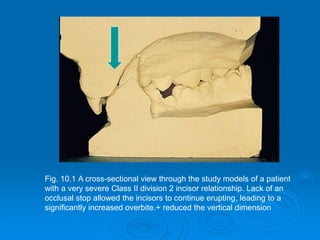
Fig. 10.1 A cross-sectional view through the study models of a patient
with a very severe Class II division 2 incisor relationship. Lack of an
occlusal stop allowed the incisors to continue erupting, leading to a
significantly increased overbite.+ reduced the vertical dimension
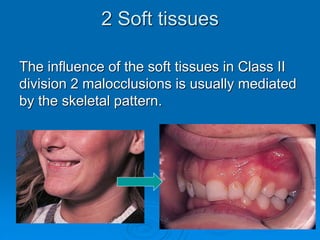
2 Soft tissues
The influence of the soft tissues in Class II
division 2 malocclusions is usually mediated
by the skeletal pattern.
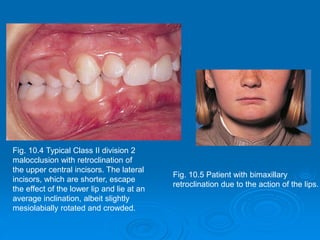
Fig. 10.4 Typical Class II division 2
malocclusion with retroclination of
the upper central incisors. The lateral
incisors, which are shorter, escape
the effect of the lower lip and lie at an
average inclination, albeit slightly
mesiolabially rotated and crowded.
Fig. 10.5 Patient with bimaxillary
retroclination due to the action of the lips.
3 Dental factors
Crowding (smaller circumference arc) : The
upper laterals may rotate mesiolabially  so
the centrals retroclines
crown–root angulation of upper centrals
could itself be due to the action of a high
lower lip line causing Deflection of the crown
of the tooth relative to the root after eruption.
Occlusal features
Centrals:retroclined
Laterals: are at an average angulation or are
proclined, depending upon their position relative to
the lower lip (if High lower lip =lateral retro)
in patients with a more severe Class II skeletal
pattern the overbite may be complete onto the
palatal mucosa. may cause ulceration of the
palatal tissues and in some patients retroclination
of the upper incisors leads to stripping of the labial
gingivae of the lower incisors
Management
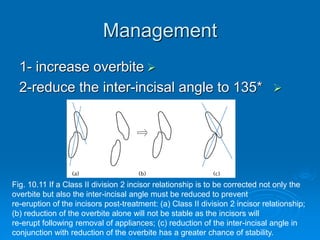
1- increase overbite
2-reduce the inter-incisal angle to 135*
Fig. 10.11 If a Class II division 2 incisor relationship is to be corrected not only the
overbite but also the inter-incisal angle must be reduced to prevent
re-eruption of the incisors post-treatment: (a) Class II division 2 incisor relationship;
(b) reduction of the overbite alone will not be stable as the incisors will
re-erupt following removal of appliances; (c) reduction of the inter-incisal angle in
conjunction with reduction of the overbite has a greater chance of stability.
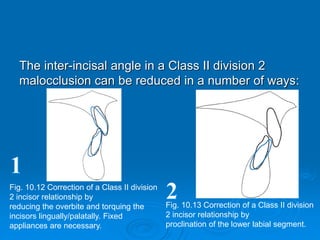
The inter-incisal angle in a Class II division 2
malocclusion can be reduced in a number of ways:
Fig. 10.12 Correction of a Class II division
2 incisor relationship by
reducing the overbite and torquing the
incisors lingually/palatally. Fixed
appliances are necessary.
Fig. 10.13 Correction of a Class II division
2 incisor relationship by
proclination of the lower labial segment.
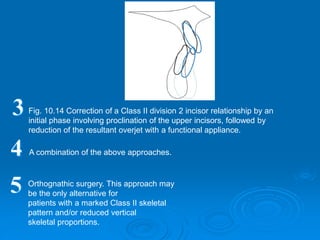
Fig. 10.14 Correction of a Class II division 2 incisor relationship by an
initial phase involving proclination of the upper incisors, followed by
reduction of the resultant overjet with a functional appliance.
A combination of the above approaches.
Orthognathic surgery. This approach may
be the only alternative for
patients with a marked Class II skeletal
pattern and/or reduced vertical
skeletal proportions.
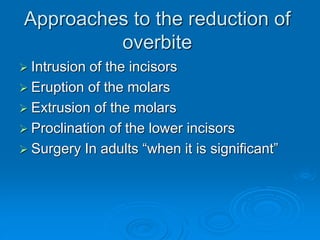
Approaches to the reduction of
overbite
 Intrusion of the incisors
 Eruption of the molars
 Extrusion of the molars
 Proclination of the lower incisors
 Surgery In adults “when it is significant”
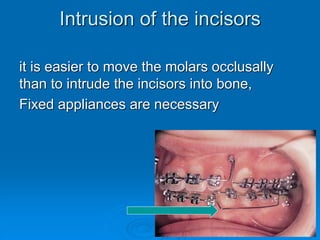
Intrusion of the incisors
it is easier to move the molars occlusally
than to intrude the incisors into bone,
Fixed appliances are necessary
Eruption of the molars
This method requires a growing patient to
accommodate the increase in vertical
dimension
We put a flat plane on incisal edge of upper
 Disocclusion  the lower molars will
erupt in a good way  so will increase the
vertical dimension
Extrusion of the molars
the major effect of attempting intrusion of the
incisors is often extrusion of the molars.
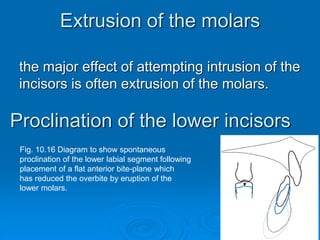
Proclination of the lower incisors
Fig. 10.16 Diagram to show spontaneous
proclination of the lower labial segment following
placement of a flat anterior bite-plane which
has reduced the overbite by eruption of the
lower molars.
Practical management
Fixed appliances
Functional appliances
Surgery
Key points
• Careful assessment of the aetiological factors contributing to the incisor
relationship and the degree to which they can be reduced or
eliminated is essential if treatment is to be successful
• The threshold for extractions in the lower arch is raised compared with other
malocclusions
• To increase the chances of a stable reduction in overbite, the inter-incisal angle
needs to be reduced and an adequate occlusal stop for the lower incisors created
The retention phase is particularly important in Class II division 2
malocclusions, with regard to the following:
• to prevent an increase in overbite
• to retain any de-rotated teeth, for example, the upper lateral incisors
• to maintain alignment of the lower labial segment, particularly if it
has been proclined during treatment
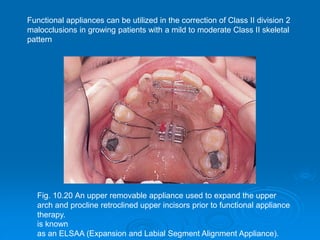
Fig. 10.20 An upper removable appliance used to expand the upper
arch and procline retroclined upper incisors prior to functional appliance
therapy.
Functional appliances can be utilized in the correction of Class II division 2
malocclusions in growing patients with a mild to moderate Class II skeletal
pattern
is known
as an ELSAA (Expansion and Labial Segment Alignment Appliance).
After anteroposterior correction with the
functional appliance, fixed
appliances are required to detail the
occlusion. If the lower incisors have
been proclined, the stability of their position
should be assessed and, if
doubtful, permanent retention should be
instituted
Reference

Orthodontics :Class II division 2

  • 1.
    Class II division2 By: Cezar Edward
  • 2.
    Definition Class II division2 includes those malocclusions where the upper central incisors are retroclined. The overjet is usually minimal, but may be increased.
  • 3.
    Aetiology  Skeletal pattern Soft tissues  Dental factors
  • 4.
    1 Skeletal pattern ClassII division 2 malocclusion is commonly associated with a mild Class II skeletal pattern, but may also occur in association with a Class I or even a Class III dental base relationship. **Where the skeletal pattern is more markedly Class II the upper incisors usually lie outside the control of the lower lip, resulting in a Class II division 1 relationship, but where the lower lip line is high relative to the upper incisors a Class II division 2 malocclusion can result.
  • 5.
    Fig. 10.1 Across-sectional view through the study models of a patient with a very severe Class II division 2 incisor relationship. Lack of an occlusal stop allowed the incisors to continue erupting, leading to a significantly increased overbite.+ reduced the vertical dimension
  • 6.
    2 Soft tissues Theinfluence of the soft tissues in Class II division 2 malocclusions is usually mediated by the skeletal pattern.
  • 7.
    Fig. 10.4 TypicalClass II division 2 malocclusion with retroclination of the upper central incisors. The lateral incisors, which are shorter, escape the effect of the lower lip and lie at an average inclination, albeit slightly mesiolabially rotated and crowded. Fig. 10.5 Patient with bimaxillary retroclination due to the action of the lips.
  • 8.
    3 Dental factors Crowding(smaller circumference arc) : The upper laterals may rotate mesiolabially  so the centrals retroclines crown–root angulation of upper centrals could itself be due to the action of a high lower lip line causing Deflection of the crown of the tooth relative to the root after eruption.
  • 9.
    Occlusal features Centrals:retroclined Laterals: areat an average angulation or are proclined, depending upon their position relative to the lower lip (if High lower lip =lateral retro) in patients with a more severe Class II skeletal pattern the overbite may be complete onto the palatal mucosa. may cause ulceration of the palatal tissues and in some patients retroclination of the upper incisors leads to stripping of the labial gingivae of the lower incisors
  • 10.
    Management 1- increase overbite 2-reducethe inter-incisal angle to 135* Fig. 10.11 If a Class II division 2 incisor relationship is to be corrected not only the overbite but also the inter-incisal angle must be reduced to prevent re-eruption of the incisors post-treatment: (a) Class II division 2 incisor relationship; (b) reduction of the overbite alone will not be stable as the incisors will re-erupt following removal of appliances; (c) reduction of the inter-incisal angle in conjunction with reduction of the overbite has a greater chance of stability.
  • 11.
    The inter-incisal anglein a Class II division 2 malocclusion can be reduced in a number of ways: Fig. 10.12 Correction of a Class II division 2 incisor relationship by reducing the overbite and torquing the incisors lingually/palatally. Fixed appliances are necessary. Fig. 10.13 Correction of a Class II division 2 incisor relationship by proclination of the lower labial segment.
  • 12.
    Fig. 10.14 Correctionof a Class II division 2 incisor relationship by an initial phase involving proclination of the upper incisors, followed by reduction of the resultant overjet with a functional appliance. A combination of the above approaches. Orthognathic surgery. This approach may be the only alternative for patients with a marked Class II skeletal pattern and/or reduced vertical skeletal proportions.
  • 13.
    Approaches to thereduction of overbite  Intrusion of the incisors  Eruption of the molars  Extrusion of the molars  Proclination of the lower incisors  Surgery In adults “when it is significant”
  • 14.
    Intrusion of theincisors it is easier to move the molars occlusally than to intrude the incisors into bone, Fixed appliances are necessary
  • 15.
    Eruption of themolars This method requires a growing patient to accommodate the increase in vertical dimension We put a flat plane on incisal edge of upper  Disocclusion  the lower molars will erupt in a good way  so will increase the vertical dimension
  • 16.
    Extrusion of themolars the major effect of attempting intrusion of the incisors is often extrusion of the molars. Proclination of the lower incisors Fig. 10.16 Diagram to show spontaneous proclination of the lower labial segment following placement of a flat anterior bite-plane which has reduced the overbite by eruption of the lower molars.
  • 17.
  • 18.
    Key points • Carefulassessment of the aetiological factors contributing to the incisor relationship and the degree to which they can be reduced or eliminated is essential if treatment is to be successful • The threshold for extractions in the lower arch is raised compared with other malocclusions • To increase the chances of a stable reduction in overbite, the inter-incisal angle needs to be reduced and an adequate occlusal stop for the lower incisors created
  • 19.
    The retention phaseis particularly important in Class II division 2 malocclusions, with regard to the following: • to prevent an increase in overbite • to retain any de-rotated teeth, for example, the upper lateral incisors • to maintain alignment of the lower labial segment, particularly if it has been proclined during treatment
  • 20.
    Fig. 10.20 Anupper removable appliance used to expand the upper arch and procline retroclined upper incisors prior to functional appliance therapy. Functional appliances can be utilized in the correction of Class II division 2 malocclusions in growing patients with a mild to moderate Class II skeletal pattern is known as an ELSAA (Expansion and Labial Segment Alignment Appliance).
  • 21.
    After anteroposterior correctionwith the functional appliance, fixed appliances are required to detail the occlusion. If the lower incisors have been proclined, the stability of their position should be assessed and, if doubtful, permanent retention should be instituted
  • 22.