S. ARYA DAS (B. OPTOM)
-6TH SEM 3RD YEAR 3RD BATCH
-SHREE BHARATIMAIYA COLLEGE OF OPTOMETRY , SURAT
Session Outlines:
• General Pharmacological Principles
• Diagnostic Drugs
• Therapeutic Drugs
• Adverse effects of Drugs
• General Pharmacological Principles
Pharmacology (from pharmakon, the Greek word for drug) is the
study of drugs (substances that produce changes in the body).
• What is a Drug?
• Any animal, vegetable or mineral substance used in the
composition of medicines
• Why are drugs important for health and scientific
research?
• From early in human history, pharmacologically active substances
(e.g., from plants, animals) have been used to ward off or treat
disease
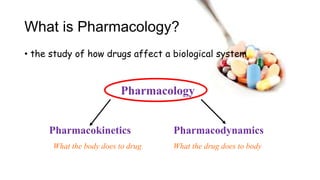
What is Pharmacology?
• the study of how drugs affect a biological system
Pharmacokinetics Pharmacodynamics
What the body does to drug What the drug does to body
Pharmacology
Pharmacokinetics
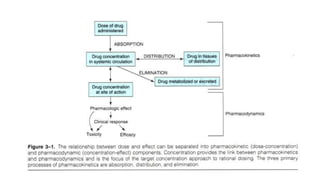
• Pharmacokinetics is the description of the time course of a
drug in the body, encompassing absorption, distribution,
metabolism, and excretion.
• In simplest terms, it can be described as what the body
does to the drug.
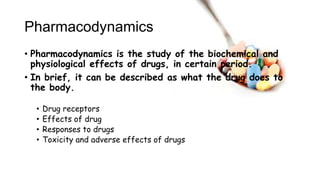
Pharmacodynamics
• Pharmacodynamics is the study of the biochemical and
physiological effects of drugs, in certain period.
• In brief, it can be described as what the drug does to
the body.
• Drug receptors
• Effects of drug
• Responses to drugs
• Toxicity and adverse effects of drugs
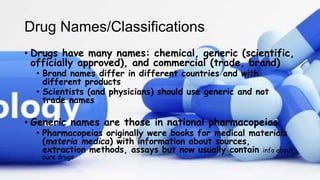
Drug Names/Classifications
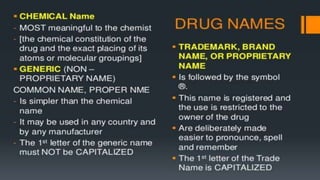
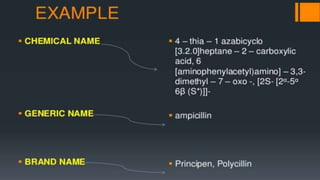
• Drugs have many names: chemical, generic (scientific,
officially approved), and commercial (trade, brand)
• Brand names differ in different countries and with
different products
• Scientists (and physicians) should use generic and not
trade names
• Generic names are those in national pharmacopeias
• Pharmacopeias originally were books for medical materials
(materia medica) with information about sources,
extraction methods, assays but now usually contain info about
pure drugs
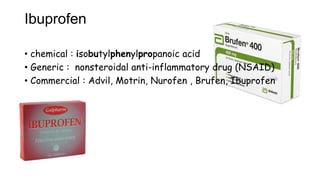
Ibuprofen
• chemical : isobutylphenylpropanoic acid
• Generic : nonsteroidal anti-inflammatory drug (NSAID)
• Commercial : Advil, Motrin, Nurofen , Brufen, Ibuprofen
MODES OF ADMINISTRATION
Ocular pharmacotherapeutics can be delivered by four
methods: topical instillation into the conjunctival sac,
periocular injections, intraocular injections and
systemic administration.
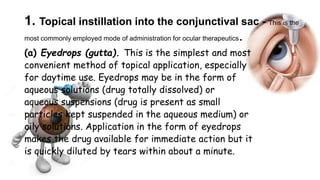
1. Topical instillation into the conjunctival sac - This is the
most commonly employed mode of administration for ocular therapeutics.
(a) Eyedrops (gutta). This is the simplest and most
convenient method of topical application, especially
for daytime use. Eyedrops may be in the form of
aqueous solutions (drug totally dissolved) or
aqueous suspensions (drug is present as small
particles kept suspended in the aqueous medium) or
oily solutions. Application in the form of eyedrops
makes the drug available for immediate action but it
is quickly diluted by tears within about a minute.
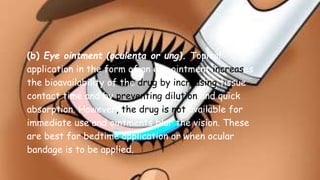
(b) Eye ointment (oculenta or ung). Topical
application in the form of an eye ointment increases
the bioavailability of the drug by increasing tissue
contact time and by preventing dilution and quick
absorption. However, the drug is not available for
immediate use and ointments blur the vision. These
are best for bedtime application or when ocular
bandage is to be applied.
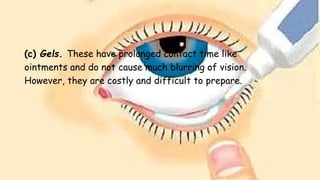
(c) Gels. These have prolonged contact time like
ointments and do not cause much blurring of vision.
However, they are costly and difficult to prepare.
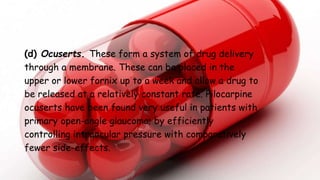
(d) Ocuserts. These form a system of drug delivery
through a membrane. These can be placed in the
upper or lower fornix up to a week and allow a drug to
be released at a relatively constant rate. Pilocarpine
ocuserts have been found very useful in patients with
primary open-angle glaucoma; by efficiently
controlling intraocular pressure with comparatively
fewer side-effects.
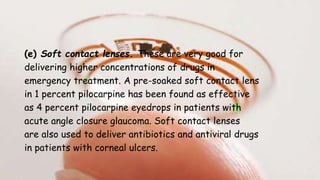
(e) Soft contact lenses. These are very good for
delivering higher concentrations of drugs in
emergency treatment. A pre-soaked soft contact lens
in 1 percent pilocarpine has been found as effective
as 4 percent pilocarpine eyedrops in patients with
acute angle closure glaucoma. Soft contact lenses
are also used to deliver antibiotics and antiviral drugs
in patients with corneal ulcers.
2. Periocular injections
These are not infrequently employed to deliver drugs
(a) Subconjunctival injections. These are commonly
used to achieve higher concentration of drugs.
Further, the drugs which cannot penetrate the cornea
owing to large-sized molecules can easily pass
through the sclera.
(b) Sub-Tenon injections. These are preferred over
subconjunctival injection. Anterior sub-Tenon
injections are used mainly to administer steroids in
the treatment of severe or resistant anterior uveitis.
Posterior sub-Tenon injections are indicated in
patients with intermediate and posterior uveitis.
(c) Retrobulbar injections. These are used to deliver
drugs for optic neuritis, papillitis, posterior uveitis
and also for administering retrobulbar block
anaesthesia.
(d) Peribulbar injections. These are now frequently
used for injecting anaesthetic agents. Peribulbar
anaesthesia has almost replaced retrobulbar and facial
block anaesthesia.
3. Intraocular injections
Such injections are made in desperate cases (e.g.,
endophthalmitis) to deliver the drugs in maximum
concentration at the target tissue. These include:
intracameral injection (into the anterior chamber),
and intravitreal injection (into the vitreous cavity).a
4. Systemic administration
The systemic routes include oral intake and intramuscular
and intravenous injections. The intraocular penetration of
systemically administered rugs mainly depends upon the
blood-aqueous barrier. The passage through blood-aqueous
barrier in turn is influenced by the molecular weight and
the lipid solubility of the drug. Only low molecular weight
drugs can cross this blood-aqueous barrier. No passage is
allowed to largesized molecules, such as penicillin. Out of
the borderline molecular weight drugs, those with high lipid
solubility can pass easily.
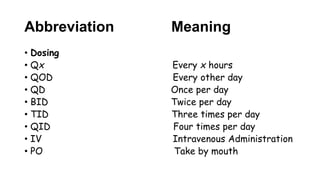
Abbreviation Meaning
• Dosing
• Qx Every x hours
• QOD Every other day
• QD Once per day
• BID Twice per day
• TID Three times per day
• QID Four times per day
• IV Intravenous Administration
• PO Take by mouth
Cycloplegics:
• Indications
• Contraindications
• Advantages
• Disadvantages
• Choice of cycloplegics
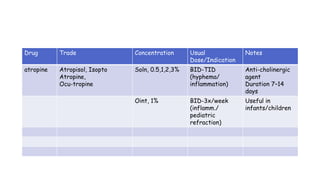
Drug Trade Concentration Usual
Dose/Indication
Notes
atropine Atropisol, Isopto
Atropine,
Ocu-tropine
Soln, 0.5,1,2,3% BID-TID
(hyphema/
inflammation)
Anti-cholinergic
agent
Duration 7–14
days
Oint, 1% BID-3x/week
(inflamm./
pediatric
refraction)
Useful in
infants/children
Mydriatics:
• Indications
• Contraindications
• Choice of mydriatic
Miotics:
• Indications
• Contraindications
• Mode of action
Local anaesthetics:
• Indications
• Advantages
• Disadvantages
• Mode of action
• Choice of anaesthetics
ANAESTHESIA FOR OCULAR
SURGERY:
Ocular surgery may be performed under topical, local
or general anaesthesia. Local anaesthesia is more
frequently employed as it entails little risk and is less
dependent upon patient’s general health. It is easy to
perform, has got rapid onset of action and provides a
low intraocular pressure with dilated pupil. Above
all, in developing countries like India, with a large
number of cataract cases, it is much more economical.
Surface (Topical) anaesthesia:::
Surface anaesthesia achieved by topical instillations
of 2 to 4 percent xylocaine or 1 percent amethocaine.
Usually a drop of anaesthetic solution instilled 4 times
after every 4 minutes is sufficient to produce
conjunctival and corneal anaesthesia. Cataract
surgery by phacoemulsification can be performed
under topical anaesthesia.
Facial block
For intraocular surgery it is necessary to block the
facial nerve which supplies the orbicularis oculi
muscle, so that patient cannot squeeze the eyelids.
1. Blocking the peripheral branches of
facial nerve
(van Lint’s block):
This technique blocks the terminal
branches of the facial nerve, producing localized
akinesia of the orbicularis oculi muscle without
associated facial paralysis.
In this technique, 2.5 ml of anaesthetic solution is
injected in deeper tissues just above the eyebrow
and just below the inferior orbital margin, through a
point about 2 cm behind the lateral orbital margin,
level with outer canthus
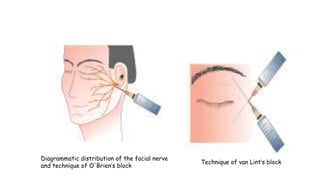
Technique of van Lint’s block
Diagrammatic distribution of the facial nerve
and technique of O'Brien’s block
. Facial nerve trunk block:
2at the neck of mandible
(O’Brien’s block). In it, facial nerve is blocked near
the condyloid process. The condyle is located 1 cm
anterior to the tragus. It is easily palpated if the
patient is asked to open and close the mouth with the
operator’s index finger located across the neck of the
mandible. At this point the needle is inserted until
contact is made with the periosteum and then 4 to 6
ml of local anaesthetic is injected while the needle is
withdrawn (Fig. 24.2).
This technique is associated with pain at the
injection site and unwanted facial paralysis.
3. Nadbath block:
In this technique, the facial nerve
is blocked as it leaves the skull through the
stylomastoid foramen. This block is also painful.
4. Atkinson’s block:
In it superior branches of the
facial nerve are blocked by injecting anaesthetic
solution at the inferior margin of the zygomatic bone.
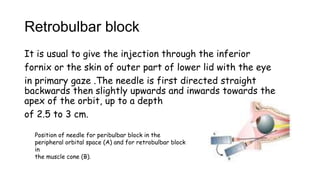
Retrobulbar block
It is usual to give the injection through the inferior
fornix or the skin of outer part of lower lid with the eye
in primary gaze .The needle is first directed straight
backwards then slightly upwards and inwards towards the
apex of the orbit, up to a depth
of 2.5 to 3 cm.
Position of needle for peribulbar block in the
peripheral orbital space (A) and for retrobulbar block
in
the muscle cone (B).
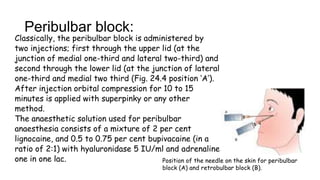
Peribulbar block:
Classically, the peribulbar block is administered by
two injections; first through the upper lid (at the
junction of medial one-third and lateral two-third) and
second through the lower lid (at the junction of lateral
one-third and medial two third (Fig. 24.4 position ‘A’).
After injection orbital compression for 10 to 15
minutes is applied with superpinky or any other
method.
The anaesthetic solution used for peribulbar
anaesthesia consists of a mixture of 2 per cent
lignocaine, and 0.5 to 0.75 per cent bupivacaine (in a
ratio of 2:1) with hyaluronidase 5 IU/ml and adrenaline
one in one lac. Position of the needle on the skin for peribulbar
block (A) and retrobulbar block (B).
GENERAL ANAESTHESIA FOR OCULAR
SURGERY
Indications include infants and children, anxious,
unco-operative and mentally retarded adults,
perforating ocular injuries, major operations like
exenteration and the patients willing for operation
under general anaesthesia.
Important points. During general anaesthesia for
ocular surgery, use of relaxants, endotracheal
intubation and controlled respiration is preferred.
Under general anaesthesia, it must be ensured that
patient does not develop carbon dioxide retention.
When this occurs, choroid swells to many times its
normal value and ocular contents prolapse as soon
as the eye is opened.
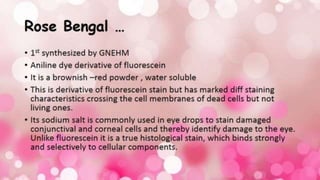
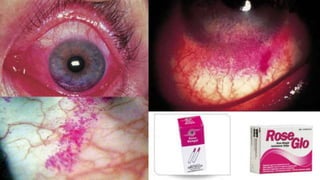
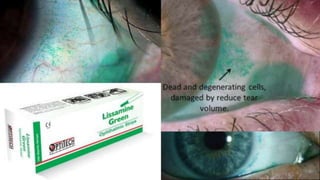
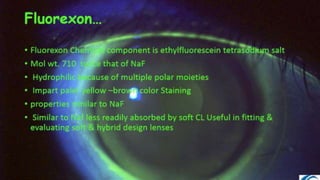
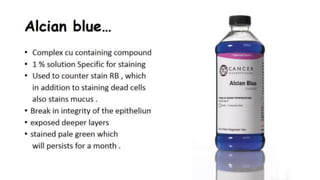
Stains…..
• Various staining agents used in ophthalmology…
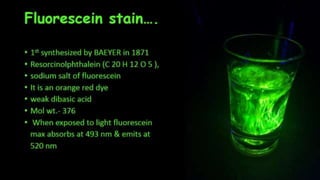
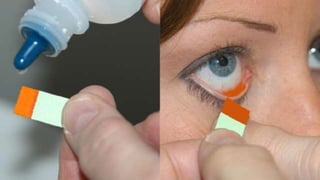
• Fluorescein
• Rose Bengal
• Lissamine green
• Trypan blue
• Alcian blue
• Fluorexon
OCULAR THERAPEUTICS
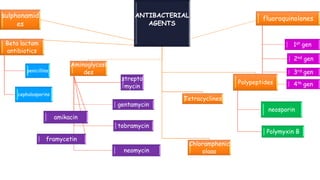
ANTIBACTERIAL AGENTS
Antimicrobial drugs are the greatest contribution of
the present century to therapeutics. As there are a
wide range of microorganisms, there are also specific
antibiotics for almost each organism. Depending on
the type of action, these can be either bacteriostatic
or bactericidal. A few common antimicrobials
described here are grouped on the basis of their
chemical structure.
ANTIBACTERIAL
AGENTS
Beta lactam
antibiotics
penicillins
cephalosporins
Aminoglycosi
des
strepto
mycin
gentamycin
tobramycin
amikacin
neomycin
framycetin
Tetracyclines
Chloramphenic
olaaa
Polypeptides
Polymyxin B
neosporin
fluoroquinolones
1st gen
2nd gen
3rd gen
4th gen
sulphonamid
es
Sulphonamides
These are bacteriostatic agents that act by
competing with PABA (para-aminobenzoic acid)
which is essential for the bacterial cell nutrition. Thus,
they prevent susceptible microorganisms from
synthesizing folic acid.
In ophthalmology, these are used topically and
systemically in the treatment of chlamydial infections,
viz., trachoma and inclusion conjunctivitis. They are
also helpful as an adjunct to pyrimethamine in the
treatment of toxoplasmosis.
Beta-lactam antibiotics
These antibiotics have a beta-lactam ring. The two
important groups are penicillins, and cephalosporins.
All beta-lactam antibiotics act by interfering with the
synthesis of bacterial cell wall.
A. Penicillins
These are produced by growing one
of the penicillium moulds in deep tanks. These may
be categorised as: natural penicillins and
semisynthetic penicillins.
In deep-seated inflammations of the orbit or lids,
penicillin is given parenterally. In superficial
inflammations of the conjunctiva and cornea it is
administered locally as drops or ointments. In
intraocular infections it is given as subconjunctival
injections. Commonly used preparations are as
follows:
1. Benzyl penicillin. A dose of 500,000 units twice
daily is sufficient for sensitive infections and
produces high levels in all tissues except CNS
and eye.
2. Procaine penicillin. This is an intramuscular
depot preparation which provides tissue levels
up to 24 hours.
3. Methicillin, cloxacillin and flucloxacillin. These
penicillins are not affected by penicillinase and
are, therefore, used for staphylococcal infections
which are resistant to other penicillins.
4. Carbenicillin. It is resistant to the penicillinase
produced by some strains of Proteus,
Pseudomonas and coliform organisms. It is
ineffective by mouth.
5. Ampicillin. It is a broad-spectrum penicillinasesensitive
penicillin. It is acid resistant and usually
administered orally.
Its dosage is 0.25-2 g oral/i.m./i.v. depending
upon the severity of infection every 6 hours.
Paediatric dose is 25-50 mg/kg/day.
6. Amoxycillin. Its spectrum is similar to ampicillin
except that it is less effective against Shigella
and H. influenzae. Its oral absorption is better
than ampicillin and thus higher and more sustained
blood levels are produced. Incidence of diarrhoea
is less with it than with ampicillin and is thus
better tolerated orally.
B. Cephalosporins.
These drugs have a similar
structure and mode of action as penicillin. All the
cephalosporins have a bactericidal action against a
wide range of organisms. By convention these have
been categorised into three generations of broadly
similar antibacterial and pharmacokinetic properties:
1. First-generation (narrow spectrum)
cephalosporins
These are very active against grampositive
cocci and thus have useful antistaphylococcal
activity. These include cefazolin,
cephradine, cephalexin and cephadroxyl.
2. Second-generation (intermediate
spectrum)
cephalosporins. These have antistaphylococcal
activity and are also effective against certain
gram-negative organisms. They comprise
cefuroxime, cefamandole and cefoxitin.
3. Third-generation (wide spectrum)
cephalosporins.
These are mainly effective against gramnegative
organisms but not against staphylococci.
These include: cefotaxime, cefixime and cefotetan.
Aminoglycosides
• These are bactericidal and act primarily against
gramnegative bacilli.
1. Streptomycin. It is used mainly in tuberculosis.
2. Gentamicin. It has become the most commonly
used aminoglycoside for acute infections. It has
a broader spectrum of action and is effective
against Pseudomonas aeruginosa.
3. Tobramycin. It is 2-4 times more active against
Pseudomonas aeruginosa and Proteus as
compared to gentamicin. Topically, it is used as
1% eyedrops.
4. Amikacin. It is recommended as a reserve drug
for hospital acquired gram-negative bacillary
infections where gentamicin resistance is
increasing.
5. Neomycin. It is a widespectrum aminoglycoside,
active against most gram-negative bacilli and some gram-positive cocci.
6. Framycetin. It is very similar to neomycin. It is
also too toxic for systemic use and hence used
only topically. It is available as 1 percent skin
cream; 0.5 percent eye ointment and eyedrops.
Tetracyclines
These are broad-spectrum bacteriostatic agents with
a considerable action against both gram-positive and
gram-negative organisms as well as some fungi,
rickettsiae and chlamydiae. This group includes
tetracycline, chlortetracycline and oxytetracycline.
Chloramphenicol
It is also a broad-spectrum antibiotic, primarily
bacteriostatic, effective against gram-positive as well
as gram-negative bacteria, rickettsiae, chlamydiae and
mycoplasma.
Its molecule is relatively small and lipid soluble.
Therefore, on systemic administration, it enters the
eye in therapeutic concentration. Topically it is used
as 0.5% eyedrops.
Polypeptides
These are powerful bactericidal agents, but rarely
used systemically due to toxicity. Clinically used
polypeptides are polymyxin B, bacitracin, colistin and
tyrothricin.
1. Polymyxin B and colistin. These are active
against most gram-negative bacteria, notably
Pseudomonas.
2. Neosporin (neomycin-polymyxin-bacitracin). It is
an effective broad-spectrum antimicrobial but
suffers the disadvantage of a high incidence (6-
8%) of sensitivity due to neomycin.
Generation and Preparation and doses
drug Topical Systemic
First generation
• Ciprofloxacin 0.3%, 500 mg orally
1 to 4 hrly. 12 hrly.
200 mg I/V
12 hrly.
• Norfloxacin 0.3%, 400 mg orally
1 to 4 hrly. 12 hrly.
Second generation
• Ofloxacin 0.3%, 200-400 mg
1 to 4 hrly. orally 12 hrly.
200 mg I/V
12 hrly.
• Lomefloxacin 0.3%, 400 mg
1 to 4 hrly. orally OD
• Pefloxacin 0.3%, 400 mg orally or
1 to 4 hrly. I/V 12 hrly.
Third generation
• Sparfloxacin 0.3% 400 mg orally on
1 to 4 hrly. day 1 followed by
200 mg OD
Fourth generation
• Gatifloxacin 0.3% 400 mg OD
1 to 4 hrly.
• Moxifloxacin 0.5% 400 mg OD
1 to 4 hrly.
ANTIVIRAL DRUGS
These are more often used locally in the
eye.
Currently available antiviral agents are
virostatic.
They are active against DNA viruses;
especially
herpes simplex virus. Antiviral drugs
used in
ophthalmology can be grouped as below:
For herpes simplex virus
infection
• Idoxuridine
• Vidarabine
• Trifluridine
• Acyclovir
• Famiciclovir
For herpes zoster virus
infection
• Acyclovir
• Famiciclovir
• Valaciclovir
• Vidarabine
• Sorvudine
For CMV retinitis
• Ganciclovir
• Foscarnet
• Zidovudin
Non selective
• Interferons
• Immunoglobulins
OCULAR ANTIFUNGAL AGENTS
A number of antifungal agents have become available
in the recent years. These can be broadly classified
on the basis of their chemical structure into polyene
antibiotics, imidazole derivatives, pyrimidines and
silver compounds.
I. Polyene antifungals
1. Nystatin. It is fungistatic and is well tolerated in
the eye as 3.5 percent ointment. It has a medium
level of activity in ocular infections caused by
Candida or Aspergillus isolates. Because of its
narrow spectrum and poor intraocular penetration
its use is restricted.
2. Amphotericin B (Fungizone).
This antibiotic may
act as fungistatic or fungicidal depending upon
the concentration of the drug and sensitivity of
the fungus. Topically, it is effective in superficial
infections of the eye in the concentration of 0.075
to 0.3 percent drops. Subconjunctival injections
are quite painful and more than 300 mg is poorly
tolerated.
Amphotericin B may be given intravitreally or/
and intravenously for treatment of intraocular
infections caused by Candida, Histoplasma,
Cryptococcus and some strains of Aspergillus
and others. For intravenous administration a
solution of 0.1 mg/ml in 5 percent dextrose with
heparin is used.
3. Natamycin (Pimaricin). It is a broad-spectrum
antifungal drug having activity against Candida,
Aspergillus, Fusarium and Cephalosporium.
Topical application of 5 percent pimaricin
suspension produces effective concentrations
within the corneal stroma but not in intraocular
fluid. It is the drug of choice for fusarium solani
keratitis. It adheres well to the surface of the
ulcer, making the contact time of the antifungal
agent with the eye greater. It is not recommended
for injection.
II. Imidazole antifungal drugs
Various imidazole derivatives available for use in
ocular fungal infections include:
• miconazole,
• clotrimazole,
• ketoconazole,
• econazole
• itraconazole.
III. Pyridine
This group includes flucystosine, which is a
fluorinated salt of pyrimidine. Its mechanism of action
is not clear. The drug is very effective against Candida
species and yeasts. It is used as 1.5 percent aqueous
drops hourly. It can also be given orally or
intravenously in doses of 200 mg/kg/day.
IV. Silver compounds
Combination of silver with sulfonamides and with
other anti-microbial compounds significantly
increases the activity against bacterial and fungal
infections. In this context several silver compounds
have been synthesized. Most frequently used is silver
sulphadiazine which is reported to be highly effective
against Aspergillus and Fusarium species.
Anti – Glaucoma Drugs:
Classification
• A. Parasympathomimetic drugs (Miotics)
• B. Sympathomimetic drugs (Adrenergic agonists)
• C. β-blockers
• D. Carbonic anhydrase inhibitors
• E. Hyperosmotic agents
• F. Prostaglandins
• G. Calcium channel blockers
A. Parasympathomimetic drugs (Miotics)
Parasympathomimetics, also called as cholinergic drugs, either imitate or potentiate
the effects of acetylcholine.
Classification :
Depending upon the mode of action, these can be classified as follows:
1. Direct-acting or agonists e.g., pilocarpine.
2. Indirect-acting parasympathomimetics or cholinesterase inhibitors: As the name
indicates
these drugs act indirectly by destroying the enzyme cholinesterase; thereby sparing
the naturallyacting acetylcholine for its actions. These drugs have been divided into
two subgroups, designated as reversible (e.g., physostigmine) and irreversible (e.g.,
echothiophate iodide, demecarium and diisopropyl-fluoro-phosphate, DFP3) antic-
holinesterases.
3. Dual-action parasympathomimetics, i.e., which
act as both a muscarinic agonist as well as a
weak cholinesterase inhibitor e.g., carbachol.
Mechanism of action
1. In primary open-angle glaucoma the miotics
reduce the intraocular pressure (IOP) by
enhancing the aqueous outflow facility. This is
achieved by changes in the trabecular meshwork
produced by a pull exerted on the scleral spur by
contraction of the longitudinal fibres of ciliary
muscle.
2. In primary angle-closure glaucoma these reduce
the IOP due to their miotic effect by opening the
angle. The mechanical contraction of the pupil
moves the iris away from the trabecular meshwork.
Preparations
1. Pilocarpine. It is a direct-acting parasympathomimetic
drug. It is the most commonly used and
the most extensively studied miotic. Indications: (i)
Primary open-angle glaucoma; (ii) Acute angle-closure
glaucoma; (iii) Chronic synechial angle-closure
glaucoma. Contraindications: inflammatory
glaucoma, malignant glaucoma and known allergy.
Available preparations and dosage are: (a) Eyedrops
are available in 1%, 2% and 4% strengths. Except in
very darkly pigmented irides maximum effect is
obtained with a 4 percent solution.
(b) Ocuserts are available as pilo-20 and pilo-40. These
are changed once in a week. Pilo-20 is generally used
in patients controlled with 2 percent or less
concentration of eyedrops; and pilo-40 in those
requiring higher concentration of eyedrops.
(c) Pilocarpine gel (4%) is a bedtime adjunct to the
daytime medication.
2. Carbachol
It is a dual-action (agonist as well as
weak cholinesterase inhibitor) miotic. Indications. It
is a very good alternative to pilocarpine in resistant
or intolerant cases. Preparations. It is available as
0.75 percent and 3 percent eyedrops. Dosage: The
action ensues in 40 minutes and lasts for about 12
hours. Therefore, the drops are instilled 2 or 3 times a
day.
3. Echothiophate iodide (Phospholine
iodide).
It is a long acting cholinesterase inhibitor. Indications: It
is very effective in POAG. Preparations: Available
as 0.03, 0.06 and 0.125 percent eye- drops. Dosage:
The onset of action occurs within 2 hours and lasts
up to 24 hours. Therefore, it is instilled once or twice
daily.
4. Demecarium bromide. It is similar to ecothiopate
iodide and is used as 0.125 percent or 0.25 per- cent
eyedrops.
5. Physostigmine (eserine). It is a reversible (weak)
cholinesterase inhibitor. It is used as 0.5 percent
ointment twice a day.
B. Sympathomimetic drugs
Sympathomimetics, also known as adrenergic
agonists, act by stimulation of alpha, beta or both
the receptors.
Classification
Depending upon the mode of action, these can be
classified as follows:
1. Both alpha and beta-receptor stimulators e.g.,
epinephrine.
2. Direct alpha-adrenergic stimulators e.g.,
norepinephrine and clonidine hydrochloride.
3. Indirect alpha-adrenergic stimulators e.g.,
pargyline.
4. Beta-adrenergic stimulator e.g., isoproterenol.
Mechanisms of action
1. Increased aqueous outflow results by virtue of
both alpha and beta-receptor stimulation.
2. Decreased aqueous humour production occurs
due to stimulation of alpha-receptors in the ciliary
body.
Side-effects
Preparations
1. Epinephrine. This direct-acting sympathomimetic
drug stimulates both alpha and beta- adrenergic
receptors. Indications: (i) It is one of the standard
drugs used for the management of POAG. (ii) It is also
useful in most of the secondary glaucomas.
Preparations: It is available as 0.5 percent, 1 percent
and 2 percent eyedrops. Dosage: The action starts
within 1 hour and lasts up to 12-24 hours. Therefore,
it is instilled twice daily.
2. Dipivefrine(Propine or
dipivalylepinephrine).
It is a
prodrug which is converted into epinephrine after its
absorption into the eye. It is more lipophilic than
epinephrine and thus its corneal penetration is
increased by 17 times. Preparations: It is available as
0.1 percent eyedrops. Dosage: Action and efficacy is
similar to 1 percent epinephrine. It is instilled twice daily.
3. Clonidine hydrochloride.
It is a centrally-acting
systemic antihypertensive agent, which has been
shown to lower the IOP by decreasing aqueous
humour production by stimulation of alpha-receptors
in the ciliary body. Preparations and dosage. It is
used as 0.125 percent and 0.25 percent eye drops,
twice daily.
4. Brimonidine (0.2%).
Mechanism of action. It is a
selective alpha-2 adrenergic agonist and lowers IOP
by decreasing aqueous production and enhancing
uveoscleral outflow. It has an additive effect to
betablockers.
Dosage: It has a peak effect of 2 hours and
action lasts for 12 hours; so it is administered twice
daily.
5. Apraclonidine (0.5%, 1%).
It is also alpha-2
adrenergic agonist like brimonidine. It is an extremely
potent ocular hypotensive drug and is commonly used
prophylactically for prevention of IOP elevation
following laser trabeculoplasty, YAG laser iridotomy
and posterior capsulotomy. It is of limited use for
long-term administration because of the high rate of
ocular side-effects.
C.Beta-adrenergic blockers
These are, presently, the most frequently used
antiglaucoma drugs. The commonly used
preparations are timolol and betaxolol. Other available
preparations include levobunolol, carteolol and
metipranolol.
1. Timolol.
It is a non-selective beta-1 and beta-2
blocker. It is available as 0.25 per cent and 0.5 percent
eye drops. The salt used is timolol maleate. Its action
starts within 30 minutes, peak reaches in 2 hours and
effects last up to 24 hours. Therefore, it is used once
or twice daily. The drug is very effective, however,
the phenomenon of ‘short-term escape’ and ‘longterm
drift’ are well known. ‘Short-term escape’ implies
marked initial fall in IOP, followed by a transient rise
with continued moderate fall in IOP. The ‘long-term
drift’ implies a slow rise in IOP in patients who were
well controlled with many months of therapy.
2. Betaxolol.
It is a cardioselective beta-blocker and
thus can be used safely in patients prone to attack of
bronchial asthma; an advantage over timolol. It is
available as 0.5 percent suspension, and 0.25 percent
suspension, and is used twice daily. Its action starts
within 30 minutes, reaches peak in 2 hours and lasts
for 12 hours. It is slightly less effective than timolol
in lowering the IOP.
3. Levobunolol. It is available as 0.5 percent solution
and its salient features are almost similar to timolol.
4. Carteolol. It is available as 1 percent and 2 per
cent solution and is almost similar to timolol except
that it induces comparatively less bradycardia.
5. Metipranolol. It is available as 0.1 percent, 0.3
percent and 0.6 percent solution and is almost similar
to timolol in all aspects.
D. Carbonic anhydrase inhibitors
(CAIs):
These are potent and most commonly used systemic
antiglaucoma drugs. These include acetazolamide
(most frequently used), methazolamide,
dichlorphenamide and ethoxzolamide.
• Mechanism of action. As the name indicates CAIs
inhibit the enzyme carbonic anhydrase which is
related to the process of aqueous humour production.
Thus, CAIs lower the IOP by reducing the aqueous
humour formation.
Indications. These are used as additive therapy for
short term in the management of all types of acute
and chronic glaucomas. Their long-term use is
reserved for patients with high risk of visual loss,
where all other treatments fail.
Side-effects. Unfortunately, 40-50 percent of patients
are unable to tolerate CAIs for long term because of
various disabling side-effects. These include:
1. Paresthesias of the fingers, toes, hands, feet and
around the mouth are experienced by most of the
patients. However, these are transient and of no
consequence.
2. Urinary frequency may also be complained of by
most patients due to the diuretic effect.
3. Serum electrolyte imbalances may occur with
higher doses of CAIs. These may be in the form of (i)
Bicarbonate depletion leading to metabolic acidosis.
This is associated with ‘malaise symptom complex’,
which includes: malaise, fatigue, depression, loss of
libido, anorexia and weight loss. Treatment with
sodium bicarbonate or sodium acetate may help to
minimize this situation in many patients. (ii) Potassium
depletion. It may occur in some patients, especially
those simultaneously getting corticosteroids, aspirin
or thiazide diuretics. Potassium supplement is
indicated only when significant hypokalemia is
documented. (iii) Serum sodium and chloride may be
transiently reduced; more commonly with
dichlorphenamide.
4. Gastrointestinal symptom complex. It is also very
common. It is not related to the malaise symptom
complex caused by biochemical changes in the serum.
Its features include—vague abdominal discomfort,
gastric irritation, nausea, peculiar metallic taste and
diarrhoea.
5. Sulfonamide related side-effects of CAIs, seen
rarely, include renal calculi, blood dyscrasias,
Stevens-Johnson syndrome, transient myopia,
hypertensive nephropathy and teratogenic effects.
Preparations and doses:
1. Acetazolamide (diamox). It is available as tablets,
capsules and injection for intravenous use. The
acetazolamide 250 mg tablet is used 6 hourly. Its action
starts within 1 hour, peak is reached in 4 hours and
the effect lasts for 6-8 hours.
2. Dichlorphenamide. It is available as 50 mg tablets.
Its recommended dose is 25 to 100 mg three times a
day. It causes less metabolic acidosis but has a
sustained diuretic effect.
3. Methazolamide. It is also available as 50 mg tablets.
It has a longer duration of action than acetazolamide.
Its dose is 50-100 mg, 2 or 3 times a day.
4. Ethoxzolamide. It is given in a dosage of 125 mg
every 6 hours and is similar to acetazolamide in all
aspects.
5. Dorzolamide (2%). It is a topical carbonic
anhydrase inhibitor. It is water soluble, stable in
solution and has excellent corneal penetration. It
decreases IOP by 22% and has got additive effect
with timolol. It is administered thrice daily. Its side
effects include burning sensation and local allergic
reaction.
6. Brinzolamide (1%). It is also a topical CAI which
decreases IOP by decreasing aqueous production. It
is administered twice daily (BD).
E.Hyperosmotic agents:
These are the second class of compounds, which are
administered systemically to lower the IOP. These
include: glycerol, mannitol, isosorbide and urea.
Mechanism of action. Hyperosmotic agents increase
the plasma tonicity. Thus, the osmotic pressure
gradient created between the blood and vitreous
draws sufficient water out of the eyeball, thereby
significantly lowering the IOP.
Indications. These are used as additive therapy for
rapidly lowering the IOP in emergency situations,
such as acute angle-closure glaucoma or secondary
glaucomas with very high IOP. They are also used as
a prophylactic measure prior to intraocular surgery.
Preparations and doses:
1. Glycerol. It is a frequently used oral hyperosmotic
agent. Its recommended dose is 1-1.5 gm/kg body
weight. It is used as a 50 percent solution. So, glycerol
(50 to 80 ml in adults) is mixed with equal amount of
lemon juice (preferably) or water before administering
orally. Its action starts in 10 minutes, peaks in 30
minutes and lasts for about 5-6 hours. It can be given
repeatedly. It is metabolised to glucose in the body.
Thus, its repeated use in diabetics is not
recommended.
2. Mannitol. It is the most widely used intravenous
hyperosmotic agent. It is indicated when the oral
agents are felt to be insufficient or when they cannot
be taken for reasons such as nausea. Its recommended
dose is 1-2 gm/kg body weight. It is used as a 20
percent solution. It should be administered very
rapidly over 20-30 minutes. Its action peaks in 30
minutes and lasts for about 6 hours. It does not enter
the glucose metabolism and thus is safe in diabetics.
However, it should be used cautiously in hypertensive
patients.
3. Urea. When administered intravenously it also
lowers the IOP. However, because of lower efficacy
and more side-effects than mannitol, it is not
recommended for routine use.
4. Isosorbide. It is an oral hyperosmotic agent, similar
to glycerol in action and doses. However,
metabolically it is inert and thus can be used
repeatedly in diabetics.
F.Prostaglandin derivatives:
1. Latanoprost (0.005%). It is a synthetic drug
which is an ester analogue of prostaglandin F2-α. It
is acts by increasing uveoscleral outflow and by
causing reduction in episcleral venous pressure. It is
as effective as timolol. It has additive effect with
pilocarpine and timolol. Its duration of action is 24
hours and is, thus, administered once daily. Its sideeffects
include conjunctival hyperaemia, foreign body
sensation and increased pigmentation of the iris.
2. Bimatoprost (0.03%). It is a prostamide which
decreases IOP by decreasing ocular outflow
resistance. It is used once a day (OD).
3. Travoprost (0.004%). It is a synthetic
prostaglandin F2 analogue and decreases IOP by
increasing uveoscleral outflow of aqueous.
4. Unoprostive isopropyl (0.12%). It is a dolosanoid
related in structure to prostaglandin F2-α. It lowers
IOP by increasing uveoscleral outflow of aqueous. It
also increases retinal blood flow.
G.Calcium channel blockers:g
Calcium channel blockers such as nifedipine, diltiazem
and verapamil are commonly used antihypertensive
drugs. Recently, some of these have been used as
anti-glaucoma drugs.
Mechanism of action. The exact mechanism of
lowering IOP of topically used calcium channel
blockers remains to be elucidated. It might be due to
its effects on secretory ciliary epithelium.
Preparations. Verapamil has been tried as 0.125
percent and 0.25 percent eyedrops twice a day.
Indications. Though the IOP lowering effect of
verapamil is not superior than the standard topical
antiglaucoma drugs, it has a place in the mangement
of patients with POAG, where miotics, beta-blockers
and sympathomimetics are all contraindicated e.g., in
patients suffering simultaneously from axial cataract,
bronchial asthma and raised blood pressure. It can
also be used for additive effect with pilocarpine and
timolol.
Antiglaucoma drugs: Mechanism of
IOP at a glance
Drugs which increase trabecular
outflow
Miotics (e.g., pilocarpine)
Epinephrine, Dipivefrine
Bimatoprost
Drugs which increase uveoscleral
outflow
Prostaglandins (latanoprost)
Epinephrine, Dipivefrine
Brimonidine
Apraclonidine
Drugs which decrease aqueous
production
Carbonic anhydrase inhibitors (e.g.,
acetazolamide,
dorzolamide)
Alpha receptor stimulators in ciliary
process
(e.g., epinephrine, dipivefrine, clonidine,
brimonidine,
apraclonidine.
Beta blockers (e.g., timolol, betaxolol,
levobunolol)
Hyperosmotic agents (e.g., glycerol,
mannitol, urea)
CORTICOSTEROIDS
These are 21-C compounds secreted by the adrenal
cortex. They have potent anti-inflammatory, antiallergic
and anti-fibrotic actions. Corticosteroids
reduce inflammation by reduction of leukocytic and
plasma exudation, maintenance of cellular membrane
integrity with inhibition of tissue swelling, inhibition
of lysosome release from granulocytes, increased
stabilisation of intracellular lysosomal membranes and
suppression of circulating lymphocytes.
(A) Topical ophthalmic preparations used
commonly
are as follows:
• Cortisone acetate As 0.5% suspension and 1.5%
ointment
• Hydrocortisone As 0.5% suspension acetate
and 0.2% solution
• Dexamethasone As 0.1% solution and sodium
phosphate 0.5% ointment
• Betamethasone As 0.1% solution and sodium phosphate 0.1%
ointment
• Medryson 1% suspension
• Fluromethalone 0.1% suspension
• Loteprednol 0.5% suspension
(B) Systemic corticosteroid preparations used
commonly are:
• Prednisolone As 5 mg, 10 mg tab and solution for injection in
the strength of 20 mg/ml
• Dexamethasone As 0.5 mg tab and solution for injection in
the strength of 4 mg/ml
• Betamethasone 0.5 mg and 1 mg tab
Ocular indications
1. Topical preparations are used in uveitis, scleritis,
allergic conjunctivitis (vernal catarrh and
phlyctenular conjunctivitis), allergic keratitis,
cystoid macular oedema and after intraocular
surgery.
2. Systemic preparations are indicated in posterior
uveitis, sympathetic ophthalmia, Vogt-Koyanagi-
Harada syndrome (VKH), papillitis, retrobulbar
neuritis, anterior ischaemic optic neuropathy,
scleritis, malignant exophthalmos, orbital
pseudotumours, orbital lymphangioma and corneal
graft rejections.
NONSTEROIDAL ANTI-INFLAMMATORY
DRUGS
Nonsteroidal anti-inflammatory drugs (NSAIDs),
often referred to as ‘aspirin-like drugs’, are a heterogeneous
group of anti-inflammatory, analgesic
and antipyretic compounds. These are often
chemically unrelated (although most of them are
organic acids), but share certain therapeutic actions
and side-effects.
A. NSAIDs available for systemic use can
be grouped as follows:
1. Salicylates e.g., aspirin.
2. Pyrazolone derivatives e.g., phenylbutazone, oxyphenbutazone,
aminopyrine and apazone.
3. Para-aminophenol derivatives e.g., phenacetin and
acetaminophen.
4. Indole derivatives e.g., indomethacin and sulindac.
5. Propionic acid derivatives e.g., ibuprofen, naproxen and
flurbiprofen.
6. Anthranilic acid derivatives e.g., mefenamic acid and flufenamic
acid.
7. Other newer NSAIDs e.g., ketorolac tromethamine,
carprofen and diclofenac.
B. Topical ophthalmic NSAIDs
preparations
available include:
1. Indomethacin suspension (0.1%)
2. Flurbiprofen, 0.3% eyedrops
3. Ketorolac tromethamine, 0.5% eyedrops
4. Diclofenac sodium, 0.1% eyedrops
Anti-Vascular Endothelial Growth Factors
Agents (Anti-VEGF):
ADVERSE OCULAR EFFECTS OF
COMMON SYSTEMIC DRUGS
• C.V.S. drugs
• Digitalis: Disturbance of colour vision, scotomas
• Quinidine: Optic neuritis (rare)
• Thiazides: Xanthopsia (yellow vision), Myopia
• Carbonic anhydrase inhibitors: Ocular hypotony,Transient
myopia
• Amiodarone: Corneal deposits
• Oxprenolol: Photophobia, Ocular irritation
G.I.T. drugs
Anticholinergic agents: Risk of angle-closure
glaucoma due to mydriasis, Blurring of vision
due to cycloplegia (Occasional).
C.N.S. drugs
• Barbiturates: Extraocular muscle palsies with diplopia, Ptosis,
Cortical blindness
• Chloral hydrate: Diplopia, Ptosis, Miosis Phenothiazines: Deposits
of pigment in conjunctiva, cornea, lens and retina, Oculogyric
crisis
• Amphetamines: Widening of palpebral fissure,
• Dilatation of pupil, Paralysis of ciliary muscle with loss of
accommodation
• Monoamine oxidase inhibitors: Nystagmus,
• Extraocular muscle palsies, Optic atrophy
• Tricyclic agents: Pupillary dilatation (glaucoma risk), Cycloplegia
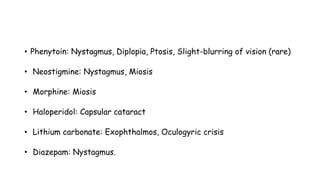
• Phenytoin: Nystagmus, Diplopia, Ptosis, Slight-blurring of vision (rare)
• Neostigmine: Nystagmus, Miosis
• Morphine: Miosis
• Haloperidol: Capsular cataract
• Lithium carbonate: Exophthalmos, Oculogyric crisis
• Diazepam: Nystagmus.
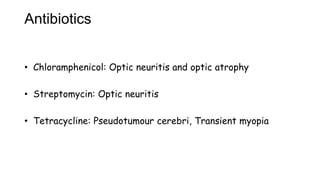
Antibiotics
• Chloramphenicol: Optic neuritis and optic atrophy
• Streptomycin: Optic neuritis
• Tetracycline: Pseudotumour cerebri, Transient myopia
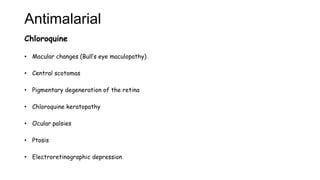
Antimalarial
Chloroquine
• Macular changes (Bull’s eye maculopathy)
• Central scotomas
• Pigmentary degeneration of the retina
• Chloroquine keratopathy
• Ocular palsies
• Ptosis
• Electroretinographic depression
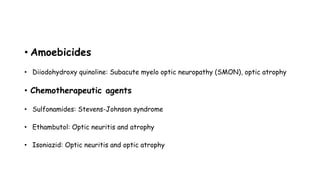
• Amoebicides
• Diiodohydroxy quinoline: Subacute myelo optic neuropathy (SMON), optic atrophy
• Chemotherapeutic agents
• Sulfonamides: Stevens-Johnson syndrome
• Ethambutol: Optic neuritis and atrophy
• Isoniazid: Optic neuritis and optic atrophy
•Chelating agents
• Penicillamine: Ocular pemphigoid, Ocular neuritis, Ocular
myasthenia
• Oral hypoglycemic agents
• Chloropropamide: Transient change in refractive error,
Diplopia, Stevens-Johnson syndrome
Vitamins
• Vitamin A
• Papilloedema
• Retinal haemorrhages
• Loss of eyebrows and eyelashes
• Nystagmus
• Diplopia and blurring of vision
• Vitamin D
• Band-shaped keratopathy
Antirheumatic agents
• Salicylates: Nystagmus, Retinal haemorrhages, Cortical
blindness (rare)
• Indomethacin: Corneal deposits
• Phenylbutazone: Retinal haemorrhages
Viscoelastic Agents
• Viscoelastic agents are tissue-protective and space-
occupying substances. They are primarily used during
surgical procedures such as intraocular lens implantation and
keratoplasty. For instance, viscoelastics help to maintain
both a deep anterior chamber and capsular bag during
cataract surgery. They also coat and protect fragile
endothelial cells from the friction and trauma of intraocular
surgery.
Viscoelastics (Brand Names)
• Biolon
• Duovisc
• Healon
• Healon GV
• Healon 5
• Ocucoat
• Provisc
• Viscoat
• Vitrax
The products differ slightly in their qualities. The differences
are in their viscosity, elasticity, ability to coat and protect the
endothelial cells and ocular tissues, as well as others. The
optimal viscoelastic varies depending on the surgeon, specific
need, and intended use. Adverse reactions to viscoelastics are
very uncommon due to their relatively inert nature.
They do not interfere with wound healing and are designed not
to initiate an inflammatory reaction within the eye. There are
concerns by some that hydroxypropyl methylcellulose (which,
unlike sodium hyaluronate, is not physiologic) may increase the
risk of adverse reactions. These concerns have not been
justified clinically, however. Lastly, viscoelastics may cause an
increase in IOP when left in the eye after surgery.
The Allergic Reaction
An allergic reaction is simply the overresponse of the immune
system to a specific stimulus, usually environmental. This
stimulus is called an antigen. There are 4 basic types of
allergic reactions. We are all very familiar with the type 1
response. This reaction is seen as a result of hay fever, bee
stings, cats, dogs, or even medications. It is the cause of the
itchy, watery eyes, and runny nose many of us experience
each spring when we cut the grass or stroll through the park.
Medically, mild to moderate allergies are handled at 3
different levels. At the lowest level,ocular decongestants
constrict the superficial blood vessels and decrease
associated redness.
Further up the allergic response, antihistamines can be used
to block histamine receptors and reduce the resulting
symptoms. Antihistamines are not always effective because
other biochemical also cause allergic symptoms. Lastly, drugs
called mast cell stabilizers prevent the initial process of
degranulation from occurring.
Ocular Decongestants
Ocular decongestants, or vasoconstrictors, are useful in
decreasing the redness and irritation of mild allergies. When
administered topically, they constrict the superficial
conjunctival blood vessels and, thus, reduce congestion and
redness. These agents have no effect on the deeper
episcleral vessels. Vasoconstriction occurs within minutes
after administration of these drugs. There are currently 4
ocular decongestants available for use in cases of allergic
conjunctivitis: phenylephrine, naphazoline, oxymetazoline,and
tetrahydrozoline.
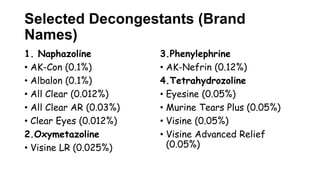
Selected Decongestants (Brand
Names)
1. Naphazoline
• AK-Con (0.1%)
• Albalon (0.1%)
• All Clear (0.012%)
• All Clear AR (0.03%)
• Clear Eyes (0.012%)
2.Oxymetazoline
• Visine LR (0.025%)
3.Phenylephrine
• AK-Nefrin (0.12%)
4.Tetrahydrozoline
• Eyesine (0.05%)
• Murine Tears Plus (0.05%)
• Visine (0.05%)
• Visine Advanced Relief
(0.05%)
Ohthalmic drugs   arya

Ohthalmic drugs arya

  • 1.
    S. ARYA DAS(B. OPTOM) -6TH SEM 3RD YEAR 3RD BATCH -SHREE BHARATIMAIYA COLLEGE OF OPTOMETRY , SURAT
  • 2.
    Session Outlines: • GeneralPharmacological Principles • Diagnostic Drugs • Therapeutic Drugs • Adverse effects of Drugs
  • 3.
    • General PharmacologicalPrinciples Pharmacology (from pharmakon, the Greek word for drug) is the study of drugs (substances that produce changes in the body). • What is a Drug? • Any animal, vegetable or mineral substance used in the composition of medicines • Why are drugs important for health and scientific research? • From early in human history, pharmacologically active substances (e.g., from plants, animals) have been used to ward off or treat disease
  • 4.
    What is Pharmacology? •the study of how drugs affect a biological system Pharmacokinetics Pharmacodynamics What the body does to drug What the drug does to body Pharmacology
  • 5.
    Pharmacokinetics • Pharmacokinetics isthe description of the time course of a drug in the body, encompassing absorption, distribution, metabolism, and excretion. • In simplest terms, it can be described as what the body does to the drug.
  • 7.
    Pharmacodynamics • Pharmacodynamics isthe study of the biochemical and physiological effects of drugs, in certain period. • In brief, it can be described as what the drug does to the body. • Drug receptors • Effects of drug • Responses to drugs • Toxicity and adverse effects of drugs
  • 11.
    Drug Names/Classifications • Drugshave many names: chemical, generic (scientific, officially approved), and commercial (trade, brand) • Brand names differ in different countries and with different products • Scientists (and physicians) should use generic and not trade names • Generic names are those in national pharmacopeias • Pharmacopeias originally were books for medical materials (materia medica) with information about sources, extraction methods, assays but now usually contain info about pure drugs
  • 14.
    Ibuprofen • chemical :isobutylphenylpropanoic acid • Generic : nonsteroidal anti-inflammatory drug (NSAID) • Commercial : Advil, Motrin, Nurofen , Brufen, Ibuprofen
  • 15.
    MODES OF ADMINISTRATION Ocularpharmacotherapeutics can be delivered by four methods: topical instillation into the conjunctival sac, periocular injections, intraocular injections and systemic administration.
  • 16.
    1. Topical instillationinto the conjunctival sac - This is the most commonly employed mode of administration for ocular therapeutics. (a) Eyedrops (gutta). This is the simplest and most convenient method of topical application, especially for daytime use. Eyedrops may be in the form of aqueous solutions (drug totally dissolved) or aqueous suspensions (drug is present as small particles kept suspended in the aqueous medium) or oily solutions. Application in the form of eyedrops makes the drug available for immediate action but it is quickly diluted by tears within about a minute.
  • 18.
    (b) Eye ointment(oculenta or ung). Topical application in the form of an eye ointment increases the bioavailability of the drug by increasing tissue contact time and by preventing dilution and quick absorption. However, the drug is not available for immediate use and ointments blur the vision. These are best for bedtime application or when ocular bandage is to be applied.
  • 20.
    (c) Gels. Thesehave prolonged contact time like ointments and do not cause much blurring of vision. However, they are costly and difficult to prepare.
  • 21.
    (d) Ocuserts. Theseform a system of drug delivery through a membrane. These can be placed in the upper or lower fornix up to a week and allow a drug to be released at a relatively constant rate. Pilocarpine ocuserts have been found very useful in patients with primary open-angle glaucoma; by efficiently controlling intraocular pressure with comparatively fewer side-effects.
  • 22.
    (e) Soft contactlenses. These are very good for delivering higher concentrations of drugs in emergency treatment. A pre-soaked soft contact lens in 1 percent pilocarpine has been found as effective as 4 percent pilocarpine eyedrops in patients with acute angle closure glaucoma. Soft contact lenses are also used to deliver antibiotics and antiviral drugs in patients with corneal ulcers.
  • 23.
    2. Periocular injections Theseare not infrequently employed to deliver drugs (a) Subconjunctival injections. These are commonly used to achieve higher concentration of drugs. Further, the drugs which cannot penetrate the cornea owing to large-sized molecules can easily pass through the sclera.
  • 24.
    (b) Sub-Tenon injections.These are preferred over subconjunctival injection. Anterior sub-Tenon injections are used mainly to administer steroids in the treatment of severe or resistant anterior uveitis. Posterior sub-Tenon injections are indicated in patients with intermediate and posterior uveitis.
  • 25.
    (c) Retrobulbar injections.These are used to deliver drugs for optic neuritis, papillitis, posterior uveitis and also for administering retrobulbar block anaesthesia.
  • 26.
    (d) Peribulbar injections.These are now frequently used for injecting anaesthetic agents. Peribulbar anaesthesia has almost replaced retrobulbar and facial block anaesthesia.
  • 27.
    3. Intraocular injections Suchinjections are made in desperate cases (e.g., endophthalmitis) to deliver the drugs in maximum concentration at the target tissue. These include: intracameral injection (into the anterior chamber), and intravitreal injection (into the vitreous cavity).a
  • 28.
    4. Systemic administration Thesystemic routes include oral intake and intramuscular and intravenous injections. The intraocular penetration of systemically administered rugs mainly depends upon the blood-aqueous barrier. The passage through blood-aqueous barrier in turn is influenced by the molecular weight and the lipid solubility of the drug. Only low molecular weight drugs can cross this blood-aqueous barrier. No passage is allowed to largesized molecules, such as penicillin. Out of the borderline molecular weight drugs, those with high lipid solubility can pass easily.
  • 29.
    Abbreviation Meaning • Dosing •Qx Every x hours • QOD Every other day • QD Once per day • BID Twice per day • TID Three times per day • QID Four times per day • IV Intravenous Administration • PO Take by mouth
  • 31.
    Cycloplegics: • Indications • Contraindications •Advantages • Disadvantages • Choice of cycloplegics
  • 32.
    Drug Trade ConcentrationUsual Dose/Indication Notes atropine Atropisol, Isopto Atropine, Ocu-tropine Soln, 0.5,1,2,3% BID-TID (hyphema/ inflammation) Anti-cholinergic agent Duration 7–14 days Oint, 1% BID-3x/week (inflamm./ pediatric refraction) Useful in infants/children
  • 33.
  • 34.
  • 35.
    Local anaesthetics: • Indications •Advantages • Disadvantages • Mode of action • Choice of anaesthetics
  • 36.
    ANAESTHESIA FOR OCULAR SURGERY: Ocularsurgery may be performed under topical, local or general anaesthesia. Local anaesthesia is more frequently employed as it entails little risk and is less dependent upon patient’s general health. It is easy to perform, has got rapid onset of action and provides a low intraocular pressure with dilated pupil. Above all, in developing countries like India, with a large number of cataract cases, it is much more economical.
  • 37.
    Surface (Topical) anaesthesia::: Surfaceanaesthesia achieved by topical instillations of 2 to 4 percent xylocaine or 1 percent amethocaine. Usually a drop of anaesthetic solution instilled 4 times after every 4 minutes is sufficient to produce conjunctival and corneal anaesthesia. Cataract surgery by phacoemulsification can be performed under topical anaesthesia.
  • 38.
    Facial block For intraocularsurgery it is necessary to block the facial nerve which supplies the orbicularis oculi muscle, so that patient cannot squeeze the eyelids.
  • 39.
    1. Blocking theperipheral branches of facial nerve (van Lint’s block): This technique blocks the terminal branches of the facial nerve, producing localized akinesia of the orbicularis oculi muscle without associated facial paralysis. In this technique, 2.5 ml of anaesthetic solution is injected in deeper tissues just above the eyebrow and just below the inferior orbital margin, through a point about 2 cm behind the lateral orbital margin, level with outer canthus
  • 40.
    Technique of vanLint’s block Diagrammatic distribution of the facial nerve and technique of O'Brien’s block
  • 41.
    . Facial nervetrunk block: 2at the neck of mandible (O’Brien’s block). In it, facial nerve is blocked near the condyloid process. The condyle is located 1 cm anterior to the tragus. It is easily palpated if the patient is asked to open and close the mouth with the operator’s index finger located across the neck of the mandible. At this point the needle is inserted until contact is made with the periosteum and then 4 to 6 ml of local anaesthetic is injected while the needle is withdrawn (Fig. 24.2). This technique is associated with pain at the injection site and unwanted facial paralysis.
  • 42.
    3. Nadbath block: Inthis technique, the facial nerve is blocked as it leaves the skull through the stylomastoid foramen. This block is also painful.
  • 43.
    4. Atkinson’s block: Init superior branches of the facial nerve are blocked by injecting anaesthetic solution at the inferior margin of the zygomatic bone.
  • 44.
    Retrobulbar block It isusual to give the injection through the inferior fornix or the skin of outer part of lower lid with the eye in primary gaze .The needle is first directed straight backwards then slightly upwards and inwards towards the apex of the orbit, up to a depth of 2.5 to 3 cm. Position of needle for peribulbar block in the peripheral orbital space (A) and for retrobulbar block in the muscle cone (B).
  • 45.
    Peribulbar block: Classically, theperibulbar block is administered by two injections; first through the upper lid (at the junction of medial one-third and lateral two-third) and second through the lower lid (at the junction of lateral one-third and medial two third (Fig. 24.4 position ‘A’). After injection orbital compression for 10 to 15 minutes is applied with superpinky or any other method. The anaesthetic solution used for peribulbar anaesthesia consists of a mixture of 2 per cent lignocaine, and 0.5 to 0.75 per cent bupivacaine (in a ratio of 2:1) with hyaluronidase 5 IU/ml and adrenaline one in one lac. Position of the needle on the skin for peribulbar block (A) and retrobulbar block (B).
  • 46.
    GENERAL ANAESTHESIA FOROCULAR SURGERY Indications include infants and children, anxious, unco-operative and mentally retarded adults, perforating ocular injuries, major operations like exenteration and the patients willing for operation under general anaesthesia. Important points. During general anaesthesia for ocular surgery, use of relaxants, endotracheal intubation and controlled respiration is preferred. Under general anaesthesia, it must be ensured that patient does not develop carbon dioxide retention. When this occurs, choroid swells to many times its normal value and ocular contents prolapse as soon as the eye is opened.
  • 47.
    Stains….. • Various stainingagents used in ophthalmology… • Fluorescein • Rose Bengal • Lissamine green • Trypan blue • Alcian blue • Fluorexon
  • 57.
  • 58.
    ANTIBACTERIAL AGENTS Antimicrobial drugsare the greatest contribution of the present century to therapeutics. As there are a wide range of microorganisms, there are also specific antibiotics for almost each organism. Depending on the type of action, these can be either bacteriostatic or bactericidal. A few common antimicrobials described here are grouped on the basis of their chemical structure.
  • 59.
  • 60.
    Sulphonamides These are bacteriostaticagents that act by competing with PABA (para-aminobenzoic acid) which is essential for the bacterial cell nutrition. Thus, they prevent susceptible microorganisms from synthesizing folic acid. In ophthalmology, these are used topically and systemically in the treatment of chlamydial infections, viz., trachoma and inclusion conjunctivitis. They are also helpful as an adjunct to pyrimethamine in the treatment of toxoplasmosis.
  • 61.
    Beta-lactam antibiotics These antibioticshave a beta-lactam ring. The two important groups are penicillins, and cephalosporins. All beta-lactam antibiotics act by interfering with the synthesis of bacterial cell wall.
  • 62.
    A. Penicillins These areproduced by growing one of the penicillium moulds in deep tanks. These may be categorised as: natural penicillins and semisynthetic penicillins.
  • 63.
    In deep-seated inflammationsof the orbit or lids, penicillin is given parenterally. In superficial inflammations of the conjunctiva and cornea it is administered locally as drops or ointments. In intraocular infections it is given as subconjunctival injections. Commonly used preparations are as follows: 1. Benzyl penicillin. A dose of 500,000 units twice daily is sufficient for sensitive infections and produces high levels in all tissues except CNS and eye. 2. Procaine penicillin. This is an intramuscular depot preparation which provides tissue levels up to 24 hours.
  • 64.
    3. Methicillin, cloxacillinand flucloxacillin. These penicillins are not affected by penicillinase and are, therefore, used for staphylococcal infections which are resistant to other penicillins. 4. Carbenicillin. It is resistant to the penicillinase produced by some strains of Proteus, Pseudomonas and coliform organisms. It is ineffective by mouth. 5. Ampicillin. It is a broad-spectrum penicillinasesensitive penicillin. It is acid resistant and usually administered orally. Its dosage is 0.25-2 g oral/i.m./i.v. depending upon the severity of infection every 6 hours. Paediatric dose is 25-50 mg/kg/day.
  • 65.
    6. Amoxycillin. Itsspectrum is similar to ampicillin except that it is less effective against Shigella and H. influenzae. Its oral absorption is better than ampicillin and thus higher and more sustained blood levels are produced. Incidence of diarrhoea is less with it than with ampicillin and is thus better tolerated orally.
  • 66.
    B. Cephalosporins. These drugshave a similar structure and mode of action as penicillin. All the cephalosporins have a bactericidal action against a wide range of organisms. By convention these have been categorised into three generations of broadly similar antibacterial and pharmacokinetic properties:
  • 67.
    1. First-generation (narrowspectrum) cephalosporins These are very active against grampositive cocci and thus have useful antistaphylococcal activity. These include cefazolin, cephradine, cephalexin and cephadroxyl.
  • 68.
    2. Second-generation (intermediate spectrum) cephalosporins.These have antistaphylococcal activity and are also effective against certain gram-negative organisms. They comprise cefuroxime, cefamandole and cefoxitin.
  • 69.
    3. Third-generation (widespectrum) cephalosporins. These are mainly effective against gramnegative organisms but not against staphylococci. These include: cefotaxime, cefixime and cefotetan.
  • 70.
    Aminoglycosides • These arebactericidal and act primarily against gramnegative bacilli. 1. Streptomycin. It is used mainly in tuberculosis. 2. Gentamicin. It has become the most commonly used aminoglycoside for acute infections. It has a broader spectrum of action and is effective against Pseudomonas aeruginosa.
  • 71.
    3. Tobramycin. Itis 2-4 times more active against Pseudomonas aeruginosa and Proteus as compared to gentamicin. Topically, it is used as 1% eyedrops. 4. Amikacin. It is recommended as a reserve drug for hospital acquired gram-negative bacillary infections where gentamicin resistance is increasing. 5. Neomycin. It is a widespectrum aminoglycoside, active against most gram-negative bacilli and some gram-positive cocci. 6. Framycetin. It is very similar to neomycin. It is also too toxic for systemic use and hence used only topically. It is available as 1 percent skin cream; 0.5 percent eye ointment and eyedrops.
  • 72.
    Tetracyclines These are broad-spectrumbacteriostatic agents with a considerable action against both gram-positive and gram-negative organisms as well as some fungi, rickettsiae and chlamydiae. This group includes tetracycline, chlortetracycline and oxytetracycline.
  • 73.
    Chloramphenicol It is alsoa broad-spectrum antibiotic, primarily bacteriostatic, effective against gram-positive as well as gram-negative bacteria, rickettsiae, chlamydiae and mycoplasma. Its molecule is relatively small and lipid soluble. Therefore, on systemic administration, it enters the eye in therapeutic concentration. Topically it is used as 0.5% eyedrops.
  • 74.
    Polypeptides These are powerfulbactericidal agents, but rarely used systemically due to toxicity. Clinically used polypeptides are polymyxin B, bacitracin, colistin and tyrothricin. 1. Polymyxin B and colistin. These are active against most gram-negative bacteria, notably Pseudomonas. 2. Neosporin (neomycin-polymyxin-bacitracin). It is an effective broad-spectrum antimicrobial but suffers the disadvantage of a high incidence (6- 8%) of sensitivity due to neomycin.
  • 75.
    Generation and Preparationand doses drug Topical Systemic First generation • Ciprofloxacin 0.3%, 500 mg orally 1 to 4 hrly. 12 hrly. 200 mg I/V 12 hrly. • Norfloxacin 0.3%, 400 mg orally 1 to 4 hrly. 12 hrly.
  • 76.
    Second generation • Ofloxacin0.3%, 200-400 mg 1 to 4 hrly. orally 12 hrly. 200 mg I/V 12 hrly. • Lomefloxacin 0.3%, 400 mg 1 to 4 hrly. orally OD • Pefloxacin 0.3%, 400 mg orally or 1 to 4 hrly. I/V 12 hrly.
  • 77.
    Third generation • Sparfloxacin0.3% 400 mg orally on 1 to 4 hrly. day 1 followed by 200 mg OD Fourth generation • Gatifloxacin 0.3% 400 mg OD 1 to 4 hrly. • Moxifloxacin 0.5% 400 mg OD 1 to 4 hrly.
  • 79.
    ANTIVIRAL DRUGS These aremore often used locally in the eye. Currently available antiviral agents are virostatic. They are active against DNA viruses; especially herpes simplex virus. Antiviral drugs used in ophthalmology can be grouped as below: For herpes simplex virus infection • Idoxuridine • Vidarabine • Trifluridine • Acyclovir • Famiciclovir For herpes zoster virus infection • Acyclovir • Famiciclovir • Valaciclovir • Vidarabine • Sorvudine
  • 80.
    For CMV retinitis •Ganciclovir • Foscarnet • Zidovudin Non selective • Interferons • Immunoglobulins
  • 82.
    OCULAR ANTIFUNGAL AGENTS Anumber of antifungal agents have become available in the recent years. These can be broadly classified on the basis of their chemical structure into polyene antibiotics, imidazole derivatives, pyrimidines and silver compounds.
  • 83.
    I. Polyene antifungals 1.Nystatin. It is fungistatic and is well tolerated in the eye as 3.5 percent ointment. It has a medium level of activity in ocular infections caused by Candida or Aspergillus isolates. Because of its narrow spectrum and poor intraocular penetration its use is restricted.
  • 84.
    2. Amphotericin B(Fungizone). This antibiotic may act as fungistatic or fungicidal depending upon the concentration of the drug and sensitivity of the fungus. Topically, it is effective in superficial infections of the eye in the concentration of 0.075 to 0.3 percent drops. Subconjunctival injections are quite painful and more than 300 mg is poorly tolerated. Amphotericin B may be given intravitreally or/ and intravenously for treatment of intraocular infections caused by Candida, Histoplasma, Cryptococcus and some strains of Aspergillus and others. For intravenous administration a solution of 0.1 mg/ml in 5 percent dextrose with heparin is used.
  • 86.
    3. Natamycin (Pimaricin).It is a broad-spectrum antifungal drug having activity against Candida, Aspergillus, Fusarium and Cephalosporium. Topical application of 5 percent pimaricin suspension produces effective concentrations within the corneal stroma but not in intraocular fluid. It is the drug of choice for fusarium solani keratitis. It adheres well to the surface of the ulcer, making the contact time of the antifungal agent with the eye greater. It is not recommended for injection.
  • 87.
    II. Imidazole antifungaldrugs Various imidazole derivatives available for use in ocular fungal infections include: • miconazole, • clotrimazole, • ketoconazole, • econazole • itraconazole.
  • 88.
    III. Pyridine This groupincludes flucystosine, which is a fluorinated salt of pyrimidine. Its mechanism of action is not clear. The drug is very effective against Candida species and yeasts. It is used as 1.5 percent aqueous drops hourly. It can also be given orally or intravenously in doses of 200 mg/kg/day.
  • 89.
    IV. Silver compounds Combinationof silver with sulfonamides and with other anti-microbial compounds significantly increases the activity against bacterial and fungal infections. In this context several silver compounds have been synthesized. Most frequently used is silver sulphadiazine which is reported to be highly effective against Aspergillus and Fusarium species.
  • 90.
    Anti – GlaucomaDrugs: Classification • A. Parasympathomimetic drugs (Miotics) • B. Sympathomimetic drugs (Adrenergic agonists) • C. β-blockers • D. Carbonic anhydrase inhibitors • E. Hyperosmotic agents • F. Prostaglandins • G. Calcium channel blockers
  • 92.
    A. Parasympathomimetic drugs(Miotics) Parasympathomimetics, also called as cholinergic drugs, either imitate or potentiate the effects of acetylcholine. Classification : Depending upon the mode of action, these can be classified as follows: 1. Direct-acting or agonists e.g., pilocarpine. 2. Indirect-acting parasympathomimetics or cholinesterase inhibitors: As the name indicates these drugs act indirectly by destroying the enzyme cholinesterase; thereby sparing the naturallyacting acetylcholine for its actions. These drugs have been divided into two subgroups, designated as reversible (e.g., physostigmine) and irreversible (e.g., echothiophate iodide, demecarium and diisopropyl-fluoro-phosphate, DFP3) antic- holinesterases.
  • 93.
    3. Dual-action parasympathomimetics,i.e., which act as both a muscarinic agonist as well as a weak cholinesterase inhibitor e.g., carbachol.
  • 94.
    Mechanism of action 1.In primary open-angle glaucoma the miotics reduce the intraocular pressure (IOP) by enhancing the aqueous outflow facility. This is achieved by changes in the trabecular meshwork produced by a pull exerted on the scleral spur by contraction of the longitudinal fibres of ciliary muscle. 2. In primary angle-closure glaucoma these reduce the IOP due to their miotic effect by opening the angle. The mechanical contraction of the pupil moves the iris away from the trabecular meshwork.
  • 95.
    Preparations 1. Pilocarpine. Itis a direct-acting parasympathomimetic drug. It is the most commonly used and the most extensively studied miotic. Indications: (i) Primary open-angle glaucoma; (ii) Acute angle-closure glaucoma; (iii) Chronic synechial angle-closure glaucoma. Contraindications: inflammatory glaucoma, malignant glaucoma and known allergy. Available preparations and dosage are: (a) Eyedrops are available in 1%, 2% and 4% strengths. Except in very darkly pigmented irides maximum effect is obtained with a 4 percent solution.
  • 96.
    (b) Ocuserts areavailable as pilo-20 and pilo-40. These are changed once in a week. Pilo-20 is generally used in patients controlled with 2 percent or less concentration of eyedrops; and pilo-40 in those requiring higher concentration of eyedrops. (c) Pilocarpine gel (4%) is a bedtime adjunct to the daytime medication.
  • 97.
    2. Carbachol It isa dual-action (agonist as well as weak cholinesterase inhibitor) miotic. Indications. It is a very good alternative to pilocarpine in resistant or intolerant cases. Preparations. It is available as 0.75 percent and 3 percent eyedrops. Dosage: The action ensues in 40 minutes and lasts for about 12 hours. Therefore, the drops are instilled 2 or 3 times a day.
  • 98.
    3. Echothiophate iodide(Phospholine iodide). It is a long acting cholinesterase inhibitor. Indications: It is very effective in POAG. Preparations: Available as 0.03, 0.06 and 0.125 percent eye- drops. Dosage: The onset of action occurs within 2 hours and lasts up to 24 hours. Therefore, it is instilled once or twice daily.
  • 99.
    4. Demecarium bromide.It is similar to ecothiopate iodide and is used as 0.125 percent or 0.25 per- cent eyedrops. 5. Physostigmine (eserine). It is a reversible (weak) cholinesterase inhibitor. It is used as 0.5 percent ointment twice a day.
  • 100.
    B. Sympathomimetic drugs Sympathomimetics,also known as adrenergic agonists, act by stimulation of alpha, beta or both the receptors. Classification Depending upon the mode of action, these can be classified as follows: 1. Both alpha and beta-receptor stimulators e.g., epinephrine. 2. Direct alpha-adrenergic stimulators e.g., norepinephrine and clonidine hydrochloride. 3. Indirect alpha-adrenergic stimulators e.g., pargyline. 4. Beta-adrenergic stimulator e.g., isoproterenol.
  • 101.
    Mechanisms of action 1.Increased aqueous outflow results by virtue of both alpha and beta-receptor stimulation. 2. Decreased aqueous humour production occurs due to stimulation of alpha-receptors in the ciliary body. Side-effects
  • 102.
    Preparations 1. Epinephrine. Thisdirect-acting sympathomimetic drug stimulates both alpha and beta- adrenergic receptors. Indications: (i) It is one of the standard drugs used for the management of POAG. (ii) It is also useful in most of the secondary glaucomas. Preparations: It is available as 0.5 percent, 1 percent and 2 percent eyedrops. Dosage: The action starts within 1 hour and lasts up to 12-24 hours. Therefore, it is instilled twice daily.
  • 103.
    2. Dipivefrine(Propine or dipivalylepinephrine). Itis a prodrug which is converted into epinephrine after its absorption into the eye. It is more lipophilic than epinephrine and thus its corneal penetration is increased by 17 times. Preparations: It is available as 0.1 percent eyedrops. Dosage: Action and efficacy is similar to 1 percent epinephrine. It is instilled twice daily.
  • 104.
    3. Clonidine hydrochloride. Itis a centrally-acting systemic antihypertensive agent, which has been shown to lower the IOP by decreasing aqueous humour production by stimulation of alpha-receptors in the ciliary body. Preparations and dosage. It is used as 0.125 percent and 0.25 percent eye drops, twice daily.
  • 105.
    4. Brimonidine (0.2%). Mechanismof action. It is a selective alpha-2 adrenergic agonist and lowers IOP by decreasing aqueous production and enhancing uveoscleral outflow. It has an additive effect to betablockers. Dosage: It has a peak effect of 2 hours and action lasts for 12 hours; so it is administered twice daily.
  • 106.
    5. Apraclonidine (0.5%,1%). It is also alpha-2 adrenergic agonist like brimonidine. It is an extremely potent ocular hypotensive drug and is commonly used prophylactically for prevention of IOP elevation following laser trabeculoplasty, YAG laser iridotomy and posterior capsulotomy. It is of limited use for long-term administration because of the high rate of ocular side-effects.
  • 107.
    C.Beta-adrenergic blockers These are,presently, the most frequently used antiglaucoma drugs. The commonly used preparations are timolol and betaxolol. Other available preparations include levobunolol, carteolol and metipranolol.
  • 108.
    1. Timolol. It isa non-selective beta-1 and beta-2 blocker. It is available as 0.25 per cent and 0.5 percent eye drops. The salt used is timolol maleate. Its action starts within 30 minutes, peak reaches in 2 hours and effects last up to 24 hours. Therefore, it is used once or twice daily. The drug is very effective, however, the phenomenon of ‘short-term escape’ and ‘longterm drift’ are well known. ‘Short-term escape’ implies marked initial fall in IOP, followed by a transient rise with continued moderate fall in IOP. The ‘long-term drift’ implies a slow rise in IOP in patients who were well controlled with many months of therapy.
  • 109.
    2. Betaxolol. It isa cardioselective beta-blocker and thus can be used safely in patients prone to attack of bronchial asthma; an advantage over timolol. It is available as 0.5 percent suspension, and 0.25 percent suspension, and is used twice daily. Its action starts within 30 minutes, reaches peak in 2 hours and lasts for 12 hours. It is slightly less effective than timolol in lowering the IOP.
  • 110.
    3. Levobunolol. Itis available as 0.5 percent solution and its salient features are almost similar to timolol. 4. Carteolol. It is available as 1 percent and 2 per cent solution and is almost similar to timolol except that it induces comparatively less bradycardia. 5. Metipranolol. It is available as 0.1 percent, 0.3 percent and 0.6 percent solution and is almost similar to timolol in all aspects.
  • 111.
    D. Carbonic anhydraseinhibitors (CAIs): These are potent and most commonly used systemic antiglaucoma drugs. These include acetazolamide (most frequently used), methazolamide, dichlorphenamide and ethoxzolamide. • Mechanism of action. As the name indicates CAIs inhibit the enzyme carbonic anhydrase which is related to the process of aqueous humour production. Thus, CAIs lower the IOP by reducing the aqueous humour formation.
  • 112.
    Indications. These areused as additive therapy for short term in the management of all types of acute and chronic glaucomas. Their long-term use is reserved for patients with high risk of visual loss, where all other treatments fail.
  • 113.
    Side-effects. Unfortunately, 40-50percent of patients are unable to tolerate CAIs for long term because of various disabling side-effects. These include: 1. Paresthesias of the fingers, toes, hands, feet and around the mouth are experienced by most of the patients. However, these are transient and of no consequence. 2. Urinary frequency may also be complained of by most patients due to the diuretic effect. 3. Serum electrolyte imbalances may occur with higher doses of CAIs. These may be in the form of (i) Bicarbonate depletion leading to metabolic acidosis.
  • 114.
    This is associatedwith ‘malaise symptom complex’, which includes: malaise, fatigue, depression, loss of libido, anorexia and weight loss. Treatment with sodium bicarbonate or sodium acetate may help to minimize this situation in many patients. (ii) Potassium depletion. It may occur in some patients, especially those simultaneously getting corticosteroids, aspirin or thiazide diuretics. Potassium supplement is indicated only when significant hypokalemia is documented. (iii) Serum sodium and chloride may be transiently reduced; more commonly with dichlorphenamide.
  • 115.
    4. Gastrointestinal symptomcomplex. It is also very common. It is not related to the malaise symptom complex caused by biochemical changes in the serum. Its features include—vague abdominal discomfort, gastric irritation, nausea, peculiar metallic taste and diarrhoea. 5. Sulfonamide related side-effects of CAIs, seen rarely, include renal calculi, blood dyscrasias, Stevens-Johnson syndrome, transient myopia, hypertensive nephropathy and teratogenic effects.
  • 116.
    Preparations and doses: 1.Acetazolamide (diamox). It is available as tablets, capsules and injection for intravenous use. The acetazolamide 250 mg tablet is used 6 hourly. Its action starts within 1 hour, peak is reached in 4 hours and the effect lasts for 6-8 hours. 2. Dichlorphenamide. It is available as 50 mg tablets. Its recommended dose is 25 to 100 mg three times a day. It causes less metabolic acidosis but has a sustained diuretic effect. 3. Methazolamide. It is also available as 50 mg tablets. It has a longer duration of action than acetazolamide. Its dose is 50-100 mg, 2 or 3 times a day.
  • 117.
    4. Ethoxzolamide. Itis given in a dosage of 125 mg every 6 hours and is similar to acetazolamide in all aspects. 5. Dorzolamide (2%). It is a topical carbonic anhydrase inhibitor. It is water soluble, stable in solution and has excellent corneal penetration. It decreases IOP by 22% and has got additive effect with timolol. It is administered thrice daily. Its side effects include burning sensation and local allergic reaction. 6. Brinzolamide (1%). It is also a topical CAI which decreases IOP by decreasing aqueous production. It is administered twice daily (BD).
  • 118.
    E.Hyperosmotic agents: These arethe second class of compounds, which are administered systemically to lower the IOP. These include: glycerol, mannitol, isosorbide and urea. Mechanism of action. Hyperosmotic agents increase the plasma tonicity. Thus, the osmotic pressure gradient created between the blood and vitreous draws sufficient water out of the eyeball, thereby significantly lowering the IOP.
  • 119.
    Indications. These areused as additive therapy for rapidly lowering the IOP in emergency situations, such as acute angle-closure glaucoma or secondary glaucomas with very high IOP. They are also used as a prophylactic measure prior to intraocular surgery.
  • 120.
    Preparations and doses: 1.Glycerol. It is a frequently used oral hyperosmotic agent. Its recommended dose is 1-1.5 gm/kg body weight. It is used as a 50 percent solution. So, glycerol (50 to 80 ml in adults) is mixed with equal amount of lemon juice (preferably) or water before administering orally. Its action starts in 10 minutes, peaks in 30 minutes and lasts for about 5-6 hours. It can be given repeatedly. It is metabolised to glucose in the body. Thus, its repeated use in diabetics is not recommended.
  • 121.
    2. Mannitol. Itis the most widely used intravenous hyperosmotic agent. It is indicated when the oral agents are felt to be insufficient or when they cannot be taken for reasons such as nausea. Its recommended dose is 1-2 gm/kg body weight. It is used as a 20 percent solution. It should be administered very rapidly over 20-30 minutes. Its action peaks in 30 minutes and lasts for about 6 hours. It does not enter the glucose metabolism and thus is safe in diabetics. However, it should be used cautiously in hypertensive patients.
  • 122.
    3. Urea. Whenadministered intravenously it also lowers the IOP. However, because of lower efficacy and more side-effects than mannitol, it is not recommended for routine use. 4. Isosorbide. It is an oral hyperosmotic agent, similar to glycerol in action and doses. However, metabolically it is inert and thus can be used repeatedly in diabetics.
  • 123.
    F.Prostaglandin derivatives: 1. Latanoprost(0.005%). It is a synthetic drug which is an ester analogue of prostaglandin F2-α. It is acts by increasing uveoscleral outflow and by causing reduction in episcleral venous pressure. It is as effective as timolol. It has additive effect with pilocarpine and timolol. Its duration of action is 24 hours and is, thus, administered once daily. Its sideeffects include conjunctival hyperaemia, foreign body sensation and increased pigmentation of the iris.
  • 124.
    2. Bimatoprost (0.03%).It is a prostamide which decreases IOP by decreasing ocular outflow resistance. It is used once a day (OD). 3. Travoprost (0.004%). It is a synthetic prostaglandin F2 analogue and decreases IOP by increasing uveoscleral outflow of aqueous. 4. Unoprostive isopropyl (0.12%). It is a dolosanoid related in structure to prostaglandin F2-α. It lowers IOP by increasing uveoscleral outflow of aqueous. It also increases retinal blood flow.
  • 125.
    G.Calcium channel blockers:g Calciumchannel blockers such as nifedipine, diltiazem and verapamil are commonly used antihypertensive drugs. Recently, some of these have been used as anti-glaucoma drugs. Mechanism of action. The exact mechanism of lowering IOP of topically used calcium channel blockers remains to be elucidated. It might be due to its effects on secretory ciliary epithelium. Preparations. Verapamil has been tried as 0.125 percent and 0.25 percent eyedrops twice a day.
  • 126.
    Indications. Though theIOP lowering effect of verapamil is not superior than the standard topical antiglaucoma drugs, it has a place in the mangement of patients with POAG, where miotics, beta-blockers and sympathomimetics are all contraindicated e.g., in patients suffering simultaneously from axial cataract, bronchial asthma and raised blood pressure. It can also be used for additive effect with pilocarpine and timolol.
  • 127.
    Antiglaucoma drugs: Mechanismof IOP at a glance Drugs which increase trabecular outflow Miotics (e.g., pilocarpine) Epinephrine, Dipivefrine Bimatoprost Drugs which increase uveoscleral outflow Prostaglandins (latanoprost) Epinephrine, Dipivefrine Brimonidine Apraclonidine Drugs which decrease aqueous production Carbonic anhydrase inhibitors (e.g., acetazolamide, dorzolamide) Alpha receptor stimulators in ciliary process (e.g., epinephrine, dipivefrine, clonidine, brimonidine, apraclonidine. Beta blockers (e.g., timolol, betaxolol, levobunolol) Hyperosmotic agents (e.g., glycerol, mannitol, urea)
  • 131.
    CORTICOSTEROIDS These are 21-Ccompounds secreted by the adrenal cortex. They have potent anti-inflammatory, antiallergic and anti-fibrotic actions. Corticosteroids reduce inflammation by reduction of leukocytic and plasma exudation, maintenance of cellular membrane integrity with inhibition of tissue swelling, inhibition of lysosome release from granulocytes, increased stabilisation of intracellular lysosomal membranes and suppression of circulating lymphocytes.
  • 132.
    (A) Topical ophthalmicpreparations used commonly are as follows: • Cortisone acetate As 0.5% suspension and 1.5% ointment • Hydrocortisone As 0.5% suspension acetate and 0.2% solution • Dexamethasone As 0.1% solution and sodium phosphate 0.5% ointment
  • 133.
    • Betamethasone As0.1% solution and sodium phosphate 0.1% ointment • Medryson 1% suspension • Fluromethalone 0.1% suspension • Loteprednol 0.5% suspension
  • 134.
    (B) Systemic corticosteroidpreparations used commonly are: • Prednisolone As 5 mg, 10 mg tab and solution for injection in the strength of 20 mg/ml • Dexamethasone As 0.5 mg tab and solution for injection in the strength of 4 mg/ml • Betamethasone 0.5 mg and 1 mg tab
  • 135.
    Ocular indications 1. Topicalpreparations are used in uveitis, scleritis, allergic conjunctivitis (vernal catarrh and phlyctenular conjunctivitis), allergic keratitis, cystoid macular oedema and after intraocular surgery. 2. Systemic preparations are indicated in posterior uveitis, sympathetic ophthalmia, Vogt-Koyanagi- Harada syndrome (VKH), papillitis, retrobulbar neuritis, anterior ischaemic optic neuropathy, scleritis, malignant exophthalmos, orbital pseudotumours, orbital lymphangioma and corneal graft rejections.
  • 136.
    NONSTEROIDAL ANTI-INFLAMMATORY DRUGS Nonsteroidal anti-inflammatorydrugs (NSAIDs), often referred to as ‘aspirin-like drugs’, are a heterogeneous group of anti-inflammatory, analgesic and antipyretic compounds. These are often chemically unrelated (although most of them are organic acids), but share certain therapeutic actions and side-effects.
  • 137.
    A. NSAIDs availablefor systemic use can be grouped as follows: 1. Salicylates e.g., aspirin. 2. Pyrazolone derivatives e.g., phenylbutazone, oxyphenbutazone, aminopyrine and apazone. 3. Para-aminophenol derivatives e.g., phenacetin and acetaminophen. 4. Indole derivatives e.g., indomethacin and sulindac. 5. Propionic acid derivatives e.g., ibuprofen, naproxen and flurbiprofen. 6. Anthranilic acid derivatives e.g., mefenamic acid and flufenamic acid. 7. Other newer NSAIDs e.g., ketorolac tromethamine, carprofen and diclofenac.
  • 138.
    B. Topical ophthalmicNSAIDs preparations available include: 1. Indomethacin suspension (0.1%) 2. Flurbiprofen, 0.3% eyedrops 3. Ketorolac tromethamine, 0.5% eyedrops 4. Diclofenac sodium, 0.1% eyedrops
  • 139.
    Anti-Vascular Endothelial GrowthFactors Agents (Anti-VEGF):
  • 140.
    ADVERSE OCULAR EFFECTSOF COMMON SYSTEMIC DRUGS • C.V.S. drugs • Digitalis: Disturbance of colour vision, scotomas • Quinidine: Optic neuritis (rare) • Thiazides: Xanthopsia (yellow vision), Myopia • Carbonic anhydrase inhibitors: Ocular hypotony,Transient myopia • Amiodarone: Corneal deposits • Oxprenolol: Photophobia, Ocular irritation
  • 141.
    G.I.T. drugs Anticholinergic agents:Risk of angle-closure glaucoma due to mydriasis, Blurring of vision due to cycloplegia (Occasional).
  • 142.
    C.N.S. drugs • Barbiturates:Extraocular muscle palsies with diplopia, Ptosis, Cortical blindness • Chloral hydrate: Diplopia, Ptosis, Miosis Phenothiazines: Deposits of pigment in conjunctiva, cornea, lens and retina, Oculogyric crisis • Amphetamines: Widening of palpebral fissure, • Dilatation of pupil, Paralysis of ciliary muscle with loss of accommodation • Monoamine oxidase inhibitors: Nystagmus, • Extraocular muscle palsies, Optic atrophy • Tricyclic agents: Pupillary dilatation (glaucoma risk), Cycloplegia
  • 143.
    • Phenytoin: Nystagmus,Diplopia, Ptosis, Slight-blurring of vision (rare) • Neostigmine: Nystagmus, Miosis • Morphine: Miosis • Haloperidol: Capsular cataract • Lithium carbonate: Exophthalmos, Oculogyric crisis • Diazepam: Nystagmus.
  • 144.
    Antibiotics • Chloramphenicol: Opticneuritis and optic atrophy • Streptomycin: Optic neuritis • Tetracycline: Pseudotumour cerebri, Transient myopia
  • 145.
    Antimalarial Chloroquine • Macular changes(Bull’s eye maculopathy) • Central scotomas • Pigmentary degeneration of the retina • Chloroquine keratopathy • Ocular palsies • Ptosis • Electroretinographic depression
  • 146.
    • Amoebicides • Diiodohydroxyquinoline: Subacute myelo optic neuropathy (SMON), optic atrophy • Chemotherapeutic agents • Sulfonamides: Stevens-Johnson syndrome • Ethambutol: Optic neuritis and atrophy • Isoniazid: Optic neuritis and optic atrophy
  • 147.
    •Chelating agents • Penicillamine:Ocular pemphigoid, Ocular neuritis, Ocular myasthenia • Oral hypoglycemic agents • Chloropropamide: Transient change in refractive error, Diplopia, Stevens-Johnson syndrome
  • 148.
    Vitamins • Vitamin A •Papilloedema • Retinal haemorrhages • Loss of eyebrows and eyelashes • Nystagmus • Diplopia and blurring of vision • Vitamin D • Band-shaped keratopathy
  • 149.
    Antirheumatic agents • Salicylates:Nystagmus, Retinal haemorrhages, Cortical blindness (rare) • Indomethacin: Corneal deposits • Phenylbutazone: Retinal haemorrhages
  • 150.
    Viscoelastic Agents • Viscoelasticagents are tissue-protective and space- occupying substances. They are primarily used during surgical procedures such as intraocular lens implantation and keratoplasty. For instance, viscoelastics help to maintain both a deep anterior chamber and capsular bag during cataract surgery. They also coat and protect fragile endothelial cells from the friction and trauma of intraocular surgery.
  • 151.
    Viscoelastics (Brand Names) •Biolon • Duovisc • Healon • Healon GV • Healon 5 • Ocucoat • Provisc • Viscoat • Vitrax
  • 152.
    The products differslightly in their qualities. The differences are in their viscosity, elasticity, ability to coat and protect the endothelial cells and ocular tissues, as well as others. The optimal viscoelastic varies depending on the surgeon, specific need, and intended use. Adverse reactions to viscoelastics are very uncommon due to their relatively inert nature. They do not interfere with wound healing and are designed not to initiate an inflammatory reaction within the eye. There are concerns by some that hydroxypropyl methylcellulose (which, unlike sodium hyaluronate, is not physiologic) may increase the risk of adverse reactions. These concerns have not been justified clinically, however. Lastly, viscoelastics may cause an increase in IOP when left in the eye after surgery.
  • 153.
    The Allergic Reaction Anallergic reaction is simply the overresponse of the immune system to a specific stimulus, usually environmental. This stimulus is called an antigen. There are 4 basic types of allergic reactions. We are all very familiar with the type 1 response. This reaction is seen as a result of hay fever, bee stings, cats, dogs, or even medications. It is the cause of the itchy, watery eyes, and runny nose many of us experience each spring when we cut the grass or stroll through the park.
  • 154.
    Medically, mild tomoderate allergies are handled at 3 different levels. At the lowest level,ocular decongestants constrict the superficial blood vessels and decrease associated redness. Further up the allergic response, antihistamines can be used to block histamine receptors and reduce the resulting symptoms. Antihistamines are not always effective because other biochemical also cause allergic symptoms. Lastly, drugs called mast cell stabilizers prevent the initial process of degranulation from occurring.
  • 155.
    Ocular Decongestants Ocular decongestants,or vasoconstrictors, are useful in decreasing the redness and irritation of mild allergies. When administered topically, they constrict the superficial conjunctival blood vessels and, thus, reduce congestion and redness. These agents have no effect on the deeper episcleral vessels. Vasoconstriction occurs within minutes after administration of these drugs. There are currently 4 ocular decongestants available for use in cases of allergic conjunctivitis: phenylephrine, naphazoline, oxymetazoline,and tetrahydrozoline.
  • 156.
    Selected Decongestants (Brand Names) 1.Naphazoline • AK-Con (0.1%) • Albalon (0.1%) • All Clear (0.012%) • All Clear AR (0.03%) • Clear Eyes (0.012%) 2.Oxymetazoline • Visine LR (0.025%) 3.Phenylephrine • AK-Nefrin (0.12%) 4.Tetrahydrozoline • Eyesine (0.05%) • Murine Tears Plus (0.05%) • Visine (0.05%) • Visine Advanced Relief (0.05%)