OCULAR
IMMUNOLOGY
Dr Aditi Singh
THE OCULAR
IMMUNE RESPONSE
THE REGULATORY COMPONENTS OF THE
ANTERIOR SEGMENT
The eye is more sensitive than most tissues to the
consequences of injury and repair.
THE OCULAR IMMUNE RESPONSE INVOLVES
–
Local:
 conjunctiva
 cornea and sclera
 anterior chamber,anterior uvea and
vitreous
 retina/retinal pigment
epithelium/choriocapillaries
 choroid
Regional:
 lacrimal gland,
 lymph nodes,
 neuroanatomic integration
Systemic:
ACAID(anterior chamber associated immune
deviation
spleen,
thymus,
MALT(mucosal associated lymphoid tissue)
TEAR FILM AND LACRIMAL
APPARATUS
The tear film and lacrimal gland play an important
role in ocular immune response.
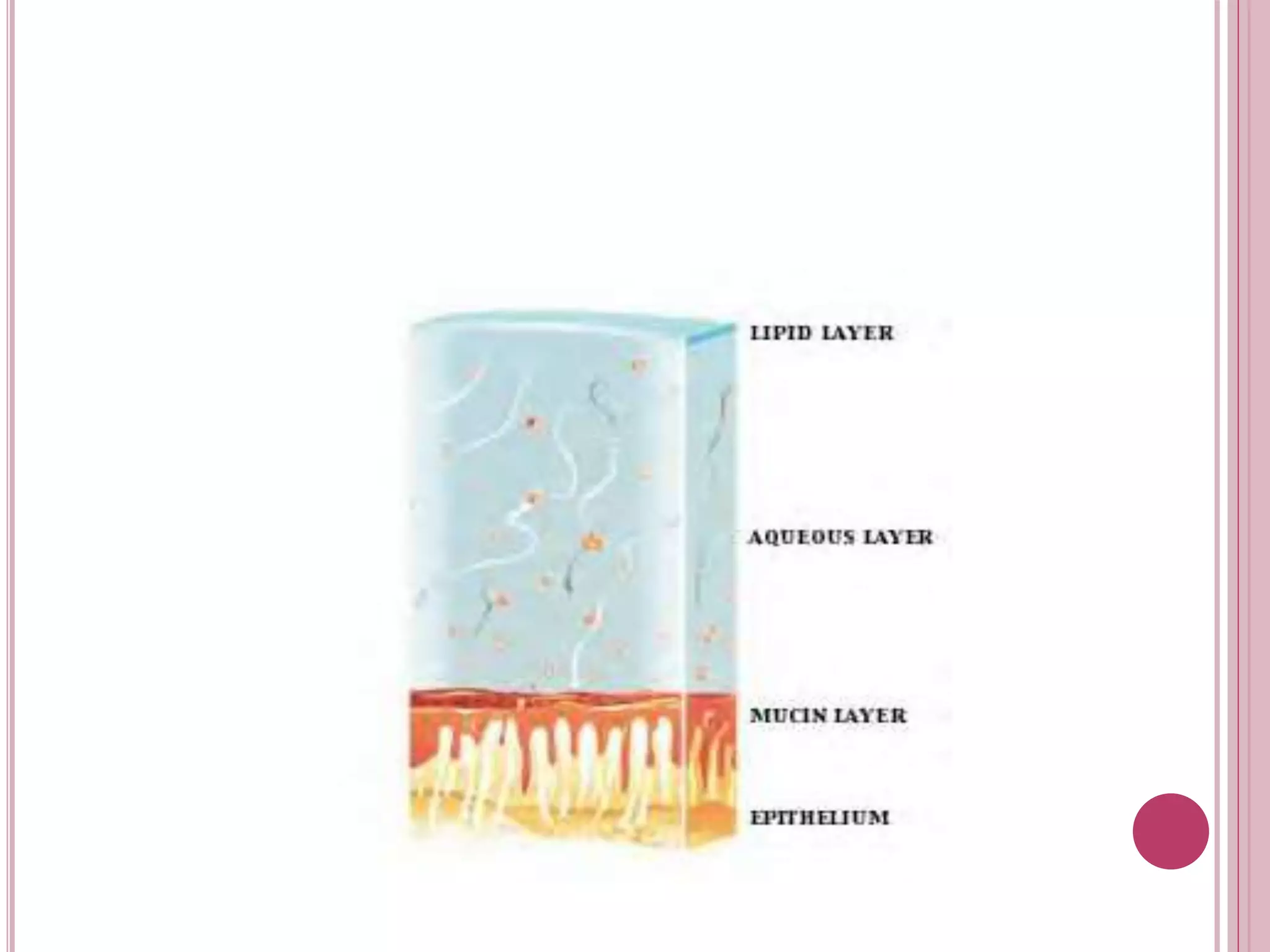
The normal components of tear film are lipids
,polysaccharides and proteins.
Lipid layer :
secreted by memobian gland.
functions to retard evaporation.
Mucin layer :
secreated by the intraepithelial goblet cells .
facilitates the wetting of the ocular surface.
Aqueous layer
made up of water,
mucinous proteoglycans, growth factors
Important antibacterial components lysozyme,
lactoferrin,
β lysine,
SIgA (Serum Immunoglobulin A).
LACTOFERRIN
Prevents complement activation
decreases inflammation
Preventing the formation of
C3a C5a
Inhihibits the formation of C3 convertase
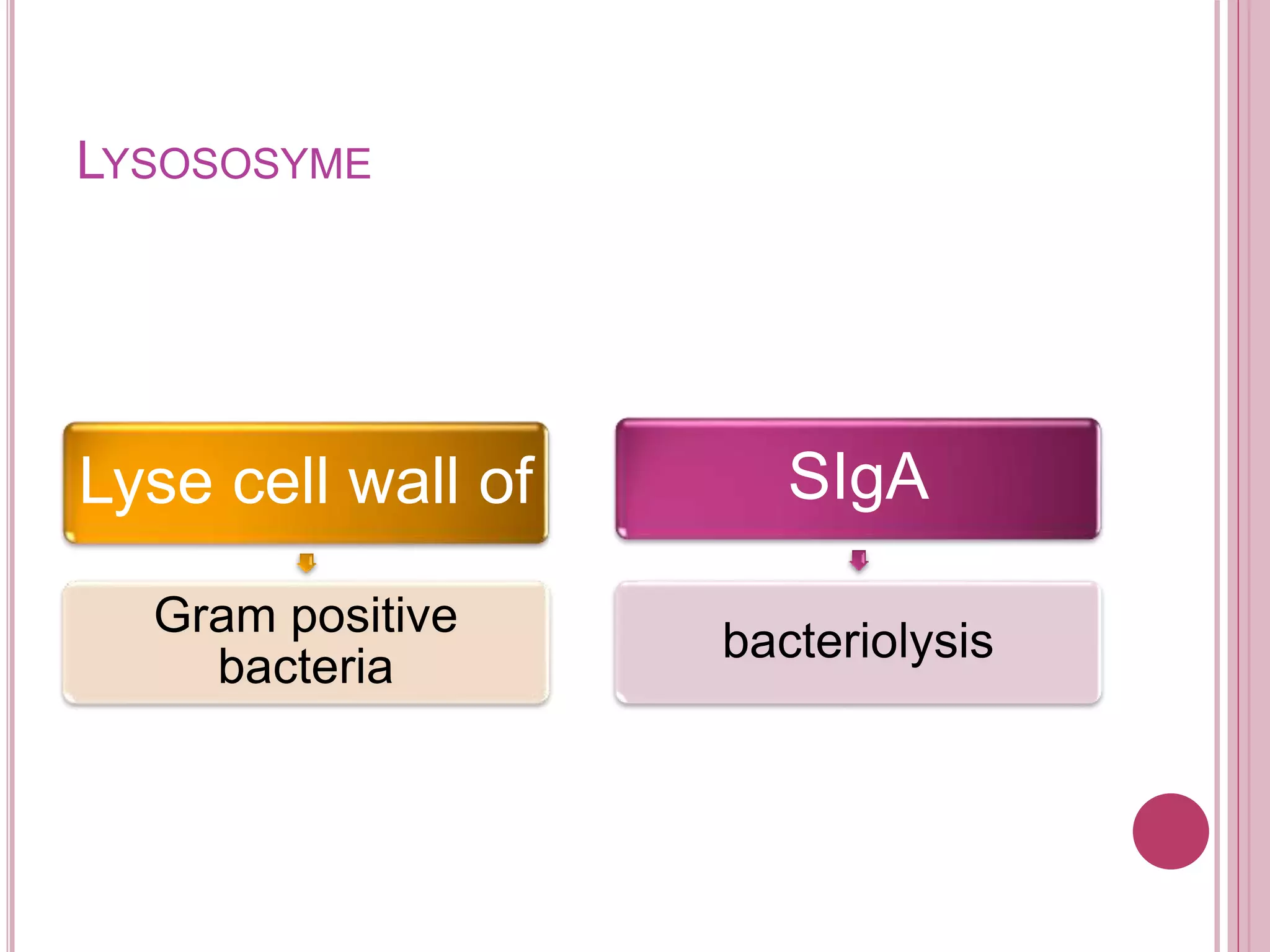
LYSOSOSYME
Lyse cell wall of
Gram positive
bacteria
SIgA
bacteriolysis
β lysine :
ruptures bacterial cell membranes
SIgA:
modulates the normal flora of the ocular
adnexa
Tear IgG:
increases during acute inflammation
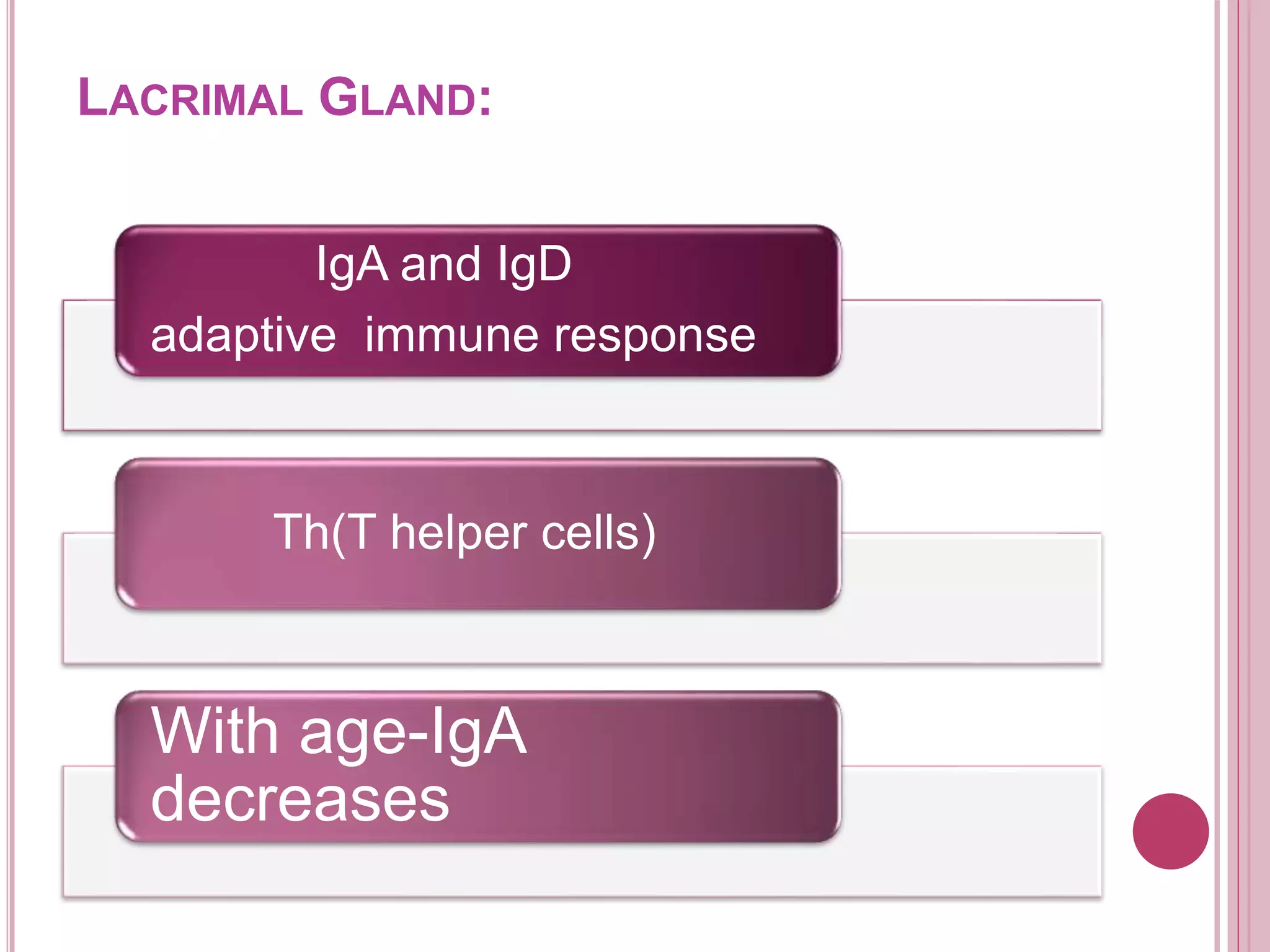
LACRIMAL GLAND:
IgA and IgD
adaptive immune response
Th(T helper cells)
With age-IgA
decreases
IMMUNOPATHOLOGY
Autoantibodies in the lacrimal gland play an
important role in mediating lacrimal gland
inflammation
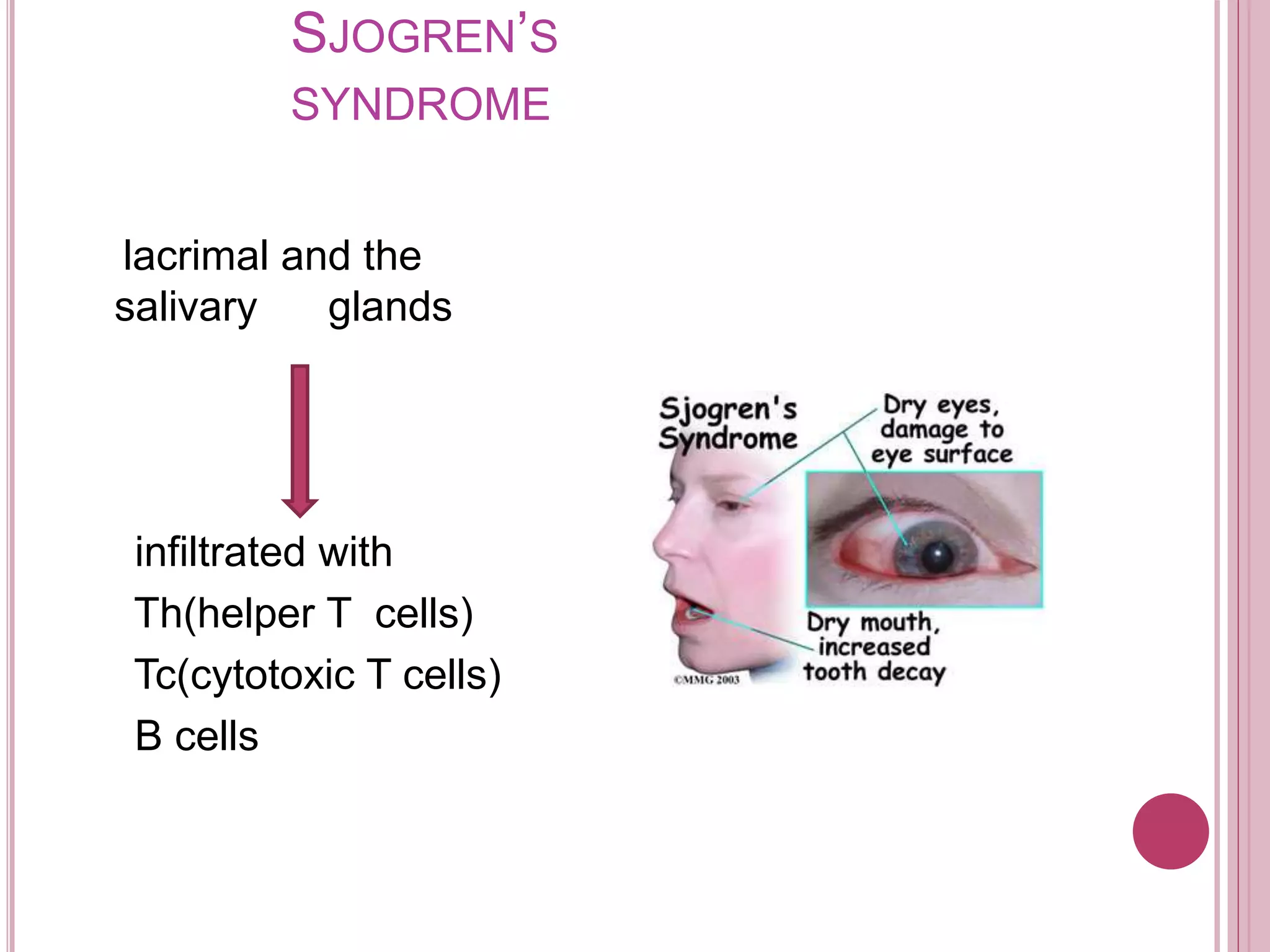
SJOGREN’S
SYNDROME
lacrimal and the
salivary glands
infiltrated with
Th(helper T cells)
Tc(cytotoxic T cells)
B cells
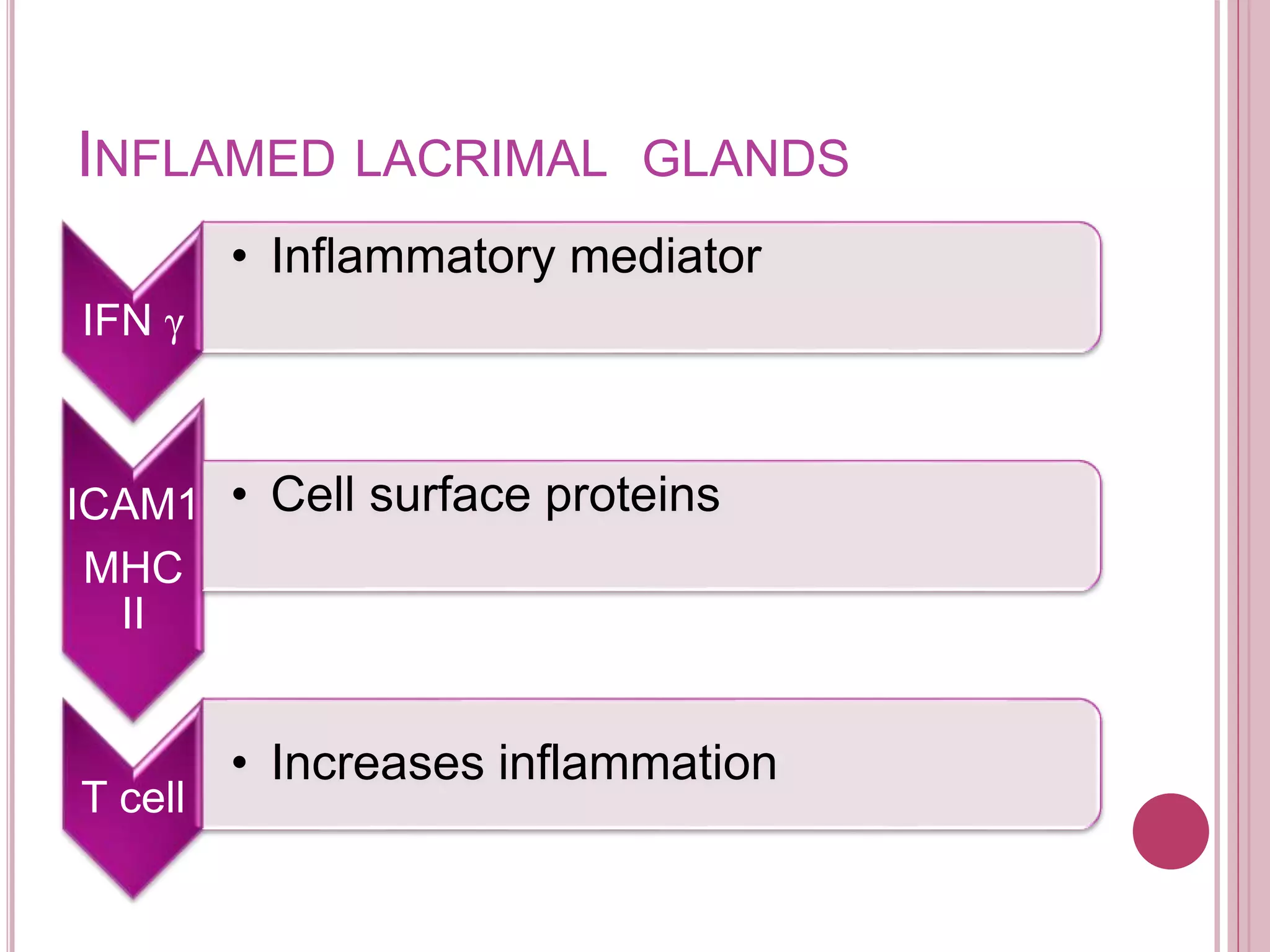
INFLAMED LACRIMAL GLANDS
IFN γ
• Inflammatory mediator
ICAM1
MHC
II
• Cell surface proteins
T cell
• Increases inflammation
CONJUNCTIVA:
 The conjunctiva is a complex element of mucosal
immune defence system and actively participates
in the ocular immune response against the
foreign agents.
 It is composed of two layers :
 a)an epithelial layer
 b)connective tissue layer called substantia
propria.
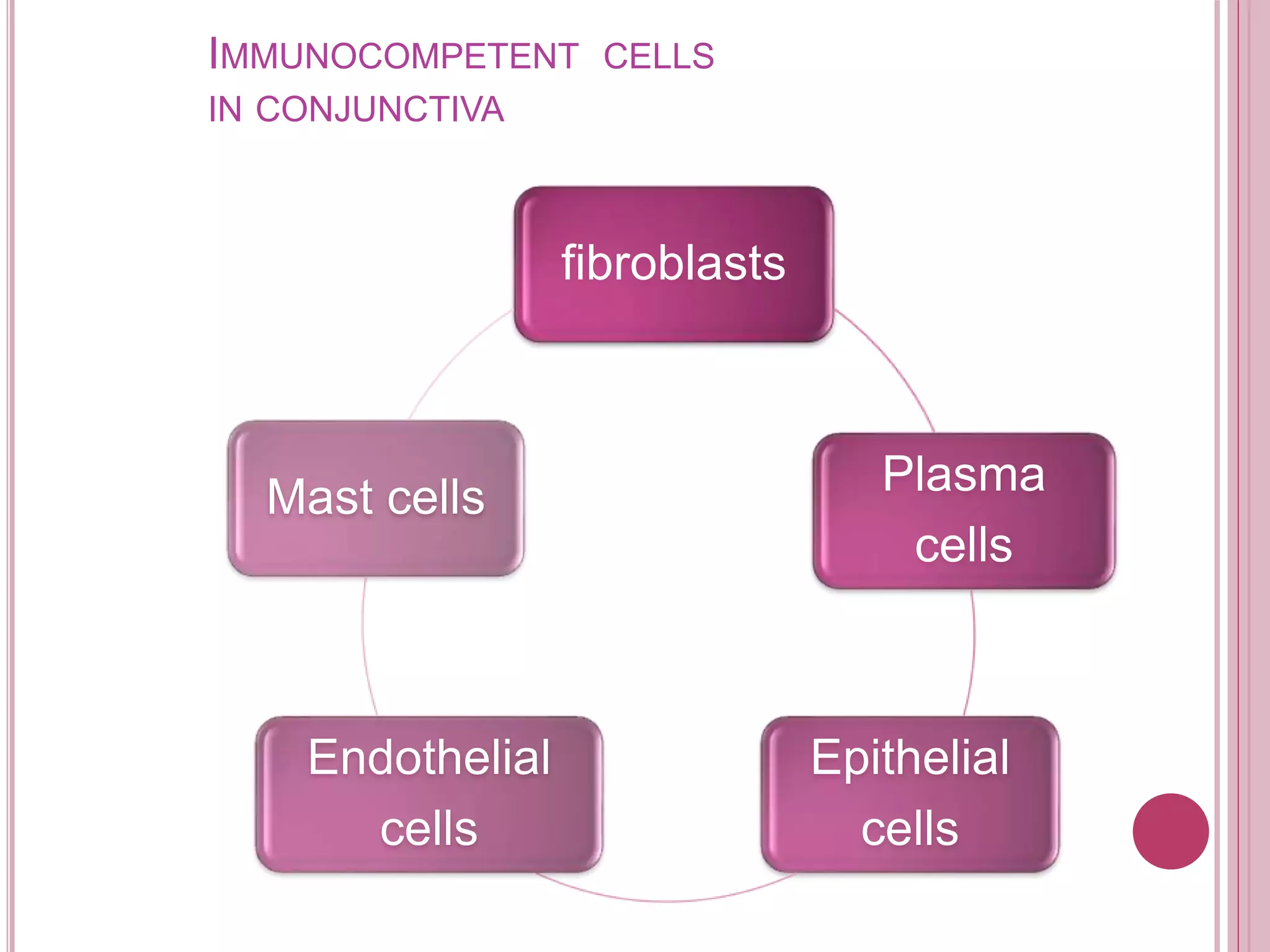
IMMUNOCOMPETENT CELLS
IN CONJUNCTIVA
fibroblasts
Plasma
cells
Epithelial
cells
Endothelial
cells
Mast cells
MALT(MUCOSAL ASSOCIATED
LYMPHOID TISSUE)
MALT
Ocular
surface &
adnexa
respiratory
tract
Gut &
Genitourinary
tract
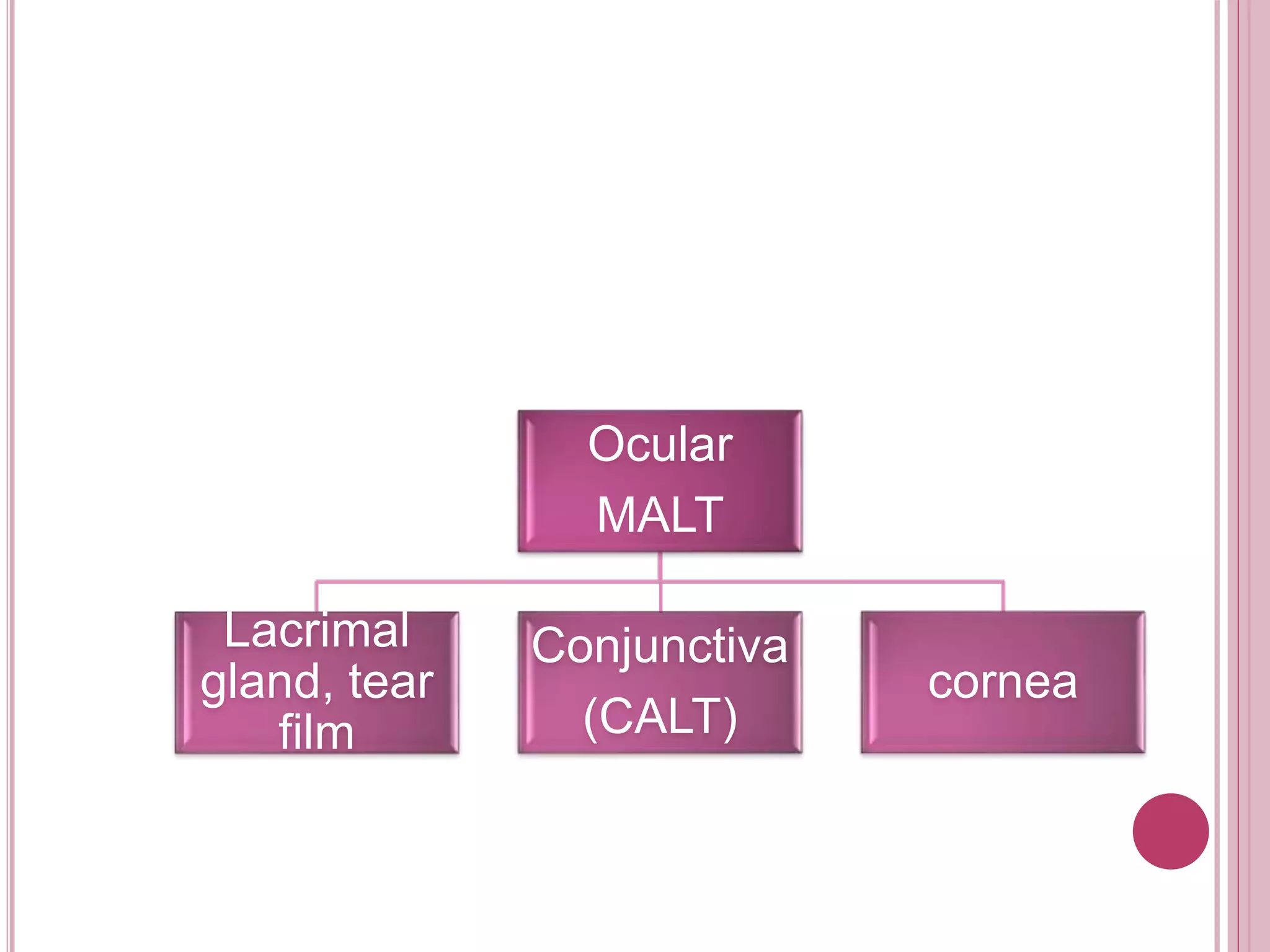
Ocular
MALT
Lacrimal
gland, tear
film
Conjunctiva
(CALT)
cornea
 MALT share certain specific immunological
features:
 Rich investment of APCs(Antigen Presenting
Cells)
 Specialized structures for localized antigen
processing(eg: Peyer’s patches and tonsils)
 Unique effecter cells (eg: intraepithelial T
lymphocytes and abundant mast cells)
 Predominant leukocyte in the conjunctiva is T
CELLS (90%)
76%
CD 8
14%
CD 4
T
Cells
 Lymphocyte distribution:
 Ts(suppressor Tcells) outnumber Th (helper
T)cells.
 Most of them are in the epithelium.
 In the fornix ,lymphocytes are more concentrated
in the substantia propria.
 The high endothelial venules(HEV) characteristic of
MALT have been demonstrated in the conjunctiva.
 One of the most important immunoregulatory cells of
the ocular surface are the APCs(antigen presenting
cells).
 LCs(langerhans cells) are the principal APCs of the
ocular surface.Their densest distribution is along the
medial epibulbar region and inferior forniceal region.
 The substantia propria is richly infiltrated with
mast cells.
o Mast cells traditionally have been associated
with certain allergic diseases .
 Have been found in the conjunctival epithelium
of patients with vernal keratoconjunctivitis or
giant papillary conjunctivitis.
ANTERIOR CHAMBER
ANTERIOR UVEA AND
VITREOUS:
 The anterior chamber is a fluid filled cavity.
 Circulating aqueous humor provides a unique
medium for intercellular communication among
cytokines,immune cells and resident tissue cells of
the iris ,ciliary body and corneal endothelium.
 A partial blood ocular barrier is present .
 Fenestrated capillaries in the cilliary body allow a
size dependent concentration gradient of plasma
macromolecules to permeate the interstitial
tissue.
 The tight junctions between the pigmented and
the non pigmented epithelium provide a more
exclusive barrier,preventing interstitial
macromolecules from permeating directly
through the ciliary body into the aqueous
humour.
IMMUNOREGULATORY SYSTEMS:
 The anterior uvea has an immunoregulatory system that
has been described as immune privilege.
 Immune privilege is mediated by influences on both the
afferent and the effector phase of the immune response
arc.
 Anterior Chamber Associated Immune
Deviation(ACAID).
Following injection of the antigen into the
anterior chamber
the afferent phase begins
specialized macrophages in the iris recognise and
take up antigens
These macrophages leave by the trabecular
meshwork and the Schlemms canal
enter the venous circulation.
preferentially migrate to the spleen.
the antigen signal is processed
alter CD 4 helper T lymphocyte response
CD 8 regulatory cells
Downregulation of CD 4 T lymphocyte DH(delayed
hypersensitivity) responses
selective suppression of selectively diminished
antigen specific DH production of
complement -fixing
isotype of antibodies
 Especially important to the clinician is the capacity of
a tissue site to sustain the second effector phase of
the immune response arc,because the primary
immune response arc in autoimmune diseases might
have occurred outside the eye.
 In this regard the ,the secondary effector phase of
the anterior segment is also immunomodulatory ,and
has been termed as effector blockade.
 Mechanism for effector blockade are multifactorial
but include production of the following:
 immunomodulatory cytokine, produced by the
ocular tissues
 immunomodulatory neuropeptides ,produced by the
ocular nerves
 functionally unique APCs
 complement inhibitors in aqueous humor
Corneal Epithelium:
 Many types of cell surface receptors and proteins
are present on the ocular surface epithelium.
 Constitutively express MHC-1 ,but can
upregulate MHC class II and may function as
APC
 Secreate :IL-1,IL-6,IL-8,TNF-α,INF-ϒ,TGF- α,C5a
and LTB4.
 Prostaglandins are also released
Corneal Stroma:
 Fibroblasts down regulate lymphocyte function
 Secreate several cytokines as IL-1, and TNF- α
Corneal Endothelium:
 Constitutively expresses ICAM-1 ,VCAM and receptors for
low- density lipoproteins.
 Stimulated to express MHC class II and ICAM-1
by various cytokines including IL-1β,TNF-α and
INF-ϒ
 Lymphatics:
 The normal cornea lacks lymphatic drainage
 Afferent pathways from the anterior chamber follow
the aqueous outflow to the venous system and the
spleen
 Vascularized corneal lymphatic beds ,however do
possess lymphatic channels that drain corneal
foreign body antigen or APC through conjunctival
lymphatics to the regional lymph nodes.
 Corneal vascularisation:
• The vascular limbus is an important efferent and
afferent regulatory structure of the normal cornea and
plays a critical role in peripheral corneal disease and
angiogenesis.
 Corneal neovascularisation alters the
microenvironment of the ocular surface and cornea
by providing a conduit for the arrival and egress of
antigen specific and nonspecific cellular elements
 The retinal circulation demonstrates a blood –
ocular barrier at the level of tight junctions
between adjacent endothelial cells.
 The vessels of the choriocapillaries are highly
permeable to macromoleculea and allow
transudation of most plasma macromolecules
into the extravascular space of choroid and
choriocapillaries.
 The tight junction between the RPE cells provide
the true physiological barrier between the choroid
and the retina.
 Well developed lymphatics are absent,although
the retina and choroid have abundant potential
APCs.
 RPE can be induced to produce class II MHC
molecule ,suggesting that it may also interact with T-
Cells.
 The density of the mast cells is moderate in the
choroid ,especially around the arterioles but
lymphocytes are present only in very low density.
• Eosinophils and neutrophils are absent.Local immune
response does not seem to occur.
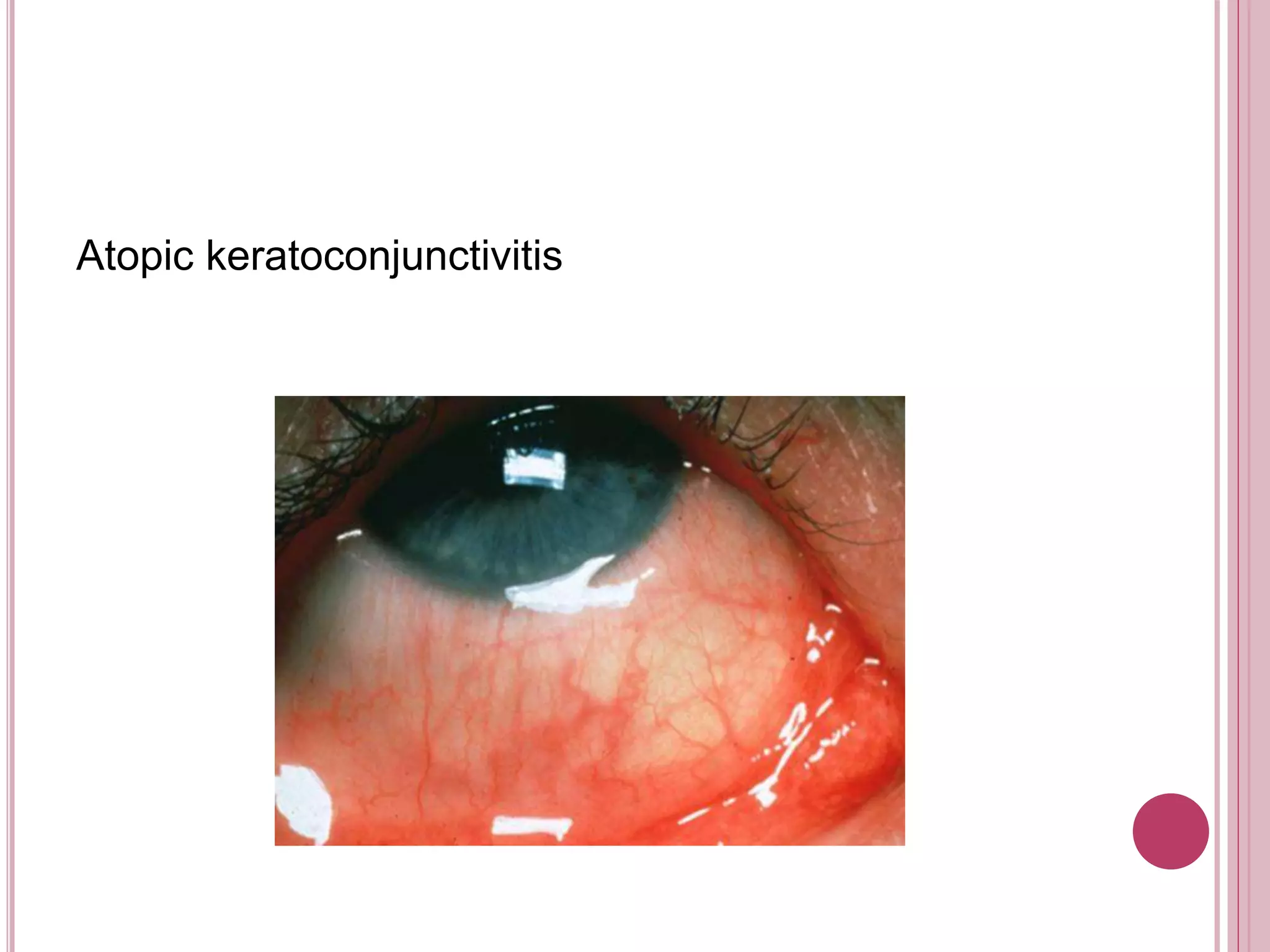
Eg: vernal catarrah
Atopic keratoconjunctivitis
TYPE II : CYTOTOXIC HYPERSENSITIVITY
 It is caused by the action of the antibodies
directed against antigens present on cells.
The cytotoxic anaphylaxis is thus caused by
antitissue antibodies.
 Circulating immunoglobulins are usually
combining ,in the presence of
complement,with the antigens that are
already present in the cell. The mechanism
of this particular reaction is concerned with
IgM and IgG.
 This mechanism does not appear to be very
important in ocular inflammation ,although it may
play a role in killing virus infected cells in viral
conjunctivitis.
 Eg:
Vogt-Koyanagi-Harada Syndrome(?)
Sympathetic Ophthalmitis(?)
TYPE III: IMMUNE COMPLEX HYPERSENSITIVITY
Large quantities of soluble antigen-antibody
complexes form in the blood and are not
completely removed by macrophages.
These antigen-antibody complexes lodge in the
capillaries between the endothelial cells and the
basement membrane.
These antigen-antibody complexes activate
the classical complement pathway leading
to vasodilation.
The complement proteins and antigen-
antibody complexes attract leukocytes to
the area.
The leukocytes discharge their killing agents
and promote massive inflammation. This can
lead to tissue death and hemorrhage.
TYPE IV: CELL MEDIATED /DELAYED
HYPERSENSITIVITY
REFERENCES:
 OCULAR IMMUNOLOGY: Gilbert Smolin ,G
Richard O’Connor
 INTRAOCULAR INFLAMMATION AND
UVEITIS:American Academy Of Ophthalmology
 CORNEA:Krackmer,Mannis,Holland
 DIAGNOSIS AND TREATMENT OF
UVEITIS:C.Stephen Foster,George F Vittale
Ocular immunology

Ocular immunology

  • 1.
  • 2.
    THE OCULAR IMMUNE RESPONSE THEREGULATORY COMPONENTS OF THE ANTERIOR SEGMENT The eye is more sensitive than most tissues to the consequences of injury and repair.
  • 3.
    THE OCULAR IMMUNERESPONSE INVOLVES – Local:  conjunctiva  cornea and sclera  anterior chamber,anterior uvea and vitreous  retina/retinal pigment epithelium/choriocapillaries  choroid
  • 4.
    Regional:  lacrimal gland, lymph nodes,  neuroanatomic integration
  • 5.
    Systemic: ACAID(anterior chamber associatedimmune deviation spleen, thymus, MALT(mucosal associated lymphoid tissue)
  • 6.
    TEAR FILM ANDLACRIMAL APPARATUS The tear film and lacrimal gland play an important role in ocular immune response. The normal components of tear film are lipids ,polysaccharides and proteins.
  • 8.
    Lipid layer : secretedby memobian gland. functions to retard evaporation. Mucin layer : secreated by the intraepithelial goblet cells . facilitates the wetting of the ocular surface.
  • 9.
    Aqueous layer made upof water, mucinous proteoglycans, growth factors Important antibacterial components lysozyme, lactoferrin, β lysine, SIgA (Serum Immunoglobulin A).
  • 10.
    LACTOFERRIN Prevents complement activation decreasesinflammation Preventing the formation of C3a C5a Inhihibits the formation of C3 convertase
  • 11.
    LYSOSOSYME Lyse cell wallof Gram positive bacteria SIgA bacteriolysis
  • 12.
    β lysine : rupturesbacterial cell membranes SIgA: modulates the normal flora of the ocular adnexa Tear IgG: increases during acute inflammation
  • 13.
    LACRIMAL GLAND: IgA andIgD adaptive immune response Th(T helper cells) With age-IgA decreases
  • 14.
    IMMUNOPATHOLOGY Autoantibodies in thelacrimal gland play an important role in mediating lacrimal gland inflammation
  • 15.
    SJOGREN’S SYNDROME lacrimal and the salivaryglands infiltrated with Th(helper T cells) Tc(cytotoxic T cells) B cells
  • 16.
    INFLAMED LACRIMAL GLANDS IFNγ • Inflammatory mediator ICAM1 MHC II • Cell surface proteins T cell • Increases inflammation
  • 17.
    CONJUNCTIVA:  The conjunctivais a complex element of mucosal immune defence system and actively participates in the ocular immune response against the foreign agents.  It is composed of two layers :  a)an epithelial layer  b)connective tissue layer called substantia propria.
  • 18.
  • 19.
    MALT(MUCOSAL ASSOCIATED LYMPHOID TISSUE) MALT Ocular surface& adnexa respiratory tract Gut & Genitourinary tract
  • 20.
  • 21.
     MALT sharecertain specific immunological features:  Rich investment of APCs(Antigen Presenting Cells)  Specialized structures for localized antigen processing(eg: Peyer’s patches and tonsils)  Unique effecter cells (eg: intraepithelial T lymphocytes and abundant mast cells)
  • 22.
     Predominant leukocytein the conjunctiva is T CELLS (90%) 76% CD 8 14% CD 4 T Cells
  • 23.
     Lymphocyte distribution: Ts(suppressor Tcells) outnumber Th (helper T)cells.  Most of them are in the epithelium.  In the fornix ,lymphocytes are more concentrated in the substantia propria.
  • 24.
     The highendothelial venules(HEV) characteristic of MALT have been demonstrated in the conjunctiva.  One of the most important immunoregulatory cells of the ocular surface are the APCs(antigen presenting cells).  LCs(langerhans cells) are the principal APCs of the ocular surface.Their densest distribution is along the medial epibulbar region and inferior forniceal region.
  • 25.
     The substantiapropria is richly infiltrated with mast cells. o Mast cells traditionally have been associated with certain allergic diseases .  Have been found in the conjunctival epithelium of patients with vernal keratoconjunctivitis or giant papillary conjunctivitis.
  • 26.
    ANTERIOR CHAMBER ANTERIOR UVEAAND VITREOUS:  The anterior chamber is a fluid filled cavity.  Circulating aqueous humor provides a unique medium for intercellular communication among cytokines,immune cells and resident tissue cells of the iris ,ciliary body and corneal endothelium.
  • 27.
     A partialblood ocular barrier is present .  Fenestrated capillaries in the cilliary body allow a size dependent concentration gradient of plasma macromolecules to permeate the interstitial tissue.
  • 28.
     The tightjunctions between the pigmented and the non pigmented epithelium provide a more exclusive barrier,preventing interstitial macromolecules from permeating directly through the ciliary body into the aqueous humour.
  • 30.
    IMMUNOREGULATORY SYSTEMS:  Theanterior uvea has an immunoregulatory system that has been described as immune privilege.  Immune privilege is mediated by influences on both the afferent and the effector phase of the immune response arc.
  • 31.
     Anterior ChamberAssociated Immune Deviation(ACAID).
  • 32.
    Following injection ofthe antigen into the anterior chamber the afferent phase begins specialized macrophages in the iris recognise and take up antigens
  • 33.
    These macrophages leaveby the trabecular meshwork and the Schlemms canal enter the venous circulation. preferentially migrate to the spleen.
  • 34.
    the antigen signalis processed alter CD 4 helper T lymphocyte response CD 8 regulatory cells
  • 35.
    Downregulation of CD4 T lymphocyte DH(delayed hypersensitivity) responses selective suppression of selectively diminished antigen specific DH production of complement -fixing isotype of antibodies
  • 36.
     Especially importantto the clinician is the capacity of a tissue site to sustain the second effector phase of the immune response arc,because the primary immune response arc in autoimmune diseases might have occurred outside the eye.  In this regard the ,the secondary effector phase of the anterior segment is also immunomodulatory ,and has been termed as effector blockade.
  • 37.
     Mechanism foreffector blockade are multifactorial but include production of the following:  immunomodulatory cytokine, produced by the ocular tissues  immunomodulatory neuropeptides ,produced by the ocular nerves  functionally unique APCs  complement inhibitors in aqueous humor
  • 39.
    Corneal Epithelium:  Manytypes of cell surface receptors and proteins are present on the ocular surface epithelium.  Constitutively express MHC-1 ,but can upregulate MHC class II and may function as APC  Secreate :IL-1,IL-6,IL-8,TNF-α,INF-ϒ,TGF- α,C5a and LTB4.  Prostaglandins are also released
  • 40.
    Corneal Stroma:  Fibroblastsdown regulate lymphocyte function  Secreate several cytokines as IL-1, and TNF- α
  • 41.
    Corneal Endothelium:  Constitutivelyexpresses ICAM-1 ,VCAM and receptors for low- density lipoproteins.  Stimulated to express MHC class II and ICAM-1 by various cytokines including IL-1β,TNF-α and INF-ϒ
  • 42.
     Lymphatics:  Thenormal cornea lacks lymphatic drainage  Afferent pathways from the anterior chamber follow the aqueous outflow to the venous system and the spleen  Vascularized corneal lymphatic beds ,however do possess lymphatic channels that drain corneal foreign body antigen or APC through conjunctival lymphatics to the regional lymph nodes.
  • 43.
     Corneal vascularisation: •The vascular limbus is an important efferent and afferent regulatory structure of the normal cornea and plays a critical role in peripheral corneal disease and angiogenesis.  Corneal neovascularisation alters the microenvironment of the ocular surface and cornea by providing a conduit for the arrival and egress of antigen specific and nonspecific cellular elements
  • 44.
     The retinalcirculation demonstrates a blood – ocular barrier at the level of tight junctions between adjacent endothelial cells.  The vessels of the choriocapillaries are highly permeable to macromoleculea and allow transudation of most plasma macromolecules into the extravascular space of choroid and choriocapillaries.
  • 45.
     The tightjunction between the RPE cells provide the true physiological barrier between the choroid and the retina.  Well developed lymphatics are absent,although the retina and choroid have abundant potential APCs.
  • 46.
     RPE canbe induced to produce class II MHC molecule ,suggesting that it may also interact with T- Cells.  The density of the mast cells is moderate in the choroid ,especially around the arterioles but lymphocytes are present only in very low density. • Eosinophils and neutrophils are absent.Local immune response does not seem to occur.
  • 51.
  • 52.
  • 53.
    TYPE II :CYTOTOXIC HYPERSENSITIVITY  It is caused by the action of the antibodies directed against antigens present on cells. The cytotoxic anaphylaxis is thus caused by antitissue antibodies.  Circulating immunoglobulins are usually combining ,in the presence of complement,with the antigens that are already present in the cell. The mechanism of this particular reaction is concerned with IgM and IgG.
  • 54.
     This mechanismdoes not appear to be very important in ocular inflammation ,although it may play a role in killing virus infected cells in viral conjunctivitis.  Eg: Vogt-Koyanagi-Harada Syndrome(?) Sympathetic Ophthalmitis(?)
  • 55.
    TYPE III: IMMUNECOMPLEX HYPERSENSITIVITY Large quantities of soluble antigen-antibody complexes form in the blood and are not completely removed by macrophages.
  • 56.
    These antigen-antibody complexeslodge in the capillaries between the endothelial cells and the basement membrane.
  • 57.
    These antigen-antibody complexesactivate the classical complement pathway leading to vasodilation.
  • 58.
    The complement proteinsand antigen- antibody complexes attract leukocytes to the area.
  • 59.
    The leukocytes dischargetheir killing agents and promote massive inflammation. This can lead to tissue death and hemorrhage.
  • 61.
    TYPE IV: CELLMEDIATED /DELAYED HYPERSENSITIVITY
  • 64.
    REFERENCES:  OCULAR IMMUNOLOGY:Gilbert Smolin ,G Richard O’Connor  INTRAOCULAR INFLAMMATION AND UVEITIS:American Academy Of Ophthalmology  CORNEA:Krackmer,Mannis,Holland  DIAGNOSIS AND TREATMENT OF UVEITIS:C.Stephen Foster,George F Vittale