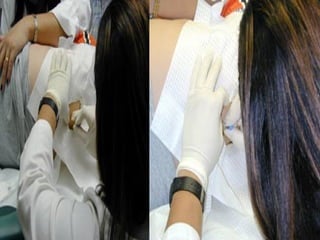
LUMBAR PUNCTURE
PREPARED BY :-Prof. Blessy Thomas, MSc Nursing
Vice Principal, FNCON, SPN
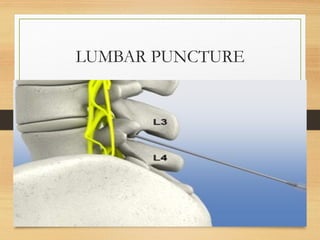
LUMBAR PUNCTURE
MEANING
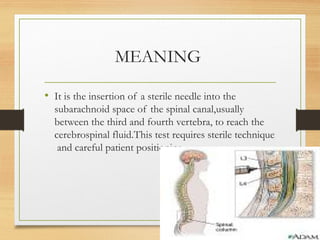
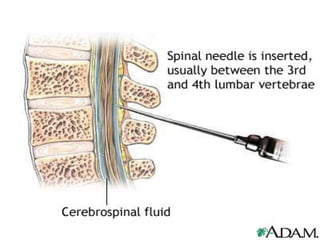
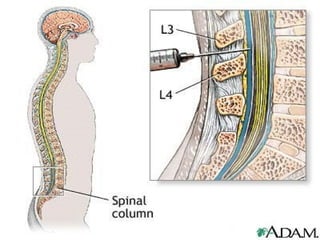
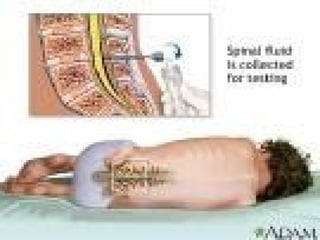
• It is the insertion of a sterile needle into the
subarachnoid space of the spinal canal,usually
between the third and fourth vertebra, to reach the
cerebrospinal fluid.This test requires sterile technique
and careful patient positioning.
DIAGNOSTIC USES FOR
LUMBAR PUNCTURE
• To determine the pressure of the cerebrospinal fluid
• To detect increased intracranial pressure
• To detect presence of blood in the cerebrospinal
fluid which indicates cerebral hemorrhage
• To obtain cerebral spinal fluid specimens for
laboratory analysis.
INDICATIONS
• Suspicion of meningitis
• Suspicion of subarachnoid hemorrhage
• Suspicion of central nervous system disease such as
Guillain Barre syndrome
CONTRAINDICATIONS
• Increased intracranial pressure
• Coagulopathy
• Brain abscess
Indications for brain CT scan prior to lumbar puncture include
the following
• Patients who are older than 60 yrs
• Patients who are immunocompromised
• Patients with known CNS lesions
CONTD……………
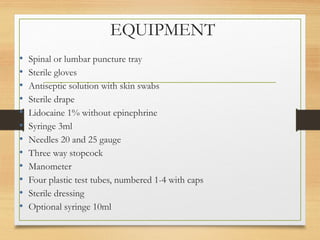
• Patients whohave had a seizure within 1 week of
presentation
• Patient with abnormal level of consciousness
• Patient with papilledema seen on physical
examination with elevated ICP.
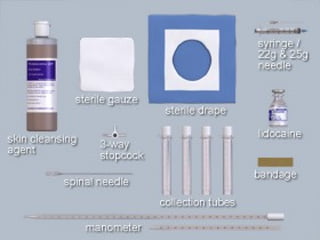
EQUIPMENT
• Spinal or lumbar puncture tray
• Sterile gloves
• Antiseptic solution with skin swabs
• Sterile drape
• Lidocaine 1% without epinephrine
• Syringe 3ml
• Needles 20 and 25 gauge
• Three way stopcock
• Manometer
• Four plastic test tubes, numbered 1-4 with caps
• Sterile dressing
• Optional syringe 10ml
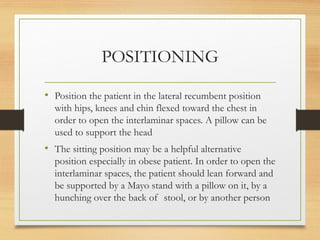
POSITIONING
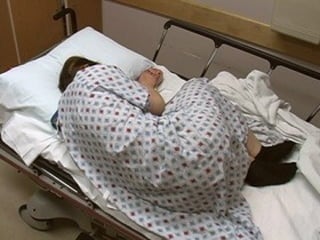
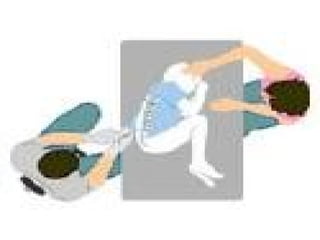
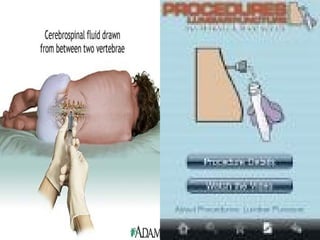
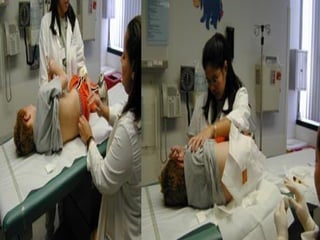
• Position the patient in the lateral recumbent position
with hips, knees and chin flexed toward the chest in
order to open the interlaminar spaces. A pillow can be
used to support the head
• The sitting position may be a helpful alternative
position especially in obese patient. In order to open the
interlaminar spaces, the patient should lean forward and
be supported by a Mayo stand with a pillow on it, by a
hunching over the back of stool, or by another person
PROCEDURE
• Explain the procedure ,benefits, risk, complications,
and alternative options to the patient or the patients
representative and obtain a signed informed consent
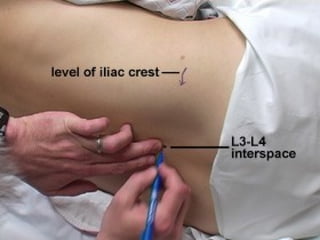
• Wearing nonsterile gloves, locate the L3-L4
interspace by palpating the right and left posterior
superior iliac crest and moving the fingers medially
towards the spine.
Contd……….
• Palpate the interspace L3-L4 as well as one above L2-
L3 and one below L4-L5 to find the widest space
• Open the spinal tray, change to sterile gloves, and
prepare the equipment. Open the numbered plastic
tubes and place them upright, assemble the stopcock
on the manometer and draw the lidocaine into the
10ml syringe.
Contd…………..
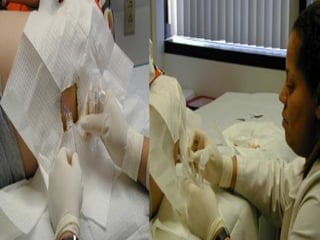
• Use the skin swabs and antiseptic solution to clean the
skin in a circular motion starting at the L3-L4 interspace
and moving outward to include at least I interspace above
and below. just before applying the skin swabs, warn the
patients that the solution is very cold, since this can be
unnerving to the patient.
• Place a sterile drape below the patient and fenestrated
drapes on the patient. most spinal trays contain fenestrated
drapes with an adhesive tape that keeps the drape in place.
Contd…………….
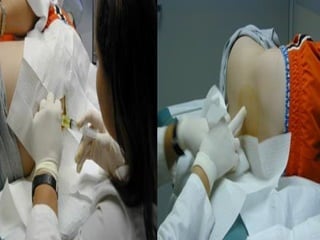
• Use the 10ml syringe to administer local anesthesia.
Raise a skin wheal using the 25 gauge needle and
then switch to the longer 20 gauge needle to
anesthetize the deeper tissue. Insert the needle all the
way to the hub, aspirate to confirm that the needle is
not in a blood vessel, and inject a small amount as
the needle is with drawn a few centimeters continue
this process above, below and to the sides very
slightly.
Contd…………
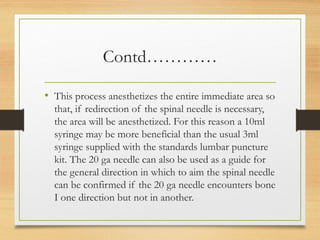
• This process anesthetizes the entire immediate area so
that, if redirection of the spinal needle is necessary,
the area will be anesthetized. For this reason a 10ml
syringe may be more beneficial than the usual 3ml
syringe supplied with the standards lumbar puncture
kit. The 20 ga needle can also be used as a guide for
the general direction in which to aim the spinal needle
can be confirmed if the 20 ga needle encounters bone
I one direction but not in another.
Contd…………….
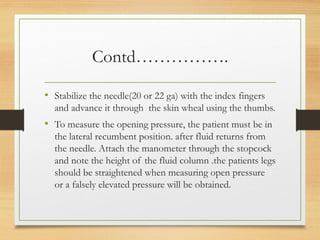
• Stabilize the needle(20 or 22 ga) with the index fingers
and advance it through the skin wheal using the thumbs.
• To measure the opening pressure, the patient must be in
the lateral recumbent position. after fluid returns from
the needle. Attach the manometer through the stopcock
and note the height of the fluid column .the patients legs
should be straightened when measuring open pressure
or a falsely elevated pressure will be obtained.
Contd……………
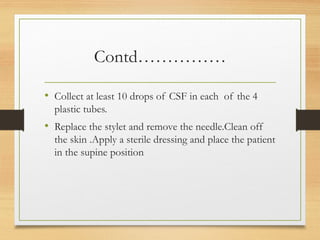
• Collect at least 10 drops of CSF in each of the 4
plastic tubes.
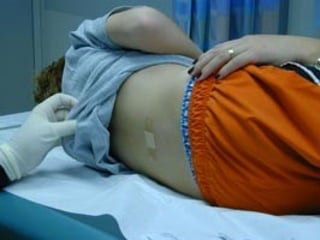
• Replace the stylet and remove the needle.Clean off
the skin .Apply a sterile dressing and place the patient
in the supine position
IMPORTANT
CONSIDERATION
• If the patient is dehydrated a falsely negative dry tap
may be obtained as a result of very low csf volume
and pressure.If this is suspected,attempt to rehydrate
the patient prior to the procedure.
• If the procedure is performed in the sitting position
and an opening pressureis required,replace the stylet
and have an assistant help the patient into the left
lateral recumbent position.
Contd…………….
• If the CSF flow is too slow, ask the patient to cough or
bear down as in the valsalva maneuver ,or ask an
assistant to intermittently press on the patients
abdomen to increase the flow.
• Never delay intravenous antibiotics for a lumbar
puncture or prelumbar puncture CT scan
• The smaller the needle used for the lumbar puncture ,
the lower the risk of the patient developing a post
lumbar puncture headache.
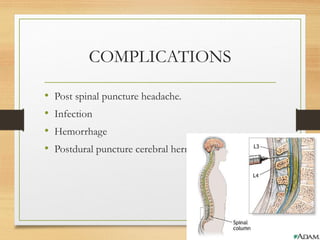
COMPLICATIONS
• Post spinal puncture headache.
• Infection
• Hemorrhage
• Postdural puncture cerebral herniation
THEORY APPLICATION
• Lydia Hall’s CORE-CARE-CURE model is
selected for this procedure .
• CORE-Refers to the person.
• CARE-Refers to the body, the intimate bodily care.
• CURE-It refers to the disease.
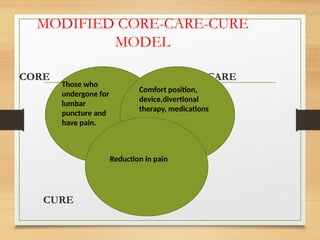
MODIFIED CORE-CARE-CURE
MODEL
CORE CARE
CURE
Those who
undergone for
lumbar
puncture and
have pain.
Comfort position,
device,divertional
therapy, medications
Reduction in pain
NURSING IMPLICATIONS
• Review the patients clinical record to determine the
reason for the patients scheduled lumbar puncture
procedure and what the patient has been told about the
procedure
• Assemble the necessary equipments
• Approach and identify the patient
• Interview the patient to determine his or her knowledge
of the purpose of the lumbar puncture procedure
Contd……………..
• As indicated ,explain to the patient the specific
purpose of the lumbar puncture procedure.
• Explain the procedure to the patient.
• Send the CSF specimen to the laboratory
immediately.
• Instruct the patient to lie flat for several hours to
reduce chance of headache.
Contd………………
• Monitor the patient carefully following the
procedure. Adverse reaction like
headache,vertigo,syncope,nausea,tinnitus,respiratory
distress, change in vital signs, meningitis and fever
should be reported to the professional nurse.
• Give the patient increased fluids at least 24 hours
after the procedure
Contd………………
• Inform the patient that the physician will report the
result of the lumbar puncture as soon as they are
available
• Ensure the comfort and safety of the patient
• Remove equipments from bed side and dispose
properly
• Record the procedure in the patients chart.
THANK YOU

NURSING IMPLICATIONS IN LUMBAR PUNCTURE ppt

  • 1.
    LUMBAR PUNCTURE PREPARED BY:-Prof. Blessy Thomas, MSc Nursing Vice Principal, FNCON, SPN
  • 2.
  • 3.
    MEANING • It isthe insertion of a sterile needle into the subarachnoid space of the spinal canal,usually between the third and fourth vertebra, to reach the cerebrospinal fluid.This test requires sterile technique and careful patient positioning.
  • 4.
    DIAGNOSTIC USES FOR LUMBARPUNCTURE • To determine the pressure of the cerebrospinal fluid • To detect increased intracranial pressure • To detect presence of blood in the cerebrospinal fluid which indicates cerebral hemorrhage • To obtain cerebral spinal fluid specimens for laboratory analysis.
  • 5.
    INDICATIONS • Suspicion ofmeningitis • Suspicion of subarachnoid hemorrhage • Suspicion of central nervous system disease such as Guillain Barre syndrome
  • 6.
    CONTRAINDICATIONS • Increased intracranialpressure • Coagulopathy • Brain abscess Indications for brain CT scan prior to lumbar puncture include the following • Patients who are older than 60 yrs • Patients who are immunocompromised • Patients with known CNS lesions
  • 7.
    CONTD…………… • Patients whohavehad a seizure within 1 week of presentation • Patient with abnormal level of consciousness • Patient with papilledema seen on physical examination with elevated ICP.
  • 8.
    EQUIPMENT • Spinal orlumbar puncture tray • Sterile gloves • Antiseptic solution with skin swabs • Sterile drape • Lidocaine 1% without epinephrine • Syringe 3ml • Needles 20 and 25 gauge • Three way stopcock • Manometer • Four plastic test tubes, numbered 1-4 with caps • Sterile dressing • Optional syringe 10ml
  • 10.
    POSITIONING • Position thepatient in the lateral recumbent position with hips, knees and chin flexed toward the chest in order to open the interlaminar spaces. A pillow can be used to support the head • The sitting position may be a helpful alternative position especially in obese patient. In order to open the interlaminar spaces, the patient should lean forward and be supported by a Mayo stand with a pillow on it, by a hunching over the back of stool, or by another person
  • 14.
    PROCEDURE • Explain theprocedure ,benefits, risk, complications, and alternative options to the patient or the patients representative and obtain a signed informed consent • Wearing nonsterile gloves, locate the L3-L4 interspace by palpating the right and left posterior superior iliac crest and moving the fingers medially towards the spine.
  • 15.
    Contd………. • Palpate theinterspace L3-L4 as well as one above L2- L3 and one below L4-L5 to find the widest space • Open the spinal tray, change to sterile gloves, and prepare the equipment. Open the numbered plastic tubes and place them upright, assemble the stopcock on the manometer and draw the lidocaine into the 10ml syringe.
  • 16.
    Contd………….. • Use theskin swabs and antiseptic solution to clean the skin in a circular motion starting at the L3-L4 interspace and moving outward to include at least I interspace above and below. just before applying the skin swabs, warn the patients that the solution is very cold, since this can be unnerving to the patient. • Place a sterile drape below the patient and fenestrated drapes on the patient. most spinal trays contain fenestrated drapes with an adhesive tape that keeps the drape in place.
  • 17.
    Contd……………. • Use the10ml syringe to administer local anesthesia. Raise a skin wheal using the 25 gauge needle and then switch to the longer 20 gauge needle to anesthetize the deeper tissue. Insert the needle all the way to the hub, aspirate to confirm that the needle is not in a blood vessel, and inject a small amount as the needle is with drawn a few centimeters continue this process above, below and to the sides very slightly.
  • 19.
    Contd………… • This processanesthetizes the entire immediate area so that, if redirection of the spinal needle is necessary, the area will be anesthetized. For this reason a 10ml syringe may be more beneficial than the usual 3ml syringe supplied with the standards lumbar puncture kit. The 20 ga needle can also be used as a guide for the general direction in which to aim the spinal needle can be confirmed if the 20 ga needle encounters bone I one direction but not in another.
  • 20.
    Contd……………. • Stabilize theneedle(20 or 22 ga) with the index fingers and advance it through the skin wheal using the thumbs. • To measure the opening pressure, the patient must be in the lateral recumbent position. after fluid returns from the needle. Attach the manometer through the stopcock and note the height of the fluid column .the patients legs should be straightened when measuring open pressure or a falsely elevated pressure will be obtained.
  • 22.
    Contd…………… • Collect atleast 10 drops of CSF in each of the 4 plastic tubes. • Replace the stylet and remove the needle.Clean off the skin .Apply a sterile dressing and place the patient in the supine position
  • 25.
    IMPORTANT CONSIDERATION • If thepatient is dehydrated a falsely negative dry tap may be obtained as a result of very low csf volume and pressure.If this is suspected,attempt to rehydrate the patient prior to the procedure. • If the procedure is performed in the sitting position and an opening pressureis required,replace the stylet and have an assistant help the patient into the left lateral recumbent position.
  • 26.
    Contd……………. • If theCSF flow is too slow, ask the patient to cough or bear down as in the valsalva maneuver ,or ask an assistant to intermittently press on the patients abdomen to increase the flow. • Never delay intravenous antibiotics for a lumbar puncture or prelumbar puncture CT scan • The smaller the needle used for the lumbar puncture , the lower the risk of the patient developing a post lumbar puncture headache.
  • 27.
    COMPLICATIONS • Post spinalpuncture headache. • Infection • Hemorrhage • Postdural puncture cerebral herniation
  • 28.
    THEORY APPLICATION • LydiaHall’s CORE-CARE-CURE model is selected for this procedure . • CORE-Refers to the person. • CARE-Refers to the body, the intimate bodily care. • CURE-It refers to the disease.
  • 29.
    MODIFIED CORE-CARE-CURE MODEL CORE CARE CURE Thosewho undergone for lumbar puncture and have pain. Comfort position, device,divertional therapy, medications Reduction in pain
  • 30.
    NURSING IMPLICATIONS • Reviewthe patients clinical record to determine the reason for the patients scheduled lumbar puncture procedure and what the patient has been told about the procedure • Assemble the necessary equipments • Approach and identify the patient • Interview the patient to determine his or her knowledge of the purpose of the lumbar puncture procedure
  • 31.
    Contd…………….. • As indicated,explain to the patient the specific purpose of the lumbar puncture procedure. • Explain the procedure to the patient. • Send the CSF specimen to the laboratory immediately. • Instruct the patient to lie flat for several hours to reduce chance of headache.
  • 32.
    Contd……………… • Monitor thepatient carefully following the procedure. Adverse reaction like headache,vertigo,syncope,nausea,tinnitus,respiratory distress, change in vital signs, meningitis and fever should be reported to the professional nurse. • Give the patient increased fluids at least 24 hours after the procedure
  • 33.
    Contd……………… • Inform thepatient that the physician will report the result of the lumbar puncture as soon as they are available • Ensure the comfort and safety of the patient • Remove equipments from bed side and dispose properly • Record the procedure in the patients chart.
  • 39.