
Non Distilled
Beverages
1
By
Shreya Gopinath
Not distilled but usually fermented.
Function of microorganism, especially yeast strains.
Pasteur originally defined fermentation as
"respiration without air".
2
Beer
Wine
Cider
Sake
3
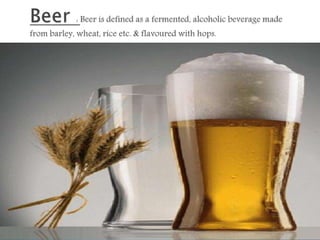
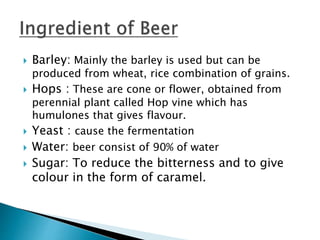
 Barley: Mainly the barley is used but can be
produced from wheat, rice combination of grains.
 Hops : These are cone or flower, obtained from
perennial plant called Hop vine which has
humulones that gives flavour.
 Yeast : cause the fermentation
 Water: beer consist of 90% of water
 Sugar: To reduce the bitterness and to give
colour in the form of caramel.
6
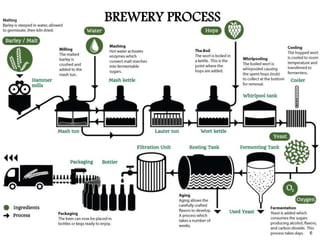
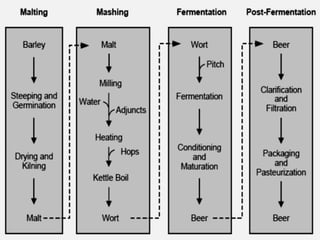
BREWERY PROCESS
7
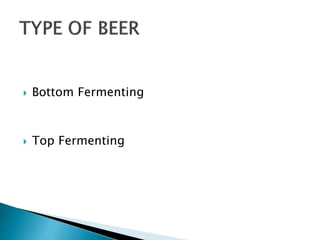
 Bottom Fermenting
 Top Fermenting
9
 Sake is an ancient fermented beverage
known to have been made since about the
third century A.D in china. But it was not
until about 600 years ago that sake, as we
know it today was produced.
 In ancient times, the making and serving
was entrusted to brewer called “Toji” who
incidentally has to be virgin.
 Sake is produced in Japan, part of Chine
other Asian countries & Hawaii, California.
In Chine the similar rice beer is called
“Samshu” & Korea “Suk”
 Rice polished to perfection, for in making sake
 Soaked in cold distilled water for 12- 18 hrs to
moisture, steamed for 45 minute in “KOSHIKI” (Rice
containing tub).
 Cooled then spread in room called “KOJI” where
mold “Aspergillus Oryzae”.
 Fermaentation for 15 to 20days with
“Saccharomyces Cerevisiae”.
 Matured in stainless steel casks for 90-100 days
then it pasteurized & bottled
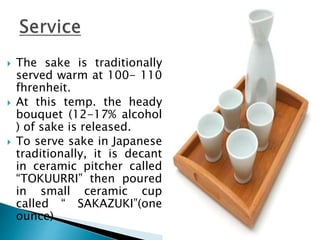
 The sake is traditionally
served warm at 100- 110
fhrenheit.
 At this temp. the heady
bouquet (12-17% alcohol
) of sake is released.
 To serve sake in Japanese
traditionally, it is decant
in ceramic pitcher called
“TOKUURRI” then poured
in small ceramic cup
called “ SAKAZUKI”(one
ounce)
14
15
16
 Abstainers and heavy drinkers have an
elevated risk of heart disease
 While moderate drinkers have a lower risk
 Red wine may possess superior health
benefits
 A chemical called resveratrol is thought to be
at least partly responsible for red wines'
health benefits
 Red wines from South-West France and
Sardinia Italy have been found to have the
highest levels of procyanidins
18
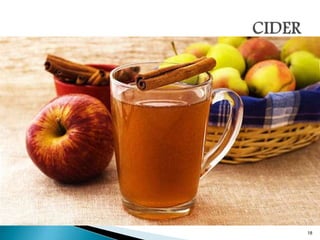
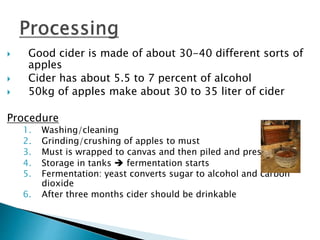
 Good cider is made of about 30-40 different sorts of
apples
 Cider has about 5.5 to 7 percent of alcohol
 50kg of apples make about 30 to 35 liter of cider
Procedure
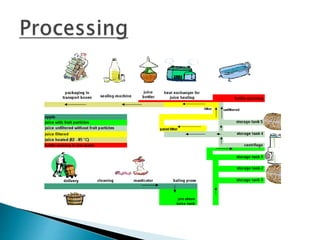
1. Washing/cleaning
2. Grinding/crushing of apples to must
3. Must is wrapped to canvas and then piled and pressed
4. Storage in tanks  fermentation starts
5. Fermentation: yeast converts sugar to alcohol and carbon
dioxide
6. After three months cider should be drinkable
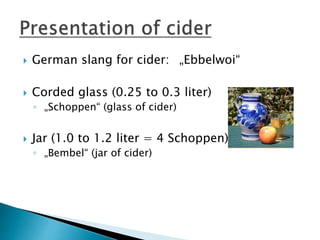
 German slang for cider: „Ebbelwoi“
 Corded glass (0.25 to 0.3 liter)
◦ „Schoppen“ (glass of cider)
 Jar (1.0 to 1.2 liter = 4 Schoppen)
◦ „Bembel“ (jar of cider)
 „Cider is very healthy (like apples)
◦ Large amounts of phenolics and antioxidants,
maybe helpful preventing heart diseases and
cancer
 Large variety of cider products
◦ Cider bread, cider cheese, cider cake, cider ice,
cider sausage, cider liqueur, cider vinegar
 Argentina: most favourite drink during Christmas
 Belgium: many types of flavoured ciders
 Channel Islands: strong cider-making tradition, from 16th century the
ordinary drink of the people
 Denmark: little cider production, despite large apple tradition, before
2000 mostly imported(SWE) non-alcoholic
 East Asia: cider is soft-drink as Sprite or Fanta
 France: until mid-20th century 2nd most-consumed drink, mostly
produced in Normandy and Brittany
 UK: biggest producer of cider in Europe
24

Non distilled beverages

  • 1.
  • 2.
    Not distilled butusually fermented. Function of microorganism, especially yeast strains. Pasteur originally defined fermentation as "respiration without air". 2
  • 3.
  • 5.
     Barley: Mainlythe barley is used but can be produced from wheat, rice combination of grains.  Hops : These are cone or flower, obtained from perennial plant called Hop vine which has humulones that gives flavour.  Yeast : cause the fermentation  Water: beer consist of 90% of water  Sugar: To reduce the bitterness and to give colour in the form of caramel.
  • 6.
  • 7.
  • 8.
  • 9.
  • 10.
     Sake isan ancient fermented beverage known to have been made since about the third century A.D in china. But it was not until about 600 years ago that sake, as we know it today was produced.  In ancient times, the making and serving was entrusted to brewer called “Toji” who incidentally has to be virgin.  Sake is produced in Japan, part of Chine other Asian countries & Hawaii, California. In Chine the similar rice beer is called “Samshu” & Korea “Suk”
  • 11.
     Rice polishedto perfection, for in making sake  Soaked in cold distilled water for 12- 18 hrs to moisture, steamed for 45 minute in “KOSHIKI” (Rice containing tub).  Cooled then spread in room called “KOJI” where mold “Aspergillus Oryzae”.  Fermaentation for 15 to 20days with “Saccharomyces Cerevisiae”.  Matured in stainless steel casks for 90-100 days then it pasteurized & bottled
  • 13.
     The sakeis traditionally served warm at 100- 110 fhrenheit.  At this temp. the heady bouquet (12-17% alcohol ) of sake is released.  To serve sake in Japanese traditionally, it is decant in ceramic pitcher called “TOKUURRI” then poured in small ceramic cup called “ SAKAZUKI”(one ounce)
  • 14.
  • 15.
  • 16.
  • 17.
     Abstainers andheavy drinkers have an elevated risk of heart disease  While moderate drinkers have a lower risk  Red wine may possess superior health benefits  A chemical called resveratrol is thought to be at least partly responsible for red wines' health benefits  Red wines from South-West France and Sardinia Italy have been found to have the highest levels of procyanidins
  • 18.
  • 19.
     Good cideris made of about 30-40 different sorts of apples  Cider has about 5.5 to 7 percent of alcohol  50kg of apples make about 30 to 35 liter of cider Procedure 1. Washing/cleaning 2. Grinding/crushing of apples to must 3. Must is wrapped to canvas and then piled and pressed 4. Storage in tanks  fermentation starts 5. Fermentation: yeast converts sugar to alcohol and carbon dioxide 6. After three months cider should be drinkable
  • 21.
     German slangfor cider: „Ebbelwoi“  Corded glass (0.25 to 0.3 liter) ◦ „Schoppen“ (glass of cider)  Jar (1.0 to 1.2 liter = 4 Schoppen) ◦ „Bembel“ (jar of cider)
  • 22.
     „Cider isvery healthy (like apples) ◦ Large amounts of phenolics and antioxidants, maybe helpful preventing heart diseases and cancer  Large variety of cider products ◦ Cider bread, cider cheese, cider cake, cider ice, cider sausage, cider liqueur, cider vinegar
  • 23.
     Argentina: mostfavourite drink during Christmas  Belgium: many types of flavoured ciders  Channel Islands: strong cider-making tradition, from 16th century the ordinary drink of the people  Denmark: little cider production, despite large apple tradition, before 2000 mostly imported(SWE) non-alcoholic  East Asia: cider is soft-drink as Sprite or Fanta  France: until mid-20th century 2nd most-consumed drink, mostly produced in Normandy and Brittany  UK: biggest producer of cider in Europe
  • 24.