USE OF NON
CONVENTIONAL FEED
RESOURCES IN ANIMAL
FEED
NON CONVENTIONAL FEED
RESOURCES(NCFR)
Non Conventional Feed Resources (NCFR) Refers to all those feeds
that have not been Traditionally used in animal feed OR are not used
in the Rations of commercially produced Animals.
NEED OF NCFR
There are serious shortages in animal feed in conventional types.
With increasing demands in feed,rapid growth in population and
Shrinkage of land area Reduces the future hopes of animals of
livestock.
The non conventional feed Could partialy fill the gap in feed supply
and decrease competition for feed between animals and also reduce
the feed cost.
It is therefore good to examine for cheaper feed resources that
improves the digestibility of low quality feed and also improve intake.
Feedstuff such as Sugar beet pulp, citrus pulp, fish offals,poultry
litter, cactus,Kitchen wastes,Cassava, Field and plantation crops are
commonly used.
ADVANTAGES OF NCFR
1. They are organic and can be used in Solid and liquid form.
2. Fruits wastes Such as Banana and pineapple pulps have sugars
which are energetic
3. Very low economic value.
4. The feed crops which generate valuable NCFR are excellent sources
of fermentable cabohydrates e.g, cassava and sweet potato.
Banana: There are two by-products from banana cultivation that are
potentially valuable feeds; these are banana rejects or wastes and banana
stems. These wastes are produced in the Asian countries in significant
quantities. In the Philippines banana wastes are fed directly to livestock
especially when it is fed fresh (Devendra, 1985).
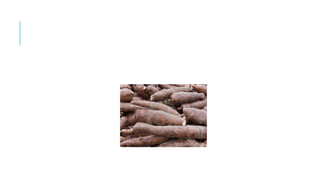
Cassava: The waste products obtainable from cassava roots are
the peels which are usually discarded during the manufacture of
cassava chips used for the feeding of livestock especially ruminants,
the other waste product obtained from the root is cassava pulp which
is produced during the manufacture of cassava flour. In India, cassava
pulp was used to replace 50% of the ragi flour in the diets of layers
(Pillai et al, 1968).
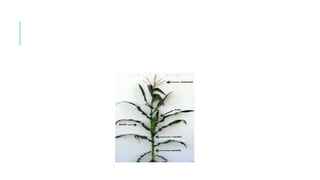
Maize: The residues obtained from maize are
of three categories: (a) the stalk, (b) the husks,
skins and trimmings and (c) the cobs. The stalk
which is usually referred to as stover (Devendra,
1985) is obtained during harvesting of maize.
This portion along with the husk, skin and
trimmings are usually fed to ruminants
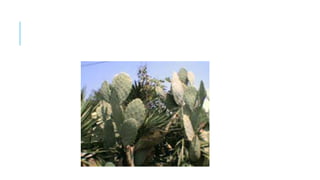
Cacti:This Plant uses high water and have thick dermis.During
the day, the stomata are closed, but are opened at night, this assists
in reduction of water evaporation in this plant species. Cacti are
multipurpose range plants which can be used to provide forage for
livestock. Cacti are high in soluble carbohydrates, calcium,
potassium and vitamin A, but are low in crude fiber and crude
protein, they are also considered as a source of water for animals
raised under harsh environments.
SUGAR BEET PULP
Inclusion upto20% of Dried sugar beet pulp gives most economically
satisfactory results.
Sugar beet pulp is increasingly being stored as Silage because of
rising costs of drying.
Studies Shown that when the dried sugar beet pulp is fed in
pregnancy in Sow, the weight gain is almost identical to those who
are fed on Conventional Feeds.
(close et al..,).
The juice is Extracted from the sugars and the juice is then processed
like sugar cane.
The residue after juice extraction is called Wet sugar beet pulp and it
have 10-15% DM.
Its high water content, both from the point of view of transport and
storage.
The wet pulp can be pressed to remove the excess water, thereby
raising the dry matter content to 20%. Pressed pulp, though easier to
transport, has the same poor keeping qualities.
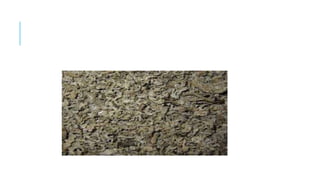
If dried and covered, it can be stored up to two weeks. For longer
storage it should be ensiled. Most beet pulp is dried and sold as dried
sugar beet pulp or mixed with molasses to form dried molasses beet
pulp.
CITRUS
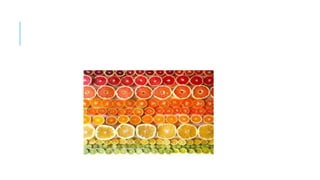
Citrus pulp is used as a cereal substitute in ruminant feeds, due to its
high energy content and good digestibility in ruminant species.
Fresh pulp is often used locally to feed animals. Fresh citrus pulp has
a natural acidity but it is still a perishable product due to its high
content of water and soluble sugars (Rihani, 1991).
It may quickly sour, ferment and release sludge hazardous to the
environment. It stores well in the absence of air and fresh pulp can be
preserved by ensiling and alkali treatments such as ammoniation.
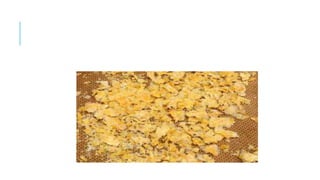
Dried citrus pulp is sometimes used as a poultry bedding material
and mixtures of dried citrus pulp and poultry litter have been used as
livestock feed (Göhl, 1978).
Non conventional feed resources

Non conventional feed resources

  • 1.
    USE OF NON CONVENTIONALFEED RESOURCES IN ANIMAL FEED
  • 2.
    NON CONVENTIONAL FEED RESOURCES(NCFR) NonConventional Feed Resources (NCFR) Refers to all those feeds that have not been Traditionally used in animal feed OR are not used in the Rations of commercially produced Animals.
  • 3.
    NEED OF NCFR Thereare serious shortages in animal feed in conventional types. With increasing demands in feed,rapid growth in population and Shrinkage of land area Reduces the future hopes of animals of livestock. The non conventional feed Could partialy fill the gap in feed supply and decrease competition for feed between animals and also reduce the feed cost. It is therefore good to examine for cheaper feed resources that improves the digestibility of low quality feed and also improve intake. Feedstuff such as Sugar beet pulp, citrus pulp, fish offals,poultry litter, cactus,Kitchen wastes,Cassava, Field and plantation crops are commonly used.
  • 4.
    ADVANTAGES OF NCFR 1.They are organic and can be used in Solid and liquid form. 2. Fruits wastes Such as Banana and pineapple pulps have sugars which are energetic 3. Very low economic value. 4. The feed crops which generate valuable NCFR are excellent sources of fermentable cabohydrates e.g, cassava and sweet potato.
  • 5.
    Banana: There aretwo by-products from banana cultivation that are potentially valuable feeds; these are banana rejects or wastes and banana stems. These wastes are produced in the Asian countries in significant quantities. In the Philippines banana wastes are fed directly to livestock especially when it is fed fresh (Devendra, 1985).
  • 6.
    Cassava: The wasteproducts obtainable from cassava roots are the peels which are usually discarded during the manufacture of cassava chips used for the feeding of livestock especially ruminants, the other waste product obtained from the root is cassava pulp which is produced during the manufacture of cassava flour. In India, cassava pulp was used to replace 50% of the ragi flour in the diets of layers (Pillai et al, 1968).
  • 8.
    Maize: The residuesobtained from maize are of three categories: (a) the stalk, (b) the husks, skins and trimmings and (c) the cobs. The stalk which is usually referred to as stover (Devendra, 1985) is obtained during harvesting of maize. This portion along with the husk, skin and trimmings are usually fed to ruminants
  • 10.
    Cacti:This Plant useshigh water and have thick dermis.During the day, the stomata are closed, but are opened at night, this assists in reduction of water evaporation in this plant species. Cacti are multipurpose range plants which can be used to provide forage for livestock. Cacti are high in soluble carbohydrates, calcium, potassium and vitamin A, but are low in crude fiber and crude protein, they are also considered as a source of water for animals raised under harsh environments.
  • 12.
    SUGAR BEET PULP Inclusionupto20% of Dried sugar beet pulp gives most economically satisfactory results. Sugar beet pulp is increasingly being stored as Silage because of rising costs of drying. Studies Shown that when the dried sugar beet pulp is fed in pregnancy in Sow, the weight gain is almost identical to those who are fed on Conventional Feeds. (close et al..,). The juice is Extracted from the sugars and the juice is then processed like sugar cane. The residue after juice extraction is called Wet sugar beet pulp and it have 10-15% DM.
  • 13.
    Its high watercontent, both from the point of view of transport and storage. The wet pulp can be pressed to remove the excess water, thereby raising the dry matter content to 20%. Pressed pulp, though easier to transport, has the same poor keeping qualities. If dried and covered, it can be stored up to two weeks. For longer storage it should be ensiled. Most beet pulp is dried and sold as dried sugar beet pulp or mixed with molasses to form dried molasses beet pulp.
  • 15.
    CITRUS Citrus pulp isused as a cereal substitute in ruminant feeds, due to its high energy content and good digestibility in ruminant species. Fresh pulp is often used locally to feed animals. Fresh citrus pulp has a natural acidity but it is still a perishable product due to its high content of water and soluble sugars (Rihani, 1991). It may quickly sour, ferment and release sludge hazardous to the environment. It stores well in the absence of air and fresh pulp can be preserved by ensiling and alkali treatments such as ammoniation. Dried citrus pulp is sometimes used as a poultry bedding material and mixtures of dried citrus pulp and poultry litter have been used as livestock feed (Göhl, 1978).