THE SURGICAL SAFETY CHECKLIST; RHETORIC….. OR ARE WE MAKING A DIFFERENCE? OCTOBER 8, 2014
Link to french and english 
slides for today’s presentation 
will be posted in the chat box 
Today’s call will be taped 
Certificate of attendance 
Before We Get Started
Interacting in WebEx: Today’s Tools Interagir dans Webex : outils à utiliser 
4 
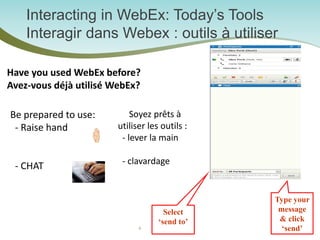
Be prepared to use: - Raise hand - CHAT 
Have you used WebEx before? 
Avez-vous déjà utilisé WebEx? 
Soyez prêts à utiliser les outils : - lever la main - clavardage 
Type your message & click ‘send’ 
Select ‘send to’
Discuss the role of communication and team work in patient safety 
Review current data and state of the SSCL 
Discuss and define how we can measure the effectiveness of the SSCL 
Followed by…..interactive discussion 
Objectives
Our Guest Speakers: 
Dr. Giuseppe Papia 
Dr. Michael Leonard 
Dr. David Urbach 
Ms. Marlies van Dijk
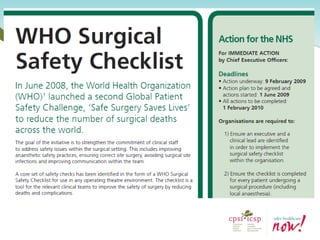
Surgical Safety Checklist 
Who Alliance for Patient Safety: 
October 2004 
Platform to promote Patient Safety Initiatives 
Global Patient Safety Challenges 
 2005 Clean Care is Safer Care 
2007 Safe Surgery Saves Lives
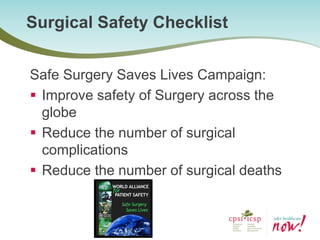
Surgical Safety Checklist 
Safe Surgery Saves Lives Campaign: 
Improve safety of Surgery across the globe 
Reduce the number of surgical complications 
Reduce the number of surgical deaths
SSCL 
No one can stop an idea whose time has come 
-Voltaire
Between the healthcare we have and the healthcare we could have lies not just a gap, but a chasm. 
Crossing the quality Chasm (IOM)
The Role of Culture and Teamwork in Safe & Reliable Surgical Care 
Michael Leonard, MD, Adjunct Professor of Medicine, Duke University 
Safe & Reliable Healthcare LLC
13 
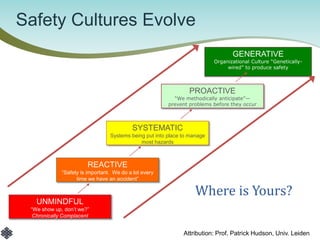
UNMINDFUL “We show up, don’t we?” Chronically Complacent 
REACTIVE “Safety is important. We do a lot every time we have an accident” 
SYSTEMATIC 
Systems being put into place to manage most hazards 
PROACTIVE “We methodically anticipate”— prevent problems before they occur 
GENERATIVE Organizational Culture “Genetically- wired” to produce safety 
Where is Yours? 
Safety Cultures Evolve 
Attribution: Prof. Patrick Hudson, Univ. Leiden
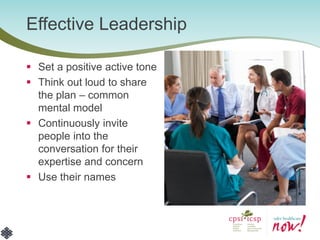
Effective Leadership 
Set a positive active tone 
Think out loud to share the plan – common mental model 
Continuously invite people into the conversation for their expertise and concern 
Use their names
Critical Behaviors
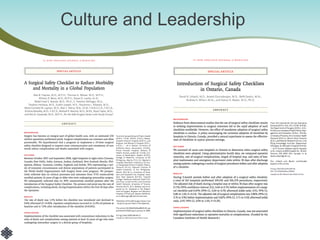
Culture and Leadership
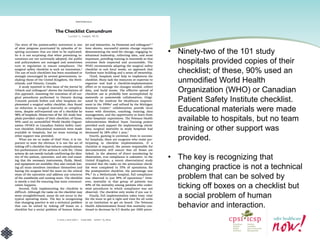
•Ninety-two of the 101 study hospitals provided copies of their checklist; of these, 90% used an unmodified World Health Organization (WHO) or Canadian Patient Safety Institute checklist. Educational materials were made available to hospitals, but no team training or other support was provided. 
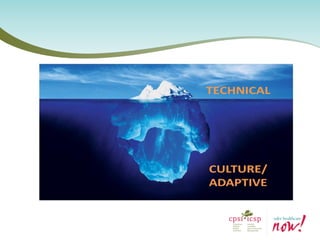
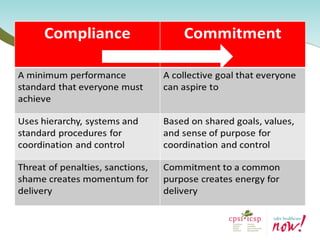
•The key is recognizing that changing practice is not a technical problem that can be solved by ticking off boxes on a checklist but a social problem of human behavior and interaction.
18 
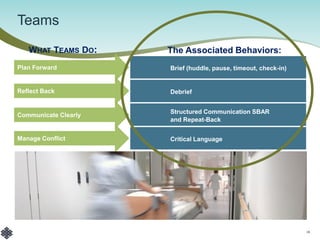
Teams 
WHAT TEAMS DO: 
Plan Forward 
Reflect Back 
Brief (huddle, pause, timeout, check-in) 
Debrief 
Communicate Clearly 
Structured Communication SBAR and Repeat-Back 
Manage Conflict 
Critical Language 
The Associated Behaviors:
19
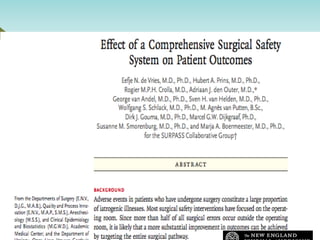
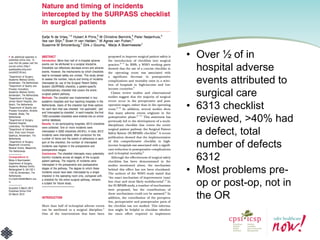
•Over ½ of in hospital adverse events attributed to surgical care 
•6313 checklist reviewed, >40% had a defect, total number of defects 6312 
•Most problems pre- op or post-op, not in the OR
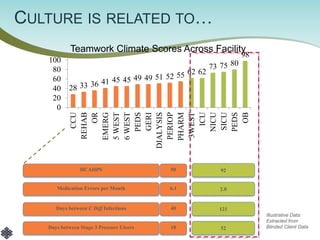
28 
33 
36 
41 
45 
45 
49 
49 
51 
52 
55 
62 
62 
73 
75 
80 
98 
0 
20 
40 
60 
80 
100 
CCU 
REHAB 
OR 
EMERG 
5 WEST 
6 WEST 
PEDS 
GERI 
DIALYSIS 
PERIOP 
PHARM 
3WEST 
ICU 
NICU 
SICU 
PEDS 
OB 
Teamwork Climate Scores Across Facility 
HCAHPS 
92 
50 
Medication Errors per Month 
2.0 
6.1 
Days between C Diff Infections 
121 
40 
Days between Stage 3 Pressure Ulcers 
52 
18 
Illustrative Data: 
Extracted from 
Blinded Client Data 
CULTURE IS RELATED TO…
28 
33 
36 
41 
45 
45 
49 
49 
51 
52 
55 
62 
62 
73 
75 
80 
98 
0 
20 
40 
60 
80 
100 
CCU 
REHAB 
OR 
EMERG 
5 WEST 
6 WEST 
PEDS 
GERI 
DIALYSIS 
PERIOP 
PHARM 
3WEST 
ICU 
NICU 
SICU 
PEDS 
OB 
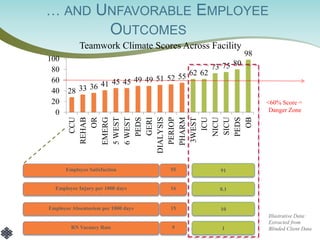
Teamwork Climate Scores Across Facility 
Employee Satisfaction 
91 
55 
Employee Injury per 1000 days 
0.1 
16 
Employee Absenteeism per 1000 days 
10 
15 
RN Vacancy Rate 
1 
9 
<60% Score = Danger Zone 
Illustrative Data: Extracted from Blinded Client Data 
… AND UNFAVORABLE EMPLOYEE OUTCOMES
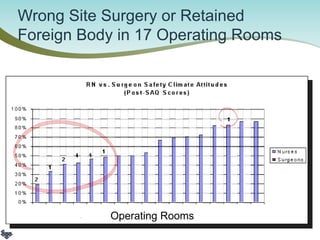
Wrong Site Surgery or Retained Foreign Body in 17 Operating Rooms 
Operating Rooms
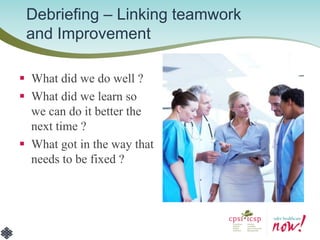
Debriefing – Linking teamwork and Improvement 
What did we do well ? 
What did we learn so we can do it better the next time ? 
What got in the way that needs to be fixed ?
REVIEW OF CURRENT DATA AND STATE OF SSCL 
David R Urbach MD MSc 
Professor of Surgery and Health Policy, Management and Evaluation, 
University of Toronto
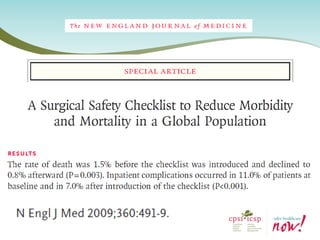
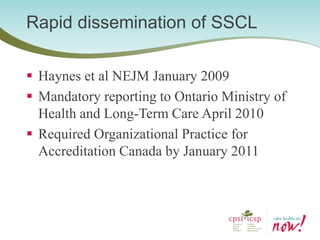
Haynes et al NEJM January 2009 
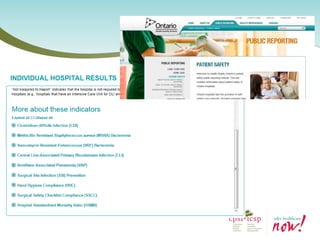
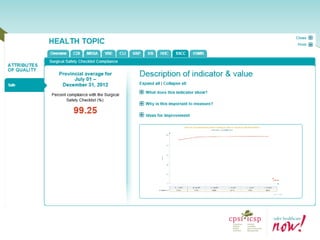
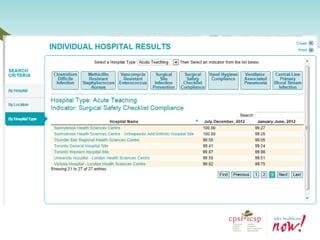
Mandatory reporting to Ontario Ministry of Health and Long-Term Care April 2010 
Required Organizational Practice for Accreditation Canada by January 2011 
Rapid dissemination of SSCL
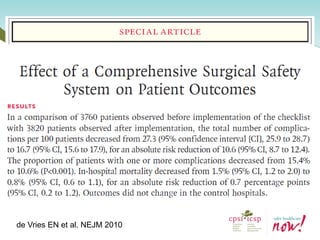
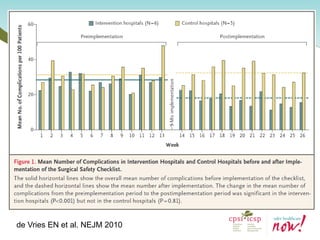
de Vries EN et al. NEJM 2010
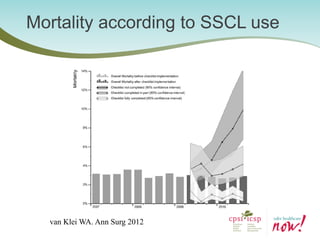
Mortality according to SSCL use 
van Klei WA. Ann Surg 2012
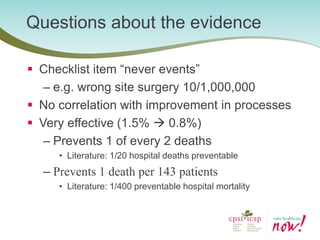
Questions about the evidence 
Checklist item “never events” 
–e.g. wrong site surgery 10/1,000,000 
No correlation with improvement in processes 
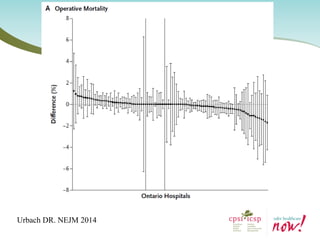
Very effective (1.5%  0.8%) 
–Prevents 1 of every 2 deaths 
•Literature: 1/20 hospital deaths preventable 
–Prevents 1 death per 143 patients 
•Literature: 1/400 preventable hospital mortality
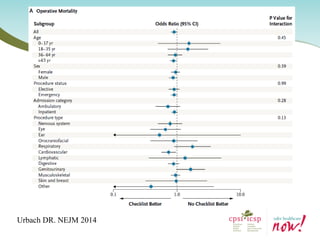
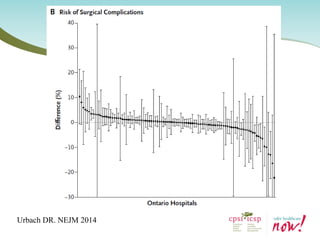
Urbach DR. NEJM 2014
Ann Surg 2013
Summary 
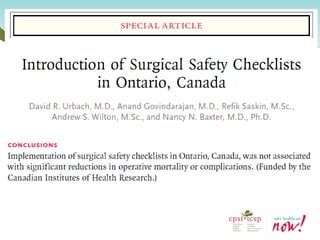
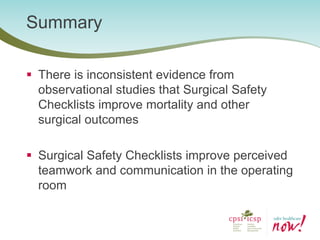
There is inconsistent evidence from observational studies that Surgical Safety Checklists improve mortality and other surgical outcomes 
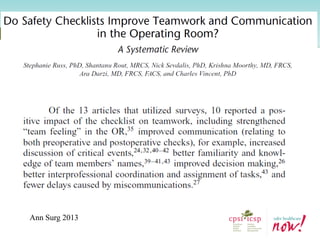
Surgical Safety Checklists improve perceived teamwork and communication in the operating room
THE CHECKLIST PARADOX 
[title stolen from Lorelei Lingard] 
Marlies van Dijk 
Director Clinical Improvement 
mvandijk@bcpsqc.ca 
@tweetvandijk
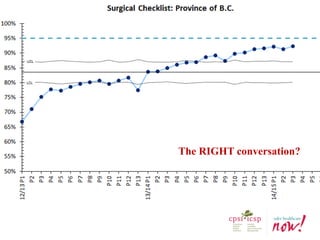
The RIGHT conversation?
Assumption: 
The checklist can improve culture in the operating room
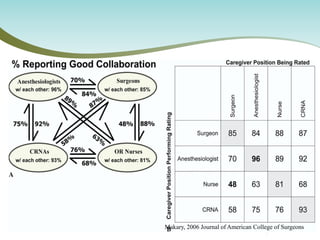
Makary, 2006 Journal of American College of Surgeons
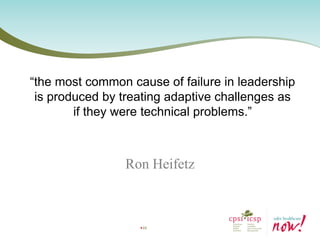
“the most common cause of failure in leadership is produced by treating adaptive challenges as if they were technical problems.” 
Ron Heifetz 
48
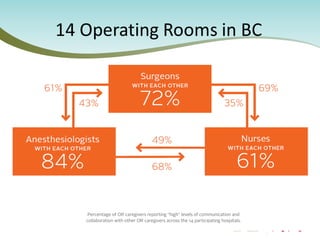
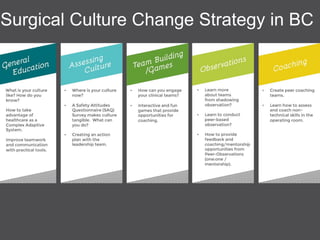
Surgical Culture Change Strategy in BC
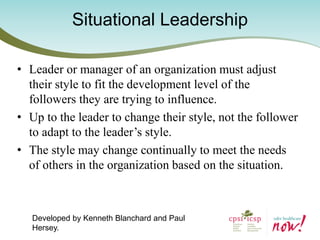
Situational Leadership 
•Leader or manager of an organization must adjust their style to fit the development level of the followers they are trying to influence. 
•Up to the leader to change their style, not the follower to adapt to the leader’s style. 
•The style may change continually to meet the needs of others in the organization based on the situation. 
Developed by Kenneth Blanchard and Paul Hersey.
http://bcpsqc.ca/clinical-improvement/teamwork/resources/
Lorelei Lingard. Collective Competence. TED Talk http://www.youtube.com/watch?v=vI-hifp4u40 
Rebecca Brooke. 3 page briefing note. Review of the Evidence for Culture Change: The Interpersonal Side of Healthcare. [scroll down page: http://bcpsqc.ca/clinical-improvement/teamwork/resources/ ] 
Makary MA et al. 2006. “Operating Room Teamwork among Physicians and Nurses: Teamwork in the Eye of the Beholder. http://www.sciencedirect.com/science/article/pii/S1072751506001177 
Culture Change Tool Box. Rebecca Brooke. BC Patient Safety and Quality Council. http://bcpsqc.ca/clinical-improvement/teamwork/resources/ 
Checklist Paradox Presentation by Lorelei Lingard. SQAN November 2013. http://bcpsqc.ca/resources-from-sqans-2013-annual-meeting/ 
Ken Blanchard. Situational Leadership Technical Facilitator guide. http://www.kenblanchard.com/getattachment/Solutions/By-Offering/Government- Solutions/Situational-Leadership-II-(GSA-Approved)/SLII_Green_FG_Look.pdf 
Geert Hofstede’s Power Distance Index http://www.clearlycultural.com/ 
Ron Heifetz, Alexander Grashow and Marty Linsky. The Practice of Adaptive Leadership . Harvard Business Review Press. http://www.amazon.com/Practice-Adaptive-Leadership-Changing- Organization/dp/1422105768/ref=sr_1_1?ie=UTF8&qid=1411666918&sr=8- 1&keywords=the+practice+of+adaptive+leadership 
References
Interacting in WebEx: Today’s Tools Interagir dans Webex: outils à utiliser 
56 
Be prepared to use: 
- Raise hand 
- CHAT 
Soyez prêts à utiliser les outils : - lever la main - clavardage 
Type your message & click ‘send’ 
Select ‘send to’
CONCLUSIONS: 
Giuseppe Papia
Summarize the discussion of today’s call and post on website 
 Loop back with the CPSI and possible steps forward and the role of the SSCL intiative in the Forward with Four priorities 
 Maintain an open dialogue with attendees 
Next steps
c 
Carla Williams cwilliams@cpsi-icsp.ca
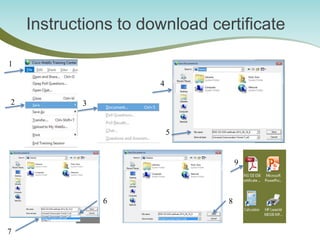
Instructions to download certificate 
1 
2 
3 
4 
5 
6 
7 
8 
9

The Surgical Safety Checklist; Rhetoric….or are we making a difference?

  • 1.
    THE SURGICAL SAFETYCHECKLIST; RHETORIC….. OR ARE WE MAKING A DIFFERENCE? OCTOBER 8, 2014
  • 2.
    Link to frenchand english slides for today’s presentation will be posted in the chat box Today’s call will be taped Certificate of attendance Before We Get Started
  • 4.
    Interacting in WebEx:Today’s Tools Interagir dans Webex : outils à utiliser 4 Be prepared to use: - Raise hand - CHAT Have you used WebEx before? Avez-vous déjà utilisé WebEx? Soyez prêts à utiliser les outils : - lever la main - clavardage Type your message & click ‘send’ Select ‘send to’
  • 5.
    Discuss the roleof communication and team work in patient safety Review current data and state of the SSCL Discuss and define how we can measure the effectiveness of the SSCL Followed by…..interactive discussion Objectives
  • 6.
    Our Guest Speakers: Dr. Giuseppe Papia Dr. Michael Leonard Dr. David Urbach Ms. Marlies van Dijk
  • 7.
    Surgical Safety Checklist Who Alliance for Patient Safety: October 2004 Platform to promote Patient Safety Initiatives Global Patient Safety Challenges  2005 Clean Care is Safer Care 2007 Safe Surgery Saves Lives
  • 8.
    Surgical Safety Checklist Safe Surgery Saves Lives Campaign: Improve safety of Surgery across the globe Reduce the number of surgical complications Reduce the number of surgical deaths
  • 9.
    SSCL No onecan stop an idea whose time has come -Voltaire
  • 11.
    Between the healthcarewe have and the healthcare we could have lies not just a gap, but a chasm. Crossing the quality Chasm (IOM)
  • 12.
    The Role ofCulture and Teamwork in Safe & Reliable Surgical Care Michael Leonard, MD, Adjunct Professor of Medicine, Duke University Safe & Reliable Healthcare LLC
  • 13.
    13 UNMINDFUL “Weshow up, don’t we?” Chronically Complacent REACTIVE “Safety is important. We do a lot every time we have an accident” SYSTEMATIC Systems being put into place to manage most hazards PROACTIVE “We methodically anticipate”— prevent problems before they occur GENERATIVE Organizational Culture “Genetically- wired” to produce safety Where is Yours? Safety Cultures Evolve Attribution: Prof. Patrick Hudson, Univ. Leiden
  • 14.
    Effective Leadership Seta positive active tone Think out loud to share the plan – common mental model Continuously invite people into the conversation for their expertise and concern Use their names
  • 15.
  • 16.
  • 17.
    •Ninety-two of the101 study hospitals provided copies of their checklist; of these, 90% used an unmodified World Health Organization (WHO) or Canadian Patient Safety Institute checklist. Educational materials were made available to hospitals, but no team training or other support was provided. •The key is recognizing that changing practice is not a technical problem that can be solved by ticking off boxes on a checklist but a social problem of human behavior and interaction.
  • 18.
    18 Teams WHATTEAMS DO: Plan Forward Reflect Back Brief (huddle, pause, timeout, check-in) Debrief Communicate Clearly Structured Communication SBAR and Repeat-Back Manage Conflict Critical Language The Associated Behaviors:
  • 19.
  • 20.
    •Over ½ ofin hospital adverse events attributed to surgical care •6313 checklist reviewed, >40% had a defect, total number of defects 6312 •Most problems pre- op or post-op, not in the OR
  • 21.
    28 33 36 41 45 45 49 49 51 52 55 62 62 73 75 80 98 0 20 40 60 80 100 CCU REHAB OR EMERG 5 WEST 6 WEST PEDS GERI DIALYSIS PERIOP PHARM 3WEST ICU NICU SICU PEDS OB Teamwork Climate Scores Across Facility HCAHPS 92 50 Medication Errors per Month 2.0 6.1 Days between C Diff Infections 121 40 Days between Stage 3 Pressure Ulcers 52 18 Illustrative Data: Extracted from Blinded Client Data CULTURE IS RELATED TO…
  • 22.
    28 33 36 41 45 45 49 49 51 52 55 62 62 73 75 80 98 0 20 40 60 80 100 CCU REHAB OR EMERG 5 WEST 6 WEST PEDS GERI DIALYSIS PERIOP PHARM 3WEST ICU NICU SICU PEDS OB Teamwork Climate Scores Across Facility Employee Satisfaction 91 55 Employee Injury per 1000 days 0.1 16 Employee Absenteeism per 1000 days 10 15 RN Vacancy Rate 1 9 <60% Score = Danger Zone Illustrative Data: Extracted from Blinded Client Data … AND UNFAVORABLE EMPLOYEE OUTCOMES
  • 23.
    Wrong Site Surgeryor Retained Foreign Body in 17 Operating Rooms Operating Rooms
  • 24.
    Debriefing – Linkingteamwork and Improvement What did we do well ? What did we learn so we can do it better the next time ? What got in the way that needs to be fixed ?
  • 25.
    REVIEW OF CURRENTDATA AND STATE OF SSCL David R Urbach MD MSc Professor of Surgery and Health Policy, Management and Evaluation, University of Toronto
  • 27.
    Haynes et alNEJM January 2009 Mandatory reporting to Ontario Ministry of Health and Long-Term Care April 2010 Required Organizational Practice for Accreditation Canada by January 2011 Rapid dissemination of SSCL
  • 32.
    de Vries ENet al. NEJM 2010
  • 33.
    de Vries ENet al. NEJM 2010
  • 34.
    Mortality according toSSCL use van Klei WA. Ann Surg 2012
  • 35.
    Questions about theevidence Checklist item “never events” –e.g. wrong site surgery 10/1,000,000 No correlation with improvement in processes Very effective (1.5%  0.8%) –Prevents 1 of every 2 deaths •Literature: 1/20 hospital deaths preventable –Prevents 1 death per 143 patients •Literature: 1/400 preventable hospital mortality
  • 37.
  • 38.
  • 39.
  • 40.
  • 41.
    Summary There isinconsistent evidence from observational studies that Surgical Safety Checklists improve mortality and other surgical outcomes Surgical Safety Checklists improve perceived teamwork and communication in the operating room
  • 42.
    THE CHECKLIST PARADOX [title stolen from Lorelei Lingard] Marlies van Dijk Director Clinical Improvement mvandijk@bcpsqc.ca @tweetvandijk
  • 43.
  • 44.
    Assumption: The checklistcan improve culture in the operating room
  • 45.
    Makary, 2006 Journalof American College of Surgeons
  • 48.
    “the most commoncause of failure in leadership is produced by treating adaptive challenges as if they were technical problems.” Ron Heifetz 48
  • 50.
  • 51.
    Situational Leadership •Leaderor manager of an organization must adjust their style to fit the development level of the followers they are trying to influence. •Up to the leader to change their style, not the follower to adapt to the leader’s style. •The style may change continually to meet the needs of others in the organization based on the situation. Developed by Kenneth Blanchard and Paul Hersey.
  • 52.
  • 54.
    Lorelei Lingard. CollectiveCompetence. TED Talk http://www.youtube.com/watch?v=vI-hifp4u40 Rebecca Brooke. 3 page briefing note. Review of the Evidence for Culture Change: The Interpersonal Side of Healthcare. [scroll down page: http://bcpsqc.ca/clinical-improvement/teamwork/resources/ ] Makary MA et al. 2006. “Operating Room Teamwork among Physicians and Nurses: Teamwork in the Eye of the Beholder. http://www.sciencedirect.com/science/article/pii/S1072751506001177 Culture Change Tool Box. Rebecca Brooke. BC Patient Safety and Quality Council. http://bcpsqc.ca/clinical-improvement/teamwork/resources/ Checklist Paradox Presentation by Lorelei Lingard. SQAN November 2013. http://bcpsqc.ca/resources-from-sqans-2013-annual-meeting/ Ken Blanchard. Situational Leadership Technical Facilitator guide. http://www.kenblanchard.com/getattachment/Solutions/By-Offering/Government- Solutions/Situational-Leadership-II-(GSA-Approved)/SLII_Green_FG_Look.pdf Geert Hofstede’s Power Distance Index http://www.clearlycultural.com/ Ron Heifetz, Alexander Grashow and Marty Linsky. The Practice of Adaptive Leadership . Harvard Business Review Press. http://www.amazon.com/Practice-Adaptive-Leadership-Changing- Organization/dp/1422105768/ref=sr_1_1?ie=UTF8&qid=1411666918&sr=8- 1&keywords=the+practice+of+adaptive+leadership References
  • 56.
    Interacting in WebEx:Today’s Tools Interagir dans Webex: outils à utiliser 56 Be prepared to use: - Raise hand - CHAT Soyez prêts à utiliser les outils : - lever la main - clavardage Type your message & click ‘send’ Select ‘send to’
  • 57.
  • 59.
    Summarize the discussionof today’s call and post on website  Loop back with the CPSI and possible steps forward and the role of the SSCL intiative in the Forward with Four priorities  Maintain an open dialogue with attendees Next steps
  • 61.
    c Carla Williamscwilliams@cpsi-icsp.ca
  • 62.
    Instructions to downloadcertificate 1 2 3 4 5 6 7 8 9