
NABARD
NATIONAL BANK FOR AGRICULTURE
RURAL DEVELOPMENT
INTRODUCTION
 NABARD was established on 12 July 1982
 Headquarter-Mumbai.
 NABARD is set up as apex development bank
 It also has the mandate to support all other allied
economic activities promote integrated and
Sustainable rural development and secure
prosperity of rural areas.
Continued
 It transferred the
 Agriculture credit functions of RBI
 Refinance functions of the then agriculture refinance and development
corporation (ARDC).
 NABARD was dedicated to the service of the nation by the late prime
minister Smt. Indira Gandhi on 05 November 1982
 NABARD was set up with an initial capital of 100 crore.
 Headquarters –Mumbai, Maharashtra, India
 Chairman –Dr. Prakash Bakshi
 Currency –(rupees)
 Reserves-Rs81200crore (2007)
 Website –www.nabard.org
FUNCTIONS OF NABARD
I. FINANCIAL FUNCTION
• REFINANCE
• DIRECT FINANCE
2.DEVELOPMENTAL FUNCTION
3.SUPERVISORY FUNCTIONS
FINANCIAL FUNCTIONS -REFINANCE
 SHORT TERM REFINANCE
 For using high yielding varieties of
seeds ,fertilisers, insecticides and
costly agricultural implements
 For increasing the production,
productivity, marketing, and
raising the level of surplus and
savings
 The ST limit would consist of
different purposes viz
 Agriculture and allied activities
 Marketing of crops
 Fisheries sector
 LONG TERM REFINANCE
 Loan period normally 3 to 15
years
 Investment credit leads to
capital formation through asset
creation.
 Artisans, small scale industries,
non farm sector (small and
micro enterprises), handicrafts,
handlooms, power looms ,etc.
 Activities of voluntary agencies
and self help groups working
among the rural poor
Long term refinance (contd)
 Eligible institutions
 State co-operative agriculture and rural development
banks (SCARDBs)
 Regional Rural Banks(RRBs)
 State co-operative banks(SCBs)
 Commercial Banks(CBs)
 State Agricultural Development Finance Companies(ADFCs)
 Primary Urban Co-operative banks(PUCBs)
 North east development finance corporation(NEDFC)
 Non banking financial companies (NBFCs)
INTEREST RATES
NABARD recently reduced the rate of interest for
refinance
 With the objective to give a spur to investments in agriculture
 20 basis points on medium and long term refinance facility
 50 bps on short term refinance facility
 New rate
 9.30 per cent for 5 years and above
 9.50 per cent for 3-5 years
 9.50 per cent for 18 months to 3 years period.
FINANCIAL FUNCTIONS
-DIRECT FINANCE
1. Loans for food processing units in designated food
parks
2. Loans to warehouses, cold storage and cold chain
infrastructure
3. Credit facility to marketing federation
4. Rural infrastructure development fund
5. Direct lending to CCBs
6. Financing and supporting producers organizations
etc.
Developmental functions
1) Institutional development
2) Farm sector
3) Non farm sector
4) Financial inclusion
5) Micro credit innovations
6) Research and development
7) Core banking solution to cooperative banks
8) Climate change
SUPERVISORY FUNCTIONS
 Section 35(6) of the banking regulation act, 1949,
empowers NABARD to conduct inspection of state
cooperative banks (SCBs), central cooperatives
banks(CCBs) and regional rural banks (RRBs). In
addition, NABARD has also been conducting periodic
inspection of state level cooperative institutions such
as state cooperative agriculture and rural
development banks (SCARDBs), apex weavers
societies, marketing federation etc, on a voluntary
basis.
Government Sponsored Schemes
Dairy Entrepreneurship Development
scheme
Rural Godowns
Agricultural and marketing infrastructure,
grading and standardization
Installation of solar
National livestock mission, etc…
NABARD’s initiatives
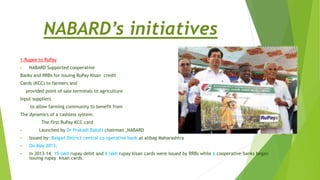
1.Rupee to RuPay
 NABARD Supported cooperative
Banks and RRBs for issuing RuPay Kisan credit
Cards (KCC) to farmers and
provided point of sale terminals to agriculture
Input suppliers
to allow farming community to benefit from
The dynamics of a cashless system.
The first RuPay KCC card
 Launched by Dr Prakash Bakshi chairman ,NABARD
 Issued by: Raigad District central co-operative bank at alibag Maharashtra
 On May 2013.
 In 2013-14, 15 lakh rupay debit and 6 lakh rupay kisan cards were issued by RRBs while 6 cooperative banks began
issuing rupay kisan cards.
CELLPHONE EXTENSION
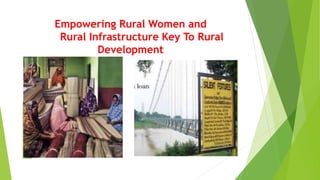
Empowering Rural Women and
Rural Infrastructure Key To Rural
Development
Financial Inclusion for promoting
inclusive growth and
Promoting farm productivity
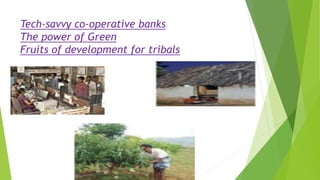
Tech-savvy co-operative banks
The power of Green
Fruits of development for tribals
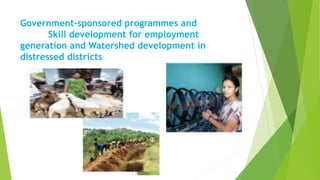
Government-sponsored programmes and
Skill development for employment
generation and Watershed development in
distressed districts
Of the Farmers ,By the farmers
,for the farmers
THANK
YOU

NABARD

  • 1.
    NABARD NATIONAL BANK FORAGRICULTURE RURAL DEVELOPMENT
  • 2.
    INTRODUCTION  NABARD wasestablished on 12 July 1982  Headquarter-Mumbai.  NABARD is set up as apex development bank  It also has the mandate to support all other allied economic activities promote integrated and Sustainable rural development and secure prosperity of rural areas.
  • 3.
    Continued  It transferredthe  Agriculture credit functions of RBI  Refinance functions of the then agriculture refinance and development corporation (ARDC).  NABARD was dedicated to the service of the nation by the late prime minister Smt. Indira Gandhi on 05 November 1982  NABARD was set up with an initial capital of 100 crore.  Headquarters –Mumbai, Maharashtra, India  Chairman –Dr. Prakash Bakshi  Currency –(rupees)  Reserves-Rs81200crore (2007)  Website –www.nabard.org
  • 4.
    FUNCTIONS OF NABARD I.FINANCIAL FUNCTION • REFINANCE • DIRECT FINANCE 2.DEVELOPMENTAL FUNCTION 3.SUPERVISORY FUNCTIONS
  • 5.
    FINANCIAL FUNCTIONS -REFINANCE SHORT TERM REFINANCE  For using high yielding varieties of seeds ,fertilisers, insecticides and costly agricultural implements  For increasing the production, productivity, marketing, and raising the level of surplus and savings  The ST limit would consist of different purposes viz  Agriculture and allied activities  Marketing of crops  Fisheries sector  LONG TERM REFINANCE  Loan period normally 3 to 15 years  Investment credit leads to capital formation through asset creation.  Artisans, small scale industries, non farm sector (small and micro enterprises), handicrafts, handlooms, power looms ,etc.  Activities of voluntary agencies and self help groups working among the rural poor
  • 6.
    Long term refinance(contd)  Eligible institutions  State co-operative agriculture and rural development banks (SCARDBs)  Regional Rural Banks(RRBs)  State co-operative banks(SCBs)  Commercial Banks(CBs)  State Agricultural Development Finance Companies(ADFCs)  Primary Urban Co-operative banks(PUCBs)  North east development finance corporation(NEDFC)  Non banking financial companies (NBFCs)
  • 7.
    INTEREST RATES NABARD recentlyreduced the rate of interest for refinance  With the objective to give a spur to investments in agriculture  20 basis points on medium and long term refinance facility  50 bps on short term refinance facility  New rate  9.30 per cent for 5 years and above  9.50 per cent for 3-5 years  9.50 per cent for 18 months to 3 years period.
  • 8.
    FINANCIAL FUNCTIONS -DIRECT FINANCE 1.Loans for food processing units in designated food parks 2. Loans to warehouses, cold storage and cold chain infrastructure 3. Credit facility to marketing federation 4. Rural infrastructure development fund 5. Direct lending to CCBs 6. Financing and supporting producers organizations etc.
  • 9.
    Developmental functions 1) Institutionaldevelopment 2) Farm sector 3) Non farm sector 4) Financial inclusion 5) Micro credit innovations 6) Research and development 7) Core banking solution to cooperative banks 8) Climate change
  • 10.
    SUPERVISORY FUNCTIONS  Section35(6) of the banking regulation act, 1949, empowers NABARD to conduct inspection of state cooperative banks (SCBs), central cooperatives banks(CCBs) and regional rural banks (RRBs). In addition, NABARD has also been conducting periodic inspection of state level cooperative institutions such as state cooperative agriculture and rural development banks (SCARDBs), apex weavers societies, marketing federation etc, on a voluntary basis.
  • 11.
    Government Sponsored Schemes DairyEntrepreneurship Development scheme Rural Godowns Agricultural and marketing infrastructure, grading and standardization Installation of solar National livestock mission, etc…
  • 12.
    NABARD’s initiatives 1.Rupee toRuPay  NABARD Supported cooperative Banks and RRBs for issuing RuPay Kisan credit Cards (KCC) to farmers and provided point of sale terminals to agriculture Input suppliers to allow farming community to benefit from The dynamics of a cashless system. The first RuPay KCC card  Launched by Dr Prakash Bakshi chairman ,NABARD  Issued by: Raigad District central co-operative bank at alibag Maharashtra  On May 2013.  In 2013-14, 15 lakh rupay debit and 6 lakh rupay kisan cards were issued by RRBs while 6 cooperative banks began issuing rupay kisan cards.
  • 13.
  • 14.
    Empowering Rural Womenand Rural Infrastructure Key To Rural Development
  • 15.
    Financial Inclusion forpromoting inclusive growth and Promoting farm productivity
  • 16.
    Tech-savvy co-operative banks Thepower of Green Fruits of development for tribals
  • 17.
    Government-sponsored programmes and Skilldevelopment for employment generation and Watershed development in distressed districts
  • 18.
    Of the Farmers,By the farmers ,for the farmers
  • 20.