Downloaded 62 times
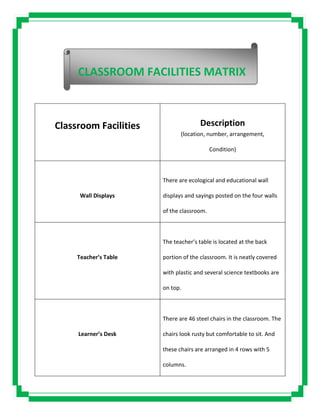
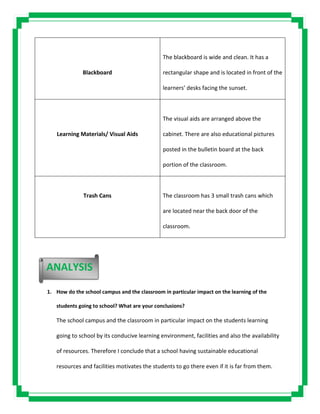
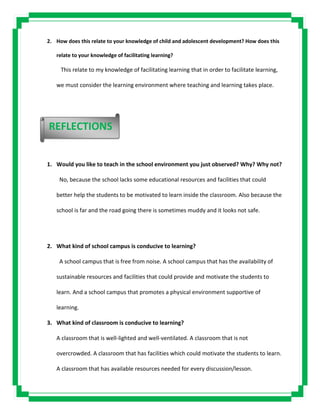


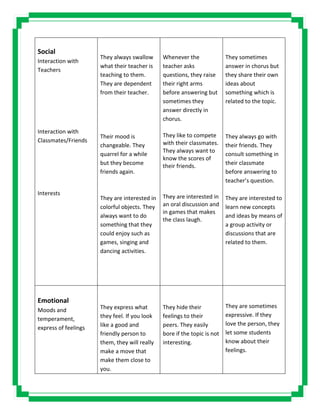
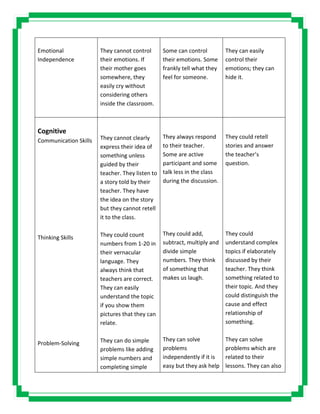
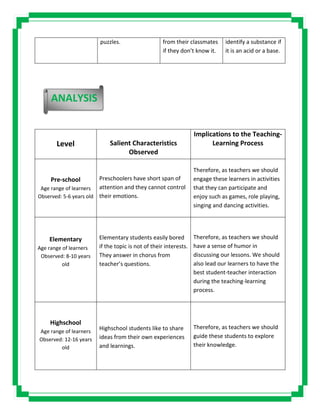
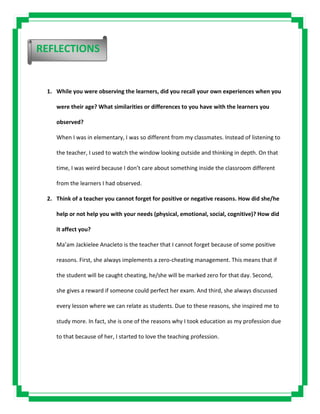
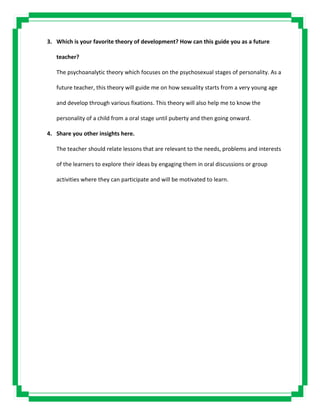

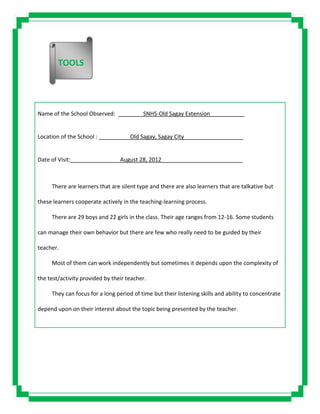
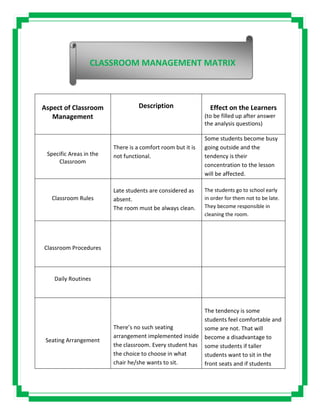
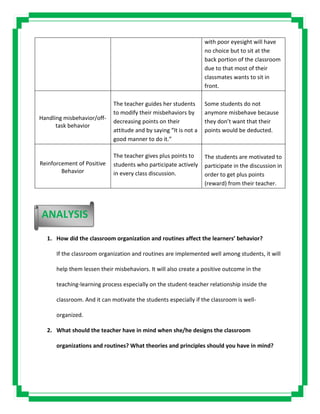
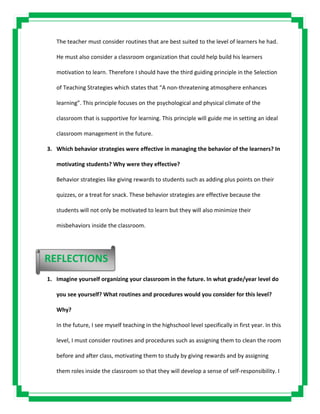
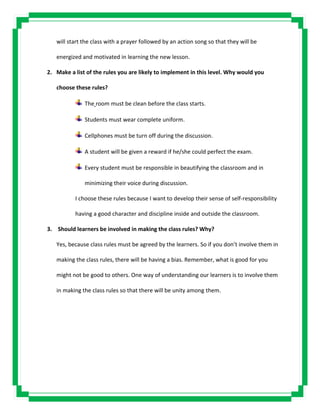






The classroom organization and routines can affect learners' behavior in both positive and negative ways: Positively, well-established routines and organization help provide structure and predictability for students. This can reduce distractions and misbehavior as students know what is expected of them. It can also help maximize learning time. However, poor organization or lack of routines could negatively impact students. For example, not having assigned seating could lead to discomfort for some students and prevent the teacher from easily monitoring engagement. An unclean or dysfunctional space like the comfort room could distract students from lessons. Overall, effective classroom management through organization and routines helps support appropriate student behavior and a conducive learning environment.


