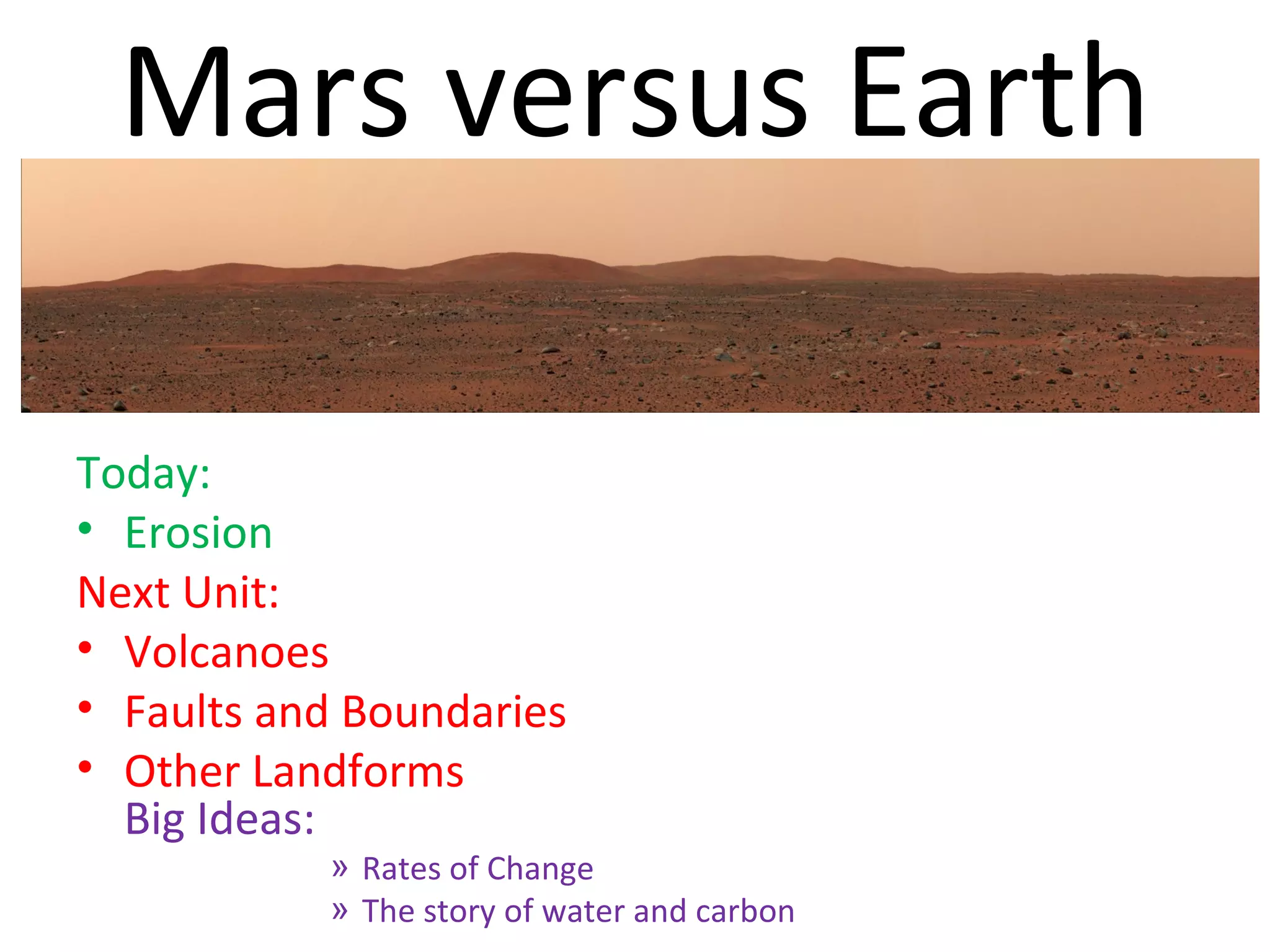
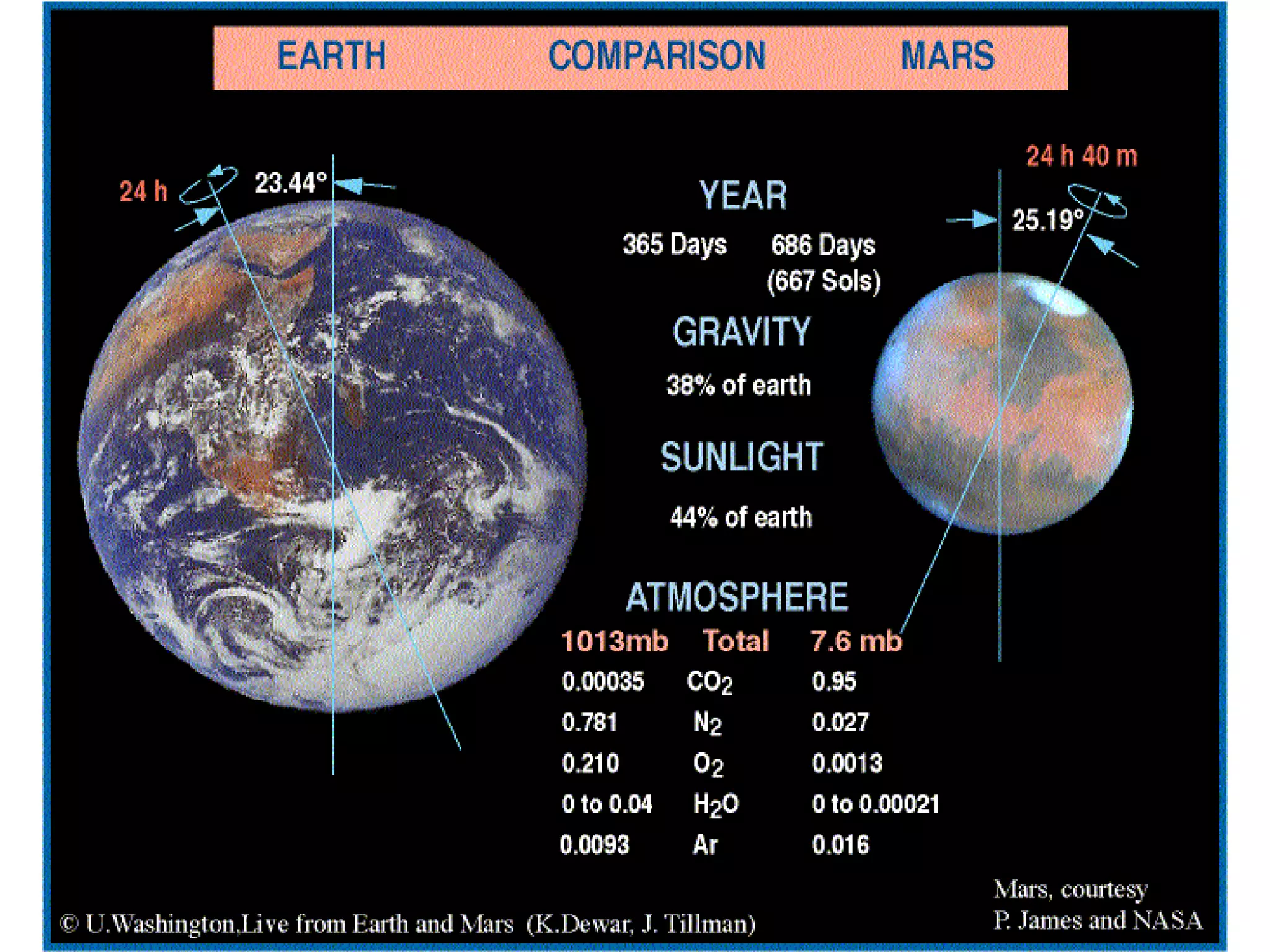
Mars versus Earth Today: Erosion Next Unit: Volcanoes Faults and Boundaries Other Landforms Big Ideas: Rates of Change The story of water and carbon
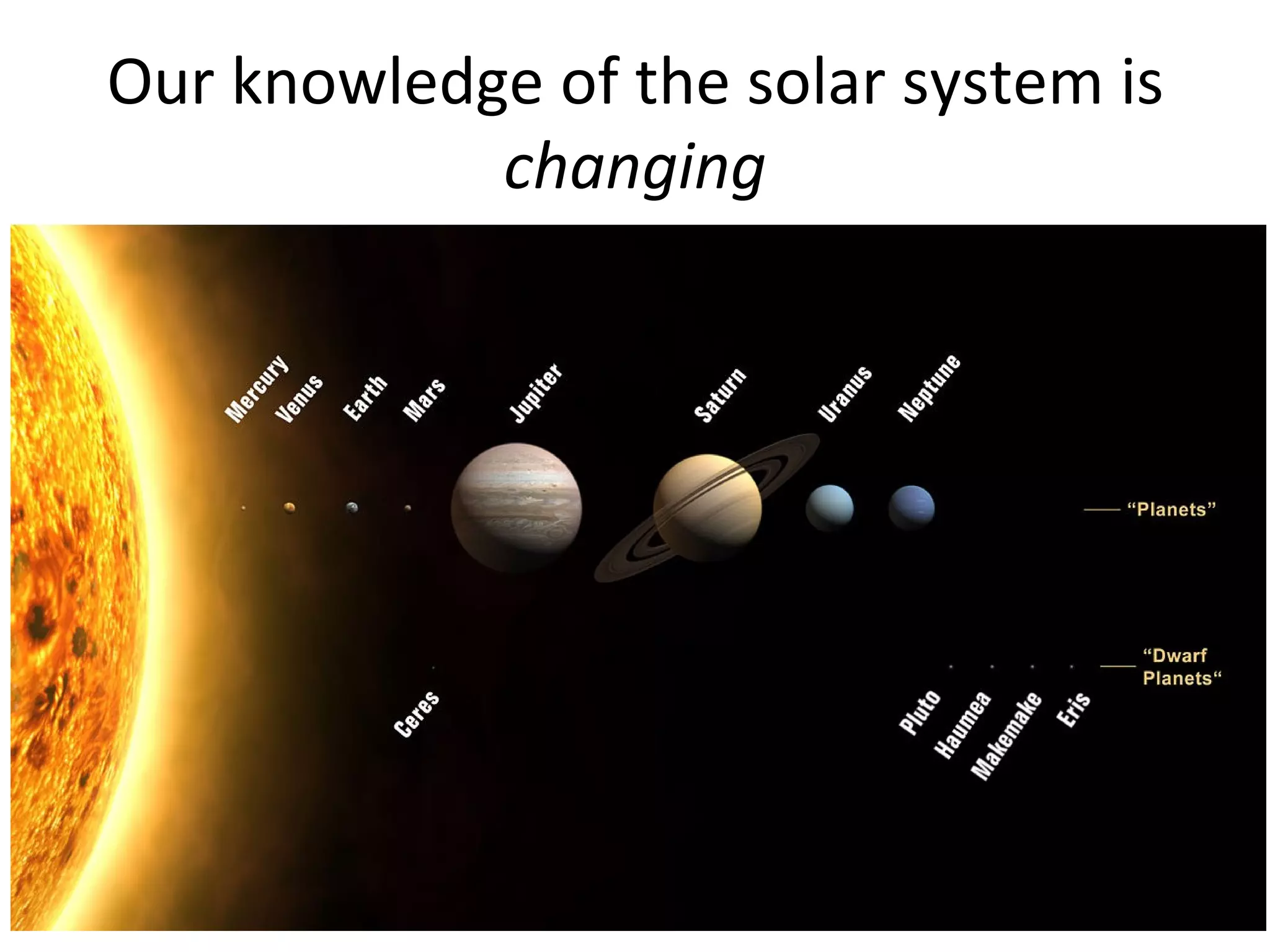
Our knowledge of the solar system is  changing
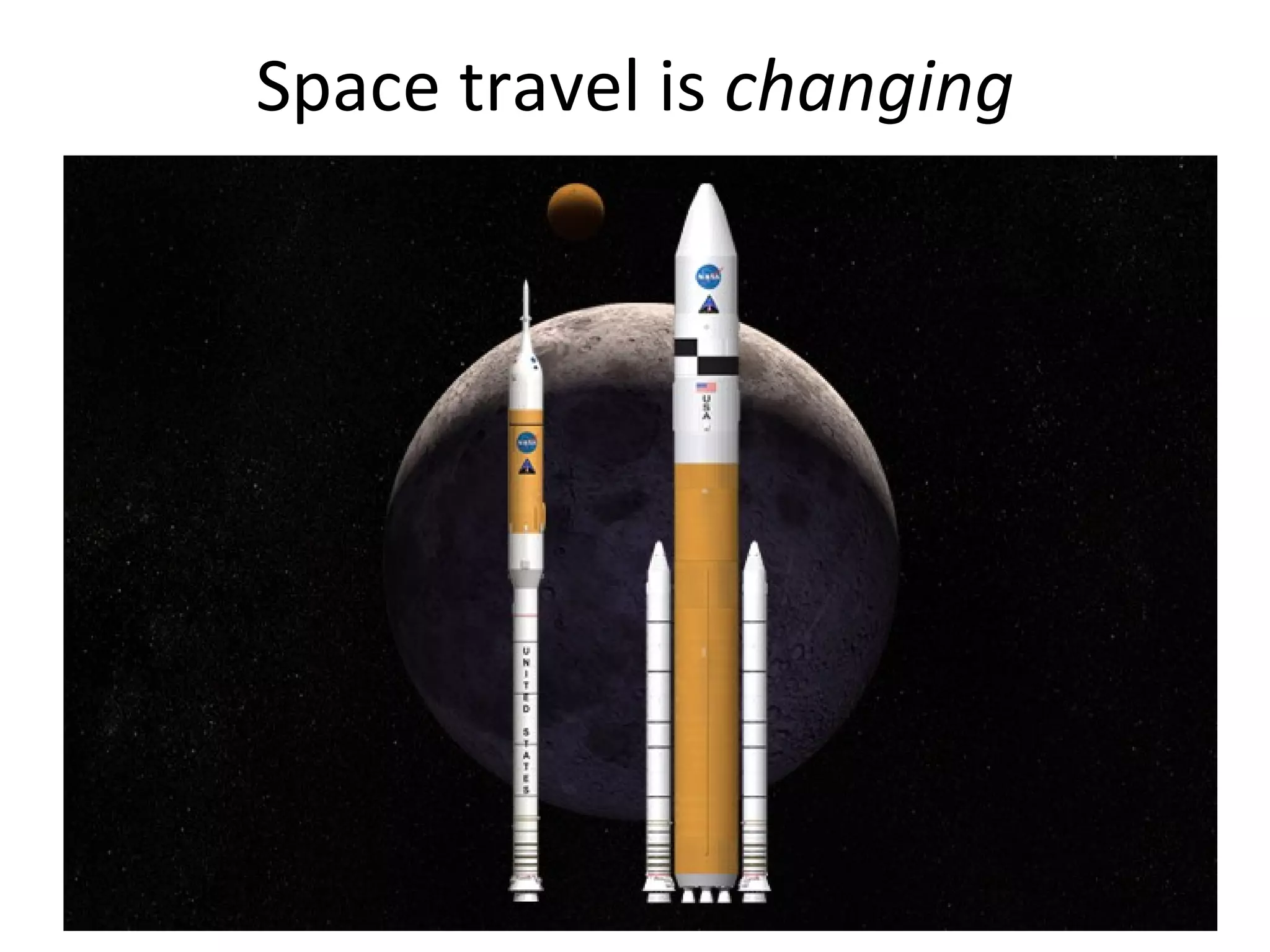
Space travel is  changing
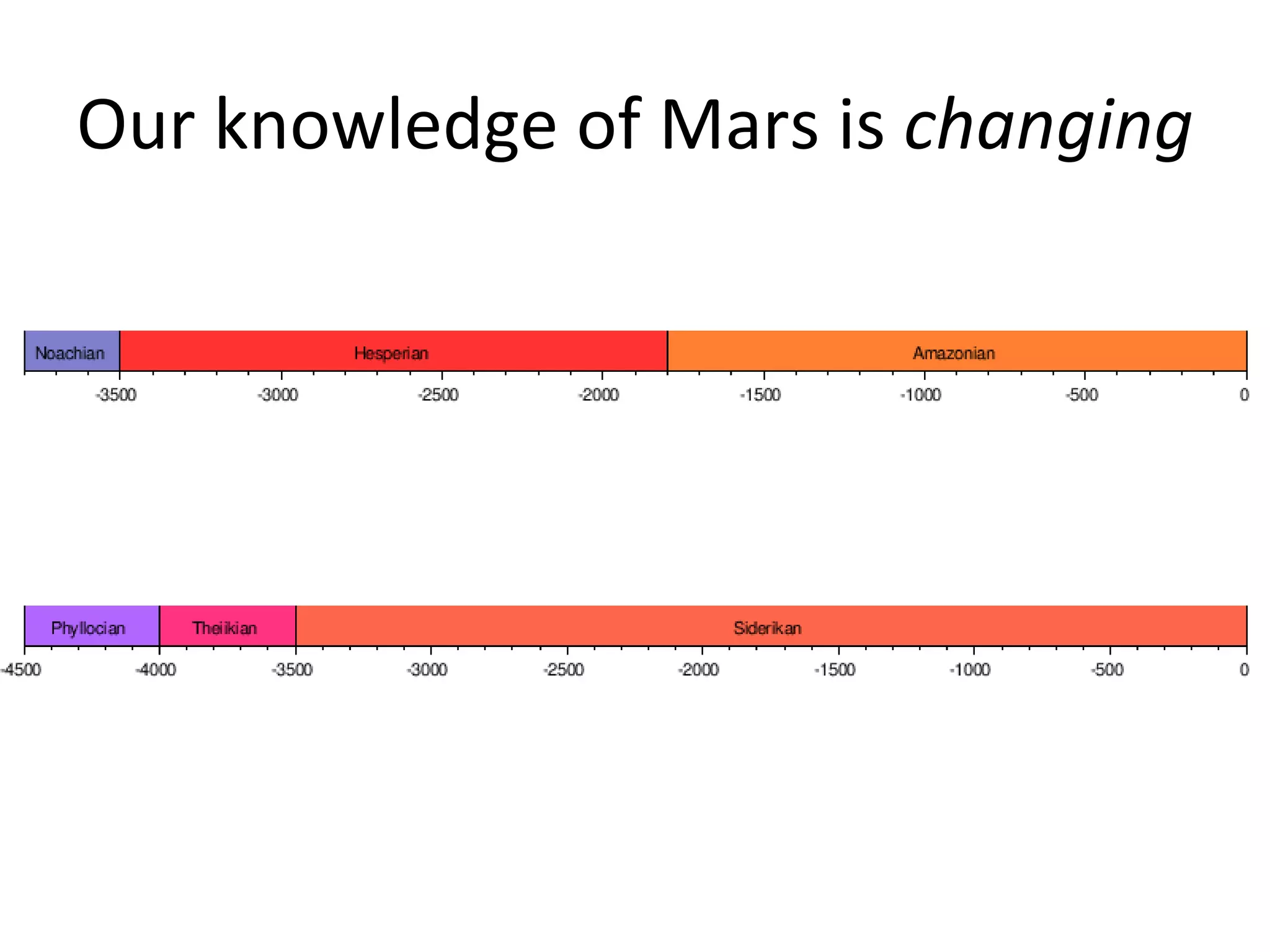
Our knowledge of Mars is  changing
 
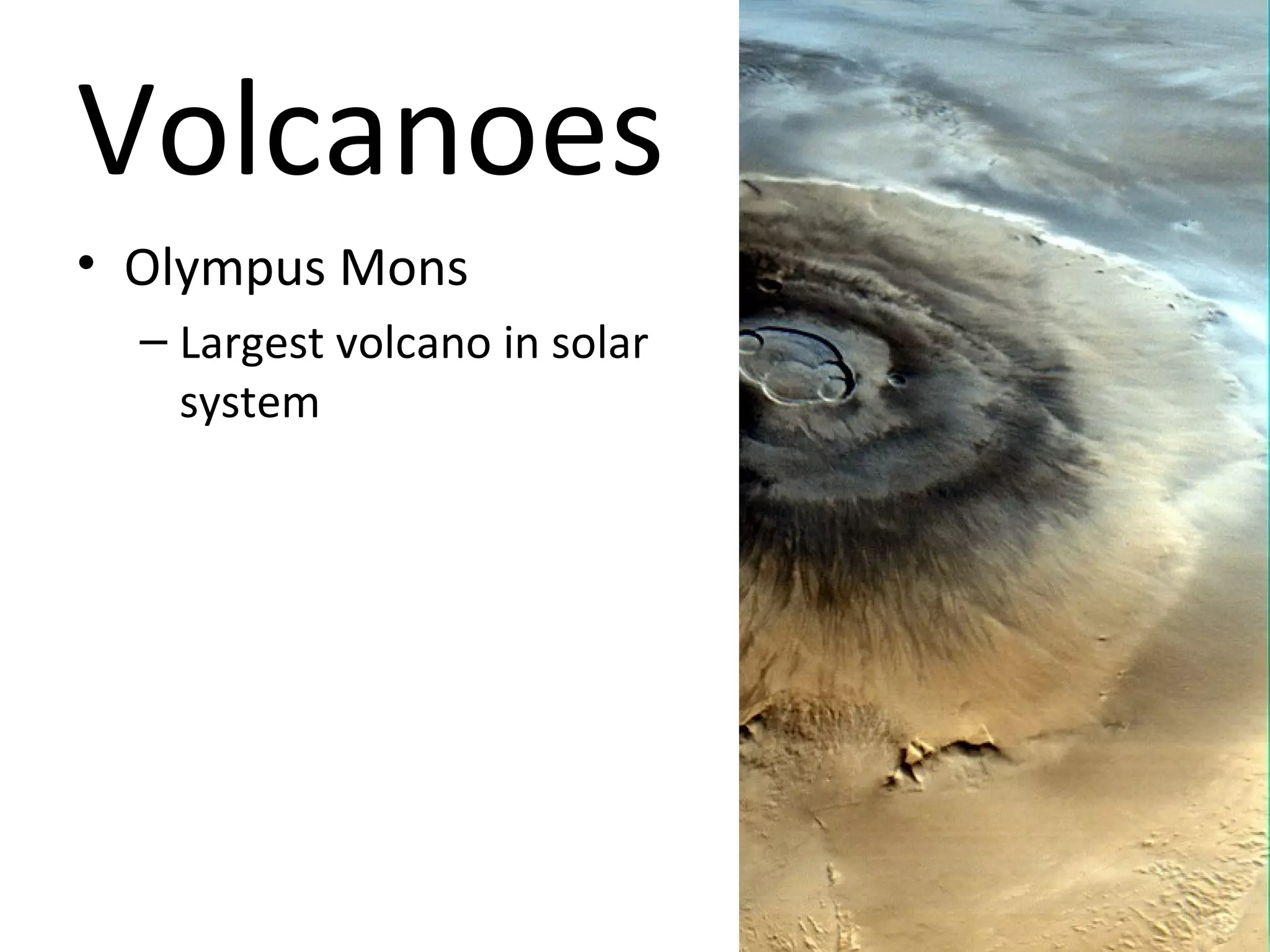
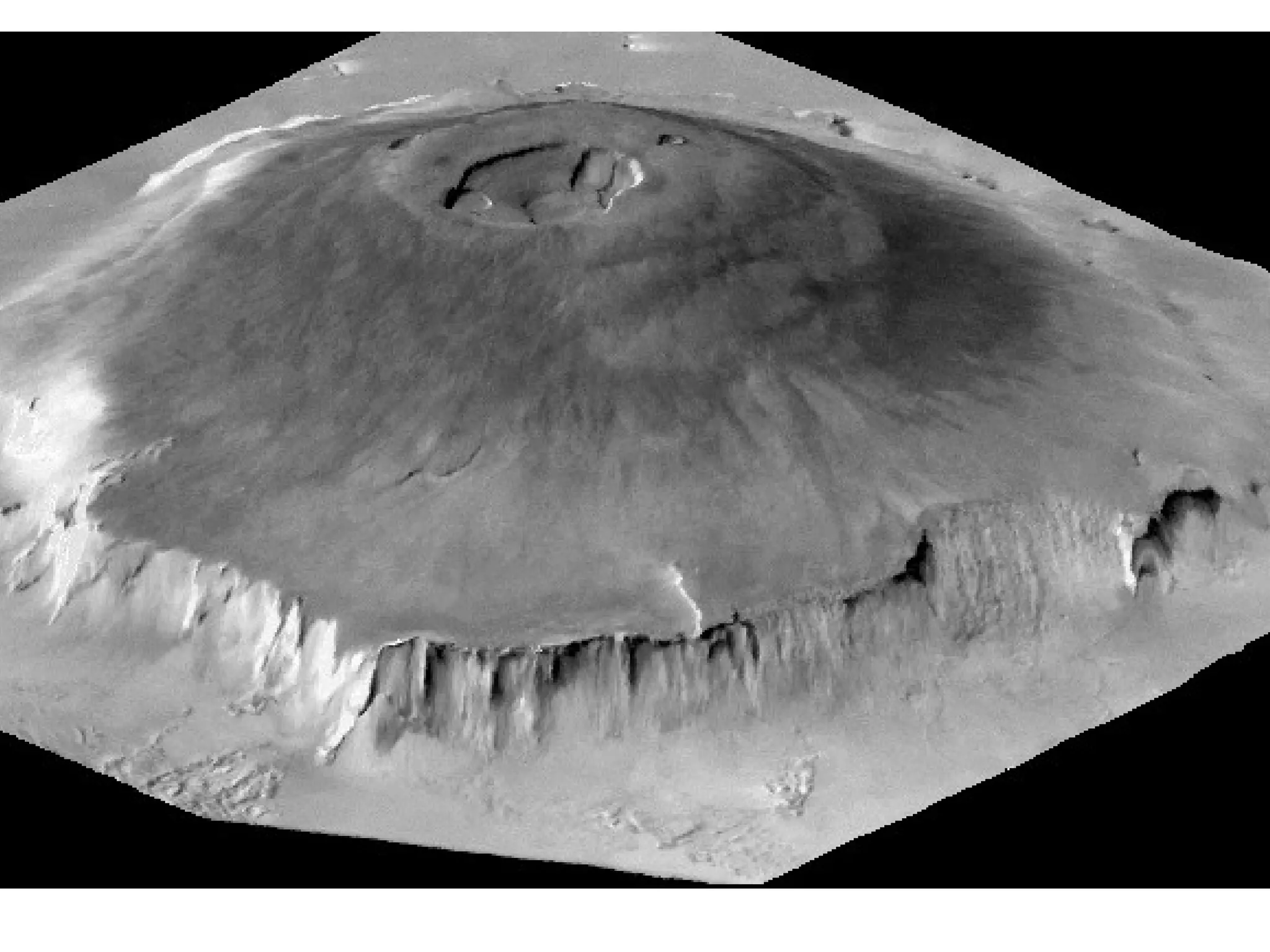
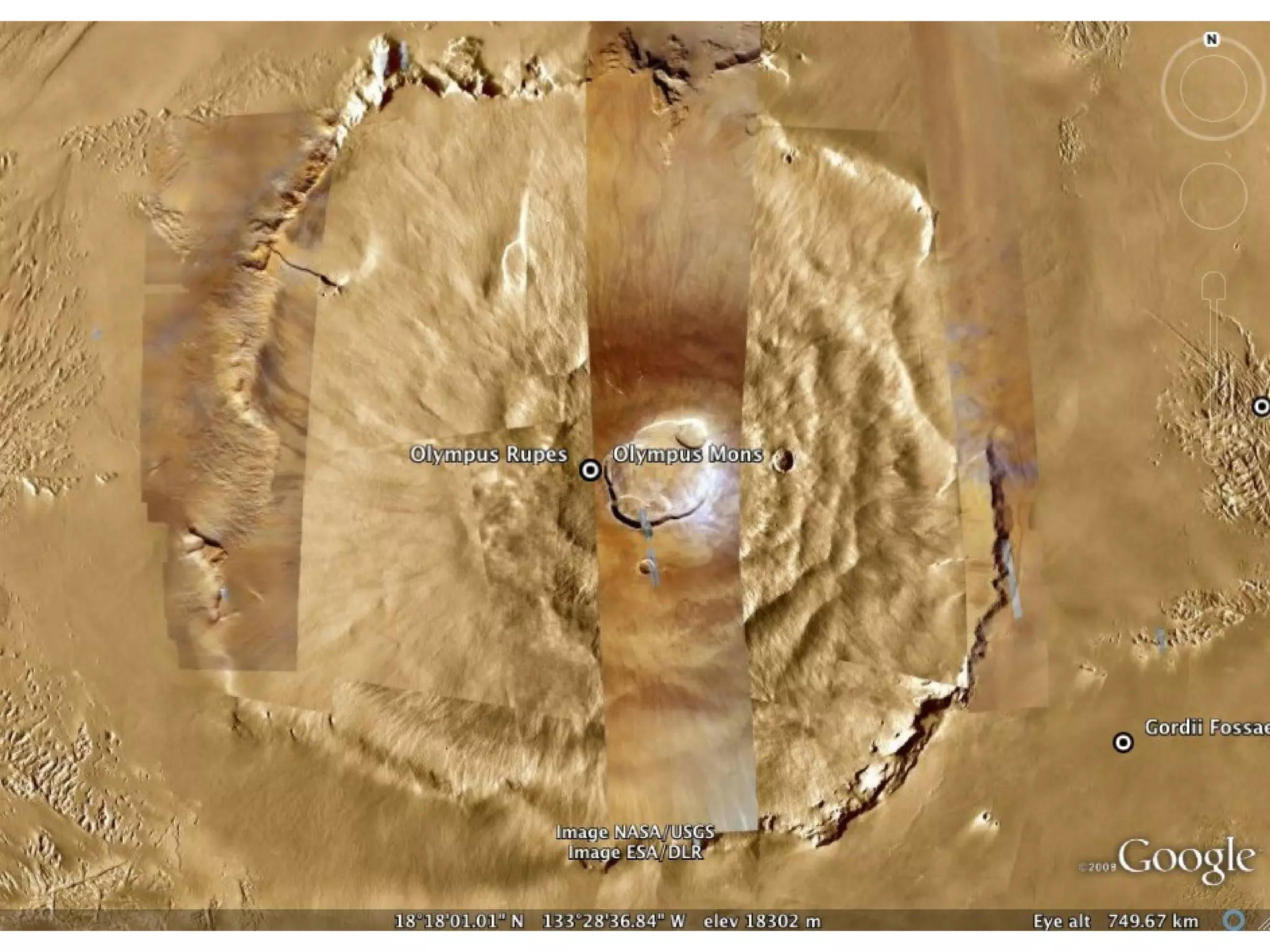
Volcanoes Olympus Mons Largest volcano in solar system
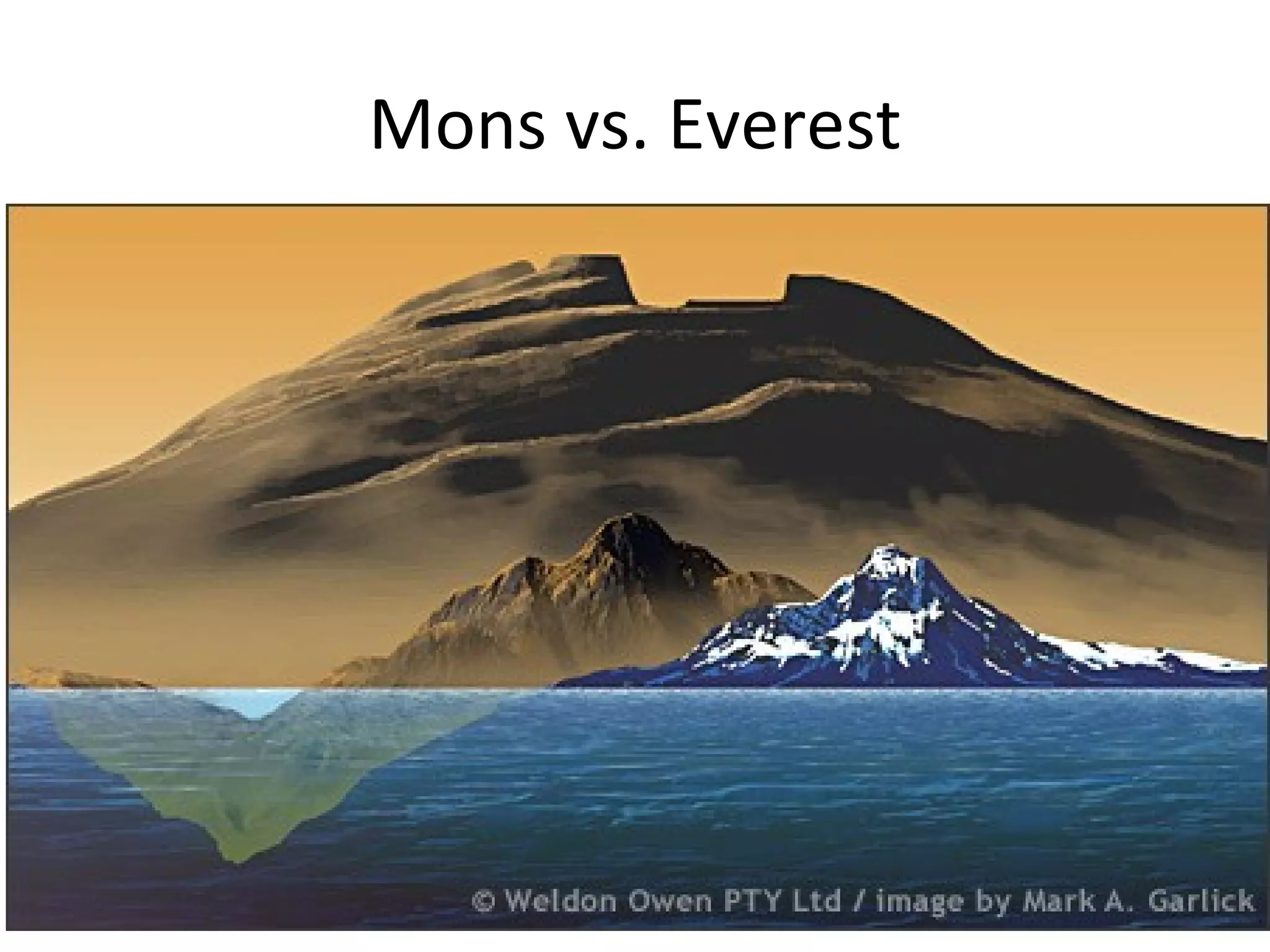
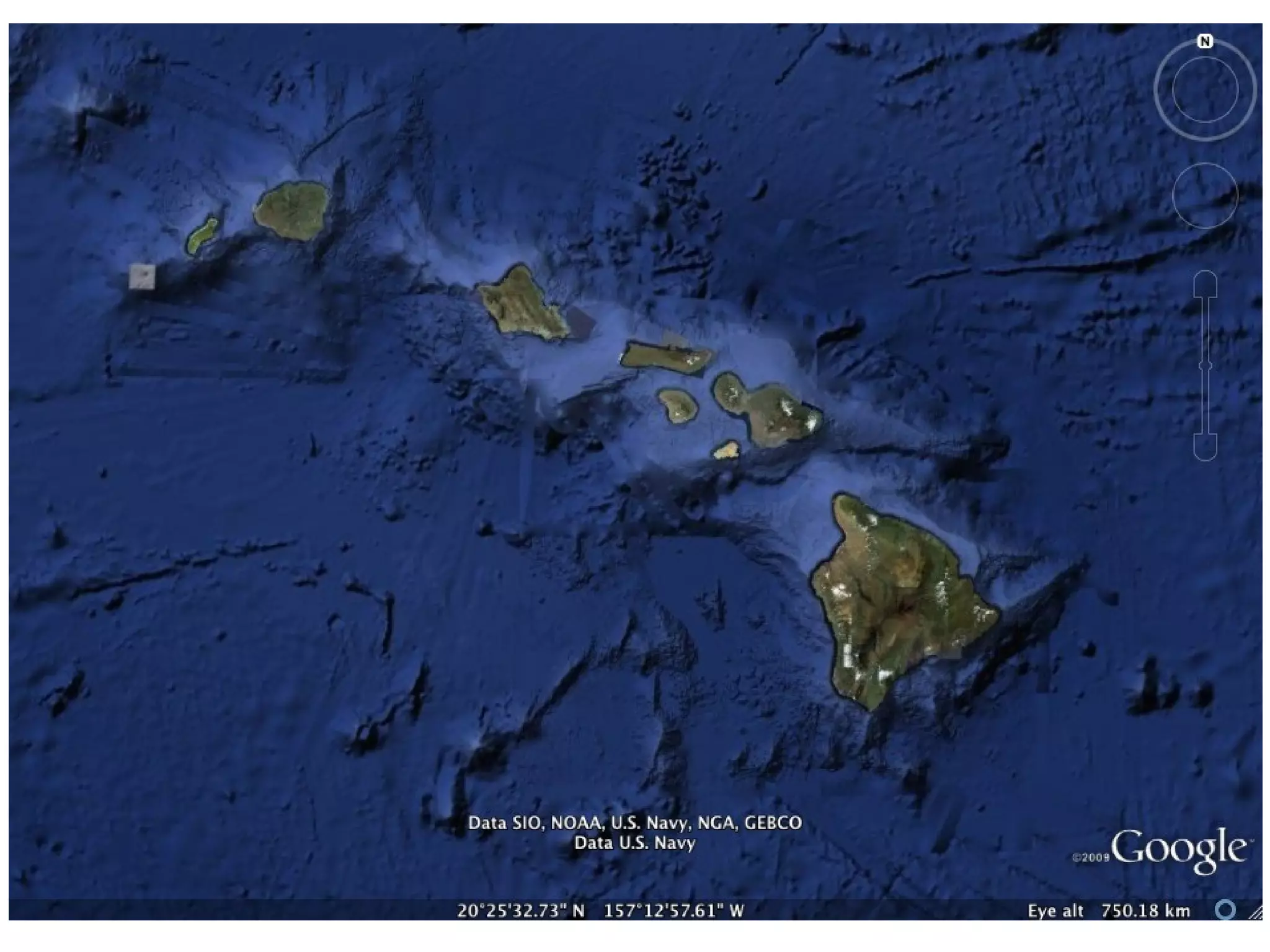
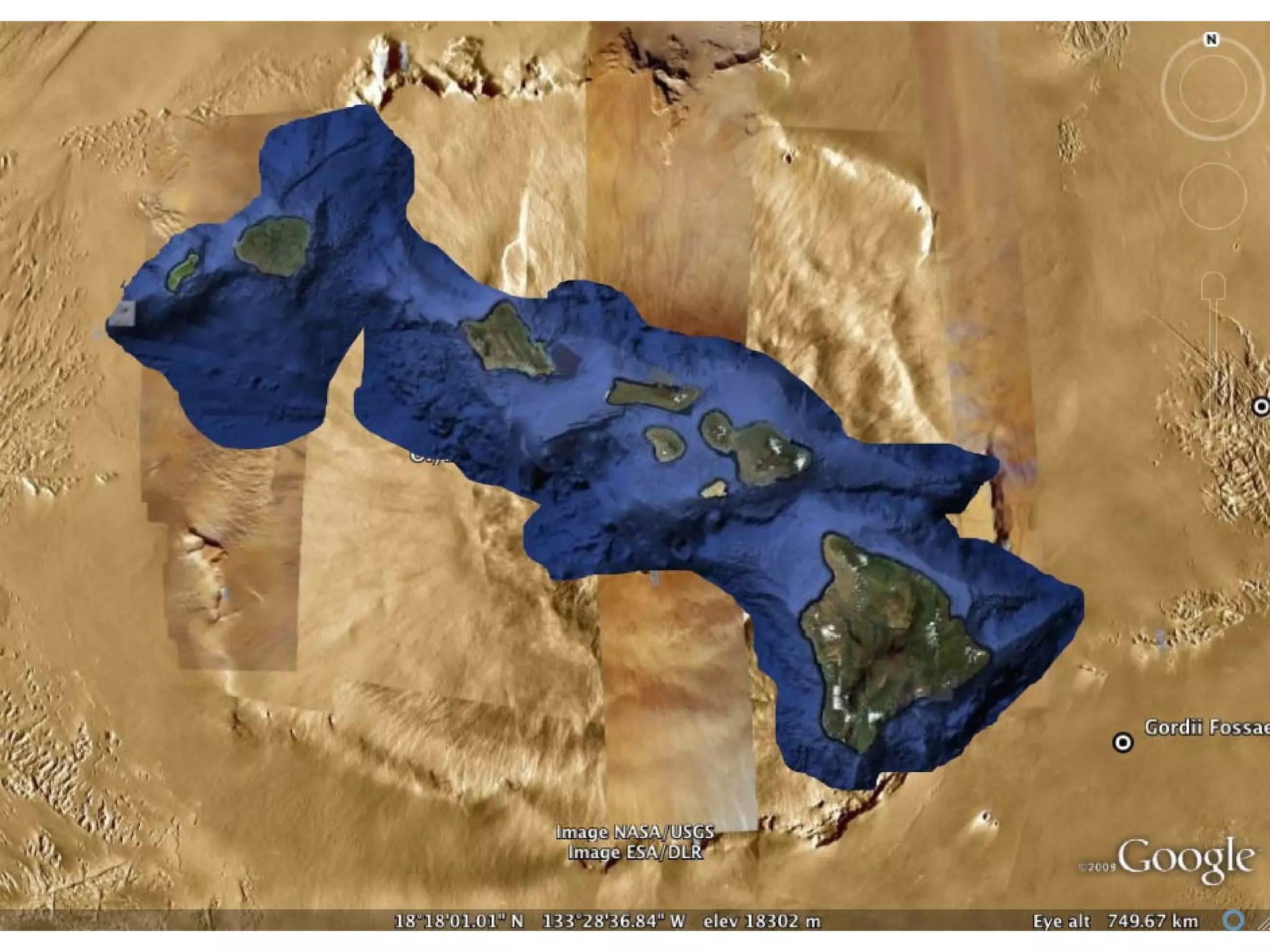
Mons vs. Everest


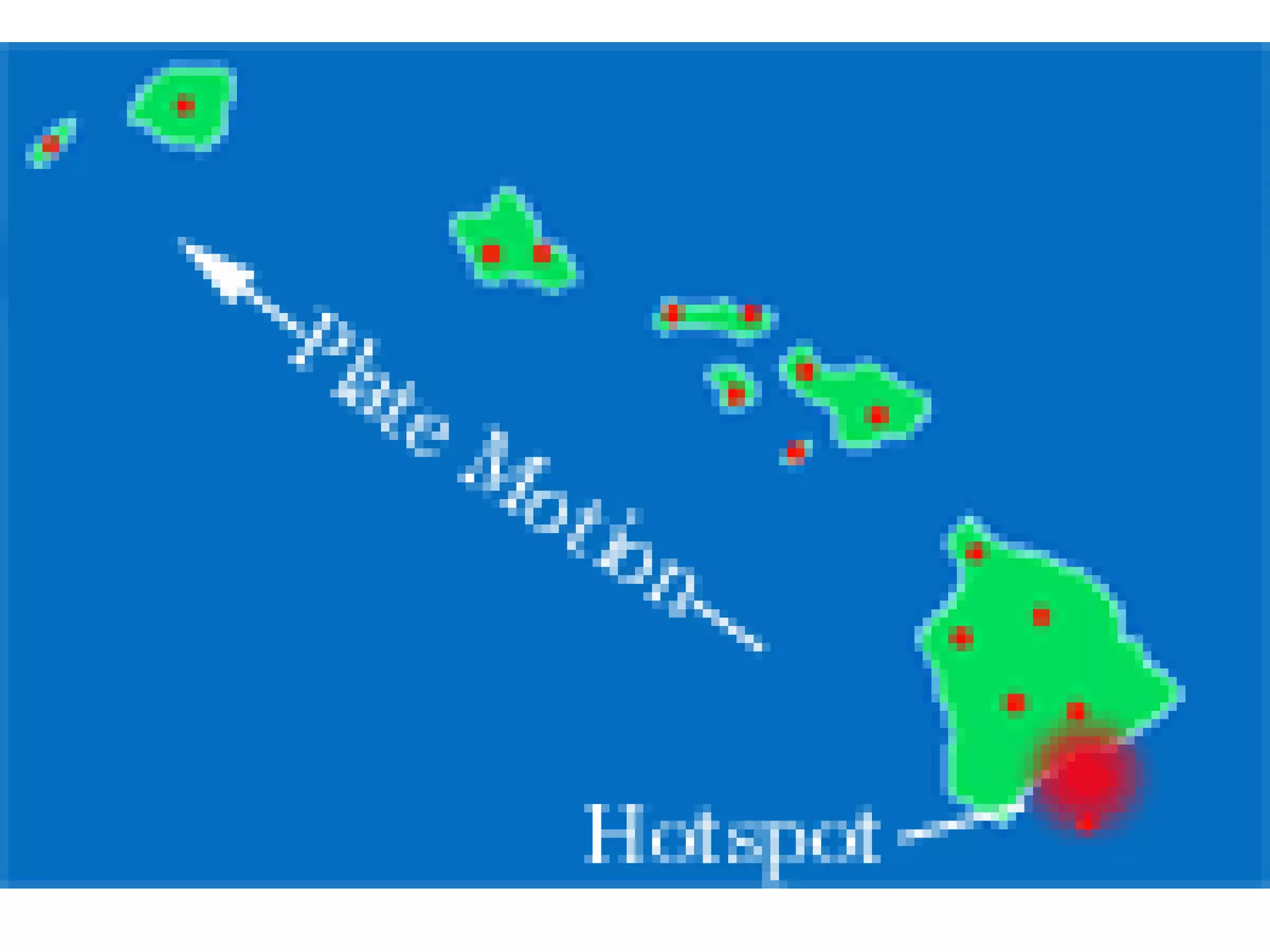
Conclusion Martian volcanoes show that Mars has (or once had) a molten core. The shape of Martian volcanoes shows that Mars’ convective layer moves  slower  than Earth’s. Martian volcanoes do not form in bands. Mars does change, but it changes much more slowly than Earth.
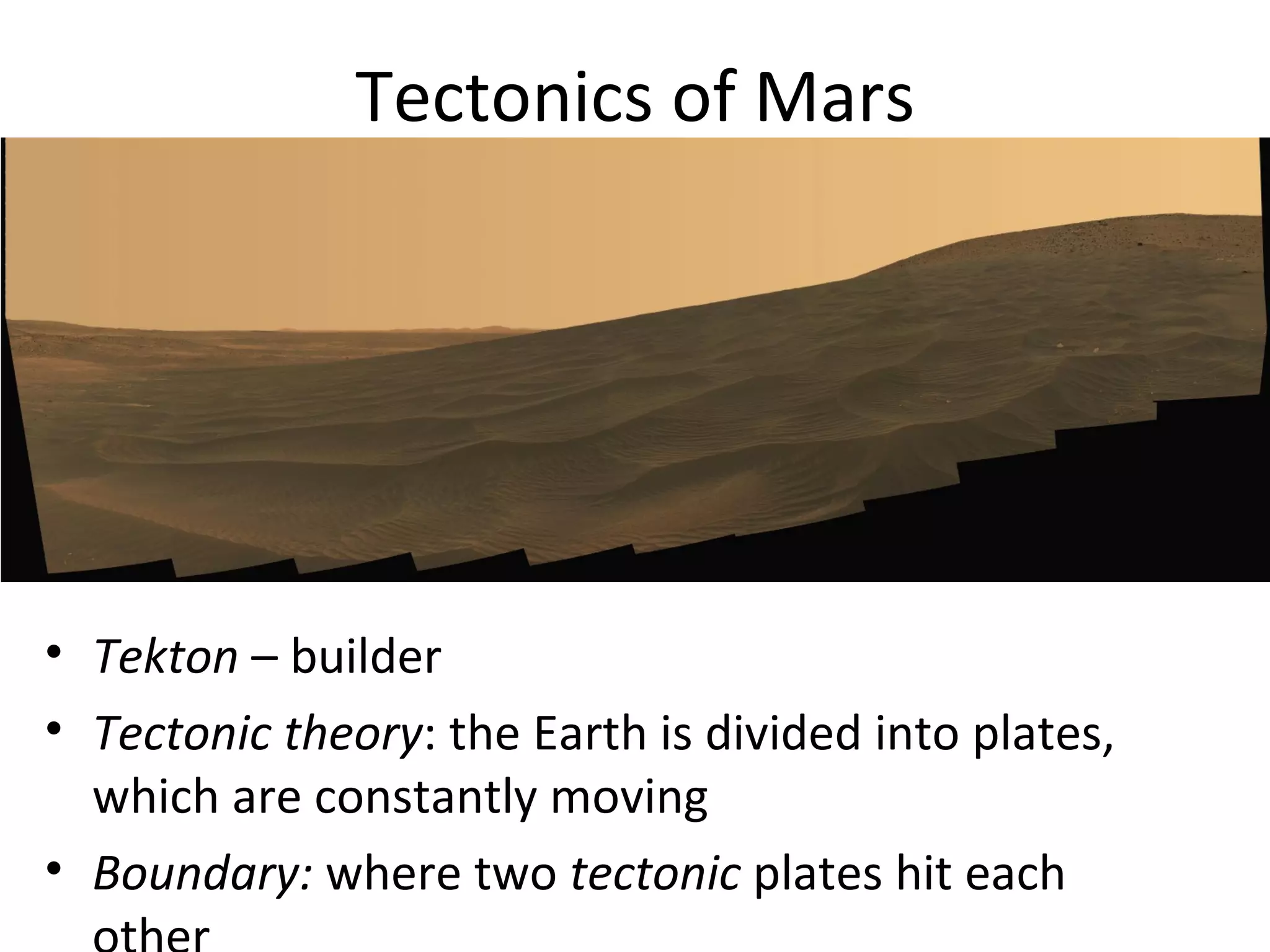
Tectonics of Mars Tekton  – builder Tectonic theory : the Earth is divided into plates, which are constantly moving Boundary:  where two  tectonic  plates hit each other
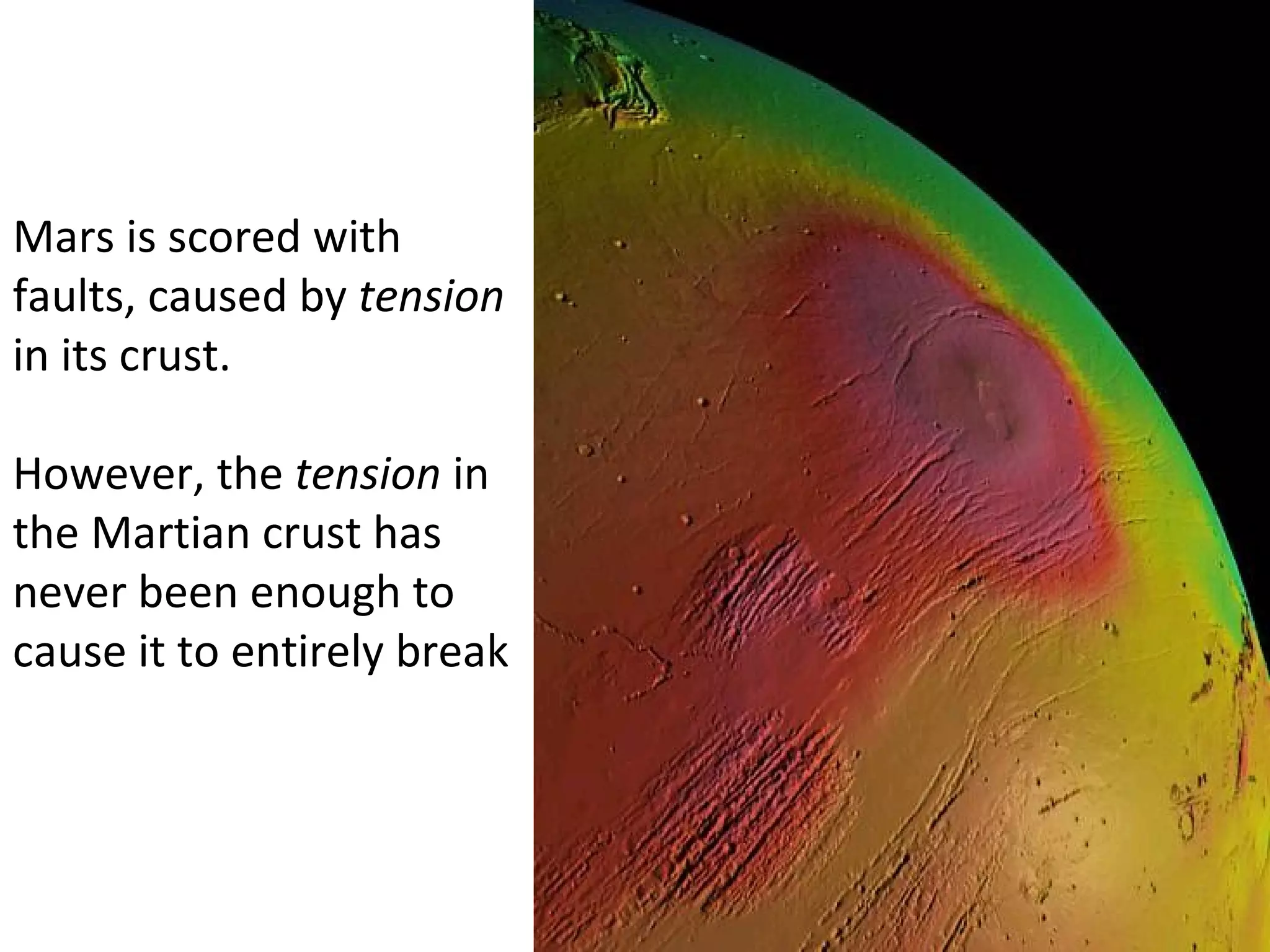
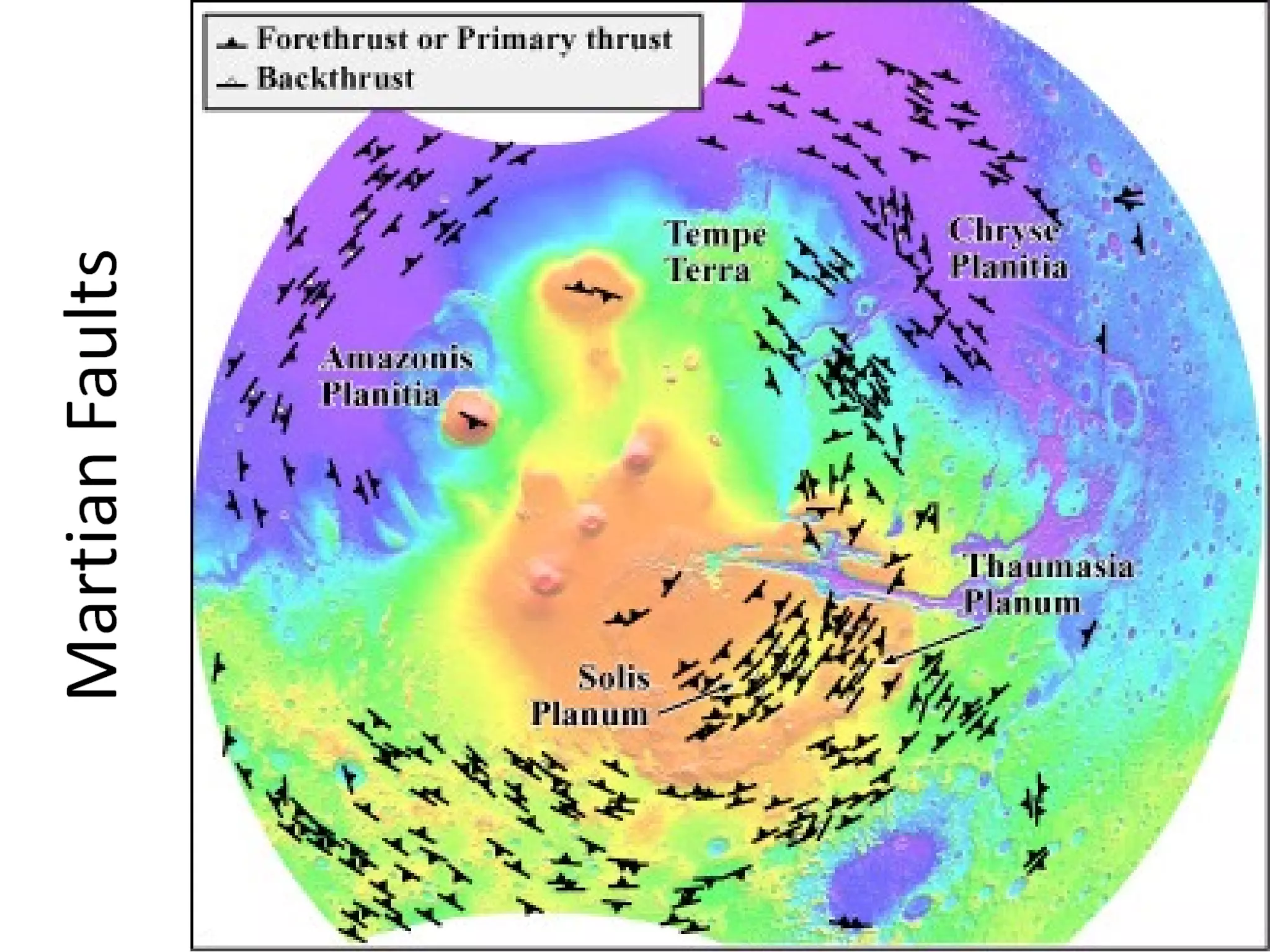
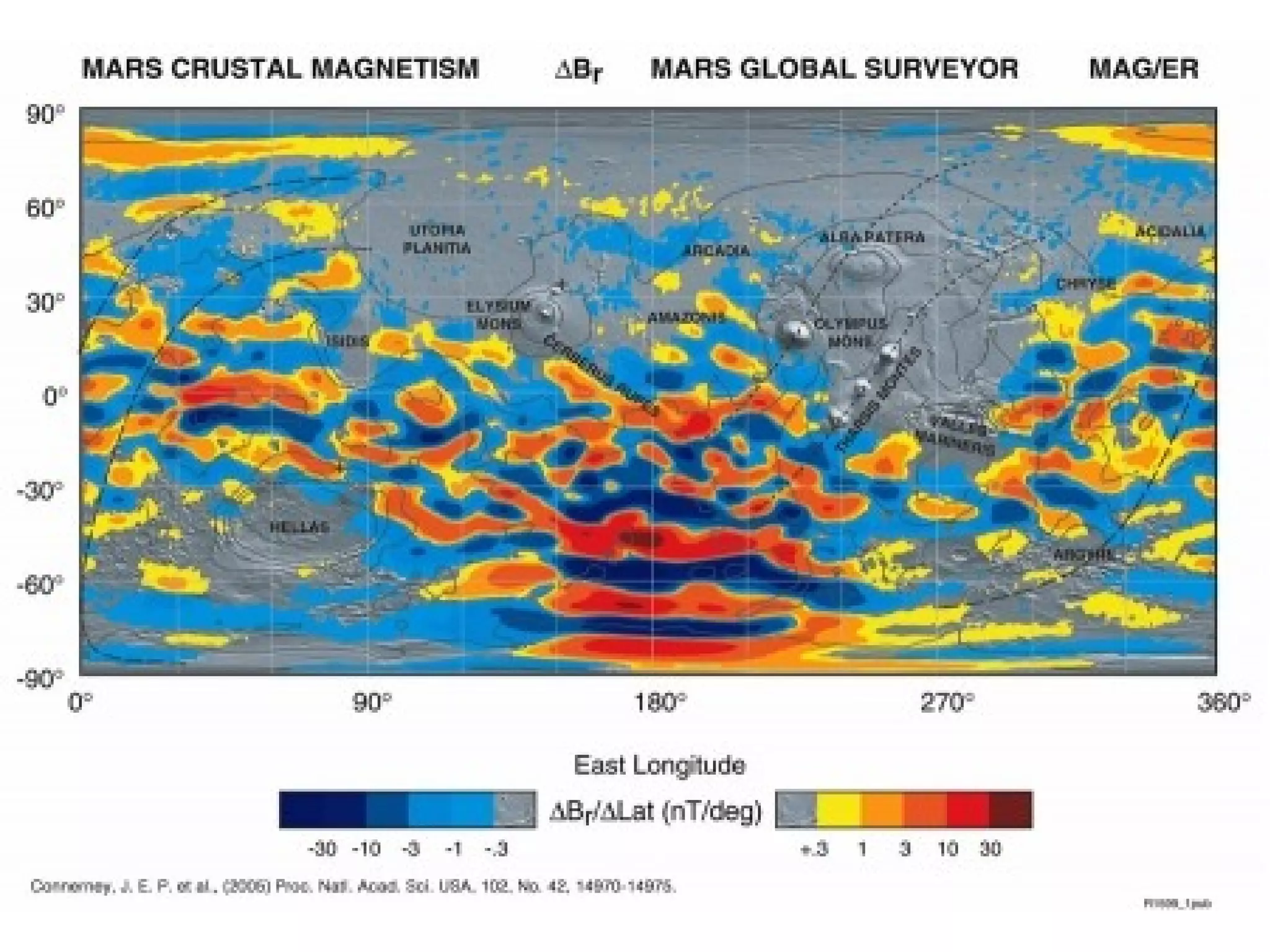
Mars is scored with faults, caused by  tension  in its crust. However, the  tension  in the Martian crust has never been enough to cause it to entirely break


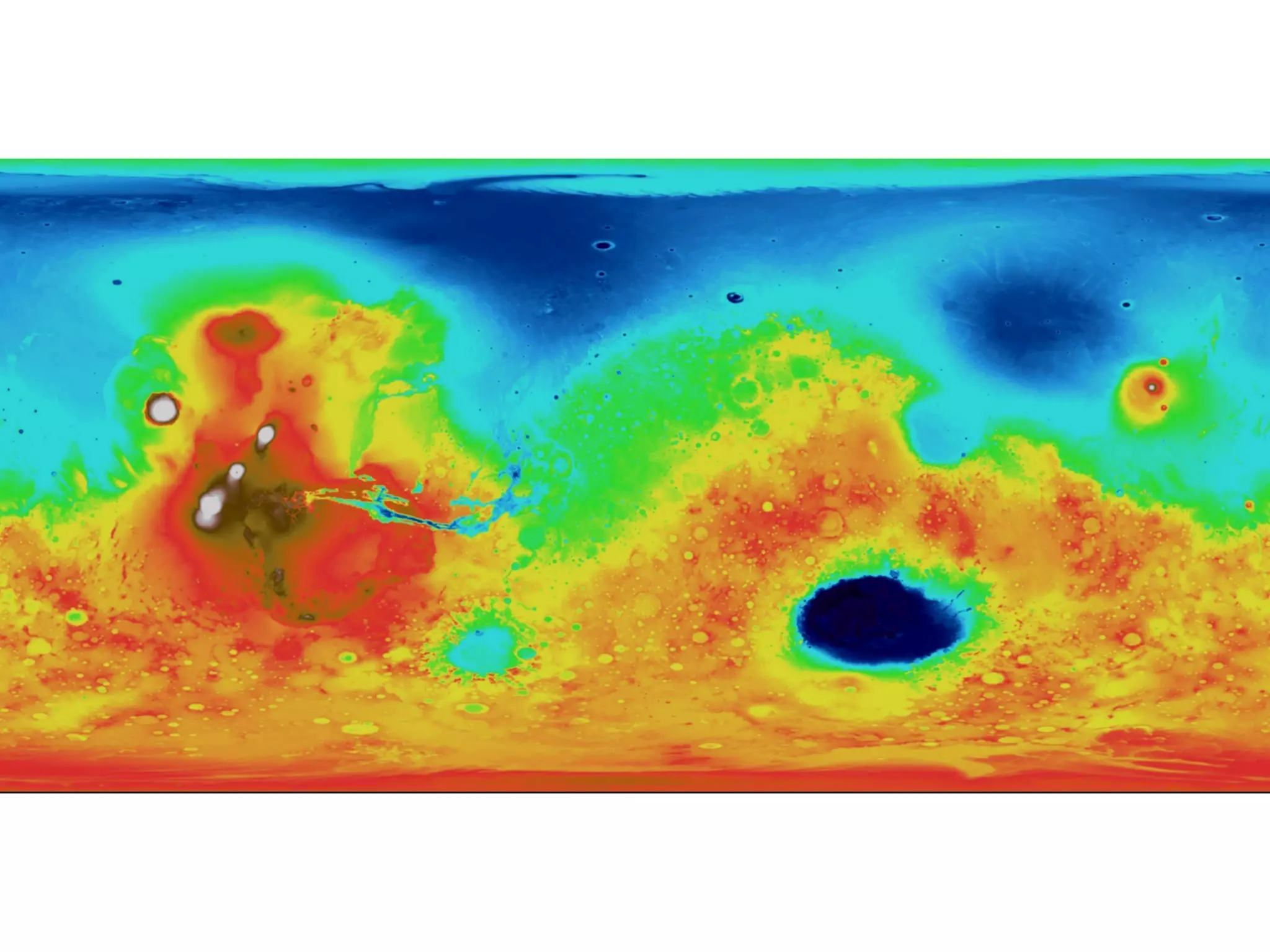
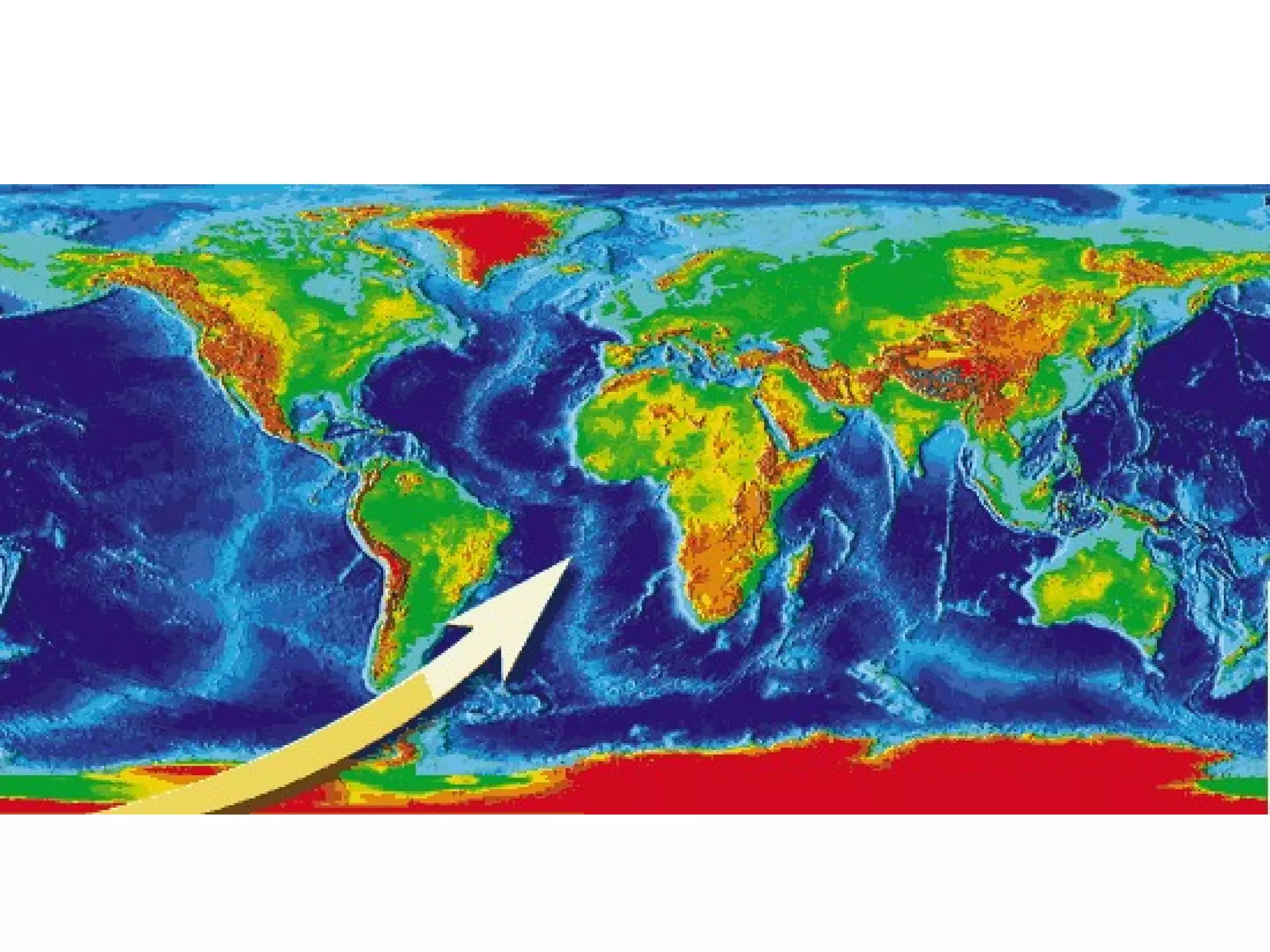
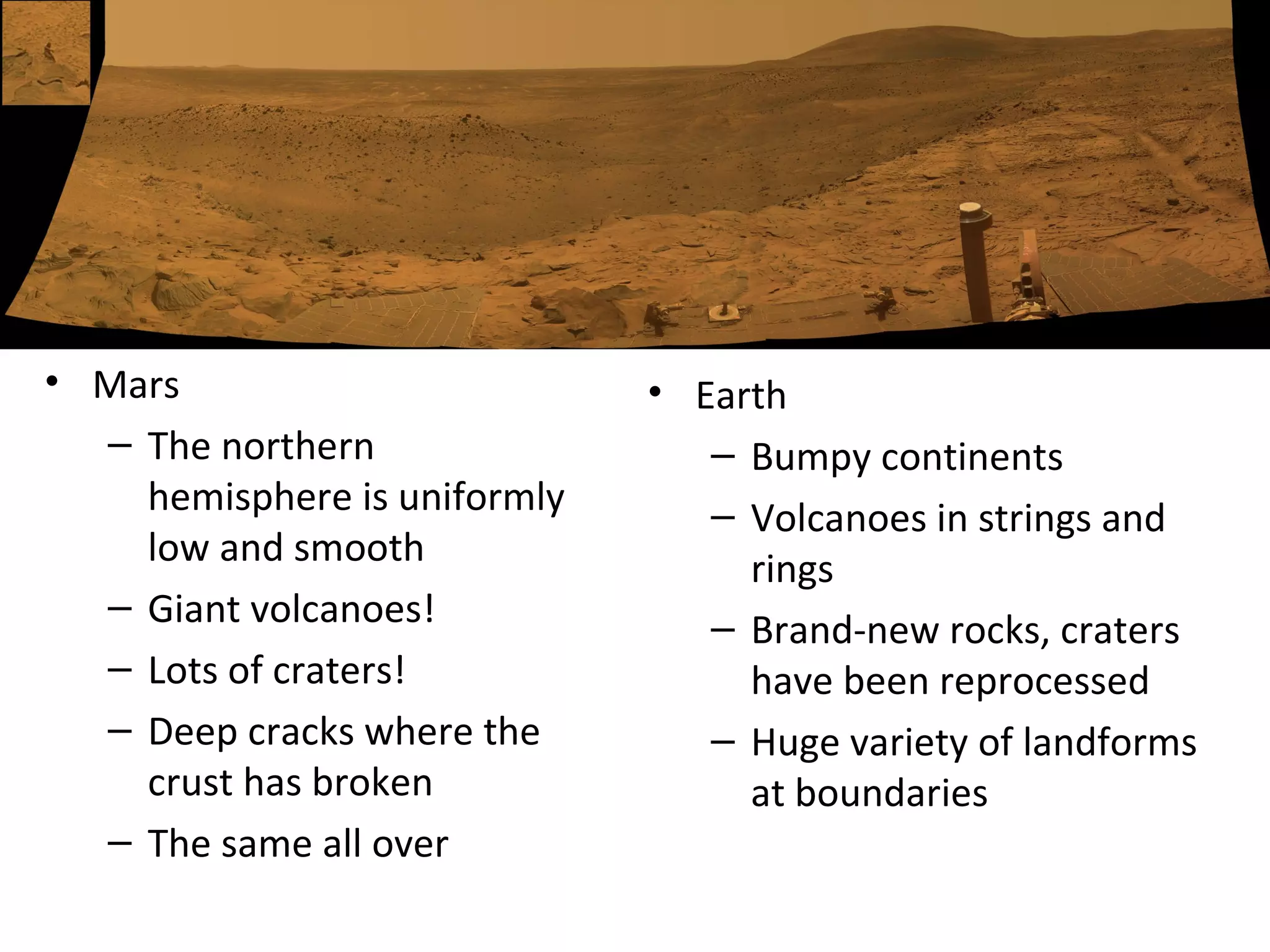
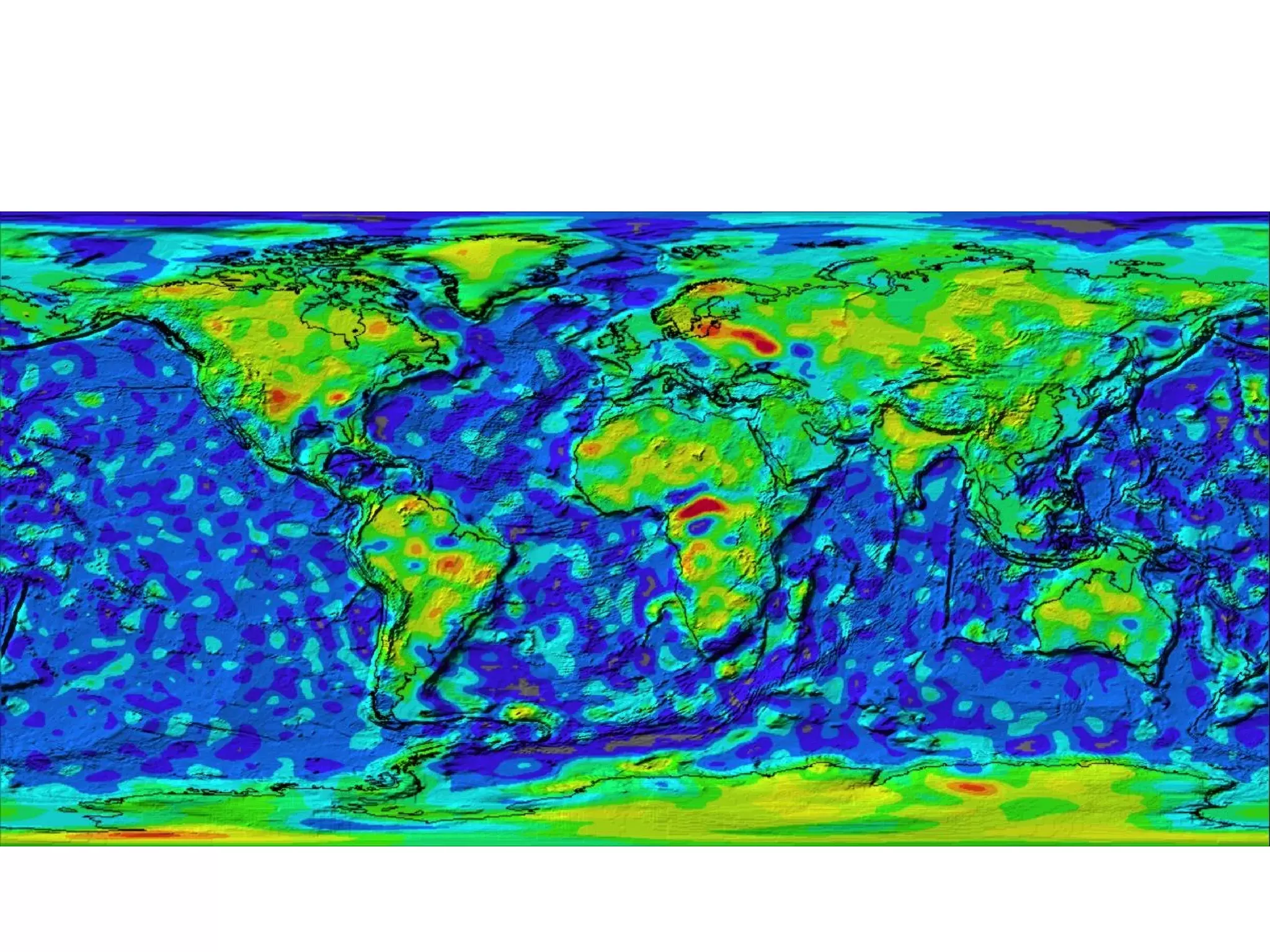
Mars The northern hemisphere is uniformly low and smooth Giant volcanoes!  Lots of craters!  Deep cracks where the crust has broken The same all over Earth Bumpy continents Volcanoes in strings and rings  Brand-new rocks, craters have been reprocessed  Huge variety of landforms at boundaries


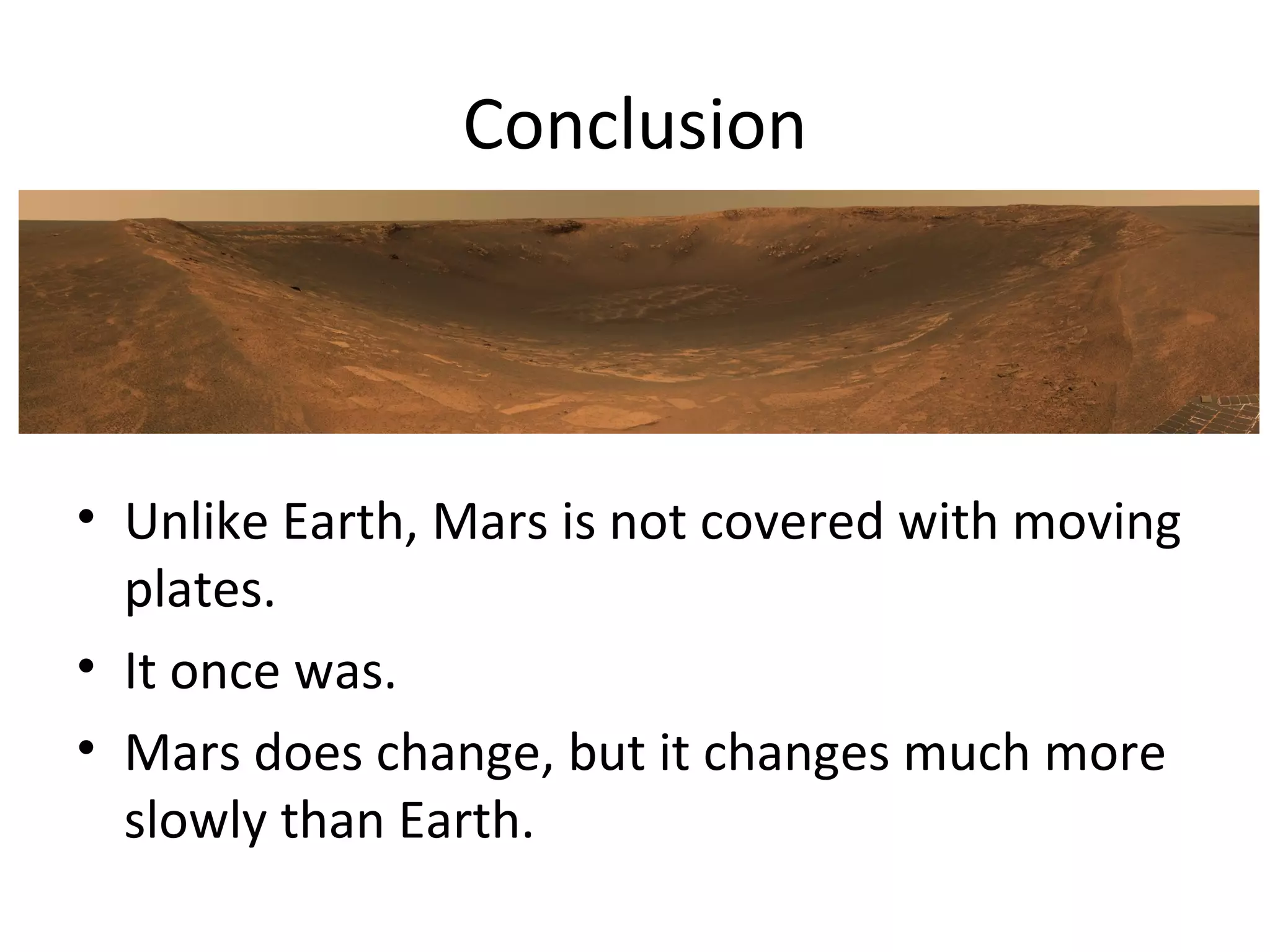
Conclusion Unlike Earth, Mars is not covered with moving plates. It once was. Mars does change, but it changes much more slowly than Earth.
Water on Mars


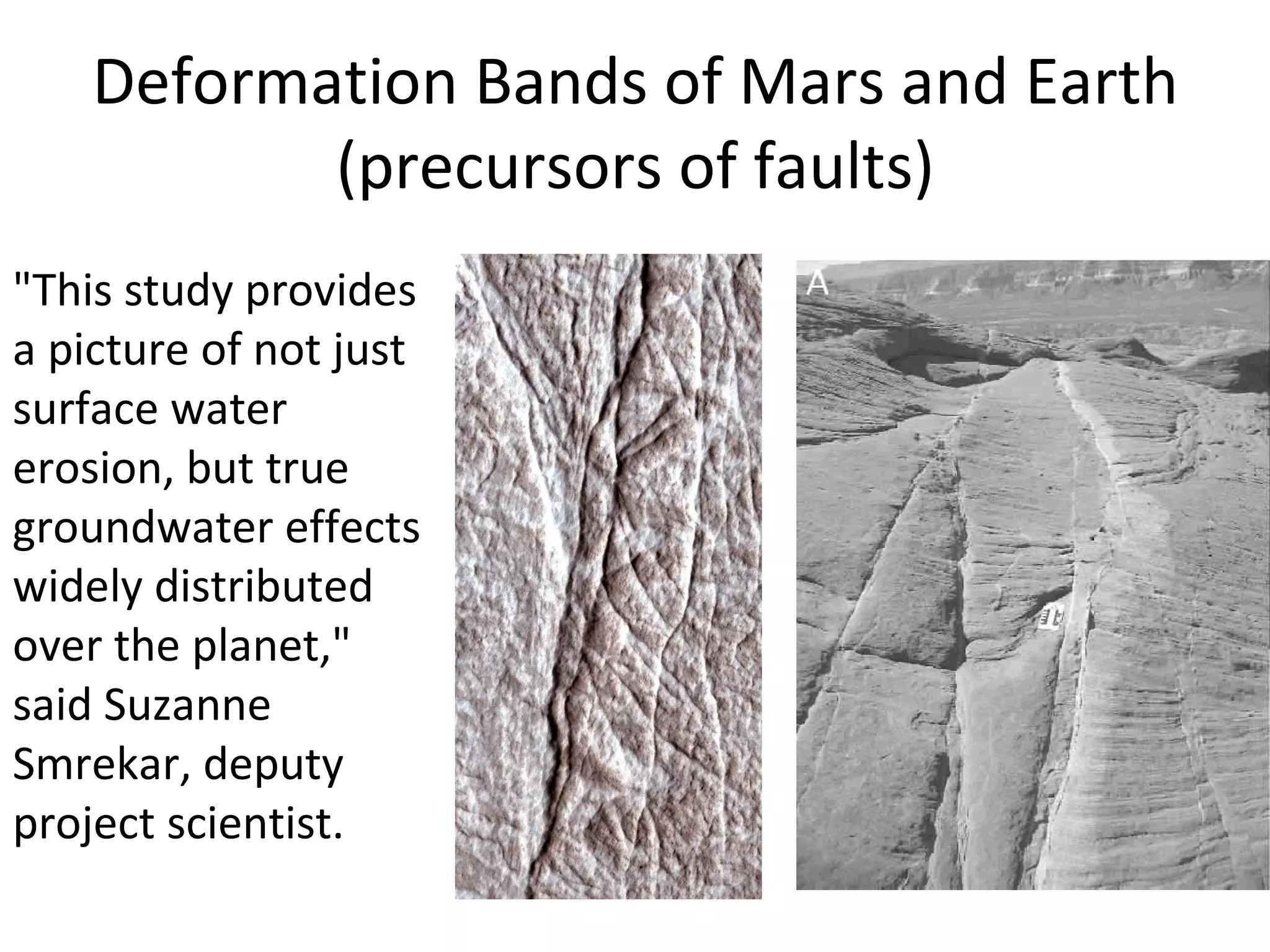
Deformation Bands of Mars and Earth (precursors of faults) "This study provides a picture of not just surface water erosion, but true groundwater effects widely distributed over the planet," said Suzanne Smrekar, deputy project scientist.
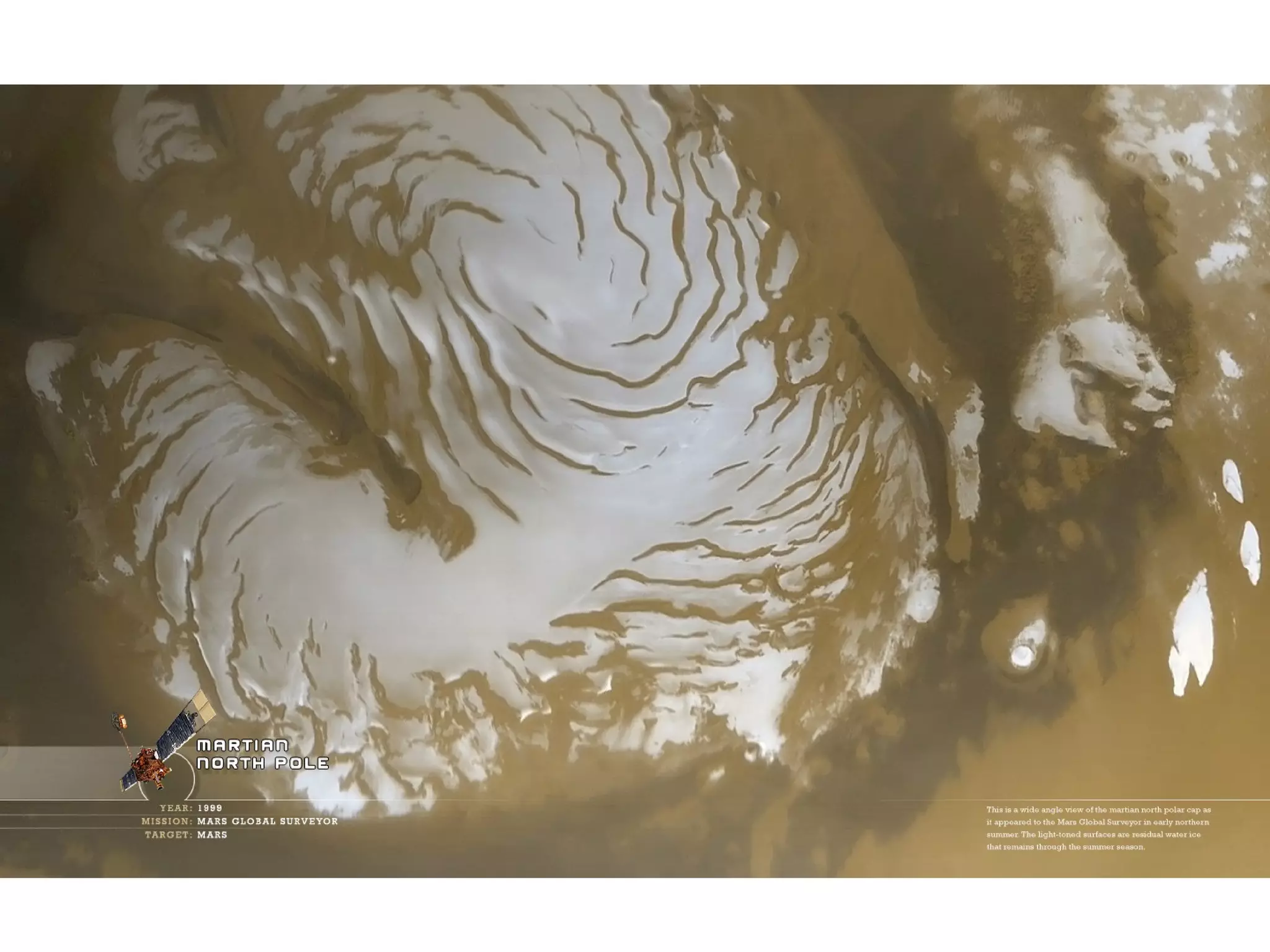
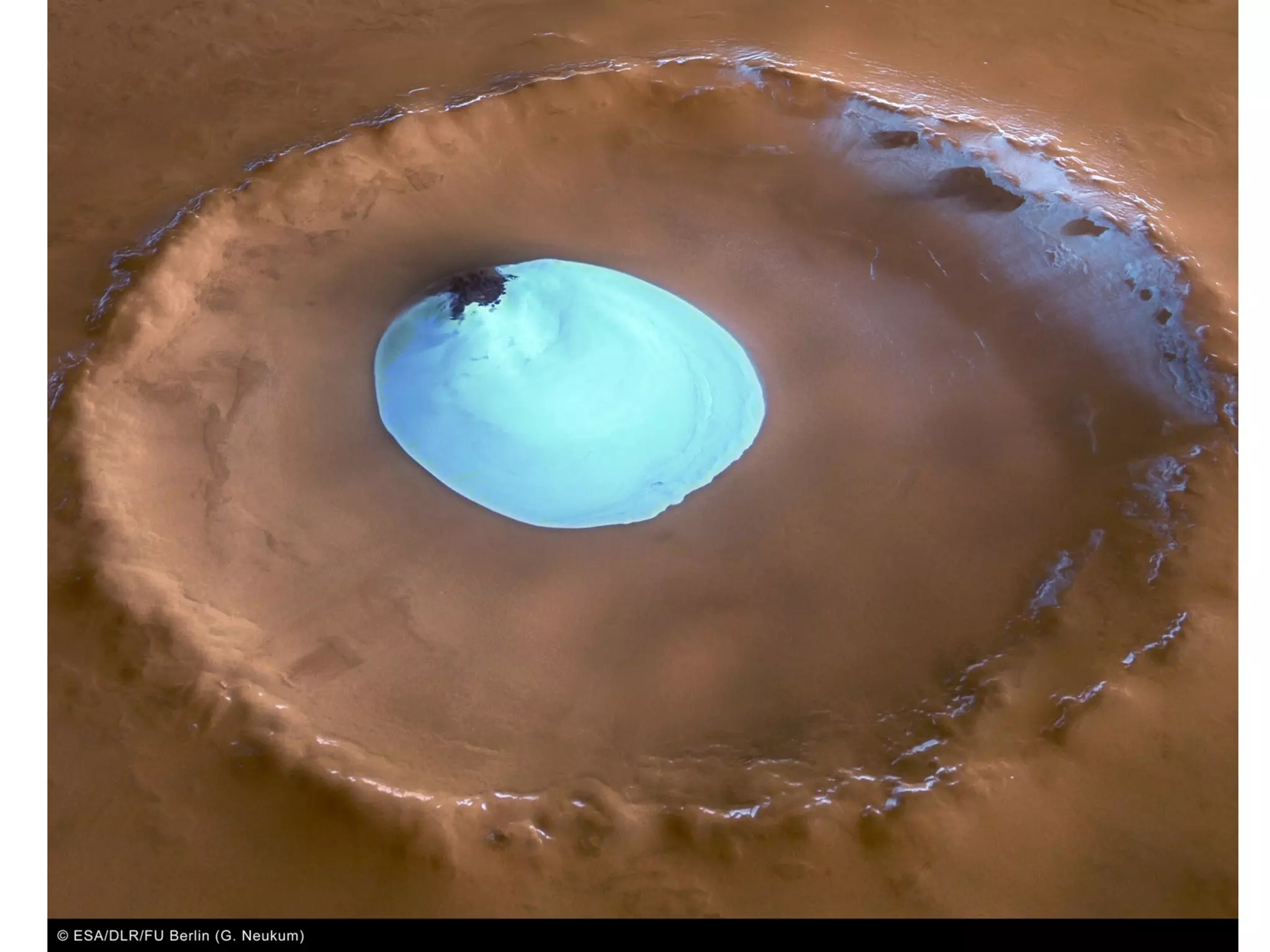
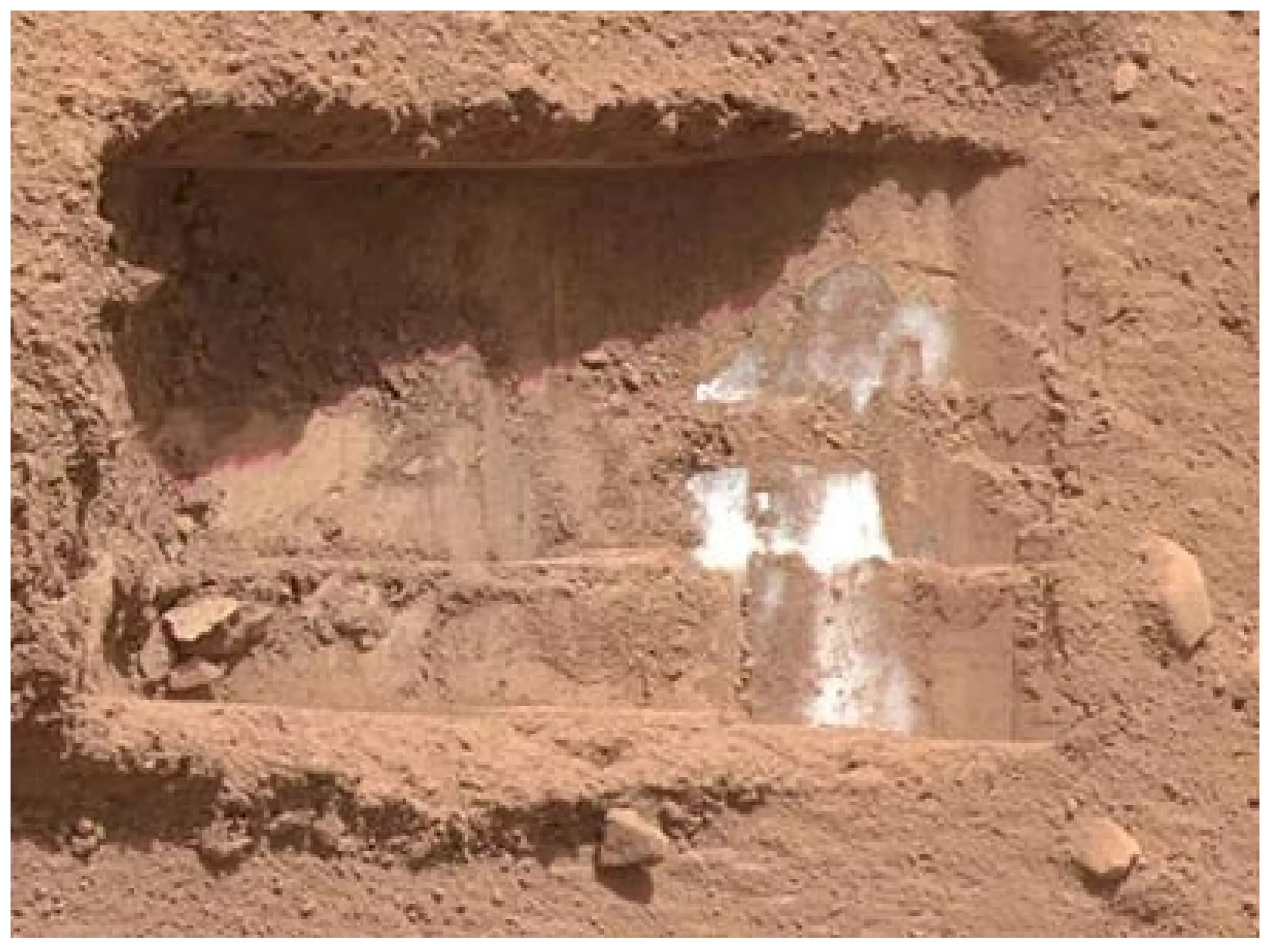
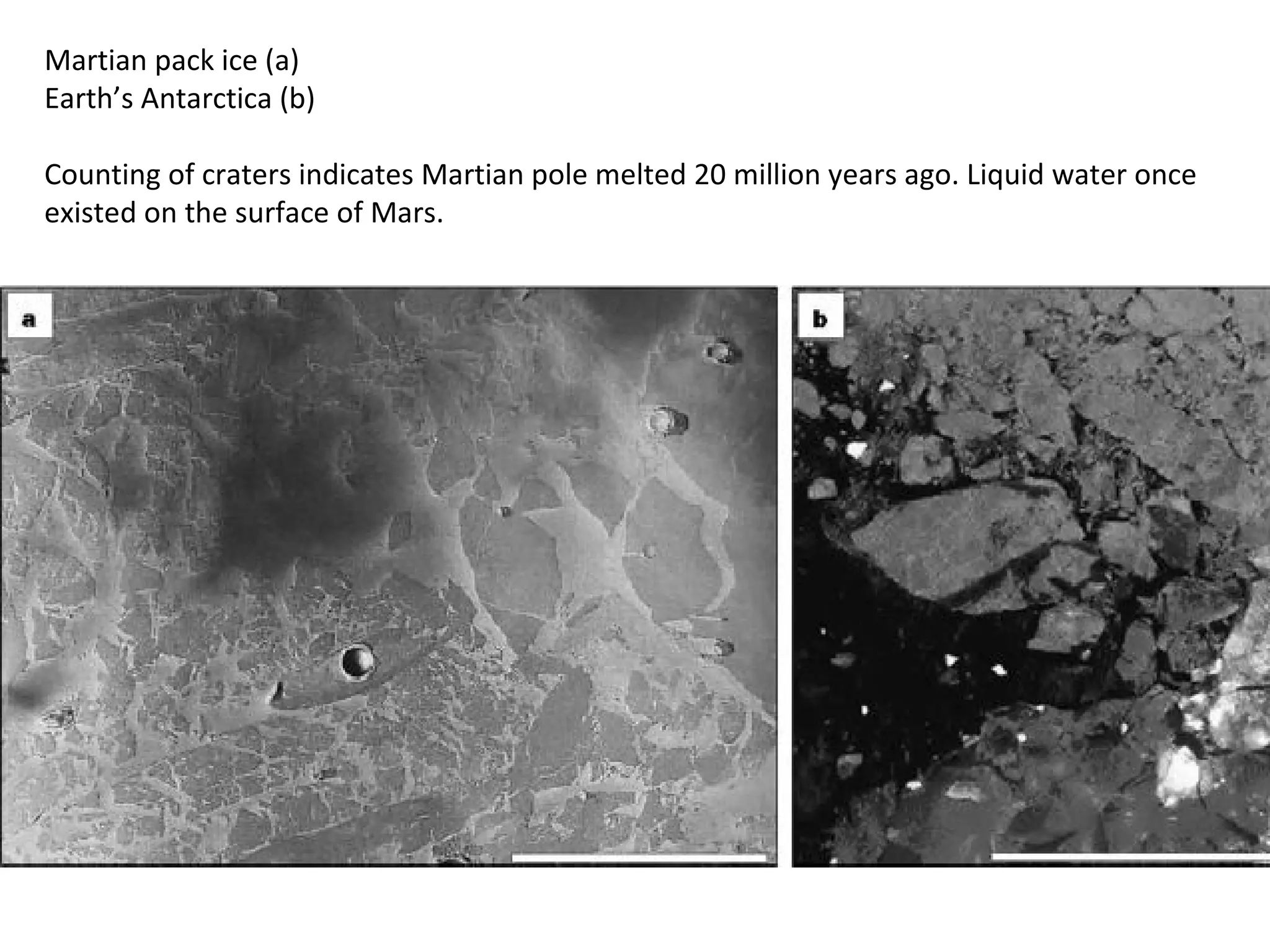
Martian pack ice (a) Earth’s Antarctica (b) Counting of craters indicates Martian pole melted 20 million years ago. Liquid water once existed on the surface of Mars.
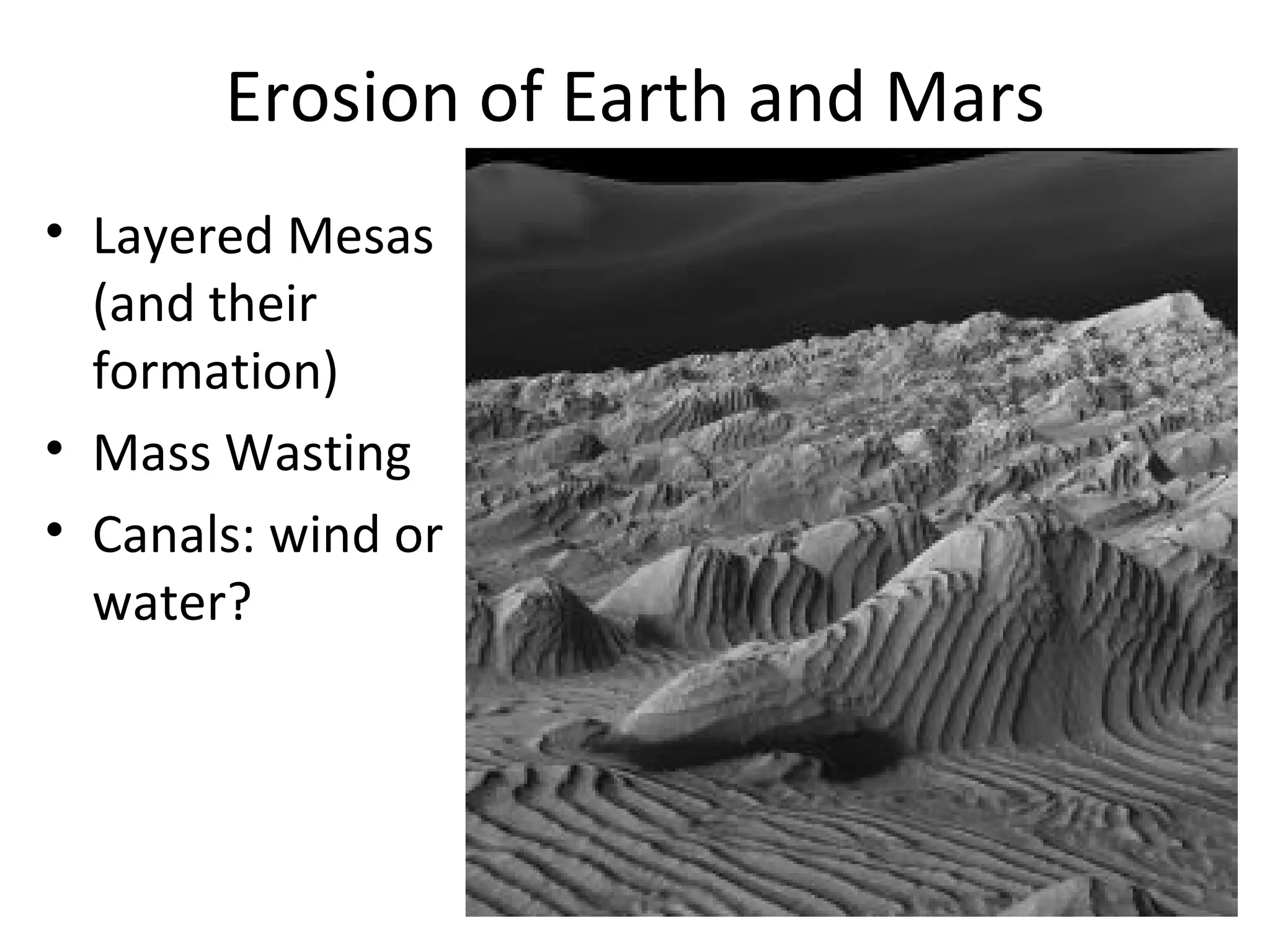
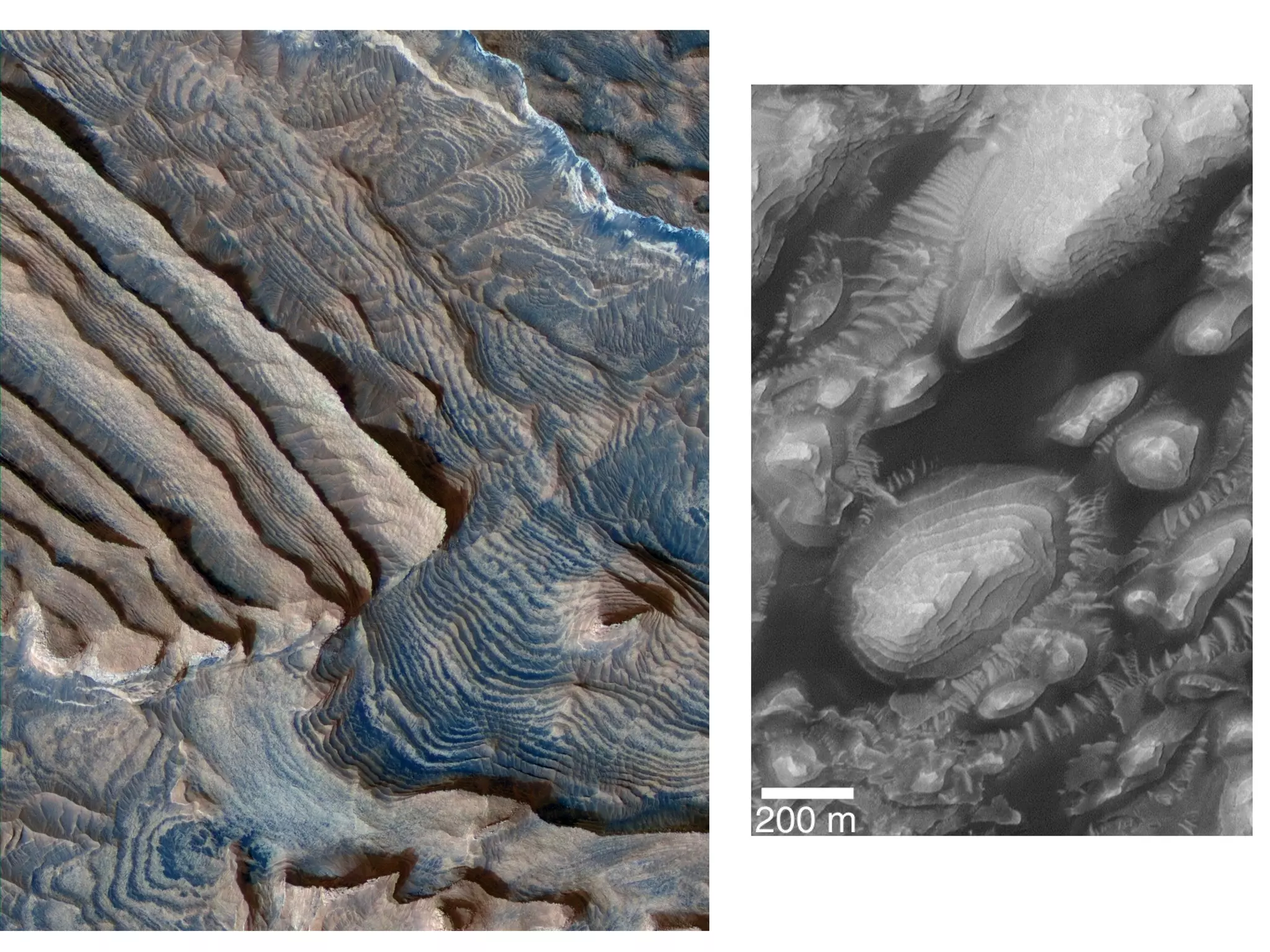
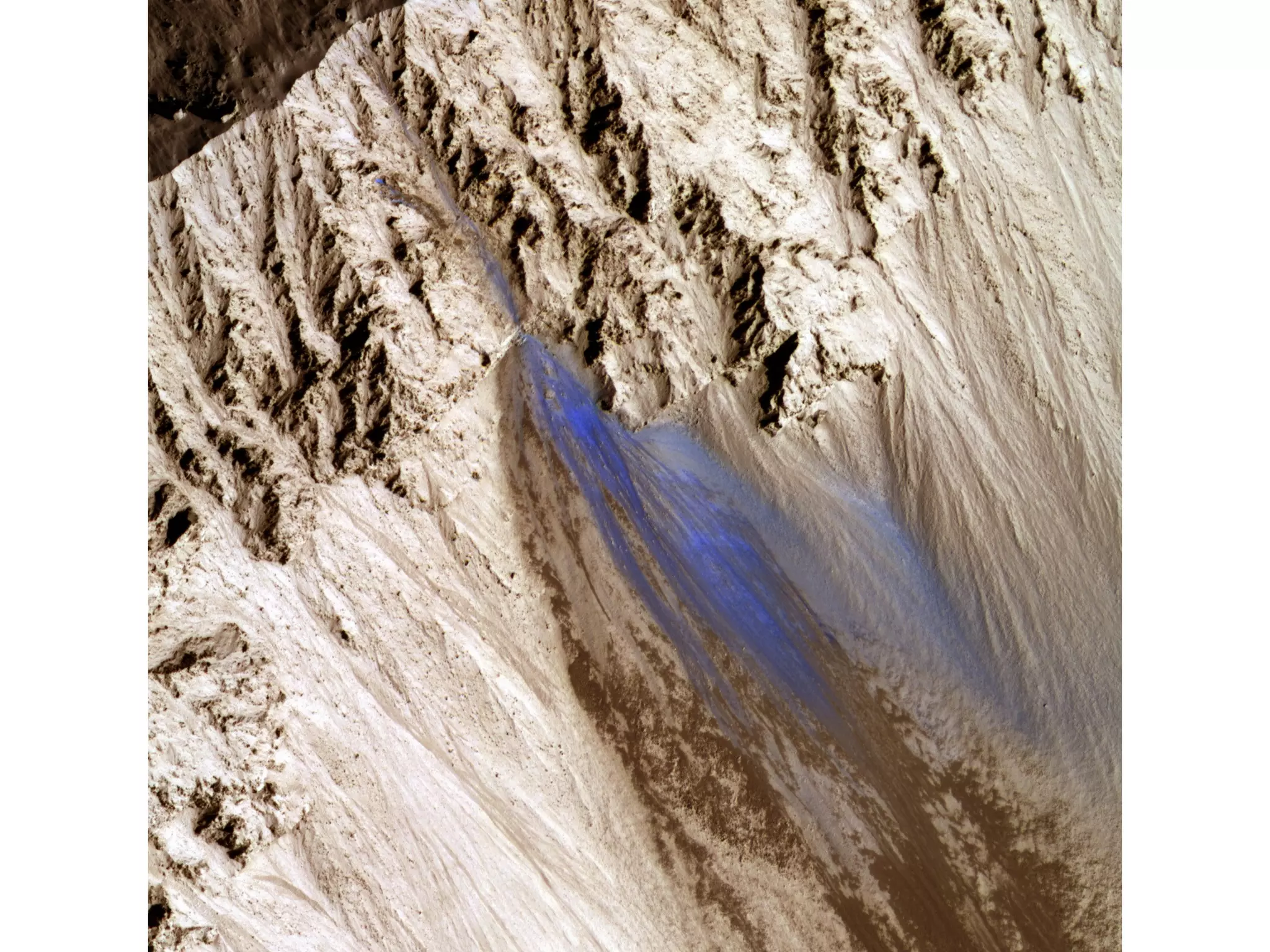
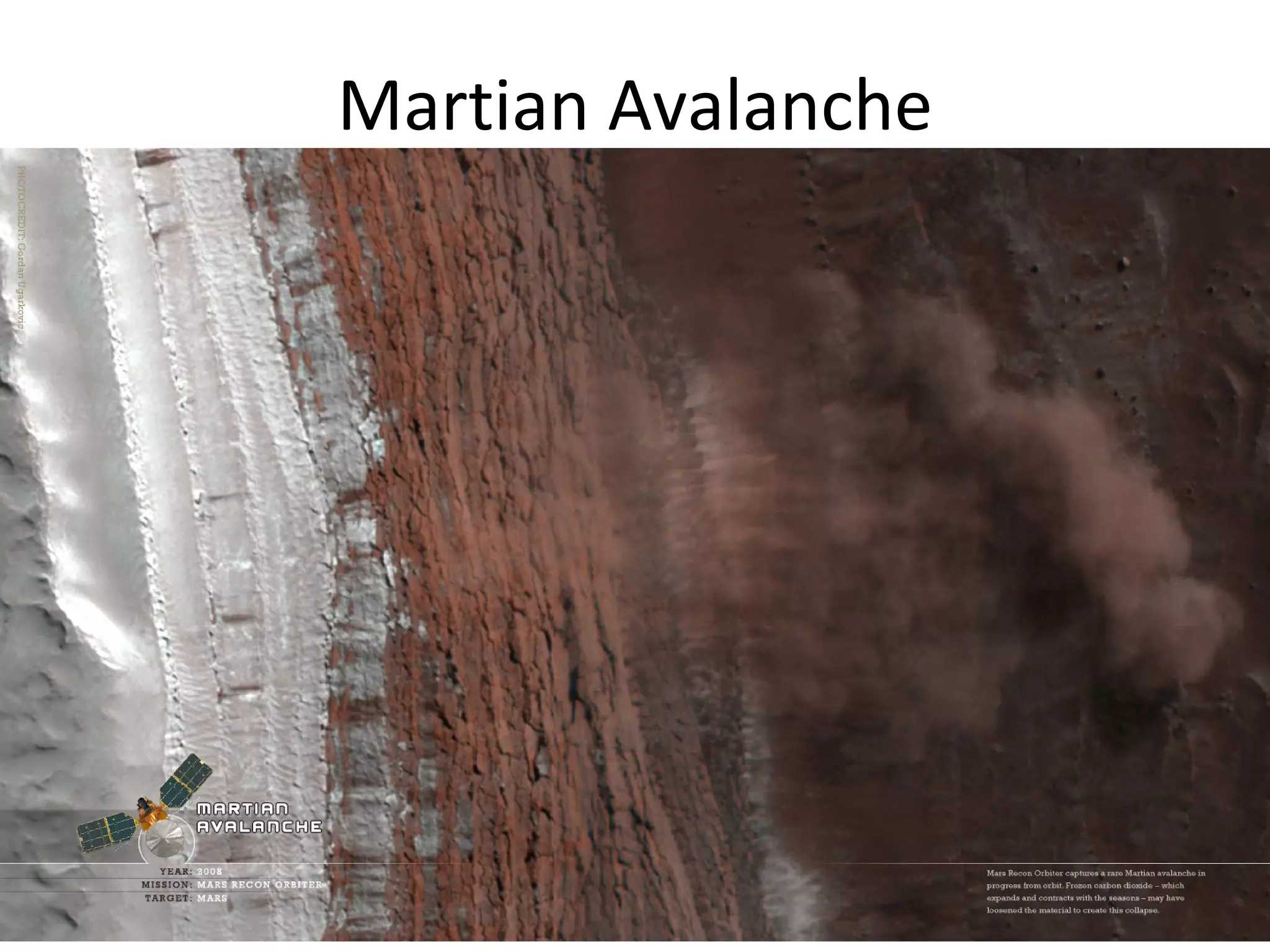
Erosion of Earth and Mars Layered Mesas (and their formation) Mass Wasting Canals: wind or water?
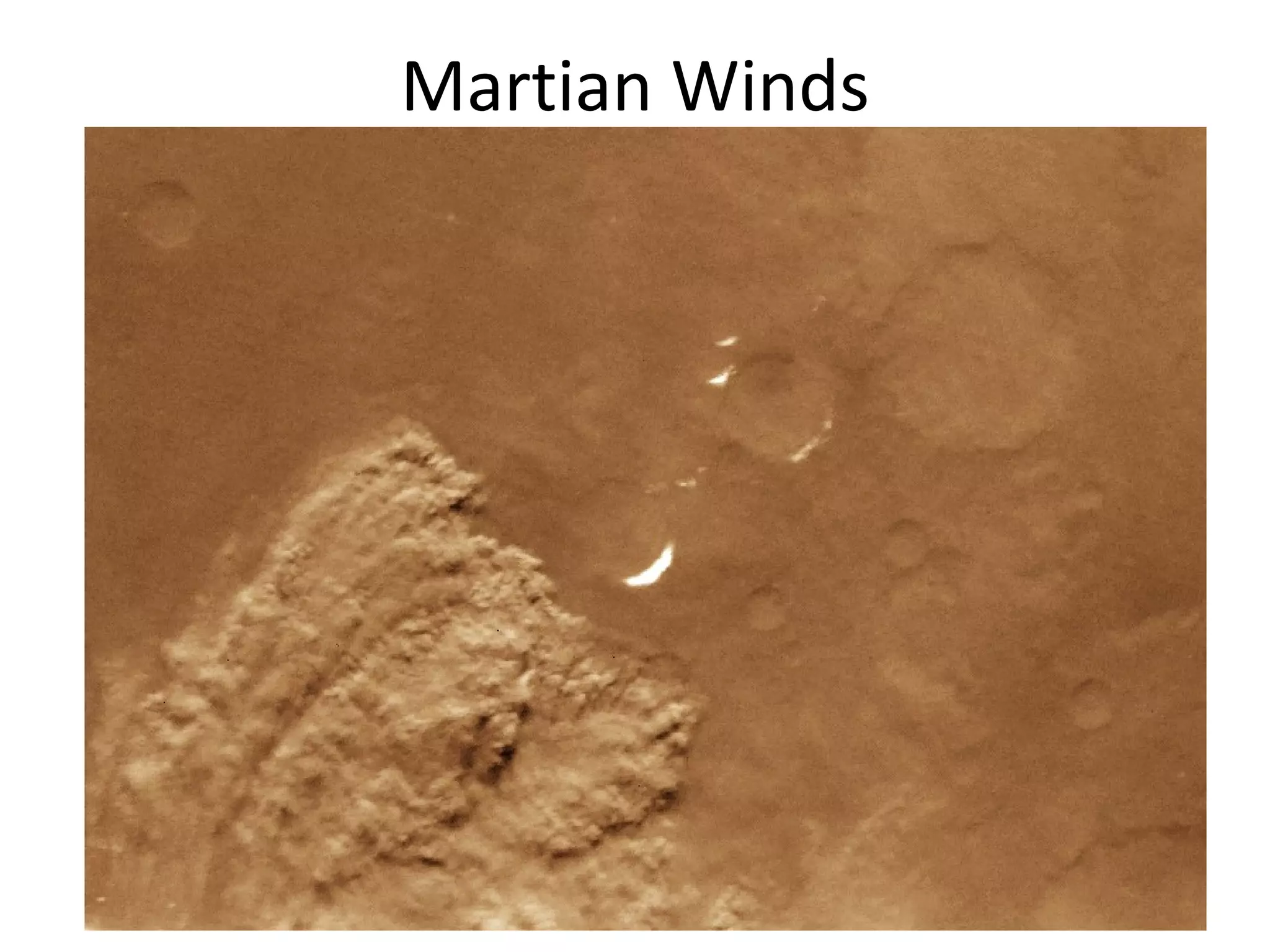
Martian Winds
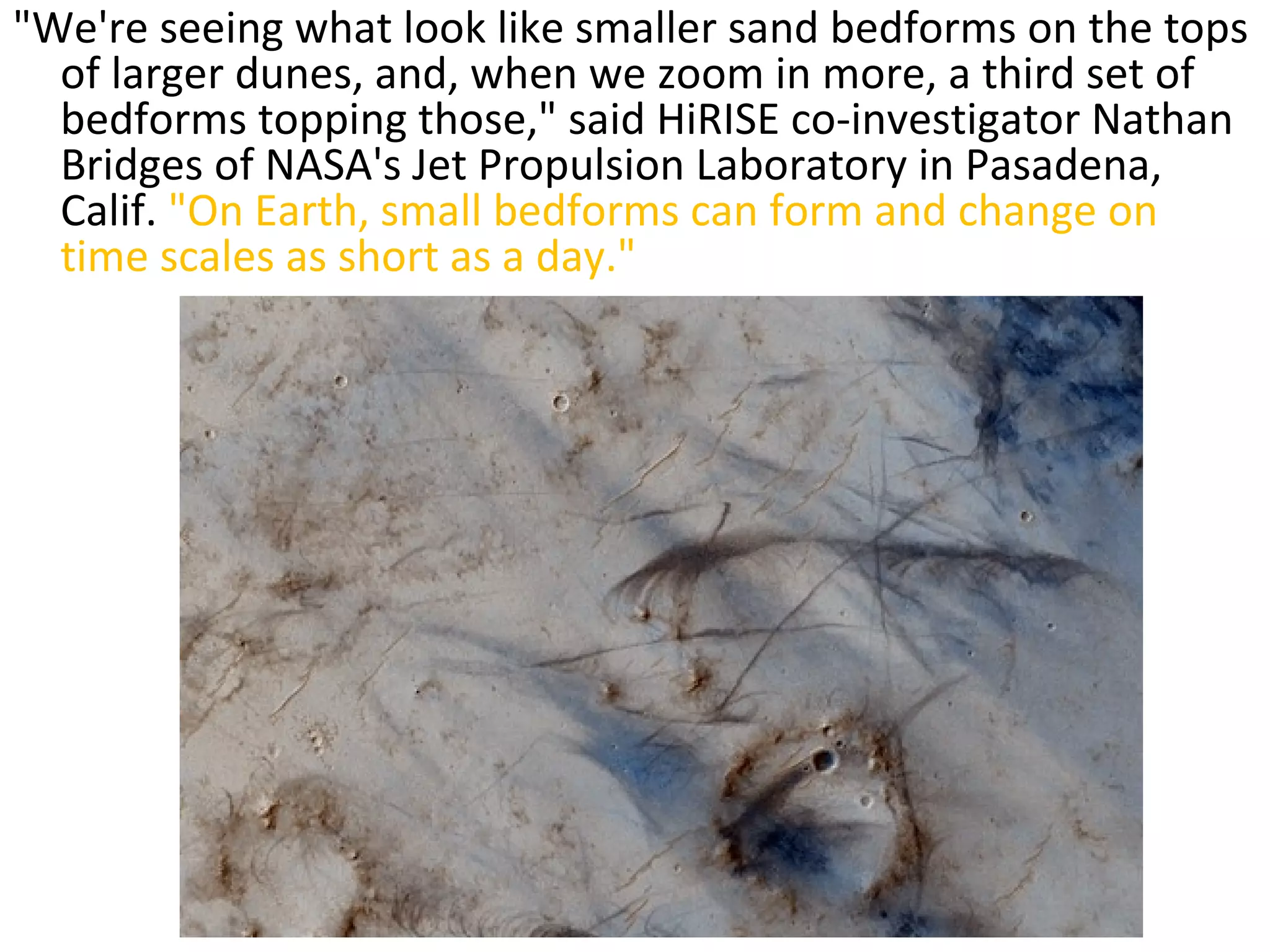
"We're seeing what look like smaller sand bedforms on the tops of larger dunes, and, when we zoom in more, a third set of bedforms topping those," said HiRISE co-investigator Nathan Bridges of NASA's Jet Propulsion Laboratory in Pasadena, Calif.  "On Earth, small bedforms can form and change on time scales as short as a day."
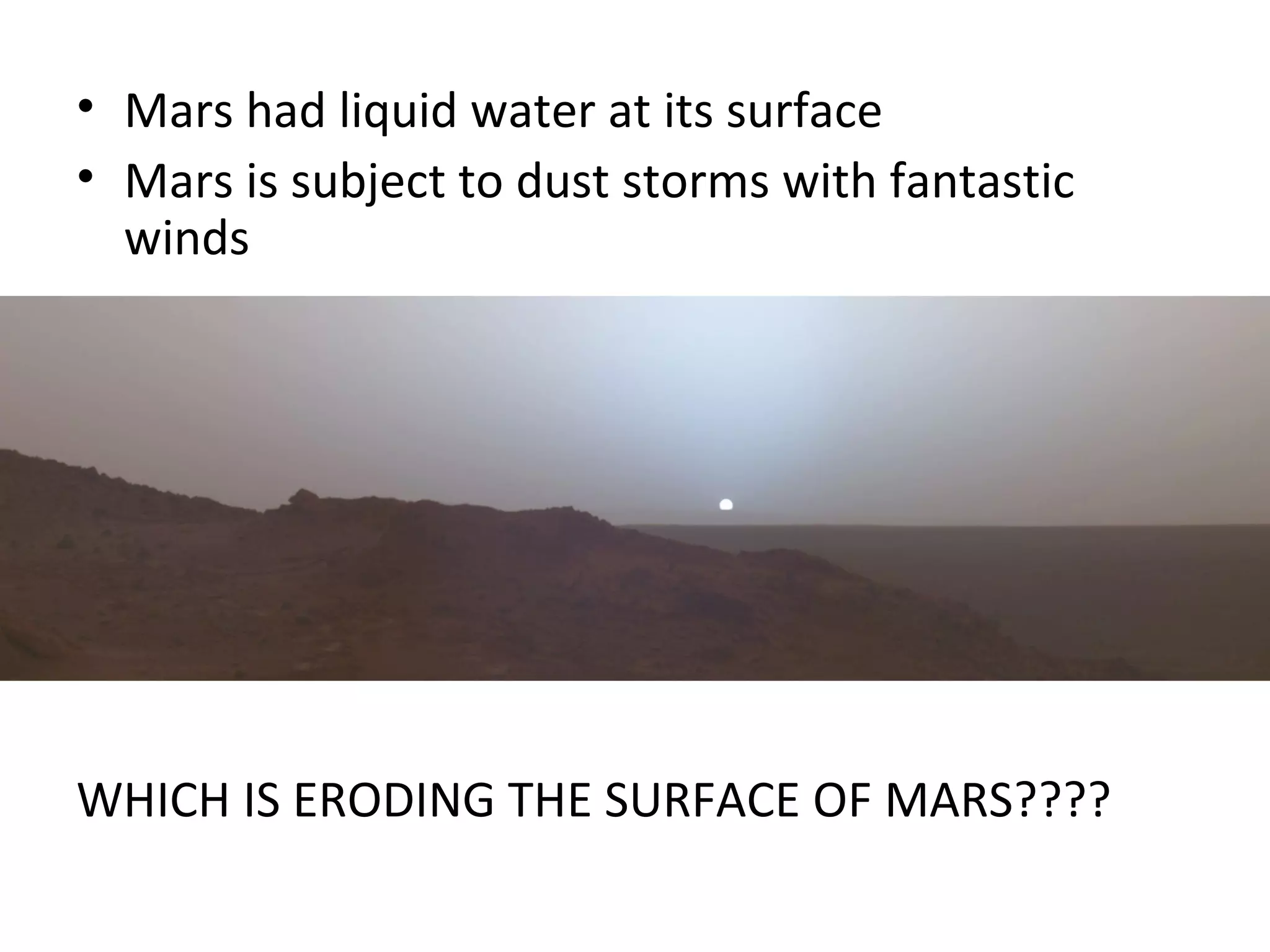
Mars had liquid water at its surface Mars is subject to dust storms with fantastic winds WHICH IS ERODING THE SURFACE OF MARS????
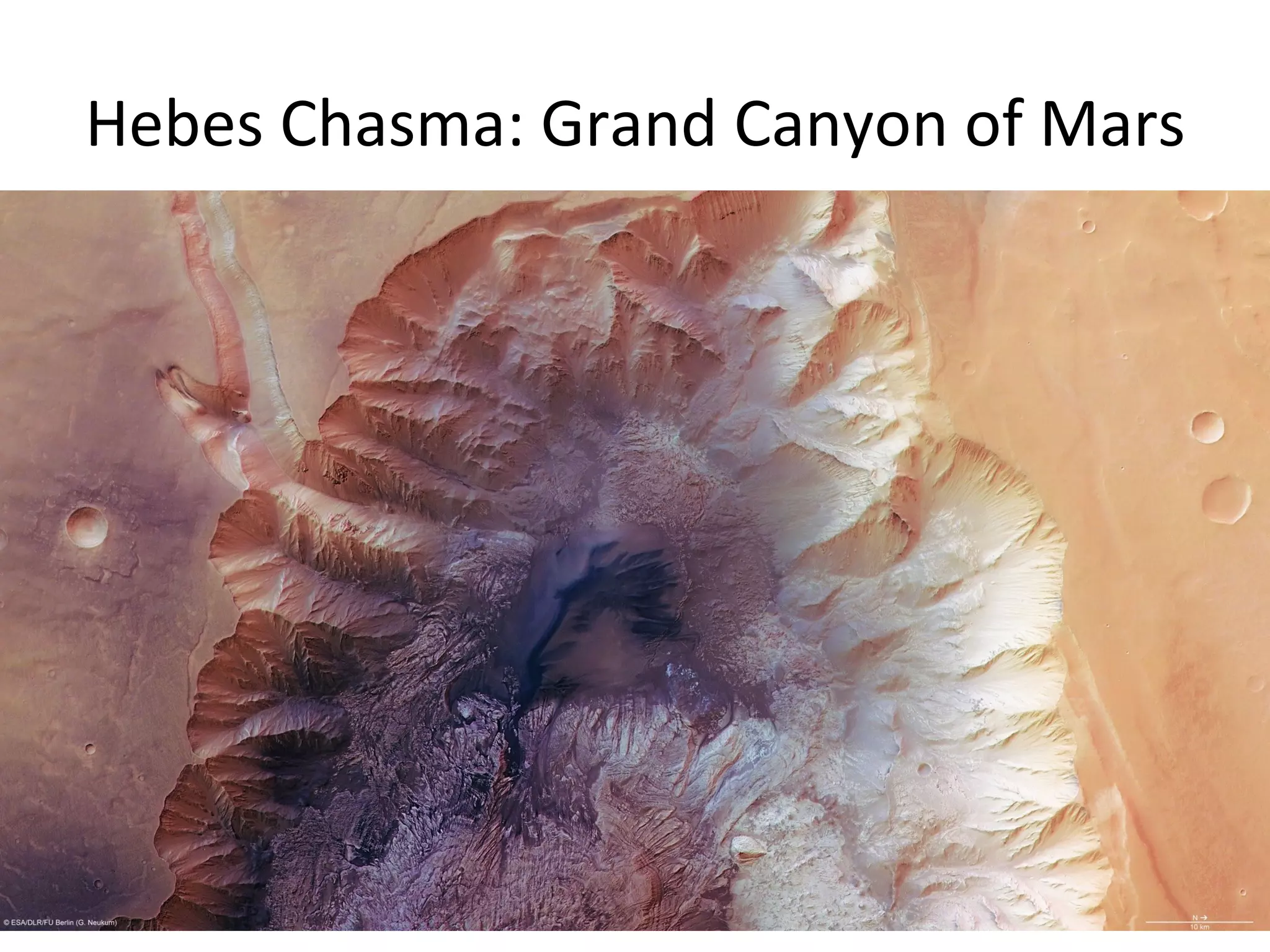
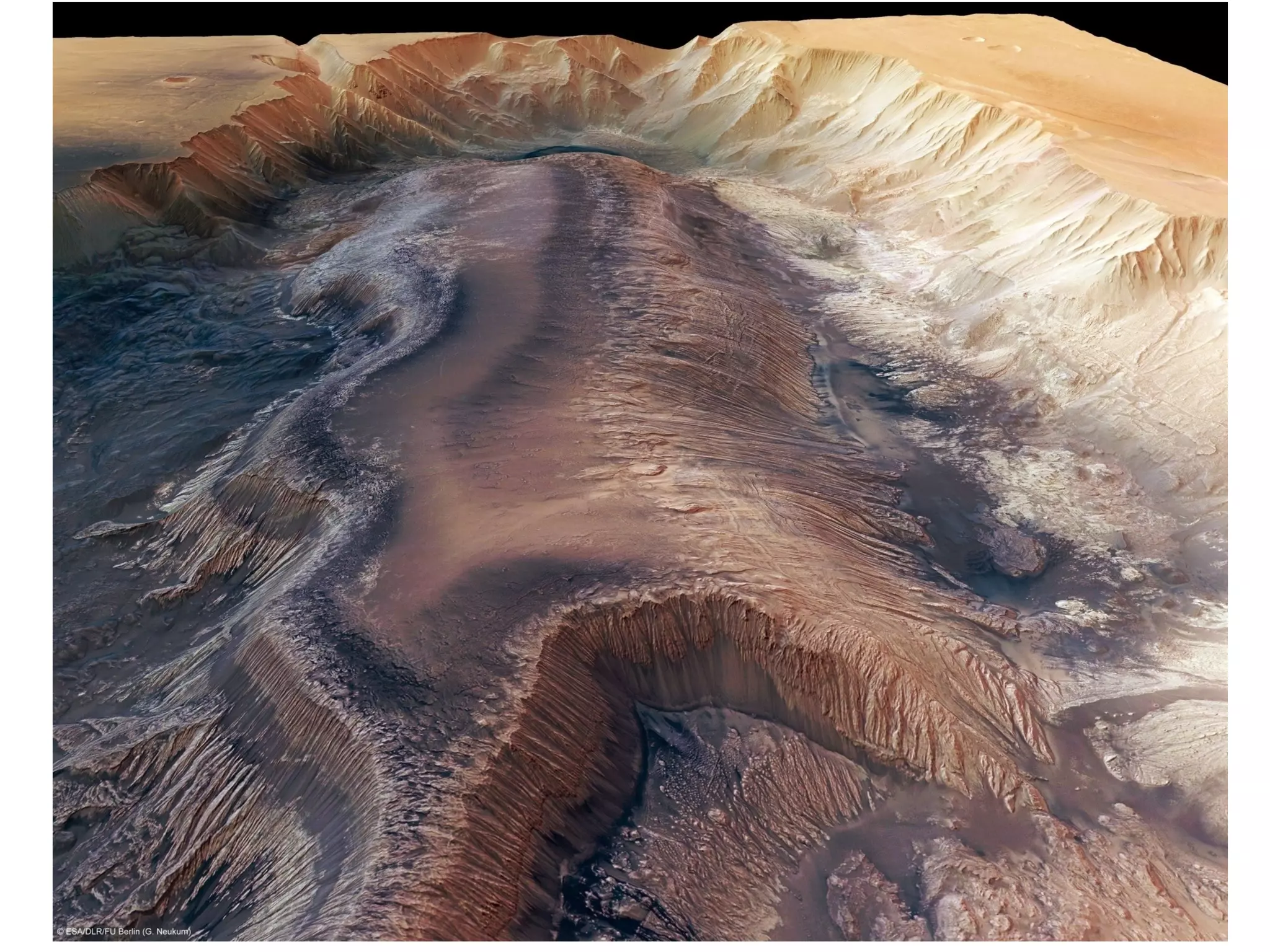
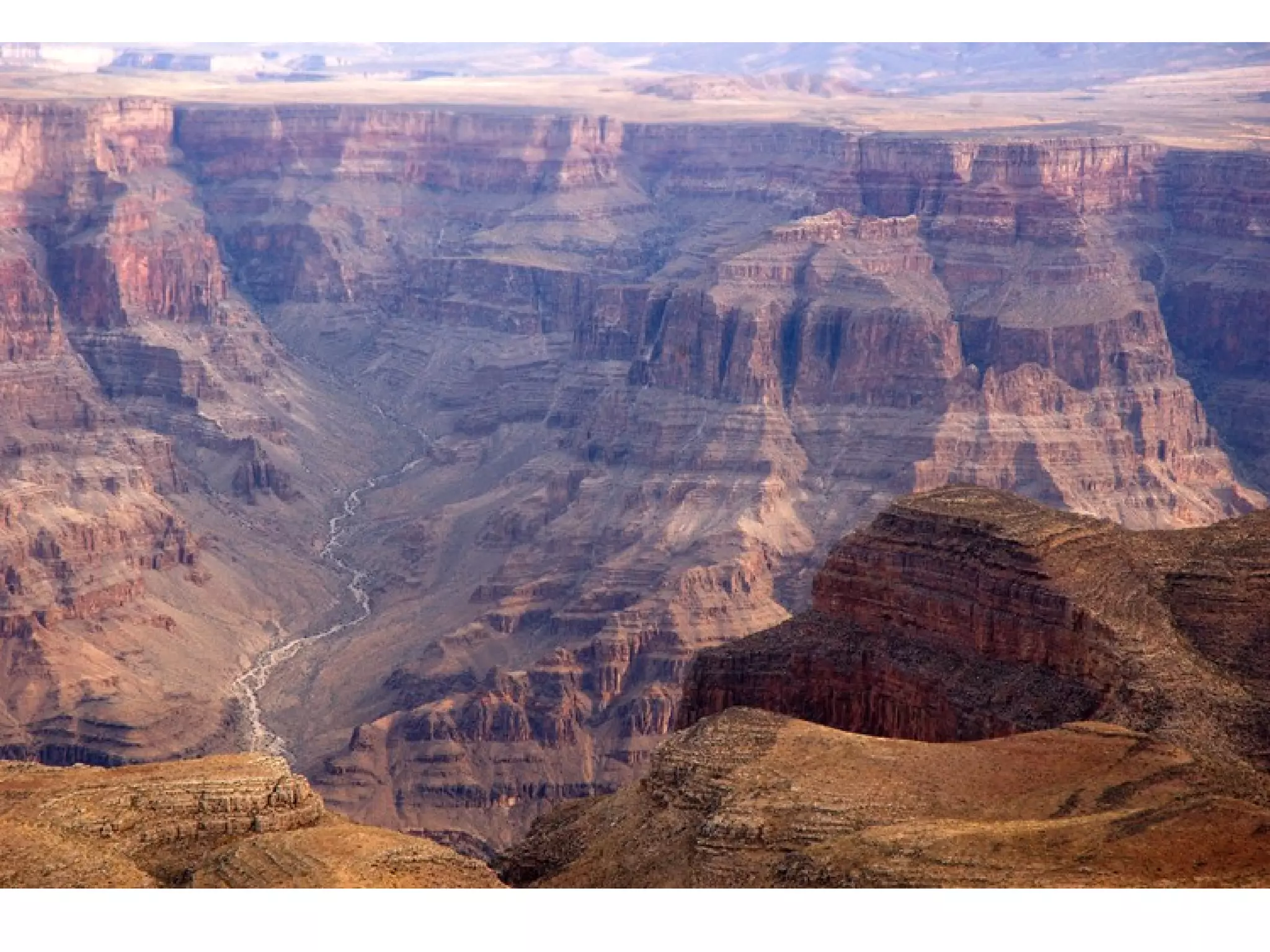
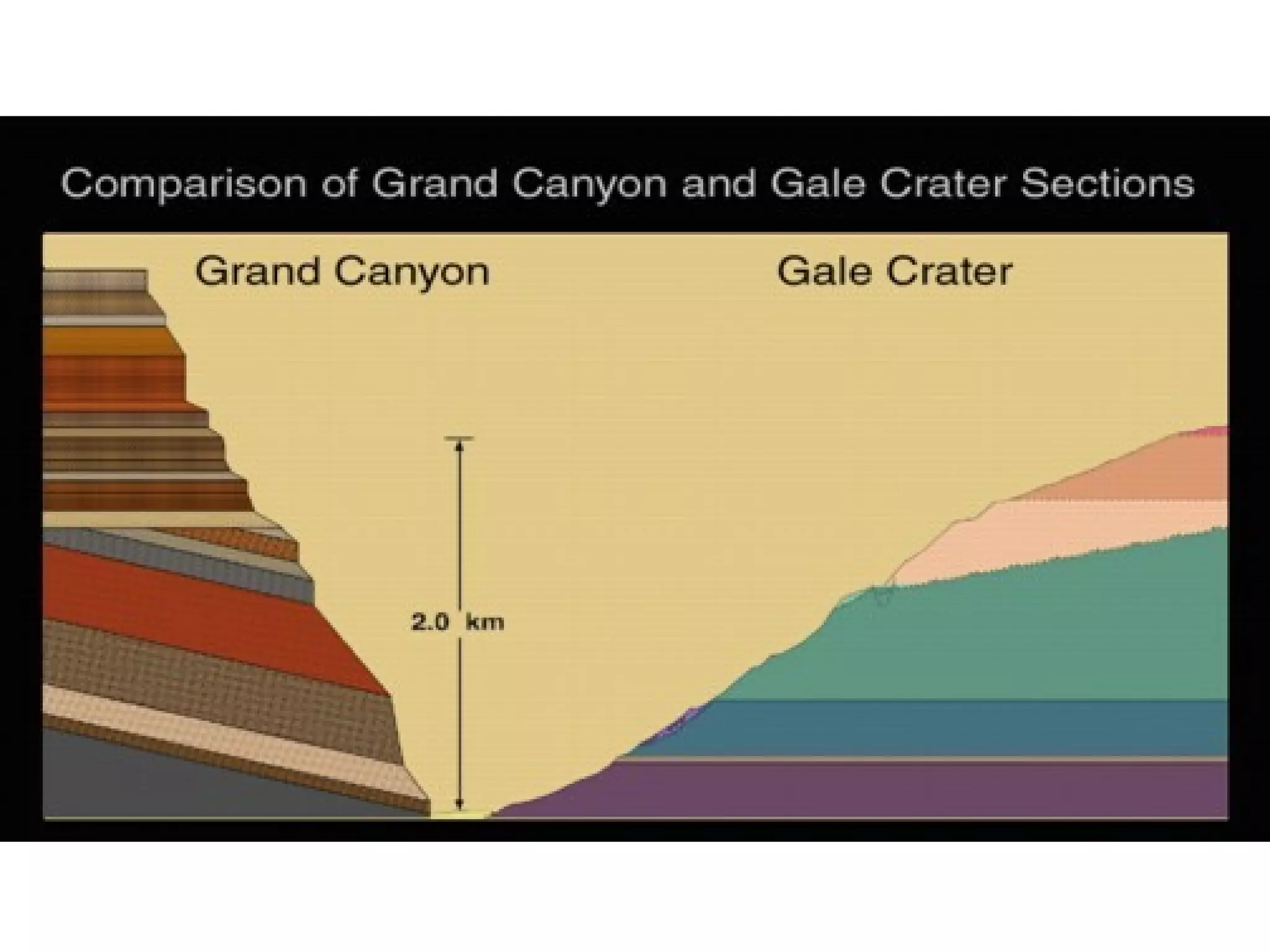
Hebes Chasma: Grand Canyon of Mars


Martian Avalanche
 
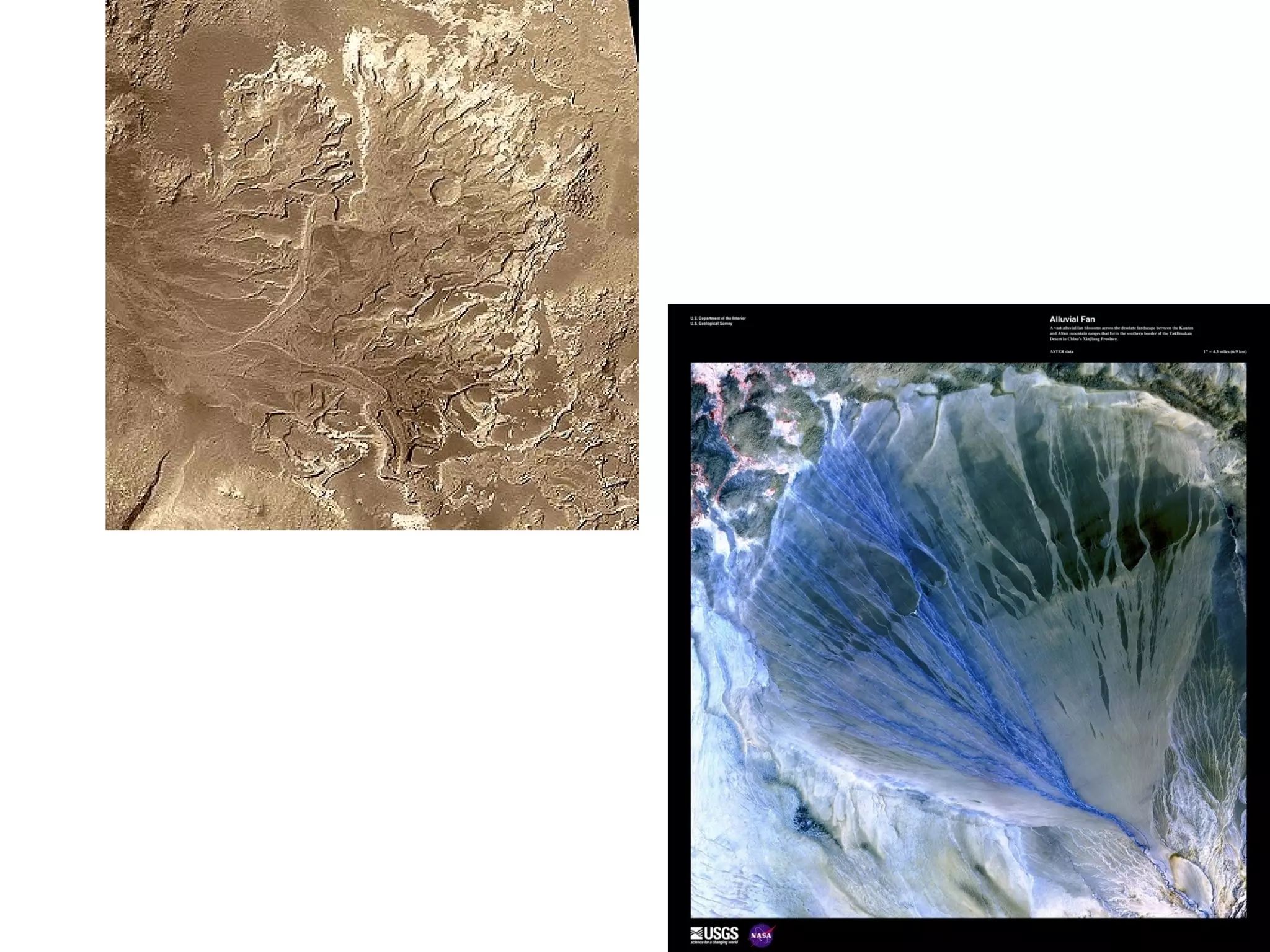
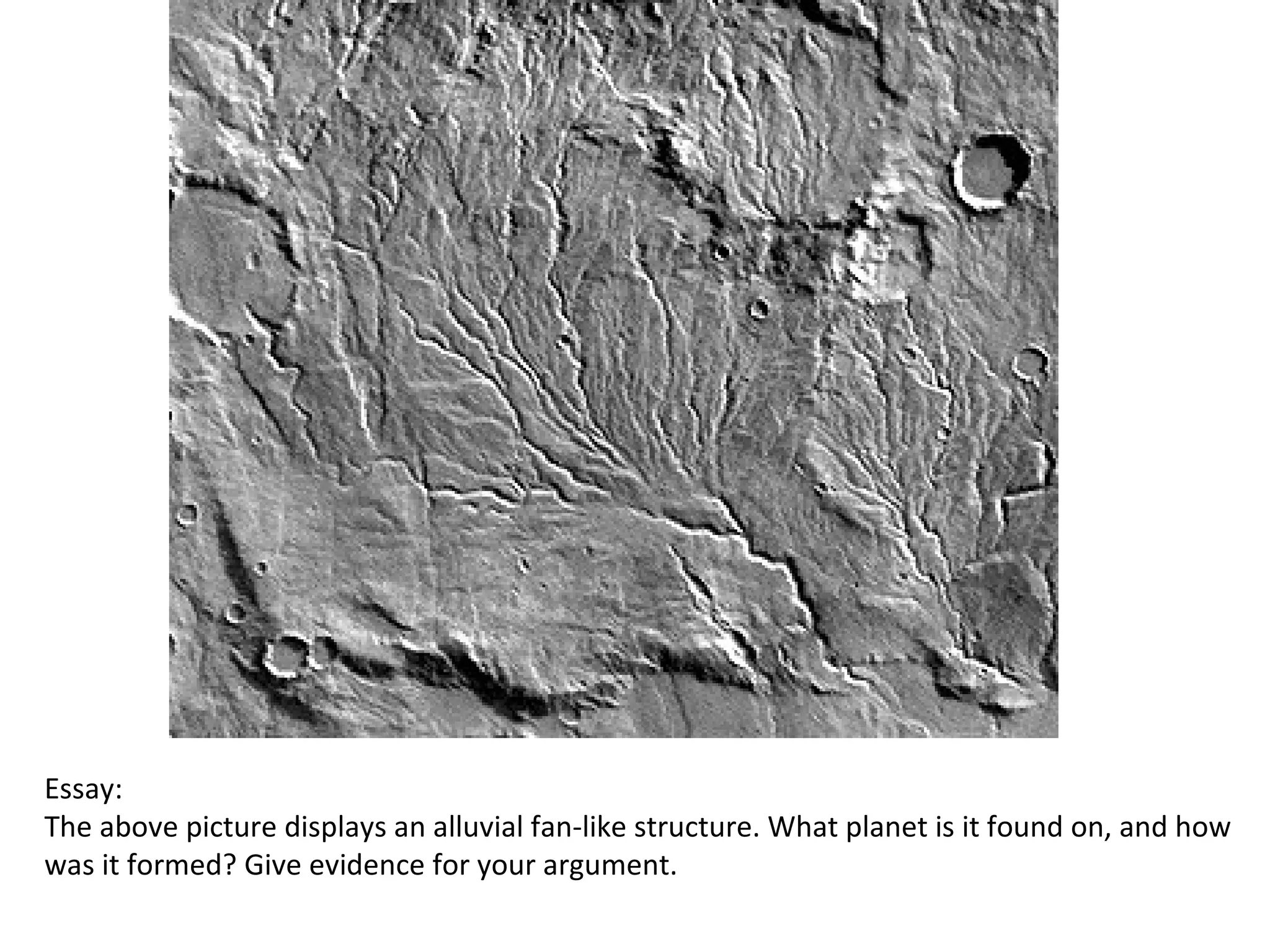
Essay: The above picture displays an alluvial fan-like structure. What planet is it found on, and how was it formed? Give evidence for your argument.

Mars Vs Earth 2

  • 1.
    Mars versus EarthToday: Erosion Next Unit: Volcanoes Faults and Boundaries Other Landforms Big Ideas: Rates of Change The story of water and carbon
  • 2.
    Our knowledge ofthe solar system is changing
  • 3.
    Space travel is changing
  • 4.
    Our knowledge ofMars is changing
  • 5.
  • 6.
    Volcanoes Olympus MonsLargest volcano in solar system
  • 7.
  • 8.
  • 9.
  • 10.
  • 11.
  • 12.
  • 13.
  • 14.
    Conclusion Martian volcanoesshow that Mars has (or once had) a molten core. The shape of Martian volcanoes shows that Mars’ convective layer moves slower than Earth’s. Martian volcanoes do not form in bands. Mars does change, but it changes much more slowly than Earth.
  • 15.
    Tectonics of MarsTekton – builder Tectonic theory : the Earth is divided into plates, which are constantly moving Boundary: where two tectonic plates hit each other
  • 16.
    Mars is scoredwith faults, caused by tension in its crust. However, the tension in the Martian crust has never been enough to cause it to entirely break
  • 17.
  • 18.
  • 19.
  • 20.
    Mars The northernhemisphere is uniformly low and smooth Giant volcanoes! Lots of craters! Deep cracks where the crust has broken The same all over Earth Bumpy continents Volcanoes in strings and rings Brand-new rocks, craters have been reprocessed Huge variety of landforms at boundaries
  • 21.
  • 22.
  • 23.
  • 24.
    Conclusion Unlike Earth,Mars is not covered with moving plates. It once was. Mars does change, but it changes much more slowly than Earth.
  • 25.
  • 26.
  • 27.
  • 28.
  • 29.
    Deformation Bands ofMars and Earth (precursors of faults) "This study provides a picture of not just surface water erosion, but true groundwater effects widely distributed over the planet," said Suzanne Smrekar, deputy project scientist.
  • 30.
    Martian pack ice(a) Earth’s Antarctica (b) Counting of craters indicates Martian pole melted 20 million years ago. Liquid water once existed on the surface of Mars.
  • 31.
    Erosion of Earthand Mars Layered Mesas (and their formation) Mass Wasting Canals: wind or water?
  • 32.
  • 33.
    "We're seeing whatlook like smaller sand bedforms on the tops of larger dunes, and, when we zoom in more, a third set of bedforms topping those," said HiRISE co-investigator Nathan Bridges of NASA's Jet Propulsion Laboratory in Pasadena, Calif. "On Earth, small bedforms can form and change on time scales as short as a day."
  • 34.
    Mars had liquidwater at its surface Mars is subject to dust storms with fantastic winds WHICH IS ERODING THE SURFACE OF MARS????
  • 35.
    Hebes Chasma: GrandCanyon of Mars
  • 36.
  • 37.
  • 38.
  • 39.
  • 40.
  • 41.
  • 42.
  • 43.
    Essay: The abovepicture displays an alluvial fan-like structure. What planet is it found on, and how was it formed? Give evidence for your argument.