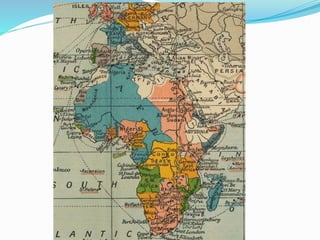
- The document discusses several factors that contributed to the outbreak of World War 1 in 1914, including militarism, alliances, nationalism, and imperialism.
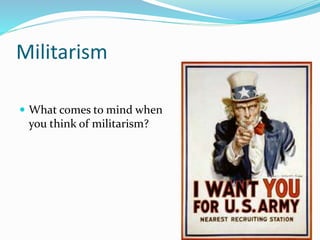
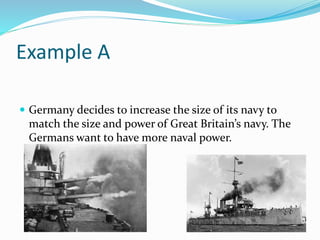
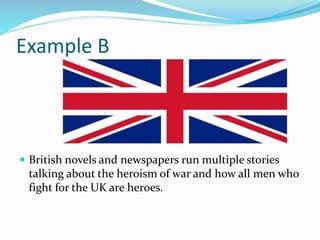
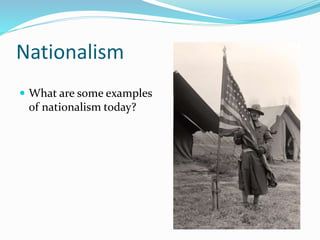
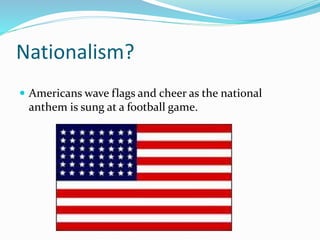
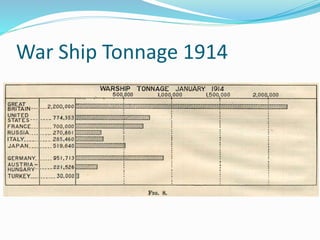
- Militarism refers to countries aggressively increasing the size of their militaries to keep up with neighboring countries. The system of alliances between European powers also increased tensions as the interests of one allied country could draw other allied nations into conflict. Nationalist sentiments further raised tensions as countries desired to strengthen and expand their territories.

![Think…
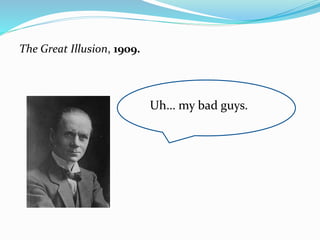
Norman Angell once said that “the world is too
interdependent [and globalized] for a global war to
occur.”
Do you agree or disagree with the quote above? Could
a World War happen today? Why or why not?](https://image.slidesharecdn.com/maniapowerpoint-151202150105-lva1-app6892/85/Mania-powerpoint-4-320.jpg)