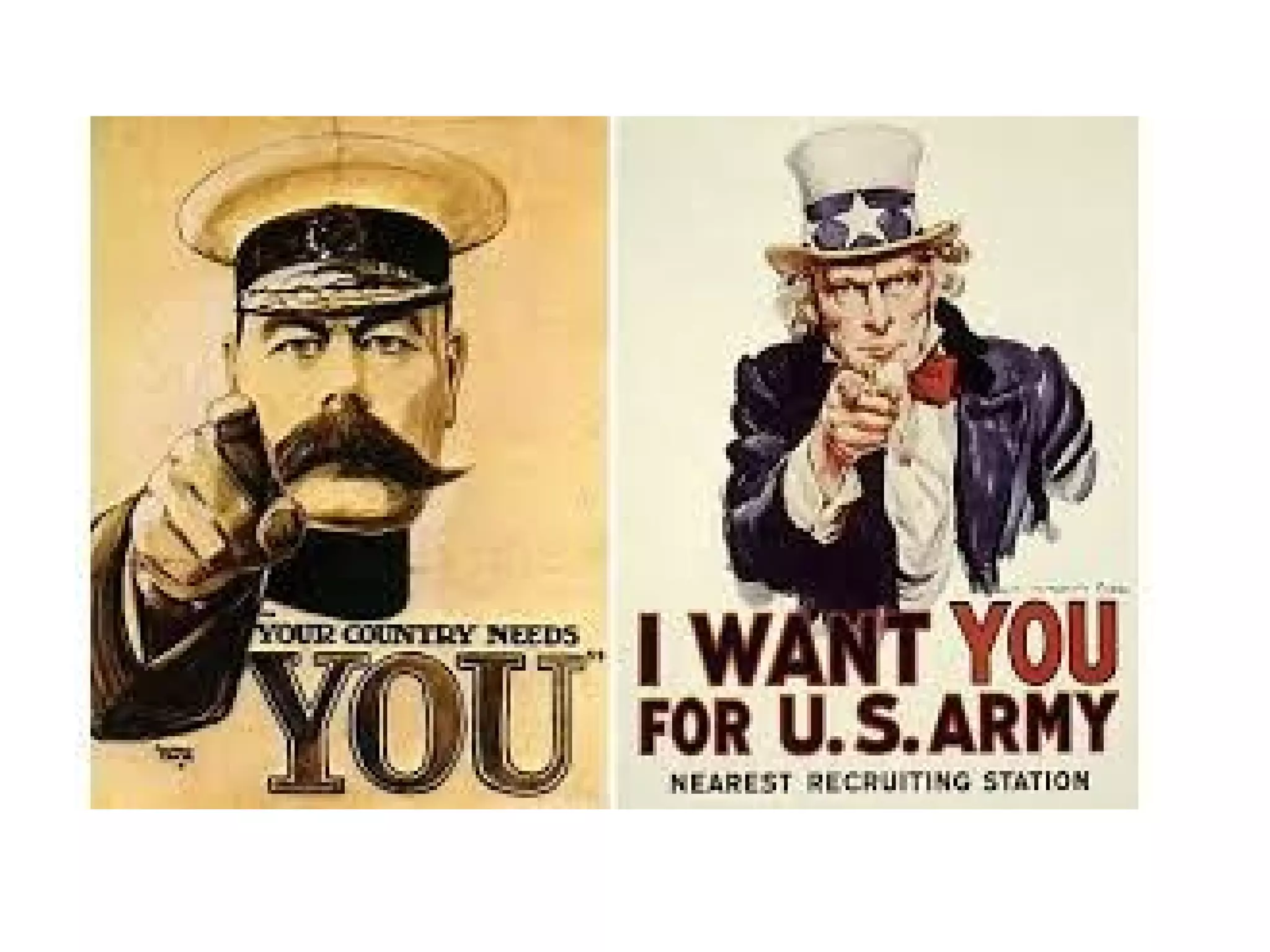
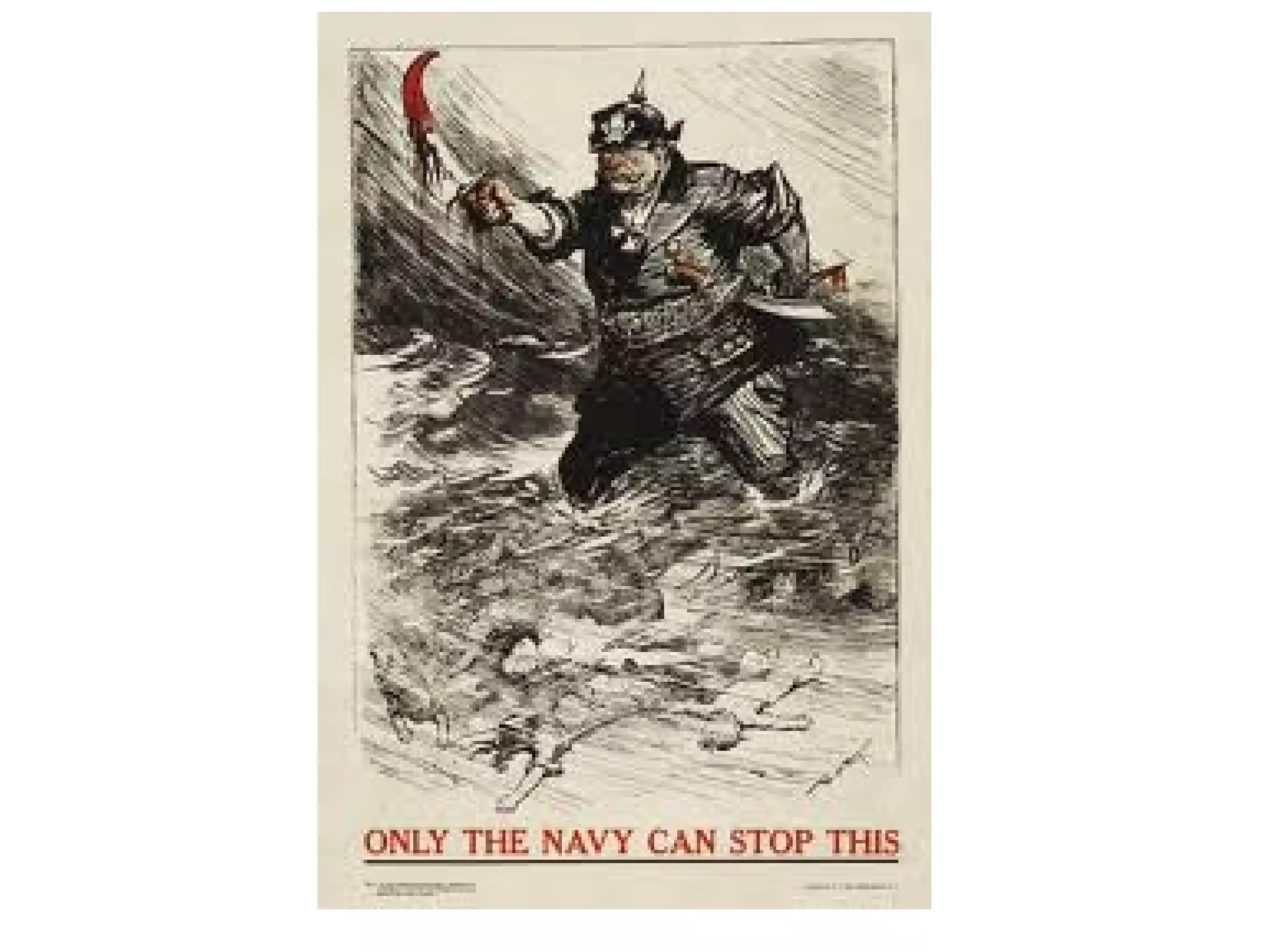
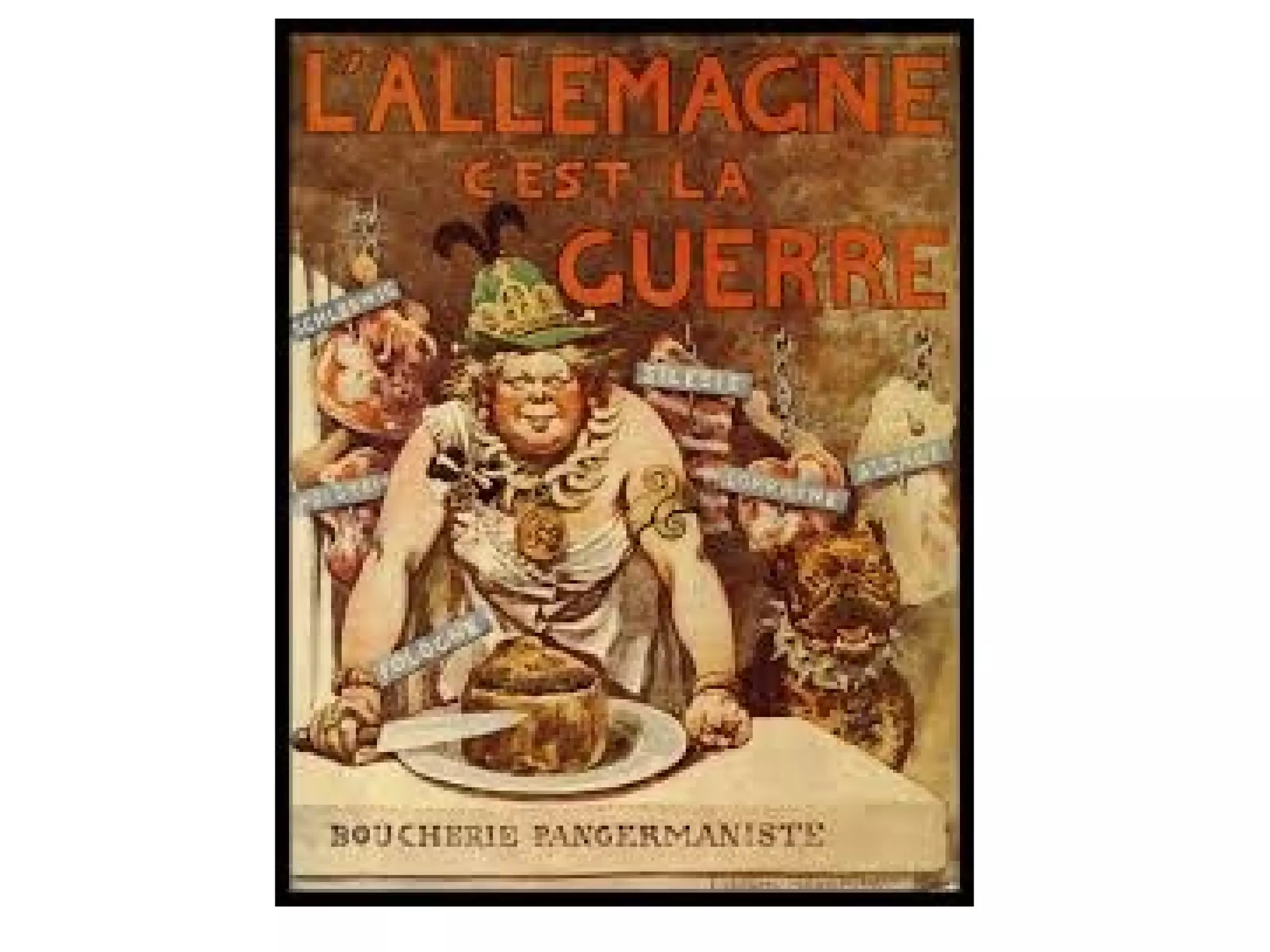
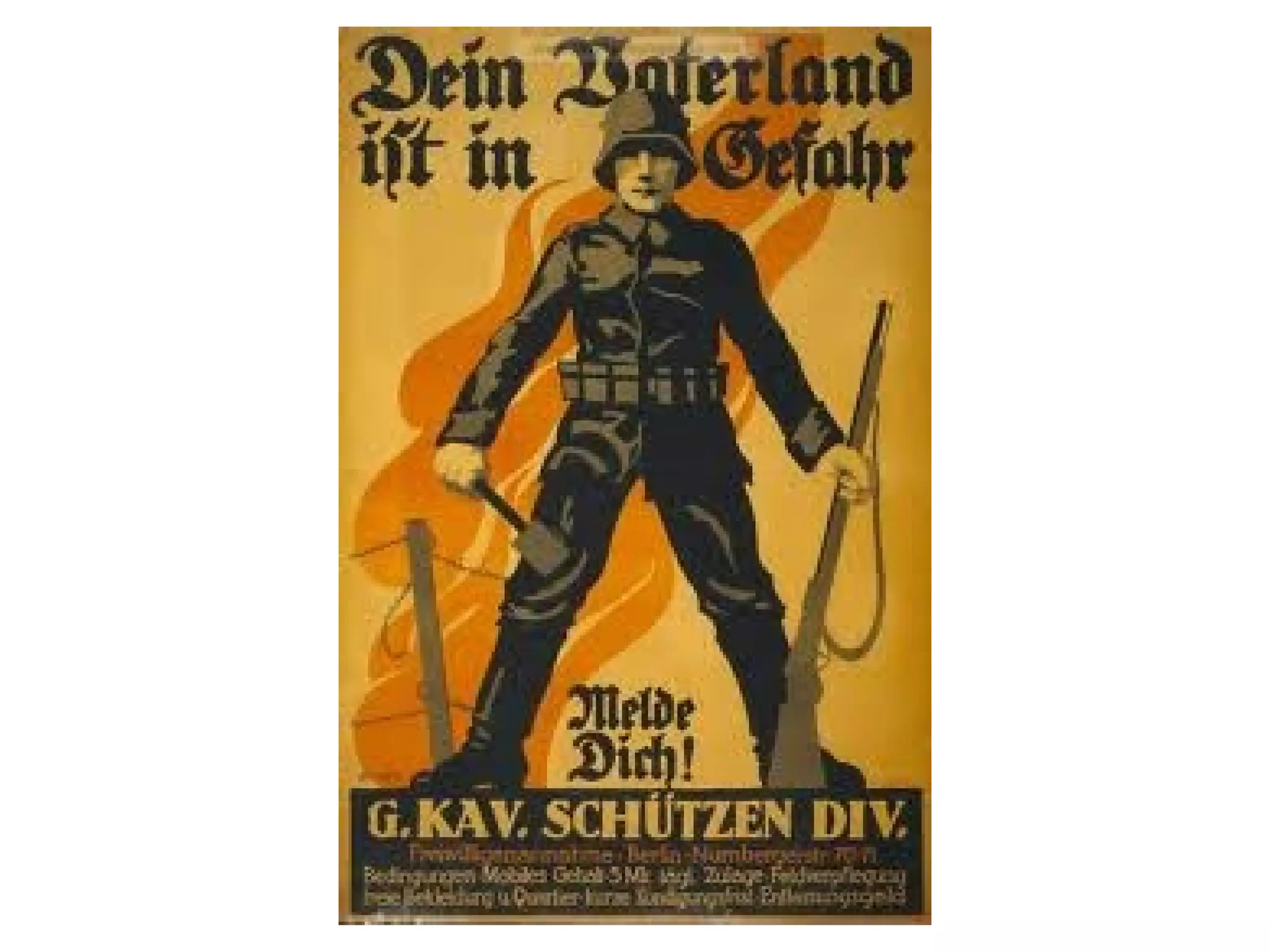
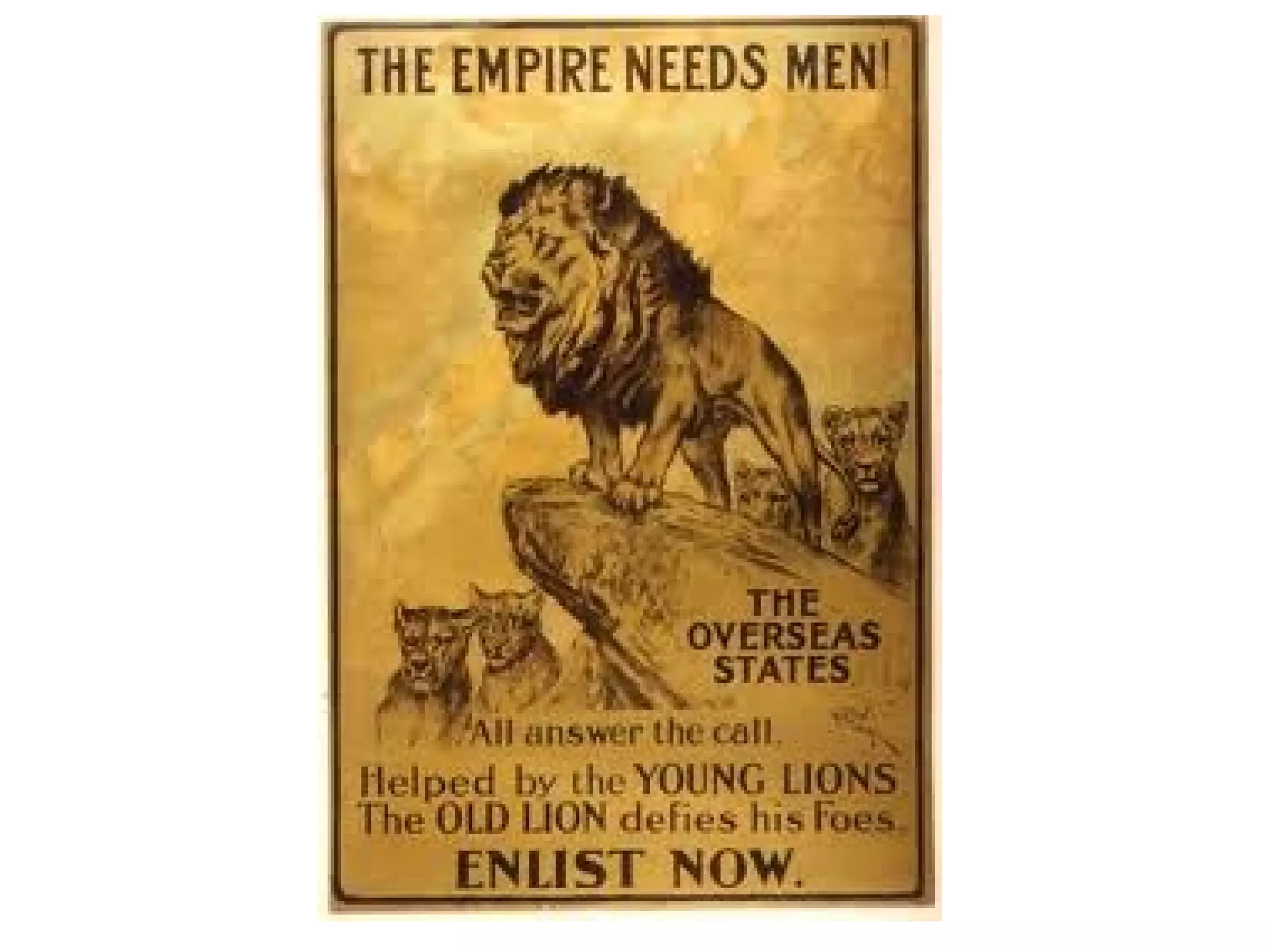
“Information, ideas, or rumors deliberately
spread widely to help or harm a person,
group, movement, institution, nation, etc...”
Not advertising (but like it!)
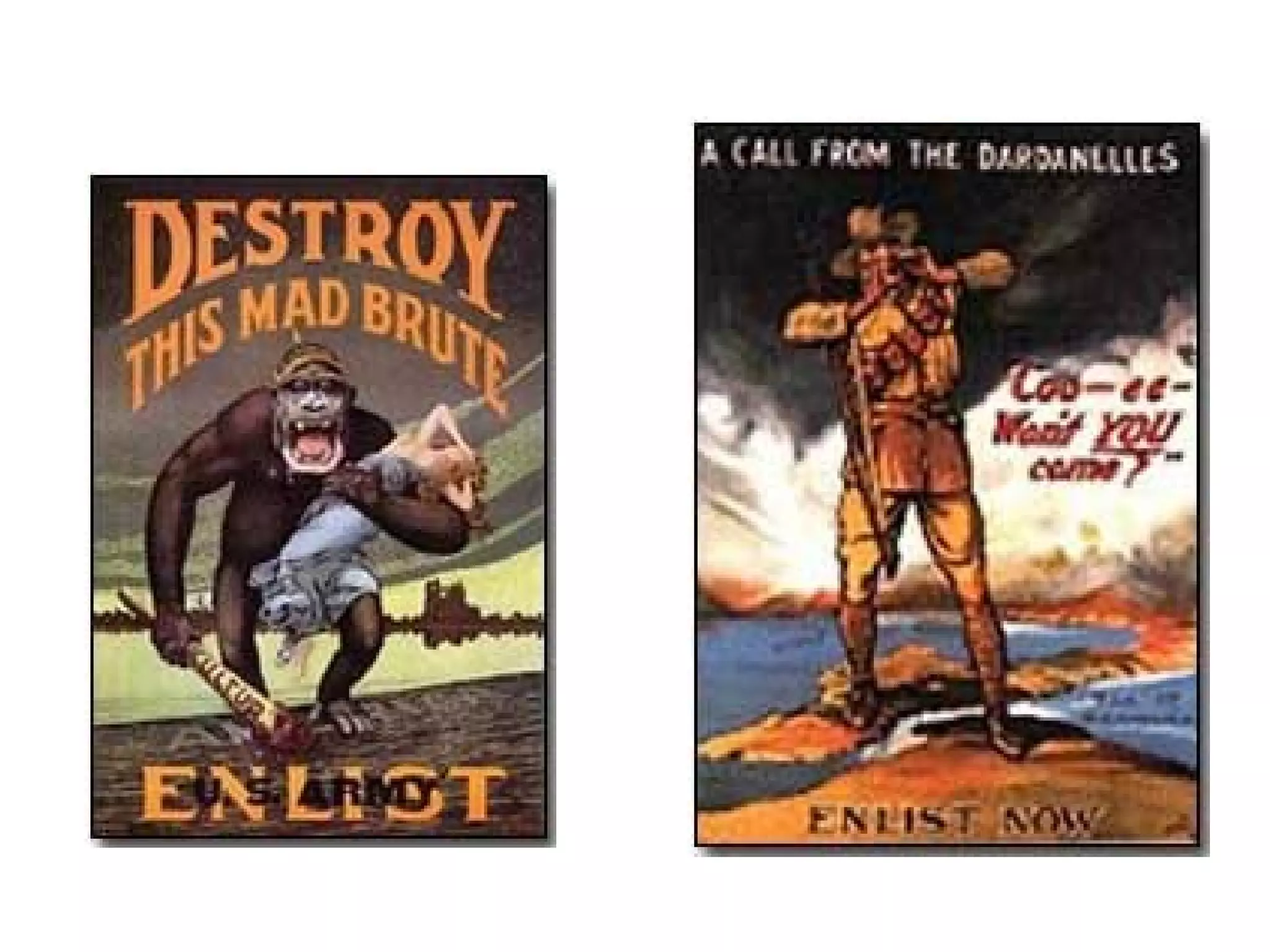
Sanctifies some….
Dehumanizes others…
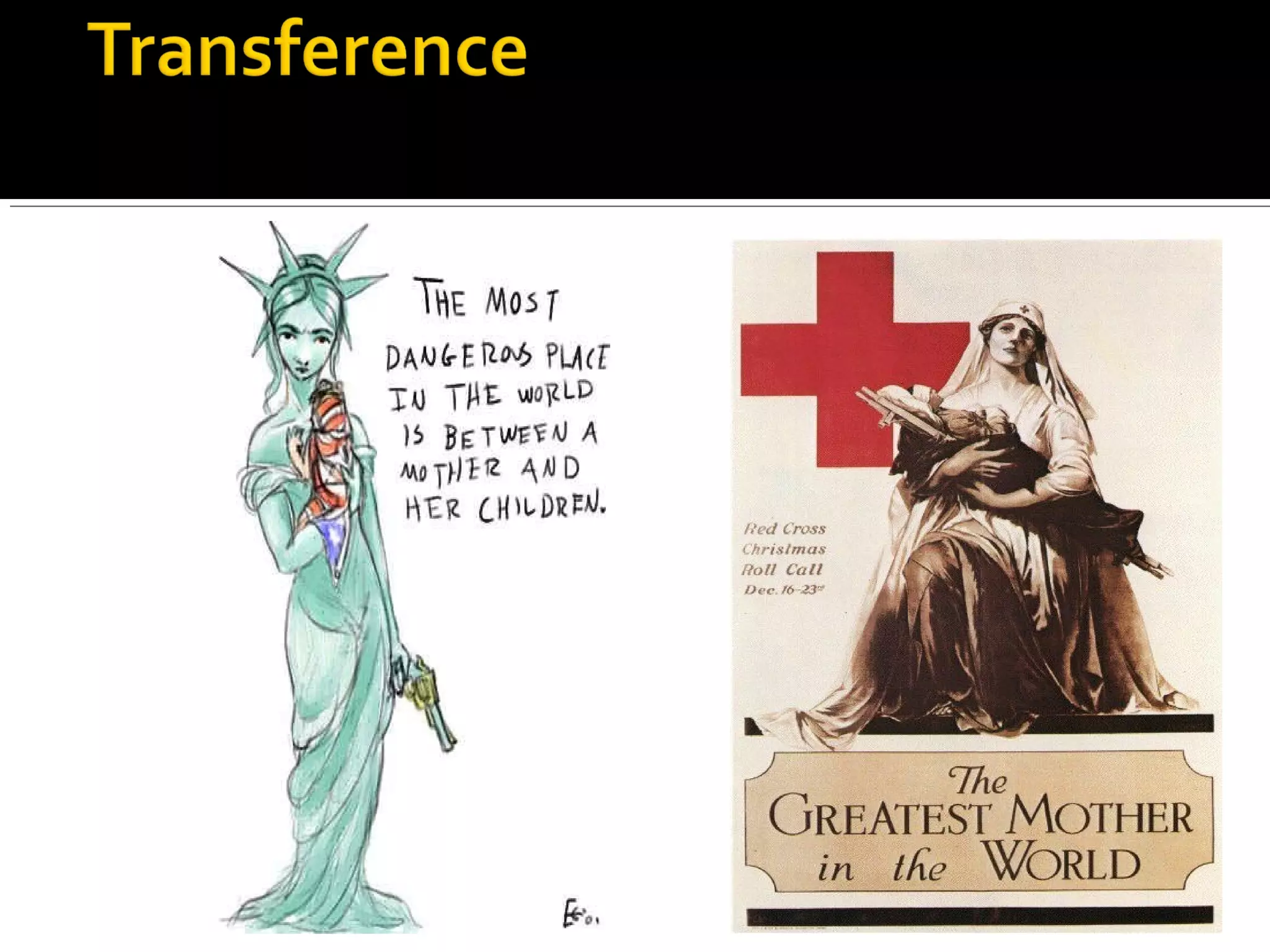
 The speaker attempts to persuade people
through the indirect use of something we
respect.
 For example:
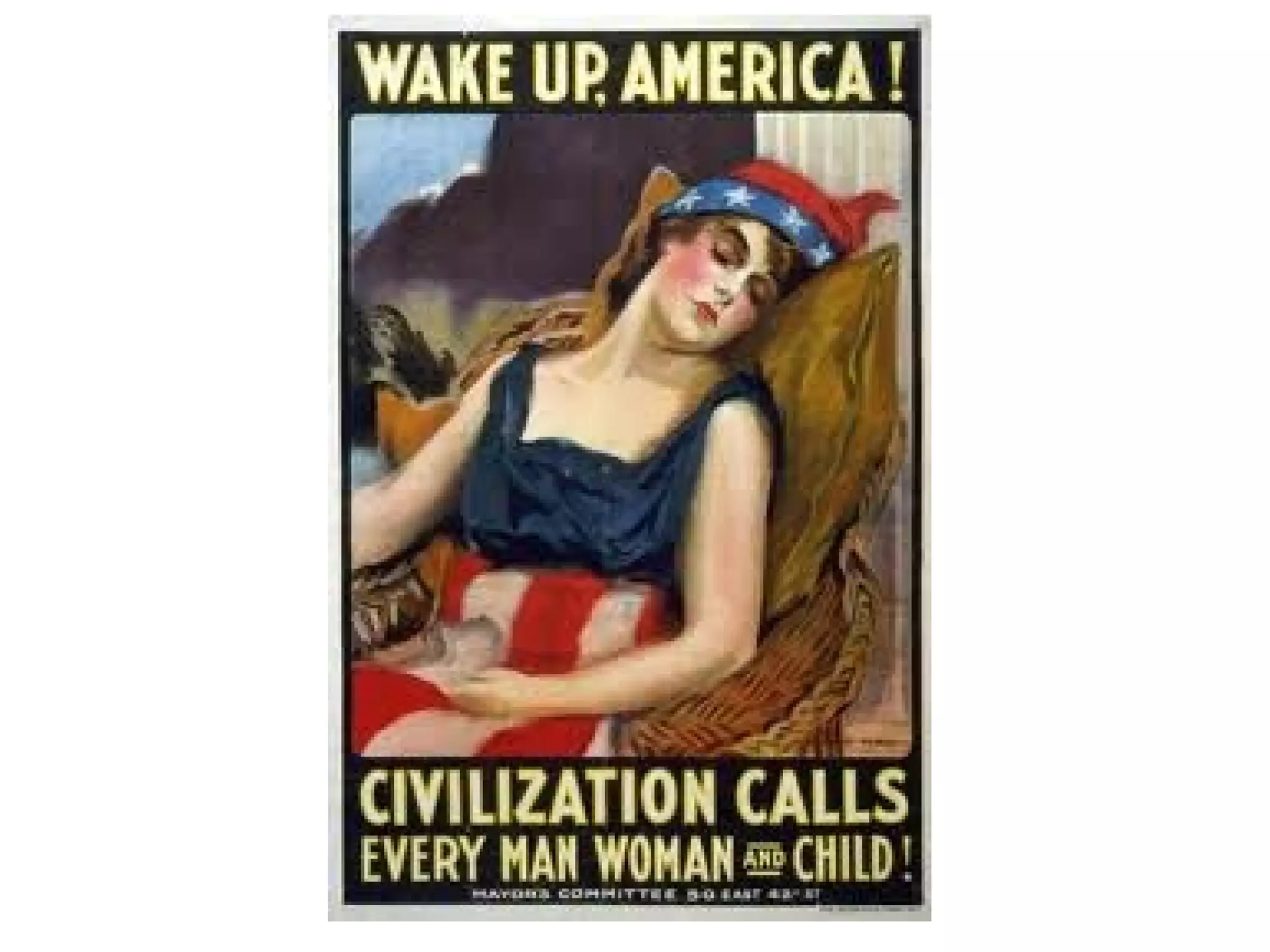
 Patriotic images
 Religious images
 References to science
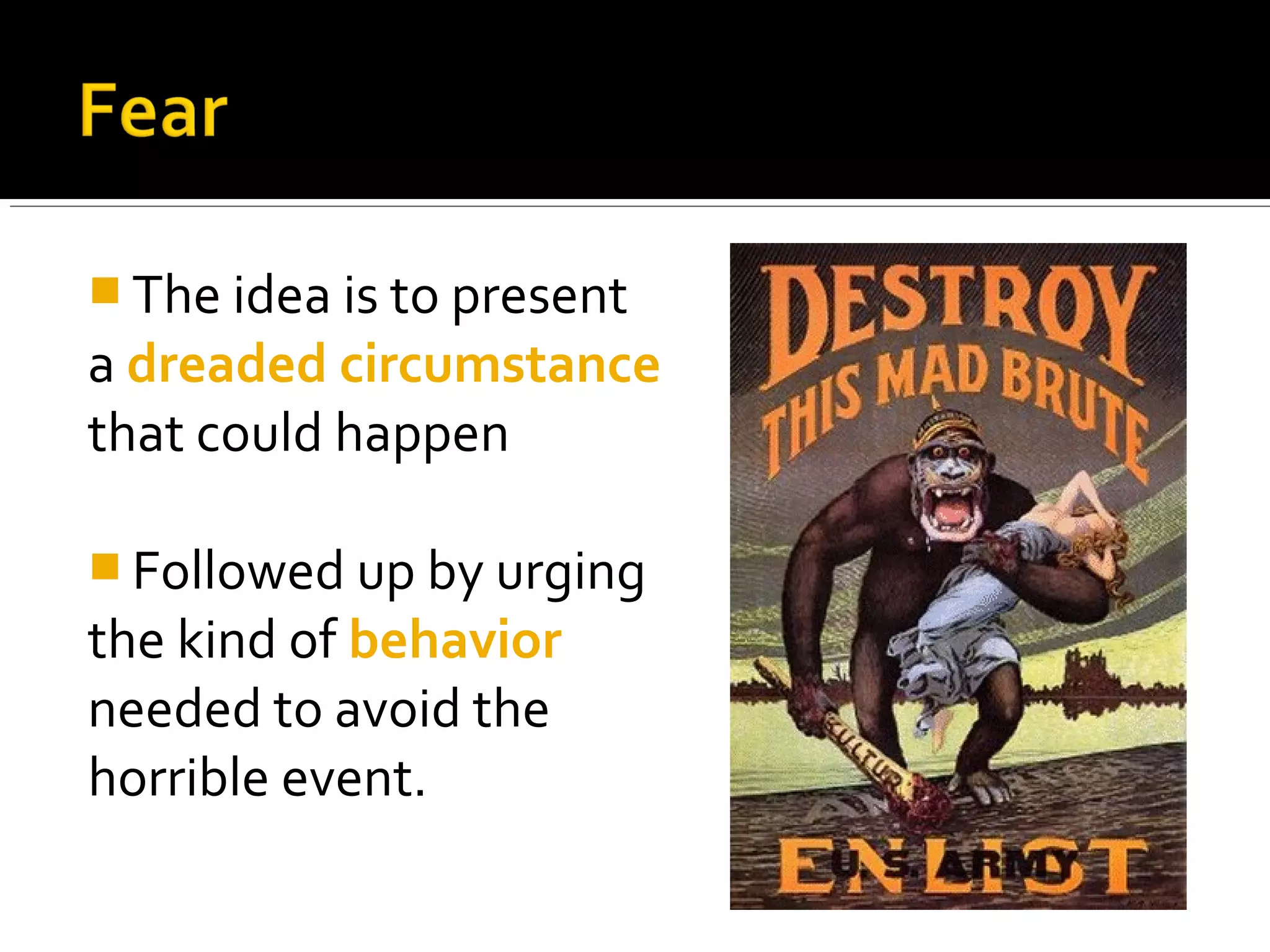
 The idea is to present
a dreaded circumstance
that could happen
 Followed up by urging
the kind of behavior
needed to avoid the
horrible event.
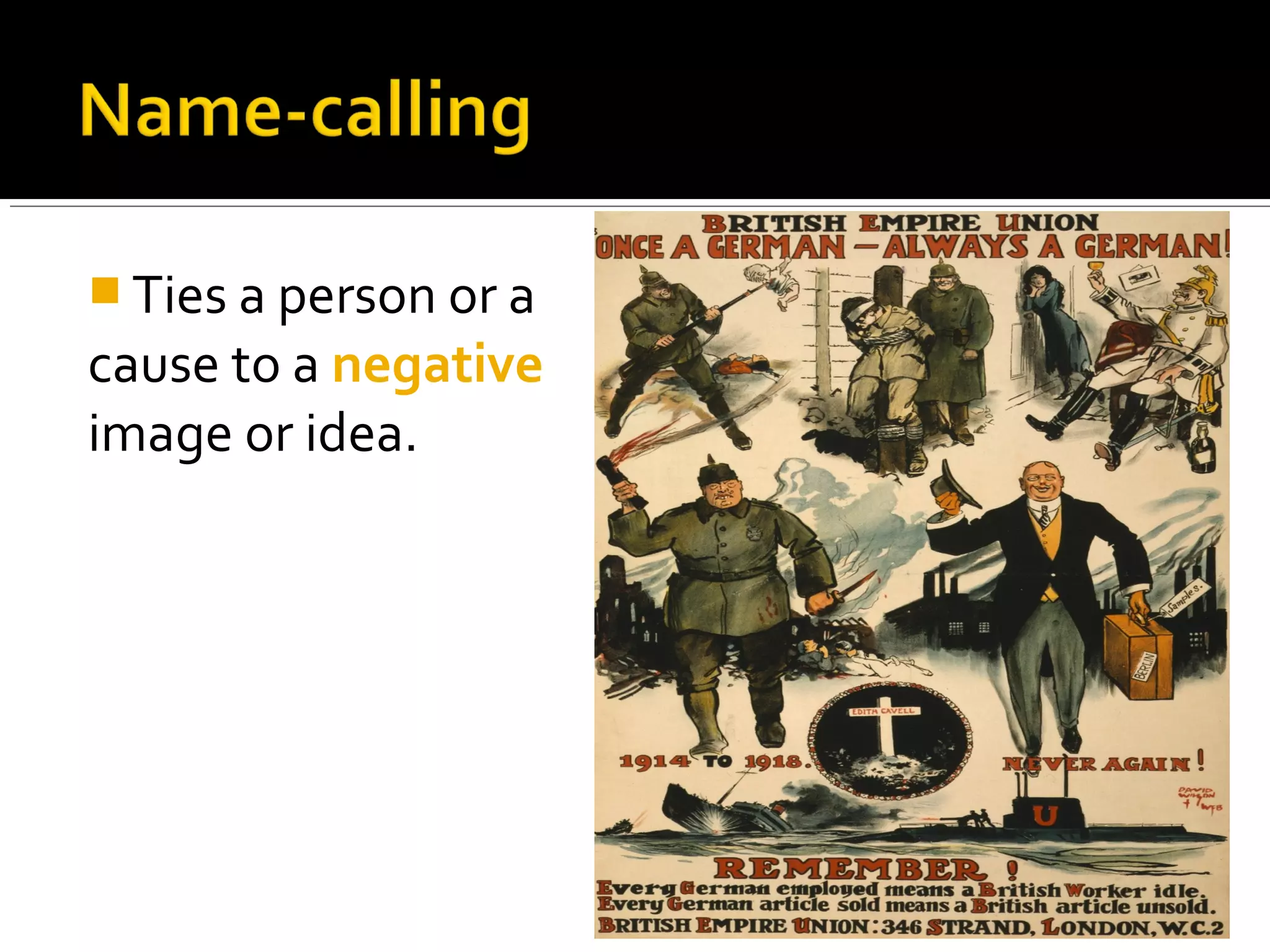
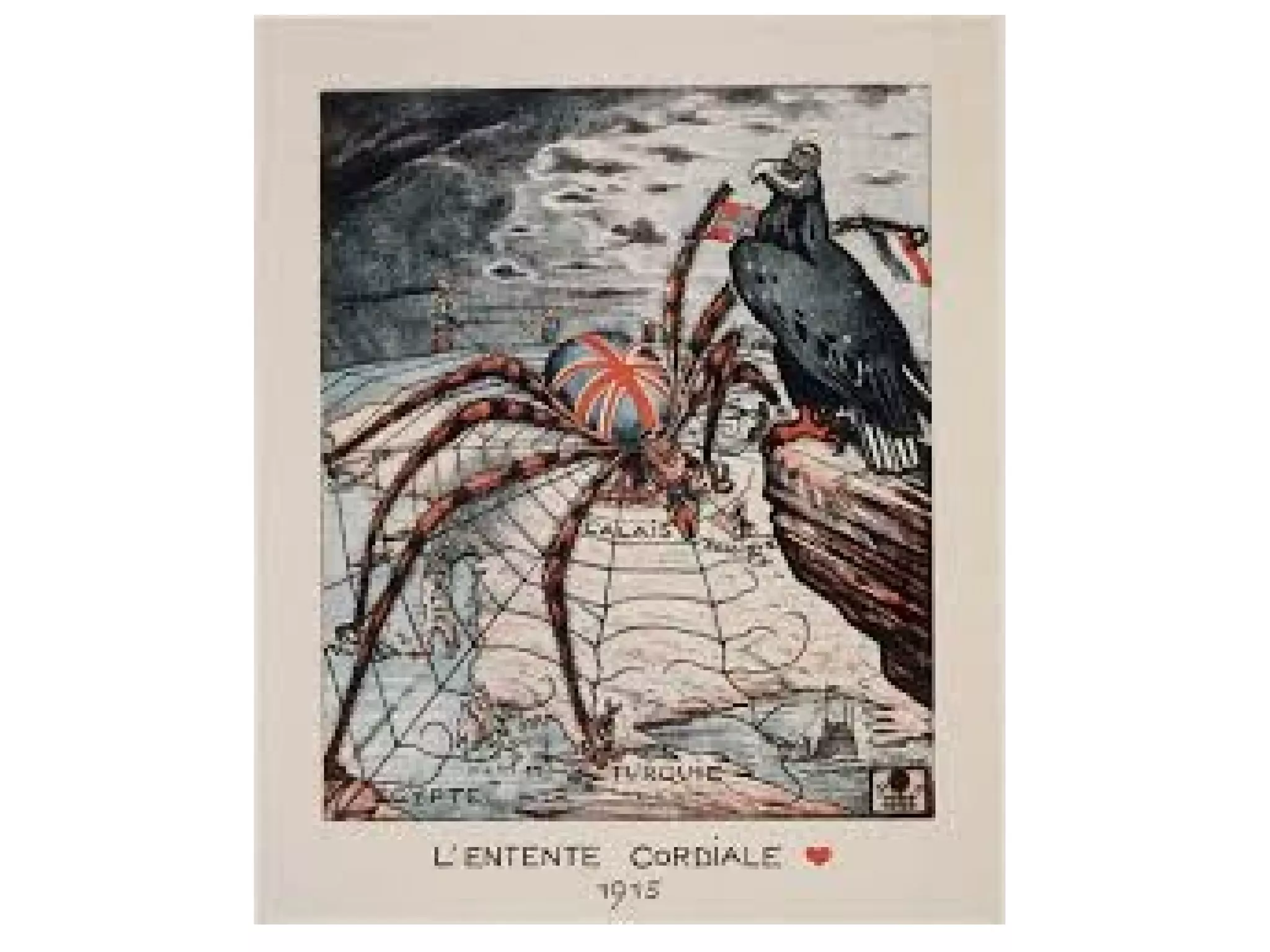
 Ties a person or a
cause to a negative
image or idea.
 The speaker does or says things that make
him seem like an ordinary person who can be
trusted, not an elite.
 The desired effect is: “He’s one of us, so he
must be okay.”
 The speaker gets a celebrity to endorse him
or her.
 People are impressed by seeing or hearing of
a celebrity’s involvement.
 They stop thinking critically about the
speaker’s words or ideas.
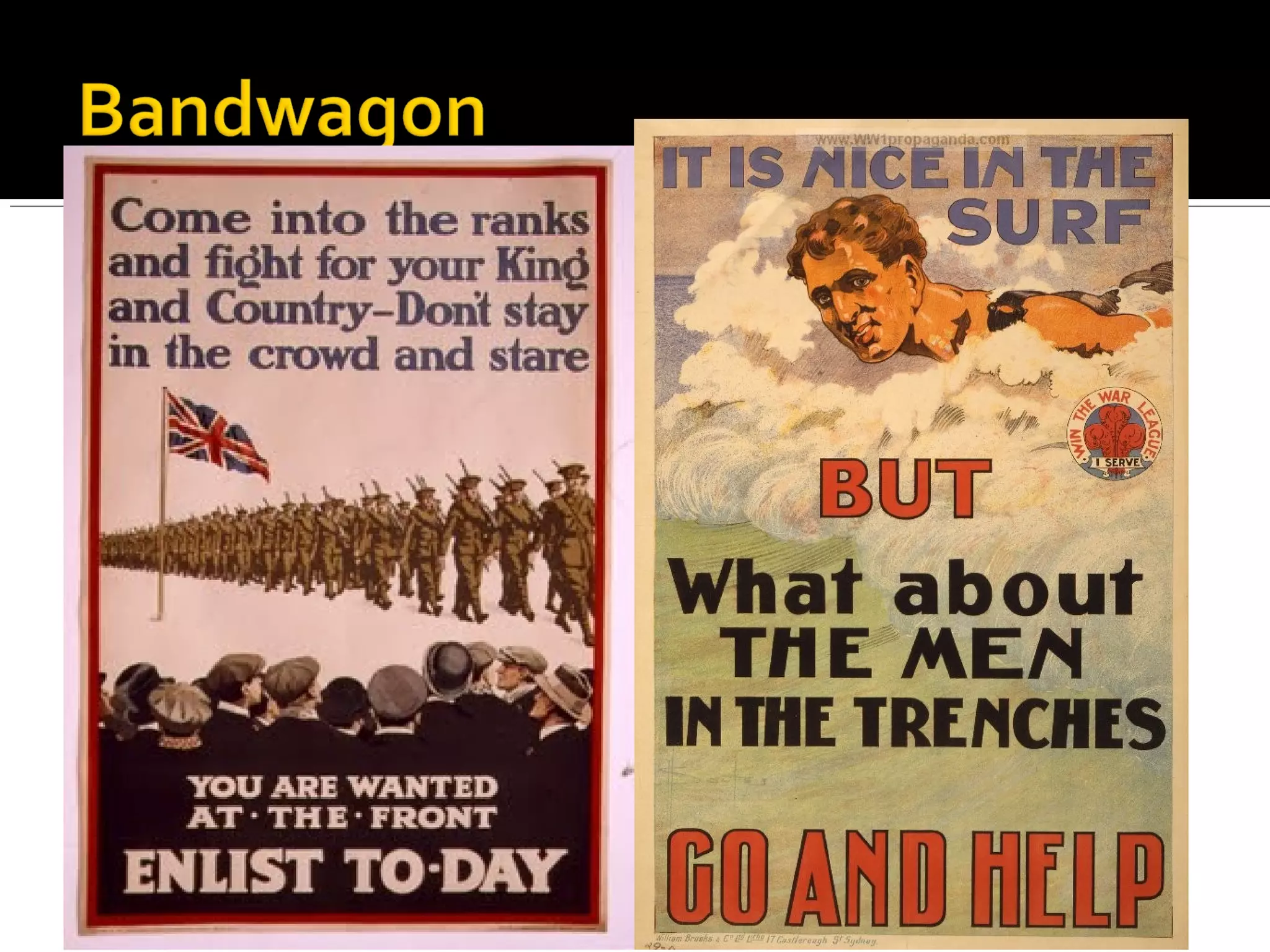
 The impression is that “everyone is doing
this.”
 You don’t want to be left out, so you join in
even if you are worried.
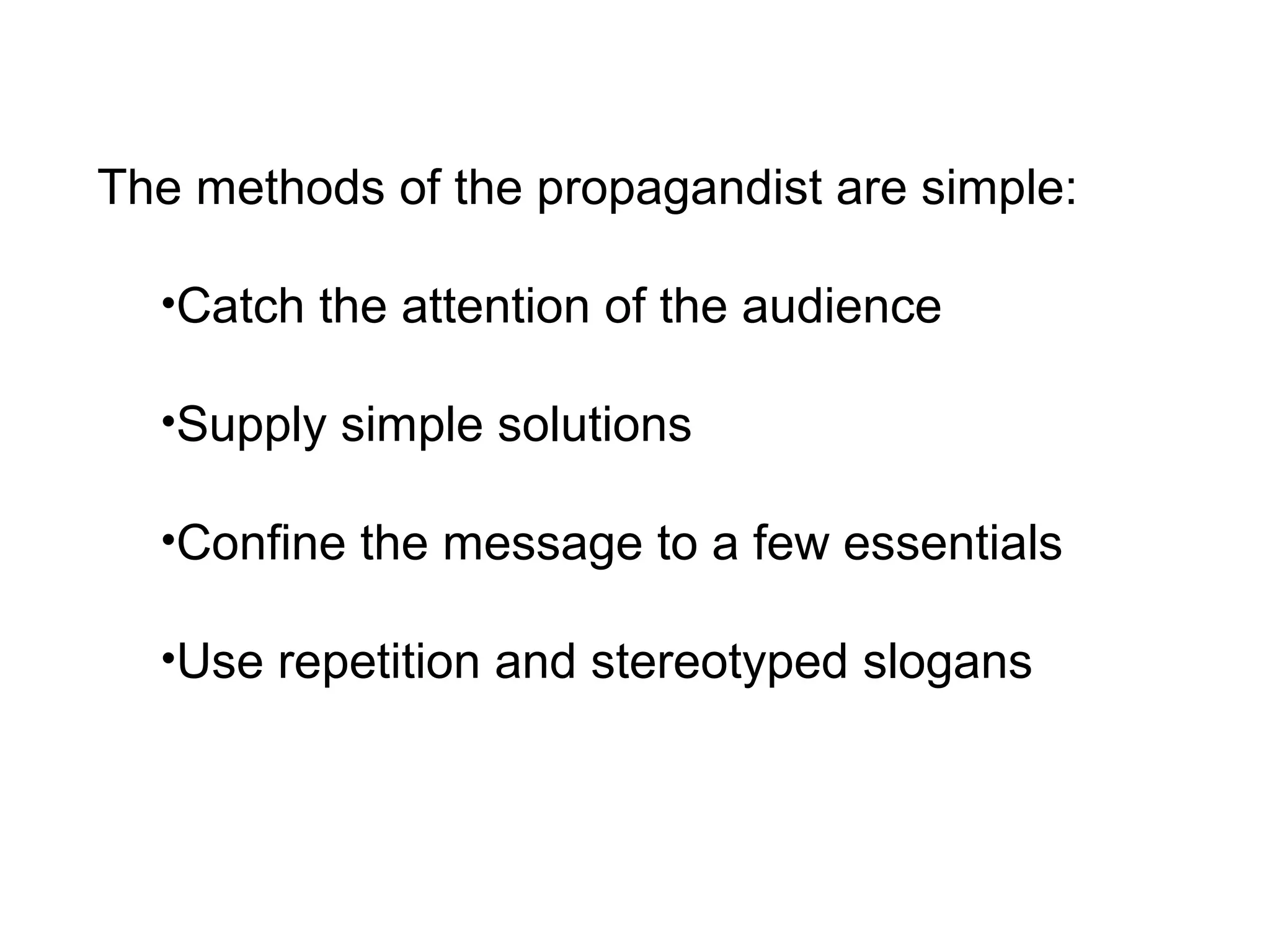
The methods of the propagandist are simple:
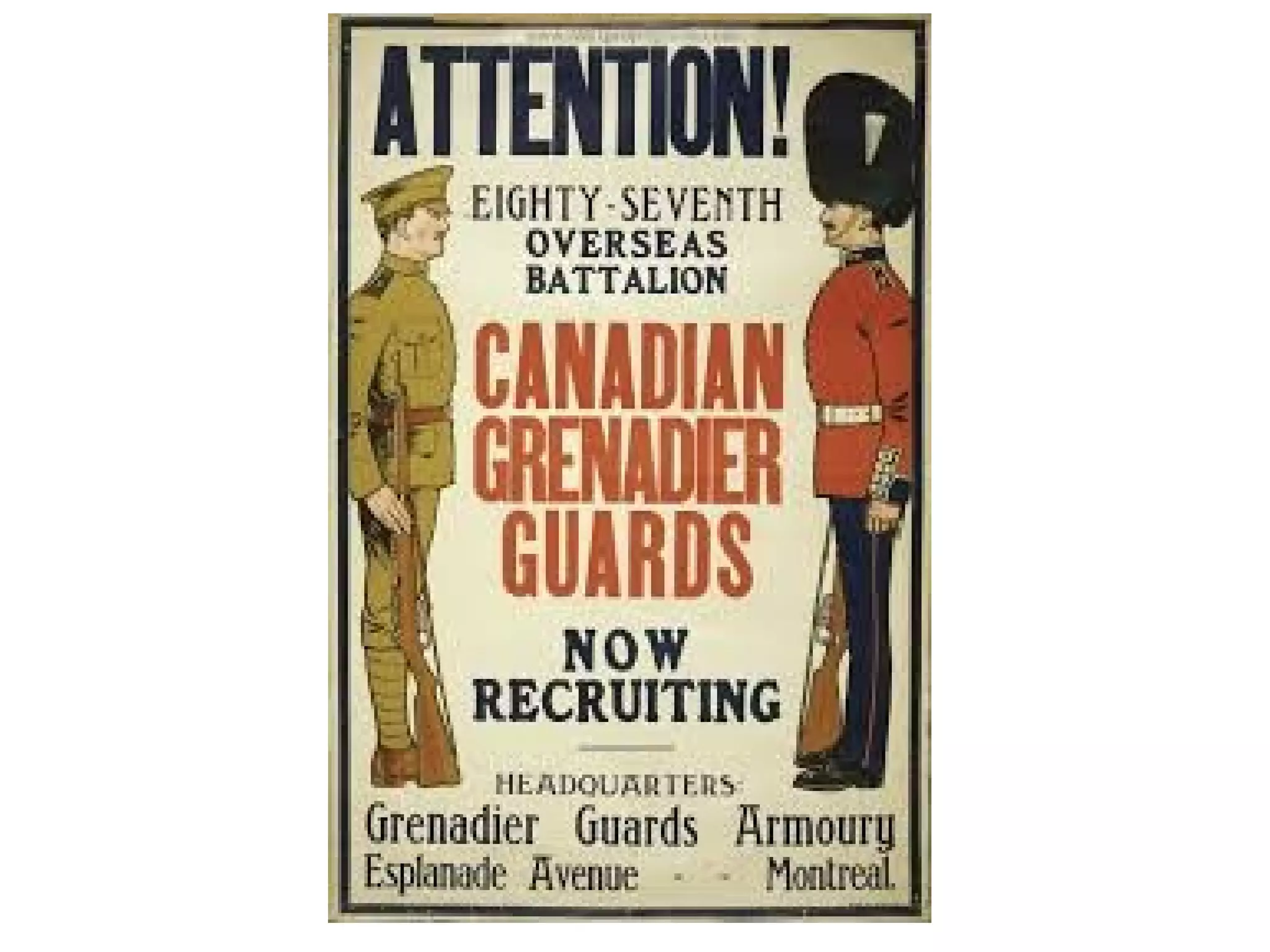
•Catch the attention of the audience
•Supply simple solutions
•Confine the message to a few essentials
•Use repetition and stereotyped slogans
Propaganda fths
Propaganda fths
Propaganda fths
Propaganda fths
Propaganda fths
Propaganda fths
Propaganda fths
Propaganda fths
Propaganda fths
Propaganda fths
Propaganda fths
Propaganda fths
Propaganda fths
Propaganda fths
Propaganda fths
Propaganda fths
Propaganda fths
Propaganda fths
Propaganda fths
Propaganda fths
Propaganda fths
Propaganda fths
Propaganda fths
Propaganda fths
Propaganda fths
Propaganda fths
Propaganda fths
Propaganda fths
Propaganda fths
Propaganda fths
Propaganda fths
Propaganda fths
Propaganda fths
Propaganda fths
Propaganda fths
Propaganda fths
Propaganda fths
Propaganda fths
Propaganda fths
Propaganda fths
Propaganda fths
Propaganda fths
Propaganda fths
Propaganda fths
Propaganda fths
Propaganda fths
Propaganda fths
Propaganda fths
Propaganda fths
Propaganda fths
Propaganda fths
Propaganda fths

Propaganda fths

  • 1.
    “Information, ideas, orrumors deliberately spread widely to help or harm a person, group, movement, institution, nation, etc...” Not advertising (but like it!) Sanctifies some…. Dehumanizes others…
  • 2.
     The speakerattempts to persuade people through the indirect use of something we respect.  For example:  Patriotic images  Religious images  References to science
  • 4.
     The ideais to present a dreaded circumstance that could happen  Followed up by urging the kind of behavior needed to avoid the horrible event.
  • 5.
     Ties aperson or a cause to a negative image or idea.
  • 6.
     The speakerdoes or says things that make him seem like an ordinary person who can be trusted, not an elite.  The desired effect is: “He’s one of us, so he must be okay.”

  • 7.
     The speakergets a celebrity to endorse him or her.  People are impressed by seeing or hearing of a celebrity’s involvement.  They stop thinking critically about the speaker’s words or ideas.
  • 8.
     The impressionis that “everyone is doing this.”  You don’t want to be left out, so you join in even if you are worried.
  • 9.
    The methods ofthe propagandist are simple: •Catch the attention of the audience •Supply simple solutions •Confine the message to a few essentials •Use repetition and stereotyped slogans