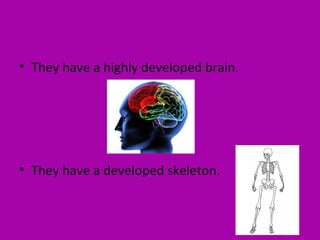
• They have a highly developed brain.
• They have a developed skeleton.
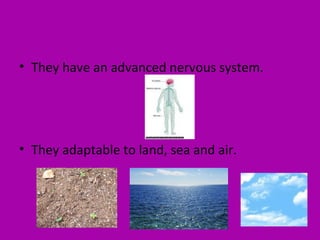
• They have an advanced nervous system.
• They adaptable to land, sea and air.
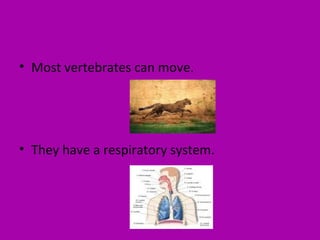
• Most vertebrates can move.
• They have a respiratory system.
• They have a bilateral symmetry plan.
• Vertebrates are only 2% of the animal species.
• Vertebrates are heterotrophic.
• Humans are vertebrates.
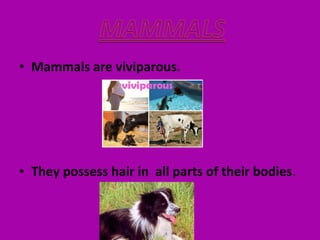
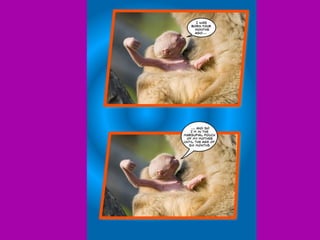
• Mammals are viviparous.
• They possess hair in all parts of their bodies.
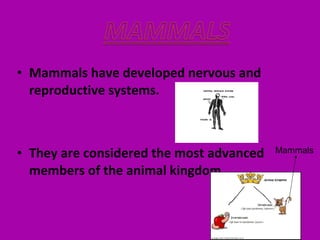
• Mammals have developed nervous and
reproductive systems.
• They are considered the most advanced
members of the animal kingdom.
Mammals
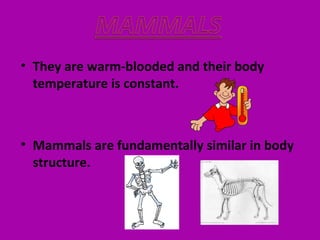
• They are warm-blooded and their body
temperature is constant.
• Mammals are fundamentally similar in body
structure.
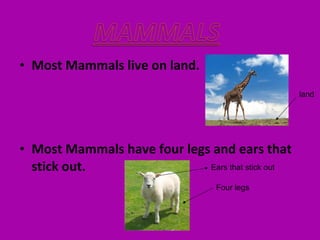
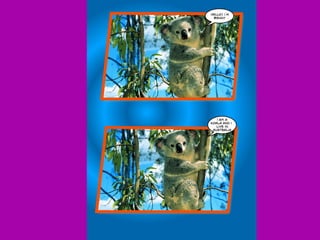
• Most Mammals live on land.
• Most Mammals have four legs and ears that
stick out.
land
Four legs
Ears that stick out
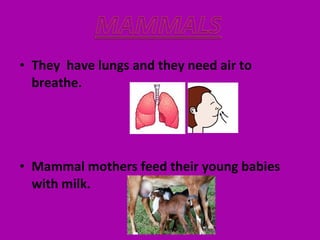
• They have lungs and they need air to
breathe.
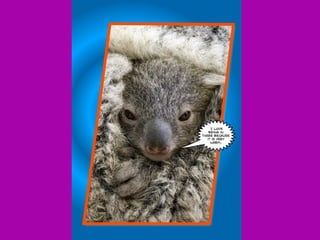
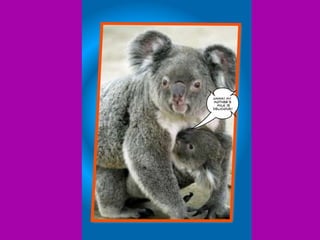
• Mammal mothers feed their young babies
with milk.
Mammals
Mammals
Mammals
Mammals
Mammals
Mammals
Mammals
Mammals
Mammals

Mammals

  • 2.
    • They havea highly developed brain. • They have a developed skeleton.
  • 3.
    • They havean advanced nervous system. • They adaptable to land, sea and air.
  • 4.
    • Most vertebratescan move. • They have a respiratory system.
  • 5.
    • They havea bilateral symmetry plan. • Vertebrates are only 2% of the animal species.
  • 6.
    • Vertebrates areheterotrophic. • Humans are vertebrates.
  • 8.
    • Mammals areviviparous. • They possess hair in all parts of their bodies.
  • 9.
    • Mammals havedeveloped nervous and reproductive systems. • They are considered the most advanced members of the animal kingdom. Mammals
  • 10.
    • They arewarm-blooded and their body temperature is constant. • Mammals are fundamentally similar in body structure.
  • 11.
    • Most Mammalslive on land. • Most Mammals have four legs and ears that stick out. land Four legs Ears that stick out
  • 12.
    • They havelungs and they need air to breathe. • Mammal mothers feed their young babies with milk.