Major Nutrients
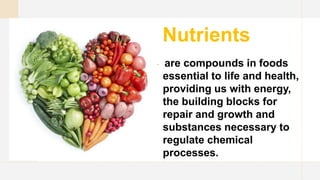
Nutrients
 are compounds in foods
essential to life and health,
providing us with energy,
the building blocks for
repair and growth and
substances necessary to
regulate chemical
processes.
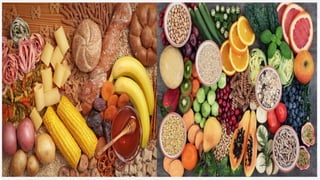
Carbohydrates
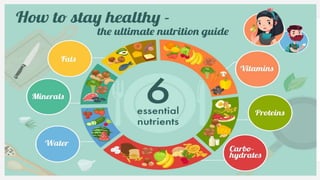
 are one of the major types of nutrients
 they give energy to your body
 without energy, your body cannot work, play and move
around
 your digestive system changes carbohydrates into
glucose or sugar
 this sugar provides your body with energy for your
cells, tissues and organs
Proteins
 make your bones and muscles grow
 provide structural support to your body,
transport various substances throughout
your body and allow your immune system to
function properly
 they are body building foods
Fats
 provide you with fatty acids which are essential to your
health
 they also help protect your organs and help keep your
body warm
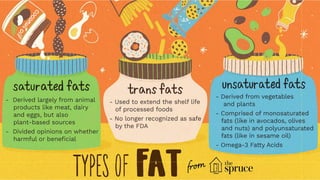
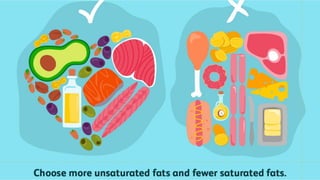
3 kinds of Fats
1. Unsaturated fats
2. Saturated Fats
3. Trans Fats
Vitamins
 help regulate chemical reactions in the body
 it considered micronutreints because your body
only needs them in small amount
2 categories based on how your body absorbs
them
1. fat-soluble (A, D, E, K)
2. water-soluble (C, B)
Fat-soluble vitamins
 are similar to oil and do not
dissolve in water
 are stored in the body for long
periods of time and generally pose a
greater risk for toxicity
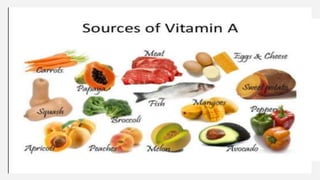
Vitamin A: Retinol
 helping the eyes adjust to light changes
 plays an important role in bone growth, tooth
development, reproduction, cell division, gene
expression, and regulation of the immune system
 the skin, eyes, and mucous membranes of the
mouth, nose, throat and lungs depend on vitamin
A to remain moist
Vitamin D
 increasing the amount of calcium absorbed from
the small intestine, helping to form and maintain
bones
 It benefits the body by playing a role in immunity
and controlling cell growth and may protect
against osteoporosis, high blood pressure,
cancer, and other diseases.
Vitamin E: Tocopherol
 benefits the body by acting as an
antioxidant, and protecting vitamins
A and C, red blood cells, and
essential fatty acids from
destruction
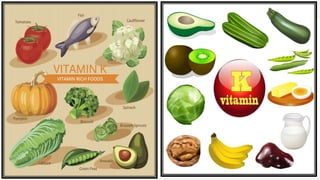
Vitamin K
 naturally produced by the bacteria in
the intestines, and plays an essential
role in normal blood clotting,
promoting bone health, and helping to
produce proteins for blood, bones, and
kidneys.
Water-soluble vitamins
 one that dissolves in water
 readily absorbed into tissues for
immediate use because they are not
stored in the body, they need to be
replenished regularly in our diet
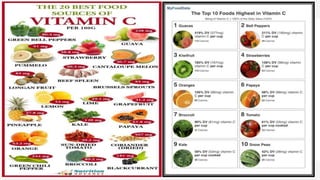
Vitamin C: Ascorbic Acid
 a nutrient that the body needs in
small amounts to function and stay
healthy
 helps fight infections, heal
wounds, and keep tissues healthy
The B Vitamins
 play a vital role in maintaining good health and well-
being. As the building blocks of a healthy body, B
vitamins have a direct impact on your energy levels,
brain function, and cell metabolism
 helps prevent infections and helps support or promote
cell health
 they include thiamine ( vitamin B1 ), riboflavin ( vitamin
B2 ), pyridoxine ( vitamin B6 ), and cyanocobalamin
( vitamin B12 )
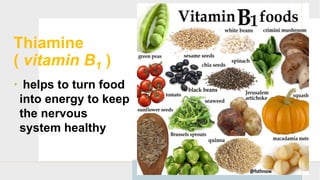
Thiamine
( vitamin B1 )
 helps to turn food
into energy to keep
the nervous
system healthy
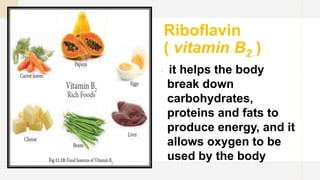
Riboflavin
( vitamin B2 )
 it helps the body
break down
carbohydrates,
proteins and fats to
produce energy, and it
allows oxygen to be
used by the body
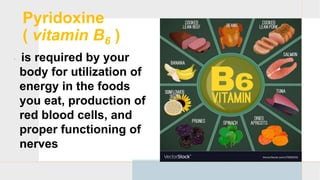
Pyridoxine
( vitamin B6 )
 is required by your
body for utilization of
energy in the foods
you eat, production of
red blood cells, and
proper functioning of
nerves
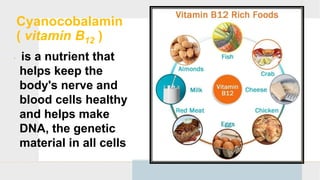
Cyanocobalamin
( vitamin B12 )
 is a nutrient that
helps keep the
body's nerve and
blood cells healthy
and helps make
DNA, the genetic
material in all cells
Water
 defined as an
essential nutrient because it is required
in amounts that exceed the body's
ability to produce it
 it fills the spaces in and between cells
and helps form structures of large
molecules such as protein and
glycogen
Minerals
 are considered inorganic compounds because they
come from soil and water rather than living things
 help regulate body functions and allow your tissues to
grow
2 categories
1. trace minerals
2. major minerals
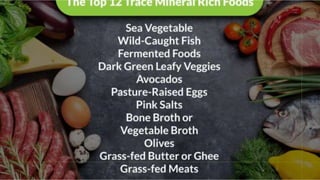
Trace minerals
 also called micro minerals
 we only need a very small amount
 Chromium, Copper, Fluorine,
Iodine, Iron, Manganese,
Molybdenum, Selenium.
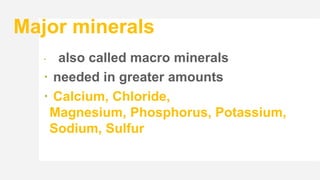
Major minerals
 also called macro minerals
 needed in greater amounts
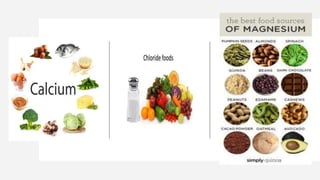
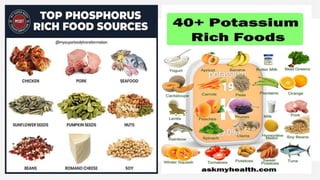
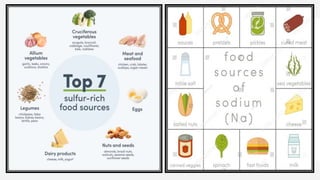
 Calcium, Chloride,
Magnesium, Phosphorus, Potassium,
Sodium, Sulfur
Major Nutrients
Major Nutrients
Major Nutrients

Major Nutrients

  • 1.
  • 2.
    Nutrients  are compoundsin foods essential to life and health, providing us with energy, the building blocks for repair and growth and substances necessary to regulate chemical processes.
  • 4.
    Carbohydrates  are oneof the major types of nutrients  they give energy to your body  without energy, your body cannot work, play and move around  your digestive system changes carbohydrates into glucose or sugar  this sugar provides your body with energy for your cells, tissues and organs
  • 6.
    Proteins  make yourbones and muscles grow  provide structural support to your body, transport various substances throughout your body and allow your immune system to function properly  they are body building foods
  • 8.
    Fats  provide youwith fatty acids which are essential to your health  they also help protect your organs and help keep your body warm 3 kinds of Fats 1. Unsaturated fats 2. Saturated Fats 3. Trans Fats
  • 11.
    Vitamins  help regulatechemical reactions in the body  it considered micronutreints because your body only needs them in small amount 2 categories based on how your body absorbs them 1. fat-soluble (A, D, E, K) 2. water-soluble (C, B)
  • 12.
    Fat-soluble vitamins  aresimilar to oil and do not dissolve in water  are stored in the body for long periods of time and generally pose a greater risk for toxicity
  • 13.
    Vitamin A: Retinol helping the eyes adjust to light changes  plays an important role in bone growth, tooth development, reproduction, cell division, gene expression, and regulation of the immune system  the skin, eyes, and mucous membranes of the mouth, nose, throat and lungs depend on vitamin A to remain moist
  • 15.
    Vitamin D  increasingthe amount of calcium absorbed from the small intestine, helping to form and maintain bones  It benefits the body by playing a role in immunity and controlling cell growth and may protect against osteoporosis, high blood pressure, cancer, and other diseases.
  • 17.
    Vitamin E: Tocopherol benefits the body by acting as an antioxidant, and protecting vitamins A and C, red blood cells, and essential fatty acids from destruction
  • 19.
    Vitamin K  naturallyproduced by the bacteria in the intestines, and plays an essential role in normal blood clotting, promoting bone health, and helping to produce proteins for blood, bones, and kidneys.
  • 21.
    Water-soluble vitamins  onethat dissolves in water  readily absorbed into tissues for immediate use because they are not stored in the body, they need to be replenished regularly in our diet
  • 22.
    Vitamin C: AscorbicAcid  a nutrient that the body needs in small amounts to function and stay healthy  helps fight infections, heal wounds, and keep tissues healthy
  • 24.
    The B Vitamins play a vital role in maintaining good health and well- being. As the building blocks of a healthy body, B vitamins have a direct impact on your energy levels, brain function, and cell metabolism  helps prevent infections and helps support or promote cell health  they include thiamine ( vitamin B1 ), riboflavin ( vitamin B2 ), pyridoxine ( vitamin B6 ), and cyanocobalamin ( vitamin B12 )
  • 25.
    Thiamine ( vitamin B1)  helps to turn food into energy to keep the nervous system healthy
  • 26.
    Riboflavin ( vitamin B2)  it helps the body break down carbohydrates, proteins and fats to produce energy, and it allows oxygen to be used by the body
  • 27.
    Pyridoxine ( vitamin B6)  is required by your body for utilization of energy in the foods you eat, production of red blood cells, and proper functioning of nerves
  • 28.
    Cyanocobalamin ( vitamin B12)  is a nutrient that helps keep the body's nerve and blood cells healthy and helps make DNA, the genetic material in all cells
  • 29.
    Water  defined asan essential nutrient because it is required in amounts that exceed the body's ability to produce it  it fills the spaces in and between cells and helps form structures of large molecules such as protein and glycogen
  • 31.
    Minerals  are consideredinorganic compounds because they come from soil and water rather than living things  help regulate body functions and allow your tissues to grow 2 categories 1. trace minerals 2. major minerals
  • 32.
    Trace minerals  alsocalled micro minerals  we only need a very small amount  Chromium, Copper, Fluorine, Iodine, Iron, Manganese, Molybdenum, Selenium.
  • 34.
    Major minerals  alsocalled macro minerals  needed in greater amounts  Calcium, Chloride, Magnesium, Phosphorus, Potassium, Sodium, Sulfur