[M3] 
modern theories 
distributed cognition
external cognition
it’s about the ways that people augment 
their normal cognitive processes with 
external aids, such as external writings, 
visualizations, and work spaces 
it related to the interaction between 
internal and external representations 
when performing cognitive tasks 
it involves computational offloading 
(externalization) to reduce memory load
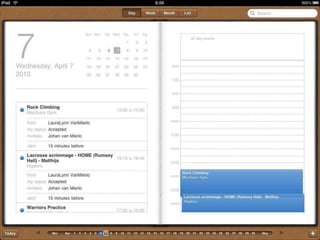
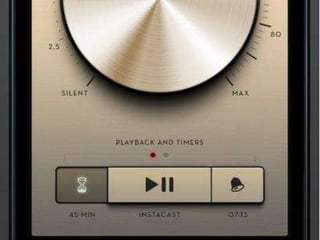
skeuomorphism
cognitive dimensions
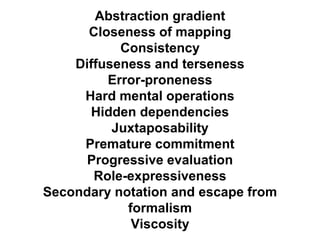
Abstraction gradient 
Closeness of mapping 
Consistency 
Diffuseness and terseness 
Error-proneness 
Hard mental operations 
Hidden dependencies 
Juxtaposability 
Premature commitment 
Progressive evaluation 
Role-expressiveness 
Secondary notation and escape from 
formalism 
Viscosity
ecological psychology
the underlying statement 
was that psychology 
should be the study of 
the interaction between 
humans and their 
environment
affordances
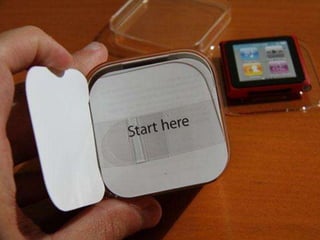
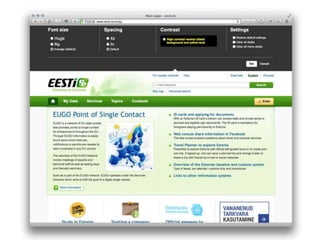
points of entry
signifiers
distributed cognition
Builds on the knowledge and vocabulary from 
the earlier information processing theories in 
cognitive sciences 
The unit of analysis is a wider system, not 
individual
Main Distributed Cognition concepts 
Cognitive system - the interactions among people, the artifacts they 
use, and the environment they are working in. 
Communicative pathways - the channels by which information is 
passed between people (phone, email, paper, physical gesture, talking) 
Propagation of representational states - how information is 
transformed between different representations. 
● Can be internal (e.g. human memory) or 
● external artifacts (instruments, maps, notes). 
● Can be mediated socially (passing a message verbally), 
● mediated technologically (pressing a key on laptop) or 
● mediated mentally (reading the time from a clock).
Focuses on the way representations and technologies are used 
for a distributed activity 
Initially mainly used to analyse large systems supporting 
collaborative work
Distributed Cognition Analysis 
Not one single way of doing distributed 
cognition analysis 
No one off-the-shelf manual to be followed 
Different frameworks
Distributed Cognition Analysis 
● Event driven description 
o Main goal, accomplished through one or more tasks, each task 
accomplished through one or more operations 
● Emphasizes information and it’s propagation through 
the cognitive system 
● Granularity of analysis depends on the research 
problem and system under study 
o Research problem e.g improving communication between team 
vs understanding how to train the team? 
o Unit of analysis (distributed system) should be determined by 
functional relationships between participating elements 
● Important to have extensive knowledge about the 
domain under study
DiCoT 
Developed by Ann Blandford and Dominic Furniss from UCL Interaction Centre in 2006 
Dimensions of analysis: 
Physical layout 
Information flow 
Artefacts
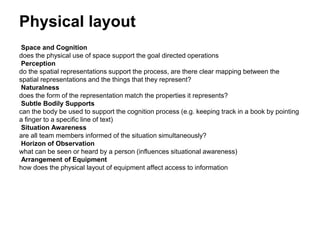
Physical layout 
Space and Cognition 
does the physical use of space support the goal directed operations 
Perception 
do the spatial representations support the process, are there clear mapping between the 
spatial representations and the things that they represent? 
Naturalness 
does the form of the representation match the properties it represents? 
Subtle Bodily Supports 
can the body be used to support the cognition process (e.g. keeping track in a book by pointing 
a finger to a specific line of text) 
Situation Awareness 
are all team members informed of the situation simultaneously? 
Horizon of Observation 
what can be seen or heard by a person (influences situational awareness) 
Arrangement of Equipment 
how does the physical layout of equipment affect access to information
Information flow 
Information Movement 
in which ways does the information move around the system (e.g passing physical artefacts; 
text; graphical representation; verbal; facial expression; telephone; electronic mail; alarms etc) 
Information Transformation 
when and how do the representations of information change? 
Information Hubs 
are there central places where different information channels meet? 
Buffering 
is there a need to hold up some information to await for a appropriate time when it won't 
interrupt important ongoing activities? 
Communication Bandwidth 
some types of communication impart more information than others (especially face to face) 
Informal Communication 
what is the role of informal communication (e.g stories about how the system behaves)? 
Behavioural Trigger Factors 
are the roles in team divided so that each member only needs to know what to do in response 
certain local factors? What are these factors and roles?
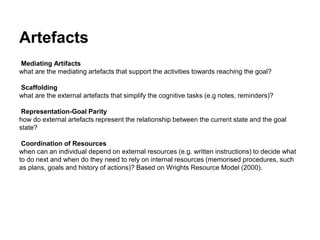
Artefacts 
Mediating Artifacts 
what are the mediating artefacts that support the activities towards reaching the goal? 
Scaffolding 
what are the external artefacts that simplify the cognitive tasks (e.g notes, reminders)? 
Representation-Goal Parity 
how do external artefacts represent the relationship between the current state and the goal 
state? 
Coordination of Resources 
when can an individual depend on external resources (e.g. written instructions) to decide what 
to do next and when do they need to rely on internal resources (memorised procedures, such 
as plans, goals and history of actions)? Based on Wrights Resource Model (2000).
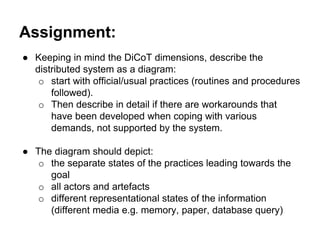
Assignment: 
● Keeping in mind the DiCoT dimensions, describe the 
distributed system as a diagram: 
o start with official/usual practices (routines and procedures 
followed). 
o Then describe in detail if there are workarounds that 
have been developed when coping with various 
demands, not supported by the system. 
● The diagram should depict: 
o the separate states of the practices leading towards the 
goal 
o all actors and artefacts 
o different representational states of the information 
(different media e.g. memory, paper, database query)
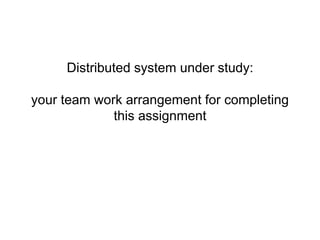
Distributed system under study: 
your team work arrangement for completing 
this assignment

IFI7159 M3

  • 1.
    [M3] modern theories distributed cognition
  • 2.
  • 3.
    it’s about theways that people augment their normal cognitive processes with external aids, such as external writings, visualizations, and work spaces it related to the interaction between internal and external representations when performing cognitive tasks it involves computational offloading (externalization) to reduce memory load
  • 4.
  • 7.
  • 8.
    Abstraction gradient Closenessof mapping Consistency Diffuseness and terseness Error-proneness Hard mental operations Hidden dependencies Juxtaposability Premature commitment Progressive evaluation Role-expressiveness Secondary notation and escape from formalism Viscosity
  • 14.
  • 15.
    the underlying statement was that psychology should be the study of the interaction between humans and their environment
  • 16.
  • 23.
  • 26.
  • 28.
  • 29.
    Builds on theknowledge and vocabulary from the earlier information processing theories in cognitive sciences The unit of analysis is a wider system, not individual
  • 30.
    Main Distributed Cognitionconcepts Cognitive system - the interactions among people, the artifacts they use, and the environment they are working in. Communicative pathways - the channels by which information is passed between people (phone, email, paper, physical gesture, talking) Propagation of representational states - how information is transformed between different representations. ● Can be internal (e.g. human memory) or ● external artifacts (instruments, maps, notes). ● Can be mediated socially (passing a message verbally), ● mediated technologically (pressing a key on laptop) or ● mediated mentally (reading the time from a clock).
  • 31.
    Focuses on theway representations and technologies are used for a distributed activity Initially mainly used to analyse large systems supporting collaborative work
  • 36.
    Distributed Cognition Analysis Not one single way of doing distributed cognition analysis No one off-the-shelf manual to be followed Different frameworks
  • 37.
    Distributed Cognition Analysis ● Event driven description o Main goal, accomplished through one or more tasks, each task accomplished through one or more operations ● Emphasizes information and it’s propagation through the cognitive system ● Granularity of analysis depends on the research problem and system under study o Research problem e.g improving communication between team vs understanding how to train the team? o Unit of analysis (distributed system) should be determined by functional relationships between participating elements ● Important to have extensive knowledge about the domain under study
  • 38.
    DiCoT Developed byAnn Blandford and Dominic Furniss from UCL Interaction Centre in 2006 Dimensions of analysis: Physical layout Information flow Artefacts
  • 39.
    Physical layout Spaceand Cognition does the physical use of space support the goal directed operations Perception do the spatial representations support the process, are there clear mapping between the spatial representations and the things that they represent? Naturalness does the form of the representation match the properties it represents? Subtle Bodily Supports can the body be used to support the cognition process (e.g. keeping track in a book by pointing a finger to a specific line of text) Situation Awareness are all team members informed of the situation simultaneously? Horizon of Observation what can be seen or heard by a person (influences situational awareness) Arrangement of Equipment how does the physical layout of equipment affect access to information
  • 40.
    Information flow InformationMovement in which ways does the information move around the system (e.g passing physical artefacts; text; graphical representation; verbal; facial expression; telephone; electronic mail; alarms etc) Information Transformation when and how do the representations of information change? Information Hubs are there central places where different information channels meet? Buffering is there a need to hold up some information to await for a appropriate time when it won't interrupt important ongoing activities? Communication Bandwidth some types of communication impart more information than others (especially face to face) Informal Communication what is the role of informal communication (e.g stories about how the system behaves)? Behavioural Trigger Factors are the roles in team divided so that each member only needs to know what to do in response certain local factors? What are these factors and roles?
  • 41.
    Artefacts Mediating Artifacts what are the mediating artefacts that support the activities towards reaching the goal? Scaffolding what are the external artefacts that simplify the cognitive tasks (e.g notes, reminders)? Representation-Goal Parity how do external artefacts represent the relationship between the current state and the goal state? Coordination of Resources when can an individual depend on external resources (e.g. written instructions) to decide what to do next and when do they need to rely on internal resources (memorised procedures, such as plans, goals and history of actions)? Based on Wrights Resource Model (2000).
  • 42.
    Assignment: ● Keepingin mind the DiCoT dimensions, describe the distributed system as a diagram: o start with official/usual practices (routines and procedures followed). o Then describe in detail if there are workarounds that have been developed when coping with various demands, not supported by the system. ● The diagram should depict: o the separate states of the practices leading towards the goal o all actors and artefacts o different representational states of the information (different media e.g. memory, paper, database query)
  • 43.
    Distributed system understudy: your team work arrangement for completing this assignment

Editor's Notes

  • #3 cognitive dimensions, examples in following slides
  • #4 cognitive dimensions, examples in following slides
  • #5 calendar, bookshelf etc software that mimics the elements in an older device/artefact that were functionally necessary for it to work
  • #8 helping user to understand a complex process by making it visually explicit/ making the the process of expected change or transformation visible. Viscous application is resistant to change and small modifications are often difficult for the user to execute. There are two main types of Viscosity: Repetition viscosity occurs when one task requires many individual actions in the software. Knock-on viscosity occurs when making one small change requires many additional changes in order to restore consistency. viscosity is most definitely a property of the system as a whole
  • #23 the point at which we start our workflow, sometimes not obvious, then wizards used
  • #24 the point at which we start our workflow, sometimes not obvious, then wizards used
  • #25 the point at which we start our workflow, sometimes not obvious, then wizards used
  • #26 the point at which we start our workflow, sometimes not obvious, then wizards used
  • #29 groups of individual agents interacting with each other in a particular environment
  • #40 Describes factors that influence the unit of analysis on a physical level
  • #41 communication between team members, what their roles are and the sequences of events, which define the mechanics of the system
  • #42 How artefacts are designed to support the cognition processes?