GOOD
AFTERNOON!
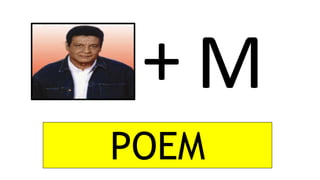
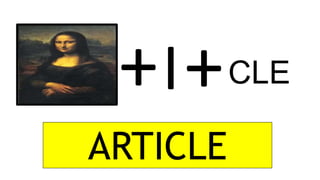
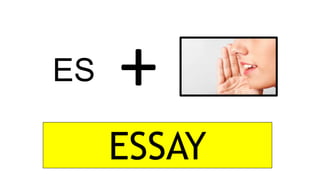
Directions: Use the given pictures
and add letter/s to form words.
Activity 1: PICTURES+WORD
POEM
I
ARTICLE
CLE
ESSAY
ES
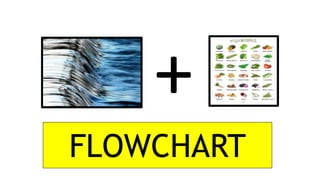
BARGRAPH
FLOWCHART
HISTOGRAM
HIS TO
Learning Objectives:
a. identify linear and non - linear texts;
b.differentiates linear from non - linear text;
c.appreciates the importance of using non-
linear texts to organize and understand
linear texts
LINEAR TEXT
 refers to traditional text that need to
read from the beginning to end.
Linear text is not always advantageous;
time consuming
Examples of Linear Text:
• Novels
• Poem
• Short stories
• Letters
• Educational text
• Essay
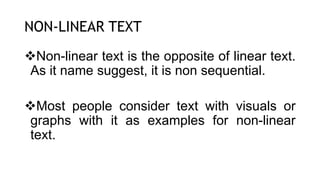
NON-LINEAR TEXT
Non-linear text is the opposite of linear text.
As it name suggest, it is non sequential.
Most people consider text with visuals or
graphs with it as examples for non-linear
text.
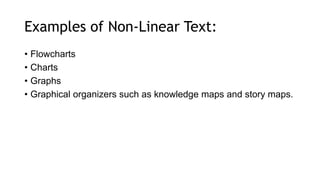
Examples of Non-Linear Text:
• Flowcharts
• Charts
• Graphs
• Graphical organizers such as knowledge maps and story maps.
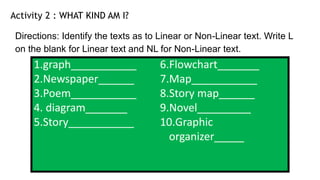
Activity 2 : WHAT KIND AM I?
Directions: Identify the texts as to Linear or Non-Linear text. Write L
on the blank for Linear text and NL for Non-Linear text.
1.graph___________
2.Newspaper______
3.Poem___________
4. diagram_______
5.Story___________
6.Flowchart_______
7.Map___________
8.Story map______
9.Novel_________
10.Graphic
organizer_____
Activity 3 : WRAP ME UP!
Directions: Put the statements below on the right column.
• Refers to the traditional texts that need to be read from the beginning to the end.
• There are multiple reading paths. They are determined by the reader.
• Examples of this text include charts, flowcharts, and graphs.
• Examples of this text are novels, poems, short stories, letters and educational text.
• This text is non-sequential which means that the readers do not have to go through the text in a sequential manner
in order to make sense of the text.
• Typically includes printed text.
LINEAR TEXT NON-LINEAR TEXT
ASSESSMENT
Direction: Choose the letter of correct answer.
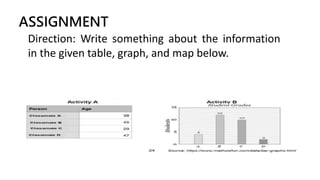
ASSIGNMENT
Direction: Write something about the information
in the given table, graph, and map below.
THANK
YOU!

LINEAR-and Non Linear Text ECO-DEMO-PPT.pptx

  • 1.
  • 2.
    Directions: Use thegiven pictures and add letter/s to form words. Activity 1: PICTURES+WORD
  • 3.
  • 4.
  • 5.
  • 6.
  • 7.
  • 8.
  • 9.
    Learning Objectives: a. identifylinear and non - linear texts; b.differentiates linear from non - linear text; c.appreciates the importance of using non- linear texts to organize and understand linear texts
  • 10.
    LINEAR TEXT  refersto traditional text that need to read from the beginning to end. Linear text is not always advantageous; time consuming
  • 11.
    Examples of LinearText: • Novels • Poem • Short stories • Letters • Educational text • Essay
  • 12.
    NON-LINEAR TEXT Non-linear textis the opposite of linear text. As it name suggest, it is non sequential. Most people consider text with visuals or graphs with it as examples for non-linear text.
  • 13.
    Examples of Non-LinearText: • Flowcharts • Charts • Graphs • Graphical organizers such as knowledge maps and story maps.
  • 14.
    Activity 2 :WHAT KIND AM I? Directions: Identify the texts as to Linear or Non-Linear text. Write L on the blank for Linear text and NL for Non-Linear text. 1.graph___________ 2.Newspaper______ 3.Poem___________ 4. diagram_______ 5.Story___________ 6.Flowchart_______ 7.Map___________ 8.Story map______ 9.Novel_________ 10.Graphic organizer_____
  • 15.
    Activity 3 :WRAP ME UP! Directions: Put the statements below on the right column. • Refers to the traditional texts that need to be read from the beginning to the end. • There are multiple reading paths. They are determined by the reader. • Examples of this text include charts, flowcharts, and graphs. • Examples of this text are novels, poems, short stories, letters and educational text. • This text is non-sequential which means that the readers do not have to go through the text in a sequential manner in order to make sense of the text. • Typically includes printed text. LINEAR TEXT NON-LINEAR TEXT
  • 16.
    ASSESSMENT Direction: Choose theletter of correct answer.
  • 17.
    ASSIGNMENT Direction: Write somethingabout the information in the given table, graph, and map below.
  • 18.