We must rely on research. It is more
reliable than tradition. Science and
scientific inquiry is the heart of good
instruction. That is the true purpose of
improving. When we search for ways
to uplift literacy through teaching
reading.
- Professor Victor C. Villanueva
activities undertaken by teachers -- and by
their students in assessing themselves -- that
provide information to be used as
feedback to modify teaching and learning
activities.
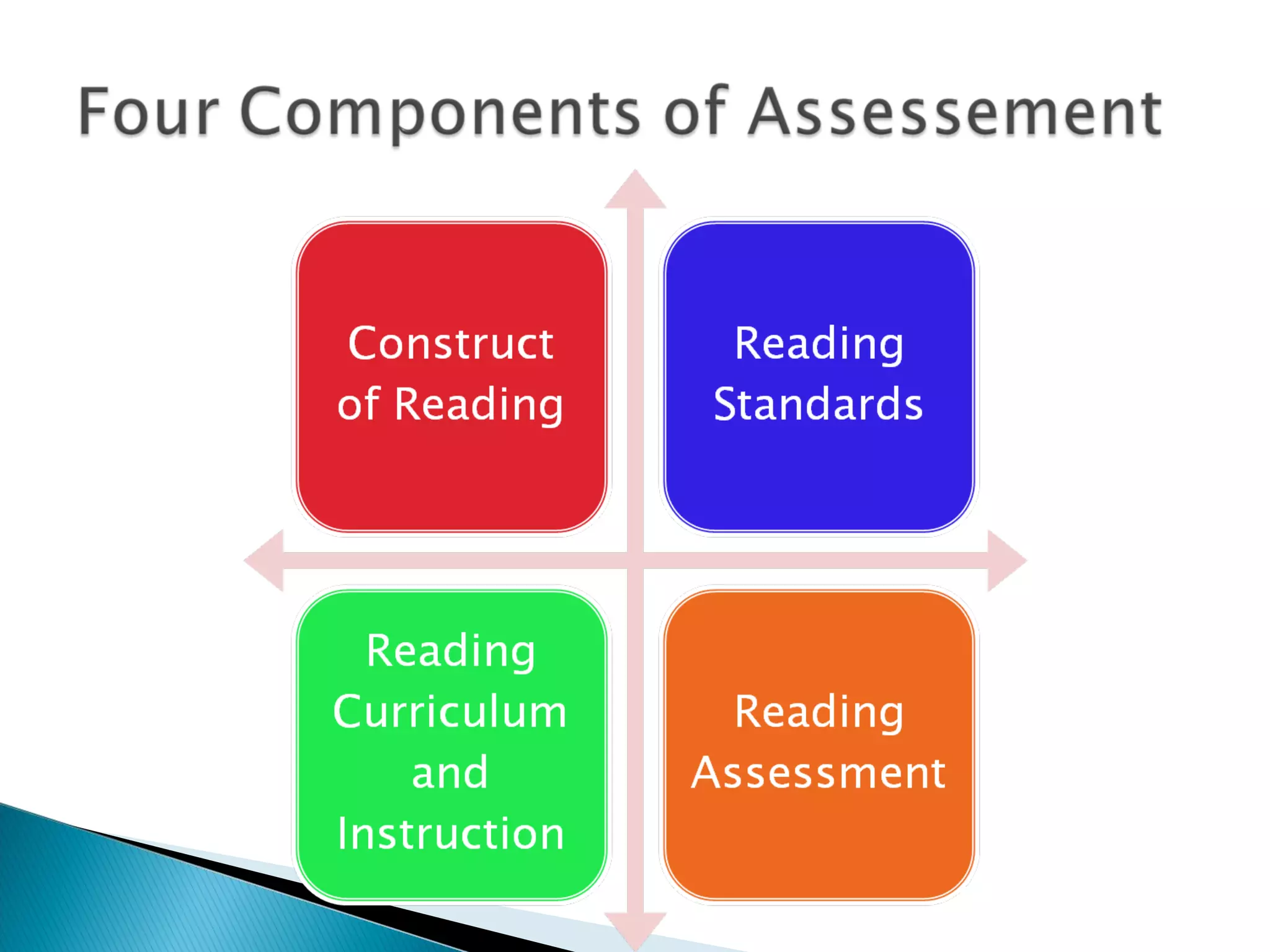
 Effective Assessment demonstrates alignment of
four component.
 We do assessment because we want to know if
the instruction worked for the learners, what works
for the teachers, what works for the whole system.
 Assessment is one way to recognize
advancements in appropriate standards.
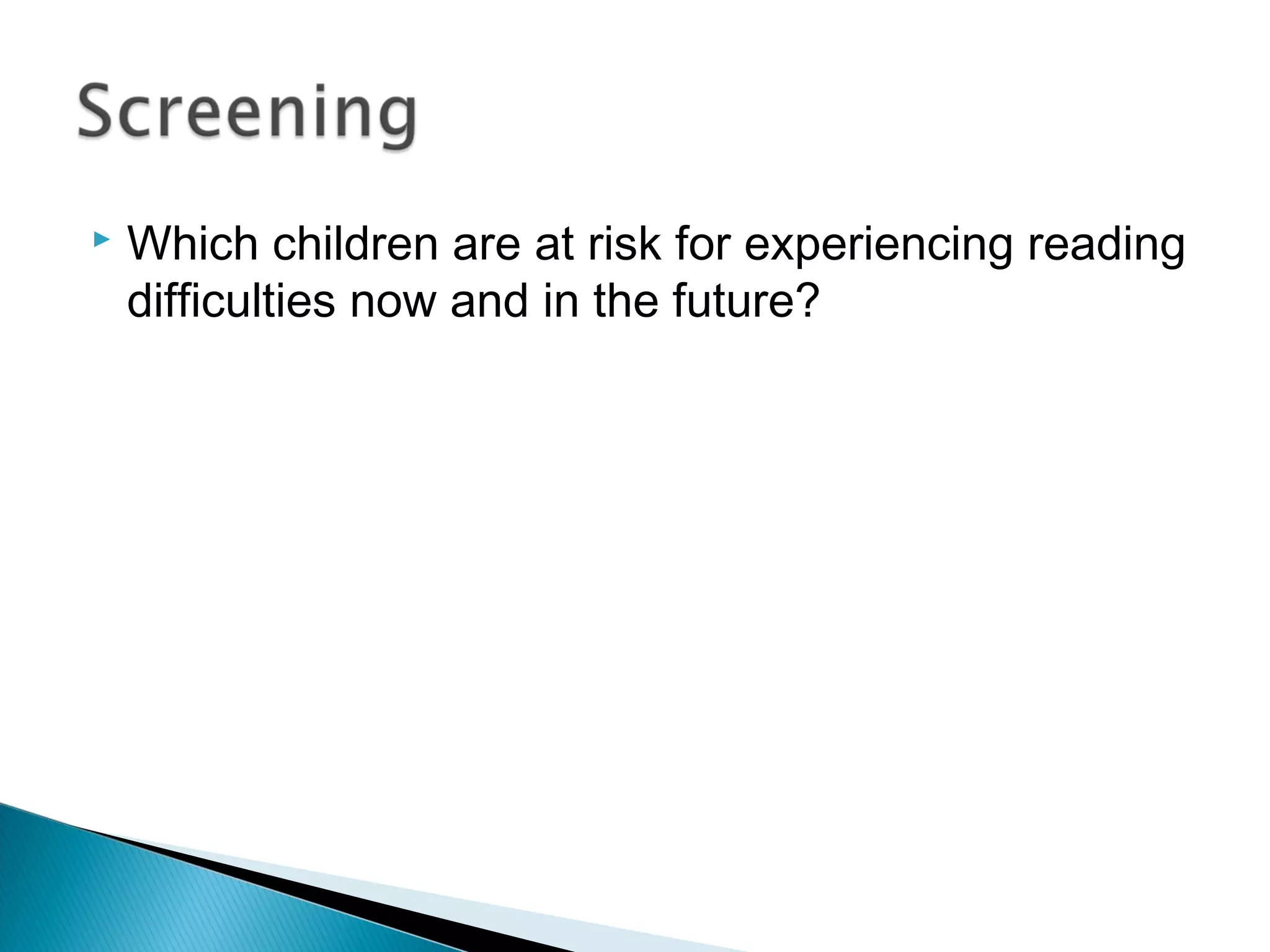
 Which children are at risk for experiencing reading
difficulties now and in the future?
 Which children will need additional intervention to
meet reading goals?
 Are the children on track for meeting end of the
year targets?
 Is intervention enabling children to make sufficient
progress?
 Is instruction working?
 Have we accomplished our literacy goals?
 Did our students improve from beginning of the
school year?
 Is our reading program meeting the needs of the
children?
 How can we make our reading program better?
Assessment shall be used primarily as
a quality assurance tool
to promote self-
reflection and personal
accountability for one’s
learning.
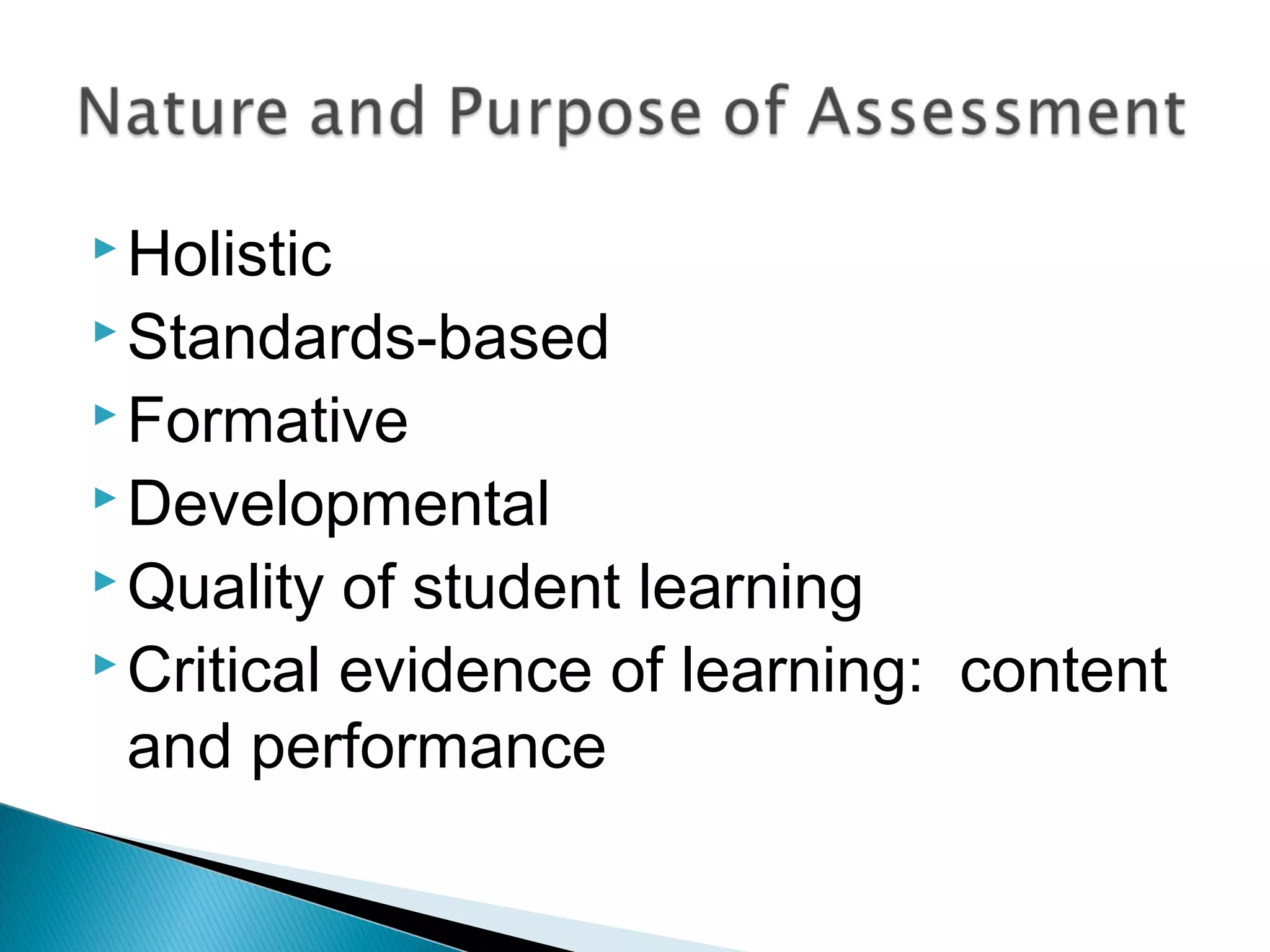
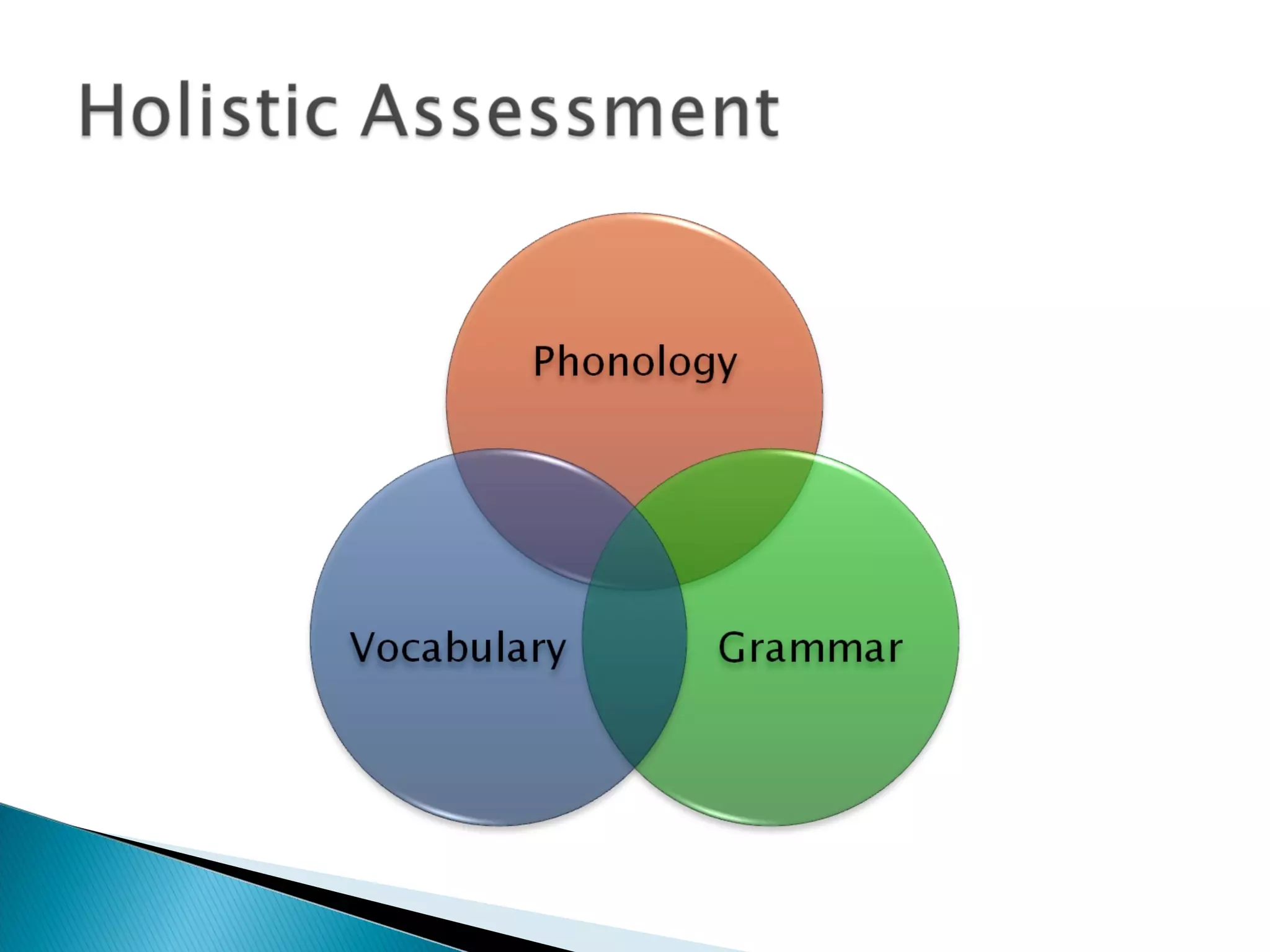
 Holistic
 Standards-based
 Formative
 Developmental
 Quality of student learning
 Critical evidence of learning: content
and performance
 Information on teaching practices
 Guidance in design and delivery of
student learning
 Information for parents to support
their children’s development and
growth
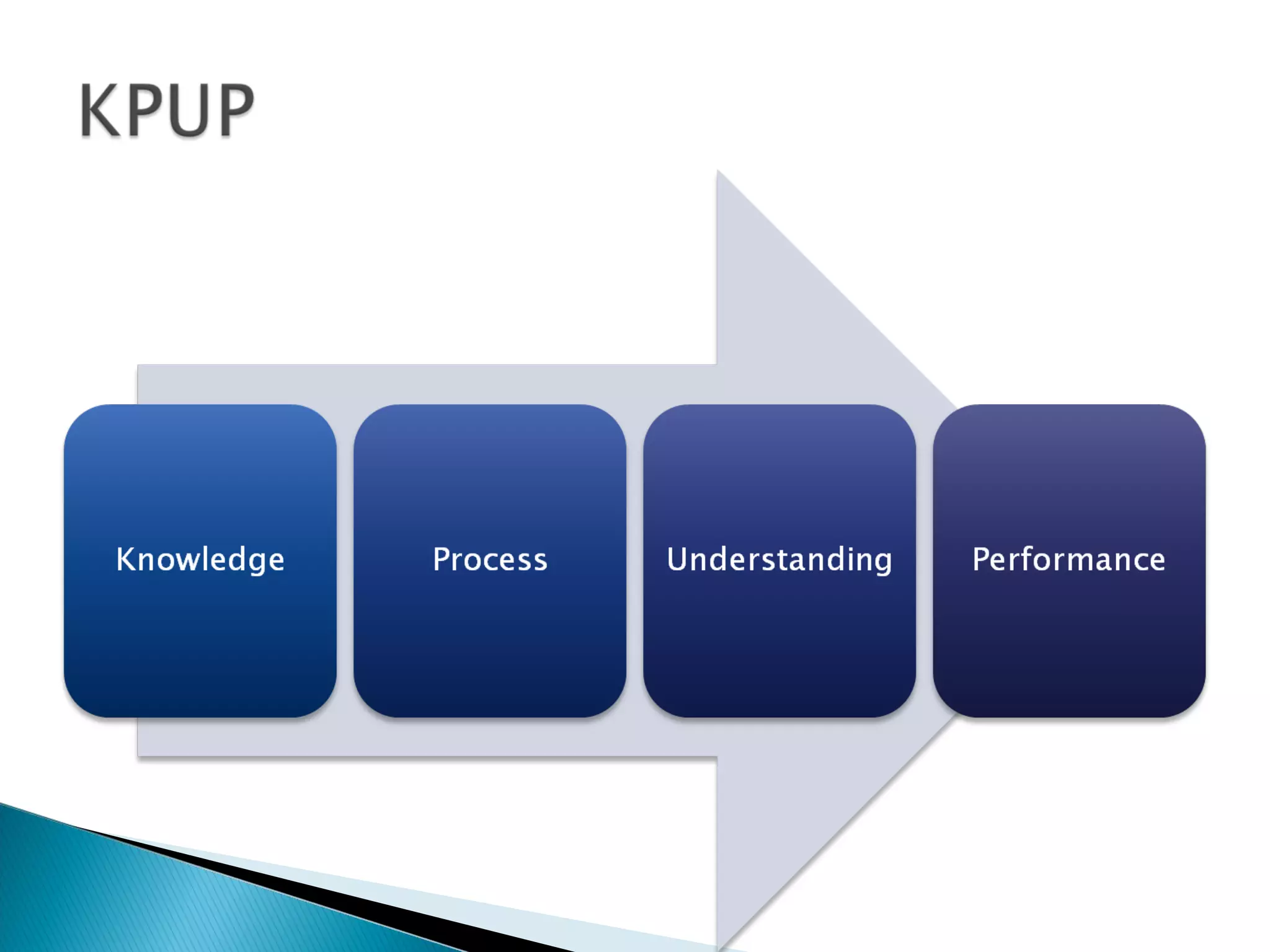
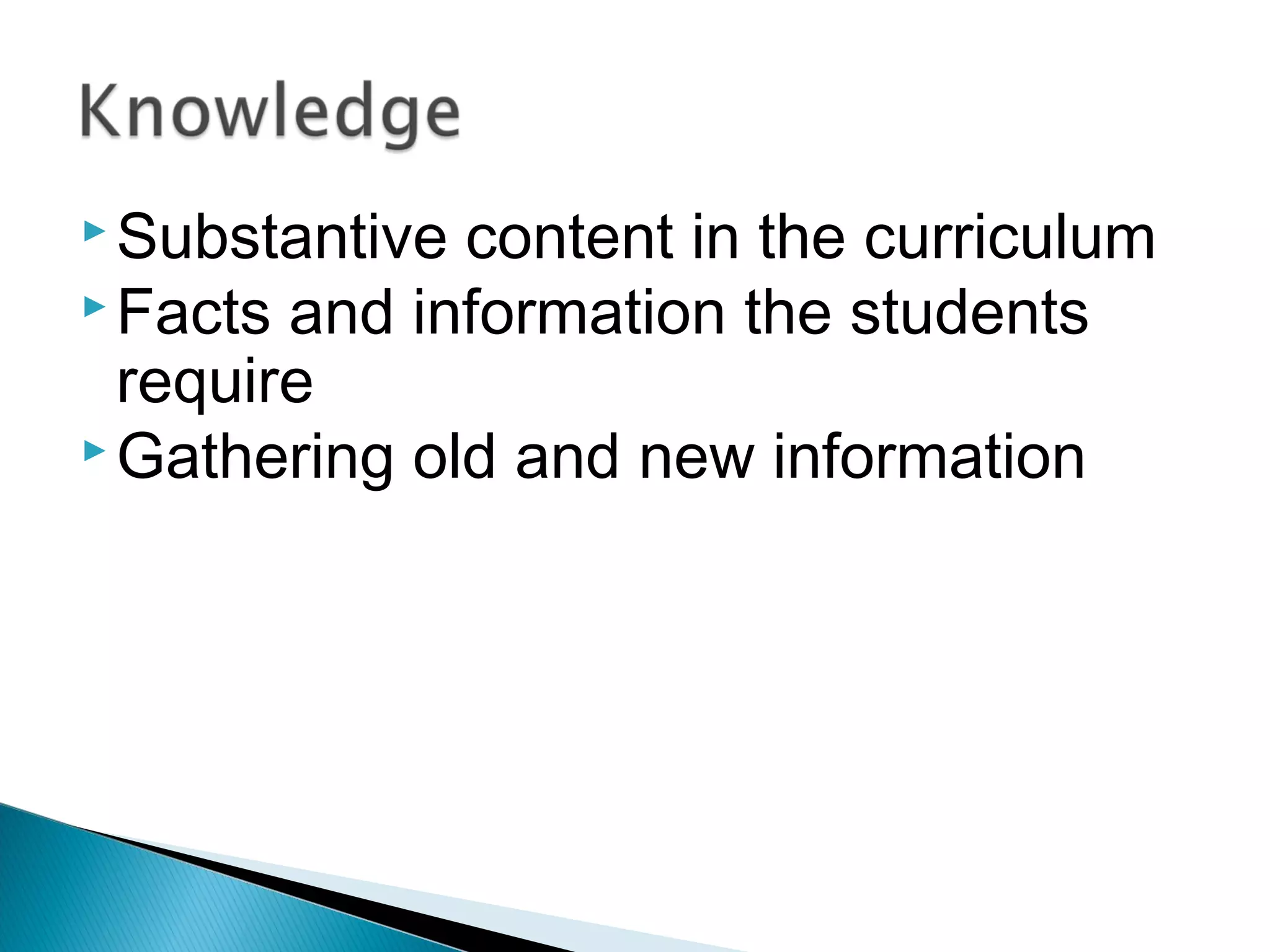
 Substantive content in the curriculum
 Facts and information the students
require
 Gathering old and new information
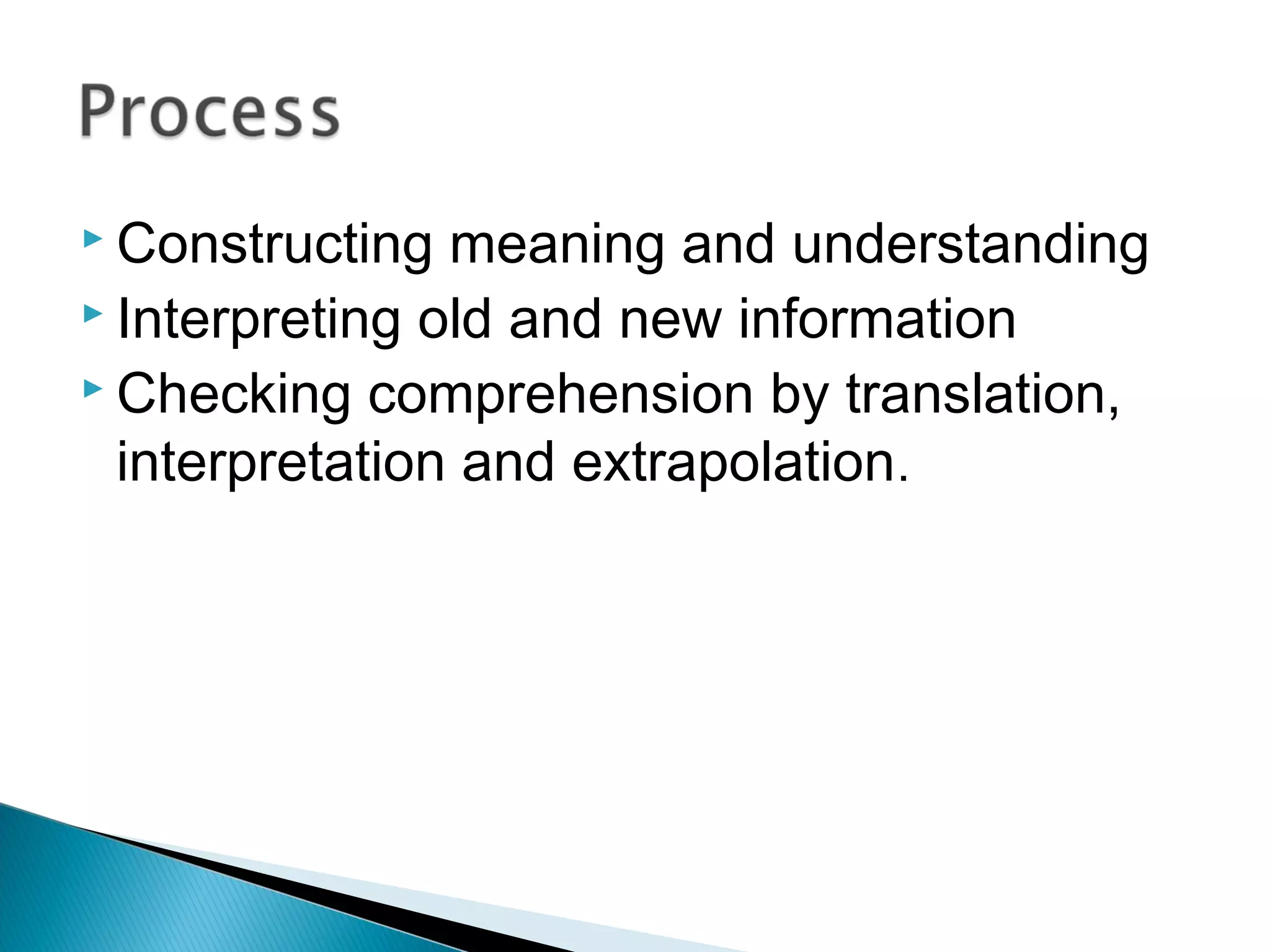
 Constructing meaning and understanding
 Interpreting old and new information
 Checking comprehension by translation,
interpretation and extrapolation.
 Big ideas, principles and generalizations
 Knowing when to apply; why to apply; and
recognizing patterns of transfer to situations
that are new and unfamiliar
 Breaking down big concepts into smaller
concepts
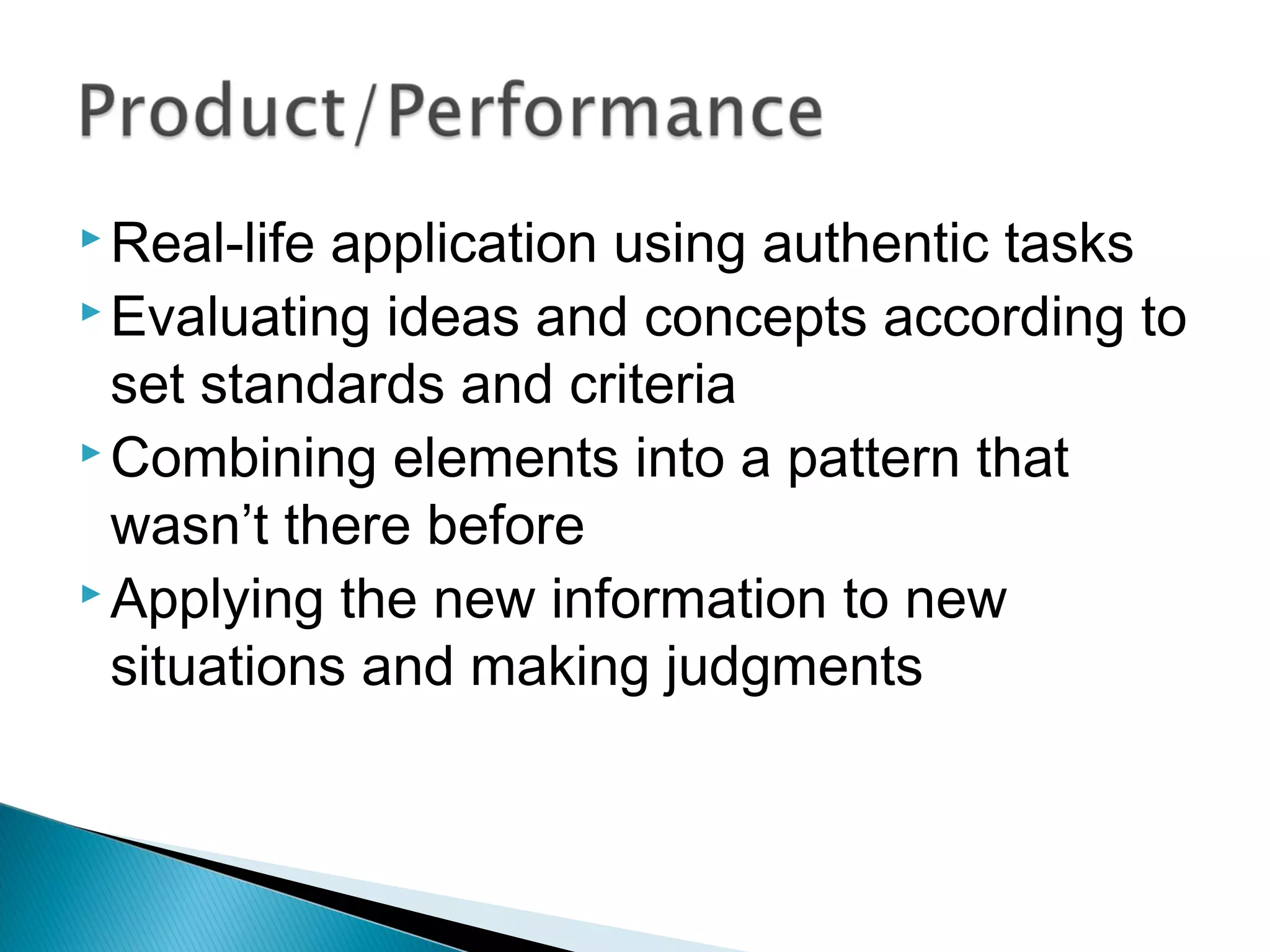
 Real-life application using authentic tasks
 Evaluating ideas and concepts according to
set standards and criteria
 Combining elements into a pattern that
wasn’t there before
 Applying the new information to new
situations and making judgments
Memory/
Right There
Think and
Search
The Concept
and Me
On My own
Signal Words Who, what,
where, when…
Why, how and
what ways
Imagine,
suppose,
predict, if/then
Defend, judge,
justify/what do
you think?
Cognitive
Operations
Naming,
defining,
identifying,
designating
Explaining,
stating
relationships,
comparing and
contrasting
Predicting,
hypothesizing,
inferring,
reconstructing
Valuing, judging,
defending,
justifying
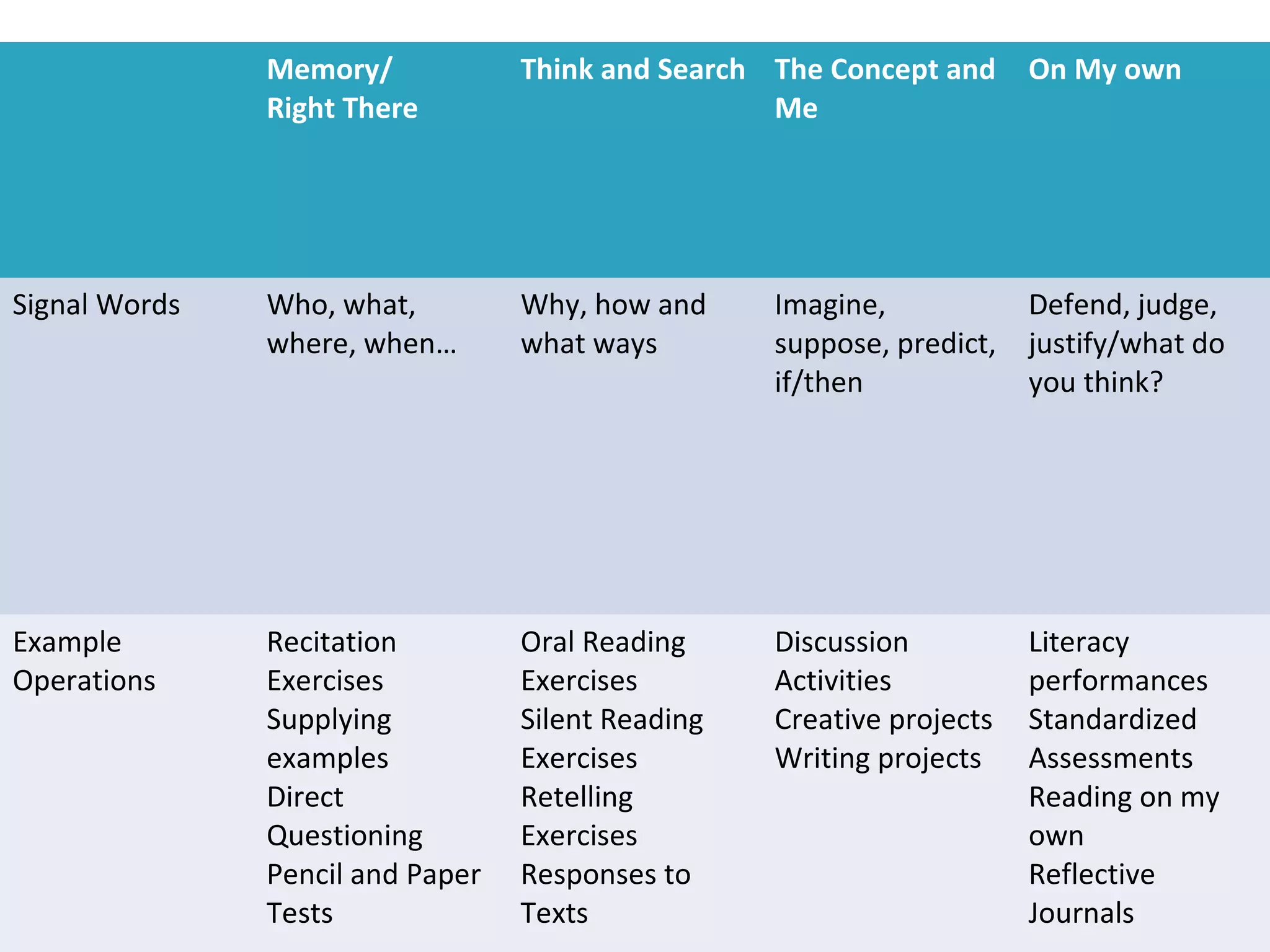
Building KPUP Activities
Memory/
Right There
Think and Search The Concept and
Me
On My own
Signal Words Who, what,
where, when…
Why, how and
what ways
Imagine,
suppose, predict,
if/then
Defend, judge,
justify/what do
you think?
Example
Operations
Recitation
Exercises
Supplying
examples
Direct
Questioning
Pencil and Paper
Tests
Oral Reading
Exercises
Silent Reading
Exercises
Retelling
Exercises
Responses to
Texts
Discussion
Activities
Creative projects
Writing projects
Literacy
performances
Standardized
Assessments
Reading on my
own
Reflective
Journals

k12 grading system

  • 2.
    We must relyon research. It is more reliable than tradition. Science and scientific inquiry is the heart of good instruction. That is the true purpose of improving. When we search for ways to uplift literacy through teaching reading. - Professor Victor C. Villanueva
  • 3.
    activities undertaken byteachers -- and by their students in assessing themselves -- that provide information to be used as feedback to modify teaching and learning activities.
  • 5.
     Effective Assessmentdemonstrates alignment of four component.  We do assessment because we want to know if the instruction worked for the learners, what works for the teachers, what works for the whole system.  Assessment is one way to recognize advancements in appropriate standards.
  • 8.
     Which childrenare at risk for experiencing reading difficulties now and in the future?
  • 9.
     Which childrenwill need additional intervention to meet reading goals?
  • 10.
     Are thechildren on track for meeting end of the year targets?  Is intervention enabling children to make sufficient progress?  Is instruction working?
  • 11.
     Have weaccomplished our literacy goals?  Did our students improve from beginning of the school year?  Is our reading program meeting the needs of the children?  How can we make our reading program better?
  • 12.
    Assessment shall beused primarily as a quality assurance tool to promote self- reflection and personal accountability for one’s learning.
  • 13.
     Holistic  Standards-based Formative  Developmental  Quality of student learning  Critical evidence of learning: content and performance
  • 14.
     Information onteaching practices  Guidance in design and delivery of student learning  Information for parents to support their children’s development and growth
  • 19.
     Substantive contentin the curriculum  Facts and information the students require  Gathering old and new information
  • 20.
     Constructing meaningand understanding  Interpreting old and new information  Checking comprehension by translation, interpretation and extrapolation.
  • 21.
     Big ideas,principles and generalizations  Knowing when to apply; why to apply; and recognizing patterns of transfer to situations that are new and unfamiliar  Breaking down big concepts into smaller concepts
  • 22.
     Real-life applicationusing authentic tasks  Evaluating ideas and concepts according to set standards and criteria  Combining elements into a pattern that wasn’t there before  Applying the new information to new situations and making judgments
  • 23.
    Memory/ Right There Think and Search TheConcept and Me On My own Signal Words Who, what, where, when… Why, how and what ways Imagine, suppose, predict, if/then Defend, judge, justify/what do you think? Cognitive Operations Naming, defining, identifying, designating Explaining, stating relationships, comparing and contrasting Predicting, hypothesizing, inferring, reconstructing Valuing, judging, defending, justifying Building KPUP Activities
  • 24.
    Memory/ Right There Think andSearch The Concept and Me On My own Signal Words Who, what, where, when… Why, how and what ways Imagine, suppose, predict, if/then Defend, judge, justify/what do you think? Example Operations Recitation Exercises Supplying examples Direct Questioning Pencil and Paper Tests Oral Reading Exercises Silent Reading Exercises Retelling Exercises Responses to Texts Discussion Activities Creative projects Writing projects Literacy performances Standardized Assessments Reading on my own Reflective Journals

Editor's Notes

  • #5 Essential Readings on Assessment, Peter Afflerbach, ed, 2010, International Reading Association