

NR Computer Learning Center (NRCLC)
•
•
•
 Hands-on classroom training
 Online Training
 Virtual Live Training
 Private Lesson
Agenda
• Introduction to Data Analytics
• Data Analytics Process
• Data Analytics Skills
• Certifications
WHAT IS DATA ANALYTICS USED
FOR?
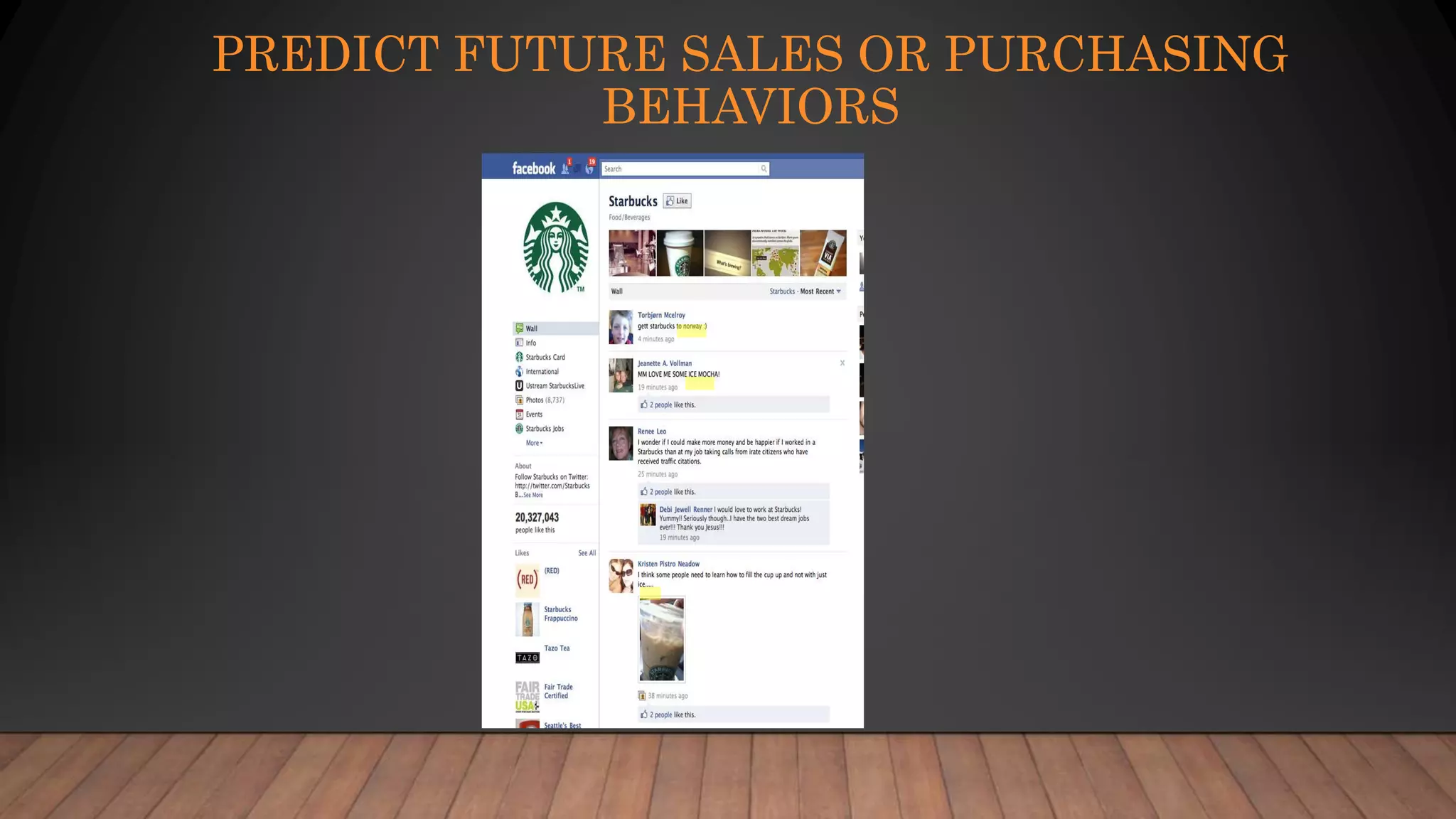
PREDICT FUTURE SALES OR PURCHASING
BEHAVIORS
BOOST CUSTOMER ACQUISITION AND
RETENTION
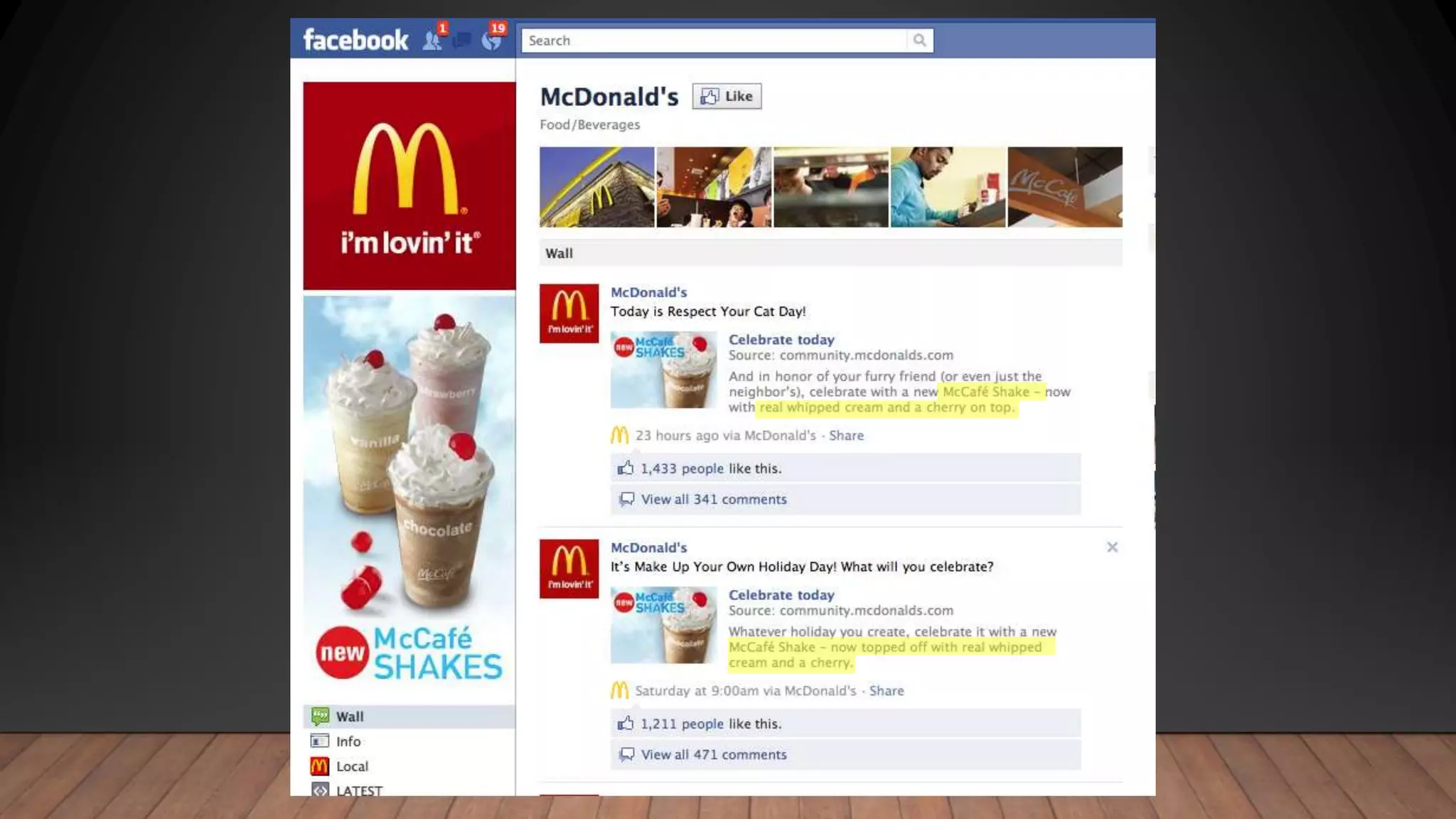
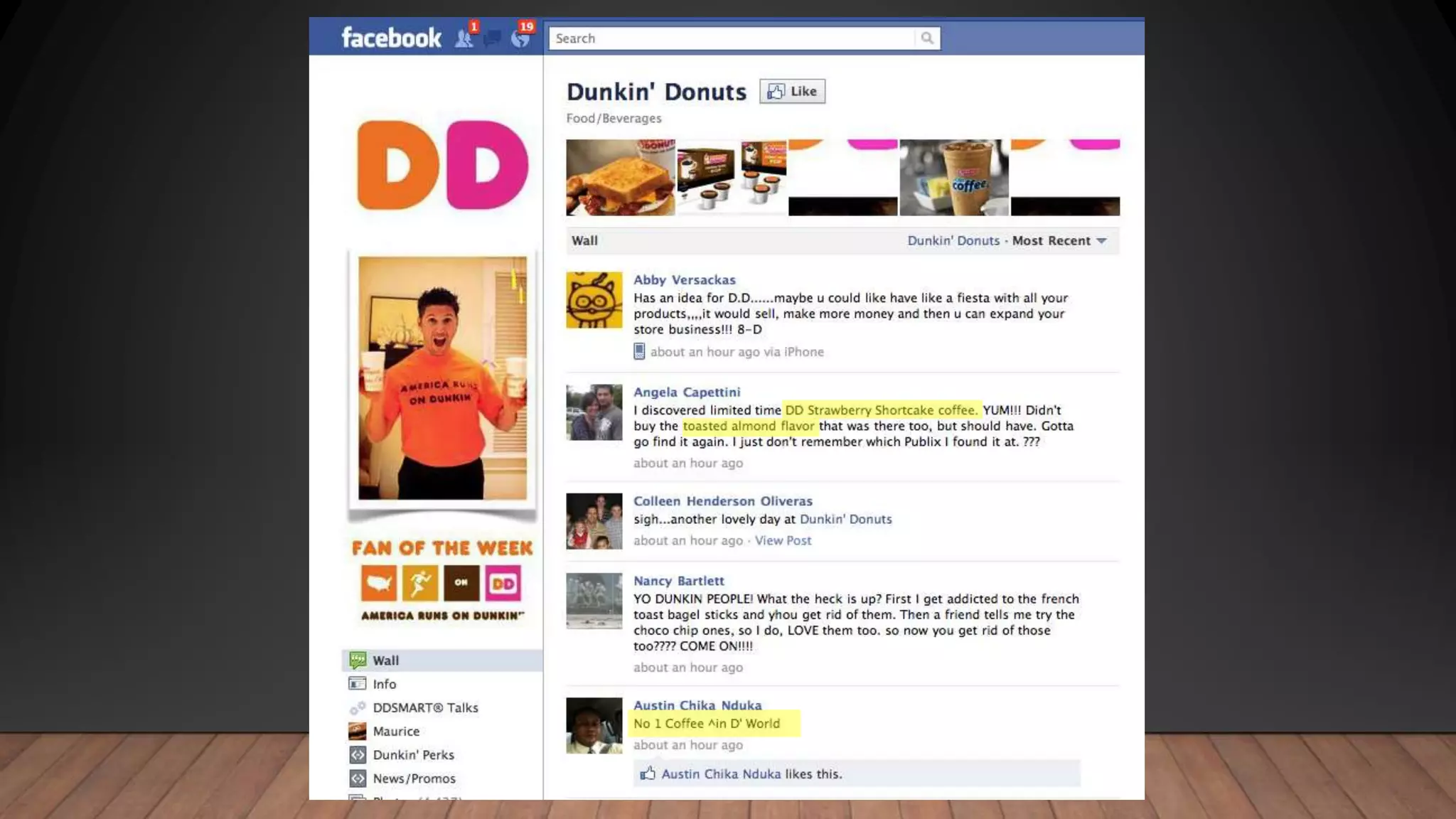
• Netflix collects data from its 163 million global subscribers
• what users watch
• when, what device do they use
• whether they pause a show and resume it
• how they rate certain content
• what they search for when looking for something new to watch.
• Based on key trends and patterns within each user’s viewing behavior, the
recommendation algorithm makes personalized suggestions for what the user might like to
watch next.
Uses Recommendation Algorithm to predict other items a
customer may want to watch based on the user’s viewing behavior.
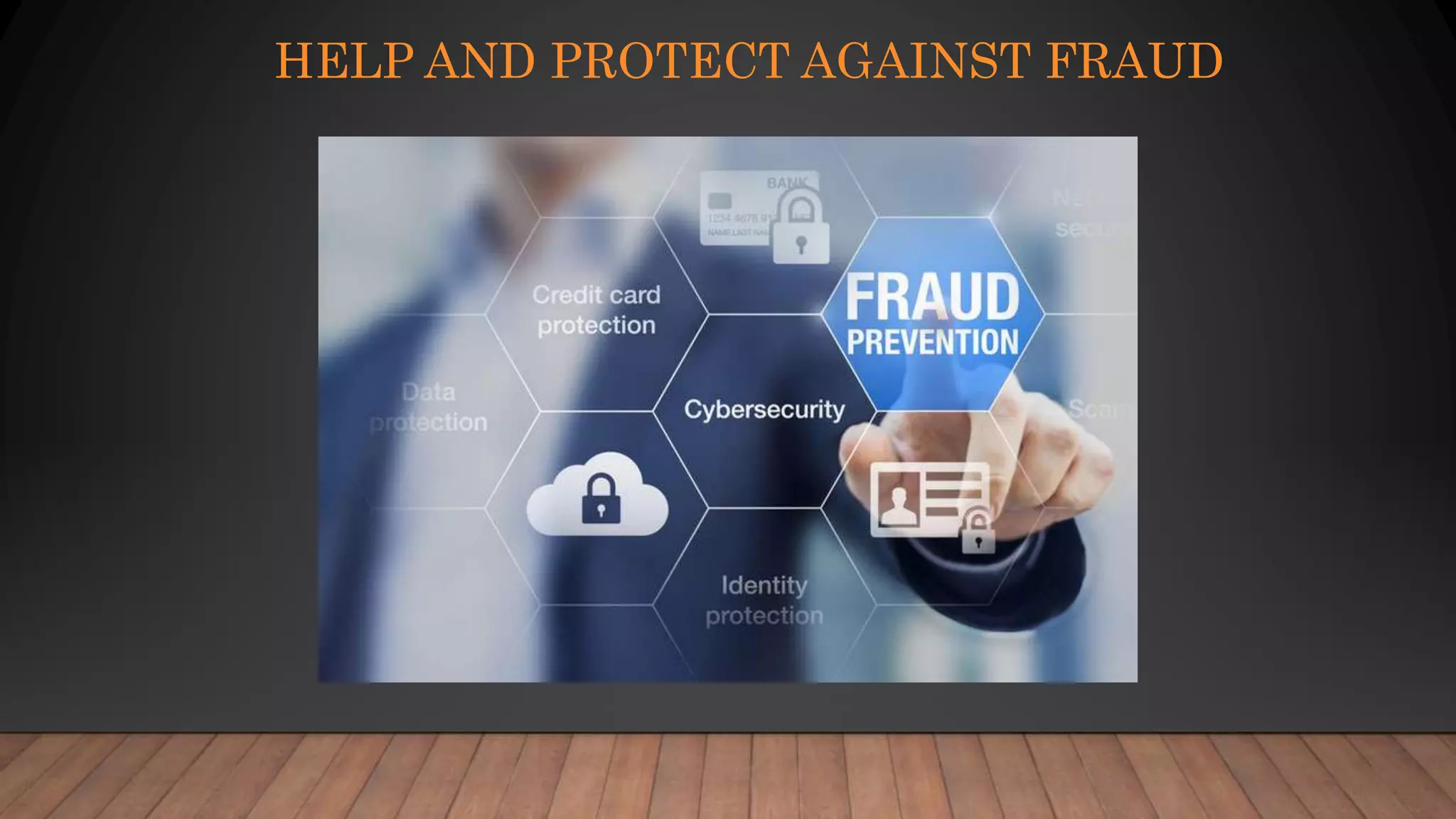
HELP AND PROTECT AGAINST FRAUD
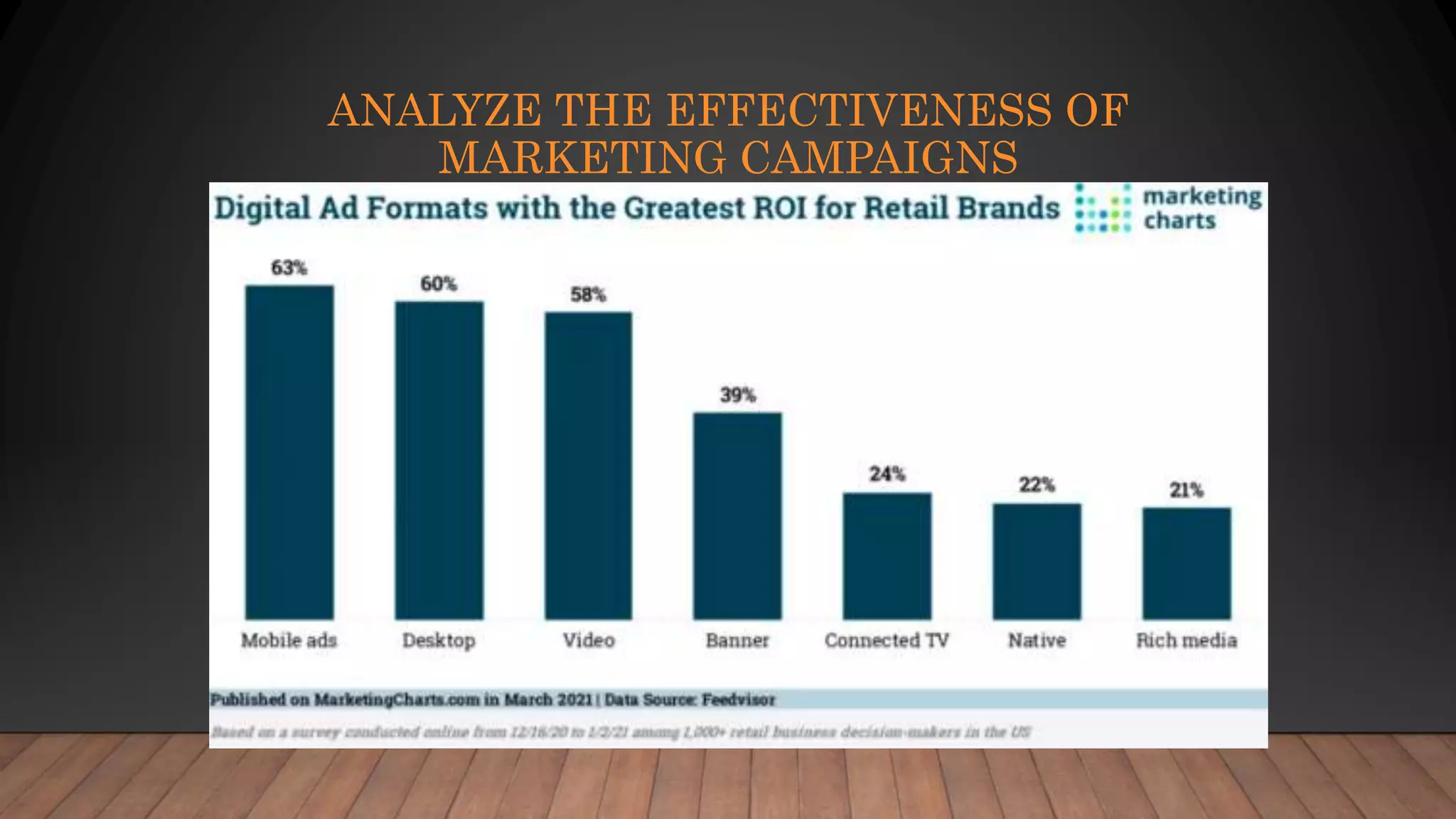
ANALYZE THE EFFECTIVENESS OF
MARKETING CAMPAIGNS
WHAT IS DATA
ANALYTICS
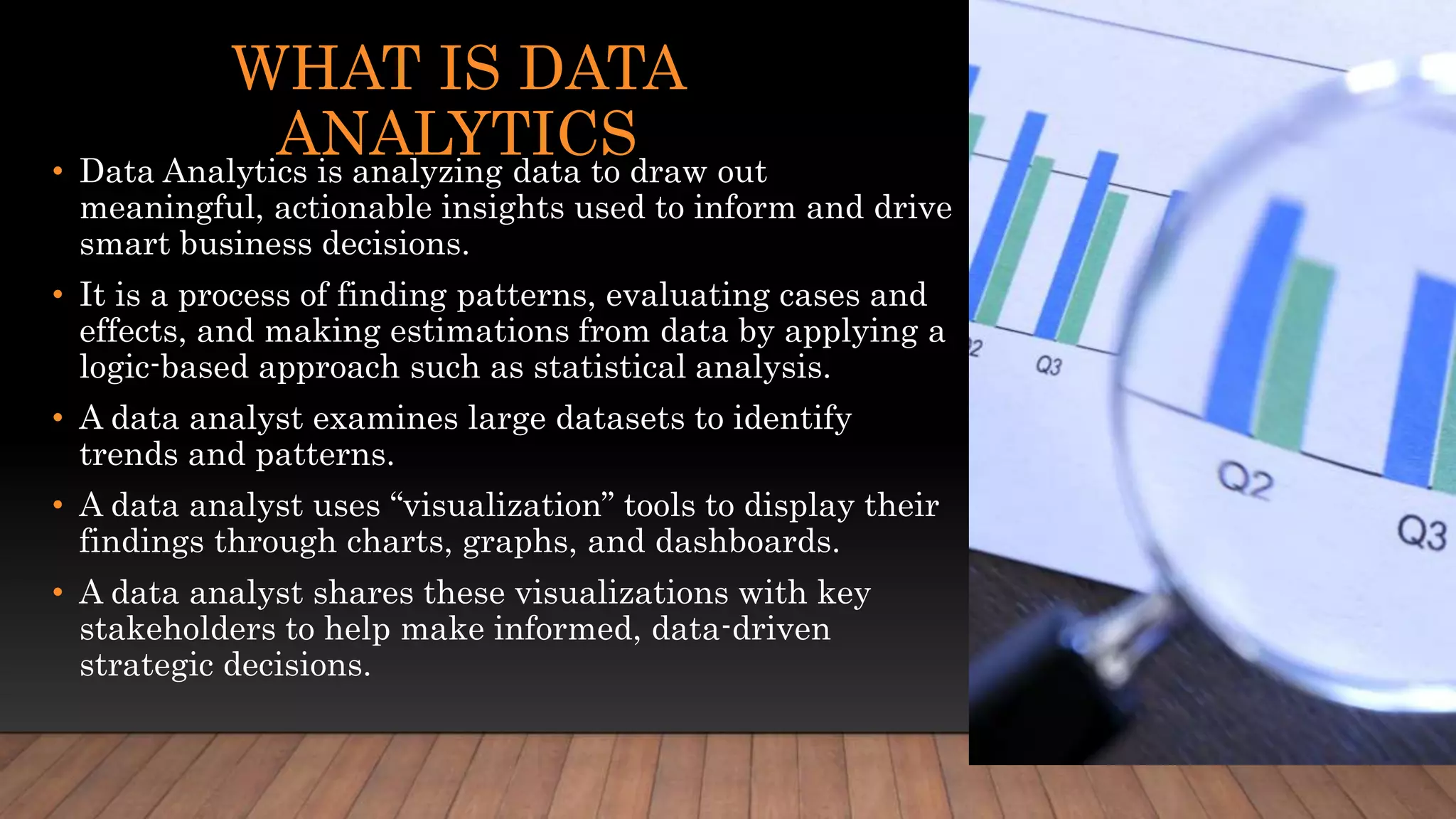
• Data Analytics is analyzing data to draw out
meaningful, actionable insights used to inform and drive
smart business decisions.
• It is a process of finding patterns, evaluating cases and
effects, and making estimations from data by applying a
logic-based approach such as statistical analysis.
• A data analyst examines large datasets to identify
trends and patterns.
• A data analyst uses “visualization” tools to display their
findings through charts, graphs, and dashboards.
• A data analyst shares these visualizations with key
stakeholders to help make informed, data-driven
strategic decisions.
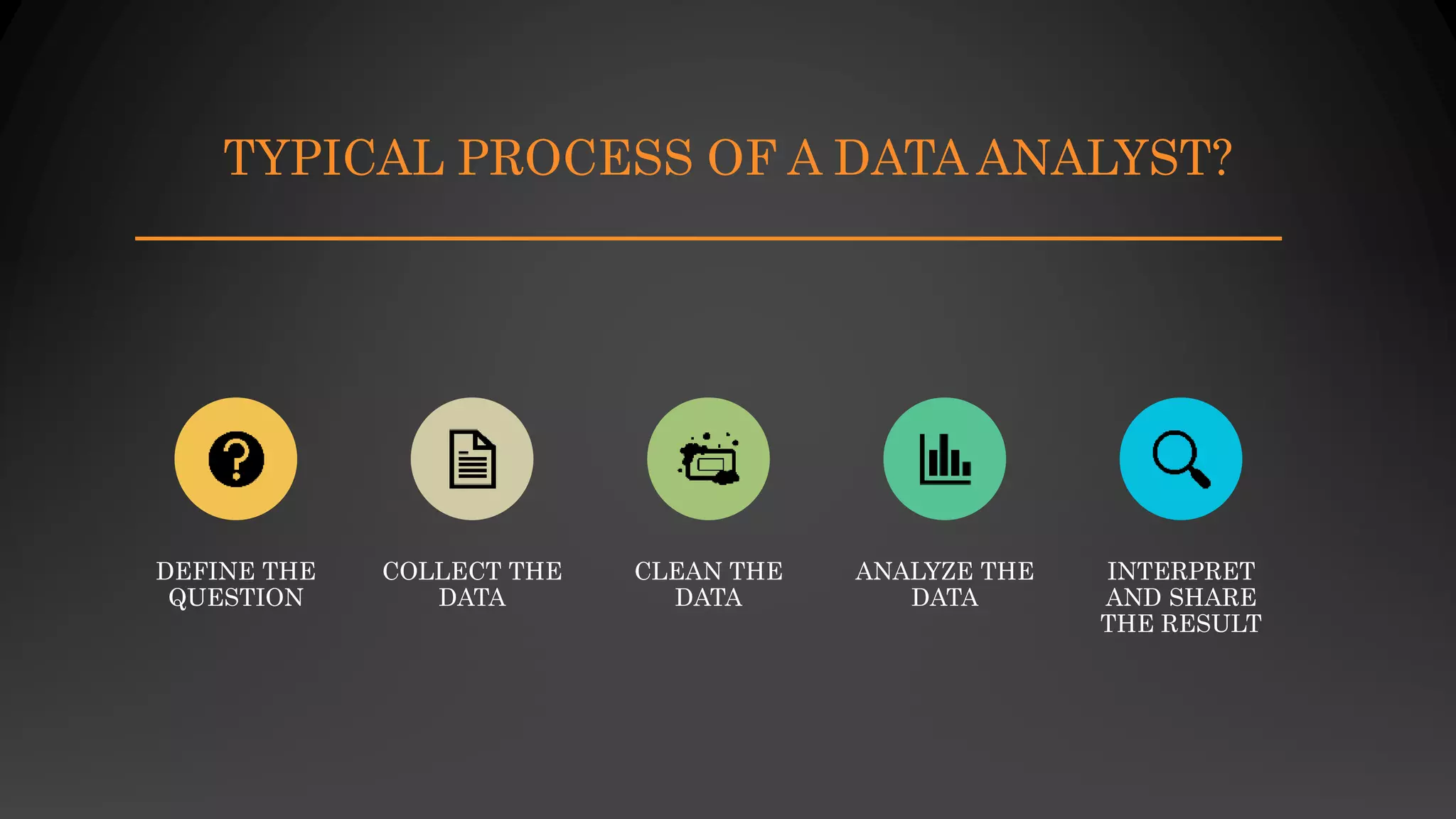
TYPICAL PROCESS OF A DATA ANALYST?
DEFINE THE
QUESTION
COLLECT THE
DATA
CLEAN THE
DATA
ANALYZE THE
DATA
INTERPRET
AND SHARE
THE RESULT
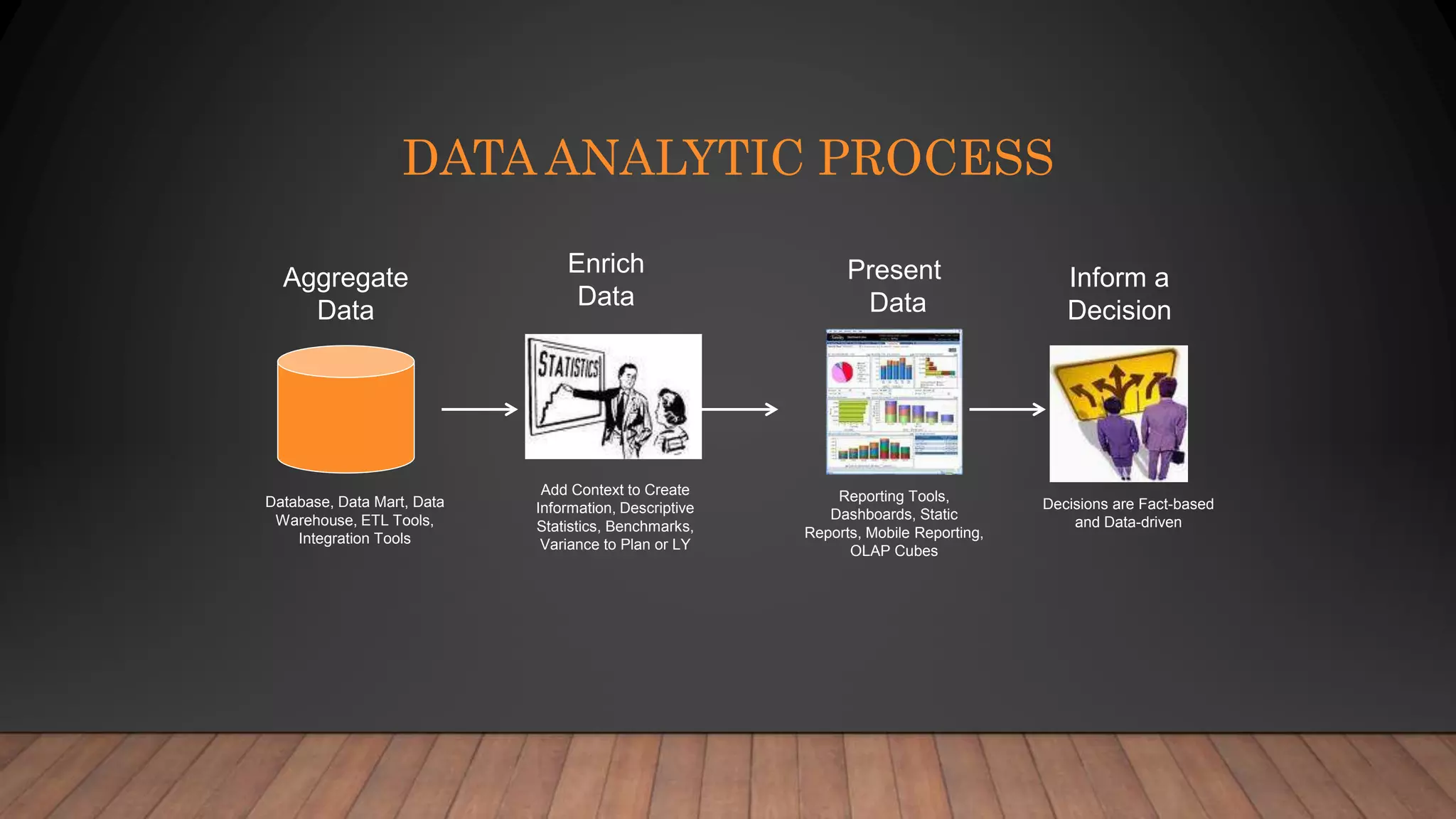
DATA ANALYTIC PROCESS
Aggregate
Data
Database, Data Mart, Data
Warehouse, ETL Tools,
Integration Tools
Present
Data
Enrich
Data
Inform a
Decision
Reporting Tools,
Dashboards, Static
Reports, Mobile Reporting,
OLAP Cubes
Add Context to Create
Information, Descriptive
Statistics, Benchmarks,
Variance to Plan or LY
Decisions are Fact-based
and Data-driven
1. PURPOSE
• Clearly articulate the problem or research question you
want to address through data analysis.
2.COLLECTING THE DATA
• Import, Store, and export data
• ETL (Extract, transform, and load)
• Data manipulation tools (Advanced Excel, Python, R,
Advanced SQL, XML, JSON)
TYPES OF DATA
• Structured Data – Data that is highly organized and follows a predefined
format or schema. This includes data stored in a relational database or
spreadsheet, where data is organized in rows and columns.
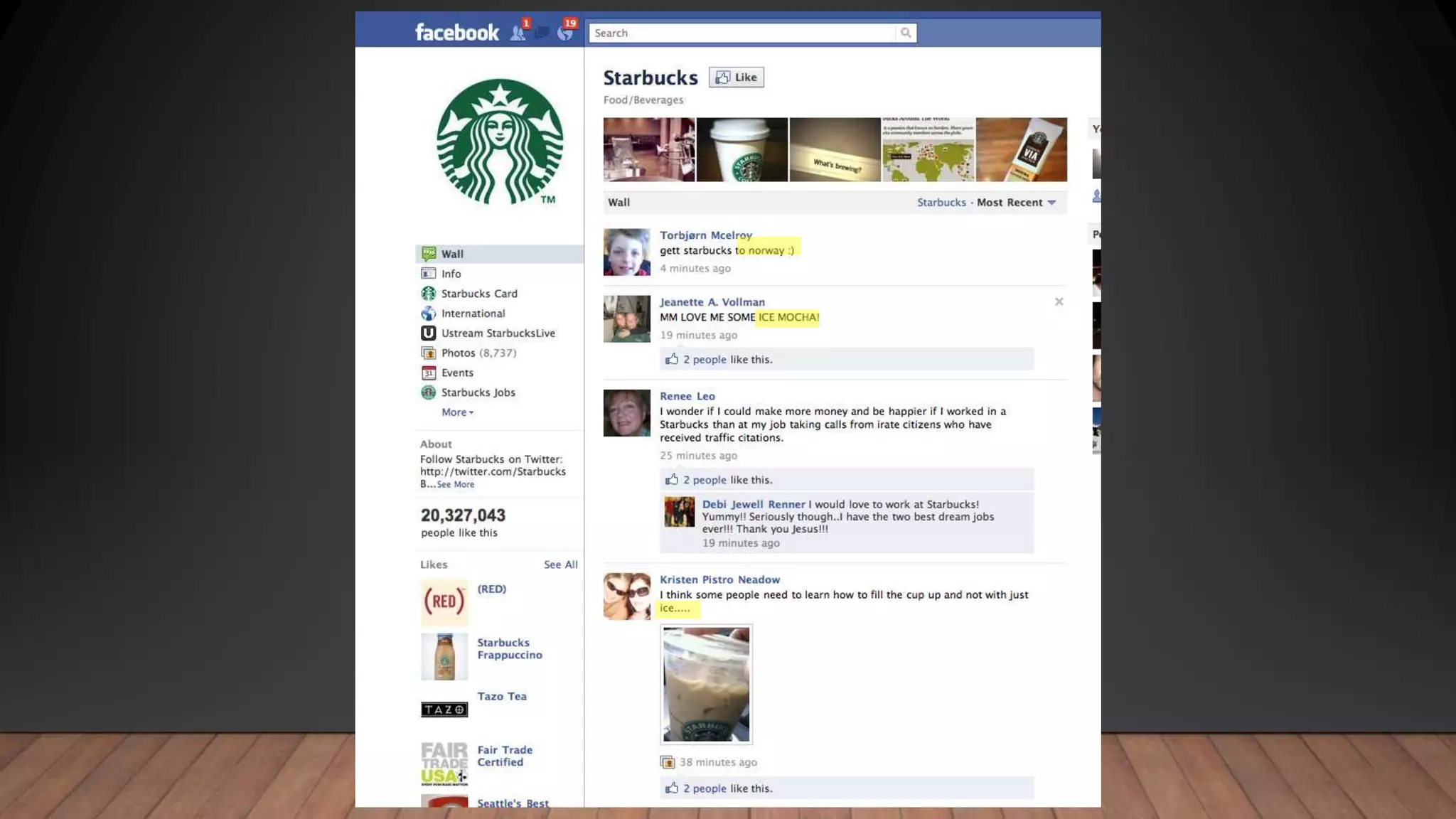
• Unstructured – Data that lacks a specific structure or organization. The
data is often free text, images, video, posts, emails, audio, etc.
• Semi-Structured – Data possesses some organizational structure or
metadata but does not adhere to a strict schema. This includes data
containing tags, labels, XML, web data, sensor data,
3. CLEAN THE DATA
Handling NULL, special characters, trimming spaces,
inconsistent formatting, removing duplicates, etc.,
validating data
• Parsing
• Correcting
• Standardizing
• Matching
• Consolidating
3. ORGANIZE DATA
• Organizing Data - Sorting, filtering, slicing,
transposing, appending, truncating
• Aggregating Data – Grouping, merging, summarizing,
etc.
4. ANALYZE THE DATA
• Types of Data Analysis include:
• Descriptive analysis, diagnostic analysis, predictive
analysis, prescriptive analysis …
• Searching, filtering, unique values, aggregate
functions such as Sum, Max, Min, Count, Avg/Mean,
Mode, Median, Std Dev.
• Identifying trends, determining expected values,
interpreting results of predictive modes, p-values, t-
tests, and regression analysis.
7 TYPES OF DATA ANALYTICS
1. Descriptive Analytics - It focuses on summarizing and interpreting historical data to
understand what happened in the past. It involves using basic statistical measures,
data visualization techniques, and exploratory data analysis to describe patterns,
trends, and relationships with the data.
2. Diagnostic Analytics – It focuses on investigating the root cause of why certain events or patterns occurred. It
involves using techniques such as data mining, correlations analysis, and regression analysis to understand
the factors influencing the observed results.
3. Predictive Analytics – It involves using historical data to make predictions or forecasts about future events or
outcomes. It uses statistical modeling and machine learning algorithms to identify patterns and relationships in
the data to make predictions.
TYPES OF DATA ANALYTICS (CONT.)
4. Prescriptive Analytics – It involves using optimization techniques, simulation models, and decision-
making algorithms to evaluate different scenarios and suggest optimal actions or decisions to
achieve the desired outcomes. Prescriptive analytics is useful in the area of resource allocation,
supply chain optimization, and strategic decision-making.
5. Text Analytics – It involves extracting information and insights from unstructured textual data, such
as emails, customer comments, social media posts and documents. It uses the techniques such as
Natural Language Processing (NLP), sentiment analysis, topic modeling, and text classification to
analyze and derive meaning from the text.
TYPES OF DATA ANALYTICS (CONT.)
6. Spatial Analysis – It focuses on understanding patterns, relationships, and
trends within a geographic or spatial component. It includes techniques such
as geographic information systems (GIS), spatial clustering, spatial
interpolation, and network analysis.
7. Social Network Analysis: It focuses on analyzing the relationships and
interactions between individuals and entities in a social network to uncover
the structure of a network, identify key influencers or communities, and
understand the flow of information or resources within the network. It
includes techniques such as social media analysis, organizational analysis,
and marketing research.
5. INTERPRET AND SHARE THE
RESULT
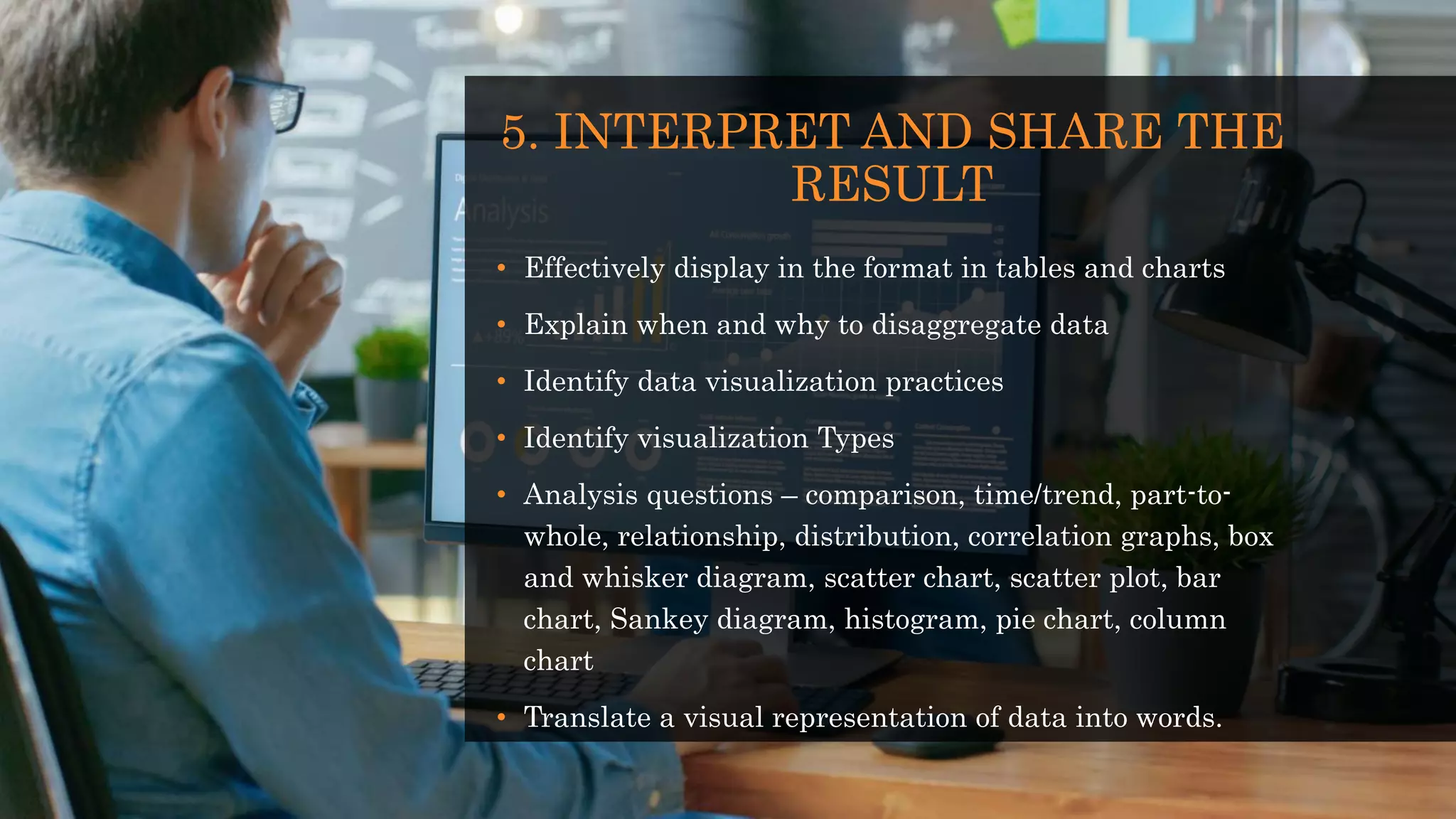
• Effectively display in the format in tables and charts
• Explain when and why to disaggregate data
• Identify data visualization practices
• Identify visualization Types
• Analysis questions – comparison, time/trend, part-to-
whole, relationship, distribution, correlation graphs, box
and whisker diagram, scatter chart, scatter plot, bar
chart, Sankey diagram, histogram, pie chart, column
chart
• Translate a visual representation of data into words.
DATA VISUALIZATION
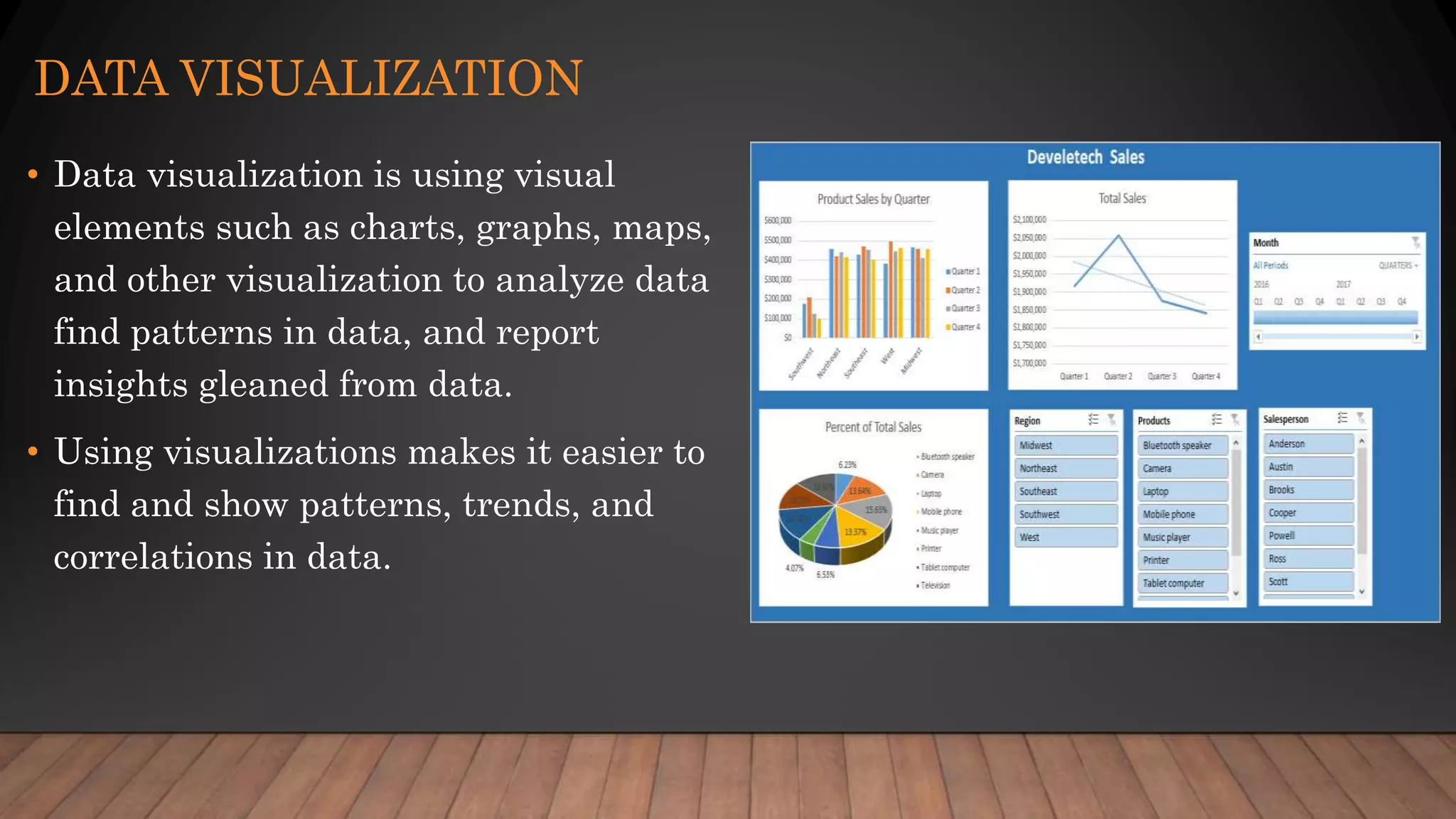
• Data visualization is using visual
elements such as charts, graphs, maps,
and other visualization to analyze data
find patterns in data, and report
insights gleaned from data.
• Using visualizations makes it easier to
find and show patterns, trends, and
correlations in data.
THE NEED TO VISUALIZE DATA
Use a picture. It's worth a thousand words.
-Tess Flanders, 1911
90 percent of the information transmitted to the brain is visual.
-MIT News, January 16, 2014
The human brain processes images 60,000x faster than text.
-Persuasion and the Role of Visual Presentation Support: The UM/3M Study, 1986
SKILLS NEEDED TO BECOME A DATA
ANALYTICS
• Problem-Solving skills
• Mathematics & Statistics
• Advanced Excel
• Advanced SQL
• Programming languages such as Python, R, …
• Excellent Communication skills
• Visualization tools such as Microsoft Power BI, Tableau
KEY REASONS
TO BECOME A
DATA
ANALYST
High in-demand
Well-paying job
Evolving workplace
environment
Help organization improving
product standards
COMPANIES
• Accenture
• Tata Consultancy Services
• Ernst & Young
• HSBC
• Mckinsey
• Bain
• BCG
• Deloitte
• Gartner
• KPMG
• Smart Cube
• Tiger Analytics
• EXL
CERTIFICATION
• IT Specialist in Data Analytics by Certiport.
• Topics
• Data Basic – Data types, basic data structure, Qualitative, Quantitative, big
data
• Data Manipulation – import, store, export, clean, organize, and aggregate data
• Data Analysis –Descriptive, diagnostic, predictive, and prescriptive analysis;
using aggregate functions; data mining; identifying trends, interpreting results
• Data Visualization – tables, charts – box and whisker diagram, scatter chart,
scatter plot, bar chart, Sankey diagram, histogram, pie chart, column chart.
• Responsible Analytics Practices – privacy laws and best practices
https://certiport.filecamp.com/s/GESxv0YPqKw5XRw3/fi
• Recommendation: The target candidate has approximately 150 hours of instruction and hands-
on experience with the exam topic.
• Online Course material, Practice Tests, and Vouchers can be purchased at Shop.nrclc.com
(Option to purchase online private lessons at a discount)
• NR Computer Learning Center provides AT-Home exam.
• 50 min test.
THANK YOU
Dr. Vazi Okhandiar, PMP, MBA, MSCS, BSEE, MCT
info@nrclc.com
(714) 505-3475
NR Computer Learning Center
California, USA

Introduction to Data Analytics

  • 2.
    NR Computer LearningCenter (NRCLC) • • •  Hands-on classroom training  Online Training  Virtual Live Training  Private Lesson
  • 4.
    Agenda • Introduction toData Analytics • Data Analytics Process • Data Analytics Skills • Certifications
  • 6.
    WHAT IS DATAANALYTICS USED FOR?
  • 7.
    PREDICT FUTURE SALESOR PURCHASING BEHAVIORS
  • 8.
    BOOST CUSTOMER ACQUISITIONAND RETENTION • Netflix collects data from its 163 million global subscribers • what users watch • when, what device do they use • whether they pause a show and resume it • how they rate certain content • what they search for when looking for something new to watch. • Based on key trends and patterns within each user’s viewing behavior, the recommendation algorithm makes personalized suggestions for what the user might like to watch next. Uses Recommendation Algorithm to predict other items a customer may want to watch based on the user’s viewing behavior.
  • 9.
    HELP AND PROTECTAGAINST FRAUD
  • 10.
    ANALYZE THE EFFECTIVENESSOF MARKETING CAMPAIGNS
  • 11.
    WHAT IS DATA ANALYTICS •Data Analytics is analyzing data to draw out meaningful, actionable insights used to inform and drive smart business decisions. • It is a process of finding patterns, evaluating cases and effects, and making estimations from data by applying a logic-based approach such as statistical analysis. • A data analyst examines large datasets to identify trends and patterns. • A data analyst uses “visualization” tools to display their findings through charts, graphs, and dashboards. • A data analyst shares these visualizations with key stakeholders to help make informed, data-driven strategic decisions.
  • 12.
    TYPICAL PROCESS OFA DATA ANALYST? DEFINE THE QUESTION COLLECT THE DATA CLEAN THE DATA ANALYZE THE DATA INTERPRET AND SHARE THE RESULT
  • 13.
    DATA ANALYTIC PROCESS Aggregate Data Database,Data Mart, Data Warehouse, ETL Tools, Integration Tools Present Data Enrich Data Inform a Decision Reporting Tools, Dashboards, Static Reports, Mobile Reporting, OLAP Cubes Add Context to Create Information, Descriptive Statistics, Benchmarks, Variance to Plan or LY Decisions are Fact-based and Data-driven
  • 14.
    1. PURPOSE • Clearlyarticulate the problem or research question you want to address through data analysis.
  • 15.
    2.COLLECTING THE DATA •Import, Store, and export data • ETL (Extract, transform, and load) • Data manipulation tools (Advanced Excel, Python, R, Advanced SQL, XML, JSON)
  • 16.
    TYPES OF DATA •Structured Data – Data that is highly organized and follows a predefined format or schema. This includes data stored in a relational database or spreadsheet, where data is organized in rows and columns. • Unstructured – Data that lacks a specific structure or organization. The data is often free text, images, video, posts, emails, audio, etc. • Semi-Structured – Data possesses some organizational structure or metadata but does not adhere to a strict schema. This includes data containing tags, labels, XML, web data, sensor data,
  • 20.
    3. CLEAN THEDATA Handling NULL, special characters, trimming spaces, inconsistent formatting, removing duplicates, etc., validating data • Parsing • Correcting • Standardizing • Matching • Consolidating
  • 21.
    3. ORGANIZE DATA •Organizing Data - Sorting, filtering, slicing, transposing, appending, truncating • Aggregating Data – Grouping, merging, summarizing, etc.
  • 22.
    4. ANALYZE THEDATA • Types of Data Analysis include: • Descriptive analysis, diagnostic analysis, predictive analysis, prescriptive analysis … • Searching, filtering, unique values, aggregate functions such as Sum, Max, Min, Count, Avg/Mean, Mode, Median, Std Dev. • Identifying trends, determining expected values, interpreting results of predictive modes, p-values, t- tests, and regression analysis.
  • 23.
    7 TYPES OFDATA ANALYTICS 1. Descriptive Analytics - It focuses on summarizing and interpreting historical data to understand what happened in the past. It involves using basic statistical measures, data visualization techniques, and exploratory data analysis to describe patterns, trends, and relationships with the data. 2. Diagnostic Analytics – It focuses on investigating the root cause of why certain events or patterns occurred. It involves using techniques such as data mining, correlations analysis, and regression analysis to understand the factors influencing the observed results. 3. Predictive Analytics – It involves using historical data to make predictions or forecasts about future events or outcomes. It uses statistical modeling and machine learning algorithms to identify patterns and relationships in the data to make predictions.
  • 24.
    TYPES OF DATAANALYTICS (CONT.) 4. Prescriptive Analytics – It involves using optimization techniques, simulation models, and decision- making algorithms to evaluate different scenarios and suggest optimal actions or decisions to achieve the desired outcomes. Prescriptive analytics is useful in the area of resource allocation, supply chain optimization, and strategic decision-making. 5. Text Analytics – It involves extracting information and insights from unstructured textual data, such as emails, customer comments, social media posts and documents. It uses the techniques such as Natural Language Processing (NLP), sentiment analysis, topic modeling, and text classification to analyze and derive meaning from the text.
  • 25.
    TYPES OF DATAANALYTICS (CONT.) 6. Spatial Analysis – It focuses on understanding patterns, relationships, and trends within a geographic or spatial component. It includes techniques such as geographic information systems (GIS), spatial clustering, spatial interpolation, and network analysis. 7. Social Network Analysis: It focuses on analyzing the relationships and interactions between individuals and entities in a social network to uncover the structure of a network, identify key influencers or communities, and understand the flow of information or resources within the network. It includes techniques such as social media analysis, organizational analysis, and marketing research.
  • 26.
    5. INTERPRET ANDSHARE THE RESULT • Effectively display in the format in tables and charts • Explain when and why to disaggregate data • Identify data visualization practices • Identify visualization Types • Analysis questions – comparison, time/trend, part-to- whole, relationship, distribution, correlation graphs, box and whisker diagram, scatter chart, scatter plot, bar chart, Sankey diagram, histogram, pie chart, column chart • Translate a visual representation of data into words.
  • 27.
    DATA VISUALIZATION • Datavisualization is using visual elements such as charts, graphs, maps, and other visualization to analyze data find patterns in data, and report insights gleaned from data. • Using visualizations makes it easier to find and show patterns, trends, and correlations in data.
  • 28.
    THE NEED TOVISUALIZE DATA Use a picture. It's worth a thousand words. -Tess Flanders, 1911 90 percent of the information transmitted to the brain is visual. -MIT News, January 16, 2014 The human brain processes images 60,000x faster than text. -Persuasion and the Role of Visual Presentation Support: The UM/3M Study, 1986
  • 29.
    SKILLS NEEDED TOBECOME A DATA ANALYTICS • Problem-Solving skills • Mathematics & Statistics • Advanced Excel • Advanced SQL • Programming languages such as Python, R, … • Excellent Communication skills • Visualization tools such as Microsoft Power BI, Tableau
  • 30.
    KEY REASONS TO BECOMEA DATA ANALYST High in-demand Well-paying job Evolving workplace environment Help organization improving product standards
  • 31.
    COMPANIES • Accenture • TataConsultancy Services • Ernst & Young • HSBC • Mckinsey • Bain • BCG • Deloitte • Gartner • KPMG • Smart Cube • Tiger Analytics • EXL
  • 32.
    CERTIFICATION • IT Specialistin Data Analytics by Certiport. • Topics • Data Basic – Data types, basic data structure, Qualitative, Quantitative, big data • Data Manipulation – import, store, export, clean, organize, and aggregate data • Data Analysis –Descriptive, diagnostic, predictive, and prescriptive analysis; using aggregate functions; data mining; identifying trends, interpreting results • Data Visualization – tables, charts – box and whisker diagram, scatter chart, scatter plot, bar chart, Sankey diagram, histogram, pie chart, column chart. • Responsible Analytics Practices – privacy laws and best practices https://certiport.filecamp.com/s/GESxv0YPqKw5XRw3/fi
  • 33.
    • Recommendation: Thetarget candidate has approximately 150 hours of instruction and hands- on experience with the exam topic. • Online Course material, Practice Tests, and Vouchers can be purchased at Shop.nrclc.com (Option to purchase online private lessons at a discount) • NR Computer Learning Center provides AT-Home exam. • 50 min test.
  • 34.
    THANK YOU Dr. VaziOkhandiar, PMP, MBA, MSCS, BSEE, MCT info@nrclc.com (714) 505-3475 NR Computer Learning Center California, USA

Editor's Notes

  • #6 https://www.fortunebusinessinsights.com/big-data-analytics-market-106179 https://cloudtweaks.com/2015/03/how-much-data-is-produced-every-day/ https://www.ibef.org/blogs/scope-of-data-analytics-in-india-and-future
  • #7 The fact is that data is everywhere, so it has an infinite amount to use across all kinds of businesses and organizations globally. data analytics is used to help make faster and better business decisions to reduce overall business costs and to develop new and innovative products and services A data analytics might be used to do the following: Predict future sales or purchasing behaviors for security purposes to help and protect against fraud To analyze the effectiveness of marketing campaigns To boost customer acquisition and retention To increase supply chain efficiency So that gives you a little bit of an overview of what data analytics can be used for in the real world.
  • #8 How many people are talking about ICE MOCHA. What is saying about ICE MOCHA. Health Care - One area where data analytics is having a huge impact is the healthcare sector. Junbo Son, a researcher from the University of Delaware, has devised a system which helps asthma patients to better self-manage their condition using bluetooth-enabled inhalers and a special data analytics algorithm. So how does it work? First, the data is collected through a Bluetooth sensor which the user attaches to their asthma inhaler. Every time the patient uses their inhaler, the sensor transmits this usage data to their smartphone. This data is then sent to a server via a secure wireless network, where it goes through the specially devised Smart Asthma Management (SAM) algorithm. Over time, this unique algorithm helps to paint a picture of each individual patient, giving valuable insight into patient demographics, unique patient behaviours—such as when they tend to exercise and how this impacts their inhaler usage—as well as each patient’s sensitivity to environmental asthma triggers. This is especially useful when it comes to detecting dangerous increases in inhaler usage; the data-driven SAM system can identify such increases much more quickly than the patient would be able to. What’s more, the SAM system has been found to outperform traditional models, with a false alarm rate that is 10-20% lower than that of current models, together with a 40-50% lower misdetection rate. This case study highlights what a difference data analytics can make when it comes to providing effective, personalized healthcare. By collecting and analyzing the right data, healthcare professionals are able to offer support that is tailored to both the individual needs of each patient and the unique characteristics of different health conditions—an approach that could be life-changing and potentially life-saving.
  • #9 So how does Netflix make personalized viewing recommendations, and what impact does this feature have on the success of the business? Netflix collects all kinds of data from its 163 million global subscribers—including what users watch and when, what device they use, whether they pause a show and resume it, how they rate certain content, and what they search for when looking for something new to watch. With the help of data analytics, Netflix are then is able to create a detailed viewing profile for each user. Based on key trends and patterns within each user’s viewing behavior, the recommendation algorithm makes personalized (and pretty spot-on) suggestions as to what the user might like to watch next. This kind of personalized service has a major impact on the user experience; according to Netflix, over 75% of viewer activity is based on personalized recommendations. This powerful use of data analytics also contributes significantly to the success of the business; if you look at their revenue and usage statistics, you’ll see that Netflix consistently dominates the global streaming market—and that they’re growing year upon year.
  • #10 Fraud analytics is the use of big data analysis techniques to prevent online financial fraud.  It can help financial organizations predict future fraudulent behavior, and help them apply fast detection and mitigation of fraudulent activity in real time. Account takeover (ATO), a particularly popular form of financial fraud, jumped over 280% between Q2 2019 and Q2 2020.  What device are they using? Has this device been previously registered with the bank? Can they verify their identity with a fingerprint? Does the transaction being requested fit their historical patterns? In an authentication sense, this data can be broken out into four categories: Knowledge:  something the user knows, e.g. their password, social security number, etc. Possession:  something the user has, e.g. their mobile phone, etc. Inherence:  something the user is, e.g. their fingerprint, palm print, etc. Behavioral:  something the user does or is doing, e.g. their requested transaction https://www.onespan.com/topics/fraud-analytics Answering all these questions requires accessing and analyzing big data.
  • #11 https://journals.sagepub.com/doi/full/10.1177/09718907211003717 Electronic commerce is increasing day by day all over the world. Perspective of offline marketing is vanishing and is being taken over by online marketing. Online marketing has multiple wings such as advertisement, promotion, selling, banner ads, emails, search engine marketing optimization, blog marketing, article marketing, information management of customers, customer relationship, customer service, social media, chat forums, reminders and after sale services, etc., of goods and services. A
  • #12 Data analytics everyone is talking about it, but what exactly is it? Maybe you have heard that data analytics is the next big thing in business. By the end of this presentation, you will have a better understanding of what data analytics is and how it helps businesses. In this presentation, I will cover 5 key points to give you a better understanding of what it is to be a data analyst. Most companies collect data all the time, but they don’t know what to do with the data. In raw format, the data has no meaning. And this is where data analytics come in. Daa analytics is the process of analyzing raw data so that we can pull out insights that are useful to companies. These insights are super important to drive smart business decisions. A data Analyst take the data, analysis data and make it into something which you can be useful Having interpreted the data, the data analyst can then pass these insights on so that the company can then make the most informed decisions so you can think of data analytics as a kind of business intelligce Hence used to solve problems and challenges that every company has. It is about finding patterns in the data that can tell you something useful or relevant about business operations. For instance, the company may look at how customers engage with a particular product or employees engage with a particular tool armed with the insights of data companies are then able to make better decisions about their audience. Company as a whole and the industry in which they work in
  • #13 1. Define the question – you need to answer why you are conducting this analysis and what questions and answer you need to find at this stage , You’ll take a cklearly defined problem and then you will make a hypothesis or research question that you can go on and answer. you’ll then need to identify what types of data you will need but importantly where it will come from For instance a business problem might be that customers are’t subscribing to paid membership once that free trail ends. You key question can then be what kinf of strategies can the businee implement to retain their customer based. 2. Collect the data - with a clear question in mind that you are ready to start collecting that data. Data analysts will usually gather data from primary source or internal data that the company already has such as CRM software or email marketing tools. They may tend to secondary or external sources such as open data sources. so this can include data from government portals. Tools like google trends but also data from international organizations like the world health organization. 3. Clean the data – Once you have the data you need to prepare it and get it ready for analysis. Your original data might include duplicates, anomalies or missing data which could distort hoe the data is interpreted. All these need to be removed. Data cleaning can be a manual task and it can take some time. But its crucial if you want to get the right business insights. 4. Analyze the data – How you analyze the data will depend on the question that you’re asking and the king of data that you’re working with . But some common techniques include regressiona analysis, cluster analysis and time series analysis. 5. Interpret and share the results. In this process the data is turned into valuable business insights. Dependinf on the type of analysis conducted, you’ll present your findings in a way that others can understand. In the form of a chart or a graph. for example. At this stage, you will be able to say what the data analysis actually shows you in regards to your initial question or business challenge. And you will collaborate with key stakeholders on how to move forward. This is a great moment to reflect and look at the limitations of your data and what further analysis might be conducted ---------- Health Care - One area where data analytics is having a huge impact is the healthcare sector. Junbo Son, a researcher from the University of Delaware, has devised a system that helps asthma patients to better self-manage their condition using Bluetooth-enabled inhalers and a special data analytics algorithm. First, the data is collected through a Bluetooth sensor which the user attaches to their asthma inhaler. Every time the patient uses their inhaler, the sensor transmits this usage data to their smartphone. This data is then sent to a server via a secure wireless network, which uses the specially devised Smart Asthma Management (SAM) algorithm. Over time, this unique algorithm helps to paint a picture of each patient, giving valuable insight into patient demographics, unique patient behaviors—such as when they tend to exercise and how this impacts their inhaler usage—as well as each patient’s sensitivity to environmental asthma triggers. This is especially useful when it comes to detecting dangerous increases in inhaler usage; the data-driven SAM system can identify such increases much more quickly than the patient would be able to. What’s more, the SAM system has been found to outperform traditional models, with a false alarm rate that is 10-20% lower than that of current models, together with a 40-50% lower misdetection rate. This case study highlights what a difference data analytics can make when providing effective, personalized healthcare. By collecting and analyzing the right data, healthcare professionals can offer support that is tailored to both the individual needs of each patient and the unique characteristics of different health conditions—an approach that could be life-changing and potentially life-saving.
  • #21 Parsing – Parsing locates and identifies individual data elment in the source files and then isolates these data elements in the source files and then isolates these data elements in the target files. Examples include parsing the first, middle and last name; street number and street name; city and state. Correcting is fixing problem (such as spelling, typo..). During this phase it corrects parsed individual data componements using sophisticated data algorithms and secondary data sources. Example include replacing a vanity address and adding a zip code. Standardizing (must be 8 char, or must in a particular format ..) – It applies to conversion routines to transform data into its preferred (and consistent) format using both standard and custom business rules. Example include adding a pre name, replacing a nickname, and using a preferred street name. Matching (removing duplication)– Searching and matching records within and across the parsed, corrected and standardized data based on predefined business rules to eliminate duplications. Exa,ples include identifying similar names and addresses. Consolicating – Analyzing and identifying relationships between matched records and consolidating/merging them into ONE representation.
  • #23 Some of the task of a data analyst include: Analyzing trens and patterns- Data analytics have to predict and forecast what may happen in the future, which could be very helpful in the stratiegic decision making processes. Creating and designing data report – Data analytics need to create data reports and design it in such as way that it is easoly understandable by the decision-makers. Derive valuale insignts from the data – Data Analyt will need to derive useful and meaningful insights from the package of data to benefir their organization. Collection, processing and summaring of data – Summarised data can tell a lot about the latest trends and patterns, which will be used to predict and forecast decisions.
  • #24 Descriptive Analytics: “What Happened” Diagnostic Analytics: “Why did this happen” Predictive Analytics: “What might happen” Prescriptive Analytics: “What should we do next”
  • #30 Understand the business, internal and extranal factors that effect the business Understand how you derive to the conclusion. Know thr prediction algorithm, classification and clustering algorithm to best You would need to have the skill to anlyze data set using tools such as R, Python, SQL etc. You should be able to communicate your solution in this most simple and understandable format to the stakeholders. Presentation tools such as Microsotf BI, Tableau, Qlil, gglop2 etc. are really important Visualization tools such as Microsoft Power BI, Tableau, Qlilk, gglop2,
  • #35 If you have enjoyed this presentation we have got an in-depth article covering the points which I have mentioned in the presentation and we go into greater depth. The link for that is in the slide. We also have afantastic 6 week data analytics short course. So if you are intereste just sign up in the descrtiption below. If you have got any questions about the field or the topics that we have covered, please just drop them in the comments below. Thank you so much for watching and we will see you again soon.