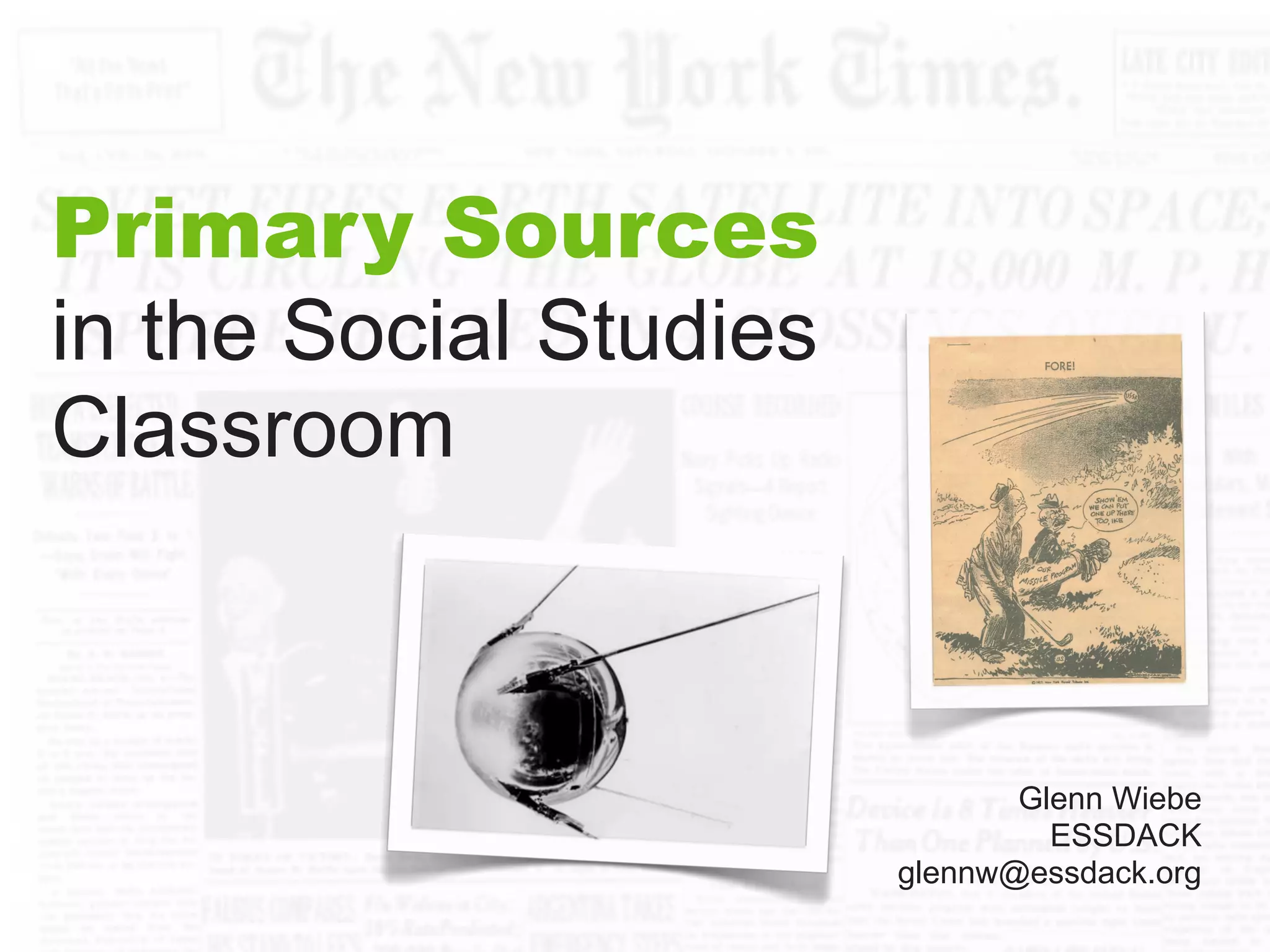
Primary Sources
in the Social Studies
Classroom


                               Glenn Wiebe
                                 ESSDACK
                        glennw@essdack.org
sticky ideas
primary sources encourage
 high levels of
 learning
there’s lots of stuff you
  can use
“A morsel of genuine history is a
  thing so rare as to be always
  valuable.”

 Thomas Jefferson
 1817
With your partner, make some
decisions & place your dots
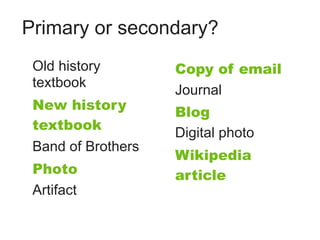
Primary or secondary?
 Old history        Copy of email
 textbook
                    Journal
 New history        Blog
 textbook
                    Digital photo
 Band of Brothers
                    Wikipedia
 Photo              article
 Artifact
 World Book
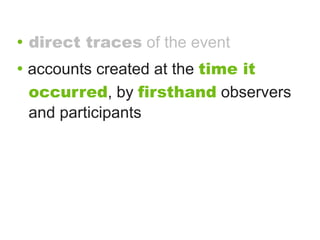
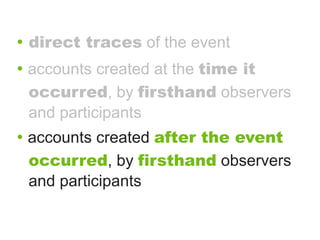
characteristics?
• direct traces of the event

accounts created at the time it
 occurred, by firsthand observers
 and participants
accounts created after the event
 occurred, by firsthand observers
 and participants
• direct traces of the event
• accounts created at the time it
 occurred, by firsthand observers
 and participants
accounts created after the event
 occurred, by firsthand observers
 and participants
• direct traces of the event
• accounts created at the time it
 occurred, by firsthand observers
 and participants
• accounts created after the event
 occurred, by firsthand observers
 and participants
Definitions?
Definitions?

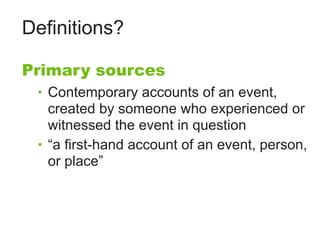
Primary sources
 • Contemporary accounts of an event,
   created by someone who experienced or
   witnessed the event in question
 • “a first-hand account of an event, person,
   or place”
Secondary sources
 • Materials that interpret, assign value to,
   conjecture upon, and draw conclusions
   about the events reported in primary
   sources
 • “An account of an event, person, or place
   that is not first-hand”
Secondary sources?
 • Materials that interpret, assign value
   to, conjecture upon, and draw
   conclusions about the events reported
   in primary sources
 • “An account of an event, person, or place
   that is not first-hand”
Do you need to change any of
 your dots?
Examines multiple primary
sources to understand point of
view of an historical figure
Examines a variety of primary
sources in World history and
analyzes them in terms of credibility,
purpose, and point of view
Uses at least three primary sources
to interpret the impact of a person or
event from Kansas history to develop
an historical narrative
Compares contrasting
descriptions of the same event in
United States history to understand
how people differ in their
interpretations of historical events
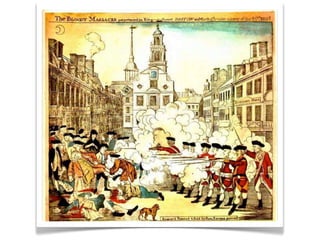
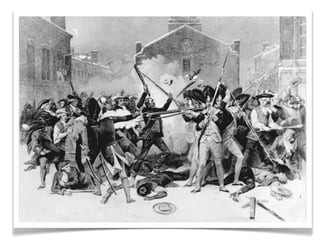
Three stage media analysis
See?
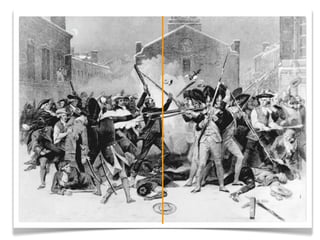
Similarities & Differences?
So what?
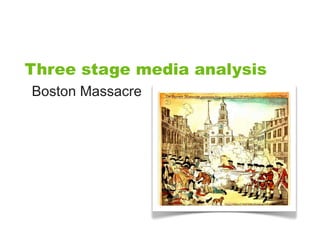
Three stage media analysis
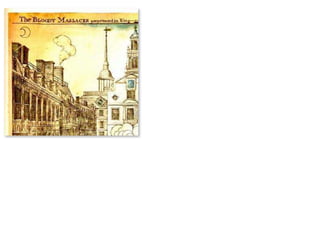
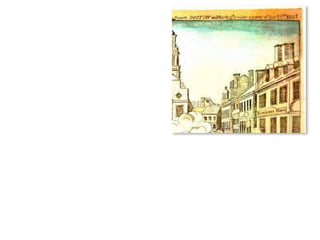
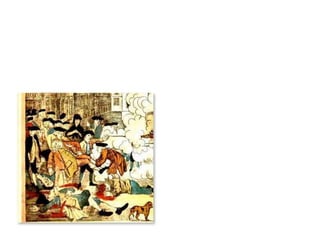
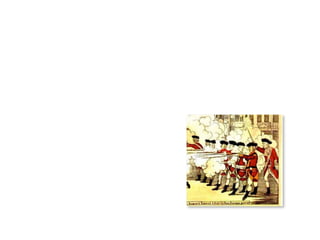
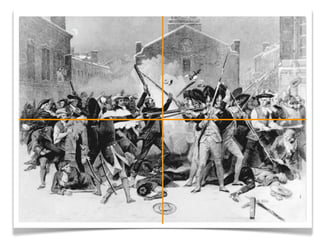
Boston Massacre
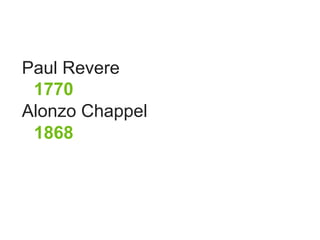
Paul Revere
 1770
Alonzo Chappel
 1868
Training kids to analyze

“What really happened in Boston
 on March 5, 1770?”
Historical Scene Investigation
 web.wm.edu/hsi
5 W’s and
credibility
Who
1st, 2nd or 3rd person?
What
format?
Why
audience?
Where
present?
When
date?
take advantage of analysis
worksheets
Whatcha thinking?
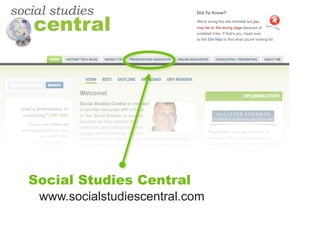
Social Studies Central
 www.socialstudiescentral.com
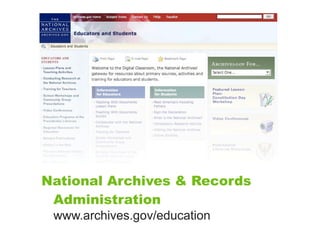
National Archives & Records
 Administration
 www.archives.gov/education
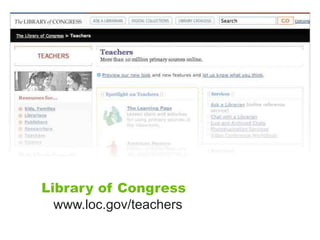
Library of Congress
  www.loc.gov/teachers
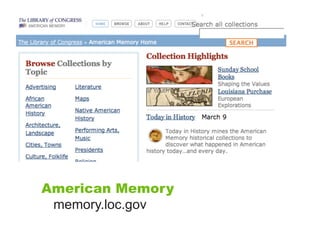
American Memory
 memory.loc.gov
Our Documents
 www.ourdocuments.gov
Making Sense of History
 www.primarysourcelearning.org
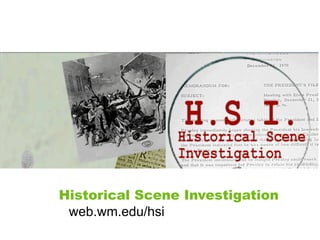
Historical Scene Investigation
 web.wm.edu/hsi
Browse through lesson plan
 archives

Select a lesson you can adapt
 How might it look different?

Share what you find!
how might chapter nine in
 Medina tie into primary
 sources?
what are these
 things?
What are some problems with
using primary sources?
Time in planning
Time in planning

Time in class
Time in planning

Time in class

Validity of source
Time in planning

Time in class

Validity of source

Training of teacher and students
Time in planning

Time in class

Validity of source

Training of teacher and students

Reading level of students
Jigsaw:
 “Primary Sources in History:
 Breaking Through the Myths”
Code the text
 already know = star
 question = ?
 aha = !
Myths?
Primary sources are reliable

Primary sources are naturally
  engaging for students
Primary sources are reliable

Primary sources are naturally
  engaging for students

Evidence can be neatly packaged
Primary sources are reliable

Primary sources are naturally
  engaging for students

Evidence can be neatly packaged

The more primary sources the better
Primary sources are on the state
 assessment but . . . other

 than that?
Students develop critical
 thinking skills
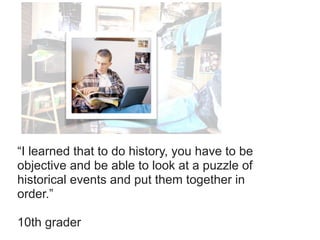
“I learned that to do history, you have to be
objective and be able to look at a puzzle of
historical events and put them together in
order.”

10th grader
Students acquire empathy for
 the human condition
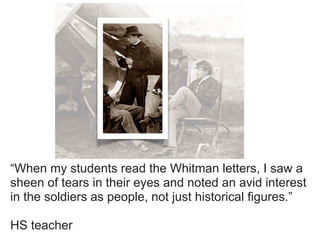
“When my students read the Whitman letters, I saw a
sheen of tears in their eyes and noted an avid interest
in the soldiers as people, not just historical figures.”

HS teacher
Students consider different
 points of view
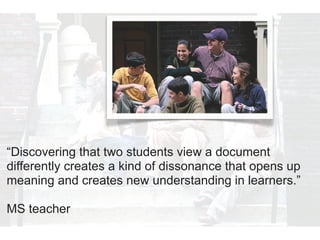
“Discovering that two students view a document
differently creates a kind of dissonance that opens up
meaning and creates new understanding in learners.”

MS teacher
Students understand
 relationships over time
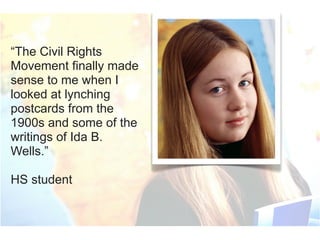
“The Civil Rights
Movement finally made
sense to me when I
looked at lynching
postcards from the
1900s and some of the
writings of Ida B.
Wells.”

HS student
Some assumptions?
History is incomplete & open to
 interpretation
History is incomplete & open to
 interpretation

Use raw evidence as much as
 possible
History is incomplete & open to
 interpretation

Use raw evidence as much as
 possible

Activity should be “ill structured”
History is incomplete & open to
 interpretation

Use raw evidence as much as
 possible

Activity should be “ill structured”

Don’t get too involved
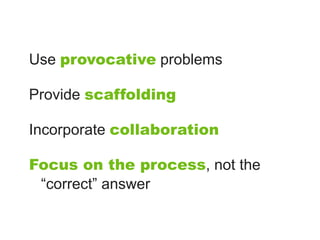
Use provocative problems

Provide scaffolding
Use provocative problems

Provide scaffolding

Incorporate collaboration
Use provocative problems

Provide scaffolding

Incorporate collaboration

Focus on the process, not the
 “correct” answer
Some other ideas
• Footnote

• Digital Vaults
Provide some
 “velcro”
Use analysis worksheets

Use NARA / LOC kits
Use analysis worksheets

Use NARA / LOC kits

NCSS lesson plans
Images
Images

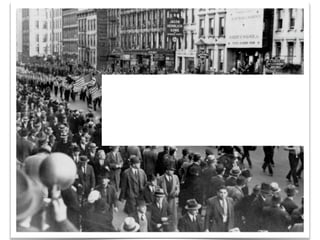
 • Select a historical photo,
   have kids predict events one
   hour before or after
Images

 • Select a historical photo,
   have kids predict events one
   hour before or after

 •   I am poem
Images

 • Select a historical photo,
   have kids predict events one
   hour before or after

 •   I am poem

 • Create a “5 senses”
   description of an image
Images
Images

 • Use maps to guide questions
Kids create tour of US import countries

Tours of explorer routes

List of natural resources

Provide placemarks / good area to settle?

City scavenger hunts
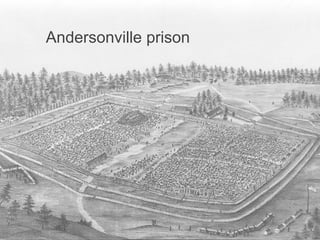
Andersonville prison
Images

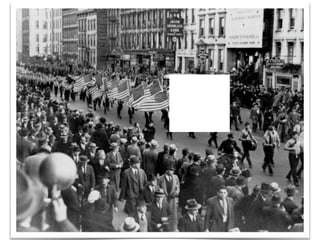
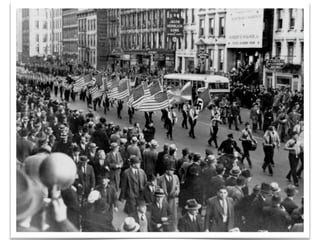
 • Use visual DEIs
“Backwards” DEI

 • Student stands facing class

 • Project picture on wall

 • Student must ask the
   questions
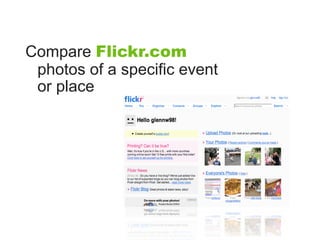
Compare Flickr.com
 photos of a specific event
 or place
Let’s go find some
Objects
   • Keil Hileman
Objects
Objects

  • Trace the development of
    specific types of
    technology or inventions
Objects

  • Trace the development of
    specific types of
    technology or inventions

  • Predict what the technology
    might look like 50 or 100 years
    from now
Objects
Objects

  • Use a spreadsheet program to
    document deaths and births
    based on tombstone data
Objects

  • Use a spreadsheet program to
    document deaths and births
    based on tombstone data

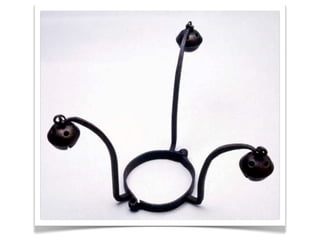
  • Predict use of unknown
    object / research and present
    findings
Audio
Audio

 • Record oral interviews with
   family or community members
Audio

 • Record oral interviews with
   family or community members

 • Study lyrics of popular music
   from WWI, WWII, the Vietnam War,
   and Iraq
Audio
Audio

 • Compare transcripts or newspaper
   accounts of famous speeches to
   the actual speech
Text
Text

  • Analyze advertising of specific
    products over time
Text

  • Analyze advertising of specific
    products over time

  • Select cookbooks from different
    periods
Famous quotes -
Age, location, time,
 purpose, who?
Text
Text

  • History in a Box
Text

  • History in a Box

  • Read letters to analyze point of
    view
Document Based Questions
 (DBQs)

 • Series of short answers or
   an essay based on prior
   knowledge and a select set of
   documents

 • Encourages students to think
   historically
Was Christopher Columbus good or
bad?
Did imperialism help or harm colonial
societies?
Is it ever okay for the government to
violate the Bill of Rights?
Technology?
Using the Library of Congress
 framework, begin developing
 your own primary sources activity

  • Start with the end in mind

  • Develop an assessment

  • Create the activity
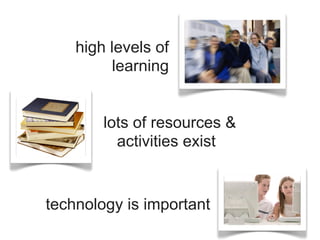
high levels of
         learning


        lots of resources &
          activities exist


technology is important
have more questions?
   contact:

   Glenn Wiebe
   glennw@essdack.org
   socialstudiescentral.com
   historytech.wordpress.com

   View presentations at:
   slideshare.net/glennw98

Integrating Primary Sources into the Social Studies Classroom