Technology, Literacy
and the Inquiry Arc
glennw@essdack.org
@glennw98
glennwiebe.org
c4framework.com
Glenn Wiebe
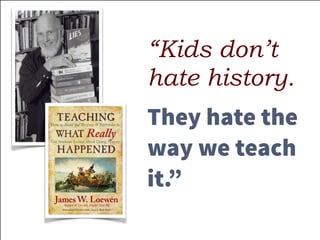
“Kids don’t
hate history.
f
They hate the
way we teach
it.”
don’t be that guy
All the Light We
Cannot See
The Wright Brothers
The Boys in the
Boat
The Da Vinci Code
Killing Reagan
American Sniper
Gone with the Wind
Schindler’s List
Selma
The Imitation Game
standards & assessments
have changed
what’s your
Inquiry Arc
number?
find some
buddies
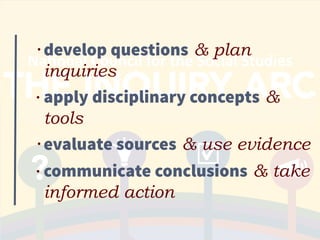
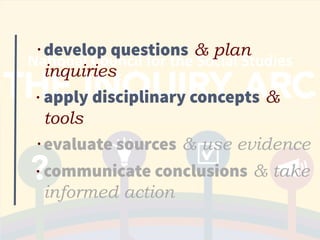
• develop questions & plan
inquiries
• apply disciplinary concepts &
tools
• evaluate sources & use evidence
• communicate conclusions & take
informed action
"The one practice we all
engage in as historians is
reading and writing."
Hendrik Hartog
Princeton University
Reading
evaluate an argument or claim
determine main idea / identify and
analyze evidence
comprehend complex and difficult
text
identify / evaluate information in
multiple forms of media
Writing
make an argument using evidence
tell a story
apply appropriate technologies
gather multiple sources of
information into projects
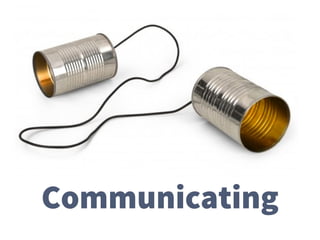
Communicating
collaborate with diverse partners
design and deliver a presentation
present information that is not
totally written text
use multiple modes of communication
"Leaving the
house without
my phone is
like leaving the
house without
my pants."
Jake
college senior
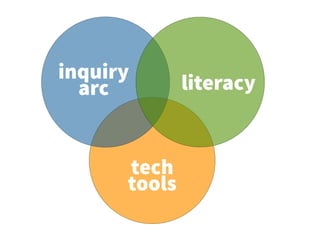
literacy
tech 

tools
inquiry 

arc
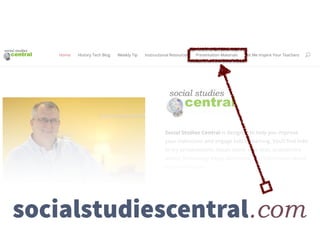
socialstudiescentral.com
find your
buddies
• develop questions & plan
inquiries
• apply disciplinary concepts &
tools
• evaluate sources & use evidence
• communicate conclusions & take
informed action
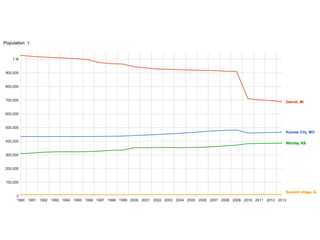
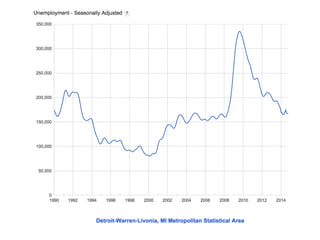
why the
difference
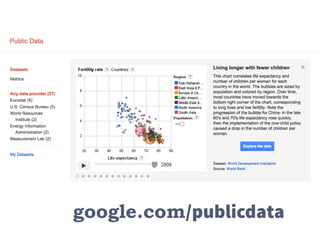
google.com/publicdata
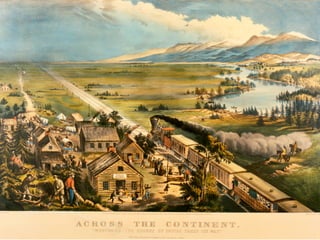
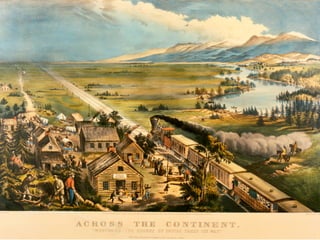
Why did families move
west in the 1850s
Why are families moving
from the Mideast to
Europe?
• develop questions & plan
inquiries
• apply disciplinary concepts &
tools
• evaluate sources & use evidence
• communicate conclusions & take
informed action
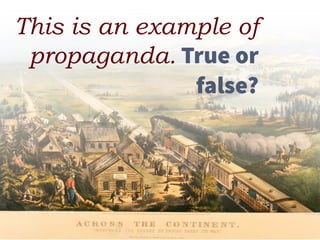
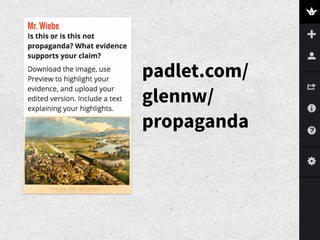
This is an example of
propaganda. True or
false?
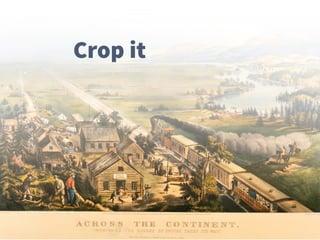
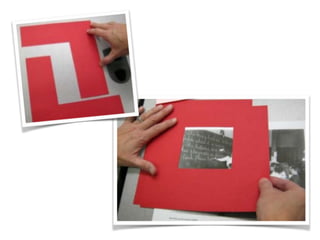
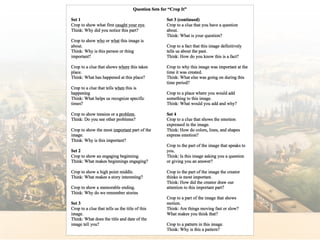
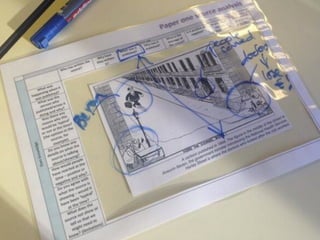
Crop it
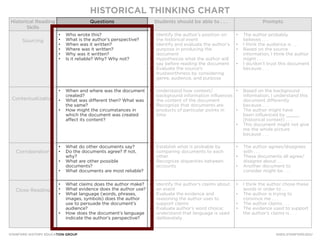
STANFORD HISTORY EDUCATION GROUP SHEG.STANFORD.EDU
Historical Reading
Skills
Questions Students should be able to . . . Prompts
Sourcing
Who wrote this?
What is the author’s perspective?
When was it written?
Where was it written?
Why was it written?
Is it reliable? Why? Why not?
Identify the author’s position on
the historical event
Identify and evaluate the author’s
purpose in producing the
document
Hypothesize what the author will
say before reading the document
Evaluate the source’s
trustworthiness by considering
genre, audience, and purpose
The author probably
believes . . .
I think the audience is . . .
Based on the source
information, I think the author
might . . .
I do/don’t trust this document
because . . .
Contextualization
When and where was the document
created?
What was different then? What was
the same?
How might the circumstances in
which the document was created
affect its content?
Understand how context/
background information influences
the content of the document
Recognize that documents are
products of particular points in
time
Based on the background
information, I understand this
document differently
because . . .
The author might have
been influenced by _____
(historical context) . . .
This document might not give
me the whole picture
because . . .
Corroboration
What do other documents say?
Do the documents agree? If not,
why?
What are other possible
documents?
What documents are most reliable?
Establish what is probable by
comparing documents to each
other
Recognize disparities between
accounts
The author agrees/disagrees
with . . .
These documents all agree/
disagree about . . .
Another document to
consider might be . . .
Close Reading
What claims does the author make?
What evidence does the author use?
What language (words, phrases,
images, symbols) does the author
use to persuade the document’s
audience?
How does the document’s language
indicate the author’s perspective?
Identify the author’s claims about
an event
Evaluate the evidence and
reasoning the author uses to
support claims
Evaluate author’s word choice;
understand that language is used
deliberately
I think the author chose these
words in order to . . .
The author is trying to
convince me . . .
The author claims . . .
The evidence used to support
the author’s claims is . . .
HISTORICAL THINKING CHART
STANFORD HISTORY EDUCATION GROUP SHEG.STANFORD.EDU
Historical Reading
Skills
Questions Students should be able to . . . Prompts
Sourcing
Who wrote this?
What is the author’s perspective?
When was it written?
Where was it written?
Why was it written?
Is it reliable? Why? Why not?
Identify the author’s position on
the historical event
Identify and evaluate the author’s
purpose in producing the
document
Hypothesize what the author will
say before reading the document
Evaluate the source’s
trustworthiness by considering
genre, audience, and purpose
The author probably
believes . . .
I think the audience is . . .
Based on the source
information, I think the author
might . . .
I do/don’t trust this document
because . . .
Contextualization
When and where was the document
created?
What was different then? What was
the same?
How might the circumstances in
which the document was created
affect its content?
Understand how context/
background information influences
the content of the document
Recognize that documents are
products of particular points in
time
Based on the background
information, I understand this
document differently
because . . .
The author might have
been influenced by _____
(historical context) . . .
This document might not give
me the whole picture
because . . .
Corroboration
What do other documents say?
Do the documents agree? If not,
why?
What are other possible
documents?
What documents are most reliable?
Establish what is probable by
comparing documents to each
other
Recognize disparities between
accounts
The author agrees/disagrees
with . . .
These documents all agree/
disagree about . . .
Another document to
consider might be . . .
Close Reading
What claims does the author make?
What evidence does the author use?
What language (words, phrases,
images, symbols) does the author
use to persuade the document’s
audience?
How does the document’s language
indicate the author’s perspective?
Identify the author’s claims about
an event
Evaluate the evidence and
reasoning the author uses to
support claims
Evaluate author’s word choice;
understand that language is used
deliberately
I think the author chose these
words in order to . . .
The author is trying to
convince me . . .
The author claims . . .
The evidence used to support
the author’s claims is . . .
HISTORICAL THINKING CHART
padlet.com/
glennw/
propaganda
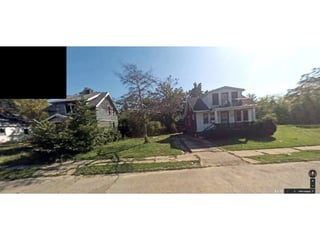
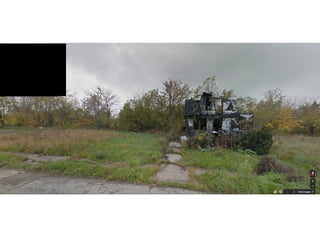
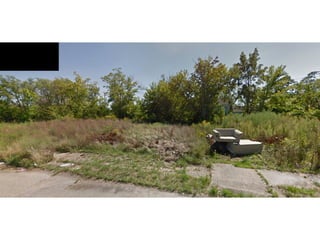
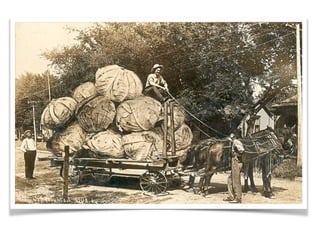
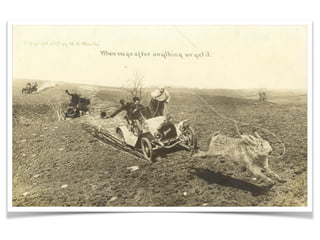
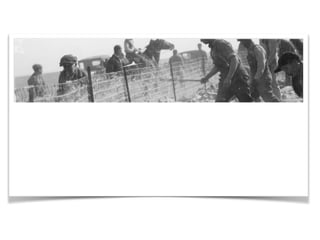
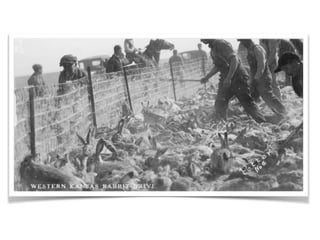
what do you
see
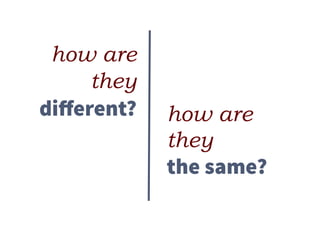
how are
they
different? how are
they
the same?
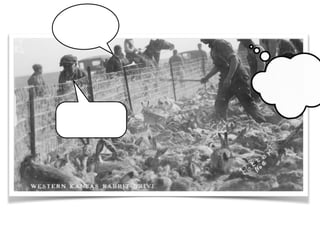
which of these images is
most historically accurate?
how do you know?
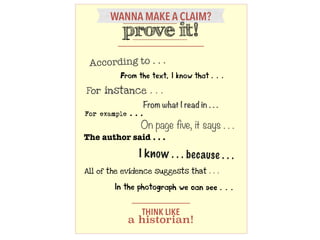
WANNA MAKE A CLAIM?
prove it!
The author said . . .
I know . . . because . . .
For example . . .
For instance . . .
On page five, it says . . .
From the text, I know that . . .
In the photograph we can see . . .
From what I read in . . .
According to . . .
All of the evidence suggests that . . .
THINK LIKE
a historian!
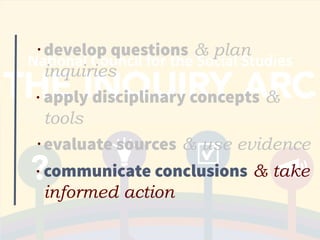
• develop questions & plan
inquiries
• apply disciplinary concepts &
tools
• evaluate sources & use evidence
• communicate conclusions & take
informed action
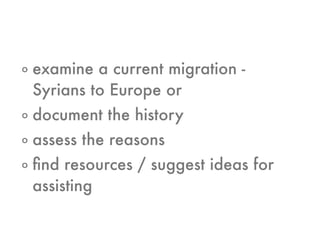
o examine a current migration -
Syrians to Europe or
o document the history
o assess the reasons
o find resources / suggest ideas for
assisting
Google
Collections
Voice
Slate
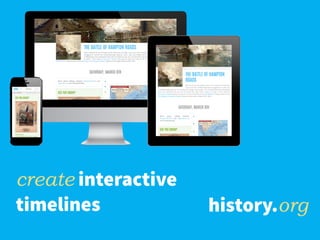
hstry.org
create interactive
timelines history.org
getkahoot.com kahoot.it
Kahoot
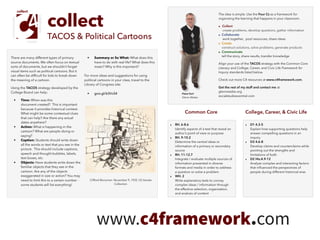
- The C4 FRAMEWORK -
COLLECT COLLABORATE
CREATE COMMUNICATE
Find even more C4 information, resources, and useful goodies at www.ceefour.com
www.c4framework.com
what are you 

zinking about?
glennw@essdack.org
@glennw98
glennwiebe.org
c4framework.com
Glenn Wiebe

Technology, Literacy, and the Inquiry Arc

  • 1.
  • 2.
  • 3.
    “Kids don’t hate history.
 f Theyhate the way we teach it.”
  • 4.
  • 5.
    All the LightWe Cannot See The Wright Brothers The Boys in the Boat The Da Vinci Code Killing Reagan
  • 6.
    American Sniper Gone withthe Wind Schindler’s List Selma The Imitation Game
  • 7.
  • 9.
  • 10.
  • 11.
    • develop questions& plan inquiries • apply disciplinary concepts & tools • evaluate sources & use evidence • communicate conclusions & take informed action
  • 12.
    "The one practicewe all engage in as historians is reading and writing." Hendrik Hartog Princeton University
  • 14.
  • 15.
    evaluate an argumentor claim determine main idea / identify and analyze evidence comprehend complex and difficult text identify / evaluate information in multiple forms of media
  • 16.
  • 17.
    make an argumentusing evidence tell a story apply appropriate technologies gather multiple sources of information into projects
  • 18.
  • 19.
    collaborate with diversepartners design and deliver a presentation present information that is not totally written text use multiple modes of communication
  • 21.
    "Leaving the house without myphone is like leaving the house without my pants." Jake college senior
  • 22.
  • 23.
  • 24.
  • 25.
    • develop questions& plan inquiries • apply disciplinary concepts & tools • evaluate sources & use evidence • communicate conclusions & take informed action
  • 26.
  • 34.
  • 35.
    Why did familiesmove west in the 1850s
  • 36.
    Why are familiesmoving from the Mideast to Europe?
  • 37.
    • develop questions& plan inquiries • apply disciplinary concepts & tools • evaluate sources & use evidence • communicate conclusions & take informed action
  • 39.
    This is anexample of propaganda. True or false?
  • 40.
  • 45.
    STANFORD HISTORY EDUCATIONGROUP SHEG.STANFORD.EDU Historical Reading Skills Questions Students should be able to . . . Prompts Sourcing Who wrote this? What is the author’s perspective? When was it written? Where was it written? Why was it written? Is it reliable? Why? Why not? Identify the author’s position on the historical event Identify and evaluate the author’s purpose in producing the document Hypothesize what the author will say before reading the document Evaluate the source’s trustworthiness by considering genre, audience, and purpose The author probably believes . . . I think the audience is . . . Based on the source information, I think the author might . . . I do/don’t trust this document because . . . Contextualization When and where was the document created? What was different then? What was the same? How might the circumstances in which the document was created affect its content? Understand how context/ background information influences the content of the document Recognize that documents are products of particular points in time Based on the background information, I understand this document differently because . . . The author might have been influenced by _____ (historical context) . . . This document might not give me the whole picture because . . . Corroboration What do other documents say? Do the documents agree? If not, why? What are other possible documents? What documents are most reliable? Establish what is probable by comparing documents to each other Recognize disparities between accounts The author agrees/disagrees with . . . These documents all agree/ disagree about . . . Another document to consider might be . . . Close Reading What claims does the author make? What evidence does the author use? What language (words, phrases, images, symbols) does the author use to persuade the document’s audience? How does the document’s language indicate the author’s perspective? Identify the author’s claims about an event Evaluate the evidence and reasoning the author uses to support claims Evaluate author’s word choice; understand that language is used deliberately I think the author chose these words in order to . . . The author is trying to convince me . . . The author claims . . . The evidence used to support the author’s claims is . . . HISTORICAL THINKING CHART STANFORD HISTORY EDUCATION GROUP SHEG.STANFORD.EDU Historical Reading Skills Questions Students should be able to . . . Prompts Sourcing Who wrote this? What is the author’s perspective? When was it written? Where was it written? Why was it written? Is it reliable? Why? Why not? Identify the author’s position on the historical event Identify and evaluate the author’s purpose in producing the document Hypothesize what the author will say before reading the document Evaluate the source’s trustworthiness by considering genre, audience, and purpose The author probably believes . . . I think the audience is . . . Based on the source information, I think the author might . . . I do/don’t trust this document because . . . Contextualization When and where was the document created? What was different then? What was the same? How might the circumstances in which the document was created affect its content? Understand how context/ background information influences the content of the document Recognize that documents are products of particular points in time Based on the background information, I understand this document differently because . . . The author might have been influenced by _____ (historical context) . . . This document might not give me the whole picture because . . . Corroboration What do other documents say? Do the documents agree? If not, why? What are other possible documents? What documents are most reliable? Establish what is probable by comparing documents to each other Recognize disparities between accounts The author agrees/disagrees with . . . These documents all agree/ disagree about . . . Another document to consider might be . . . Close Reading What claims does the author make? What evidence does the author use? What language (words, phrases, images, symbols) does the author use to persuade the document’s audience? How does the document’s language indicate the author’s perspective? Identify the author’s claims about an event Evaluate the evidence and reasoning the author uses to support claims Evaluate author’s word choice; understand that language is used deliberately I think the author chose these words in order to . . . The author is trying to convince me . . . The author claims . . . The evidence used to support the author’s claims is . . . HISTORICAL THINKING CHART
  • 46.
  • 47.
  • 54.
    how are they different? howare they the same?
  • 55.
    which of theseimages is most historically accurate? how do you know?
  • 56.
    WANNA MAKE ACLAIM? prove it! The author said . . . I know . . . because . . . For example . . . For instance . . . On page five, it says . . . From the text, I know that . . . In the photograph we can see . . . From what I read in . . . According to . . . All of the evidence suggests that . . . THINK LIKE a historian!
  • 58.
    • develop questions& plan inquiries • apply disciplinary concepts & tools • evaluate sources & use evidence • communicate conclusions & take informed action
  • 59.
    o examine acurrent migration - Syrians to Europe or o document the history o assess the reasons o find resources / suggest ideas for assisting
  • 60.
  • 61.
  • 62.
  • 63.
  • 64.
  • 66.
    - The C4FRAMEWORK - COLLECT COLLABORATE CREATE COMMUNICATE Find even more C4 information, resources, and useful goodies at www.ceefour.com
  • 67.
  • 69.
    what are you
 zinking about?
  • 70.