INFECTIOUS AGENTS
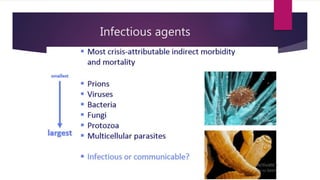
Infectious agents
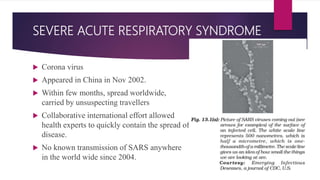
SEVERE ACUTE RESPIRATORY SYNDROME
 Corona virus
 Appeared in China in Nov 2002.
 Within few months, spread worldwide,
carried by unsuspecting travellers
 Collaborative international effort allowed
health experts to quickly contain the spread of
disease.
 No known transmission of SARS anywhere
in the world wide since 2004.
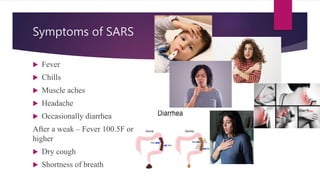
Symptoms of SARS
 Fever
 Chills
 Muscle aches
 Headache
 Occasionally diarrhea
After a weak – Fever 100.5F or
higher
 Dry cough
 Shortness of breath
Mode of spread
 Through air droplets
Also spread on contaminated objects such as
 Doorknobs
 Telephones
 Elevator buttons
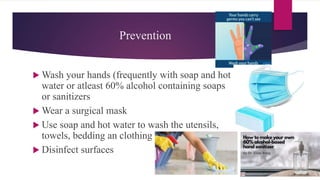
Prevention
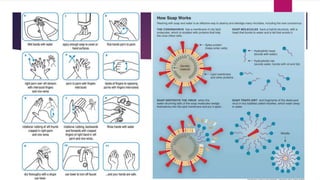
 Wash your hands (frequently with soap and hot
water or atleast 60% alcohol containing soaps
or sanitizers
 Wear a surgical mask
 Use soap and hot water to wash the utensils,
towels, bedding an clothing
 Disinfect surfaces
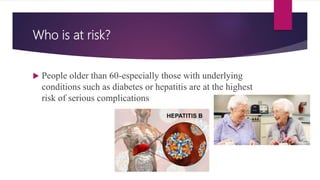
Who is at risk?
 People older than 60-especially those with underlying
conditions such as diabetes or hepatitis are at the highest
risk of serious complications
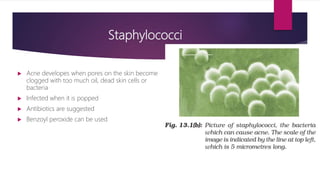
Staphylococci
 Acne developes when pores on the skin become
clogged with too much oil, dead skin cells or
bacteria
 Infected when it is popped
 Antibiotics are suggested
 Benzoyl peroxide can be used
Infectious agents

Infectious agents

  • 1.
  • 2.
  • 8.
    SEVERE ACUTE RESPIRATORYSYNDROME  Corona virus  Appeared in China in Nov 2002.  Within few months, spread worldwide, carried by unsuspecting travellers  Collaborative international effort allowed health experts to quickly contain the spread of disease.  No known transmission of SARS anywhere in the world wide since 2004.
  • 9.
    Symptoms of SARS Fever  Chills  Muscle aches  Headache  Occasionally diarrhea After a weak – Fever 100.5F or higher  Dry cough  Shortness of breath
  • 10.
    Mode of spread Through air droplets Also spread on contaminated objects such as  Doorknobs  Telephones  Elevator buttons
  • 11.
    Prevention  Wash yourhands (frequently with soap and hot water or atleast 60% alcohol containing soaps or sanitizers  Wear a surgical mask  Use soap and hot water to wash the utensils, towels, bedding an clothing  Disinfect surfaces
  • 13.
    Who is atrisk?  People older than 60-especially those with underlying conditions such as diabetes or hepatitis are at the highest risk of serious complications
  • 14.
    Staphylococci  Acne developeswhen pores on the skin become clogged with too much oil, dead skin cells or bacteria  Infected when it is popped  Antibiotics are suggested  Benzoyl peroxide can be used