Best Practices and Case
Studies for Industrial
Energy Efficiency
Improvement
Dr. Steve Fawkes
June 2016
“A modern industrial society can
be viewed as a complex machine
for degrading high-quality
energy into waste heat while
extracting the energy needed for
creating an enormous catalogue
of goods and services.”
C M Summers
“Improving end-use efficiency offers the greatest
opportunity to address energy security, price and
environmental concerns.”
G8 Clean Energy and Development Report: Towards an Investment Framework
The ribbon problem et.al.
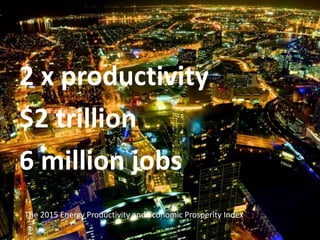
2 x productivity
$2 trillion
6 million jobs
The 2015 Energy Productivity and Economic Prosperity Index
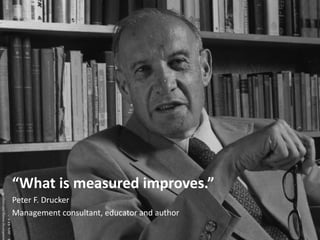
“What is measured improves.”
Peter F. Drucker
Management consultant, educator and author
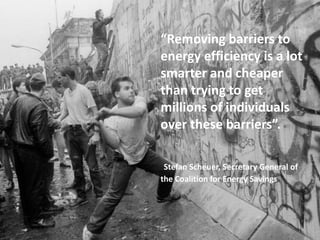
“Removing barriers to
energy efficiency is a lot
smarter and cheaper
than trying to get
millions of individuals
over these barriers”.
Stefan Scheuer, Secretary General of
the Coalition for Energy Savings
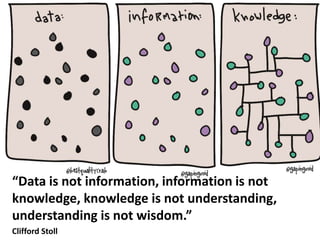
“Data is not information, information is not
knowledge, knowledge is not understanding,
understanding is not wisdom.”
Clifford Stoll
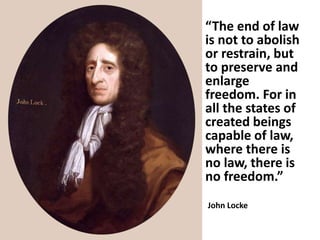
“The end of law
is not to abolish
or restrain, but
to preserve and
enlarge
freedom. For in
all the states of
created beings
capable of law,
where there is
no law, there is
no freedom.”
John Locke
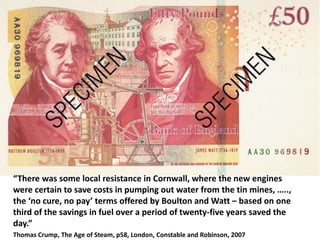
“There was some local resistance in Cornwall, where the new engines
were certain to save costs in pumping out water from the tin mines, …..,
the ‘no cure, no pay’ terms offered by Boulton and Watt – based on one
third of the savings in fuel over a period of twenty-five years saved the
day.”
Thomas Crump, The Age of Steam, p58, London, Constable and Robinson, 2007
“Any new technology has to go through a 25
year adoption cycle.’’
Marc Andreesen, entrepreneur, software engineer and investor
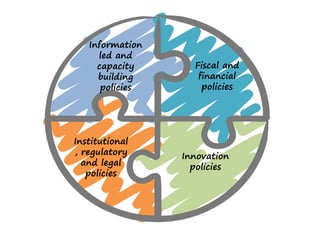
Information
led and
capacity
building
policies
Fiscal and
financial
policies
Innovation
policies
Institutional
, regulatory
and legal
policies
energyproltd.com
UK: +44 7702 231995
Steven Fawkes
steven.fawkes@energyproltd.com
@DrSteveFawkes

Industrial energy efficiency policy best practices

  • 1.
    Best Practices andCase Studies for Industrial Energy Efficiency Improvement Dr. Steve Fawkes June 2016
  • 3.
    “A modern industrialsociety can be viewed as a complex machine for degrading high-quality energy into waste heat while extracting the energy needed for creating an enormous catalogue of goods and services.” C M Summers
  • 4.
    “Improving end-use efficiencyoffers the greatest opportunity to address energy security, price and environmental concerns.” G8 Clean Energy and Development Report: Towards an Investment Framework
  • 5.
  • 6.
    2 x productivity $2trillion 6 million jobs The 2015 Energy Productivity and Economic Prosperity Index
  • 7.
    “What is measuredimproves.” Peter F. Drucker Management consultant, educator and author
  • 8.
    “Removing barriers to energyefficiency is a lot smarter and cheaper than trying to get millions of individuals over these barriers”. Stefan Scheuer, Secretary General of the Coalition for Energy Savings
  • 9.
    “Data is notinformation, information is not knowledge, knowledge is not understanding, understanding is not wisdom.” Clifford Stoll
  • 10.
    “The end oflaw is not to abolish or restrain, but to preserve and enlarge freedom. For in all the states of created beings capable of law, where there is no law, there is no freedom.” John Locke
  • 11.
    “There was somelocal resistance in Cornwall, where the new engines were certain to save costs in pumping out water from the tin mines, ….., the ‘no cure, no pay’ terms offered by Boulton and Watt – based on one third of the savings in fuel over a period of twenty-five years saved the day.” Thomas Crump, The Age of Steam, p58, London, Constable and Robinson, 2007
  • 12.
    “Any new technologyhas to go through a 25 year adoption cycle.’’ Marc Andreesen, entrepreneur, software engineer and investor
  • 13.
  • 15.
    energyproltd.com UK: +44 7702231995 Steven Fawkes steven.fawkes@energyproltd.com @DrSteveFawkes

Editor's Notes

  • #3 Tim asked me to talk about a book which SE4ALL launched earlier in the year. I am always happy to plug books that I have written although in this case I can tell you there are no revenue implications for me – or for SE4ALL. The book “Best practices …....” is free and it was designed to be a guide for policy makers looking to improve existing policies to promote improved energy efficiency or to instigate new policies, particularly in developing countries. It talks through the potential, the benefits, the barriers, the various policy levers that are available to policy makers under the following categories: Information led and capacity building policies, Institutional, regulatory and legislative policies, fiscal and financial policies, and policies to improve the rate of innovation. Wrapped around this is the probem of how toorganise policy making and implementation and how to measure improvements and develop policies.
  • #4 This is my favorite definition of a modern industrial society. We take huge quantities of high quality energy and turn it into waste heat – in return we manufacture and distribute the myriad of goods and services we all use. The book covered industry. Why was it about industry? Industry accounts for 29% of global energy use and in developing countries the proportion is usually higher. Also we have good data on specific energy consumption or SEC and the range of SEC. Typically there is a range of 2:1 between [check] the best and the [global average]. Even bringing SEC up to the current global average would produce massive savings. Industry has a number of advantages for policy makers – including the fact that compared to the residential and transport sectors the number of decision makers that government agencies have to deal with is small. Also the Pareto or 80/20 rule usually applies in some form – 80% of energy is used by 20% of entities.
  • #5 What is the opportunity? Well these august politicians said “improving energy efficiency offers the greatest opportunity” To be specific – [quote IEA EE Market Report or others]
  • #6 We do have to recognize that energy efficiency policy has a number of problems – including the ribbon problem. List the other problems:
  • #7 Despite the problems – the prize is huge. Doubling energy productivity would create $2 trillion a year in energy savings and create 6 million jobs – significant numbers. IEA estimate – equivalent to GDP of USA, Canada etc etc [checl] As well as that we need to recognize the non-energy benefits – list: - Energy security, reduced environmental impact, improved health, productivity etc Increasingly these non-energy benefits are being recognized and valued
  • #8 Peter Drucker was the greatest management thinker and writer in history. If you haven’t read Drucker you really should. Amongst many other important quotes he said this: “What is measured improves”. This applies to both individual firms – where Measurement and Verification (M&V) or Monitoring and Targeting (M&T) are critical components of energy efficiency programmes – and also to governments which should establish baselines and targets for energy efficiency at the national level and then break these down by sectors and sub-sectors, working with the relevant industries. Policies should be measured against these targets and refined and improved over time.
  • #10 Information led policies are important – but information alone is not enough. Principles Examples
  • #11 At the end of the day of course a major area for policy is setting regulations and passing laws. That is what government does of course – not always well – but regulations and laws do drive behavior. Good examples of rules and laws include: - List
  • #12 £50 note story Financing more and more important Remember that providing money alone is not enough Jigsaw of ee financing Barriers to ee financing Examples: CEF CHUEE Argentina
  • #13 Innovation is always talked about when it comes to EE and clean energy. My position is that we do need innovation but it needs to be kept in perspective. We can do so much just by applying today’s. or even yestrday’s technologies – we don’t actually need new technology. To balance that somewhat fundamentalist view of course we do need innovation and policies to support it. Firstly innovation can reduce the cost to deliver EE – we have seen falling cost of LEDs and reductions in the cost of delivering EE through new innovations. Secondly, the energy sector is very poor at innovation these days – in most countries the amount spent on energy related R&D has gone down. So we do need policies to support innovation – but in moderation. In fact I would go as far to say that business model innovation is as important as technical innovation. Example of policies:
  • #14 Pulling it together
  • #15 So to sum up: The book was designed to help policy makers It has a lot of good principles, lessons learnt and case studies Any policy maker charged with improving EE in industry (or even generally) – should find it useful