Energy Efficiency
How much will policy / technology cut demand?
Dr. Steven Fawkes
9th May 2017
The perfect storm
Confluence of 6 factors:
• Policy
• Economics
• Finance
• Technology
• Business model
• Market infrastructure
Will accelerate uptake of efficiency and
“Clean Energy for all Europeans” Winter Package proposed:
Revised Energy Efficiency Directive
• 30% binding energy efficiency target for 2030
Revised Directive on Energy Performance of Buildings
In place:
• All new buildings to be Near Zero Energy by 2020
• Minimum Energy Efficiency Standards (MEES)
• Mandated energy audits every 4 years for large users
• 45 million smart gas meters by 2020
• Annual reduction of 1.5% in sale of utilities
• Project Development Assistance
Energy Efficiency is the cheapest source of energy services
Data from > 7,500 projects across EU show:
Cost of EE in buildings - 2.5 € cent/kWh
Cost of EE in industry - 1.2 € cent /kWh
Source: EEFIG Derisking Energy Efficiency Platform
Finance is lining up to invest in energy efficiency
Growing interest and commitment from investor groups such as
Institutonal Investors Group on Climate Change (130 members,
€18 trillion AUM)
>140 banks signed committments to increasing capital
deployment into energy efficiency
Scale of opportunity has been recognised
Now working to reduce the barriers
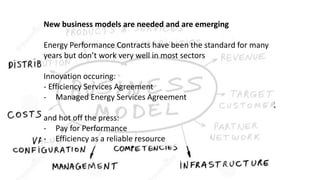
New business models are needed and are emerging
Energy Performance Contracts have been the standard for many
years but don’t work very well in most sectors
Innovation occuring:
- Efficiency Services Agreement
- Managed Energy Services Agreement
and hot off the press:
- Pay for Performance
- Efficiency as a reliable resource
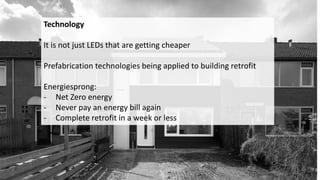
Technology
It is not just LEDs that are getting cheaper
Prefabrication technologies being applied to building retrofit
Energiesprong:
- Net Zero energy
- Never pay an energy bill again
- Complete retrofit in a week or less
Standardisation
Energy efficiency projects are not standardised which creates:
- Uncertainty over outcome
- Increased performance risk
- Reduce demand
- Difficult to build systems to scale
- Difficult to aggregate
Now being addressed through the Investor Confidence Project
Investor Ready Energy EfficiencySM system which is being
adopted throughout the US and across Europe
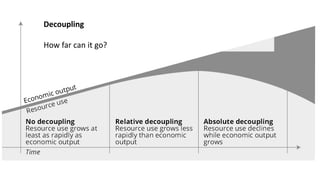
Decoupling
How far can it go?
A lesson from history
1976: “Energy strategy: the road not take” by Amory Lovins
1979: “A Low Energy Strategy for the UK” by Gerald Leach
Both considered wildly optimistic or pure fantasy
Both widely panned by the energy industry and government
History shows both turned out to be far more accurate than any
official government or energy industry forecast
We are living in a low energy future
We achieved it without really trying
How much will technology / policy / economics / finance and
business models reduce demand?
More than you think!!
Steven Fawkes
Steven.fawkes@energyproltd.com
077 0223 1995
@DrSteveFawkes

Energy efficiency: how much will policy / technology reduce demand

  • 1.
    Energy Efficiency How muchwill policy / technology cut demand? Dr. Steven Fawkes 9th May 2017
  • 2.
    The perfect storm Confluenceof 6 factors: • Policy • Economics • Finance • Technology • Business model • Market infrastructure Will accelerate uptake of efficiency and
  • 3.
    “Clean Energy forall Europeans” Winter Package proposed: Revised Energy Efficiency Directive • 30% binding energy efficiency target for 2030 Revised Directive on Energy Performance of Buildings In place: • All new buildings to be Near Zero Energy by 2020 • Minimum Energy Efficiency Standards (MEES) • Mandated energy audits every 4 years for large users • 45 million smart gas meters by 2020 • Annual reduction of 1.5% in sale of utilities • Project Development Assistance
  • 4.
    Energy Efficiency isthe cheapest source of energy services Data from > 7,500 projects across EU show: Cost of EE in buildings - 2.5 € cent/kWh Cost of EE in industry - 1.2 € cent /kWh Source: EEFIG Derisking Energy Efficiency Platform
  • 5.
    Finance is liningup to invest in energy efficiency Growing interest and commitment from investor groups such as Institutonal Investors Group on Climate Change (130 members, €18 trillion AUM) >140 banks signed committments to increasing capital deployment into energy efficiency Scale of opportunity has been recognised Now working to reduce the barriers
  • 6.
    New business modelsare needed and are emerging Energy Performance Contracts have been the standard for many years but don’t work very well in most sectors Innovation occuring: - Efficiency Services Agreement - Managed Energy Services Agreement and hot off the press: - Pay for Performance - Efficiency as a reliable resource
  • 7.
    Technology It is notjust LEDs that are getting cheaper Prefabrication technologies being applied to building retrofit Energiesprong: - Net Zero energy - Never pay an energy bill again - Complete retrofit in a week or less
  • 8.
    Standardisation Energy efficiency projectsare not standardised which creates: - Uncertainty over outcome - Increased performance risk - Reduce demand - Difficult to build systems to scale - Difficult to aggregate Now being addressed through the Investor Confidence Project Investor Ready Energy EfficiencySM system which is being adopted throughout the US and across Europe
  • 9.
  • 10.
    A lesson fromhistory 1976: “Energy strategy: the road not take” by Amory Lovins 1979: “A Low Energy Strategy for the UK” by Gerald Leach Both considered wildly optimistic or pure fantasy Both widely panned by the energy industry and government History shows both turned out to be far more accurate than any official government or energy industry forecast We are living in a low energy future We achieved it without really trying
  • 11.
    How much willtechnology / policy / economics / finance and business models reduce demand? More than you think!! Steven Fawkes Steven.fawkes@energyproltd.com 077 0223 1995 @DrSteveFawkes