Jess Mitchell
Inclusive Design Research Centre
OCAD University, Toronto
Accessibility Advisory Committee Forum
York Regional Municipality May, 2017
Inclusive Design:
A Change in Perspective
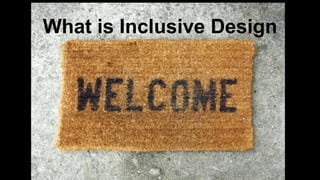
What is Inclusive Design
3 Principles of Inclusive Design
1. Recognize diversity and uniqueness
2. Use an inclusive process & inclusive tools
3. Have a broader beneficial impact
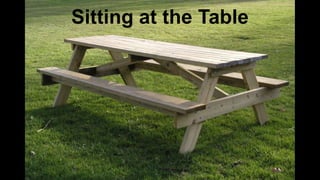
Sitting at the Table
About this Table…
• Who isn’t here?
• Is the table welcoming to all?
• Have they been at the table before?
• Do they know the culture of the table?
• Is the environment the table is in safe, welcoming, open?
• How is listening and capturing going to happen at the
table?
• Do those at the table have real ways to have an
impact? Are they empowered to act on what is
discussed?
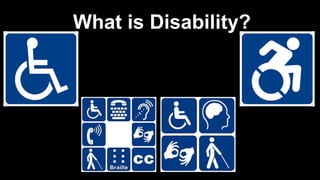
What is Disability?
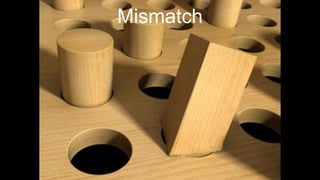
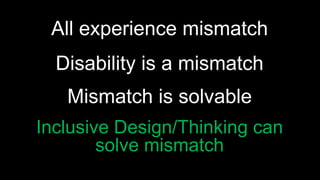
Mismatch
Inclusive Design/Thinking can
solve mismatch
Mismatch is solvable
Disability is a mismatch
All experience mismatch
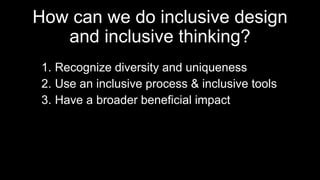
How can we do inclusive design
and inclusive thinking?
1. Recognize diversity and uniqueness
2. Use an inclusive process & inclusive tools
3. Have a broader beneficial impact
Challenge your own implicit biases
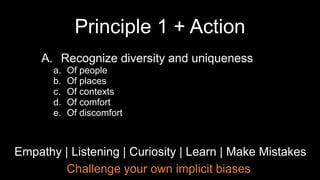
Empathy | Listening | Curiosity | Learn | Make Mistakes
A. Recognize diversity and uniqueness
a. Of people
b. Of places
c. Of contexts
d. Of comfort
e. Of discomfort
Principle 1 + Action
Challenge your own implicit biases
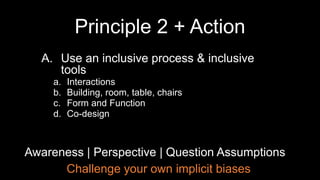
Awareness | Perspective | Question Assumptions
A. Use an inclusive process & inclusive
tools
a. Interactions
b. Building, room, table, chairs
c. Form and Function
d. Co-design
Principle 2 + Action
Challenge your own implicit biases
Awareness | Perspective | Question Assumptions
A. Have a broader beneficial impact
a. Begin to address biases in ourselves and others
b. See beyond the minimum
c. Recognize all the DESIGN decisions you make
a. Ask: who did you just exclude?
Principle 3 + Action
*This* is innovation
1. Recognize diversity and uniqueness
2. Use an inclusive process & inclusive tools
3. Have a broader beneficial impact
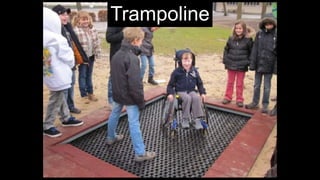
Trampoline
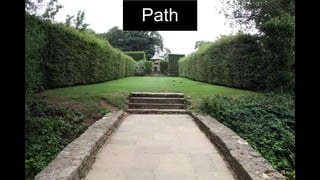
Path
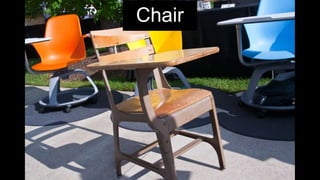
Chair
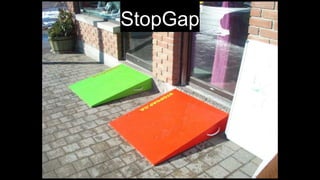
StopGap
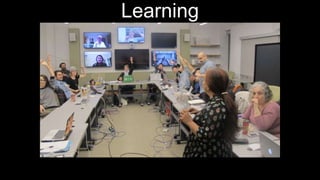
Learning
• Twitter: @jesshmitchell
• Email: jmitchell@ocadu.ca
Contacting Me:
Images used:
• Welcome Mat
• Flickr Link
• Picnic Table
• Wikipedia Link
• Accessibility images
• Wikipedia image link
• Square Peg – Round Hole
• Flickr Link
• Trampoline
• Image Link
• Path in park
• Image Link
• Desk Chair Combo
• Flickr Image
• StopGap Wedge
• Image Link
Discussion Questions
1. how are you “accomplishing” or solving for
inclusion now?
2. What are practical ways you can approach
inclusion differently after today?
3. What are particular areas of inclusion and
accessibility you’d like to address that are not
changing?

Inclusive Design: A Change in Perspective

  • 1.
    Jess Mitchell Inclusive DesignResearch Centre OCAD University, Toronto Accessibility Advisory Committee Forum York Regional Municipality May, 2017 Inclusive Design: A Change in Perspective
  • 2.
  • 3.
    3 Principles ofInclusive Design 1. Recognize diversity and uniqueness 2. Use an inclusive process & inclusive tools 3. Have a broader beneficial impact
  • 4.
  • 5.
    About this Table… •Who isn’t here? • Is the table welcoming to all? • Have they been at the table before? • Do they know the culture of the table? • Is the environment the table is in safe, welcoming, open? • How is listening and capturing going to happen at the table? • Do those at the table have real ways to have an impact? Are they empowered to act on what is discussed?
  • 6.
  • 7.
  • 8.
    Inclusive Design/Thinking can solvemismatch Mismatch is solvable Disability is a mismatch All experience mismatch
  • 9.
    How can wedo inclusive design and inclusive thinking? 1. Recognize diversity and uniqueness 2. Use an inclusive process & inclusive tools 3. Have a broader beneficial impact
  • 10.
    Challenge your ownimplicit biases Empathy | Listening | Curiosity | Learn | Make Mistakes A. Recognize diversity and uniqueness a. Of people b. Of places c. Of contexts d. Of comfort e. Of discomfort Principle 1 + Action
  • 11.
    Challenge your ownimplicit biases Awareness | Perspective | Question Assumptions A. Use an inclusive process & inclusive tools a. Interactions b. Building, room, table, chairs c. Form and Function d. Co-design Principle 2 + Action
  • 12.
    Challenge your ownimplicit biases Awareness | Perspective | Question Assumptions A. Have a broader beneficial impact a. Begin to address biases in ourselves and others b. See beyond the minimum c. Recognize all the DESIGN decisions you make a. Ask: who did you just exclude? Principle 3 + Action
  • 13.
    *This* is innovation 1.Recognize diversity and uniqueness 2. Use an inclusive process & inclusive tools 3. Have a broader beneficial impact
  • 14.
  • 15.
  • 16.
  • 17.
  • 18.
  • 19.
    • Twitter: @jesshmitchell •Email: jmitchell@ocadu.ca Contacting Me:
  • 20.
    Images used: • WelcomeMat • Flickr Link • Picnic Table • Wikipedia Link • Accessibility images • Wikipedia image link • Wikipedia image link • Wikipedia image link • Wikipedia image link • Square Peg – Round Hole • Flickr Link • Trampoline • Image Link • Path in park • Image Link • Desk Chair Combo • Flickr Image • StopGap Wedge • Image Link
  • 21.
    Discussion Questions 1. howare you “accomplishing” or solving for inclusion now? 2. What are practical ways you can approach inclusion differently after today? 3. What are particular areas of inclusion and accessibility you’d like to address that are not changing?

Editor's Notes

  • #11 Importance of edge cases