
Performance Appraisals
 Help company to make decisions on work conditions,
promotions, terminations and rewards
 Manager can address performance issues and
encourage better performance
 Supports company goals and objectives and
contributes to the bottom line
What are the benefits to the
company?
 Helps employee’s motivariton
 Improves communication
 Employee can share career goals
Benefits for the employee
 Meet in a conference room
 Manager reviews job description and performance goals
 Manager reviews prior goals from the last six months
 Manager reviews work rules and procedures
 Managers reviews documentation of work performance
 Manager reviews feedback from colleagues
 Manager reviews disciplinary memos
 Manager reviews prior performance review
Pre Appraisal Activities
 Manager reviews self review
 Fill out the review form:
 List employee’s duties
 Fill out what the employee has done well
 Fill out what the employee needs to approve on
 Fill out how you can help the employee to improve
their work
Pre Appraisal Activities cont.
 Providing invisible feedback
 Springing the surprise
 Becoming the psychologist
 Putting the spotlight on flaws
 Delivering the lecture
What can go wrong during the
performance review?
 Halo effect
 Horn effect
What can go wrong during the
performance review?
 Set expectation early and set up “performance
planning at the beginning of the year
 Laying the groundwork
 Set the tone
 Constructively coach
 Hold your ground
How to make sure the performance
appraisal adds value
 Manager and employee meet to review goals
 Manager reviews goals and his notes
 Company can make decision on whether retain,
promote, demote or dismiss the employee
 Employee can find out whether they have reached
their goals and set new targets
Post appraisal activities
 Career development is a key business strategy
 Managing Human Resources “…companies will
compete more on their workers’ knowledge, skill, and
innovation levels than on the basis of labor costs or
manufacturing capacity.”
What are the benefits to furthering
the employee’s career goal?
 Retain top talent
 Cost of refilling a position which can be 1.5 to 2x the
salary
 Boost engagement and productivity among
employees
 Succession planning
What are the benefits to furthering
the employee’s career goal?
 Transfer of knowledge and retention
 Fill skill and role gap
 Employer branding
What are the benefits to furthering
the employee’s career goal
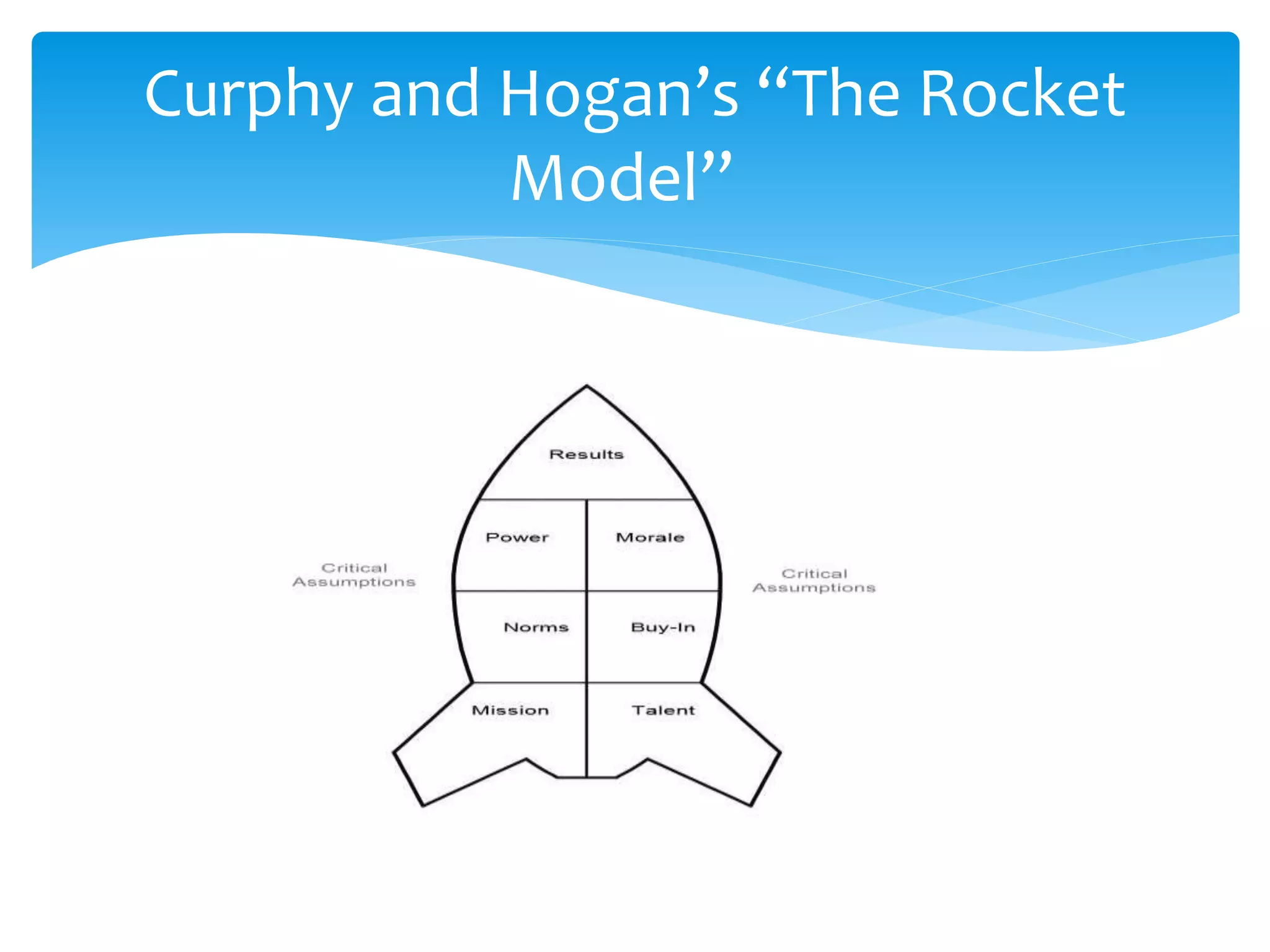
Curphy and Hogan’s “The Rocket
Model”
 The Mission
 Talent
 Norms
 Buy-In
 Power
 Morale
 Results
The seven steps of “The Rocket”
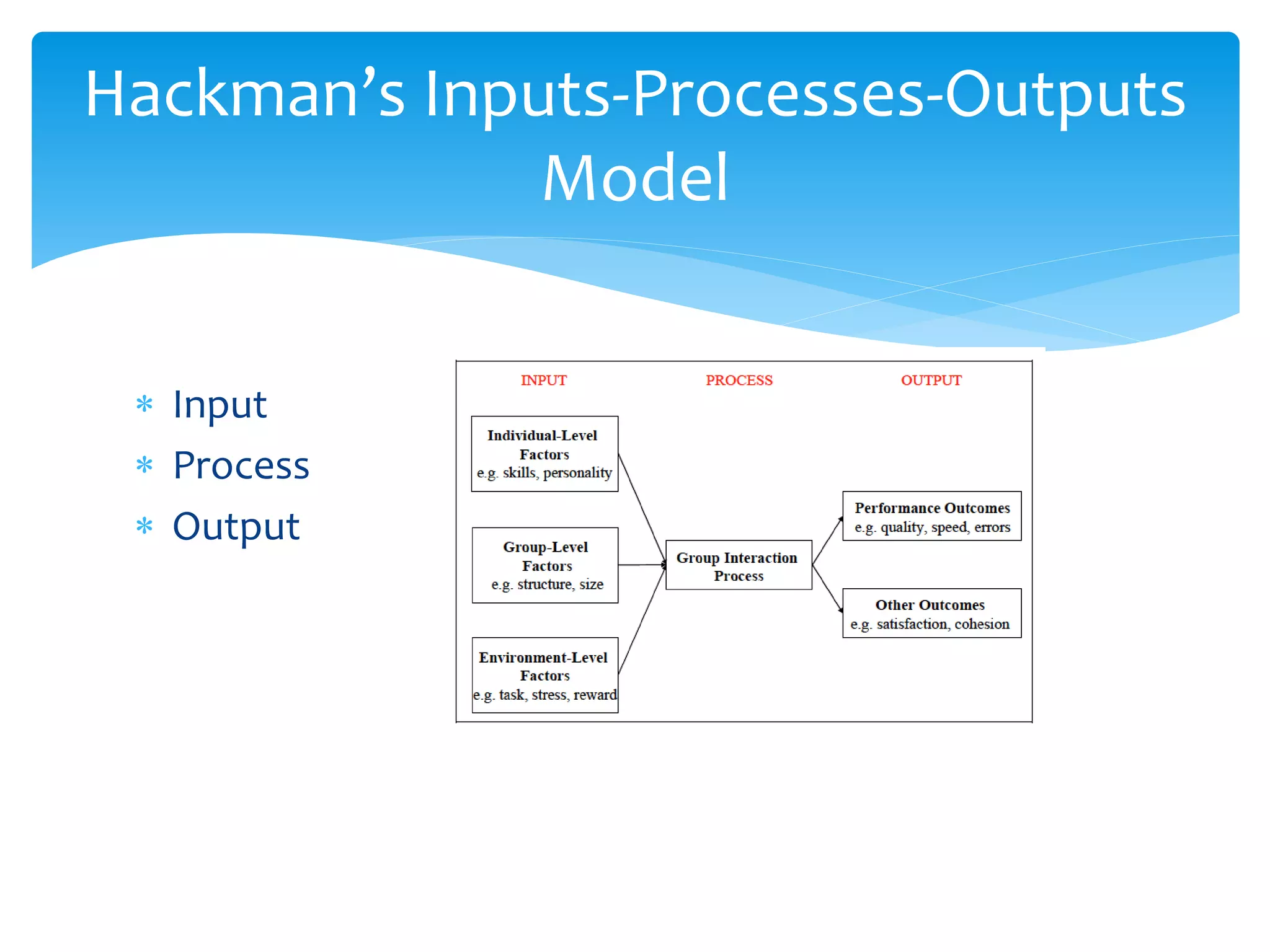
 Input
 Process
 Output
Hackman’s Inputs-Processes-Outputs
Model
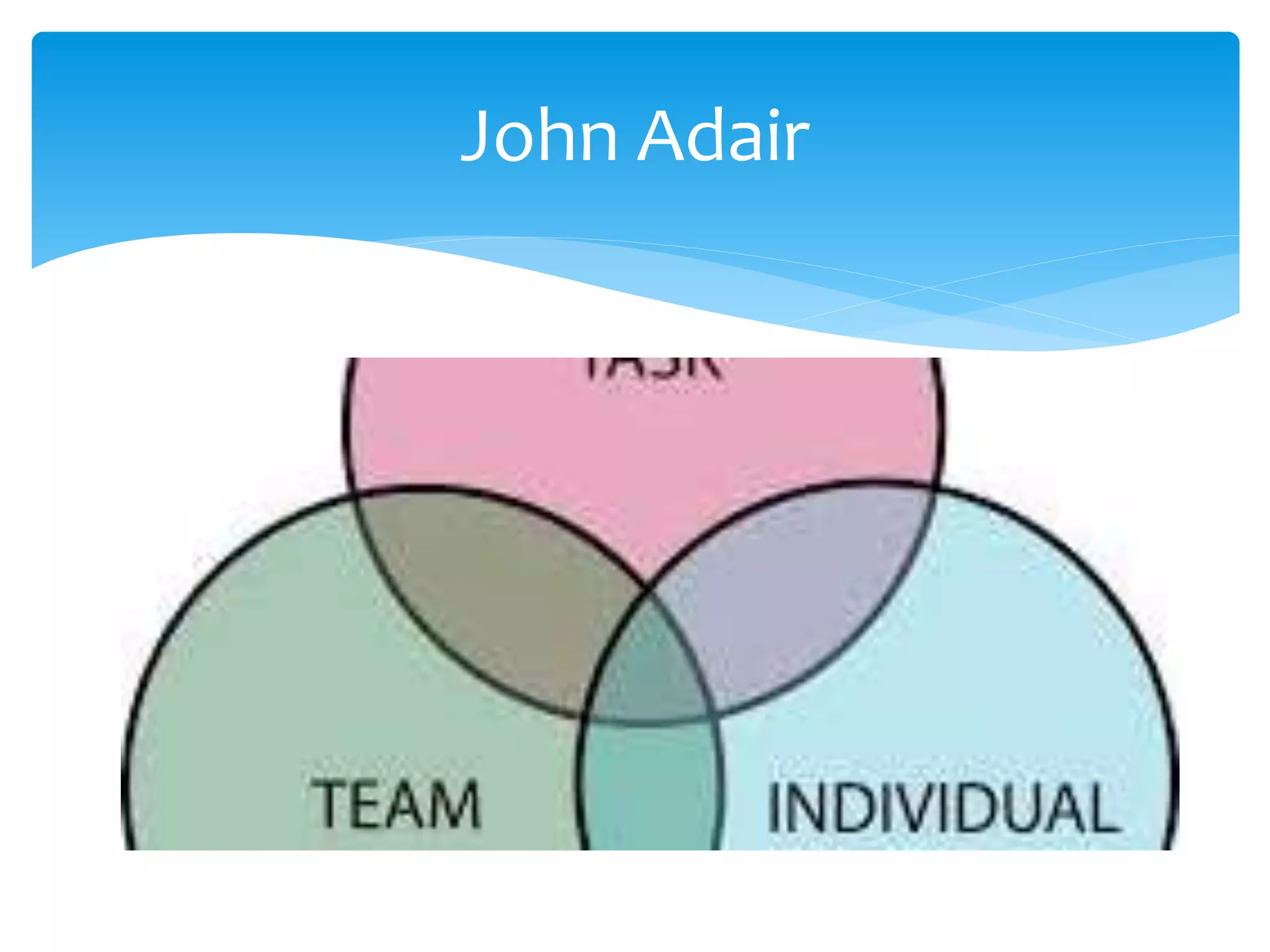
John Adair
 Central question: Did the team perform as required
both as a team and from an individual basis?
 Were all team members skills were exercised and
combined?
 What was the participation level of all team
members?
 How did the team manages conflicts?
Top-Down Analysis
Project manager & the team leader
 Team members rate each other
 Central questions:
 Did each team member fulfilled their responsibility?
 Did they support the goal of the team?
 Did they share their knowledge?
 Did they follow procedure?
 Did they respect each other?
 How did they resolve conflict?
Peer to Peer analysis
 Puts an emphasis on both the team leader and the
team menber
Why should be use the top down
analysis?
The race car driver
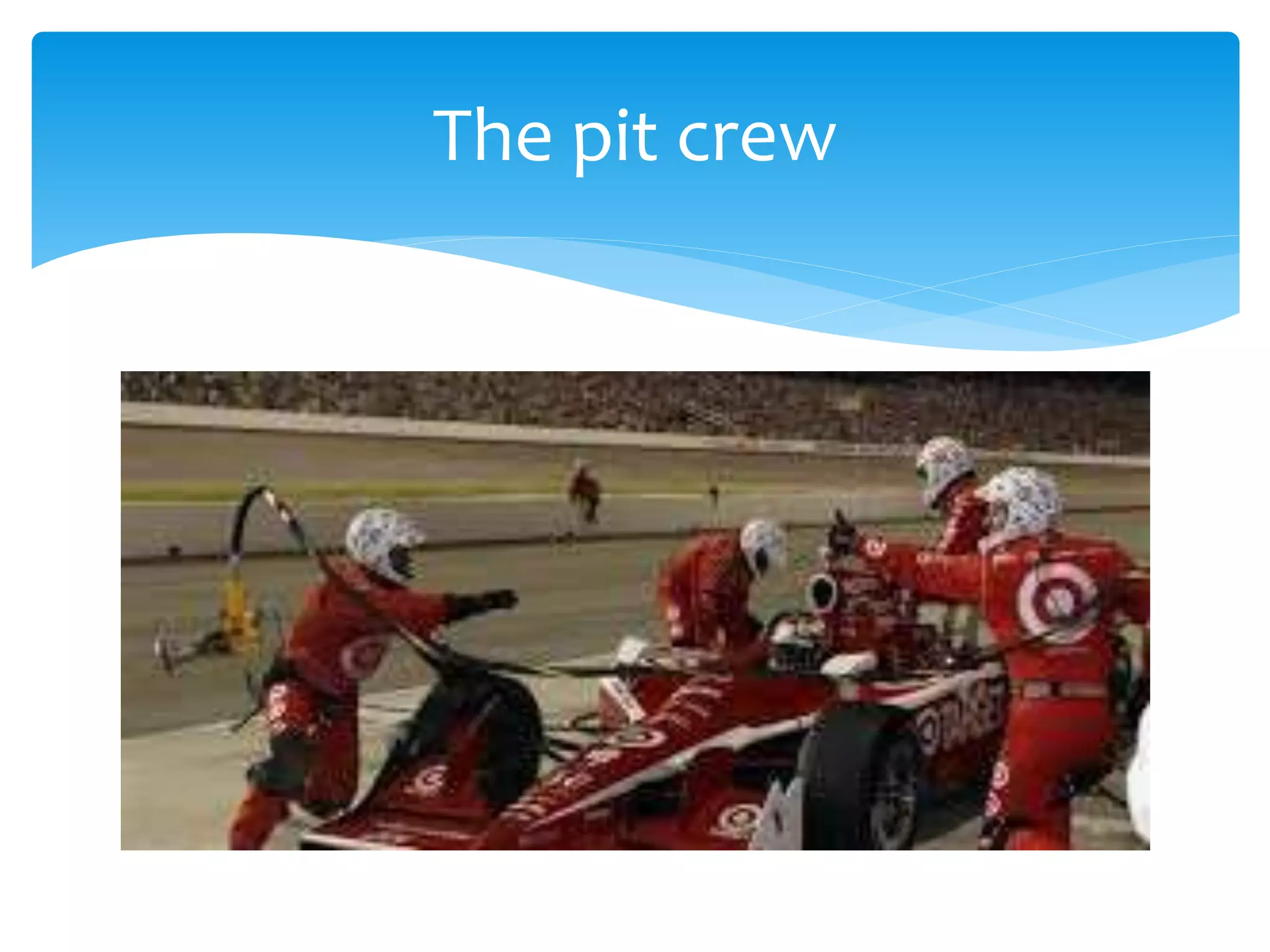
The pit crew
 Sucession planning is “…a process whereby an
organization ensures that employees are recruited
and developed to fill each key role within the
company.” (Healthfield, 2014)
Succession Planning
 An organization relies on people to carry out its
objectives, provide services and meet its goals
Why do we do succession planning?
 The impending retirement of the baby boomers
 We don’t have to reply on a limited talent pool?
 It provides stability to the organization
Succession Planning
 Involve all stake holders
 Assess all internal candidates
 Stress test and a simulation
 Emergency time frame” and a “medium’ and “long
term”.
Succession Planning: How To Do It
Right”. (Miles, 2009)
 Who can step in as CEO if the current CEO were to
leave?
 Who can we groom today, so that they can step into
the CEO role tomorrow?
 Does the organization have a support team to get the
new CEO settled in?
 Does the organization has a senior person available to
serve as a coach to the new CEO?
Questions to ask?
 The onboarding process
The final step
 Can we be used with any key position
 Develop more than just a job description for a
successor but also focus on competencies and
experiences
 Review internal candidates
 Assessed all candidates for short term and long term
fit
 Onboarding process
How can the succession plan be
utilized?
 Performance appraisals benefit both the company
and the employee
 A pre-appraisal process is necessary
 What not to do during a performance appraisal?
 A performance adds value to both sides
 Post appraisal are necessary
 The value of career development
Summary
 Top down analysis for team performance
 Succession planning benefits the company
 Succession planning is not that hard
Summary continued…
 Training on performance appraisal for all managers
 Succession planning for all key position in the
company.
 The END!
What do we do now?

Performance Appraisals and Succession Planning

  • 1.
  • 2.
     Help companyto make decisions on work conditions, promotions, terminations and rewards  Manager can address performance issues and encourage better performance  Supports company goals and objectives and contributes to the bottom line What are the benefits to the company?
  • 3.
     Helps employee’smotivariton  Improves communication  Employee can share career goals Benefits for the employee
  • 4.
     Meet ina conference room  Manager reviews job description and performance goals  Manager reviews prior goals from the last six months  Manager reviews work rules and procedures  Managers reviews documentation of work performance  Manager reviews feedback from colleagues  Manager reviews disciplinary memos  Manager reviews prior performance review Pre Appraisal Activities
  • 5.
     Manager reviewsself review  Fill out the review form:  List employee’s duties  Fill out what the employee has done well  Fill out what the employee needs to approve on  Fill out how you can help the employee to improve their work Pre Appraisal Activities cont.
  • 6.
     Providing invisiblefeedback  Springing the surprise  Becoming the psychologist  Putting the spotlight on flaws  Delivering the lecture What can go wrong during the performance review?
  • 7.
     Halo effect Horn effect What can go wrong during the performance review?
  • 8.
     Set expectationearly and set up “performance planning at the beginning of the year  Laying the groundwork  Set the tone  Constructively coach  Hold your ground How to make sure the performance appraisal adds value
  • 9.
     Manager andemployee meet to review goals  Manager reviews goals and his notes  Company can make decision on whether retain, promote, demote or dismiss the employee  Employee can find out whether they have reached their goals and set new targets Post appraisal activities
  • 10.
     Career developmentis a key business strategy  Managing Human Resources “…companies will compete more on their workers’ knowledge, skill, and innovation levels than on the basis of labor costs or manufacturing capacity.” What are the benefits to furthering the employee’s career goal?
  • 11.
     Retain toptalent  Cost of refilling a position which can be 1.5 to 2x the salary  Boost engagement and productivity among employees  Succession planning What are the benefits to furthering the employee’s career goal?
  • 12.
     Transfer ofknowledge and retention  Fill skill and role gap  Employer branding What are the benefits to furthering the employee’s career goal
  • 13.
    Curphy and Hogan’s“The Rocket Model”
  • 14.
     The Mission Talent  Norms  Buy-In  Power  Morale  Results The seven steps of “The Rocket”
  • 15.
     Input  Process Output Hackman’s Inputs-Processes-Outputs Model
  • 16.
  • 17.
     Central question:Did the team perform as required both as a team and from an individual basis?  Were all team members skills were exercised and combined?  What was the participation level of all team members?  How did the team manages conflicts? Top-Down Analysis Project manager & the team leader
  • 18.
     Team membersrate each other  Central questions:  Did each team member fulfilled their responsibility?  Did they support the goal of the team?  Did they share their knowledge?  Did they follow procedure?  Did they respect each other?  How did they resolve conflict? Peer to Peer analysis
  • 19.
     Puts anemphasis on both the team leader and the team menber Why should be use the top down analysis?
  • 20.
  • 21.
  • 22.
     Sucession planningis “…a process whereby an organization ensures that employees are recruited and developed to fill each key role within the company.” (Healthfield, 2014) Succession Planning
  • 23.
     An organizationrelies on people to carry out its objectives, provide services and meet its goals Why do we do succession planning?
  • 24.
     The impendingretirement of the baby boomers  We don’t have to reply on a limited talent pool?  It provides stability to the organization Succession Planning
  • 25.
     Involve allstake holders  Assess all internal candidates  Stress test and a simulation  Emergency time frame” and a “medium’ and “long term”. Succession Planning: How To Do It Right”. (Miles, 2009)
  • 26.
     Who canstep in as CEO if the current CEO were to leave?  Who can we groom today, so that they can step into the CEO role tomorrow?  Does the organization have a support team to get the new CEO settled in?  Does the organization has a senior person available to serve as a coach to the new CEO? Questions to ask?
  • 27.
     The onboardingprocess The final step
  • 28.
     Can webe used with any key position  Develop more than just a job description for a successor but also focus on competencies and experiences  Review internal candidates  Assessed all candidates for short term and long term fit  Onboarding process How can the succession plan be utilized?
  • 29.
     Performance appraisalsbenefit both the company and the employee  A pre-appraisal process is necessary  What not to do during a performance appraisal?  A performance adds value to both sides  Post appraisal are necessary  The value of career development Summary
  • 30.
     Top downanalysis for team performance  Succession planning benefits the company  Succession planning is not that hard Summary continued…
  • 31.
     Training onperformance appraisal for all managers  Succession planning for all key position in the company.  The END! What do we do now?