Hepatitis B virusHepatitis B virus
Shyam Kumar Mishra
Assistant Professor, Dept. of Microbiology
Institute of Medicine,TU
1
Viruses causing hepatitis???Viruses causing hepatitis???
HepatitisViruses- A, B, C, D, E, and G (G.
BakerV)
Coxsackie virus
Yellow fever virus
Adenovirus
Paramyxovirus
Rubella virus
2
Hepatitis virusesHepatitis viruses
3
Family- HepadnaviridaeFamily- Hepadnaviridae
◦ Avihepadnavirus
 Bird HBV
Shanghai duck HBV
Ross goose HBV
China duck HBV
Heron HBV
◦ Orthohepadnavirus
 Mammalian HBV
Human HBV
Ground squirrel HBV
Woodchuck HBV
Hepatitis B virusHepatitis B virus
4
HepadnaviridaeHepadnaviridae
Morphology
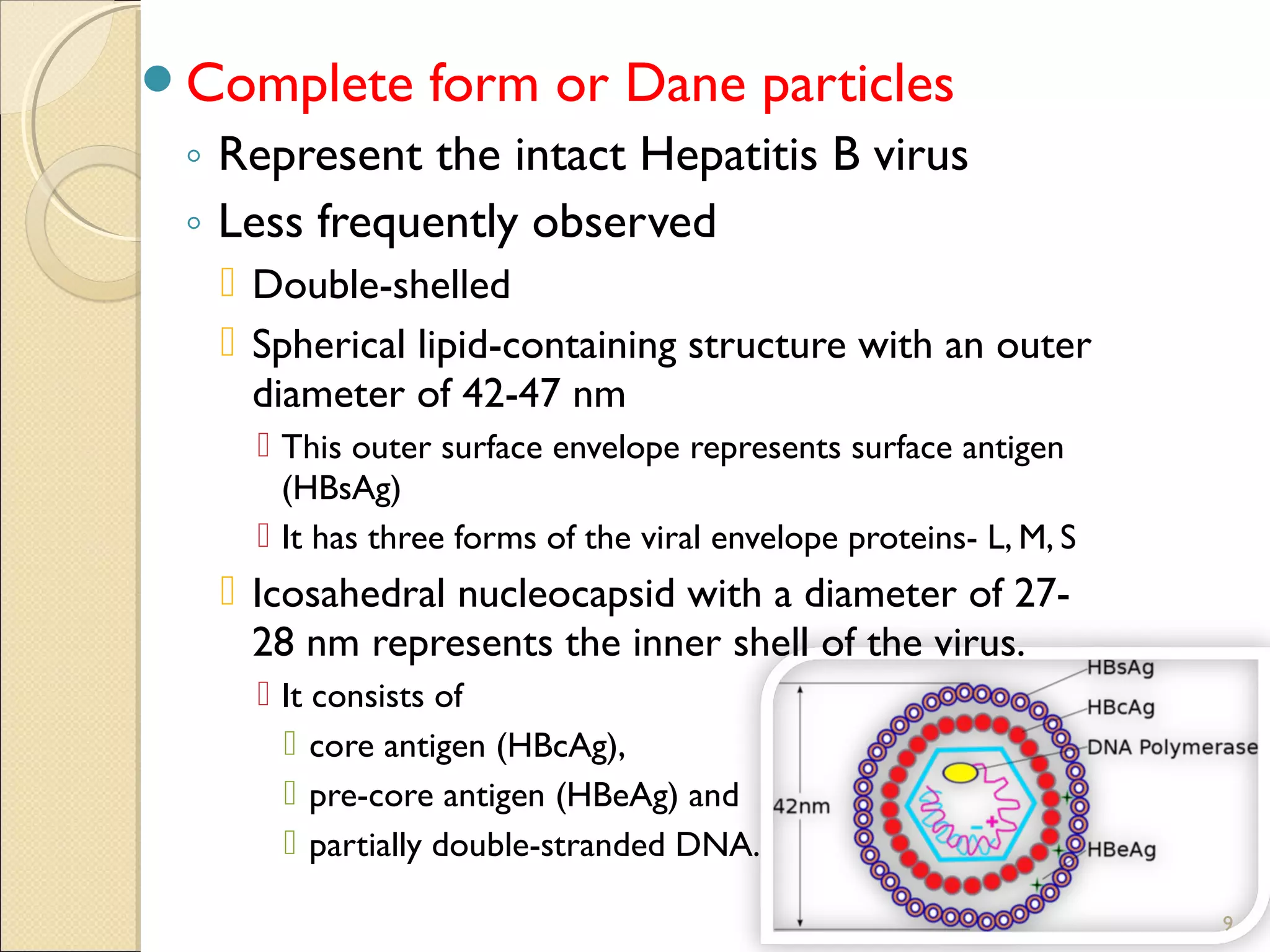
◦ 3 morphological forms by EM
 Spherical form
 Tubular or filamentous form
 Complete form or Dane particles
5
6
◦ Spherical form
 Most numerous
 Small forms measuring 20-22 nm in diameter
 Exclusively made up of HBsAg
◦ Tubular or filamentous form
 22 nm in diameter
 200 nm long (variable)
 Exclusively made up of HBsAg
Represent excess HBsAg (overproduction)
7
Are
these
infectious
?????
8
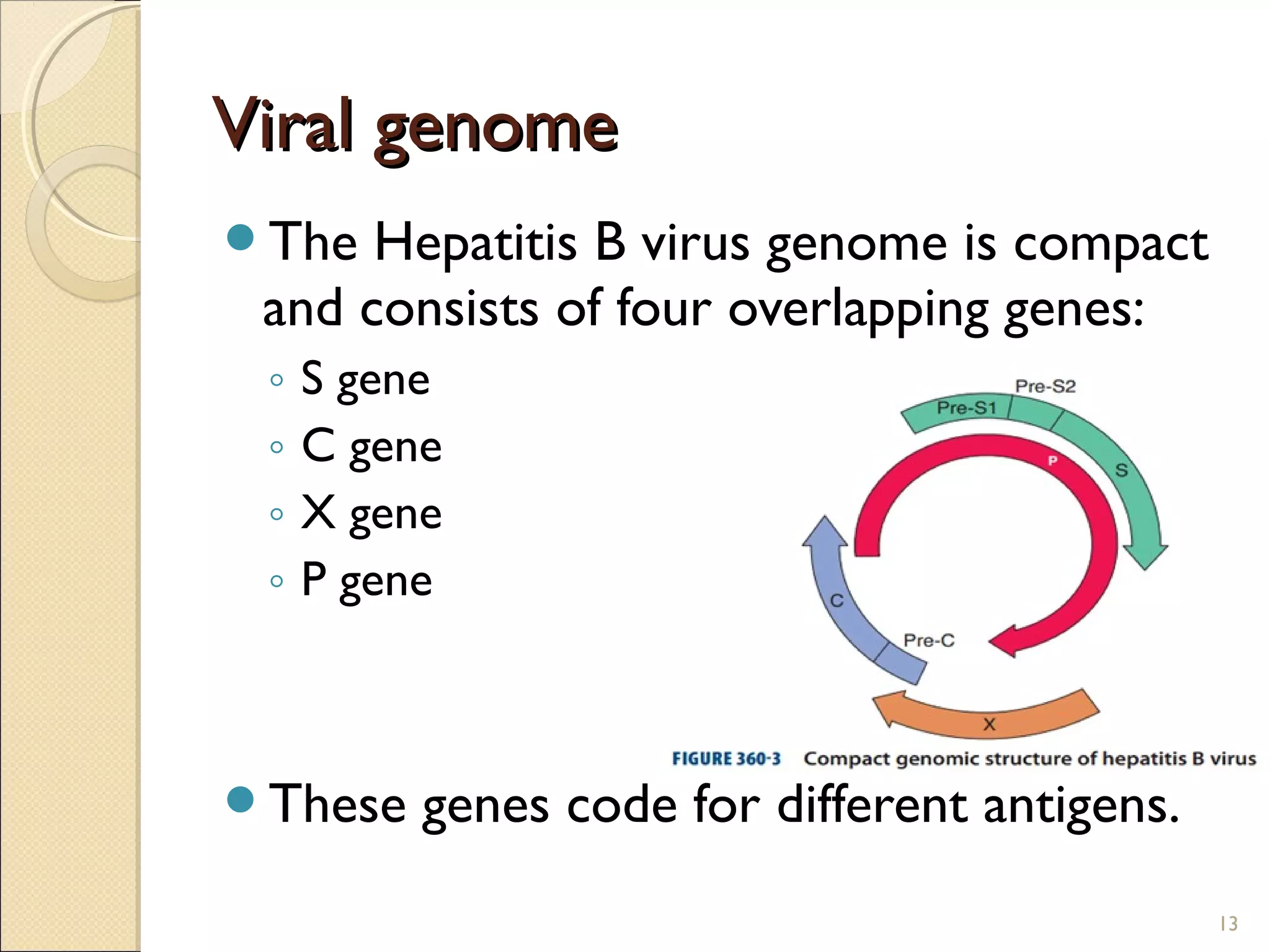
Complete form or Dane particles
◦ Represent the intact Hepatitis B virus
◦ Less frequently observed
 Double-shelled
 Spherical lipid-containing structure with an outer
diameter of 42-47 nm
 This outer surface envelope represents surface antigen
(HBsAg)
 It has three forms of the viral envelope proteins- L, M, S
 Icosahedral nucleocapsid with a diameter of 27-
28 nm represents the inner shell of the virus.
 It consists of
 core antigen (HBcAg),
 pre-core antigen (HBeAg) and
 partially double-stranded DNA.
9
10
11
Viral genome
◦ The viral genome consists of two linear
strands of DNA held in a circular
configuration (3200bp in length)
◦ One of the strands (+ strand) is incomplete
while the other is complete
◦ This gives the appearance of partially double
stranded and partially single stranded DNA.
◦ Associated with the plus strand is a viral
DNA polymerase
12
Viral genomeViral genome
13
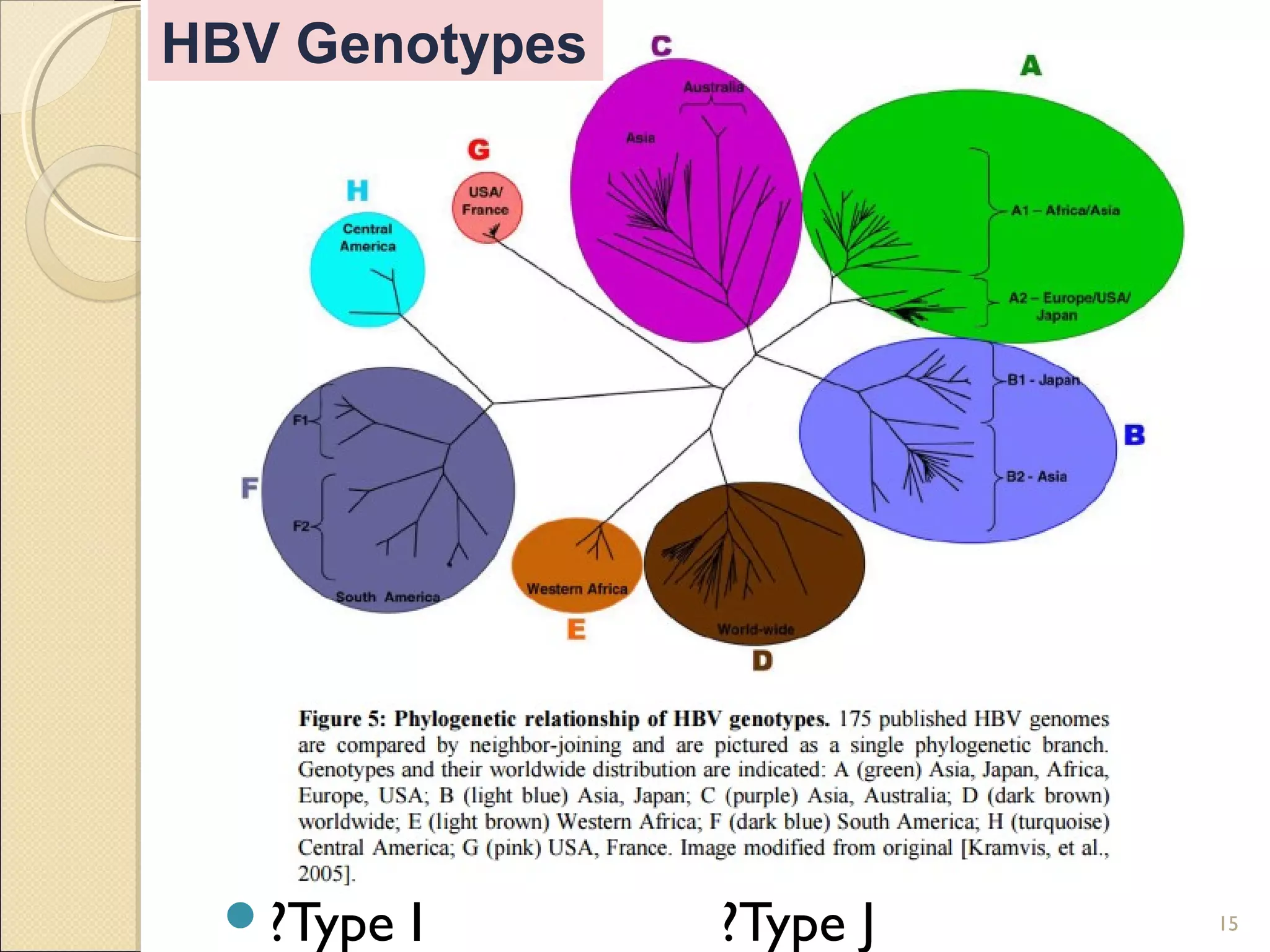
The Hepatitis B virus genome is compact
and consists of four overlapping genes:
◦ S gene
◦ C gene
◦ X gene
◦ P gene
These genes code for different antigens.
Genes coding for antigens in HBVGenes coding for antigens in HBV
Gene Regions Antigen
S
(Having three regions S,
Pre-S1 and Pre-S2)
S
S + Pre-S2
S + Pre-S1 and S2
Major protein (S)
Middle Protein (M)
Large Protein (L)
C
(Having two regions C
and Pre-C)
C
C + Pre-C
HBcAg
HBeAg
P (Largest gene) Enzymatic activities-
DNA polymerase, Reverse
transcriptase activity, RNase H
activity
X HBxAg (Non-particulate antigen,
which can activate the transcription
of cellular and viral genes; contribute
to carcinogenesis by binding to p53;
HBxAg and its antibody are elevated
in patients with severe chronic
hepatitis and HCC. )
HBsAg
14
?Type I ?Type J 15
HBV Genotypes
Determining the genotype could be
helpful for predicting the outcome of
disease, and antiviral therapy in patients
with chronic hepatitis B.
16
Clinical significance of GenotypingClinical significance of Genotyping
Genotype B appears to be associated
with less rapidly progressive liver disease
and cirrhosis and a lower likelihood, or
delayed appearance, of HCC than
genotype C or D.
Patients infected by genotype A are more
likely to clear circulating viremia and to
achieve HBeAg and HBsAg
seroconversion, both spontaneously and
in response to antiviral therapy.
17
Impact of HBV genotypes onImpact of HBV genotypes on
response to Antiviral therapyresponse to Antiviral therapy
 HBV genotypes D and C are associated with a lower
rate of favorable response to interferon alpha therapy
than genotypes A and B, respectively.
 Rate of resistance to lamivudine is higher in patients
with HBV genotype A infection than in patients with
genotype D infection.
 No difference in the risk of lamivudine resistance -
Genotype B and genotype C.
 In patients with genotype C infection; however,
virological response is worse during lamivudine therapy,
and is also less durable after the discontinuation of
therapy than in patients with genotype B infection.
18
HBsAg (Australia antigen)HBsAg (Australia antigen)
Blumberg et al (1965) – in Australian
aborigine
HBsAg contains a group-specific antigen,
a, with two pairs of mutually exclusive
subdeterminants, d/y and w/r
Four phenotypes of HBsAg
◦ Adw, ayw, adr, ayr
◦ Useful in epidemiologic investigations
19
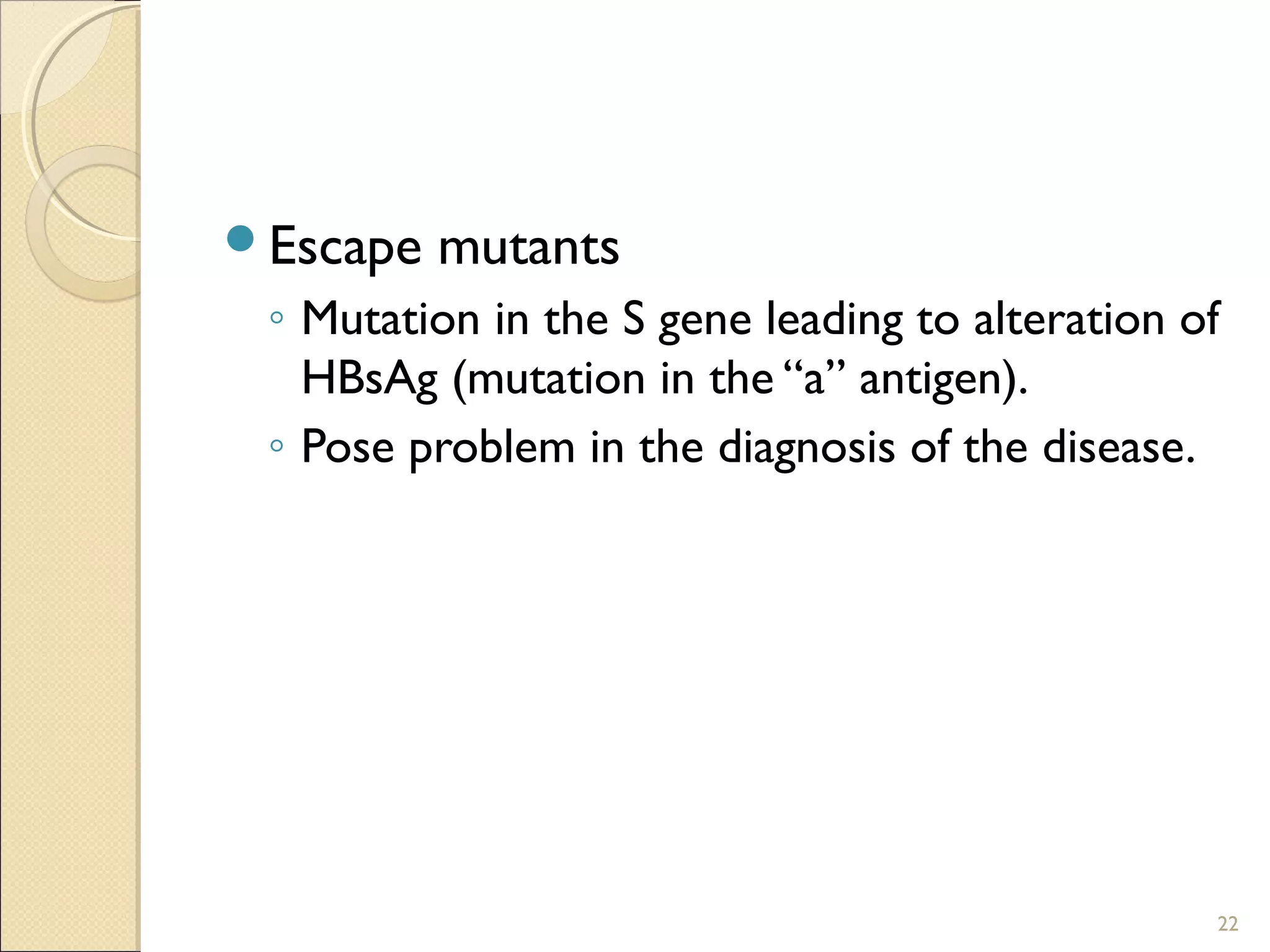
HBsAg sub-types and HBVHBsAg sub-types and HBV
DNA genotypes in NepalDNA genotypes in Nepal
Subtypes
Ayw - 47%
Adw - 34.3%
Adr – 4%
Genotypes
 D (69%)
A (22%).
(Shrestha SM, Shrestha S, Shrestha A,Tsuda F, Endo K,Takahashi M, et al. High prevalence
of hepatitis B virus infection and inferior vena cava obstruction among patients with
liver cirrhosis or hepatocellular carcinoma in Nepal. J Gastroenterol
Hepatol. 2007;22:1921–8.)
20
Hepatitis B virus mutantsHepatitis B virus mutants
Pre-core mutants
◦ They have defect in precore region of C gene
which leads to their inability to synthesize
HBeAg.
◦ Patients may be diagnosed late and they tend
to have severe chronic hepatitis that
progresses more rapidly to cirrhosis.
21
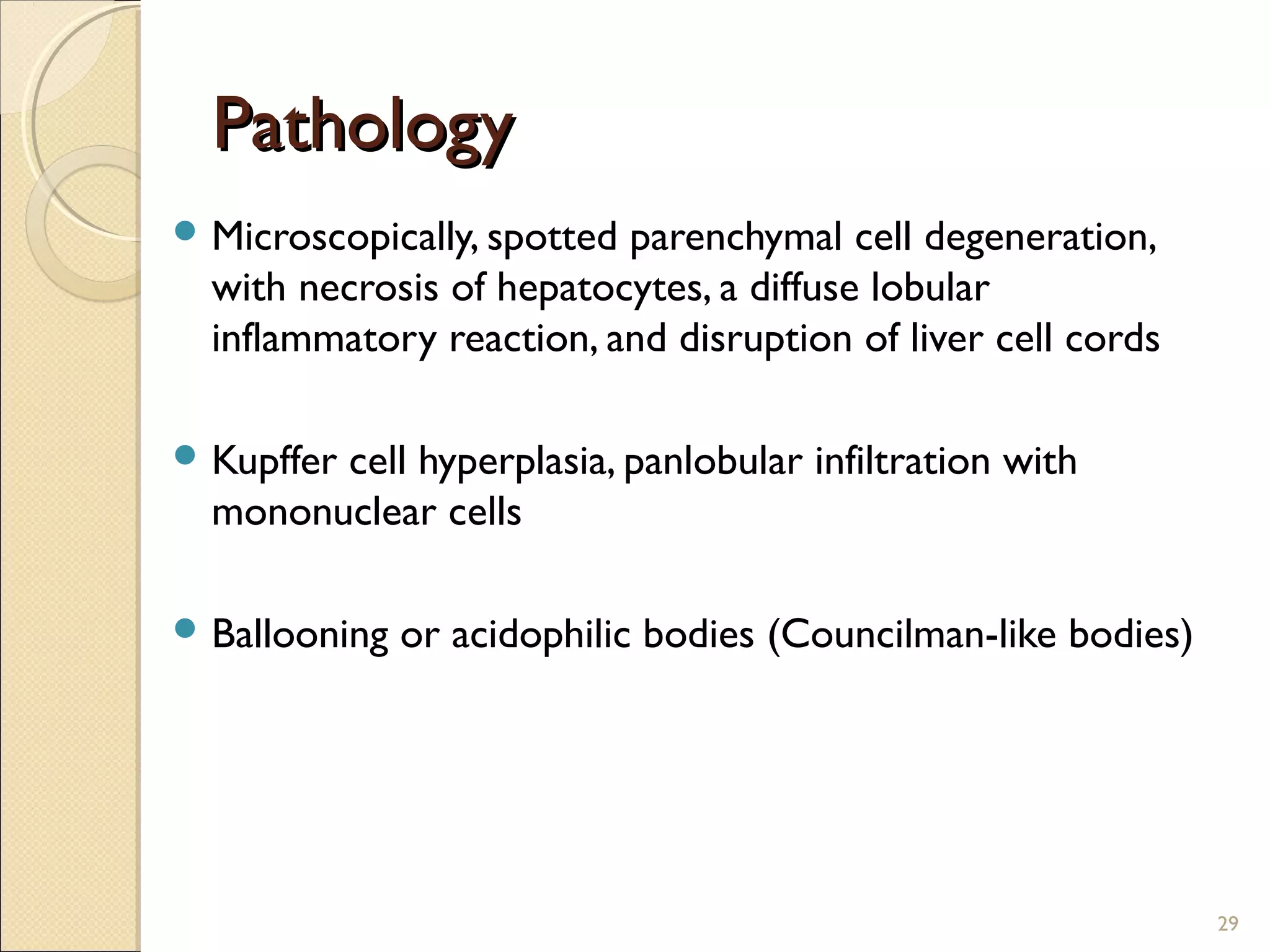
Escape mutants
◦ Mutation in the S gene leading to alteration of
HBsAg (mutation in the “a” antigen).
◦ Pose problem in the diagnosis of the disease.
22
YMDD mutation
◦ Patients on lamivudine therapy may develop
resistance to the drug due to mutation in the
YMDD (tyrosine-methionine-aspartate-
aspartate) locus present in the HBV reverse
transcriptase region of polymerase gene.
23
PropertiesProperties
HBV and HBsAg – stable at (-200
C)
- stable to repeated freezing and thawing
HBV (but not HBsAg) is sensitive to
higher temp (1000
C -1 min)
24
Hepatitis B carriersHepatitis B carriers
Simple carrier –
◦ HBeAg -
◦ HBsAg + (low titer)
◦ large volume of blood is required for
transmission
Super carrier –
◦ HBeAg +
◦ Highly infectious (0.00001 ml of plasma can
transmit infection)
in
blood
25
Mode of transmissionMode of transmission
Entry of the virus into the blood through
skin, mucous membrane or body fluids
Main routes of transmission
Blood transfusion (blood/ blood products
containing HBV)
Use of HBV contaminated needles, blades
Sexual intercourse
Perinatal
26
Chance of transmission following a
contaminated needle prick injury
◦ HBV- 30%
◦ HCV- 3%
◦ HIV – 0.3%
27
ReceptorsReceptors
Transferrin receptor
Asialoglycoprotein receptor molecule
Human liver endonexin
28
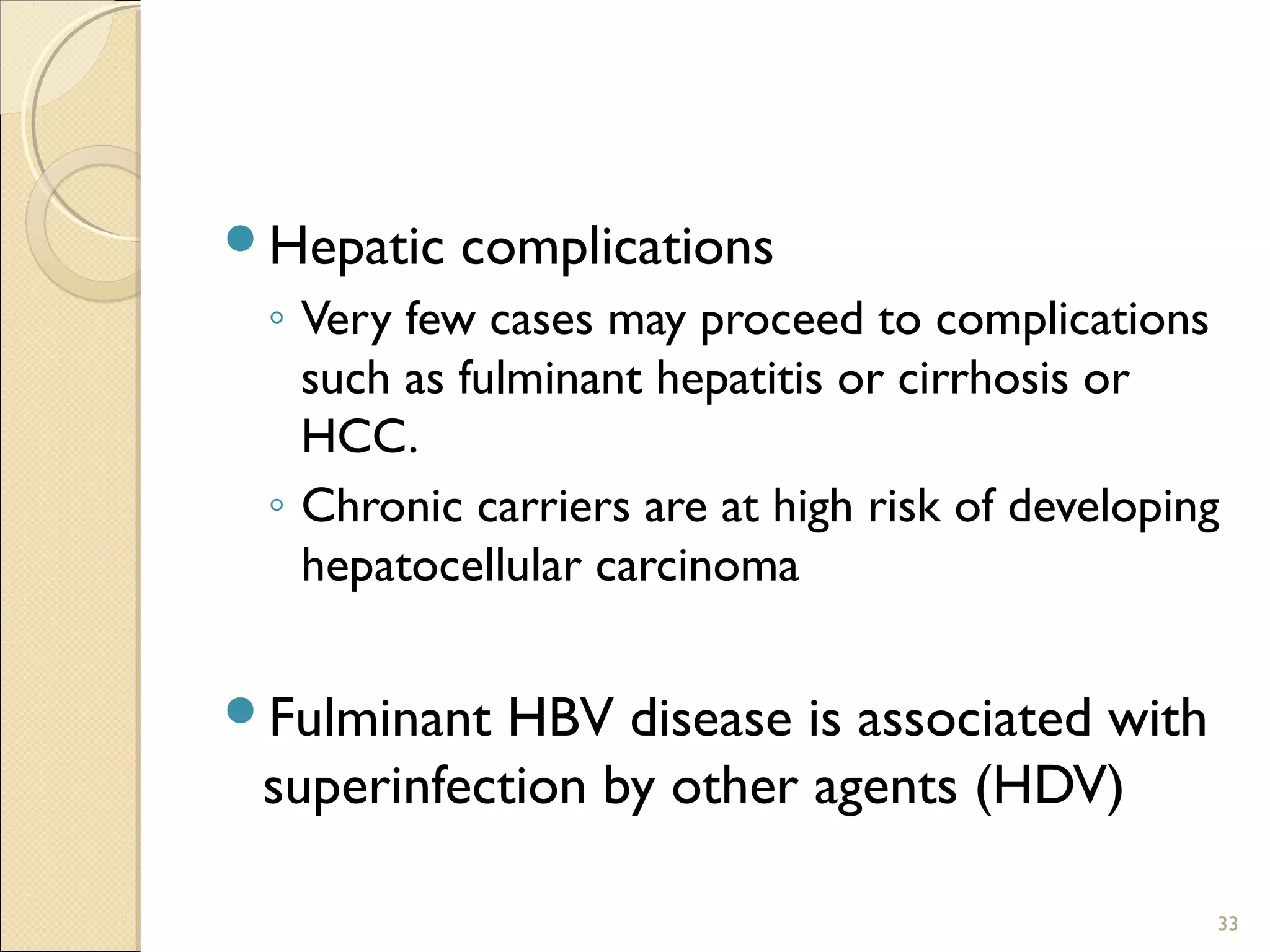
PathologyPathology
 Microscopically, spotted parenchymal cell degeneration,
with necrosis of hepatocytes, a diffuse lobular
inflammatory reaction, and disruption of liver cell cords
 Kupffer cell hyperplasia, panlobular infiltration with
mononuclear cells
 Ballooning or acidophilic bodies (Councilman-like bodies)
29
Clinical FeaturesClinical Features
Onset is slow, usually insidious but more
severe.
Incubation period - 6 weeks to 6 months
Fever is less common and of low grade,
jaundice is rarely seen in children but is
persent more often in adults.
The course of acute HBV can be divided
into three phases-
30
Preicteric phase
Icteric phase
Convalescent phase
31
Onset of jaundice is often preceded by
GI symptoms
Outcome ranges from complete recovery
to progression to chronic hepatitis and
rarely, death due to fulminant disease
In adults,
◦ 65-80% of infections are inapparent
◦ 90- 95% of all patients recover completely
80-95% of infants and young children–chronic
carriers
32
Hepatic complications
◦ Very few cases may proceed to complications
such as fulminant hepatitis or cirrhosis or
HCC.
◦ Chronic carriers are at high risk of developing
hepatocellular carcinoma
Fulminant HBV disease is associated with
superinfection by other agents (HDV)
33
Extrahepatic complications
◦ During the prodromal phase, a serum
sickness-like syndrome characterized by
arthritis, rash, angioedema, and rarely,
hematuria and proteinuria may develop in 5-
10% of patients.
34
The average mortality~ 0.5-2%
Post-transfusion hepatitis (10-15%)
35
36
HBV PrevalenceHBV Prevalence
Type 1 pattern (low endemicity) – carrier
rate <2%
Type 2 pattern (Intermediate endemicity)
– 2-8%
Type 3 pattern (high endemicity) - >8%
37
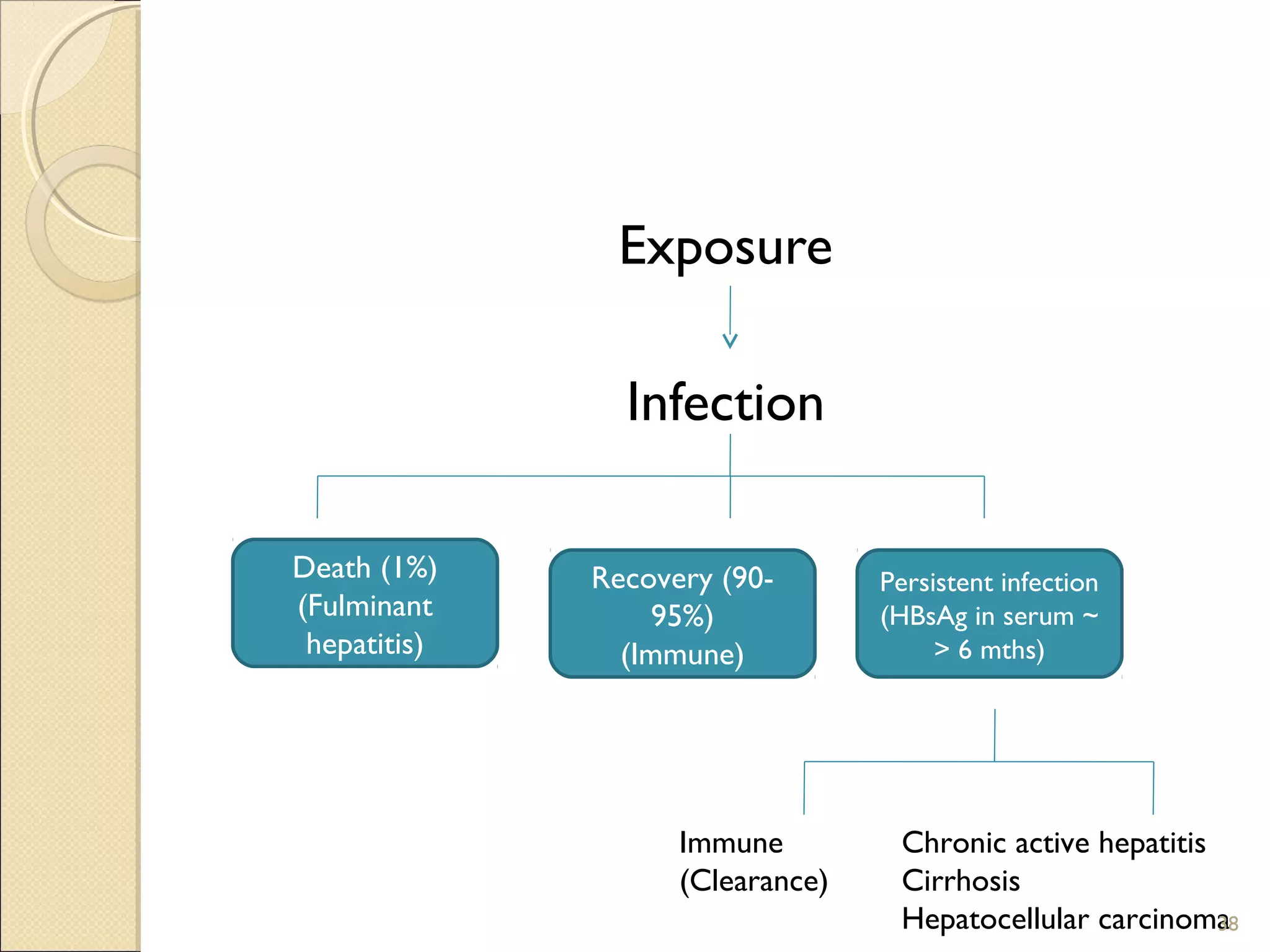
Exposure
Infection
Death (1%)
(Fulminant
hepatitis)
Recovery (90-
95%)
(Immune)
Persistent infection
(HBsAg in serum ~
> 6 mths)
Immune
(Clearance)
Chronic active hepatitis
Cirrhosis
Hepatocellular carcinoma38
39
Individuals at RisksIndividuals at Risks
Parental drug abusers
Sexual contact with an acute or
chronically infected person
Infants born to HBV infected mothers
Occupational contact with blood
Organ transplant patients
Institutionalized populations
Worldwide 300 million HBV carriers
40
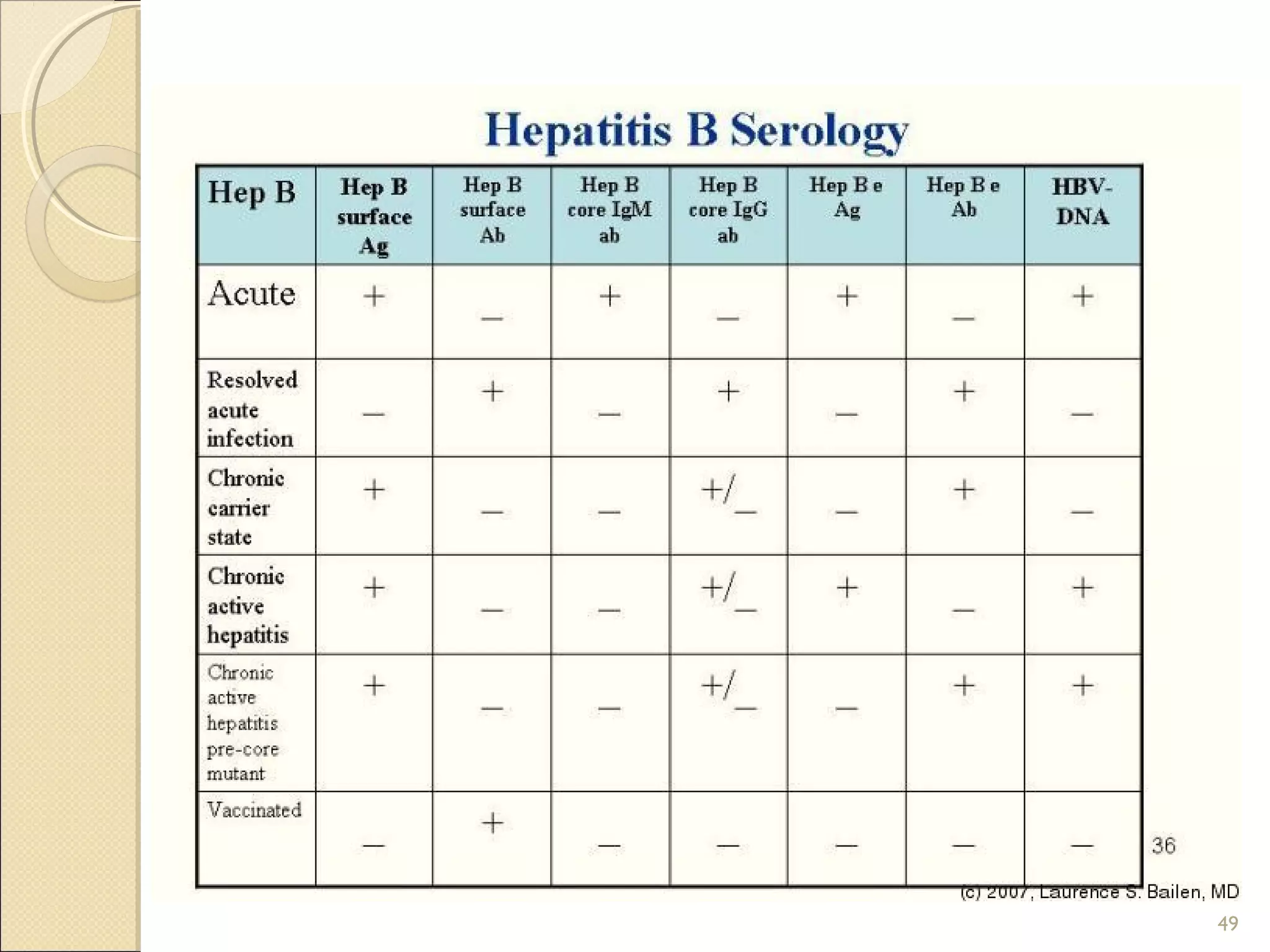
Which of the following serologic profiles
would be most consistent with acute
HBV infection?
◦ HBsAg (-), anti-HBs (+),Total anti-HBc (+), HBeAg (-), anti-HBe (+)
◦ HBsAg (+), anti-HBs (-),Total anti-HBc (-), HBeAg (-), anti-HBe (+).
◦ HBsAg (+), anti-HBs (-),Total anti-HBc (+), HBeAg (+), anti-HBe (-).
◦ HBsAg (-), anti-HBs (+),Total anti-HBc (-), HBeAg (-), anti-HBe (-).
41
HBV antigensHBV antigens
 HBsAg:
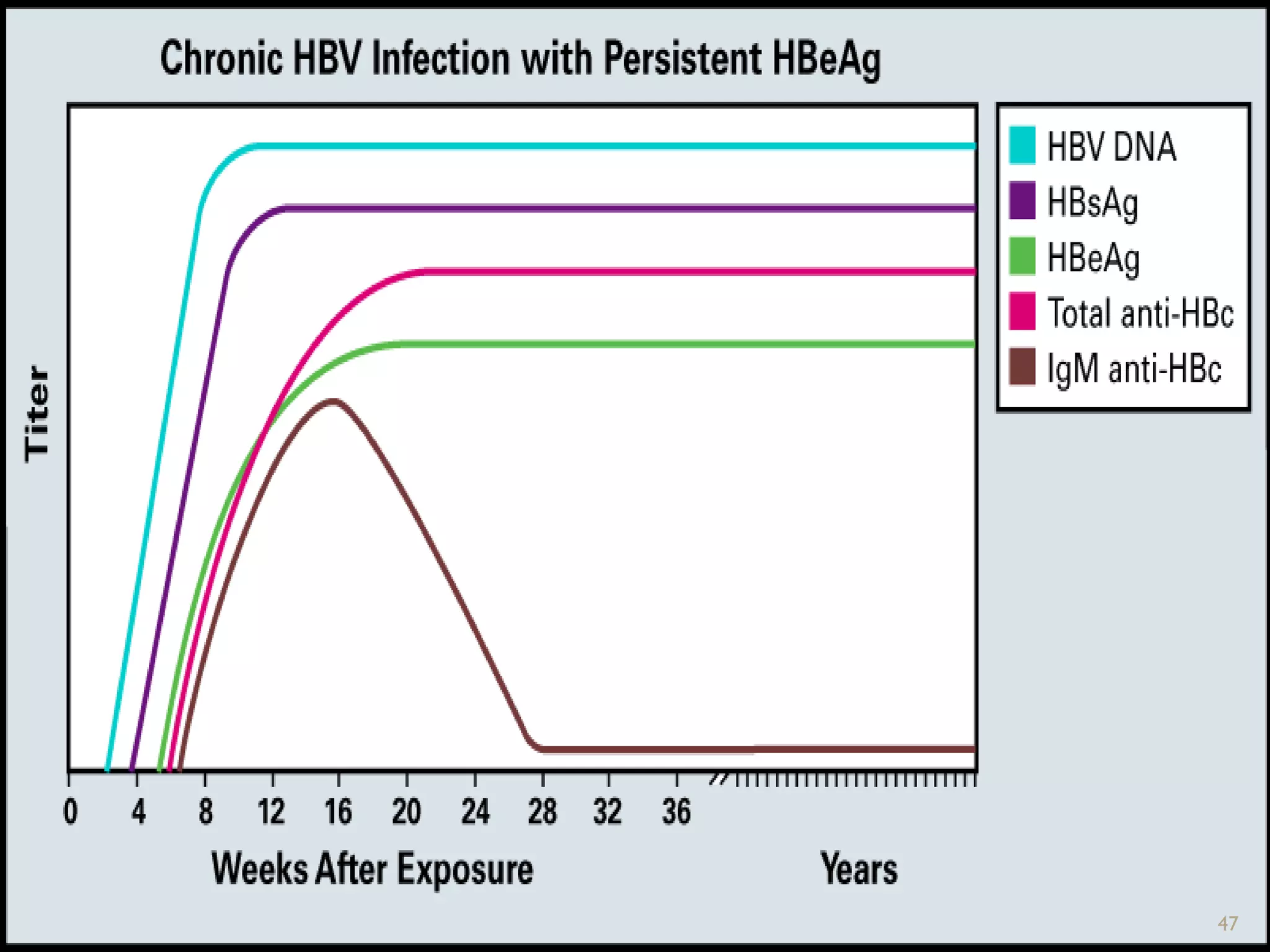
◦ Reaches a peak during pre-icteric phase
Detectable in blood about a month after exposure
 HBcAg:
◦ Sequestered within an HBsAg coat (Not secreted and does not
circulate in blood)
◦ Not detectable in serum of patients with HBV infection
◦ Can be detected in hepatocytes by immunofluorescence
 HBeAg:
◦ Non-particulate soluble antigen possessing a signal protein
which enables it to be secreted.
◦ Present in circulation
◦ Indicates viral replication
 Viral DNA polymerase:
◦ Viremic stage of Hepatitis B
42
Antibodies to HBVAntibodies to HBV
Anti-HBs:
◦ Antibody to HBsAg
◦ Indicates past infection with and immunity to
HBV, presence of passive immunity from
HBIG, or immune reponse from HBV vaccine
Anti-HBe:
◦ Antibody to HBeAg
◦ Presence in serum of HBsAg carrier suggests
lower titer of HBV
43
Anti-HBc
◦ Antibody to HBcAg
◦ Infection with HBV at some undefined time in
the past
◦ Not protective
IgM Anti-HBc
◦ IgM class antibody to HBcAg
◦ Indicates recent infection with HBV, positive
for 4-6 months after infection
44
45
46
47
48
49
51
Laboratory diagnosisLaboratory diagnosis
Microbiological/ Serological tests
Biochemical tests
Histology and immunohistology
52
53
Propagation and assay of HBV inPropagation and assay of HBV in
Cell CultureCell Culture
HBV has been successfully grown in
primary cultures of normal adult or fetal
human hepatocytes; however,
susceptibility wanes as the cells
differentiate.
54
ProphylaxisProphylaxis
Active immunization
◦ Recombinant subunit vaccine
◦ HBsAg is used as vaccine candidate which is
prepared in Baker’s yeast by recombinant
technology by cloning the S gene into the
yeast chromosome.
◦ IM over deltoid region
◦ 10-20mcg/dose
◦ 0, 1, 6 months
◦ Target (Antibody titer) > 10 IU/mL
55
Passive immunization (HBIG)
◦ For immediate protection
◦ 0.05-0.07 mL/kg body weight
◦ Two doses; 30 days apart
◦ Short term protection lasting for 100 days
56
Combined immunization
◦ HBIG and vaccine
Guideline for post-exposure prophylaxis
◦ AntiHBs >10 IU/mL, no further treatment
◦ Vaccinated but antibody level <10,
 Start HBIG immediately
 Vaccine: Single dose given within 7 days of
exposure.
◦ NotVaccinated,
 HBIG and full course of vaccine are needed. 57
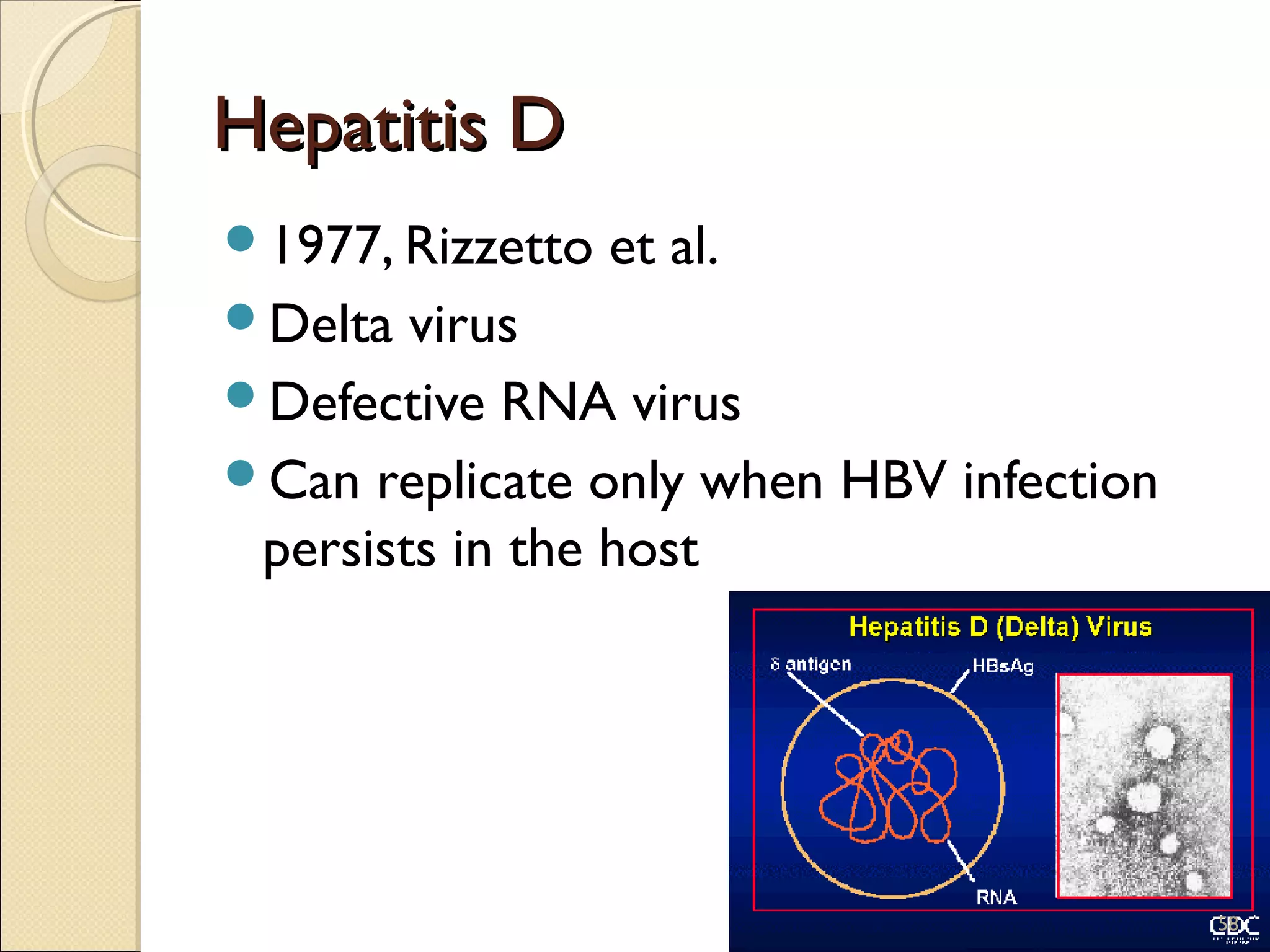
Hepatitis DHepatitis D
1977, Rizzetto et al.
Delta virus
Defective RNA virus
Can replicate only when HBV infection
persists in the host
58
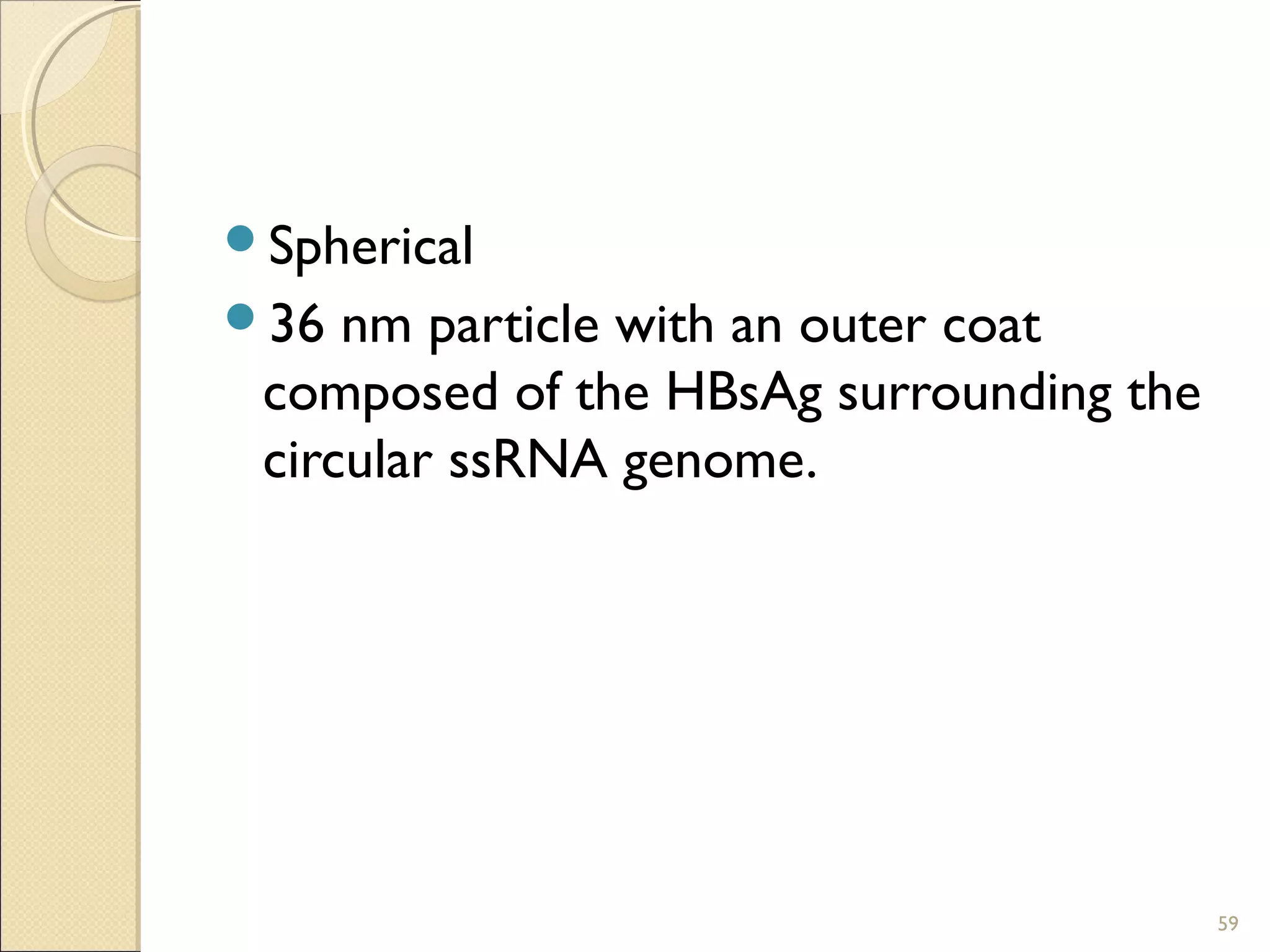
Spherical
36 nm particle with an outer coat
composed of the HBsAg surrounding the
circular ssRNA genome.
59
InfectionInfection
Coinfection
Superinfection
No association between HDV and HCC
60
DetectionDetection
Delta antigen in liver cell nuclei
Occasionally in serum
Anti-delta antibodies in serum
61
PreventionPrevention
Immunization with HBV vaccine
62
Virus Hepatitis A Hepatitis B Hepatitis C Hepatitis D Hepatitis
E
Family Picornaviridae Hepadnaviridae Flaviviridae Unclassified Unclassified
 
Genus Hepatovirus  Orthohepadnavirus  Hepacivirus  Deltavirus  Hepevirus 
Virion 27 nm, icosahedral 42 nm, spherical 60 nm, spherical 35 nm, spherical 30–32 nm,
icosahedral
Envelope No Yes (HBsAg) Yes Yes (HBsAg) No
Genome ssRNA dsDNA ssRNA ssRNA ssRNA
Genome size 7.5 kb 3.2 kb 9.4 kb 1.7 kb 7.6 kb
Stability Heat- and
acid-stable
Acid-sensitive Ether-sensitive,
acid-sensitive
Acid-sensitive Heat-stable
Transmission Fecal-oral Parenteral Parenteral Parenteral Fecal-oral
Prevalence High High Moderate Low, regional Regional
Fulminant disease Rare Rare Rare Frequent In
pregnancy
Chronic disease Never Often Often Often Never
Oncogenic No Yes Yes ? No
63

Hepatitis b virus general virology and laboratory diagnosis

  • 1.
    Hepatitis B virusHepatitisB virus Shyam Kumar Mishra Assistant Professor, Dept. of Microbiology Institute of Medicine,TU 1
  • 2.
    Viruses causing hepatitis???Virusescausing hepatitis??? HepatitisViruses- A, B, C, D, E, and G (G. BakerV) Coxsackie virus Yellow fever virus Adenovirus Paramyxovirus Rubella virus 2
  • 3.
  • 4.
    Family- HepadnaviridaeFamily- Hepadnaviridae ◦Avihepadnavirus  Bird HBV Shanghai duck HBV Ross goose HBV China duck HBV Heron HBV ◦ Orthohepadnavirus  Mammalian HBV Human HBV Ground squirrel HBV Woodchuck HBV Hepatitis B virusHepatitis B virus 4
  • 5.
    HepadnaviridaeHepadnaviridae Morphology ◦ 3 morphologicalforms by EM  Spherical form  Tubular or filamentous form  Complete form or Dane particles 5
  • 6.
  • 7.
    ◦ Spherical form Most numerous  Small forms measuring 20-22 nm in diameter  Exclusively made up of HBsAg ◦ Tubular or filamentous form  22 nm in diameter  200 nm long (variable)  Exclusively made up of HBsAg Represent excess HBsAg (overproduction) 7
  • 8.
  • 9.
    Complete form orDane particles ◦ Represent the intact Hepatitis B virus ◦ Less frequently observed  Double-shelled  Spherical lipid-containing structure with an outer diameter of 42-47 nm  This outer surface envelope represents surface antigen (HBsAg)  It has three forms of the viral envelope proteins- L, M, S  Icosahedral nucleocapsid with a diameter of 27- 28 nm represents the inner shell of the virus.  It consists of  core antigen (HBcAg),  pre-core antigen (HBeAg) and  partially double-stranded DNA. 9
  • 10.
  • 11.
  • 12.
    Viral genome ◦ Theviral genome consists of two linear strands of DNA held in a circular configuration (3200bp in length) ◦ One of the strands (+ strand) is incomplete while the other is complete ◦ This gives the appearance of partially double stranded and partially single stranded DNA. ◦ Associated with the plus strand is a viral DNA polymerase 12
  • 13.
    Viral genomeViral genome 13 TheHepatitis B virus genome is compact and consists of four overlapping genes: ◦ S gene ◦ C gene ◦ X gene ◦ P gene These genes code for different antigens.
  • 14.
    Genes coding forantigens in HBVGenes coding for antigens in HBV Gene Regions Antigen S (Having three regions S, Pre-S1 and Pre-S2) S S + Pre-S2 S + Pre-S1 and S2 Major protein (S) Middle Protein (M) Large Protein (L) C (Having two regions C and Pre-C) C C + Pre-C HBcAg HBeAg P (Largest gene) Enzymatic activities- DNA polymerase, Reverse transcriptase activity, RNase H activity X HBxAg (Non-particulate antigen, which can activate the transcription of cellular and viral genes; contribute to carcinogenesis by binding to p53; HBxAg and its antibody are elevated in patients with severe chronic hepatitis and HCC. ) HBsAg 14
  • 15.
    ?Type I ?TypeJ 15 HBV Genotypes
  • 16.
    Determining the genotypecould be helpful for predicting the outcome of disease, and antiviral therapy in patients with chronic hepatitis B. 16
  • 17.
    Clinical significance ofGenotypingClinical significance of Genotyping Genotype B appears to be associated with less rapidly progressive liver disease and cirrhosis and a lower likelihood, or delayed appearance, of HCC than genotype C or D. Patients infected by genotype A are more likely to clear circulating viremia and to achieve HBeAg and HBsAg seroconversion, both spontaneously and in response to antiviral therapy. 17
  • 18.
    Impact of HBVgenotypes onImpact of HBV genotypes on response to Antiviral therapyresponse to Antiviral therapy  HBV genotypes D and C are associated with a lower rate of favorable response to interferon alpha therapy than genotypes A and B, respectively.  Rate of resistance to lamivudine is higher in patients with HBV genotype A infection than in patients with genotype D infection.  No difference in the risk of lamivudine resistance - Genotype B and genotype C.  In patients with genotype C infection; however, virological response is worse during lamivudine therapy, and is also less durable after the discontinuation of therapy than in patients with genotype B infection. 18
  • 19.
    HBsAg (Australia antigen)HBsAg(Australia antigen) Blumberg et al (1965) – in Australian aborigine HBsAg contains a group-specific antigen, a, with two pairs of mutually exclusive subdeterminants, d/y and w/r Four phenotypes of HBsAg ◦ Adw, ayw, adr, ayr ◦ Useful in epidemiologic investigations 19
  • 20.
    HBsAg sub-types andHBVHBsAg sub-types and HBV DNA genotypes in NepalDNA genotypes in Nepal Subtypes Ayw - 47% Adw - 34.3% Adr – 4% Genotypes  D (69%) A (22%). (Shrestha SM, Shrestha S, Shrestha A,Tsuda F, Endo K,Takahashi M, et al. High prevalence of hepatitis B virus infection and inferior vena cava obstruction among patients with liver cirrhosis or hepatocellular carcinoma in Nepal. J Gastroenterol Hepatol. 2007;22:1921–8.) 20
  • 21.
    Hepatitis B virusmutantsHepatitis B virus mutants Pre-core mutants ◦ They have defect in precore region of C gene which leads to their inability to synthesize HBeAg. ◦ Patients may be diagnosed late and they tend to have severe chronic hepatitis that progresses more rapidly to cirrhosis. 21
  • 22.
    Escape mutants ◦ Mutationin the S gene leading to alteration of HBsAg (mutation in the “a” antigen). ◦ Pose problem in the diagnosis of the disease. 22
  • 23.
    YMDD mutation ◦ Patientson lamivudine therapy may develop resistance to the drug due to mutation in the YMDD (tyrosine-methionine-aspartate- aspartate) locus present in the HBV reverse transcriptase region of polymerase gene. 23
  • 24.
    PropertiesProperties HBV and HBsAg– stable at (-200 C) - stable to repeated freezing and thawing HBV (but not HBsAg) is sensitive to higher temp (1000 C -1 min) 24
  • 25.
    Hepatitis B carriersHepatitisB carriers Simple carrier – ◦ HBeAg - ◦ HBsAg + (low titer) ◦ large volume of blood is required for transmission Super carrier – ◦ HBeAg + ◦ Highly infectious (0.00001 ml of plasma can transmit infection) in blood 25
  • 26.
    Mode of transmissionModeof transmission Entry of the virus into the blood through skin, mucous membrane or body fluids Main routes of transmission Blood transfusion (blood/ blood products containing HBV) Use of HBV contaminated needles, blades Sexual intercourse Perinatal 26
  • 27.
    Chance of transmissionfollowing a contaminated needle prick injury ◦ HBV- 30% ◦ HCV- 3% ◦ HIV – 0.3% 27
  • 28.
  • 29.
    PathologyPathology  Microscopically, spottedparenchymal cell degeneration, with necrosis of hepatocytes, a diffuse lobular inflammatory reaction, and disruption of liver cell cords  Kupffer cell hyperplasia, panlobular infiltration with mononuclear cells  Ballooning or acidophilic bodies (Councilman-like bodies) 29
  • 30.
    Clinical FeaturesClinical Features Onsetis slow, usually insidious but more severe. Incubation period - 6 weeks to 6 months Fever is less common and of low grade, jaundice is rarely seen in children but is persent more often in adults. The course of acute HBV can be divided into three phases- 30
  • 31.
  • 32.
    Onset of jaundiceis often preceded by GI symptoms Outcome ranges from complete recovery to progression to chronic hepatitis and rarely, death due to fulminant disease In adults, ◦ 65-80% of infections are inapparent ◦ 90- 95% of all patients recover completely 80-95% of infants and young children–chronic carriers 32
  • 33.
    Hepatic complications ◦ Veryfew cases may proceed to complications such as fulminant hepatitis or cirrhosis or HCC. ◦ Chronic carriers are at high risk of developing hepatocellular carcinoma Fulminant HBV disease is associated with superinfection by other agents (HDV) 33
  • 34.
    Extrahepatic complications ◦ Duringthe prodromal phase, a serum sickness-like syndrome characterized by arthritis, rash, angioedema, and rarely, hematuria and proteinuria may develop in 5- 10% of patients. 34
  • 35.
    The average mortality~0.5-2% Post-transfusion hepatitis (10-15%) 35
  • 36.
  • 37.
    HBV PrevalenceHBV Prevalence Type1 pattern (low endemicity) – carrier rate <2% Type 2 pattern (Intermediate endemicity) – 2-8% Type 3 pattern (high endemicity) - >8% 37
  • 38.
    Exposure Infection Death (1%) (Fulminant hepatitis) Recovery (90- 95%) (Immune) Persistentinfection (HBsAg in serum ~ > 6 mths) Immune (Clearance) Chronic active hepatitis Cirrhosis Hepatocellular carcinoma38
  • 39.
  • 40.
    Individuals at RisksIndividualsat Risks Parental drug abusers Sexual contact with an acute or chronically infected person Infants born to HBV infected mothers Occupational contact with blood Organ transplant patients Institutionalized populations Worldwide 300 million HBV carriers 40
  • 41.
    Which of thefollowing serologic profiles would be most consistent with acute HBV infection? ◦ HBsAg (-), anti-HBs (+),Total anti-HBc (+), HBeAg (-), anti-HBe (+) ◦ HBsAg (+), anti-HBs (-),Total anti-HBc (-), HBeAg (-), anti-HBe (+). ◦ HBsAg (+), anti-HBs (-),Total anti-HBc (+), HBeAg (+), anti-HBe (-). ◦ HBsAg (-), anti-HBs (+),Total anti-HBc (-), HBeAg (-), anti-HBe (-). 41
  • 42.
    HBV antigensHBV antigens HBsAg: ◦ Reaches a peak during pre-icteric phase Detectable in blood about a month after exposure  HBcAg: ◦ Sequestered within an HBsAg coat (Not secreted and does not circulate in blood) ◦ Not detectable in serum of patients with HBV infection ◦ Can be detected in hepatocytes by immunofluorescence  HBeAg: ◦ Non-particulate soluble antigen possessing a signal protein which enables it to be secreted. ◦ Present in circulation ◦ Indicates viral replication  Viral DNA polymerase: ◦ Viremic stage of Hepatitis B 42
  • 43.
    Antibodies to HBVAntibodiesto HBV Anti-HBs: ◦ Antibody to HBsAg ◦ Indicates past infection with and immunity to HBV, presence of passive immunity from HBIG, or immune reponse from HBV vaccine Anti-HBe: ◦ Antibody to HBeAg ◦ Presence in serum of HBsAg carrier suggests lower titer of HBV 43
  • 44.
    Anti-HBc ◦ Antibody toHBcAg ◦ Infection with HBV at some undefined time in the past ◦ Not protective IgM Anti-HBc ◦ IgM class antibody to HBcAg ◦ Indicates recent infection with HBV, positive for 4-6 months after infection 44
  • 45.
  • 46.
  • 47.
  • 48.
  • 49.
  • 50.
  • 51.
    Laboratory diagnosisLaboratory diagnosis Microbiological/Serological tests Biochemical tests Histology and immunohistology 52
  • 52.
  • 53.
    Propagation and assayof HBV inPropagation and assay of HBV in Cell CultureCell Culture HBV has been successfully grown in primary cultures of normal adult or fetal human hepatocytes; however, susceptibility wanes as the cells differentiate. 54
  • 54.
    ProphylaxisProphylaxis Active immunization ◦ Recombinantsubunit vaccine ◦ HBsAg is used as vaccine candidate which is prepared in Baker’s yeast by recombinant technology by cloning the S gene into the yeast chromosome. ◦ IM over deltoid region ◦ 10-20mcg/dose ◦ 0, 1, 6 months ◦ Target (Antibody titer) > 10 IU/mL 55
  • 55.
    Passive immunization (HBIG) ◦For immediate protection ◦ 0.05-0.07 mL/kg body weight ◦ Two doses; 30 days apart ◦ Short term protection lasting for 100 days 56
  • 56.
    Combined immunization ◦ HBIGand vaccine Guideline for post-exposure prophylaxis ◦ AntiHBs >10 IU/mL, no further treatment ◦ Vaccinated but antibody level <10,  Start HBIG immediately  Vaccine: Single dose given within 7 days of exposure. ◦ NotVaccinated,  HBIG and full course of vaccine are needed. 57
  • 57.
    Hepatitis DHepatitis D 1977,Rizzetto et al. Delta virus Defective RNA virus Can replicate only when HBV infection persists in the host 58
  • 58.
    Spherical 36 nm particlewith an outer coat composed of the HBsAg surrounding the circular ssRNA genome. 59
  • 59.
  • 60.
    DetectionDetection Delta antigen inliver cell nuclei Occasionally in serum Anti-delta antibodies in serum 61
  • 61.
  • 62.
    Virus Hepatitis AHepatitis B Hepatitis C Hepatitis D Hepatitis E Family Picornaviridae Hepadnaviridae Flaviviridae Unclassified Unclassified   Genus Hepatovirus  Orthohepadnavirus  Hepacivirus  Deltavirus  Hepevirus  Virion 27 nm, icosahedral 42 nm, spherical 60 nm, spherical 35 nm, spherical 30–32 nm, icosahedral Envelope No Yes (HBsAg) Yes Yes (HBsAg) No Genome ssRNA dsDNA ssRNA ssRNA ssRNA Genome size 7.5 kb 3.2 kb 9.4 kb 1.7 kb 7.6 kb Stability Heat- and acid-stable Acid-sensitive Ether-sensitive, acid-sensitive Acid-sensitive Heat-stable Transmission Fecal-oral Parenteral Parenteral Parenteral Fecal-oral Prevalence High High Moderate Low, regional Regional Fulminant disease Rare Rare Rare Frequent In pregnancy Chronic disease Never Often Often Often Never Oncogenic No Yes Yes ? No 63

Editor's Notes

  • #13 The minus strand of DNA (long strand) is complete and full-length and is identical in all HBV isolates. The positive strand (short strand) is incomplete and of variable length (50-80%)
  • #25 HBV – stable at 370C – 60 minutes
  • #35 This is due to immune complex deposition.