Dr. (Maj) Ajay Kandpal
MD,DNB
 Introduction
 The virus
 The disease
 Spectrum
 Special scenarios
 Treatment considerations
 Prevention
 BC 2000 - Some ancient records showed epidemic
of hepatitis.
 1883 - Lurman found that people vaccinated for
small pox with lymph from other people suffered
from hepatitis (known as serum hepatitis at that
time).
 Many similar outbreaks happened when treating
syphilis with reused needles in 1909.
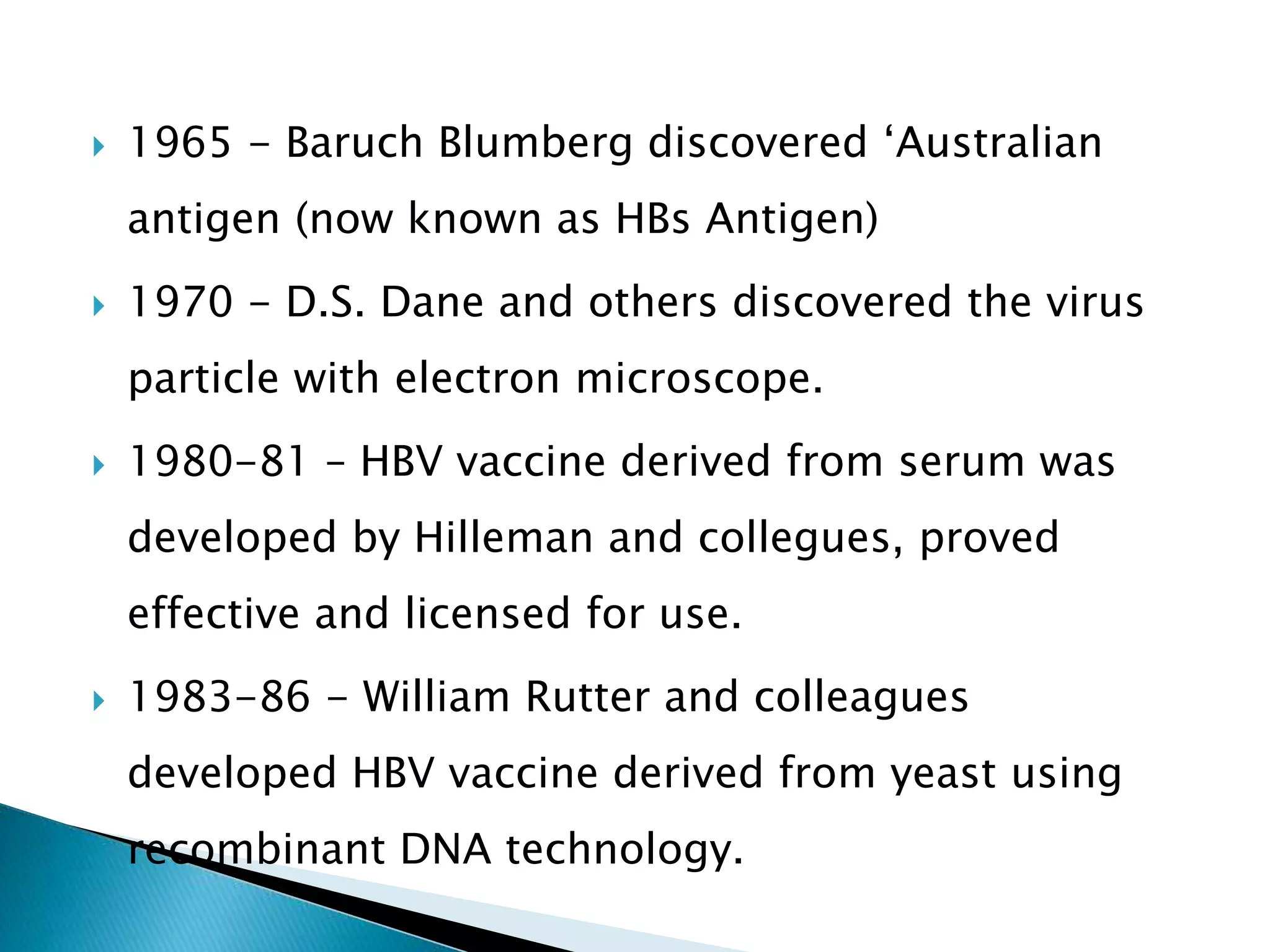
 1965 - Baruch Blumberg discovered ‘Australian
antigen (now known as HBs Antigen)
 1970 - D.S. Dane and others discovered the virus
particle with electron microscope.
 1980-81 – HBV vaccine derived from serum was
developed by Hilleman and collegues, proved
effective and licensed for use.
 1983-86 - William Rutter and colleagues
developed HBV vaccine derived from yeast using
recombinant DNA technology.
 2010 – Clément Gilbert and Cédric Feschotte found
the fragments of HBV genes in the 19-millions-old
fossils of songbirds.
 2012 - Korean and Islraeli scientists can map the
entire genome of HBV found in the preserved liver of
16th century Korean mummified child
 HBV is a member of smallest virus family
Hepadnaviridae.
 It measures 42 nm.
 Enveloped (surface Ag), – Outer lipoprotein
 Primarily hepatotropic
 It can survive for 15 years at -20ºC, for 24 months
at-80ºC, for 6 months at room tempature, and 7
days at 44ºC.
 Encodes 7 proteins:
 HBeAg
 HBcAg
 HBV Pol/RT
 PreS1/PreS2/HBsAg (large, medium, and small
surface envelope glycoproteins)
 HBxAg : regulator of transcription required for the
initiation of infection).
 There are 4 open reading frames derived from the same
strand (the incomplete + strand)
 S - the 3 polypeptides of the surface antigen (preS1, preS2
and S - produced from alternative translation start sites.
 C - the core protein
 P - the polymerase
 X - a transactivator of viral transcription and cellular genes.
 HBx is conserved in all mammalian (but not avian)
hepadnavirus.
 Though not essential in transfected cells, it is required for
infection in vivo.
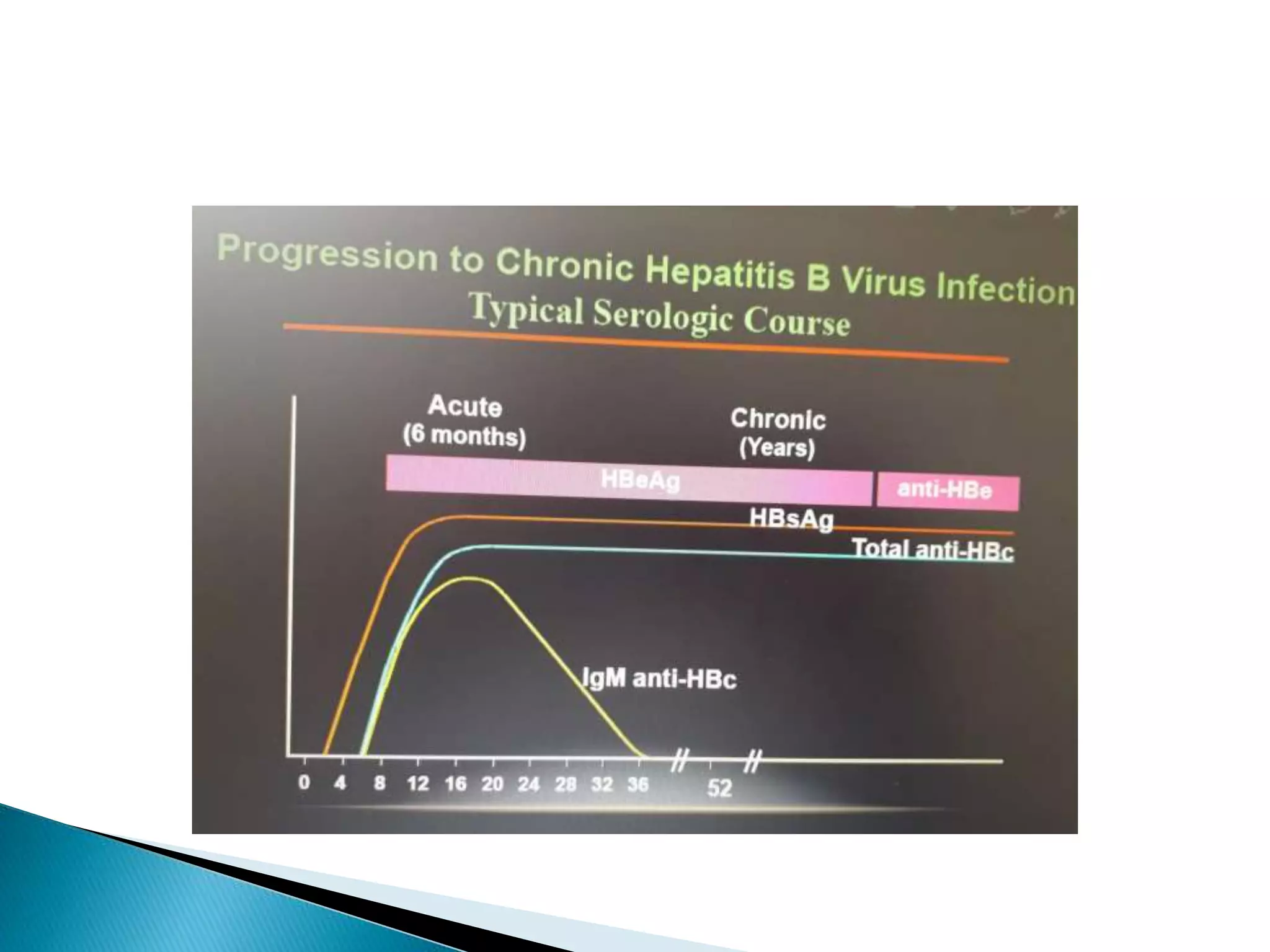
 Include HBsAg, anti-HBs, pre-s1,s2 antigen and
anti-pres1, s2
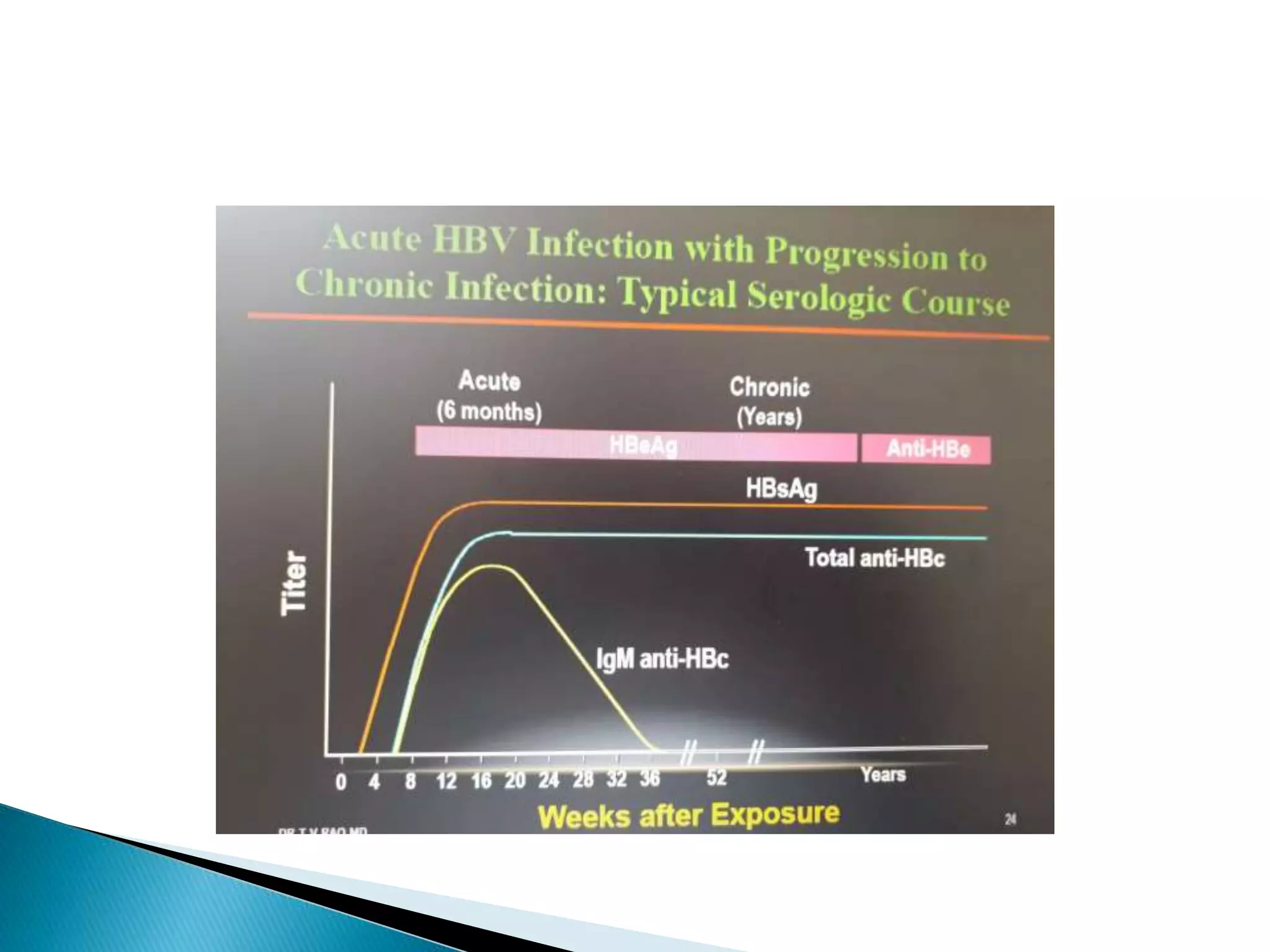
 HBsAg appears 1-2 weeks (late to 11-12
weeks)after exposure, persists for 1-6 weeks( even
5 months) in acute hepatitis B.
 In chronic patients or carrier, HBsAg persists for
many years.
 HBsAg confers antigencity but no infectivity.
 HBeAg is a soluble antigen
 HBeAg is a reliable indicator of active replication of
HBV
 Anti-HBe is a marker of reduced infectivity. If exist
long may be a marker of integration of HBV into
liver cell.
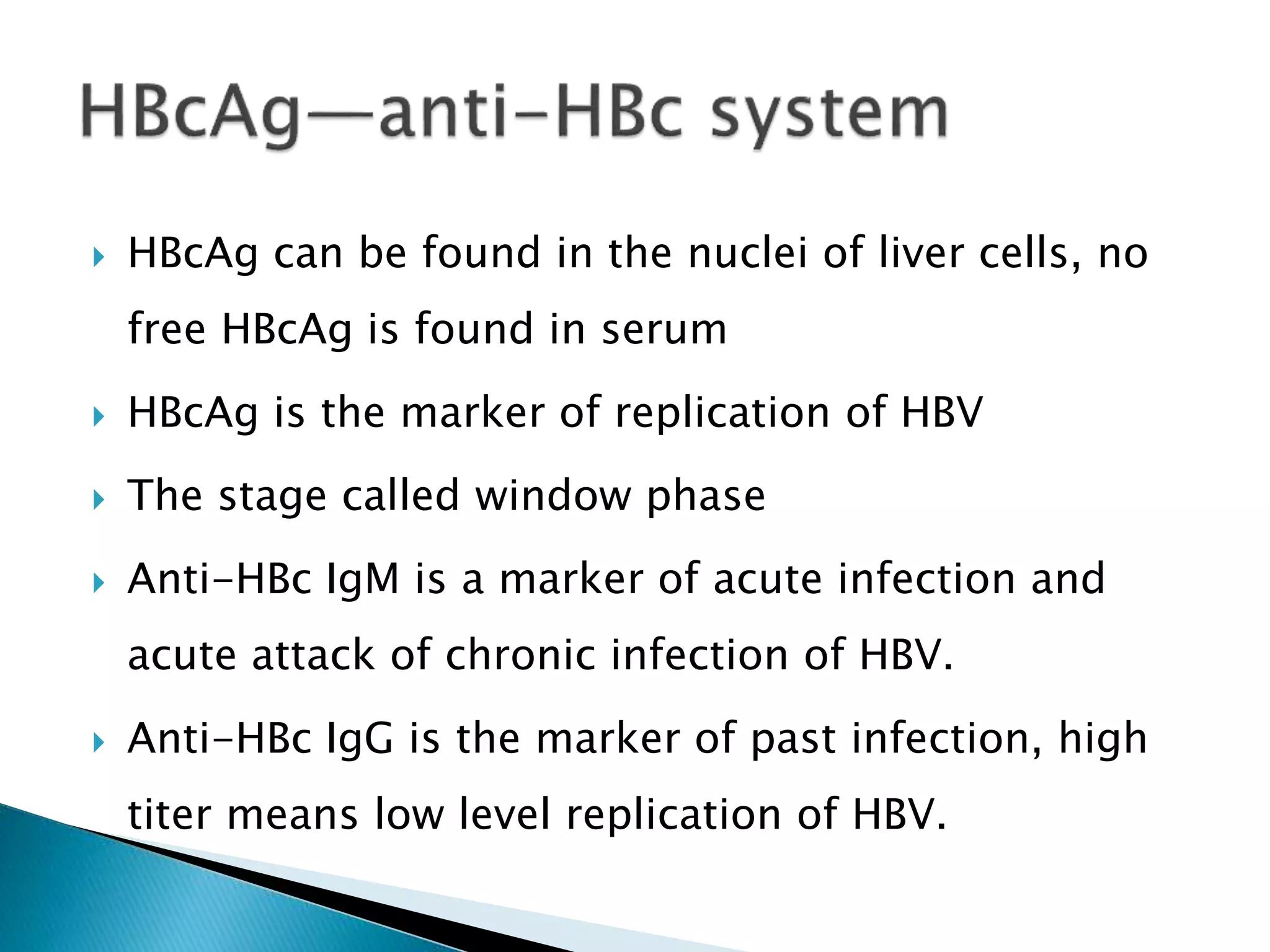
 HBcAg can be found in the nuclei of liver cells, no
free HBcAg is found in serum
 HBcAg is the marker of replication of HBV
 The stage called window phase
 Anti-HBc IgM is a marker of acute infection and
acute attack of chronic infection of HBV.
 Anti-HBc IgG is the marker of past infection, high
titer means low level replication of HBV.
 HBsAg: Present in acute or chronic infection.
 HBsAb:Present in recovery or immunization.
 Anti -HB Core: May be “Total” (IgG&IgM) or IgM.
Lifelong marker of past and active infection in
either acute or chronic.
 HBeAg: Present in Acute infection, and extremely
infectious.
 Anti-Hbe: Usually prognostic for resolution.
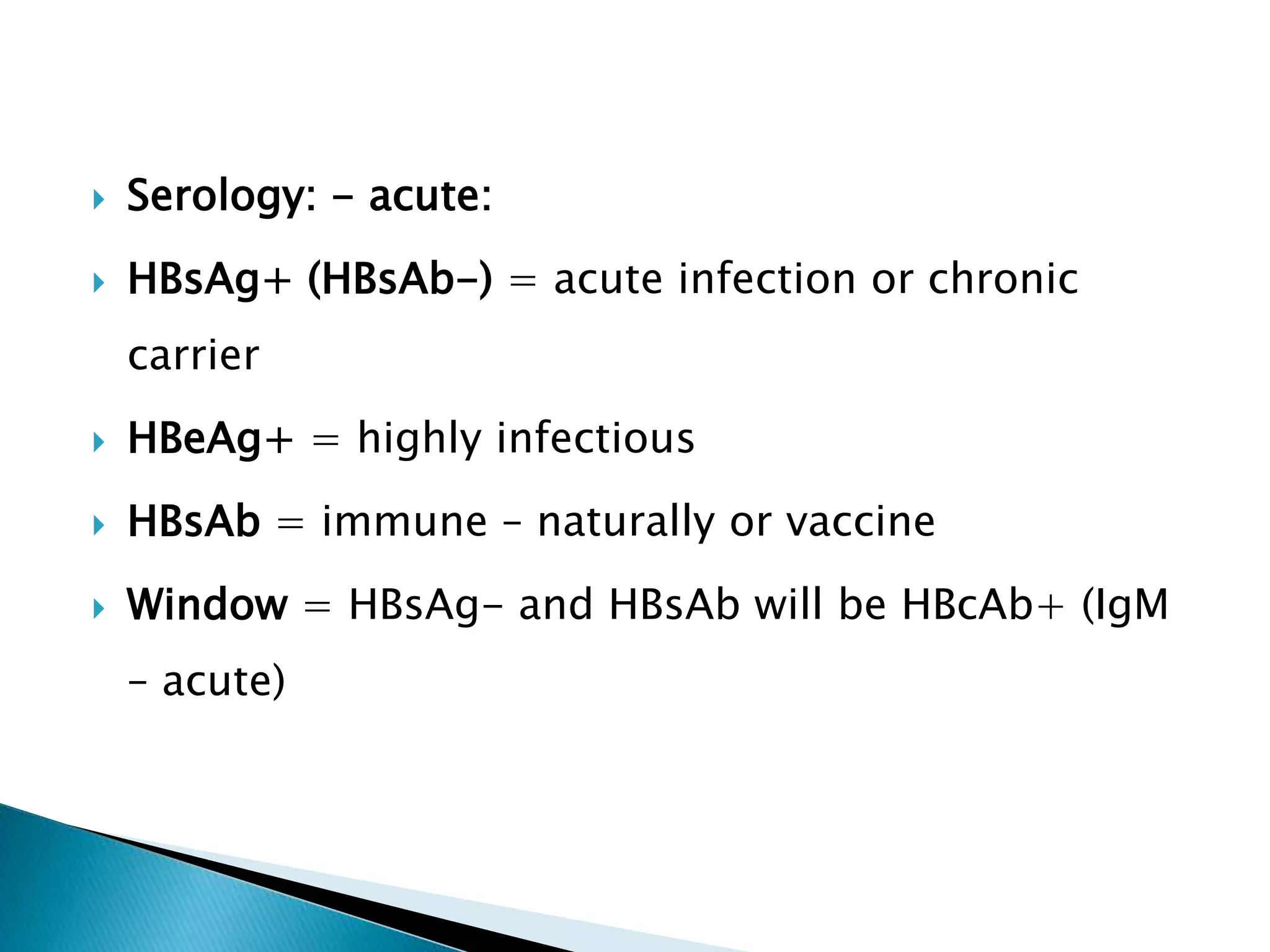
 Serology: - acute:
 HBsAg+ (HBsAb-) = acute infection or chronic
carrier
 HBeAg+ = highly infectious
 HBsAb = immune – naturally or vaccine
 Window = HBsAg- and HBsAb will be HBcAb+ (IgM
– acute)
 It can be inactivated in 10 minutes when heated at
80ºC.
 HBV is 100 times more infectious than HIV. Very minute
amount of blood can be infectious
 lack of reverse transcriptase proofreading activity : HBV
mutants
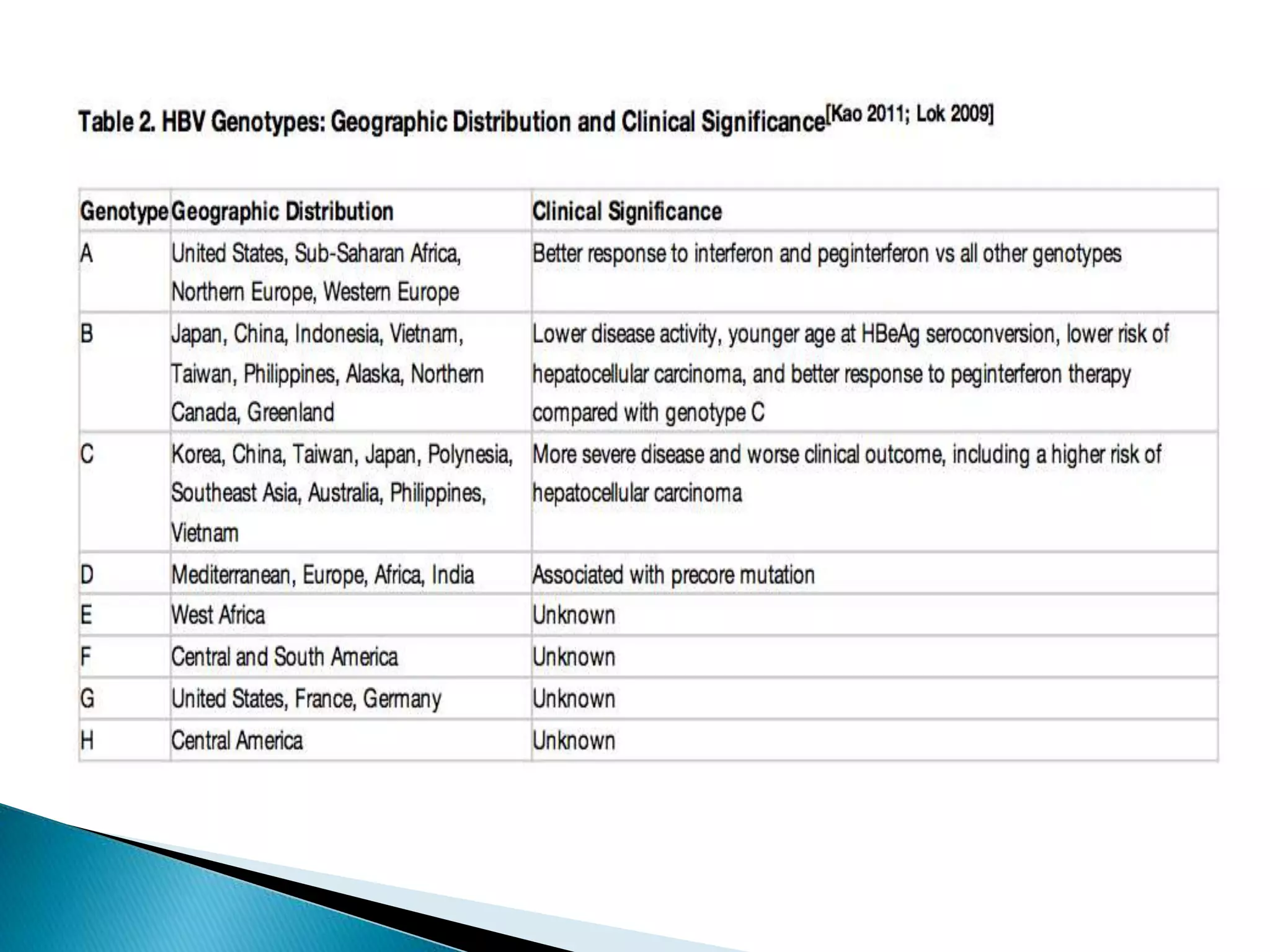
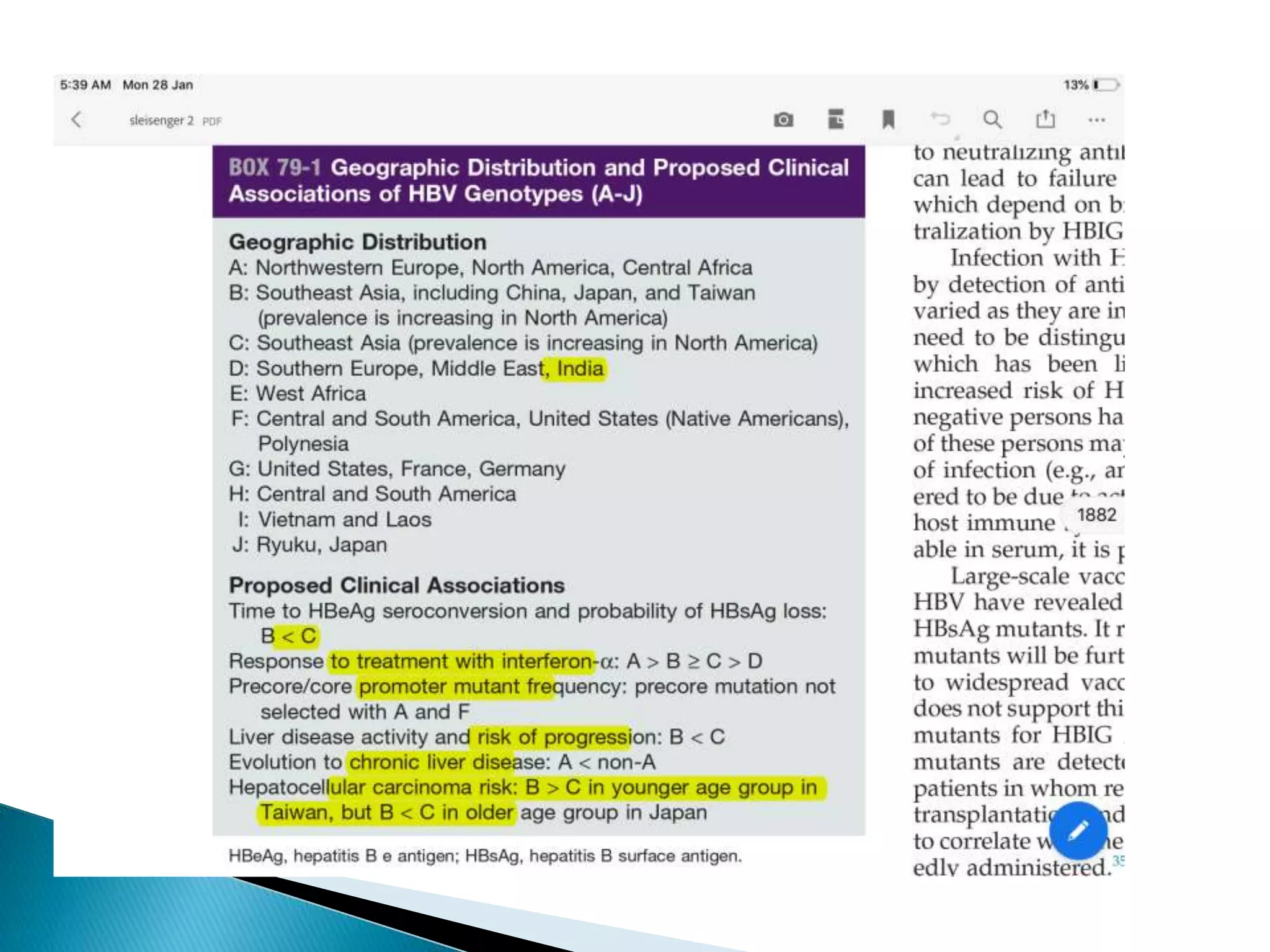
 Nine genotypes (A-I) and several sub-genotypes
 – All HBV subtypes share one common antigenic
determinant - "a.“Thus, antibodies to the
"a"determinant confer protection to all HBV subtypes.
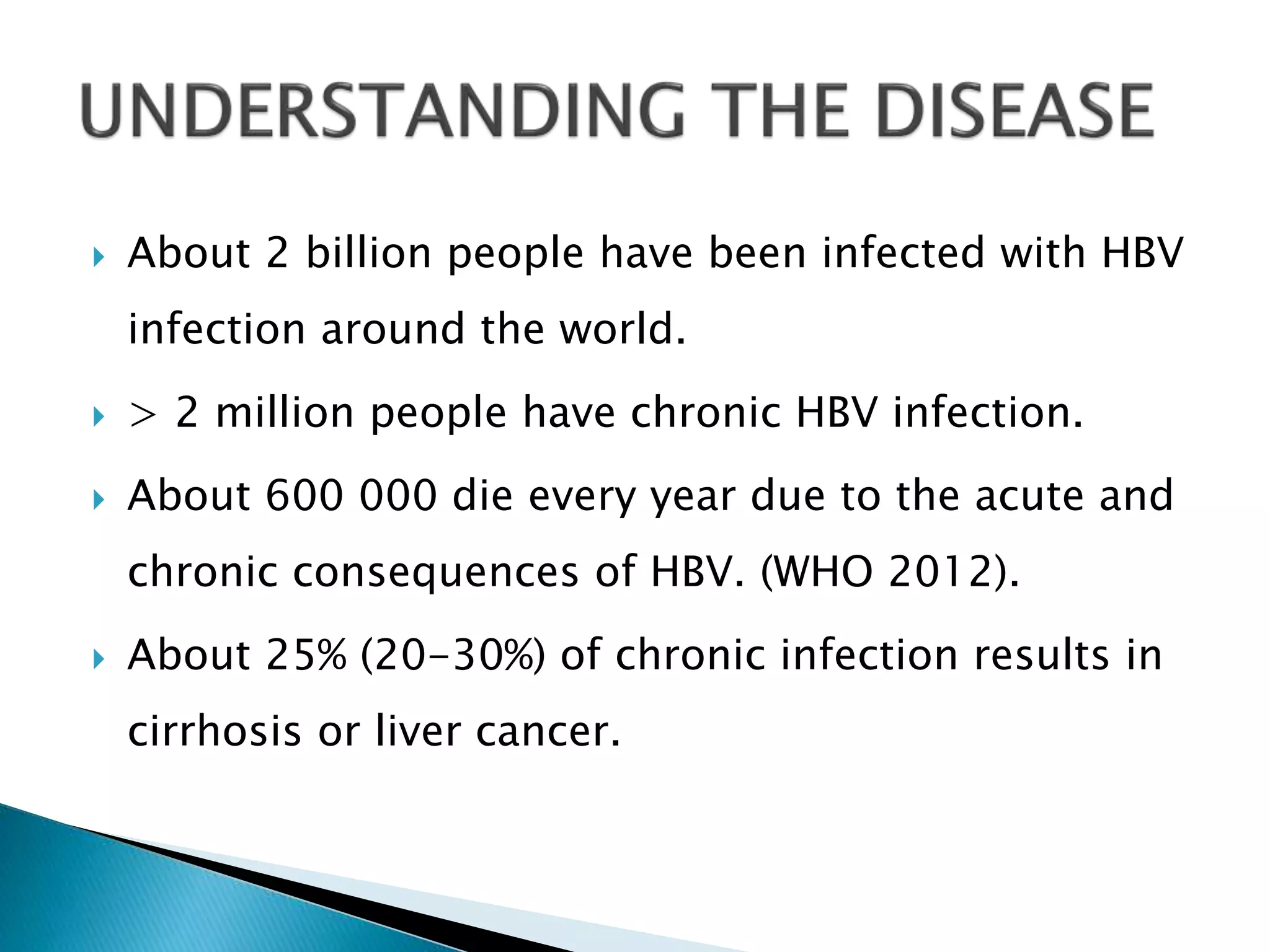
 About 2 billion people have been infected with HBV
infection around the world.
 > 2 million people have chronic HBV infection.
 About 600 000 die every year due to the acute and
chronic consequences of HBV. (WHO 2012).
 About 25% (20-30%) of chronic infection results in
cirrhosis or liver cancer.
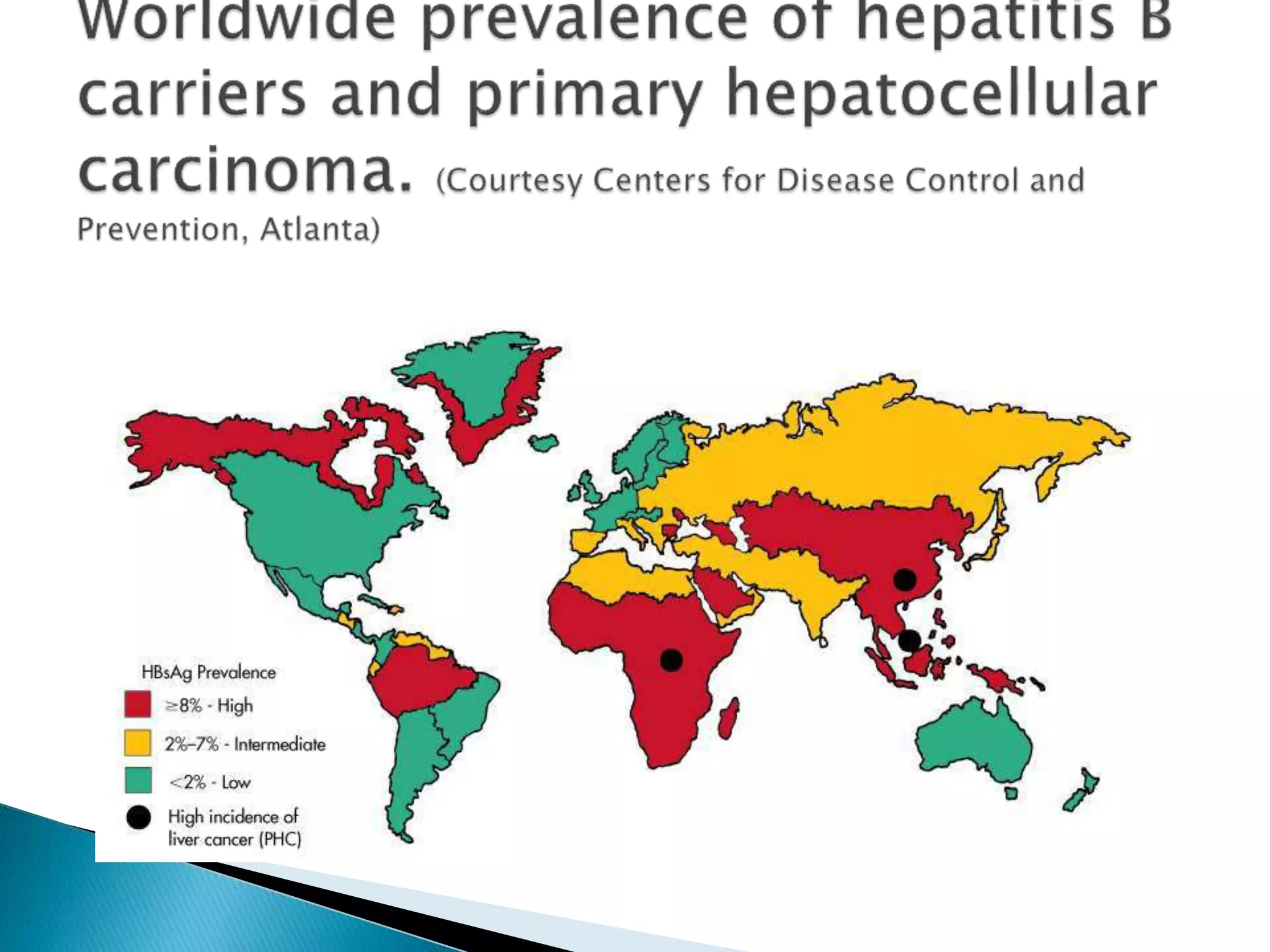
 High (>8%): 45% of global population lifetime risk
of infection >60%, early childhood infections
common.
 Intermediate (2%-7%): 43% of global population
lifetime risk of infection 20%-60%, infections occur
in all age groups.
 Low (<2%): 12% of global population lifetime risk of
infection <20%, most infections occur in adult risk
groups.
 Falls in intermediate endemicity group
 HBsAg prevalence between 2% to 7%.
 Estimated 43-45 million cases per year.
 40 million carriers.
 100,000 death annually by disease related to HBV
infection.
 Of 25 million newborn annually, 1 million runs
lifetime risk of HBV infection.
 Transmitted by blood, semen and vaginal fluid of an
infected person.
 Unprotected sexual contact with infected person
 Infectious blood and blood related instruments
 Blood transfusion
 Unsterilized/under-sterilized needles and syringes
 Needle stick injury
 Toothbrush and razor
 From mother to child (esp. during childbirth) (Common in
South- East Asia)
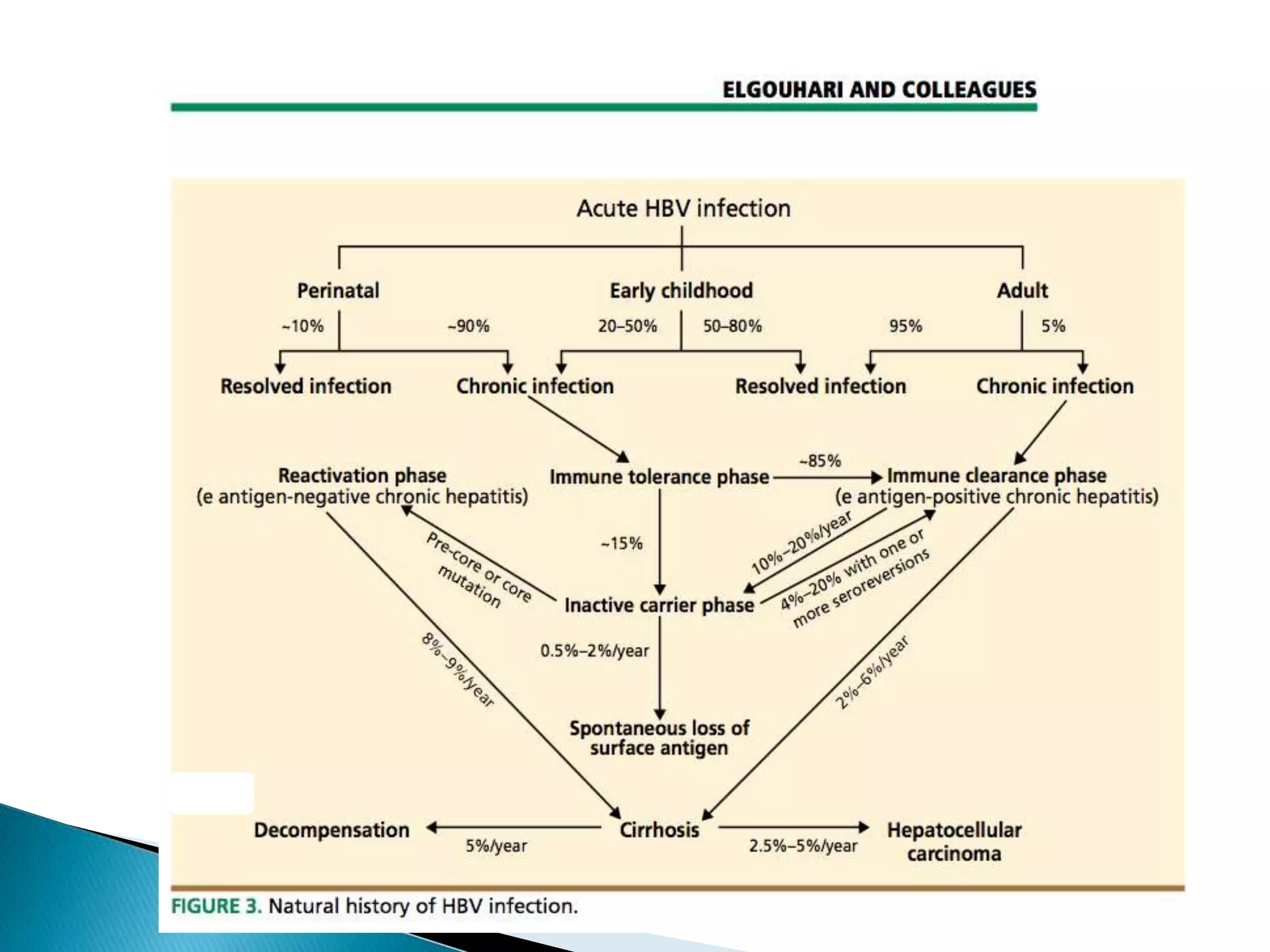
 Infection at birth is associated with clinically silent
acute infection but a 90% chance of chronic
infection.
 Infection in young adulthood in immunocompetent
persons is typically associated with clinically
apparent acute hepatitis but a risk of chronicity of
only approx. 1%.
 The likelihood in a patient with HBeAg-reactive
chronic hepatitis B of converting spontaneously
from relatively replicative to nonreplicative infection
is approx 10−15% per year.
 The 5 yr cumulative incidence of cirrhosis in
untreated CHB : 8% to 20%
 The 5-year cumulative risk of hepatic
decompensation among those with cirrhosis: 20%.
 Annual risk of HCC in patients with cirrhosis: 2–5%.
 Hepatitis B responsible for 80% of primary liver cancer
globally
 In Asia, upto 40% of HCC related to Chronic HBV
infection without cirrhosis.
Acute Hepatitis B:
 It refers to the conditions following transmission of
HBV.
 Usually lasts for 4-8 weeks.
 Two third (2/3) of patients are asymptomatic.
(don’t suffer from anything)
 Chance of progression to chronic HBV depends on
age of acquiring HBV.
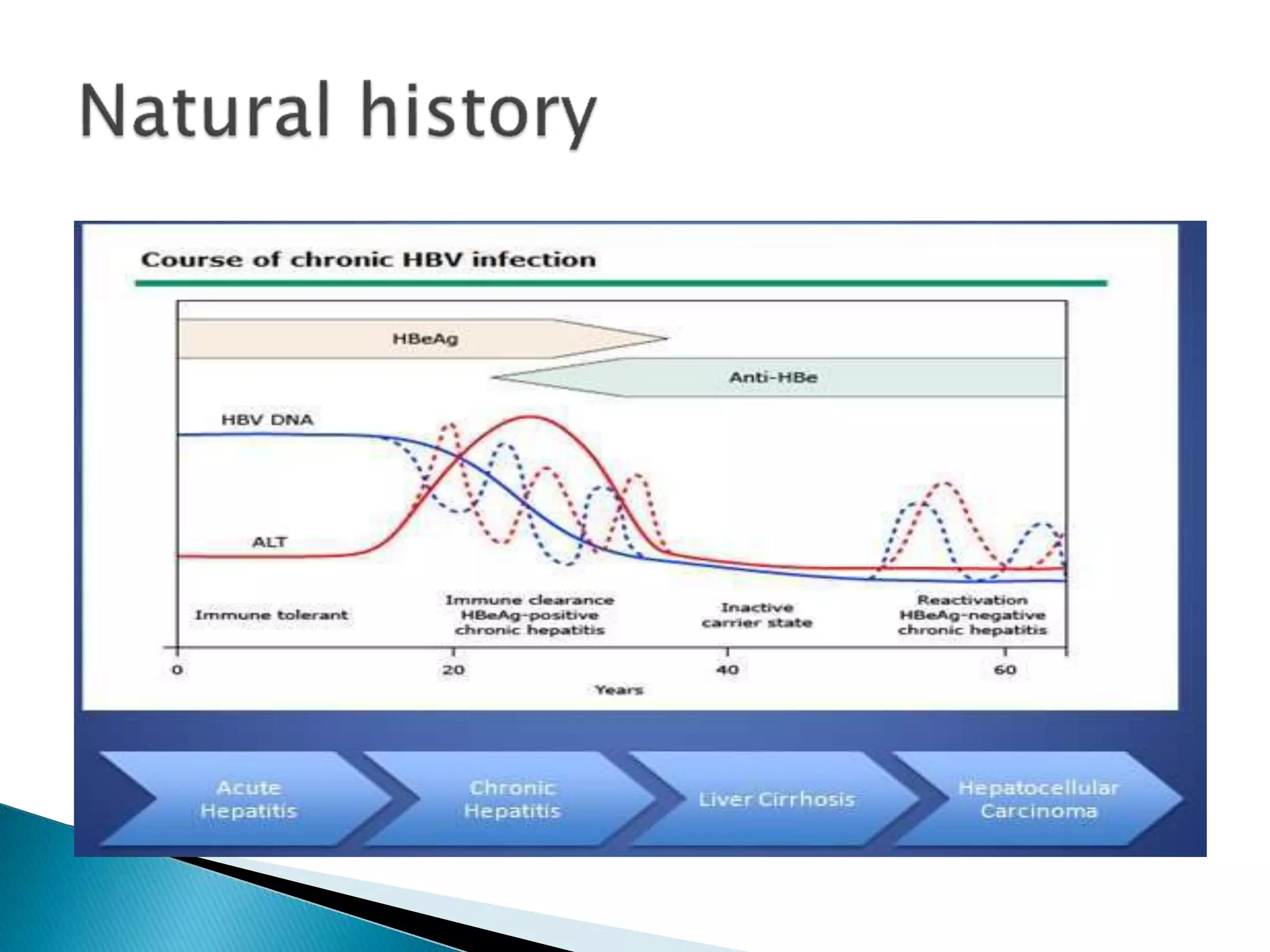
 Progress of chronic hepatitis B to cirrhosis and Liver
cancer can be as high as 20-30%.
 Factors influencing disease progress are:
 High HBV DNA in blood
 Precore mutant HBV (HBe Ag negative chronic HBV)
 Male patients
 Alcohol and other hepatotoxic agents/drugs use
 Smoking
 Coinfection with HIV and/or HCV
 Genotype of HBV (e.g., genotype C)
 Immune status of the patient
 HBsAg-positive >6 months
 Serum HBV DNA >20,000 IU/mL (105copies/mL), lower
values 2,000-20,000 IU/mL (104-105 copies/mL) are
often seen in HBeAg-negative chronic hepatitis B
 Persistent or intermittent elevation in ALT/AST levels
 Liver biopsy showing chronic hepatitis with moderate or
severe necrosis and inflammation (AASLD: Chronic
Hepatitis B: Update 2009)
 Chronic Hep B carrier
 To know the disease progression and need for
treatment ALT, Ultrasound should be checked every
3-6 months.
 If available and affordable, better to check HBV DNA.
 Should avoid risk factors (alcohol, smoking, liver toxic
agents) and should be vaccinated against Hepatitis A
& E.)
 If HBV DNA is high enough to start treatment,
decreasing HBV DNA with drugs is needed to prevent
further liver damage from HBV.
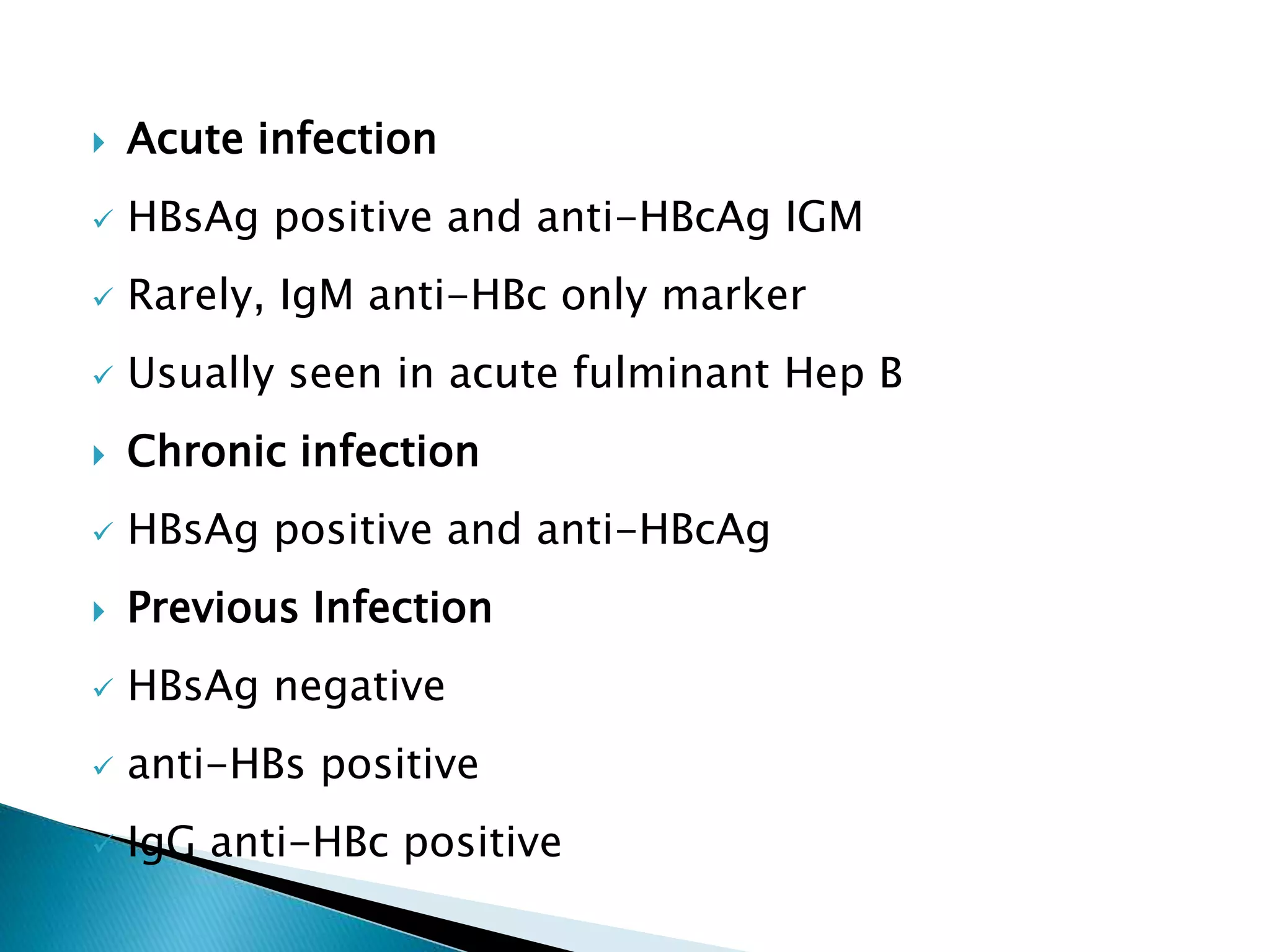
 Acute infection
 HBsAg positive and anti-HBcAg IGM
 Rarely, IgM anti-HBc only marker
 Usually seen in acute fulminant Hep B
 Chronic infection
 HBsAg positive and anti-HBcAg
 Previous Infection
 HBsAg negative
 anti-HBs positive
 IgG anti-HBc positive
 Arthritis
 PAN
 Glomerulonehrites
◦ MGN
◦ MPGN , NS
 Cryoglobinemia
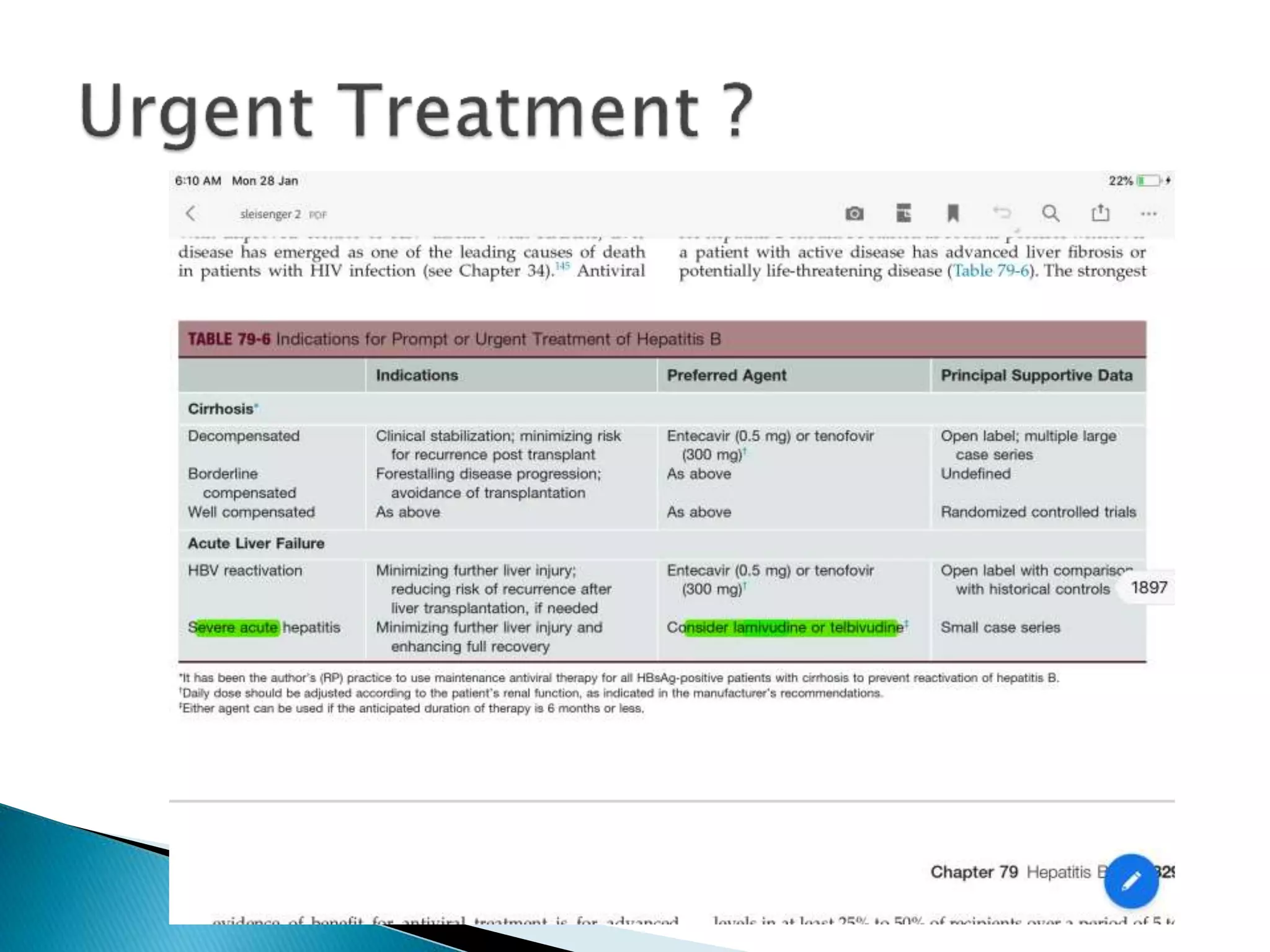
 WHAT NEXT
 WHY NEXT
 Goals of treatment
 Main goal
 Improve survival and quality of life by
preventing disease progression, and
consequently HCC development.
 Additional goals
 Prevent mother to child transmission.
 Prevent hepatitis B reactivation.
 Prevention and treatment of HBV-associated
extrahepatic manifestations.
 HBV-induced HCC
• Suppress HBV replication to induce the stabilisation
of HBV-induced liver disease and to prevent
disease progression.
• Reduce the risk of HCC recurrence after potentially
curative HCC therapies.
 Acute hepatitis B
• Preventing the risk of acute or subacute liver
failure.
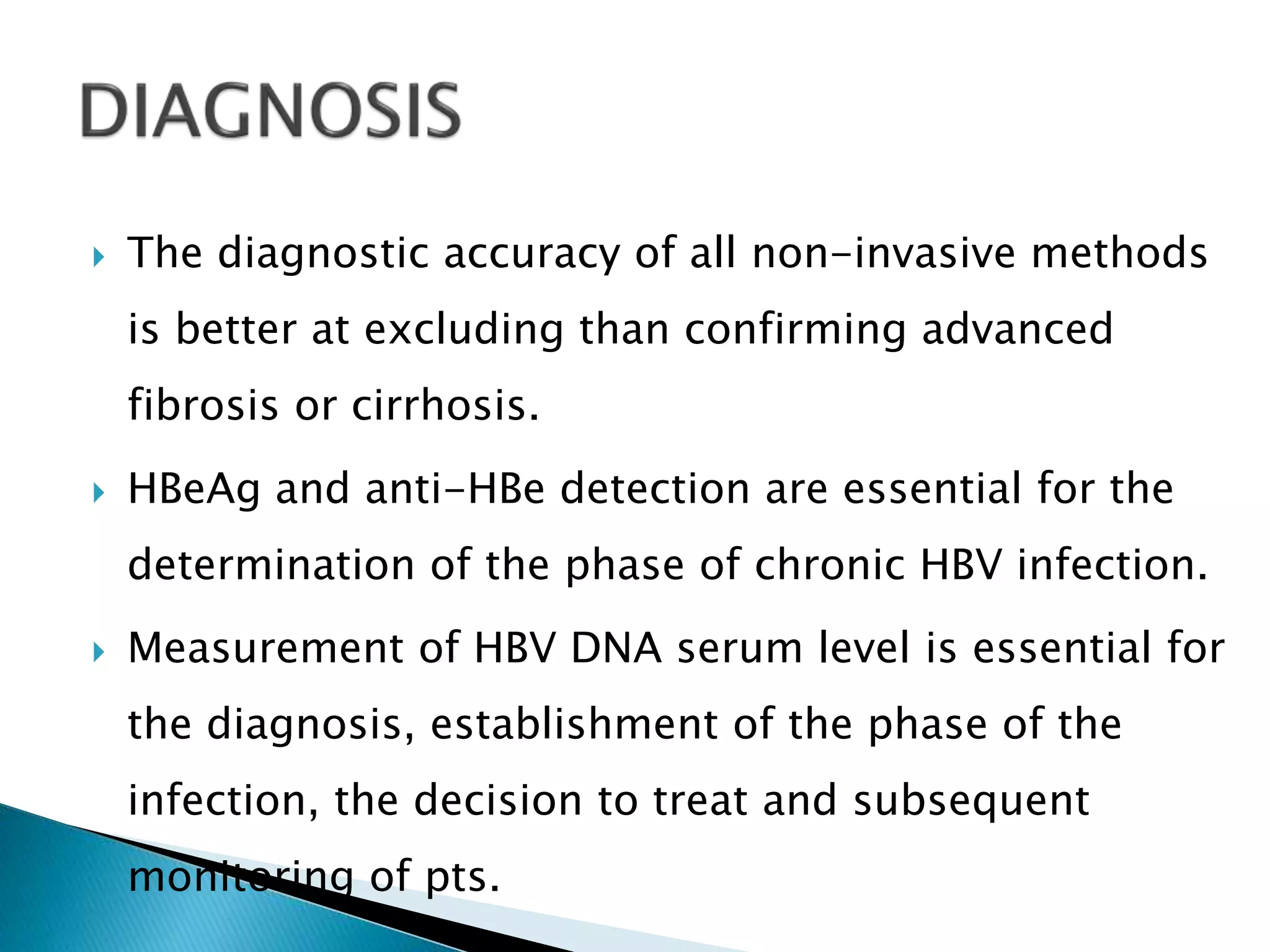
 The diagnostic accuracy of all non-invasive methods
is better at excluding than confirming advanced
fibrosis or cirrhosis.
 HBeAg and anti-HBe detection are essential for the
determination of the phase of chronic HBV infection.
 Measurement of HBV DNA serum level is essential for
the diagnosis, establishment of the phase of the
infection, the decision to treat and subsequent
monitoring of pts.
 Sr. HBsAg quantification can be useful, particularly
in HBeAg-negative chronic HBV infection and in
patients to be treated with interferon-alfa (IFNa).
 HBV genotype is not necessary in the initial
evaluation : selected pts to be treated with IFNa :
prognostic information : response to IFNa therapy
and the risk of HCC.
 Pts with negative anti-HAV should be advised to be
vaccinated against HAV.
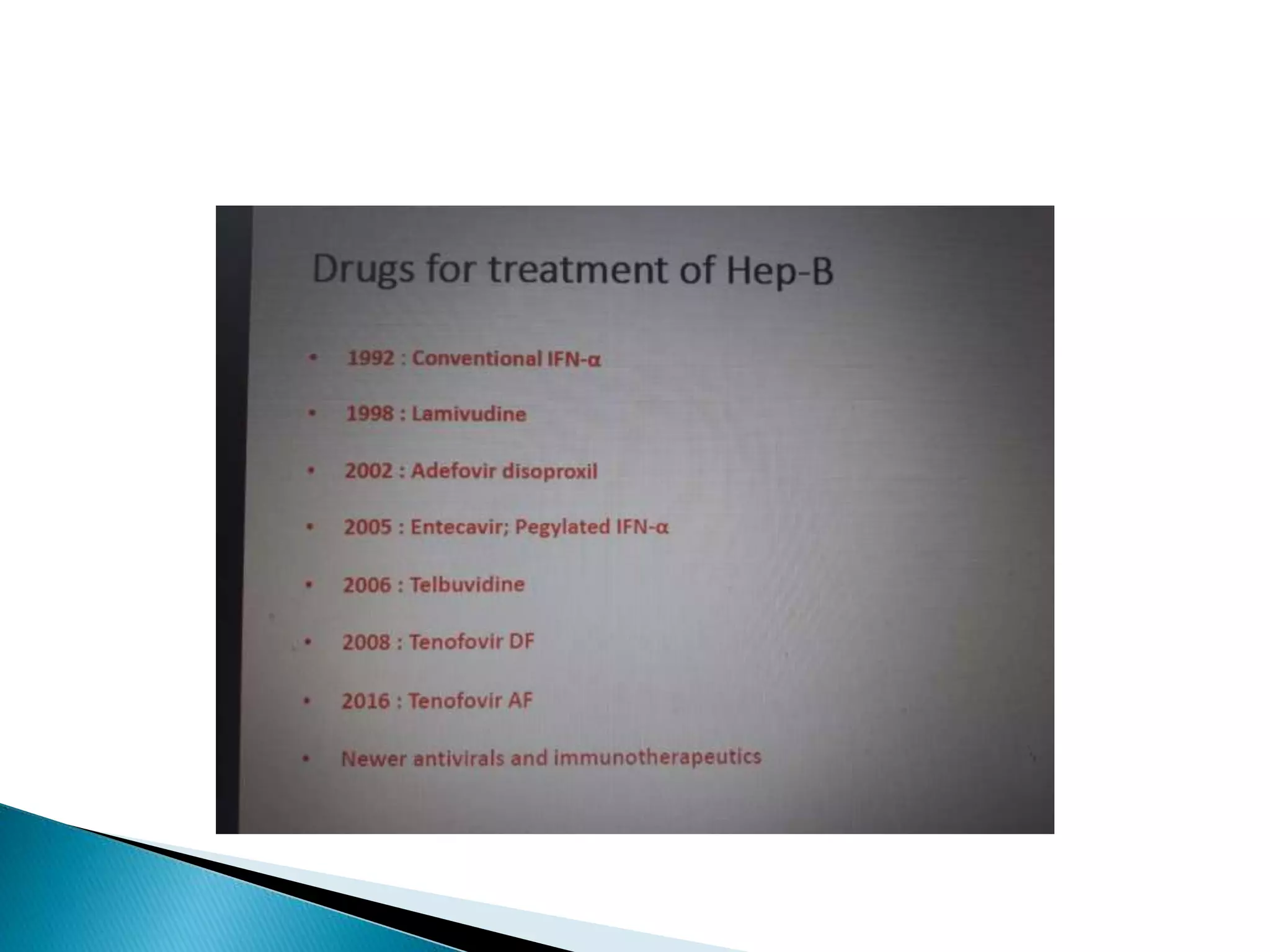
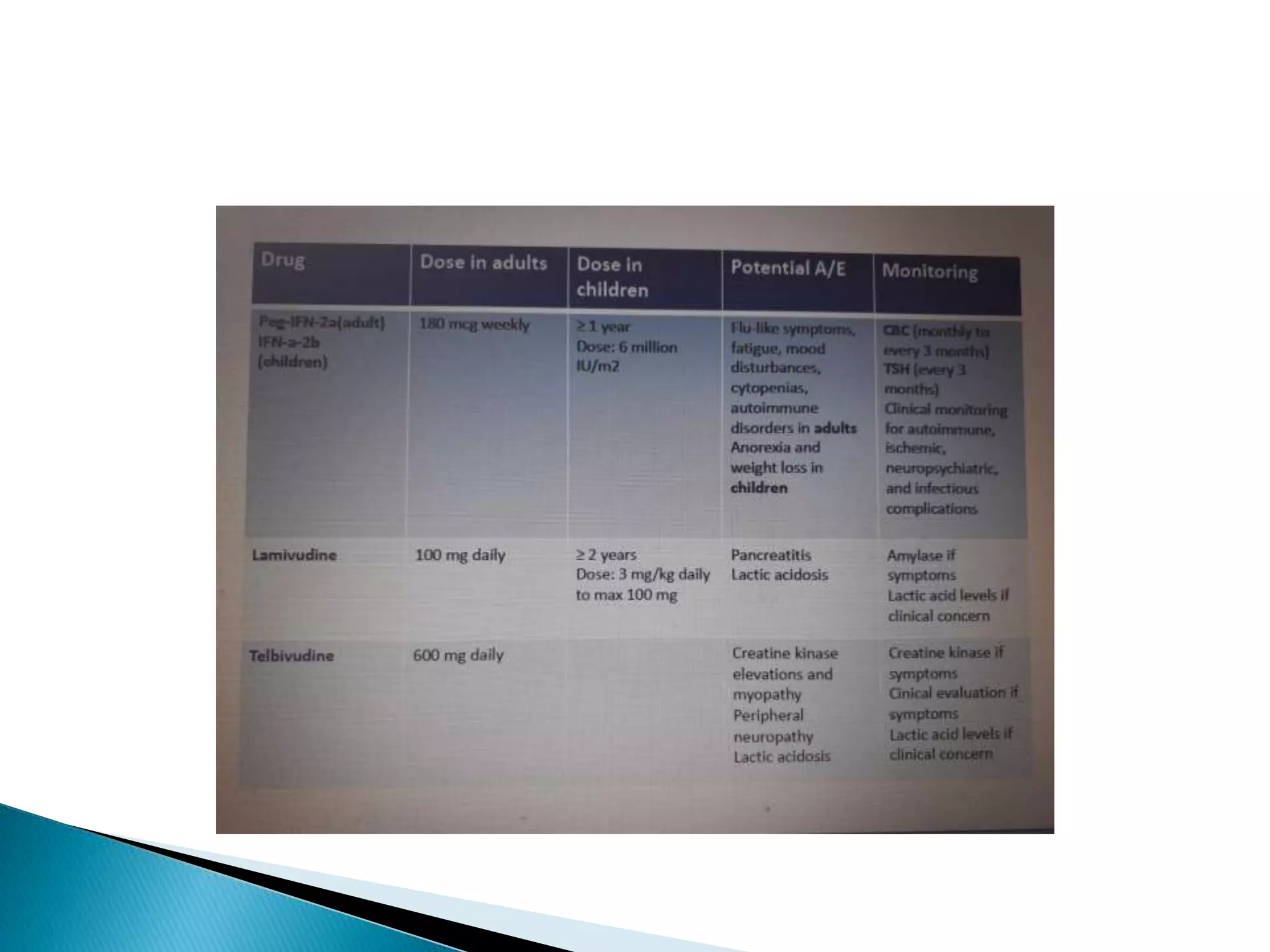
 Interferons
• Interferon alfa (IFN-a)
• Pegylated interferon alfa 2a (Peg-IFN-a 2a)
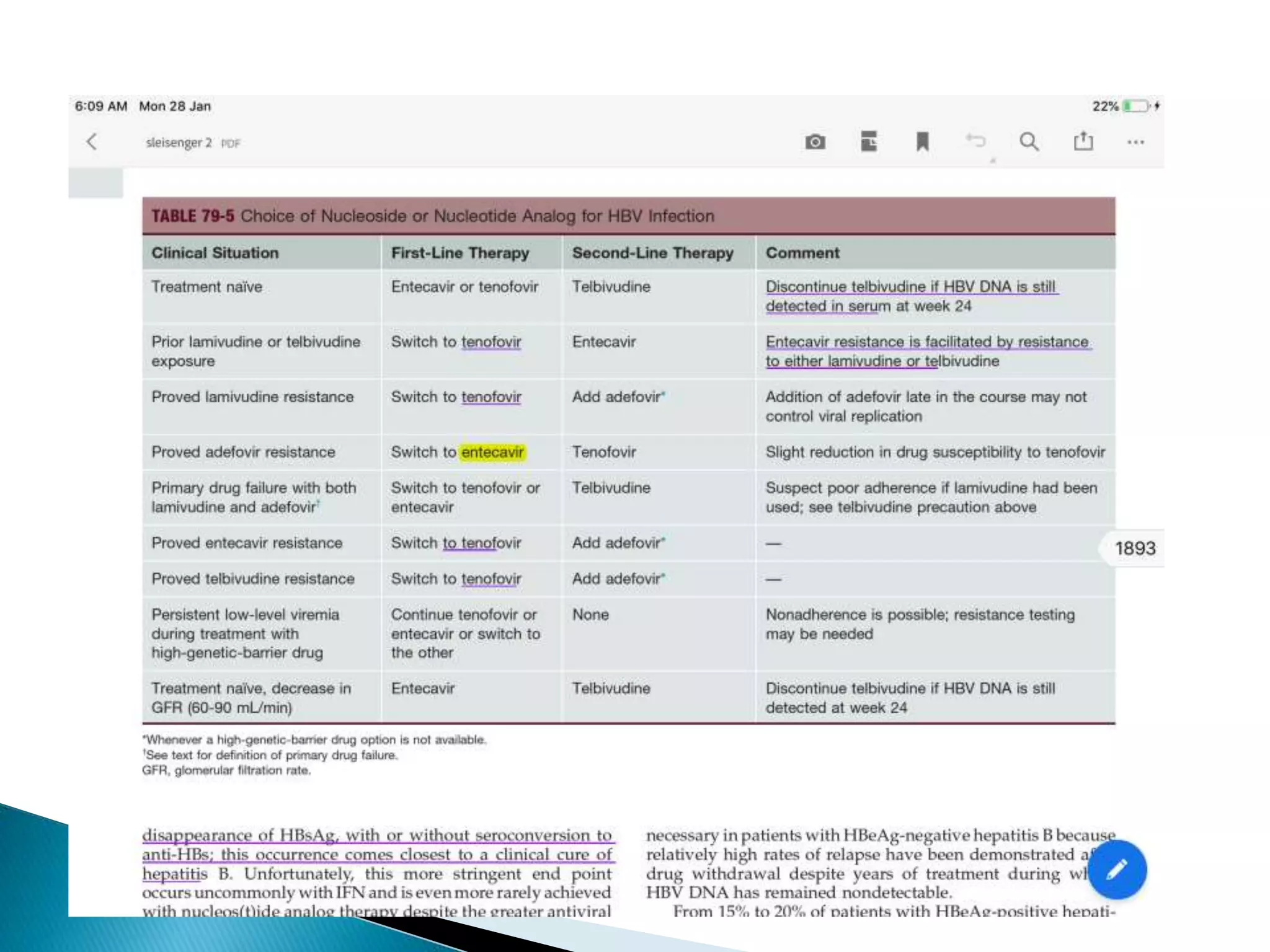
 Nucleos(t)ide analogues (NA)
• Tenofovir (also useful in patients resistant to other NAs)
• Entecavir
• Lamivudine
• Adefovir
• Telbivudine
 These are not recommended for initial monotherapy.
 How long treatment s/b continued?
At least four to five years of treatment
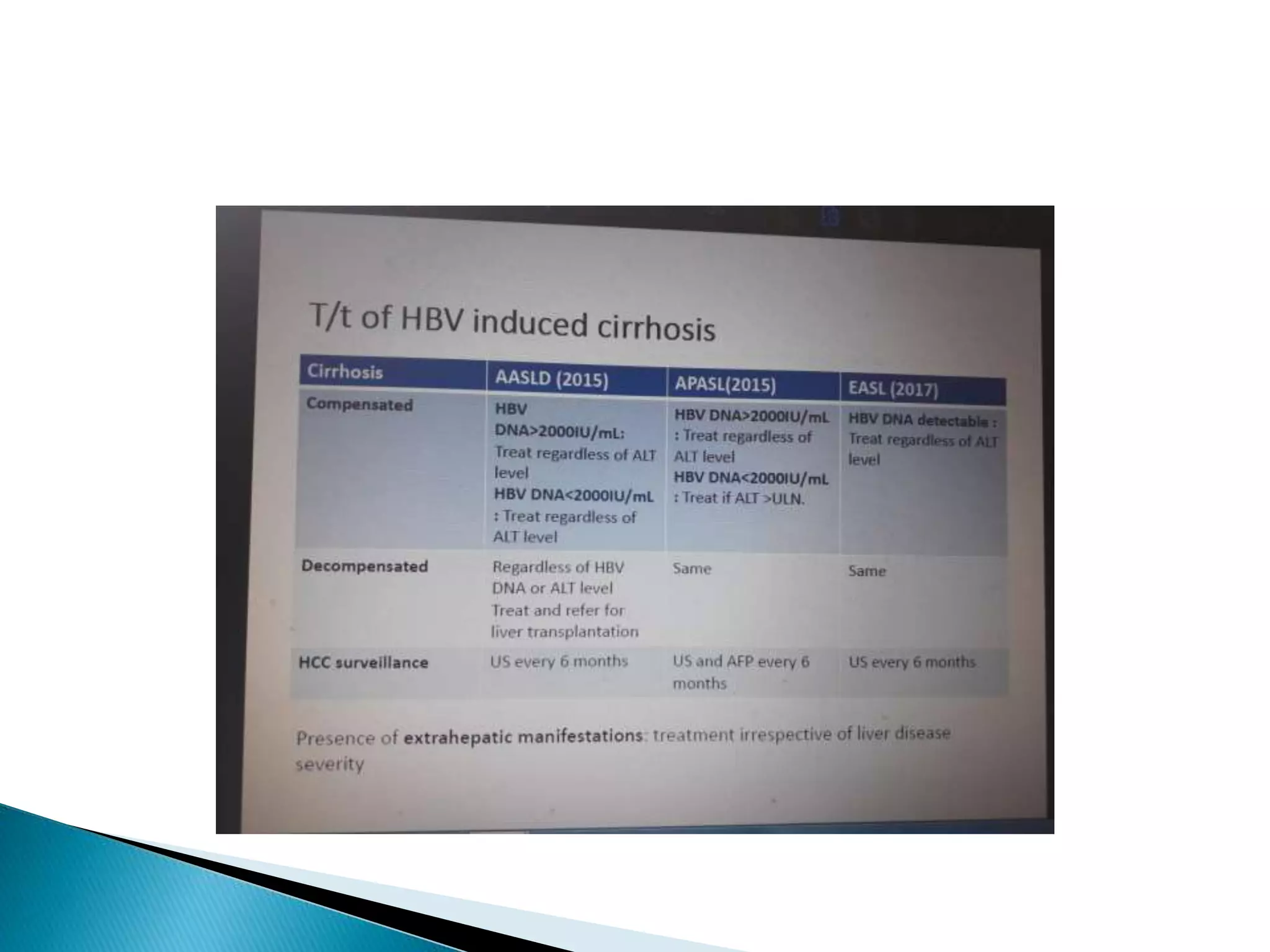
 Cirrhotic patients:
Life-long therapy with oral agents is typically
administered to reduce the risk of clinical
decompensation if a relapse occurs
 Non Cirrhotic:
• HBeAg-positive : At least 12 months after HBeAg
seroconversion. Some advice treatment until loss of
HbsAg
• HBeAg-Negative : confirmed loss of HBsAg
 Virological
 Serological
 Biochemical
 Histological
 HBV DNA : every three months until undetectable for at least two
consecutive visits, then decrease the frequency to every six
months.
 ALT : every three months, the frequency can be decreased to every
six months in patients with an undetectable HBV DNA or
normalized ALT.
 HBeAg and anti-HBe : every six months in HBeAg-positives to
determine if seroconversion has occurred. If HBeAg seroconversion
has occurred test repeated to confirm result.
 HBsAg : be tested yearly.
 Screening for HCC : USG and AFP
 Adverse reactions to drugs
 HIV co-infected patients
 All HIV-positive patients with HBV co-infection
should start ART irrespective of CD4 cell count
 Should be treated with a TDF- or TAF-based ART
regimen
 Entecavir may generate HIV mutations
 HDV co-infected patients
 PegIFNa for at least 48 weeks is the current
treatment of choice in HDV-HBV co-infected
patients with compensated liver disease.
 In HDV-HBV co-infected patients with ongoing HBV
DNA replication, NA therapy should be considered
 PegIFNa treatment can be continued until week 48
irrespective of on-treatment response pattern if
well tolerated
 HCV co-infected patients:
 Treatment of HCV with direct-acting antivirals
(DAAs) may cause reactivation of HBV. Patients
fulfilling the standard criteria for HBV treatment
should receive NA treatment
 HBsAg-positive patients undergoing DAA therapy
s/b considered for concomitant NA prophylaxis
until week 12 post DAA, and monitored closely
 HBsAg-negative, anti-HBc positive patients
undergoing DAA should be monitored and tested
for HBV reactivation in case of ALT elevation
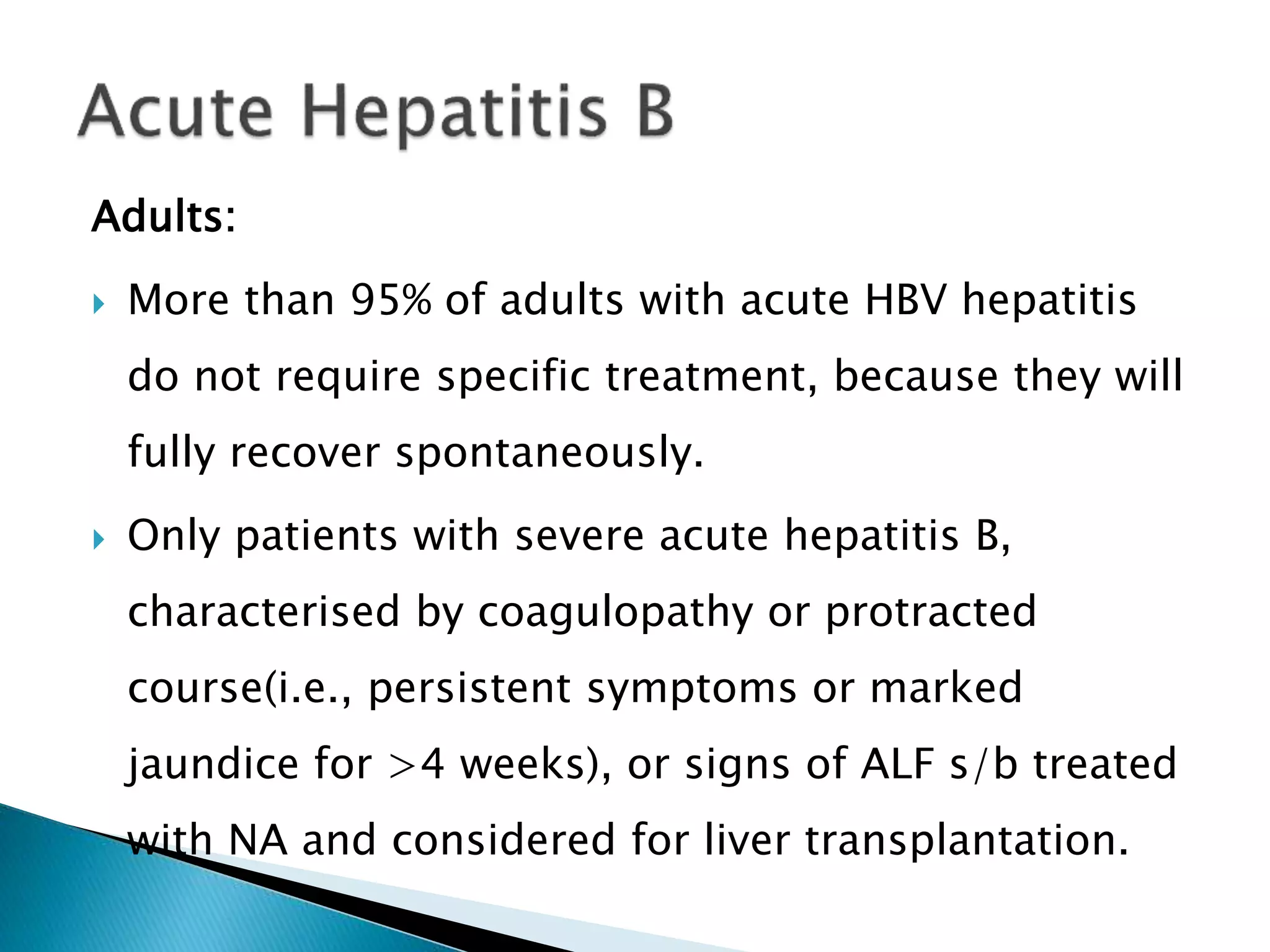
Adults:
 More than 95% of adults with acute HBV hepatitis
do not require specific treatment, because they will
fully recover spontaneously.
 Only patients with severe acute hepatitis B,
characterised by coagulopathy or protracted
course(i.e., persistent symptoms or marked
jaundice for >4 weeks), or signs of ALF s/b treated
with NA and considered for liver transplantation.
Children
 In children, the course of the disease is generally
mild, and most of the children do not meet standard
treatment indications. Thus, treatment should be
considered with caution
 In children or adolescents who meet treatment
criteria, ETV, TDF, TAF, and PegIFNa can be used in
this population
Healthcare workers
 HBV infection alone should not disqualify infected
persons from the practice or study of surgery,
dentistry, medicine, or allied health fields
 Healthcare workers performing exposure prone
procedures with serum HBV DNA >200 IU/ml may
be treated with NA to reduce transmission risk
Pregnancy
 In a woman of childbearing age without advanced
fibrosis who plans a pregnancy in the near future, it
may be prudent to delay therapy until the child is born.
 Pregnant women with CHB and advanced fibrosis or
cirrhosis,therapy with TDF is recommended.
 In pregnant women already on NA therapy, TDF s/b
continued while ETV or other NA s/b switched to TDF.
 In all pregnant women with high HBV DNA levels
(>200,000 IU/ml) or HBsAg levels [>4 log10 IU/ml,
antiviral prophylaxis with TDF should start at 24–28
wop and continue for up to 12 weeks after delivery.
 The infants of all HBsAg-positive women should
receive immunoprophylaxis (HBV vaccination and/or
hepatitis B immunoglobulin )
 Breast feeding is not contraindicated in HBsAg-
positive untreated women or on TDF-based treatment
or prophylaxis.
Patients undergoing immunosuppressive
therapy or chemotherapy
 All candidates for chemotherapy and
immunosuppressive therapy s/b tested for HBV
markers prior to immunosuppression.
 All HBsAg-positive patients should receive ETV or TDF
or TAF as treatment or prophylaxis.
 HBsAg-negative, anti-HBc positive subjects should
receive anti-HBV prophylaxis if they are at high risk of
HBV reactivation.
Dialysis and renal transplant patients
 HBsAg-positive dialysis patients who require treatment
should receive ETV or TAF.
 All HBsAg-positive renal transplant recipients should
receive ETV or TAF as prophylaxis or treatment.
 HBsAg-negative, anti-HBc positive subjects s/b
monitored for HBV infection after renal transplantation.
Extrahepatic manifestations
 Pts with replicative HBV infection and extrahepatic
manifestations should receive antiviral treatment with NA.
 PegIFNa should not be administered in patients with
immune-related extrahepatic manifestations.
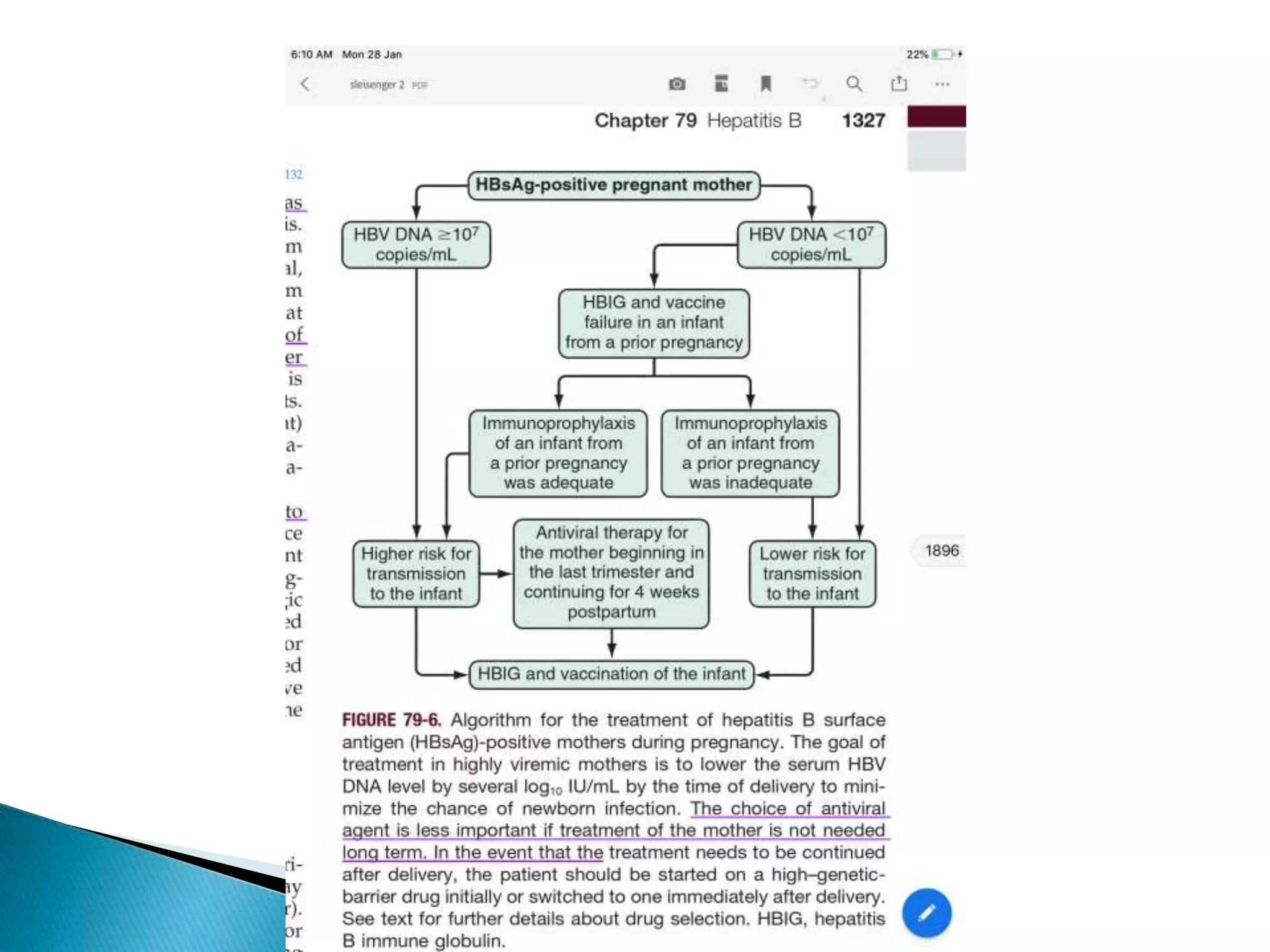
 Antiviral drugs are not usually needed to prevent
transmission to baby from infected mother.
 Nucleos(t)ide analogues are recommended to start
at last 3 months of pregnancy only if maternal HBV
DNA is high and HBeAg (+).
 Every baby born to HBsAg has to be vaccinated with
both Hepatitis B Immunoglobulin (HBIG) and
Hepatiti B vaccine.
 Babies who had prophylaxis and vaccine are
unlikely to get HBV from breastfeeding
THANK YOU

Approach to newly detected hep b

  • 1.
    Dr. (Maj) AjayKandpal MD,DNB
  • 2.
     Introduction  Thevirus  The disease  Spectrum  Special scenarios  Treatment considerations  Prevention
  • 3.
     BC 2000- Some ancient records showed epidemic of hepatitis.  1883 - Lurman found that people vaccinated for small pox with lymph from other people suffered from hepatitis (known as serum hepatitis at that time).  Many similar outbreaks happened when treating syphilis with reused needles in 1909.
  • 4.
     1965 -Baruch Blumberg discovered ‘Australian antigen (now known as HBs Antigen)  1970 - D.S. Dane and others discovered the virus particle with electron microscope.  1980-81 – HBV vaccine derived from serum was developed by Hilleman and collegues, proved effective and licensed for use.  1983-86 - William Rutter and colleagues developed HBV vaccine derived from yeast using recombinant DNA technology.
  • 5.
     2010 –Clément Gilbert and Cédric Feschotte found the fragments of HBV genes in the 19-millions-old fossils of songbirds.  2012 - Korean and Islraeli scientists can map the entire genome of HBV found in the preserved liver of 16th century Korean mummified child
  • 7.
     HBV isa member of smallest virus family Hepadnaviridae.  It measures 42 nm.  Enveloped (surface Ag), – Outer lipoprotein  Primarily hepatotropic  It can survive for 15 years at -20ºC, for 24 months at-80ºC, for 6 months at room tempature, and 7 days at 44ºC.
  • 8.
     Encodes 7proteins:  HBeAg  HBcAg  HBV Pol/RT  PreS1/PreS2/HBsAg (large, medium, and small surface envelope glycoproteins)  HBxAg : regulator of transcription required for the initiation of infection).
  • 9.
     There are4 open reading frames derived from the same strand (the incomplete + strand)  S - the 3 polypeptides of the surface antigen (preS1, preS2 and S - produced from alternative translation start sites.  C - the core protein  P - the polymerase  X - a transactivator of viral transcription and cellular genes.  HBx is conserved in all mammalian (but not avian) hepadnavirus.  Though not essential in transfected cells, it is required for infection in vivo.
  • 13.
     Include HBsAg,anti-HBs, pre-s1,s2 antigen and anti-pres1, s2  HBsAg appears 1-2 weeks (late to 11-12 weeks)after exposure, persists for 1-6 weeks( even 5 months) in acute hepatitis B.  In chronic patients or carrier, HBsAg persists for many years.  HBsAg confers antigencity but no infectivity.
  • 14.
     HBeAg isa soluble antigen  HBeAg is a reliable indicator of active replication of HBV  Anti-HBe is a marker of reduced infectivity. If exist long may be a marker of integration of HBV into liver cell.
  • 15.
     HBcAg canbe found in the nuclei of liver cells, no free HBcAg is found in serum  HBcAg is the marker of replication of HBV  The stage called window phase  Anti-HBc IgM is a marker of acute infection and acute attack of chronic infection of HBV.  Anti-HBc IgG is the marker of past infection, high titer means low level replication of HBV.
  • 16.
     HBsAg: Presentin acute or chronic infection.  HBsAb:Present in recovery or immunization.  Anti -HB Core: May be “Total” (IgG&IgM) or IgM. Lifelong marker of past and active infection in either acute or chronic.  HBeAg: Present in Acute infection, and extremely infectious.  Anti-Hbe: Usually prognostic for resolution.
  • 17.
     Serology: -acute:  HBsAg+ (HBsAb-) = acute infection or chronic carrier  HBeAg+ = highly infectious  HBsAb = immune – naturally or vaccine  Window = HBsAg- and HBsAb will be HBcAb+ (IgM – acute)
  • 22.
     It canbe inactivated in 10 minutes when heated at 80ºC.  HBV is 100 times more infectious than HIV. Very minute amount of blood can be infectious  lack of reverse transcriptase proofreading activity : HBV mutants  Nine genotypes (A-I) and several sub-genotypes  – All HBV subtypes share one common antigenic determinant - "a.“Thus, antibodies to the "a"determinant confer protection to all HBV subtypes.
  • 23.
     About 2billion people have been infected with HBV infection around the world.  > 2 million people have chronic HBV infection.  About 600 000 die every year due to the acute and chronic consequences of HBV. (WHO 2012).  About 25% (20-30%) of chronic infection results in cirrhosis or liver cancer.
  • 25.
     High (>8%):45% of global population lifetime risk of infection >60%, early childhood infections common.  Intermediate (2%-7%): 43% of global population lifetime risk of infection 20%-60%, infections occur in all age groups.  Low (<2%): 12% of global population lifetime risk of infection <20%, most infections occur in adult risk groups.
  • 26.
     Falls inintermediate endemicity group  HBsAg prevalence between 2% to 7%.  Estimated 43-45 million cases per year.  40 million carriers.  100,000 death annually by disease related to HBV infection.  Of 25 million newborn annually, 1 million runs lifetime risk of HBV infection.
  • 28.
     Transmitted byblood, semen and vaginal fluid of an infected person.  Unprotected sexual contact with infected person  Infectious blood and blood related instruments  Blood transfusion  Unsterilized/under-sterilized needles and syringes  Needle stick injury  Toothbrush and razor  From mother to child (esp. during childbirth) (Common in South- East Asia)
  • 32.
     Infection atbirth is associated with clinically silent acute infection but a 90% chance of chronic infection.  Infection in young adulthood in immunocompetent persons is typically associated with clinically apparent acute hepatitis but a risk of chronicity of only approx. 1%.  The likelihood in a patient with HBeAg-reactive chronic hepatitis B of converting spontaneously from relatively replicative to nonreplicative infection is approx 10−15% per year.
  • 33.
     The 5yr cumulative incidence of cirrhosis in untreated CHB : 8% to 20%  The 5-year cumulative risk of hepatic decompensation among those with cirrhosis: 20%.  Annual risk of HCC in patients with cirrhosis: 2–5%.  Hepatitis B responsible for 80% of primary liver cancer globally  In Asia, upto 40% of HCC related to Chronic HBV infection without cirrhosis.
  • 38.
    Acute Hepatitis B: It refers to the conditions following transmission of HBV.  Usually lasts for 4-8 weeks.  Two third (2/3) of patients are asymptomatic. (don’t suffer from anything)  Chance of progression to chronic HBV depends on age of acquiring HBV.
  • 42.
     Progress ofchronic hepatitis B to cirrhosis and Liver cancer can be as high as 20-30%.  Factors influencing disease progress are:  High HBV DNA in blood  Precore mutant HBV (HBe Ag negative chronic HBV)  Male patients  Alcohol and other hepatotoxic agents/drugs use  Smoking  Coinfection with HIV and/or HCV  Genotype of HBV (e.g., genotype C)  Immune status of the patient
  • 43.
     HBsAg-positive >6months  Serum HBV DNA >20,000 IU/mL (105copies/mL), lower values 2,000-20,000 IU/mL (104-105 copies/mL) are often seen in HBeAg-negative chronic hepatitis B  Persistent or intermittent elevation in ALT/AST levels  Liver biopsy showing chronic hepatitis with moderate or severe necrosis and inflammation (AASLD: Chronic Hepatitis B: Update 2009)
  • 44.
     Chronic HepB carrier  To know the disease progression and need for treatment ALT, Ultrasound should be checked every 3-6 months.  If available and affordable, better to check HBV DNA.  Should avoid risk factors (alcohol, smoking, liver toxic agents) and should be vaccinated against Hepatitis A & E.)  If HBV DNA is high enough to start treatment, decreasing HBV DNA with drugs is needed to prevent further liver damage from HBV.
  • 46.
     Acute infection HBsAg positive and anti-HBcAg IGM  Rarely, IgM anti-HBc only marker  Usually seen in acute fulminant Hep B  Chronic infection  HBsAg positive and anti-HBcAg  Previous Infection  HBsAg negative  anti-HBs positive  IgG anti-HBc positive
  • 47.
     Arthritis  PAN Glomerulonehrites ◦ MGN ◦ MPGN , NS  Cryoglobinemia
  • 48.
  • 53.
     Goals oftreatment  Main goal  Improve survival and quality of life by preventing disease progression, and consequently HCC development.  Additional goals  Prevent mother to child transmission.  Prevent hepatitis B reactivation.  Prevention and treatment of HBV-associated extrahepatic manifestations.
  • 54.
     HBV-induced HCC •Suppress HBV replication to induce the stabilisation of HBV-induced liver disease and to prevent disease progression. • Reduce the risk of HCC recurrence after potentially curative HCC therapies.  Acute hepatitis B • Preventing the risk of acute or subacute liver failure.
  • 56.
     The diagnosticaccuracy of all non-invasive methods is better at excluding than confirming advanced fibrosis or cirrhosis.  HBeAg and anti-HBe detection are essential for the determination of the phase of chronic HBV infection.  Measurement of HBV DNA serum level is essential for the diagnosis, establishment of the phase of the infection, the decision to treat and subsequent monitoring of pts.
  • 57.
     Sr. HBsAgquantification can be useful, particularly in HBeAg-negative chronic HBV infection and in patients to be treated with interferon-alfa (IFNa).  HBV genotype is not necessary in the initial evaluation : selected pts to be treated with IFNa : prognostic information : response to IFNa therapy and the risk of HCC.  Pts with negative anti-HAV should be advised to be vaccinated against HAV.
  • 63.
     Interferons • Interferonalfa (IFN-a) • Pegylated interferon alfa 2a (Peg-IFN-a 2a)  Nucleos(t)ide analogues (NA) • Tenofovir (also useful in patients resistant to other NAs) • Entecavir • Lamivudine • Adefovir • Telbivudine  These are not recommended for initial monotherapy.
  • 68.
     How longtreatment s/b continued? At least four to five years of treatment  Cirrhotic patients: Life-long therapy with oral agents is typically administered to reduce the risk of clinical decompensation if a relapse occurs  Non Cirrhotic: • HBeAg-positive : At least 12 months after HBeAg seroconversion. Some advice treatment until loss of HbsAg • HBeAg-Negative : confirmed loss of HBsAg
  • 69.
     Virological  Serological Biochemical  Histological
  • 74.
     HBV DNA: every three months until undetectable for at least two consecutive visits, then decrease the frequency to every six months.  ALT : every three months, the frequency can be decreased to every six months in patients with an undetectable HBV DNA or normalized ALT.  HBeAg and anti-HBe : every six months in HBeAg-positives to determine if seroconversion has occurred. If HBeAg seroconversion has occurred test repeated to confirm result.  HBsAg : be tested yearly.  Screening for HCC : USG and AFP  Adverse reactions to drugs
  • 76.
     HIV co-infectedpatients  All HIV-positive patients with HBV co-infection should start ART irrespective of CD4 cell count  Should be treated with a TDF- or TAF-based ART regimen  Entecavir may generate HIV mutations
  • 78.
     HDV co-infectedpatients  PegIFNa for at least 48 weeks is the current treatment of choice in HDV-HBV co-infected patients with compensated liver disease.  In HDV-HBV co-infected patients with ongoing HBV DNA replication, NA therapy should be considered  PegIFNa treatment can be continued until week 48 irrespective of on-treatment response pattern if well tolerated
  • 79.
     HCV co-infectedpatients:  Treatment of HCV with direct-acting antivirals (DAAs) may cause reactivation of HBV. Patients fulfilling the standard criteria for HBV treatment should receive NA treatment  HBsAg-positive patients undergoing DAA therapy s/b considered for concomitant NA prophylaxis until week 12 post DAA, and monitored closely  HBsAg-negative, anti-HBc positive patients undergoing DAA should be monitored and tested for HBV reactivation in case of ALT elevation
  • 80.
    Adults:  More than95% of adults with acute HBV hepatitis do not require specific treatment, because they will fully recover spontaneously.  Only patients with severe acute hepatitis B, characterised by coagulopathy or protracted course(i.e., persistent symptoms or marked jaundice for >4 weeks), or signs of ALF s/b treated with NA and considered for liver transplantation.
  • 81.
    Children  In children,the course of the disease is generally mild, and most of the children do not meet standard treatment indications. Thus, treatment should be considered with caution  In children or adolescents who meet treatment criteria, ETV, TDF, TAF, and PegIFNa can be used in this population
  • 82.
    Healthcare workers  HBVinfection alone should not disqualify infected persons from the practice or study of surgery, dentistry, medicine, or allied health fields  Healthcare workers performing exposure prone procedures with serum HBV DNA >200 IU/ml may be treated with NA to reduce transmission risk
  • 83.
    Pregnancy  In awoman of childbearing age without advanced fibrosis who plans a pregnancy in the near future, it may be prudent to delay therapy until the child is born.  Pregnant women with CHB and advanced fibrosis or cirrhosis,therapy with TDF is recommended.  In pregnant women already on NA therapy, TDF s/b continued while ETV or other NA s/b switched to TDF.  In all pregnant women with high HBV DNA levels (>200,000 IU/ml) or HBsAg levels [>4 log10 IU/ml, antiviral prophylaxis with TDF should start at 24–28 wop and continue for up to 12 weeks after delivery.
  • 84.
     The infantsof all HBsAg-positive women should receive immunoprophylaxis (HBV vaccination and/or hepatitis B immunoglobulin )  Breast feeding is not contraindicated in HBsAg- positive untreated women or on TDF-based treatment or prophylaxis.
  • 85.
    Patients undergoing immunosuppressive therapyor chemotherapy  All candidates for chemotherapy and immunosuppressive therapy s/b tested for HBV markers prior to immunosuppression.  All HBsAg-positive patients should receive ETV or TDF or TAF as treatment or prophylaxis.  HBsAg-negative, anti-HBc positive subjects should receive anti-HBV prophylaxis if they are at high risk of HBV reactivation.
  • 86.
    Dialysis and renaltransplant patients  HBsAg-positive dialysis patients who require treatment should receive ETV or TAF.  All HBsAg-positive renal transplant recipients should receive ETV or TAF as prophylaxis or treatment.  HBsAg-negative, anti-HBc positive subjects s/b monitored for HBV infection after renal transplantation. Extrahepatic manifestations  Pts with replicative HBV infection and extrahepatic manifestations should receive antiviral treatment with NA.  PegIFNa should not be administered in patients with immune-related extrahepatic manifestations.
  • 88.
     Antiviral drugsare not usually needed to prevent transmission to baby from infected mother.  Nucleos(t)ide analogues are recommended to start at last 3 months of pregnancy only if maternal HBV DNA is high and HBeAg (+).  Every baby born to HBsAg has to be vaccinated with both Hepatitis B Immunoglobulin (HBIG) and Hepatiti B vaccine.  Babies who had prophylaxis and vaccine are unlikely to get HBV from breastfeeding
  • 95.