HEALTHCARE FACILITY
DESIGN
STAT Consultancy Pvt Ltd
Er. Arun Sebastian
Inthe slides
 Stages of healthcare facility Construction
 Functional Program
 Functional relationship Diagrams
 Room data sheets
 Room layout sheets
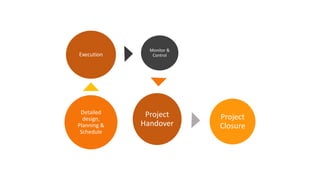
 Functional program development to Project Closeout
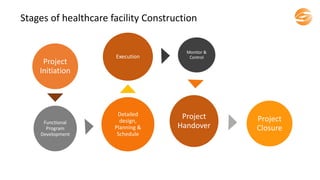
Project
Initiation
Functional
Program
Development
Detailed
design,
Planning &
Schedule
Execution
Monitor &
Control
Project
Handover
Project
Closure
Stages of healthcare facility Construction
Functional Program
A functional program, typically developed by a functional
programmer consultant, is a pre-design document describing
the functional requirements of a building or renovation in
sufficient detail to initiate schematic design.
A tool for the Key Stakeholder/Client
- it documents scope of service(s),
- objectives and basic operational methods of the specific
component;
- specifies the human, technical, and building resources
necessary to function as intended
A communication tool
it outlines whateach component intends to do and why, and
assists in securing the necessary resources and project approvals to
proceed with the project
the prescription for the building design
it provides instruction to the architectural and
engineering team for the preparation of Schematic
Design and later Detailed Design and Construction
Documents.
Functional Program must Be
• be concise and written at the level of detail
which allows for ready translation into
facility and planning requirements so that design
will support the approved functions.
• provide sound methodology for analysis and
projection of activity (e.g., functions determine
workload, which ultimately determine space).
• incorporate detailed listing of the functions
to be undertaken in the completed facility, and of the physical
requirements for performance of these functions;
Functional Program must Be
•be comprehensive to allow the
development of operational
management plans (e.g., staff and facility) and
budgets for each component, and determination of overall
operational cost impact.
•incorporate fixed and loose
equipment elements since equipment is generally
a significant expense in a construction project and is a major
consumer of space, support services, and utility requirements
and it is most subject to technological change. The purpose of
equipment planning at this stage is to list those items of
furnishings/equipment that were considered during the
programming of each component and that will be required to
make each space operational.
PLANNING PARAMETERS
• Should focus on Patient safety and privacy
• project mandate and service priorities;
• strategic intent, project vision;
• operational principles/business process;
• functional programming principles and parameters;
-guide the planning consistent with the operational principles; and –
-planning horizons (e.g., 10 years).
• Design parameters;
-derived from operational and functional needs
-Based on design standards and requirements (e.g.: LEED© objective).
• population parameters;
• defined projection methodology required to accurately projects the workload,
staffing and space.
ELEMENTS
Assumptions:
• premise(s) for the future, upon which the project is
required (e.g., occupancy at 90%, population growth,
and change in treatment protocols);
• descriptive overview of the change in the organization to
address the project;
• the supporting rationale that identifies the factors
driving the need and the planning work done to date;
• summary of needs assessment findings; and key cost,
schedule and implementation assumptions.
Activities/Functions for Each Component
within the Project:
• This section provides a detailed description of component activities and functions -
what is done (e.g., inpatient care, ambulatory care, diagnostic imaging, patient
transport, building cleaning, laundry, food services, human resources), by whom,
when and with what resources. It includes specific components within the
major activities/functions (e.g., Human Resources would be further broken down –
labour relations, payroll, accounting, etc.) and describes any transfer of
activities/function from one component to another component.
Activities/Functions for Each Component
within the Project
• operational/service planning model organization and management;
• service delivery principles and methods; hours of operation;
• client/patient flow with focus on patient privacy;
• opportunities for integration with others; scope of service (current
and future);
• client/patient profile;
• clinical roles and activities;
• education roles and activities;
• and research roles and activities.
Functional Program Workload/Volumes:
• detailed description of component workload (e.g., number of
patients, service provided);
• workload projection methodology and supporting rationale;
• projections for planning - historical, current and projected (5 &
10 year);
• number of visits/procedures – current and future; methodology
and projection of diagnostic and treatment spaces required;
• staff workload patterns and projections at maximum occupancy -
based on equivalent full-time positions including relief needs;
• projection methodology; current and projected FTE’s (over the
planning horizon of project); and head count (where relevant for
space planning).
Functional Relationships:
•External
to the component – e.g., diagram/descriptions describing critical
relationships to other programs/services/components within the
facility (e.g., patient transport from emergency department to
component, material management flow to and from the component,
etc.); and to the facility - relationships with other facilities to provide
the program context within the greater health care system (e.g.,
patient transport for specialized diagnostic procedure,
sending/receiving lab specimens).
Functional Relationships:
•Internal
relationships of sub-units within the component space (e.g., location of
nursing station to patient rooms, waiting area to reception) to facilitate
flow, functionality, etc. within the component; and visual
matrices/conceptual diagrams, not floor plans.
Locations - specify whether component must be adjoining to another
program (share common wall), adjacent (within the same physical
area) or accessible (via corridor/elevator).
Design Criteria/Physical Requirements:
• special requirements of each component (e.g., access, security, privacy, noise
control, natural light, infection prevention and control, safety, work
environment, change and flexibility, sustainability, critical dimensions, overall
layout, special needs population);
• space requirements and description of each space type, activities, what is
contained within (furniture, fixtures and equipment), special features, number
of people, etc.;
• description of essential physical spaces required to accommodate the
component (e.g., patient rooms, operating rooms, Intensive Care Unit
cubicles, support rooms and building systems spaces);
• sufficient detail regarding the use, occupancy and equipment to be located in
the spaces to assist with the determination of the room size during the design
stage; and
• brief description of the overall appearance, ambiance, configuration, traffic
flow, and privacy issues (e.g., continuous walking circuit for personal care
home residents, exterior windows in waiting area).
Design Criteria/Physical Requirements:
• special requirements of each component (e.g., access, security, privacy, noise control,
natural light, infection prevention and control, safety, work environment, change and
flexibility, sustainability, critical dimensions, overall layout, special needs population);
• space requirements and description of each space type, activities, what is contained
within (furniture, fixtures and equipment), special features, number of people, etc.;
• description of essential physical spaces required to accommodate the component (e.g.,
patient rooms, operating rooms, Intensive Care Unit cubicles, support rooms and
building systems spaces);
• sufficient detail regarding the use, occupancy and equipment to be located in the spaces
to assist with the determination of the room size during the design stage; and
• brief description of the overall appearance, ambiance, configuration, traffic flow, and
privacy issues (e.g., continuous walking circuit for personal care home residents, exterior
windows in waiting area)
Schedule of Accommodation
• room–by-room space list or schedule of accommodation of space
types identifying the number or units required and the area in net
square meters, with reference to the number of occupants and major
equipment
• component gross-up factors.
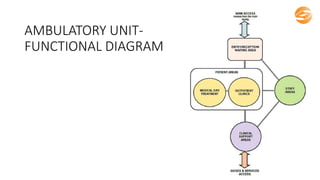
AMBULATORY UNIT-
FUNCTIONAL DIAGRAM
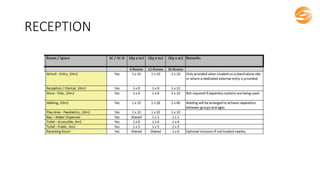
RECEPTION
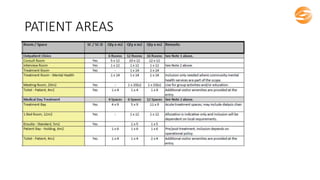
PATIENT AREAS
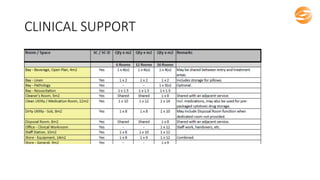
CLINICAL SUPPORT
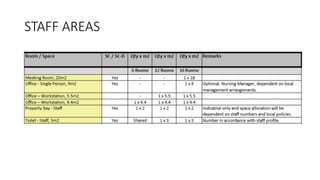
STAFF AREAS
Equipment
• preliminary list of equipment to determine space sizes, assisting in
preliminary costing, completed in detailed design (depending on the
project it could be a detailed list); and
• overview of the fixed or large loose equipment (e.g., diagnostic
imaging, sterile processing, medical gas/electrical service columns in
patient cubicles).
Impact Analysis
• impact of planned component (new or additional service) to the
overall facility/system that supports it and the specific services
including core services and clinical and support services; and
• the impacted service assess the additional workload added by the
service and what resources staff, space equipment, etc. is required to
support the component.
Development Options
(Conceptual Development Plan):
• determine optimal component location for key functional requirements
and relationships;
• gaming session/design charette (refers to a planning technique that
focuses on establishing and testing functional relationships; typically
utilizing a two or three dimension model of the buildings and/or site to
enable a variety of participants to become involved in the determination of
optimal facility layouts;
• test-fit of options – especially important in renovations/reuse of existing
buildings;
• evaluation criteria/comparative analysis of the options; and
• process should result in identification of an optimal concept design.
OTHER CONSIDERATIONS
The following may also be included in a functional program, especially
where the project is large, complex in nature, or addition to an existing
facility.
• site development plan/master plan;
• project cost plan (this would normally be part of most projects);
• operational impacts; and
• parking and traffic studies.
Appendices can include the following
• applicable guidelines and standards used to guide
functional program development;
• summary table of program/service facility support
requirements; issues documented from the project – tool
that documents the issues and resolution includes all
issues – operations, functional programming, design and
construction.
• Form of communication maintained through the life of
the project
• definitions/terminology
• planning teams and committees (e.g. planning team/roles
and responsibilities, steering committee/roles and
responsibilities, and user group/roles and
responsibilities).
Functional Relationship
Diagram
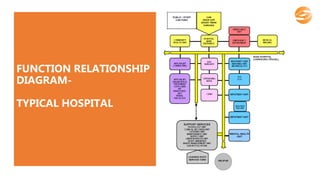
FUNCTION RELATIONSHIP
DIAGRAM-
TYPICAL HOSPITAL
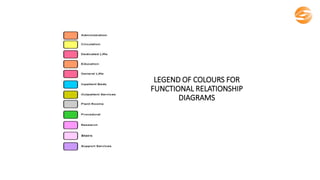
LEGEND OF COLOURS FOR
FUNCTIONAL RELATIONSHIP
DIAGRAMS
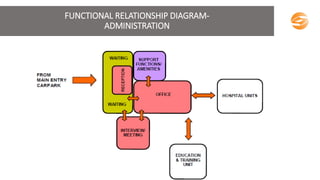
FUNCTIONAL RELATIONSHIP DIAGRAM-
ADMINISTRATION
FUNCTIONAL RELATIONSHIP
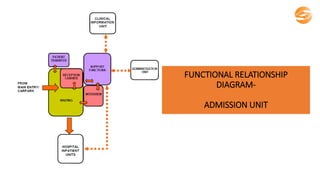
DIAGRAM-
ADMISSION UNIT
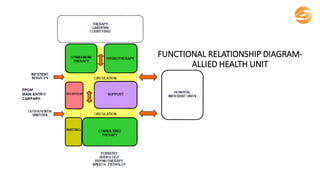
FUNCTIONAL RELATIONSHIP DIAGRAM-
ALLIED HEALTH UNIT
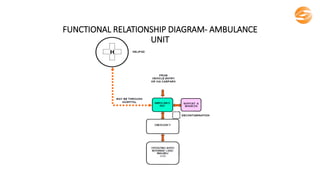
FUNCTIONAL RELATIONSHIP DIAGRAM- AMBULANCE
UNIT
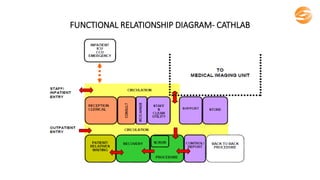
FUNCTIONAL RELATIONSHIP DIAGRAM- CATHLAB
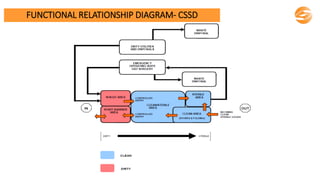
FUNCTIONAL RELATIONSHIP DIAGRAM- CSSD
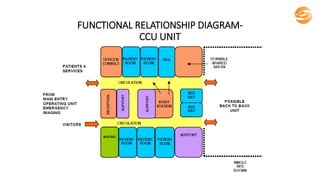
FUNCTIONAL RELATIONSHIP DIAGRAM-
CCU UNIT
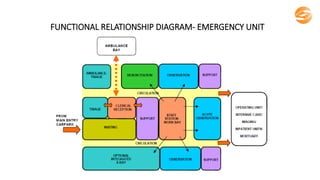
FUNCTIONAL RELATIONSHIP DIAGRAM- EMERGENCY UNIT
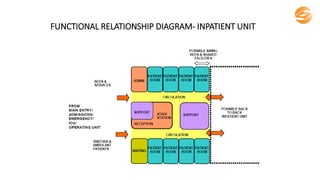
FUNCTIONAL RELATIONSHIP DIAGRAM- INPATIENT UNIT
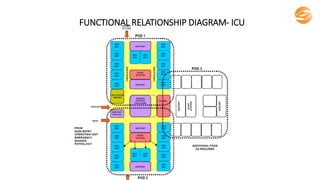
FUNCTIONAL RELATIONSHIP DIAGRAM- ICU
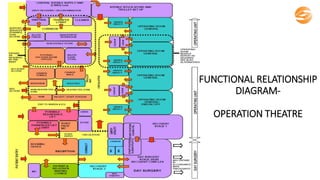
FUNCTIONAL RELATIONSHIP
DIAGRAM-
OPERATION THEATRE
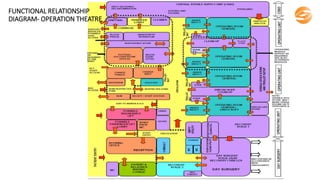
FUNCTIONAL RELATIONSHIP
DIAGRAM- OPERATION THEATRE
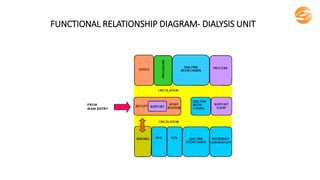
FUNCTIONAL RELATIONSHIP DIAGRAM- DIALYSIS UNIT
ROOM DATA SHEETS /
ROOM LAYOUT SHEETS
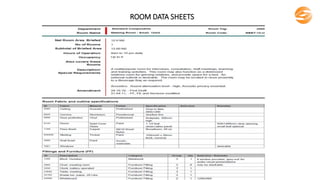
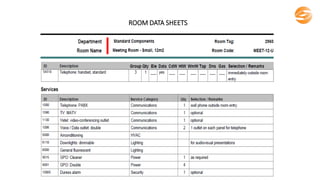
ROOM DATA SHEETS
ROOM DATA SHEETS
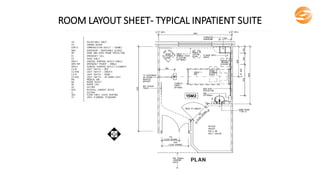
ROOM LAYOUT SHEET- TYPICAL INPATIENT SUITE
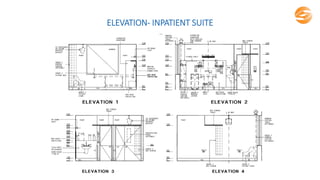
ELEVATION- INPATIENT SUITE
ROOM DATA SHEET-
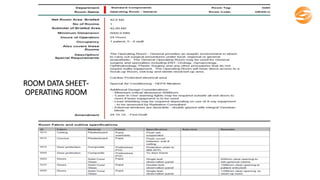
OPERATING ROOM
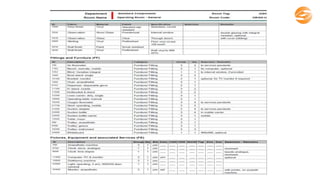
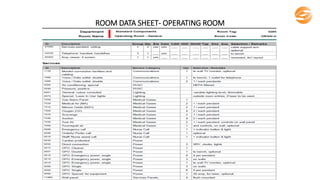
ROOM DATA SHEET- OPERATING ROOM
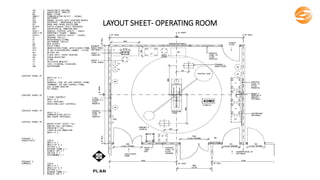
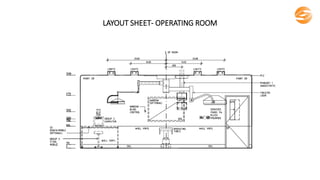
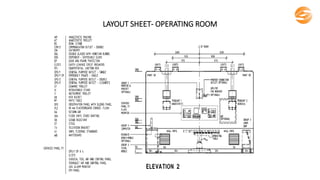
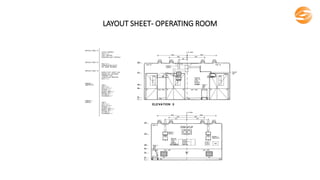
LAYOUT SHEET- OPERATING ROOM
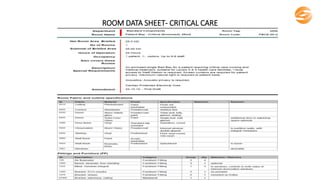
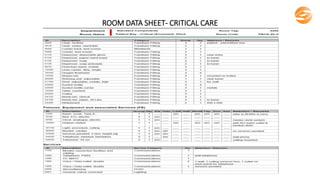
ROOM DATA SHEET- CRITICAL CARE
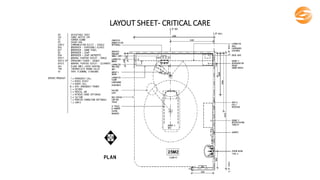
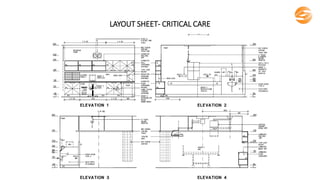
LAYOUT SHEET- CRITICAL CARE
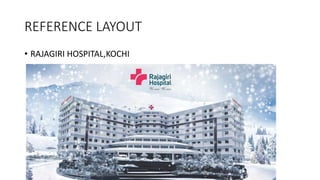
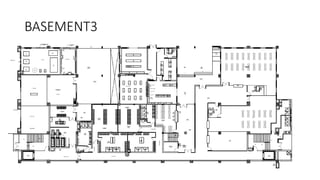
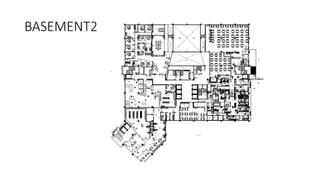
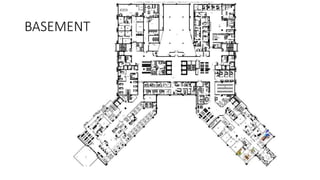
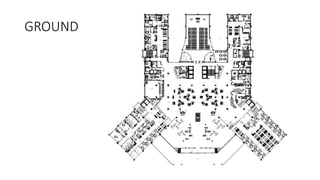
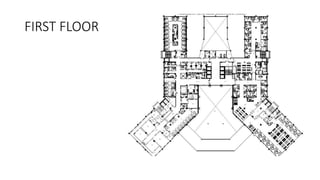
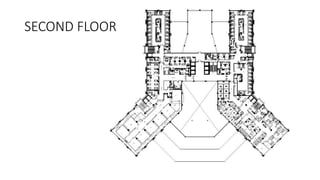
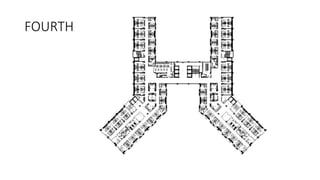
REFERENCE LAYOUT
• RAJAGIRI HOSPITAL,KOCHI
BASEMENT3
BASEMENT2
BASEMENT
GROUND
FIRST FLOOR
SECOND FLOOR
FOURTH FLOOR
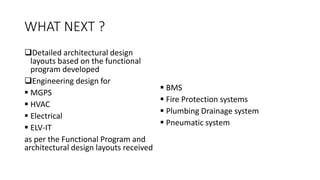
WHAT NEXT ?
Detailed architectural design
layouts based on the functional
program developed
Engineering design for
 MGPS
 HVAC
 Electrical
 ELV-IT
as per the Functional Program and
architectural design layouts received
 BMS
 Fire Protection systems
 Plumbing Drainage system
 Pneumatic system
Detailed
design,
Planning &
Schedule
Execution
Monitor &
Control
Project
Handover
Project
Closure
Is Project Closure the end ?
Post Occupancy assessment and lessons learnt after the Project
Closeout.
• To understand howthe design works in reality
STAT CONSULTANCY
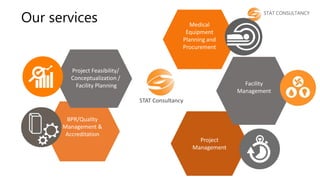
A range of healthcare consultancy services are offered namely Project feasibility study and
Conceptualization, Facility Planning, Medical equipment planning and Procurement, Project Management,
Operational Management, HR Planning and development, Healthcare IT, Business process re-engineering,
Quality Management & Accreditation, and Facility Management by internationally experienced professionals
associated with the company.
Since its inception in India, it has successfully completed more than 40 projects in India and GCC. In the
process we have developed a network of highly experienced healthcare professionals and international
Companies with expertise in all the areas of services offered.
STAT CONSULTANCYWHO WE ARE
• An experienced and leading healthcare Consulting firm which kicked-off in 2007
• Rendered 40+ projects
74
Medical
Equipment
Planning and
Procurement
STAT Consultancy
BPR/Quality
Management &
Accreditation
Project
Management
Facility
Management
Project Feasibility/
Conceptualization /
Facility Planning
Our services
STAT CONSULTANCY
THANK YOU
www.statconsultants.com
ARUN SEBASTIAN
+91 944600 1292
Email : arun.s@statconsultants.com

Healthcare facility design

  • 1.
  • 2.
    Inthe slides  Stagesof healthcare facility Construction  Functional Program  Functional relationship Diagrams  Room data sheets  Room layout sheets  Functional program development to Project Closeout
  • 3.
  • 4.
    Functional Program A functionalprogram, typically developed by a functional programmer consultant, is a pre-design document describing the functional requirements of a building or renovation in sufficient detail to initiate schematic design.
  • 5.
    A tool forthe Key Stakeholder/Client - it documents scope of service(s), - objectives and basic operational methods of the specific component; - specifies the human, technical, and building resources necessary to function as intended
  • 6.
    A communication tool itoutlines whateach component intends to do and why, and assists in securing the necessary resources and project approvals to proceed with the project
  • 7.
    the prescription forthe building design it provides instruction to the architectural and engineering team for the preparation of Schematic Design and later Detailed Design and Construction Documents.
  • 8.
    Functional Program mustBe • be concise and written at the level of detail which allows for ready translation into facility and planning requirements so that design will support the approved functions. • provide sound methodology for analysis and projection of activity (e.g., functions determine workload, which ultimately determine space). • incorporate detailed listing of the functions to be undertaken in the completed facility, and of the physical requirements for performance of these functions;
  • 9.
    Functional Program mustBe •be comprehensive to allow the development of operational management plans (e.g., staff and facility) and budgets for each component, and determination of overall operational cost impact. •incorporate fixed and loose equipment elements since equipment is generally a significant expense in a construction project and is a major consumer of space, support services, and utility requirements and it is most subject to technological change. The purpose of equipment planning at this stage is to list those items of furnishings/equipment that were considered during the programming of each component and that will be required to make each space operational.
  • 10.
    PLANNING PARAMETERS • Shouldfocus on Patient safety and privacy • project mandate and service priorities; • strategic intent, project vision; • operational principles/business process; • functional programming principles and parameters; -guide the planning consistent with the operational principles; and – -planning horizons (e.g., 10 years). • Design parameters; -derived from operational and functional needs -Based on design standards and requirements (e.g.: LEED© objective). • population parameters; • defined projection methodology required to accurately projects the workload, staffing and space.
  • 11.
    ELEMENTS Assumptions: • premise(s) forthe future, upon which the project is required (e.g., occupancy at 90%, population growth, and change in treatment protocols); • descriptive overview of the change in the organization to address the project; • the supporting rationale that identifies the factors driving the need and the planning work done to date; • summary of needs assessment findings; and key cost, schedule and implementation assumptions.
  • 12.
    Activities/Functions for EachComponent within the Project: • This section provides a detailed description of component activities and functions - what is done (e.g., inpatient care, ambulatory care, diagnostic imaging, patient transport, building cleaning, laundry, food services, human resources), by whom, when and with what resources. It includes specific components within the major activities/functions (e.g., Human Resources would be further broken down – labour relations, payroll, accounting, etc.) and describes any transfer of activities/function from one component to another component.
  • 13.
    Activities/Functions for EachComponent within the Project • operational/service planning model organization and management; • service delivery principles and methods; hours of operation; • client/patient flow with focus on patient privacy; • opportunities for integration with others; scope of service (current and future); • client/patient profile; • clinical roles and activities; • education roles and activities; • and research roles and activities.
  • 14.
    Functional Program Workload/Volumes: •detailed description of component workload (e.g., number of patients, service provided); • workload projection methodology and supporting rationale; • projections for planning - historical, current and projected (5 & 10 year); • number of visits/procedures – current and future; methodology and projection of diagnostic and treatment spaces required; • staff workload patterns and projections at maximum occupancy - based on equivalent full-time positions including relief needs; • projection methodology; current and projected FTE’s (over the planning horizon of project); and head count (where relevant for space planning).
  • 15.
    Functional Relationships: •External to thecomponent – e.g., diagram/descriptions describing critical relationships to other programs/services/components within the facility (e.g., patient transport from emergency department to component, material management flow to and from the component, etc.); and to the facility - relationships with other facilities to provide the program context within the greater health care system (e.g., patient transport for specialized diagnostic procedure, sending/receiving lab specimens).
  • 16.
    Functional Relationships: •Internal relationships ofsub-units within the component space (e.g., location of nursing station to patient rooms, waiting area to reception) to facilitate flow, functionality, etc. within the component; and visual matrices/conceptual diagrams, not floor plans. Locations - specify whether component must be adjoining to another program (share common wall), adjacent (within the same physical area) or accessible (via corridor/elevator).
  • 17.
    Design Criteria/Physical Requirements: •special requirements of each component (e.g., access, security, privacy, noise control, natural light, infection prevention and control, safety, work environment, change and flexibility, sustainability, critical dimensions, overall layout, special needs population); • space requirements and description of each space type, activities, what is contained within (furniture, fixtures and equipment), special features, number of people, etc.; • description of essential physical spaces required to accommodate the component (e.g., patient rooms, operating rooms, Intensive Care Unit cubicles, support rooms and building systems spaces); • sufficient detail regarding the use, occupancy and equipment to be located in the spaces to assist with the determination of the room size during the design stage; and • brief description of the overall appearance, ambiance, configuration, traffic flow, and privacy issues (e.g., continuous walking circuit for personal care home residents, exterior windows in waiting area).
  • 18.
    Design Criteria/Physical Requirements: •special requirements of each component (e.g., access, security, privacy, noise control, natural light, infection prevention and control, safety, work environment, change and flexibility, sustainability, critical dimensions, overall layout, special needs population); • space requirements and description of each space type, activities, what is contained within (furniture, fixtures and equipment), special features, number of people, etc.; • description of essential physical spaces required to accommodate the component (e.g., patient rooms, operating rooms, Intensive Care Unit cubicles, support rooms and building systems spaces); • sufficient detail regarding the use, occupancy and equipment to be located in the spaces to assist with the determination of the room size during the design stage; and • brief description of the overall appearance, ambiance, configuration, traffic flow, and privacy issues (e.g., continuous walking circuit for personal care home residents, exterior windows in waiting area)
  • 19.
    Schedule of Accommodation •room–by-room space list or schedule of accommodation of space types identifying the number or units required and the area in net square meters, with reference to the number of occupants and major equipment • component gross-up factors.
  • 20.
  • 21.
  • 22.
  • 23.
  • 24.
  • 25.
    Equipment • preliminary listof equipment to determine space sizes, assisting in preliminary costing, completed in detailed design (depending on the project it could be a detailed list); and • overview of the fixed or large loose equipment (e.g., diagnostic imaging, sterile processing, medical gas/electrical service columns in patient cubicles).
  • 26.
    Impact Analysis • impactof planned component (new or additional service) to the overall facility/system that supports it and the specific services including core services and clinical and support services; and • the impacted service assess the additional workload added by the service and what resources staff, space equipment, etc. is required to support the component.
  • 27.
    Development Options (Conceptual DevelopmentPlan): • determine optimal component location for key functional requirements and relationships; • gaming session/design charette (refers to a planning technique that focuses on establishing and testing functional relationships; typically utilizing a two or three dimension model of the buildings and/or site to enable a variety of participants to become involved in the determination of optimal facility layouts; • test-fit of options – especially important in renovations/reuse of existing buildings; • evaluation criteria/comparative analysis of the options; and • process should result in identification of an optimal concept design.
  • 28.
    OTHER CONSIDERATIONS The followingmay also be included in a functional program, especially where the project is large, complex in nature, or addition to an existing facility. • site development plan/master plan; • project cost plan (this would normally be part of most projects); • operational impacts; and • parking and traffic studies.
  • 29.
    Appendices can includethe following • applicable guidelines and standards used to guide functional program development; • summary table of program/service facility support requirements; issues documented from the project – tool that documents the issues and resolution includes all issues – operations, functional programming, design and construction. • Form of communication maintained through the life of the project • definitions/terminology • planning teams and committees (e.g. planning team/roles and responsibilities, steering committee/roles and responsibilities, and user group/roles and responsibilities).
  • 30.
  • 31.
  • 32.
    LEGEND OF COLOURSFOR FUNCTIONAL RELATIONSHIP DIAGRAMS
  • 33.
  • 34.
  • 35.
  • 36.
  • 37.
  • 38.
  • 39.
  • 40.
  • 41.
  • 42.
  • 43.
  • 44.
  • 45.
  • 46.
    ROOM DATA SHEETS/ ROOM LAYOUT SHEETS
  • 47.
  • 48.
  • 49.
    ROOM LAYOUT SHEET-TYPICAL INPATIENT SUITE
  • 50.
  • 51.
  • 53.
    ROOM DATA SHEET-OPERATING ROOM
  • 54.
  • 55.
  • 56.
  • 57.
  • 58.
    ROOM DATA SHEET-CRITICAL CARE
  • 59.
    ROOM DATA SHEET-CRITICAL CARE
  • 60.
  • 61.
  • 62.
  • 63.
  • 64.
  • 65.
  • 66.
  • 67.
  • 68.
  • 69.
  • 70.
    WHAT NEXT ? Detailedarchitectural design layouts based on the functional program developed Engineering design for  MGPS  HVAC  Electrical  ELV-IT as per the Functional Program and architectural design layouts received  BMS  Fire Protection systems  Plumbing Drainage system  Pneumatic system
  • 71.
  • 72.
    Is Project Closurethe end ? Post Occupancy assessment and lessons learnt after the Project Closeout. • To understand howthe design works in reality
  • 73.
  • 74.
    A range ofhealthcare consultancy services are offered namely Project feasibility study and Conceptualization, Facility Planning, Medical equipment planning and Procurement, Project Management, Operational Management, HR Planning and development, Healthcare IT, Business process re-engineering, Quality Management & Accreditation, and Facility Management by internationally experienced professionals associated with the company. Since its inception in India, it has successfully completed more than 40 projects in India and GCC. In the process we have developed a network of highly experienced healthcare professionals and international Companies with expertise in all the areas of services offered. STAT CONSULTANCYWHO WE ARE • An experienced and leading healthcare Consulting firm which kicked-off in 2007 • Rendered 40+ projects 74
  • 75.
    Medical Equipment Planning and Procurement STAT Consultancy BPR/Quality Management& Accreditation Project Management Facility Management Project Feasibility/ Conceptualization / Facility Planning Our services STAT CONSULTANCY
  • 76.
    THANK YOU www.statconsultants.com ARUN SEBASTIAN +91944600 1292 Email : arun.s@statconsultants.com