Many thanks to:
Andrew Chen
Growth Hacking Meetup
- Homepages Episode 1
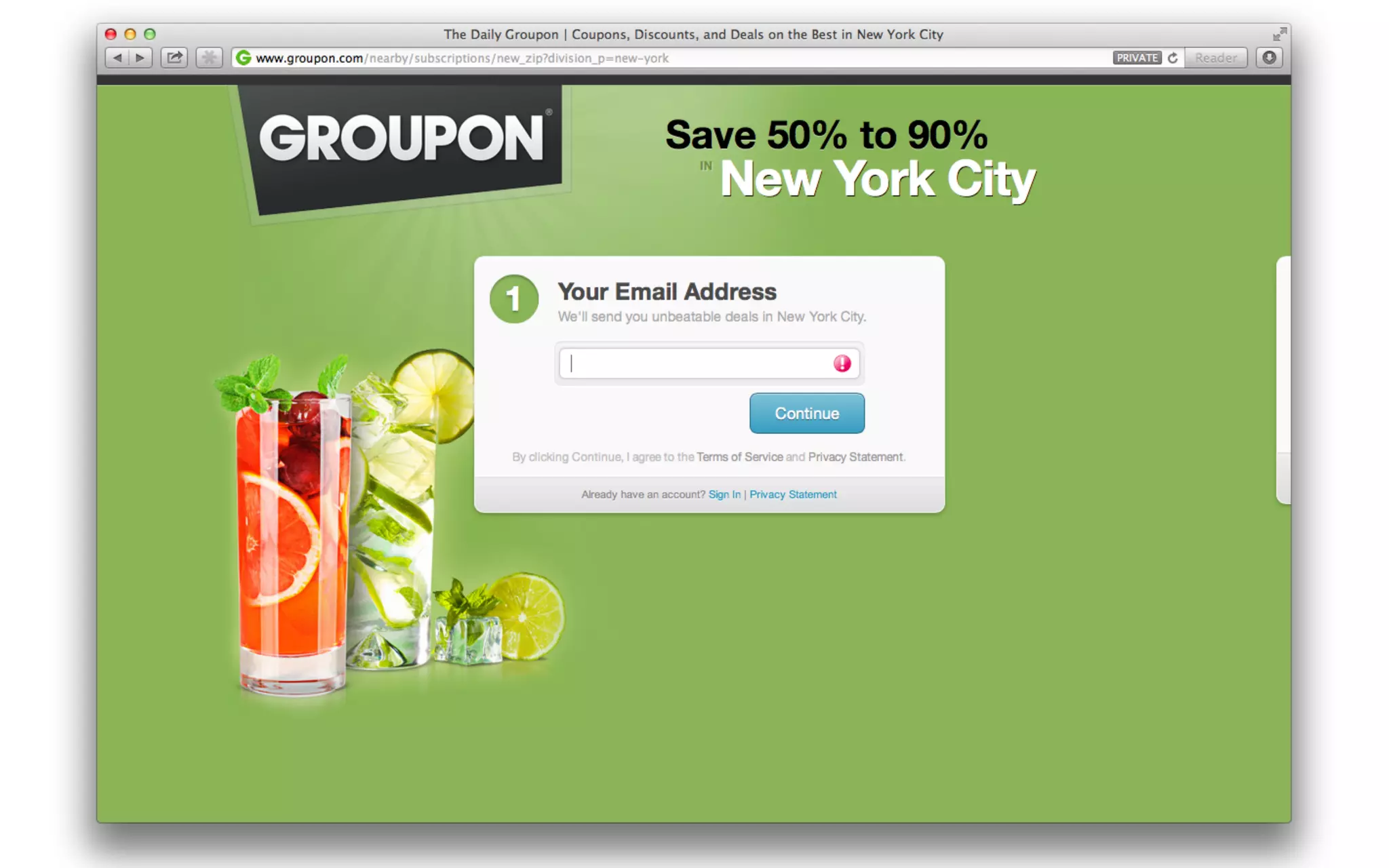
No access without signup 
Most startups make the mistake of
giving people who visit their site
free access to content, whether
it’s apartment booking or daily deals.
This is often a bad idea
Contrary to popular belief, the more
things a visitor can interact with on your
site before they’re prompted to sign up,
the lower your signup rate will be. 
There is a big difference
between good UX practice and
good Growth Hacking practice
Good UX is great if your
business objectives are aligned
Sometimes you have
to frustrate people!
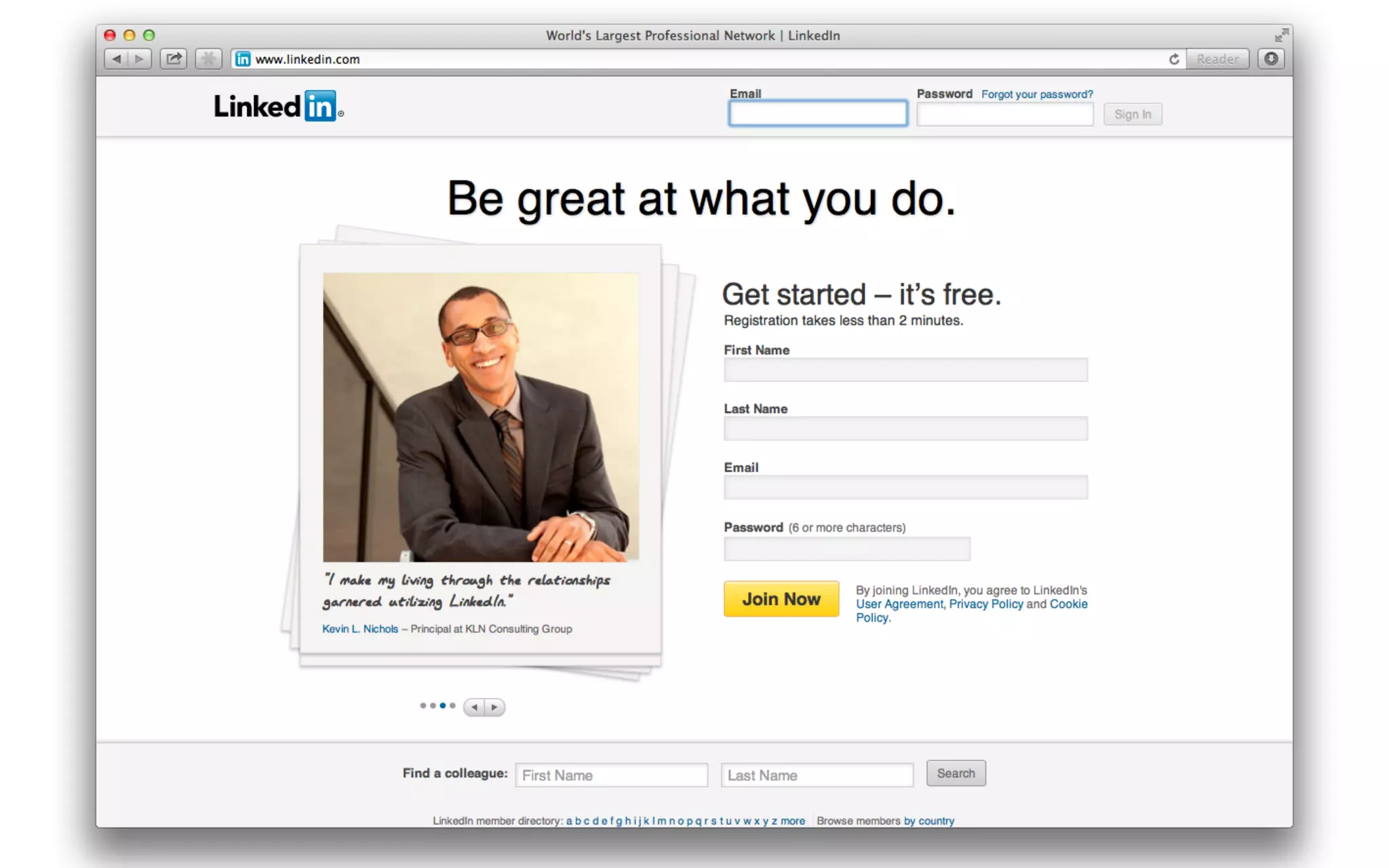
Navigation and hyperlinks are almost always absent
Internet marketers have developed what
they call the “Squeeze Page” with minimal
content and a single clear call-to-action.
Why? Additional information can distract
a visitor or cause them to click away
to a different website.
Notice that there’s nothing below
the fold on any of these sites.
Focus on a single, clear value proposition. 
Boil it down to one clear statement:
“Your best source for knowledge” or
“Be great at what you do”.
People almost never read more than one sentence on
your site (and they won’t even read that one unless it’s
big enough and strategically placed), so there’s no
point in trying to figure out your top 3 “bulletpoints”.
This also makes it much, much easier to
test as a growth hacker. Just replace one
sentence with another until it works.
What exactly is a value proposition?
A value proposition is a promise of value to be delivered.
It’s the primary reason a prospect should buy from you.
In a nutshell, a value proposition is a clear statement that:
• Explains how your product solves a problem (relevancy),
• Delivers specific benefits (quantified value),
• Tells why customers should buy from you and not the
competition (unique differentiation).
Use the right language
Your value proposition needs to be in the language of the customer.
You cannot guess what that language is. The answers are outside
of your office. You have to interview your customers to find it
out, or use social media.
What the value proposition is NOT
• It’s not a slogan or a catch phrase:
“L’Oréal. Because we’re worth it.”
• It’s not a positioning statement:
“America’s #1 Bandage Brand.
Heals the wound fast, heals the hurt faster.”

A positioning statement is a subset of a
value proposition, but it’s not the same thing.
What makes a good value proposition:
• Clarity! It’s easy to understand.
• It communicates concrete results from buying your product
• It says how it’s different or better
• It avoids hype (like ‘never seen before amazing miracle product’),
superlatives (‘best’) and business jargon (‘value-added interactions’)
• It can be read and understood in about 5 seconds.
Your product is NOT about sharing 
I see this mistake
all the time.
Lots of startups start out thinking that
people will use their product because it
helps them “share” things more easily.
Let me be clear here: most people do not share.
And even the people who share things aren’t
sharing 90% of the time.
Most of the time on the web is spent
consuming, not producing. More than
50% of Twitter users almost never tweet.
This is why Twitter has shifted their messaging
from “the easiest way to share with your friends’
to “Find out what’s happening, right now, with the
people and organizations you care about”.
If you cater only to proactive people, you’ll
be alienating most of your potential users.
Big images ARE A NO BRAINER! 
They increase conversion rates. 
Just do it.
Work with taste your iconography!
That’s how you will create
empathy with your users
Embedded signup forms 
Start your signup process on the homepage so people
don’t have to click through to a new page for no reason.
The more clicks you have in your signup process, the
more people will drop off along the way.
When I tell people these things they often
complain: “But everyone knows Twitter and
Facebook! No one has ever heard of my startup
so I actually need to explain it to people.”
YOU ARE (FUCKING) WRONG!
Maybe you and I already know what Twitter and Facebook are about,
but believe it or not, there are still people on earth who haven’t heard
of them. Those are the people these homepages are trying to convert.
The same is true for your startup. Being stubborn just
because you’re scared to try something counter-intuitive is
a sure way to make sure you never do anything innovative.
Counter Example
Increasing signup is not a goal for everyone
Let’s take Alexa 10
#3 YouTube — putting a giant “sign up first” wall in front of YouTube
probably would have killed them.
#6 Amazon — Amazon is all about converting people into accounts
AFTER they decide to buy, and you better believe they’ve a/b tested it.
#7 Wikipedia — Primarily a read-first experience
#8 QQ – Holy crap that is a lot of text
Said another way, increasing signups isn’t
necessarily important for every company, and
many successful companies don’t focus on it.
You are Welcome to Join the Adventure
hey@thefamily.co

"Les erreurs à ne pas faire sur votre homepage" par Oussama Amar

  • 1.
  • 2.
    Growth Hacking Meetup -Homepages Episode 1
  • 12.
  • 13.
    Most startups makethe mistake of giving people who visit their site free access to content, whether it’s apartment booking or daily deals.
  • 14.
    This is oftena bad idea
  • 15.
    Contrary to popularbelief, the more things a visitor can interact with on your site before they’re prompted to sign up, the lower your signup rate will be. 
  • 16.
    There is abig difference between good UX practice and good Growth Hacking practice
  • 17.
    Good UX isgreat if your business objectives are aligned
  • 18.
    Sometimes you have tofrustrate people!
  • 19.
    Navigation and hyperlinksare almost always absent
  • 20.
    Internet marketers havedeveloped what they call the “Squeeze Page” with minimal content and a single clear call-to-action. Why? Additional information can distract a visitor or cause them to click away to a different website.
  • 21.
    Notice that there’snothing below the fold on any of these sites.
  • 22.
    Focus on asingle, clear value proposition.  Boil it down to one clear statement: “Your best source for knowledge” or “Be great at what you do”.
  • 23.
    People almost neverread more than one sentence on your site (and they won’t even read that one unless it’s big enough and strategically placed), so there’s no point in trying to figure out your top 3 “bulletpoints”.
  • 24.
    This also makesit much, much easier to test as a growth hacker. Just replace one sentence with another until it works.
  • 25.
    What exactly isa value proposition? A value proposition is a promise of value to be delivered. It’s the primary reason a prospect should buy from you.
  • 26.
    In a nutshell,a value proposition is a clear statement that: • Explains how your product solves a problem (relevancy), • Delivers specific benefits (quantified value), • Tells why customers should buy from you and not the competition (unique differentiation).
  • 27.
    Use the rightlanguage Your value proposition needs to be in the language of the customer. You cannot guess what that language is. The answers are outside of your office. You have to interview your customers to find it out, or use social media.
  • 28.
    What the valueproposition is NOT • It’s not a slogan or a catch phrase: “L’Oréal. Because we’re worth it.” • It’s not a positioning statement: “America’s #1 Bandage Brand. Heals the wound fast, heals the hurt faster.” A positioning statement is a subset of a value proposition, but it’s not the same thing.
  • 29.
    What makes agood value proposition: • Clarity! It’s easy to understand. • It communicates concrete results from buying your product • It says how it’s different or better • It avoids hype (like ‘never seen before amazing miracle product’), superlatives (‘best’) and business jargon (‘value-added interactions’) • It can be read and understood in about 5 seconds.
  • 30.
    Your product isNOT about sharing 
  • 31.
    I see thismistake all the time.
  • 32.
    Lots of startupsstart out thinking that people will use their product because it helps them “share” things more easily.
  • 33.
    Let me beclear here: most people do not share. And even the people who share things aren’t sharing 90% of the time.
  • 34.
    Most of thetime on the web is spent consuming, not producing. More than 50% of Twitter users almost never tweet.
  • 35.
    This is whyTwitter has shifted their messaging from “the easiest way to share with your friends’ to “Find out what’s happening, right now, with the people and organizations you care about”.
  • 36.
    If you cateronly to proactive people, you’ll be alienating most of your potential users.
  • 37.
    Big images AREA NO BRAINER!  They increase conversion rates.  Just do it.
  • 38.
    Work with tasteyour iconography!
  • 39.
    That’s how youwill create empathy with your users
  • 40.
    Embedded signup forms  Startyour signup process on the homepage so people don’t have to click through to a new page for no reason. The more clicks you have in your signup process, the more people will drop off along the way.
  • 41.
    When I tellpeople these things they often complain: “But everyone knows Twitter and Facebook! No one has ever heard of my startup so I actually need to explain it to people.”
  • 42.
  • 43.
    Maybe you andI already know what Twitter and Facebook are about, but believe it or not, there are still people on earth who haven’t heard of them. Those are the people these homepages are trying to convert.
  • 44.
    The same istrue for your startup. Being stubborn just because you’re scared to try something counter-intuitive is a sure way to make sure you never do anything innovative.
  • 45.
    Counter Example Increasing signupis not a goal for everyone
  • 46.
    Let’s take Alexa10 #3 YouTube — putting a giant “sign up first” wall in front of YouTube probably would have killed them. #6 Amazon — Amazon is all about converting people into accounts AFTER they decide to buy, and you better believe they’ve a/b tested it. #7 Wikipedia — Primarily a read-first experience #8 QQ – Holy crap that is a lot of text
  • 47.
    Said another way,increasing signups isn’t necessarily important for every company, and many successful companies don’t focus on it.
  • 48.
    You are Welcometo Join the Adventure hey@thefamily.co