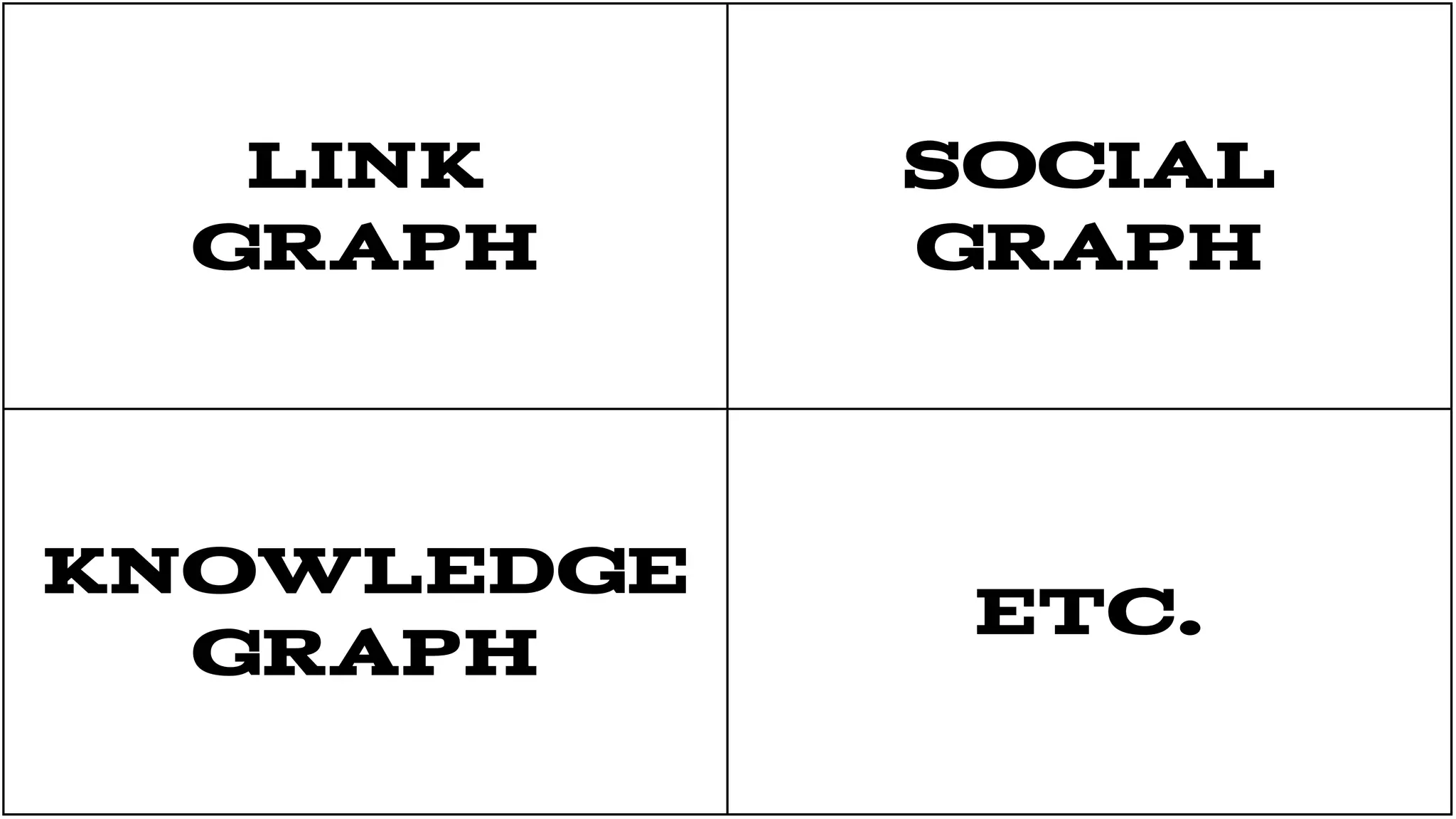
LINK
SOCIAL
GRAPH
graph GRAPH

theory

!

The theory that underpins how all search
KNOWLEDGE work
engines
ETC.
GRAPH
@kelvinnewman
Graph Theory
The most important theory in
search that nobody talks about
Kelvin Newman

@kelvinnewman

JD Hancock
Organiser
BrightonSEO / Content Marketing
Show / MeasureFest
Three Free (and awesome) Conferences
Strategy Director
SiteVisibility
A digital agency specialising in retail, travel and
financial services
Co-Founder
Clockwork Talent
Decent Digital Recruitment
shhhhh!

JD Hancock
JD Hancock

I might get in trouble for this

JD Hancock
I’ve been let into a secret
future beta of Google, and
I’m going to reveal it to you
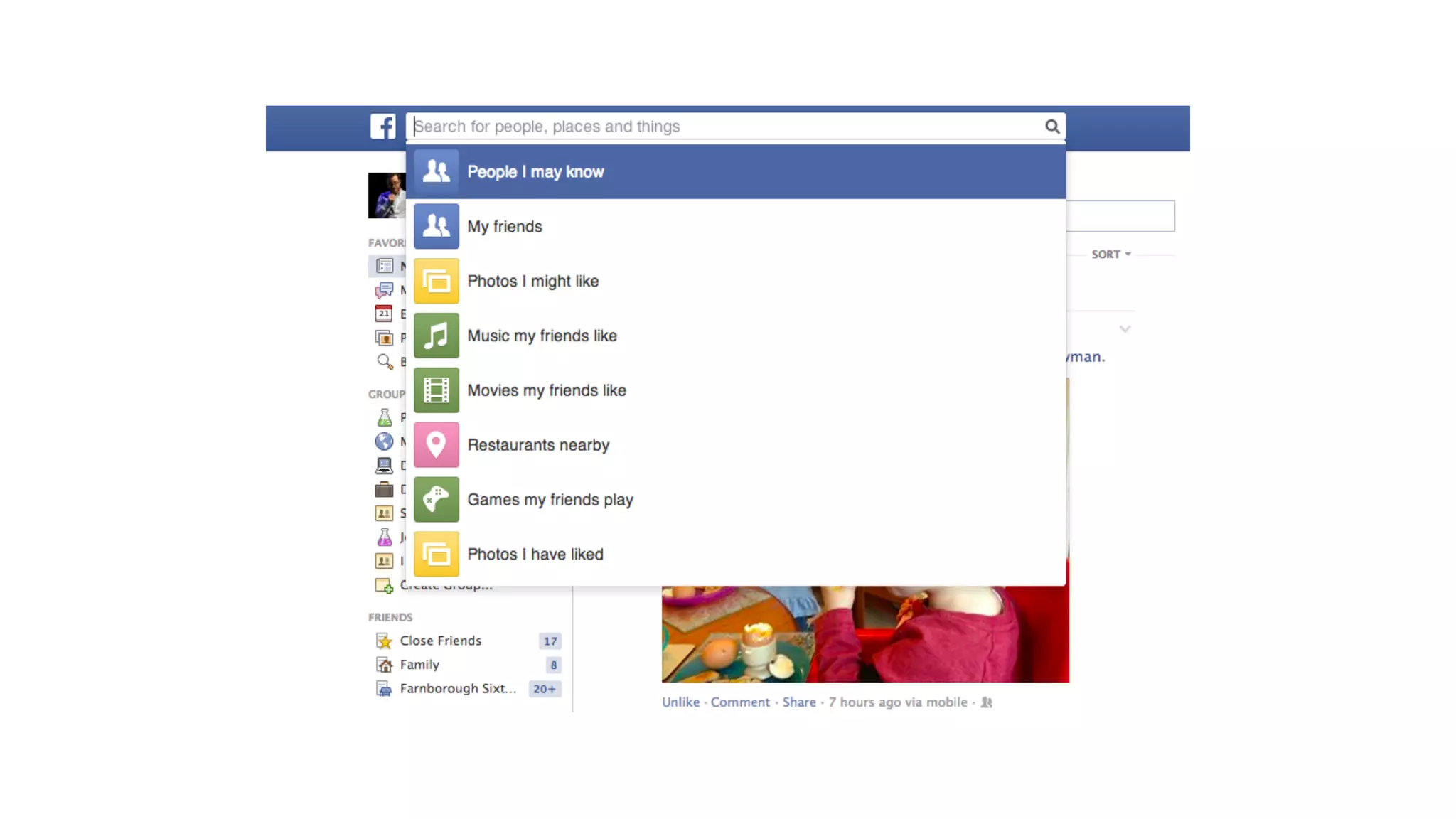
Joking aside; I think FB
GraphSearch is a great indicator of
the future of G

JD Hancock
as it helps us
better
understand
one of the
theories that
underlies all
search
engines
JD Hancock
graph
theory

!
graph
theory

!

Hugely Important
graph
theory

!

Rarely Spoken About
LINK
GRAPH
LINK
GRAPH

SOCIAL
GRAPH
LINK
GRAPH

KNOWLEDGE
GRAPH

SOCIAL
GRAPH
LINK
GRAPH

SOCIAL
GRAPH

KNOWLEDGE
GRAPH

OPEN
GRAPH
LINK
GRAPH

SOCIAL
GRAPH

KNOWLEDGE
GRAPH

SORT OF
LINK
GRAPH

SOCIAL
GRAPH

KNOWLEDGE
GRAPH

ETC.
LINK
SOCIAL
GRAPH
graph GRAPH

theory

!

ETC.
Hugely Important

KNOWLEDGE
GRAPH
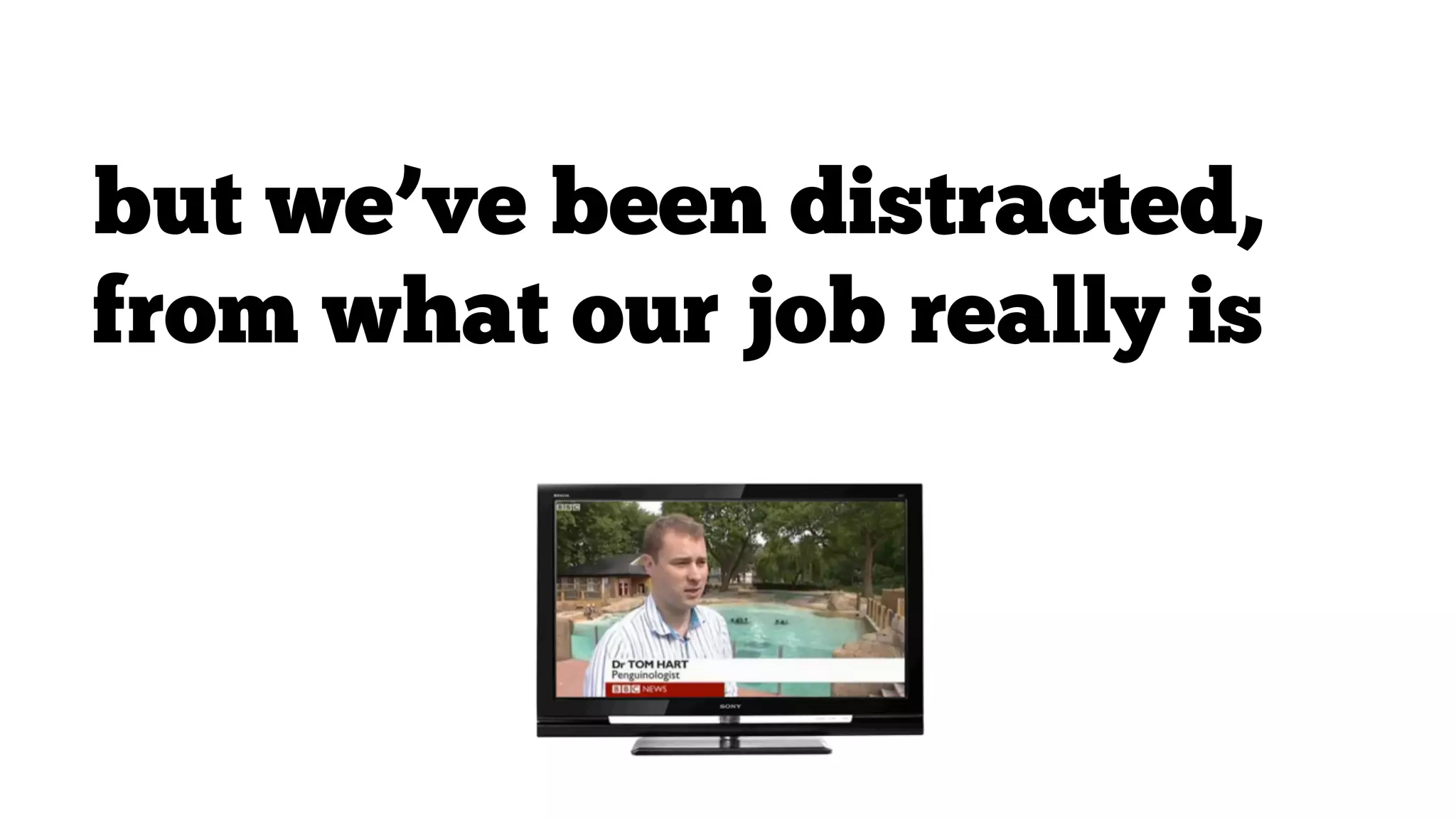
but we’ve been distracted,
from what our job really is
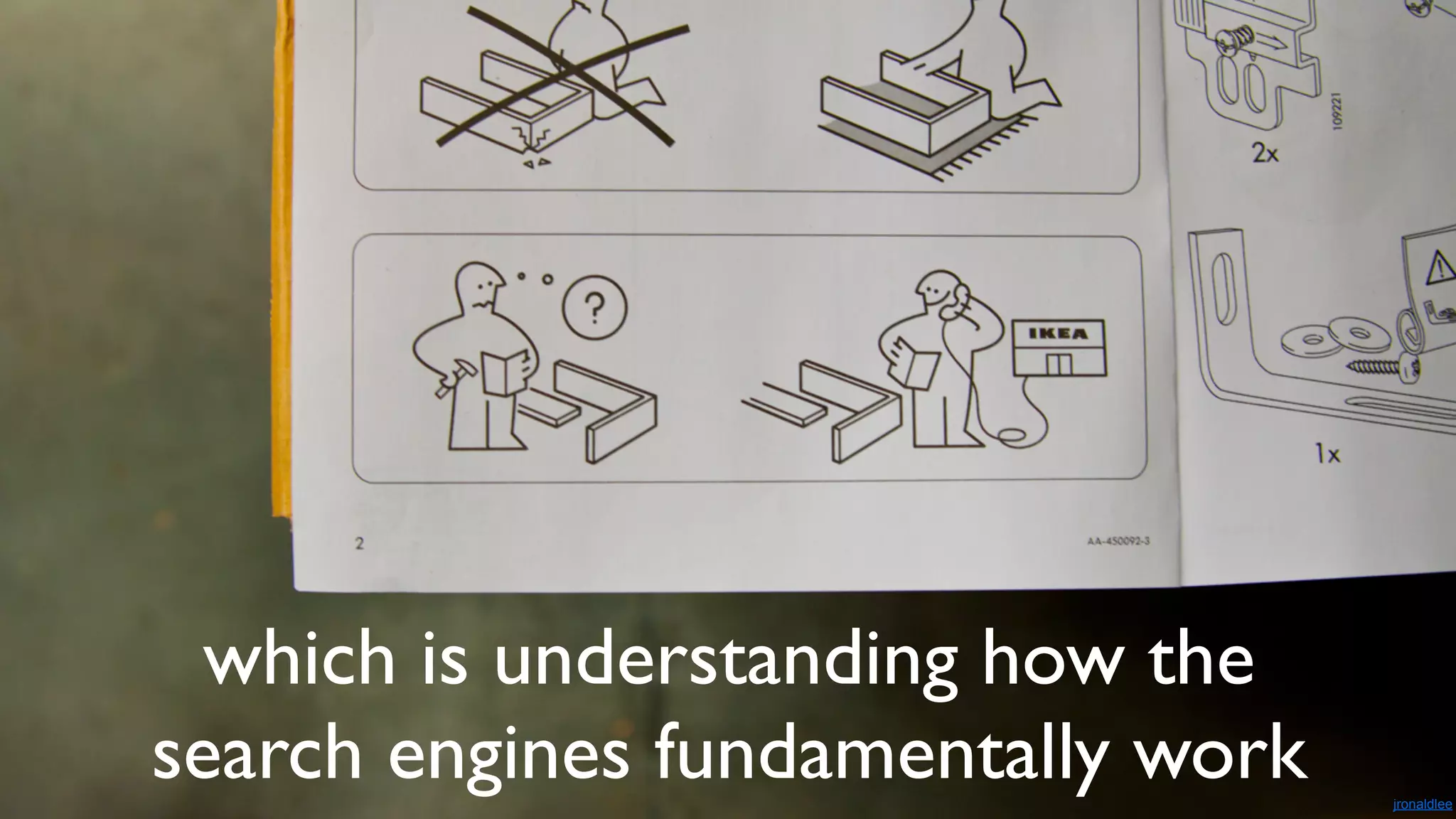
which is understanding how the
search engines fundamentally work

jronaldlee
LINK
SOCIAL
GRAPH
graph GRAPH

theory
KNOWLEDGE
is central to that
GRAPH

!

understanding
ETC.
this presentation may
contain maths

Benson Kua
hartjeff12
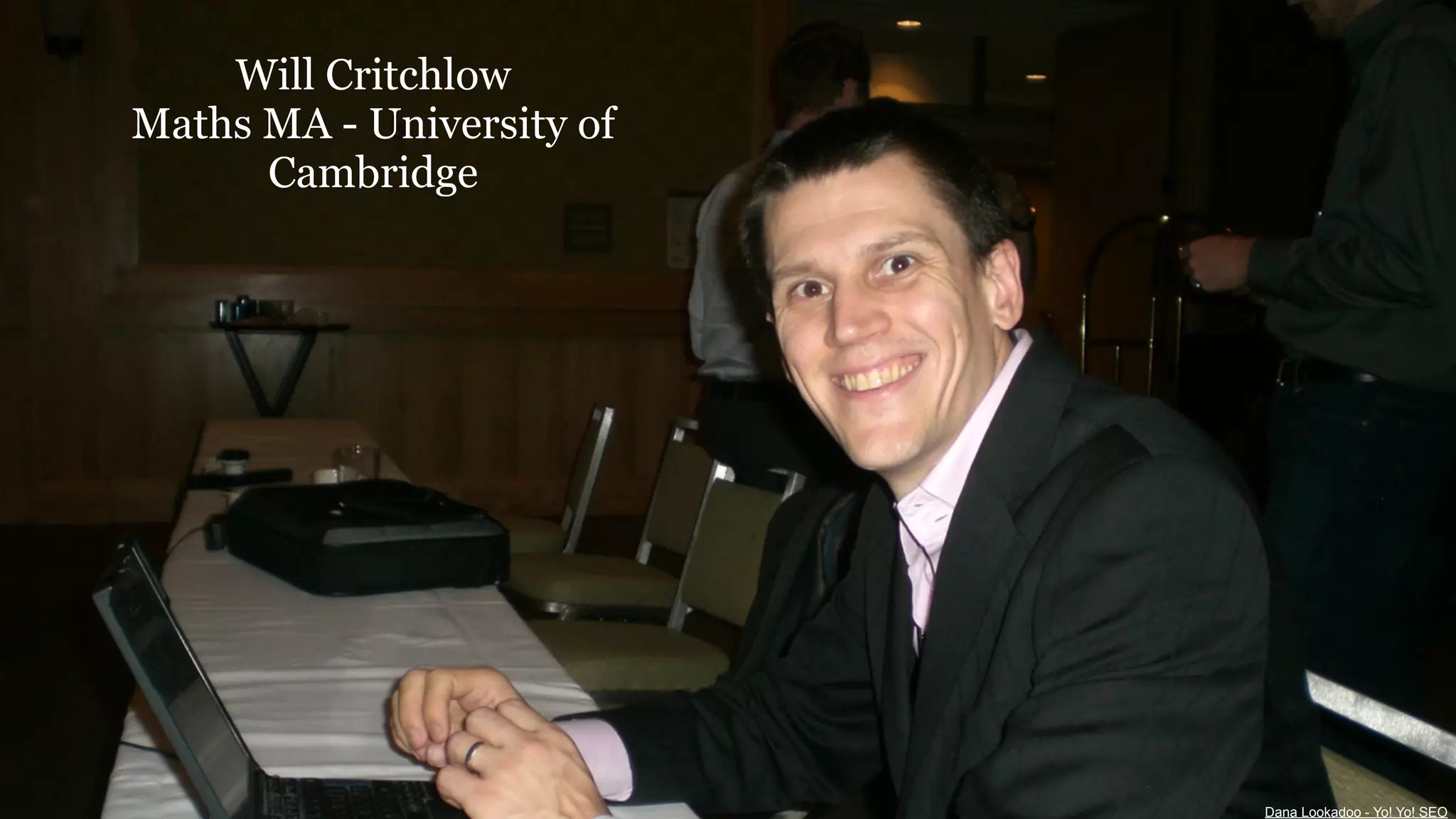
Will Critchlow
Maths MA - University of
Cambridge

will - cambridge maths

Dana Lookadoo - Yo! Yo! SEO
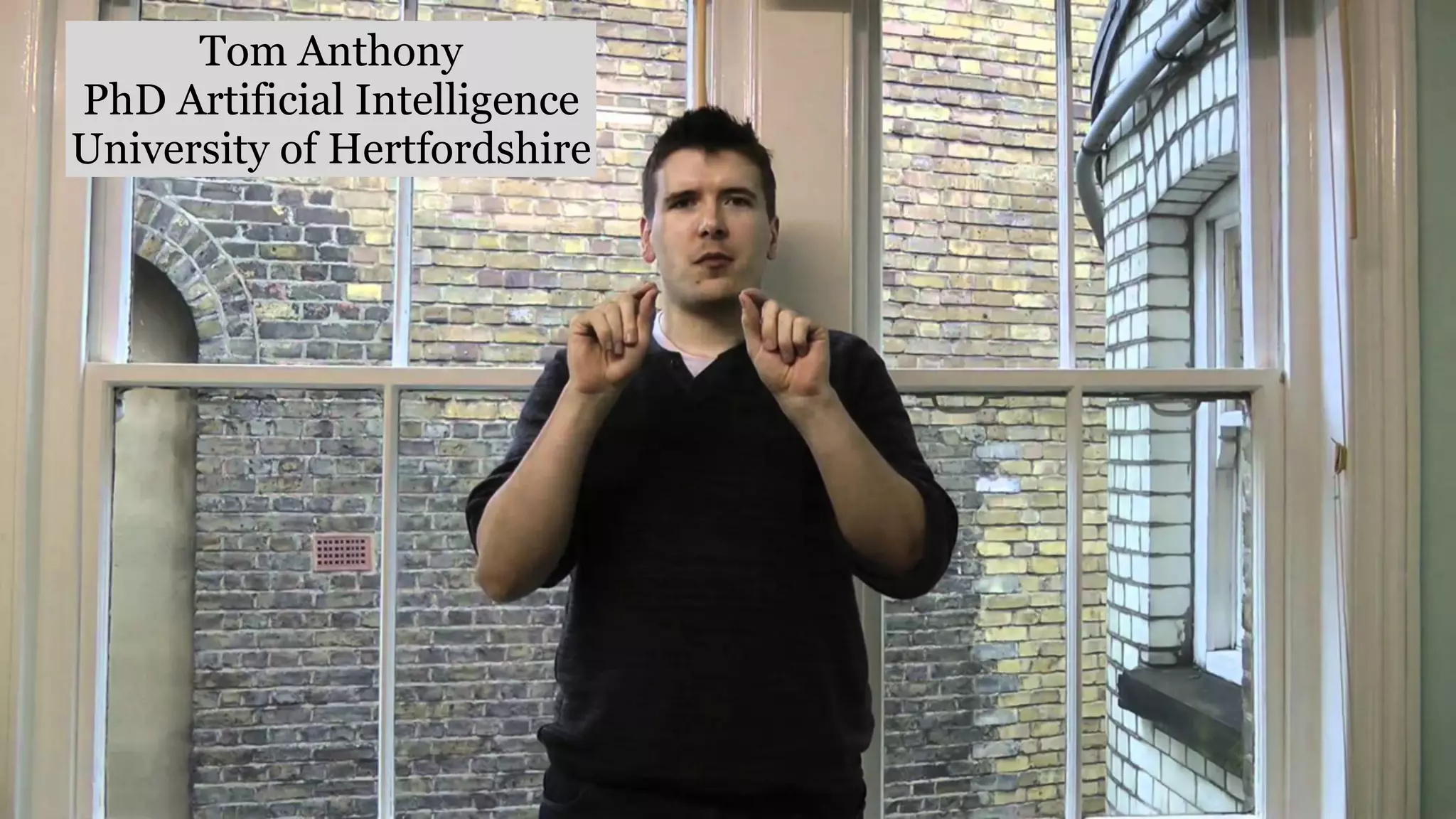
Tom Anthony
PhD Artificial Intelligence
University of Hertfordshire
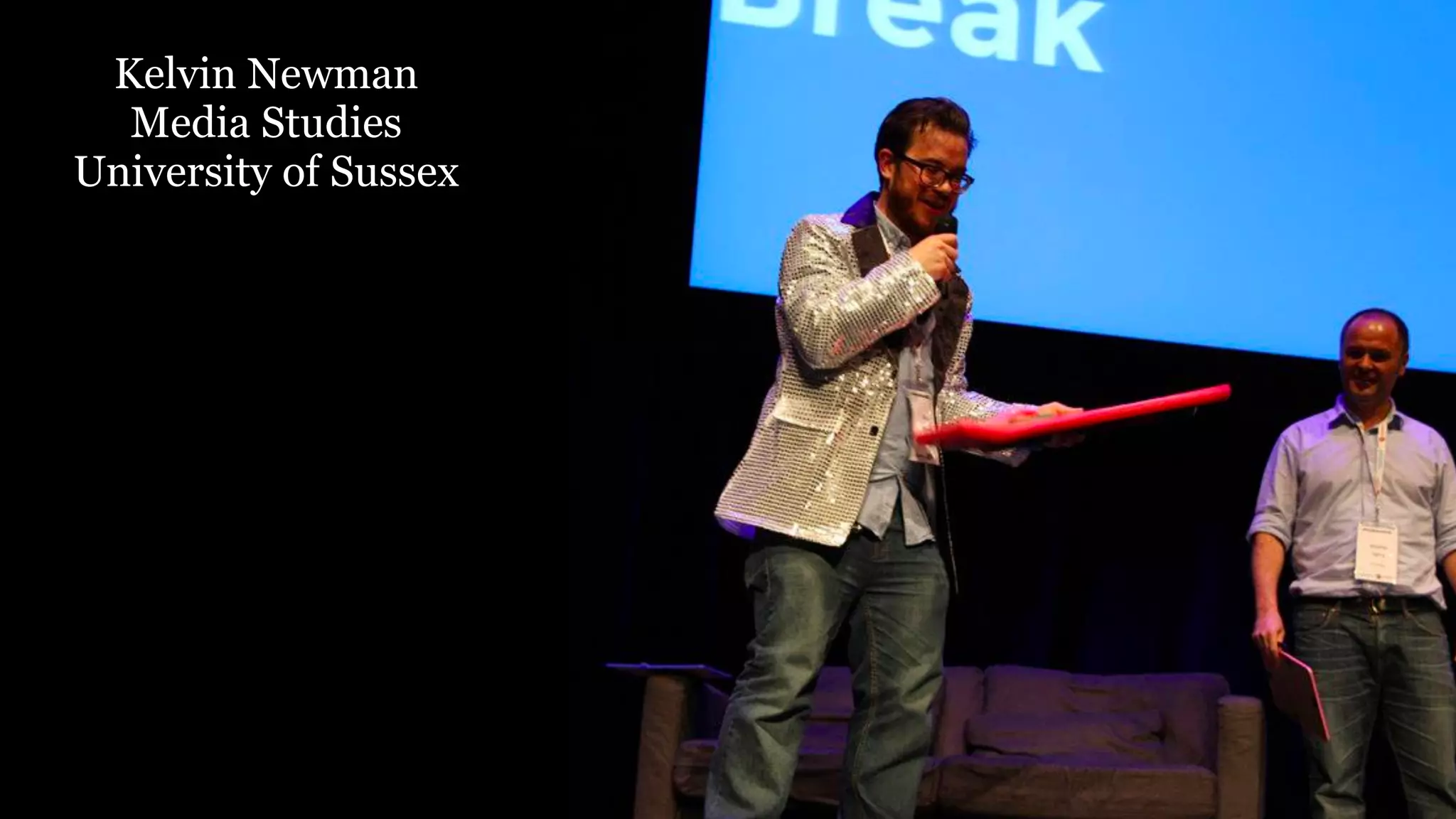
Kelvin Newman
Media Studies
University of Sussex
I’m no computer scientist
or mathematician

jlwo
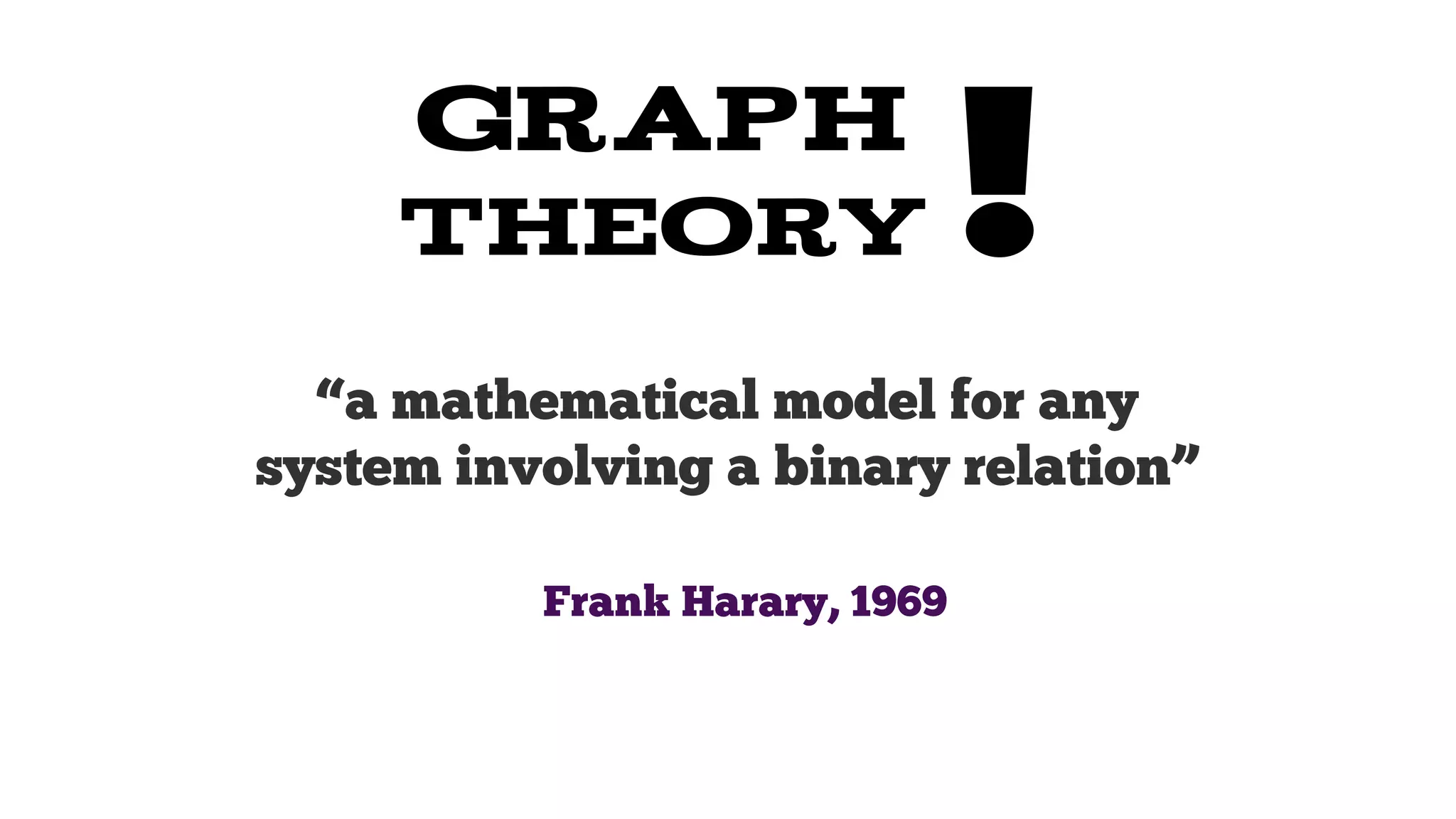
graph
theory

!

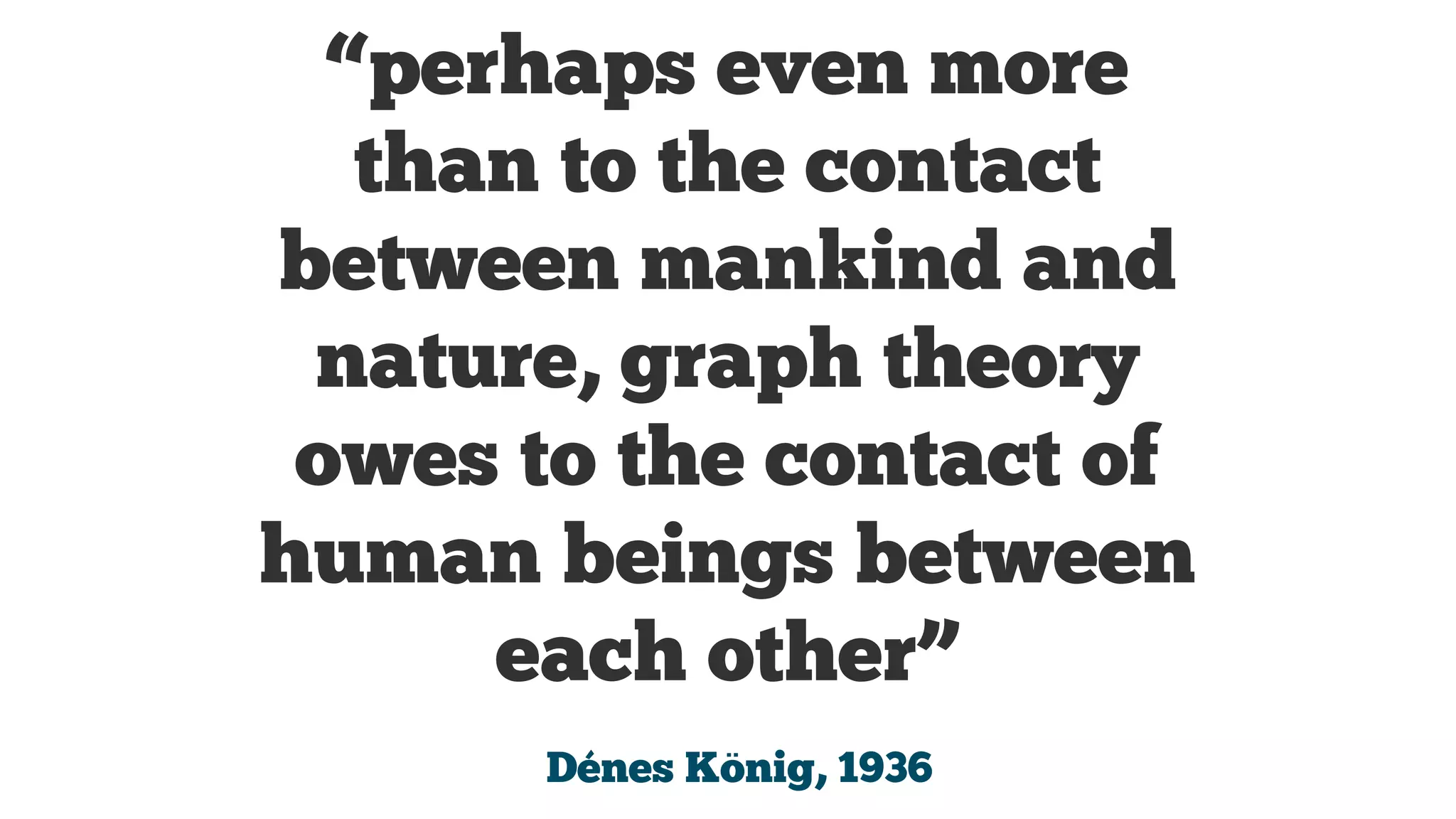
“a mathematical model for any
system involving a binary relation”
Frank Harary, 1969
“perhaps even more
than to the contact
between mankind and
nature, graph theory
owes to the contact of
human beings between
each other”
Dénes König, 1936
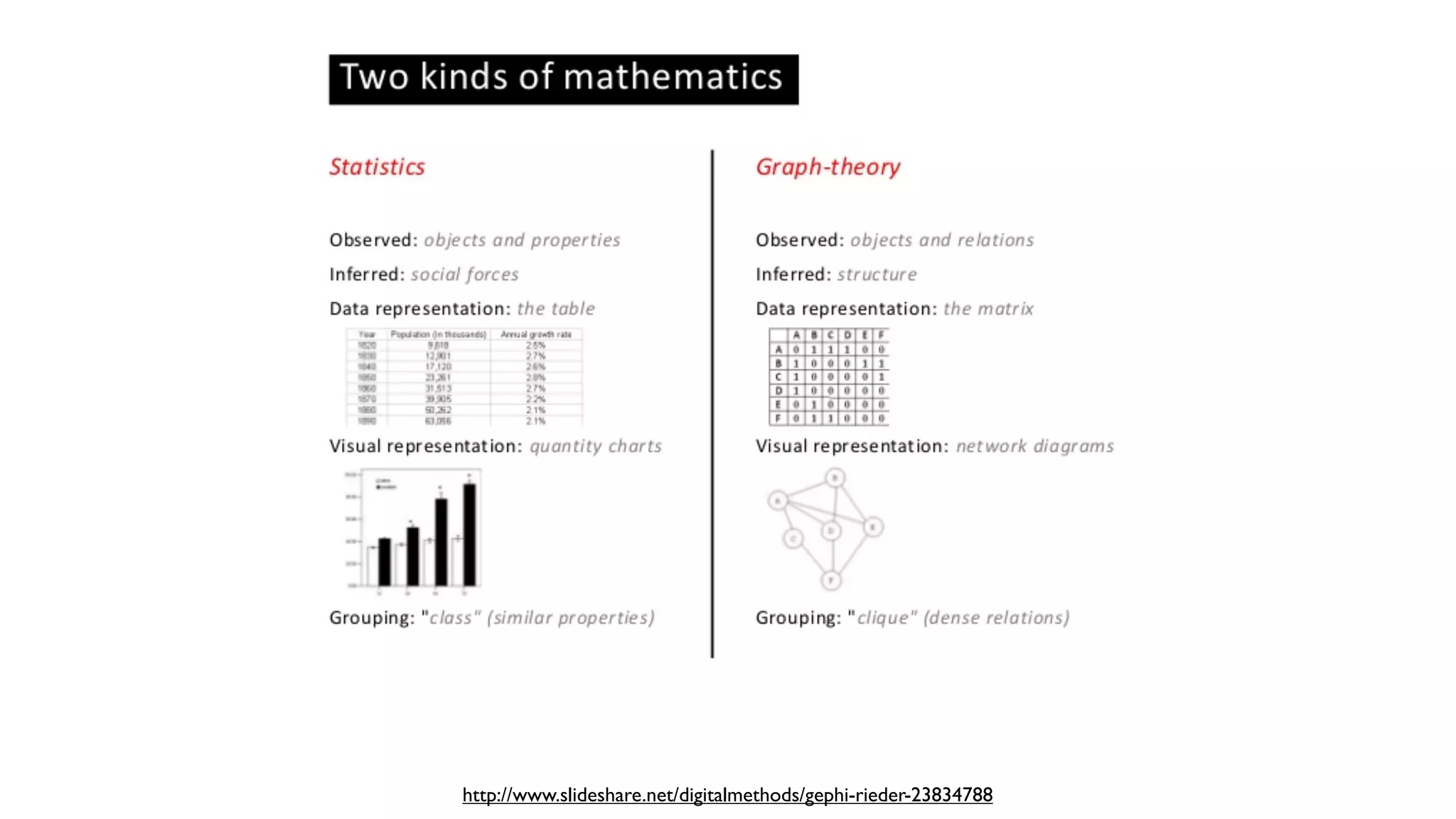
http://www.slideshare.net/digitalmethods/gephi-rieder-23834788
Vertices or Nodes

dominicotine
edges

Matt Seppings
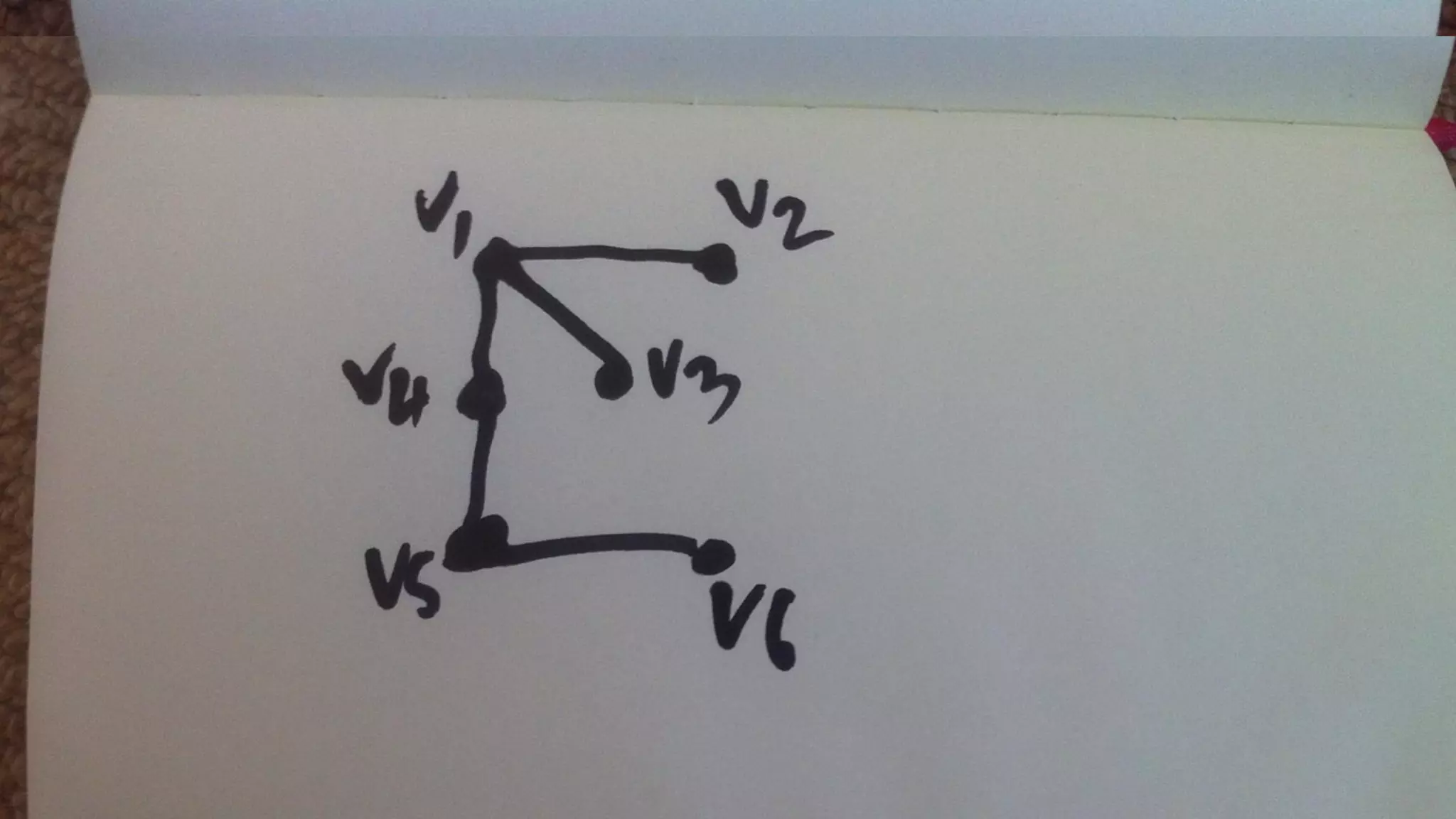
Nodes are Nouns
Edges are Verbs
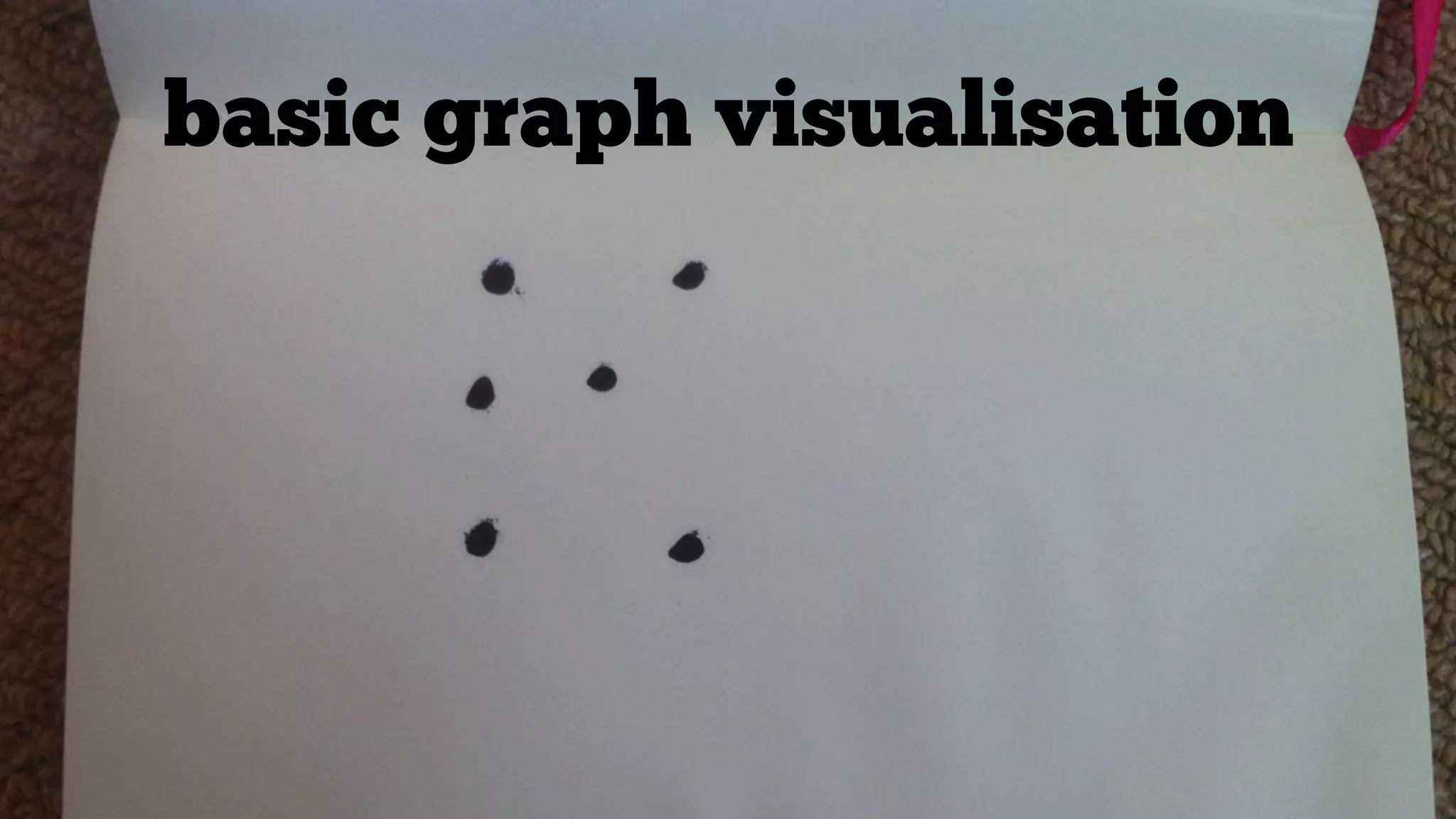
basic graph visualisation
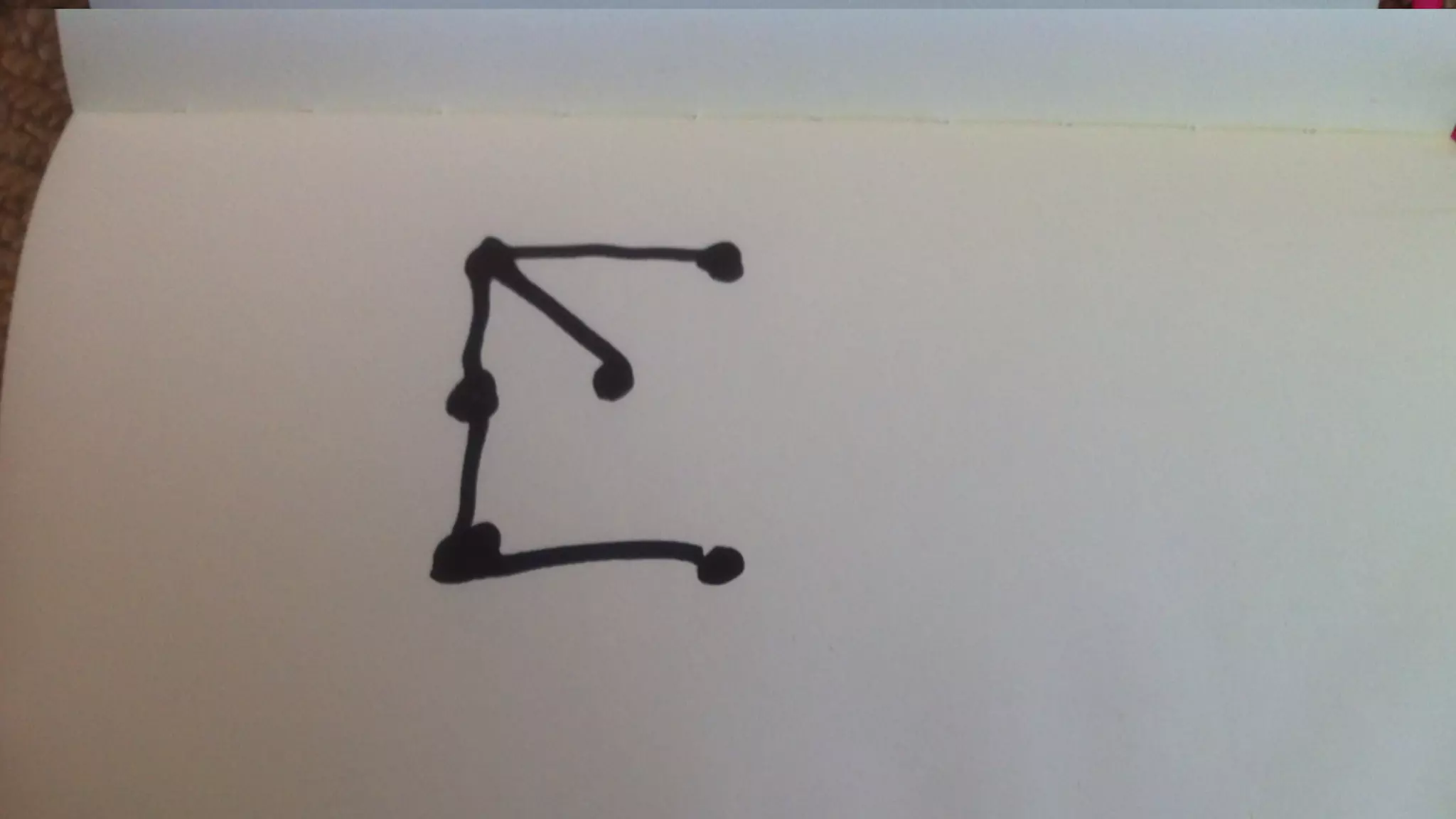
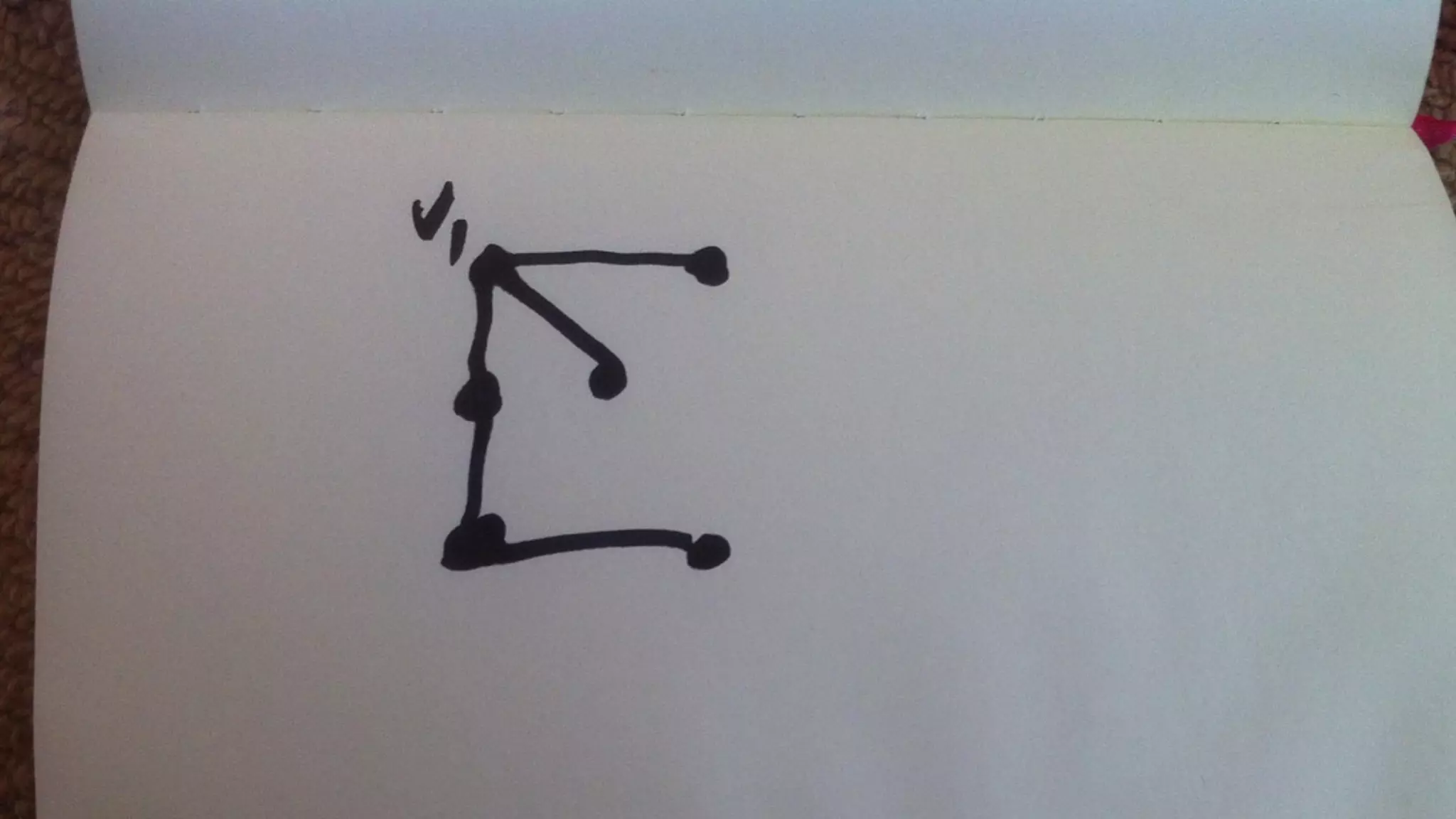
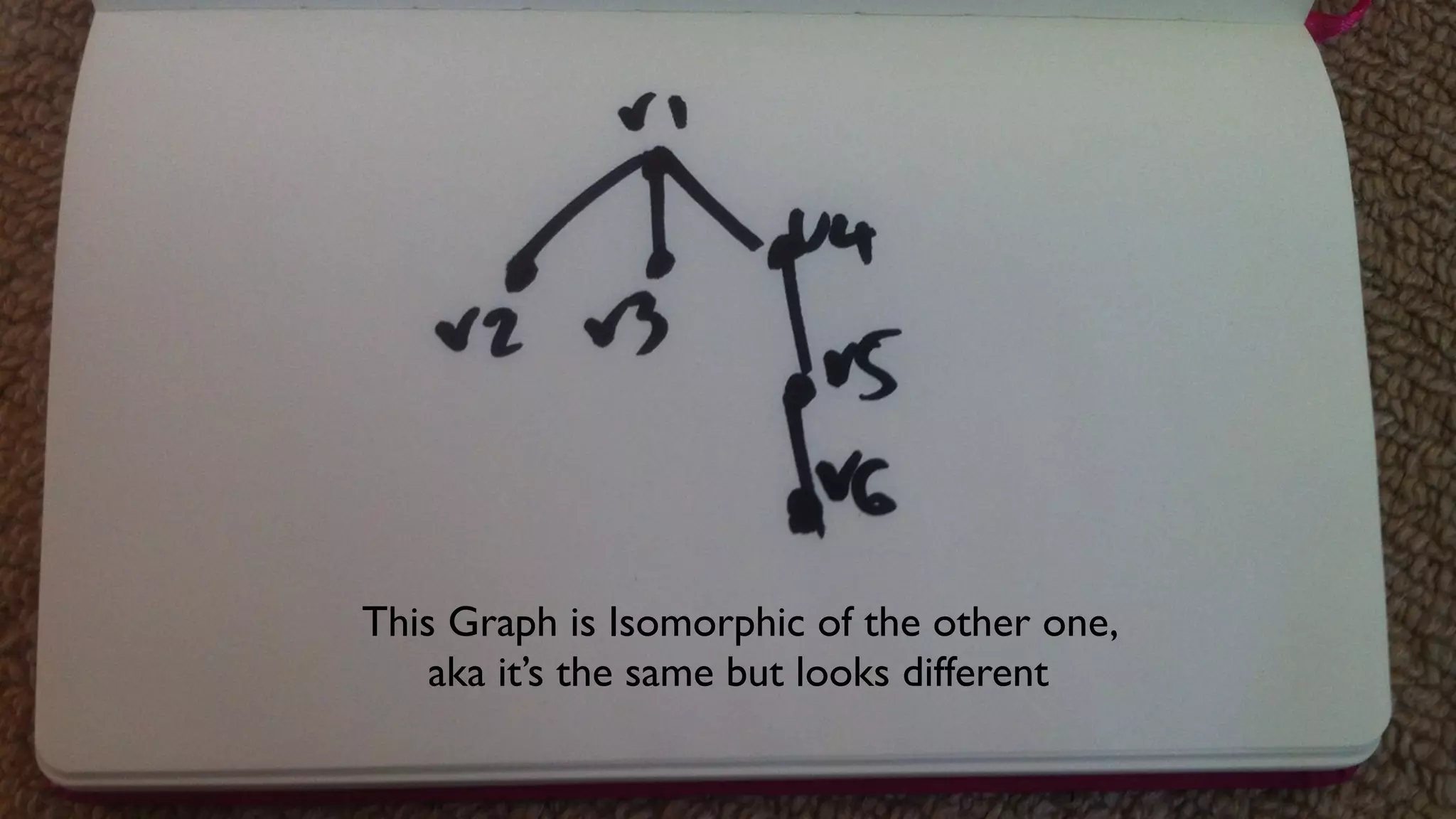
This Graph is Isomorphic of the other one,
aka it’s the same but looks different
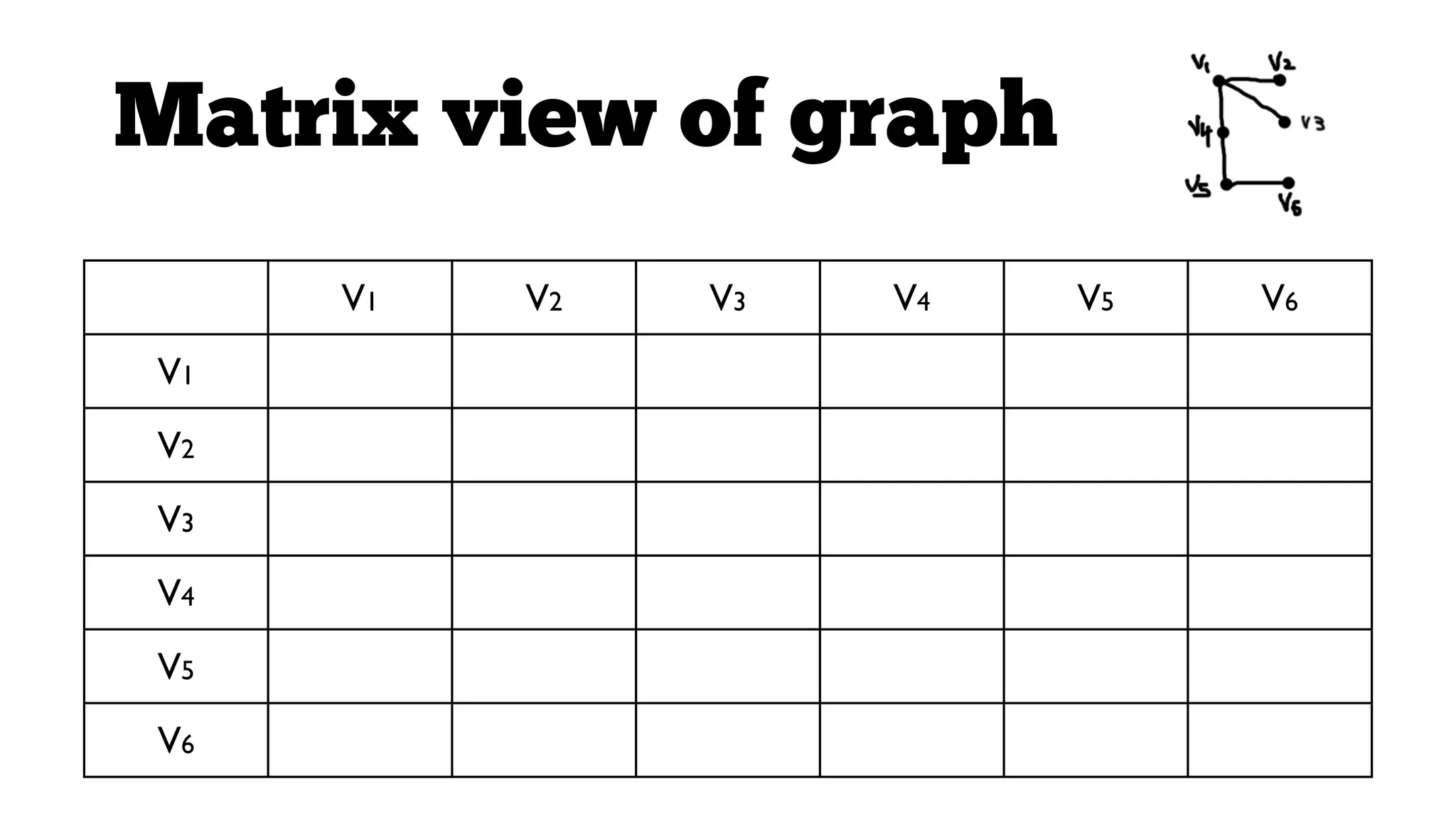
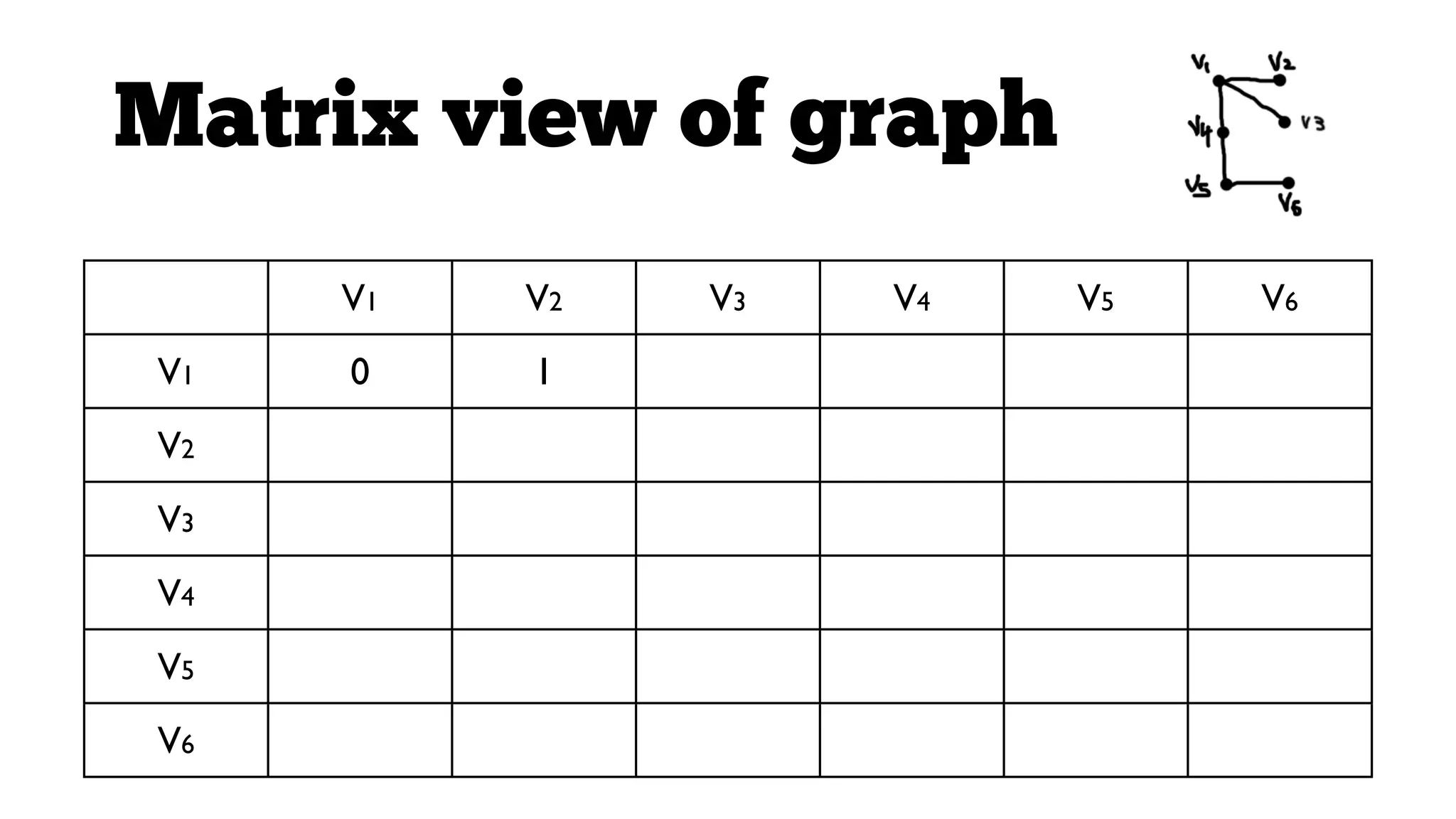
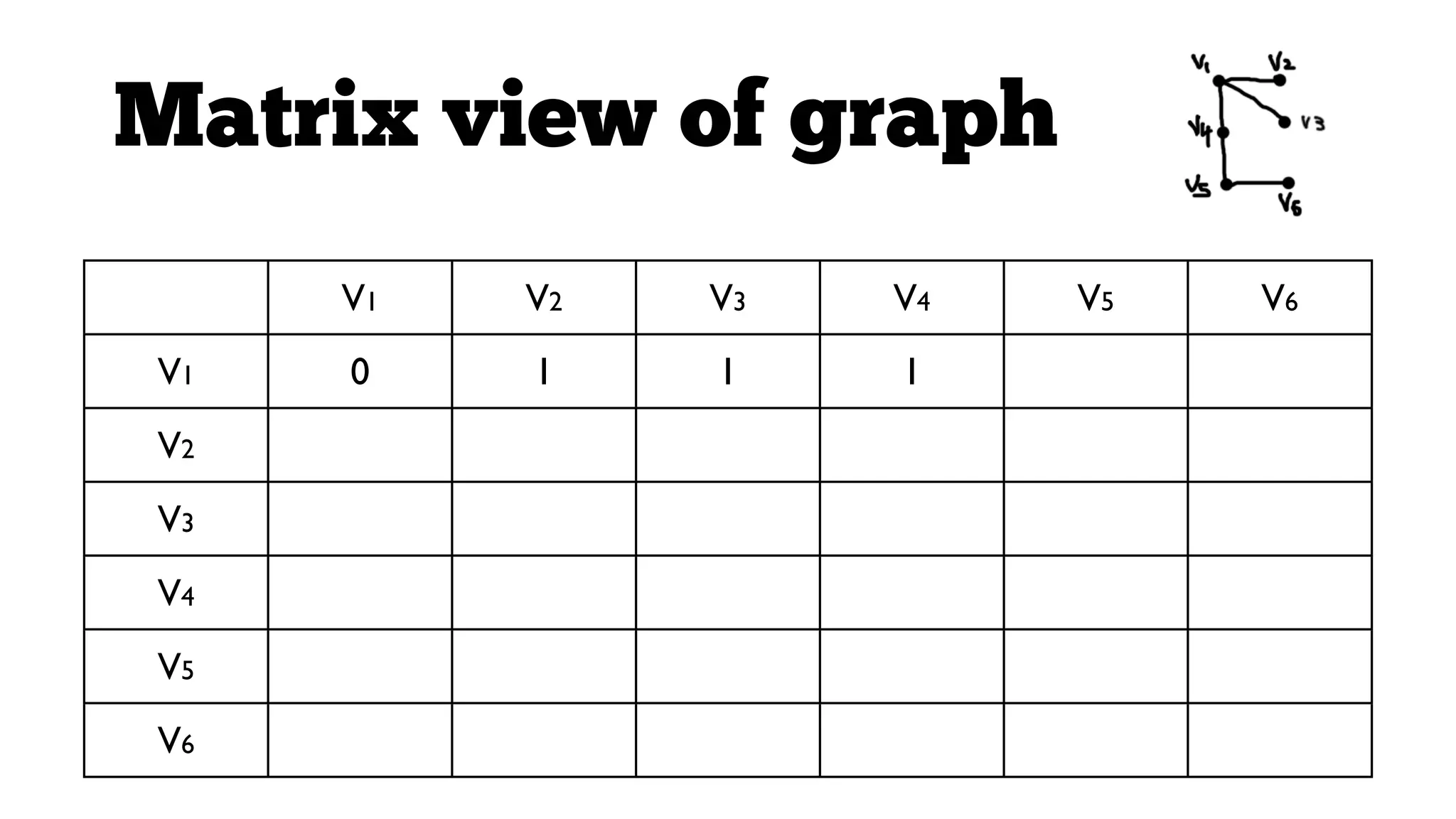
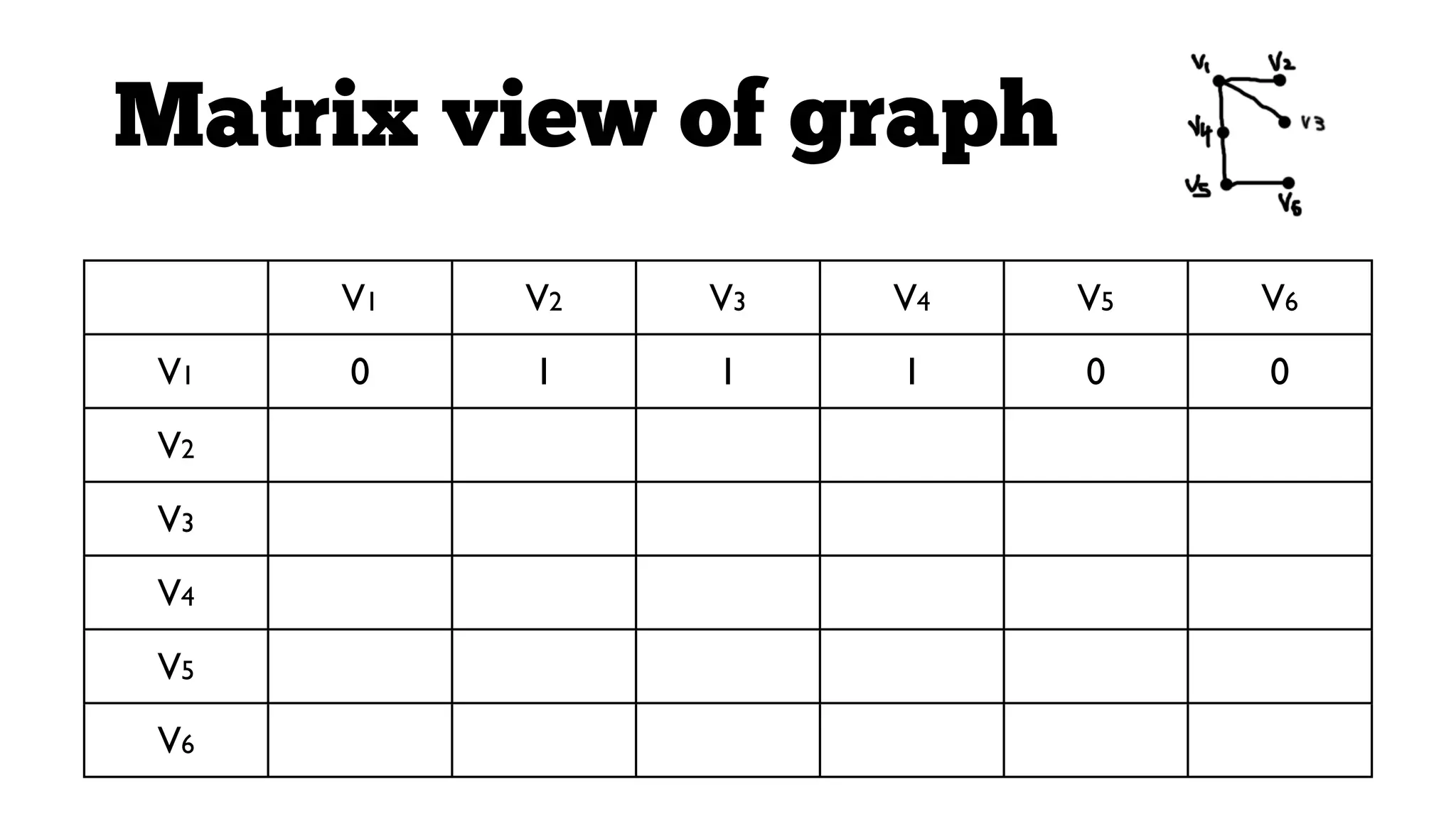
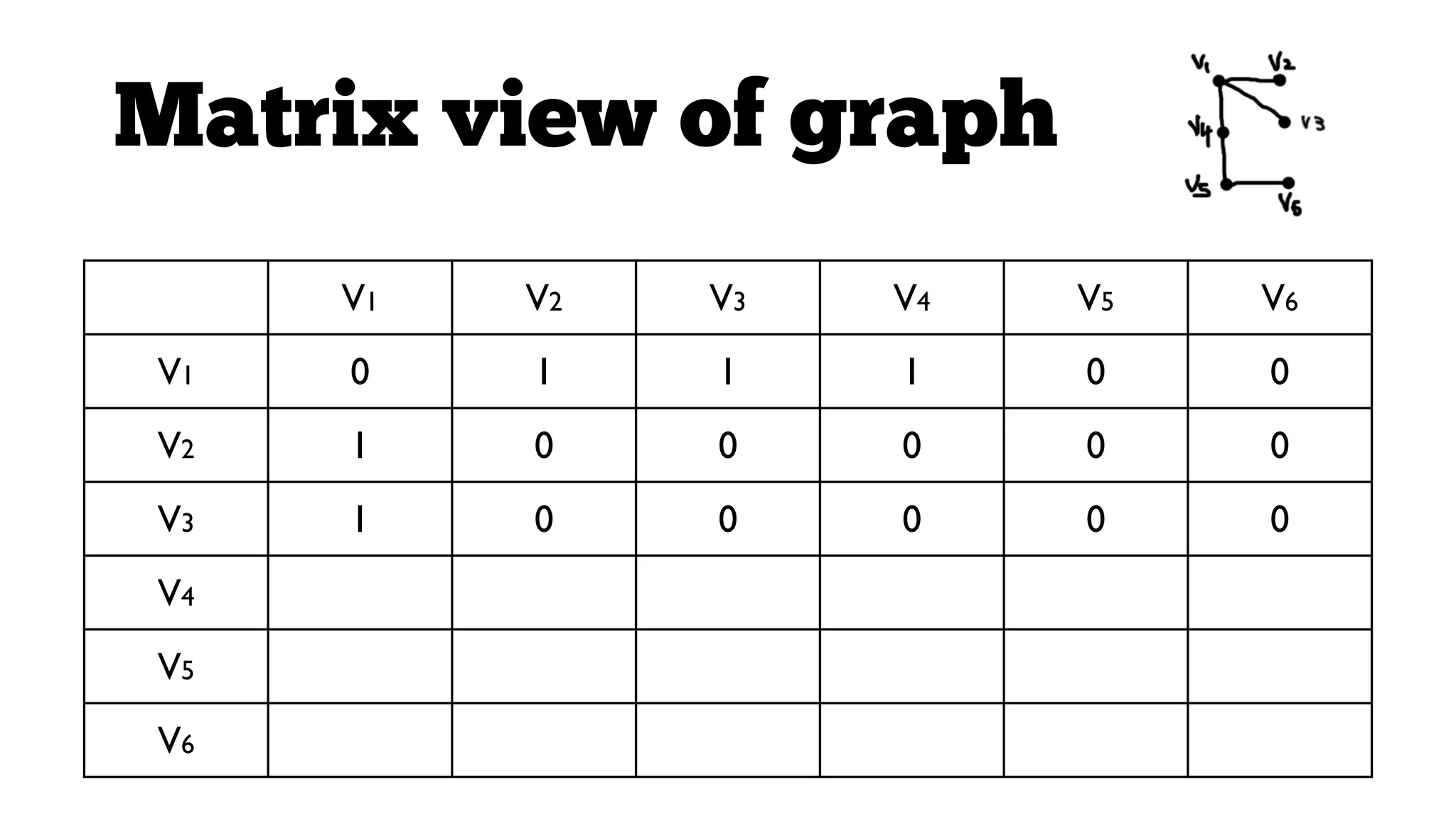
Matrix view of graph
V1
V1
V2
V3
V4
V5
V6

V2

V3

V4

V5

V6
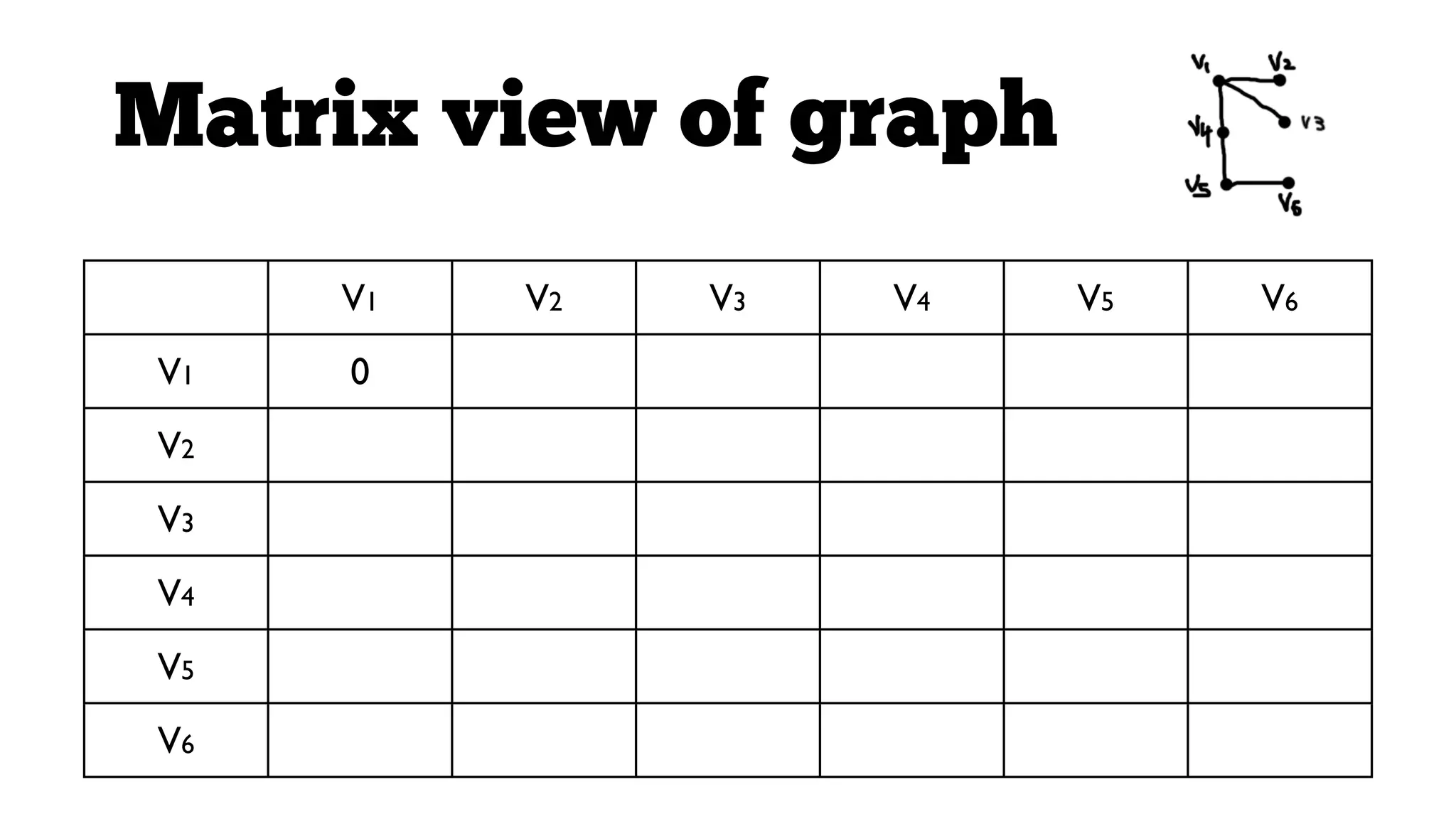
Matrix view of graph
V1
V1
V2
V3
V4
V5
V6

0

V2

V3

V4

V5

V6
Matrix view of graph
V1
V1
V2
V3
V4
V5
V6

V2

0

1

V3

V4

V5

V6
Matrix view of graph
V1
V1
V2
V3
V4
V5
V6

V2

V3

V4

0

1

1

1

V5

V6
Matrix view of graph
V1
V1
V2
V3
V4
V5
V6

V2

V3

V4

V5

V6

0

1

1

1

0

0
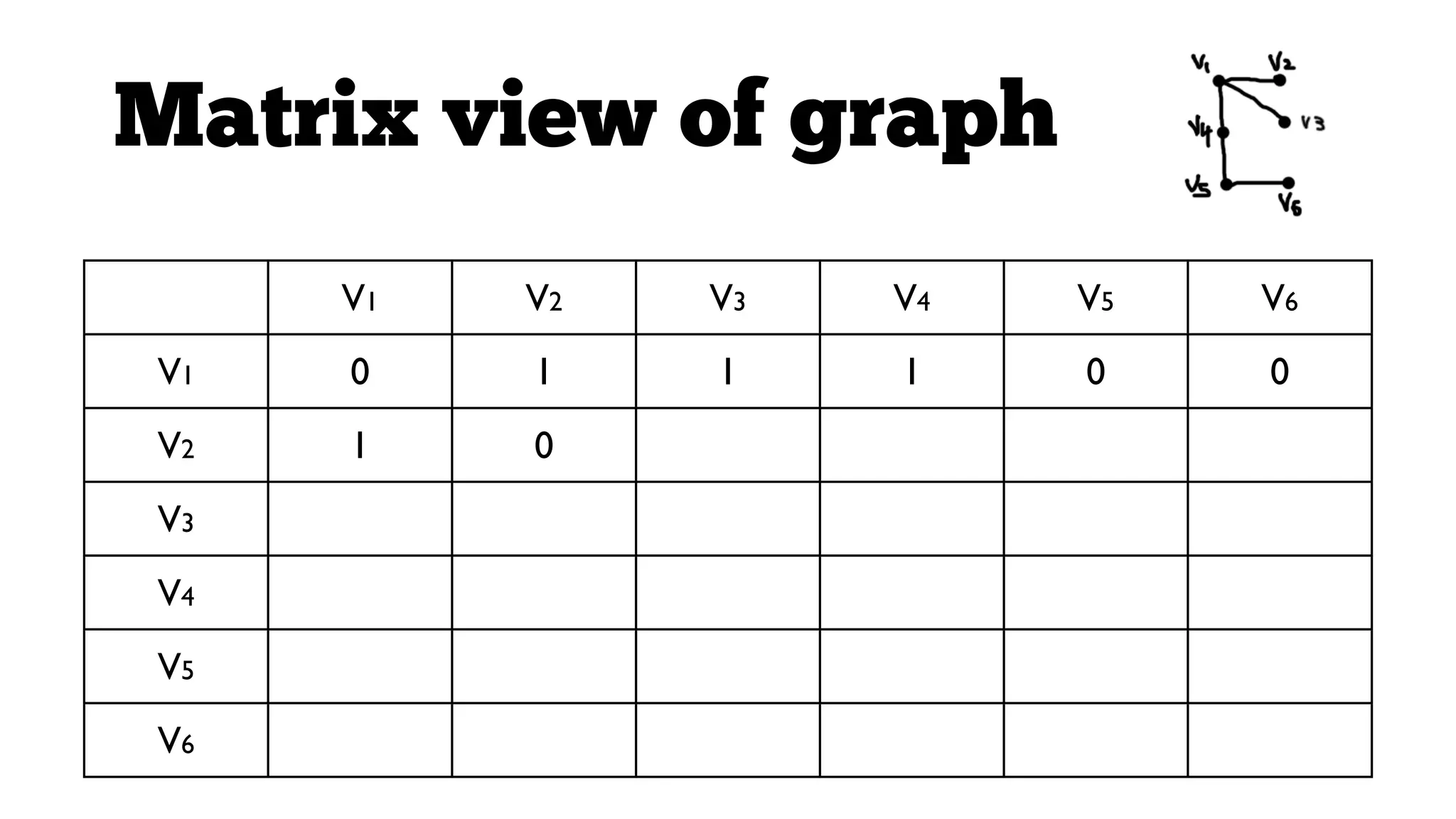
Matrix view of graph
V1

V2

V3

V4

V5

V6

V1

0

1

1

1

0

0

V2

1

0

V3
V4
V5
V6
Matrix view of graph
V1

V2

V3

V4

V5

V6

V1

0

1

1

1

0

0

V2

1

0

0

0

0

0

V3

1

0

0

0

0

0

V4
V5
V6
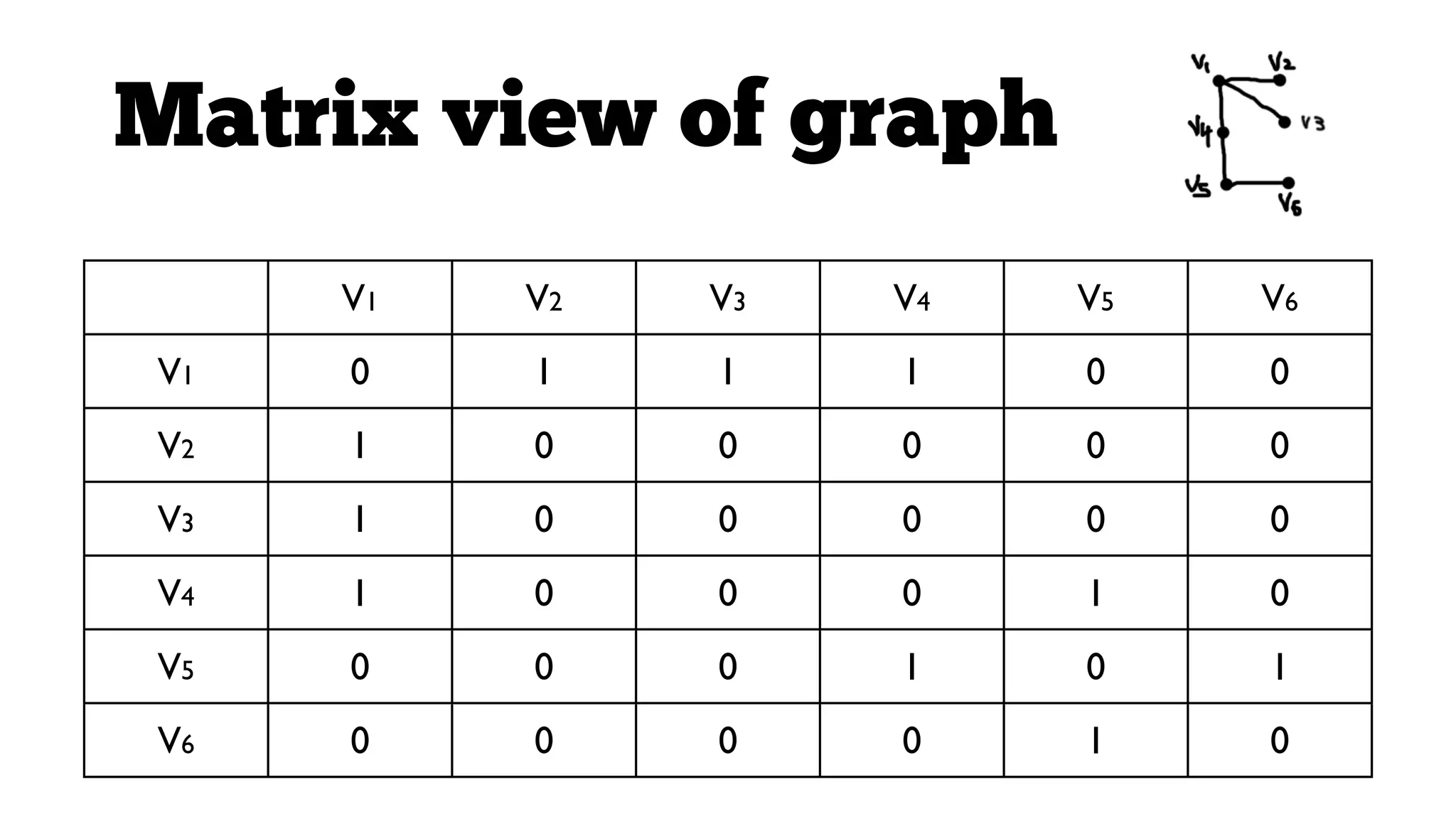
Matrix view of graph
V1

V2

V3

V4

V5

V6

V1

0

1

1

1

0

0

V2

1

0

0

0

0

0

V3

1

0

0

0

0

0

V4

1

0

0

0

1

0

V5

0

0

0

1

0

1

V6

0

0

0

0

1

0
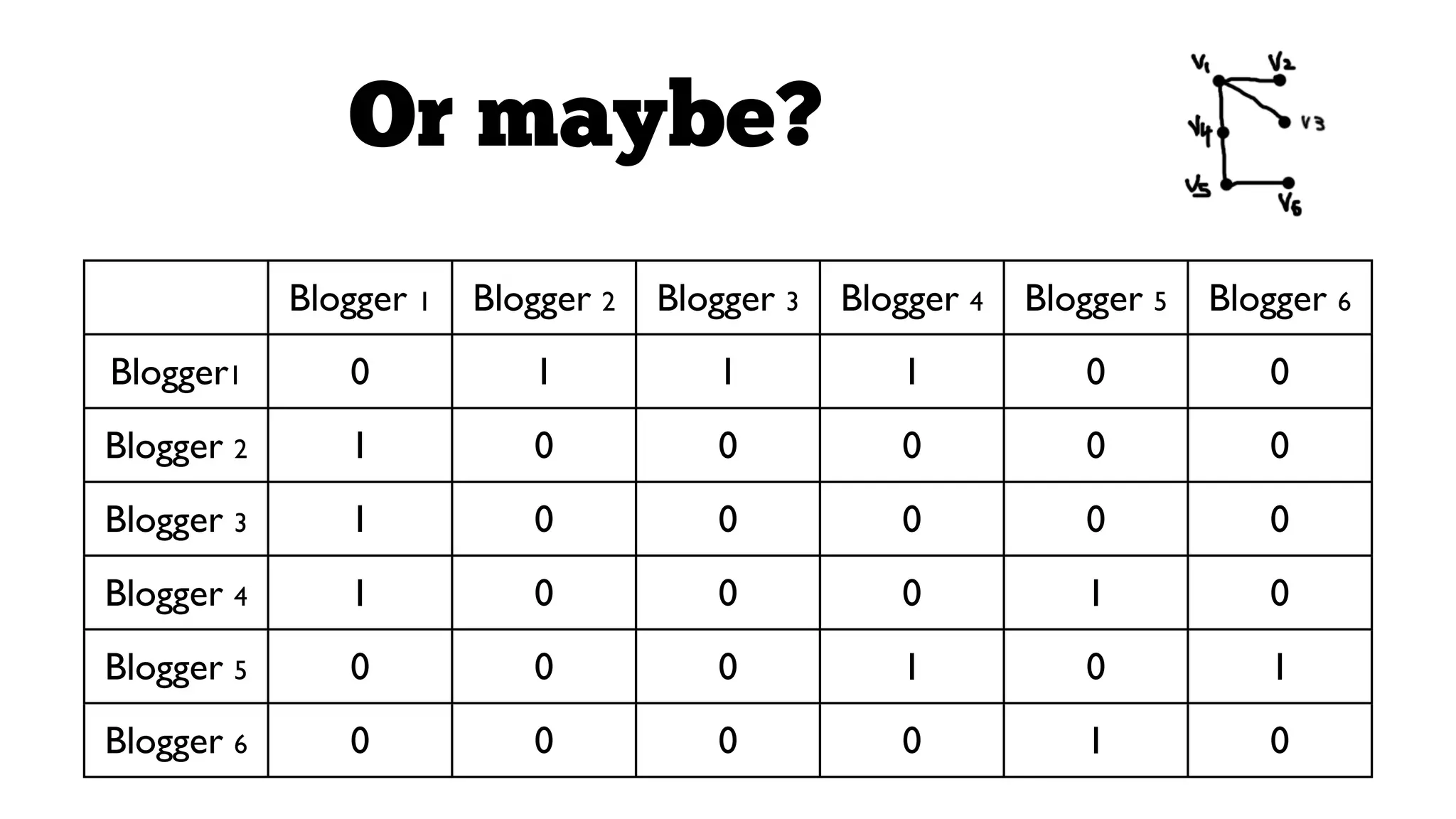
Or maybe?
Blogger 1

Blogger 2

Blogger 3

Blogger 4

Blogger 5

Blogger 6

Blogger1

0

1

1

1

0

0

Blogger 2

1

0

0

0

0

0

Blogger 3

1

0

0

0

0

0

Blogger 4

1

0

0

0

1

0

Blogger 5

0

0

0

1

0

1

Blogger 6

0

0

0

0

1

0
Cardinality is the number of Nodes or
Vertices in a Graph

Prayitno/
Degrees of Vertex is how
many edges a vertex has.

chedder
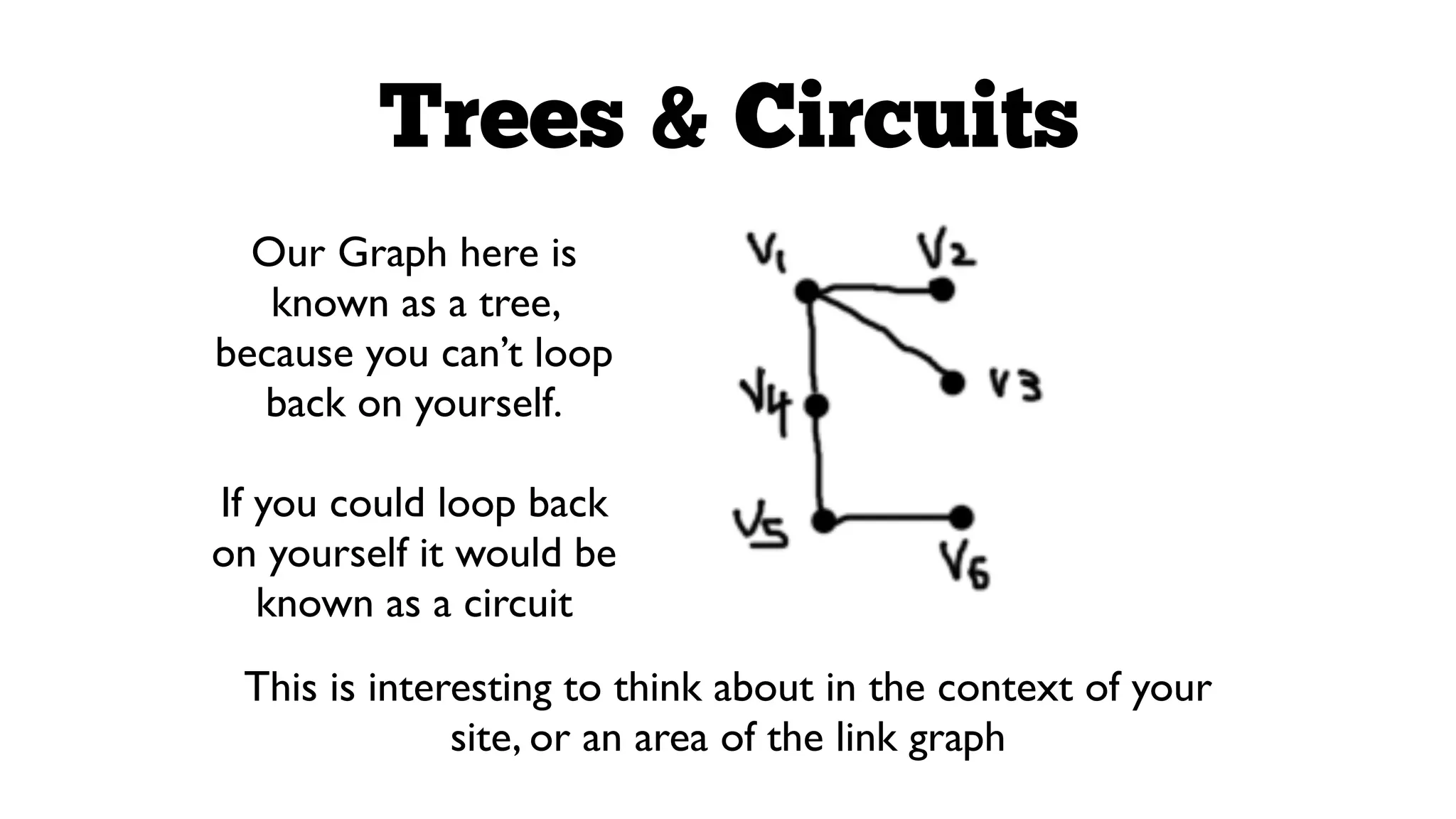
Trees & Circuits
Our Graph here is
known as a tree,
because you can’t loop
back on yourself.
If you could loop back
on yourself it would be
known as a circuit
This is interesting to think about in the context of your
site, or an area of the link graph
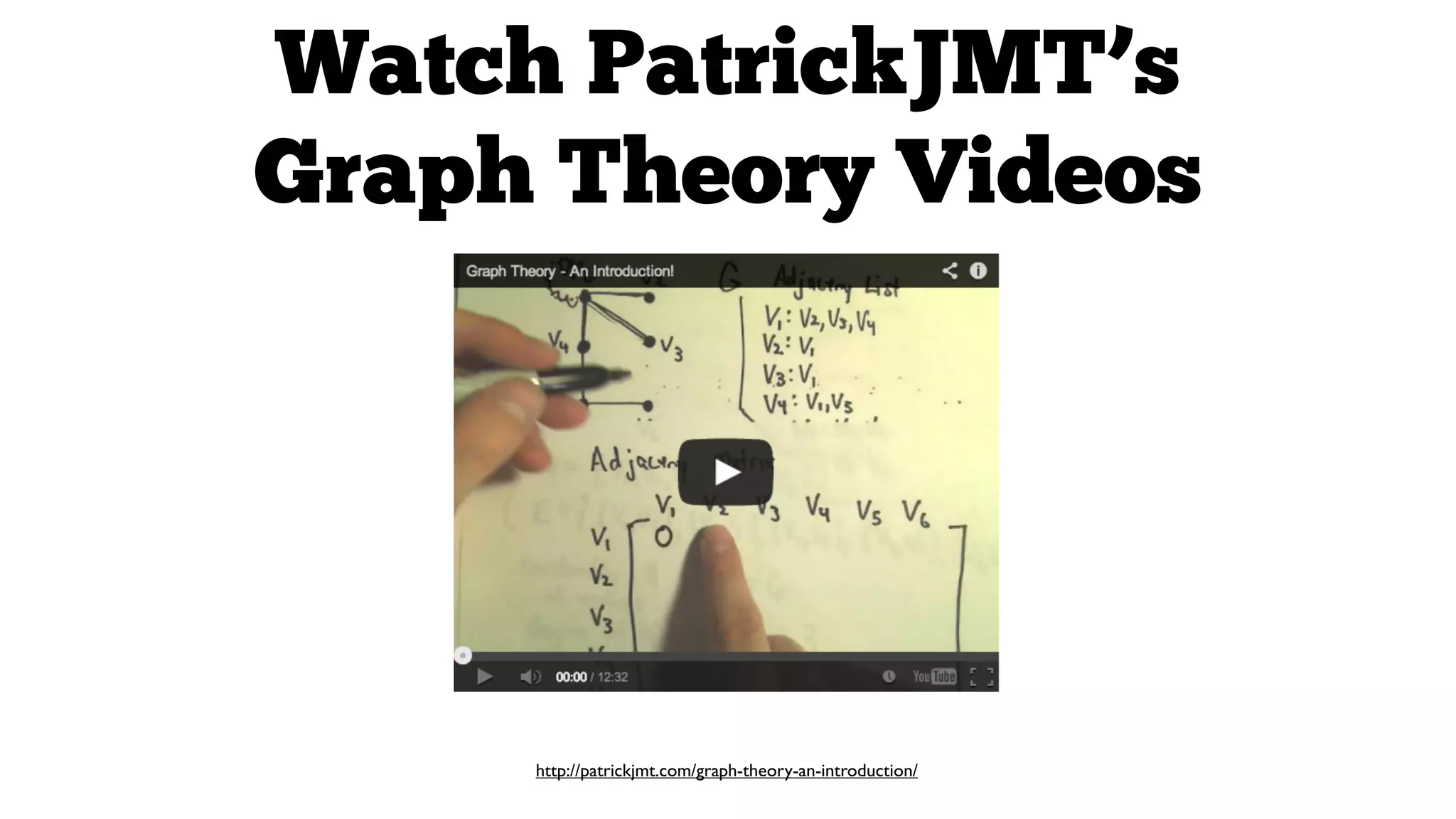
Watch PatrickJMT’s
Graph Theory Videos

http://patrickjmt.com/graph-theory-an-introduction/
What’s the first thing you
teach your team?

http://i.imgur.com/PGE2D2n.gif
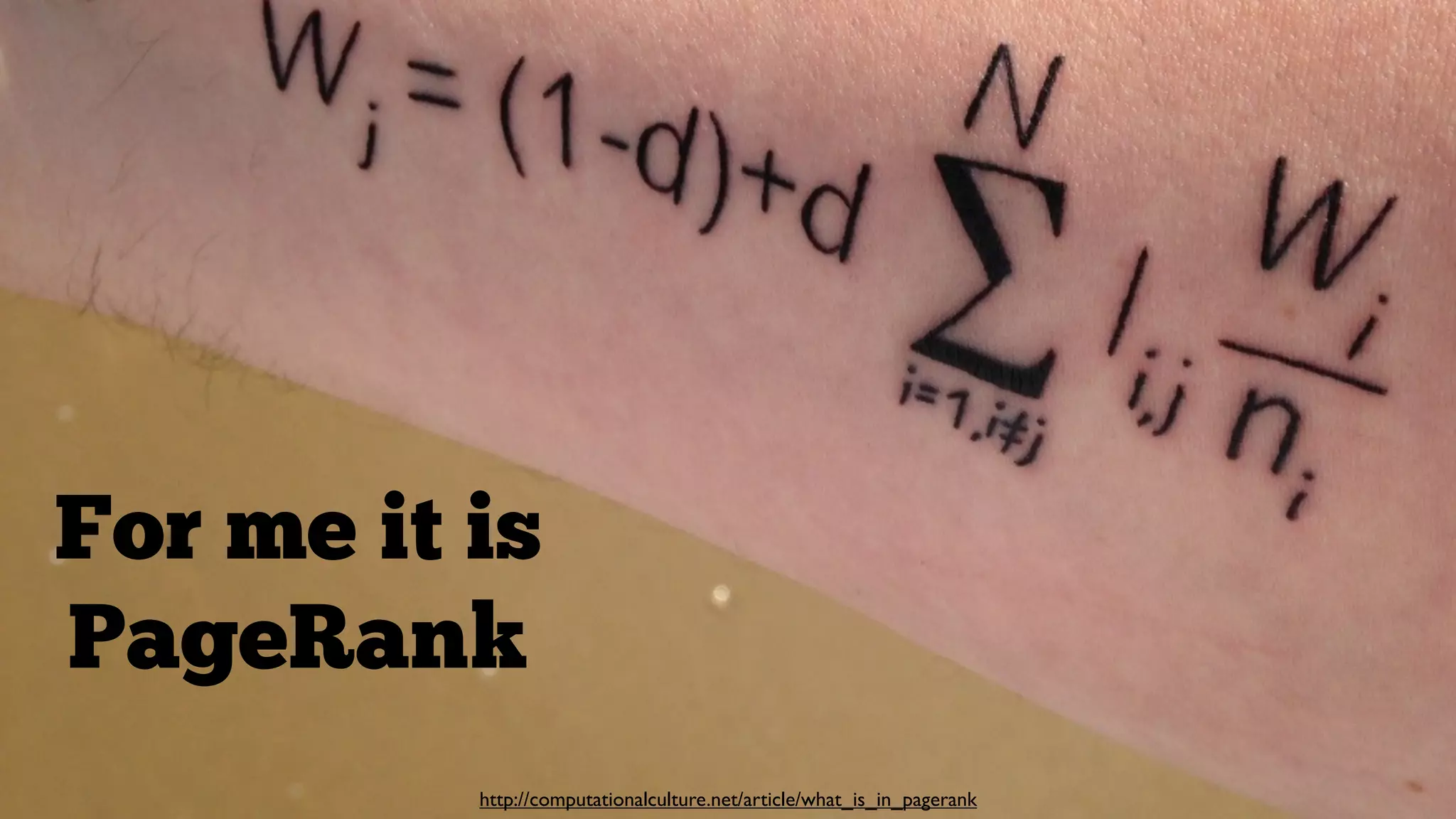
For me it is
PageRank
http://computationalculture.net/article/what_is_in_pagerank
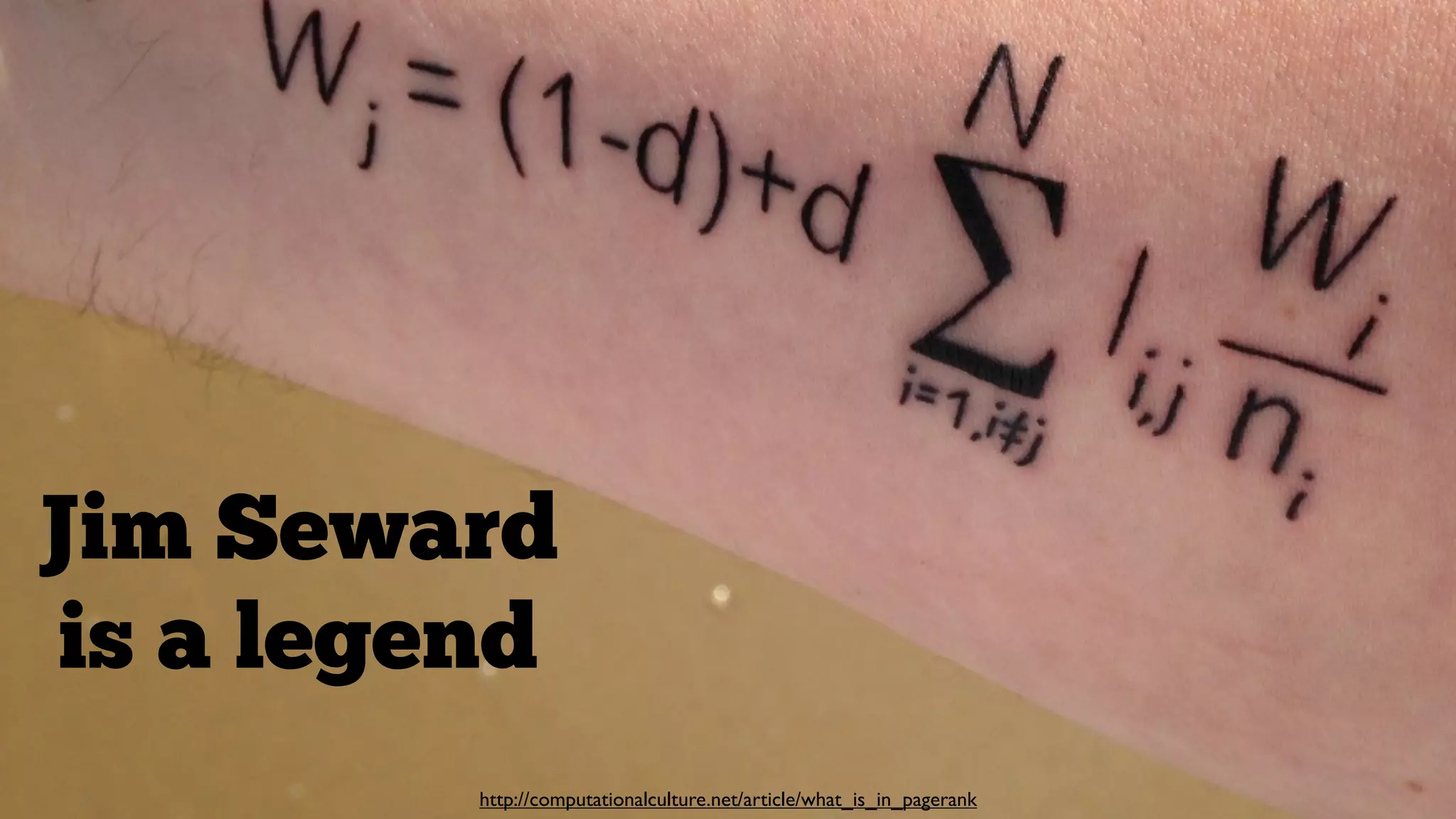
Jim Seward
is a legend
http://computationalculture.net/article/what_is_in_pagerank
What is
PageRank?

http://i.imgur.com/aNXqGNT.gif
A set of rules which can be used
to give a numerical weighting to
assess the importance of
document within linked data set
A set of rules which can be used
to give a numerical weighting to
assess the importance of
nodes
document within linked data set
it is not
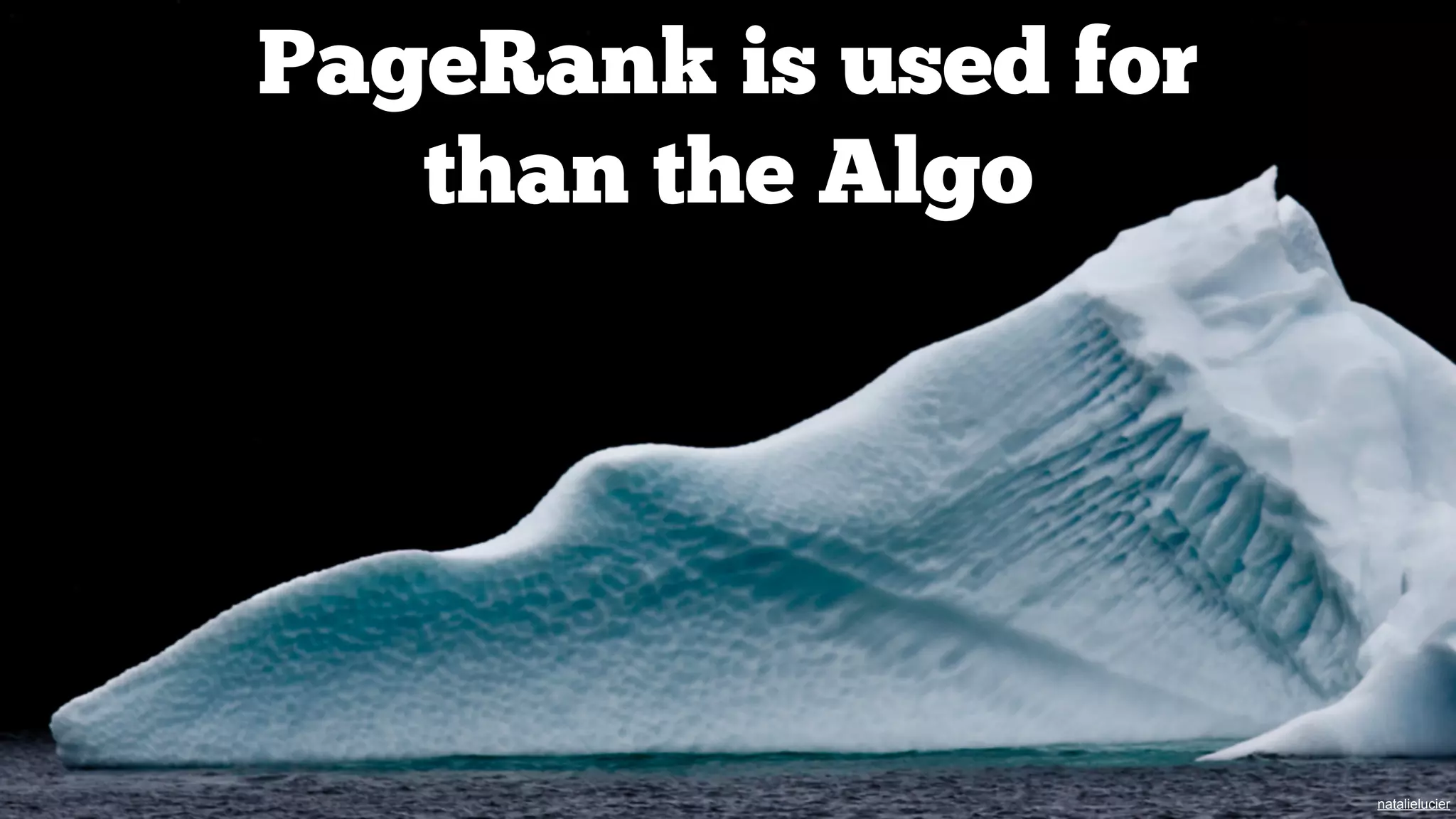
PageRank is used for
than the Algo

natalielucier
Understand Lung Cancer
http://www.news-medical.net/news/20130326/Algorithm-similar-to-Google-PageRank-helps-map-spread-of-lung-cancer.aspx

jasleen_kaur
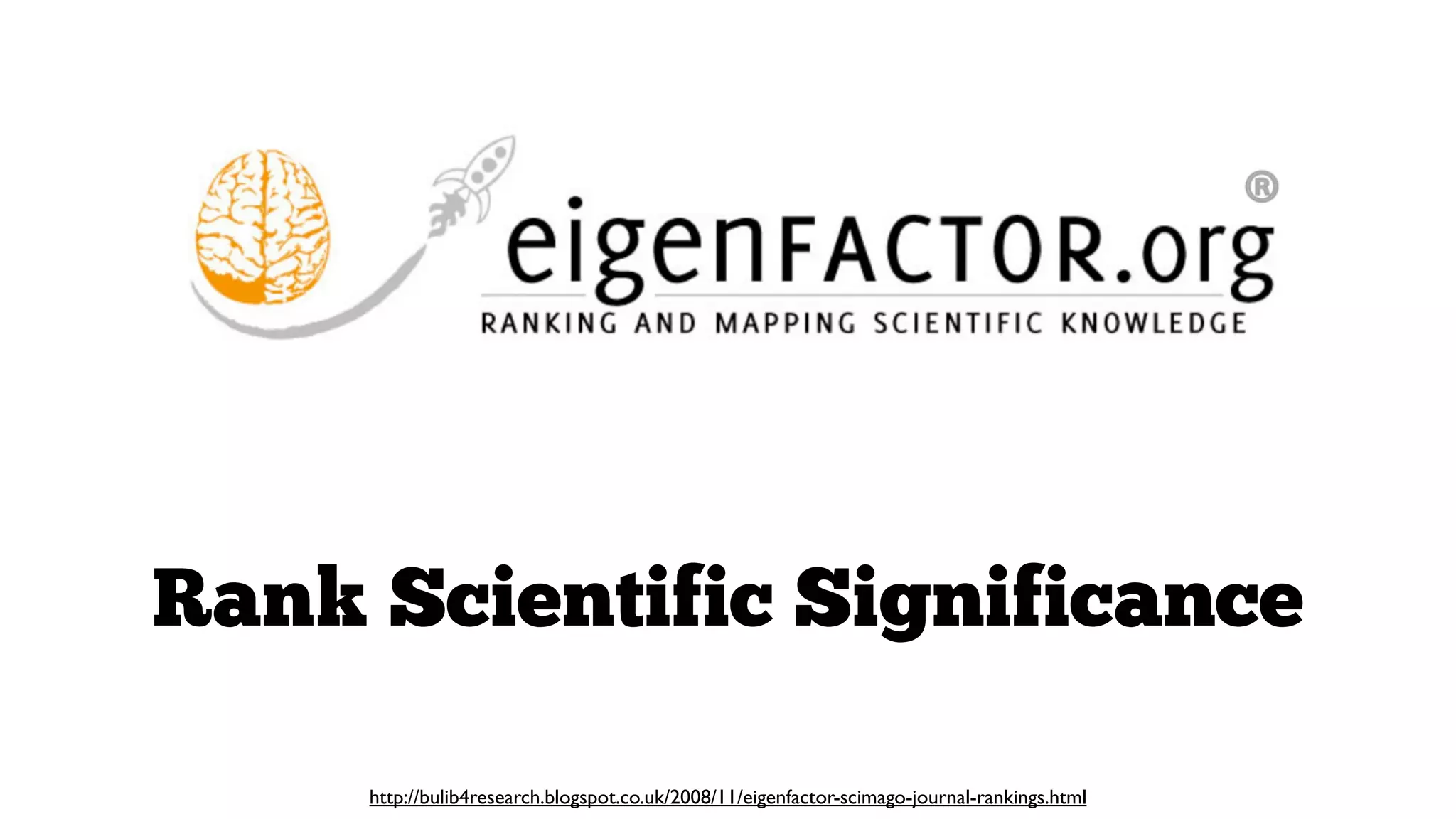
Rank Scientific Significance
http://bulib4research.blogspot.co.uk/2008/11/eigenfactor-scimago-journal-rankings.html
Predict Traffic

http://iopscience.iop.org/1742-5468/2008/07/P07008/

deepsan
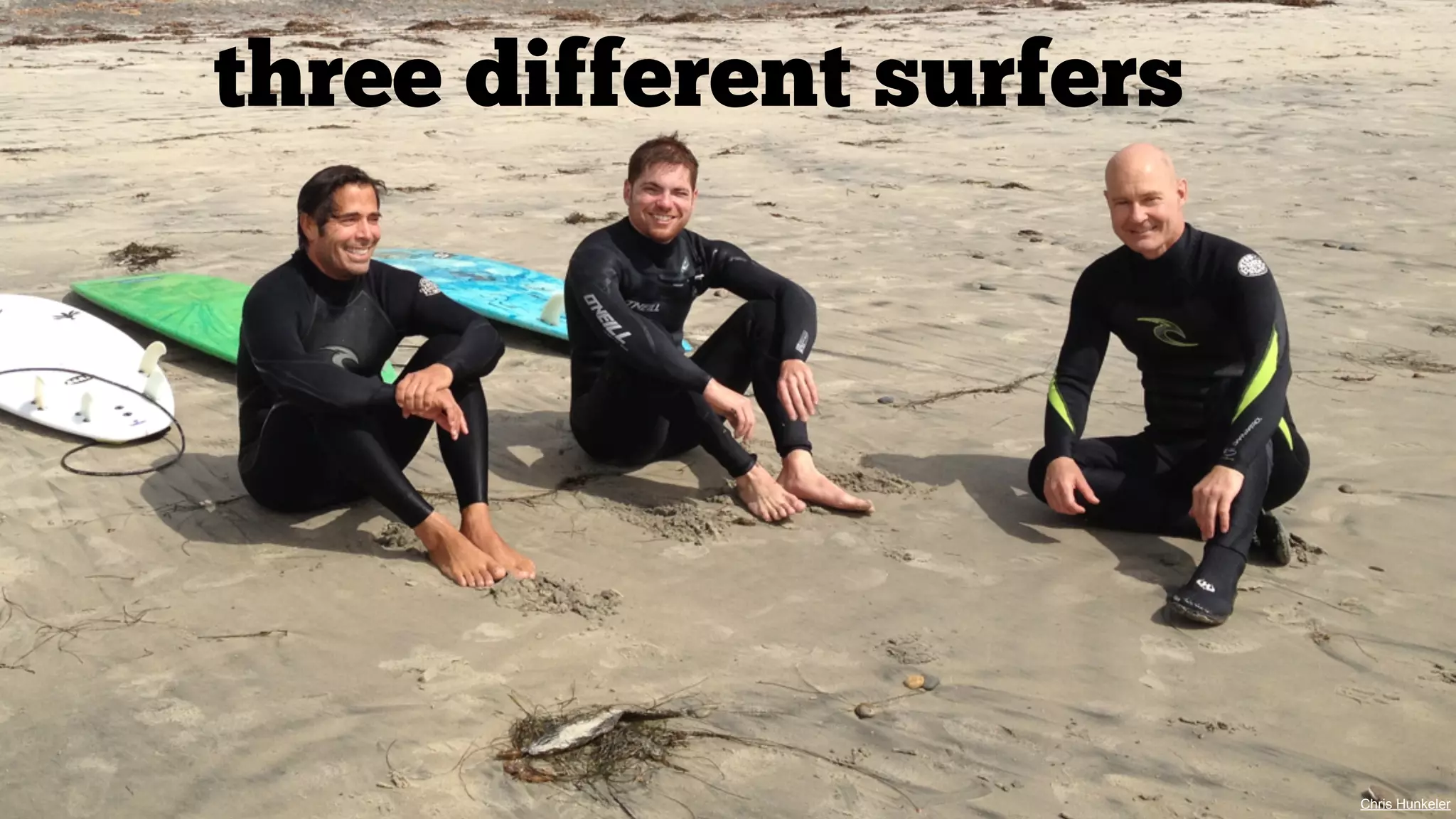
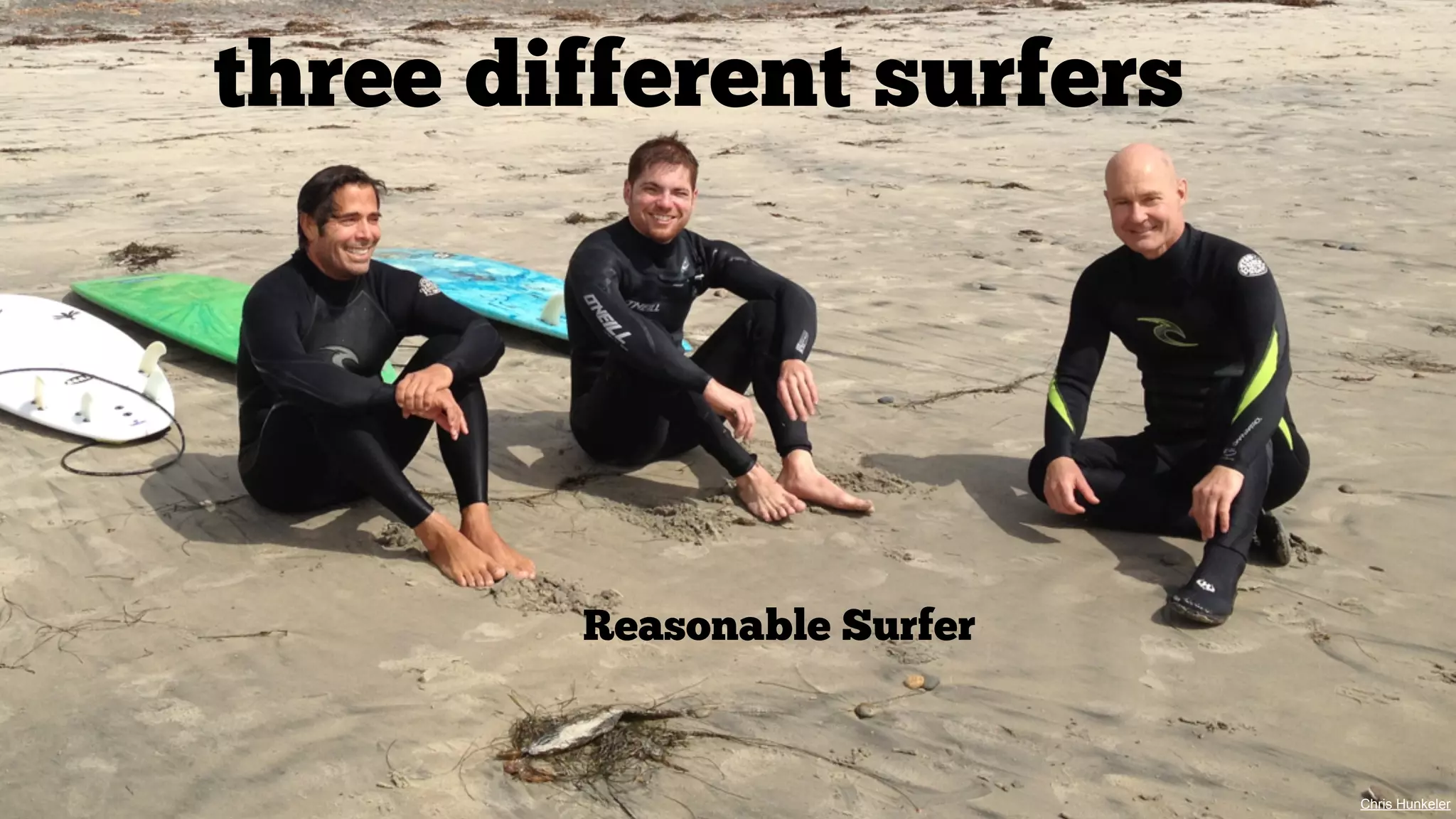
three different surfers

Chris Hunkeler
three different surfers

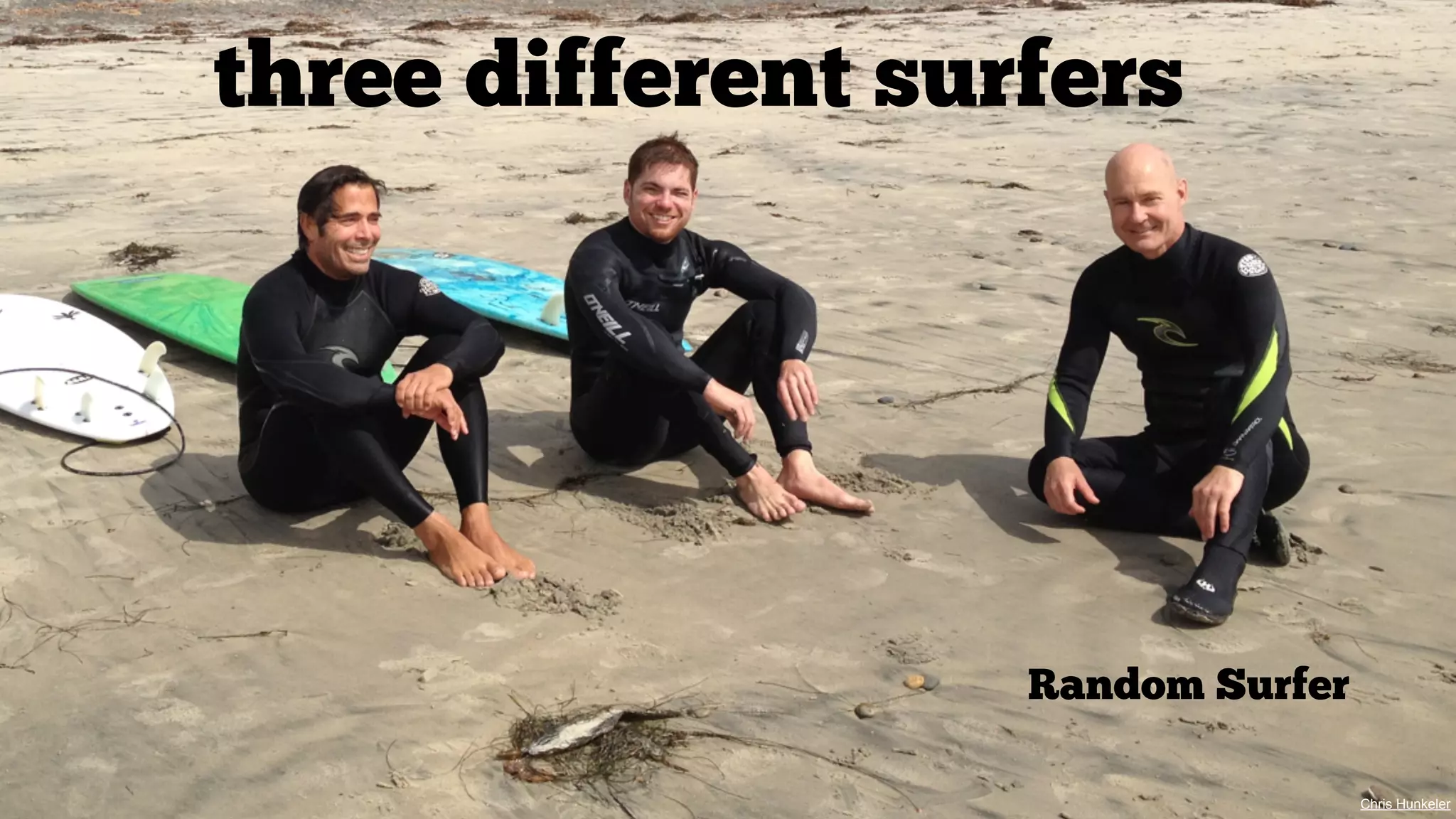
Random Surfer
Chris Hunkeler
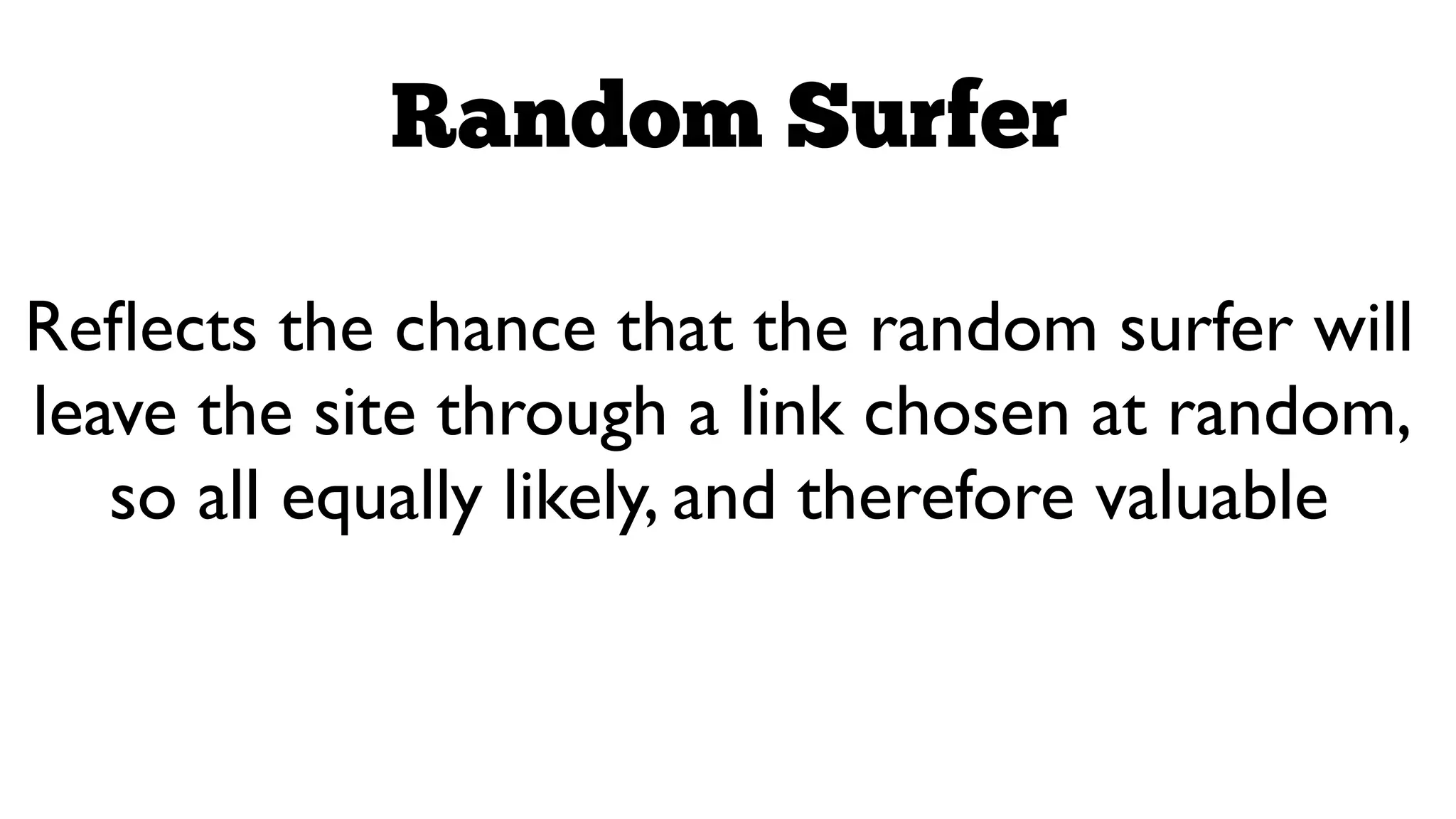
Random Surfer
Reflects the chance that the random surfer will
leave the site through a link chosen at random,
so all equally likely, and therefore valuable
three different surfers

Reasonable Surfer

Chris Hunkeler
Reasonable Surfer
The reasonable surfer model supposes
that some links are more likely to be
clicked on and therefore should be
given more value.
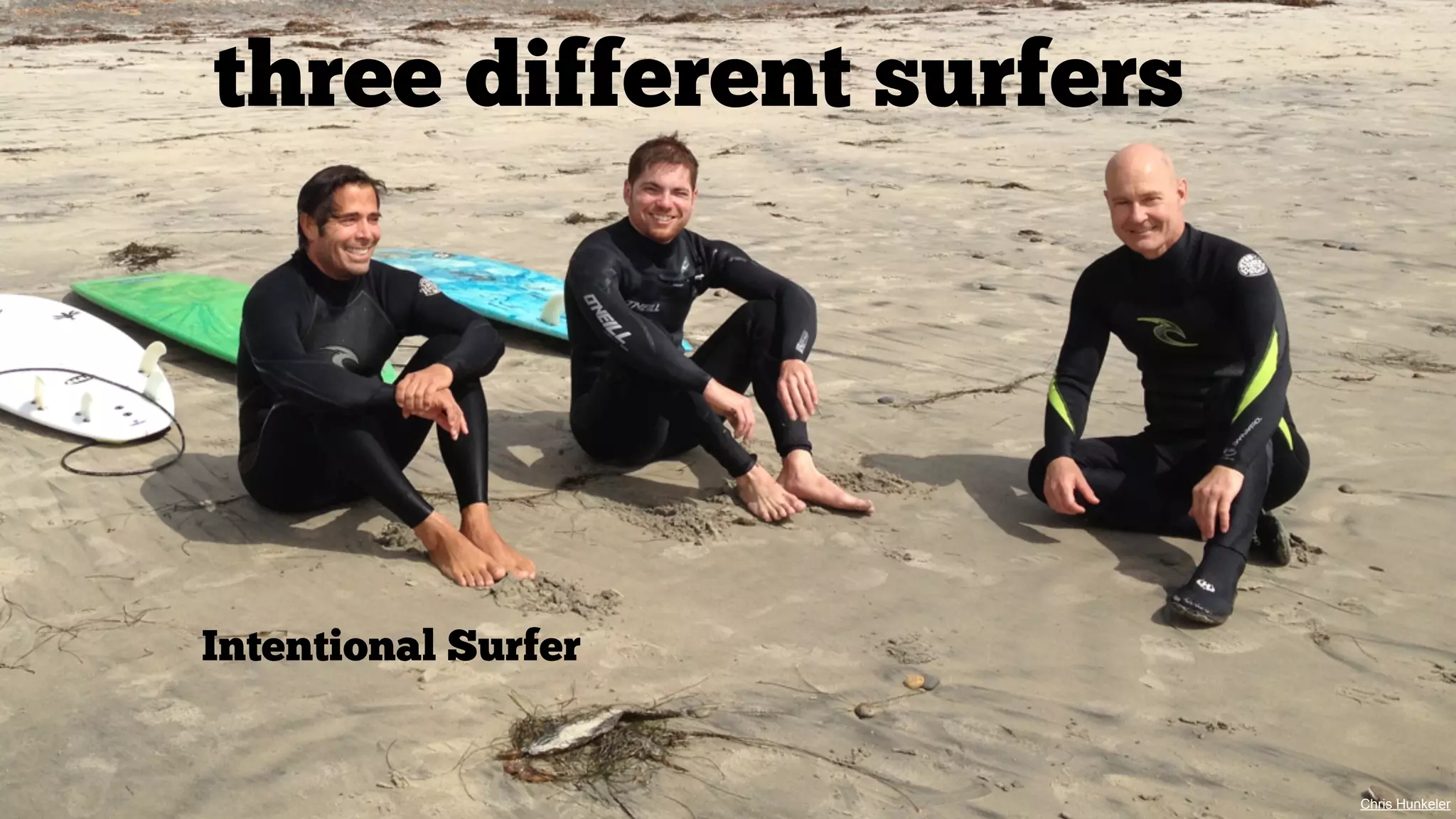
three different surfers

Intentional Surfer

Chris Hunkeler
Intentional Surfer
The intentional surfer model supposes
that links which ‘actually’ receive the
most links should be given more value.

http://en.wikipedia.org/wiki/PageRank#The_intentional_surfer_model
A lot has changed at Google,
but it will always be a search
engine which relies upon
PageRank; which is a practical
application of Graph Theory
Insert Audience
Participation
Hands up who thinks FB
GraphSearch is the best
search engine in the
world?
Just me?
Not here to convince you
GraphSearch will catch on
but...
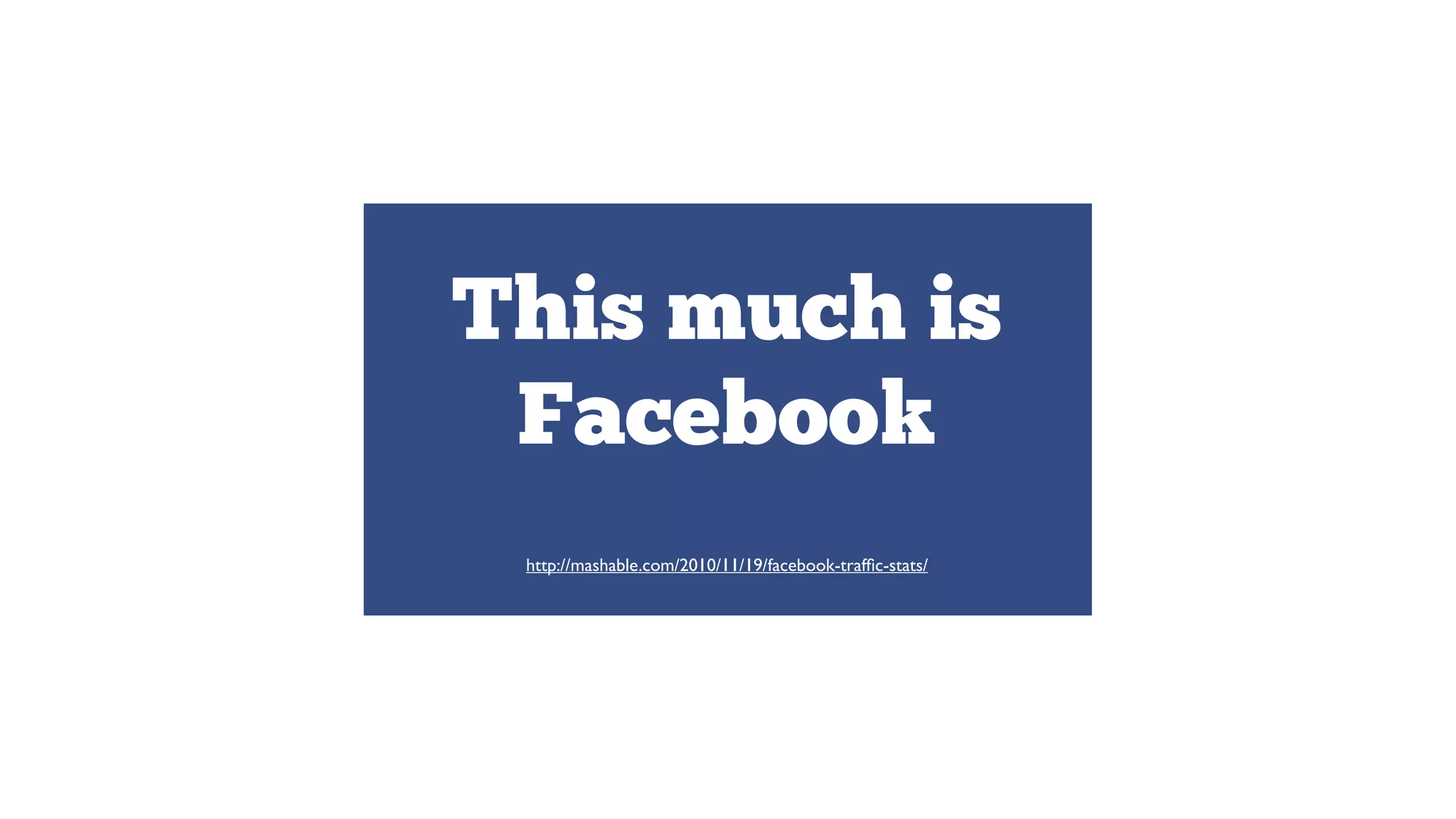
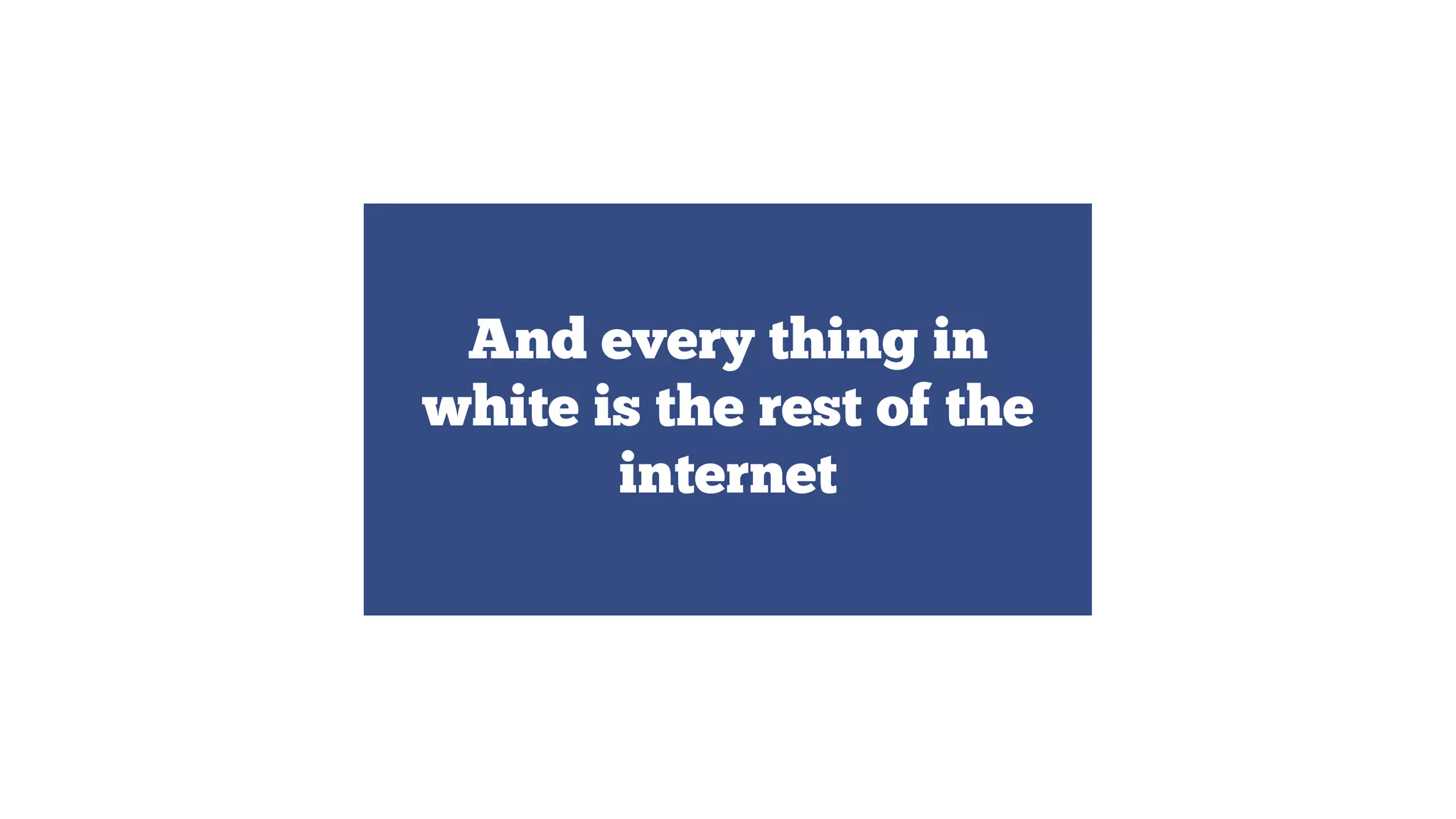
If the area of this slide
represents all the traffic on the
internet
This much is
Facebook
http://mashable.com/2010/11/19/facebook-traffic-stats/
And every thing in
white is the rest of the
internet
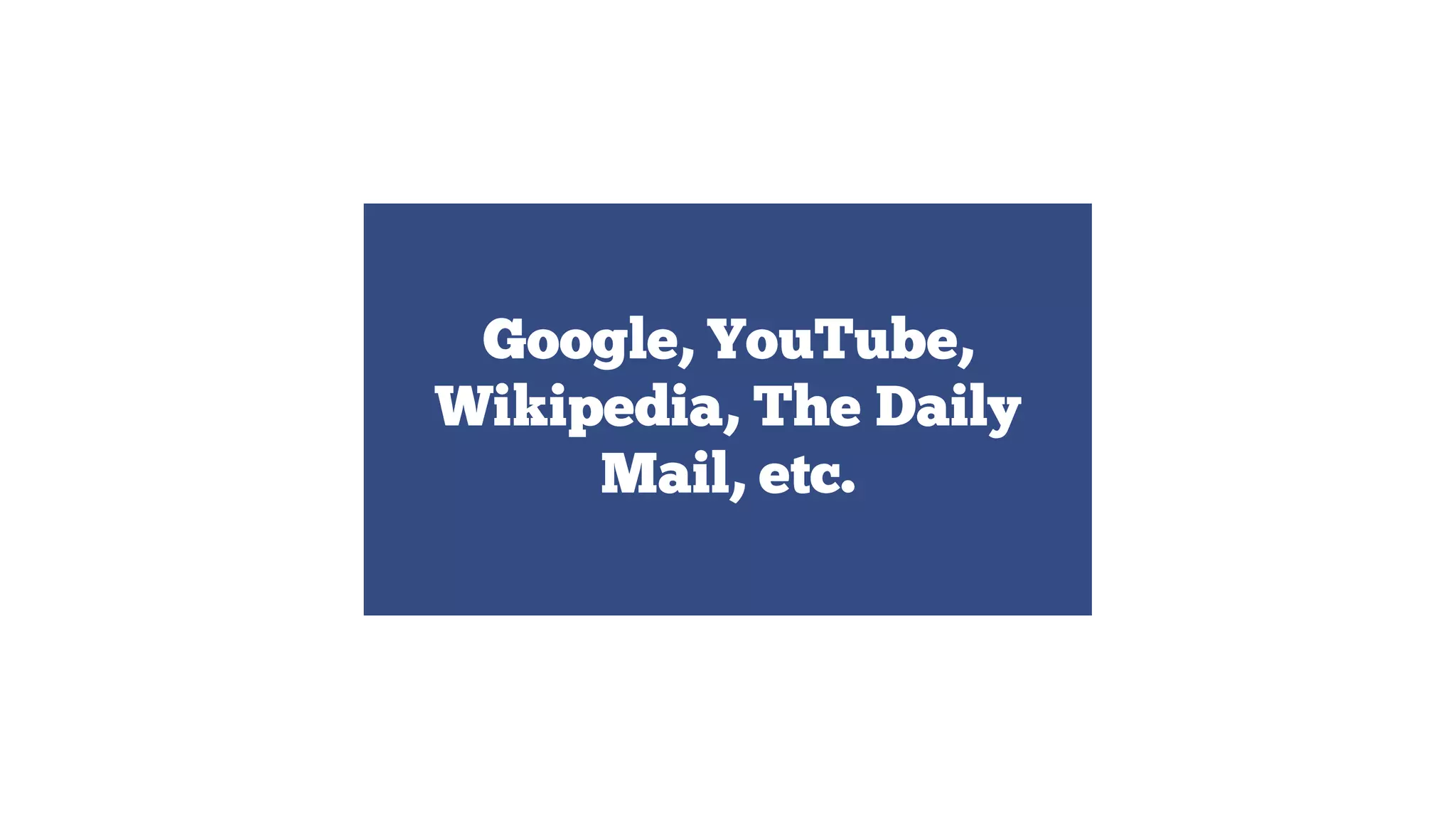
Google, YouTube,
Wikipedia, The Daily
Mail, etc.
your website, my
website, her website etc.
If anyone can
build a Google-Killer
it’s Facebook...
There’s a fundamental
difference between Facebook &
Google
is about...
documents and links

JD Hancock
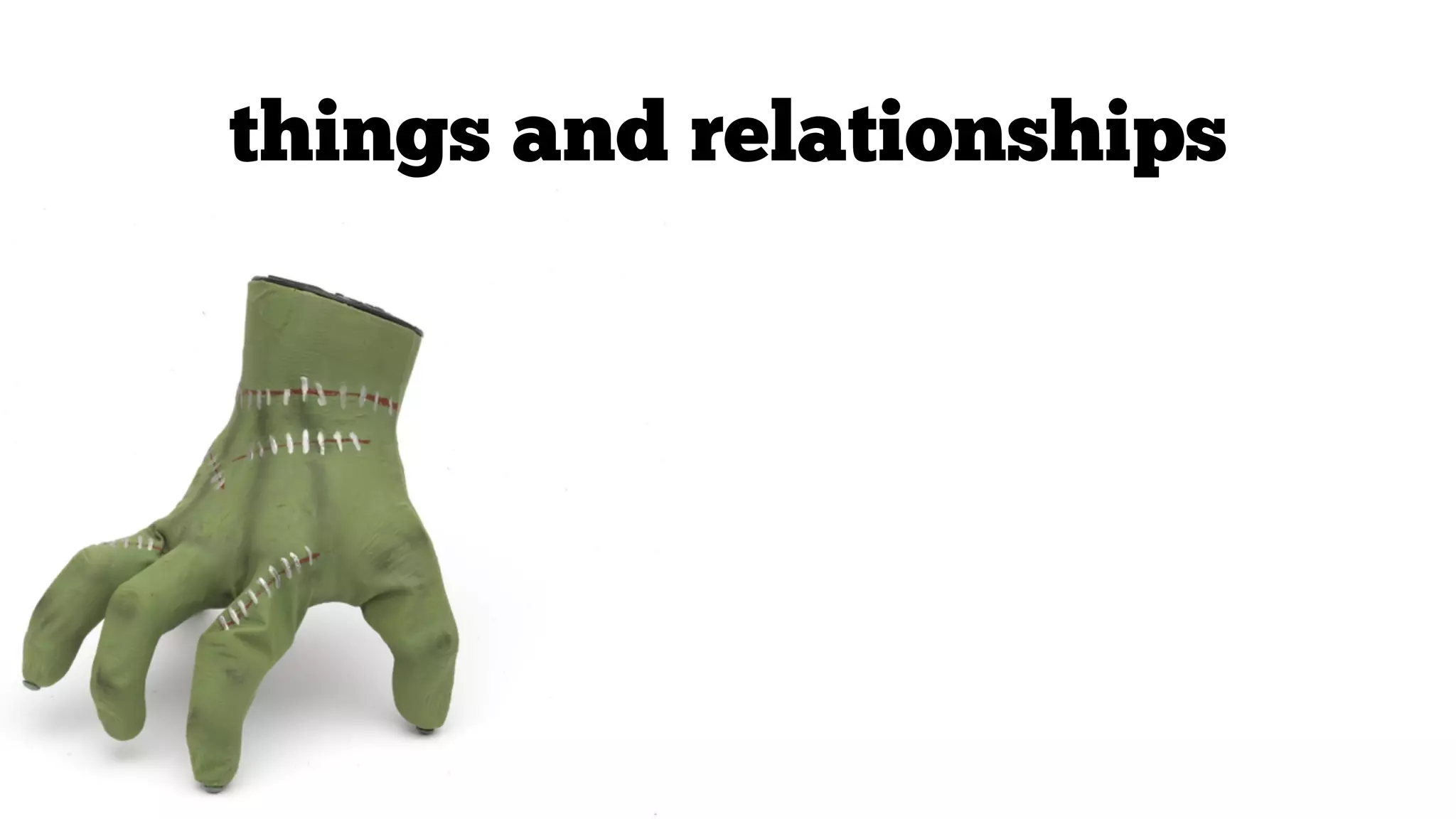
is about...
things and relationships

JD Hancock
this difference is subtle but

huge
but I think it works
better for the web as we
know it

JD Hancock
Google are trying to catchup but will struggle

zoom images
Facebook’s data has
a far more explicit
structure than
traditional web text

JD Hancock
it’s not that
tricky
for Google to
parse
“I Like Nerf
Guns”
porkist
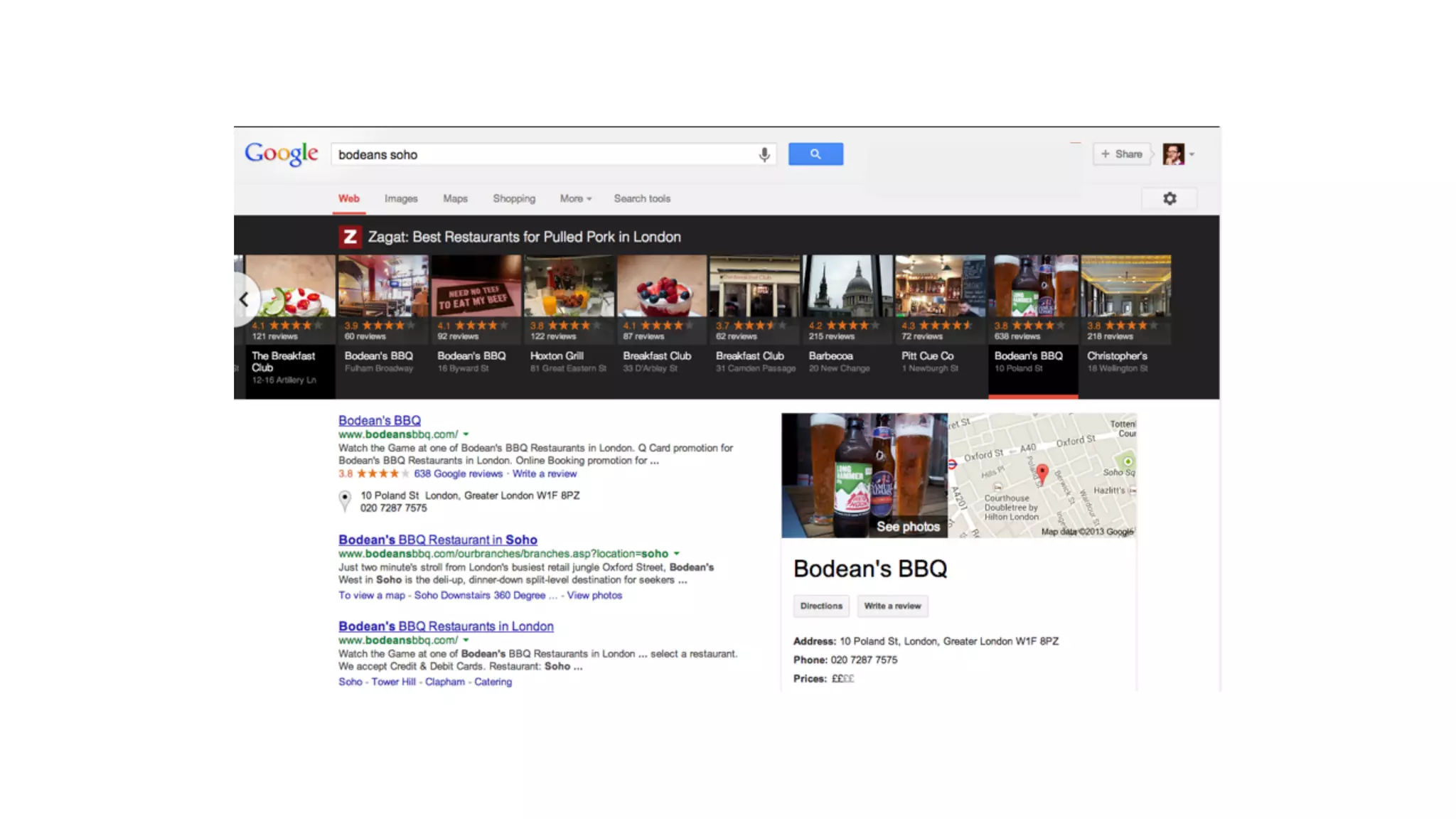
they could even have a go at “I was at Bodeans on Poland
Street for Lunch Yesterday”*
*if you mark it up in the right way

R_Savvy
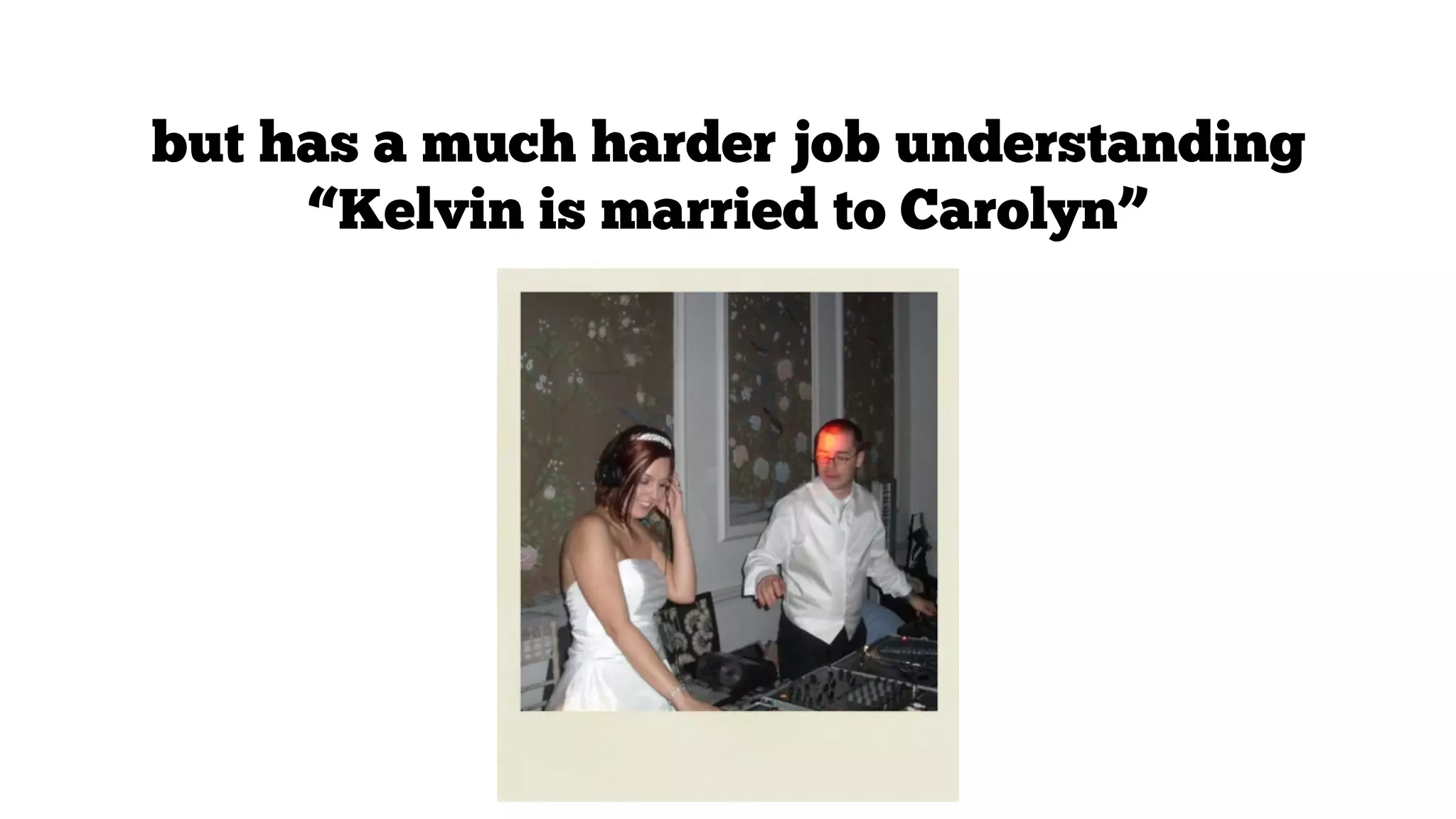
but has a much harder job understanding
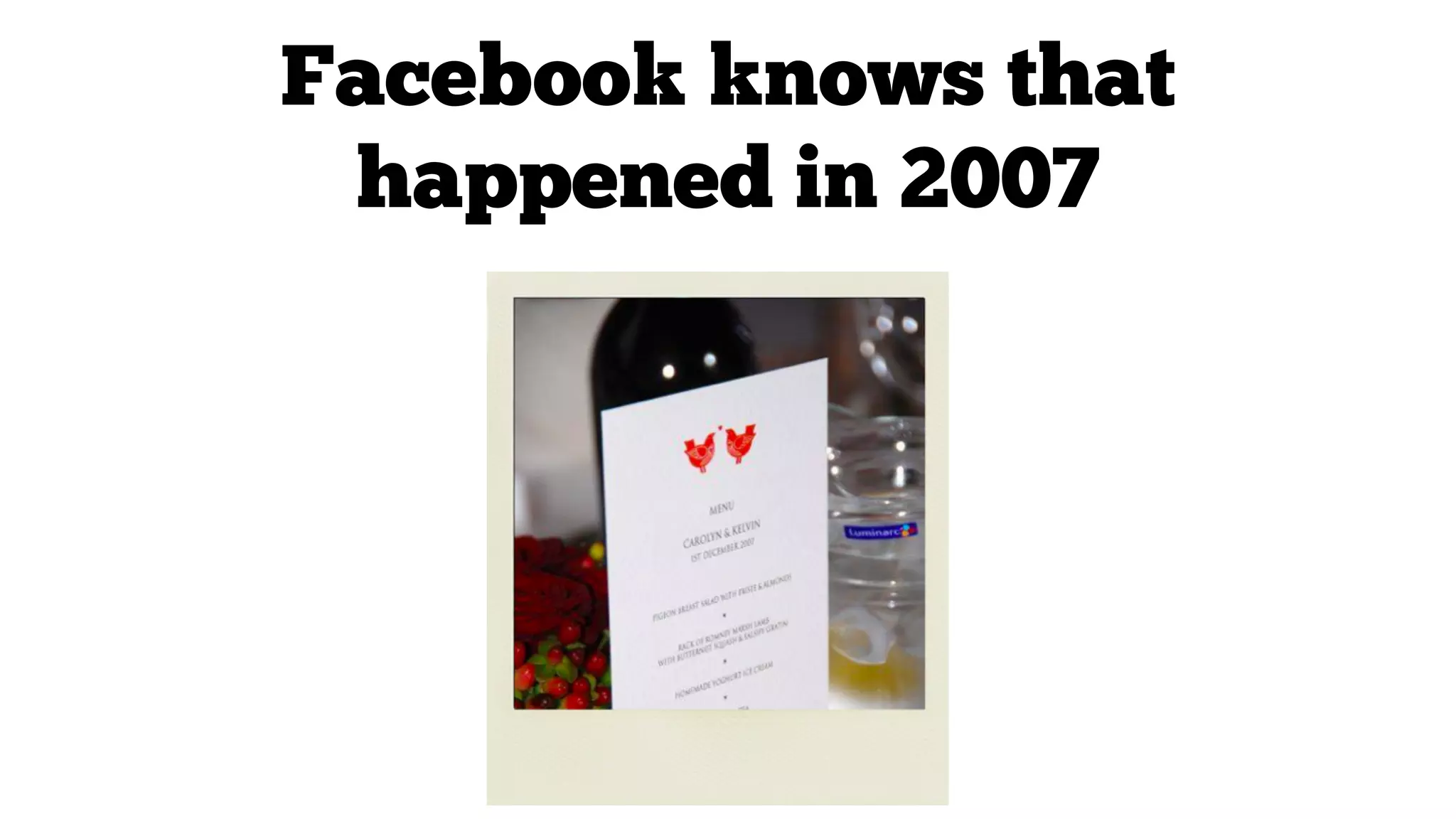
“Kelvin is married to Carolyn”
Facebook knows that
happened in 2007
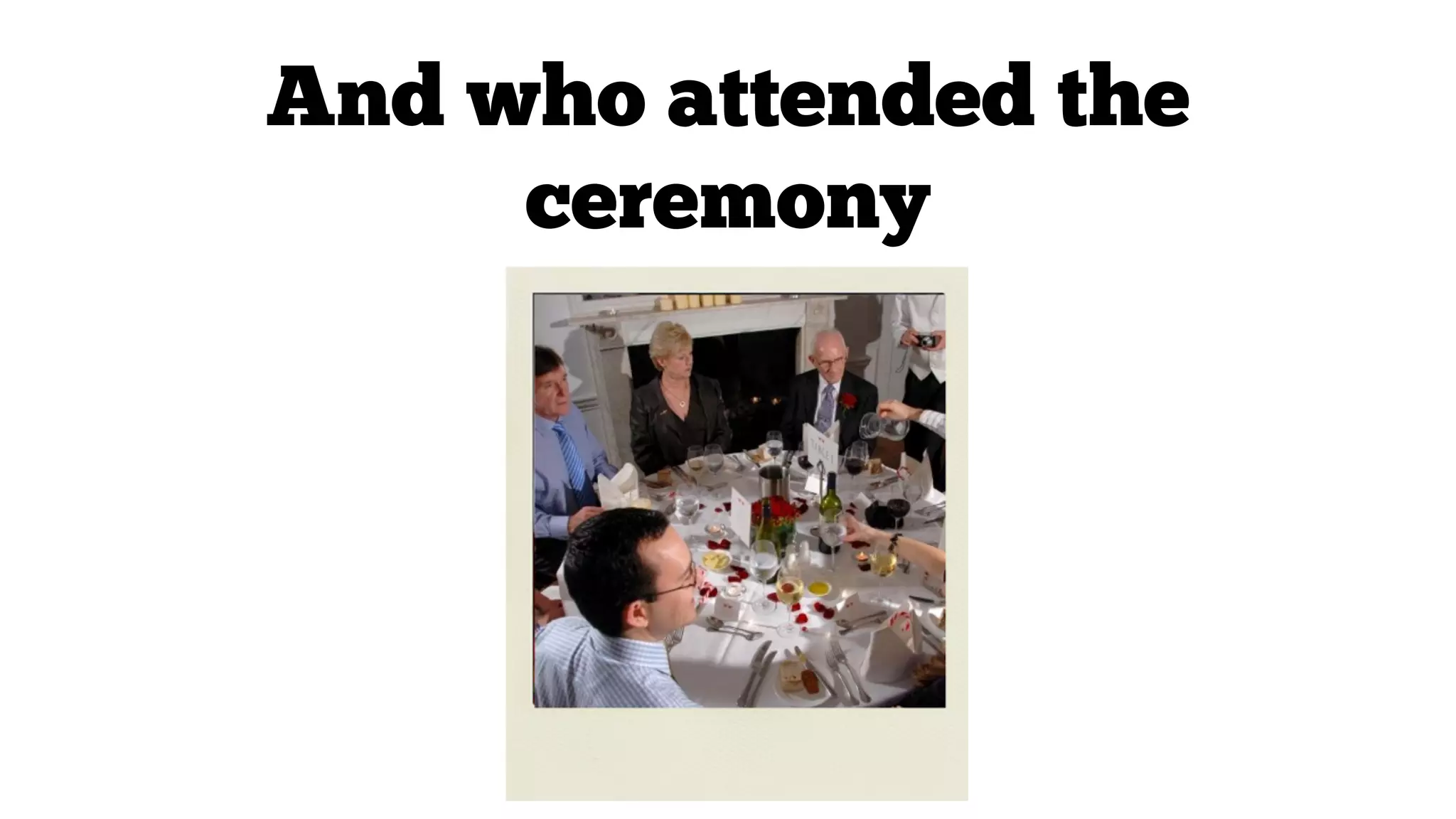
And who attended the
ceremony
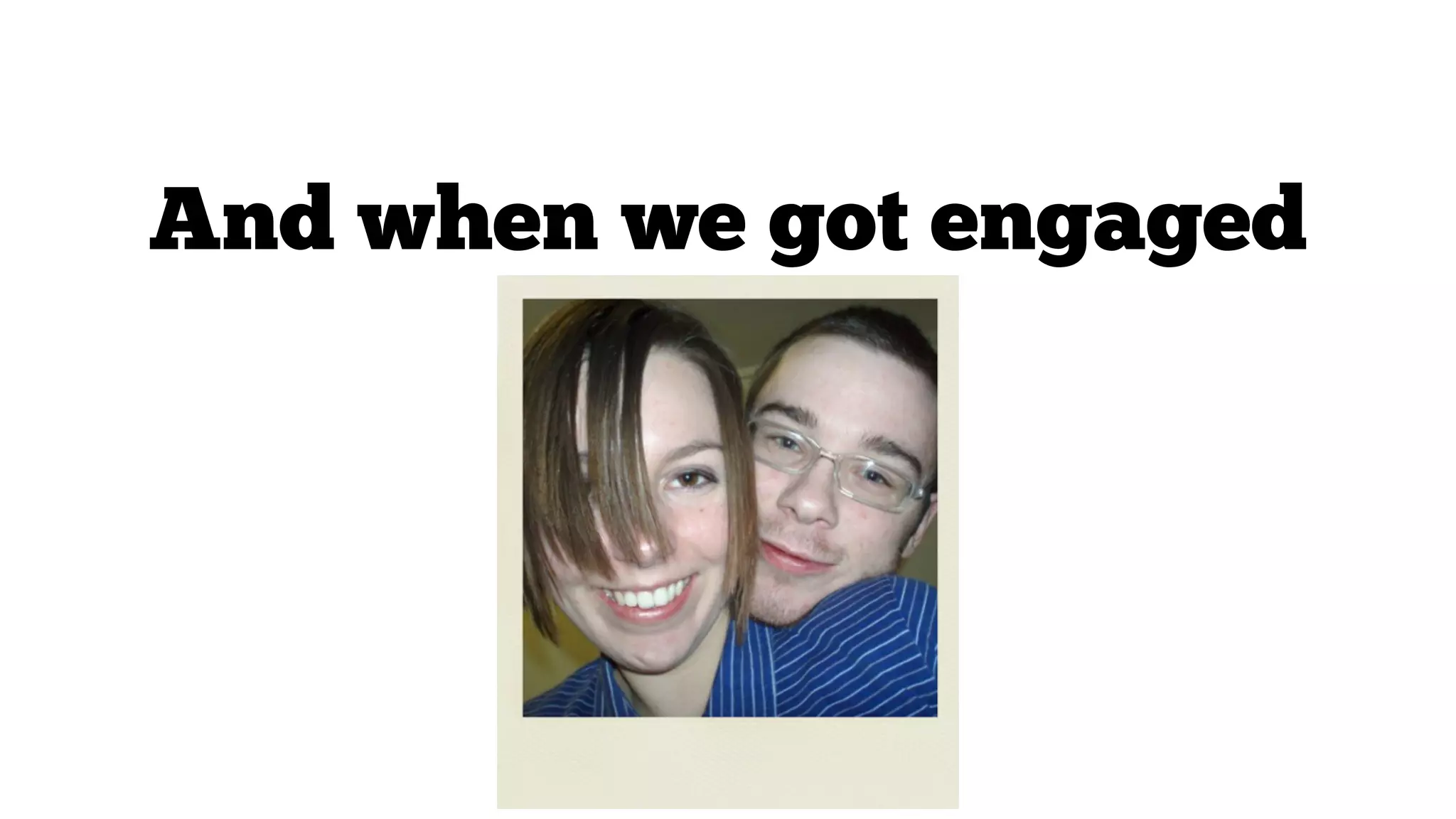
And when we got engaged
etc.
Google have to infer structure
Facebook know the structure
On GraphSearch you’re not
really making a search.

You’re just filtering a
structured database of all the
data Facebook has.
On GraphSearch you’re not
really making a search.

You’re just filtering a
structured database of all the
data Facebook has.
But it’s a bloody big
database

JD Hancock
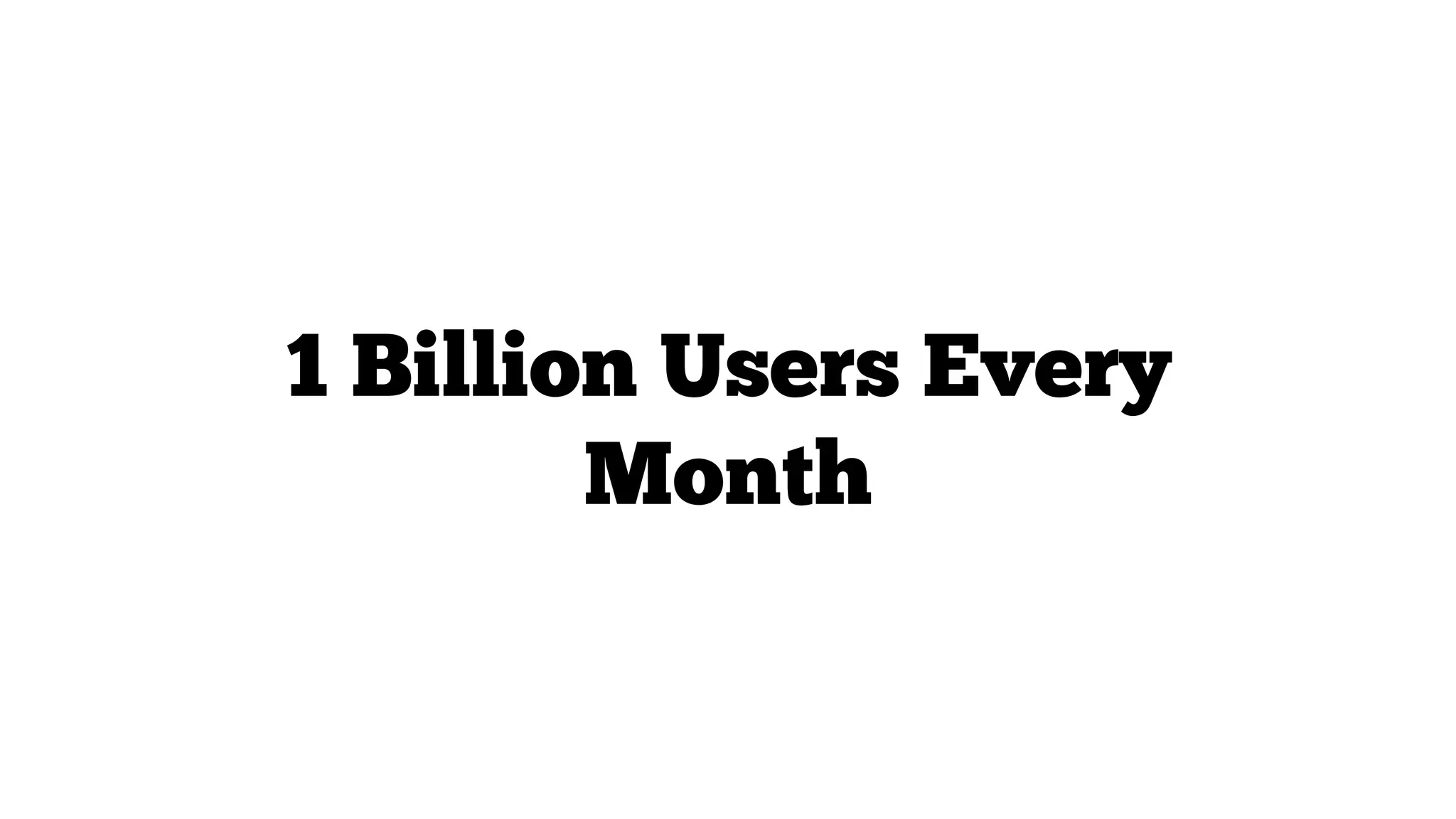
1 Billion Users Every
Month
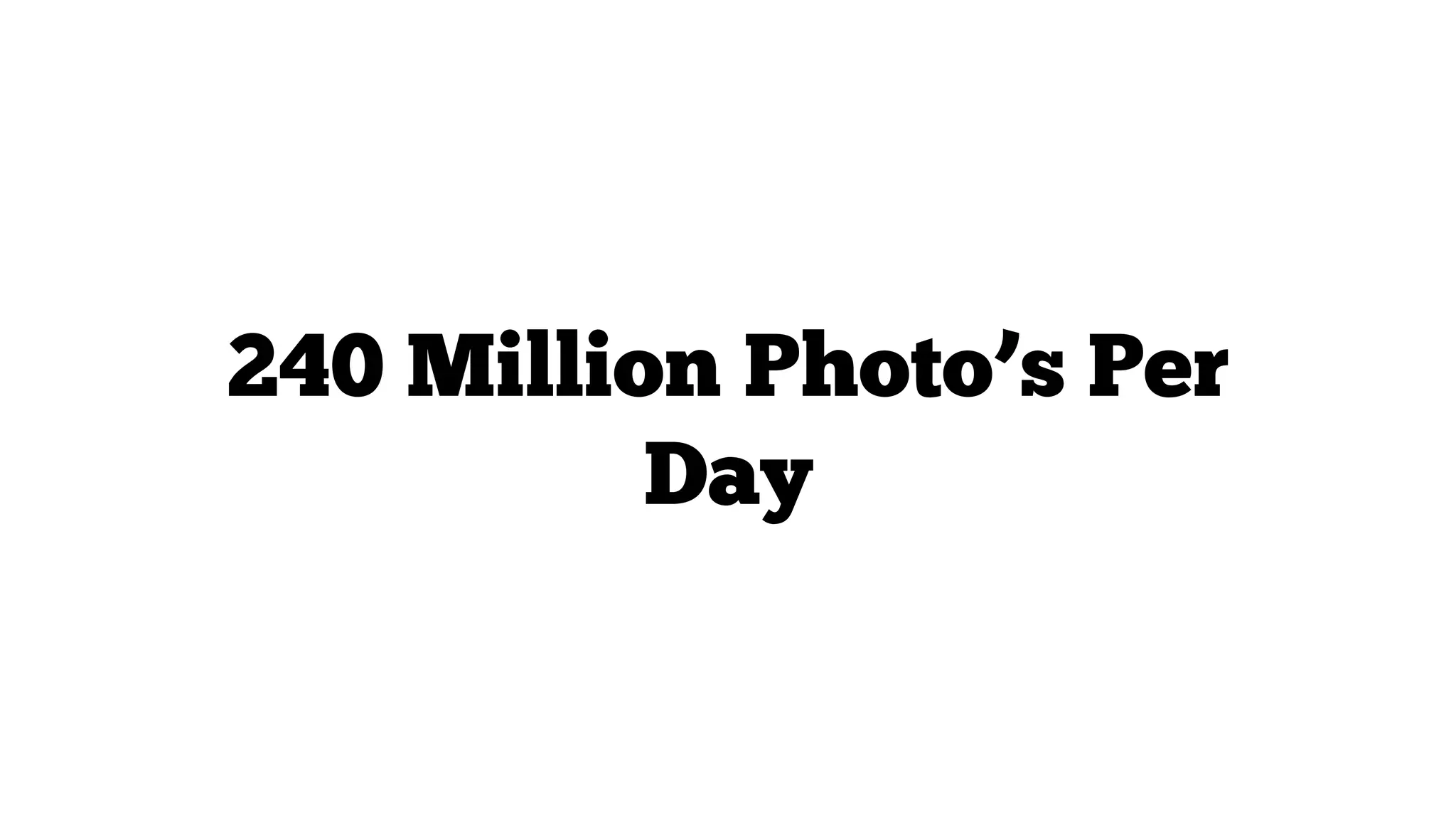
240 Million Photo’s Per
Day
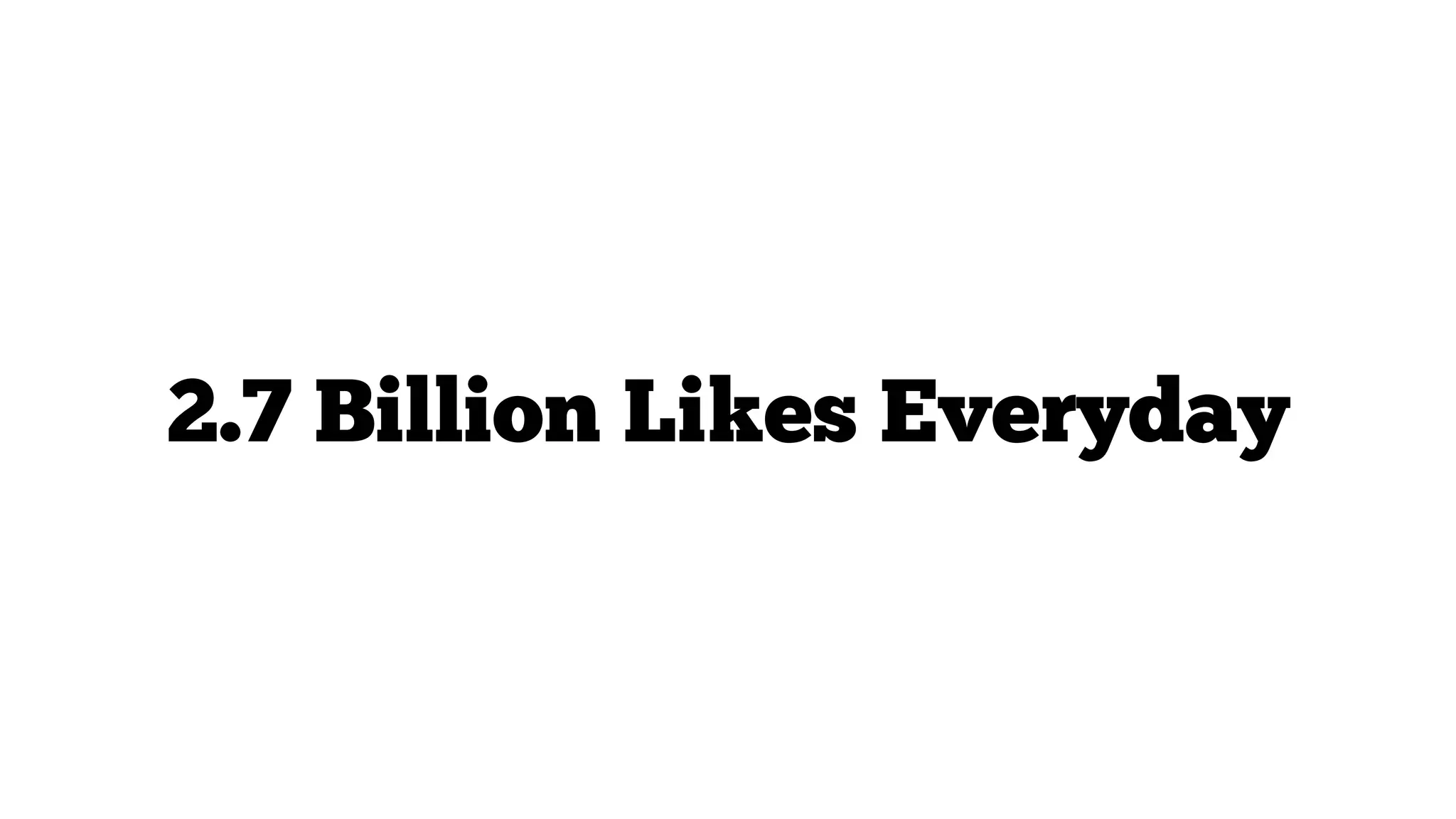
2.7 Billion Likes Everyday
People share billions of
pieces of content everyday
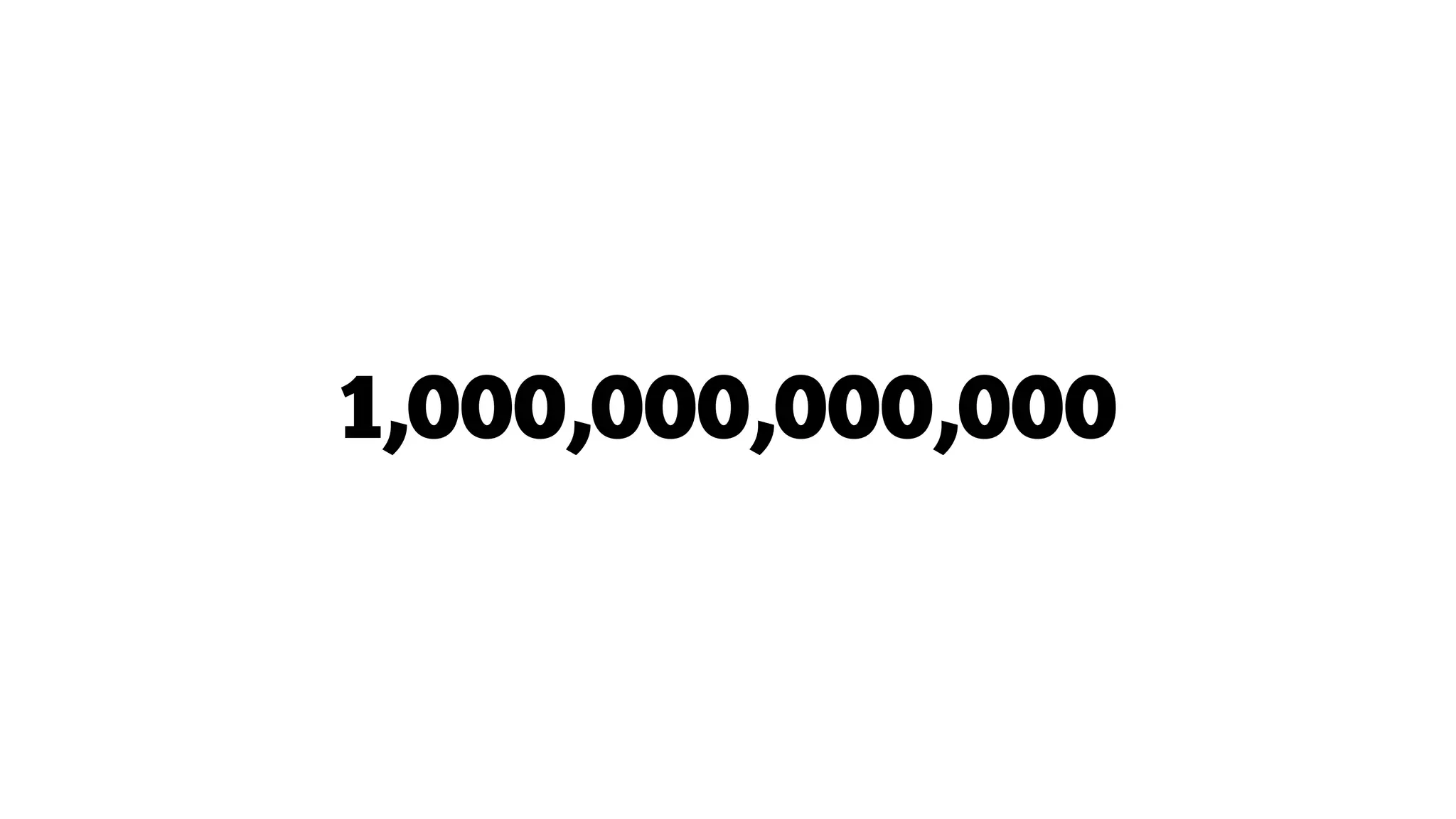
One trillion connections of
a thousand different types
1,000,000,000,000
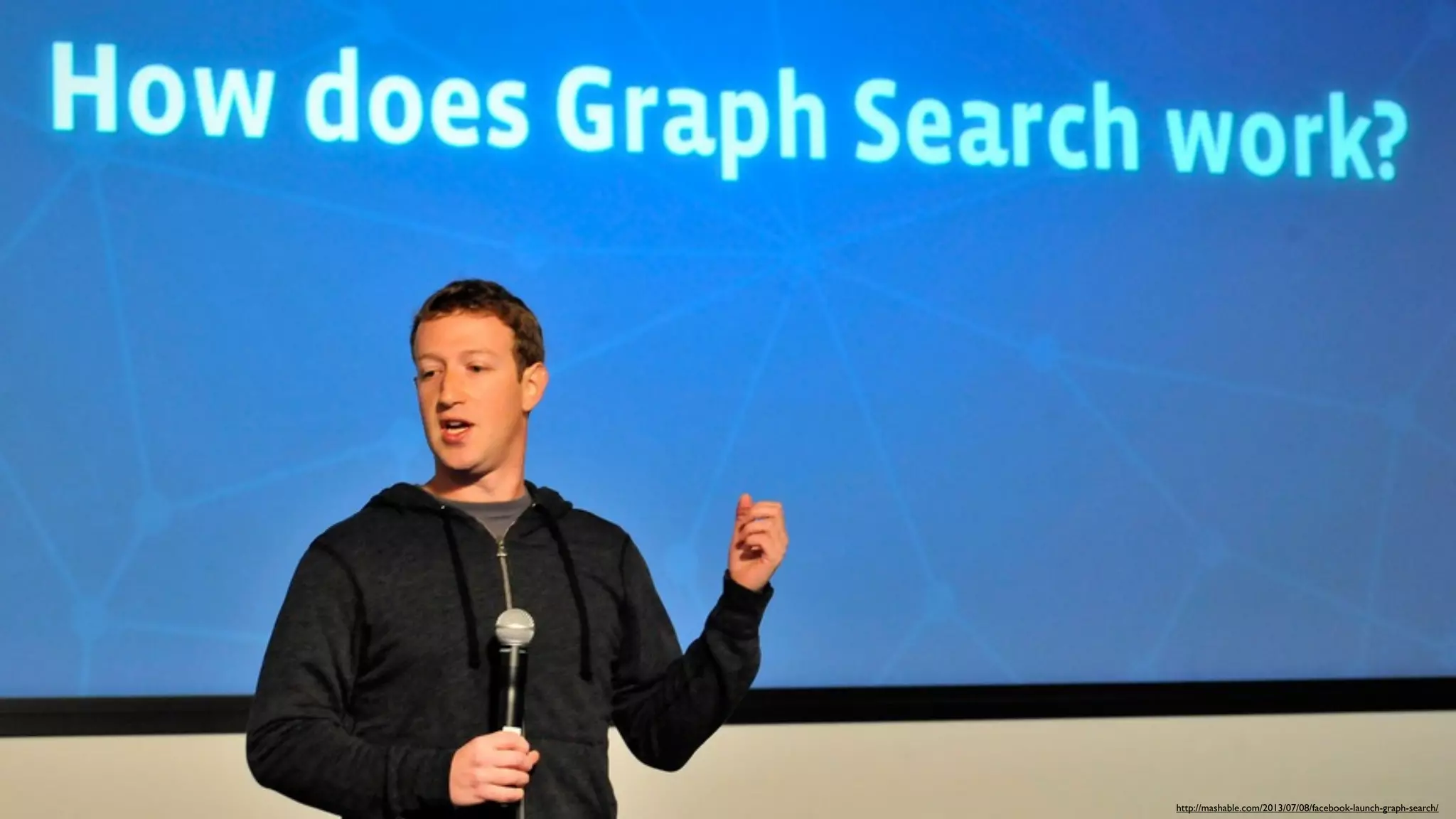
http://mashable.com/2013/07/08/facebook-launch-graph-search/
Every User, Page, Photo, Post &
Place is a Node

https://thetribe.s3.amazonaws.com/ferris.gif
http://maxlutz.com/blog/wp-content/uploads/2013/05/coffee2.gif

Every friendship, checkin, tag
or like is an Edge
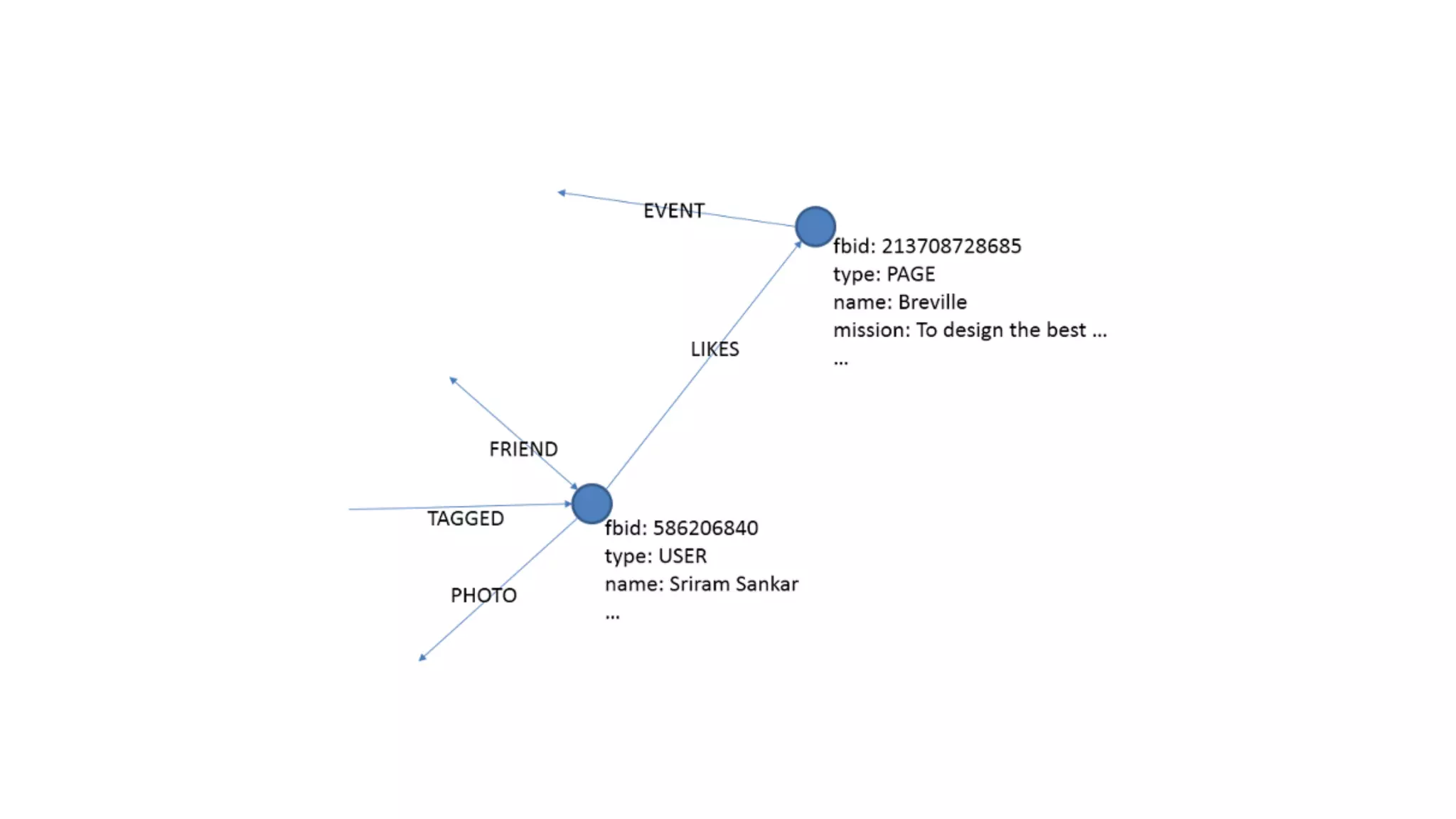
Each Node has Meta-Data
like description, this how
the old FB Search “worked”
GraphSearch Allows you
search the Edges as well
as the Nodes

JD Hancock
JD Hancock
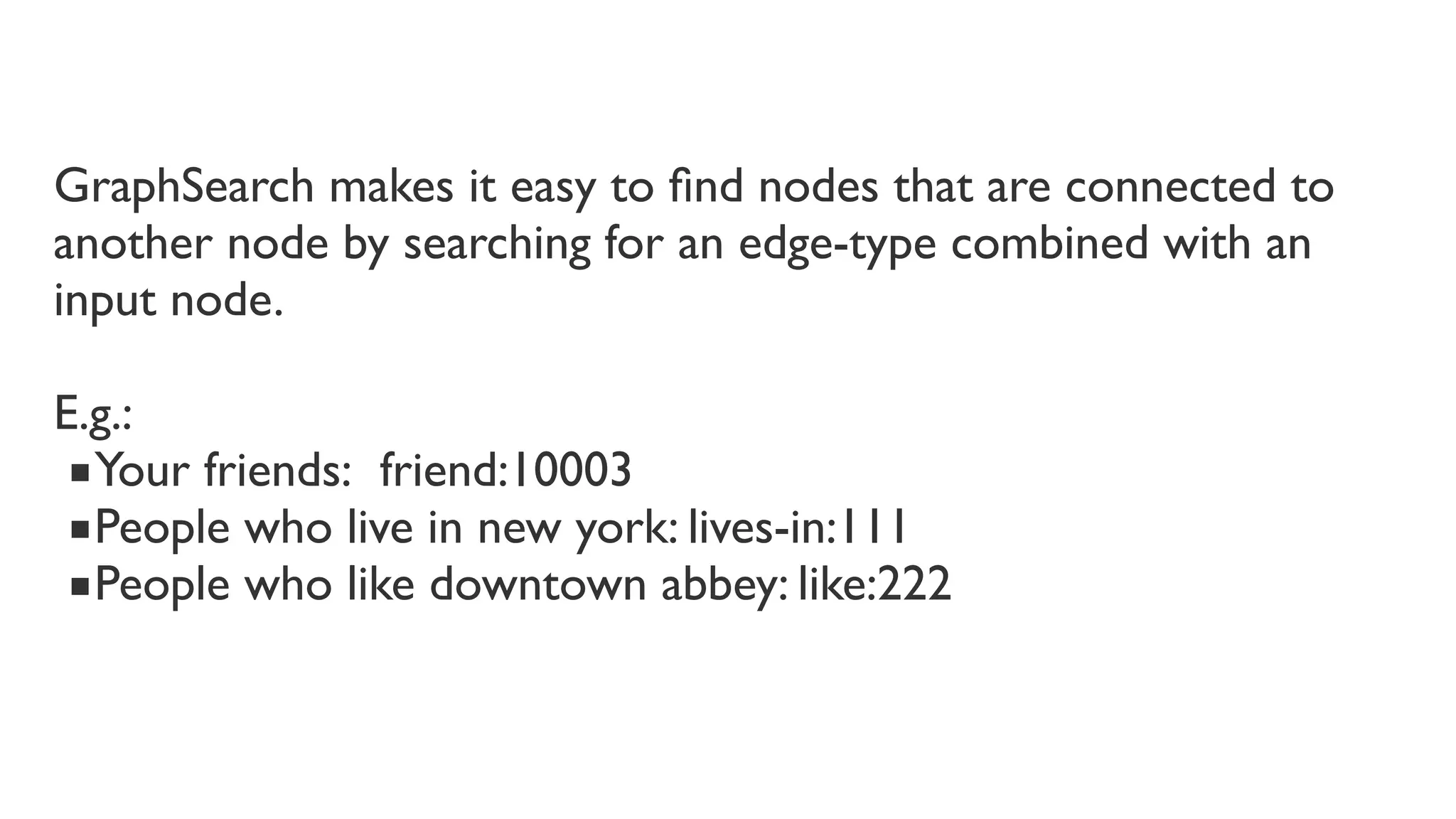
GraphSearch makes it easy to find nodes that are connected to
another node by searching for an edge-type combined with an
input node. 
E.g.:
■Your friends:  friend:10003
■People who live in new york: lives-in:111
■People who like downtown abbey: like:222
‘Facebook use query-independent
signals to come up with a numeric
value for importance.
This value is
called the
“static rank”
of the entity.’
JD Hancock
What makes up static rank is still up for
debate, but sensibly could be informed by
the elements of Edgerank
aka
the (old name for) newsfeed algo
Affinity
Weight
Decay
The value of legitimate
likes from well connected
people just increased
There’s also been
lot going on at
Google
not a new update

Martin Cathrae
but a new
paradigm
introducing Knowledge
Graph*
introducing Knowledge
Graph*
*and things not technically Knowledge
Graph but sort of along the same lines
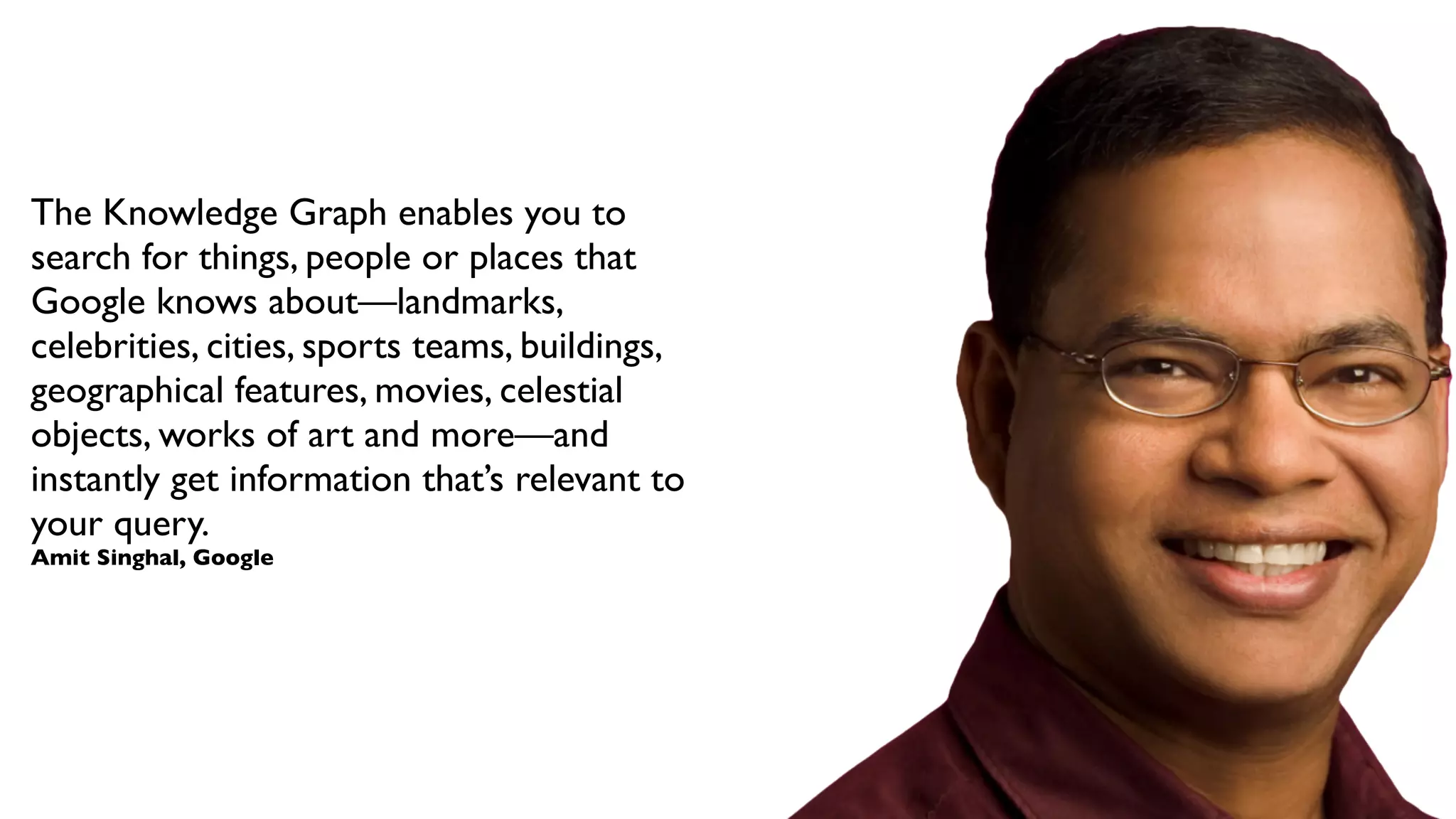
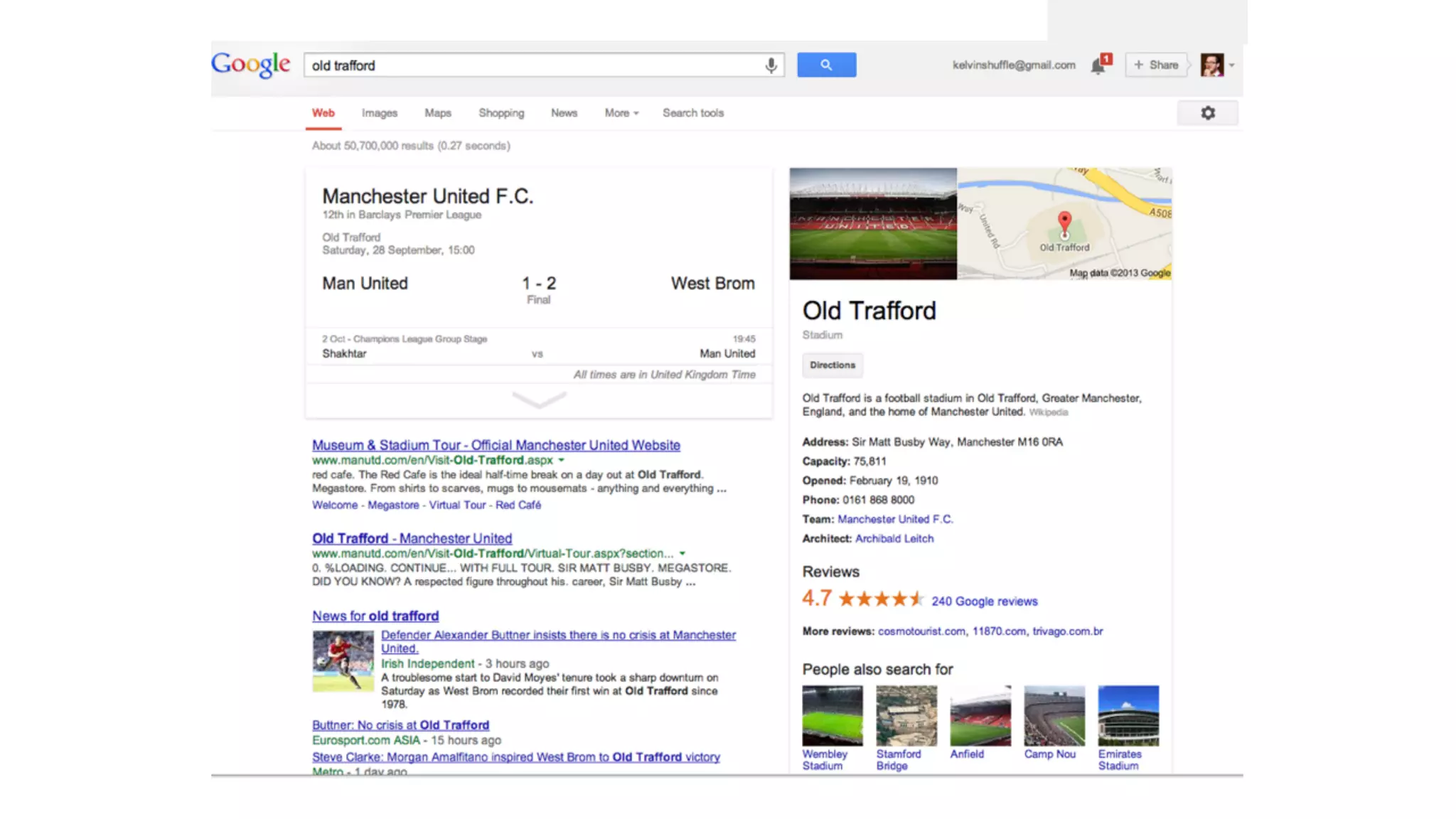
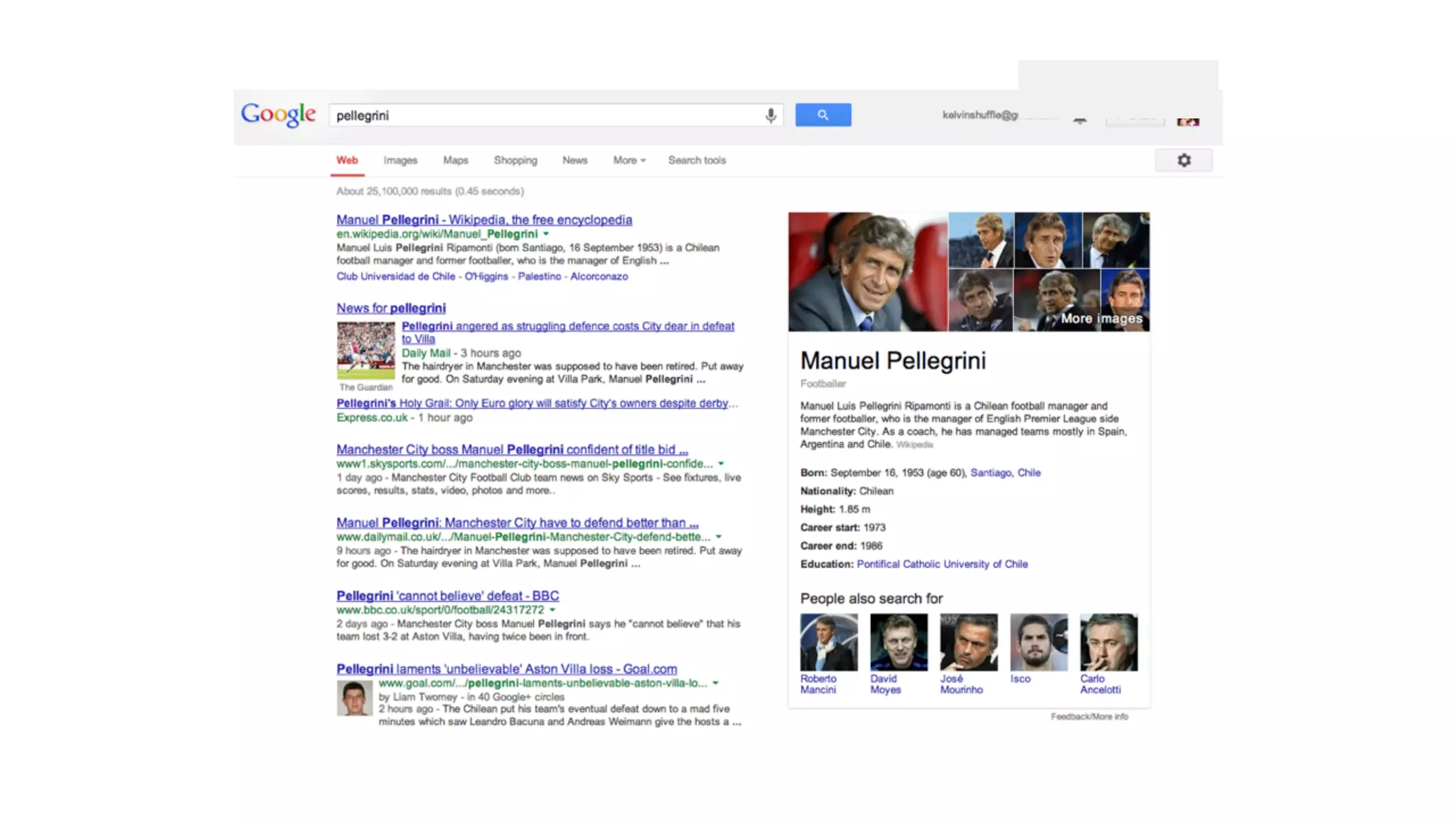
The Knowledge Graph enables you to
search for things, people or places that
Google knows about—landmarks,
celebrities, cities, sports teams, buildings,
geographical features, movies, celestial
objects, works of art and more—and
instantly get information that’s relevant to
your query.
Amit Singhal, Google
Knowledge Graph is
part of a huge change
in how Google deliver
search results
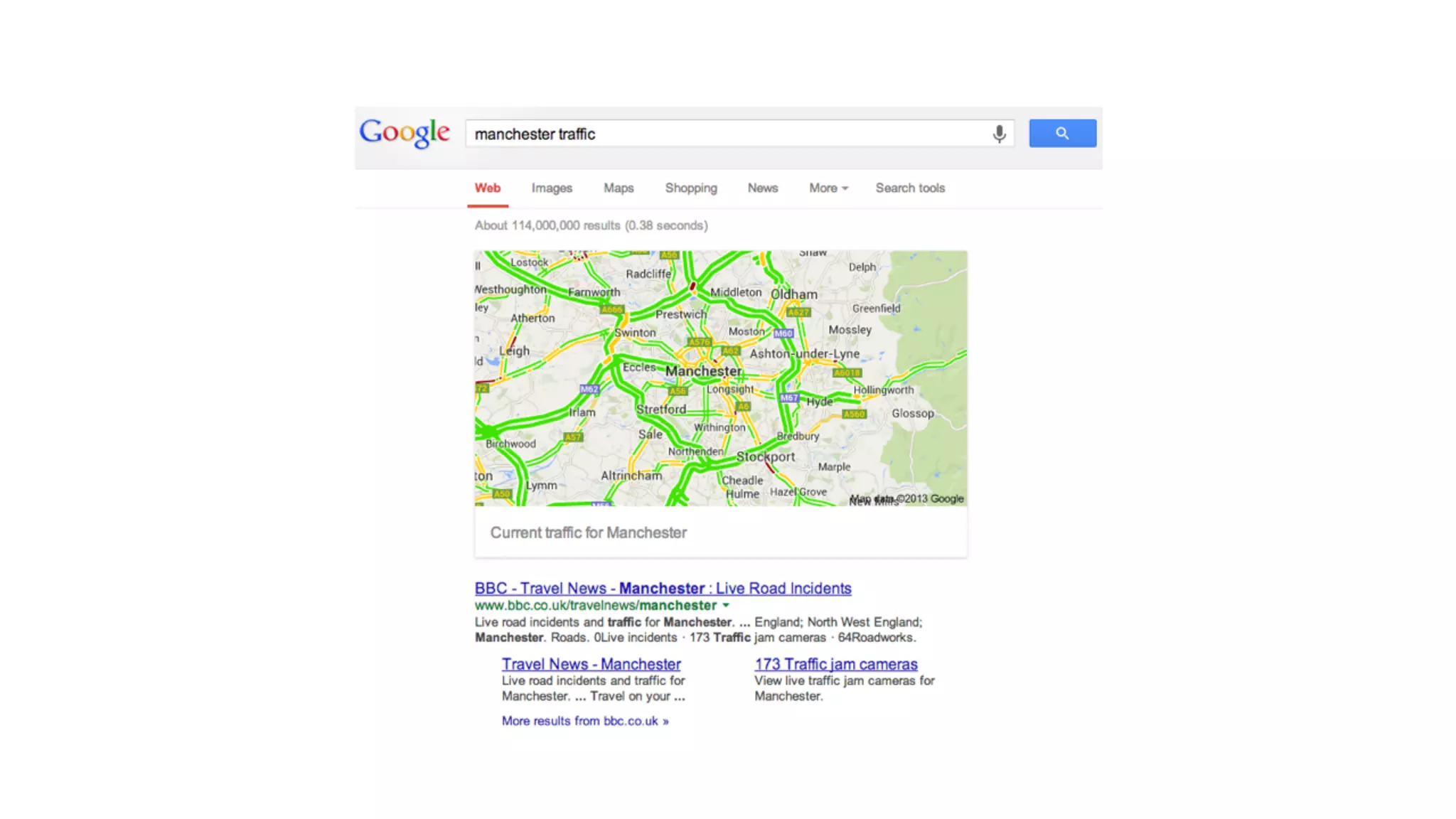
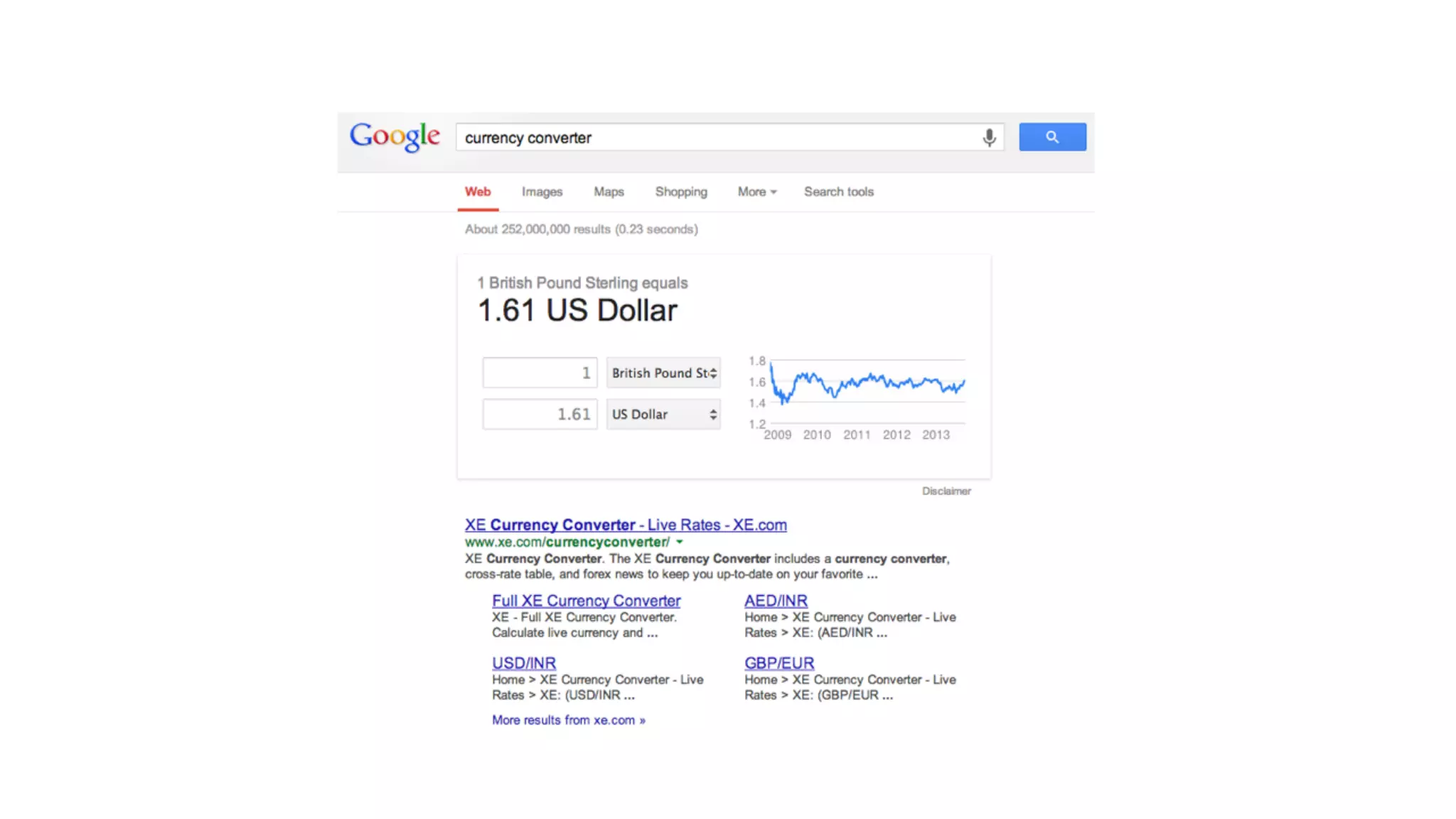
I’m now going to give you lots of
examples of changes in the way
Google present results,
not all of them are truly ‘Knowledge
Graph’
but do indicate a general shift in the
way they present results.
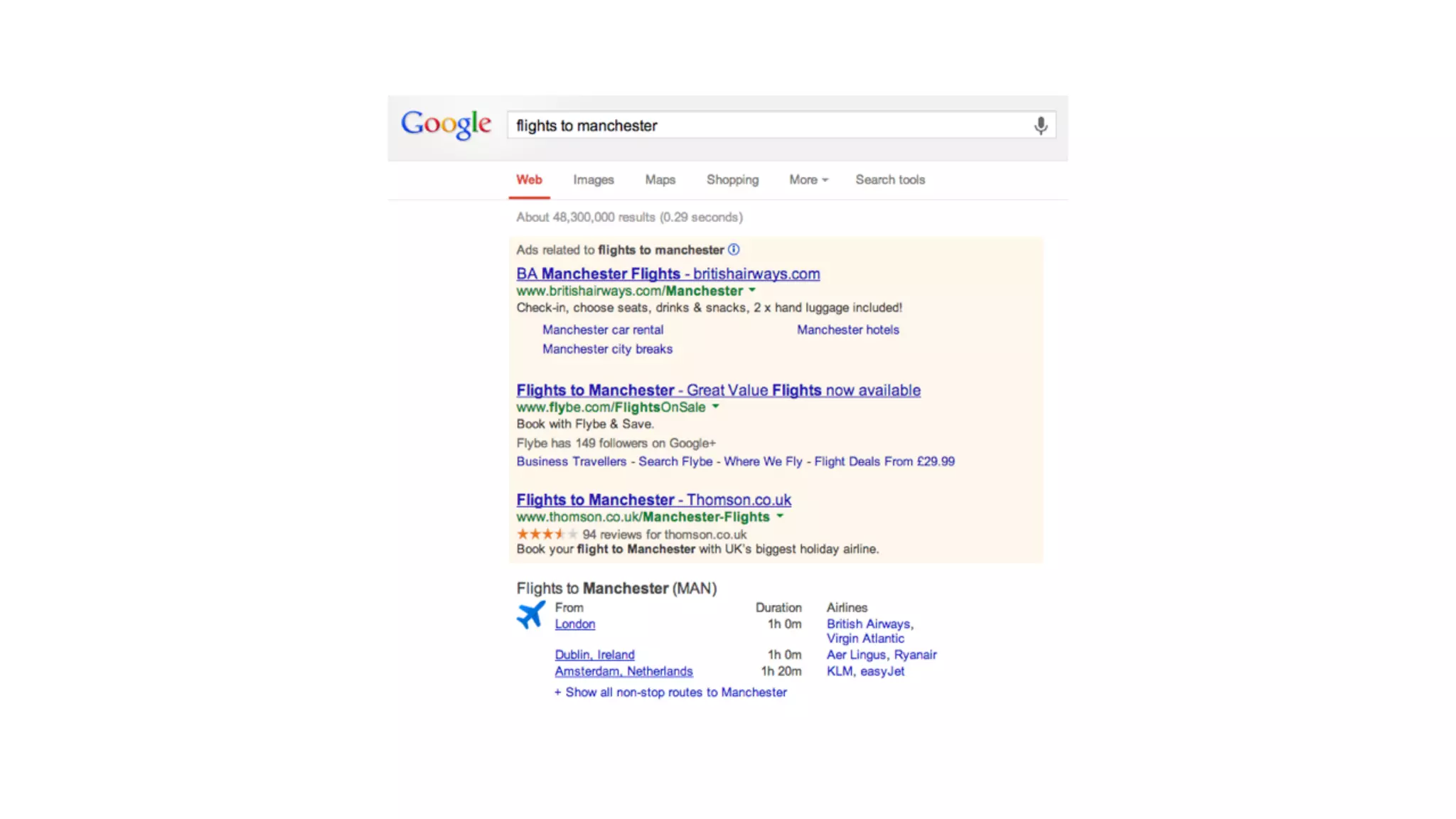
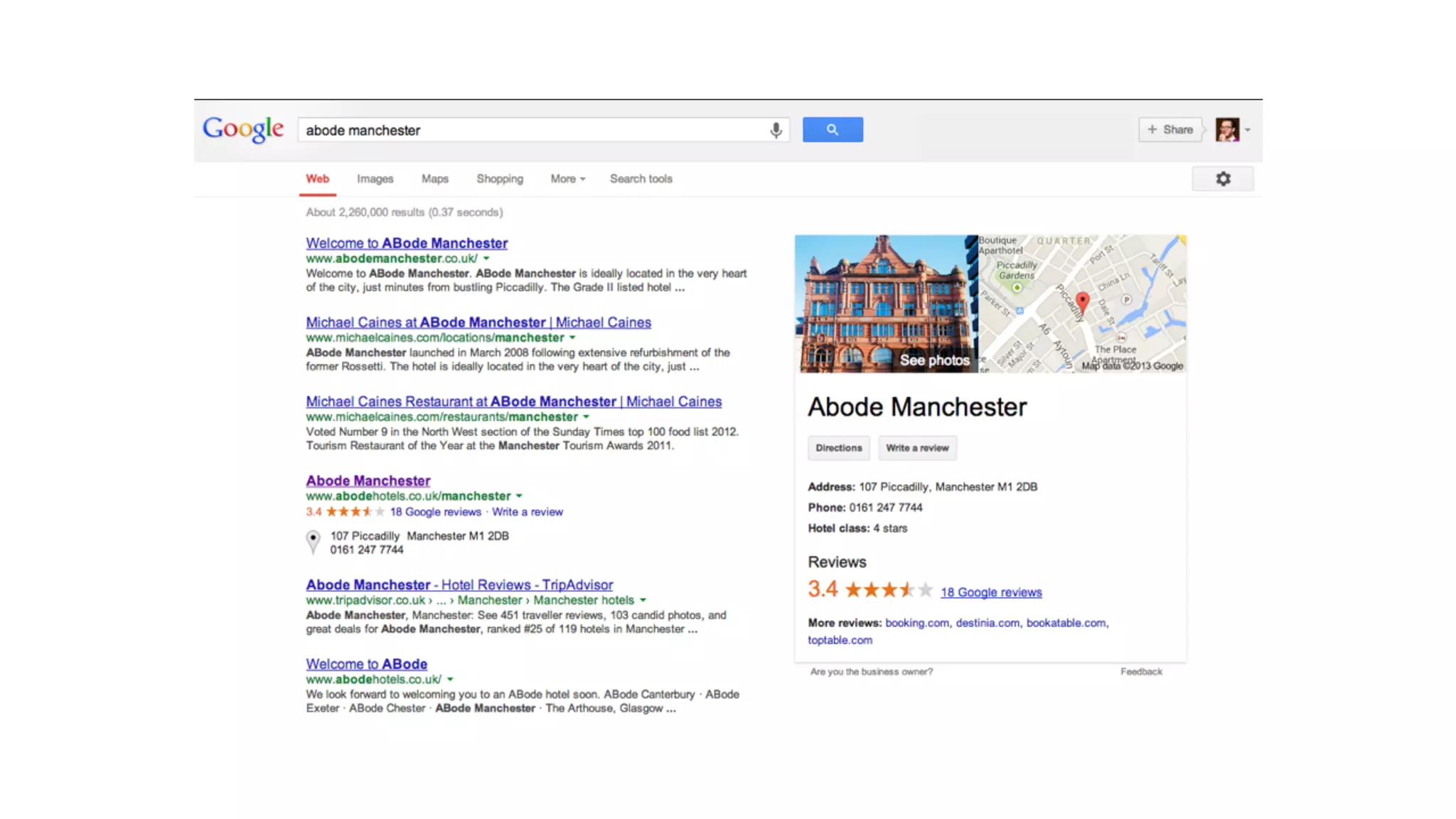
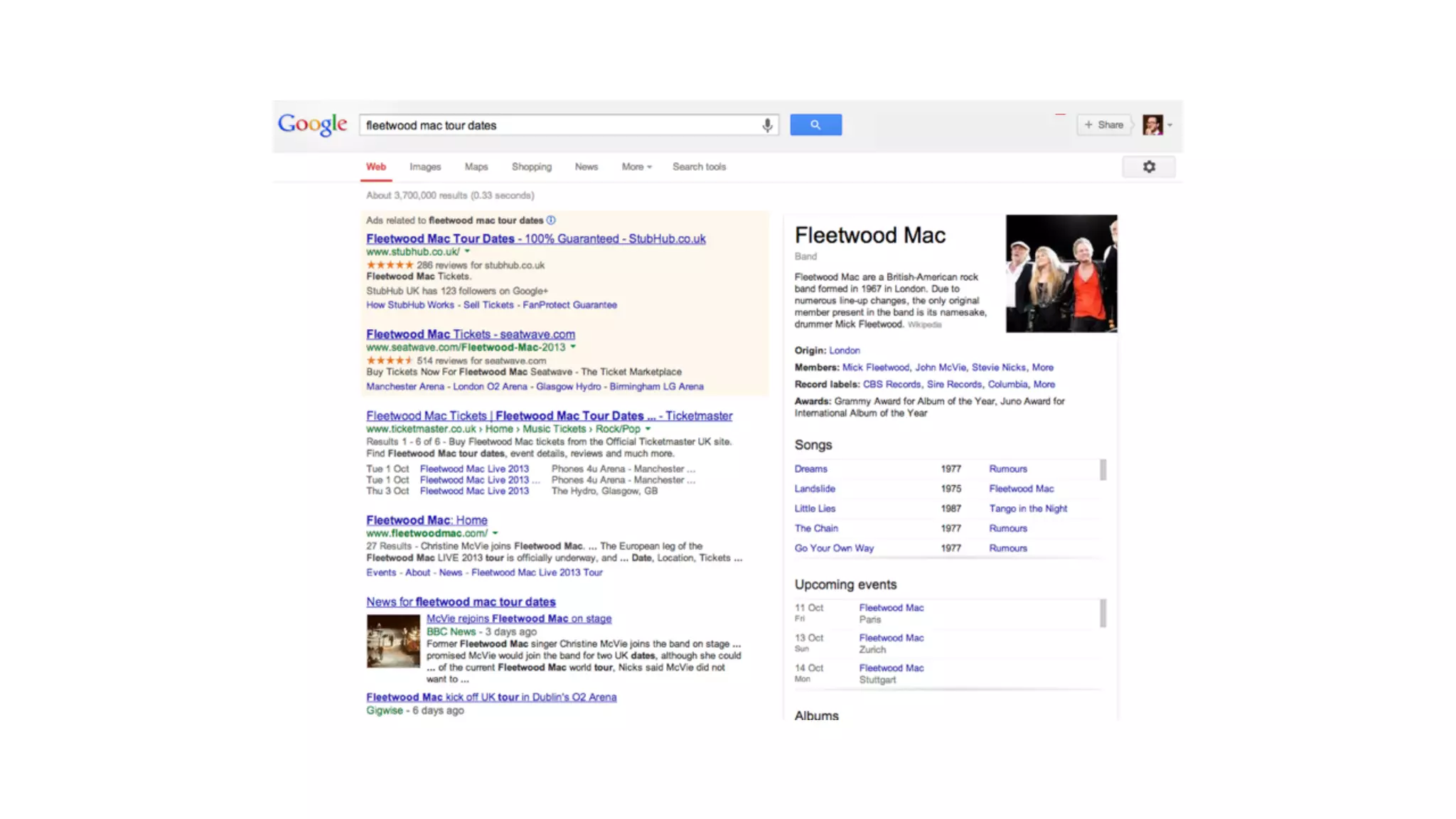
There’s more than 85 of these
features that Dr. Pete from Moz has
documented
http://www.slideshare.net/crumplezone/
beyond-10-blue-links-the-future-of-ranking
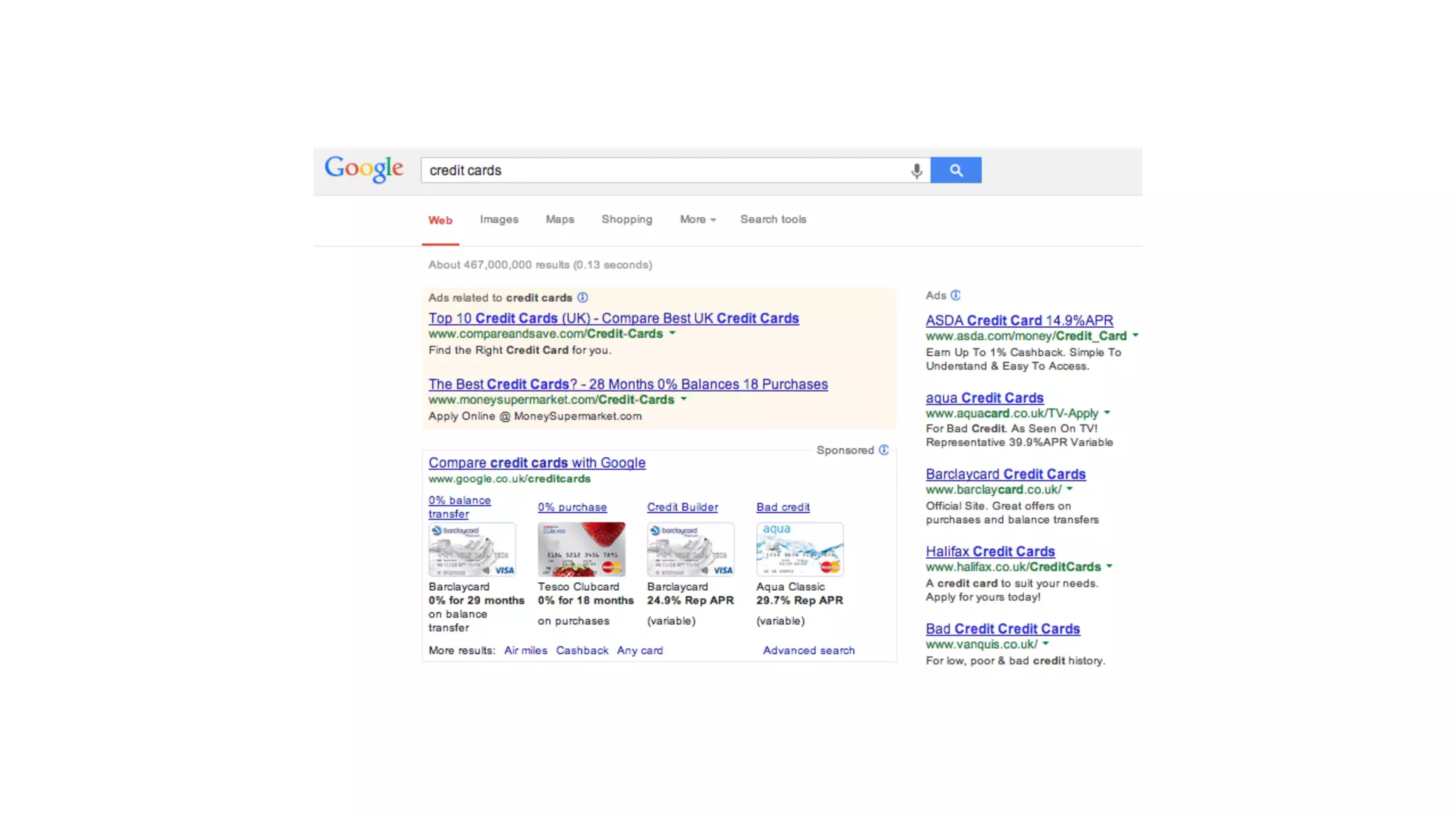
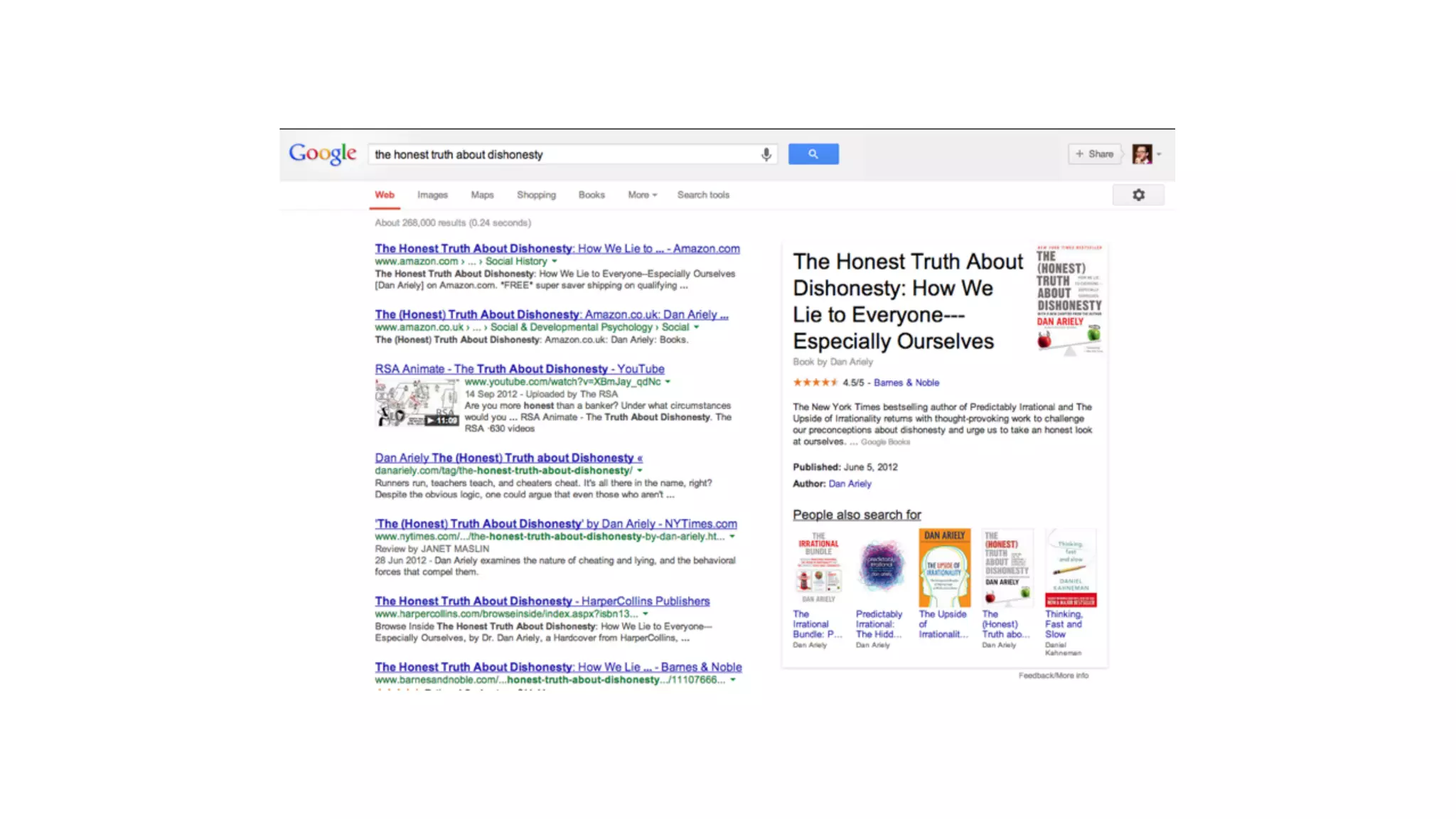
But they’re just for informational
queries... Right?
a change in purpose:
help find pages
help find answers
a change in purpose:
help find pages
help find answers
You can no longer rely on
Google to send you traffic
or even tell you about it

Alex E. Proimos
for nearly a year
iPhone search
traffic appeared as
direct

JD Hancock
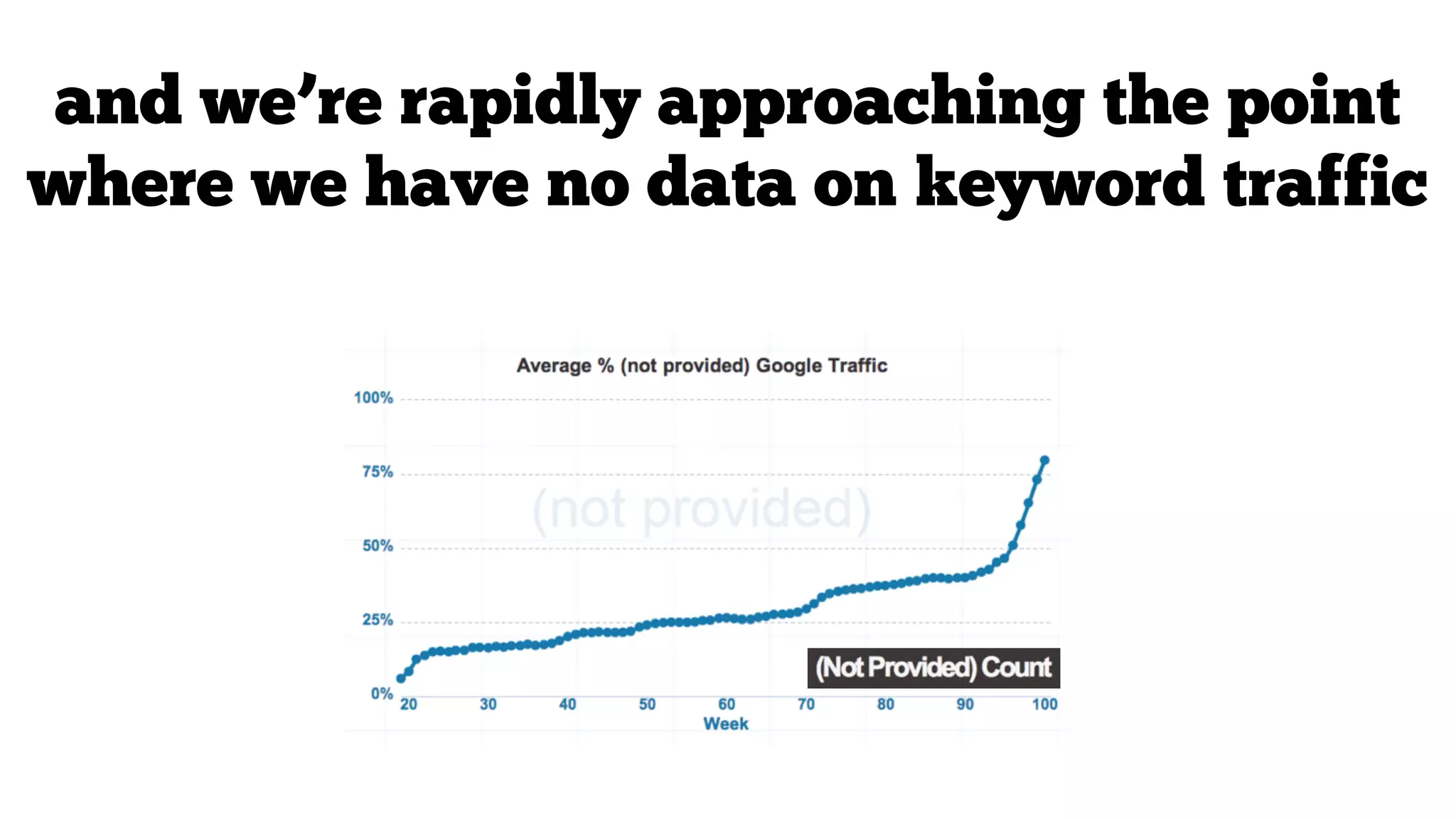
and we’re rapidly approaching the point
where we have no data on keyword traffic
Search isn’t about
keywords anymore
It's about
entities.

chukgawlikphotography
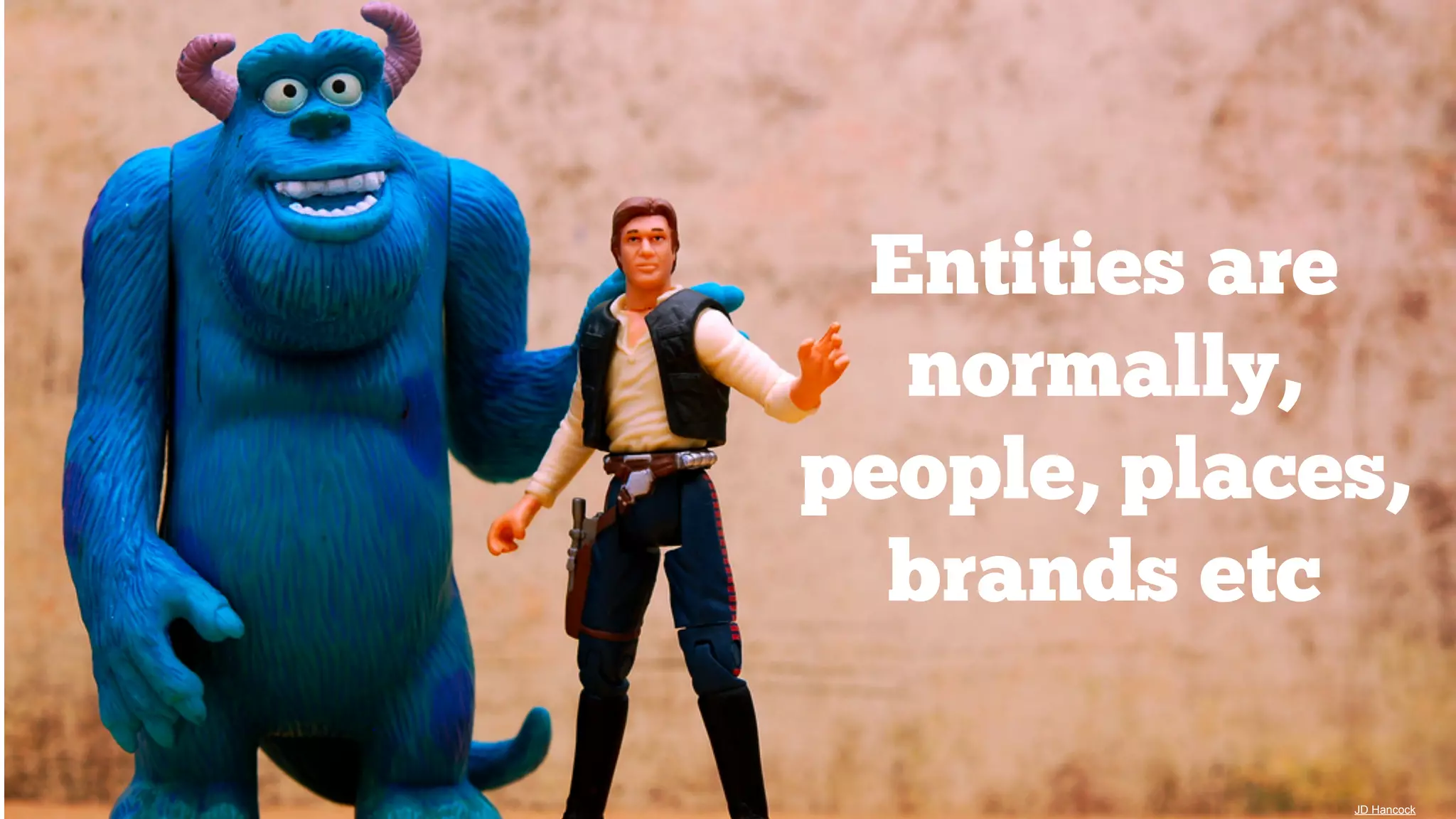
Entities are
normally,
people, places,
brands etc
JD Hancock
but can be any ‘thing’ which has a relationship to
another ‘thing’

JD Hancock
how can you make money if nobody
ever goes to your site?

JD Hancock
You may need to
revisit your business
model

kennymatic
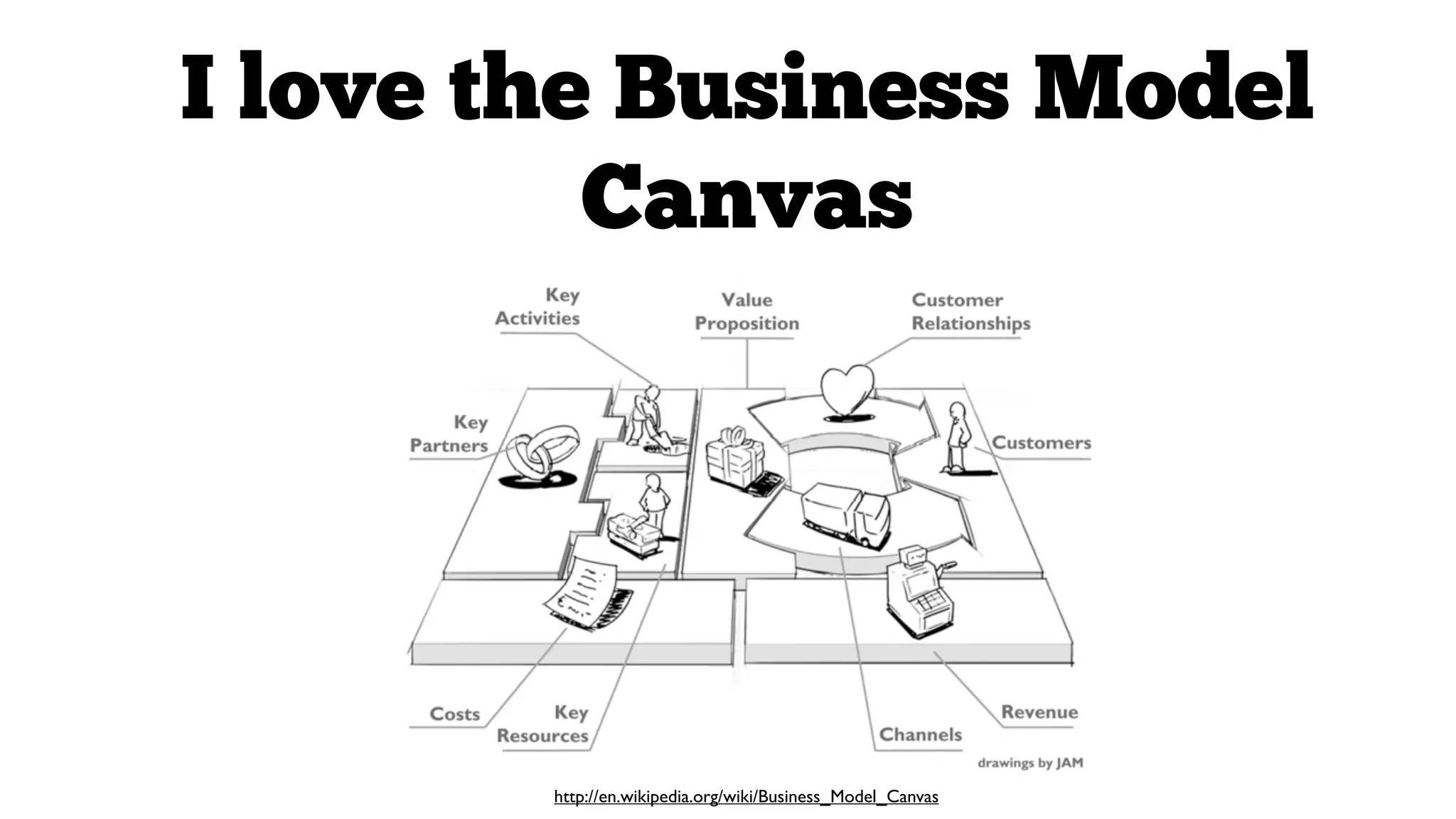
I love the Business Model
Canvas

http://en.wikipedia.org/wiki/Business_Model_Canvas
sit down and ask yourself
could your business have
an api
as every business
is really just a
database and a
front end

JD Hancock
and Google wants to
become that front-end

JD Hancock
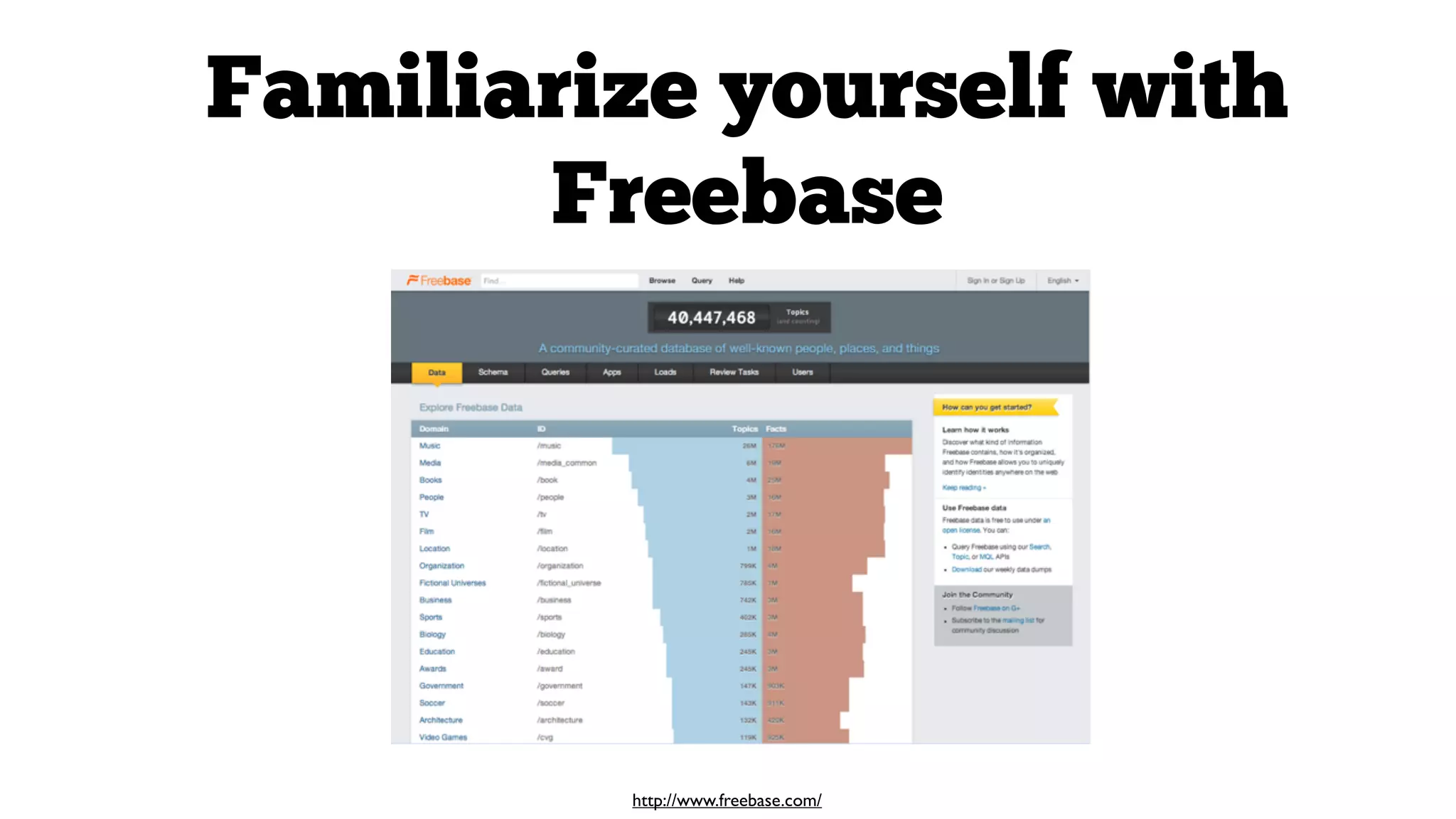
So what can I do?
Familiarize yourself with
Freebase

http://www.freebase.com/
And DBpedia

http://wiki.dbpedia.org/Datasets
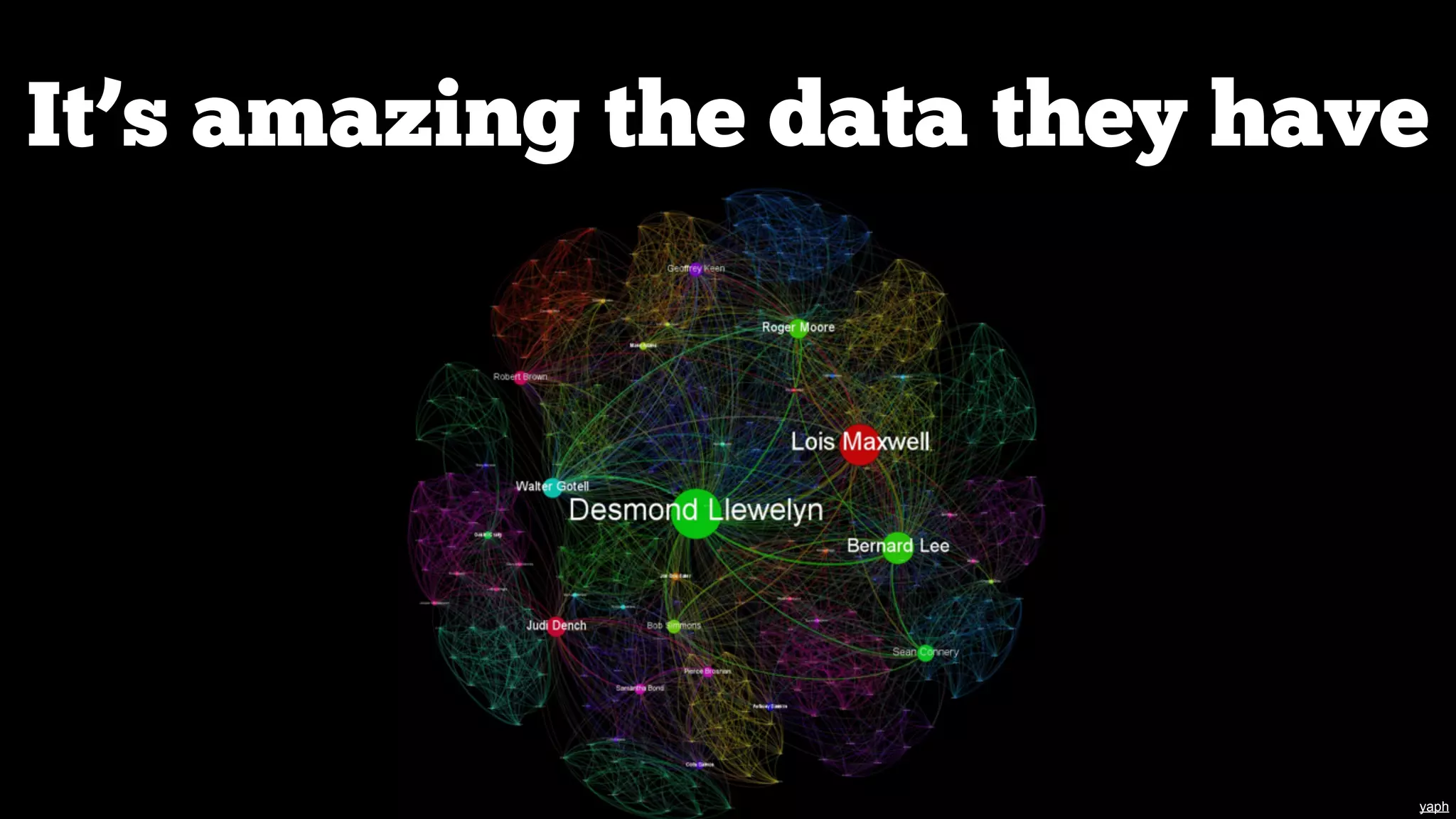
It’s amazing the data they have

yaph
If any of your keywords
contain entities you
MUST be prepared

http://i.imgur.com/GLCC0bd.gif
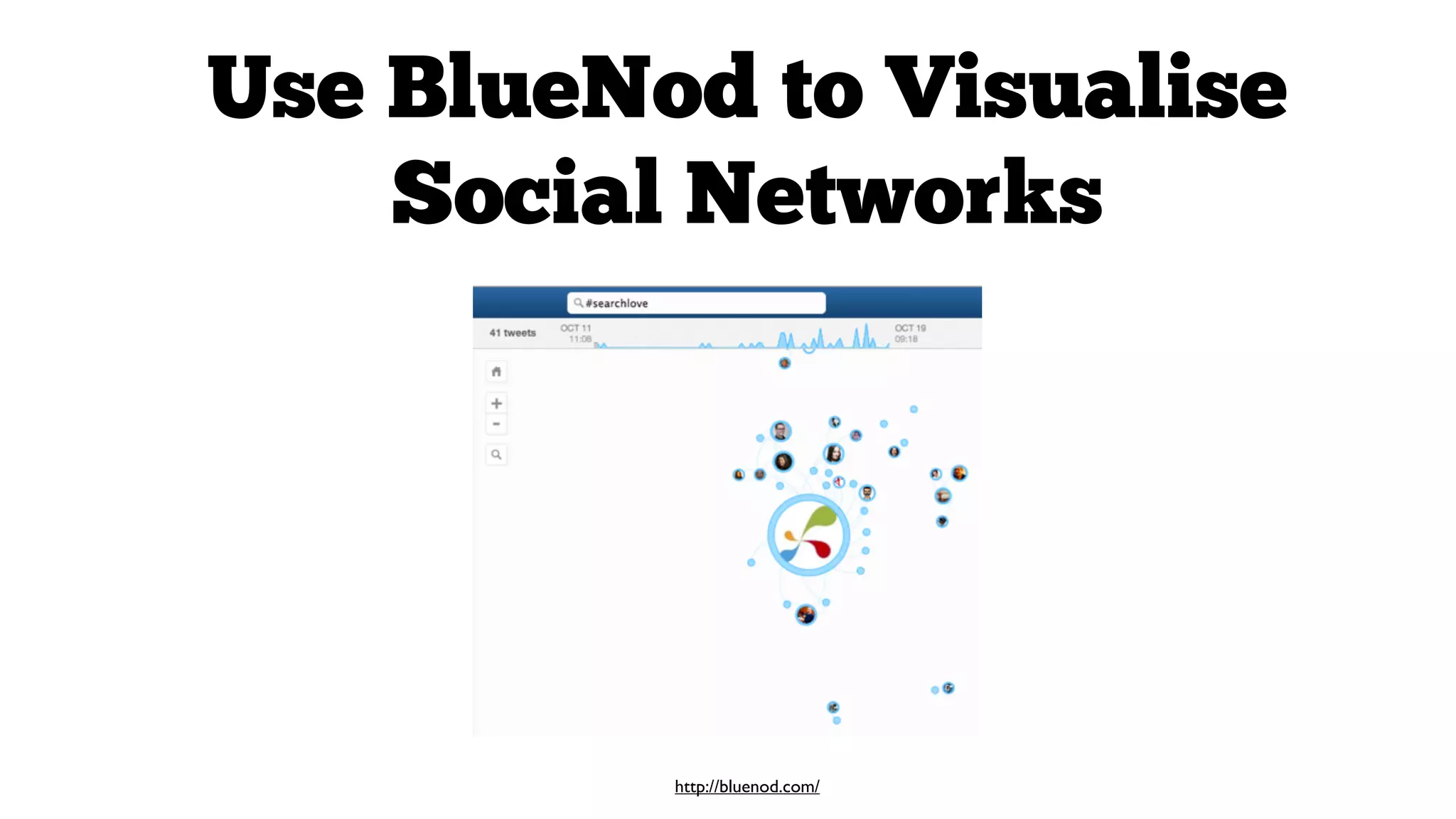
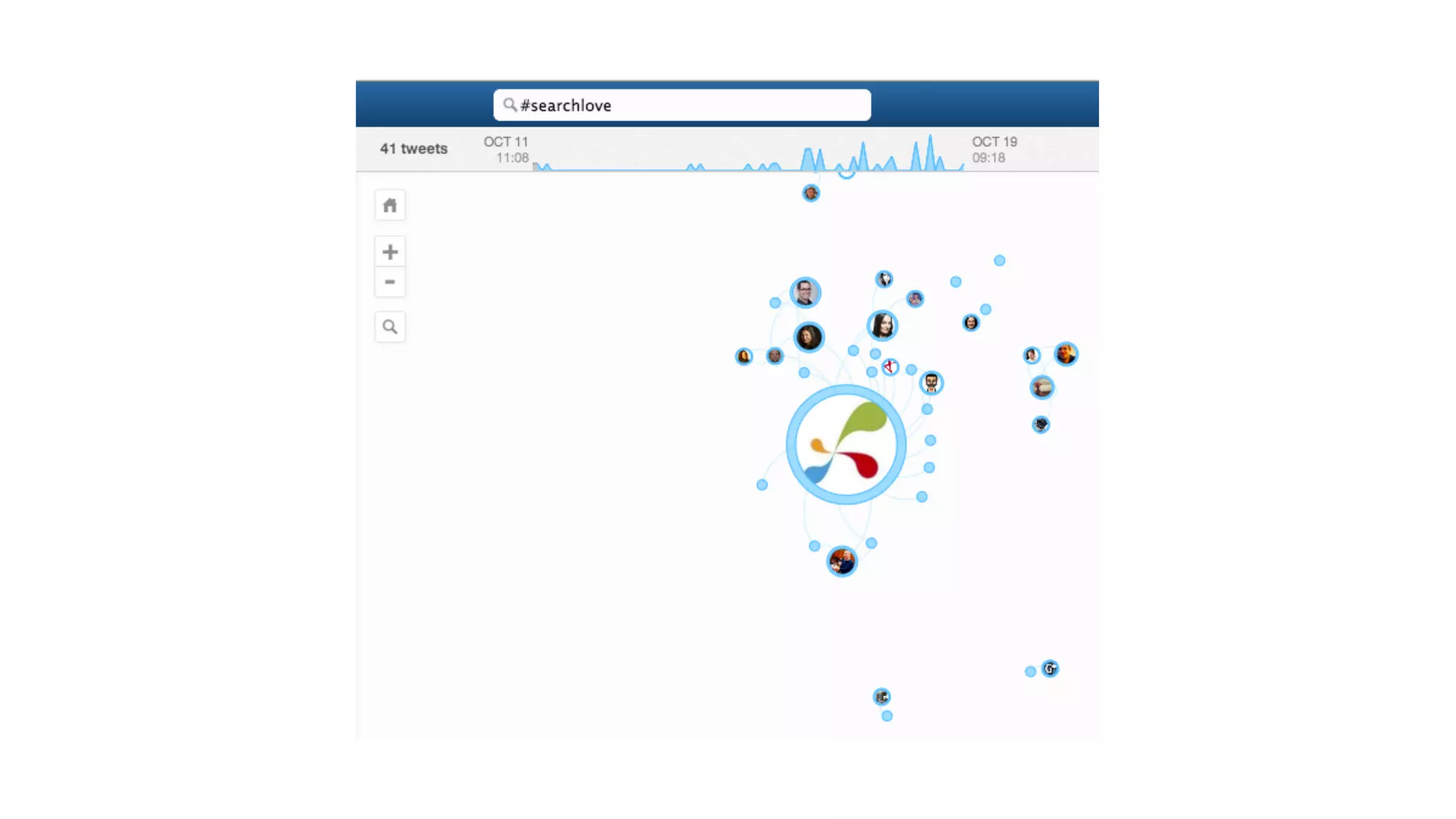
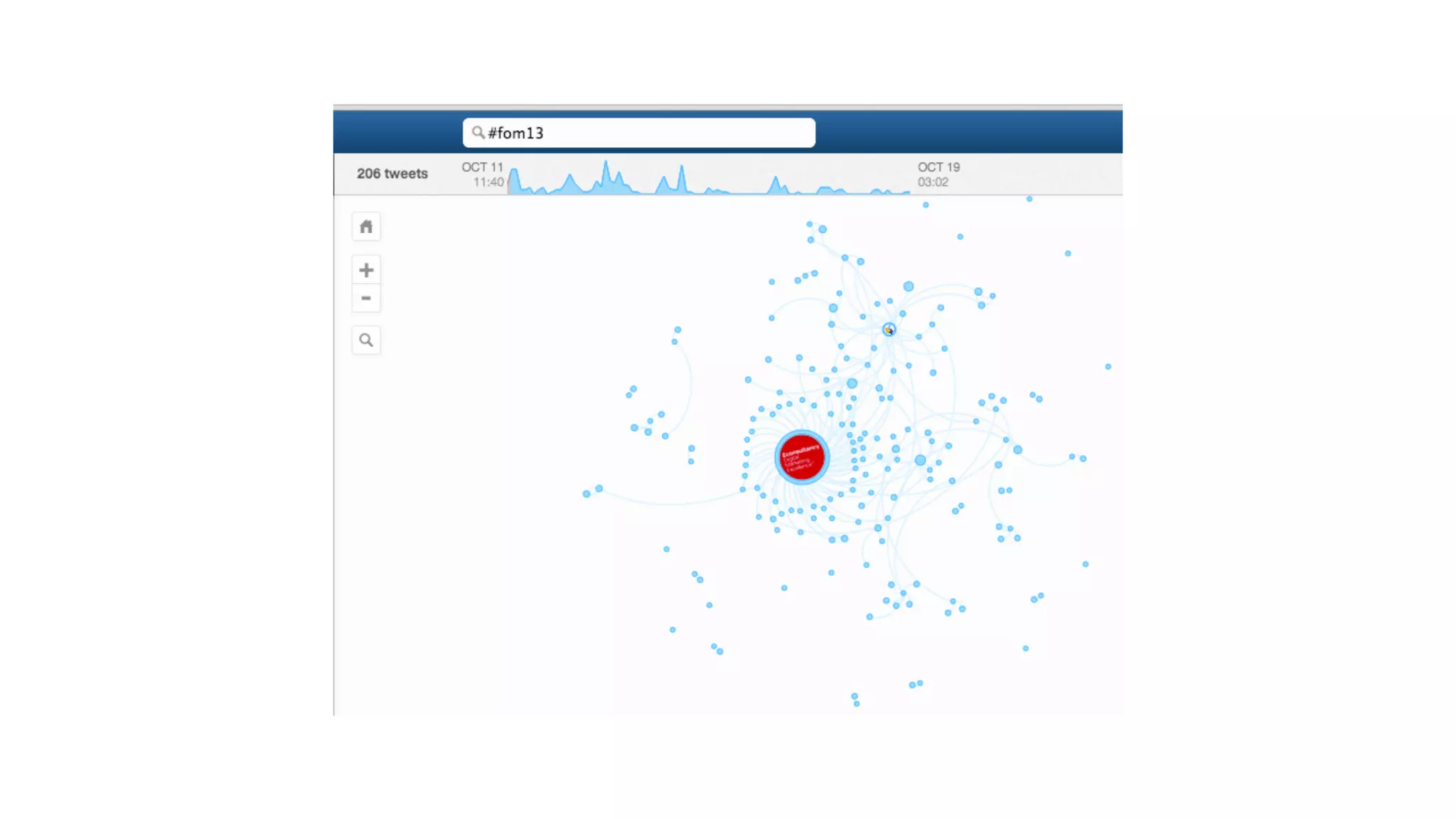
Use BlueNod to Visualise
Social Networks

http://bluenod.com/
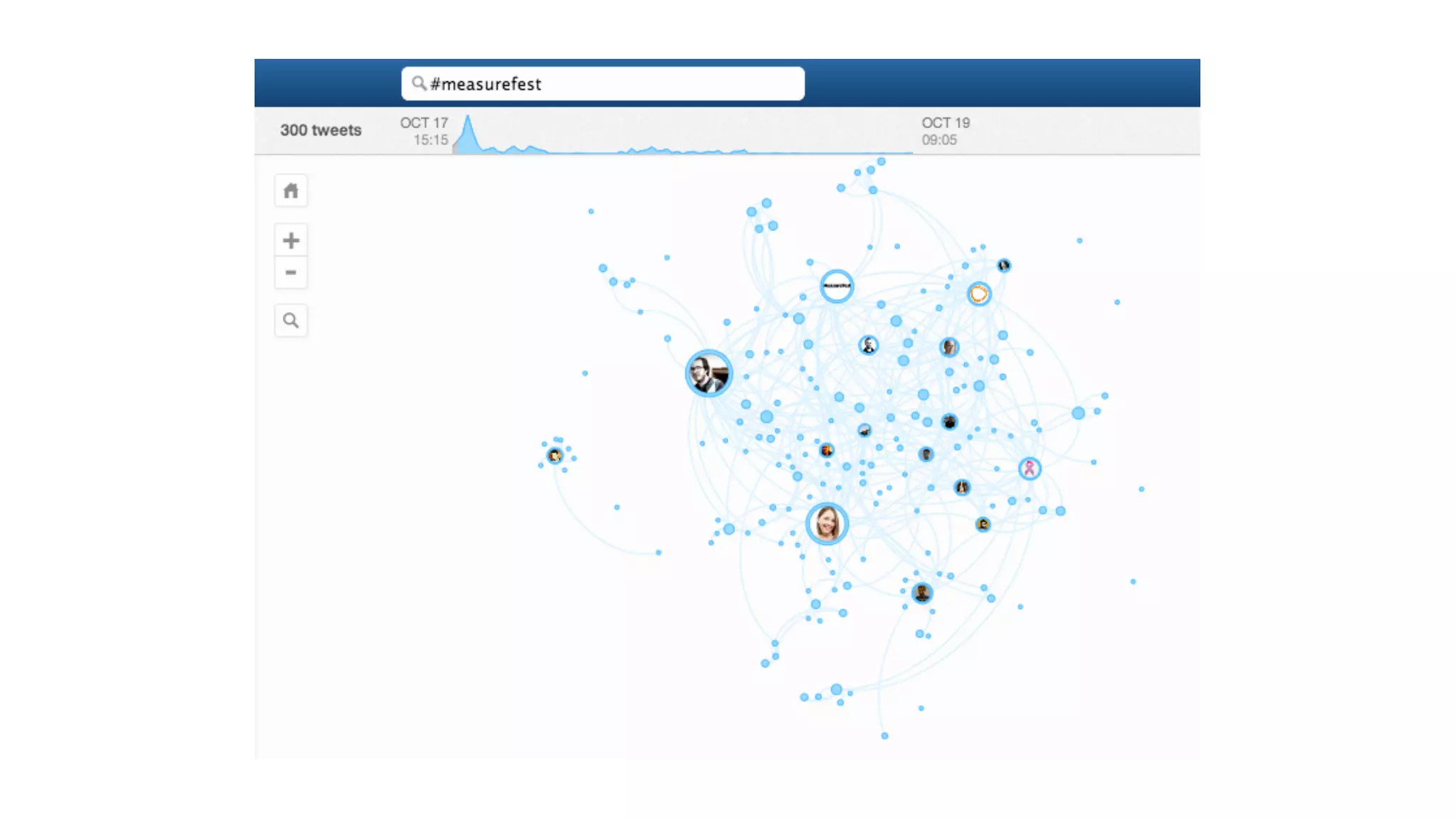
Different communities manifest
themselves in different ways

http://www.beautifullife.info/wp-content/uploads/2012/12/11/05.gif
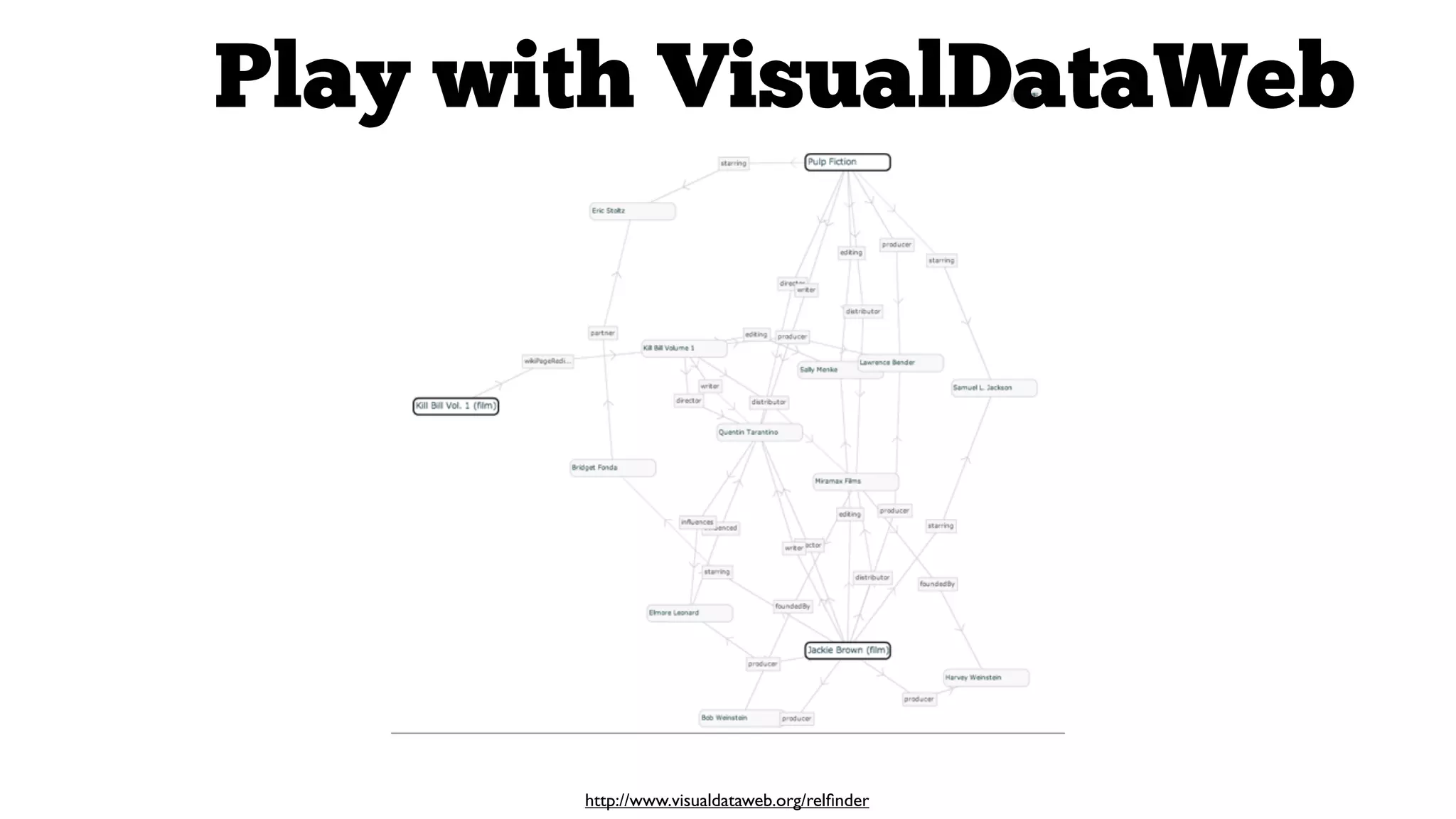
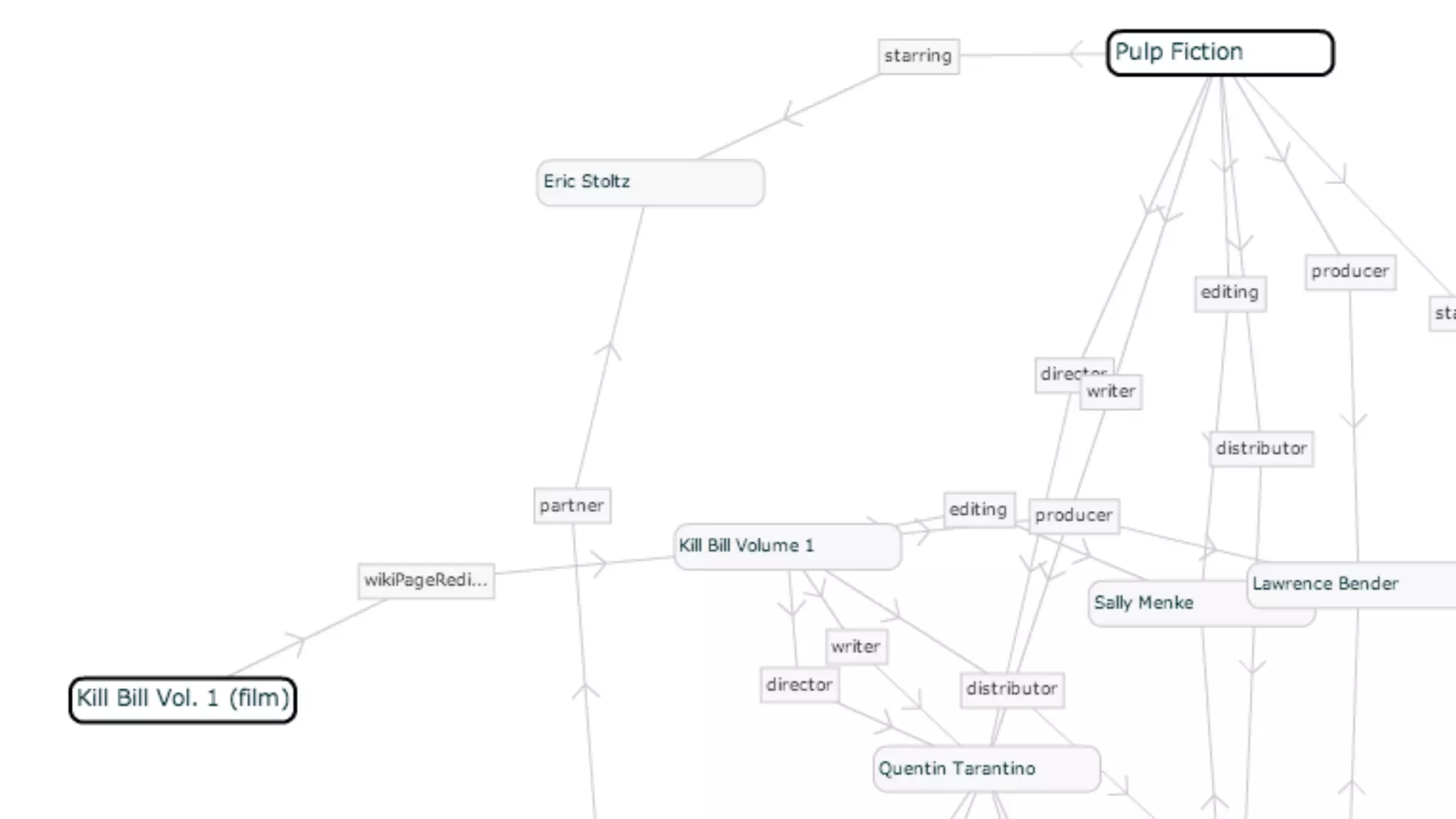
Play with VisualDataWeb

http://www.visualdataweb.org/relfinder
Mark Up using the Open
Graph Protocol

http://ogp.me/
Implement Schema.org

http://schema.org/
No schema?
Create one/extend one
http://schema.org/docs/extension.html
Follow Peter Mika
@pmika
Read Matthew J. Brown’s
Mozcon Deck

http://www.slideshare.net/MatthewBrownPDX/strings-to-things-the-move-to-semantic-seo-mozcon-2013
Watch WSDM Videos
Web Search and Data Mining Conference

http://videolectures.net/wsdm/
Do Good Marketing
tl;dr
SEO is changing it’s not about
optimising your website for
search engines, it’s about
optimising your business
for search engines
Kelvin Newman
kelvin@brightonseo.com

@kelvinnewman

Graph Theory #searchlove The theory that underpins how all search engines work @kelvinnewman