Download to read offline
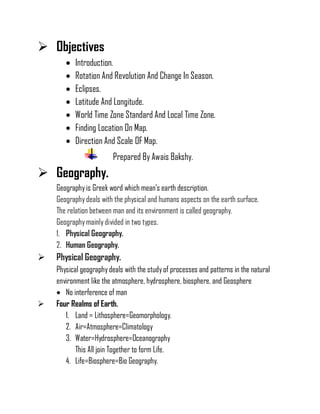


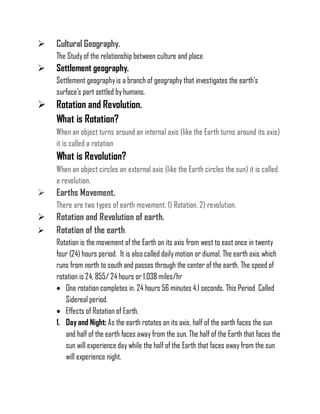
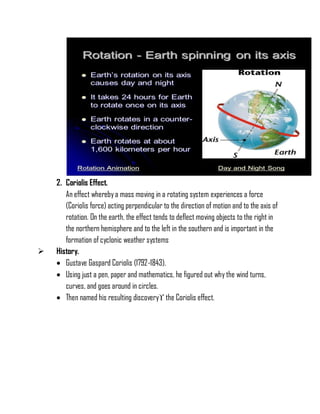
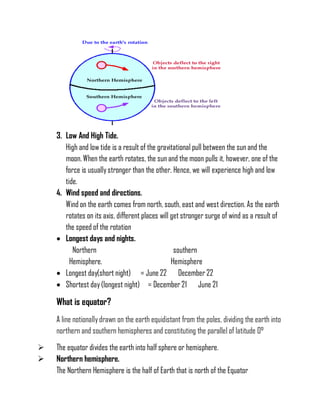
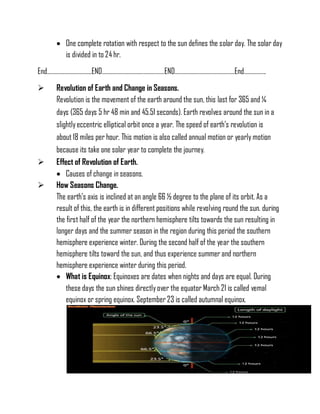
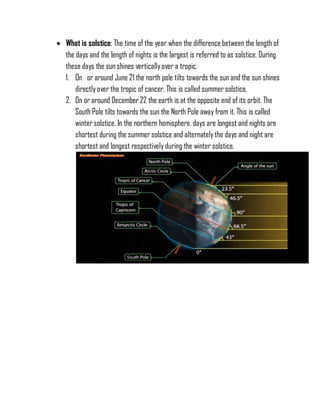
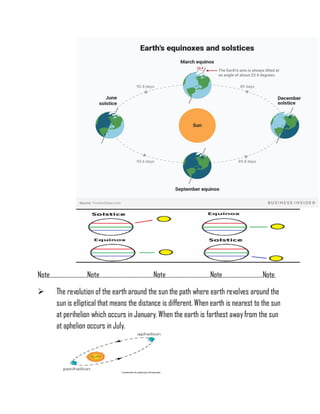
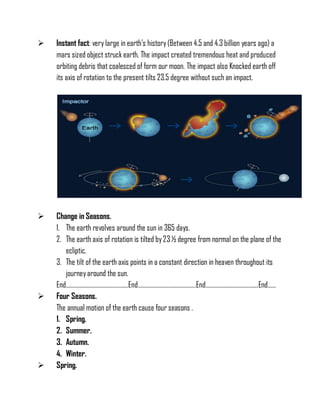

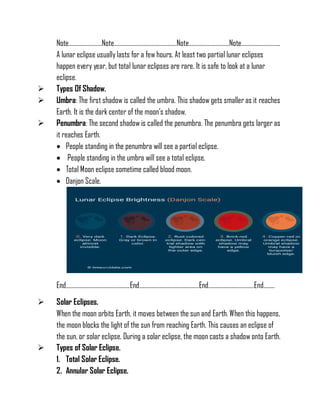
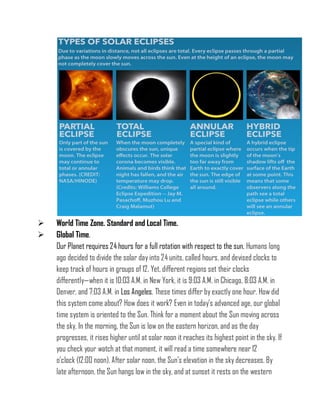
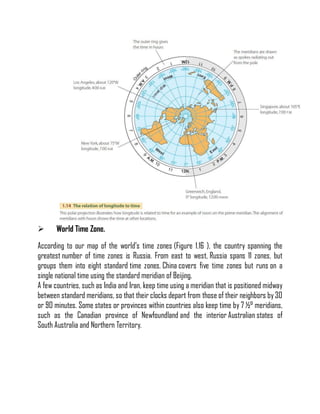

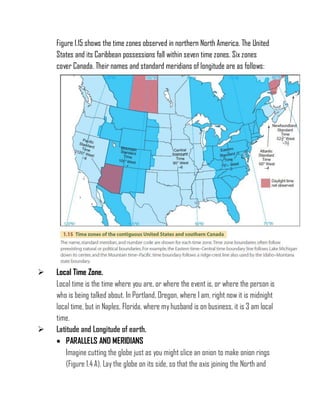
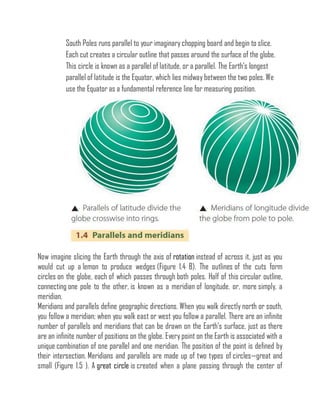
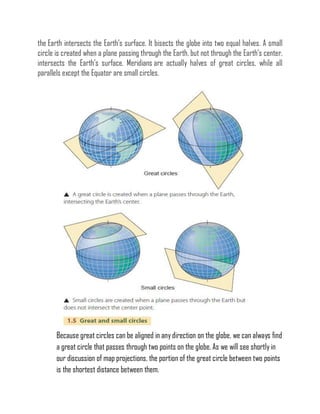
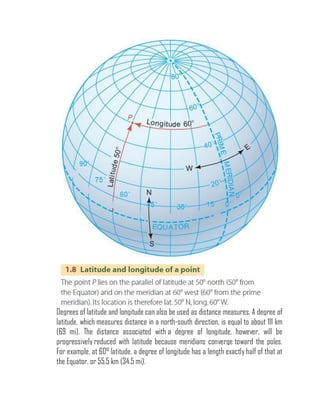
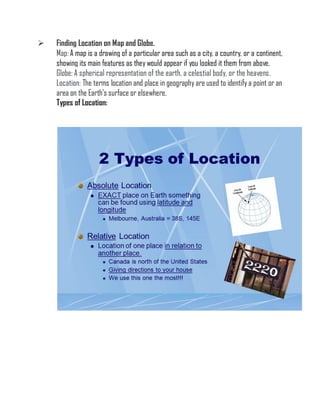
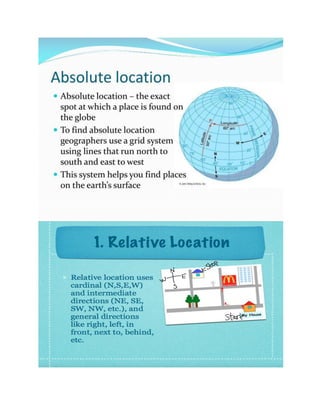
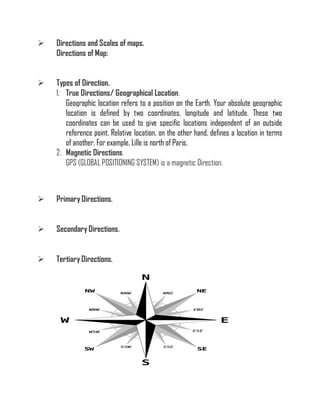
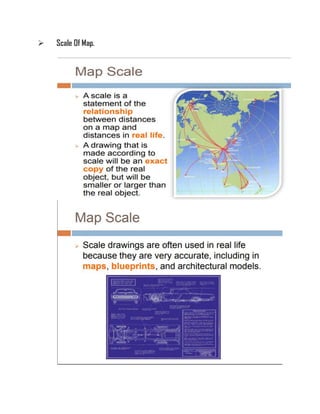
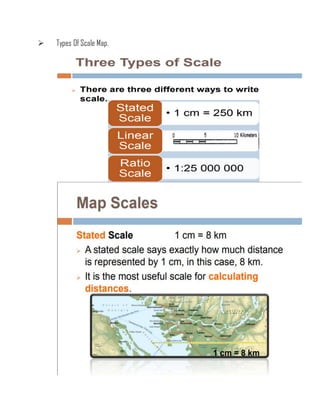
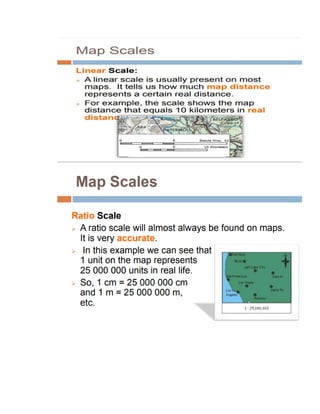

This document provides an overview of key concepts in geography. It begins by defining geography and its two main divisions: physical geography, which deals with natural environments, and human geography, which examines human-environment interactions. Physical geography includes the study of landforms (geomorphology), oceans (oceanography), climate (climatology), life (biogeography), and the environment. The document then discusses human geography topics like population, urban areas, agriculture, and culture. It also explains concepts like the rotation and revolution of the Earth, which cause seasons, and types of eclipses like lunar and solar eclipses. In the end, it briefly mentions time zones and how local times differ globally.


![Koppen classification and land area characteristics [autosaved]](https://cdn.slidesharecdn.com/ss_thumbnails/koppenclassificationandlandareacharacteristicsautosaved-200217040035-thumbnail.jpg?width=640&height=640&fit=bounds)


