Ch.17 Lesson. 1
How does Earth
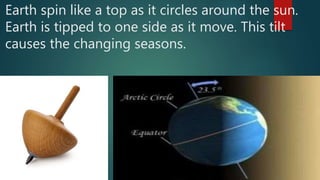
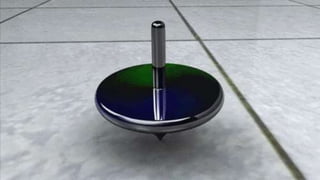
Earth spin like a top as it circles around the sun.
Earth is tipped to one side as it move. This tilt
causes the changing seasons.
Earth seems to be standing still
Do you feel the movement of the earth? Why?
There are two reasons
1. You can’t sense it movement because you are moving
along with it!
2. Another reason that you don’t sense Earth’s motion is
that it moves steadily and smoothly.
How do you know that Earth is
moving?
 Earth is moving because the Sun and the stars seem to move
across the sky. This happens because the earth is turning.
 Another reason is that the seasons change during the year for
most of the places away from the equator.
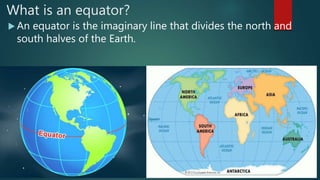
What is an equator?
 An equator is the imaginary line that divides the north and
south halves of the Earth.
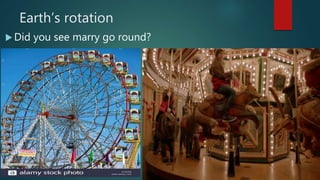
Earth’s rotation
 Did you see marry go round?
Axis
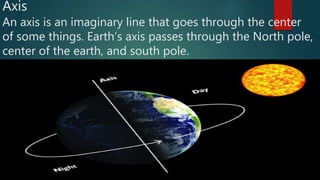
An axis is an imaginary line that goes through the center
of some things. Earth’s axis passes through the North pole,
center of the earth, and south pole.
Rotation
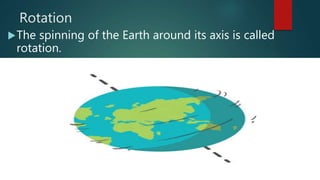
The spinning of the Earth around its axis is called
rotation.
Rotation
Each time Earth makes a full turn around it axis.
Earth takes 23 hours and 56 minutes to complete one
rotation.
The Earth rotates from west to east so that is the reason
that objects such as Sun and other stars appear to move
from east to west in the sky.
Earth’s rotation causes day and night
When Earth rotates different parts of the Earth pass
through the Sun’s light. When a place on the Earth is
turned toward the Sun, it is day. When that place has
rotated away from the Sun, it is night.
Earth’s Revolution
What is revolution?
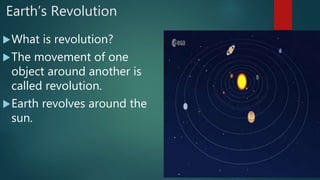
The movement of one
object around another is
called revolution.
Earth revolves around the
sun.
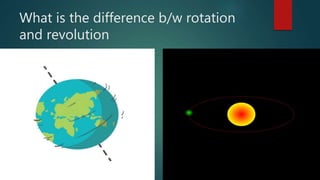
What is the difference b/w rotation
and revolution
Orbit
The path that Earth or other planets follow as they
revolves around the sun is called it orbit
Earth takes 1 year, or about 365 days, to complete 1
revolution.
Ellipse
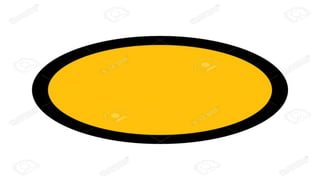
An ellipse is like a circle stretched out in opposite
direction. Earth’s orbit is elliptical. As Earth moves in its
orbit due to Earth’s elliptical orbit the distance of the
earth changes. Earth is farther from the Sun in some parts
of its orbit. It is closer to the Sun in other parts.
Gravity
A force that pull two objects toward each other is called
it Gravity. It can act at a distance. The gravity between
Earth and Sun keeps Earth revolving around the Sun.
With out gravity Earth would fly off into space.
If Earth stopped moving. The attraction b/w Earth and
the Sun would make them crash into each other.
Earth’s tilted Axis
Earth’s axis is always tilted. As earth revolves around
the Sun, its axis is always tilted in the same direction.
The end of the axis at the north pole currently points
toward the Polaris, the North Star. This tilt affects how
places on Earth receive sunlight. In different parts of
the Earth’s orbit different places directly face the Sun.
In late June, the Northern Hemisphere half the Earth, tilts
toward the Sun. it is summer, and daylight is longer than
night. But it is winter in the southern hemisphere. Night
are longer than day lights.
In late December, the Southern Hemisphere tilts toward
the sun. Now, it is summer in the southern hemisphere
and winter in the Northern.
Earth’s axis is not tilted toward the Sun in spring and fall.
The lengths of daylight and night are more nearly equal
in spring and fall.

How does Earth move?

  • 1.
  • 2.
    Earth spin likea top as it circles around the sun. Earth is tipped to one side as it move. This tilt causes the changing seasons.
  • 4.
    Earth seems tobe standing still Do you feel the movement of the earth? Why? There are two reasons 1. You can’t sense it movement because you are moving along with it! 2. Another reason that you don’t sense Earth’s motion is that it moves steadily and smoothly.
  • 5.
    How do youknow that Earth is moving?  Earth is moving because the Sun and the stars seem to move across the sky. This happens because the earth is turning.  Another reason is that the seasons change during the year for most of the places away from the equator.
  • 6.
    What is anequator?  An equator is the imaginary line that divides the north and south halves of the Earth.
  • 8.
    Earth’s rotation  Didyou see marry go round?
  • 9.
    Axis An axis isan imaginary line that goes through the center of some things. Earth’s axis passes through the North pole, center of the earth, and south pole.
  • 10.
    Rotation The spinning ofthe Earth around its axis is called rotation.
  • 11.
    Rotation Each time Earthmakes a full turn around it axis. Earth takes 23 hours and 56 minutes to complete one rotation. The Earth rotates from west to east so that is the reason that objects such as Sun and other stars appear to move from east to west in the sky.
  • 12.
    Earth’s rotation causesday and night When Earth rotates different parts of the Earth pass through the Sun’s light. When a place on the Earth is turned toward the Sun, it is day. When that place has rotated away from the Sun, it is night.
  • 15.
    Earth’s Revolution What isrevolution? The movement of one object around another is called revolution. Earth revolves around the sun.
  • 16.
    What is thedifference b/w rotation and revolution
  • 17.
    Orbit The path thatEarth or other planets follow as they revolves around the sun is called it orbit
  • 18.
    Earth takes 1year, or about 365 days, to complete 1 revolution. Ellipse An ellipse is like a circle stretched out in opposite direction. Earth’s orbit is elliptical. As Earth moves in its orbit due to Earth’s elliptical orbit the distance of the earth changes. Earth is farther from the Sun in some parts of its orbit. It is closer to the Sun in other parts.
  • 20.
    Gravity A force thatpull two objects toward each other is called it Gravity. It can act at a distance. The gravity between Earth and Sun keeps Earth revolving around the Sun. With out gravity Earth would fly off into space. If Earth stopped moving. The attraction b/w Earth and the Sun would make them crash into each other.
  • 21.
    Earth’s tilted Axis Earth’saxis is always tilted. As earth revolves around the Sun, its axis is always tilted in the same direction. The end of the axis at the north pole currently points toward the Polaris, the North Star. This tilt affects how places on Earth receive sunlight. In different parts of the Earth’s orbit different places directly face the Sun.
  • 22.
    In late June,the Northern Hemisphere half the Earth, tilts toward the Sun. it is summer, and daylight is longer than night. But it is winter in the southern hemisphere. Night are longer than day lights. In late December, the Southern Hemisphere tilts toward the sun. Now, it is summer in the southern hemisphere and winter in the Northern. Earth’s axis is not tilted toward the Sun in spring and fall. The lengths of daylight and night are more nearly equal in spring and fall.