




What is the NEED for Genetically Modified
Organisms?
Man is dependant on animals for milk, meat, eggs, wool, leather etc.
Climate change will make it increasingly difficult to feed the world.
With the global population expected to reach more than nine billion by
2050, however, the world might soon be hungry for such varieties.
Drought, damaging storms, and very hot days are already taking a toll on
crop yields.
Climate change is likely to make the problem far worse, bringing higher
temperatures and, in many regions, wetter conditions that spread
infestations of disease and insects into new areas. Drought, damaging
storms, and very hot days are already taking a toll on crop yields, and the
frequency of these events is expected to increase sharply as the climate
warms. For farmers, the effects of climate change can be simply put: the
weather has become far more unpredictable, and extreme weather has
become far more common.
http://www.technologyreview.com/featuredstory/522596/why-we-will-
need-genetically-modified-foods/
TRANSGENESIS
Transgenesis refers to the phenomenon of
introduction of exogenous DNA into the
genome to create and maintain a stable heritable
character.
The foreign DNA is called the TRANSGENE.
The animal whose genome is altered is called
TRANSGENIC.
IMPORTANCE OF TRANSGENIC ANIMALS OR
GENETICALLY MODIFIED ANIMALS:
Improvement of Genetic characters.
Models for understanding human diseases.
Medical and pharmaceutical applications.
Important fro improving the quality and
quantity of milk, meat, eggs, and wool
production.
In understanding Molecular biology, genetics,
immunology and cancer,
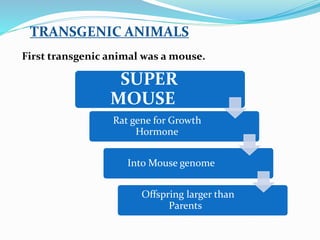
TRANSGENIC ANIMALS
First transgenic animal was a mouse.
SUPER
MOUSE
Rat gene for Growth
Hormone
Into Mouse genome
Offspring larger than
Parents
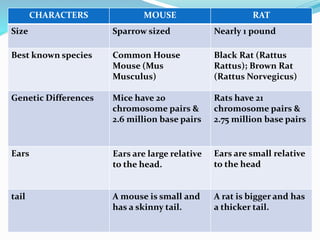
CHARACTERS MOUSE RAT
Size Sparrow sized Nearly 1 pound
Best known species Common House
Mouse (Mus
Musculus)
Black Rat (Rattus
Rattus); Brown Rat
(Rattus Norvegicus)
Genetic Differences Mice have 20
chromosome pairs &
2.6 million base pairs
Rats have 21
chromosome pairs &
2.75 million base pairs
Ears Ears are large relative
to the head.
Ears are small relative
to the head
tail A mouse is small and
has a skinny tail.
A rat is bigger and has
a thicker tail.
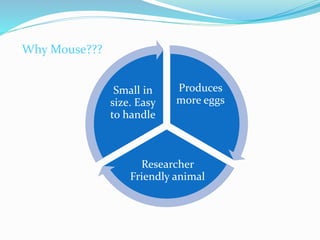
Produces
more eggs
Researcher
Friendly animal
Small in
size. Easy
to handle
Why Mouse???
METHODS OF INTRODUCING A FOREIGN GENE
1.Retroviral Vector Method
2.Microinjection Method
3.Embryonic Stem Cell Method
1. Retroviral Vector Method
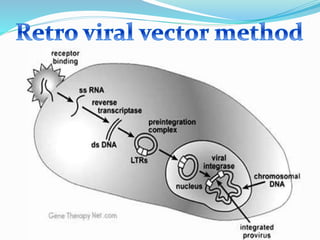
retrovirus is any virus belonging to the viral family Retroviridae. All
The genetic material in retroviruses is in the form of RNA molecules,
while the genetic material of their hosts is in the form of DNA. When
a retrovirus infects a host cell, it will introduce its RNA together with
someenzymes into the cell. This RNA molecule from the retrovirus
must produce a DNA copy from its RNA molecule before it can be
considered part of the genetic material of the host cell. Retrovirus
genomes commonly contain these three open reading frames that
encode for proteins that can be found in the mature virus. Group-
specific antigen (gag) codes for core and structural proteins of the
virus, polymerase (pol) codes for reverse transcriptase, protease and
integrase, and envelope (env) codes for the retroviral coat proteins .
Retroviral vectors are created by removal op the retroviral gag, pol,
and env genes. These are replaced by the therapeutic gene. In order to
produce vector particles a packaging cell is essential.
Packaging cell lines provide all the viral proteins required for capsid
production and the virion maturation of the vector. These packaging cell lines
have been made so that they contain the gag, pol and env genes. Early
packaging cell lines contained replication competent retroviral genomes and a
single recombination event between this genome and the retroviral DNA
vector could result in the production of a wild type virus. Following insertion
of the desired gene into in the retroviral DNA vector, and maintainance of the
proper packaging cell line, it is now a simple matter to prepare retroviral
vectors . One of the problems of gene therapy using retroviruses is that the
integrase enzyme can insert the genetic material of the virus in any arbitrary
position in the genome of the host. If genetic material happens to be inserted
in the middle of one of the original genes of the host cell, this gene will be
disrupted (insertional mutagenesis). If the gene happens to be one regulating
cell division, uncontrolled cell division (i.e., cancer) can occur. This problem
has recently begun to be addressed by utilizing zinc finger nucleases or by
including certain sequences such as the beta-globin locus control region to
direct the site of integration to specific chromosomal sites.
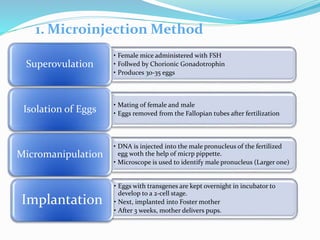
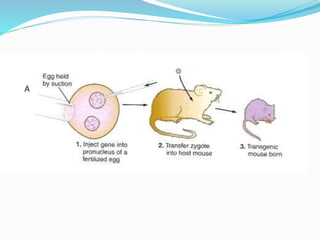
1. Microinjection Method
• Female mice administered with FSH
• Follwed by Chorionic Gonadotrophin
• Produces 30-35 eggs
Superovulation
• Mating of female and male
• Eggs removed from the Fallopian tubes after fertilizationIsolation of Eggs
• DNA is injected into the male pronucleus of the fertilized
egg woth the help of micrp pippette.
• Microscope is used to identify male pronucleus (Larger one)
Micromanipulation
• Eggs with transgenes are kept overnight in incubator to
develop to a 2-cell stage.
• Next, implanted into Foster mother
• After 3 weeks, mother delivers pups.
Implantation
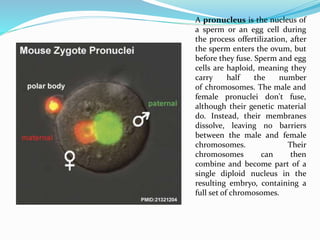
A pronucleus is the nucleus of
a sperm or an egg cell during
the process offertilization, after
the sperm enters the ovum, but
before they fuse. Sperm and egg
cells are haploid, meaning they
carry half the number
of chromosomes. The male and
female pronuclei don't fuse,
although their genetic material
do. Instead, their membranes
dissolve, leaving no barriers
between the male and female
chromosomes. Their
chromosomes can then
combine and become part of a
single diploid nucleus in the
resulting embryo, containing a
full set of chromosomes.
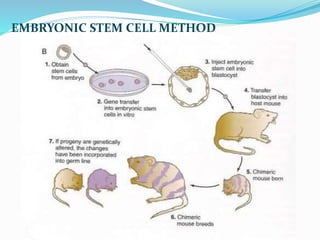
EMBRYONIC STEM CELL METHOD
Inner Cell mass of Blastocyst
These are pluripotent or ES cells
Introduction of foreign DNA into ES cell
Done by Microinjection or Electroporation
Identified by Marker gene or PCR analysis
Transfected cells are Cultured
Microinjection into Blastocyst
Implant into Foster Mother
Transgenic founder Mice are produced
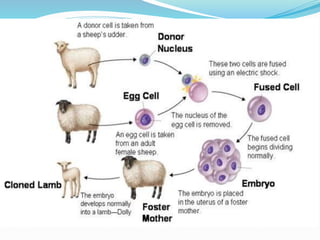
Mammary gland cells from a donor ewe were isolated
Subjected to total nutrient deprivation for 5 days
An ovum was taken from another ewe and its nucleus was removed
Fusion of Mammary gland cell and Ova by pulse electricity
Fused cell is totipotent and develops into an embryo
Embryo implanted in Surrogate Mother
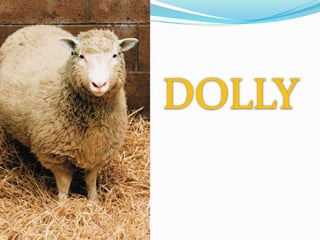
5 months later, Dolly was born! 
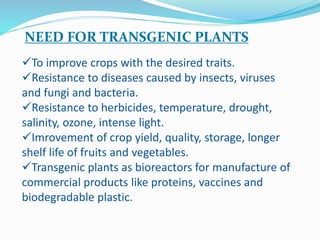
NEED FOR TRANSGENIC PLANTS
To improve crops with the desired traits.
Resistance to diseases caused by insects, viruses
and fungi and bacteria.
Resistance to herbicides, temperature, drought,
salinity, ozone, intense light.
Imrovement of crop yield, quality, storage, longer
shelf life of fruits and vegetables.
Transgenic plants as bioreactors for manufacture of
commercial products like proteins, vaccines and
biodegradable plastic.
The major objective of plant
biotechnology is to develop plants
that are resistant to biotic and
abiotic stresses.
Biotic Stress can be described in 3 major
categories:
1.INSECT RESITANCE
2.VIRUS RESISTANCE
3.FUNGAL AND BACTERIAL RESISTANCE
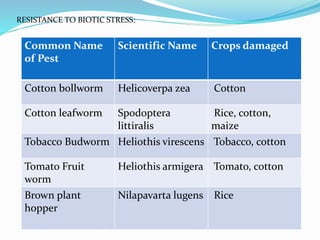
RESISTANCE TO BIOTIC STRESS:
Common Name
of Pest
Scientific Name Crops damaged
Cotton bollworm Helicoverpa zea Cotton
Cotton leafworm Spodoptera
littiralis
Rice, cotton,
maize
Tobacco Budworm Heliothis virescens Tobacco, cotton
Tomato Fruit
worm
Heliothis armigera Tomato, cotton
Brown plant
hopper
Nilapavarta lugens Rice
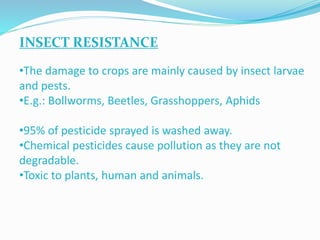
INSECT RESISTANCE
•The damage to crops are mainly caused by insect larvae
and pests.
•E.g.: Bollworms, Beetles, Grasshoppers, Aphids
•95% of pesticide sprayed is washed away.
•Chemical pesticides cause pollution as they are not
degradable.
•Toxic to plants, human and animals.
RESISTANCE GENES FROM
MICROORGANISMS
 Bacillus thuringiensis (Bt) toxin:
Discovered by Ishiwaki 1901
Gram negative, soil bacterium
Produces parasporal crystalline protein with
insecticidal toxin i.e, ICP- Insecticidal Crystalline
Protein.
These proteins are also called Cry proteins.
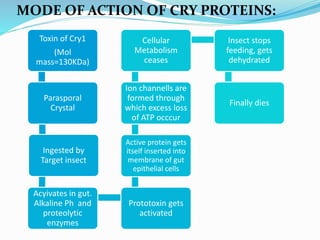
MODE OF ACTION OF CRY PROTEINS:
Toxin of Cry1
(Mol
mass=130KDa)
Parasporal
Crystal
Ingested by
Target insect
Acyivates in gut.
Alkaline Ph and
proteolytic
enzymes
Prototoxin gets
activated
Active protein gets
itself inserted into
membrane of gut
epithelial cells
Ion channells are
formed through
which excess loss
of ATP occcur
Cellular
Metabolism
ceases
Insect stops
feeding, gets
dehydrated
Finally dies
ADVANTAGES OF TRANSGENIC PLANTS WITH Bt
Genes:
Bt genes could be expressed in all parts of the
plant including roots, stem and fruits.
Bt toxin rapidly degrade in environment.
Toxin produced kills only target insect. Safe for
human consumption.
Reason: Conversion of prototoxin to toxin
requires alkaline Ph and specific proteases and
these are absent in humans and animals.
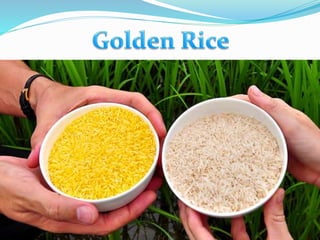
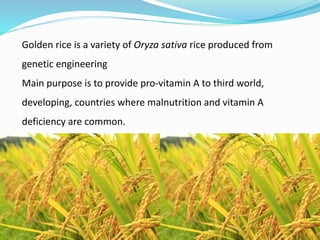
Golden rice is a variety of Oryza sativa rice produced from
genetic engineering
Main purpose is to provide pro-vitamin A to third world,
developing, countries where malnutrition and vitamin A
deficiency are common.
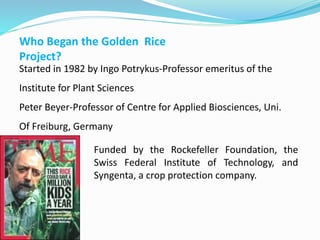
Who Began the Golden Rice
Project?
Started in 1982 by Ingo Potrykus-Professor emeritus of the
Institute for Plant Sciences
Peter Beyer-Professor of Centre for Applied Biosciences, Uni.
Of Freiburg, Germany
Funded by the Rockefeller Foundation, the
Swiss Federal Institute of Technology, and
Syngenta, a crop protection company.
Effects of Malnutrition
 Symptoms of vitamin A deficiency (VAD) include; night
blindness, increased susceptibility to infection and
cancer, anemia (lack of red blood cells or hemoglobin),
deterioration of the eye tissue, and cardiovascular
disease
 Nearly 9 million children die from malnutrition each
year. A large proportion of those children die from
common illnesses that could have been avoided through
adequate nutrition
 The reduced immune competence increases the
morbidity and mortality rates of children
Goals
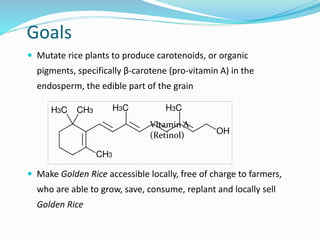
 Mutate rice plants to produce carotenoids, or organic
pigments, specifically β-carotene (pro-vitamin A) in the
endosperm, the edible part of the grain
 Make Golden Rice accessible locally, free of charge to farmers,
who are able to grow, save, consume, replant and locally sell
Golden Rice
Vitamin A
(Retinol)
How Does It Work?
 The addition of 2 genes in the rice genome will complete
the biosynthetic pathway
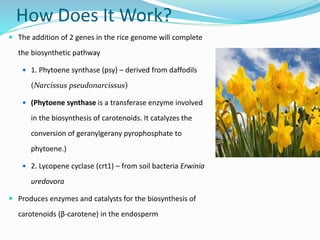
 1. Phytoene synthase (psy) – derived from daffodils
(Narcissus pseudonarcissus)
 (Phytoene synthase is a transferase enzyme involved
in the biosynthesis of carotenoids. It catalyzes the
conversion of geranylgerany pyrophosphate to
phytoene.)
 2. Lycopene cyclase (crt1) – from soil bacteria Erwinia
uredovora
 Produces enzymes and catalysts for the biosynthesis of
carotenoids (β-carotene) in the endosperm
 The psy and crt1 genes were transformed into the rice
nuclear genome and placed under the control of an
endosperm-specific promoter, so they are only expressed
in the endosperm.
 The exogenous lyc gene has a transit peptide sequence
attached so it is targeted to the plastid, where
geranylgerany diphosphate formation occurs.
 The bacterial crt1 gene was an important inclusion to
complete the pathway, since it can catalyze multiple
steps in the synthesis of carotenoid, while these steps
require more than one enzyme in plants.
 The end product of the engineered pathway is
lycopene, but if the plant accumulated
lycopene, the rice would be red.
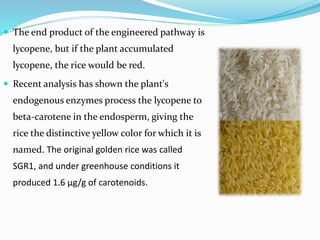
 Recent analysis has shown the plant's
endogenous enzymes process the lycopene to
beta-carotene in the endosperm, giving the
rice the distinctive yellow color for which it is
named. The original golden rice was called
SGR1, and under greenhouse conditions it
produced 1.6 µg/g of carotenoids.
Advantages
 Golden rice give more quantity vitamin-A
 Cheaper option to supply vitamin A requirement compared to
other supplementary measures
 Sustainable option as once released for common cultivation can
be cultivated every growing season by farmer saved seeds,
therefore no need of yearly budgetary investment for
distribution
 Health
 May cause allergies or fail to perform desired effect
 Supply does not provide a substantial quantity as the
recommended daily intake
 Environment
 Loss of Biodiversity. May become a gregarious weed and
endanger the existence of natural rice plants
 Genetic contamination of natural, global staple foods
 Culture
 Some people prefer to cultivate and eat only white rice
based on traditional values and spiritual beliefs
DISADVANTAGE
Present scenario
 Farmland is decreasing..
 Population is increasing in a very high rate.
 Production is not increasing—stagnant.
 Other problems in recent days.–
1) increased temperature
2) salinity
3) drought
4) biotic stresses
BRINJAL CULTIVATION IN INDIA
Solanum melongena (brinjal or eggplant) is a popular
vegetable.
Brinjal has been cultivated in India for the last 4000
years.
The area under cultivation is estimated to be around 5
lakh hectares.
The total production stands at around 82 lakh metric
tonnes.
The main growing areas are in the states of West Bengal, AP, Bihar,
Karnataka, Maharashtra, Orissa, Tamil Nadu & UP .
The average yields of Brinjal in India is reported to be
around 16 -17 Tons per hectare.
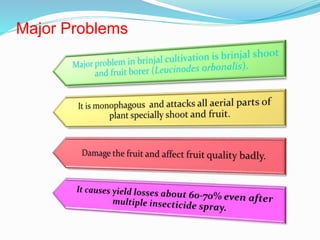
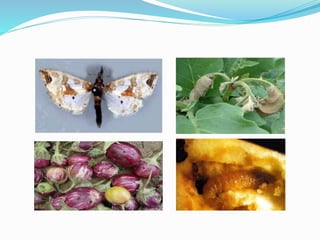
Major Problems
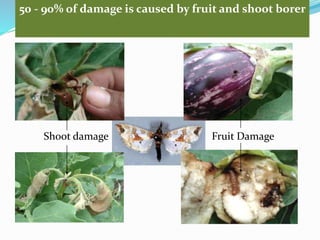
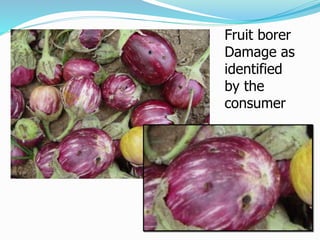
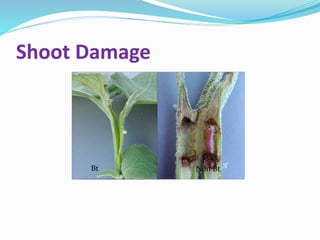
Shoot damage Fruit Damage
50 - 90% of damage is caused by fruit and shoot borer
Fruit borer
Damage as
identified
by the
consumer
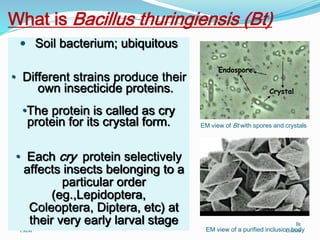
What is Bacillus thuringiensis (Bt)
TMM
Bt
cottonEM view of a purified inclusion body
EM view of Bt with spores and crystals
Endospore
Crystal
• Soil bacterium; ubiquitous
• Different strains produce their
own insecticide proteins.
•The protein is called as cry
protein for its crystal form.
• Each cry protein selectively
affects insects belonging to a
particular order
(eg.,Lepidoptera,
Coleoptera, Diptera, etc) at
their very early larval stage
How bt brinjal developed?
 Bt brinjal is a genetically improved brinjal
developed by inserting a cry1Ac gene into
brinjal genome
 The Cry1Ac protein gives the brinjal plant
in-built resistance against lepidopteran
insects like Brinjal Fruit and Shoot Borer
 Use of Bt as insecticide not new – farmers
using it for over 50 years as a spray
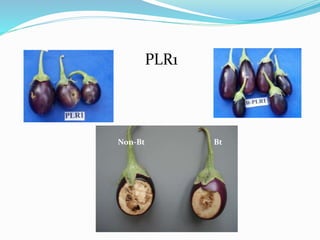
PLR1
Non-Bt Bt
Shoot Damage
Non BtBt
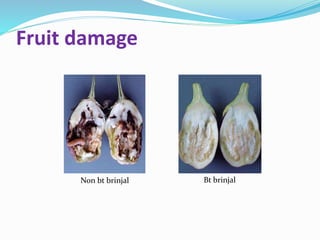
Fruit damage
Non bt brinjal Bt brinjal
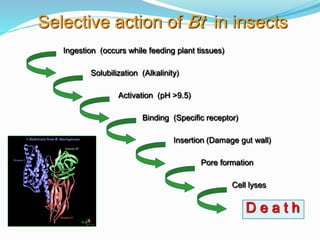
Ingestion (occurs while feeding plant tissues)
Solubilization (Alkalinity)
Activation (pH >9.5)
Binding (Specific receptor)
Insertion (Damage gut wall)
Pore formation
Cell lyses
D e a t h
Selective action of Bt in insects
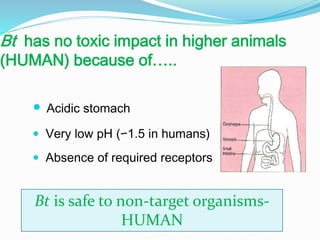
Bt has no toxic impact in higher animals
(HUMAN) because of…..
 Acidic stomach
 Very low pH (∽1.5 in humans)
 Absence of required receptors
Bt is safe to non-target organisms-
HUMAN
DOES IT AFFECT BIODIVERSITY??
 Any new gene incorporation in a genome increases its
genetic diversity.
 In nature, every evolution of a new species is due to
some gene incorporation through cross pollination..
 The idea that Bt brinjal will destroy biodiversity is
nonsensical. In fact, since brinjal has no natural
resistance (to pests), the introduction of Bt brinjal will
help increase genetic diversity.
What are the safety concerns?
 Toxicity
 Allergenicity
 Out-crossing / Gene flow
 Effects on non-target organisms

Environmental impact
 Pest resistance
All safety issues were addressed
before regulatory approval was given
Safety to non-target organisms
Feed safety studies were conducted using high
dose of Bt-cotton seed-meal / protein on:
 Fish
 Birds
 Mammals - goats, buffaloes, cows, rabbits
 Honey bees
 Earthworms
 Biological control agents
(Lacewing, Ladybird beetles etc)
Results revealed no ill effects & Bt is safe !
Benefits to ecology and environment
1) Reduction in pesticide residues in soil and water in
brinjal fields.
2) Lesser pollution of air and local environment due to
decreased use of insecticides.
3) Protection of naturally occurring predators and
parasitoids and other beneficial organisms due to
reduced use of insecticides.
4) Reduction in soil and ground-water contamination.
5) Safeguarding soil microflora and invertebrates from
damage caused by unintended and excessive use of
insecticides.
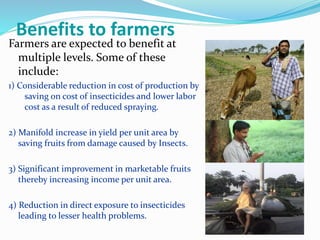
Benefits to farmers
Farmers are expected to benefit at
multiple levels. Some of these
include:
1) Considerable reduction in cost of production by
saving on cost of insecticides and lower labor
cost as a result of reduced spraying.
2) Manifold increase in yield per unit area by
saving fruits from damage caused by Insects.
3) Significant improvement in marketable fruits
thereby increasing income per unit area.
4) Reduction in direct exposure to insecticides
leading to lesser health problems.
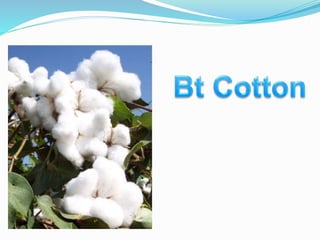
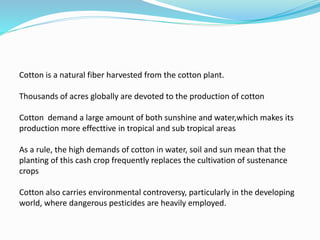
Cotton is a natural fiber harvested from the cotton plant.
Thousands of acres globally are devoted to the production of cotton
Cotton demand a large amount of both sunshine and water,which makes its
production more effecttive in tropical and sub tropical areas
As a rule, the high demands of cotton in water, soil and sun mean that the
planting of this cash crop frequently replaces the cultivation of sustenance
crops
Cotton also carries environmental controversy, particularly in the developing
world, where dangerous pesticides are heavily employed.
The underside of the leaves of African and American species of
cotton produce a sticky-sweet nectar which attracts many
pests, chief among them the bollworm (the boll weevil has
been largely eradicated), the larvae of a small moth,
Pectinophora gossypiella. Bollworms and budworms burrow
into the boll or bud shortly before harvest and feed on the
fibers or lint
 Cotton is typically grown using heavy levels of pesticides
 Endosulfan is the primary pesticide used to control the
bollworm. It is toxic to human beings if touched or ingested
and particularly lethal to children
 A more common alternative today is to turn to
genetically-modified crops produced by companies
such as Monsanto. The most common species, “Bt”
or Bacillus thuringiensis, is advertised as fully
resistant to the common bollworm. Early use shows
that this is true, as such large portions of cotton
production in the US and China (20 and 30%
respectively) now use Bt strains.
Bt Cotton is produced by inserting a synthetic version of a gene
from the naturally occurring soil bacterium Bacillus
thuringiensis, into cotton.
The primary reason this is done is to induce the plant to
produce its own Bt toxin to destroy the bollworm, a major
cotton pest.
The gene causes the production of Bt toxin in all parts of the
cotton plant throughout its entire life span. When the bollworm
ingests any part of the plant, the Bt cotton toxin pierces its
small intestine and kills the insect.
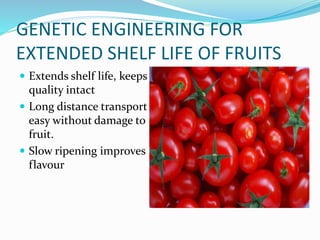
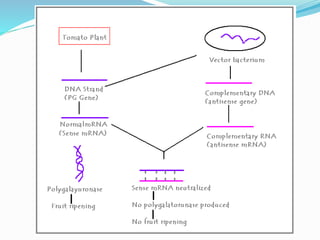
GENETIC ENGINEERING FOR
EXTENDED SHELF LIFE OF FRUITS
 Extends shelf life, keeps
quality intact
 Long distance transport
easy without damage to
fruit.
 Slow ripening improves
flavour
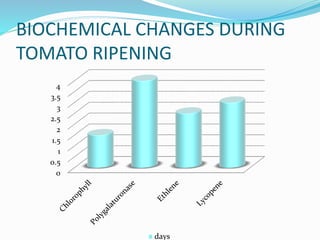
BIOCHEMICAL CHANGES DURING
TOMATO RIPENING
0
0.5
1
1.5
2
2.5
3
3.5
4
days
RECOMBINANT FOOD
 Transfer of pig genes into sheep may offend the
sentiments of Jews and Muslims.
 Introduction of animal genes into food plants may
invite opposition by strict vegetarians.
 Few people insist that the GM foods should be
specifically labelled.
 Few are totally against GM !
 Most of the people have opinions somewhere between
these two extremes.
RELEASE OF GENETICALLY
ENGINEERED ORGANISMS
 It is feared that release of GMOs into the environment
could have far-reaching consequences.
 This is because the living GMO’s proliferate, persist,
disperse and sometimes may transfer their DNA into
other organisms.
 It is also feared that there exists a possibility of GMOs
displacing the existing organisms, besides creating
new species. This may lead to severe environmental
damage.
RELEASE OF GENETICALLY
ENGINEERED ORGANISMS
 There are two broad categories of release of GMOs into the
environment:
 the experimental release of GMOs into the environment -
that is, the introduction of GMOs into the environment for
experimental purposes, also commonly known as field or
clinical trials. These types of releases are mainly carried out
for the purposes of study, research, demonstration and
development of novel varieties. The behaviour of the GMO
in an open environment and its interactions with other
organisms and the environment are studied.
•release of GMOs into the environment by placing on the
market for commercial purposes - if the results of the
experimental release are positive, the company may
decide to place the GMO on the market, that is, make it
available to third parties either free of charge or for a fee.
The GMO may be placed on the market for purposes of
cultivation, importation or transformation of GMOs into
industrial products.
RELEASE OF GENETICALLY
ENGINEERED ORGANISMS
Legal requirements and
obligations
 Any release of GMOs into the environment must comply
with the provisions of Legal Notice 170 of 2002.
 The legal requirements and obligations of this legislation
include:
 observing the laid down principles for the environmental
risk assessment
 mandatory post-market monitoring requirements,
including long-term effects associated with the interaction
with other GMOs and the environment,
 mandatory information to the public
Legal requirements and
obligations
 a requirement for Member States to ensure labelling
and traceability at all stages of the placing on the
market
 first approvals for the release of GMOs to be limited to
a maximum of ten years
 phasing out the release of GMOs containing antibiotic
resistance marker (ARM) genes, which may have
adverse effects on human health and the environment
 the possibility for the Council of Ministers to adopt or
reject a Commission proposal for authorisation of a
GMO by qualified majority.
National regulatory systems in
India
Ministry of Environment and forests (MoEF)
Department of Biotechnology (DBT)
There are six competent authorities to handle various
issues viz.,
 Genetic Engineering Approval Committee (GEAC)
 Review Committee on Genetic Manipulation (RCGM)
 Recombinant DNA Advisory Committee (RDAC)
 Institutional Biosafety Committee (IBSC)
 State Biotechnology Coordination Committee (SBCC)
 District Level Committee (DLC)
GMO - Genetically Modified Organisms

GMO - Genetically Modified Organisms

  • 4.
    What is theNEED for Genetically Modified Organisms? Man is dependant on animals for milk, meat, eggs, wool, leather etc. Climate change will make it increasingly difficult to feed the world. With the global population expected to reach more than nine billion by 2050, however, the world might soon be hungry for such varieties. Drought, damaging storms, and very hot days are already taking a toll on crop yields. Climate change is likely to make the problem far worse, bringing higher temperatures and, in many regions, wetter conditions that spread infestations of disease and insects into new areas. Drought, damaging storms, and very hot days are already taking a toll on crop yields, and the frequency of these events is expected to increase sharply as the climate warms. For farmers, the effects of climate change can be simply put: the weather has become far more unpredictable, and extreme weather has become far more common. http://www.technologyreview.com/featuredstory/522596/why-we-will- need-genetically-modified-foods/
  • 5.
    TRANSGENESIS Transgenesis refers tothe phenomenon of introduction of exogenous DNA into the genome to create and maintain a stable heritable character. The foreign DNA is called the TRANSGENE. The animal whose genome is altered is called TRANSGENIC.
  • 6.
    IMPORTANCE OF TRANSGENICANIMALS OR GENETICALLY MODIFIED ANIMALS: Improvement of Genetic characters. Models for understanding human diseases. Medical and pharmaceutical applications. Important fro improving the quality and quantity of milk, meat, eggs, and wool production. In understanding Molecular biology, genetics, immunology and cancer,
  • 7.
    TRANSGENIC ANIMALS First transgenicanimal was a mouse. SUPER MOUSE Rat gene for Growth Hormone Into Mouse genome Offspring larger than Parents
  • 8.
    CHARACTERS MOUSE RAT SizeSparrow sized Nearly 1 pound Best known species Common House Mouse (Mus Musculus) Black Rat (Rattus Rattus); Brown Rat (Rattus Norvegicus) Genetic Differences Mice have 20 chromosome pairs & 2.6 million base pairs Rats have 21 chromosome pairs & 2.75 million base pairs Ears Ears are large relative to the head. Ears are small relative to the head tail A mouse is small and has a skinny tail. A rat is bigger and has a thicker tail.
  • 9.
    Produces more eggs Researcher Friendly animal Smallin size. Easy to handle Why Mouse???
  • 10.
    METHODS OF INTRODUCINGA FOREIGN GENE 1.Retroviral Vector Method 2.Microinjection Method 3.Embryonic Stem Cell Method
  • 11.
    1. Retroviral VectorMethod retrovirus is any virus belonging to the viral family Retroviridae. All The genetic material in retroviruses is in the form of RNA molecules, while the genetic material of their hosts is in the form of DNA. When a retrovirus infects a host cell, it will introduce its RNA together with someenzymes into the cell. This RNA molecule from the retrovirus must produce a DNA copy from its RNA molecule before it can be considered part of the genetic material of the host cell. Retrovirus genomes commonly contain these three open reading frames that encode for proteins that can be found in the mature virus. Group- specific antigen (gag) codes for core and structural proteins of the virus, polymerase (pol) codes for reverse transcriptase, protease and integrase, and envelope (env) codes for the retroviral coat proteins . Retroviral vectors are created by removal op the retroviral gag, pol, and env genes. These are replaced by the therapeutic gene. In order to produce vector particles a packaging cell is essential.
  • 12.
    Packaging cell linesprovide all the viral proteins required for capsid production and the virion maturation of the vector. These packaging cell lines have been made so that they contain the gag, pol and env genes. Early packaging cell lines contained replication competent retroviral genomes and a single recombination event between this genome and the retroviral DNA vector could result in the production of a wild type virus. Following insertion of the desired gene into in the retroviral DNA vector, and maintainance of the proper packaging cell line, it is now a simple matter to prepare retroviral vectors . One of the problems of gene therapy using retroviruses is that the integrase enzyme can insert the genetic material of the virus in any arbitrary position in the genome of the host. If genetic material happens to be inserted in the middle of one of the original genes of the host cell, this gene will be disrupted (insertional mutagenesis). If the gene happens to be one regulating cell division, uncontrolled cell division (i.e., cancer) can occur. This problem has recently begun to be addressed by utilizing zinc finger nucleases or by including certain sequences such as the beta-globin locus control region to direct the site of integration to specific chromosomal sites.
  • 14.
    1. Microinjection Method •Female mice administered with FSH • Follwed by Chorionic Gonadotrophin • Produces 30-35 eggs Superovulation • Mating of female and male • Eggs removed from the Fallopian tubes after fertilizationIsolation of Eggs • DNA is injected into the male pronucleus of the fertilized egg woth the help of micrp pippette. • Microscope is used to identify male pronucleus (Larger one) Micromanipulation • Eggs with transgenes are kept overnight in incubator to develop to a 2-cell stage. • Next, implanted into Foster mother • After 3 weeks, mother delivers pups. Implantation
  • 16.
    A pronucleus isthe nucleus of a sperm or an egg cell during the process offertilization, after the sperm enters the ovum, but before they fuse. Sperm and egg cells are haploid, meaning they carry half the number of chromosomes. The male and female pronuclei don't fuse, although their genetic material do. Instead, their membranes dissolve, leaving no barriers between the male and female chromosomes. Their chromosomes can then combine and become part of a single diploid nucleus in the resulting embryo, containing a full set of chromosomes.
  • 17.
  • 18.
    Inner Cell massof Blastocyst These are pluripotent or ES cells Introduction of foreign DNA into ES cell Done by Microinjection or Electroporation Identified by Marker gene or PCR analysis Transfected cells are Cultured Microinjection into Blastocyst Implant into Foster Mother Transgenic founder Mice are produced
  • 21.
    Mammary gland cellsfrom a donor ewe were isolated Subjected to total nutrient deprivation for 5 days An ovum was taken from another ewe and its nucleus was removed Fusion of Mammary gland cell and Ova by pulse electricity Fused cell is totipotent and develops into an embryo Embryo implanted in Surrogate Mother 5 months later, Dolly was born! 
  • 23.
    NEED FOR TRANSGENICPLANTS To improve crops with the desired traits. Resistance to diseases caused by insects, viruses and fungi and bacteria. Resistance to herbicides, temperature, drought, salinity, ozone, intense light. Imrovement of crop yield, quality, storage, longer shelf life of fruits and vegetables. Transgenic plants as bioreactors for manufacture of commercial products like proteins, vaccines and biodegradable plastic.
  • 24.
    The major objectiveof plant biotechnology is to develop plants that are resistant to biotic and abiotic stresses.
  • 25.
    Biotic Stress canbe described in 3 major categories: 1.INSECT RESITANCE 2.VIRUS RESISTANCE 3.FUNGAL AND BACTERIAL RESISTANCE
  • 26.
    RESISTANCE TO BIOTICSTRESS: Common Name of Pest Scientific Name Crops damaged Cotton bollworm Helicoverpa zea Cotton Cotton leafworm Spodoptera littiralis Rice, cotton, maize Tobacco Budworm Heliothis virescens Tobacco, cotton Tomato Fruit worm Heliothis armigera Tomato, cotton Brown plant hopper Nilapavarta lugens Rice
  • 27.
    INSECT RESISTANCE •The damageto crops are mainly caused by insect larvae and pests. •E.g.: Bollworms, Beetles, Grasshoppers, Aphids •95% of pesticide sprayed is washed away. •Chemical pesticides cause pollution as they are not degradable. •Toxic to plants, human and animals.
  • 28.
    RESISTANCE GENES FROM MICROORGANISMS Bacillus thuringiensis (Bt) toxin: Discovered by Ishiwaki 1901 Gram negative, soil bacterium Produces parasporal crystalline protein with insecticidal toxin i.e, ICP- Insecticidal Crystalline Protein. These proteins are also called Cry proteins.
  • 29.
    MODE OF ACTIONOF CRY PROTEINS: Toxin of Cry1 (Mol mass=130KDa) Parasporal Crystal Ingested by Target insect Acyivates in gut. Alkaline Ph and proteolytic enzymes Prototoxin gets activated Active protein gets itself inserted into membrane of gut epithelial cells Ion channells are formed through which excess loss of ATP occcur Cellular Metabolism ceases Insect stops feeding, gets dehydrated Finally dies
  • 30.
    ADVANTAGES OF TRANSGENICPLANTS WITH Bt Genes: Bt genes could be expressed in all parts of the plant including roots, stem and fruits. Bt toxin rapidly degrade in environment. Toxin produced kills only target insect. Safe for human consumption. Reason: Conversion of prototoxin to toxin requires alkaline Ph and specific proteases and these are absent in humans and animals.
  • 32.
    Golden rice isa variety of Oryza sativa rice produced from genetic engineering Main purpose is to provide pro-vitamin A to third world, developing, countries where malnutrition and vitamin A deficiency are common.
  • 33.
    Who Began theGolden Rice Project? Started in 1982 by Ingo Potrykus-Professor emeritus of the Institute for Plant Sciences Peter Beyer-Professor of Centre for Applied Biosciences, Uni. Of Freiburg, Germany Funded by the Rockefeller Foundation, the Swiss Federal Institute of Technology, and Syngenta, a crop protection company.
  • 34.
    Effects of Malnutrition Symptoms of vitamin A deficiency (VAD) include; night blindness, increased susceptibility to infection and cancer, anemia (lack of red blood cells or hemoglobin), deterioration of the eye tissue, and cardiovascular disease  Nearly 9 million children die from malnutrition each year. A large proportion of those children die from common illnesses that could have been avoided through adequate nutrition  The reduced immune competence increases the morbidity and mortality rates of children
  • 35.
    Goals  Mutate riceplants to produce carotenoids, or organic pigments, specifically β-carotene (pro-vitamin A) in the endosperm, the edible part of the grain  Make Golden Rice accessible locally, free of charge to farmers, who are able to grow, save, consume, replant and locally sell Golden Rice Vitamin A (Retinol)
  • 36.
    How Does ItWork?  The addition of 2 genes in the rice genome will complete the biosynthetic pathway  1. Phytoene synthase (psy) – derived from daffodils (Narcissus pseudonarcissus)  (Phytoene synthase is a transferase enzyme involved in the biosynthesis of carotenoids. It catalyzes the conversion of geranylgerany pyrophosphate to phytoene.)  2. Lycopene cyclase (crt1) – from soil bacteria Erwinia uredovora  Produces enzymes and catalysts for the biosynthesis of carotenoids (β-carotene) in the endosperm
  • 37.
     The psyand crt1 genes were transformed into the rice nuclear genome and placed under the control of an endosperm-specific promoter, so they are only expressed in the endosperm.  The exogenous lyc gene has a transit peptide sequence attached so it is targeted to the plastid, where geranylgerany diphosphate formation occurs.  The bacterial crt1 gene was an important inclusion to complete the pathway, since it can catalyze multiple steps in the synthesis of carotenoid, while these steps require more than one enzyme in plants.
  • 38.
     The endproduct of the engineered pathway is lycopene, but if the plant accumulated lycopene, the rice would be red.  Recent analysis has shown the plant's endogenous enzymes process the lycopene to beta-carotene in the endosperm, giving the rice the distinctive yellow color for which it is named. The original golden rice was called SGR1, and under greenhouse conditions it produced 1.6 µg/g of carotenoids.
  • 39.
    Advantages  Golden ricegive more quantity vitamin-A  Cheaper option to supply vitamin A requirement compared to other supplementary measures  Sustainable option as once released for common cultivation can be cultivated every growing season by farmer saved seeds, therefore no need of yearly budgetary investment for distribution
  • 40.
     Health  Maycause allergies or fail to perform desired effect  Supply does not provide a substantial quantity as the recommended daily intake  Environment  Loss of Biodiversity. May become a gregarious weed and endanger the existence of natural rice plants  Genetic contamination of natural, global staple foods  Culture  Some people prefer to cultivate and eat only white rice based on traditional values and spiritual beliefs DISADVANTAGE
  • 42.
    Present scenario  Farmlandis decreasing..  Population is increasing in a very high rate.  Production is not increasing—stagnant.  Other problems in recent days.– 1) increased temperature 2) salinity 3) drought 4) biotic stresses
  • 43.
    BRINJAL CULTIVATION ININDIA Solanum melongena (brinjal or eggplant) is a popular vegetable. Brinjal has been cultivated in India for the last 4000 years. The area under cultivation is estimated to be around 5 lakh hectares. The total production stands at around 82 lakh metric tonnes. The main growing areas are in the states of West Bengal, AP, Bihar, Karnataka, Maharashtra, Orissa, Tamil Nadu & UP . The average yields of Brinjal in India is reported to be around 16 -17 Tons per hectare.
  • 44.
  • 47.
    Shoot damage FruitDamage 50 - 90% of damage is caused by fruit and shoot borer
  • 48.
  • 49.
    What is Bacillusthuringiensis (Bt) TMM Bt cottonEM view of a purified inclusion body EM view of Bt with spores and crystals Endospore Crystal • Soil bacterium; ubiquitous • Different strains produce their own insecticide proteins. •The protein is called as cry protein for its crystal form. • Each cry protein selectively affects insects belonging to a particular order (eg.,Lepidoptera, Coleoptera, Diptera, etc) at their very early larval stage
  • 50.
    How bt brinjaldeveloped?  Bt brinjal is a genetically improved brinjal developed by inserting a cry1Ac gene into brinjal genome  The Cry1Ac protein gives the brinjal plant in-built resistance against lepidopteran insects like Brinjal Fruit and Shoot Borer  Use of Bt as insecticide not new – farmers using it for over 50 years as a spray
  • 51.
  • 52.
  • 53.
    Fruit damage Non btbrinjal Bt brinjal
  • 54.
    Ingestion (occurs whilefeeding plant tissues) Solubilization (Alkalinity) Activation (pH >9.5) Binding (Specific receptor) Insertion (Damage gut wall) Pore formation Cell lyses D e a t h Selective action of Bt in insects
  • 55.
    Bt has notoxic impact in higher animals (HUMAN) because of…..  Acidic stomach  Very low pH (∽1.5 in humans)  Absence of required receptors Bt is safe to non-target organisms- HUMAN
  • 56.
    DOES IT AFFECTBIODIVERSITY??  Any new gene incorporation in a genome increases its genetic diversity.  In nature, every evolution of a new species is due to some gene incorporation through cross pollination..  The idea that Bt brinjal will destroy biodiversity is nonsensical. In fact, since brinjal has no natural resistance (to pests), the introduction of Bt brinjal will help increase genetic diversity.
  • 57.
    What are thesafety concerns?  Toxicity  Allergenicity  Out-crossing / Gene flow  Effects on non-target organisms  Environmental impact  Pest resistance All safety issues were addressed before regulatory approval was given
  • 58.
    Safety to non-targetorganisms Feed safety studies were conducted using high dose of Bt-cotton seed-meal / protein on:  Fish  Birds  Mammals - goats, buffaloes, cows, rabbits  Honey bees  Earthworms  Biological control agents (Lacewing, Ladybird beetles etc) Results revealed no ill effects & Bt is safe !
  • 59.
    Benefits to ecologyand environment 1) Reduction in pesticide residues in soil and water in brinjal fields. 2) Lesser pollution of air and local environment due to decreased use of insecticides. 3) Protection of naturally occurring predators and parasitoids and other beneficial organisms due to reduced use of insecticides. 4) Reduction in soil and ground-water contamination. 5) Safeguarding soil microflora and invertebrates from damage caused by unintended and excessive use of insecticides.
  • 60.
    Benefits to farmers Farmersare expected to benefit at multiple levels. Some of these include: 1) Considerable reduction in cost of production by saving on cost of insecticides and lower labor cost as a result of reduced spraying. 2) Manifold increase in yield per unit area by saving fruits from damage caused by Insects. 3) Significant improvement in marketable fruits thereby increasing income per unit area. 4) Reduction in direct exposure to insecticides leading to lesser health problems.
  • 62.
    Cotton is anatural fiber harvested from the cotton plant. Thousands of acres globally are devoted to the production of cotton Cotton demand a large amount of both sunshine and water,which makes its production more effecttive in tropical and sub tropical areas As a rule, the high demands of cotton in water, soil and sun mean that the planting of this cash crop frequently replaces the cultivation of sustenance crops Cotton also carries environmental controversy, particularly in the developing world, where dangerous pesticides are heavily employed.
  • 63.
    The underside ofthe leaves of African and American species of cotton produce a sticky-sweet nectar which attracts many pests, chief among them the bollworm (the boll weevil has been largely eradicated), the larvae of a small moth, Pectinophora gossypiella. Bollworms and budworms burrow into the boll or bud shortly before harvest and feed on the fibers or lint  Cotton is typically grown using heavy levels of pesticides  Endosulfan is the primary pesticide used to control the bollworm. It is toxic to human beings if touched or ingested and particularly lethal to children
  • 64.
     A morecommon alternative today is to turn to genetically-modified crops produced by companies such as Monsanto. The most common species, “Bt” or Bacillus thuringiensis, is advertised as fully resistant to the common bollworm. Early use shows that this is true, as such large portions of cotton production in the US and China (20 and 30% respectively) now use Bt strains.
  • 65.
    Bt Cotton isproduced by inserting a synthetic version of a gene from the naturally occurring soil bacterium Bacillus thuringiensis, into cotton. The primary reason this is done is to induce the plant to produce its own Bt toxin to destroy the bollworm, a major cotton pest. The gene causes the production of Bt toxin in all parts of the cotton plant throughout its entire life span. When the bollworm ingests any part of the plant, the Bt cotton toxin pierces its small intestine and kills the insect.
  • 67.
    GENETIC ENGINEERING FOR EXTENDEDSHELF LIFE OF FRUITS  Extends shelf life, keeps quality intact  Long distance transport easy without damage to fruit.  Slow ripening improves flavour
  • 68.
    BIOCHEMICAL CHANGES DURING TOMATORIPENING 0 0.5 1 1.5 2 2.5 3 3.5 4 days
  • 70.
    RECOMBINANT FOOD  Transferof pig genes into sheep may offend the sentiments of Jews and Muslims.  Introduction of animal genes into food plants may invite opposition by strict vegetarians.  Few people insist that the GM foods should be specifically labelled.  Few are totally against GM !  Most of the people have opinions somewhere between these two extremes.
  • 71.
    RELEASE OF GENETICALLY ENGINEEREDORGANISMS  It is feared that release of GMOs into the environment could have far-reaching consequences.  This is because the living GMO’s proliferate, persist, disperse and sometimes may transfer their DNA into other organisms.  It is also feared that there exists a possibility of GMOs displacing the existing organisms, besides creating new species. This may lead to severe environmental damage.
  • 72.
    RELEASE OF GENETICALLY ENGINEEREDORGANISMS  There are two broad categories of release of GMOs into the environment:  the experimental release of GMOs into the environment - that is, the introduction of GMOs into the environment for experimental purposes, also commonly known as field or clinical trials. These types of releases are mainly carried out for the purposes of study, research, demonstration and development of novel varieties. The behaviour of the GMO in an open environment and its interactions with other organisms and the environment are studied.
  • 73.
    •release of GMOsinto the environment by placing on the market for commercial purposes - if the results of the experimental release are positive, the company may decide to place the GMO on the market, that is, make it available to third parties either free of charge or for a fee. The GMO may be placed on the market for purposes of cultivation, importation or transformation of GMOs into industrial products. RELEASE OF GENETICALLY ENGINEERED ORGANISMS
  • 74.
    Legal requirements and obligations Any release of GMOs into the environment must comply with the provisions of Legal Notice 170 of 2002.  The legal requirements and obligations of this legislation include:  observing the laid down principles for the environmental risk assessment  mandatory post-market monitoring requirements, including long-term effects associated with the interaction with other GMOs and the environment,  mandatory information to the public
  • 75.
    Legal requirements and obligations a requirement for Member States to ensure labelling and traceability at all stages of the placing on the market  first approvals for the release of GMOs to be limited to a maximum of ten years  phasing out the release of GMOs containing antibiotic resistance marker (ARM) genes, which may have adverse effects on human health and the environment  the possibility for the Council of Ministers to adopt or reject a Commission proposal for authorisation of a GMO by qualified majority.
  • 76.
    National regulatory systemsin India Ministry of Environment and forests (MoEF) Department of Biotechnology (DBT) There are six competent authorities to handle various issues viz.,  Genetic Engineering Approval Committee (GEAC)  Review Committee on Genetic Manipulation (RCGM)  Recombinant DNA Advisory Committee (RDAC)  Institutional Biosafety Committee (IBSC)  State Biotechnology Coordination Committee (SBCC)  District Level Committee (DLC)