Downloaded 88 times

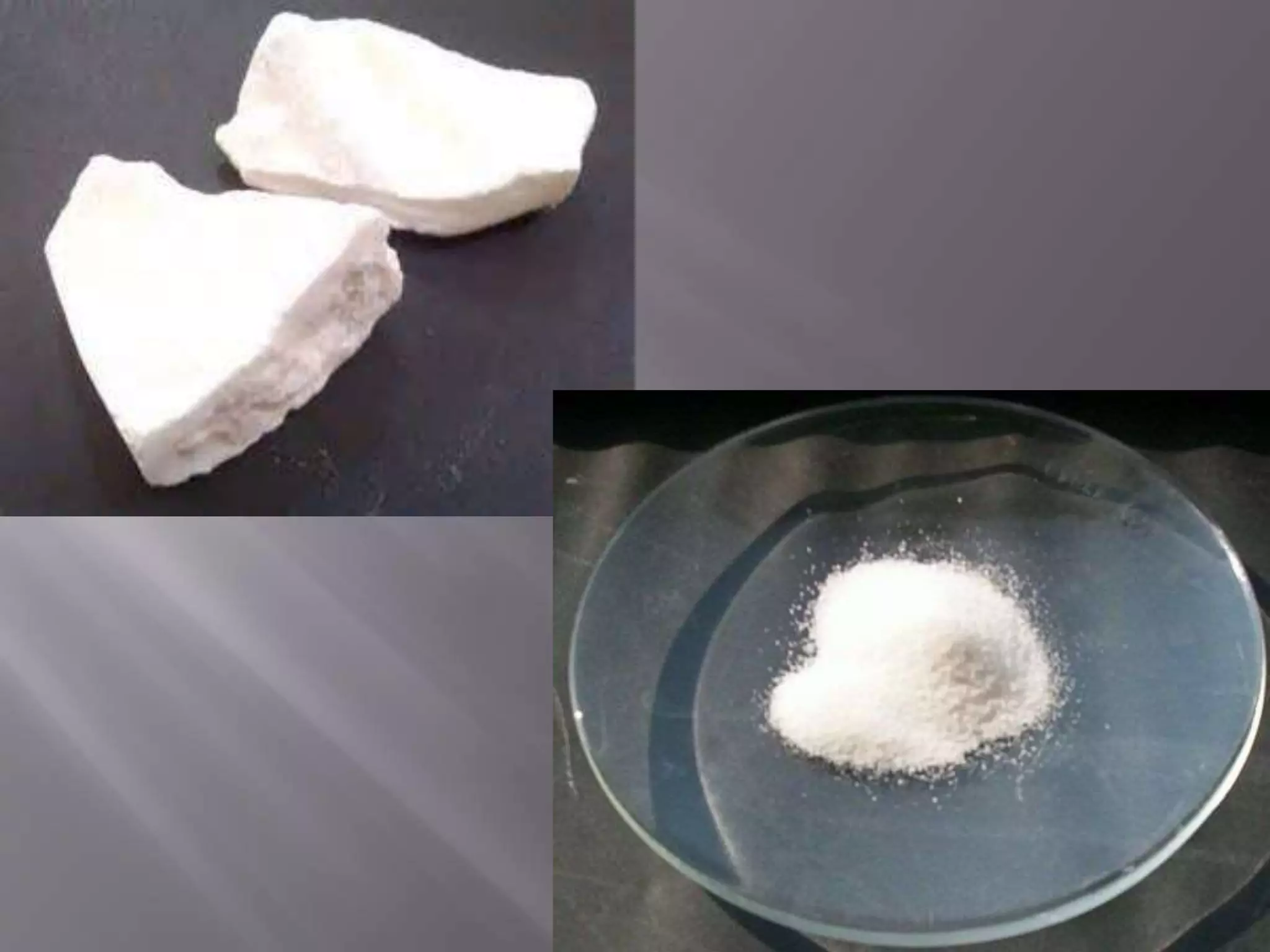



![ गौरीपाषाणकःपीतोविकटोहतचूणिकः।
स्फटटकाभश्चशङ्खाभोहररद्राभस्रयःस्मृताः I [R.R.S]
Sphatikabha sveta varna uttama
Sankhabha pandu varna madhyama
Haridrabha pitavarna adhama
Sweta - shanka sadrusha – Artificial
Pita - dadimabha – Natural [Ay.Pr]
Sweta – Artificial
Raktha- Natural [R.T,Yo.Ra]
Sphatikabha is the best variety.](https://image.slidesharecdn.com/gauripashana-170818094918/75/Gauripashana-9-2048.jpg)
![ पूिंपूिंगुणैःश्रेष्ठःकारिल्लीफलेक्षिपेत ्।
स्िेदयेद्धण्डिकामध्येशुद्धोभिर्तमूषकः।
[R.R.S]
Swedana amidst karavellaphala.
Media-Water,Karavellaswarasa [2 yama],
Meghanadarasa[1 day], Ajadugdha[1 day / 2
yama] , Godugdha,Tankana jala[1 yama]](https://image.slidesharecdn.com/gauripashana-170818094918/75/Gauripashana-11-2048.jpg)


![ रसबन्धकरःण्स्नग्धोदोषघ्नोरसिीयिकृ त ्। [R.R.S]
On ext application ,has alkali like effect on the
body & causes sopha ,santapa& saithilya](https://image.slidesharecdn.com/gauripashana-170818094918/75/Gauripashana-16-2048.jpg)
![ In a wide mouthed clean mud pot , spread surya
kshara 2 pala(96g).
Ivory powder( hasti danta churna) spread on it and
that is heated till the fumes are exhausted(moisture
free) and the mixture is powdered.
2 tola(24 g ) of this powder is taken in a small crucible
and 1 tola(12g) of shudda Gouripashna is added over it
folloed by baddition of 2 tola of the above powder.
Sharava samputa and one lavaka puta done.
Collect white mallabhasma with same properties as of
shudda gauripashana
[R.T 11/171-176]](https://image.slidesharecdn.com/gauripashana-170818094918/75/Gauripashana-17-2048.jpg)

![ तालिद्राहयेत्सत्त्िंशुद्धंशुभ्रंप्रयोजयेत ्। [R.R.S]
Colour of bhasma & satwa – white](https://image.slidesharecdn.com/gauripashana-170818094918/75/Gauripashana-19-2048.jpg)
![ आरभ्य दशमांशातु सषिपस्य प्रयत्नत
रुतीयभागपयिन्तम ् मारां मल्लस्य योजयेत ्
[R.T]
1/10 Sarshapa-1/3 sarshapa
1/120 ratti-1/30 ratti [1-4 mg] according to the
strenght of the patient.](https://image.slidesharecdn.com/gauripashana-170818094918/75/Gauripashana-20-2048.jpg)




This document discusses arsenic trioxide (white arsenic). It describes its physical properties including being white, brittle, and opaque. It notes its medical uses including treating cancer and autoimmune diseases. The document also discusses its traditional Ayurvedic uses and processing into bhasma or ashes for medicinal applications. Methods of preparing arsenic trioxide bhasma are provided along with its medical indications and formulations.


