Gastroschisis
Budi Ikhsan, dr
What is gastroschisis?
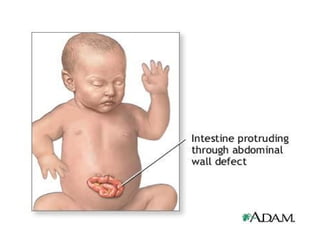
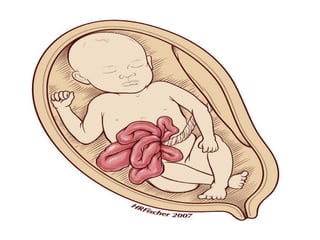
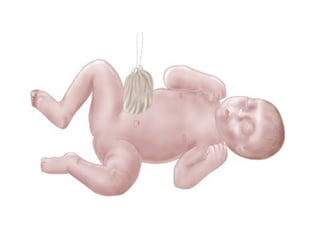
• An opening in the abdominal wall through
which the internal organs push outside of
the baby's body
• Usually on the right side of the umbilical
cord
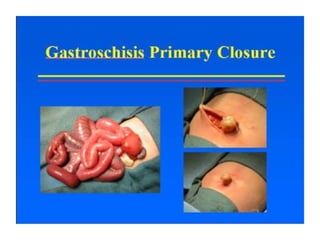
• The child's intestines can be easily seen
Causes
• It occurs in approximately 1 out of every
5,000 births
• The cause of gastroschisis is unknown, but
it is associated with younger maternal age
and almost never occurs in mothers over 30
years of age
• It is not related to anything the mother ate
or did during pregnancy
Symptoms
• Lump in the abdomen
• Intestine sticks through the abdominal wall
near the umbilical cord
• Problems with movement and absorption in
the gut due to the unprotected intestine
being exposed to irritating amniotic fluid
Exams and Tests
• Physical examination of the infant is
sufficient for the health care provider to
diagnose gastroschisis
• The mother may have shown signs
indicating excessive amniotic fluid (
polyhydramnios)
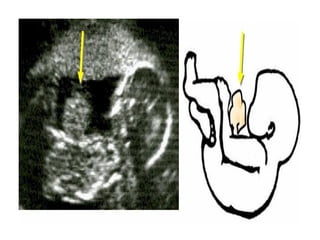
• Prenatal ultrasonography often identifies the
gastroschisis
Treatment
• If identified before birth, mothers with
gastroschisis need special monitoring to
make sure the unborn baby remains and
healthy
• Plans should be made for careful delivery
and immediate management of the problem
after birth
Treatment
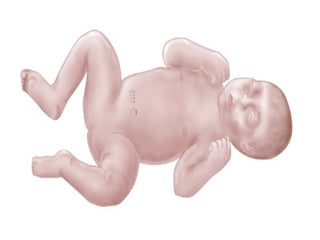
• Treatment for gastroschisis is surgery. A surgeon
will put the bowel back into the abdomen and
close the defect, if possible
• If the abdominal cavity is too small, a mesh sack is
stitched around the borders of the defect and the
edges of the defect are pulled up
• Over time, the herniated intestine falls back into
the abdominal cavity, and the defect can be closed
Treatment
• Other treatments for the baby include
nutrients by IV and antibiotics to prevent
infection
• The baby's temperature must be carefully
controlled, since the exposed intestine
allows a lot of body heat to escape
Outlook (Prognosis)
• Likelihood of recovery is good if the
abdominal cavity is relatively large enough
• A very small abdominal cavity may result
in complications requiring additional
surgery
Possible Complications
• The misplaced abdominal contents can
make it difficult for the baby to expand the
lungs, leading to breathing problems
• Bowel death is another complication
Thank you

Gastroschisis

  • 1.
  • 2.
    What is gastroschisis? •An opening in the abdominal wall through which the internal organs push outside of the baby's body • Usually on the right side of the umbilical cord • The child's intestines can be easily seen
  • 4.
    Causes • It occursin approximately 1 out of every 5,000 births • The cause of gastroschisis is unknown, but it is associated with younger maternal age and almost never occurs in mothers over 30 years of age • It is not related to anything the mother ate or did during pregnancy
  • 5.
    Symptoms • Lump inthe abdomen • Intestine sticks through the abdominal wall near the umbilical cord • Problems with movement and absorption in the gut due to the unprotected intestine being exposed to irritating amniotic fluid
  • 6.
    Exams and Tests •Physical examination of the infant is sufficient for the health care provider to diagnose gastroschisis • The mother may have shown signs indicating excessive amniotic fluid ( polyhydramnios) • Prenatal ultrasonography often identifies the gastroschisis
  • 9.
    Treatment • If identifiedbefore birth, mothers with gastroschisis need special monitoring to make sure the unborn baby remains and healthy • Plans should be made for careful delivery and immediate management of the problem after birth
  • 10.
    Treatment • Treatment forgastroschisis is surgery. A surgeon will put the bowel back into the abdomen and close the defect, if possible • If the abdominal cavity is too small, a mesh sack is stitched around the borders of the defect and the edges of the defect are pulled up • Over time, the herniated intestine falls back into the abdominal cavity, and the defect can be closed
  • 14.
    Treatment • Other treatmentsfor the baby include nutrients by IV and antibiotics to prevent infection • The baby's temperature must be carefully controlled, since the exposed intestine allows a lot of body heat to escape
  • 15.
    Outlook (Prognosis) • Likelihoodof recovery is good if the abdominal cavity is relatively large enough • A very small abdominal cavity may result in complications requiring additional surgery
  • 16.
    Possible Complications • Themisplaced abdominal contents can make it difficult for the baby to expand the lungs, leading to breathing problems • Bowel death is another complication
  • 17.