Gamifying Agile Project- A case study 
Chandan Lal Patary, Agile coach, Global Program manager
Agenda 
• Why to improve employee engagement? 
• Why Agile project require more engagement? 
• Organizational Challenges 
• Aspects of Agility 
• Motivation for Gamification 
• Increase engagement through gamification 
• Gamification framework used 
• Gamification flow 
• Psychology behind the game design 
• Team leaderboard based on the project need
Agenda: 
• Statistics to Influences team members thoughts 
• Complexity level of the leaderboard 
• Competition among 3 scrum team, dashboard 
• Levels to consider for game design 
• Game rule for our team 
• Team dashboard displaying leaderboard 
• Rewards 
• Results
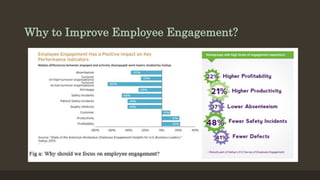
Why to Improve Employee Engagement?
Why agile project require more engagement?
Organizational Challenges 
 How to motivate employees for voluntary participation in programs such as idea 
management, internal training, feedbacks and surveys? 
 How to encourage team members to perform their duties in due course and be proactive? 
And minimal follow-up? 
 How to reward employees for their voluntary contribution towards several organizational 
community initiatives? 
 How to inspire team members to be effective and complete tasks efficiently? 
 How to motivate team members to track each and every project activity and update / close 
them on time?
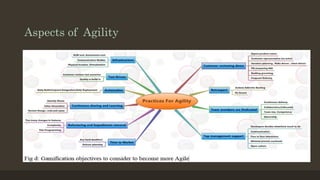
Aspects of Agility
Motivation for Gamification 
Team cannot bring agility when they are facing below issues 
 How to motivate team members to log each and every activity in team foundation server? 
 How to encourage developers to update code, defects, and issues on a timely manner on 
certain interval with minimal follow-up? 
 How to inspire team to follow a process of timely build deployment? 
 How to achieve more productivity? 
 How to reduce defects per user story/Requirement/Feature? 
 How to do code, test reviews done on time?
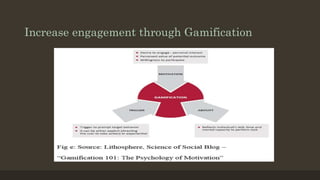
Increase engagement through Gamification
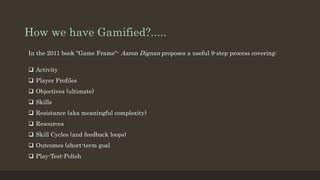
How we have Gamified?..... 
In the 2011 book "Game Frame"- Aaron Dignan proposes a useful 9-step process covering: 
 Activity 
 Player Profiles 
 Objectives (ultimate) 
 Skills 
 Resistance (aka meaningful complexity) 
 Resources 
 Skill Cycles (and feedback loops) 
 Outcomes (short-term goal 
 Play-Test-Polish
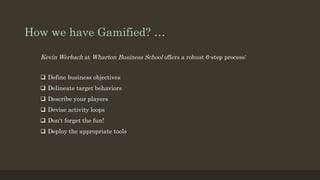
How we have Gamified? … 
Kevin Werbach at Wharton Business School offers a robust 6-step process: 
 Define business objectives 
 Delineate target behaviors 
 Describe your players 
 Devise activity loops 
 Don't forget the fun! 
 Deploy the appropriate tools
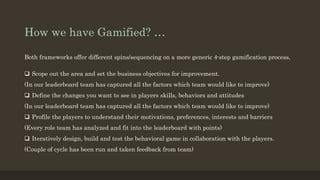
How we have Gamified? … 
Both frameworks offer different spins/sequencing on a more generic 4-step gamification process, 
 Scope out the area and set the business objectives for improvement. 
(In our leaderboard team has captured all the factors which team would like to improve) 
 Define the changes you want to see in players skills, behaviors and attitudes 
(In our leaderboard team has captured all the factors which team would like to improve) 
 Profile the players to understand their motivations, preferences, interests and barriers 
(Every role team has analyzed and fit into the leaderboard with points) 
 Iteratively design, build and test the behavioral game in collaboration with the players. 
(Couple of cycle has been run and taken feedback from team)
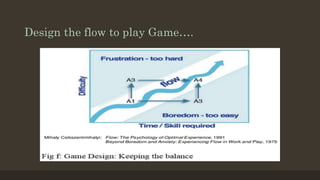
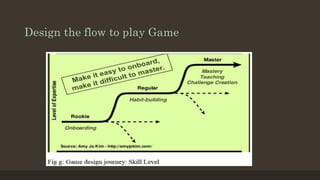
Design the flow to play Game….
Design the flow to play Game
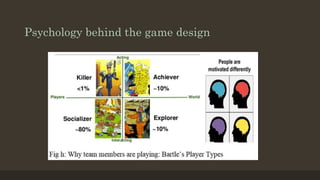
Psychology behind the game design
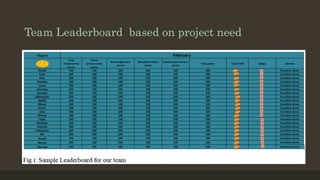
Team Leaderboard based on project need
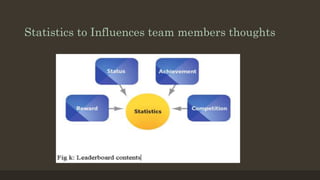
Statistics to Influences team members thoughts
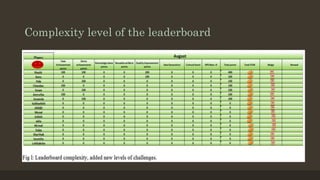
Complexity level of the leaderboard
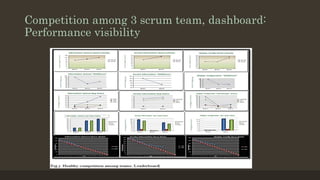
Competition among 3 scrum team, dashboard: 
Performance visibility
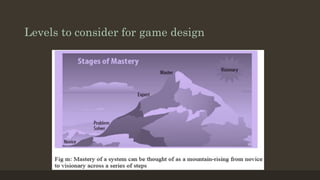
Levels to consider for game design
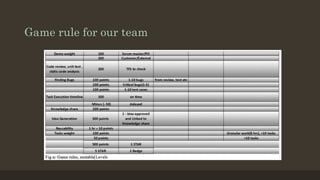
Game rule for our team
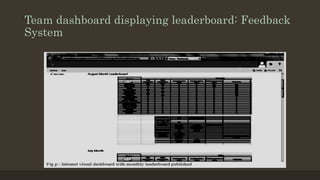
Team dashboard displaying leaderboard: Feedback 
System
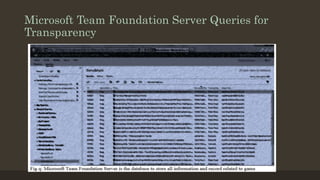
Microsoft Team Foundation Server Queries for 
Transparency
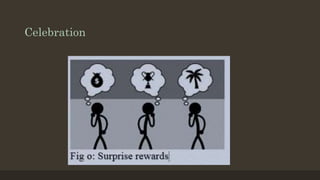
Celebration
Key Benefit 
We have achieved multidimensional benefit through gamifying the operating model 
 Individual Planning and resultant into team planning are now more efficient 
 Team members are building competency where they observe gaps 
 Problem solving is faster due to competition 
 We know each player who is performing and improving 
 Sharing and receiving feel good factor 
 Collaboration has increased 
 Developed Exploration mindset 
 Product quality has improved 
 Improvement of Customer recognition observed

Gamifying Agile project

  • 1.
    Gamifying Agile Project-A case study Chandan Lal Patary, Agile coach, Global Program manager
  • 2.
    Agenda • Whyto improve employee engagement? • Why Agile project require more engagement? • Organizational Challenges • Aspects of Agility • Motivation for Gamification • Increase engagement through gamification • Gamification framework used • Gamification flow • Psychology behind the game design • Team leaderboard based on the project need
  • 3.
    Agenda: • Statisticsto Influences team members thoughts • Complexity level of the leaderboard • Competition among 3 scrum team, dashboard • Levels to consider for game design • Game rule for our team • Team dashboard displaying leaderboard • Rewards • Results
  • 4.
    Why to ImproveEmployee Engagement?
  • 5.
    Why agile projectrequire more engagement?
  • 6.
    Organizational Challenges How to motivate employees for voluntary participation in programs such as idea management, internal training, feedbacks and surveys?  How to encourage team members to perform their duties in due course and be proactive? And minimal follow-up?  How to reward employees for their voluntary contribution towards several organizational community initiatives?  How to inspire team members to be effective and complete tasks efficiently?  How to motivate team members to track each and every project activity and update / close them on time?
  • 7.
  • 8.
    Motivation for Gamification Team cannot bring agility when they are facing below issues  How to motivate team members to log each and every activity in team foundation server?  How to encourage developers to update code, defects, and issues on a timely manner on certain interval with minimal follow-up?  How to inspire team to follow a process of timely build deployment?  How to achieve more productivity?  How to reduce defects per user story/Requirement/Feature?  How to do code, test reviews done on time?
  • 9.
  • 10.
    How we haveGamified?..... In the 2011 book "Game Frame"- Aaron Dignan proposes a useful 9-step process covering:  Activity  Player Profiles  Objectives (ultimate)  Skills  Resistance (aka meaningful complexity)  Resources  Skill Cycles (and feedback loops)  Outcomes (short-term goal  Play-Test-Polish
  • 11.
    How we haveGamified? … Kevin Werbach at Wharton Business School offers a robust 6-step process:  Define business objectives  Delineate target behaviors  Describe your players  Devise activity loops  Don't forget the fun!  Deploy the appropriate tools
  • 12.
    How we haveGamified? … Both frameworks offer different spins/sequencing on a more generic 4-step gamification process,  Scope out the area and set the business objectives for improvement. (In our leaderboard team has captured all the factors which team would like to improve)  Define the changes you want to see in players skills, behaviors and attitudes (In our leaderboard team has captured all the factors which team would like to improve)  Profile the players to understand their motivations, preferences, interests and barriers (Every role team has analyzed and fit into the leaderboard with points)  Iteratively design, build and test the behavioral game in collaboration with the players. (Couple of cycle has been run and taken feedback from team)
  • 13.
    Design the flowto play Game….
  • 14.
    Design the flowto play Game
  • 15.
  • 16.
    Team Leaderboard basedon project need
  • 17.
    Statistics to Influencesteam members thoughts
  • 18.
    Complexity level ofthe leaderboard
  • 19.
    Competition among 3scrum team, dashboard: Performance visibility
  • 20.
    Levels to considerfor game design
  • 21.
    Game rule forour team
  • 22.
    Team dashboard displayingleaderboard: Feedback System
  • 23.
    Microsoft Team FoundationServer Queries for Transparency
  • 24.
  • 25.
    Key Benefit Wehave achieved multidimensional benefit through gamifying the operating model  Individual Planning and resultant into team planning are now more efficient  Team members are building competency where they observe gaps  Problem solving is faster due to competition  We know each player who is performing and improving  Sharing and receiving feel good factor  Collaboration has increased  Developed Exploration mindset  Product quality has improved  Improvement of Customer recognition observed