Natural resource management and forages
Alan Robertson
Consultant
Workshop on forage and fodder tree selection for future challenges —Linking
genebanks to forage use, Addis Ababa, 16-20 March 2015
Approaches must encompass:
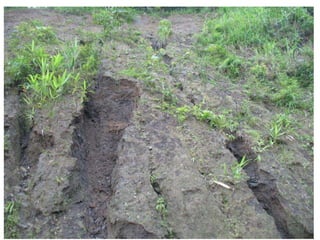
• Stabilisation of degraded slopes etc (mostly
communal)
• Improved sustainability of existing mixed
farming systems
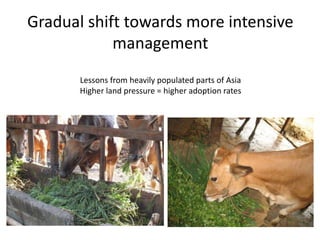
Gradual shift towards more intensive
management
Lessons from heavily populated parts of Asia
Higher land pressure = higher adoption rates
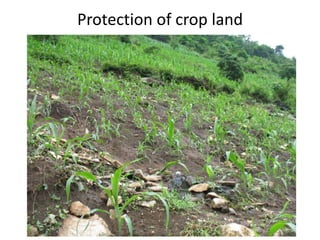
Protection of crop land
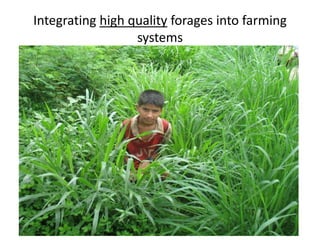
Integrating high quality forages into farming
systems
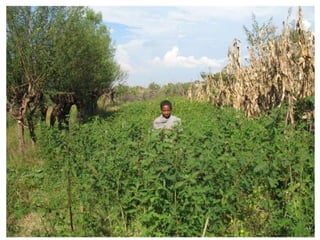
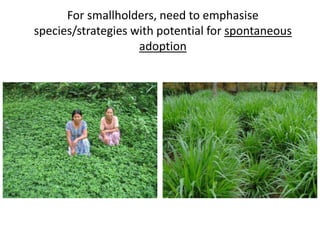
For smallholders, need to emphasise
species/strategies with potential for spontaneous
adoption
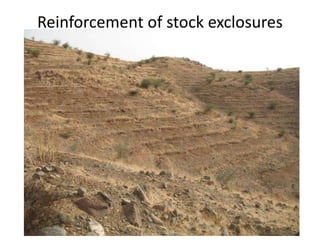
Reinforcement of stock exclosures
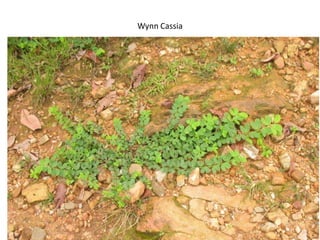
Wynn Cassia
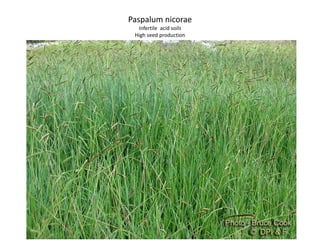
Paspalum nicorae
Infertile acid soils
High seed production
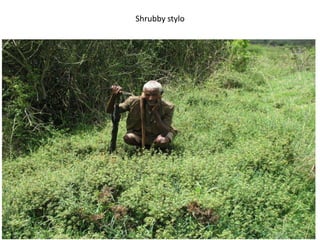
Shrubby stylo
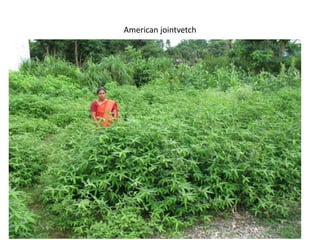
American jointvetch
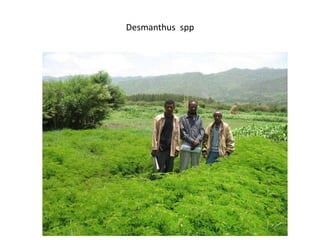
Desmanthus spp
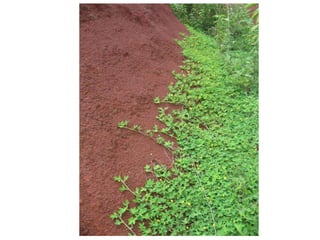
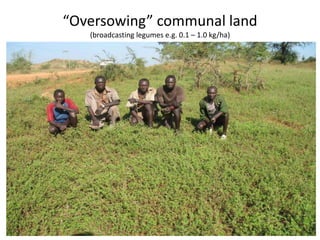
“Oversowing” communal land
(broadcasting legumes e.g. 0.1 – 1.0 kg/ha)
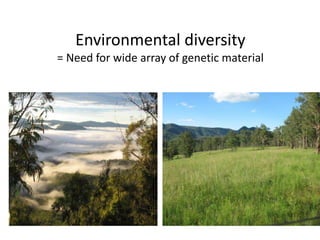
Environmental diversity
= Need for wide array of genetic material
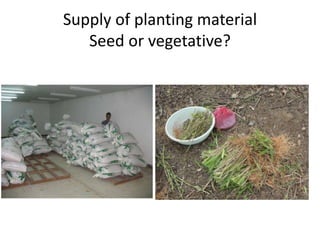
Supply of planting material
Seed or vegetative?
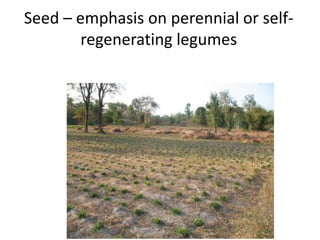
Seed – emphasis on perennial or self-
regenerating legumes
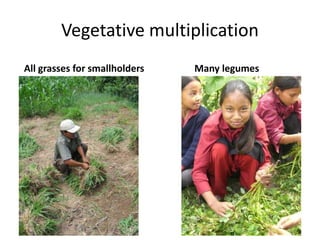
Vegetative multiplication
All grasses for smallholders Many legumes
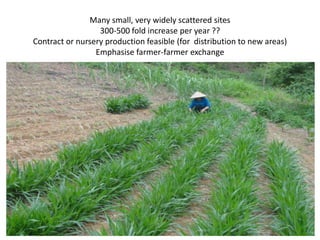
Many small, very widely scattered sites
300-500 fold increase per year ??
Contract or nursery production feasible (for distribution to new areas)
Emphasise farmer-farmer exchange
Do we have existing programs?
• Major government thrust, major donor interest
• Massively funded existing programs
• Chance for major impact with targeted
interventions to reinforce existing programs
(genetic material, establishment technology, and
delivery mechanisms)
• Linkages ??
Gaps
• Local availability of suitable genetic material for
degraded sites
• Planting material for areas with emerging salinity
• Forages with superior nutritive value for mixed farming
systems
• Sufficient planting material for quick start-up
• We do not need prior “research”.
Quick start
• Multitude of sites with wide array of useful
genetic material to facilitate:
– Spontaneous natural spread
– Spontaneous farmer-farmer adoption
– Localised monitoring and refinement of
recommendations
– Local training/ extension option
– Opportunistic multiplication….seed or vegetative
Need very large volumes, low-cost seed
e.g. 200 t/annum of perennial legumes for Ethiopian programs
alone
• Wide range of species
• Clusters of smallholders, and
• Opportunistic harvesting
• Crucial to set an appropriate contract price.
Timing, scale, beneficiaries, partners
• Need immediate familiarisation with existing
interventions
• Immediate injection of genetic material into existing
programs…
• Will need free seed program for communal areas
• Scale: dependent only on supply of planting material
• Feeds/seeds program not currently geared for this
Sustainability
• Depends on local community support
(promising)
• Depends on conspicuous early benefits
– Erosion control
– Improved hydrology (downslope smallholder
irrigation)
– Improved livelihoods (improved access to quality
cut/carry feed, improved livestock productivity)
– Improved fuel-wood supplies
– Labour impacts (5-2)
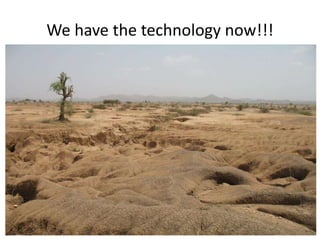
We have the technology now!!!

Natural resource management and forages

  • 1.
    Natural resource managementand forages Alan Robertson Consultant Workshop on forage and fodder tree selection for future challenges —Linking genebanks to forage use, Addis Ababa, 16-20 March 2015
  • 2.
    Approaches must encompass: •Stabilisation of degraded slopes etc (mostly communal) • Improved sustainability of existing mixed farming systems
  • 3.
    Gradual shift towardsmore intensive management Lessons from heavily populated parts of Asia Higher land pressure = higher adoption rates
  • 4.
  • 6.
    Integrating high qualityforages into farming systems
  • 9.
    For smallholders, needto emphasise species/strategies with potential for spontaneous adoption
  • 10.
  • 11.
  • 12.
    Paspalum nicorae Infertile acidsoils High seed production
  • 13.
  • 14.
  • 15.
  • 16.
    “Oversowing” communal land (broadcastinglegumes e.g. 0.1 – 1.0 kg/ha)
  • 19.
    Environmental diversity = Needfor wide array of genetic material
  • 20.
    Supply of plantingmaterial Seed or vegetative?
  • 21.
    Seed – emphasison perennial or self- regenerating legumes
  • 22.
    Vegetative multiplication All grassesfor smallholders Many legumes
  • 23.
    Many small, verywidely scattered sites 300-500 fold increase per year ?? Contract or nursery production feasible (for distribution to new areas) Emphasise farmer-farmer exchange
  • 24.
    Do we haveexisting programs? • Major government thrust, major donor interest • Massively funded existing programs • Chance for major impact with targeted interventions to reinforce existing programs (genetic material, establishment technology, and delivery mechanisms) • Linkages ??
  • 25.
    Gaps • Local availabilityof suitable genetic material for degraded sites • Planting material for areas with emerging salinity • Forages with superior nutritive value for mixed farming systems • Sufficient planting material for quick start-up • We do not need prior “research”.
  • 26.
    Quick start • Multitudeof sites with wide array of useful genetic material to facilitate: – Spontaneous natural spread – Spontaneous farmer-farmer adoption – Localised monitoring and refinement of recommendations – Local training/ extension option – Opportunistic multiplication….seed or vegetative
  • 27.
    Need very largevolumes, low-cost seed e.g. 200 t/annum of perennial legumes for Ethiopian programs alone • Wide range of species • Clusters of smallholders, and • Opportunistic harvesting • Crucial to set an appropriate contract price.
  • 28.
    Timing, scale, beneficiaries,partners • Need immediate familiarisation with existing interventions • Immediate injection of genetic material into existing programs… • Will need free seed program for communal areas • Scale: dependent only on supply of planting material • Feeds/seeds program not currently geared for this
  • 29.
    Sustainability • Depends onlocal community support (promising) • Depends on conspicuous early benefits – Erosion control – Improved hydrology (downslope smallholder irrigation) – Improved livelihoods (improved access to quality cut/carry feed, improved livestock productivity) – Improved fuel-wood supplies – Labour impacts (5-2)
  • 30.
    We have thetechnology now!!!