
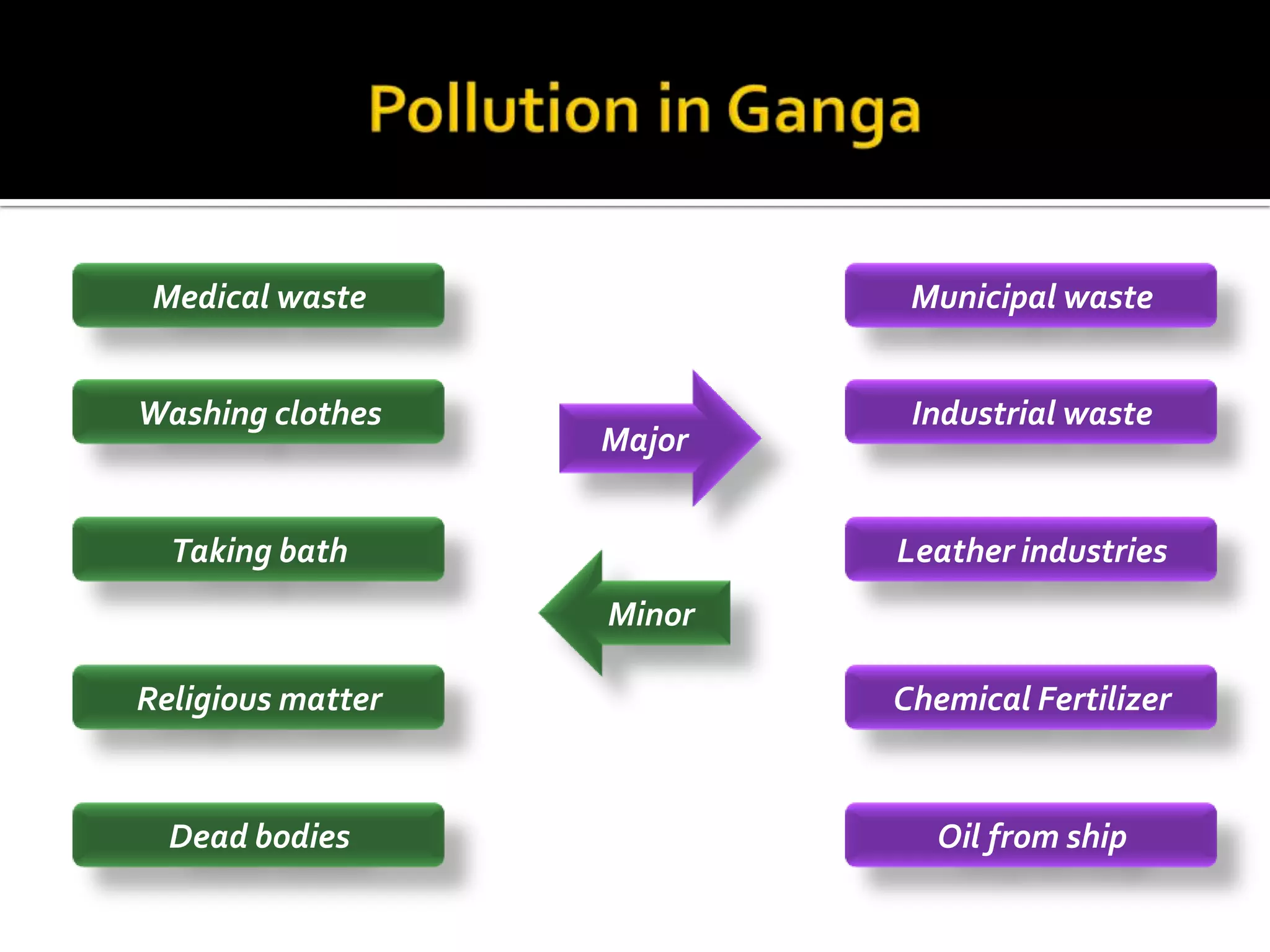
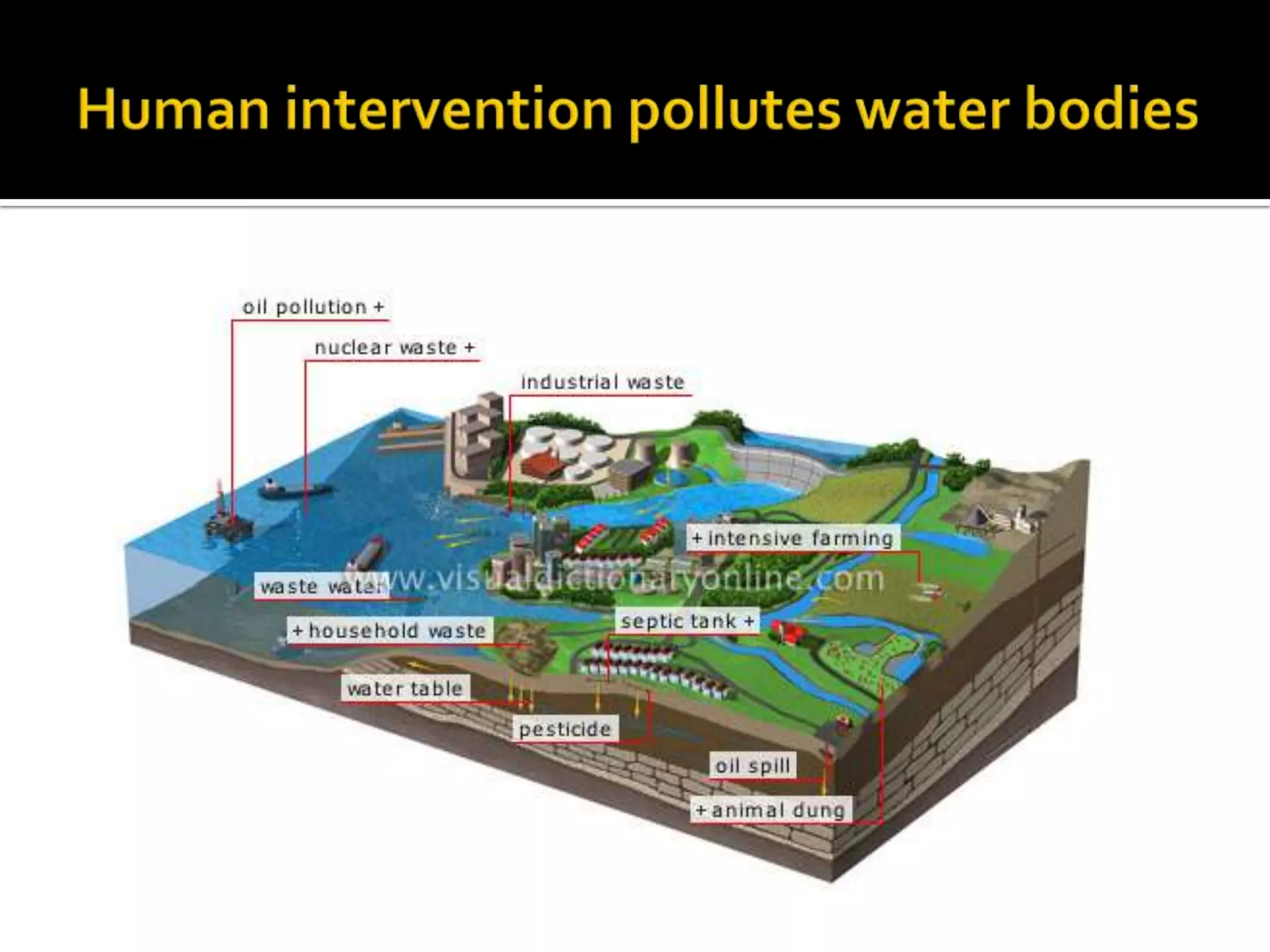

Medical waste              Municipal waste


Washing clothes             Industrial waste
                   Major


  Taking bath              Leather industries
                   Minor

Religious matter           Chemical Fertilizer


  Dead bodies                 Oil from ship
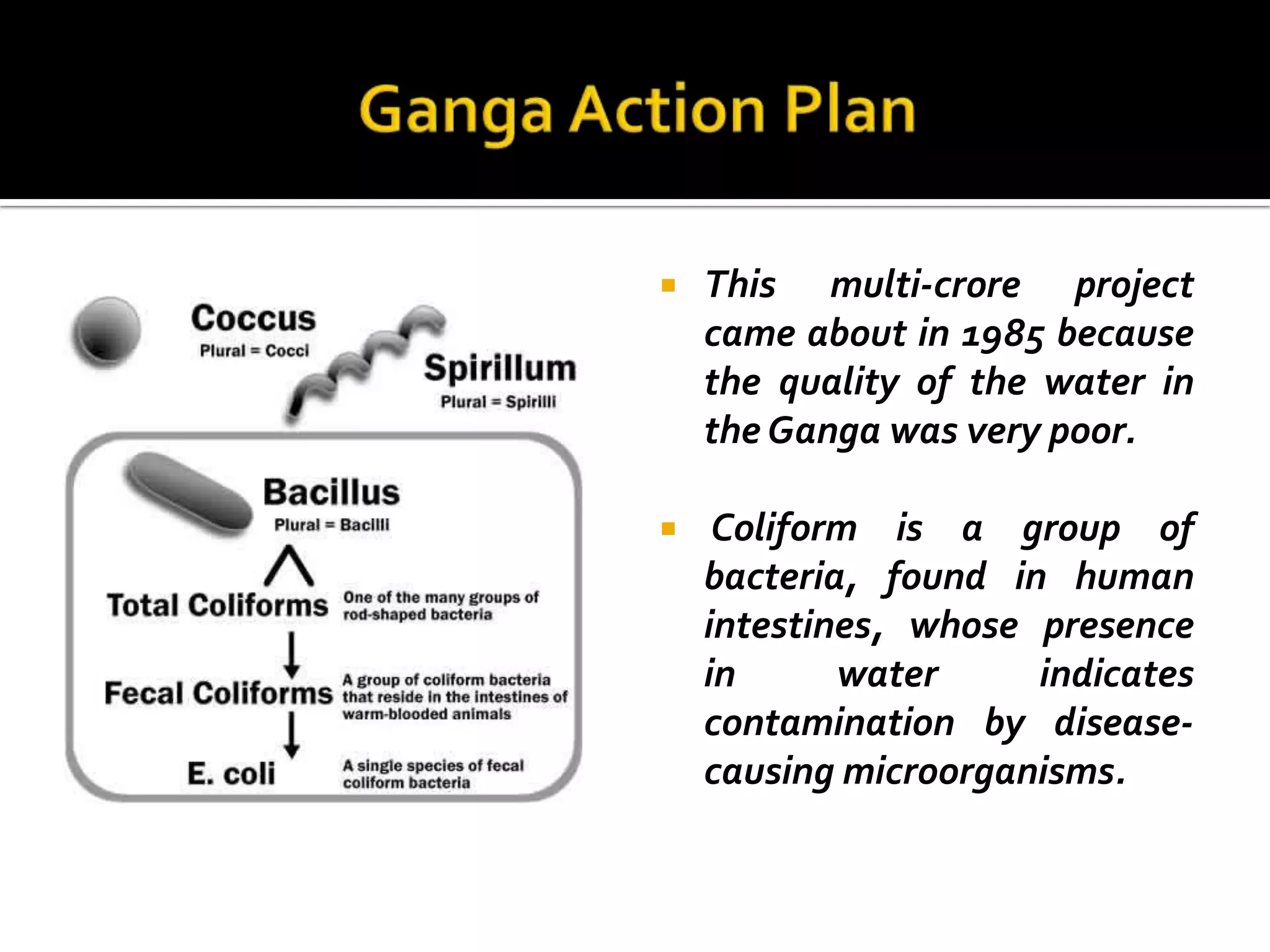
   This multi-crore project
    came about in 1985 because
    the quality of the water in
    the Ganga was very poor.

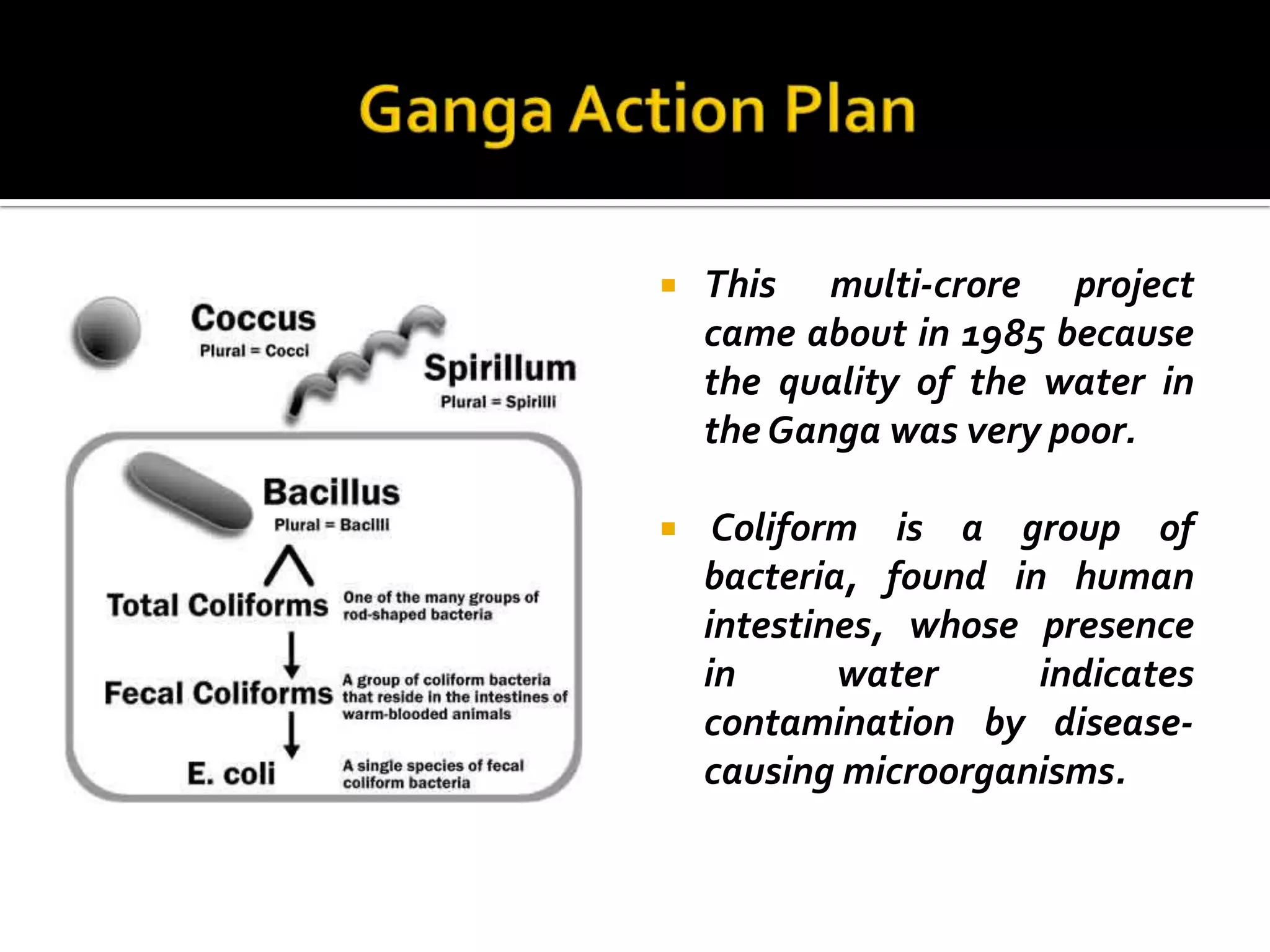
    Coliform is a group of
    bacteria, found in human
    intestines, whose presence
    in      water     indicates
    contamination by disease-
    causing microorganisms.
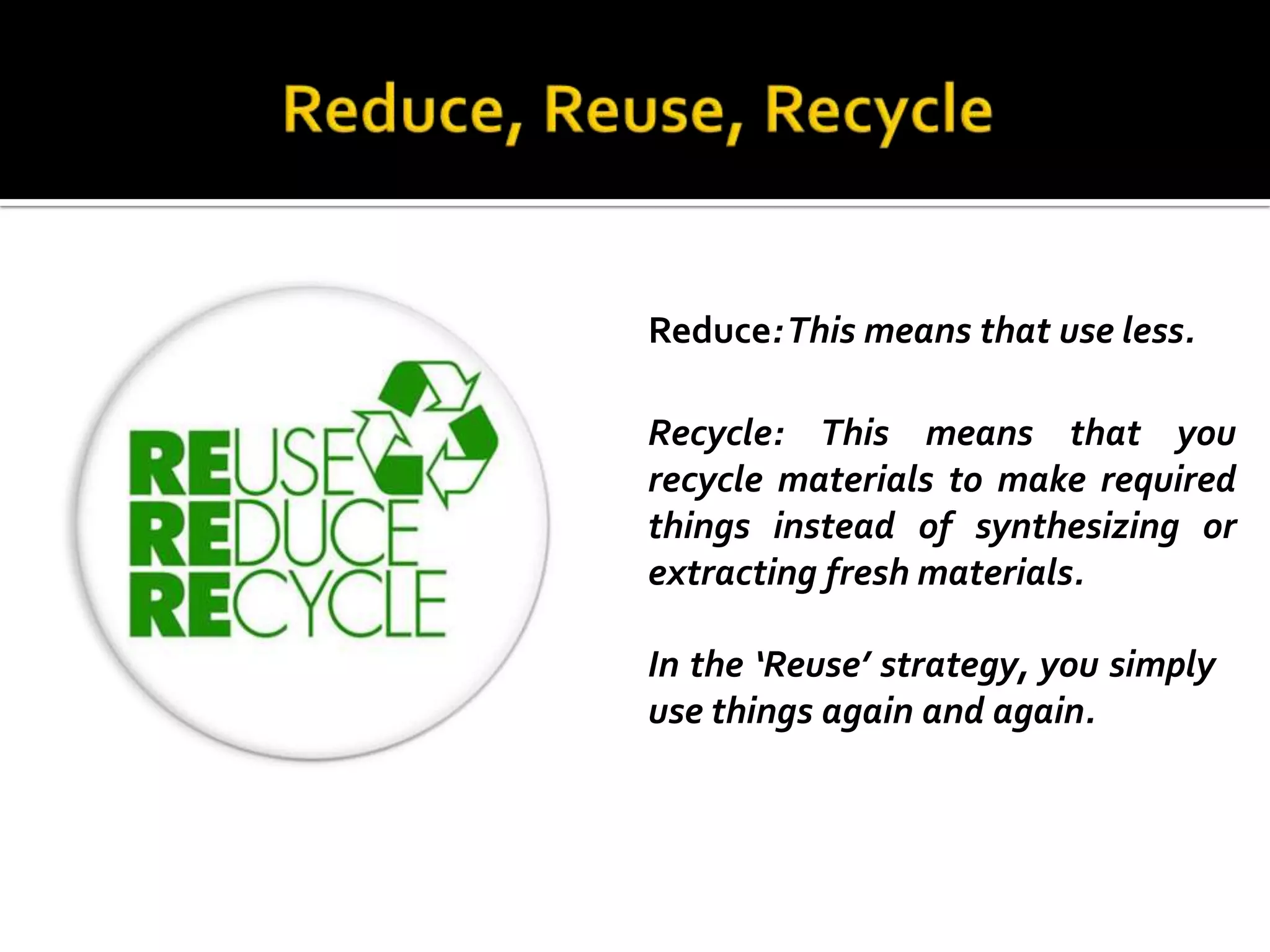
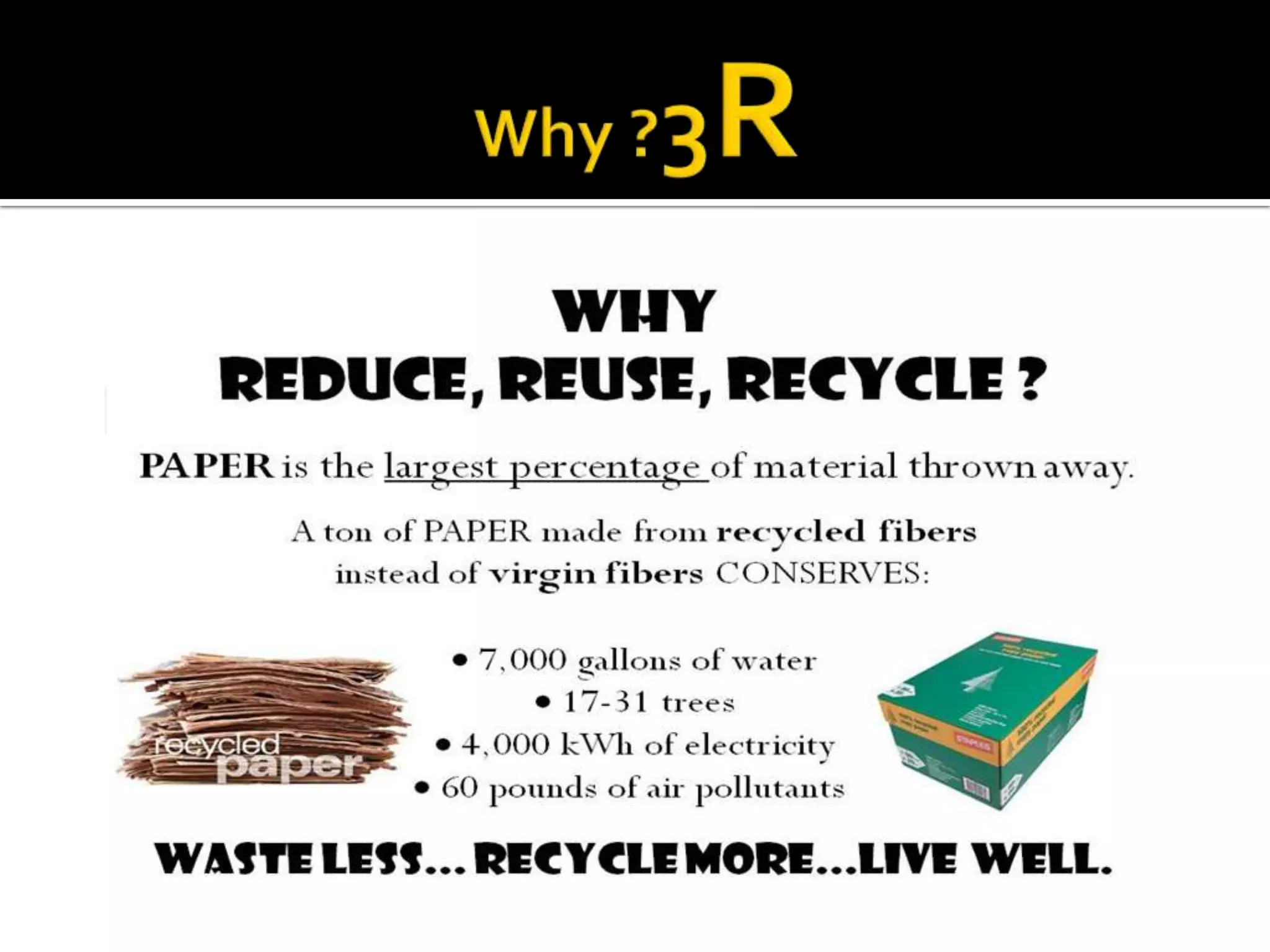
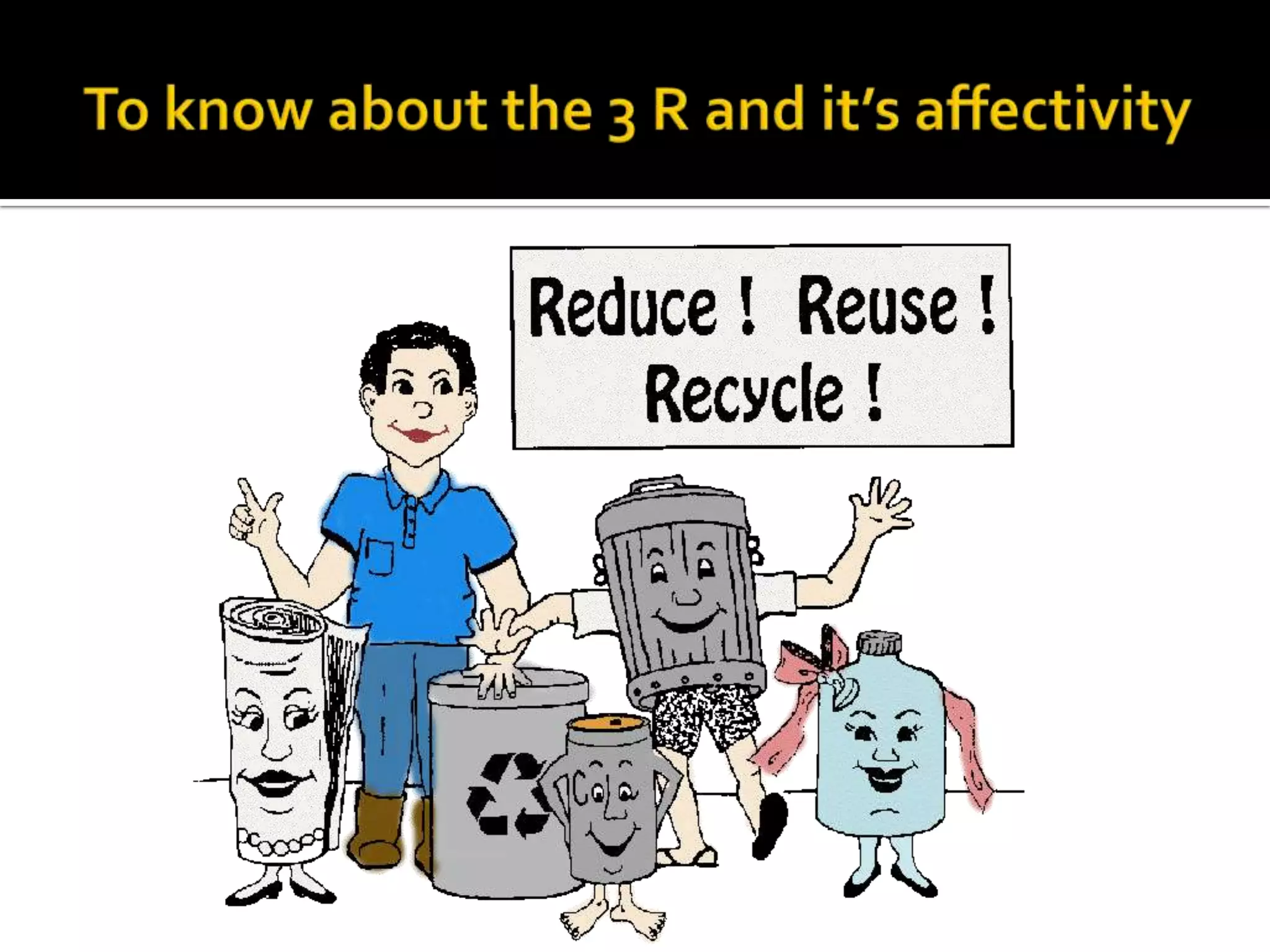
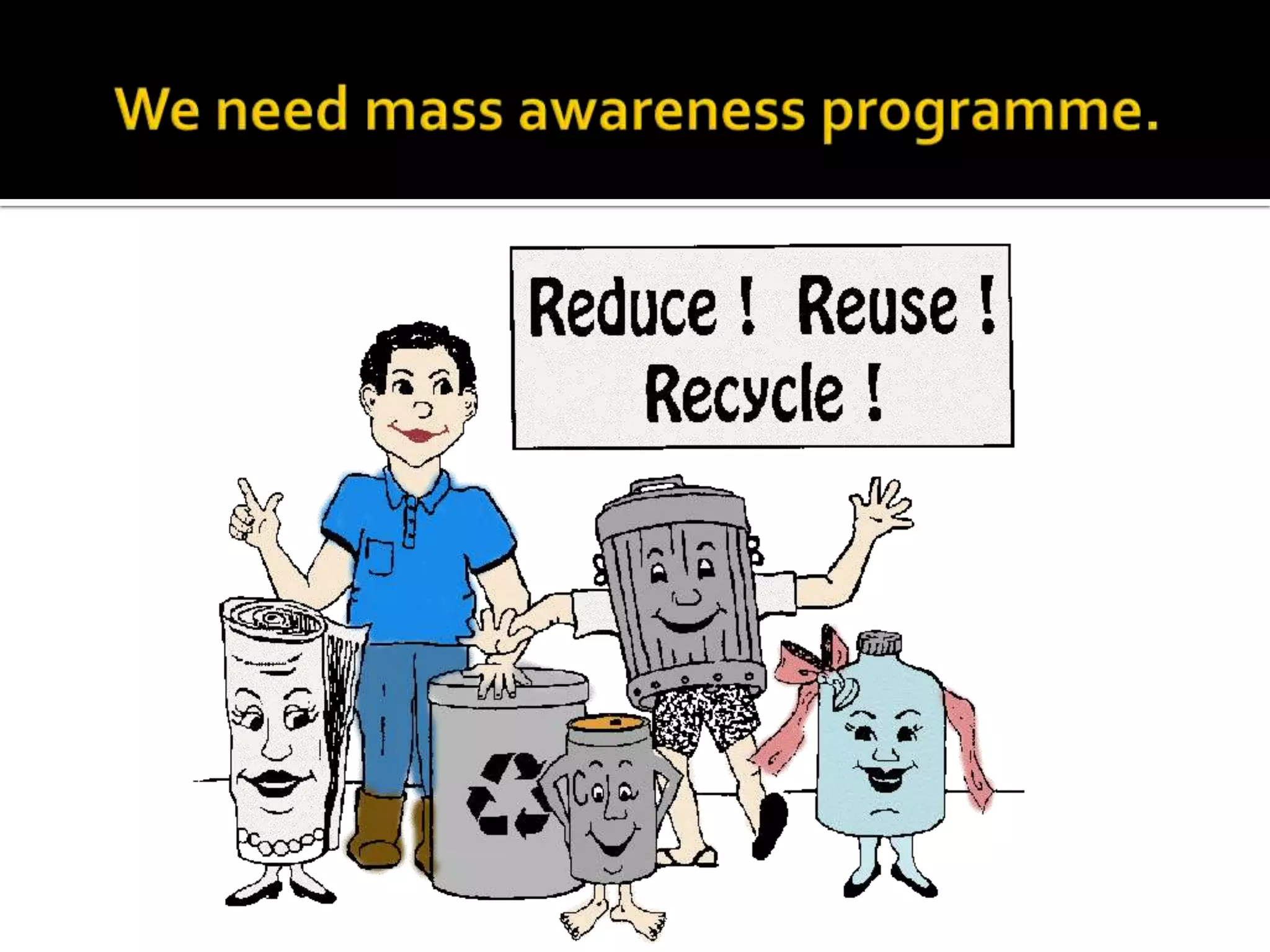
Reduce: This means that use less.

Recycle: This means that you
recycle materials to make required
things instead of synthesizing or
extracting fresh materials.

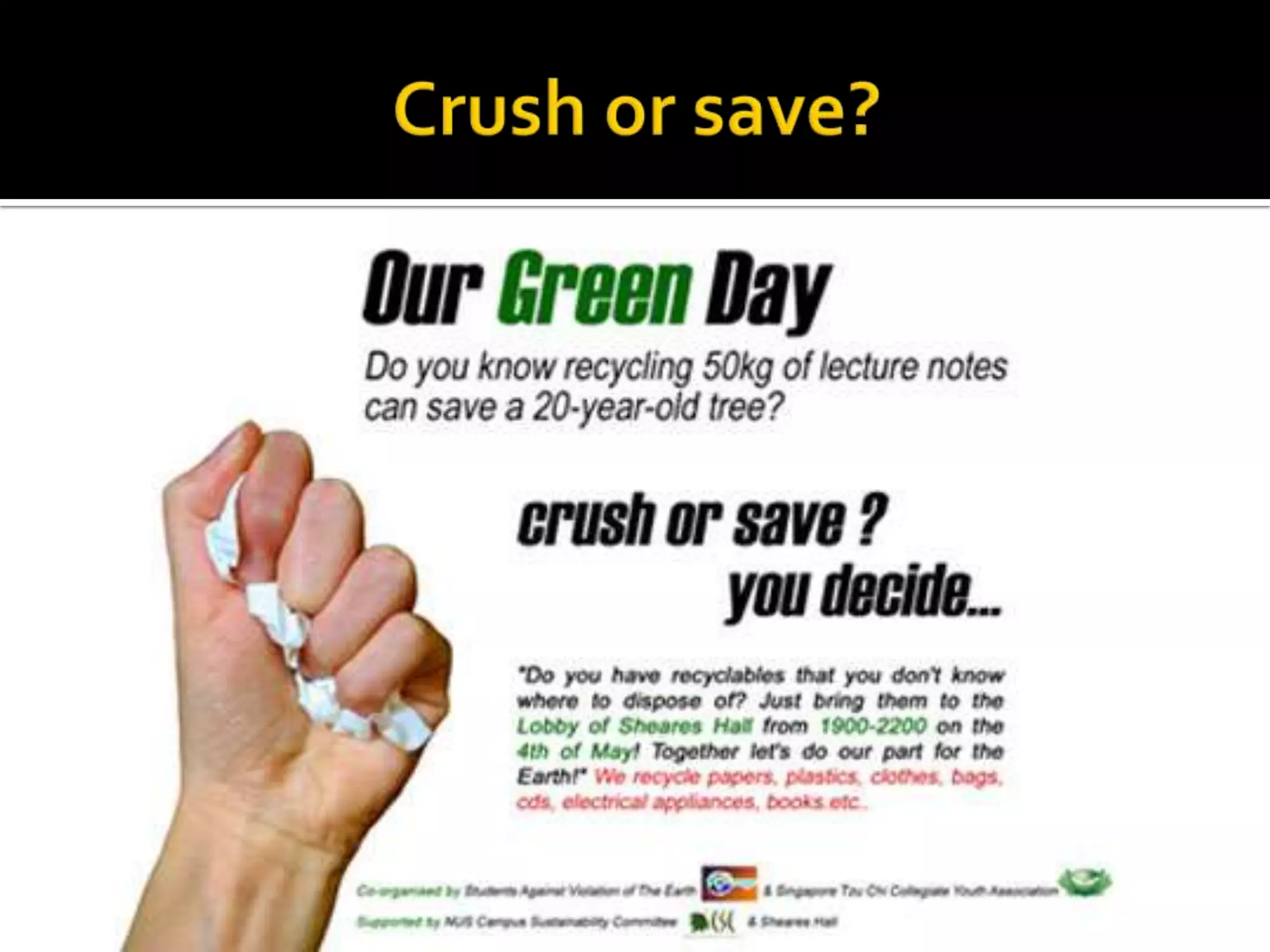
In the ‘Reuse’ strategy, you simply
use things again and again.
   Ganga Action Plan

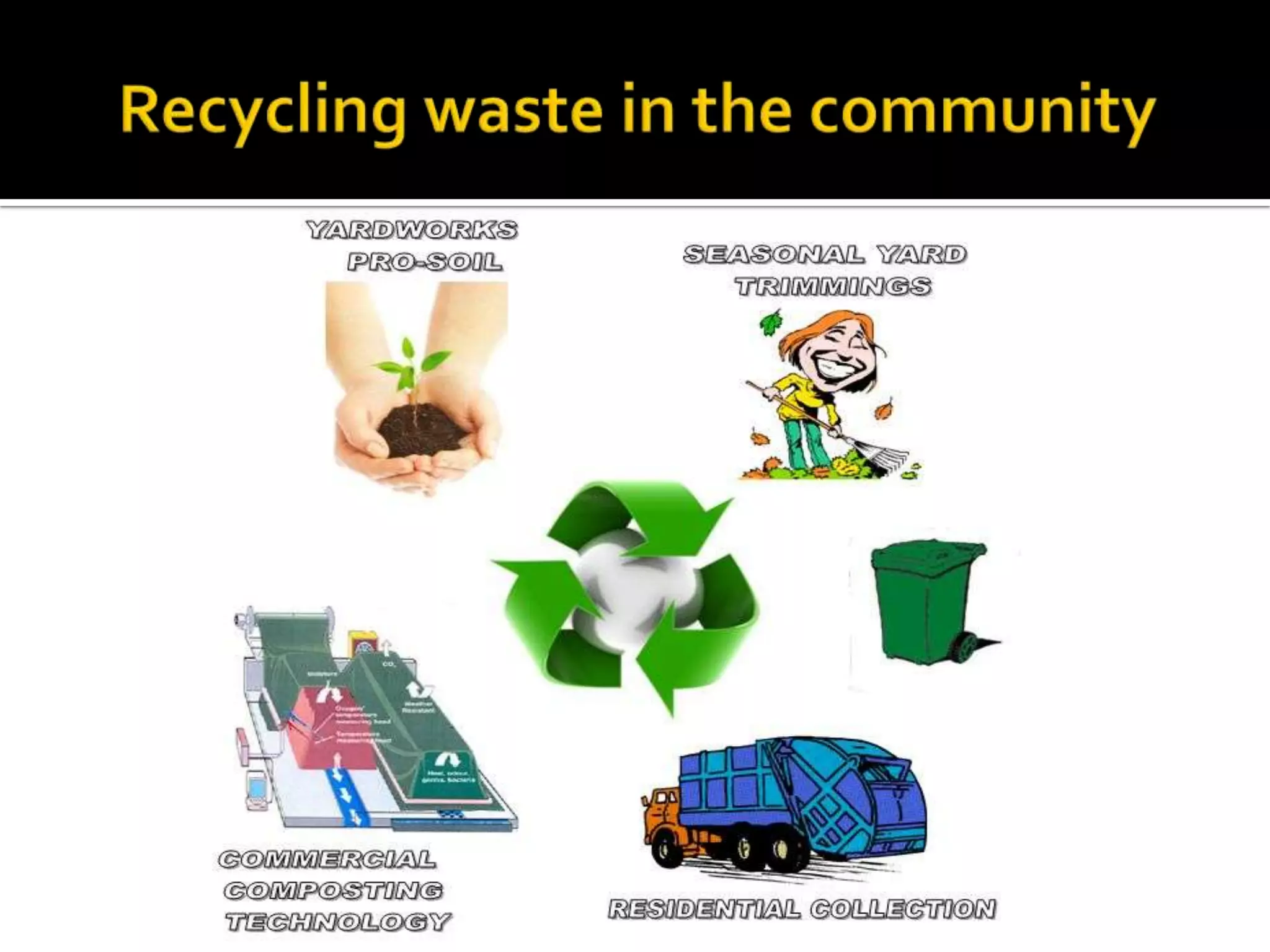
   Reduce, Reuse, Recycle

   Mass awareness programme
   Read NCERT Page No. 266-268
   This multi-crore project
    came about in 1985 because
    the quality of the water in
    the Ganga was very poor.

    Coliform is a group of
    bacteria, found in human
    intestines, whose presence
    in      water     indicates
    contamination by disease-
    causing microorganisms.
Reduce: This means that use less.

Recycle: This means that you
recycle materials to make required
things instead of synthesizing or
extracting fresh materials.

In the ‘Reuse’ strategy, you simply
use things again and again.
   Human population increasing
    at a tremendous rate due to
    improvement in health-care,

   The demand for all resources is
    increasing at an exponential
    rate.
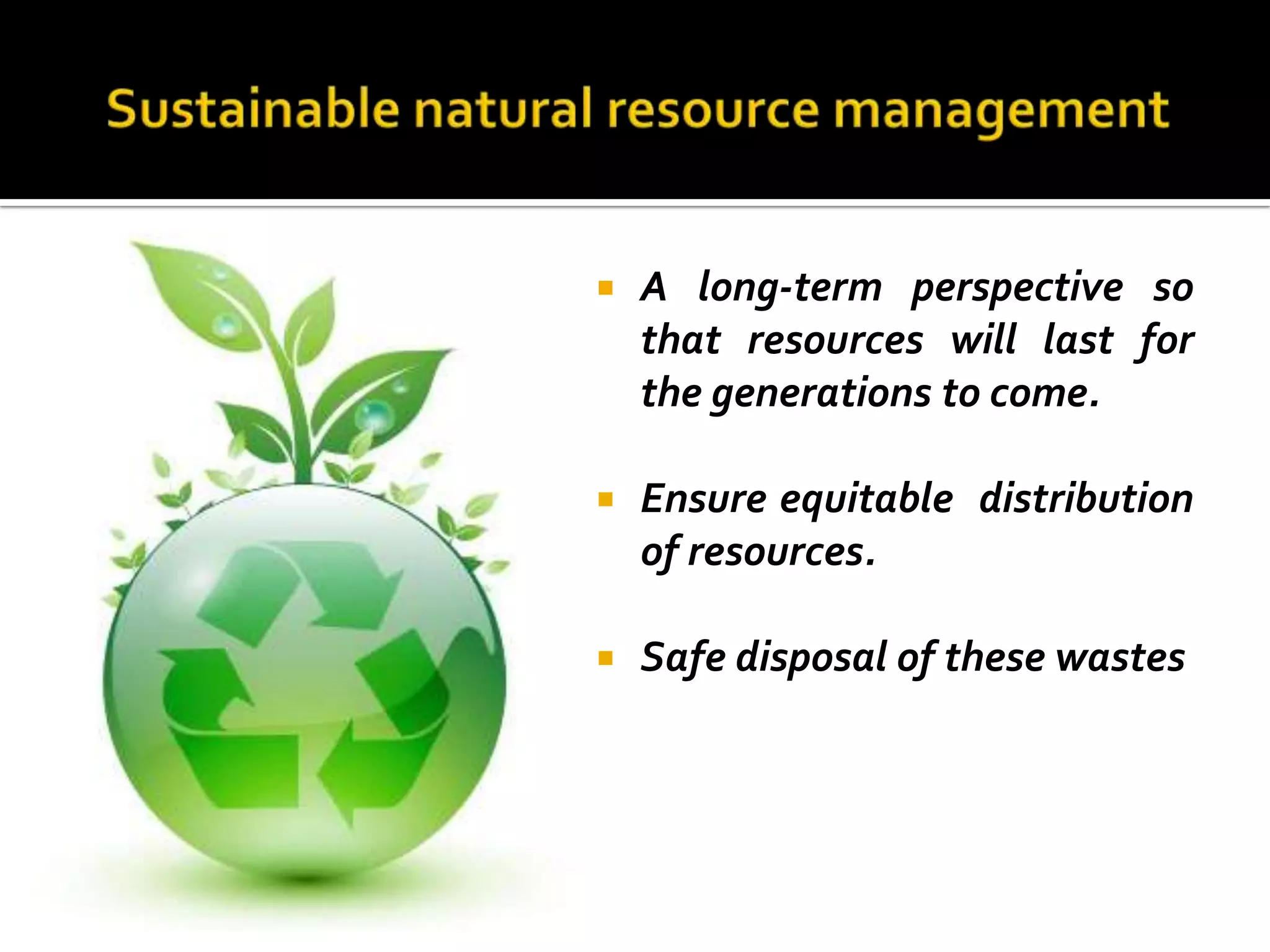
   A long-term perspective so
    that resources will last for
    the generations to come.

   Ensure equitable distribution
    of resources.

   Safe disposal of these wastes
   The concept of sustainable
    development encourages forms of
    growth that meet current basic
    human needs, while preserving
    the resources for the needs of
    future generations.
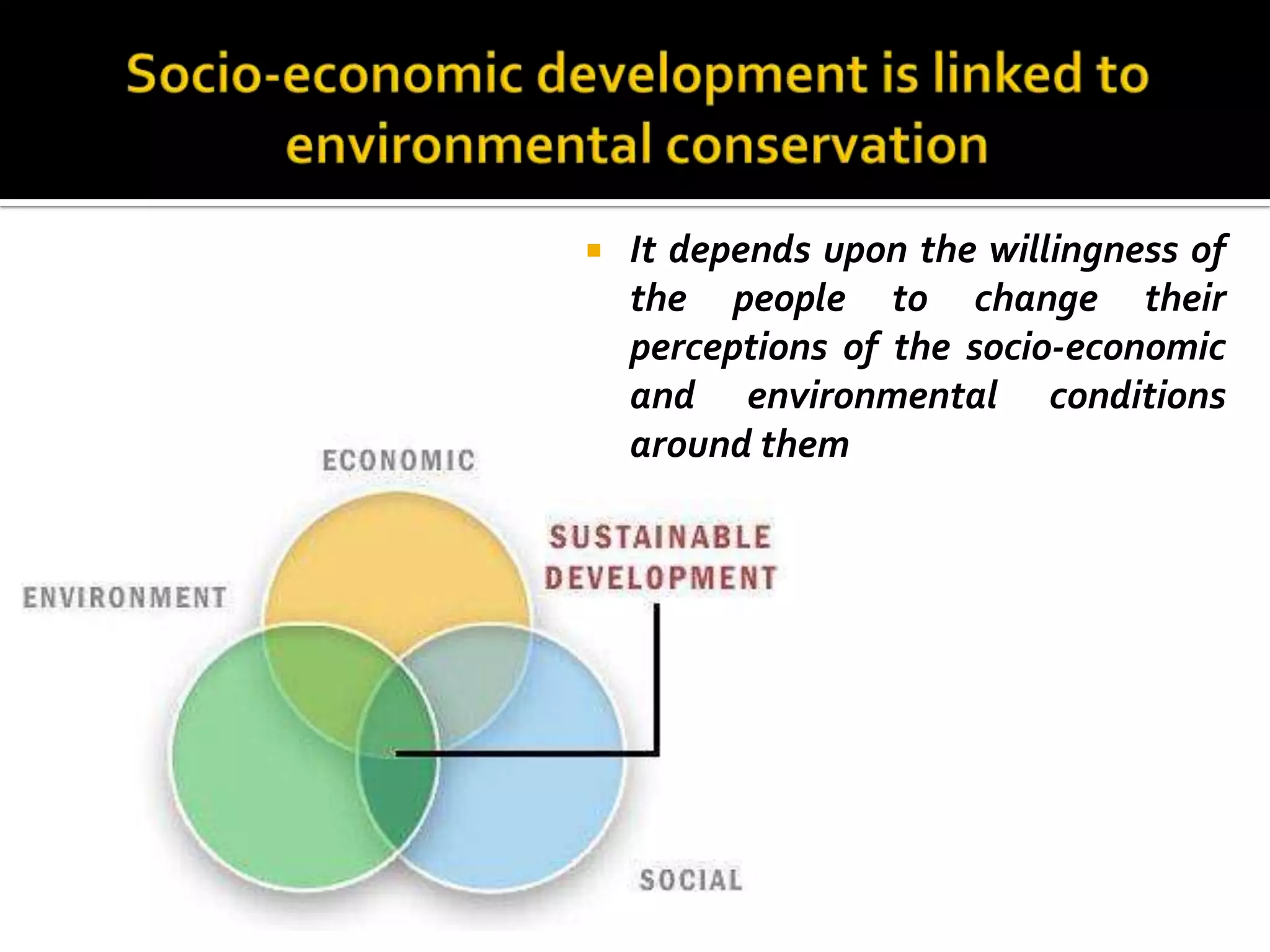
   It depends upon the willingness of
    the people to change their
    perceptions of the socio-economic
    and environmental conditions
    around them
   Sustainable natural resource management

   Roles of stakeholders are important
    to sustain resources

   Socio-economic development is linked to
    environmental conservation
   Questions NCERT Page No. 269 (Q No. 1,2,3,4)

   1. What changes can you make in your habits to become more
    environment friendly?

   2. What would be the advantages of exploiting resources with short-
    term aims?

   3. How would these advantages differ from the advantages of using a
    long term perspective in managing our resources?

   4. Why do you think there should be equitable distribution of
    resources? What forces would be working against an equitable
    distribution of our resources?
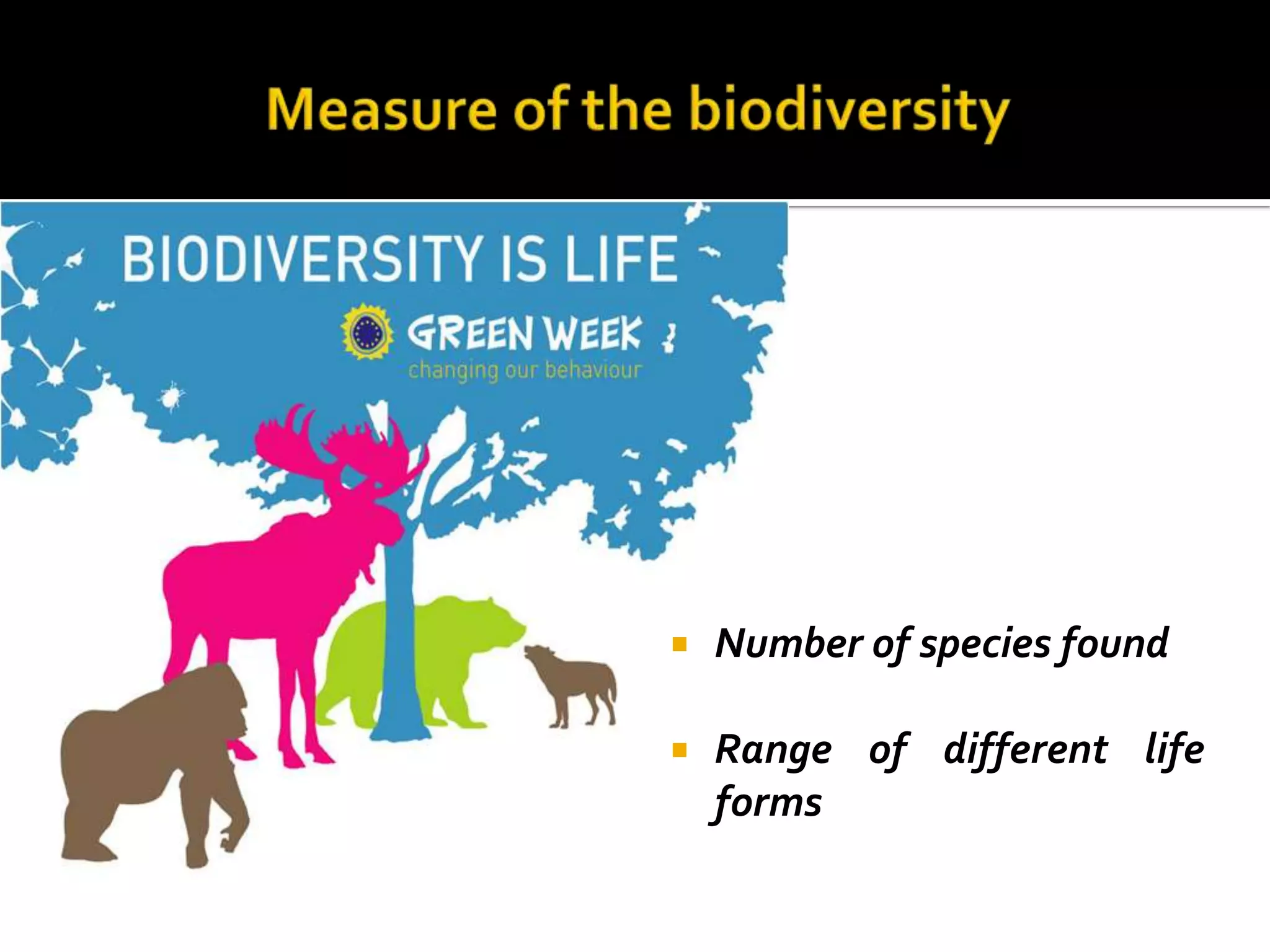
   Number of species found

   Range of different life
    forms
   One of the main aims of
    conservation is to try and
    preserve the biodiversity we
    have inherited.
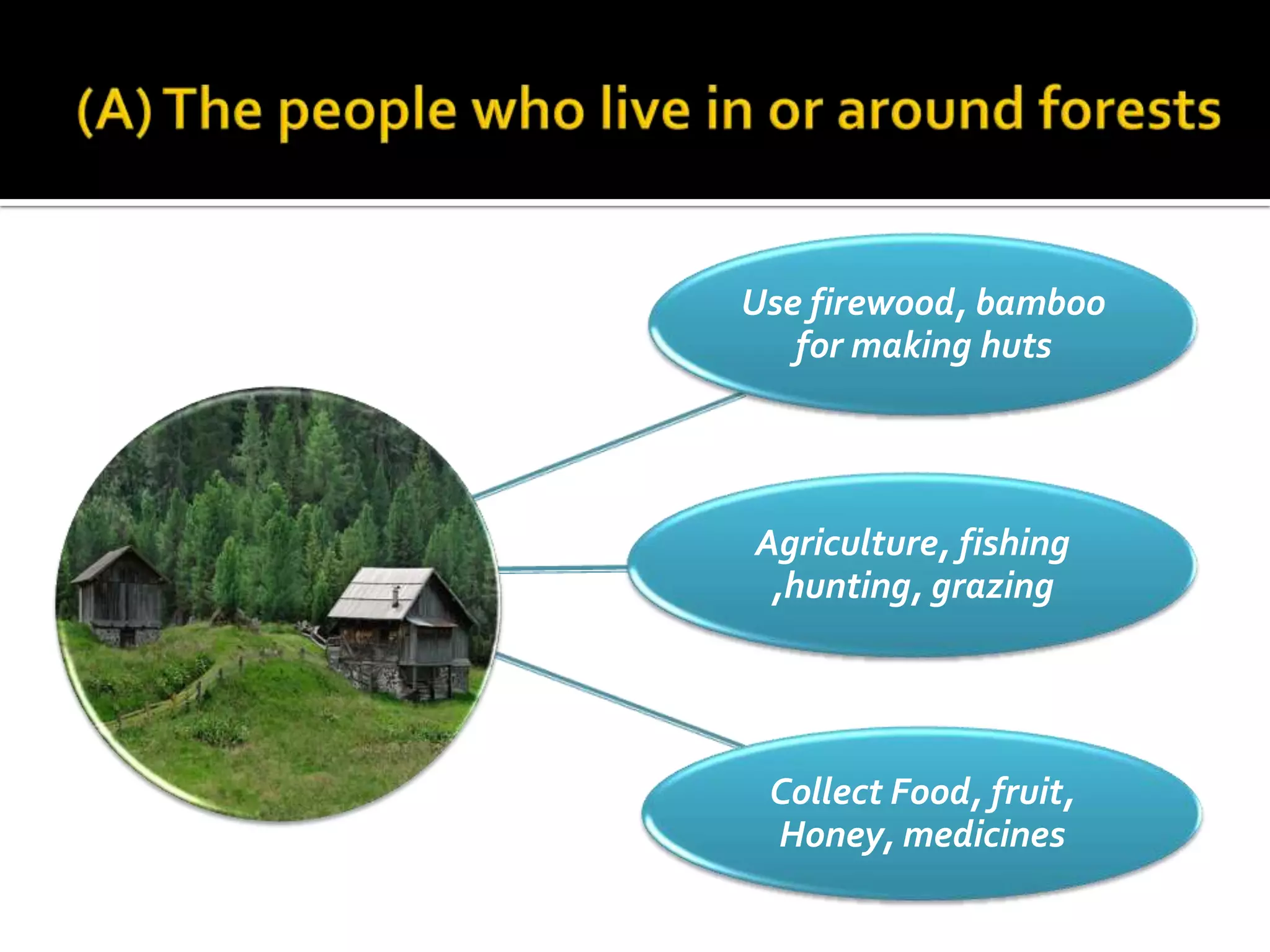
Use firewood, bamboo
   for making huts


Agriculture, fishing
 ,hunting, grazing


 Collect Food, fruit,
 Honey, medicines
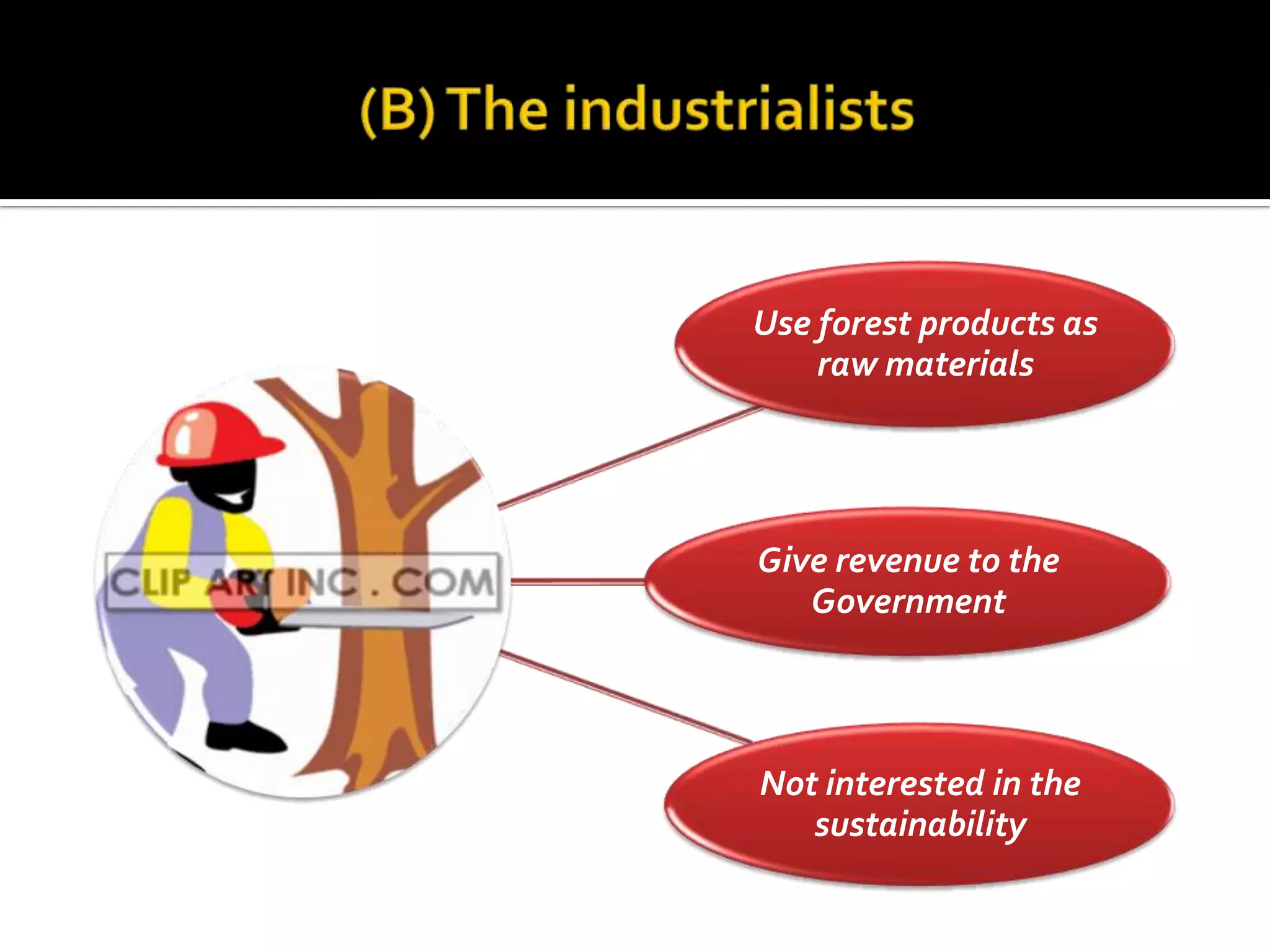
Use forest products as
    raw materials


Give revenue to the
   Government


Not interested in the
   sustainability
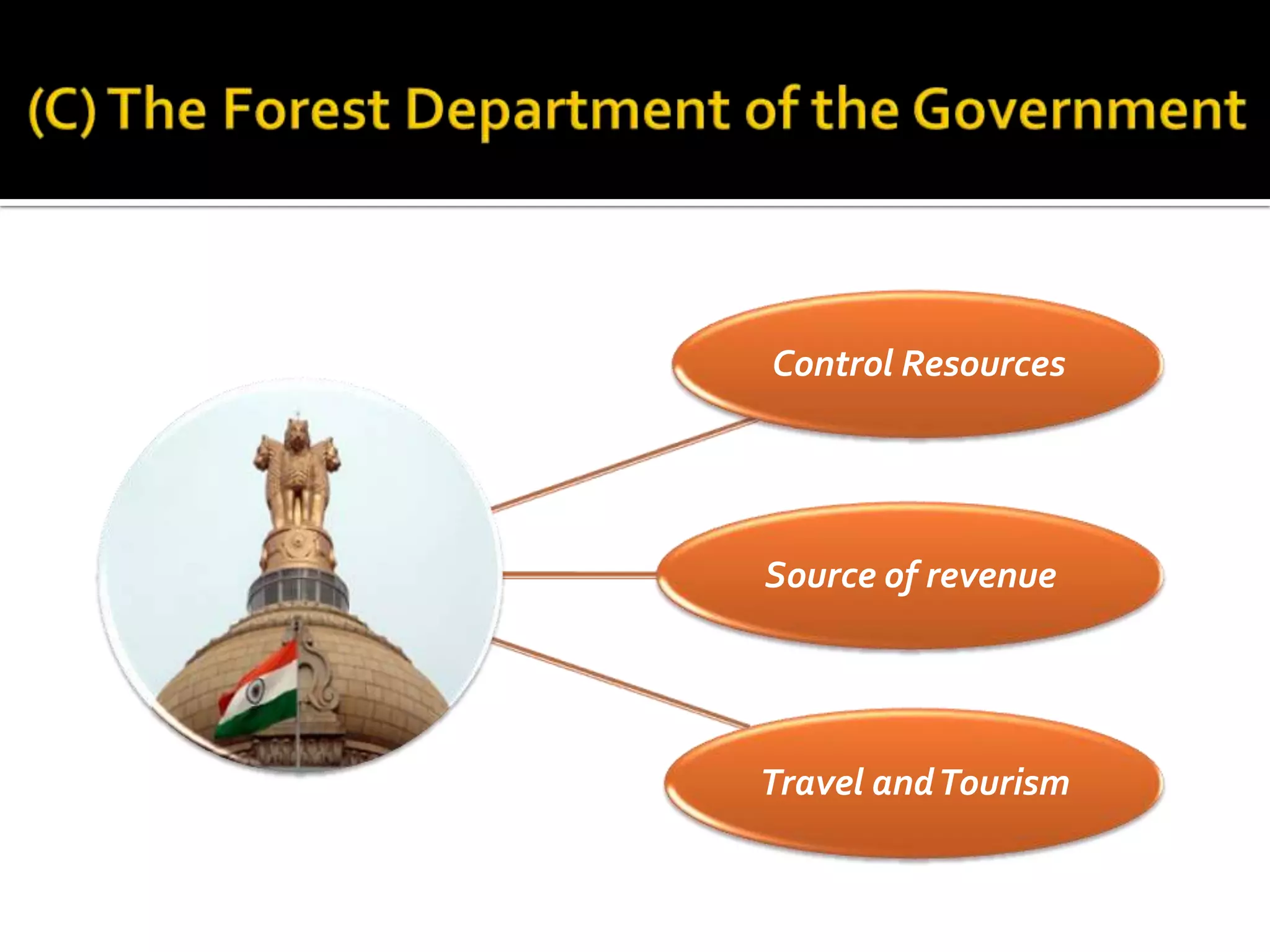
Control Resources


Source of revenue


Travel and Tourism
Do not stay in forest


Conserve Biodiversity


  Conserve nature
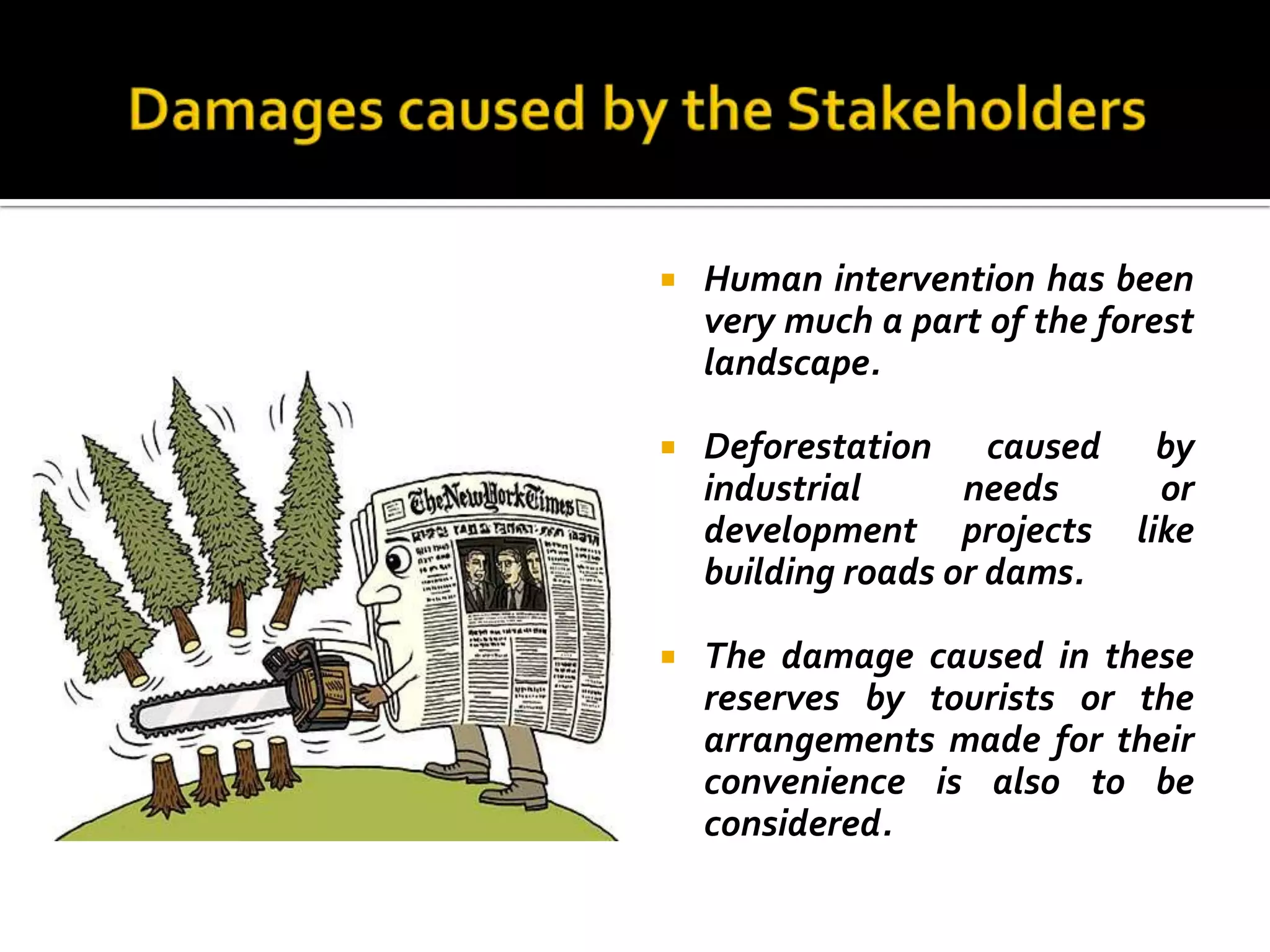
   Human intervention has been
    very much a part of the forest
    landscape.

   Deforestation caused by
    industrial      needs   or
    development projects like
    building roads or dams.

   The damage caused in these
    reserves by tourists or the
    arrangements made for their
    convenience is also to be
    considered.
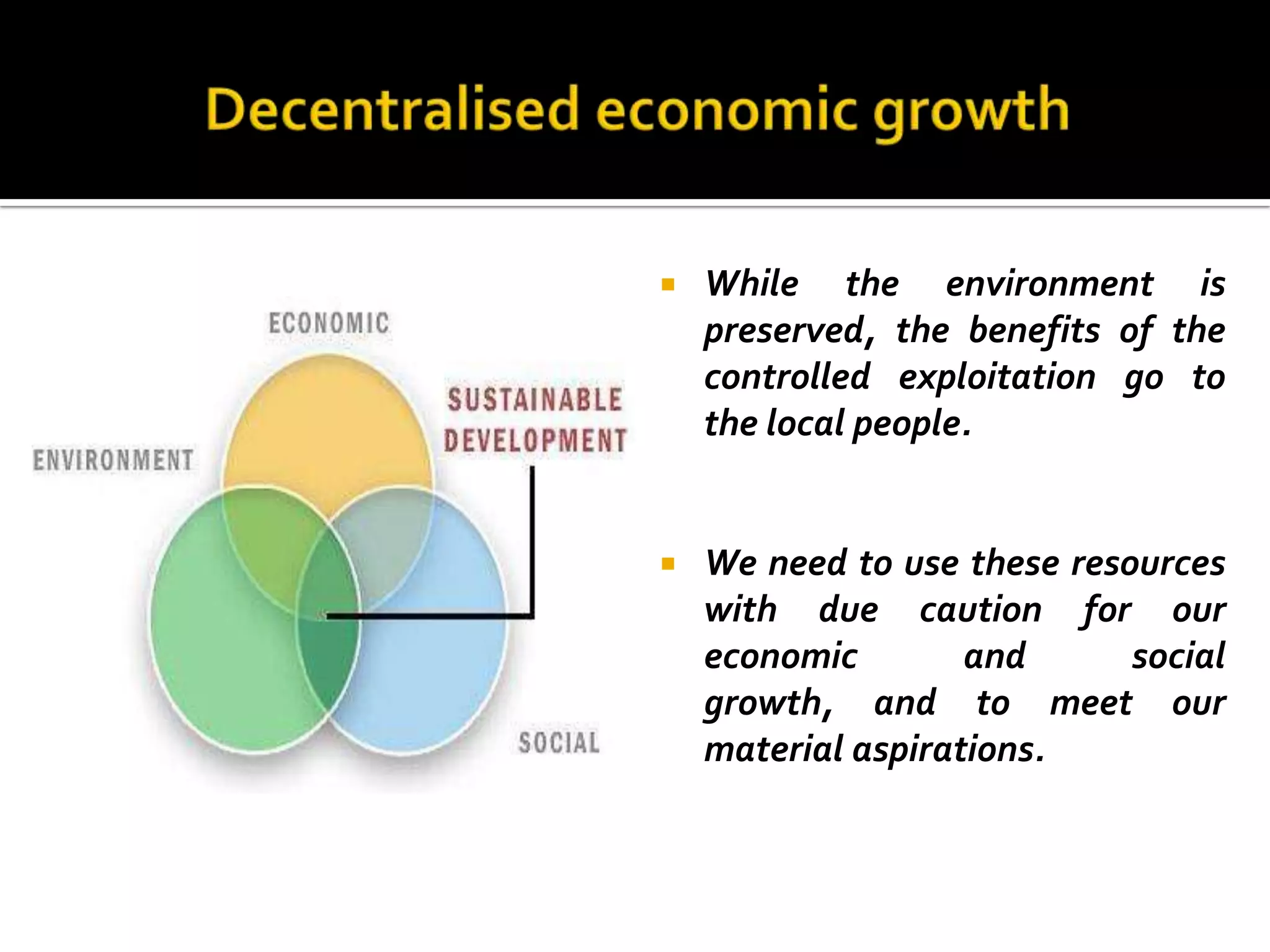
   While the environment is
    preserved, the benefits of the
    controlled exploitation go to
    the local people.


   We need to use these resources
    with due caution for our
    economic        and      social
    growth, and to meet our
    material aspirations.
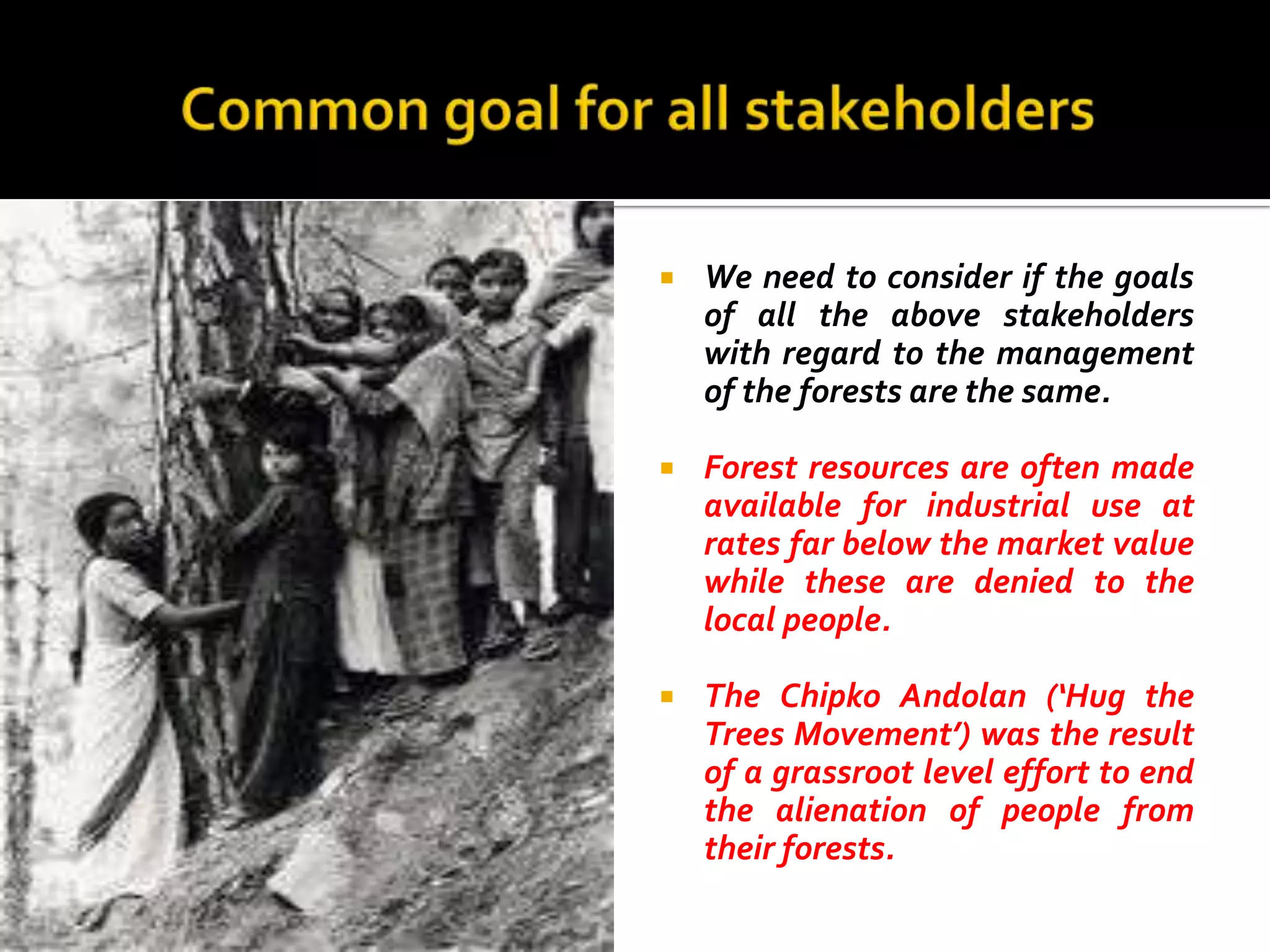
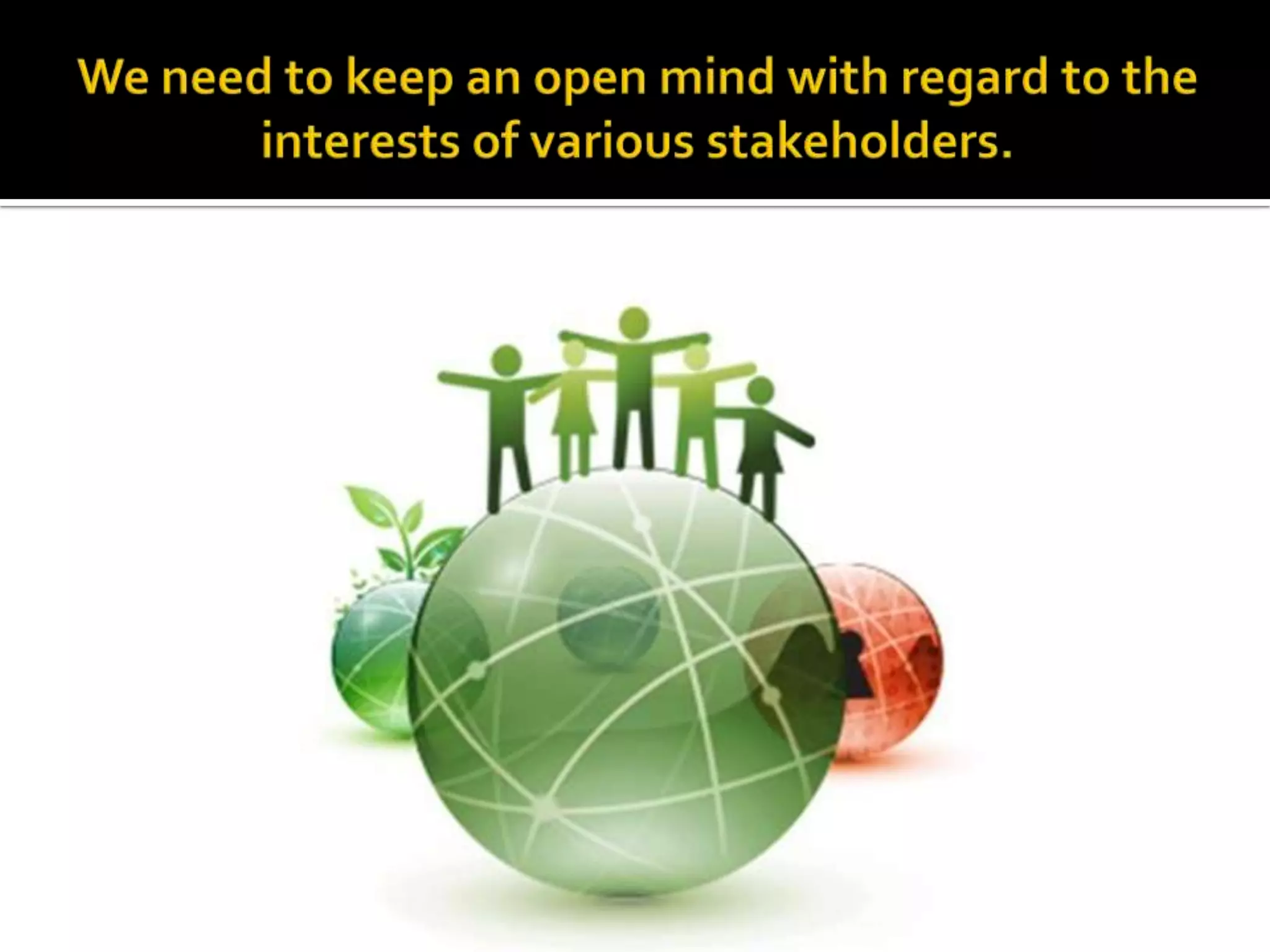
   We need to consider if the goals
    of all the above stakeholders
    with regard to the management
    of the forests are the same.

   Forest resources are often made
    available for industrial use at
    rates far below the market value
    while these are denied to the
    local people.

   The Chipko Andolan (‘Hug the
    Trees Movement’) was the result
    of a grassroot level effort to end
    the alienation of people from
    their forests.
   Stakeholders of forest
   Damages caused by the Stakeholders
   Sustainable forest management
   Write a short note about “Chipko Movement” (70 Words)

   Complete Questions NCERT Page No. 273 (Q.No. 1,2 )

   1. Why should we conserve forests and wildlife?

   2. Suggest some approaches towards the conservation of
    forests.
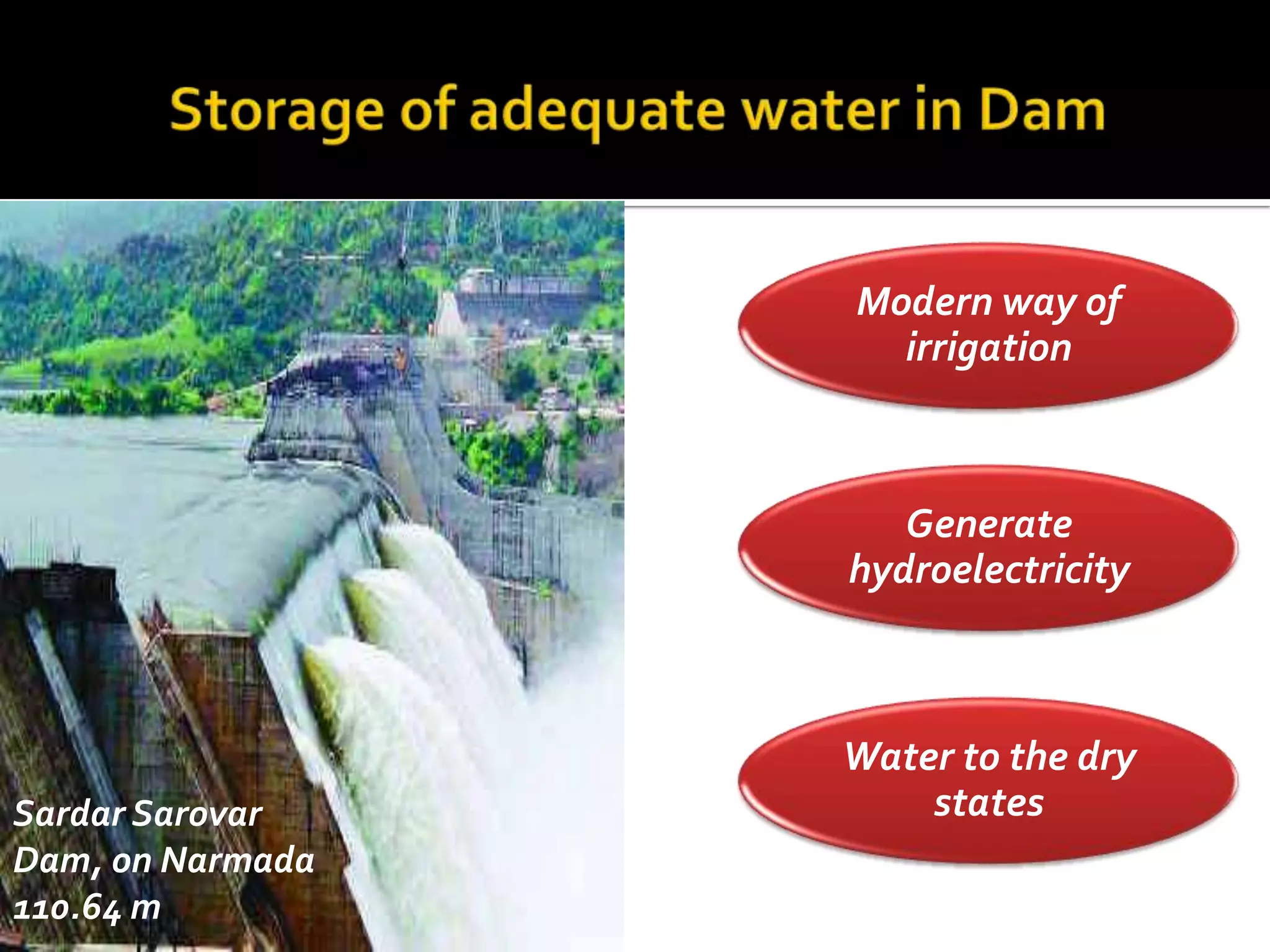
Modern way of
                    irrigation


                     Generate
                  hydroelectricity


                  Water to the dry
Sardar Sarovar        states
Dam, on Narmada
110.64 m
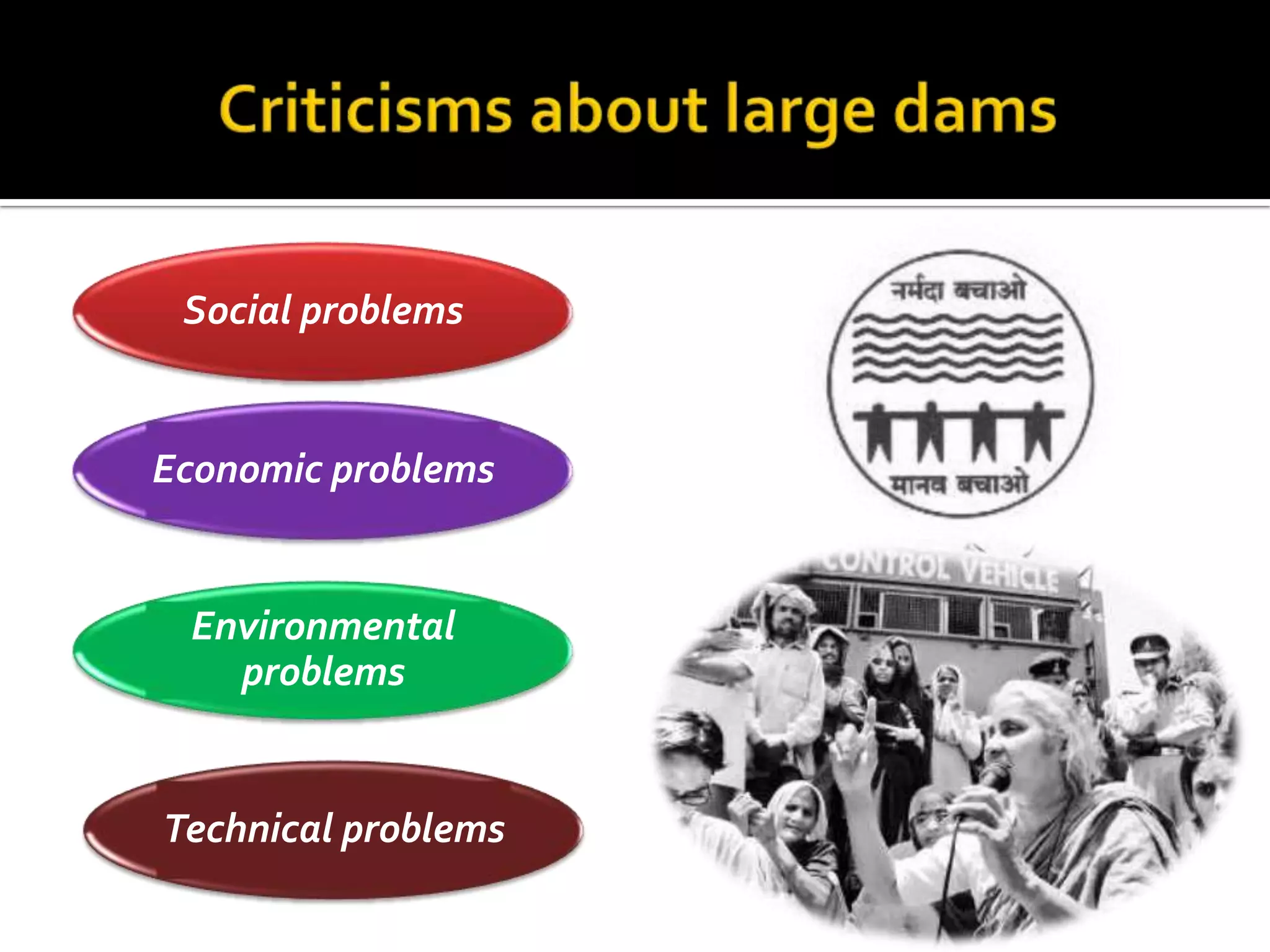
Social problems


Economic problems


 Environmental
   problems


Technical problems
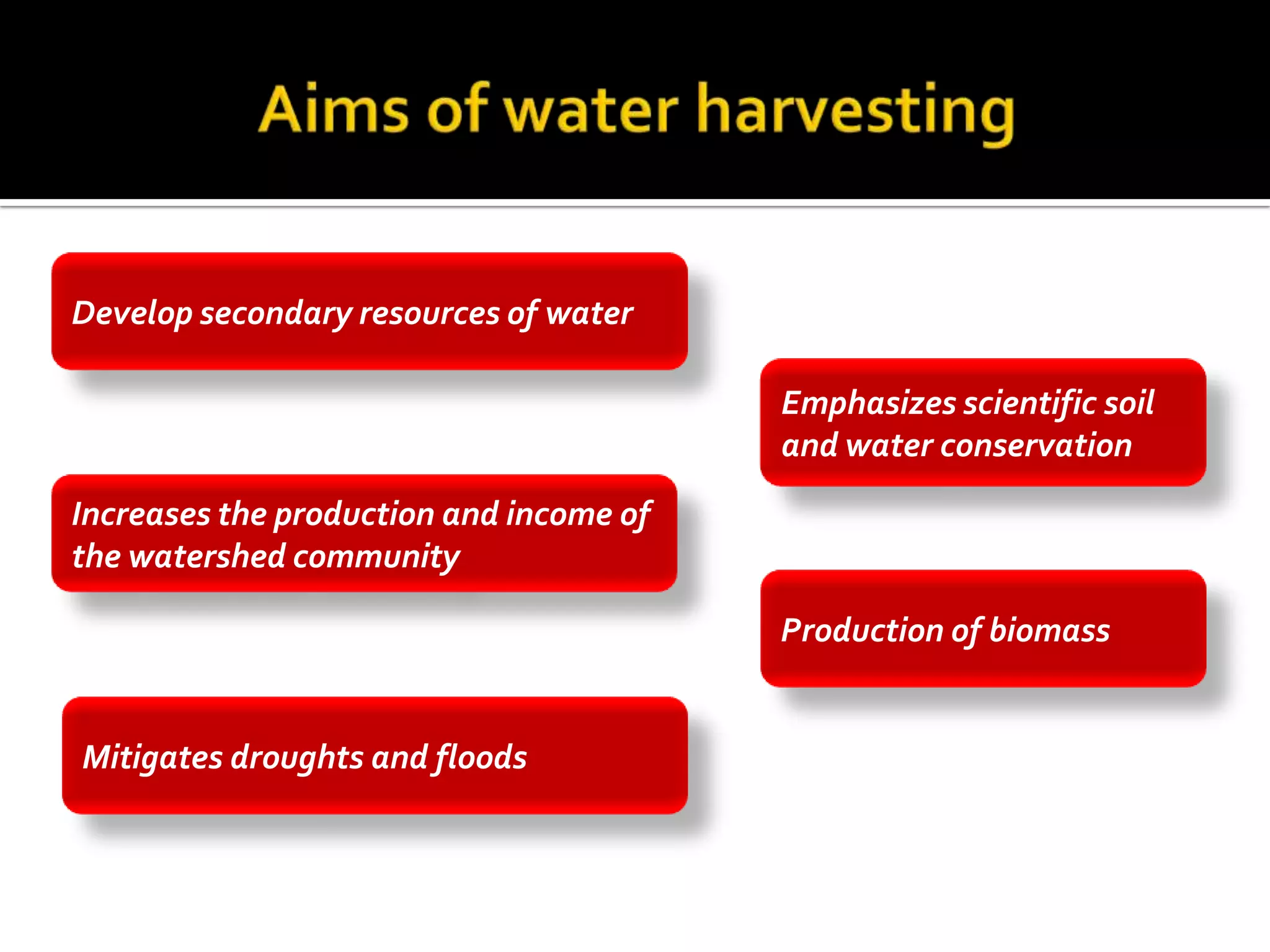
Develop secondary resources of water

                                         Emphasizes scientific soil
                                         and water conservation
Increases the production and income of
the watershed community

                                         Production of biomass


Mitigates droughts and floods
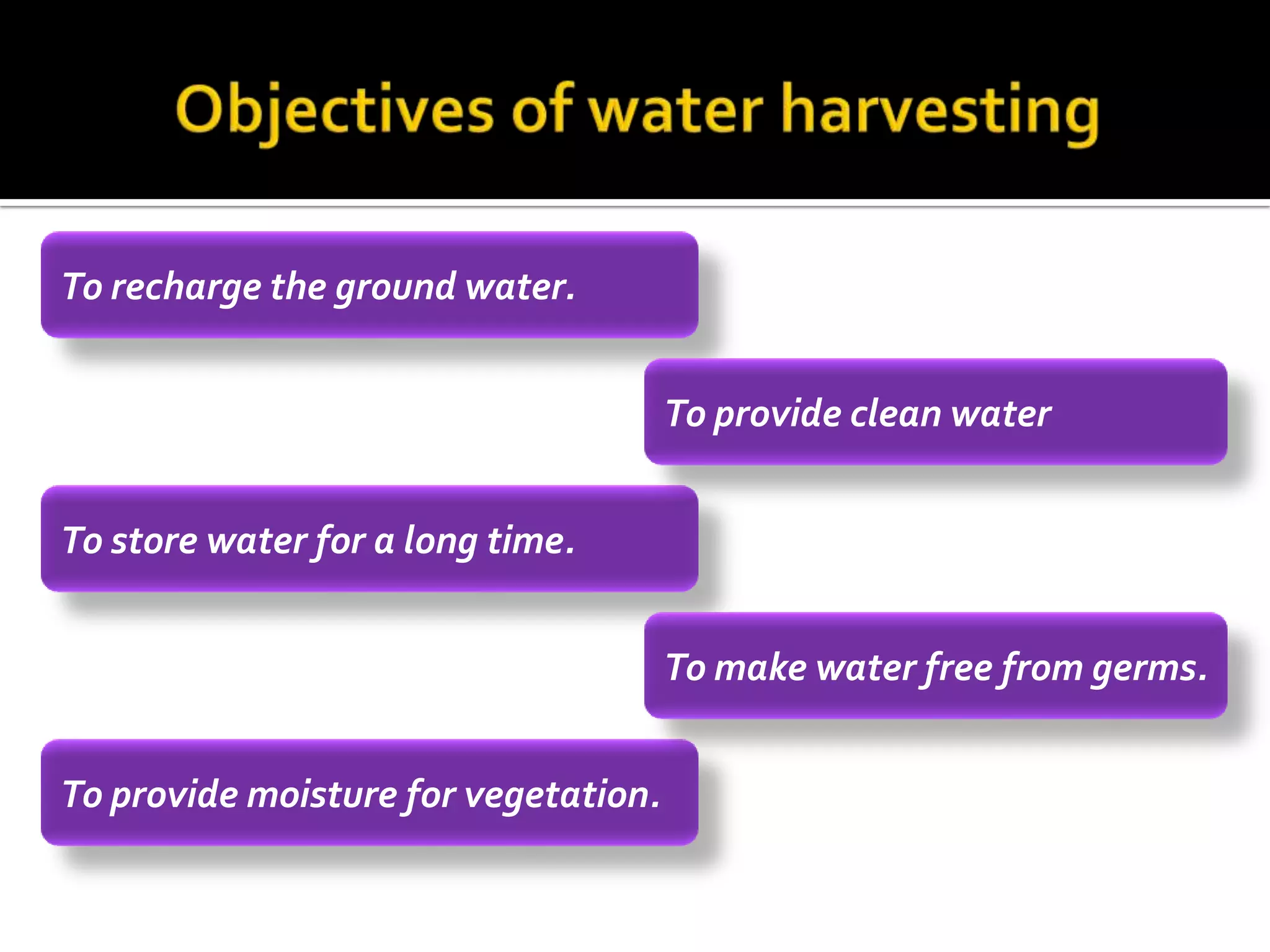
To recharge the ground water.


                                      To provide clean water


To store water for a long time.


                                      To make water free from germs.


To provide moisture for vegetation.
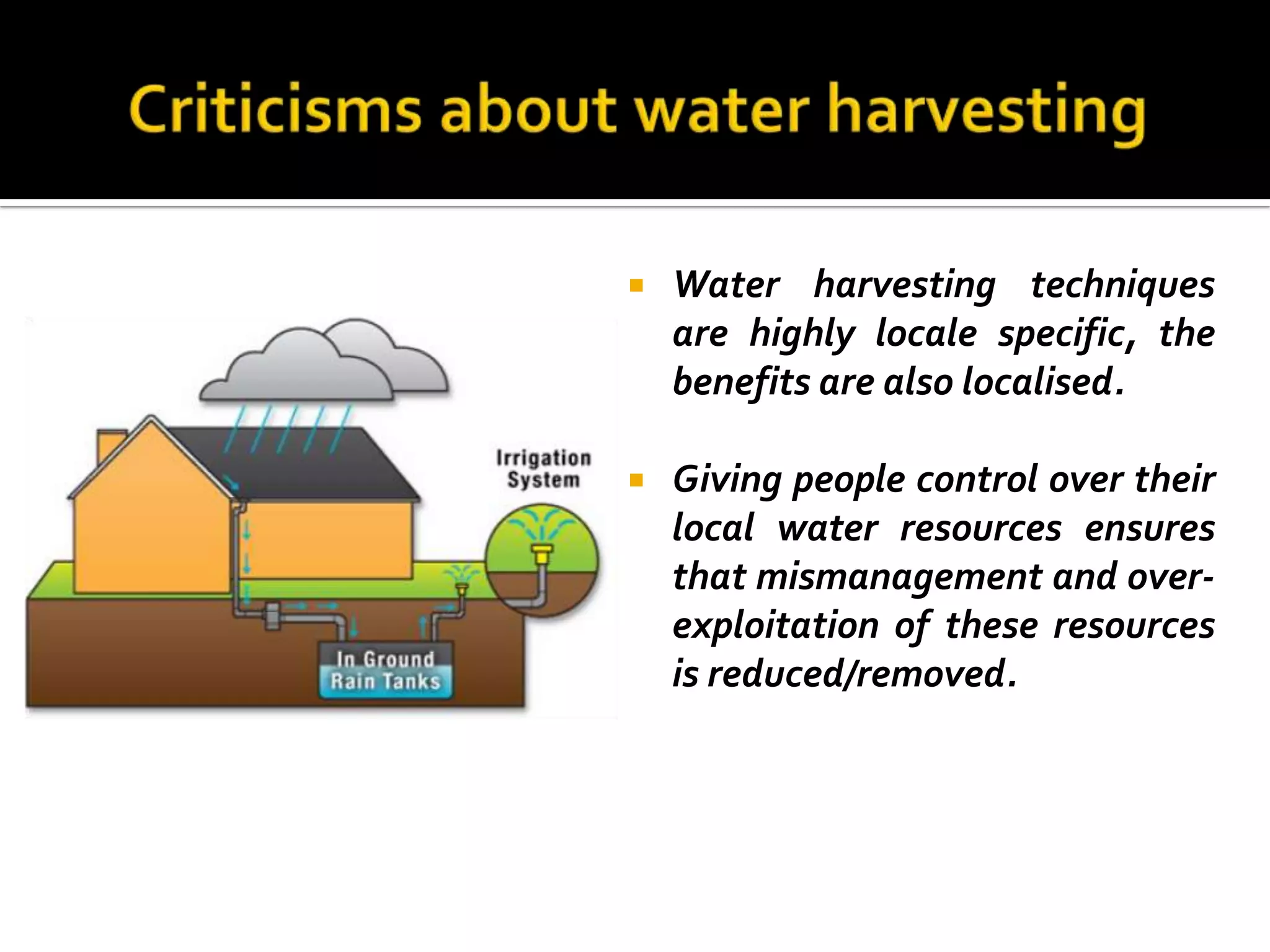
   Water harvesting techniques
    are highly locale specific, the
    benefits are also localised.

   Giving people control over their
    local water resources ensures
    that mismanagement and over-
    exploitation of these resources
    is reduced/removed.
   Importance of water dam in life.

   Criticism of water dam.

   Aims and Objective of water harvesting.

   Criticism of water harvesting.
Write a short note about “Save the Narmada Movement ” (70 Words)

Complete Questions NCERT Page No. 276 (Q.No. 1,2,3 )

1. Find out about the traditional systems of water
   harvesting/management in your region.

2. Compare the above system with the probable systems in hilly/
   mountainous areas or plains or plateau regions.

3. Find out the source of water in your region/locality. Is water from
   this source available to all people living in that area?
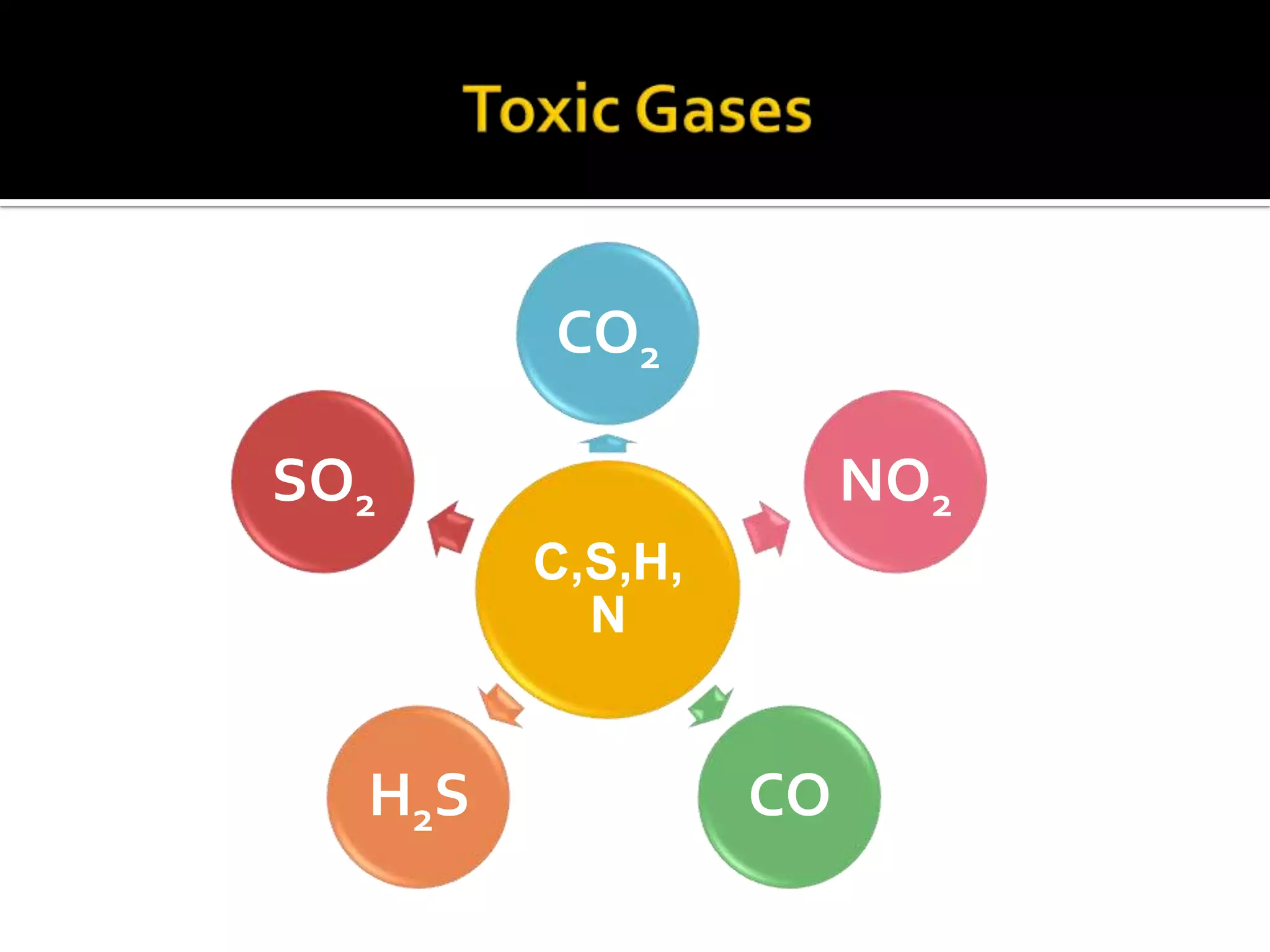
CO2

SO2                   NO2
        C,S,H,
          N


  H2S            CO
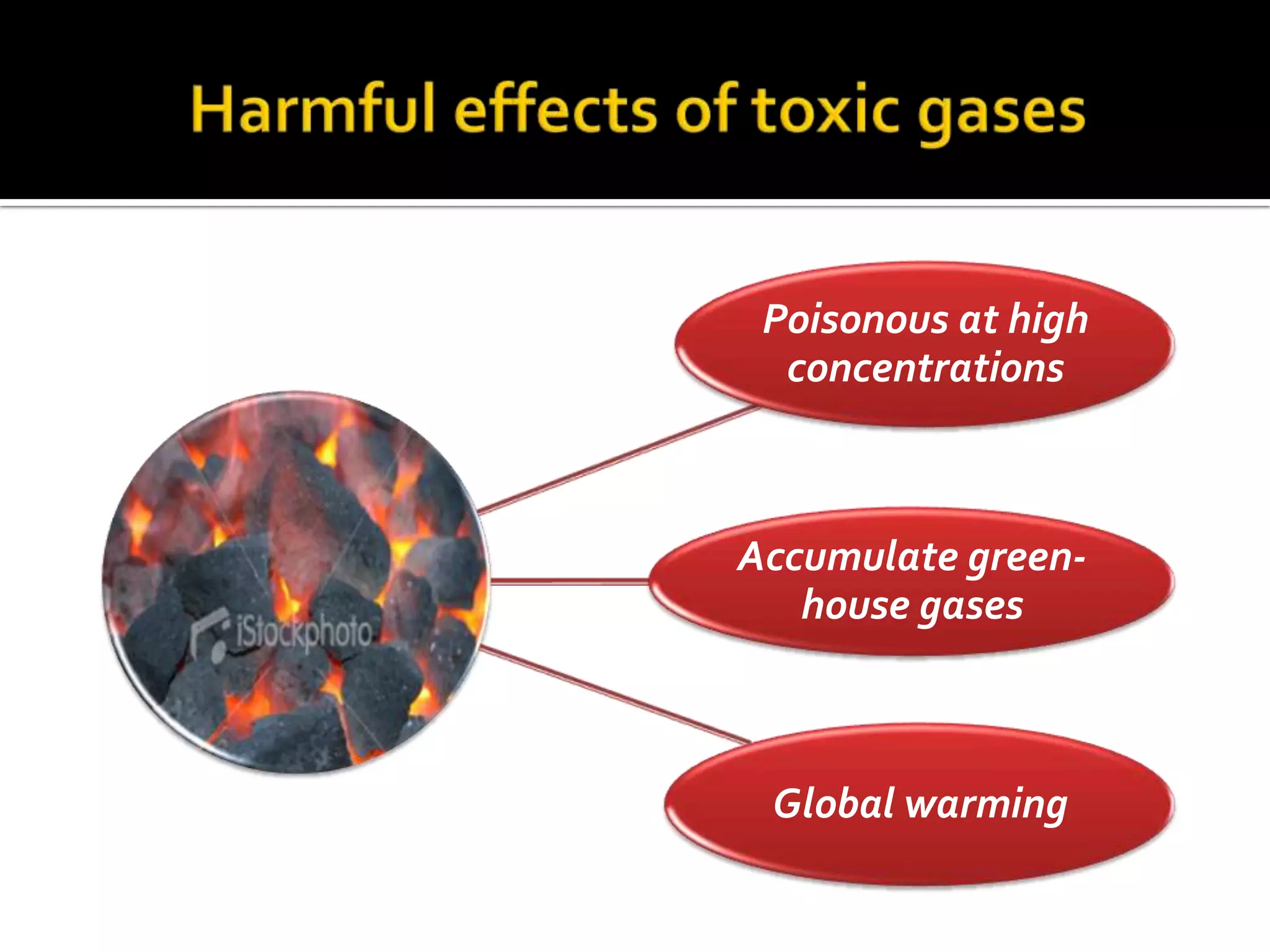
Poisonous at high
  concentrations


Accumulate green-
   house gases


 Global warming
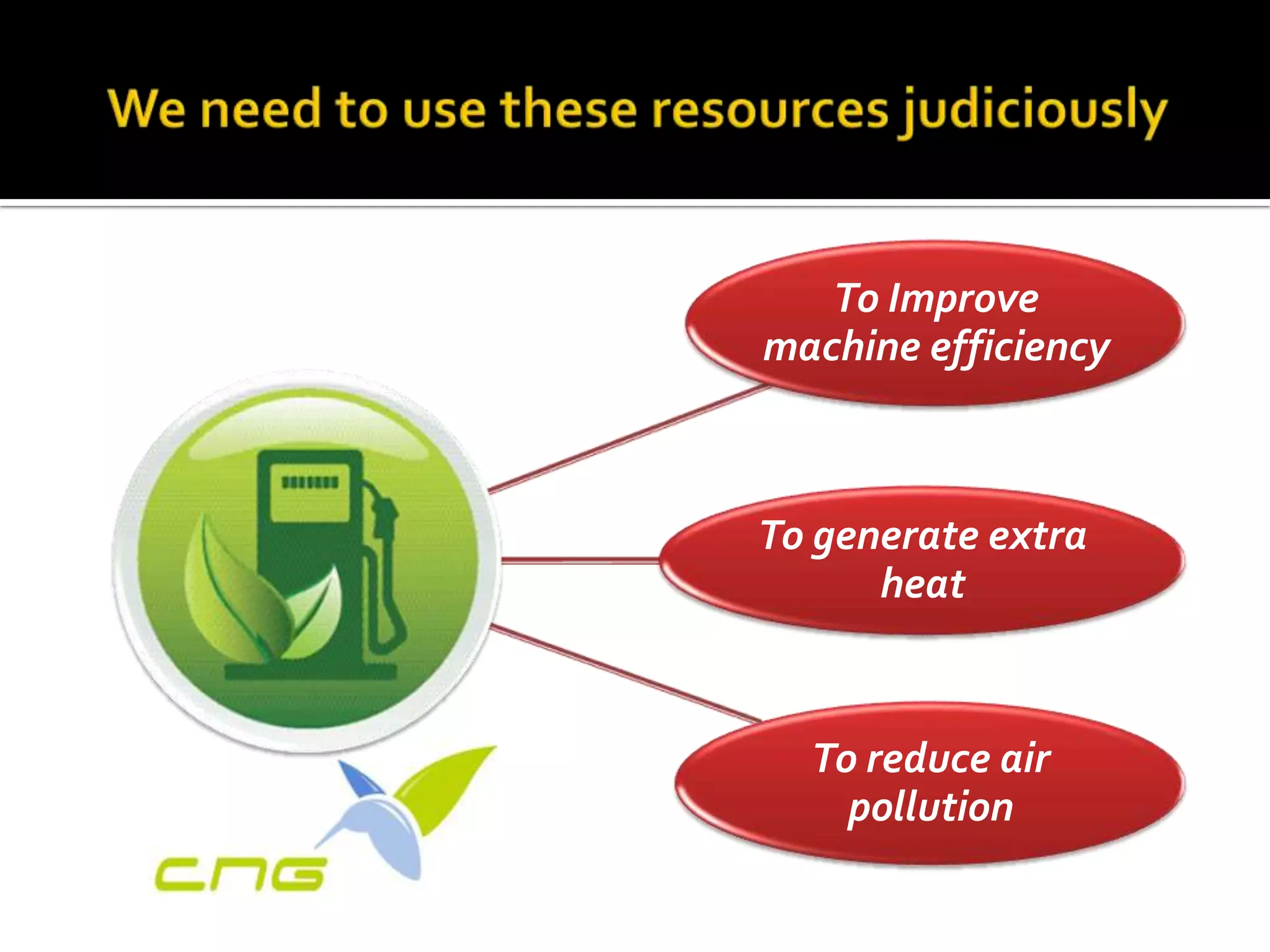
To Improve
machine efficiency


To generate extra
      heat


  To reduce air
    pollution
   Restriction on Consumption of coal and petroleum

   Sustainable uses of resources
Complete exercise NCERT Page No. 278-279 (Q.No. 1 to 7 )

6. management of natural resources

  • 10.
    Medical waste Municipal waste Washing clothes Industrial waste Major Taking bath Leather industries Minor Religious matter Chemical Fertilizer Dead bodies Oil from ship
  • 11.
    This multi-crore project came about in 1985 because the quality of the water in the Ganga was very poor.  Coliform is a group of bacteria, found in human intestines, whose presence in water indicates contamination by disease- causing microorganisms.
  • 13.
    Reduce: This meansthat use less. Recycle: This means that you recycle materials to make required things instead of synthesizing or extracting fresh materials. In the ‘Reuse’ strategy, you simply use things again and again.
  • 22.
    Ganga Action Plan  Reduce, Reuse, Recycle  Mass awareness programme
  • 23.
    Read NCERT Page No. 266-268
  • 24.
    This multi-crore project came about in 1985 because the quality of the water in the Ganga was very poor.  Coliform is a group of bacteria, found in human intestines, whose presence in water indicates contamination by disease- causing microorganisms.
  • 25.
    Reduce: This meansthat use less. Recycle: This means that you recycle materials to make required things instead of synthesizing or extracting fresh materials. In the ‘Reuse’ strategy, you simply use things again and again.
  • 31.
    Human population increasing at a tremendous rate due to improvement in health-care,  The demand for all resources is increasing at an exponential rate.
  • 32.
    A long-term perspective so that resources will last for the generations to come.  Ensure equitable distribution of resources.  Safe disposal of these wastes
  • 34.
    The concept of sustainable development encourages forms of growth that meet current basic human needs, while preserving the resources for the needs of future generations.
  • 36.
    It depends upon the willingness of the people to change their perceptions of the socio-economic and environmental conditions around them
  • 37.
    Sustainable natural resource management  Roles of stakeholders are important to sustain resources  Socio-economic development is linked to environmental conservation
  • 38.
    Questions NCERT Page No. 269 (Q No. 1,2,3,4)  1. What changes can you make in your habits to become more environment friendly?  2. What would be the advantages of exploiting resources with short- term aims?  3. How would these advantages differ from the advantages of using a long term perspective in managing our resources?  4. Why do you think there should be equitable distribution of resources? What forces would be working against an equitable distribution of our resources?
  • 41.
    Number of species found  Range of different life forms
  • 42.
    One of the main aims of conservation is to try and preserve the biodiversity we have inherited.
  • 45.
    Use firewood, bamboo for making huts Agriculture, fishing ,hunting, grazing Collect Food, fruit, Honey, medicines
  • 46.
    Use forest productsas raw materials Give revenue to the Government Not interested in the sustainability
  • 47.
    Control Resources Source ofrevenue Travel and Tourism
  • 48.
    Do not stayin forest Conserve Biodiversity Conserve nature
  • 50.
    Human intervention has been very much a part of the forest landscape.  Deforestation caused by industrial needs or development projects like building roads or dams.  The damage caused in these reserves by tourists or the arrangements made for their convenience is also to be considered.
  • 52.
    While the environment is preserved, the benefits of the controlled exploitation go to the local people.  We need to use these resources with due caution for our economic and social growth, and to meet our material aspirations.
  • 53.
    We need to consider if the goals of all the above stakeholders with regard to the management of the forests are the same.  Forest resources are often made available for industrial use at rates far below the market value while these are denied to the local people.  The Chipko Andolan (‘Hug the Trees Movement’) was the result of a grassroot level effort to end the alienation of people from their forests.
  • 54.
    Stakeholders of forest  Damages caused by the Stakeholders  Sustainable forest management
  • 55.
    Write a short note about “Chipko Movement” (70 Words)  Complete Questions NCERT Page No. 273 (Q.No. 1,2 )  1. Why should we conserve forests and wildlife?  2. Suggest some approaches towards the conservation of forests.
  • 64.
    Modern way of irrigation Generate hydroelectricity Water to the dry Sardar Sarovar states Dam, on Narmada 110.64 m
  • 65.
    Social problems Economic problems Environmental problems Technical problems
  • 67.
    Develop secondary resourcesof water Emphasizes scientific soil and water conservation Increases the production and income of the watershed community Production of biomass Mitigates droughts and floods
  • 68.
    To recharge theground water. To provide clean water To store water for a long time. To make water free from germs. To provide moisture for vegetation.
  • 69.
    Water harvesting techniques are highly locale specific, the benefits are also localised.  Giving people control over their local water resources ensures that mismanagement and over- exploitation of these resources is reduced/removed.
  • 70.
    Importance of water dam in life.  Criticism of water dam.  Aims and Objective of water harvesting.  Criticism of water harvesting.
  • 71.
    Write a shortnote about “Save the Narmada Movement ” (70 Words) Complete Questions NCERT Page No. 276 (Q.No. 1,2,3 ) 1. Find out about the traditional systems of water harvesting/management in your region. 2. Compare the above system with the probable systems in hilly/ mountainous areas or plains or plateau regions. 3. Find out the source of water in your region/locality. Is water from this source available to all people living in that area?
  • 78.
    CO2 SO2 NO2 C,S,H, N H2S CO
  • 79.
    Poisonous at high concentrations Accumulate green- house gases Global warming
  • 81.
    To Improve machine efficiency Togenerate extra heat To reduce air pollution
  • 85.
    Restriction on Consumption of coal and petroleum  Sustainable uses of resources
  • 86.
    Complete exercise NCERTPage No. 278-279 (Q.No. 1 to 7 )